


Have you ever noticed how tiny fleas can cause big discomfort for you and your pet? Flea bites might seem small at first, but they can quickly become a real headache. Fleas multiply fast, so treating their bites right away is key. It helps to stop the itch, reduce swelling, and ward off infections. In this post, we share quick and gentle tips to ease those bites so your furry friend can feel better soon.
Overview of Effective Flea Bite Treatments
Flea bites look like little red bumps that often come in clusters, almost like a "breakfast, lunch and dinner" pattern. They usually appear on your ankles, legs, arms, back, or even your scalp. Fleas are tiny bugs that feed on blood (about the size of a sesame seed) and can lay up to 50 eggs in one day. This fast reproduction can lead to a full-blown infestation in just a few days if you don't act fast.
Treating flea bites quickly is important for three reasons. First, it stops the itch right away so you won't scratch and make the bites worse. Second, it helps calm down any swelling around the bite. Third, it keeps infections at bay by reducing the chance for bacteria to get in. These simple steps make it easier to ease the discomfort caused by flea bites.
Identifying Flea Bite Symptoms and When Treatment Is Needed

Watch for signs that go beyond simple red bumps. Sometimes a gentle wash and keeping your pet busy is enough. But if things start to worsen, look out for these clues:
- Swelling or redness that keeps growing
- Rashes that don't get better in a few days
- Blisters or sores that might be infected
- Signs your pet is not feeling well, like a fever or tiredness
For example, if you see one side of your pet with strong redness and swelling while the rest looks normal, it might be time to call your vet.
Home Remedies for Rapid Relief from Flea Bite Itching
Flea bites can be really annoying for both you and your pet. Quick relief helps everyone feel better sooner. Here are some easy, natural fixes you can try at home. They work by easing the itch, reducing swelling, and calming skin irritation.
Follow these simple steps to find the remedy that fits your needs. If you notice a red, irritated bite, remember that common kitchen items might just do the trick.
Before you start, wash the bite gently with water and a mild soap. Then, try one of these trusted methods:
- Apple cider vinegar remedy: Mix equal parts apple cider vinegar and water. This mix helps ease inflammation and calm irritation.
- Refrigerated tea bag treatment: Cool a used tea bag in the fridge and place it on the bite for about 5 minutes. The tannins in the tea can soothe the itch.
- Baking soda paste: Mix three parts baking soda with one part water. This blend helps balance your skin and ease itching.
- Fresh aloe vera gel: Apply gel straight from the aloe leaf. It cools the skin and helps reduce inflammation.
- Peppermint oil solution: Mix 2 drops of peppermint oil with 1 teaspoon of a carrier oil (like coconut oil). This gives a cool sensation and helps reduce swelling.
- Tea tree oil blend: Combine 2 drops of tea tree oil with 1 teaspoon of carrier oil. It soothes the area while helping to fight germs.
- Cold compress: Wrap an ice cube in a soft cloth or use a cold pack for about 10 minutes. This helps numb the bite and cut down swelling.
Each method works well on its own. Be gentle when you apply and try not to scratch the bite so it can heal nicely.
Over-the-Counter and Medical-Grade Flea Bite Solutions
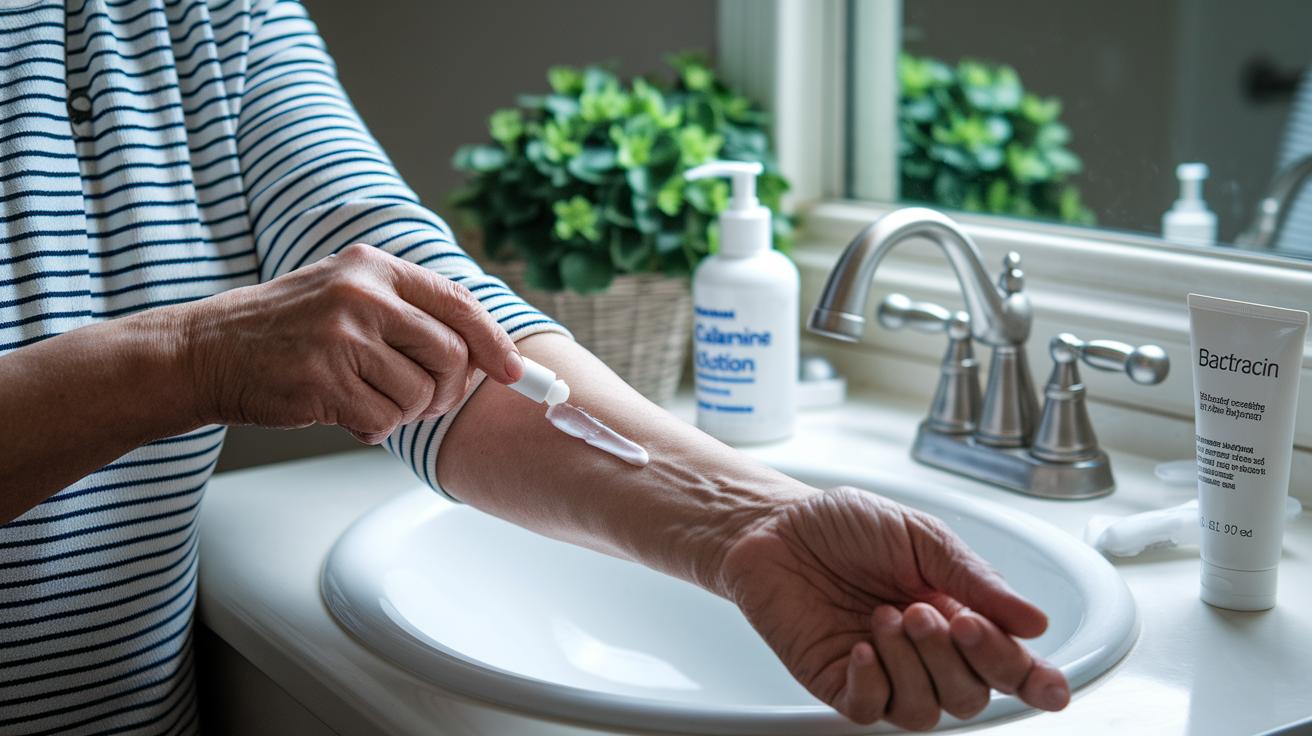
When flea bites make your skin red and itchy, you can find fast relief with simple, store-bought products. You can use calamine lotion, cream with 1% hydrocortisone, or pramoxine-based lotions to ease the irritation. These products work fast to calm swelling and numb the itch when you apply them 2 to 3 times a day. You might also try a cooling spray or foam for an almost instant soothing feeling. And if scratching causes small cuts, a mild antibiotic like bacitracin can help keep infections at bay.
These choices give you clear and easy steps to handle flea bites while keeping your skin calm.
| Treatment | Formulation | How to Use | Key Benefit |
|---|---|---|---|
| Calamine Lotion | Lotion | Apply a thin layer on the bites | Soothes and dries weepy bites |
| 1% Hydrocortisone Cream | Cream | Use on clean skin 2-3 times daily | Reduces swelling and itch |
| Pramoxine Anti-Itch Lotion | Lotion | Gently rub into the bite | Numbs the itch fast |
| Cooling Spray | Spray | Spritz onto bites for quick relief | Provides an immediate cool sensation |
When to Seek Professional Medical Care for Flea Bite Reactions
If your flea bites continue to bother you for more than 2 weeks, it's a good idea to get a professional opinion. Keep an eye out for signs like hives spreading well beyond just a few bites, swelling that shows up in other areas, or red streaks, which could point to an infection. For example, if you notice a bite near your ankle turning unusually red and oozing a bit of pus, a doctor should check it out to make sure bacteria aren't causing a bigger problem.
If you have trouble breathing or a sudden rash appears over a wide area, seek help right away. A doctor might give you oral antihistamines (medicines that help reduce itching and swelling) or a short course of corticosteroids (medicines that lower swelling). And if an infection is present, antibiotics might be needed to prevent further issues.
When it comes to children, extra care is important. Doctors use weight-based dosing to safely manage their symptoms and avoid further irritation or infection. If you see any worrying changes, don't wait, getting medical help quickly can stop a small problem from becoming more serious.
Preventing Flea Bites and Avoiding Secondary Infections

First, wash any flea bites with soap and water as soon as you see them. This quick step removes irritants and lowers the chance of a skin infection. If the bite looks raw or sore, you can use a cream with antibiotics to keep bacteria away. It also helps to trim your nails so scratching does not make things worse.
Next, clean your home well. Vacuum your carpets, rugs, and furniture often to get rid of flea eggs and hidden fleas. Wash your bedding in hot water (around 140°F) to kill any pests. If you have a pet, use flea preventives recommended by your vet. You can check our comprehensive pet care guide for more tips.
After cleaning, soothe your skin with a gentle moisturizer. This helps repair your skin and ease the itch. Some people use sprays with lavender or eucalyptus. They smell nice and help keep fleas away.
Finally, keep a regular grooming schedule for your pet and continue cleaning your home to stop more flea bites. These steps help break the itch-scratch cycle and prevent further infections for you and your furry friend.
Final Words
In the action, we walked through key steps to manage flea bites. You saw how to spot symptoms, ease discomfort with home remedies, and choose the right over-the-counter options. We also shared tips on when to seek a vet’s help and ways to prevent future bites. Every step supports quick relief and a safer environment for your pet. A solid flea bites treatment plan brings comfort to both your pet and your busy life. Keep it simple and smart, your pet will thank you.
FAQ
How to treat flea bites on humans?
Treating flea bites on humans means cleansing the bite with soap and water, applying a cool compress, and using a gentle anti-itch lotion to soothe irritation while preventing scratching and infection.
How do you treat flea bites on kids?
Treating flea bites on kids means gently washing the area, using a cool compress, and applying a pediatric-safe anti-itch cream. Keeping them from scratching helps avoid further irritation or infection.
How to treat flea bites on dogs?
Treating flea bites on dogs means giving them a vet-recommended flea treatment, bathing with a mild pet shampoo, and possibly using a pet-safe anti-itch spray. Consult your vet if the bites look severe.
How long do flea bites last and how long will it take for my flea bites to go away?
Flea bites generally last between 1 to 2 weeks. Healing time can vary, so avoid scratching to help the bites heal and to lower the risk of infection.
Are flea bites dangerous?
Flea bites are usually more annoying than dangerous, but they can lead to infections if scratched heavily. Watch for signs of allergic reactions and seek medical advice if symptoms worsen.
What is an allergic reaction to flea bites?
An allergic reaction to flea bites shows as widespread redness, intense itching, and swelling beyond the bite area. Severe reactions may require medical treatment to prevent complications.
Why are my flea bites spreading?
Spreading flea bites mean fleas may be continuing to bite or an allergic reaction is causing irritation to nearby skin. Prevent further bites and monitor for signs of infection.
What do flea bite pictures on humans look like?
Flea bite pictures on humans show small, red bumps often grouped in threes on exposed skin like ankles or legs, making the bites appear in clusters that are intensely itchy.