
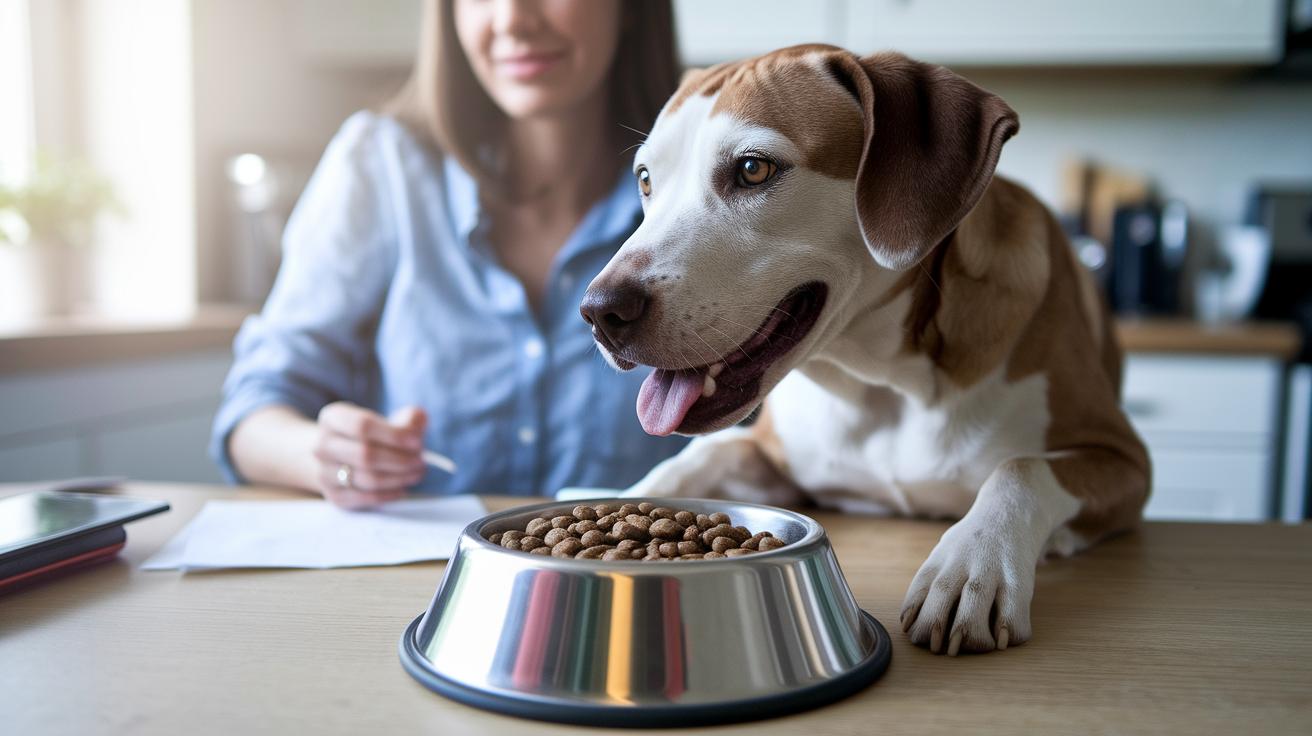

Have you noticed your dog scratching more than usual or having tummy troubles? Many pet parents share these worries. When your furry friend struggles with itchy paws or red spots, a change in diet might help. Grain free meals made with simple proteins like venison or salmon and mild carbs could be the switch you need. They may help clear up skin issues, add shine to your dog's coat, and support smooth digestion. In this post, we explore a few top choices and share easy tips to help you decide if a grain free diet could brighten your dog's day.
Top Grain-Free Food Options for Dogs with Allergies
Grain-free dog foods give your pet meals without common allergens like wheat, corn, soy, and gluten. They use simple ingredients so your furry friend can enjoy a meal that is easy on a sensitive tummy.
Many of these formulas have one protein source, like venison, salmon, or duck, paired with one gentle carbohydrate. Here are a few favorites:
- Free-range chicken with carrot and chicory
- Turkey with pumpkin and spinach
- Wild boar with pumpkin and broccoli
- Cod and haddock with kale and chickpeas
If your dog has more serious reactions, there are vet-recommended foods made from special proteins. These diets break proteins into tiny pieces to help lower the chance of an allergy flare-up. They might cost a bit more but offer a targeted approach for sensitive pups.
Most pet parents appreciate these grain-free meals because they support a healthy coat and skin while keeping feeding simple. If you’re curious if grain-free means less allergy risk, check out trusted sources like these links is grain-free dog food good and benefits of grain free dog food.
These options balance simple ingredients with all the nutrients your pet needs for tasty, safe, and easy-to-digest meals.
Grain free food for dogs with allergies: Bliss

Knowing the signs of allergies in your dog can help you decide when to change to a grain free diet. Many pet parents see skin rashes and tummy troubles that hint at food sensitivities. You might notice your pet scratching a lot, licking its paws too much, or having red patches around its ears. Sometimes, these symptoms come with ear infections, vomiting, or diarrhea that can make your dog uncomfortable.
It’s like putting together clues. If your dog keeps scratching and shows red spots behind its ears, proteins like beef, dairy, or chicken might be the cause. These proteins usually trigger allergies more often than grains. In fact, true grain allergies are rare, most issues are due to food intolerance.
Here are some key signs to watch for:
| Sign | What You Might See |
|---|---|
| Scratching | Repeated scratching all over |
| Paw Licking | Excessive licking of the paws |
| Red Patches | Red spots around the ears |
| Ear Infections | Frequent or ongoing ear infections |
| Stomach Upset | Vomiting or diarrhea |
When you spot these signs, it might be time to try meals made with natural ingredients that are low on irritants. Changing your dog’s diet slowly can help them feel better and live more happily.
How Grain-Free Diets Aid Allergy Management
Grain-free diets leave out wheat, corn, soy, and gluten to reduce common irritants for your pet. This change may help ease itchy skin and settle upset tummies. One pet parent shared, "After switching to a grain-free formula, my dog's digestion improved noticeably."
However, not every grain-free formula is safe for allergies. Many still include proteins like beef or chicken that can trigger reactions. A simple diet with one new protein can lower this risk. One pet parent mentioned, "Choosing a duck-based recipe instead of beef lowered my pup's allergy signs significantly."
Many pet parents notice better digestion and less skin irritation with these meals. Working with your vet can help you choose the right food for your dog. Here are some tips:
- Look for diets with one novel protein.
- Check nutritional info for simple, clear ingredients.
- Keep an eye on signs like extra itching or changes in digestion.
| Tip | Why It Helps |
|---|---|
| Single protein source | Less chance of an allergic reaction |
| Simple ingredients | Fewer additives to irritate your pet |
Working with your vet ensures that the grain-free option matches your dog's unique needs.
Limited Ingredient Diets Versus Grain-Free Formulas
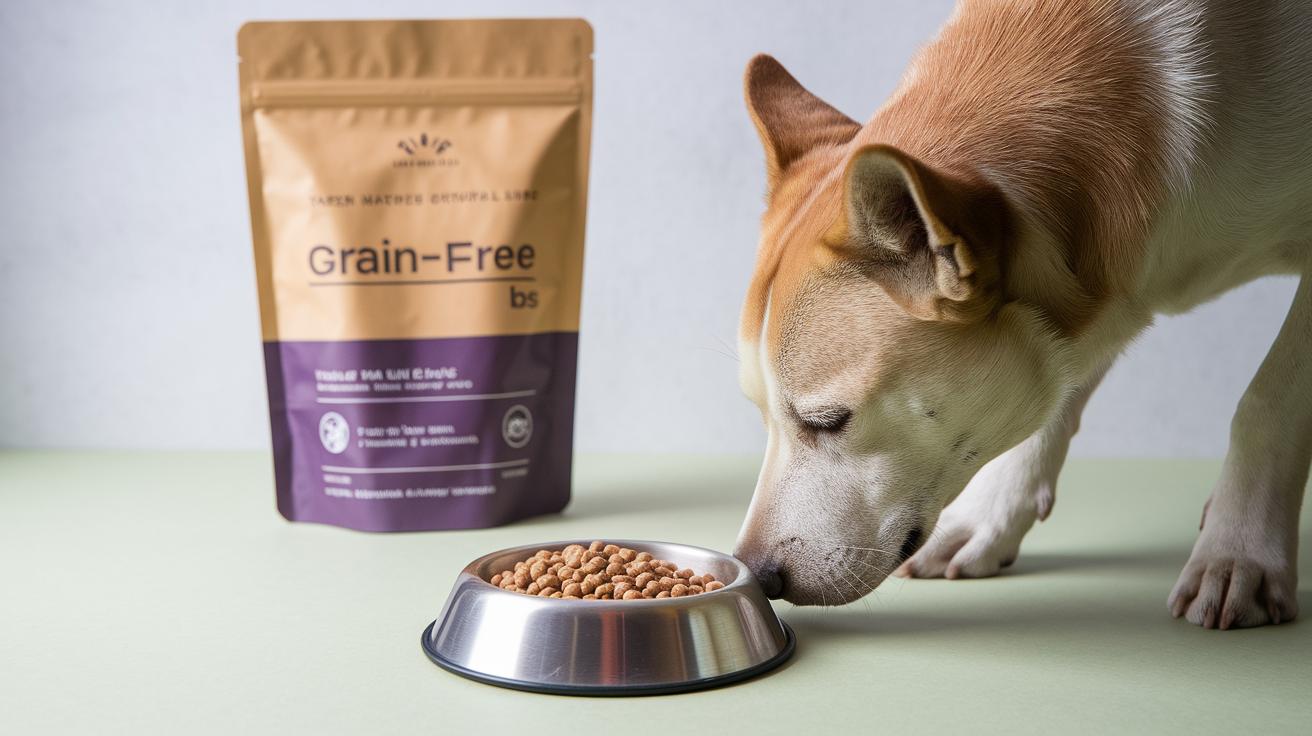
Limited ingredient diets use a very simple recipe with one protein and one carbohydrate. This simple plan helps you figure out what might be upsetting your dog's tummy or skin.
Grain-free formulas skip common grains like wheat, corn, and soy. They might still include proteins like beef or chicken. Many also switch to new protein choices such as venison, rabbit, or duck. These new proteins give your pet a different option that might work better for sensitive stomachs.
Your vet may suggest an elimination diet when you suspect food allergies. This plan usually lasts 8 to 10 weeks. You slowly add foods back one at a time to find the ingredient causing the issue. In some cases, a vet might recommend a hydrolyzed prescription diet. These diets break proteins into very small pieces to lower the chance of an allergic reaction, though they usually cost a bit more than most grain-free options.
Key differences include:
- Fewer ingredients mean fewer chances for irritation.
- Both diets can use new protein choices as safer alternatives.
- Hydrolyzed diets work well but may be pricier.
Both limited ingredient diets and grain-free formulas can help manage a sensitive dog's diet. It often comes down to finding the right balance between cost, how well they work, and your pet's unique needs.
Grain free food for dogs with allergies: Bliss
We’ve skipped this part so you won’t see repeated information later in the article.
Grain free food for dogs with allergies: Bliss

Switching your dog's food can feel a bit overwhelming, especially when allergies are involved. When you move to a grain free diet, take your time. Over 7 to 10 days, start by mixing 25% grain free food with 75% of the old meal. Each day, add a bit more grain free until your pup enjoys only the new food. It's like welcoming a new friend slowly, small steps build trust. You might even see a happy tail wag from just a small taste.
Here are some tips to keep in mind as you make the change:
- Watch your dog's skin and coat. Look out for any rashes or extra scratching.
- Check their stool and how much they eat. If you see any tummy troubles, slow things down.
- Keep feeding times and portion sizes consistent to avoid stressing their little tummy.
Write down each change you make. Note the date, how much new food you add, and any reactions you observe. This simple record helps you and your vet fine-tune the plan. This careful approach does more than switch a meal, it helps keep digestion steady and reduces the chance of an allergic flare-up.
Final Words
In the action, we've tackled how to spot allergy signs and choose the best pet food. We walked through comparing limited ingredient diets with grain-free formulas and shared simple steps for switching safely. The tips help you select the best ingredients and nutrient mix to soothe your pet's sensitive tummy. With the right gradual change, your pet can thrive on grain free food for dogs with allergies. It's all about making life easier for busy pet parents and keeping your furry friend happy and healthy.
FAQ
What is natural grain free food for dogs with allergies?
The natural grain free food for dogs with allergies uses simple, limited ingredients—often one protein and one carb—to lower irritants and ease skin and digestive discomfort.
What is the best grain free food for dogs with allergies?
The best grain free food for dogs with allergies blends novel proteins with minimal carbs to minimize triggers. Vets often endorse these recipes to help soothe sensitive skin and stomachs.
Should dogs with allergies eat grain-free diets?
Whether dogs with allergies should eat grain-free diets depends on their individual needs. Grain-free formulas remove common cereal grains but may still contain other allergens like beef or chicken.
Why do some vets not recommend grain-free dog food?
Some vets are cautious about grain-free dog food because many recipes still include common protein allergens, and the diet might lack essential nutrients. Vet guidance is key when choosing a food plan.
Which dog food is best for dogs with allergies?
The best dog food for dogs with allergies features a novel protein paired with a simple carbohydrate. It provides balanced nutrition, reduces allergen exposure, and is often supported by veterinary recommendations.
Can grains cause itching in dogs?
While many believe grains cause itching in dogs, true grain allergies are rare. It is usually proteins, such as beef or dairy, that lead to skin irritation in sensitive pets.