


Ever wonder if your hamster's wheel is really safe? The right wheel does more than just kill time, it helps keep your little buddy's back strong and makes playtime fun and healthy. Many wheels have gaps or rough spots that can hurt tiny feet. By choosing a smooth, non-toxic wheel, you let your hamster run freely and safely. In this guide, we share simple tips on picking a sturdy wheel that promises worry-free exercise for your furry friend.
Key Factors When Choosing a Safe Hamster Wheel
When you choose a good hamster wheel, you help your pet stay happy and healthy. Hamsters run a lot at night for fun and exercise. A proper wheel keeps their spine straight and prevents future problems.
Be sure to pick a wheel with a smooth, gap-free surface. Wheels with bars or mesh can cause slips, sore feet, and hurt joints. The right wheel lets your hamster run freely and safely.
Here are a few things to look for:
- Proper diameter (at least 8 inches)
- A solid running surface
- Safe, non-toxic materials
- Low noise level
- Durable construction
When you match these features, you give your pet a safe place to run every night. A good diameter and solid surface mean your hamster can run naturally and keep a healthy spine. Also, using materials that are safe and built to last keeps noise down and stands up to daily use. In short, a safe hamster wheel makes exercise fun and free of mishaps, so your pet can run in comfort and confidence.
Matching Wheel Size to Hamster Species for Optimal Health

Picking the right wheel size is key to your hamster's health. A wheel that's too small can force your pet into a weird running position. For example, a too-small wheel may make your hamster arch its back, which can hurt and even lead to joint problems later on. Hamsters are built to move with a full, natural stride. A wheel with the right diameter helps keep their back straight and allows them to run comfortably.
Breed matters when you choose a wheel. Experts say Syrian hamsters need a wheel that is at least 8 inches (20 cm) wide. On the other hand, smaller breeds like Roborovski hamsters do best with a wheel between 6½ and 8 inches (16.5–20 cm). This way, you protect their back and joints from unnecessary strain. A Syrian hamster, for example, feels best with a wheel in the 8–12 inch range, giving them plenty of room to run naturally. Even for smaller breeds, using a wheel that is too small can make them run with a curved back, causing discomfort over time.
A wheel that is too small can roll up your pet's back and stress their joints. To avoid this, measure your hamster from the tip of the nose to the end of the tail and add a bit more for running space. You can find the wheel’s circumference by multiplying the diameter by 3.14. This simple trick can help you pick a wheel that keeps your hamster’s stride natural and safe.
Selecting the Best Wheel Material and Noise Level
Choosing a wheel for your pet comes with a few options. Plastic wheels are light and easy to clean. We like BPA-free, food-grade plastic because it keeps your pet safe. Metal wheels are tough but might squeak if the bearings are not great. Wooden wheels offer a natural look but can absorb moisture and smells, so they need extra care. Your choice affects the wheel's life and your pet's safety and fun.
Quiet operation is important, too. Many wheels now have sealed bearings and silicone axles to cut down on noise. A wheel built this way can run almost silently, keeping your home peaceful and your pet undisturbed. This means your little friend can run without distraction and enjoy a calm playtime.
It is also key to have chew-resistant, non-toxic surfaces. These safe materials help prevent cuts or scrapes, even if your pet nibbles on them. A wheel made of food-grade materials withstands active play while keeping harmful substances away. Choosing the right option means a safe, quiet, and long-lasting exercise space for your hamster.
Ensuring Safety and Durable Construction in Hamster Wheels

The safest wheel features a gap-free running area and soft, rounded edges. This design helps keep your hamster's paws safe from getting caught or scraped. With smooth edges, your pet can run without worrying about bumps or discomfort.
Next, a secure mounting is essential. You can choose between a free-standing base or a clip-on attachment for the cage wall, depending on your setup. A well-secured wheel stays firm and does not wobble, so your little friend can keep running without distractions.
Lastly, strong materials matter for long-lasting fun. Reinforced axles and top-quality bearings help the wheel last through daily workouts. Look for extra protection around the axle hub to keep any pinch points safe. Choosing a wheel built with sturdy materials means your hamster gets a reliable space to play and exercise happily.
Maintenance and Cleaning Guidelines for Hamster Wheels
Weekly cleaning is key to keeping your hamster's wheel safe and inviting. Remove any droppings and give it a rinse with a pet-safe disinfectant to cut down on germs and smells. This simple routine helps keep the wheel fresh and comfy for your little runner.
Choosing a wheel that is easy to clean can save you time. Some models come with panels that snap off so you can reach every corner quickly. The smooth, non-porous plastic helps stop odors and bacteria from building up, meaning less scrubbing and more playtime for your pet.
Each time you clean, take a moment to check the wheel for any damage. Look out for cracks, worn areas, or loose bearings that might make it unsafe. If you see any issues, consider a replacement to keep your pet safe. A quick check goes a long way in keeping their play space secure and fun.
Comparing Top Hamster Wheel Options and Brands
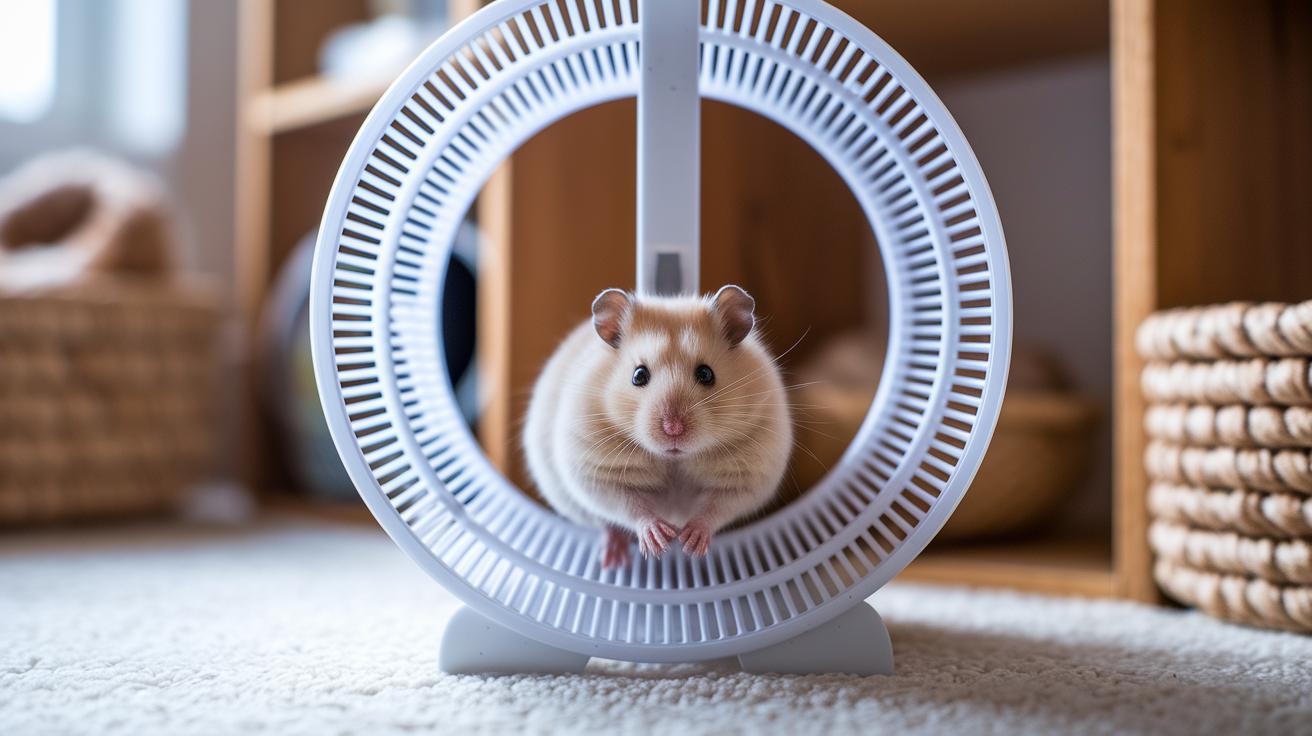
When you need a hamster wheel, comparing brands helps you pick one that lasts long, runs quietly, and fits your budget. Every option comes with its own features that affect your pet's playtime, comfort, and safety. Look at the materials and design to decide which wheel keeps your little friend happy and secure.
| Brand | Material | Noise Level | Price & Warranty |
|---|---|---|---|
| Kaytee Silent Runner | Solid Plastic | Very Low (sealed-bearing design) | $10–$30, 1–2 years |
| Ware Manufacturing Exercise Wheel | Powder-Coated Metal | Low Noise (quality ball bearings) | $10–$30, 1–2 years |
| ZAGZAG Upgradable Wheel | Modular Plastic | Low (silicone bearing) | $10–$30, 1–2 years |
Deciding on the best wheel might seem hard at first. But if you focus on strong build, quiet performance, and price, you can make a smart choice. Consider whether the wheel can handle daily use and if its design gives your pet a fun run. A well-researched, budget-friendly option saves you money and makes sure your hamster has a safe, enjoyable running experience every night.
Final Words
In the action, we dove into why the right hamster wheel is key for your pet’s health. We unraveled size, material, safety, durability, and maintenance tips.
Key factors include:
• Proper diameter
• Solid running surface
• Material safety
• Noise level
• Construction durability
By balancing these aspects, you give your pet a safe, enjoyable exercise space while supporting quality, vet-backed recommendations. Remember, caring for your pet means knowing how to choose a hamster wheel that keeps them happy and healthy.
FAQ
How do I choose the right hamster wheel for my pet?
The process of choosing the right hamster wheel involves selecting one with a proper diameter, safe, chew-resistant materials, and a quiet design to ensure healthy exercise for your pet.
What is the best size wheel for a Syrian hamster?
The best wheel for a Syrian hamster is one with a diameter of at least 8 inches (20 cm) to encourage a natural running gait and prevent back stress.
Is an 8-inch wheel suitable for all hamsters?
An 8-inch wheel works well for Syrian hamsters, but dwarf breeds like Roborovski may need wheels between 6.5 and 8 inches for proper posture and comfort.
Which type of hamster wheel is best in terms of safety and quiet operation?
The best wheel offers a solid, gap-free running surface and a stable construction with quiet bearings, reducing foot slips and noise during your pet’s active play.
What are common size options available for hamster wheels?
Popular choices include 10-inch, 11-inch, and 12-inch wheels. These options cater to different hamster needs, with larger wheels often recommended for Syrian hamsters to support healthy movement.
Can hamster wheels be used for other small pets like guinea pigs or gerbils?
Hamster wheels are specifically designed for small rodents like hamsters. Guinea pigs, for example, have different exercise needs and body structures, so alternative play options are best for them.