


Ever notice that sometimes walk time turns into a tug-of-war? We know how that feels. A no-pull harness can help both you and your pet have a smoother walk. It gently guides your dog away from sudden tugs and takes the pressure off their neck.
In this post, we look at different designs:
• Front-clip harnesses help keep your dog facing you.
• Around-the-torso styles offer even support.
• Combo options mix both methods for extra control.
Each design can help teach your dog to walk calmly. Here’s to more happy, stress-free moments on your walks!
No pull dog harness: Happy Walks Ahead
Front-clip harnesses clip on at your dog's chest. They gently guide your dog to the side when they pull, helping break the tugging habit. It works like steering your pet away from a sudden tug. This design eases neck pressure while teaching your dog to walk calmly.
Around-the-torso harnesses wrap snugly under the front legs and clip at the back. They keep pressure off your dog's neck and spine, which is great for pups with sensitive areas. Many pet parents notice that a well-fitted model stops harsh leash tugs on the back, making walks more relaxed for your dog.
Combo harnesses mix both front and back attachments. When used with a double-ended leash, they spread the pressure evenly across your dog's body. If your pet pulls, the two clips work together to gently balance control. It’s a kind reminder for your dog to stay loose and comfortable during walks.
Head halters wrap around the muzzle and clip behind the ears. They give your dog plenty of room to open its mouth. Your pup might need a little time to get used to it, but with patient training, it becomes a helpful tool. Soon, the head halter can feel like a natural part of your daily walk.
Comparing Top No Pull Dog Harness Models and Clip Positions
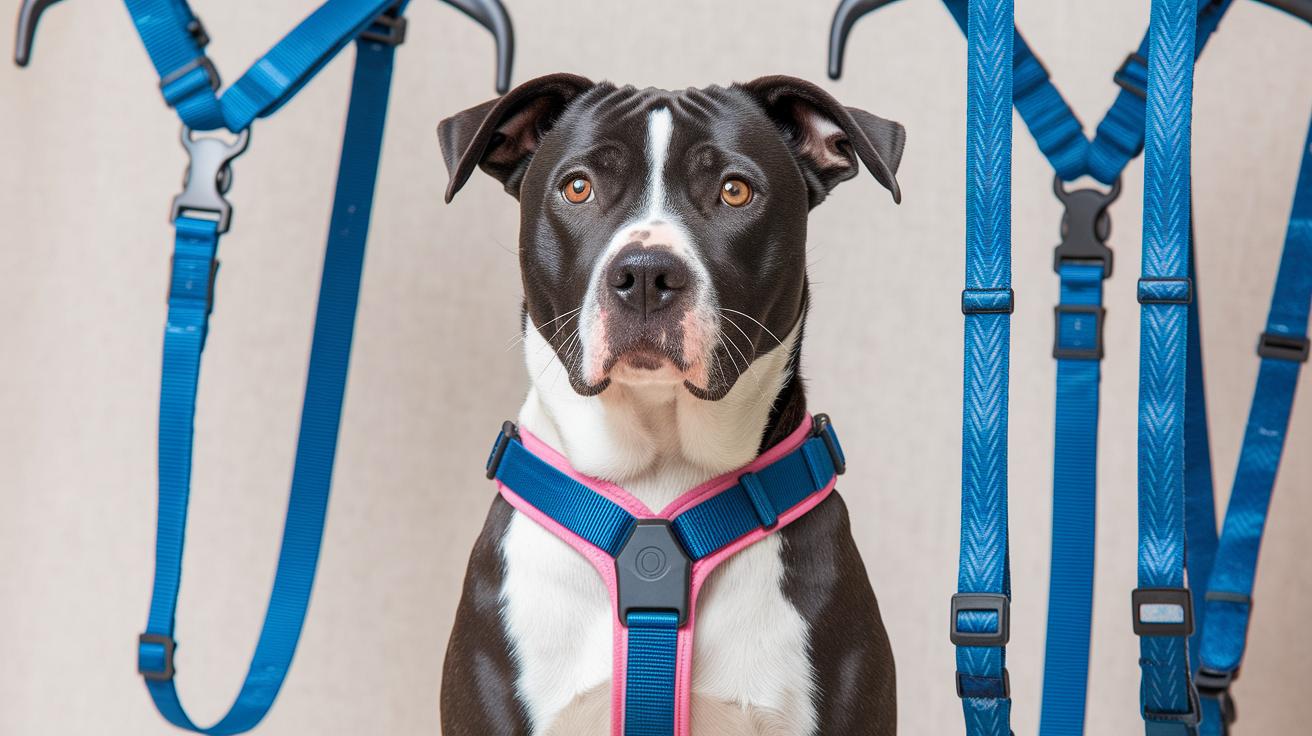
| Model | Clip Position | Key Features |
|---|---|---|
| Freedom No-Pull Harness by 2 Hounds Design | Front clip | Snug fit with a sturdy build in several colors. Note that you need to adjust the front strap at first to get that V shape on the chest. |
| Petsafe 3-in-One Harness | High front clip | Very adjustable with four contact points. It stops the leash from getting under the legs and can even work as a car harness thanks to its escape-proof design. |
| TrueLove Adjustable No-Pull Harness | Front clip | A budget-friendly option that controls pulling well and keeps the leash off the legs. It might feel a bit heavier in warm weather. |
This table makes it easy for you to see the differences. With the Freedom model, a little fine-tuning at first gives you a strong, secure fit. The Petsafe harness offers great flexibility so you can enjoy walks or car trips without worry. TrueLove is a friendly option for your budget while still keeping your pet safe during walks, even if it feels a bit weighty on hot days. Use these details to pick the harness that suits your pet's needs best.
Budget and Specialty No Pull Dog Harness Picks for Every Need
| Model | Strengths | Caveats |
|---|---|---|
| TrueLove Adjustable No-Pull Harness | This harness is kind on your wallet. It manages pulls well and keeps the leash off your dog’s legs. | It may feel a bit heavy for small dogs, especially on warm days. |
| JWalker Harness | It has side loops that tighten when your dog pulls, which helps manage strong tugs. | Shorter dogs might find it slips under their legs unless you adjust with smaller loops. |
| Petsafe Easy Walk harness | Designed for ease, it features a front loop that stops the leash from rubbing under the legs. | The front loop can droop if not tightened well; a little extra adjustment makes it more secure and comfy. |
Measuring and Adjusting Your No Pull Dog Harness for the Perfect Fit
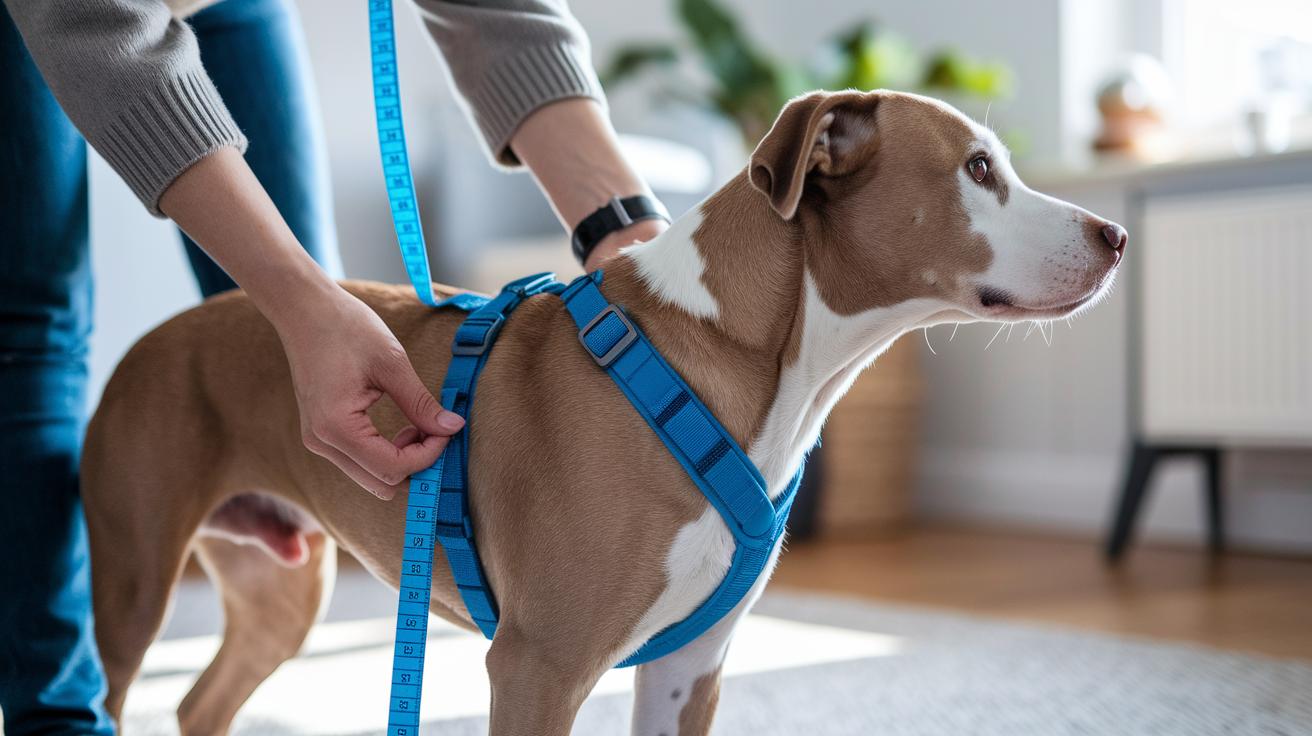
Begin by using a soft tape to measure your dog's chest. Wrap the tape around the widest part, just behind the front legs. This way, you can pick a size that feels secure without being too tight. Think of it like checking your own wrist for a little wiggle room.
Next, adjust the front strap if you're using a Freedom harness. The strap should form a wide V across your dog's chest. This helps spread out the pressure and makes the harness feel like a gentle hug rather than something that restricts movement.
Now, check all the buckles, especially on a model like the Petsafe 3-in-One harness. Fasten each buckle securely and test the fit by sliding two fingers under the strap. If the fabric slips too easily, tighten it up until you feel it is snug but still comfortable.
Lastly, make sure the front clip sits high enough so the leash will not tangle under your dog's elbows. This small detail helps you keep control during walks and encourages relaxed, loose-leash walking.
Ensuring Safety, Comfort, and Training with Your No Pull Dog Harness
When you choose a no pull dog harness, it should feel like a warm, secure hug for your pet. It needs to let your dog move its shoulders freely so every walk is gentle, without any rubbing or discomfort. Look for padded straps and a mesh that breathes to help keep your pet cool and protected from skin irritation. A few extra features like reflective strips and strong D-rings boost safety during evening walks by making your dog more visible and giving you a solid spot for the leash. Remember, a harness is a tool for training, not a magic fix. Pair it with rewards and kind words to help your dog learn the ropes of loose-leash walking.
Comfort Features
Pick a harness with soft, padded areas that cushion your dog’s chest and belly. The fabric should let the air flow so it doesn’t trap heat on longer walks. A great fit stops the harness from rubbing or slipping, which protects your dog's skin. Bright, reflective details make your pet easier to see in low light. And most importantly, the design should let your dog stretch its shoulders fully, so every step feels natural and free. Think of it like a warm, secure embrace instead of a tight band.
Training Tips
Here are three simple exercises using positive reinforcement to improve your dog's leash manners:
- Walk and Reward: Start with short walks. Give your dog a treat when they stay close to you. This shows that calm walking gets rewarded.
- Stop-and-Reward: If you notice pulling, stop walking right away. Wait until the leash loosens, then start walking again and offer a little praise or a treat.
- Gradual Introductions: Let your dog wear the harness around the house first. Reward calm behavior so that it feels safe and gets used to the new gear before heading out.
These tips help your dog see the harness as part of a fun, safe routine. Trainers often suggest a slow introduction to keep your pet relaxed and ready for outdoor adventures.
Final Words
In the action, we explored how different harness types can help curb your dog’s pulling while keeping them comfortable and safe. We broke down how each design works, compared top models, and detailed how to get the right fit. We also shared training tips to make everyday walks more enjoyable. A quality no pull dog harness makes a big difference in managing your pet’s behavior and supporting a rescue mission. Every step leads to happier walks and a brighter, more secure future for your furry friend.
FAQ
What is the best no-pull dog harness to stop pulling?
The best no-pull dog harness reduces pulling by redirecting your dog’s momentum. Many top models feature a front clip that gently steers your dog, offering better control and comfort on walks.
How do you put on a no-pull dog harness?
Putting on a no-pull harness means first placing your dog’s front legs through its loops and then adjusting the straps for a snug, comfortable fit that allows free movement and effective training.
Are there no-pull harnesses for small dogs, large dogs, pitbulls, and huskies?
Yes, no-pull harnesses come in various sizes and styles designed for small breeds, large dogs, pitbulls, and huskies. Look for adjustable models to guarantee the best fit and control for your pet.
Can I find no-pull dog harnesses on Amazon or made in the USA?
Many pet parents buy no-pull dog harnesses on Amazon, and some models are proudly made in the USA. These options offer reliable construction and pull control to suit different needs.
What do users on Reddit say about no-pull dog harnesses?
Reddit users often share real-life experiences and advice on no-pull dog harnesses. Their feedback helps pet parents pick a harness that fits well, works effectively, and meets training goals.
Why do some dog trainers not recommend harnesses for stopping pulling?
Some trainers feel that harnesses alone do not solve all behavior issues. They may recommend combining harness use with collars or head halters and consistent training to encourage proper leash manners.
What should I look for in a no-pull dog harness with a front clip?
A no-pull harness with a front clip is great for redirecting your dog’s pull. Make sure it fits snugly, is well padded, and allows natural movement while keeping your dog safe.
What is the PawSafe no-pull dog harness all about?
PawSafe no-pull dog harness is designed for secure pull control and comfort. It features an adjustable design specifically to minimize pulling while ensuring each walk is safer for you and your pet.