


Ever wish your pet's playtime felt calm too? Traditional hamster wheels can be pretty noisy and disrupt your quiet evenings. Now imagine a wheel that lowers noise by up to 80% with quiet mounts and sealed bearings. Your hamster can run free while you enjoy a peaceful night. A quiet wheel brings a happy pet and a calm home together.
Benefits of a Noiseless Hamster Wheel for You and Your Pet
Regular wheels can make noise as loud as 50 dB when your pet runs. Hamsters can run 3 to 5 miles each night, and that sound can disturb both you and your furry friend.
A noiseless wheel gives your pet a safe spot to exercise without the constant clatter. Hamsters need plenty of movement to stay healthy, and you need a calm place to relax.
By using sealed ball bearings and mounts that absorb vibrations, this wheel cuts noise by up to 80%. That means your pet can run happily while you enjoy a quieter nighttime. It helps you keep a peaceful home without sacrificing your pet's exercise. Imagine your hamster running joyfully with almost no sound, as the gentle quiet of bedtime takes over.
Essential Features of a Noiseless Hamster Wheel

Getting the right size makes a big difference. For Syrian hamsters, a wheel with an 8 to 12-inch diameter is best. Dwarf hamsters do well with a 6 to 8-inch wheel. This choice helps your pet run safely and comfortably, lowering the chance of strain or injury.
A smooth running surface is also very important. A wheel without rough spots prevents pinching of paws or tails. You might choose a design with a solid back, which gives extra security, or an open back, which offers better airflow and makes cleaning easier. These details help create a safe spot where your pet can run free.
A ball-bearing axle is essential to stop metal rubbing on plastic, which can cause squeaks. Secure fittings and vibration-dampening mounts keep the wheel steady during even the fastest runs. Together, these features form a design that keeps your pet happy and your home calm.
Comparing Materials for a Noiseless Hamster Wheel
Picking the right wheel is a bit like choosing a yummy treat for your pet. Each material offers its own mix of quiet operation, toughness, and ease of cleaning. A plastic wheel is light and simple to wash, with just the right touch of friction to work well. Believe it or not, even a basic plastic design can bring peaceful playtime with little upkeep.
When you think of metal wheels, you think strong and lasting. They hold up well with active pets but might get noisy if their bearings are not kept in good shape. A little care, like lubrication every two weeks, helps keep them quiet.
Ceramic wheels are naturally calm. Their weight helps cut down on shaking, and many are safe for the dishwasher, making clean-up a snap. Wooden wheels also use nature to dampen sound. They can be very quiet, but they might need a chew-resistant coating and a bit more effort when cleaning.
| Material | Noise Level | Durability | Cleaning Ease |
|---|---|---|---|
| Plastic | Low | Moderate | Easy |
| Metal | Can be noisy without care | High | Moderate (needs lubrication every two weeks) |
| Ceramic | Low | Moderate to high | Very easy (often dishwasher-safe) |
| Wood | Low | Depends on coating | Harder (needs extra cleaning) |
Each option strikes a balance between function and care. Pick the one that fits your home and your pet's playful habits best.
Installation and Maintenance Tips for a Noiseless Hamster Wheel
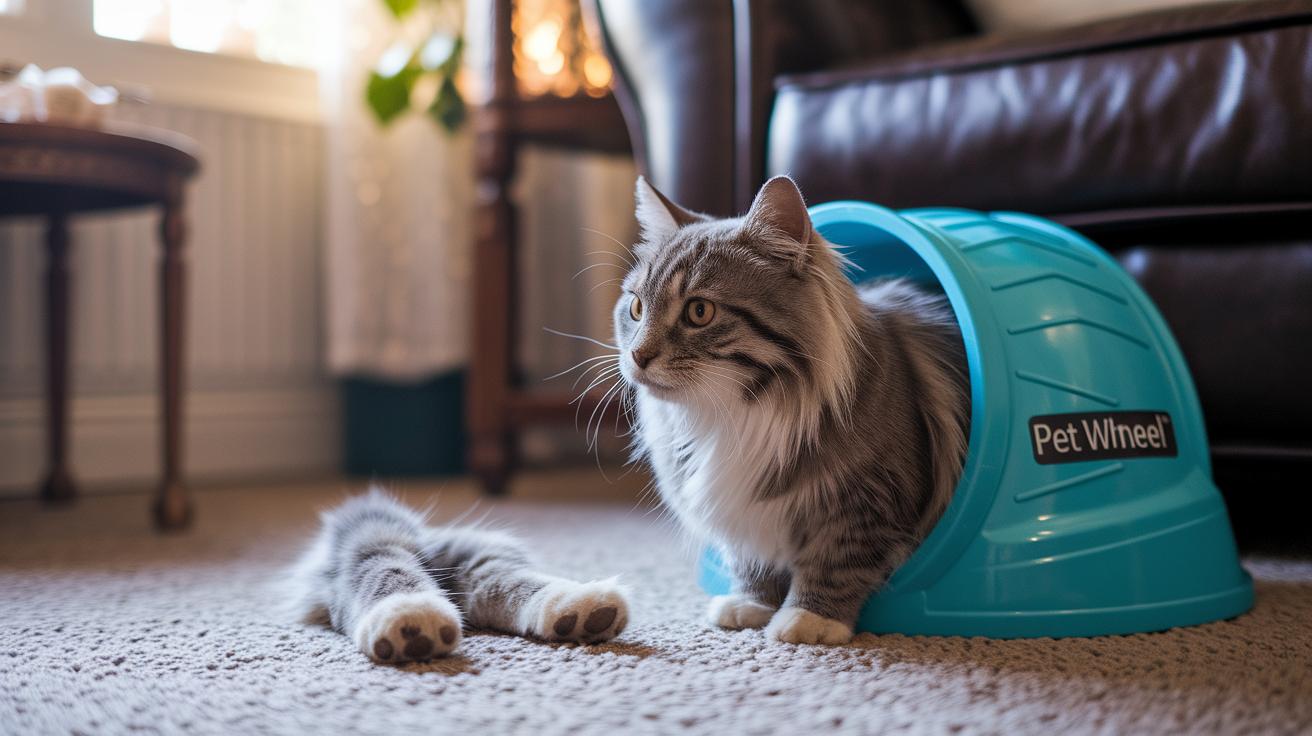
Mounting your wheel right is the first step to keeping it quiet. You can choose clip-on brackets that snap onto your pet’s cage or a free-standing base that stands alone on the floor. Clip-on brackets make setup fast and easy. A free-standing base gives extra stability with less wobble. Either way, both options keep the wheel steady so your pet can run safely and happily.
Keeping the wheel clean and smooth is easy with a simple routine. Each week, wash the wheel with a little mild dish soap to remove any urine and odors. This gentle cleaning helps maintain a quiet space for your pet. Every month, take a quick look at the ball bearings. Just a small drop , about the size of a pea , of food-safe lubricant is all it takes to ease friction and lower noise. A little regular care goes a long way in keeping the wheel quiet and safe for your pet’s daily run.
Answering Common Questions About Noiseless Hamster Wheels
Q: What diameter wheel should I buy?
A: We recommend choosing a wheel that is at least 1.5 times your hamster's body length. This rule helps ensure that your pet has plenty of room to run without straining its neck or back. A spacious wheel means your little friend can dash around comfortably and happily.
Q: My wheel still squeaks, why?
A: Even a quiet wheel can make some noise if something is rubbing against it. Check if parts of the cage are touching the wheel or if any piece looks warped. Also, worn bearings can create extra sound. A quick look at these details can help you fix the issue and keep the wheel running smoothly.
Q: Is it safe to lubricate a plastic axle?
A: Yes, you can lubricate a plastic axle as long as you use a food-safe silicone lubricant. Avoid petroleum-based oils because they might harm the plastic or be unsafe for your pet. Just a small, pea-sized drop on the axle should do the job, reducing friction and noise.
Q: How should I position the wheel in the cage?
A: It is best to place the wheel away from the cage walls. This will stop it from bumping into anything and keep the wheel steady and quiet for your pet.
Q: What is the expected lifespan of a noiseless hamster wheel?
A: With regular cleaning and care, a well-made noiseless hamster wheel can last for months or even years. Taking a few minutes to check the bearings or wheel mounting now and then can keep it in great shape for many fun, active days.
Final Words
In the action, we walked through the benefits of choosing a noiseless hamster wheel, the essential design features, material comparisons, maintenance tips, and answers to common questions. We explained how reduced noise improves sleep and exercise, ensured safety with the right size and mounting, and detailed straightforward care steps. With a clear guide to reliable pet care that supports animal rescues, you can feel confident in your choices. Enjoy a peaceful home and a happy pet with a noiseless hamster wheel.
FAQ
What diameter wheel should I buy?
The recommended wheel size is at least 1.5 times your hamster’s body length. Syrian hamsters thrive with an 8–12 inch wheel, while dwarf breeds prefer a 6–8 inch option.
My wheel still squeaks—why?
The squeaking may come from cage contact, warped parts, or worn bearings. Check the wheel’s mounting and bearings, and adjust or replace parts to keep it quiet.
Is it safe to lubricate a plastic axle?
Using a food-safe silicone lubricant is safe for plastic axles. Avoid petroleum-based oils to protect your pet from any harmful chemicals.
Where should I place my noiseless hamster wheel in the cage?
Place the wheel away from cage contact, using a stable base or clip-on bracket to prevent wobble. This helps maintain a quiet environment for both you and your pet.
How long should a noiseless hamster wheel last?
A quality noiseless wheel can last months to years with proper maintenance. Regular cleaning, inspection, and food-safe lubrication help extend its lifespan.