

Have you ever wondered if your cat’s food might hide hidden toxins? Organic cat food means your pet eats meals made without man-made chemicals. It’s like serving fresh vegetables free of pesticides, but made just for your little buddy. USDA rules ensure every ingredient is grown with care, which lowers the chance of harmful additives. Switching to organic gives your pet clean, simple nutrition that can keep them happy and healthy. A small change in meal choices can lead to big benefits in your cat’s overall well-being.
Organic cat food: Purely Natural for Happy Cats
Organic cat food meets strict standards set by the U.S. Department of Agriculture. This means the food is grown without synthetic pesticides or fertilizers. Just like you choose fresh produce free of harsh chemicals, you can give your cat clean, natural meals.
These formulas use no fake chemicals, hormones, or GMOs. It’s simple nutrition that keeps your cat’s diet pure. When you pick organic, you help lower your cat's chance of facing toxins found in regular foods.
Organic food also comes with extra health perks. Wet organic food, for example, adds extra moisture to each meal. This helps your cat stay hydrated, which is important for a healthy urinary tract. By choosing organic food, you take a caring step to keep your beloved pet happy and well.
Understanding Organic Cat Food Certifications and Standards
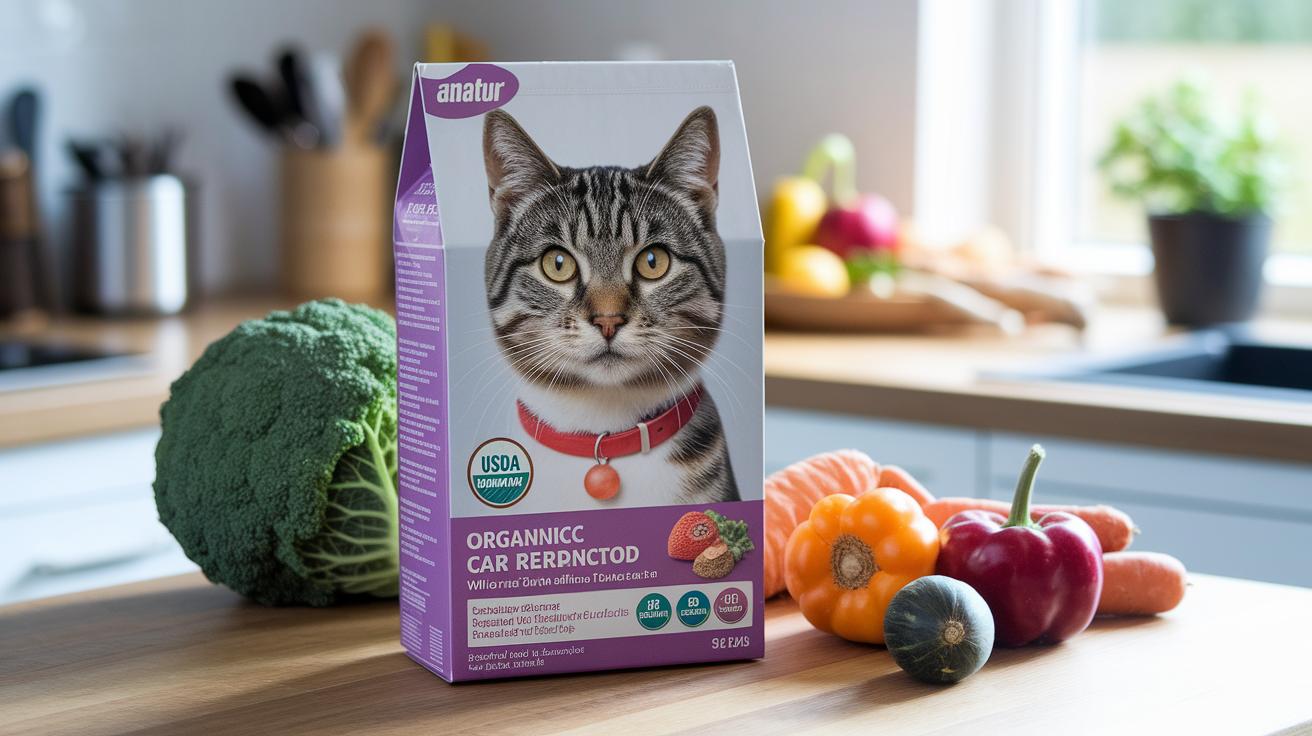
When you see the USDA Organic label on cat food, it tells you the food is made without synthetic pesticides, hormones, or GMOs (genetically modified organisms). This means the ingredients are grown with care for both your cat and nature. It’s like choosing fresh produce that is free from harsh chemicals.
You might also notice an OMRI listing on some products. This seal shows that the ingredients and the way the food is made follow strict rules. If the food comes from abroad, the Canada Organic label gives you a similar promise of care and safety.
Another important mark is the AAFCO statement. Foods with this mark have been through feeding trials to check their nutrient balance. When you spot the AAFCO statement, you know the food’s nutritional value has been tested for your cat’s well-being.
Key Organic Ingredients to Include and Those to Avoid in Cat Food
When it comes to picking organic cat food, it's all about knowing what goes into your cat's bowl. We want foods that list simple, real ingredients you recognize and love while avoiding things that might not sit well with your kitty.
Try to look for ingredients like:
- Organic chicken
- Organic turkey
- Organic fish
- Organic chicken liver
- Organic peas
- Organic sweet potatoes
These ingredients mean your cat gets protein from trusted sources and veggies that add fiber and natural goodness.
On the flip side, steer clear of items such as:
- Animal fat
- Animal digest
- By-products
- Artificial flavors
- Carrageenan
- Added sugars
- GMOs (corn, soy, canola)
Taking a moment to read labels can really help. If an ingredient seems vague or hard to say, it's worth a little research. This way, you know you're filling your cat's bowl with clean, natural foods that support their health and give you peace of mind.
Comparing Top Organic Cat Food Brands and Formulas
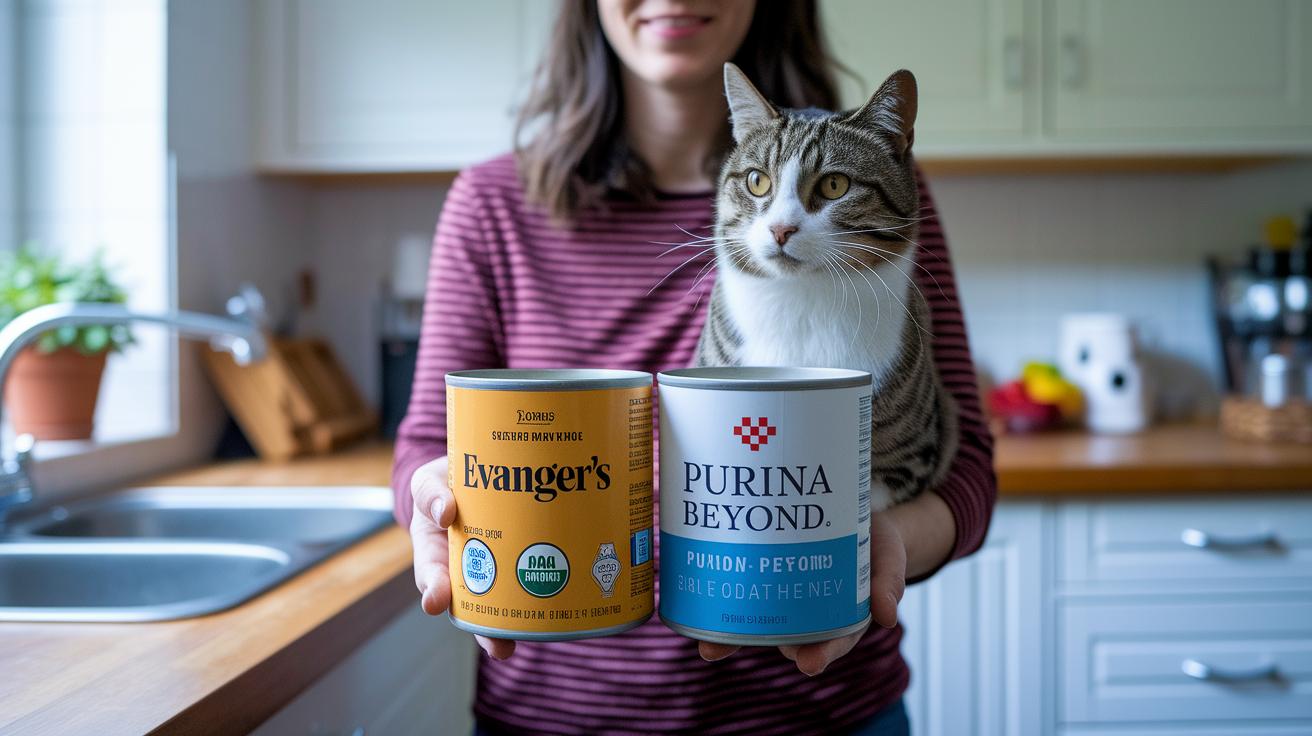
We have five great organic cat food options to suit your pet's needs. Evanger’s Organics Braised Chicken Dinner is made with all-organic ingredients in a can. It gives your cat pure protein, although a few cats might have a loose tummy sometimes.
Purina Beyond Organic Chicken & Sweet Potato Paté has a short list of trusted ingredients that even picky cats like. It supports overall cat health and is made with care.
If you are looking for a low-carb choice, Tender & True Organic Turkey & Turkey Liver Paté mixes organic turkey muscle meat with liver in a soft paté that cats enjoy.
Gather Free Acres Organic Free-Run Chicken Dry Food focuses on organic chicken for a crunchy bite. This dry kibble is a tasty option for cats, even though not every ingredient is fully certified organic.
Wysong Uretic with Organic Chicken is a therapeutic canned food with extra moisture to help with urinary support. It mixes different organic ingredients to give a complete meal.
| Brand | Primary Organic Protein | Format | Key Benefit |
|---|---|---|---|
| Evanger’s Organics Braised Chicken Dinner | Chicken | Canned | 100% organic ingredients |
| Purina Beyond Organic Chicken & Sweet Potato Paté | Chicken | Canned | Supports feline health |
| Tender & True Organic Turkey & Turkey Liver Paté | Turkey | Canned | Low-carb recipe |
| Gather Free Acres Organic Free-Run Chicken Dry Food | Chicken | Dry | Crunchy, organic option |
| Wysong Uretic with Organic Chicken | Chicken | Canned | High moisture, therapeutic formula |
Each product covers a special need. Whether you want a high-moisture meal to support urinary health or a crunchy dry food packed with trusted ingredients, these options have you covered. They bring clean, natural food to your pet's bowl while also supporting the broader mission of helping rescue and shelter animals.
Selecting Organic Cat Food for Kittens, Adults, and Seniors
Kittens need lots of energy and balanced nutrition to grow strong. Organic ingredients give them a natural start. For indoor kittens, try a food like Halo Grain Free Natural Wet Food. It offers rich protein and extra moisture to support their growing bodies.
Adult cats do best with clean proteins that fuel their busy days. If your cat has trouble with grains, Organix Grain Free Organic Dry Food is a good pick. For a change in taste or texture, Stella & Chewy’s Freeze-Dried Raw Dinner might be just right. Both options support a simple, balanced diet.
Senior cats often need food that is easy on the tummy and packed with extra support for aging joints and metabolism. Blue Buffalo Life Protection Dry Food blends wholesome ingredients to give your senior cat a gentle, nourishing diet. And if you have cats of every age, Natural Planet All Life Stages Dry Food works well in multi-cat homes.
Choosing the right organic food for each stage keeps your feline friends healthy, active, and happy.
How to Transition Your Cat to an Organic Diet
Changing your cat’s diet to organic is best done slowly. Take about 7 to 10 days to make the switch so your cat’s tummy can adjust. During this time, mix a bit of the organic food into the regular food until the old food is gone. This careful change helps your cat enjoy a steady supply of clean, natural ingredients.
- Begin by stirring a small scoop of organic food into your cat’s usual meal.
- Gradually add more organic food each day while using less of the old food.
- Watch your cat’s poop and behavior to see how it’s doing.
- Adjust the serving sizes based on your cat’s energy and hunger.
- Write down any changes in appetite or signs of discomfort.
Always check with your veterinarian before changing your cat’s diet.
Practical Tips for Buying and Storing Organic Cat Food
When you shop for organic cat food, it's a good idea to compare prices. Check different brands and local costs, and look for discount codes like HAPPYCAT15 to save a little extra. Keep an eye out for special sales too. This way, you can stretch your budget while giving your cat a healthy meal. Also, take a moment to review the ingredients list. This helps you pick food that is truly organic and safe without costing more than needed.
For dry food, store kibbles in airtight containers in a cool, dry place. This keeps them fresh and guards against moisture and pests. Just as you lock up your favorite snacks, keep your cat's food secure to maintain its crunch and nutritional value.
After you open a can of wet food, get it into the fridge right away. Make sure to use it within 2 to 3 days. Keeping wet food chilled stops spoilage and ensures your cat always gets a clean, safe meal. These simple steps help you enjoy peace of mind knowing your cat's organic meals stay tasty and fresh.
Final Words
In the action, we explored why organic cat food matters for your pet. You read how organic formulas meet strict federal standards and offer natural ingredients that support a cat's health. We highlighted key certifications, ingredients to embrace and avoid, plus easy steps to switch diets and store your supplies right. Choosing organic cat food means more than great nutrition, it supports safe practices and rescues too. It’s a simple, caring decision that makes a real difference every day.
FAQ
What are some top organic cat food brands and options on Amazon?
The top organic cat food options include brands like Tender & True and Beyond Organic. These foods meet USDA standards and use pure ingredients, providing balanced nutrition with no synthetic chemicals.
Is organic food better for cats?
Organic food for cats means fewer chemicals and additives. It offers clean nutrition that can support your pet’s overall health while reducing exposure to potential toxins.
What is really the healthiest cat food?
The healthiest cat food features balanced proteins, organic ingredients, and a strict absence of synthetic additives. It meets federal standards to support your cat’s strong health and energy.
Can I feed my cat a scrambled egg?
Feeding your cat scrambled egg is safe in small amounts when cooked plain without salt, butter, or seasoning. It can add extra protein to your cat’s diet when given occasionally.
What is the one meat to never feed a cat?
The one meat to avoid is raw fish because it contains thiaminase, which can lower vitamin B1 levels. If offered, fish should be thoroughly cooked and served in moderation.
What is the best raw cat food?
The best raw cat food is a balanced recipe made with organic proteins and no additives. When handled properly, it can support natural digestion while delivering essential nutrients.
What organic cat food is best for indoor cats, seniors, or kittens?
Formulas tailored for indoor, senior, and kitten cats provide age-specific nutrients. They typically include added moisture for urinary health, extra protein for growth, and balanced vitamins for longevity.