
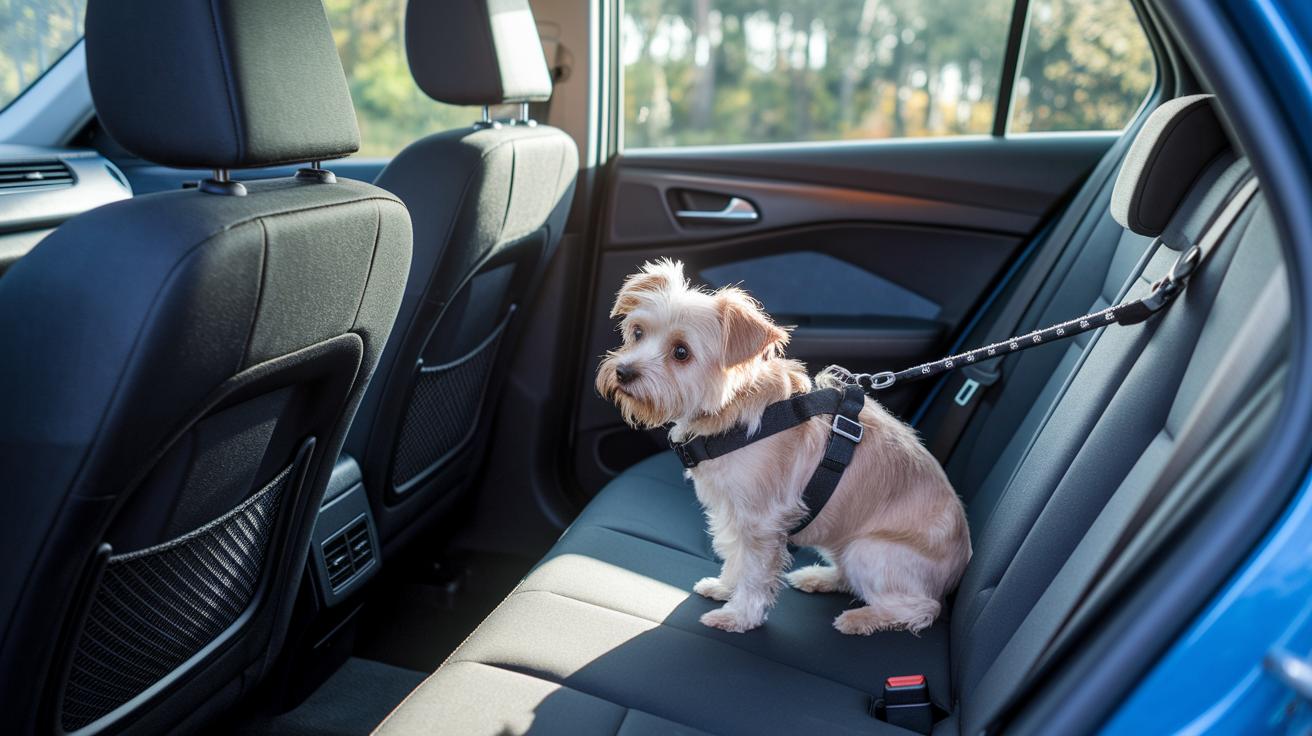

Ever wonder how a simple design can keep your pet safe? Imagine this, a 60-pound dog can push over 2,700 pounds of force in a crash. That’s why a good pet seatbelt is so important. It spreads the force across your pet’s chest and shoulders. This design helps protect the spots that need it most when you make a sudden stop. Read on to learn how smart design makes every ride safer for your furry friend.
Pet Seatbelt Design Features Explained: Secure Ride
When you're driving, you want your dog safe. A 60-lb dog can create over 2,700 lb of force in a 35 mph crash. This fact shows why a strong pet seatbelt is so important on every ride.
A good harness (not a collar) works by spreading the force over the chest and shoulders. This design helps protect your dog's neck during a sudden stop. It’s more than just a way to keep your pet in place, it is built to protect them in a crash.
These harness belts share the force evenly, so many parts of your pet’s body are protected. They use smart design with strong attachment points and parts that can handle big impacts. Even when forces are high, the seatbelt absorbs energy away from vital areas, keeping your dog secure and comfortable.
- Reinforced attachment points
- Impact-resistant materials
- Heavy-duty nylon webbing
- Double-stitched seams at stress spots
- Quality metal parts
- Adjustable sizing for a perfect fit
These six safety features show a clear commitment to keeping your pet safe. With this design, pet seatbelts are not just about holding your pet in place, they work hard to reduce injury during sudden stops. Every ride becomes a secure ride for your furry friend.
Pet Seatbelt Design Styles: Harness, Vest & Tether Compared

Car journeys can be much safer for your pet with the right seatbelt. Harness belts, such as the Sleepypod Clickit Sport made for dogs weighing 15 to 120 lb, work by spreading the force over the chest and shoulders. Vest belts are built for smaller dogs under 30 lb and use soft padding to ease pressure during sudden stops. Tether belts cost less but may let your pet move too much in a crash, based on independent tests. Each type has its own benefits and works best for different pet sizes and needs.
| Style | Weight Range | Pros & Cons |
|---|---|---|
| Harness | 15–120 lb | Great crash protection; spreads force across the body; best for larger dogs |
| Vest | Under 30 lb | Soft padded design; eases pressure; ideal for small dogs |
| Tether | Varies | More affordable; less secure during impact; allows extra movement |
When you compare these designs, harness belts stand out because of their strong safety features and crash test performance. Vest belts offer extra comfort for your smaller pet, while tether belts serve as a budget option but are not as protective in a crash. For keeping your furry friend safe on the road, a harness-style seatbelt is usually the best pick.
Pet Seatbelt Design Features: Materials & Construction Quality
When it comes to keeping your pet safe, the right seatbelt is key. The best pet seatbelts are made from tough nylon webbing (a strong fabric) that is treated with safe, non-toxic agents. You typically find these sturdy options priced between $40 and $80, and they have multiple layers for extra protection. Cheaper seatbelts, often under $25, might use plastic buckles and a single stitch that may not hold up over time. Choosing a seatbelt with strong materials means you invest in both safety and lasting quality for your pet.
Good construction matters a lot too. Trusted brands make sure the seams are double-stitched at stress points, so the belt stays together during a sudden stop. They also use solid metal hardware instead of plastic to keep the connectors secure, even if there is a hard impact. These details help the seatbelt last longer and protect your pet when it matters most.
Some seatbelts also include padded panels. These panels help absorb shock during a collision, softening the force your pet feels. They add comfort and make the ride feel safer, especially in stressful moments. In short, careful design and quality materials work together to give your pet reliable, cozy protection on every trip.
Pet Seatbelt Design Features: Safety Testing & Compliance Standards
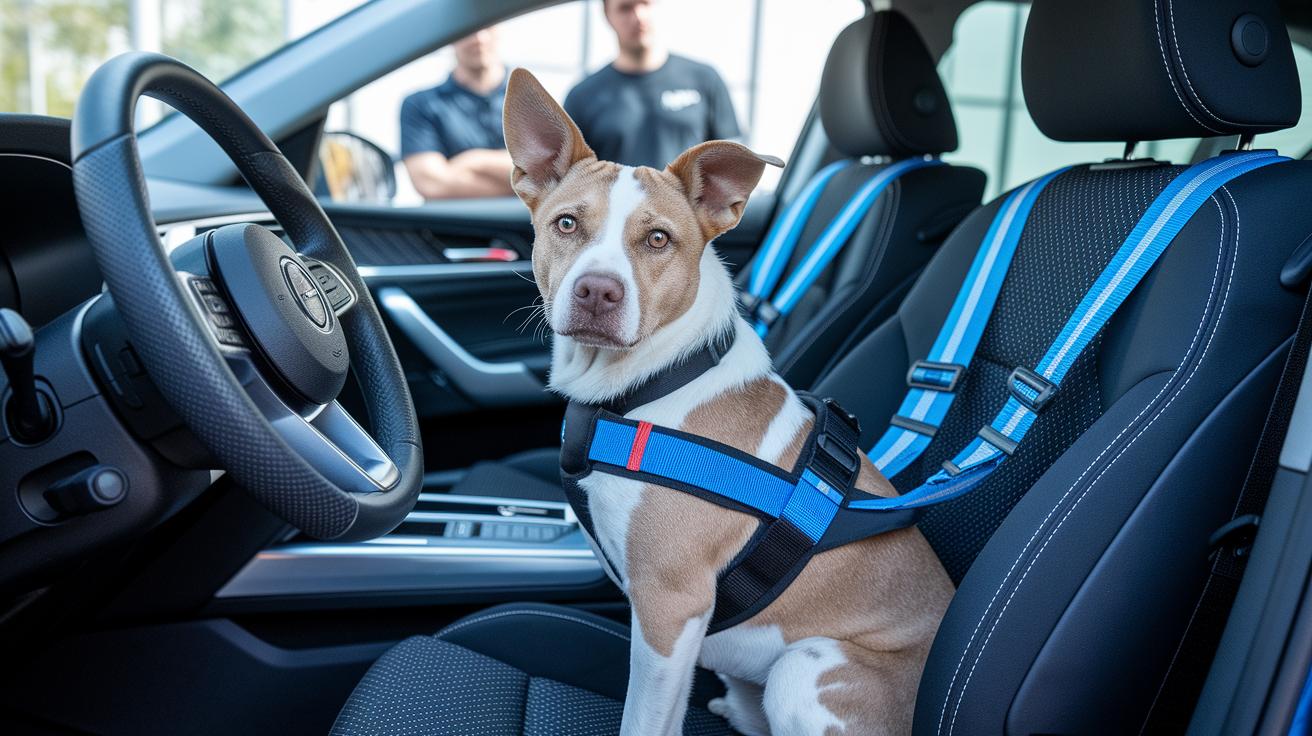
Only harnesses that pass 30 mph crash tests by trusted groups meet our safety rules. These tests mimic a car crash to see how well the seatbelt spreads the force over your pet's body. They use methods similar to those in child car seats, checking both how the force is shared and if the connectors hold up. This careful testing makes sure the harness is ready for real emergencies.
Harnesses like the Sleepypod Clickit Sport and Kurgo Enhanced Strength Tru-Fit have passed these strict tests. Their results in the 30 mph crash tests show they can handle strong impacts. This gives you clear confidence that every harness meets safety standards needed for safe travel with your pet.
Certification is a must because it assures you that every part of a pet seatbelt has been checked. From the strong attachment points to the sturdy connectors, every element helps keep your pet secure. When you choose a crash-tested harness, you know it follows proven car safety rules, giving you peace of mind on every ride.
Pet Seatbelt Design Features: Installation & Fit Guidelines
First, fasten your pet's harness using your car's regular seat belt. Thread the belt through the D-ring found between your pet's shoulder blades. It takes less than two minutes, so you can quickly get your pet ready for a safe journey.
Next, measure your pet’s widest chest and add two extra inches. You should be able to slide two fingers easily between the harness and your pet’s body. This quick check helps you make sure the seatbelt stays secure without being too tight.
Finally, attach the seatbelt to a solid anchor point, like your vehicle’s LATCH system (a set-up built into newer cars) or headrest anchors. Make sure the connector is snug and secure. No matter if your car is new or old, this step gives you peace of mind for every ride.
Pet Seatbelt Design Features: Innovative Tethers & Clip Mechanisms
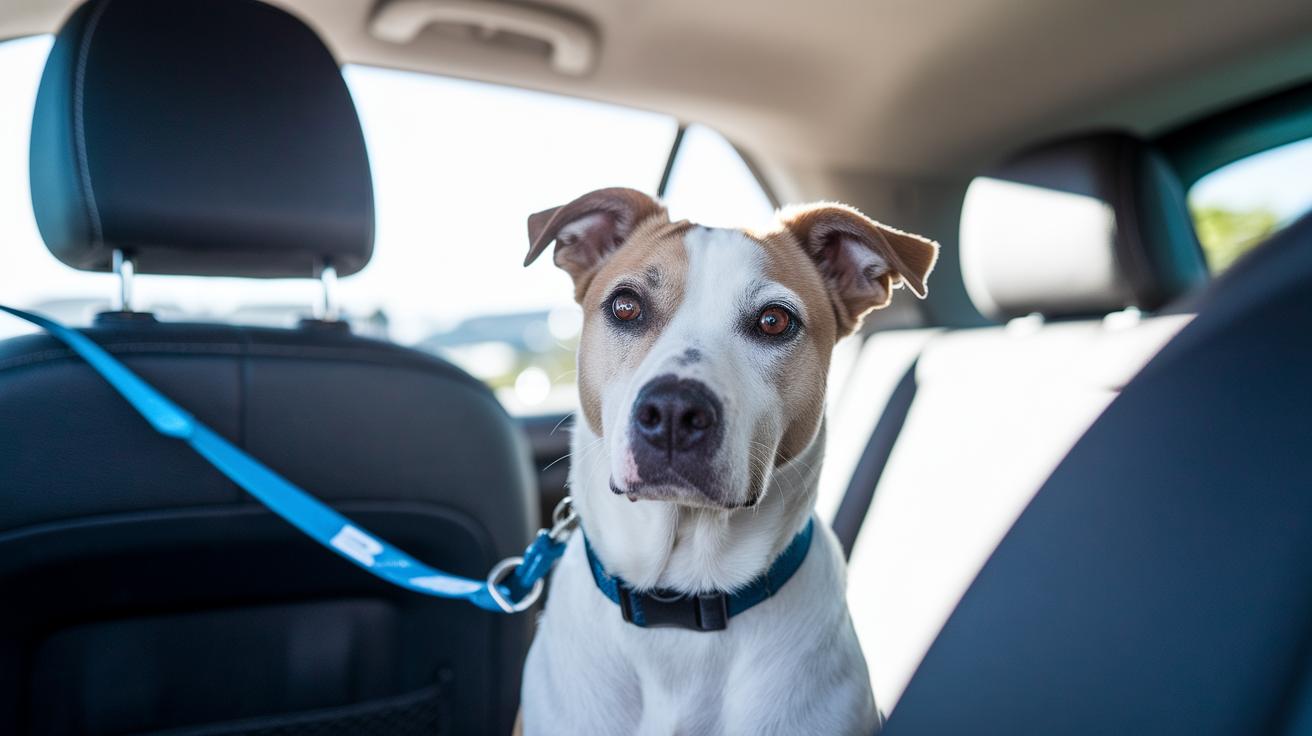
We know mornings can be hectic. That’s why our quick-release tethers clip right into your car seat belt buckle or LATCH. They work smoothly with one hand, so you can secure your pet fast and move on with your day.
The zip-line restraint follows a track along the back seat. It lets your dog move around a bit without roaming too far. This setup keeps distractions to a minimum while adding a layer of comfort during travel.
Take the 4Knines Dog Seat Belt Tether, for example. It has strong metal connectors and extra stitching to skip worries about plastic parts breaking. You can count on it to work well, even in a sudden stop. Our design blends smart engineering and easy use so that every ride feels safe and stress-free.
Final Words
In the action, we explored how seatbelt designs keep our pets safe by buffering crash forces and spreading the load across the chest and shoulders. We broke down key safety elements, compared different styles, and reviewed how materials, testing, and fit guidelines work together.
This article showed that every detail matters, from reinforced attachment points to quick-release clips. Pet seatbelt design features explained in clear, practical terms help turn travel time into worry-free time.
Stay safe and keep your pet protected.
FAQ
What is an ISOFIX dog bed?
The ISOFIX dog bed refers to a bed that securely mounts to a vehicle using the ISOFIX anchorage system, keeping your pet safe during travel.
How does pet safety work in vehicles?
Pet safety in vehicles means using car harness systems that evenly distribute crash forces across the chest and shoulders. This reduces the risk of injury during sudden stops or collisions.
What should I look for in a dog car harness review?
A dog car harness review should highlight crash test performance, sturdy construction with high-quality materials, secure attachment points, and easy installation for effective protection.
How do dog harnesses for traveling in a car differ from regular harnesses?
Dog harnesses for travel include enhanced safety features like impact-resistant design and secure fastenings. They’re built to reduce crash forces and protect your pet, unlike standard walk harnesses.
Can any dog harness be used in a car?
Not every dog harness is built for car travel. It’s best to select harnesses that are designed specifically for vehicles and have been crash-tested to ensure your pet’s safety.
Are Kong harnesses crash tested?
When asking about Kong harnesses, check if they have been independently crash tested. Reliable car harnesses will list certification or test results that meet established safety standards.