
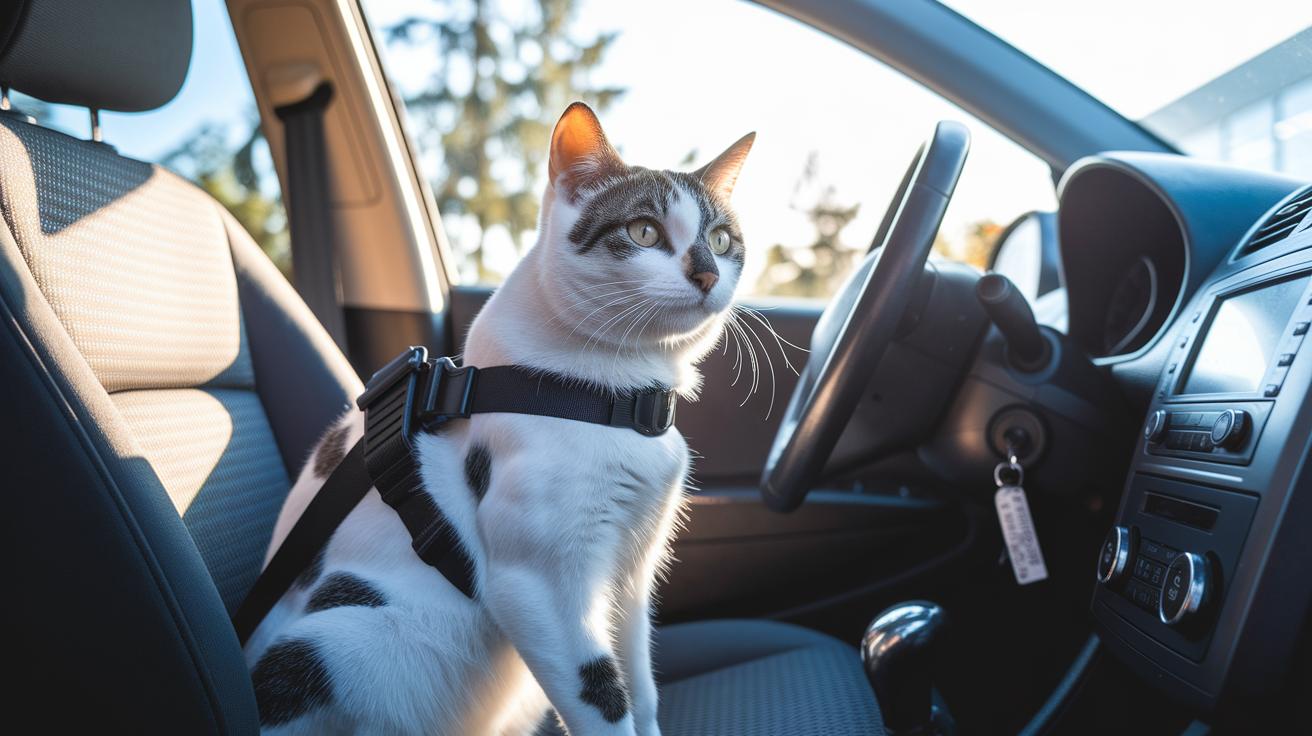

Have you ever worried that your cat's car ride might not be as safe as it seems? Even a small turn or sudden stop can put your kitty at risk if they aren't secured right. A crash-tested pet seatbelt helps by moving the force away from delicate spots. This handy harness keeps your cat safe and gives you peace of mind on every trip. Read on to discover the key features that bring extra comfort and protection to your furry friend's journeys.
How Pet Seatbelts Protect Cats in a Collision
Using a pet seatbelt for your cat can really lower the chance of injury in a crash. Even a moderate speed of 30 mph can make a 30-pound kitty feel a force of over 600 pounds. That means the crash makes a force 20 to 25 times the cat’s weight. A crash-tested harness spreads the force away from your pet’s sensitive areas like the head, neck, and body.
Systems with the CPS Certified mark have been carefully tested to meet safety rules. In a sudden stop or accident, these seatbelts keep your cat in one spot. This stops your pet from getting loose or even running into traffic. Studies even show that nearly one in four pet parents has held their pet during a hard brake, which can be risky for everyone.
Choosing a car restraint for your cat gives you extra peace of mind on every ride. You can relax knowing that if the car stops suddenly, your furry friend stays as safe as possible.
Key Features to Prioritize in a Cat Seatbelt Harness
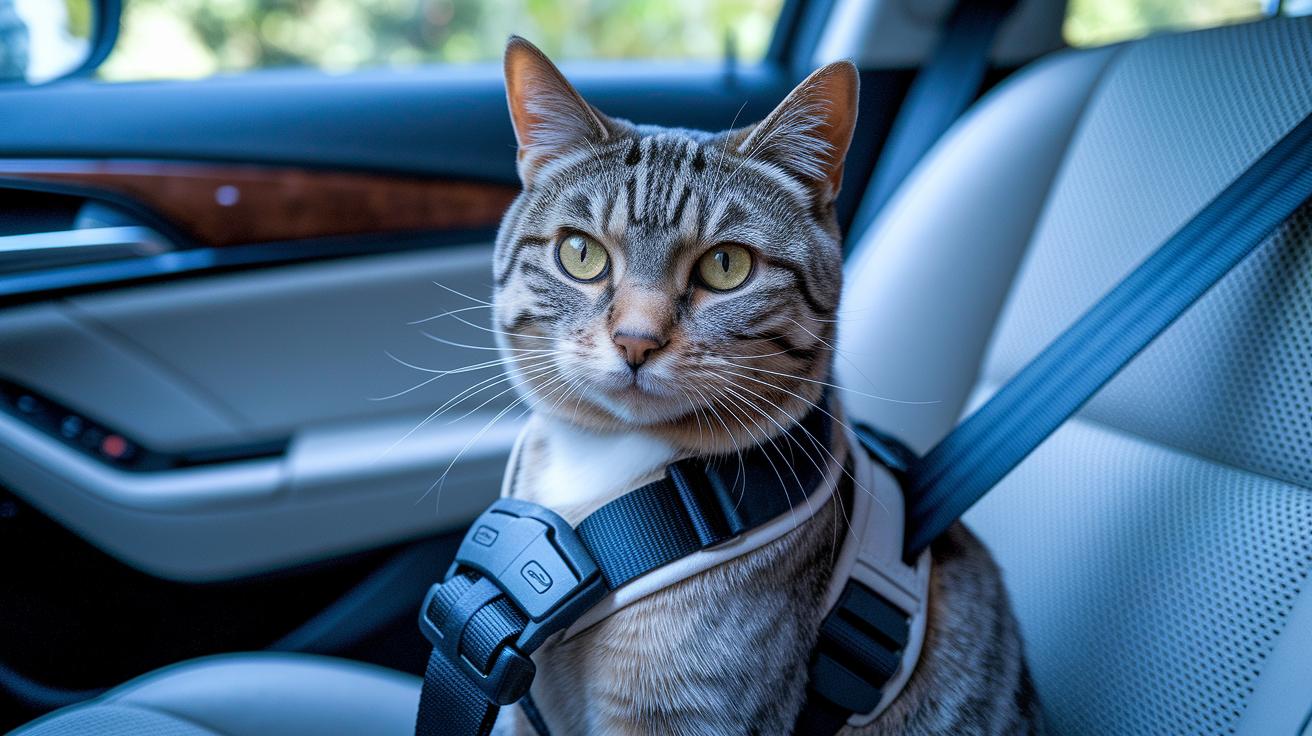
When you pick a car seatbelt for your cat, choose one that is CPS Certified and crash-tested. For example, Sleepypod ClickIt Sport Plus and ClickIt Terrain meet strict safety rules. They use strong, flexible materials that help absorb impact and include sturdy anchor straps for the car's seatbelt.
A proper cat harness should have adjustable chest and belly straps. This makes a snug fit that follows your cat's shape without limiting their movement or breathing. Quick-release buckles let you fasten and remove the harness with ease. Reinforced loops give you a safe spot to thread your vehicle’s seatbelt.
Stay away from harnesses with loose extension ties or zip-lines. These can make crash forces worse and put your cat at risk. By focusing on these design features, you ensure that your cat is comfortable during rides and well-protected in the event of a bump.
Installing and Using Your Cat Seatbelt Harness
Keep your cat safe on every ride by using a cat seatbelt. First, gently wrap the harness around your kitty’s chest and body. Adjust the straps until they are snug but still let your cat breathe easily. Next, thread your car’s seatbelt through the loops on the harness and click it into place.
Place your cat on the back seat or on a flat surface away from airbags to lower the risk of injury. Keep the windows closed so your pet doesn’t lean out or distract you while driving. Also, avoid using booster seats or extension tethers that haven’t been crash-tested.
After you set up the harness, tug it gently to make sure everything is secure. Check for any loose straps and adjust them until your cat is comfortably snug. It’s a good idea to check the fit every day or before each trip to keep your cat safe and sound.
This setup gives your pet a cozy ride and helps keep them safe during sudden stops or turns. It brings peace of mind for you and a safe, happy journey for your furry friend.
Seatbelt Harness vs Crate Options for Cat Safety
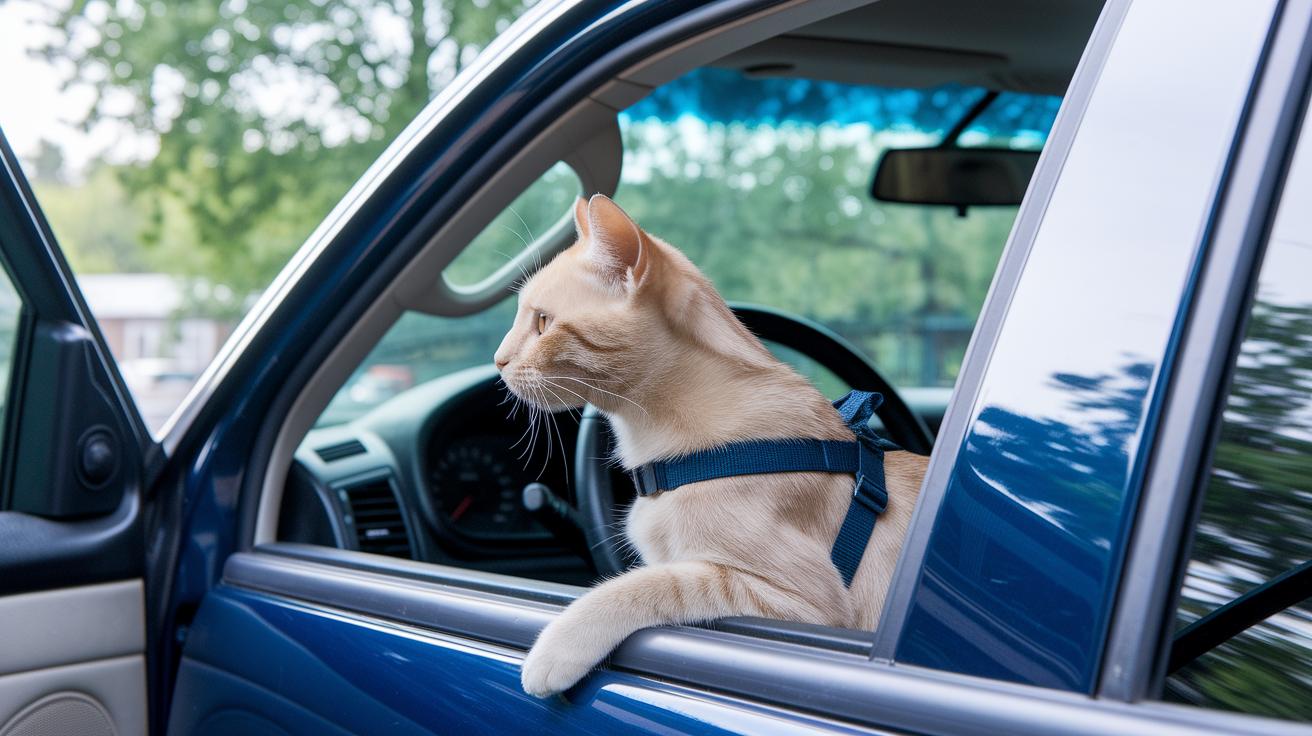
When you're on the road, crash-tested harnesses and carriers both help keep your kitty safe, but they work in different ways. A good pet seatbelt gives your cat freedom and security. It lets your furry friend move around a bit while keeping them snug with a safe seatbelt design. Just remember that getting the right size and installing it correctly is very important.
On the other hand, crash-tested carriers and crates are built tough. They have strong straps that attach to your car firmly. For example, lightweight crates like Gunner Kennels G1 come with 8-foot tie-down straps to handle big impacts. Carriers like the Sleepypod Atom or Air have water-repellent interiors and flexible bases. They meet CPS standards and work well on the road or airplane. These options keep your cat secure and limit movement in a sudden stop.
Some pet booster seats might seem extra comfy, but they often do not pass crash tests. They can give a false sense of safety and might let your cat lean out or not be kept properly safe.
| Restraint Type | Certification | Pros | Cons |
|---|---|---|---|
| Crash-tested Harness | CPS Certified | Gives freedom for movement; lightweight and flexible | Needs correct sizing and proper seatbelt setup |
| Crash-tested Carrier/Crate | CPS Certified | Tough design with water-repellent interiors; very secure | Offers less movement; space is more confined |
| Booster Seat | Often not certified | Might feel extra comfy | Does not pass crash tests; false sense of security |
pet seatbelt for cat safety: Cozy Car Ride
When picking a seatbelt for your cat, start by matching your car's belt buckle and path with the harness or carrier. This is your first step in keeping your kitty safe during car rides. For many SUVs and minivans, a crate such as the Gunner G1 works well because it secures to floor tie-downs or rear hooks.
Low-backed seats need harnesses with small, secure buckles. For example, Sleepypod harness loops are made to work with most standard seatbelts. They keep the seatbelt steady even if there’s a sudden jolt.
Here are some simple tips:
- Check that every piece can handle a crash.
- Make sure all parts lock firmly under pressure.
- Compare different designs to match your specific car model.
Following these tips means a safer, cozier ride for your cat every time you hit the road.
Expert Tips for Using a Pet Seatbelt for Cat Safety
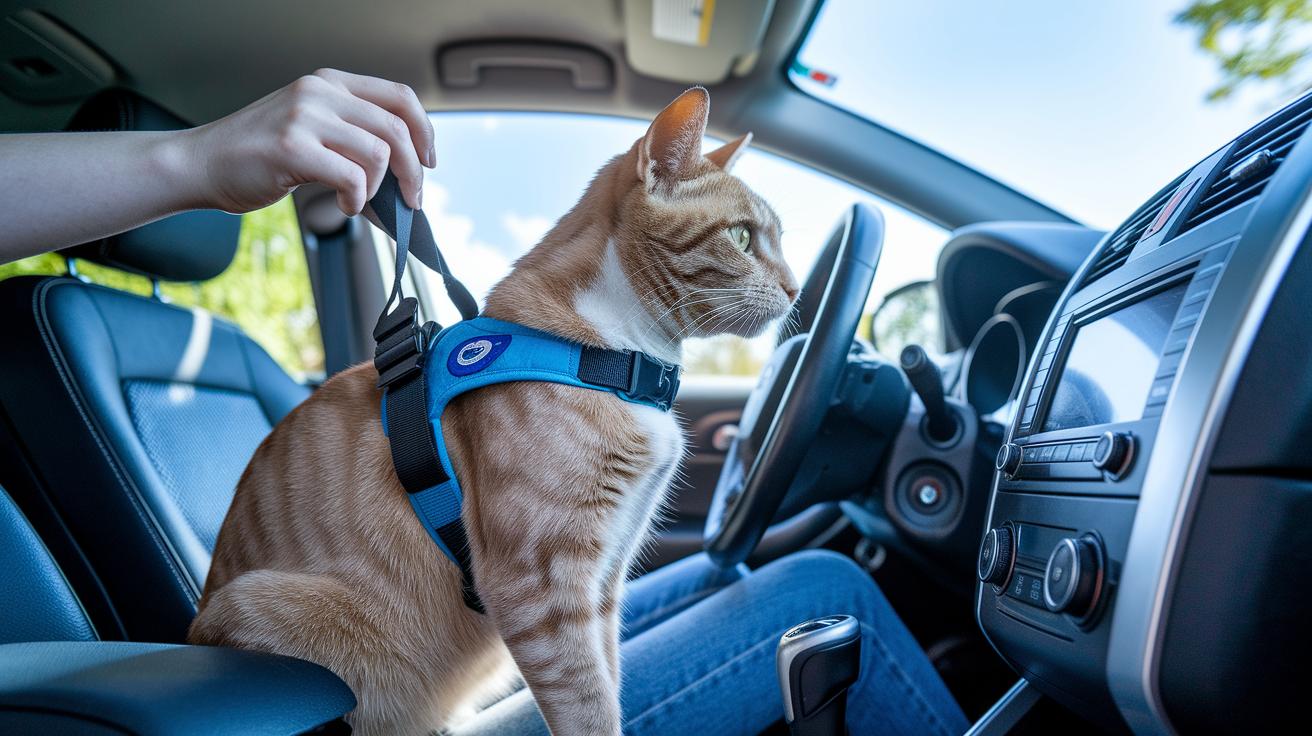
When you travel with your cat, a crash-tested pet seatbelt harness is a must. Always make sure it is securely fastened and fits just right before each ride. This simple check stops sudden movements and keeps your cat safe.
Unique tip:
- Help your cat get used to the harness by starting with short rides. This can calm them and build confidence.
Final Words
In the action, we explored how a pet seatbelt for cat safety helps protect your kitty during collisions. We covered key features like CPS-certified materials and adjustable straps, discussed installation steps, and compared harness systems with crate options for safer travel. Each point aims to simplify your pet travel routine while supporting ethical impact. Every secure ride brings peace of mind for you and a safer journey for your pet. Enjoy every ride knowing you’ve made a smart, supportive choice with a pet seatbelt for cat safety.
FAQ
What is a cat seatbelt harness?
The cat seatbelt harness is a safety device that secures your kitty during car rides. It helps distribute crash forces and keeps your pet safely restrained in case of collisions.
What is the best cat harness for car travel?
The best cat harness for car travel is one that is crash-tested and adjustable for a snug fit. It should have quick-release buckles and durable materials to keep your cat secure and comfortable.
Are pet seat belts safe for cats?
Pet seat belts for cats are safe when they are crash-tested and used as directed. They reduce injury risk during sudden stops by keeping your cat securely restrained while you drive.
How do I seatbelt my cat?
To seatbelt your cat, fit the harness around its chest and torso until snug. Next, thread your car’s seatbelt through the harness loop and buckle it securely, ensuring your cat is safely restrained.
Do pet seatbelts work?
Pet seatbelts work by reducing the force of a crash on your pet. They help prevent injury by limiting movement and keeping your furry friend securely in place during sudden stops or collisions.
What devices are sold to keep dogs and cats restrained in vehicles?
Devices include crash-tested harnesses, seatbelt attachments, pet carriers, and safety tethers. These products help keep both dogs and cats secure while traveling, reducing injury risks.
What are some recommended crash-tested pet harnesses?
Recommended models include Sleepypod Clickit Sport Plus, EzyDog Drive, Ruffwear Load Up, EzyDog Convert, and FORMFIT Mesh Harness. They are designed to meet strict safety standards and offer reliable crash protection.