
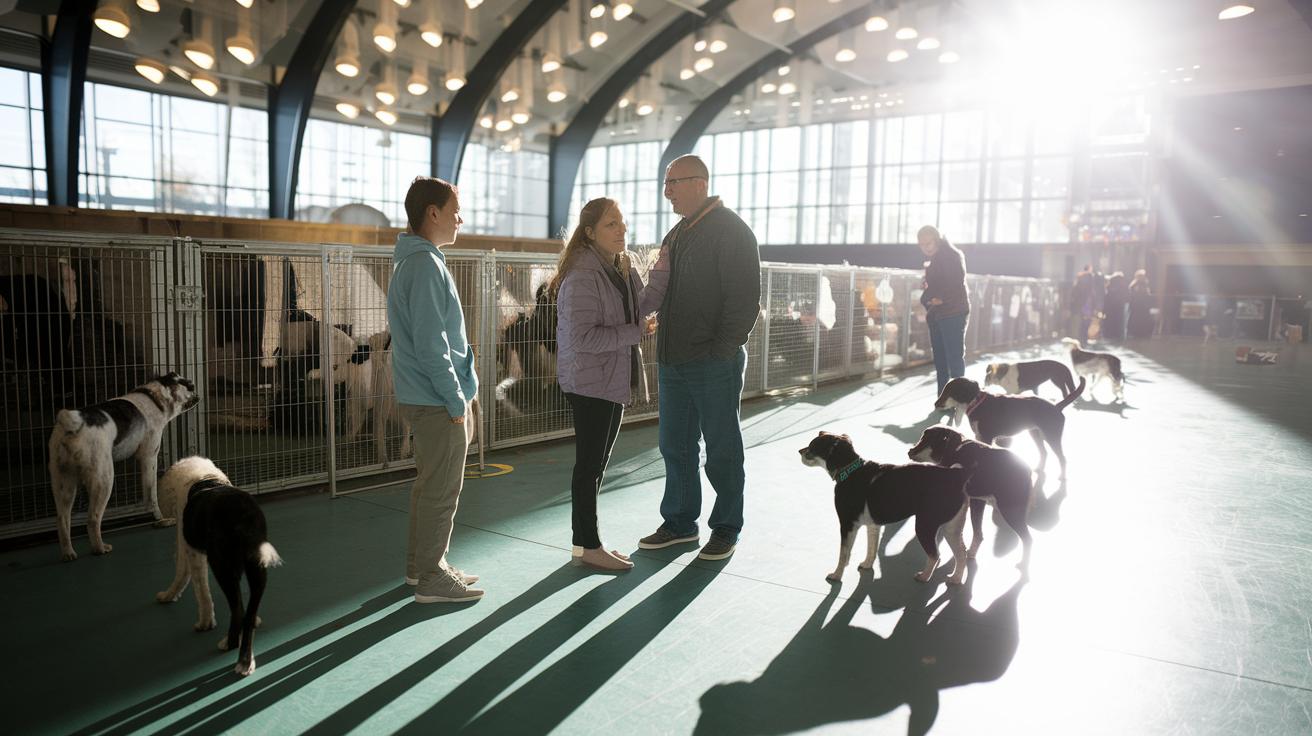

Have you ever wondered if you're asking the right questions when adopting a dog at a pet event? Asking smart questions helps keep stress low and makes sure your new friend is a great match for your home. You might want to know about fees, trial periods (a time to see if your pup fits in), and any extra steps to avoid surprises later. With a few thoughtful questions, you can feel confident about starting your pet parent journey. Let's check out the must-ask questions for a happy adoption day.
questions to ask when adopting a dog at an event: Joy!
When you visit a dog adoption event, it's a good idea to ask a few simple questions. They help you know what to expect and keep everything clear. You want to learn about the process, fees, and any trial period, so there are no surprises for you or your new friend.
- What type of form or extra details do you need from me before I get approved?
- Do you require a home visit or a check with my references during the application?
- How are the adoption fees set up and what do they cover?
- Can you share the fee range, usually from $50 to $600, and explain what each fee includes?
- Is there a trial period or a return policy if the dog isn’t the perfect match for my family?
- Under what circumstances can the dog be returned to the shelter or rescue?
- Are there any special steps I should take for the dog’s care once we bring it home?
- How soon after the event should I expect to hear a final decision on my application?
These questions help make the process smooth. They also give you important details like fees for vet visits or spay/neuter care. Asking them can make planning for your new forever friend much easier and less stressful.
Verifying Your Potential Dog’s Health at the Event

When you meet a dog at an adoption event, it helps to know the dog's health story. We want to be sure the dog is up to date on vaccines and has been spayed or neutered. Ask to see the vaccination records so you know all is in order and to plan for any future care or small treatments. It’s a good idea to ask about any current health problems as soon as you meet. This helps you understand any special needs your new friend might have. Check out the table below for a quick guide.
| Health Aspect | Question |
|---|---|
| Vaccination Status | Are the core vaccines current? Can I see the records? |
| Spay/Neuter Proof | Is the dog spayed or neutered? May I see the certificate? |
| Medical Conditions | Does the dog have any known health issues? |
| Current Treatments | Is the dog on any treatment or medication now? |
| Future Care | Are there any care expenses coming up soon? |
Assessing Behavior and Temperament of Dogs in a Crowd
When you visit an adoption event, ask if the dog has had any formal temperament testing and if you can see the results. The test shows how the dog reacts to stress and new things. It helps you know if the dog might get nervous or act out. This step is especially helpful when there are lots of distractions around. Fun fact: Some dogs do great in noisy settings, showing just how calm and adaptable they are.
Next, find out about the dog's past. Ask if it has been with many families before. A dog that has moved around a lot might need extra time to feel at home. Also, ask if there have been any behavior issues like guarding food, separation anxiety, or a history of biting. Watch the dog's body language and see how it behaves around kids, strangers, or other dogs. This quick check helps you see if the dog will be a good match for your family.
Take a few moments to watch the dog at the event. Look at how it interacts with the crowd. Does it stay relaxed, or does it get too shy or restless? These real-life observations can help you decide if the dog's behavior fits well with your home and lifestyle.
Ensuring a Lifestyle Match for Your New Companion
Exercise and Activity Requirements
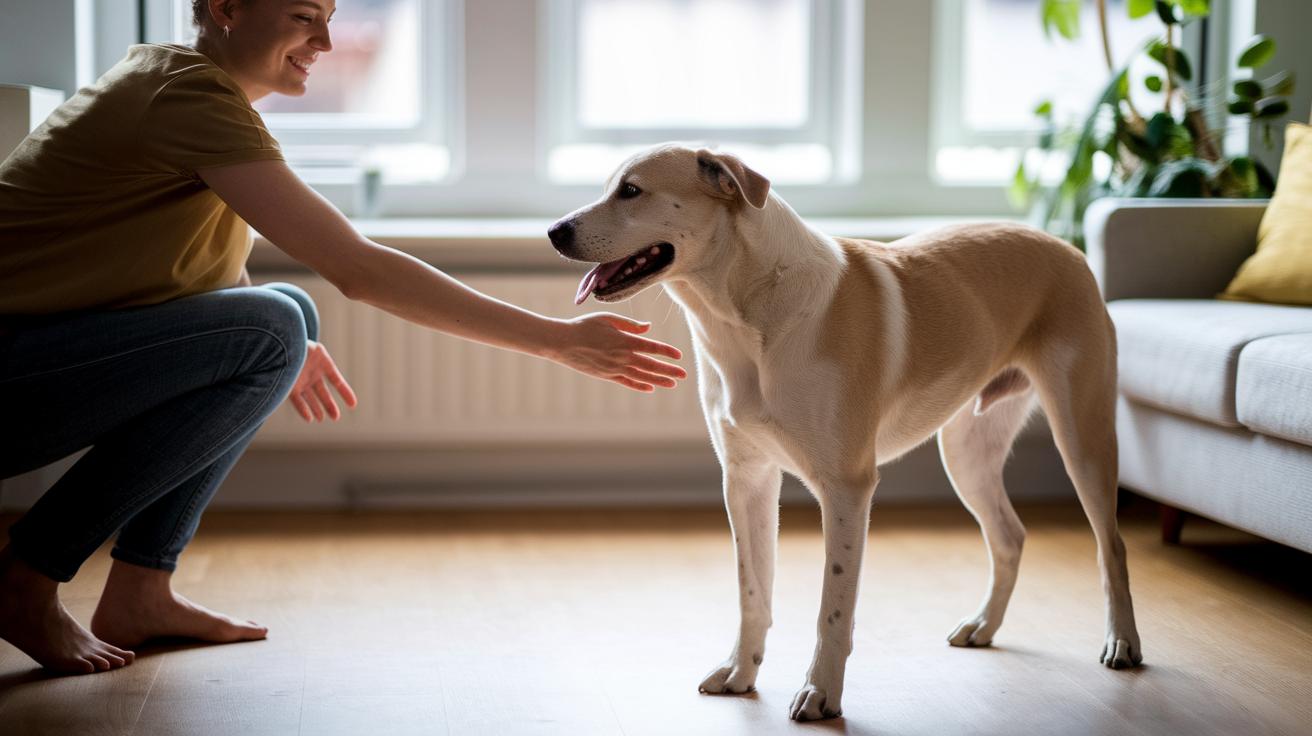
When you welcome a new dog, knowing its exercise habits is key. Ask about the daily routine the dog had before. Some breeds, like Border Collies, really need long walks, runs, or fun play sessions to stay happy. Find out if the dog was used to a set schedule, such as a morning walk or an afternoon play break. You might ask: What kind of exercise does the dog get each day? Has it been very active or more relaxed? This helps you see if its energy fits with your lifestyle.
Family and Pet Compatibility
Next, talk about how the dog interacts with others. Ask if the dog gets along well with kids, other dogs, or cats in your home. See if it likes one-on-one attention or if it sometimes needs space. You can ask: Does the dog play nicely with other pets, or does it prefer a little extra room? Knowing this will give you a clear picture of how the dog will settle in with your family.
Home Setup and Layout
Also, ask about where the dog lived before to know what kind of space it needs. Find out if it stayed in an apartment or a house with a yard. Ask if it used a crate for resting. These questions help you decide if your home is a good fit for its habits. Understanding its routine, like where it rests or plays, makes the switch to its new home smooth and comfy for both of you.
Understanding Post-Adoption Support and Commitments
When you meet with the rescue, ask if they offer training classes or help with pet behavior after adoption. Some places even host free workshops or one-on-one sessions. This extra support can make life easier for both you and your new pet.
Ask if there is a trial period for the adoption. Find out about how returns work, including any fees or waiting times if things don’t go as planned. Knowing you can return the pet if it isn’t the right fit can bring you comfort as you adjust.
Also, check if the rescue can handle the microchip installation and registration during the event. A simple question like, "Will the microchip be set up here or do I need to finish it later?" can clear things up. This way, you can enjoy the help from the rescue while making sure all safety steps are complete.
Tips for Interacting with Shelter Representatives and Dogs at Events
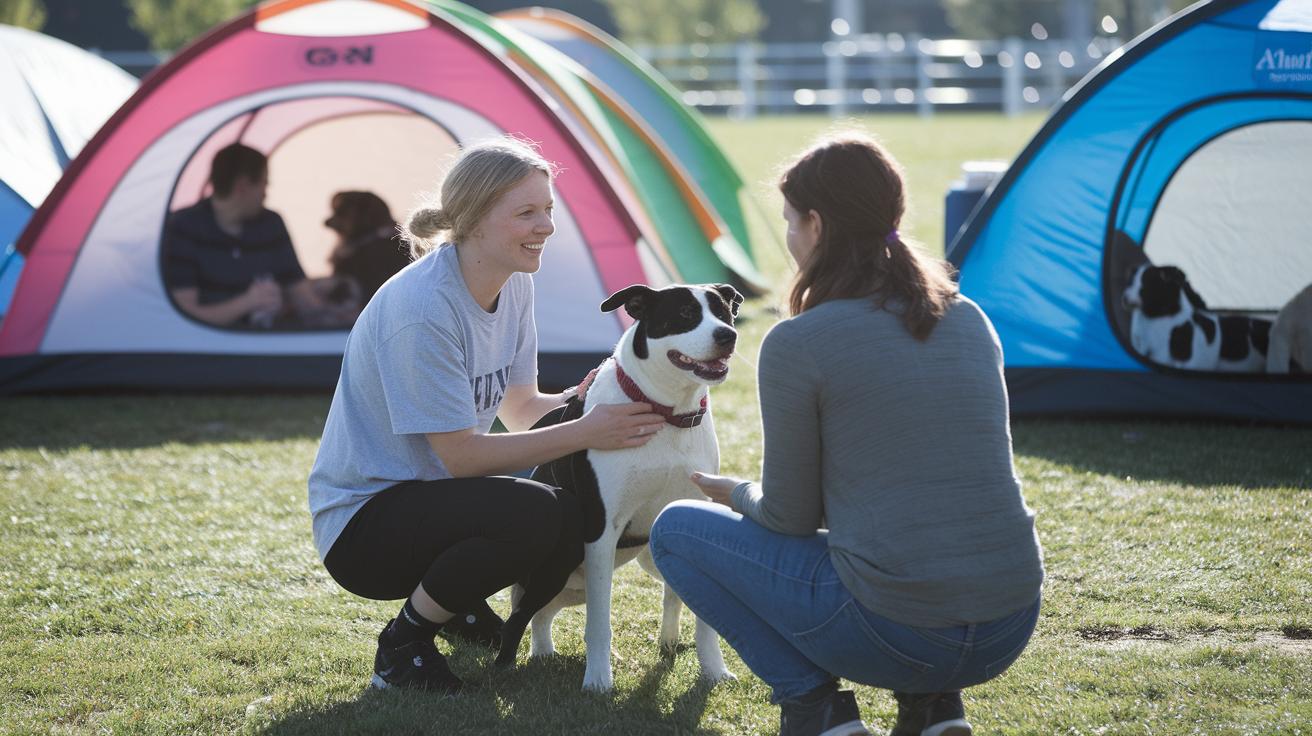
At many dog adoption events, friendly volunteers lead short Q&A sessions. You can ask them fun questions, like "What does this dog love to do?" to learn about a dog's little habits.
Look for quick info talks or live demos at the event. These talks share simple tips on looking after different breeds and following event rules. Watch a demo to see how a dog reacts to commands. It can tell you if the dog is playful, relaxed, or full of energy.
Notice how dogs act during group sessions. See if a dog stays calm or seems shy when there are other dogs around. Watching how they handle distractions helps you decide if a dog fits with your daily routine.
Also, chat with the organizers about their rescue work. Ask questions like "What guides your approach to animal care?" This shows if their values and care match with yours, and it builds trust when meeting both the dogs and the team.
Final Steps: Paperwork and Legal Considerations on Adoption Day
When you arrive, ask for a clear list of all the fees. Find out what part covers the adoption, local licensing, and microchip registration. You might say, "Can you please explain how the fees are split?" This helps you avoid any surprises.
Next, check which forms you need to fill out. Do you have to sign an adoption contract, show your ID, or get a municipal pet license? Asking, "What documents do I need today?" will help you get ready and keep things stress-free.
Also, ask about any extra legal or admin steps. Find out if the rescue takes credit or cash and if there are any hidden fees. You can ask about pet insurance or a post-adoption veterinary plan. Sometimes you can join a plan right at the event to make the switch easier for both you and your pet.
If you're unsure about anything, ask for a written checklist of all the steps. This way, you can leave the event well-prepared. For more help with legal and post-adoption care, visit our pet care guide at https://goodpawsgoodcause.org?p=436.
Final Words
In the action, we explored the must-ask questions that help you navigate adoption events. We broke down what to ask about application fees, paperwork, vaccination records, and the dog's temperament.
We also looked at matching a dog's lifestyle needs with your home and clarifying post-adoption support. Have you asked about the trial-adoption period, return policy, and overall fee breakdown? Each question helps you feel confident and ready for a lifelong, happy companionship.
FAQ
What funny questions can I ask when adopting a dog at an event?
Asking funny questions helps break the ice. You can ask playful things like, “Does your pup insist on being the class clown?” to learn about the dog’s playful nature and ease into the conversation.
What should I ask when adopting a dog from an owner or buying one privately?
When adopting from an owner or through a private sale, ask about the dog’s background, health history, training habits, and daily routines. This helps you decide if the pet matches your lifestyle.
What questions should I ask when adopting a dog from a breeder?
Asking about the breeder’s process is key. You could inquire about the dog’s pedigree, health tests, vaccination records, temperament studies, and socialization to feel confident about your choice.
What do common dog adoption interview questions cover?
Dog adoption interviews often ask about your lifestyle, pet care experience, and home setup. Your honest answers show that you can provide the right environment and care for a dog.
What should I ask when adopting a puppy?
For a puppy, it’s good to ask about its health, vaccination status, how it was weaned, and its training history. These details offer insight into its early care and future needs.
What dog adoption questions are popular on Reddit?
Reddit adoption questions often focus on matching a dog’s temperament with your lifestyle, verifying health records, ensuring proper socialization, and understanding trial adoption options.
What questions should I ask when adopting a cat?
When adopting a cat, ask about its health history, temperament, litter box habits, and previous living conditions. This information helps ensure a smooth transition into your home.
What is the 3-3-3 rule for adopted pets?
The 3-3-3 rule means checking three key areas: health records, temperament, and lifestyle compatibility. This rule helps ensure the pet is a good match for your home.
What should I expect at a dog adoption event?
At a dog adoption event, you can expect to fill out a questionnaire, meet several dogs, review vaccination records, learn about fees and trial periods, and get guidance from friendly staff.