
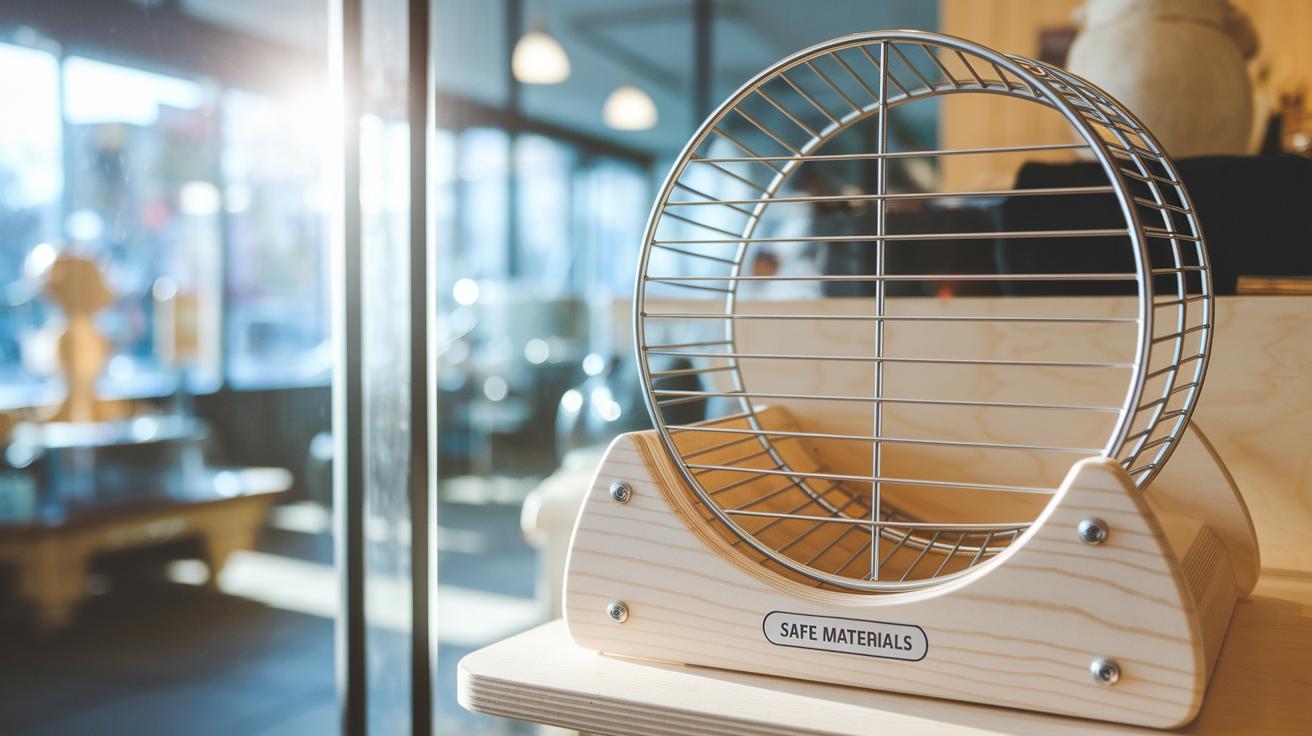

Ever wonder what makes a hamster wheel safe? We know that as pet parents, it's easy to miss the little details that keep tiny paws from getting hurt. Using good materials like strong plastic, smooth stainless steel, or safe treated wood can boost your pet's well-being while they run around happily. In this post, we share the best choices for hamster wheels and explain why a level, sturdy design really matters. Let's explore what keeps your little buddy's playtime safe and fun.
Top Materials for Safest Hamster Wheels
A safe hamster wheel starts with a solid, flat design. This means there are no mesh screens or bars that could catch a little paw. For Syrian hamsters, we suggest an 8-inch wheel. Smaller hamsters need a wheel that's at least 6 inches wide. Since July 2020, you can choose from strong plastics, stainless steel, or treated wood in the US.
Strong plastics are made from high-impact materials. They are molded so they have no sharp edges to hurt your pet. Think of it like crunchy kibble that always feels just right. These wheels work hard every day while staying quiet and smooth.
Stainless steel wheels give extra strength and steadiness. They have a smooth track that helps take pressure off joints during running. Wooden wheels are another option. These are treated with non-toxic finishes so the surface stays even and safe for little paws. They stay calm and soft on your pet's feet.
Every material has its own benefits. They all meet the safety and size guidelines to keep your pet healthy and happy.
Evaluating Plastic Wheel Safety and Composition
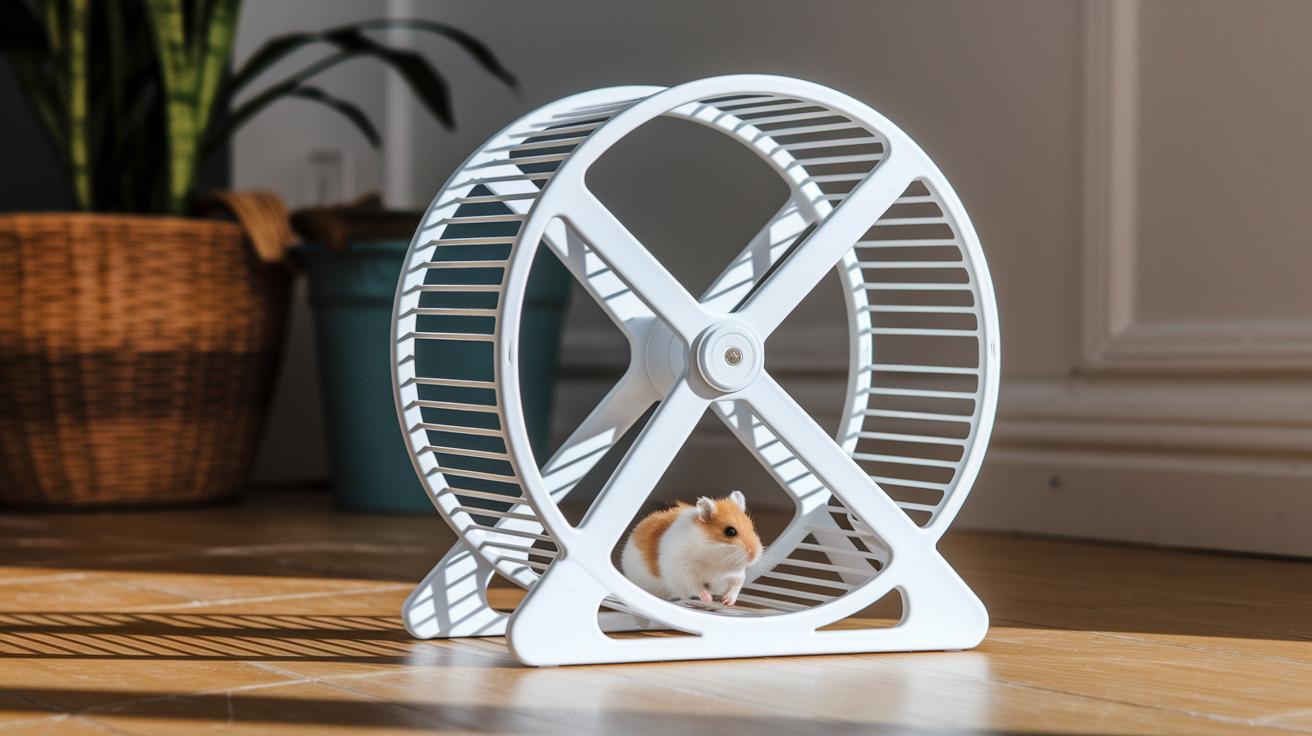
We love hamster wheels made with food-grade ABS and polypropylene. These plastics are shaped to be smooth so they won’t hurt your pet's paws. They last a long time and are made without extra chemicals. Since 2020, some wheels even have a silicone layer to offer extra grip and quiet running.
| Plastic Type | Pros | Cons |
|---|---|---|
| ABS | Sturdy with a smooth finish | Can be affected by high heat |
| Polypropylene | Lasts long and is made without chemicals | Might feel a bit softer under pressure |
| Silicone-coated ABS | Better grip and quieter operation | Costs a bit more to make |
| Recycled PET | Eco-friendly and strong | Texture can vary from piece to piece |
Common Plastic Types
ABS and polypropylene come from trusted production lines. They are made with care and feel gentle on your pet's paws. Each type is tested to keep toxins low and to ensure a smooth finish, so your pet stays safe during play.
Safety Testing and Coatings
We test every wheel to make sure it handles daily play. Extra silicone is added for a better grip and quieter running sounds. These careful tests and coatings ensure each wheel is safe, quiet, and built to last.
Metal Hamster Wheels: Pros, Cons, and Safety
Metal hamster wheels made of stainless steel are built tough for daily play. They use high-grade 304 or 316 stainless steel so the wheel stays strong and rust-free even with lots of running. This means you can trust it to last.
The seams are smoothed out so there are no sharp edges to hurt little paws. Many wheels have a powder-coated or textured surface that gives your pet a firm grip during their active moments. The whole unit is reinforced to keep it stable, so there’s no wobbling or misalignment.
Designers also use lead-free alloys to keep heavy metals away from your pet. Quality bearings are added to keep the wheel quiet and lessen stress on joints. Pet parents like metal wheels because they combine strength with safety, meeting strict standards while giving your pet a safe way to play.
Wooden Wheels: Natural Options and Treatments
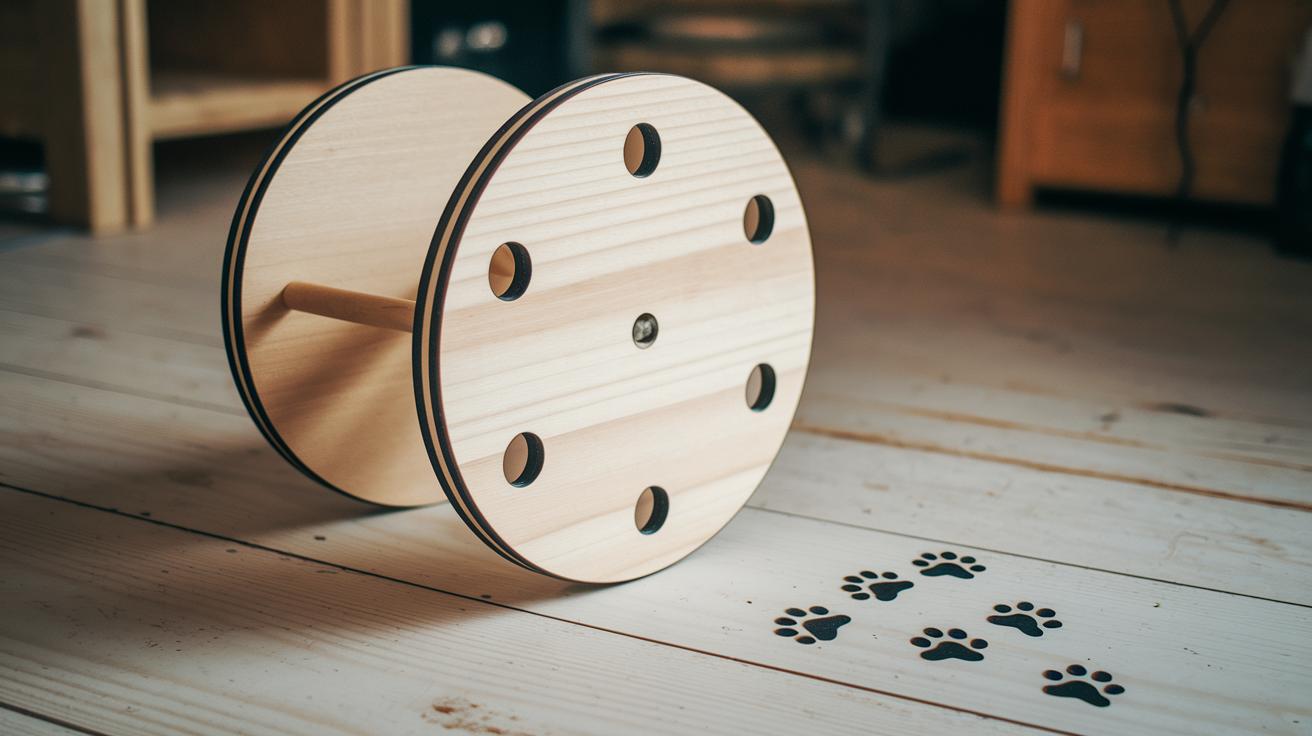
Wooden wheels are a natural exercise tool that many pet parents love for their quiet, soothing feel. They are often made from maple or birch plywood and held together with food-safe glue. We sand the wood until it is smooth. This finish protects your pet’s paws and lowers the chance of splinters.
We seal these wheels with a non-toxic, water-based finish to keep their natural look while keeping harmful chemicals away. Think of it like a pet-safe varnish that both protects and beautifies. Designers also add anti-slip treatments using vegetable oil or food-safe lacquer to boost grip during active play.
We build these wheels using eco-friendly methods to keep them strong. Seasoning and kiln-drying help reduce warping over time. Even though wooden wheels run more quietly than plastic or metal ones, you should check them often. Look for rough spots or splinters so your pet can enjoy a safe, natural running track every day.
Essential Safety Standards and Certifications for Hamster Wheels
We trust manufacturers who follow strict rules to keep your pet safe during play. Hamster wheels must meet standards like ASTM F977 (a safety rule for small pet exercise gear) and EU Animal Welfare Regulations (2010/63/EU). These standards help ensure that every part of the wheel is strong, free from sharp edges, and safe from harmful chemicals.
Labs such as SGS and TÜV test these wheels for strength, safe edges, and low toxin levels. They check details from seam strength to surface wear. When you see labels like ASTM-compliant, CE mark, or Pet-Safe Certified, you know the wheel has passed tough safety tests.
These certifications mean you can trust that the wheel is built with safe and durable materials. They show the design has been carefully reviewed, which helps reduce risks and gives your pet a smooth, quiet ride.
- ASTM F977: Safety rule for small pet exercise devices
- CE mark: European check for material safety
- SGS Tested: Independent lab check for strength and safety
- TÜV Certification: Looks at build strength and safe coatings
- Pet-Safe Certified: Meets special safety standards for pet products
These tests and labels help you feel confident that the wheel supports your pet's well-being while meeting proven safety standards for everyday play.
Maintenance, Durability, and Longevity of Wheel Materials
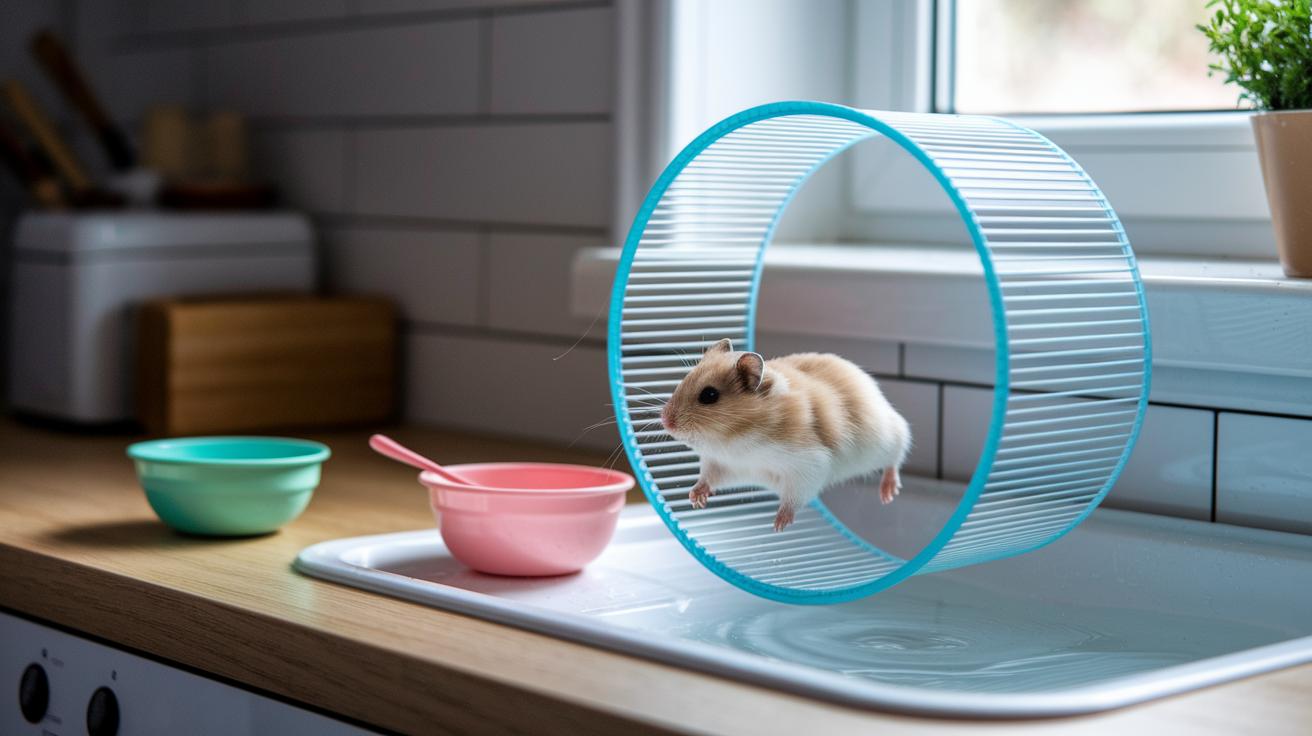
Keeping your hamster wheel clean helps your pet stay healthy. Use warm water and a little mild soap to wash it. Do not use strong chemical cleaners because they can harm the wheel. Plastic wheels often last 2-3 years with daily play. Metal and wooden wheels can last over 5 years if you care for them. Cleaning often keeps the wheel looking new and safe for your pet's exercise.
A good fit is key for a quiet spin. Make sure every part fits snugly and add mounts that soften vibrations. For metal wheels, a bit of pet-safe grease on the bearings every few months makes a big difference. It helps the wheel run smoothly and takes pressure off your pet's joints.
We build our wheels using strong methods and tested materials. This means every wheel is fun and made to last. Check your wheel often for signs of wear and keep it maintained. A well-kept wheel makes every run safe, quiet, and enjoyable for your furry friend.
Safest Hamster Wheel Materials: Boost Pet Wellness
Choosing the right wheel size is important. For Syrian hamsters, we suggest an 8–12-inch wheel, and for smaller hamsters, a 6–8-inch wheel works best.
Here’s a quick-reference guide for materials:
| Material | Key Benefit | Practical Tip |
|---|---|---|
| Metal | Runs quietly and stays stable | Perfect for active hamsters who need a smooth ride. Try a metal wheel for a calm, steady spin. |
| Untreated Wood | Offers a natural feel and is safe to chew | Great for pets that like to nibble. Just remember to check it often for any splinters. |
| Plastic | Easy to move and gentle on tiny paws | Ideal if you want a lightweight wheel that spins with ease for your little pet. |
Before buying, make sure the wheel has a non-slip surface to keep those little paws safe. Also, think about your pet’s activity level and chewing habits. Find a balance between easy spinning and a strong, steady design for the best comfort.
Final Words
In the action of choosing a wheel for your furry friend, we broke down how plastic, metal, and wood options deliver safety, durability, and comfort. We talked about safe plastic compounds, sturdy metal alloys, and eco-friendly wooden finishes. We also looked at key tests and certifications that shield your pet from harmful chemicals and sharp edges. Each section gave useful tips for keeping your hamster happy and healthy. Always consider the safest hamster wheel materials to make your purchase both smart and kind on a larger scale.