

Ever wonder if your pet carrier is safe and comfy for a flight? TSA approved pet carriers are more than just bags for travel. They are thoughtfully designed to meet airline rules. They have leak-proof bottoms and let fresh air flow in from three sides so your pet can feel like it’s in a little room. Choosing the right carrier means you follow the rules and make every flight a happy adventure for you and your furry friend.
tsa approved pet carrier: Joyful Journey Awaits

A pet carrier that meets TSA rules is built to keep your pet comfy and safe when you fly. It must fit under the seat below you, with maximum dimensions of 18 inches long, 11 inches wide, and 11 inches high. The carrier needs a leak-proof bottom and good airflow on at least three sides so your pet always gets fresh air. It should be strong enough for your pet to stand, turn around, and lie down easily. Think of it like a small, cozy room that gives your pet space to stretch without any worries.
Soft-sided carriers are a favorite for cabin travel because they easily slide under your seat. Hard-sided crates only work for checked baggage. Airlines also want carriers with strong seams, secure zippers, and clear ID labels to keep your pet safe and easy to identify. In short, a TSA approved pet carrier is more than just a travel bag. It combines size, ventilation, and durability in one smart design, making every trip a safe and happy adventure for your pet.
TSA Approved Pet Carrier Regulations and Size Requirements
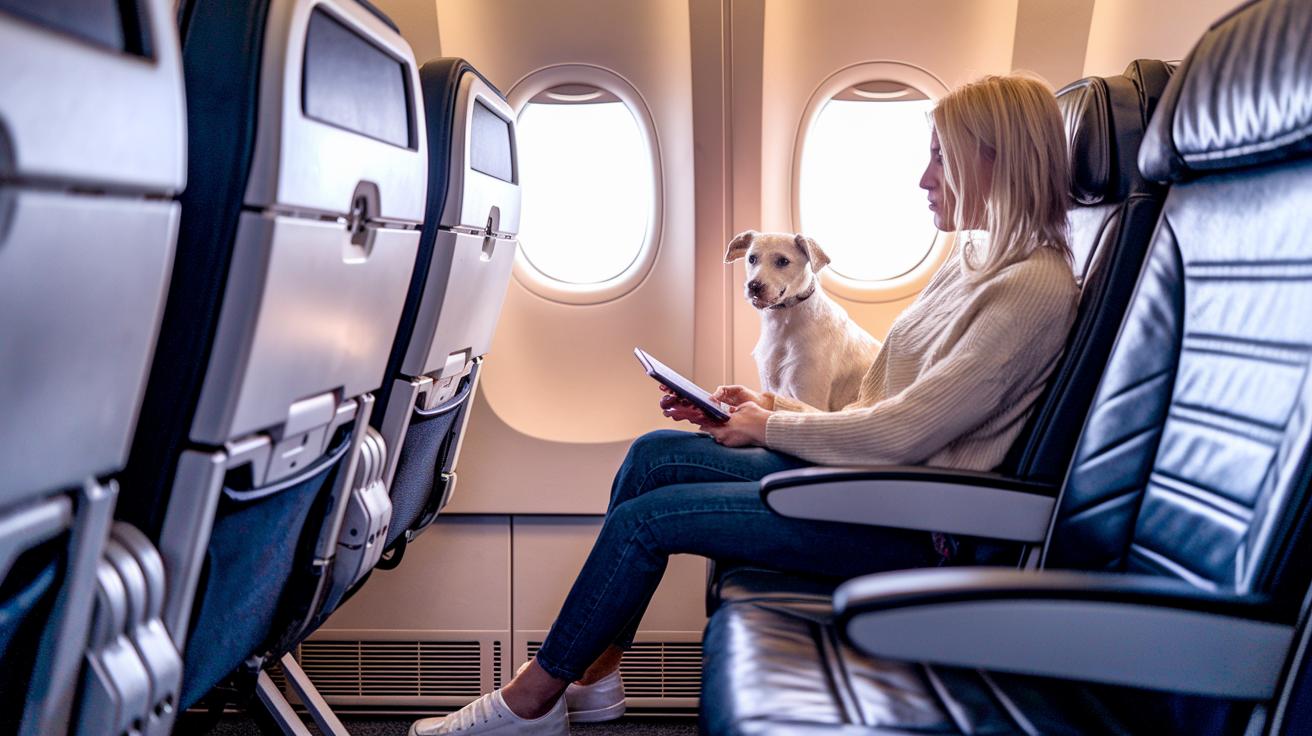
Here’s a simple guide to help you choose a pet carrier that meets TSA and airline rules. We want to make your travel experience with your pet safe and stress-free.
- The carrier should be no more than 18 inches long, 11 inches wide, and 11 inches high. For example, a carrier sized 18 x 11 x 11 will slide neatly under your airplane seat.
- The total weight of your pet and the carrier should be around 20 lbs. This helps you stay within airline limits.
- The carrier needs ventilation on at least three sides so that fresh air can circulate, much like having a few open windows.
- Make sure the bottom is leak-proof and has an absorbent liner. This will catch any accidents and keep things clean.
- Look for sturdy seams and secure zippers for extra durability. These details are like the strong stitches on your pet’s favorite blanket.
- There should be a visible ID label on the outside. Think of it like a school bag name tag that helps identify you or your pet.
- Lastly, the carrier must fit completely under the airplane seat with no part sticking out, ensuring a smooth boarding process.
Types of TSA Approved Pet Carriers and Key Materials
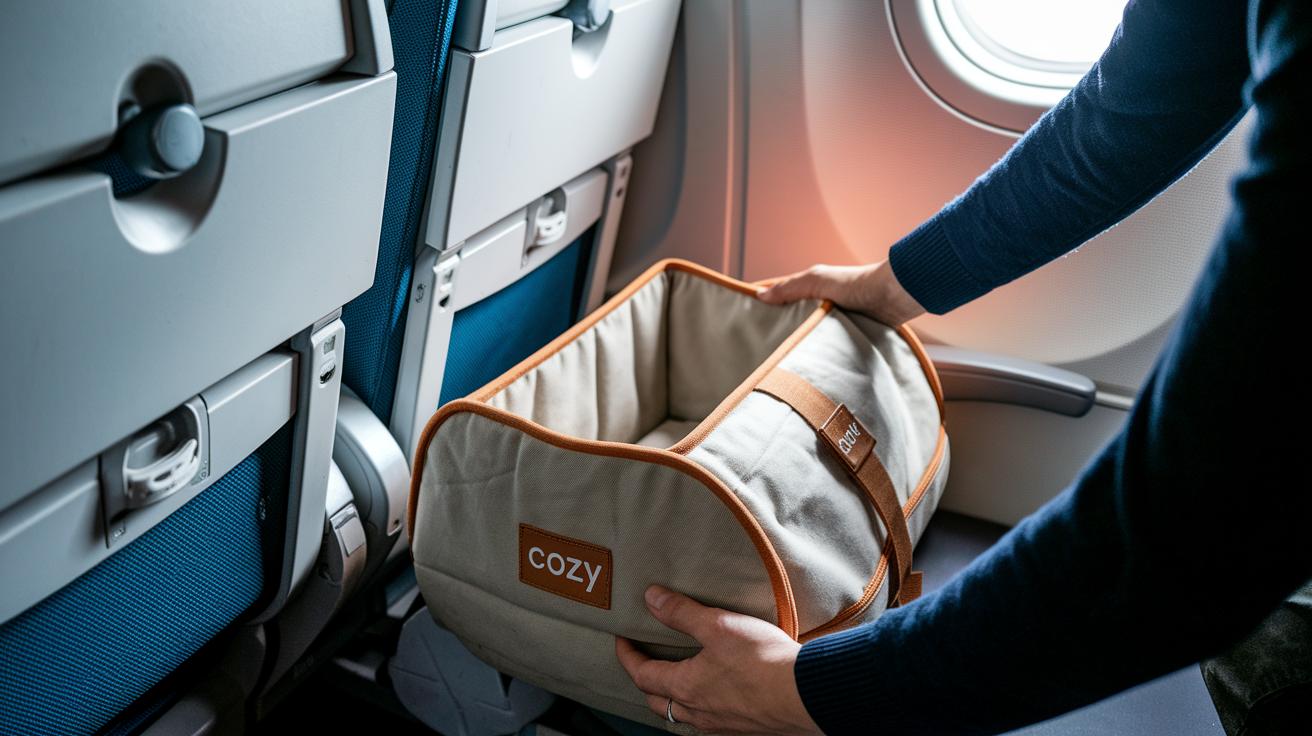
When choosing a pet travel carrier, you want comfort for your pet and smooth travel for you. It's good to think about how the carrier fits into your travel routine. For example, a soft-sided carrier made of canvas or nylon is very flexible. Imagine a carrier so light and soft it folds like a cozy sleeping bag, slipping easily under a seat.
Carriers are made with different materials to meet TSA rules. Each type has its own perks. Soft-sided carriers are light and flexible. Hard-sided crates, usually made from ABS plastic, are strong and secure. However, they work best as checked baggage instead of in-cabin. Backpack-style carriers have padded straps and mesh panels so your pet can breathe easily, making them great for hands-free travel. Roller carriers come with wheels and a telescoping handle, which makes moving a breeze even though they are a bit heavier.
Here's an easy table to compare the main types side by side:
| Carrier Type | Material | Ventilation | Weight | Best Use |
|---|---|---|---|---|
| Soft-sided | Canvas, nylon | Mesh panels (good airflow) | Light | In-cabin travel |
| Hard-sided | ABS plastic | Limited with air holes | Heavier | Checked baggage |
| Backpack-style | Fabric with mesh | Full mesh ventilation | Moderate | Hands-free carrying |
| Roller | Durable composites | Integrated mesh panels | Heavier | Frequent travelers |
Each carrier has its own perks. Your pet's comfort and your travel style will help you choose the best TSA approved pet carrier.
Top TSA Approved Pet Carrier Picks for 2024

The Sherpa Original Deluxe is a great choice for travel. It has a spring-wire frame that keeps it in shape, plus mesh on three sides for plenty of fresh air. It fits under most airplane seats and costs between $55 and $70. With a 4.6⭐ rating, it is light but strong, a perfect pick for pet parents who need comfort and TSA-compliant gear.
Sleepypod Air is built to withstand the bumps of flying. It is tested for airline travel and uses Microban fabric (helps control odors). When you’re not using it, you can store it flat, which is very handy. Priced at $199 and with a 4.5⭐ rating, it is a smart choice for those who want a blend of clever design and safety.
AmazonBasics Soft-Sided is a wallet-friendly option that doesn’t skimp on comfort. With a size of 17"L x 11"W x 10"H, it works well for in-cabin travel. It comes with a cozy fleece liner and handy side pockets for extra storage. At only $30 and rated 4.3⭐, it is great for everyday trips.
Frisco Airline-Approved stands out with reinforced seams and a removable fleece pad that is easy to clean. It is built tough but also cozy for your pet. Priced at an affordable $45 and holding a 4.4⭐ rating, it meets TSA rules while keeping your pet safe and snug.
Petmate Sky Kennel (cargo only) meets IATA standards with its hard plastic design and secure metal door. Even though it is meant for cargo travel, many pet parents love it for its strength and safety features. Priced at $60 and boasting a 4.7⭐ rating, it is a favorite for those who need a very sturdy travel option.
Preparing Your Pet and TSA Carrier for Screening
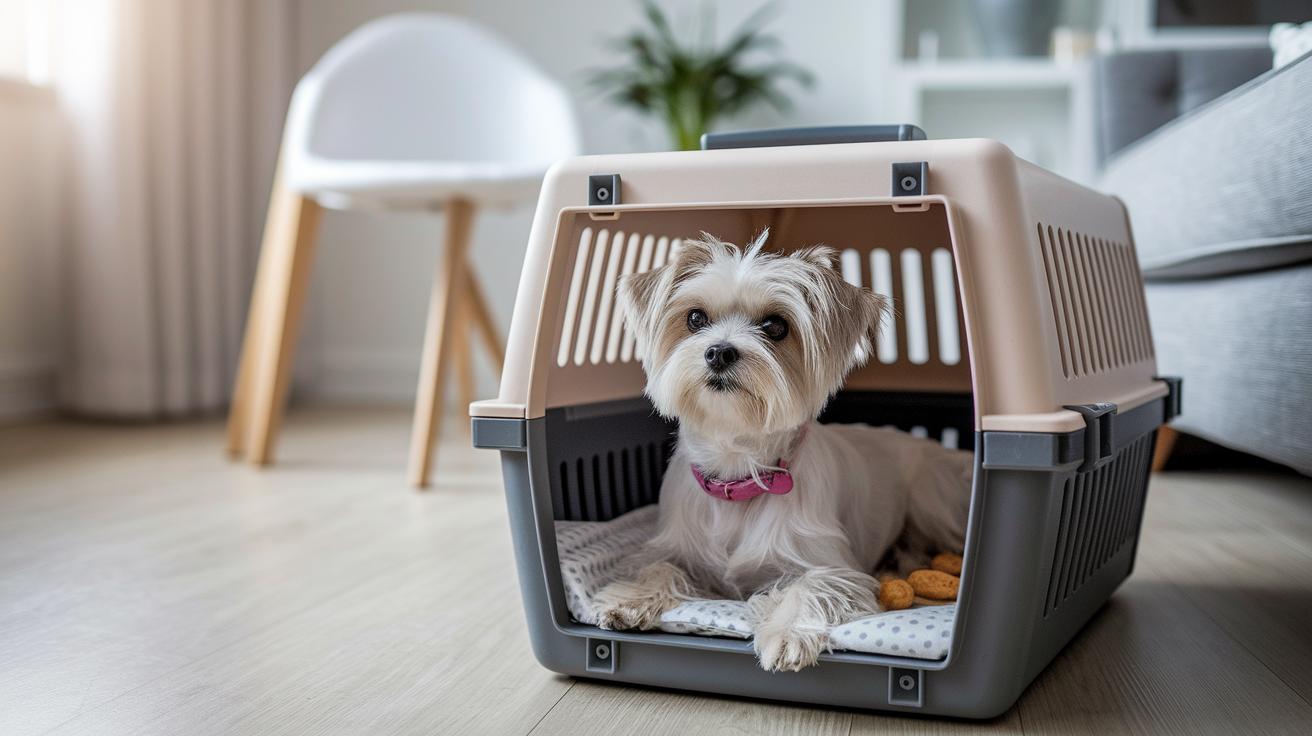
Traveling by air with your pet means planning ahead. We want your furry friend to feel safe and your carrier ready for TSA screening.
Start at home. Let your pet get comfortable with the carrier for 2–4 weeks. Try a little crate training. Put tasty treats inside to help them see it as a cozy, familiar spot.
Here are some simple steps:
- Arrive at the airport 2–3 hours early so you have plenty of time.
- Practice crate training at home for a few weeks to ease your pet's anxiety.
- Add an ID tag and health certificate to the carrier, just like a school backpack name tag.
- Place a leak-proof, absorbent pad at the bottom to keep it tidy.
- Avoid sedatives; TSA prefers pets to stay naturally calm.
- Check that zippers, seams, and ventilation panels work well for safe airflow.
- Let the gate agent know you’re traveling with a pet so they can help.
Taking these steps makes the screening process smoother for you and your pet. With a bit of preparation at home and arriving early, your journey can be calm and joyful.
TSA and Airline Pet Carrier FAQs
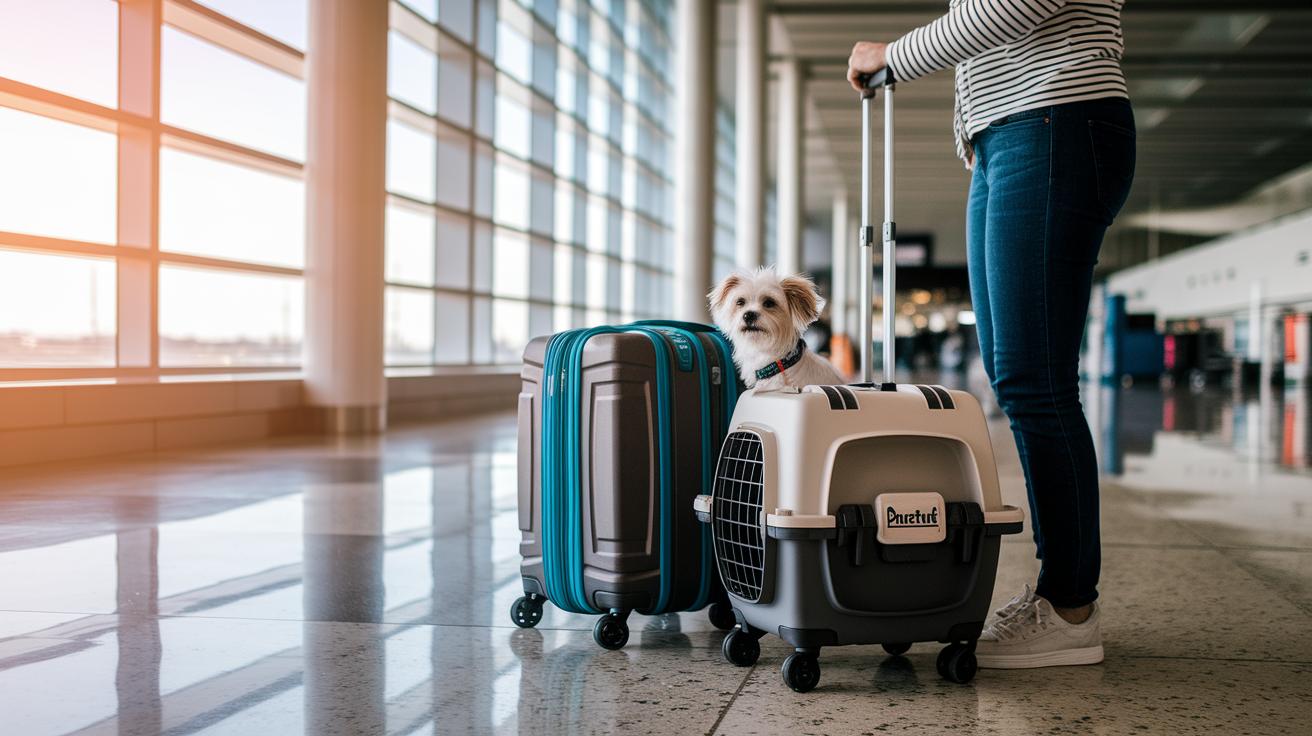
When you fly with your pet, airlines add an extra fee for your furry friend's travel. Most of the time, you can expect to pay between $75 and $150 for one flight. One pet parent mentioned, "Every time we fly, we pay about $100 extra, which covers the care and space our pet enjoys."
For rules on TSA size limits, sedation guidelines, the papers you need, and the best time to arrive, please check the "Preparing Your Pet and TSA Carrier for Screening" section.
- Airline fees: $75–$150 per one-way flight.
Final Words
In the action of planning a smooth pet travel experience, we broke down the essentials, a clear definition of what makes a carrier meet TSA and airline rules, detailed size and material insights, top picks for 2024, and handy tips for prep at home and at the airport. Every point is shared to help you choose safe, vet-recommended gear that makes traveling stress-free. Enjoy every journey with confidence, especially with a tsa approved pet carrier.
FAQ
What is a TSA approved pet carrier?
A TSA approved pet carrier meets strict rules to keep your pet safe during air travel. It must fit under the seat, be leak-proof, ventilated on three sides, and offer enough space for comfort.
What are the size and design requirements for a TSA approved pet carrier?
A carrier must be no larger than 18″L × 11″W × 11″H, have reinforced seams, secure zippers, and a leak-proof bottom. It should allow your pet to stand, turn around, and lie down.
What types of TSA approved pet carriers are available and what materials do they use?
TSA approved pet carriers come as soft-sided, backpack, and roller types. Soft-sided models (canvas or nylon) are flexible, while hard-sided crates (ABS plastic) are for cargo use only.
Which TSA approved pet carriers are top picks for 2024?
Top picks include the Sherpa Original Deluxe, Sleepypod Air, AmazonBasics Soft-Sided, and Frisco Airline-Approved carriers. Each is praised for fit, ventilation, and durability, ensuring comfort and compliance.
How should I prepare my pet and carrier for TSA screening?
Practice at home with the carrier for 2–4 weeks, attach an ID and health certificate, use an absorbent pad inside, and avoid sedation. Arrive 2–3 hours early to ensure a smooth check-in.
Do pet carriers count as a carry-on and what documentation is required?
When a carrier meets TSA dimensions and weight limits, it counts as a carry-on. Always bring updated health certificates and vaccination records to ease airport screening.
Are there extra fees and special arrival times for traveling with a pet?
Yes, airlines often charge extra fees ranging from $75–$150 one-way. It is best to arrive 2–3 hours early for international flights and 1.5–2 hours early for domestic trips to allow ample time for processing.