
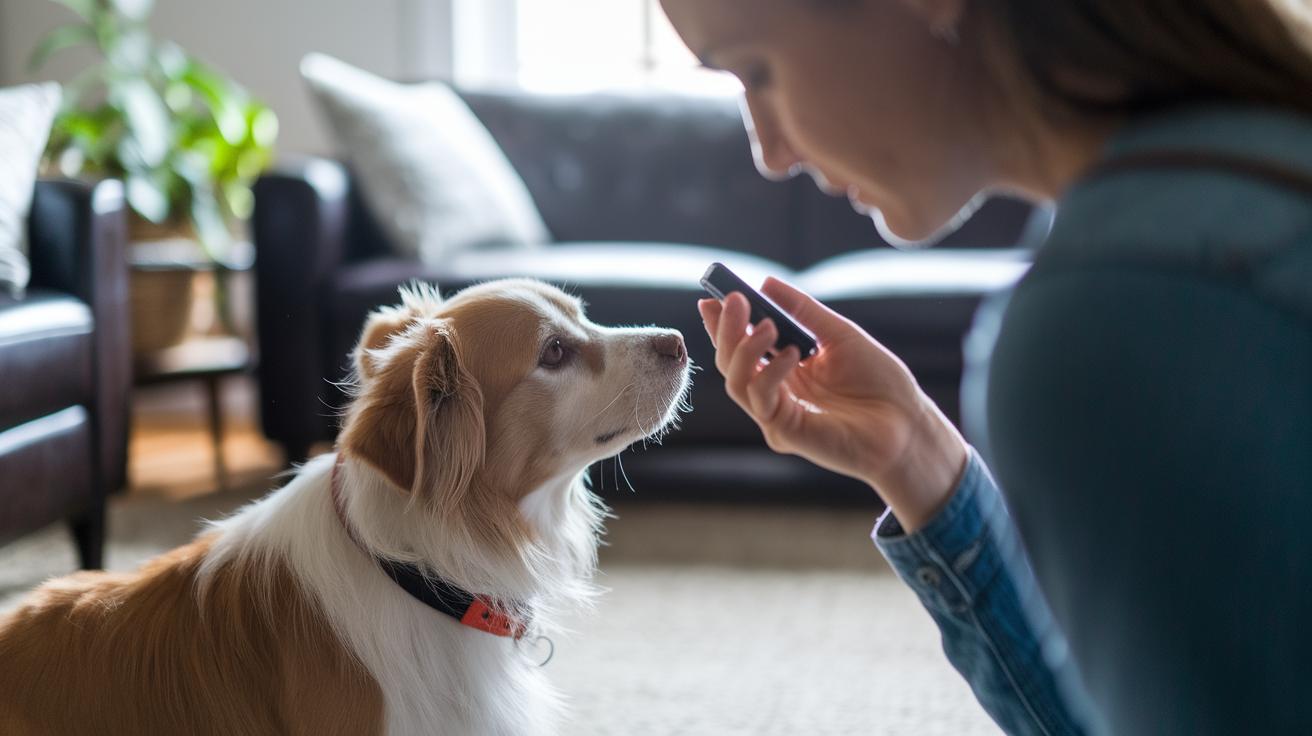

Have you ever noticed how one quick click can make your dog light up? That tiny sound tells your furry friend that he did something right. In this guide, we’ll show you how to charge your clicker, time your clicks perfectly, and reward your dog's best behavior. This simple method helps you speak your dog's language and deepens your bond. Let’s explore how a little click can turn training into a fun, rewarding experience for both of you.
Step-by-Step Guide to Using a Clicker in Dog Training
Start by charging your clicker. Click it and immediately give your dog a treat. Do this around 20 times so your pup learns that the clicking sound means a reward is coming.
Next, capture simple behaviors like sit, stay, or come. When your dog finishes the action, click right at that moment. This tells your dog, "Yes, that’s exactly what I want."
After you click, offer a tasty treat within half a second. A small piece of cheese or a freeze-dried treat works well. A tiny delay might make the link between the click and treat unclear.
- Try 5-10 short trials with each behavior. This keeps training fun and focused.
- Once your dog gets it, add a word cue along with the click.
- Slowly ask for a bit more by delaying the click slightly or holding the pose longer.
Keep repeating these steps during each session. Over time, your dog will come to understand that a quick click means a reward is on its way. Also, mix up the behaviors. Start with a simple command like “sit” and then move on to staying in place a little longer. Stick to a regular routine, and your dog will quickly learn that the click marks success.
Benefits of Clicker Training for Effective Dog Behavior Reinforcement
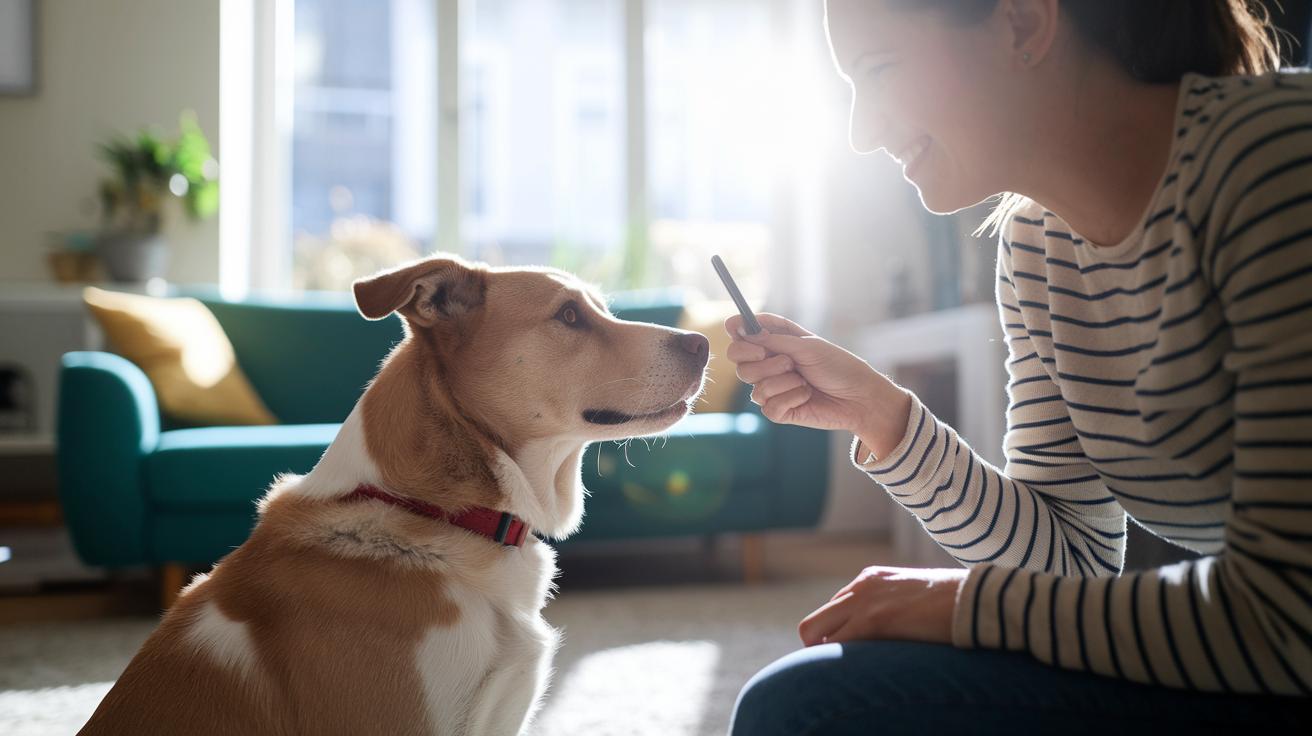
Using a clicker gives clear, immediate feedback so your dog knows exactly when he's done something right. The quick click marks the exact moment of good behavior, which makes it easy for him to link his actions with a tasty treat. This fast signal helps him learn in no time.
It also builds a stronger bond between you and your furry friend. When training feels fun and relaxed, trust grows. Your dog learns that training isn't just about short-term commands but about building calm, lasting habits. Instead of feeling anxious, he learns to respond confidently and steadily.
Key benefits include:
- Instant, clear feedback at the right moment.
- Faster learning with less guesswork.
- A stronger bond through positive, fun sessions.
- Focus on long-term, calm behavior rather than quick fixes.
- A stress-free way to build good habits.
Selecting the Right Clicker and Rewards for Training Sessions
When choosing a clicker, hold it in your hand and listen to its sound. It should feel comfortable and give a clear, consistent noise. You have a few options to fit your style. For example, a plastic box clicker gives a loud click that works well outdoors. A silicone button clicker creates a softer sound for dogs that are sensitive to noise. And a wrist-band clicker lets you have both hands free to guide your pet.
Pair your clicker with small, soft treats like cheese cubes or freeze-dried liver. This helps your dog quickly enjoy the treat so they can easily connect the click with a reward. It’s like giving your pet a little high-five each time they do well.
| Clicker Type | Volume | Best Use |
|---|---|---|
| Plastic Box | High | Outdoor Training |
| Silicone Button | Medium | Sensitive Dogs |
| Wrist-band Clicker | Variable | Hands-free Sessions |
Mastering Timing and Consistency in Clicker-Based Dog Training

Clicker training works best when the click sound happens almost instantly after the right action. When your dog sits or gives a paw and you click within half a second, they connect that behavior with a yummy treat. It’s amazing how fast they learn that a click means a reward.
Keep everything steady. Use the same click tone every time and hold the clicker the same way. This clear, consistent approach helps your dog understand exactly what earns a treat. Soon, your training sessions become fun moments of trust and reward.
Try these simple tips:
- Click right when your dog does the behavior.
- Stick to one tone, hand position, and treat method.
- Practice with everyday actions like sitting and hand touches.
Troubleshooting Common Challenges in Clicker Training Your Dog
Recharging the Clicker
If your dog isn’t reacting to the clicker, it might have lost its meaning. Try clicking 20 times in a quiet room while giving a tasty treat after each click. This helps your pet learn that the clicking sound means a good reward is on the way. Soon, you'll see your dog perk up at the sound.
Adjusting for Sensitivity
Sometimes the click might seem too loud and scare your dog. In that case, try a quieter silicone clicker or cover the clicker until your pet feels more at ease. Click a few times during calm moments so your dog slowly gets used to the softer sound and feels safe.
Preventing Overclicking
Clicking too often can confuse your dog. Make sure you click only when your dog does exactly what you want. Keep a treat pouch handy so you can give a reward within half a second after the click. This quick feedback helps your dog understand which action earned a treat.
- Refresh the clicker’s meaning with steady clicks in a calm place.
- Use a quieter clicker if your dog seems uneasy.
- Click only for perfect actions so your dog knows what earns a treat.
Advancing to Complex Behaviors with Your Clicker Training Method
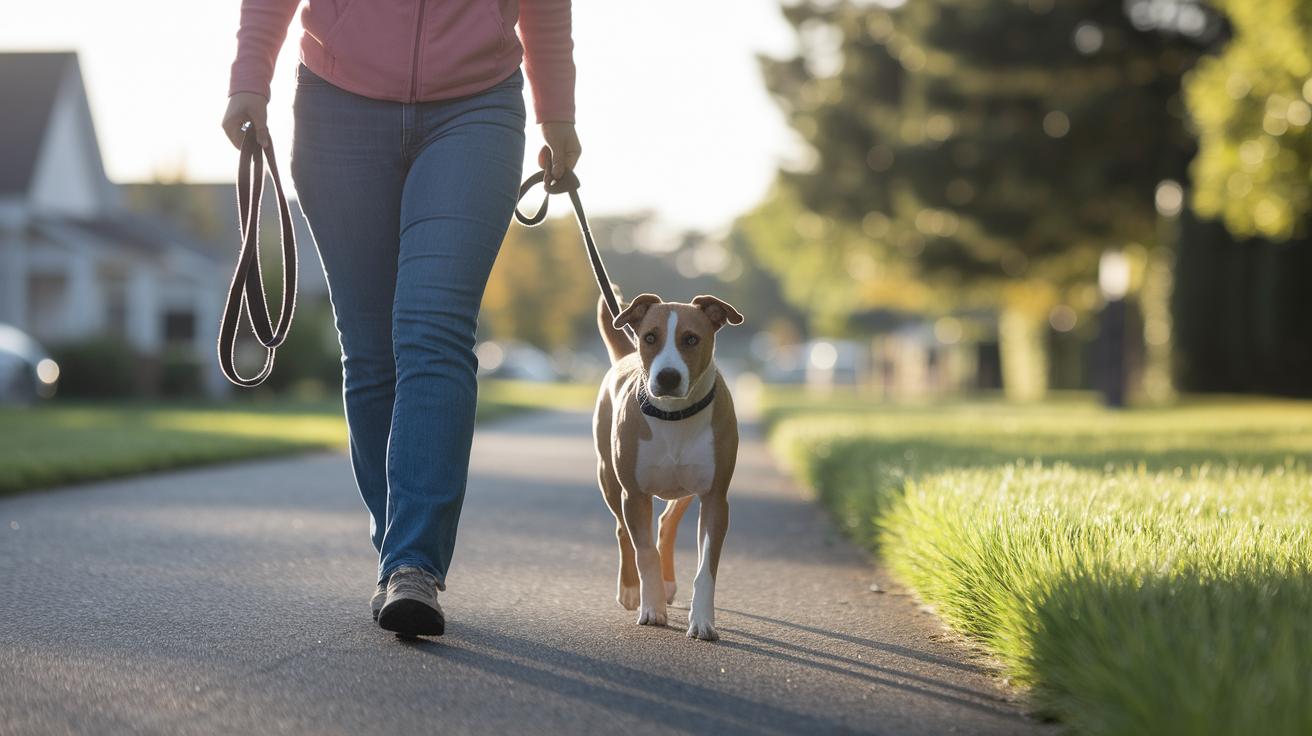
When your dog has learned basic commands like sit, stay, and come, it's time to try new tricks. Start with loose-leash walking. Each time your dog takes a calm step, click and reward. As your buddy grows more comfortable, wait a bit longer between the click and the treat. This sound method helps your dog keep a calm pace and stay focused.
Break down new behaviors into small steps. If you want to teach targeting (when your dog touches an object), click for a small move or even a curious glance before expecting a full touch. And if your dog spins or backs up by chance, be ready with a treat to click at that perfect moment. This method rewards natural actions and builds on them.
Once your dog responds well to the click alone, add a word like "walk" or "touch" right after the click. Then, reinforce it with a treat. Keep training sessions short so your dog stays focused. With patience and consistency, those little steps turn into lasting new skills.
Final Words
In the action, this guide shows how to use a clicker in dog training. We walked through charging your clicker, clicking for core behaviors, and rewarding on time. We also covered troubleshooting tips and ways to step up to advanced training while keeping your timing sharp and consistent. These clear steps help build a stronger bond with your pet and make training fun and effective. Enjoy watching your pet learn and grow as you practice these easy, positive techniques.
FAQ
How to use a clicker in dog training videos or for beginners?
The clicker is used to mark the exact moment your dog does the right thing. First, charge the clicker by pairing the sound with treats. Then, click as soon as your dog obeys a basic command and immediately offer a reward.
Why do some people say clicker training is bad?
The view that clicker training is bad comes from concerns that overusing the clicker or poor timing can confuse your dog. When done properly, clicker training offers clear, instant feedback.
Where can I buy a clicker and find training materials like PDFs?
The clicker is available at pet stores and online retailers. PDF guides on clicker training are often found on reputable dog-training websites and community forums.
How does clicker training work for humans?
The clicker technique for humans uses the same principle of marking an action immediately with a sound. However, it is less common and generally adapted from pet training methods.
What is the hardest command to teach a dog?
The hardest command to teach a dog can be one that requires impulse control, like staying or coming when distracted. Success depends on clear communication and patient practice.
What are the disadvantages of using a clicker in dog training?
The main disadvantages include the risk of overreliance on the sound and potential confusion if timing is off. Additionally, too loud a click may scare some dogs.
What is the 3-3-3 rule for dog training?
The 3-3-3 rule means keeping training sessions short, repeating the process several times a day, and ensuring clear, immediate clicks followed by rewards to maintain your dog’s focus.