
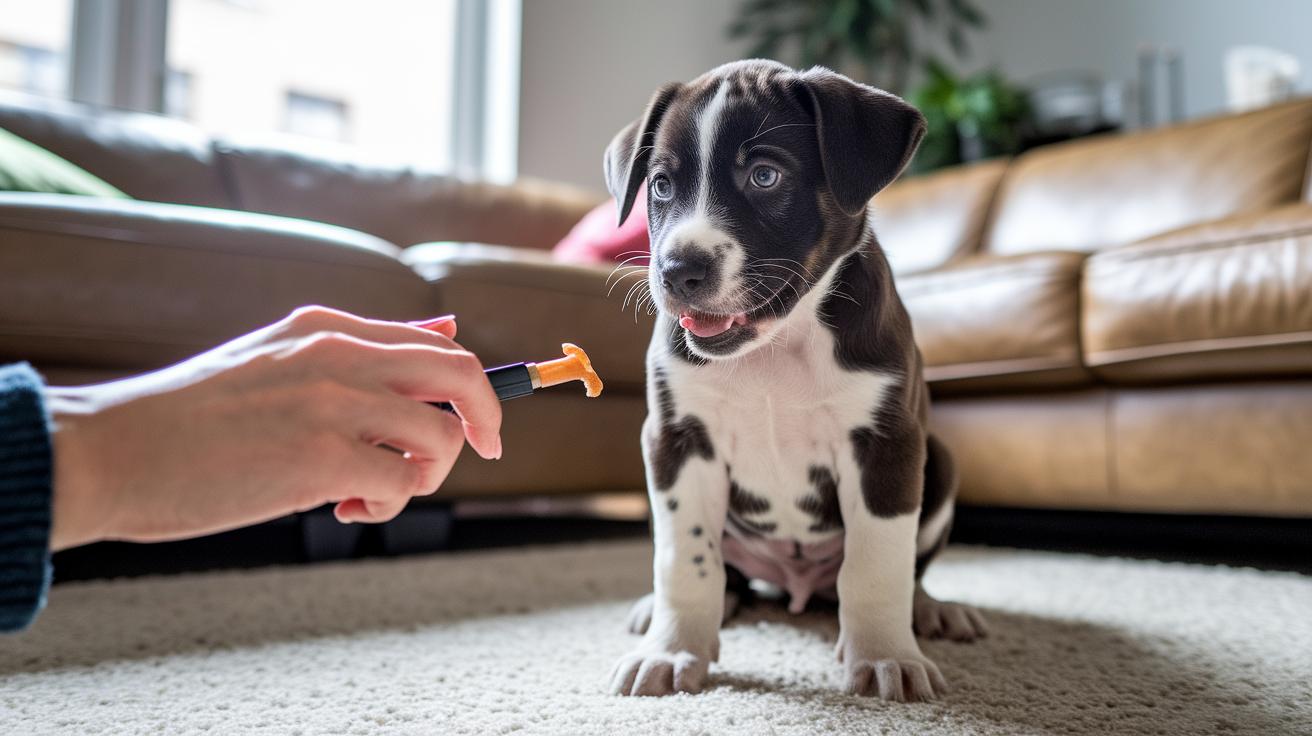

Have you ever wondered if clicker training is just a neat trick or truly a game changer? This guide shares three fun tips for using the clicker method with your puppy. A small click sound plus a quick treat can help your little buddy learn fast and stay excited during training. Read on to find out how to start clicker training when your pup is about 8 weeks old and build a bond full of trust and joy.
Beginner’s Guide to Clicker Training for Puppies
Clicker training uses a small plastic device, about 2 inches by 1.5 inches in size. When you press its button, it makes a clear click sound right at the moment your puppy does something good. You then offer a small, soft treat right away. This method is based on simple learning ideas, meaning your puppy learns that the click means a yummy reward is coming. Most puppies can start around 8 weeks old, though each one learns in its own way.
You can begin clicker training by noticing what your puppy already does naturally or by using a treat to guide them. For instance, if your puppy sits when you offer a treat, press the clicker as soon as their bottom touches the floor. In time, your pup will learn that the click means they did a great job.
Here’s a simple 5-step guide to get started:
- Charge the clicker – Hold it in one hand and press it several times while giving your puppy a treat each time. This links the sound with something good.
- Choose treats – Pick tiny, soft rewards that your puppy can eat quickly to keep sessions moving along.
- Plan sessions – Keep training short, about 5 to 10 minutes, so your puppy stays engaged and happy.
- Mark behavior – As soon as your puppy does the desired action, click immediately. This clear sound tells them they got it right.
- Reward – Offer a treat within 1 to 2 seconds after the click. This quick reward helps the connection grow stronger.
Keep practicing these steps every day. The steady, clear sound of the clicker shows your puppy exactly when they succeed. With consistent training, you build trust and a special bond with your little buddy, making every session fun and effective.
When and Where to Start Clicker Training for Puppies
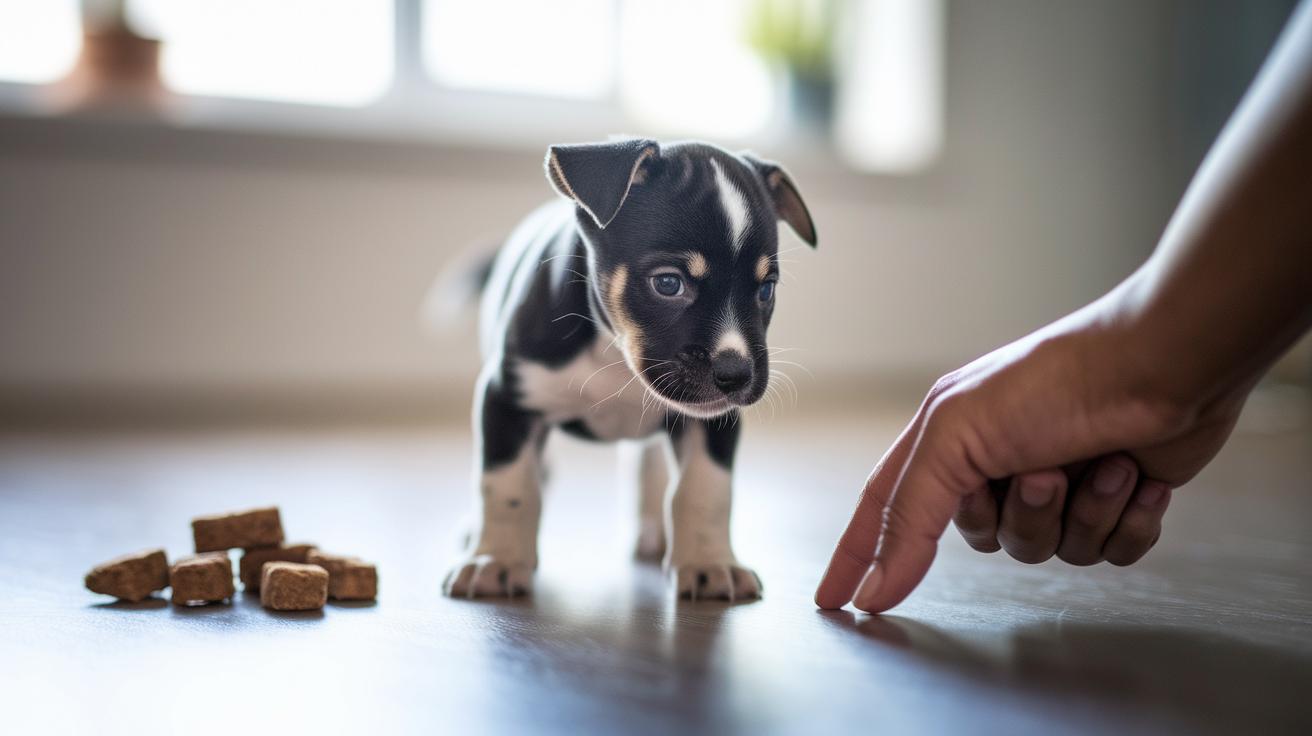
You can start clicker training when your puppy is about 8 weeks old. Every puppy is different, so think about your pup's breed, personality, and energy. Begin in a calm space. Pick a quiet spot inside or a peaceful area in your yard where there are few distractions. This way, your puppy can focus on the click sound and the tasty treat that follows.
Some people worry that the clicker might confuse puppies. But really, the clear click sound is easy to connect with a reward if you use it within 1-2 seconds. For instance, if your pup sits and you click right away before offering a treat, your puppy learns quickly that "yes, that is right!"
Keep training fun and positive. If your puppy doesn't get it at first, don't use punishment or harsh words. Try these simple tips for a stress-free start:
| Tip | Why It Works |
|---|---|
| Choose a quiet spot | Minimizes distractions |
| Keep sessions short | Makes learning fun and easy |
| Be gentle and consistent | Helps your puppy understand the signals |
Essential Clicker Training Equipment for Puppies
When you start clicker training, the right tools make all the difference. A typical clicker is about 2 inches by 1.5 inches and has one button that makes a clear sound. If you don't want to use a clicker, saying "Yes!" in a clear voice works nicely. You will also need a treat pouch to keep those small, soft rewards at your fingertips. These treats should be bite-sized and delicious so your puppy connects the sound with a quick reward.
Picking equipment that fits your budget and training needs is important. Clickers usually cost between $3 and $15, while a treat pouch helps you get to treats fast. Prices for treats can vary based on quality. Check out this quick comparison of the must-have gear for sound signaling:
| Device Name | Price Range | Key Feature | Ideal Puppy Stage |
|---|---|---|---|
| Standard Clicker | $3–$15 | Clear and quick click sound | 8 weeks and up |
| Verbal Marker | Free | Simple and clear voice command | Any stage |
| Treat Pouch | $5–$20 | Easy reach to treats | Early training |
| High-Value Treats | Varies (~$5/bag) | Soft, bite-sized rewards | Initial learning |
Timing and Reward Strategies in Puppy Clicker Training
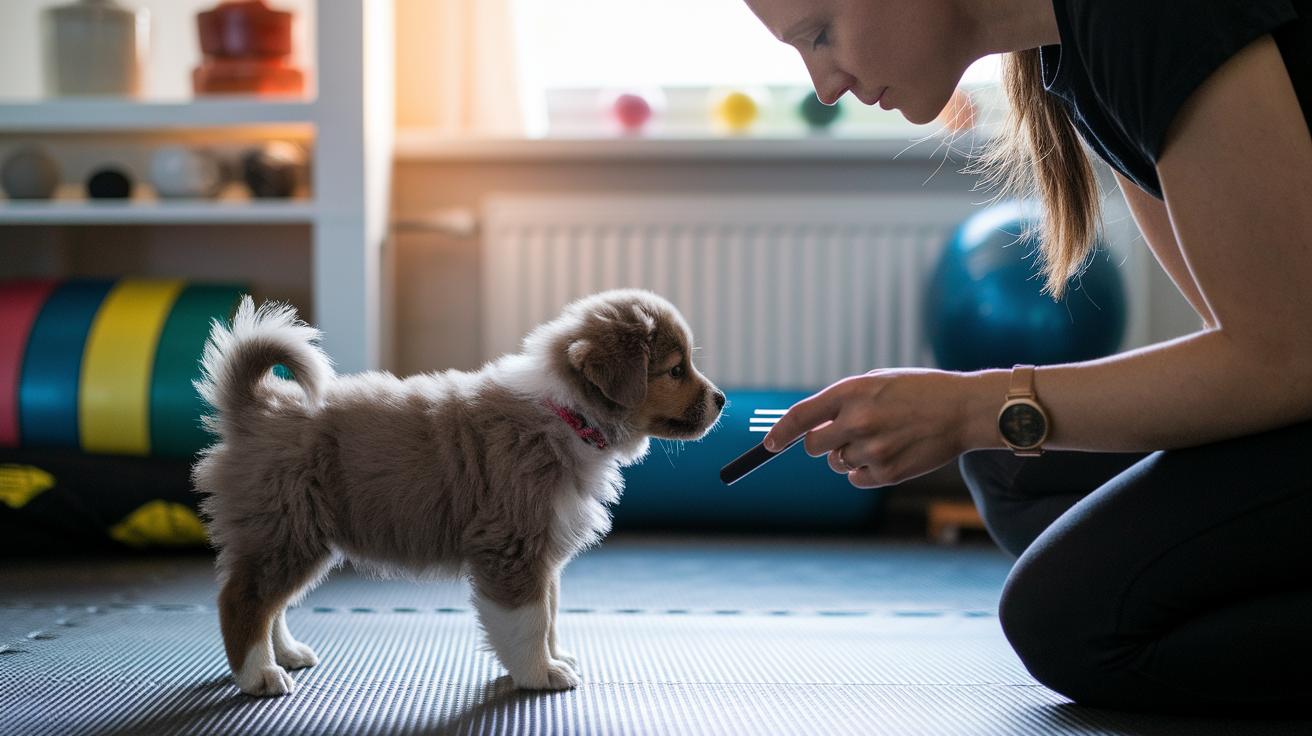
Today, we share some tips to help sharpen your puppy's clicker training. Research shows that a small tweak in the click timing can speed up learning. One study found that clicking about 0.5 seconds earlier when your pup shows a hint of the right move helps boost its focus. One trainer said, "When a puppy was very excited, a short pause of 0.5 seconds helped it learn when to be calm."
If your puppy finds routines hard to stick to, try mixing up the rewards. Instead of giving a treat every time, offer them randomly after good behavior. This keeps training fun and makes your pup think. Picture your puppy learning a tricky move because treats come at surprise times.
| Situation | Timing Tip |
|---|---|
| Puppy too excited | Pause for about 0.5 seconds to help them focus |
| Inconsistent behavior | Reward randomly to boost their persistence |
- Check if small timing changes improve how your pup responds.
- Try different pauses between the behavior and click.
- Notice how your pup's focus shifts with varied treat rewards.
These ideas add extra tools to help you and your furry friend enjoy every training session.
3 clicker training for puppies: Happy, Effective Tips
Start with a quick daily exercise to build a fun routine. Set aside about 5–10 minutes for each session and try doing 2–3 sessions a day. Take little play breaks so your pup stays interested.
Here are five simple exercises:
-
Target Touch – Hold your hand (or a target stick) out and let your puppy touch it with their nose. When they do, click and reward them. This helps your puppy focus on where you want them to be.
-
Sit – Use a treat to guide your puppy until their bottom touches the floor. Click right when they sit and give them a treat. This basic command builds clear communication with the click.
-
Come – Stand a short walk away and call your puppy by name. When they come over, click and give a small reward. This game sets up the coming command in a positive way.
-
Paw – Show your hand and wait for your puppy to lift a paw. Click every time you see even a slight paw lift and give a treat. Soon your puppy will offer their paw when you ask.
-
Down – Start from a sitting position and lure your puppy with a treat until their chest touches the floor. Click as soon as they lie down and then reward them. As your pup gets better, slowly increase the distance you lure.
Keep practicing these steps. Over time, you can fade out the lures and extend the training.
Troubleshooting Common Puppy Clicker Training Challenges
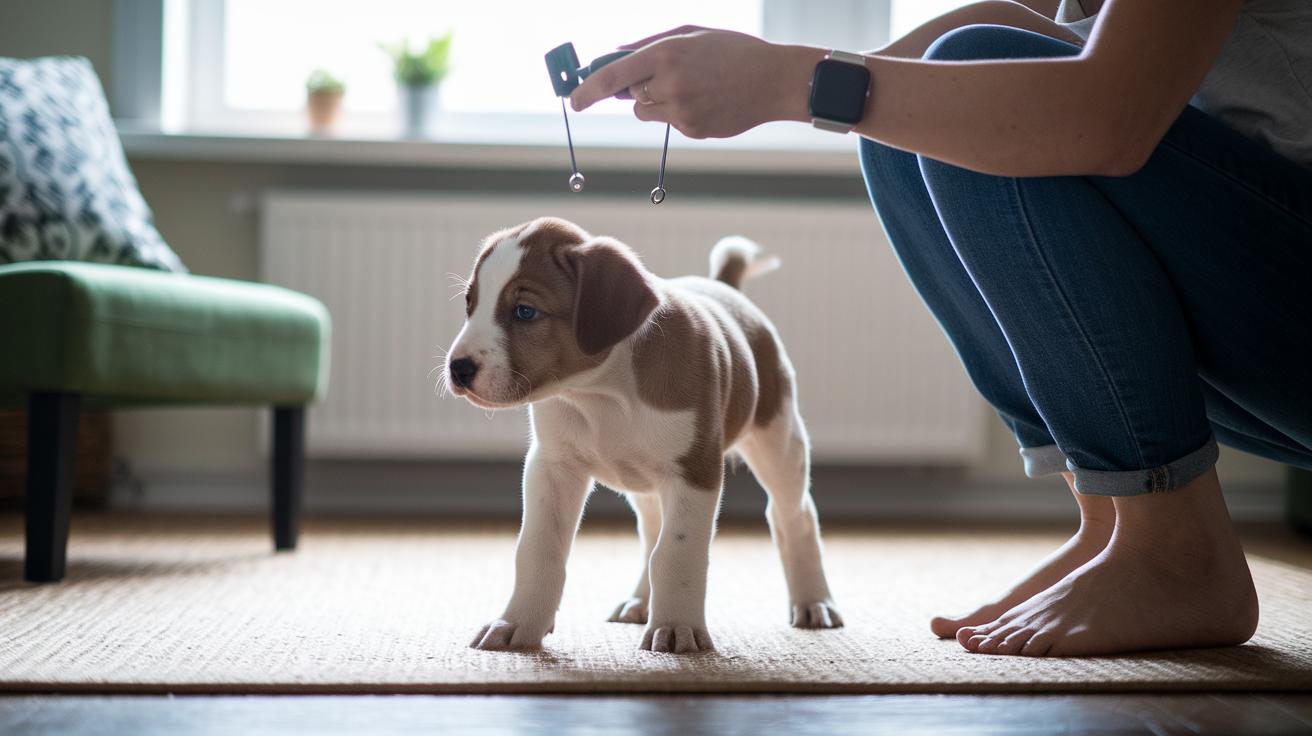
Timing is key. If you click even a second late, your puppy might not connect the click with the right behavior. Try clicking as soon as you see the action. If things still feel off, practice in a quiet room away from distractions.
Be careful not to over-click. Each click should mark one clear behavior. Extra clicks can confuse your pup about what sound means a treat is coming. Keeping it to one click per behavior helps your puppy learn quickly.
Sometimes, a busy background or long sessions can make your puppy lose focus. When you notice your pup drifting, try moving to a calm area or shorten your training time. This keeps the session fun and not too stressful.
Before you start, always test your clicker. Give it a quick click and keep a backup ready if you can. This little step makes sure a faulty clicker doesn’t interrupt your training.
- Move to a quiet space if your puppy seems distracted.
- Stick to one click per behavior.
- Test your clicker sound before every session.
Advanced Techniques to Refine Puppy Clicker Training
When you train with a clicker, try pairing it with a special hand sign or a clear word. For example, if your puppy sits, lift your hand and click at the same time. Your pup will learn to link both signals, which helps speed up learning and builds confidence.
Changing the sound of your clicker can also tell your puppy different things. You can click fast for one command and slow for another. For example, a quick click might mean "sit" while a slow click might mean "stay." Try small changes and see how your pup responds.
As your puppy gets better, slowly add a few distractions like a favorite toy or gentle background sounds. This makes sure they can follow commands in real-life settings. Start with very soft distractions and add more only when your pup keeps his focus.
Once your pup really gets the hang of commands, use rewards a bit less. Give the click and treat only when you see the best behavior. This makes each reward feel extra special.
Keep your training sessions short and mix in some play. Short sessions help your pup stay fresh and eager to learn. Try practicing for a few minutes, then take a fun break to keep energy and focus high.
Tracking Puppy Progress in Clicker Training
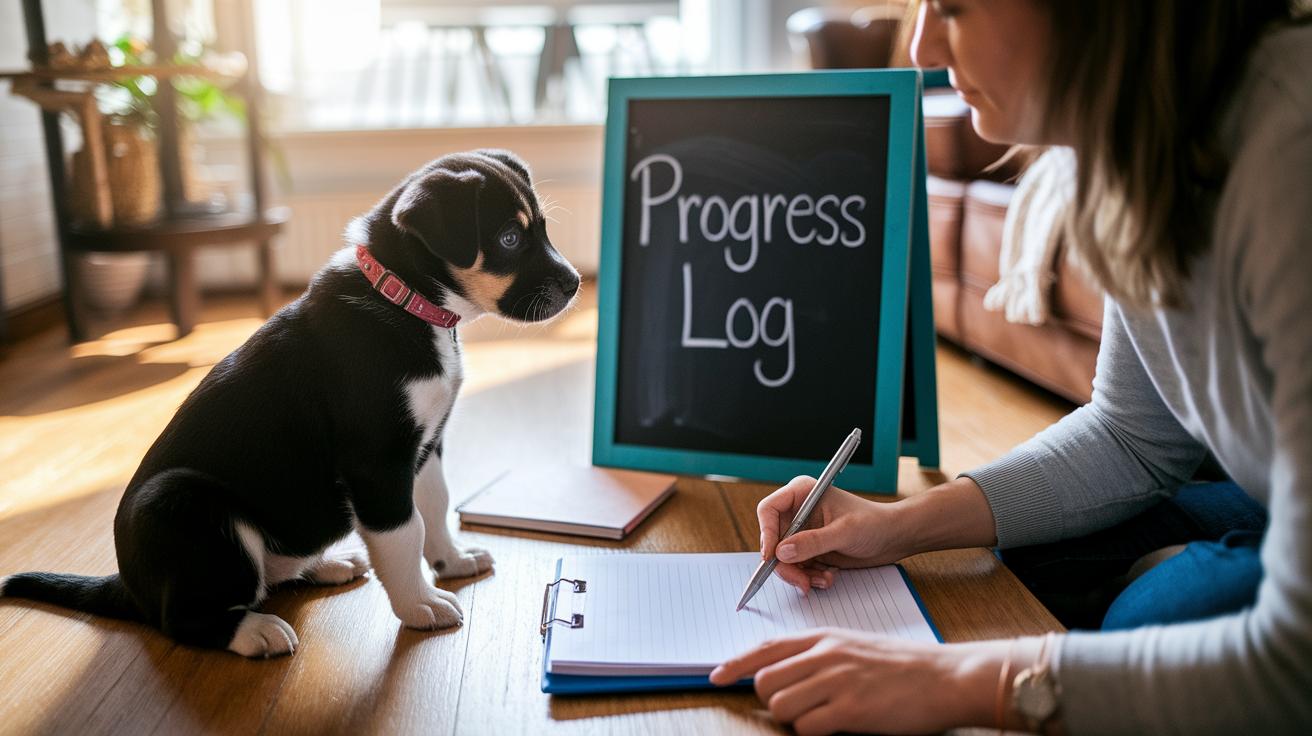
Keeping track of your puppy's progress helps you see how much they are learning. Every day, try noting how many clicks it takes for your pup to do a trick. For instance, you might see that it takes three clicks for your puppy to sit or that they usually respond in about two seconds. This simple record shows you how well your puppy is learning.
Set little goals as you go. A goal might be when your pup sits from 5 feet away and holds the sit for 3 seconds or when they follow the command without extra clicks. Keep a small journal where you write down the date, the behavior you worked on, and your pup's success rate. You can even make short video clips later to see the timing and improvement. These clips help you catch small wins that might otherwise go unnoticed.
Remember to celebrate each little win. It boosts your puppy's confidence and brightens your day too. Over time, these notes make it easier to adjust your training and strengthen the bond with your little buddy.
Final Words
In the action, you’ve learned clear steps to begin training your puppy with a simple clicker and treat routine. We broke down choosing reliable tools, timing your clicks, and handling common challenges. Each point builds on easy-to-follow techniques to help your companion grow confident. With small wins and playful sessions, clicker training for puppies becomes a fun, positive part of your daily care. Enjoy the progress, and celebrate every moment of growth with your furry friend.
FAQ
What is the schedule for clicker training puppies?
The clicker training schedule works best with short sessions. We recommend 5–10 minutes per session, done 2–3 times daily to keep your puppy engaged and learning without feeling overwhelmed.
Why do some say clicker training is bad?
The idea that clicker training is bad usually comes from misusing the technique. When timing is off or rewards are inconsistent, it can confuse puppies. Using clear, immediate rewards keeps training positive.
How does clicker training help beginners with dogs?
Clicker training helps beginners by marking the exact moment your dog does something right, making it easier to understand and repeat good behaviors. It simplifies the teaching process with consistent feedback.
How can clicker training stop bad behavior in dogs?
Clicker training stops bad behavior by reinforcing good alternatives. It focuses on rewarding the behavior you want to see instead of punishing mistakes, guiding your dog toward better habits.
How does clicker training apply to humans?
Clicker training is designed for dogs because it uses clear markers to signal correct actions. Humans learn through more complex cues and discussions, so this method is specific to animal training.
When can you start clicker training a puppy?
You can start clicker training a puppy at about 8 weeks old, depending on the breed and personality. Begin in a quiet, low-distraction space to help your puppy focus and link the clicker sound with treats.
What exactly is a dog clicker?
A dog clicker is a small plastic device with one button that makes a distinct sound when pressed. It marks the moment your puppy does something you want to encourage, making training clearer.
Where can I purchase a clicker for dog training?
You can purchase a clicker online, at pet stores, or in specialty training shops. Quality clickers typically range between $3 and $15 and work well with your puppy’s training routine.
Should I use a clicker when training my puppy?
Yes, using a clicker helps pinpoint and reward desired behaviors at the exact moment they occur. It is a useful tool for clear, effective training that supports your puppy’s learning process.
What is the 7 7 7 rule for dogs?
The 7 7 7 rule for dogs is not a widely recognized method in clicker training. It may refer to another concept, so it’s best to follow established clicker training guidelines for clear, consistent results.
What is the hardest command to teach a dog?
The hardest command to teach can vary, but many find that commands needing a high level of impulse control, such as “stay” under distractions, often present the biggest challenge.