
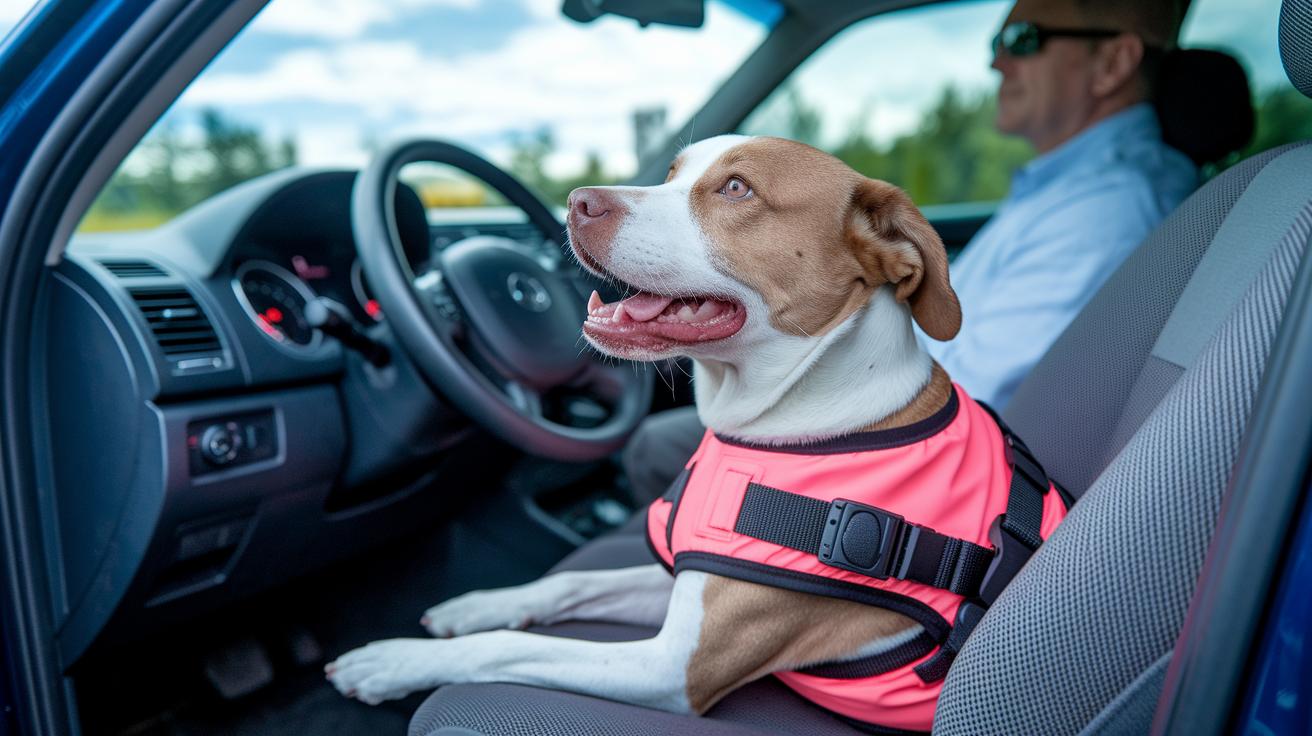

Have you ever wondered if a pet seatbelt really keeps your furry friend safe? Just like our own seatbelts, these harnesses help hold your pet in place when you brake hard. Science tells us that anything not buckled up can keep moving. That means a little dog can turn into a little projectile if not secured.
Crash-tested pet harnesses help reduce injury risks. Buckling up your pet is one of the smartest choices you can make, for both you and your pet.
How Pet Seatbelts Prevent Injury in Accidents
Pet seatbelts work much like our own seatbelts. They keep your pet from flying forward when the car stops suddenly. Physics tells us that anything not fastened stays in motion until something stops it. Picture a small dog of 10 lbs getting thrown forward like a heavy object in a crash if it isn't secured.
Crash-tested pet harnesses have several strong anchoring points to keep your pet safe. These points limit movement in both forward and side directions. They spread the force of a crash over your pet's chest and back to absorb impact energy. This helps lower the risk of broken bones or internal injuries.
A pet seatbelt is a restraint that stops your furry friend from becoming a projectile in an accident. When worn correctly, the harness manages crash energy well, creating a safe space in the car like human seatbelts do for us.
Key features include secure fasteners and durable materials. Manufacturers test these harnesses in crash-like situations so you can trust they work when needed. Using a pet seatbelt not only makes trips more comfortable but also plays a crucial role in keeping your pet safe during unexpected events.
Safety Studies and Crash Statistics on Pet Seatbelt Effectiveness
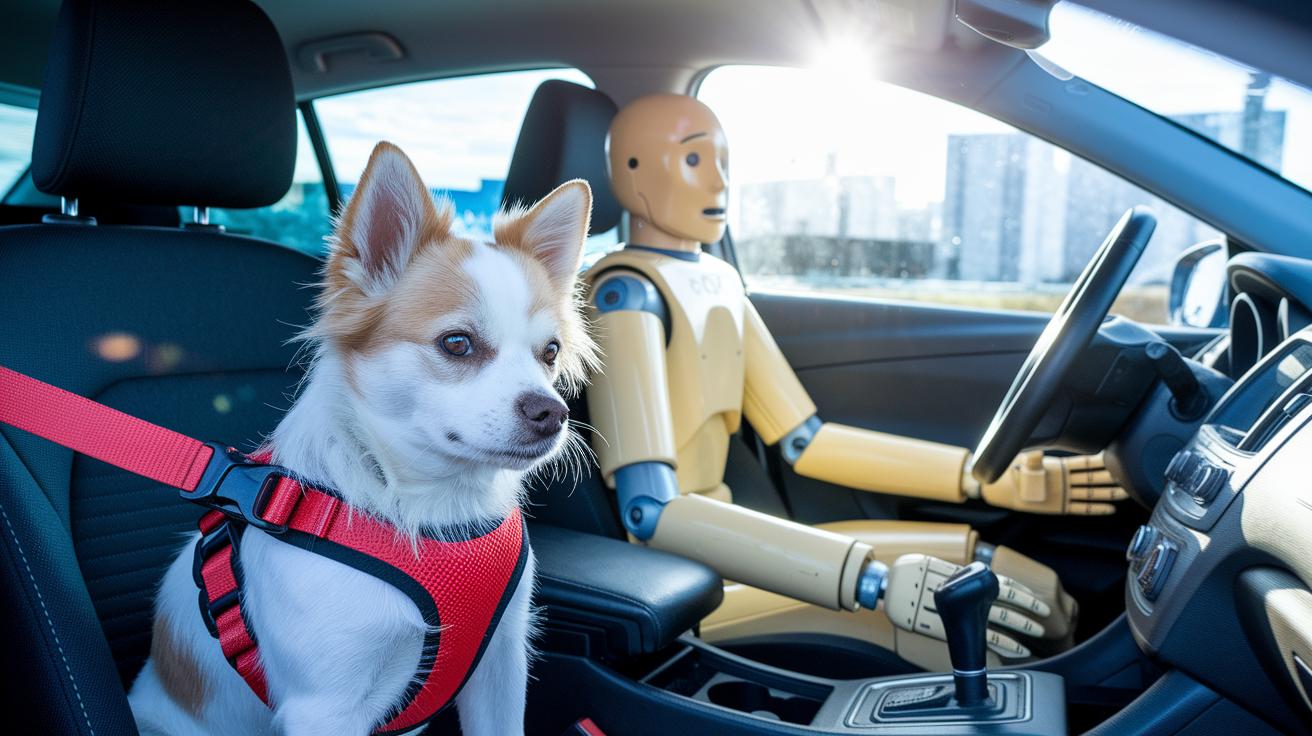
We all want our pets safe on the road. The National Highway Traffic Safety Administration shows that unbuckled passengers are 11 times more likely to suffer fatal injuries. The same rule applies to our pets. Tests using dog-size crash dummies at 30 mph prove that even a low-speed impact can seriously injure a pet without a seatbelt.
Imagine a small dog, around 10 pounds, launched forward like a heavy object during a crash. Good pet harnesses can reduce the force on your pet by up to 50%. This means a well-tested pet seatbelt can make a big difference when it comes to safety.
Key points:
- Unrestrained passengers face an 11 times higher risk of fatal injuries.
- Crash tests at 30 mph mimic real accident conditions.
- Proper restraints can cut impact forces by about 50%.
These findings show the importance of using a crash-tested pet seatbelt to keep your furry friend safe every time you drive.
How Pet Seatbelts Work: Design and Construction
Crash-tested pet seatbelts are built with your pet's safety and comfort in mind. They use a three-point system that has two shoulder straps and a chest strap that fastens securely to your car belt. This design works like a regular seatbelt, keeping your pet safe by limiting movement if there’s a sudden stop or crash.
Three-Point Contact System
The three-point system secures the harness in three main spots. Two shoulder straps rest over your pet’s upper back, while a chest strap fits snugly across the front. This setup keeps your pet from moving too far forward, sideways, or upward. In a sudden stop, the force is spread out so that no single part of your pet takes all the impact.
Material and Load Testing
Top-quality pet seatbelts are made with automotive-grade webbing and sturdy metal parts. These materials are tested to handle forces from 2,000 to 4,000 pounds. Manufacturers use load tests and follow FMVSS 213 (safety tests using a sled) to ensure the design meets strict standards. Plus, adjustable points, quick-release buckles, reflective strips, and soft padding add extra comfort and ease. Every detail is designed to absorb shock well, keeping your pet safe even during minor accidents.
Every feature plays its role. The secure straps and durable build work together to absorb energy, ease strain, and give your pet reliable protection on every trip.
Comparing Pet Seatbelts with Alternative Restraint Methods

When you want your pet to ride safe and comfy, it pays to choose the right restraint. Not all options work the same when it comes to controlling movement or spreading out energy in a crash. Here are some common choices:
-
Unrestrained travel
- Without any restraint, your pet can wander freely.
- This freedom might turn dangerous if your pet becomes a moving object in a sudden stop or distracts you.
- Imagine your pet darting about during a sharp turn. That risk is not worth it for either of you.
-
Crates and carriers
- These create a small, secure space that some pets find comforting.
- In an accident, however, they might move or tip over if not tied down well, which could lead to injury.
-
Booster seats
- Booster seats help raise your pet, letting them enjoy the view out the window.
- They do not offer the same secure, multi-point attachments as pet seatbelts, so a sudden stop might push the force to one part of your pet's body.
-
Proper pet seatbelt harnesses
- These harnesses come with several anchoring points to control both forward and side-to-side movement.
- They are designed to spread crash force evenly over your pet's chest and back.
- This balance of safety and control makes them a great choice for keeping your pet secure.
Each method has its own pros and cons. By weighing the benefits and risks, you can choose the option that best suits your pet's needs and keeps them safe on every ride.
Installing and Using a Pet Seatbelt Safely
Start by measuring your pet's chest at its widest point. This simple step helps you choose a harness that is comfy and keeps your pet safe without holding it back. Here are some easy steps to follow:
-
Put the harness on your pet and adjust the straps until it fits just right. It should feel snug but not tight or loose.
-
Secure the harness to your car's seatbelt system. Follow the harness manual to route the straps correctly, as a wrong setup can lower its safety.
-
Tighten the harness until it holds your pet steadily during sudden stops. Check the fit by letting your pet move a bit without the harness sliding around.
-
Make sure the quick-release buckles are locked in place. These buckles help both you and your pet exit the car easily and safely.
-
Confirm the reflective trim is visible to enhance safety in low-light conditions. This feature helps other drivers see your pet, keeping it extra safe.
Always double-check the harness setup before every ride to avoid loose attachments or incorrect strap routing.
Final Words
In the action, we explored how pet seatbelts work to keep your pet safe during sudden stops and collisions. We broke down key crash statistics, design details, and even compared alternatives. By explaining how a three-point system distributes force and safeguards your pet, we showed that these harnesses really matter. Our review of safety studies and practical tips helps answer one big question: can a pet seatbelt prevent injury in accidents? Stay safe and enjoy every ride with your best friend.
FAQ
What are the best crash-tested dog seat belts?
The best crash-tested dog seat belts use a three-point contact design with automotive-grade materials. They meet safety tests and spread impact forces to keep your pet secure during sudden stops.
Are dog seat belts required by law?
Dog seat belts are generally not mandated by law, but research and testing show they reduce injury risk, keeping your pet safe and preventing distractions while driving.
What is the safest dog seat belt?
The safest dog seat belt features crash-tested, automotive-grade components with a three-point system. It distributes crash forces evenly to secure your pet during an impact.
How do dog car seat belts work?
Dog car seat belts fasten with secure buckles and multiple anchors. They restrict your pet’s movement in a crash by spreading forces across the chest and back, minimizing injury risk.
Are headrest dog seat belts safe?
Headrest dog seat belts sometimes lack firm anchoring. A full harness that clips directly to the vehicle seatbelt generally offers more reliable restraint and protection.
Are dog seatbelts a good idea?
Dog seatbelts are a good idea because they secure your pet, prevent distraction, and lower the chance of serious injury by absorbing crash forces effectively.
What is the 7 second rule for dogs?
The 7 second rule for dogs means that dropped food should be picked up within 7 seconds to reduce bacteria intake. It is a guideline for eating hygiene rather than a safety standard.
What are the disadvantages of a dog harness?
A dog harness may restrict movement if not fitted correctly. It can sometimes cause chafing or discomfort, so choosing an adjustable, padded model is important for long journeys.
Can seat belts effectively prevent injuries in pets?
Seat belts designed for pets can effectively prevent injuries by absorbing impact energy and limiting movement. This protection reduces the risk of severe trauma during a collision.