


Ever wonder if your hamster feels truly safe and loved? A snug cage, comfy bedding, and tasty snacks can turn their space into a little paradise.
In this guide, we share simple ideas to help your furry friend feel right at home. We'll cover how to set up a safe, open space, pick treats that your pet will adore, and plan fun exercise routines.
Follow these easy tips and watch your hamster flourish in a cozy, inviting haven.
Ultimate Hamster Care Guide Overview

Taking care of your hamster means giving it a safe and snug home where it can be happy and active. A good setup lowers stress and lets your pet act like it naturally does. Getting the basics right, such as cage size, bedding, food, exercise, and health checks, can help your little buddy lead a lively life.
Here are some key points:
- Your hamster should have a space that is at least 100 cm by 50 cm (about 16″ by 10.5″ by 10.5″). Tanks work best because they let you add deep bedding.
- Fill the cage with 2 inches of dye-free paper bedding (like Carefresh or Kaytee). This gives your pet a soft place to burrow. Avoid using pine shavings.
- Food is important. Lab blocks like Mazuri Rat & Mouse work well together with a good seed mix such as Higgins Sunburst. You can also offer some insects, fruits, or herbs for variety.
- Make sure your hamster has fresh water every day, either in a bottle or a bowl.
- Exercise helps too. Use an 11-inch wheel for Syrian hamsters and an 8-inch wheel for dwarf types. Avoid wheels made of wire.
- Stay alert to any signs of problems. Look for symptoms such as wet tail, breathing troubles, or dental issues.
- When putting your hamster in its cage, scoop it gently from below. Allow 2 to 3 weeks for your pet to adjust to its new home.
For more tips on food, handling, and fun ways to keep your hamster busy, check out our detailed sections. A part of our goal is to help you create a safe, happy space for your pet, while also supporting local rescues.
Setting Up the Perfect Hamster Habitat
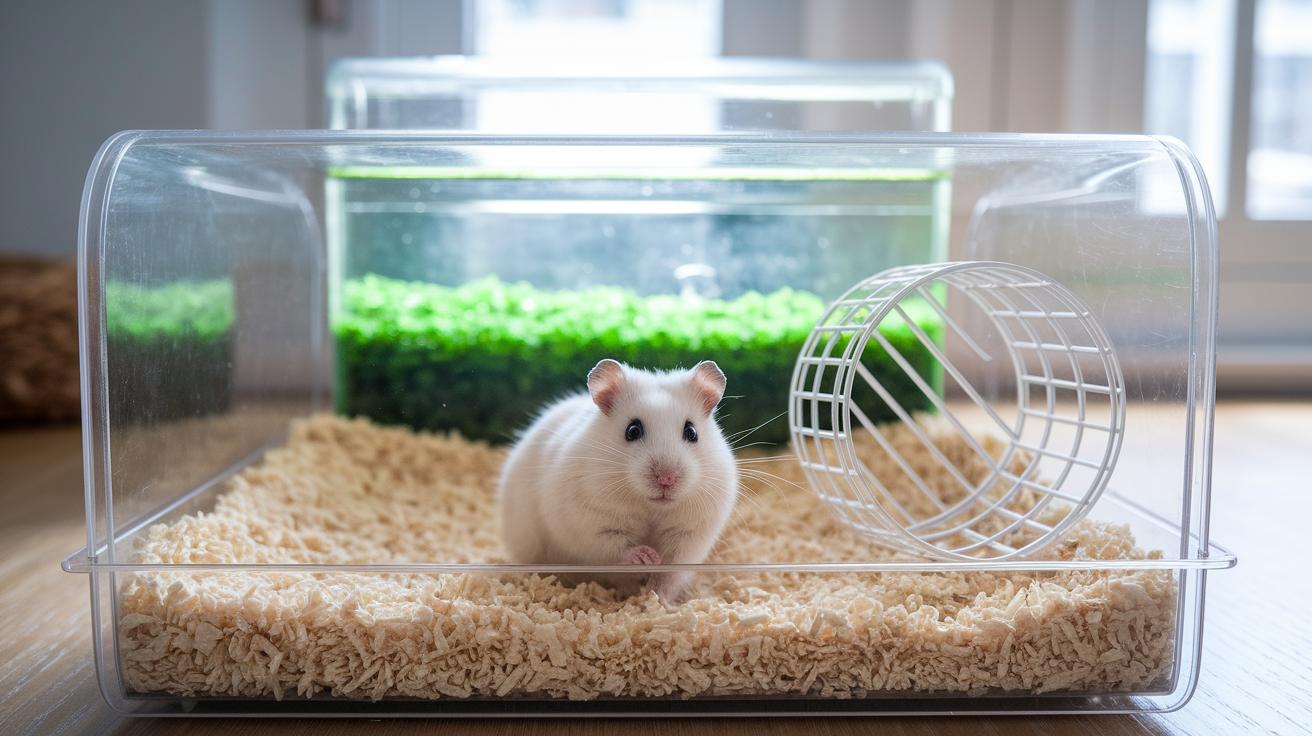
When picking a safe home for your hamster, you have a few good options. You can use a 60-gal breeder tank, try a DIY bin cage, or set up a clear acrylic cage. They all give you a clear view and keep your pet safe. Just make sure the floor is at least 100 cm by 50 cm. This extra room lets your little buddy play and helps prevent falls, especially if you avoid multi-level wire setups.
Safety and easy cleaning are important, too. Look for cages with 1 cm bar spacing or a mesh cover to block larger gaps. A well-planned design keeps your pet secure while it roams around happily. And when the cage is easy to clean, you get more time for fun moments with your hamster.
- Brewer tank conversion: Turn a 60-gal breeder tank into a roomy, easy-to-clean home.
- Plastic bin cage: Repurpose a large plastic bin with a secure mesh lid for a simple build.
- Modular acrylic unit: Create a clear acrylic setup so you can watch your pet at all times.
- Repurposed dresser drawer: Convert an old dresser drawer into a cozy, unexpected hamster home.
- Custom wooden frame: Build your own enclosure with wood framing and extra safety features.
Deep bedding is a must. Use at least 2 inches of dye-free paper bedding like Carefresh or Kaytee. This gives your hamster a soft area to dig and burrow. Also, put platforms under heavy items like wheels and hides so they don’t sink into the bedding. This thoughtful layout helps your pet act natural and keeps it safe all the time.
Hamster Care Guide: Spark Better Pet Lives

Your hamster needs a balanced, all-round diet to keep a steady burst of energy for exploring its world. They need proteins, fats, and fiber to stay healthy. A good meal plan includes pelleted lab blocks, a mix of quality seeds, and some dried herbs, fruits, and veggies. This variety gives all the essential nutrients while making mealtime fun and engaging.
- Pelleted lab blocks that cover all basic needs
- A quality seed mix (feed 1–2 tbsp per day)
- Dried herbs to help digestion
- Small pieces of fruit for vitamins and tasty treats
- Fresh vegetable snacks for extra fiber
- Occasional insects to add a protein boost
Feeding your pet on a steady schedule helps keep it at a healthy weight and mimics its natural foraging habits. You can scatter-feed these items 2–3 times a week to encourage playful scavenging. Use measured portions so you don't overfeed, and be sure to offer fresh water every day in a bowl or bottle. Changing the water daily makes a big difference in keeping your little friend happy and healthy.
Cleaning and Hygiene Practices for Hamsters

Keeping your hamster's space neat is key to their health and comfort. A clean cage helps keep stress low and stops odors and germs from taking hold. By making cleaning a habit, you create a safe and happy home for your little friend.
- Spot-clean daily: Pick up any wet or messy bedding so the cage stays fresh.
- Clean weekly: Remove damp spots and add new bedding to keep the area hygienic.
- Do a full clean monthly: Tidy up thoroughly, leaving a little bit of old bedding to ease your pet's stress, and wipe down surfaces.
- Finish up by rinsing and air-drying all accessories. Always use gentle cleaners to keep your pet safe.
These simple steps help control smells and make sure your hamster feels calm and well-cared for.
Enrichment and Exercise Essentials in Hamster Care Guide
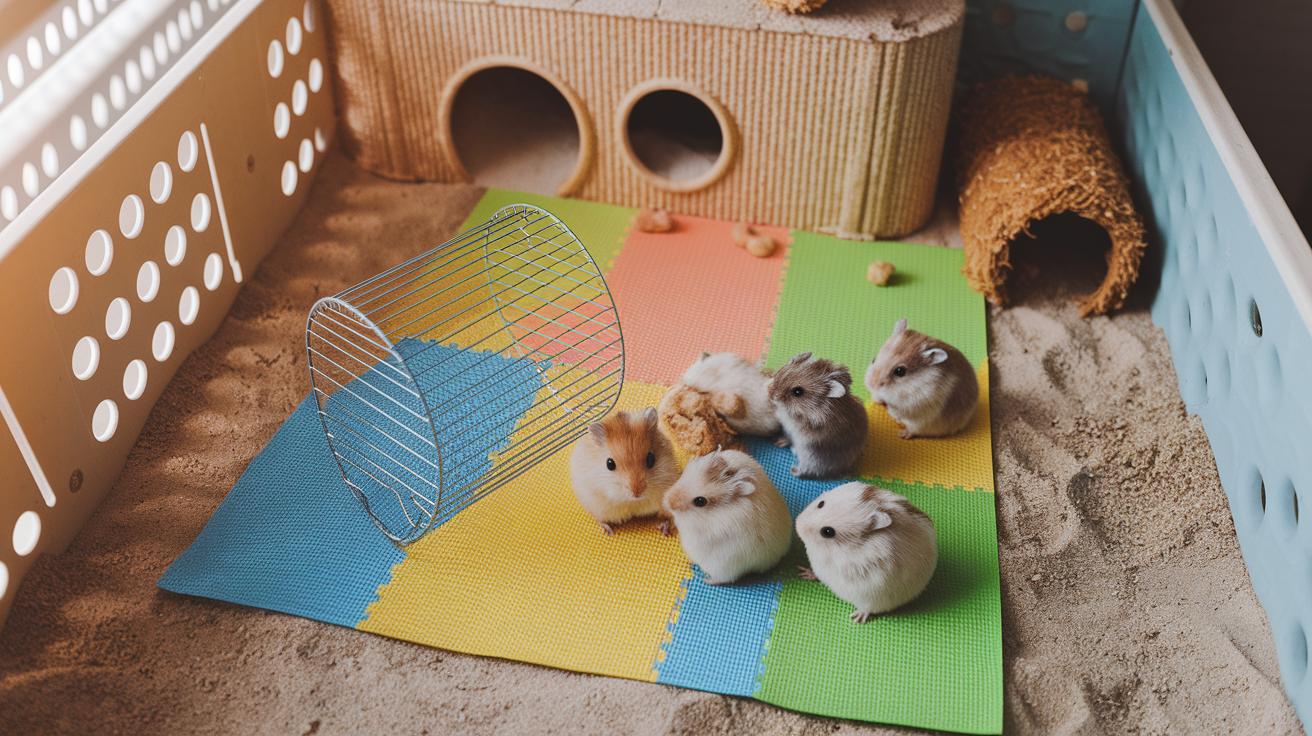
Your hamster loves to explore. The right toys and activities keep your little friend both active and curious. With a fun, varied setup, your pet can run, explore, and nibble, which helps cut down on bar chewing and restlessness.
Here are some ideas to try:
- For Syrian hamsters, use an 11-inch solid plastic wheel.
- For dwarf hamsters, pick an 8-inch wheel.
- Create 5 or 6 cozy hides with items like coco soil pots, cork logs, or tunnels.
- Offer chews made from hard wood or pine cones that hold up well.
- Have a daily play session in a safe playpen for about 30 minutes.
- Add a sand bath with reptile or child’s play sand; just refresh it every week.
- Switch out toys regularly to keep things interesting.
Safety is important, too. Make sure wheels aren’t made of wire and chew toys aren’t made with sawdust you might eat. Keep an eye on your hamster during play and change up the toys to spark fresh interest. This careful approach helps ensure that your hamster stays active, happy, and safe.
Handling and Behavioral Guidance in Your Hamster Care Guide

When you first welcome your hamster home, give it 2 to 3 weeks to get used to its new space. This quiet time helps your little pal feel safe and eases its stress. In those first days, avoid quick moves or too much handling. Instead, let your pet explore its cage at its own pace.
- Gently lift your hamster from below using the "ice-cream" scoop method instead of grabbing it from above.
- During hand-feeding, offer a few yummy treats to create a friendly bond.
- Keep an eye out for signs of stress like chewing on the bars, staying very still, or nipping. These may mean your pet is feeling overwhelmed.
- Try to interact when your hamster is most active, like at dawn or dusk.
- Slowly increase the time you handle it as your pet becomes more comfortable and curious.
Remember, building trust takes time and consistent care. Patience and gentle, regular interactions will help your hamster feel secure and grow a loving bond with you.
Grooming and Health Monitoring in the Hamster Care Guide

Taking care of your hamster's grooming is an easy but important part of keeping it healthy. Every day, you can check for tangled fur, loose bedding, or skin issues. A weekly sand bath helps keep your pet's coat clean and neat. Regular grooming not only keeps your little one looking sharp but also lets you notice changes in its body or how it moves. Spending a few minutes daily can help spot problems early so your hamster stays happy and cozy.
Nail Trimming Instructions
- Use small clippers made for tiny nails.
- Hold your hamster gently but securely.
- Trim just the curved tips of the nails.
- Avoid cutting too close to the quick (the part with blood vessels).
- Give a small treat to keep your pet calm.
- Check the nails often and clip them when they begin to curve.
Signs of Illness
- Dull eyes
- Weight loss
- Diarrhea
- Noisy breathing
- Matted fur
- Lethargy
If you see any of these signs while grooming, please call a vet who knows about rodents. A monthly check-up that includes a dental exam and a review of your hamster's overall health can make a big difference. Quick first-aid like keeping your pet in a quiet spot and watching for changes can help stop problems from getting worse.
Troubleshooting and Safety Tips for Your Hamster Care Guide

Watching over your hamster means staying alert for signs of heat stroke and stress. Even with a good setup, changes in temperature and behavior can harm your little friend.
- Keep the temperature below 80°F. If it gets warmer, add a cool shelter like a frozen water bottle wrapped in a towel.
- Check for panting or extra sleepiness. These can be early signs of heat stroke.
- Look for quick weight loss or more nail-biting than usual. These might be stress signals.
- Notice if your pet eats or moves differently. Changes can mean something isn't right.
- Place the cage in a spot that gets plenty of fresh air.
- Pay attention if your hamster grooms less or digs more. Such changes may show discomfort.
By watching these cues and making simple changes, you can keep your hamster safe and at ease.
Final Words
In the action, we explored all the key steps for a happy, healthy hamster. We built a safe habitat, planned nutritious meals, kept clean routines, and set up fun exercise and enrichment. We also shared handling tips, grooming checks, and emergency safety ideas.
Together, these steps form a solid hamster care guide that helps your little friend thrive. Embrace these practices and feel confident that your pet is in good hands. Here's to many happy, scampering moments ahead!
FAQ
How do you take care of a hamster for beginners?
Caring for a hamster for beginners means setting up a spacious, safe cage with deep bedding, offering a balanced diet, and gently handling your pet to allow time for settling in. Regular cleaning and enrichment are key.
What are the do’s and don’ts of hamster care?
The do’s include providing a proper cage, balanced nutrition, and gentle handling, while the don’ts include using harsh bedding materials, rough handling, and overcrowding the habitat.
What should you not do with your hamster?
You should not handle your hamster roughly or force interaction if it seems stressed. Avoid using unsuitable bedding such as pine shavings, and steer clear of unsafe accessories like wire wheels.
Can I touch my hamster every day?
You can touch your hamster daily if it is calm and used to gentle handling. Always scoop your pet from below and allow time for it to adjust to your touch.
What is a proper hamster cage setup?
A proper hamster cage should have a minimum floor space of 100 cm × 50 cm, deep dye-free bedding, secure accessories like a solid wheel, and design features that support safe burrowing and easy cleaning.
How does care differ between Syrian and dwarf hamsters?
Syrian hamsters need larger cages and an 11-inch wheel, while dwarf hamsters do well in smaller enclosures with an 8-inch wheel. Adjust food portions and handling techniques to match each type’s size and energy level.