


Do you ever wonder why that little click means so much to your pet? It might seem odd, but that tiny sound carries a big message. When you pair it with a tasty treat, it tells your pet "Great job!" in clear, friendly speak. This moment builds understanding and makes your bond even stronger. In this post, we show you how clicker training turns simple commands into a fun chat that keeps your pet happy and builds trust. Let's dive in and see how you can teach and connect with your furry friend.
Understanding how clicker training works for pets
Clicker training uses a small, clear click to mark the exact moment your pet does something right. When you click and give a treat right away, your pet learns that the sound means a reward. It is different from old training methods that rely on repeating commands without treats. Instead, you guide your pet through simple steps with clear cues and tasty treats.
Using a clicker makes training feel like a fun conversation. It breaks training into small moments your pet easily understands. This helps build good habits and gently fades away unwanted ones. It’s a simple way to track progress while growing trust.
- Clear talk: The click tells your pet exactly what behavior earned a treat.
- Fast learning: Quick rewards help your pet learn quickly.
- Big bond: Each click and treat deepens the connection between you and your pet.
The mechanism behind clicker training: operant conditioning and sound markers
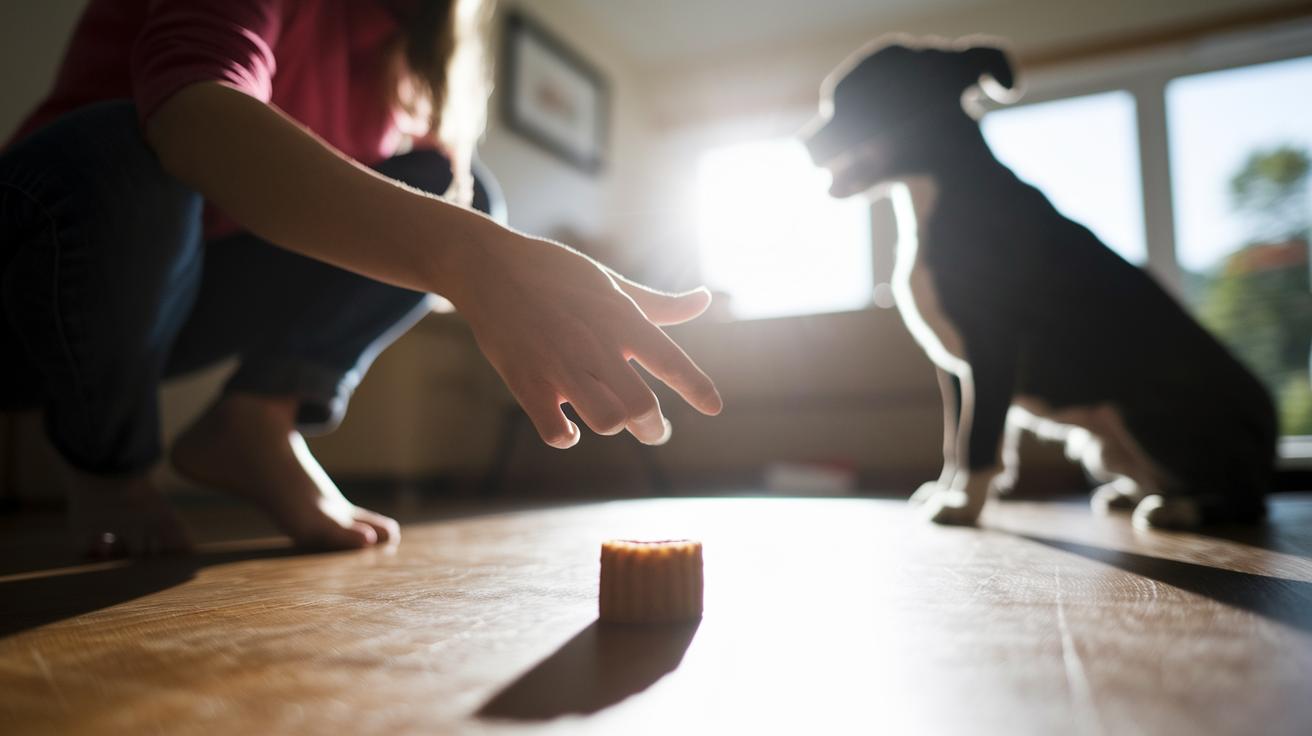
Clicker training uses a simple idea from B.F. Skinner's operant conditioning. When you click right when your pet does a good trick, that sound tells them, "Great job!" Paired with a treat, the click becomes a clear cue for good behavior.
Every click and treat builds a strong link in your pet's mind. For example, you might say, "Dogs learn faster when they are rewarded immediately." The treat follows the click, which teaches your pet what to do next.
Timing is very important. The click must come immediately after the right behavior so your pet can connect the two. If the sound is late or off, your pet might get confused. With each clear click and tasty treat, your pet learns that following your commands brings love and rewards.
how does clicker training work: Boost Pet Happiness
Clicker training is a fun way to help your pet learn new tricks. It uses a small sound to let your pet know they did something right. This method builds your pet’s confidence and strengthens your bond. Here are the simple steps to have a fun training session:
-
Equipment selection
Pick a clicker that makes a clear, steady sound. This sound helps your pet learn the cue every time they hear it. -
Charging the clicker
Click the clicker and give your pet a favorite treat immediately. Do this about 20 times. This step pairs the sound with something tasty so your pet understands the click means a reward is coming. -
Marking desired behavior
When your pet follows a command, like saying "sit," click at the exact moment they finish. Then, give a treat within 2 seconds. This teaches your pet that the click marks the good behavior. -
Shaping behavior
Once your pet gets the basic command, ask for a little more next time. For example, you might ask for a firmer sit or a longer pause before giving the treat. Keep clicking and rewarding when they meet the new goal. -
Fading the clicker
Slowly mix in a word cue along with the click. Over time, your pet will learn to respond to your word instead of needing the click every time. -
Session length
Keep training sessions short, about 5 to 10 minutes. Short sessions help your pet stay focused and make training feel like play.
Common pitfalls and expert tips for optimizing clicker training
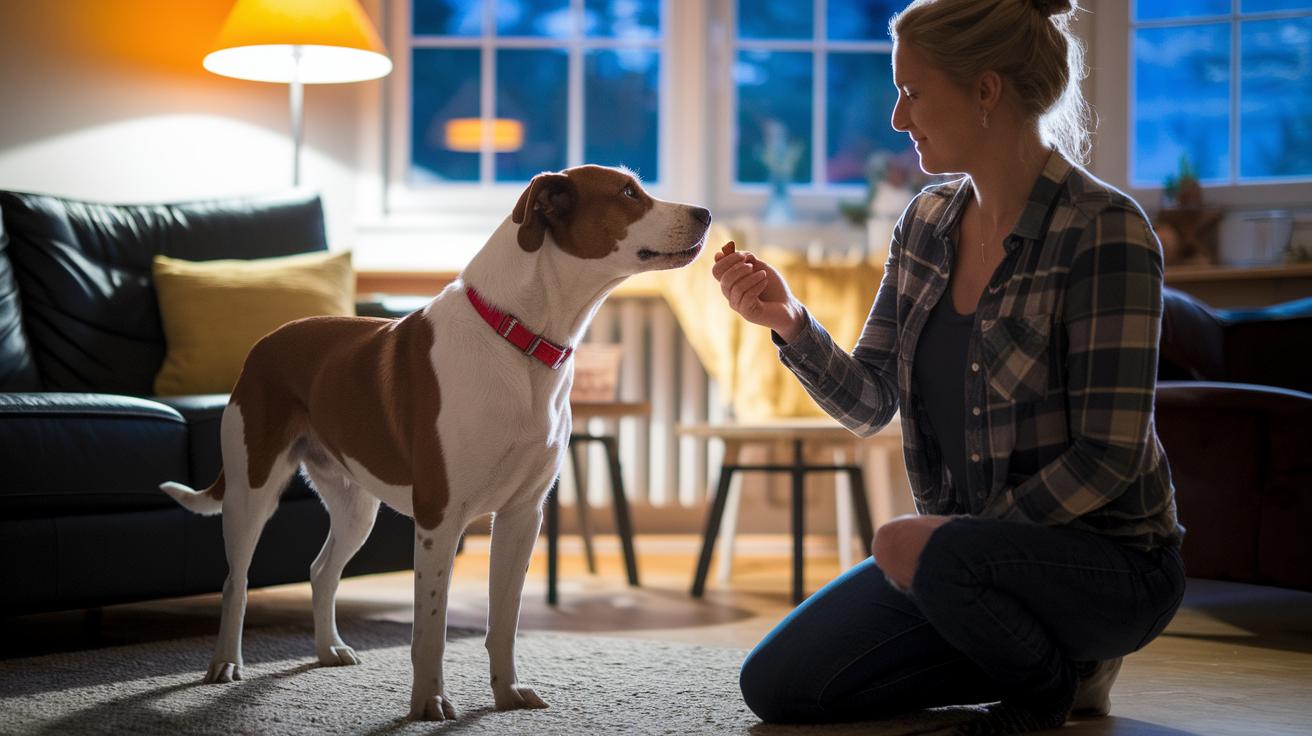
One problem many pet parents face is timing. If you click too late, your pet might not connect the click with the treat. Clicking more than once can also confuse your pet. Sometimes, a treat that is not tempting enough won't motivate, and a changing routine leaves your pet unsure of what happens next. These problems can slow progress and cause frustration for both you and your pet.
Here are some expert tips to help you avoid these pitfalls:
- Use the same routine every time, pairing the click and treat so your pet clearly sees the connection.
- Click just one time the moment your pet does the right thing.
- Pick treats that your pet really loves to boost motivation.
- Keep training sessions short, around 5 to 10 minutes, to help your pet stay focused.
- Keep track of your pet's behavior, noting any improvements or plateaus so you can tweak your approach if needed.
Paying attention to these tips can make training fun and effective, keeping your pet happy and learning.
Leveraging digital tools and resources to enhance clicker training
Digital tools make clicker training easier than ever. Online courses and virtual consultations offer live help and clear, step-by-step lessons. You can watch videos that show the perfect moment to click, like when your dog sits and gets a treat right away, which helps you feel more sure about your timing.
Mobile apps also lend a hand. They let you play the familiar click sound, keep a log of your training, and remind you when it's time to practice. You can also find easy-to-follow guides in books and online forums where fellow pet parents share simple tips and success stories.
- Virtual consultations and online courses with live help
- Apps that sound like a clicker, track your sessions, and send reminders
- Web tutorials and community forums for step-by-step guidance
Final Words
In the action, we explored clicker training by explaining its role as a positive reinforcer. We covered the science behind operant conditioning, broke down the step-by-step process, and offered expert tips to keep training fun and effective.
We also showed how digital tools can boost learning and reminded you of the notable benefits in bonding with your pet. Remember, knowing how does clicker training work helps create a consistent, joyful training routine that builds trust and clear communication with your furry friend.
FAQ
FAQ
How does clicker training work for dogs, puppies, and on Reddit?
Clicker training works by using a sharp click sound to mark the exact moment your pet does something right. You then reward them with a treat, which helps your pet learn faster.
How does clicker training work on humans?
Clicker training on humans relies on clear sound cues that mark correct actions. It is less common than for pets but follows a similar approach of positive reinforcement.
Why might clicker training be considered bad and what are its disadvantages?
Some say clicker training can be problematic when the click timing is off or treats are not valuable enough. These issues can lead to confusion and slower learning.
What is Kikopup clicker training?
Kikopup clicker training is a well-known method taught by a popular trainer that uses clear, friendly clicker techniques to reinforce positive behaviors in pets.
What should beginners know about clicker training for dogs?
Clicker training for beginners means learning to “charge” the clicker, mark behaviors with a click, and reward your dog promptly. Sessions should be short and fun to build success.
Can clicker training help stop bad behavior in dogs?
Clicker training helps curb bad behavior by consistently rewarding good actions. This clear, timely reward system guides your dog in understanding what you expect.
What is the hardest command to teach a dog using clicker training?
The hardest command to teach with a clicker varies by dog. Often, multi-step or complex behaviors are more challenging and may require extra patience and practice.
Does clicker training actually work and how do you do it properly?
Clicker training works by marking good behavior with a click and pairing it with a reward. To do it properly, click at the exact moment your pet responds correctly and reward within seconds.