


Have you noticed your dog snapping at food or toys? It may be more than just stubbornness. We know that kind, reward-based training can help your dog learn to share instead of guard. Research shows that a calm, caring approach helps your dog feel safe rather than threatened.
In this post, we share simple, real tips to build trust and ease guarding behavior. When your dog sees you, they learn that good things are coming. Ready to turn tense moments into playful ones? Keep reading.
Proven Dog Training Methods to Stop Resource Guarding

Force-free training is a safe and effective way to help your dog with resource guarding. A January 31, 2023 article shows that using only rewards can work wonders. Instead of taking away a toy or food when your dog growls, this method teaches that your calm approach with a favorite item means safety. It not only rewards good behavior but also helps reduce possessiveness and teaches your dog to share.
Safe-approach training means slowly getting closer when your dog has something special. You take small steps and offer a tasty treat each time, so your dog learns that your approach is a sign of good things to come. For example, a trainer might step closer while the dog watches, then drop a yummy treat a safe distance away. This new routine shows your dog that your presence brings rewards and lowers its need to guard its treats.
One pet parent shared that her dog used to snap when someone came near his food bowl. Now, with gentle rewards, he eagerly accepts treats instead. This change has built lasting trust and reshaped his reaction to your presence during mealtime.
Spotting Warning Signs of Dog Resource Guarding Behavior
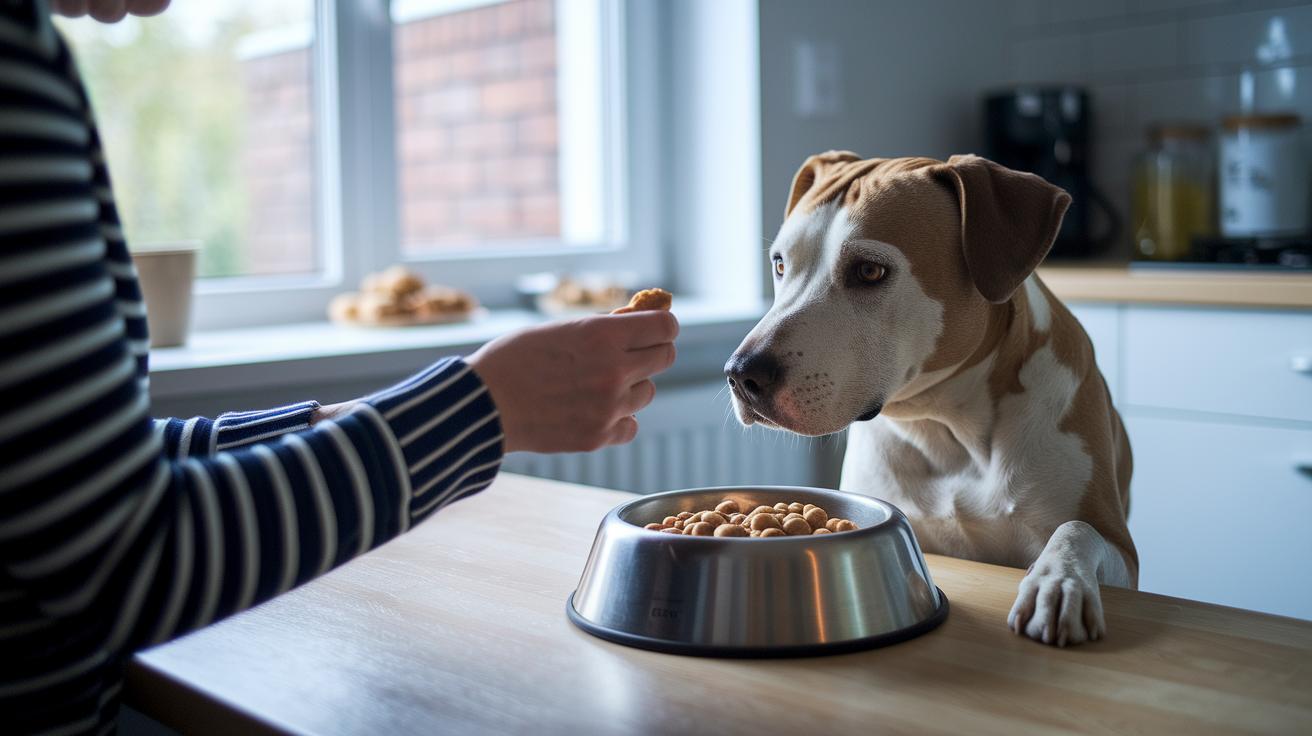
Resource guarding is a natural behavior in dogs. Even when food or toys are plenty, your dog might stiffen up, growl, or even snap if it feels threatened. You might see your dog get a bit tense during mealtime or when you reach for a beloved toy. Spotting these signs early helps you adjust your approach and training.
It is important to notice when your dog becomes overly protective. At meal times or in quiet spots, you might see a stiff posture or focused, wary eyes. These signals show your dog feels its prized possession is at risk. When you notice these clues, you can gently work with your dog before the behavior turns into aggression. Think of each moment as a chance for both you and your pet to learn and grow together.
- Growling or soft snarling when you approach while it is eating
- A stiff, tense body near a favorite toy
- Snapping or sudden lunging at food or treats
- Hesitation to give up cherished items
- Guarding behavior when objects are moved
- Over-protectiveness in resting or sleeping spots
Watching for these signals lets you use kind, positive training methods to guide your dog.
A Step-by-Step Behavior Modification Plan for Resource Guarding in Dogs

This guide shows you safe ways to help your dog feel calm around food and toys. We mix slow exposure with giving tasty treats so your dog learns that every approach brings a reward.
Desensitization Techniques
Start by sitting a few feet away while your dog eats or plays with its favorite toy. Over time, slowly move closer. Think of it like turning up the volume on a song you love , gentle and steady, so your dog feels safe.
Counter-Conditioning Strategies
Every time you get a bit closer, offer your dog a yummy treat. This simple step helps turn worry into excitement. Your dog will soon link your presence with something good, making each session more positive.
| Step | Description | Expected Outcome |
|---|---|---|
| Gradual Exposure | Slowly get nearer to food or toys. | Your dog feels more at ease with you nearby. |
| Reward Pairing | Give a treat every time you move closer. | The dog learns to expect something good. |
| Consistent Practice | Keep sessions gentle and clear. | Guarding behavior fades and trust grows. |
Creating Safe Feeding and Play Zones for Guarding Dogs
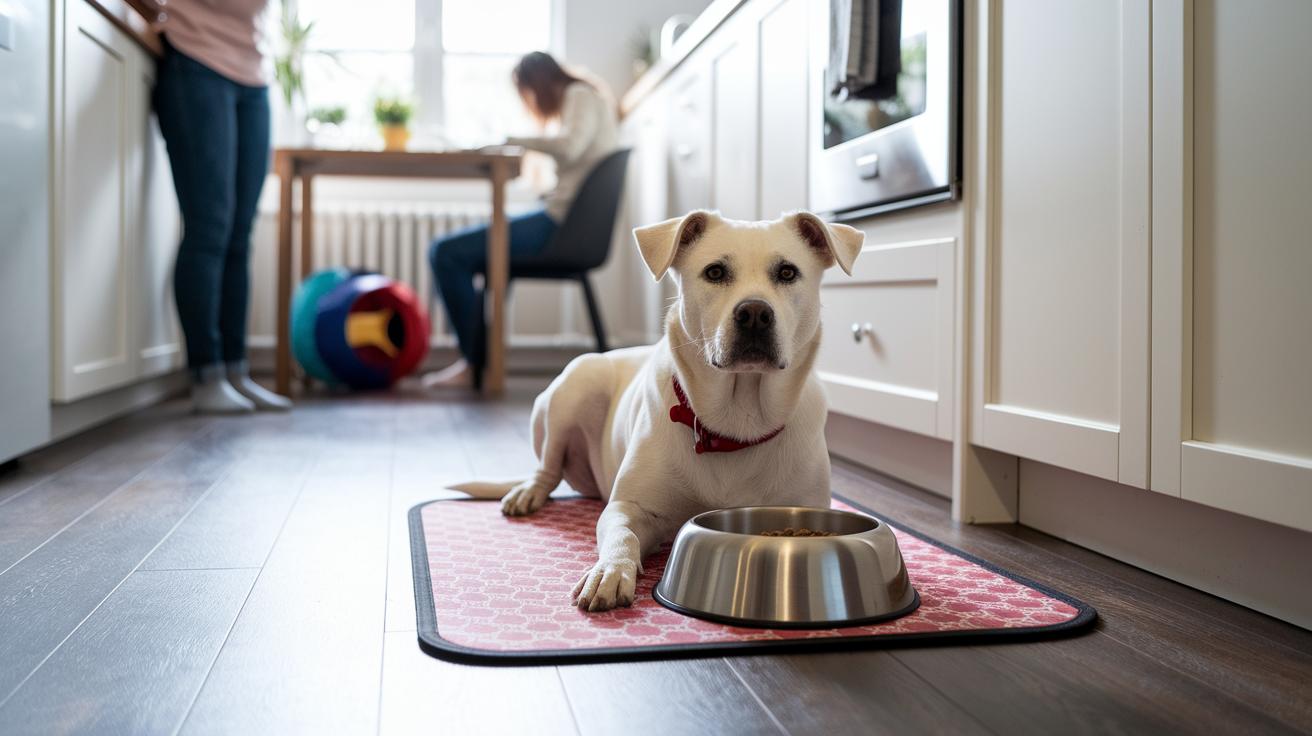
A smart setup helps your dog feel safe and calm. When you keep feeding and play areas apart, your pet learns that there is plenty for everyone. This means less fighting over food or toys, easing any tension at home.
Small changes can make a big difference. Try setting regular meal times in a quiet spot and switching up toys during play. Your dog will know what to expect, which helps build trust and reduces anxiety.
- Have a set feeding spot away from busy areas.
- Rotate toys to keep play fun.
- Create clear paths for leaving during meals or play.
- Use soft, calm cues before giving access to food or toys.
- Stay close by to supervise feeding and play sessions.
Building Trust and Impulse Control in Resource Guarding Dogs

We suggest trying drills that go a bit further than just simple commands. One fun exercise is the controlled treat exchange. Place a treat on a low table, say "wait," and let your dog take it only after a short pause. This helps your pet learn to stop and think before acting and builds trust by rewarding calm behavior right away.
Next, work on trust by adding a new challenge. Instead of using the same rewards every time, try a timed trade-up drill. Start with a less exciting toy and, after your dog waits patiently, swap it for something they really love. This shows that waiting can bring a better reward.
You can also include impulse control during group meals or playtime in safe areas. Ask your dog to sit aside until you give the go-ahead to join in the fun. These simple steps help your pet practice self-control and learn sharing, making interactions with people and other pets safer and more enjoyable.
Expert Tips and Common Pitfalls in Dog Training for Resource Guarding

When you train your dog, using force to take things away might actually make them guard more. Your dog needs gentle, small steps to learn that your presence is safe. Skipping these small steps can set progress back. Also, if training sessions are irregular or early warning signs are missed, any gains you make may fade. A poorly managed space can even encourage your dog to keep guarding, making it harder for them to see sharing as a positive thing.
Dr. Sarah Shapiro-Ward reminds us that keeping expectations realistic and taking gradual steps is key to lasting change. Consulting experts who understand your dog's possessiveness can help you set up a calm and steady routine. She also points out that joining focused training seminars for just $29.95 can give you expert advice. Following these steps builds trust and helps lower resource guarding over time.
Final Words
In the action, we explored force-free strategies and safe methods to build trust with your pet. We covered tips on reading warning signs, setting clear expectations, and creating calm feeding zones.
This guide showed how consistent, kind dog training for resource guarding can lead to lasting change. The techniques help you build bonding routines while keeping your pet secure and happy. Small steps add up to big rewards, making every training effort truly worthwhile.
FAQ
Dog resource guarding a favorite human being
Dog resource guarding a favorite human means your pet shows protective behavior around you. This behavior stems from deep attachment and may need gentle, positive training to maintain a balanced, trusting relationship.
How to stop resource guarding with other dogs
Stopping resource guarding with other dogs means teaching them to share valued items calmly. Using gradual desensitization and positive reinforcement builds trust and encourages cooperative behavior during interactions.
What is the best dog training for resource guarding
The best dog training for resource guarding uses a force-free, positive reinforcement approach. This method pairs safe human approaches with high-value treats to build trust and reduce possessive behaviors.
How to manage resource guarding between dogs
Managing resource guarding between dogs involves teaching them to share resources peacefully. Positive training techniques, like counter-conditioning, help reduce tension and promote calm, respectful interactions.
Where can I find dog training for resource guarding near me
Finding dog training for resource guarding near you means looking for local trainers who use positive reinforcement methods. Check with local shelters or online directories for experts skilled in gentle, trust-building techniques.
What does dog resource guarding owner imply
Dog resource guarding owner implies the owner faces challenges with a dog that shows possessive behavior. Owners can help by using clear, gentle signals and consistent, positive training to set healthy boundaries.
How do resource guarding behaviors toward humans work
Resource guarding humans means a dog treats its favorite people like prized possessions. This behavior can signal over-attachment or insecurity and is best managed with reward-driven training that builds balanced relationships.
Why does my dog resource guard me
Your dog resource guards you because it views you as a valuable resource. This behavior may come from insecurity or past experiences and can be eased with consistent, positive training practices that reinforce calm interactions.
Can dogs be trained out of resource guarding, and how
Dogs can be trained out of resource guarding by gradually desensitizing them to human approaches. Pairing counter-conditioning with rewards for calm behavior builds trust and reduces defensive tendencies over time.
How should I discipline a dog for resource guarding
Disciplining a dog for resource guarding works best with gentle, positive training rather than punishment. Focus on rewarding calm sharing and redirecting possessive behavior with clear, consistent signals.
What is the 10 10 10 rule for puppy training
The 10 10 10 rule for puppy training means practicing short, frequent, and consistent training sessions. This approach helps build positive habits in small bursts throughout the day, keeping training fun and stress-free.