
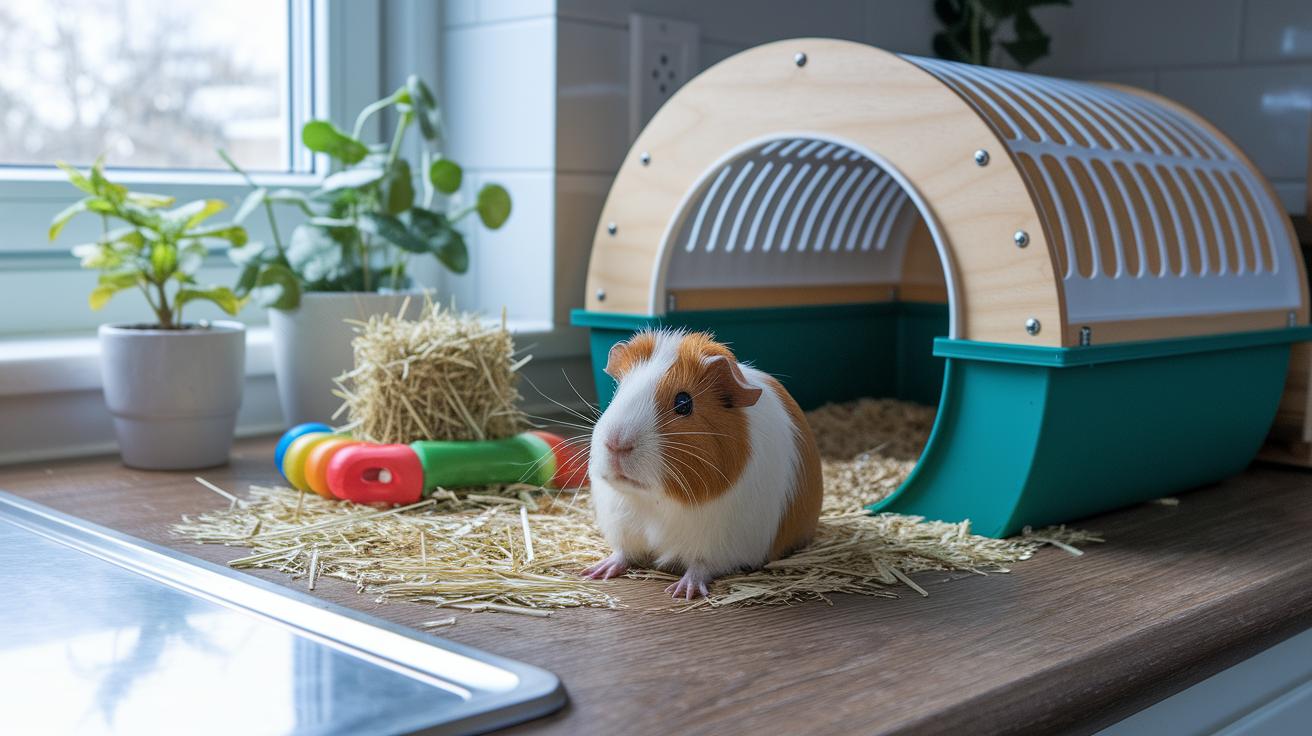

Ever wondered how to create a safe, cozy home for your guinea pig without spending a fortune? In this guide, we'll show you how to build an affordable, clever cage your little buddy will love. We explain each step in simple language and share smart tips to keep costs low. You'll learn to use everyday tools to set up a snug space where your pet can run, explore, and relax. After all, a happy home doesn't have to be expensive.
Plan Your DIY Guinea Pig Cage Layout

Good planning is key to building a safe, happy cage for your guinea pig. Every bit counts when you design a space where your little friend can run, explore, and relax. A well-planned cage gives your pet plenty of room to play and clear paths for safe movement. Think of it as crafting their own cozy home that keeps harm away while they scamper around.
The guide's creator started this project after adopting a guinea pig in 2016. They used a tall table from Habitat for Humanity to build a space that is both useful and snug. Using the minimum cage sizes mentioned here can really help your guinea pig enjoy their new home.
Next, we explain each step of the build. We list the materials you need and share simple directions to help you build a safe cage. You’ll also find ideas to make the space extra comfy and fun, along with safety tips and ways to add your own style. Plus, we share ways to keep the cage clean and inviting, making it a practical and enjoyable project for both you and your pet.
Essential Materials and Tools for Your DIY Guinea Pig Cage

When you build a cage for your guinea pig, it's best to gather all your supplies first. We know you want a safe and cozy space, so using quality tools makes it easier and fun.
- Coroplast sheet (24"x24") for a roomy feeding area
- 2×4 liner board (2×4 inches) to make a solid base
- Wood back panels cut to 86" wide by 16" high for sturdy walls
- Zip ties (1-inch wide) to secure each joint
- Large paper clips to hold small parts in place
- Plexiglass panels (16 inches tall) to stop escapes
- Plexiglass tracks with ½-inch deep channels for a snug fit
- Bumpers (2-inch thick) to cushion corners and protect edges
- Table saw with a guide for clean, safe cuts
- Measuring tape (at least 25 feet) and safety glasses to keep you safe and sure of your measurements
Try checking local hardware stores or recycling centers to find these items. Using second-hand supplies can help save money and be more eco-friendly.
Step-By-Step Construction of Your DIY Guinea Pig Cage

Building a safe, snug space for your guinea pig starts with careful assembly. We’re here to guide you step by step as you put together the frame, secure the panels, and create a stable base for play and rest. Take your time with measuring and cutting to keep everything just right.
- Connect the C&C grids to form a basic frame. Check each joint carefully by measuring twice before you secure them.
- Mark the Coroplast sheet at the halfway point where you need to score it. Use a straight edge to draw a neat line.
- Carefully score the sheet along your mark. Wear your safety glasses and gloves when you cut.
- Bend the scored Coroplast to form the walls of the base. Make sure the edges line up well to make sturdy walls.
- Fasten the wood back panels, which should be 86 inches wide by 16 inches high. Double-check these measurements with a tape measure before you attach them.
- Cut channels at least ½ inch deep for the bumpers and plexiglass tracks. This extra depth makes sure your plexiglass holds in place.
- Insert the 16-inch high plexiglass panels into the tracks. A gentle tap with a rubber mallet can help them fit snugly.
- Place the Coroplast feeding area on the cage floor and lay the 2×4 liner board evenly over it to complete the base. Check that everything is level and stable.
Before you finish, walk around and look over every joint and surface. Press lightly on different parts of the cage to be sure nothing wobbles or comes loose. This final check helps you know your guinea pig’s new home is secure and comfortable.
Safety and Design Customizations for Your DIY Guinea Pig Cage

When you plan your own guinea pig cage, safety and design go hand in hand. It's best to keep the cage indoors so your pet stays away from curious cats and other dangers. An indoor spot lets you set up secure features and comfy places. Add bumpers along the edges and use half-inch deep tracks for plexiglass panels to form a strong barrier that stops escapes. A 1 to 2 inch overhang in the front and a base deepened to 27 inches add extra stability, giving your guinea pig a safe, inviting home that looks neat.
Secure Features and Escape-Proofing
We suggest using sturdy locks, tough bumpers, and accurately cut half-inch deep tracks to close every opening. The bumpers cushion any bumps while the deep channels hold the plexiglass panels in place. This setup helps keep your pet safe and stops little paws from pushing the panels loose. It also helps to place the cage in a quiet corner away from busy areas. Check these secure parts often to make sure everything stays firm and safe.
Ramp and Layout Enhancements
Think about adding ramps and little platforms to encourage your guinea pig's activity. A simple ramp can connect different parts of the cage, while raised areas offer extra spots to relax. Use safe, chew-proof materials and add fun touches like tunnels or small hideaways. These simple ideas not only extend the play space but also keep cleaning and setting up easy.
Maintenance, Cleaning, and Care of Your DIY Guinea Pig Cage

Every day, take a few moments to clean your guinea pig’s home. Wipe the fleece liners to clear away loose hair and bits of food. Give the bedding a little shake to keep it light and help it absorb odors. These small actions help stop bacteria and keep your pet’s spot cozy and safe.
Each week, give the entire cage a thorough clean. Remove all the bedding and wipe down surfaces with a pet-safe cleaner. Replace full liners with new ones and check any nooks that might hide waste. This steady routine keeps the cage clean and makes deep cleans easier later on.
Over time, set aside time to inspect the cage for wear and tear on parts like plexiglass panels and ramps. Tighten any loose fittings and replace pieces that look worn out. These tips help avoid bigger repairs down the road. For more help, please check out our comprehensive pet care guide.
Final Words
In the action, we mapped out a plan that shows how accurate measurements and smart material choices create a safe, fun space. You learned about the design layout, careful construction steps, and practical upgrades to boost your guinea pigs' play and well-being.
We wrapped up with tips on easy cleaning and lasting care. This guide for your DIY guinea pig cage helps simplify your shopping and maintenance while making a positive impact on your pet's world. Enjoy the build and the smiles it brings!
FAQ
What is a C&C cage for guinea pigs?
The C&C cage is a modular design with connected compartments that offer exercise, hiding spots, and play areas for guinea pigs. It helps keep your pet both active and secure.
How can I build a DIY guinea pig cage using Ikea materials?
The DIY guinea pig cage using Ikea pieces repurposes furniture like shelves and panels. It creates a safe, stylish indoor habitat optimized for play and effortless cleaning.
How do I create a safe indoor guinea pig cage?
A safe indoor guinea pig cage is designed with pet-friendly materials and ample space for running. It keeps your pet secure from drafts or other critters and makes cleaning simple.
What are some DIY guinea pig cage plans involving woodworking?
DIY guinea pig cage plans with woodworking use safe wood panels and non-toxic finishes. They provide step-by-step instructions for cutting and assembling a sturdy, spacious habitat your pet will love.
How do I design a DIY guinea pig cage with a lid?
A DIY guinea pig cage with a lid includes a secure top to stop escapes while still allowing easy access for cleaning. The lid also offers extra safety and retains a comfortable environment.
What materials can I use to make a guinea pig cage?
You can use materials like wood panels, Coroplast sheets, zip ties, and plastic components to build a durable, custom guinea pig cage. These supplies ensure a secure and cost-effective pet habitat.
How do I make DIY guinea pig toys?
DIY guinea pig toys are crafted from safe, untreated items like fabric scraps, cardboard, or wood pieces. They encourage activity and mental stimulation while keeping your pet happily engaged.
Why shouldn’t guinea pigs have carrots?
Guinea pigs shouldn’t have too many carrots because their high sugar content can upset a guinea pig’s digestive system and lead to weight issues. Stick to leafy greens and vet-approved treats instead.
What is the leading cause of death in guinea pigs?
The leading cause of death in guinea pigs is respiratory infections. These often result from poor ventilation or drafts in their living space, so proper cage conditions are crucial for their health.
Is it illegal to own just one guinea pig?
It is not usually illegal to own a single guinea pig, but they thrive with a companion. Many experts recommend pairing them to ensure proper social interaction and well-being.