
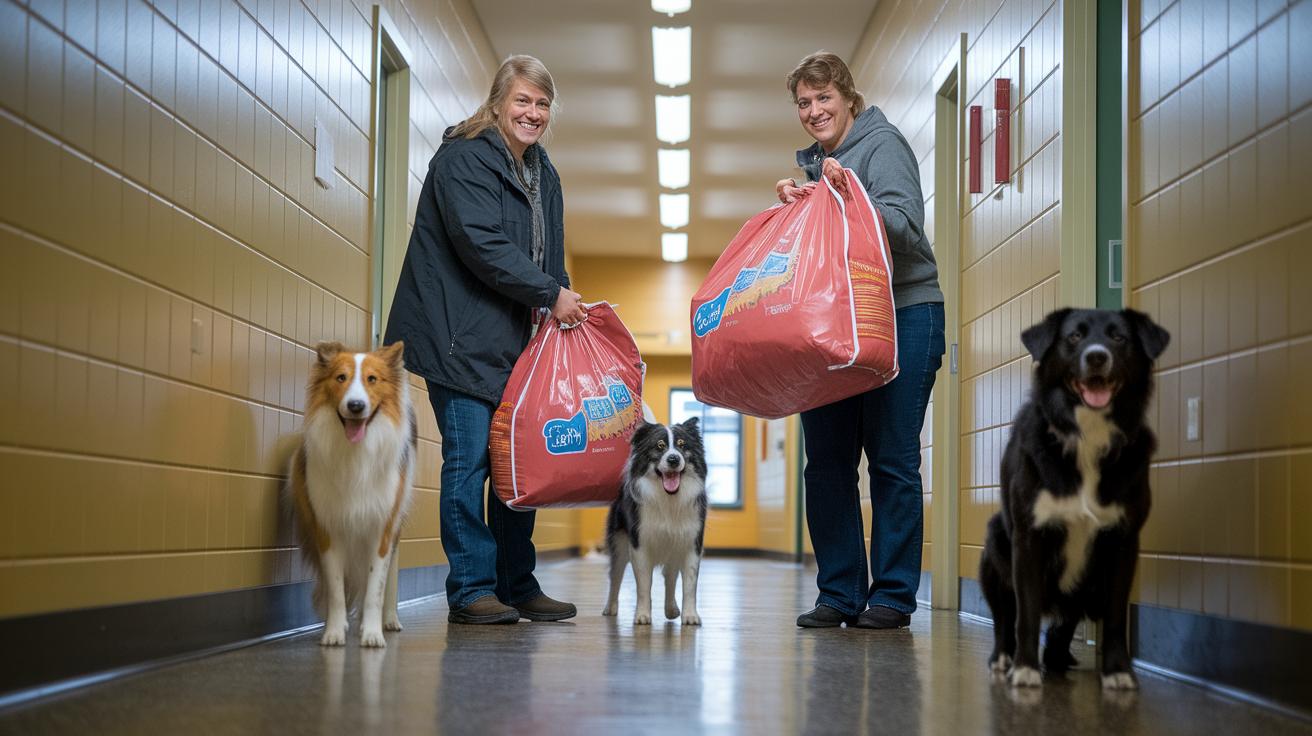

Have you ever thought about how one bag of dog food can do so much? When you donate, you’re giving more than a bowl-full, you’re sharing hope and kindness with pets who need a warm, safe home. Your gift helps shelters serve healthy meals for puppies, adult dogs, and even seniors.
In this guide, we’ll show you how to:
- Find trusted shelters near you
- Take a few simple steps to make your donation count
Even a small act of kindness can brighten a pet’s day and make a big difference in their life.
donate dog food to animal shelters: Spread Kindness

If you want to help, start by finding shelters or rescue groups you trust. You can call local centers or check national ones online. Make sure they accept dog food donations and that it meets community needs. For a quick list, visit where to donate pet supplies to shelters to find verified drop-off spots.
Next, follow these simple steps for your donation. Use dog food that gives balanced nutrition for puppies, adults, or seniors. The food should be unopened, sealed, and not expired. Always check the label for full nutrition details and AAFCO statements. For instance, make sure that crunchy kibble is well sealed and still within its best-by date.
Finally, decide if you want to drop off your donation or give it online. Many sites offer both choices and show prices in local currencies like USD, AUD, or CAD. Keep in mind that some online platforms have a short cooldown before they accept another donation. Schedule your drop-off or set an online appointment so your contribution reaches the shelter when it’s most needed.
Locating Local and National Shelters Accepting Dog Food Donations

Start by checking out online directories like Petfinder, the ASPCA locator, or ask at your local animal control office. These sites make it easy to see which shelters accept dog food donations. You can sort listings by location or by what they focus on. Whether you want to send meals to rescues or balanced rations to sanctuaries, there's something for every pet parent.
Look for listings that support different causes. Some shelters help pets in tough situations while others focus on everyday needs. This way, your donation matches your heart and what your community needs.
| Shelter Name | Location | Contact Method | Accepted Food Types |
|---|---|---|---|
| ASPCA | National | Online form, Phone | Dry, Canned, Puppy Formula |
| Humane Society | National | Phone, In-person | Dry, Wet, Special Diet |
| Local Paws Rescue | City, State | Email, Drop-off | Dry Kibble |
| Stray Haven | County, State | Website, Drop-off | Dry, Senior/Medical Diets |
Before you donate, it pays to call or check the shelter's website to confirm what they need. Their requirements might change with the seasons or new rescue projects. This extra step makes sure your donation gives the right kind of support.
Understanding Shelter Dog Food Needs and Safety Guidelines
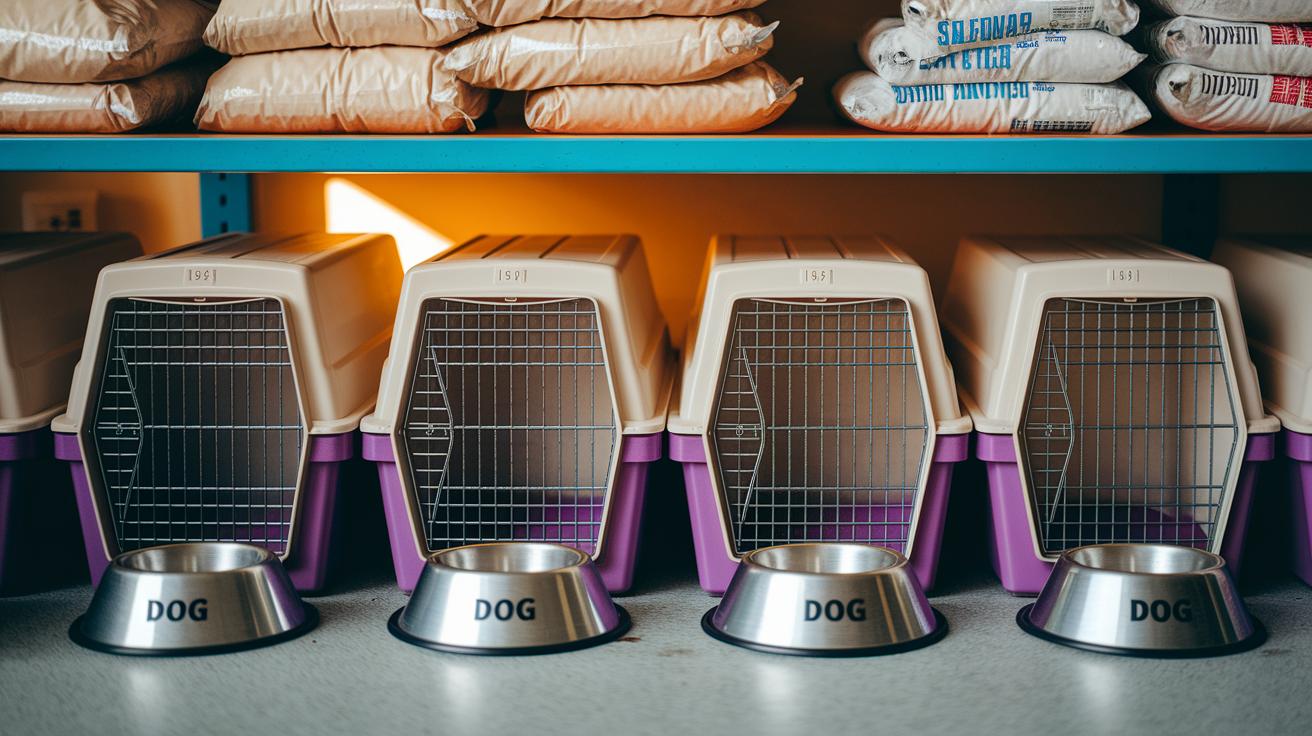
Shelters need dog food that is just right for every stage, whether it’s for a playful puppy, a steady adult, or a gentle senior. High-protein formulas help build strong muscles and keep energy levels up. Think of it like fueling up before a fun day at the park; the right meal makes all the difference.
Always check the label. Look for an AAFCO statement (AAFCO sets nutrition standards) to be sure the food offers complete nutrition and essential nutrients. And make sure the package is sealed and not past its expiration date to keep pets safe.
When donating, be sure the food comes in sealed bags or cans. Items with torn or open packaging may not be safe, so it’s best to choose food that keeps its freshness intact.
Preparing and Delivering Your Dog Food Donation

Plan your donation drop-off or shipment when the shelter is open to receive items. Some shelters even offer scheduling tools or special deals to help you book a time. Setting an appointment means your donation gets there when it is needed most, making everything easier for you and the shelter.
- Check the expiration dates and look over the packaging.
- Divide the dog food into bundles of 5–10 lb each.
- Write the type and weight on each bundle.
- Pack the bundles in strong boxes.
- Set up a drop-off or arrange a pickup with a courier.
- Confirm the delivery and let the shelter know what’s inside.
After you deliver, give the shelter a quick call or send an email. Ask if they got everything safely and if they need any extra paperwork. This is a good time to request a receipt or a thank-you note so you know your donation made a difference. Keeping in touch helps you plan future donations and find other ways to support their programs. It builds a lasting connection and shows you care about helping pets in need.
Organizing Group and Corporate Dog Food Donation Drives
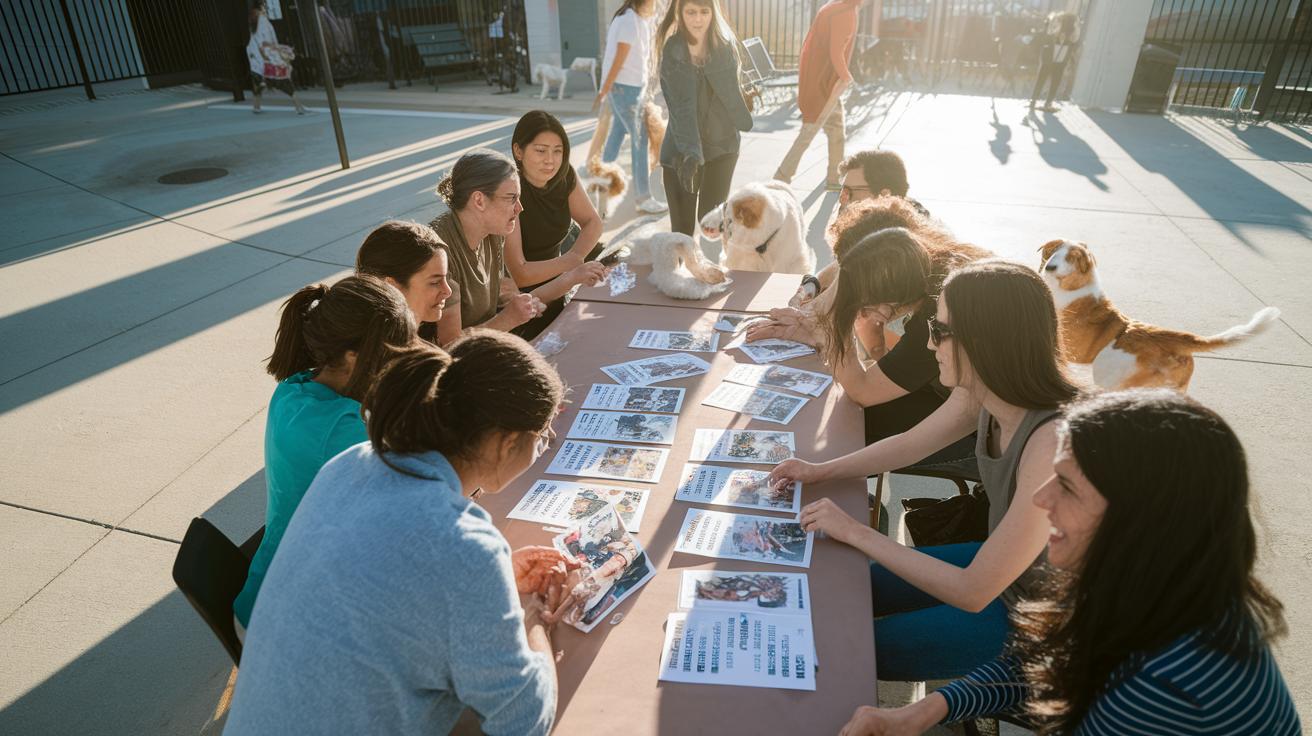
When planning your group drive, set clear goals and find volunteers who love dogs as much as you do. It starts with a simple ask: Who can help make a change for our furry friends? Talk to local pet parent groups, friends, and neighbors to set up drop-off spots for nutritious meals. You might even ask people to sign a petition and share the news online. This way, everyone plays a part, and the drive builds both food supplies and community spirit.
Next, work out the details like storage, transport, and timing for drop-offs. Design flyers and share the event on social media. Sometimes companies even match donations, doubling the food for our pups, so check out pet rescue programs. Finally, show your thanks by sending digital badges or a short newsletter to keep the excitement alive.
Impact Stories: How Donated Dog Food Transforms Shelter Lives

Stories show how a small act of kindness can change lives. When you donate a bag of food, you give hope, care, and a fresh start. Real stories make that magic real.
At one shelter, a tiny, underfed puppy slowly came back to life. Before, he struggled to gain weight and looked very tired. With each healthy meal, his energy grew. Soon, he was playful and full of life. It felt like watching a fragile little soul turn into a joyful, wagging friend.
Another rescue dog had lost his spark. With meals made just for his needs, he began to recover. His coat got shinier and his steps steadier. The change made everyone smile. It reminded all pet parents that a good meal can make a big difference.
These true stories invite you to share a little kindness. Every bag donated brings hope and helps a pet find a better life.
Beyond Donations: Other Ways to Support Dog Shelters

Helping our furry friends goes well past offering food. You can give your time by walking dogs, doing simple office tasks, or helping at shelter events. You could also set up a small fundraising campaign with neighbors. This not only brings in money for much-needed pet supplies but also builds a community of caring pet parents.
Gifts like a soft bed, fun toys, or basic grooming supplies can really help shelters with their everyday work and bring comfort to the animals.
Sharing your story matters too. Post your experiences online, sign a petition, or attend a shelter event. These small acts help spread the word and bring more community support.
Final Words
In the action, we covered quick steps to find, verify, and support shelters. We broke down how to check dog food guidelines, secure sealed packages, and finalize your donation with drop-offs or online orders. We even touched on group drives and scheduling tips to keep things smooth.
Every step helps you donate dog food to animal shelters while boosting pet health and rescue efforts. Your care makes a real impact on the animals and builds a kinder community.
FAQ
Frequently Asked Questions
Donate dog food to animal shelters near California
The phrase “donate dog food to animal shelters near California” means you should contact local rescue groups and verify their donation policies. Look for shelters online or in local directories to ensure your food meets their guidelines.
Donate dog food to animal shelters near Texas
The phrase “donate dog food to animal shelters near Texas” means reaching out to Texas-based shelters and rescue organizations. Call or visit their websites to confirm they accept your type of dog food before donating.
Donate dog food to animal shelters near me
The query “donate dog food to animal shelters near me” means finding rescue centers in your area. Use online directories or local listings and contact shelters to learn about their donation guidelines and needs.
Where to donate opened dog food near me
The phrase “where to donate opened dog food near me” means some shelters might accept opened food only if it’s gently used and approved. Always check with the shelter to see if they can safely accept opened packages.
Donate dog food to animal shelters California
The phrase “donate dog food to animal shelters California” means you can support California shelters by donating sealed, unexpired dog food. Confirm the shelter’s policies first to ensure your donation meets their standards.
Where can I donate dog food near me
The phrase “where can I donate dog food near me” means using local directories or community outreach to find nearby shelters and rescue groups. Contact them directly to ask about their donation requirements.
Where to donate dog supplies near me
The phrase “where to donate dog supplies near me” means reaching out to local animal shelters that accept items like food, toys, and bedding. Check community bulletin boards or online directories for nearby donation centers.
Click to give free food to the animal rescue
The phrase “click to give free food to the animal rescue” means using an online donation portal provided by a rescue organization. It often lets you contribute conveniently with a few simple clicks to support animals in need.
What to do with left over dog food?
The query “what to do with leftover dog food” means that if it’s sealed and unexpired, you can donate it. For opened food, check with local shelters as some might accept it if it meets their safety standards.
Will a shelter take an open bag of dog food?
The query “will a shelter take an open bag of dog food” means that most shelters prefer unopened packages to be safe. Contact your local shelter first to see if they can accept an open bag before donating.