


Have you ever wondered how one donation can brighten a shelter's day? Nearly 80% of shelters often struggle with money issues, so every dollar truly matters. Your gift helps cover basic needs like food, vet visits, and repairs. In this post, we share how each small donation turns into real help for our furry friends, making shelters safer and cozier. Let's take a look at how your support sparks positive change for animals in need.
Monetary Impact of Donations on Animal Shelter Services

Around 80% of animal shelters struggle with money. When funds are low, donations become a lifeline, paying for food, vet care, and safe homes for our pets. With limited funds, shelters must choose what is most urgent. Even simple shots or needed surgeries might be delayed, putting animals at risk.
Money donations give shelters the freedom to act fast. They can cover emergency surgeries, treat sudden illnesses, or fix shelter repairs right away. Whether it’s a life-saving vaccine or a quick repair, every dollar helps keep pets safe and healthy.
When shelters keep track of donations carefully, every bit of support is used in the best way possible for our furry friends. Donations, including those made through animal rescue channels (https://goodpawsgoodcause.org?p=118), go directly into plans that improve daily care and handle emergencies. Your help means every donation makes a real impact and supports ongoing rescue efforts.
Facility Enhancements Funded by Charitable Support at Animal Shelters

Donations truly help animal shelters become safer and cozier. Thanks to kind support, many shelters now have more room in their kennels and better outdoor play areas for pets to stretch and play. Every upgrade makes a real difference in keeping our furry friends safe and comfortable.
| Improvement Area | Donor-Funded Example | Impact |
|---|---|---|
| Kennel Expansion | New modular kennels | Houses more animals and eases crowding |
| Outdoor Exercise Areas | Upgraded play yards | Helps pets move, play, and socialize |
| Emergency Repairs | Rapid response fund | Fixes issues quickly for safety |
Donations also pay for surprise repairs and regular upkeep. With this help, shelters can fix problems fast and keep a safe, caring home for every pet. This kind, steady support from the community makes life better for both the animals and the staff who care for them.
Donation-Driven Advancements in Veterinary Care and Animal Welfare at Animal Shelters

Donations are now driving new programs that help boost animal health over the long run. A recent study found that shelters with strong donor support saw animals recover 25% faster when they needed extra care. Donor funds now make it possible to run mobile clinics and offer special aftercare programs. Dr. Thompson, a local vet, said, "Focused funding has changed how we handle complex health issues in shelter pets." This approach goes beyond basic care by using lessons learned to help animals get better.
Donor support is also making it easier to use advanced tests and rehabilitation therapies to track pet health over time. These programs invest in better equipment and training so staff can spot problems early. By blending long-term care with traditional emergency treatment, shelters create a clear plan for ongoing pet wellness. Every donation makes a real difference, giving pets both immediate help and care for the future.
Philanthropic Support Empowering Staff and Volunteer Programs at Shelters
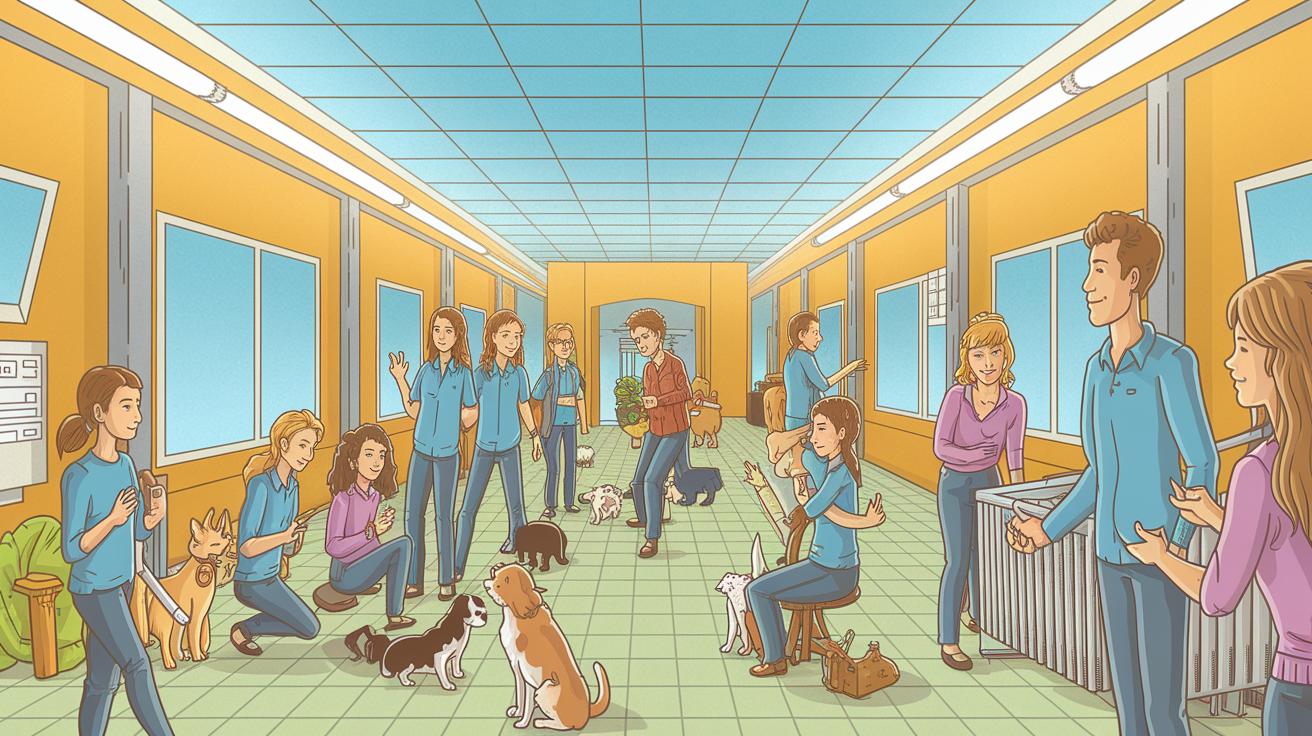
Volunteer Programs and Their Impact
Donor support helps shelters run volunteer programs that keep everything ticking. Volunteers pitch in with daily tasks, spend time with the animals, and help get them ready for a new home. Their work creates a warm, friendly feel at the shelter. One shelter even shared that a few extra volunteer hours made the pets visibly happier and more ready for adoption. Every donation that goes toward volunteer support makes a real difference in how well the animals are cared for.
Staff Training and Data-Driven Strategies
Donations also support staff training and smart data tools that improve shelter operations. With extra training, staff learn better ways to care for the animals and manage shelter resources. One shelter saw a 25% rise in adoptions after using data tools and professional training. These improvements help teams make quick decisions so that every animal gets the care it needs and finds a loving home sooner.
Charitable Funding Boosting Adoption Rates and Community Outreach at Animal Shelters

Regular donations spark friendly adoption events that bring neighbors together. Shelters use these funds for pet ID tags (small chips that help find a pet) and teaching sessions so every pet gets noticed. Each donation turns into a community celebration that changes a pet’s life while strengthening bonds between pet parents and rescue groups.
Generous support also fuels programs that grow foster networks and help return lost pets to their families. When you donate, shelters can invest in smart plans to match the right pet with the right home. This careful use of funds means every animal gets the love and care it deserves. It’s a simple way to make homes happier and pets healthier.
Donors feel connected when they see how their support makes a real difference. Many shelters now share clear results that show how donations lead to successful adoptions and lively community events. Curious about how your gift helps? Check out how animal rescue donations work at https://goodpawsgoodcause.org?p=237.
Sustaining Long-Term Shelter Innovation and Strategic Planning through Donations

Every donation helps shelters care for pets in smarter ways. With thoughtful support and data-driven planning, some shelters have seen adoption rates go up by 25%. This steady help means everyday needs, like food and safe housing, are met while giving shelters the chance to try new ideas.
Donations fund smart tools like better tracking systems and resource managers that ensure every cent counts. They aren’t just quick fixes, they build a strong base for lasting change.
Plus, these gifts help our environment. By supporting energy-saving projects and green practices, donations cut CO2 emissions and boost community well-being. In short, every donation becomes a seed for lasting pet care and a healthier planet.
Final Words
In the action, we explored how donations help shelters meet urgent needs, upgrade facilities, and improve veterinary care and overall animal welfare. Each contribution supports everything from essential vaccinations to safe, upgraded housing conditions and better-trained staff.
Every dollar measured as the impact of donations on animal shelters turns into tangible improvements that boost adoption rates and community outreach. Your support fuels hope and care for every pet.
FAQ
How do donations positively impact animal shelters in regions like California and Texas?
Donations empower animal shelters by funding essential services like food, shelter, and veterinary care. They help cover urgent costs, drive facility improvements, and ensure animals receive the care they need.
How can donations impact animal shelters from an academic perspective?
Donations transform shelters by providing necessary funds for daily operations, facility upgrades, and medical care. Essays on these impacts often highlight how consistent financial support improves overall animal welfare and shelter effectiveness.
Why are animal shelters important and how do they benefit the community?
Animal shelters provide safe havens for pets, manage stray populations, and reduce community issues. They support adoptions, offer medical care, and serve as hubs for rescue efforts that benefit both animals and people.
What information can you find in animal shelter articles?
Animal shelter articles offer detailed insights on funding models, care practices, and community engagement. They include real-life examples and expert advice, helping pet parents understand improvements and challenges in shelter operations.
Why do animals need shelter for class 2?
Animals in class 2 often require specialized care and designated space due to unique health or behavioral needs. A proper shelter ensures they are safe and well-cared-for until they find a permanent, loving home.
Why is donating to animal shelters important?
Donating to animal shelters is crucial because it funds essential care, facility upgrades, and lifesaving treatments. Your support helps ensure that animals receive proper nutrition, medical care, and a better chance at a happy life.
How much of an ASPCA donation actually goes to the animals?
An ASPCA donation typically directs a large portion of funds to animal care, though exact percentages vary. It is best to review their annual reports for a detailed breakdown of administrative versus direct care expenses.
What is the 3-3-3 rule for shelter pets?
The 3-3-3 rule for shelter pets is a guideline used by some shelters to assess a pet’s readiness for adoption, focusing on health, behavior, and follow-up support. Note that the specifics of this rule can vary between shelters.
Should I keep donating to an animal shelter that treats employees badly?
If a shelter treats its employees poorly, it raises ethical concerns. It helps to research their practices, ask for transparency or improvements, and consider supporting organizations that uphold high standards for both staff and animal care.