


Have you ever thought that your cat’s litter might help protect our planet? Regular clay litters can produce a lot of waste and dust that isn’t good for your kitty or the earth. Eco-friendly cat litter made with natural ingredients like pine and wheat is a gentler choice. It cuts down on carbon emissions and keeps your home smelling fresh and clean.
In this guide, we show you how switching to eco-friendly litter can make life extra joyful for your pet while giving our planet a little extra help.
Why eco-friendly cat litter matters for your home and planet

Eco-friendly cat litter comes from natural sources like pine, corn, wheat, walnut shells, and grass seed. These plants and seeds break down naturally, unlike regular clay litters made with sodium bentonite and silica. When you choose eco-friendly litter, you choose a product that works with nature rather than against it.
Traditional clay litters pile up every year and create about 2 million tons of waste that never breaks down. They also make silica dust that can bother breathing. Eco-friendly litters, on the other hand, are low in dust and made from non-toxic materials that protect your cat and your family. They even help lower your home’s carbon footprint. In fact, studies show that clay-based litters can emit three times more carbon than biodegradable ones.
- Made from natural ingredients that break down safely
- No harmful mining involved
- Low dust for a healthier home
- Fewer carbon emissions, according to recent studies
- Helps you build a more eco-friendly home
By switching to eco-friendly cat litter, you not only help protect our planet, but you also create a cleaner and safer space for your furry friend to feel happy and comfortable.
Eco-friendly cat litter materials: sustainability at the source
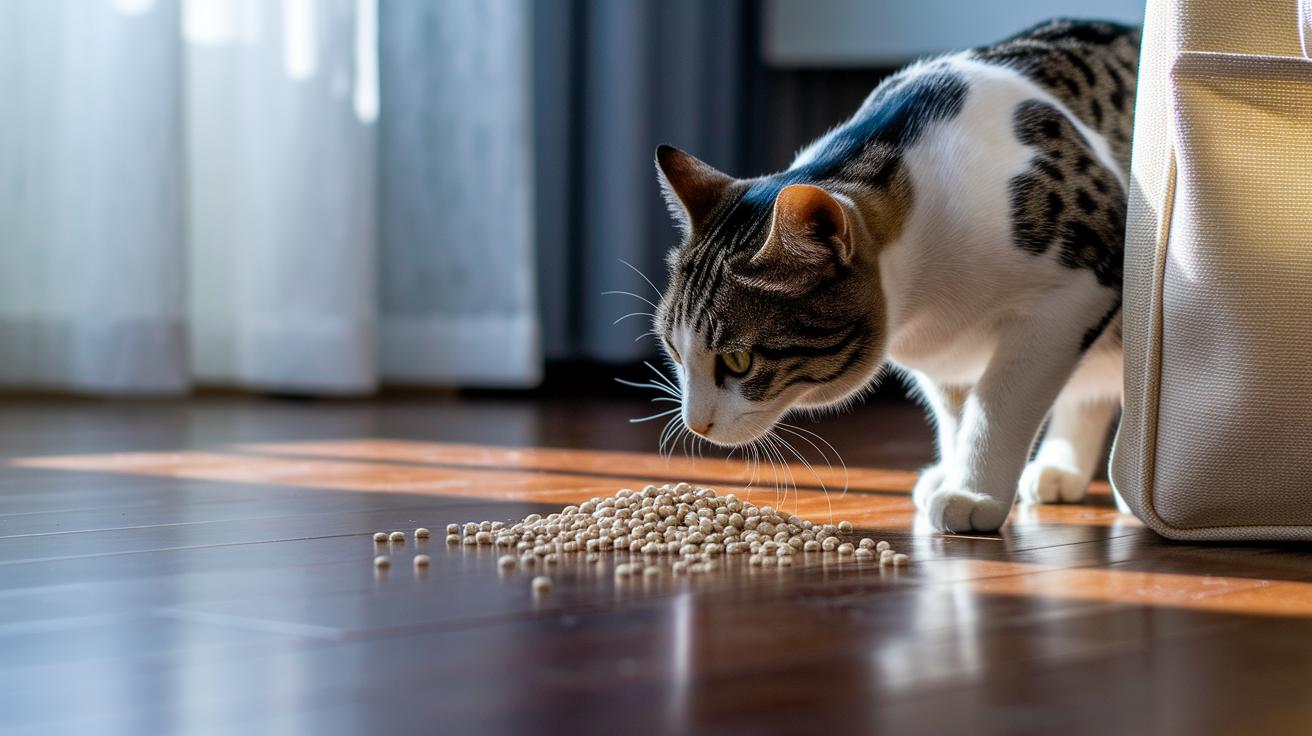
Eco-friendly cat litter is made from everyday, natural ingredients that work well for your pet while caring for the planet. Options like pine pellets, corn, wheat, walnut shells, recycled paper, and grass seed all bring special benefits. They come from natural sources or leftovers that help reduce waste and save energy. For example, litter made from wheat needs about 30% less energy than regular clay. This makes it a smart choice for pet parents who want to support the Earth. Picking the right litter means finding the best mix of clumping, odor control, and low dust while creating a greener home.
| Material | Source | Key Benefits |
|---|---|---|
| Pine Pellets | Wood byproduct | Natural, biodegradable, woodsy scent |
| Corn | Corn seed | Forms tight clumps to lock in moisture |
| Wheat | Grain byproduct | Great odor control and energy-efficient production |
| Walnut Shells | Nut byproduct | Non-toxic and absorbs liquids well |
| Recycled Paper | Recovered paper fibers | Almost dust-free and very light |
| Grass Seed | Natural seed | Low tracking and soft on paws |
When choosing eco-friendly litter, think about what your cat likes and your daily routine. Try a small package first to see which texture and clumping works best for your home. In the end, a litter that makes your cat happy also helps create a cleaner, more sustainable world.
eco-friendly cat litter Sparks Joy for Feline Friends

Eco-friendly cat litter helps you create a greener home while taking care of your cat. It uses natural ingredients to make cleaning easier. The litter soaks up moisture fast and traps odors well. Some types even use friendly bacteria (probiotics) to fight smells, and the pellets stay almost dust-free and low-tracking.
Starch-based litters clump when they meet moisture. That makes scooping up messes simpler and faster. Wheat-based litters fight ammonia smells, and pine versions add a fresh woodsy scent to your living space. Although some eco-friendly litters need scooping 2 or 3 times a day, many pet parents say it's worth it for cleaner air and a safer home.
- Soaks up moisture quickly
- Makes clumps that are easy to remove
- Keeps dust to a minimum for better air quality
- Helps block odors for a fresher home
- Limits litter tracking on floors
- Usually needs scooping 2-3 times daily
Choosing the right eco-friendly litter is all about what fits best for you and your cat. Some formulas may clump less strongly than regular litters, but they often do a great job with odor control and dust reduction. In the end, you can pick a cat litter that works well and makes your home just a bit greener.
Choosing the right eco-friendly cat litter for your cat

When you're choosing eco-friendly cat litter, think about what keeps your cat happy and what helps the planet. Look for litter that comes in recyclable packaging like paper bags or corrugated boxes. Plus, picking a litter made nearby helps lower carbon emissions. Matching the litter to your cat's habits and your home makes life easier for all.
- Packaging: Look for products in recyclable materials.
- Origin: Choose litter made locally to reduce shipping emissions.
- Pellet size: Avoid small pellets that stick to long fur.
- Dust level: Pick a low-dust formula for a healthier space.
- Clumping type: Decide if your cat prefers clumping or non-clumping litter.
- Scent additives: Opt for hypoallergenic (less likely to cause allergies) options without dyes or strong scents.
- Household size: Make sure the litter fits a home with one cat or several cats.
Balancing these points with the cost helps you find the best eco-friendly litter. This way, you keep your cat comfy while supporting a more sustainable lifestyle.
Eco-friendly cat litter disposal and composting methods
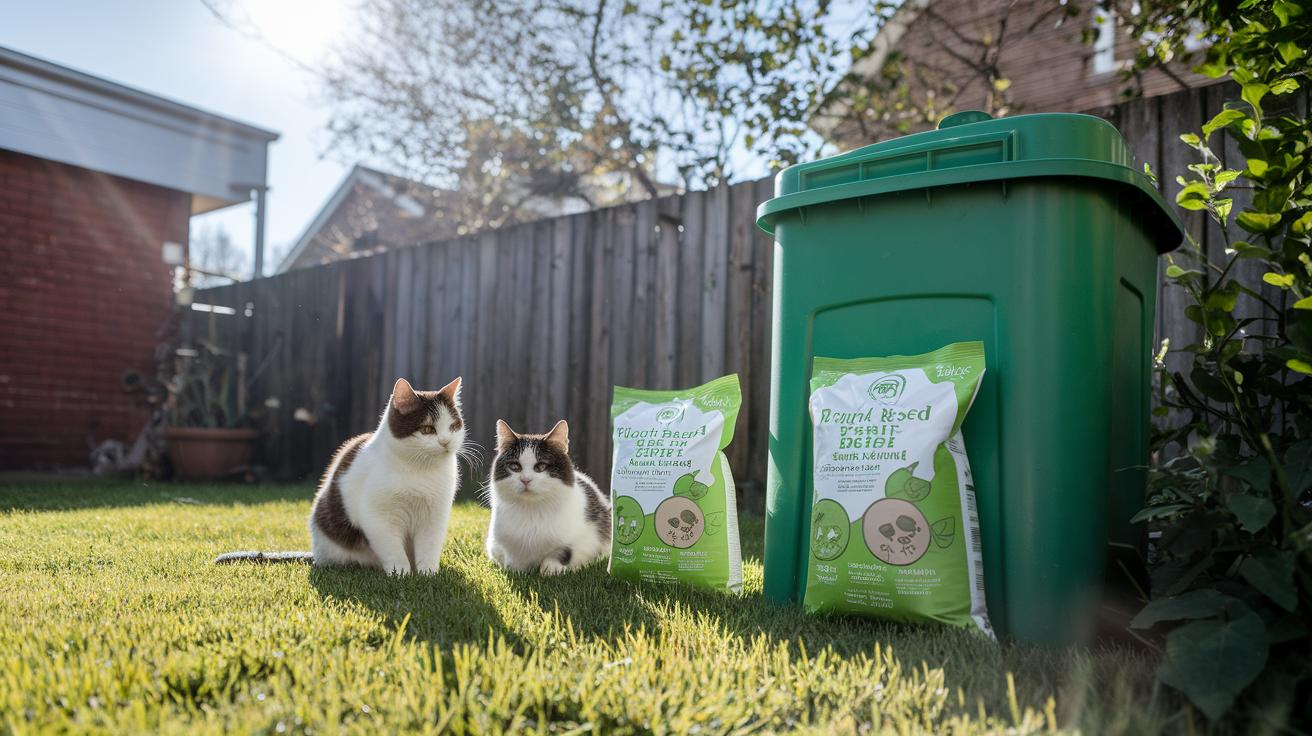
Plant-based cat litters are a safe and green way to take care of waste at home. You can turn many of these natural litters into compost using biodegradable bags made in the USA. Before you compost, check your town's rules so you stay safe and follow local guidelines. And remember, never flush this litter because it can block pipes and hurt our water systems.
- Use certified biodegradable bags for easier composting.
- Do not flush plant-based litter down the toilet.
- Keep non-compostable waste separate from your litter.
- Check your local composting tips for the best way to dispose of waste.
- Get rid of extra litter responsibly to cut down on landfill waste.
Using reusable trays and liners can also help you lower waste. Stainless steel litter boxes are great because they resist scratches and odors. They help you wait longer between cleanings and reduce disposable waste. Reusable trays catch stray litter and make cleaning up easier, while washable liners keep the area tidy. This method not only saves money but also helps build a greener home.
Transitioning to eco-friendly cat litter: a step-by-step guide
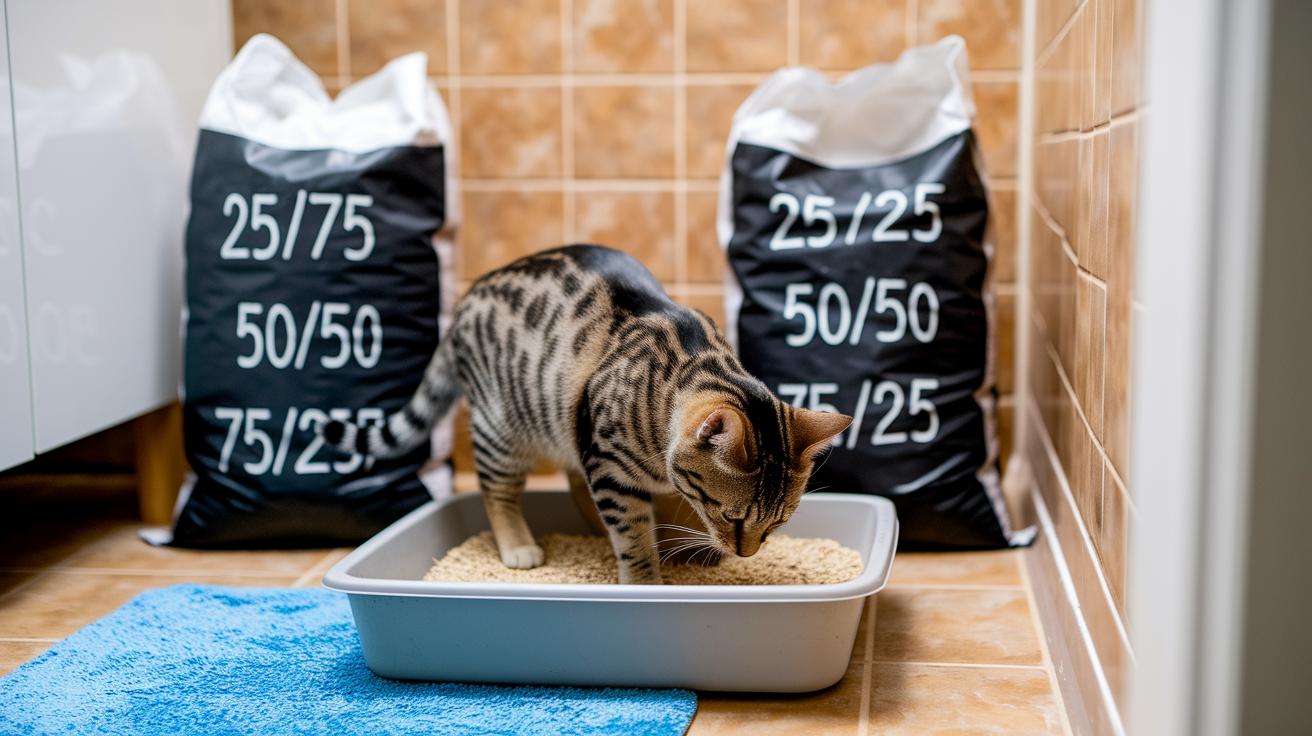
Switching to a greener cat litter can be easy when you take it slow. We suggest starting by mixing a small amount of the new litter with the old so your kitty gets used to the different feel and smell. This method keeps things familiar while helping your cat adjust comfortably over time.
Day-by-Day Mixing Method
For the first two days, mix 25% new litter with 75% old litter. Next, on days 3 and 4, change the mix to 50% new and 50% old. Then, for days 5 and 6, use 75% new litter along with 25% old litter. Finally, on day 7, switch entirely to the new eco-friendly litter. Quick tip: sometimes cats need extra time to try a new texture, just like how we sometimes need a few tries to get used to a new place.
Troubleshooting Common Issues
If your cat seems unsure or refuses the new litter, try using an attractant (a special formula that makes the litter smell inviting) or extend the mix change by one extra day. Also, check for any stray litter outside the box and clean it up gently. This small step can help your cat feel more relaxed about the new setup.
Top eco-friendly cat litter products: evaluation and pricing
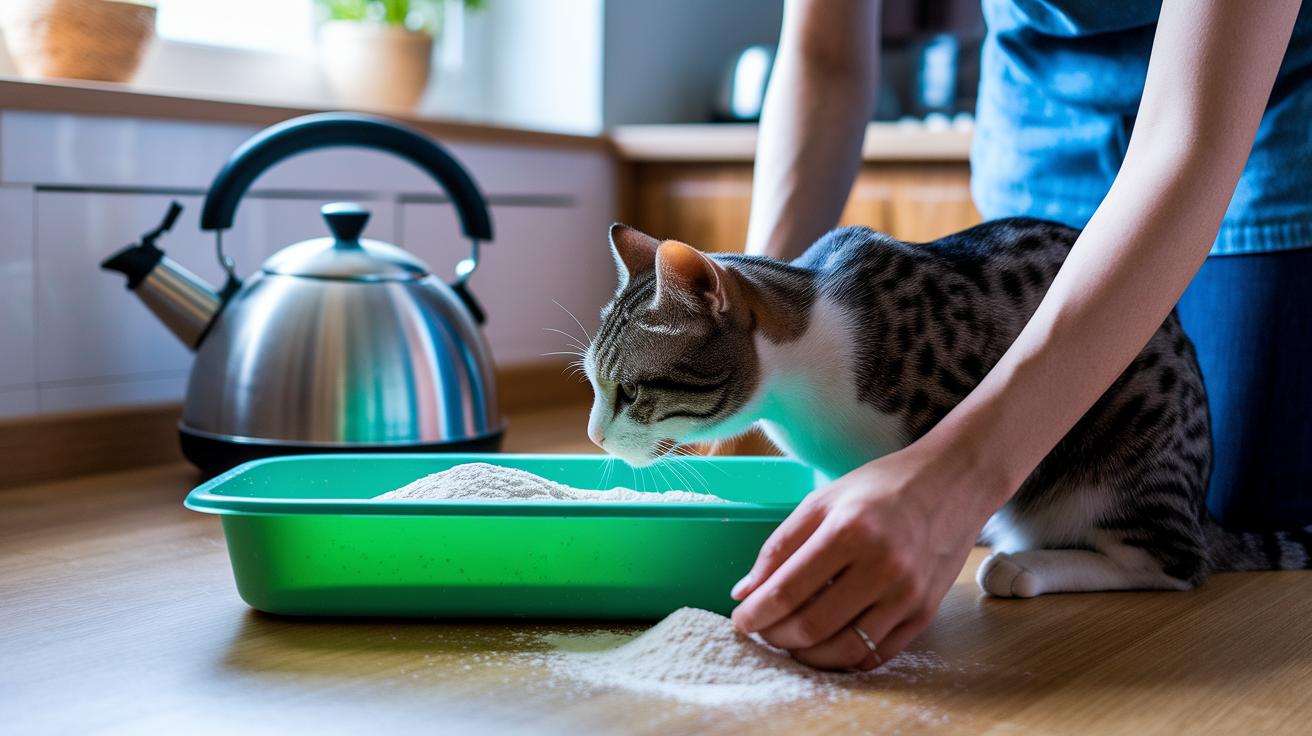
We know keeping your home clean and green matters to you and your cat. We looked at some eco-friendly litters that help fight odors and are easy to clean. One type uses friendly probiotics to keep smells in check. Another clumps fast for quick cleanups. There's also a lightweight, dust-free option for kitties who are extra gentle. These litters work great for one cat or a whole family of cats. Plus, if you spend over $75, you get free shipping in the U.S.
| Product | Material Base | Price per Pound | Key Benefit |
|---|---|---|---|
| Ultra Odor Control | Biodegradable mix with added probiotics | $1.50 | Helps keep odors at bay with friendly bacteria |
| Quick-Clumping Litter | Natural starch-based ingredients | $1.20 | Makes clumps fast so cleanup is a breeze |
| Non-Clumping Pellet Litter | Lightweight, plant-based pellets | $1.30 | Low dust and less tracking to keep floors clean |
Each option here gives you great value and practical benefits. Whether you need the extra odor control or a litter that cleans itself up quickly, these litters support your cat's comfort and health. And with free shipping on orders over $75, you get a product that is both kind to your pet and easy on your life.
Eco-friendly cat litter brands that support animal rescues

We know you care about your cat and the animals in need. Some eco-friendly litter brands help out by giving a part of their profits to local shelters. When you choose these litters, you keep your home clean while helping fund rescue programs. It shows that you can care for your pet and support the community at the same time.
Below are some brands you might like:
| Brand | Donation |
|---|---|
| Green Clean Litter Co. | 5% of profits |
| PawPrint Naturals | 10% of profits |
| Eco Paw Shelter Care | 7% of proceeds |
| Nature’s Cozy Litter | 8% of profits |
Next time you shop, consider a litter brand that gives back. Your purchase supports local shelters and makes a real difference for pets in need.
Final Words
In the action, we dove into the benefits of switching to a more sustainable pet care routine. We unraveled how natural materials reduce waste and promote health while offering step-by-step guides on transitioning and comparing products. We also highlighted the added impact of purchasing brands that support animal rescues. Each tip builds towards a safer, simpler home for your furry friends and our planet. Choosing eco-friendly cat litter is a win-win for both pets and rescuing efforts. We hope you feel empowered to make a positive change.
FAQ
What is the best environmentally friendly, healthy, and chemical-free cat litter?
The best eco-friendly cat litter uses natural bases like wood, corn, wheat, or tofu. It minimizes dust, avoids harsh chemicals, and offers effective odor control and clumping for a healthier home environment for you and your cat.
What eco-friendly alternatives can replace traditional kitty litter?
Eco-friendly alternatives include litters made from wood pellets, corn, wheat, recycled paper, and tofu. These materials biodegrade naturally, produce less dust, and help reduce landfill waste compared to conventional clay litters.
What are some popular eco-friendly cat litter brands?
Popular eco-friendly brands include Okocat Natural Wood Clumping, SmartCat All Natural Clumping, Sustainably Yours, Nature’s Miracle Premium Clumping Corn Cob, Dr. Elsey’s Cat Attract, and Tuft + Paw Really Great Low Tracking Tofu Cat Litter, as discussed on community forums.
How does eco-friendly cat litter clump and perform?
Eco-friendly cat litters clump using natural binders from their organic materials. They provide effective odor control, low dust, and minimal tracking, though they might need scooping two to three times a day for optimal performance.
How should I dispose of eco-friendly cat litter?
Eco-friendly cat litter should be disposed of following local guidelines. Many plant-based litters are compostable in certified biodegradable bags, but avoid flushing them and use reusable trays to help reduce waste further.
What eco-friendly cat litter boxes are available?
Eco-friendly cat litter boxes are made from recycled or sustainable materials. They are designed for durability and ease of cleaning, pairing well with biodegradable litters to support a more sustainable home for both you and your pet.