

Have you ever wondered if your cat's litter box could do more than just catch clumps? You can actually make your own cat litter right at home. With some old newspapers, water, and a few common items you likely already have, you can put together a mix that controls odors and feels gentle on your cat's paws.
In this guide, we're here to show you each step so you can mix and match the right ingredients. The result is a green, budget-friendly litter that works well for both your wallet and your furry friend.
DIY Step-by-Step Guide to Homemade Cat Litter Preparation

Start by tearing enough newspaper to fill a medium bowl. You’ll need about 8 to 10 sheets. Next, mix a soaking solution using warm water, dish soap, and baking soda. Try 4 cups of warm water, 1 tablespoon of dish soap, and 2 tablespoons of baking soda. Stir until the baking soda completely disappears.
Place the newspaper strips in the solution. Let them sit for at least 30 minutes until the mix looks like oatmeal. When you touch it, it should feel soft and clumpy, perfect for controlling odors and giving the right texture.
Now, think about your base mix. You can use wood shavings from sawdust or cedar from a feed store for great absorption and low dust. Or, you might choose playground sand for a clean, simple mix. If you go this way, slowly mix in 1 to 2 cups of your chosen material with the soaked newspaper.
If the mix seems too wet, add a bit more shredded paper or sand. For extra odor protection, you can sprinkle in a little more baking soda.
Finally, keep in mind that every cat is different. Try mixing your new litter with your regular one over 7 days so your cat can get used to it. Experiment with small batches until you find the perfect mix that works for you and your pet.
Ingredient Variations for Custom Homemade Cat Litter Blends
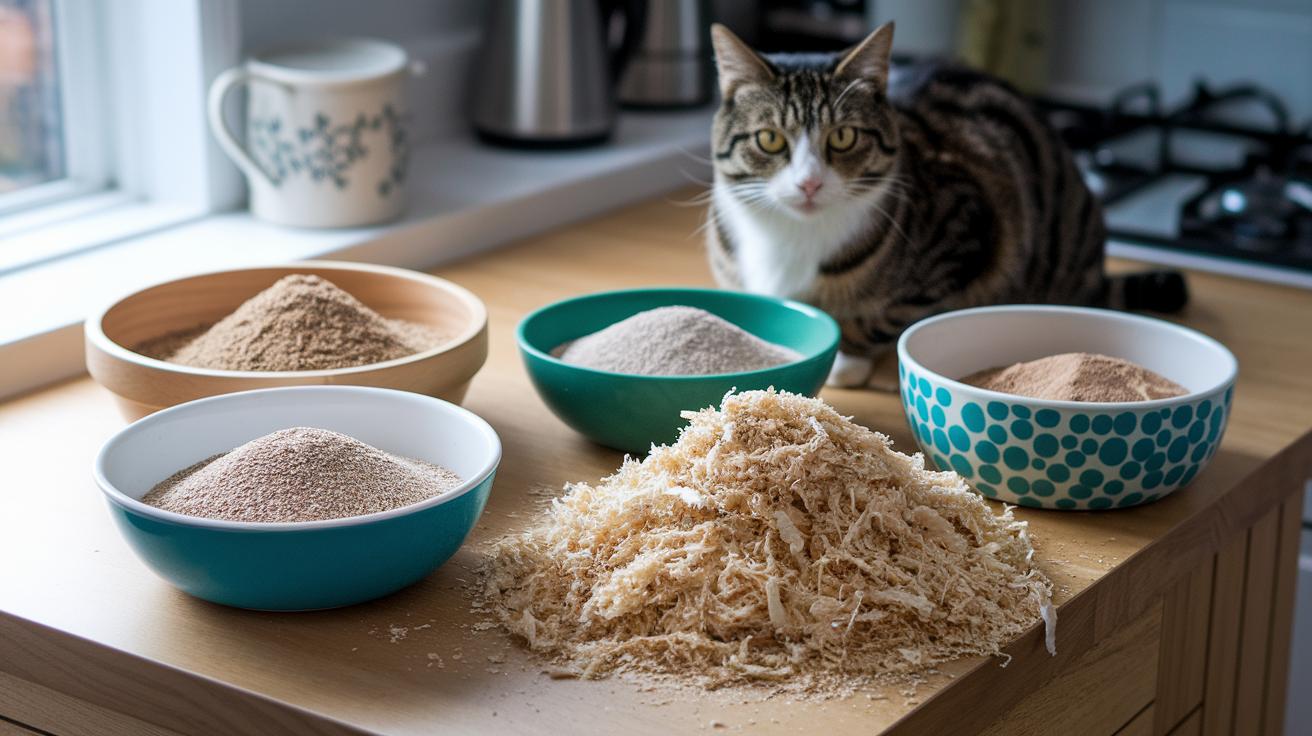
When you create your own cat litter at home, the base you choose makes a big difference. You have several options to mix and match so your litter meets both your needs and your budget. For example, shredded newspaper is very low cost. But it's bulky and you need a lot to fill your box. Wood shavings hold a lot of moisture and make very little dust, which many pet parents like. Sand is another choice that makes cleaning up easier, even though it can be heavier. An oatmeal mix made from soaked newspaper, baking soda, and a little soap works great for keeping smells away and feels soft on paw pads. Sawdust, when dry, is light and forms small clumps, though it might make a bit of dust while you handle it.
Below is a table that compares each base so you can find the best eco-friendly option for your cat:
| Base Material | Deodorizer Added | Key Benefits | Potential Drawbacks |
|---|---|---|---|
| Newspaper | Baking Soda | Very low cost, easy to shred | Bulky, needs plenty |
| Wood Shavings | Baking Soda | High absorbency, low dust | May clump too much when wet |
| Sand | Baking Soda | Easy to clean, simple mix | Heavier, limited clumping |
| Oatmeal Mix | Baking Soda & Soap | Great odor control, soft texture | Extra steps needed, must get the mix right |
| Sawdust | Baking Soda | Light, clumps a bit | May produce dust, must be dry |
Mixing these ingredients lets you craft a budget-friendly, non-toxic litter blend. You can change the ratios as needed. For instance, add a little extra baking soda if the smell lingers. Try adding one ingredient at a time so you can see what works best, kind of like adding a pinch of spice to perfect a favorite recipe.
Comparing Homemade Cat Litter to Commercial Options
Making your own cat litter can save you up to 70% on costs and cut down on plastic waste. When you create your own mix, you usually add baking soda or a few drops of essential oil (for odor control). This method is kind to your cat's paws, while store-bought litters sometimes have extra fragrances and chemicals that may be too harsh.
Here are a few things to keep in mind:
- Homemade recipes are budget-friendly and good for the earth.
- They lower your environmental impact by reducing plastic use.
- Your DIY mix might not clump as well, but the right ratio of baking soda can keep odors under control.
- Commercial litters usually offer consistent clumping and odor control, though they cost more.
- Homemade blends can have different dust levels compared to commercial options.
One pet parent shared that switching to homemade cat litter cut their monthly cost by 70% and reduced their overall garbage.
In the end, the choice between homemade and commercial cat litter comes down to what matters most to you: saving money, being eco-friendly, or having the best clumping performance for your furry friend.
Safe Maintenance and Disposal of Homemade Cat Litter

Keeping your cat's area clean is important for safety and for the environment. Most cities do not allow tossing cat waste with yard waste or in compost because it can contain ammonia and germs. We suggest scooping the litter every day and washing the litter box at least once a week.
When it is time to throw away the old litter, follow these steps:
- Double-bag the used litter using heavy-duty plastic bags.
- Seal the bags tightly and place them in your regular trash.
- Do not use the old litter in vegetable or edible gardens because it can be unsafe.
Check with your local rules too. Some areas allow you to dispose of sealed bags in the trash, while others may require a different method like burning. Always ask your local authorities to make sure you follow safe practices.
Keeping a clear routine helps control odors and stops contamination. A little extra care protects your pet and reduces your impact on the environment. You can create a system that works well for both your home and the planet.
Troubleshooting Common Issues with Homemade Cat Litter

Sometimes homemade cat litter doesn't work as you expect. If you notice strong smells, check your baking soda. Too little means the odor stays, but too much might upset your cat. Make sure the mix dries completely to help stop mold and musty smells.
Cats are very picky about texture. When you try a new blend, blend a small amount with your cat's current litter. Do this gradually over 7 to 10 days so your cat feels comfortable. Think of it like slowly mixing a new ingredient into your favorite recipe.
Also, avoid mixes that include chicken feed unless you keep them sealed tight. Open mixes can attract rats, mice, or insects. Always store your batch in a secure container until you use it.
Here are a few user-tested tips:
- Adjust baking soda for better odor control.
- Let the litter dry completely.
- Sprinkle a thin layer of sand on top for extra grip.
- Test small batches to find the best mix.
Final Words
In the action, we covered a straightforward DIY guide to homemade cat litter. We went over the detailed recipe, talked ingredient variations, and weighed it against commercial options. We also shared tips on safe maintenance and troubleshooting common issues so you can nail down the perfect mix for your pet.
Every step is designed to help you make a reliable, budget-friendly, eco-conscious choice your cat will appreciate. Enjoy the process and the positive impact while keeping your pet healthy and happy.
FAQ
Homemade cat litter deodorizer
A homemade cat litter deodorizer is a mix like baking soda that neutralizes odors. Adding it directly to your DIY litter keeps your cat’s area fresher and more inviting.
How to make cat litter sand at home
Making cat litter sand at home involves mixing playground-grade sand with baking soda. The baking soda helps control odors while the sand provides clumping properties.
How to make cat litter from bentonite
Making cat litter from bentonite means combining bentonite clay with water and a neutralizer like baking soda. This mix clumps when moistened, though precise measurements are key.
Emergency cat litter
Emergency cat litter can be made using absorbent items such as shredded newspaper, sand, or wood shavings, with a dash of baking soda for odor control when you need a quick solution.
How to make cat litter box
Making a cat litter box at home involves repurposing a sturdy container by cutting an entry hole. The simple design ensures easy cleaning while giving your cat a safe space.
How to make cat litter not smell
Making cat litter not smell is achieved by mixing in a deodorizer like baking soda and stirring regularly. This helps neutralize odors and keeps the litter box fresher longer.
Can I use sand as cat litter
Using sand as cat litter is possible if your cat is comfortable with it. Mixing it with a deodorizer like baking soda improves odor control and makes cleanup easier.
How is cat litter made
Cat litter is made by combining absorbent materials such as clay, shredded newspaper, sand, or wood shavings with deodorizing agents like baking soda. Homemade versions follow similar steps for moisture and odor control.
What can I use to make homemade cat litter?
Homemade cat litter can be made using shredded newspaper, wood shavings, playground-grade sand, or an oatmeal mix blended with baking soda, offering a cost-effective and natural option.
What can I use instead of cat litter?
Instead of traditional cat litter, you can opt for shredded paper, wood pellets, or sand. Some pet parents also try sawdust or oatmeal mixtures as safe and practical alternatives.
What did people use before kitty litter?
Before modern kitty litter, people often used natural materials like sand, alfalfa pellets, or soils. These options provided a simple way to manage pet waste without commercial products.
Can I use oatmeal as cat litter?
Using oatmeal as cat litter is an option by soaking shredded newspaper in water with baking soda to create an oatmeal-like texture. This DIY blend helps manage moisture and control smells.