


Is your pet scratching non-stop because of pesky fleas? We get it, it can be really upsetting for both you and your furry friend. Fleas can make your pet uncomfortable and disturb the peace in your home. In this post, we'll share simple steps to treat the problem quickly. Take charge today so you and your pet can enjoy a calm, happy home again.
Effective Flea Infestation Treatment Strategies for Pets and Homes
Fleas are pests that feed on blood. They make your pet itch and can leave red, flaky patches, small wounds, or even cause hair loss. In some pets, too many fleas can lead to tapeworms or make them feel weak. We know it's tough, so you need a plan that covers every part of the problem.
Follow these four key steps:
-
Understand the flea life cycle: Fleas start as eggs, then become larvae, move to the pupa stage, and finally turn into adults. This cycle can take three to four months. That means your treatment must work at every stage.
-
Treat your pet: Work with your veterinarian to choose treatments that are both safe and effective. Options include flea collars, spot-on liquids, and tablets. Some tablets can kill adult fleas in as little as 30 minutes, while spot-on treatments help stop new eggs from forming. Think of it as giving your pet a little shield that works all day.
-
Treat your home environment: Keep your pet’s bedding clean by washing it in hot, soapy water and vacuum carpets, rugs, and furniture at least twice a day. Using pet-safe sprays on furniture and baseboards helps you reach hidden spots where eggs or larvae might be hiding.
-
Address the yard: Keep your outdoor space tidy. Mow the lawn regularly, pick up leaves, and treat shaded areas with pet-safe granules or sprays. This keeps fleas from finding a place to breed outside.
Each step works together to break the flea cycle. Together, they help clear up infestations quickly so you can enjoy a happy, healthy home.
Diagnosing Flea Infestations on Pets: Key Signs and Tests

If your pet keeps scratching or shows red, flaky skin, fleas might be the culprit. You may even see small marks like scabs or areas with less hair near the tail and along the back. One easy trick is to look for flea dirt. This is when tiny black or reddish-brown specks turn red with a drop of water on them.
To check for adult fleas, gently part your pet’s fur or run a fine-toothed flea comb through it. This simple method can reveal small, moving insects that are hard to see otherwise.
Another handy test is the white sock test. Wear white socks and walk around your home. Fleas, attracted by the warmth and movement, may jump onto your socks, making them easier to spot.
Remember, fleas might even bite you if they have no animal friend around. So, if you notice tiny bites on yourself, it’s a good idea to take a closer look at your pet and your home.
- Look for heavy scratching and signs of discomfort.
- Check for red, flaky skin and hair loss.
- Use a flea comb to inspect your pet’s fur.
- Try the white sock test for a quick check.
Each of these steps gives you a clue to help confirm a flea infestation.
Veterinary-Recommended Flea Treatment Options for Dogs and Cats
When you face a flea problem, you need fast, trusted relief. One well-loved option is Capstar (nitenpyram). It starts killing adult fleas in just 30 minutes and clears most within 4 to 6 hours. This makes it a great choice when your pet is itching and uncomfortable.
Flea collars are another handy tool. They slowly release medicine over several weeks. They work best when flea numbers are low and also help keep fleas away over time.
For a monthly treatment, try spot-on treatments. These topical liquids work on flea eggs and young bugs. They stop current infestations and help prevent new ones from taking hold.
Oral pills like spinosad or afoxolaner protect your pet for 30 days or more. They work inside your pet’s body, keeping fleas away all month long. And if your pet needs a quick clean, anti-parasite shampoos with ingredients like pyrethrins or selamectin wash away fleas and soothe irritated skin.
Here are a few tips:
- Consult your veterinarian to choose the best option and dose for your pet, based on their age, breed, and health.
- Watch your pet for any changes after treatment to make sure the method works.
- Sometimes, combining treatments – like a fast-acting tablet with a monthly topical – can be the key to getting ahead of the infestation.
These vet-approved treatments offer both quick relief and lasting protection. They help keep your pet comfortable while tackling those pesky fleas.
Environmental Flea Infestation Treatment: Home Cleaning and Disinfection
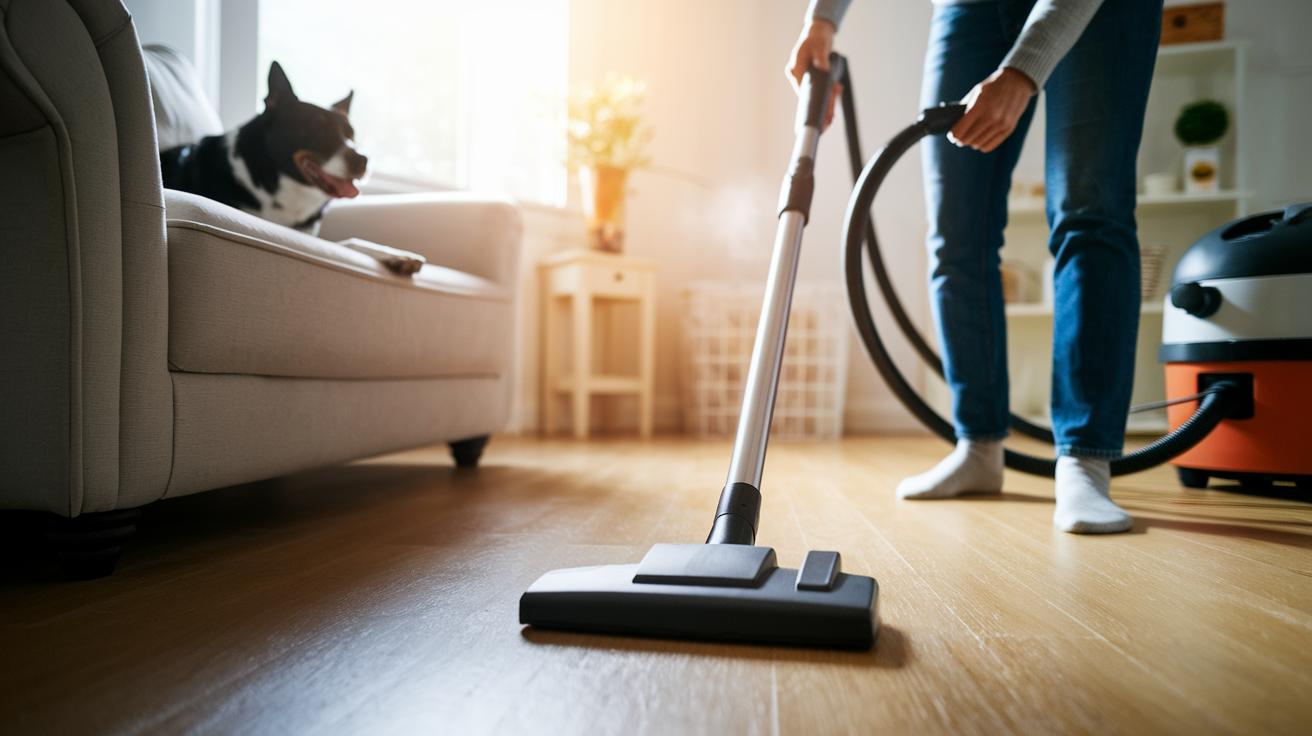
Start by tackling those hidden flea stages that live in your home. We suggest washing all your pet bedding, throw rugs, and removable covers in hot, soapy water every week. This simple step cleans out dirt and removes flea eggs and larvae hiding in the fabrics.
Next, use a pet-safe flea spray or fogger that is made for indoor use. Spray it on the carpets, furniture, and along the baseboards where your pet loves to nest. Always check the label to make sure it is safe for your furry friend and try a small spot first to be sure nothing gets damaged.
Vacuuming is a big helper in this fight against fleas. Vacuum the carpets, area rugs, upholstery, and all your pet’s favorite spots at least twice a day. Remember to empty the vacuum outside so no eggs get a chance to hatch back inside.
Don’t forget the hard-to-reach spots. Use a residual aerosol spray on cracks, crevices, and under appliances. These areas can hide flea eggs or larvae even when the rest of your home is clean.
- Wash pet bedding, rugs, and covers in hot, soapy water weekly.
- Use pet-safe sprays or foggers on carpets, furniture, and baseboards.
- Vacuum all floor surfaces and pet areas at least twice a day; always empty the vacuum outside.
- Apply a residual aerosol spray on cracks, crevices, and under appliances.
Keep up this cleaning routine for three to four months. Did you know that a tiny flea egg can hatch in just two days? Regular cleaning makes a big difference in keeping your home safe and cozy for both you and your pet.
Outdoor Flea Infestation Treatment: Yard and Perimeter Control
Let's help your yard stay fresh and uninviting to fleas. Keep it neat so these pests can't settle in. Mow your lawn often to cut down on damp, shady spots where flea eggs hide. Rake up leaves, grass clippings, and other debris to clear away any potential homes for fleas.
Trim bushes and low plants to let more sunlight and air through. It’s like opening a window to dry out the area. Focus on spots around your house, under decks, and in any shady corners your pet loves.
Use pet-safe flea granules or sprays on these parts of your yard. During the busy flea season, treat areas where your pet spends a lot of time every month.
| Step | Action |
|---|---|
| 1 | Mow the lawn often to reduce damp, flea-friendly spots. |
| 2 | Rake up debris to remove flea breeding spots. |
| 3 | Trim shrubs and groundcover to let in more sunlight and air. |
| 4 | Apply pet-safe sprays or granules around your house, under decks, and in shady areas. |
| 5 | Re-treat high-traffic pet zones monthly during peak flea season. |
Professional Flea Infestation Treatment Services: When to Call Experts

Sometimes, home methods and regular cleaning just don’t cut it when fleas take over. That’s when it’s a good idea to call in a licensed pest control expert. They know fleas go through different stages, like eggs, larvae, pupae, and adults. Professionals use stronger treatments and plan several visits every 2–4 weeks to cover all these stages.
Prices can change depending on the size of your home and how bad the problem is. It helps to ask for a clear estimate upfront so you know what to expect. When you talk to a provider, ask if their products are safe for your pets and children. Also, find out how long you should wait before coming back into treated areas to keep everyone safe.
Here are a few tips when considering professional treatment:
- Make sure the technician is licensed and has experience with flea problems.
- Confirm they use chemicals that are safe for pets and family homes.
- Ask how many treatments are needed to fully break the flea cycle.
Preventing Flea Infestations: Long-Term Treatment and Control Measures
Basic flea treatments are still very important. But keeping fleas away for the long haul means using smart ideas that go beyond daily cleaning. One neat trick is adding smart sensors near your pet's favorite spot. Some pet centers even use sensors that notice small temperature changes, alerting them when fleas start to move.
Advanced tips include:
- Place smart sensors in the areas your pet loves to relax. This can warn you about flea activity early.
- Try eco-friendly flea sprays that keep the bugs at bay while protecting your pet. For example, a natural plant-based spray works well without harsh chemicals.
- Make your yard less welcoming for fleas. Plant flea-repelling greenery and use safe outdoor treatments now and then.
- Chat with pet experts or local rescues. They often have fresh ideas to help you build long-lasting flea defense.
These smart steps work well with quick treatments and help you create a steady, simple routine to protect your furry friend.
Final Words
In the action, this post laid out step-by-step pet and home strategies for tackling flea infestations effectively. We covered diagnosing signs, vet-approved treatments, safe cleaning at home and in the yard, and when to bring in experts.
The guide also shared long-term tips to prevent reoccurrence. With proper flea infestation treatment and a caring routine, you can keep your pet happy and your home safe. Enjoy peace of mind knowing you're making a difference.
FAQ
What does flea infestation treatment at home involve?
Flea infestation treatment at home involves cleaning pet bedding, washing fabrics in hot water, vacuuming daily, and using pet-safe sprays to target eggs and larvae while treating your pet simultaneously.
How does flea infestation treatment for dogs work?
Flea infestation treatment for dogs means using vet-recommended products, like fast-acting oral pills or topical solutions, paired with regular grooming and a clean environment to reduce flea bites and keep your dog comfortable.
How does one get rid of fleas in the house fast naturally?
Getting rid of fleas in the house fast naturally involves washing bedding in hot, soapy water, frequent vacuuming, and using pet-safe natural sprays that gently target flea life stages without harsh chemicals.
What are some of the fastest methods to kill fleas indoors?
The fastest methods to kill fleas indoors include using products like Capstar that begin working in as little as 30 minutes, along with shampoos containing active ingredients for immediate relief, followed by thorough cleaning.
How does one address fleas on humans?
Addressing fleas on humans means washing affected areas with soap, changing clothes, and soothing bites with anti-itch lotions. If irritation continues, consider consulting a healthcare provider.
How can you determine the severity of a flea infestation and treat a massive outbreak?
Determining flea infestation severity involves spotting flea dirt, bites, and intense scratching on pets. A massive outbreak may require combined pet treatment, thorough home cleaning, and sometimes professional pest control.
How long does a flea infestation typically last?
A flea infestation can last for three to four months if untreated, because the flea life cycle includes stages that persist until you disrupt reproduction and remove all eggs.
What approach will completely eliminate fleas?
No single product will 100% eliminate fleas. Combining vet-recommended pet treatments, regular home cleaning, and proper yard care breaks the flea cycle for thorough control.