
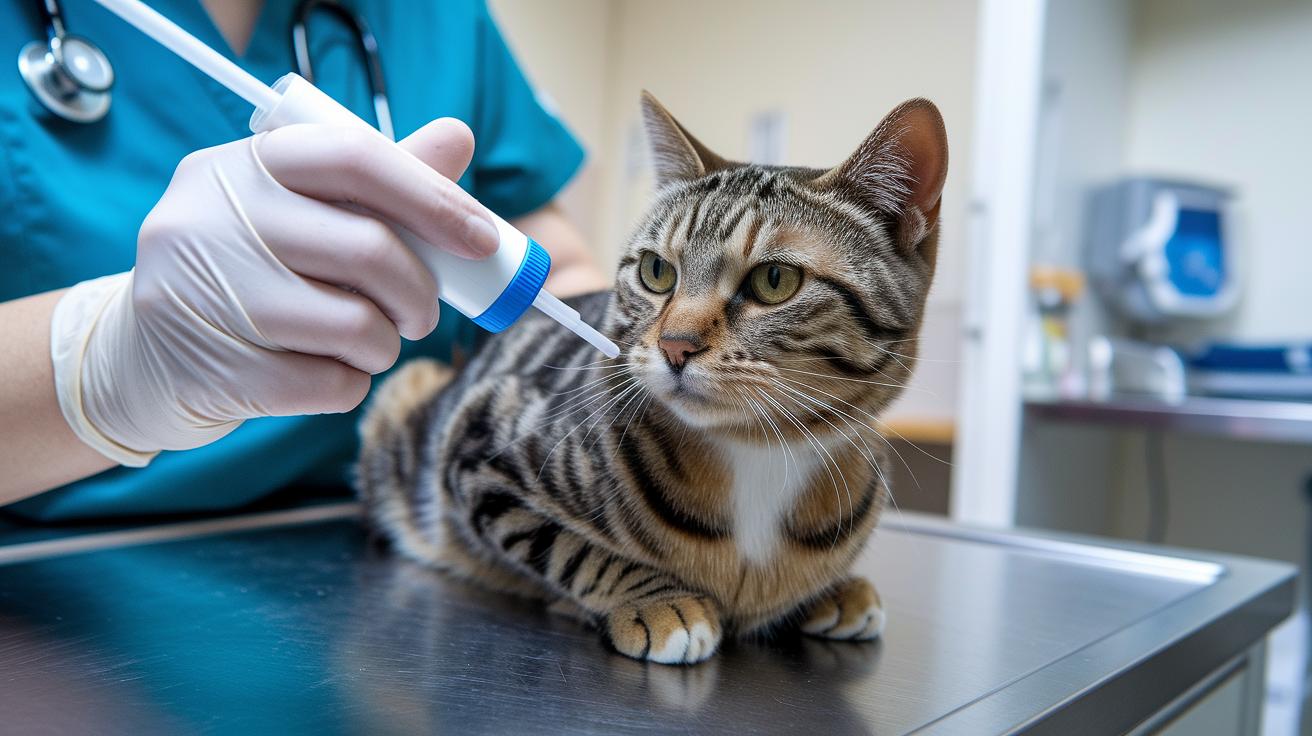

Are cat fleas bugging your kitty and making it scratch all day? We know how tough that can be. Fleas are more than just annoying, they can cause itchy skin and other health issues. In this guide, we'll show you safe and quick ways to tackle these pests.
We explain different treatments, such as:
- Spot-on drops (a few small doses on your cat's neck)
- Oral medicines (pills your vet might recommend)
- Flea collars (collars that help keep fleas away)
With clear, simple tips, you'll find the best way to keep your cat comfy and happy. Let's get started and help your furry friend feel better soon.
Cat Flea Treatment: Overview of Effective Methods
Fleas are tiny pests that feed on your cat's blood. They can cause a lot of discomfort, spread tapeworms, and even bring in bacteria that might hurt your kitty's skin or trigger allergies. When fleas strike, the constant itching can lead to bigger problems like allergic dermatitis. Quick treatment is very important to stop the spread and to help your cat feel better fast.
Here are the main ways to treat fleas:
- Topical spot-on products: You apply a few drops between your cat’s shoulder blades. The medicine soaks into the skin oils and starts working quickly.
- Oral medications: These come as pills or chewable treats. Often, they begin to kill fleas within a few hours once swallowed.
- Flea collars: These are worn around your cat’s neck. They slowly release chemicals that drive fleas away and kill them.
Each option works well, but your choice might depend on how your cat behaves, how many fleas there are, and what you feel most comfortable doing.
Always read and follow the label instructions when using any flea treatment. Keep an eye on your cat afterwards to catch any signs of skin irritation or discomfort early. And if your cat acts unusual or you’re not sure about a treatment, give your vet a call. This way, you make sure the treatment is both safe and effective for your furry friend.
Comparing Topical and Oral Cat Flea Treatment Applications
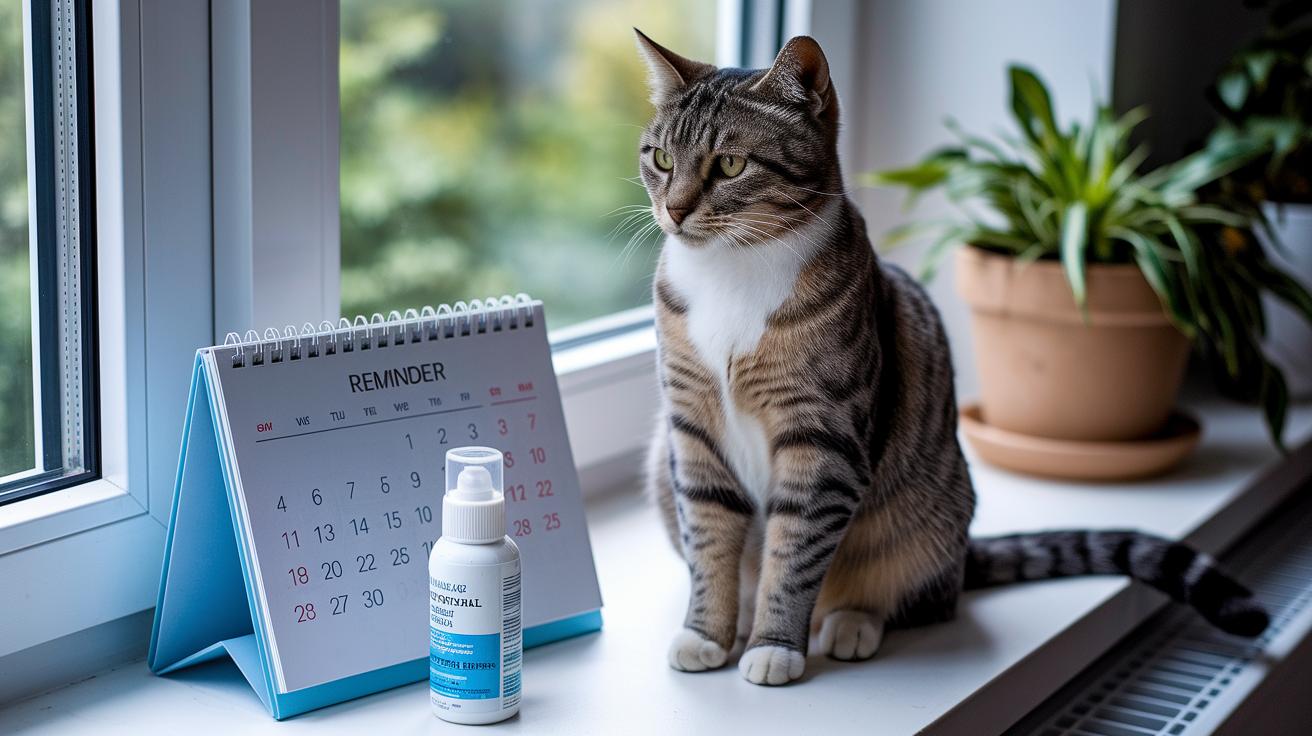
Fleas can be a real nuisance for both you and your cat. When it comes to relief, there are two common choices. One is a spot-on treatment you apply to your cat's skin. The other is an oral pill or chewable treat. Both are typically used once a month and may need your vet's approval if they are the stronger kind.
Topical Spot-On Treatment
Spot-on treatments are applied on the back of your cat, usually between the shoulder blades. The product mixes with your cat's natural skin oils and takes up to 24 hours to work fully. Think of it as a gentle shield that slowly keeps fleas at bay. There is a small chance the treatment can rub off onto other pets or even you, so it's a good idea to keep an eye on your cat after you apply it.
Oral Flea Medications
Oral flea medications come as pills or chewable treats and work much faster, often within 4 to 6 hours. It is important that your cat eats the entire dose to get full protection. A neat trick is to hide the pill in a bit of tasty food. This quick-acting option is perfect for busy pet parents who need speedy relief for their furry friend.
| Application Method | Onset Time | Duration | Vet Consultation Required |
|---|---|---|---|
| Topical Spot-On | Up to 24 hours | Monthly | Yes (for prescription strength) |
| Oral Flea Medications | 4-6 hours | Monthly | Yes (for prescription strength) |
Vet-Endorsed Factors in Choosing Cat Flea Treatment
First, think about where fleas are most common. In warm, humid areas, fleas can be a real problem. Picking a treatment that works well in your region can help you beat even the toughest fleas.
Next, consider your cat's daily life. Indoor cats might need a different type of protection than those who roam outside. If your kitty enjoys both, look for a product that covers a mix of flea challenges.
Then, take your cat's age into account. Kittens and seniors can be extra sensitive. Choose a treatment made for their stage to keep them safe and comfy.
Also, check if your cat has any health or skin issues. For cats with allergies or sensitive skin, a milder formula is best. It’s a good idea to talk to your vet if your pet is on other medications or shows signs of irritation.
Finally, decide between over-the-counter and prescription options. Over-the-counter products are convenient, while prescription treatments may offer stronger care with a vet’s advice. Pick the option that best fits your cat’s overall health needs.
Cat Flea Treatment: Swift, safe results

You can use gentle home remedies to support your cat's regular flea treatment. These natural tips add extra help even though they are not fully proven by science. Use them in vet-approved amounts to keep your cat's skin calm. They are meant to work with your usual flea routine.
A mix of apple cider vinegar and water can make your cat's coat less fun for fleas. With a damp cloth, gently wipe your cat to help keep these pests away. Remember to always use a light mix that your vet recommends.
A citrus spray also can push fleas away. Mix a little citrus juice with water and lightly spray your cat's bedding. This can help keep the flea numbers lower around your home.
Food-grade diatomaceous earth works by harming the flea's outer shell. Lightly dust the areas where your cat spends time to reduce flea numbers. Use only the safe amount suggested by your vet.
| Remedy | Application Method | Safety Precautions |
|---|---|---|
| Diluted Apple Cider Vinegar Rinse | Use a damp cloth with a light mix | Use vet-approved dilution; avoid eye contact |
| Citrus-Based Spray | Spray lightly on bedding and fur | Test on a small area; do not overuse |
| Food-Grade Diatomaceous Earth | Dust lightly in areas your cat uses | Use minimal amounts; ensure good ventilation |
Preventing Cat Flea Reinfestation Post-Treatment
Keep your home safe by tackling flea problems indoors. We suggest vacuuming your carpets and furniture every week. This helps remove flea eggs and larvae hiding in the fibers. Also, wash your pet’s bedding and blankets in hot water often. This simple step can break the flea life cycle quickly.
Next, take care of your outdoor space. Rake up leaf litter, trim tall grass, and use yard treatments approved by your vet. These actions shrink the cozy spots where fleas like to hide and make your yard less inviting for pests.
Regular grooming is also very important. Brush your cat each day with a fine-tooth flea comb to catch any sneaky visitors. This easy routine removes any remaining pests and lets you spot an early sign of reinfestation.
Finally, keep up with monthly vet-recommended treatments all year long, even when flea numbers seem low. Sticking to this routine creates a lasting shield, making it much harder for fleas to set up shop.
Cat Flea Treatment FAQs and Safety Guidelines

Which treatment gives quick results for indoor cats?
Oral flea meds can start working in 4 to 6 hours to ease your cat's discomfort.
Are these meds safe for kittens younger than 8 weeks?
For kittens under 8 weeks, always check with your vet first before using any oral flea treatment.
How can I tell if a flea problem still lingers after treatment?
Watch your cat’s coat and skin. Look for moving fleas or small black specks (flea dirt).
What should I do if I see signs of an allergic reaction?
If your cat’s skin turns red or swollen or if it scratches more than usual, stop the treatment and call your vet.
How often is flea treatment needed for my cat?
Most experts suggest a monthly treatment to keep fleas away.
What if my cat has a bad reaction to the treatment?
Stop using the product right away and talk to your vet about trying a different option.
Final Words
In the action, we explored key ways to treat and prevent fleas on your pet. We broke down how topical and oral treatments work, shared vet-approved tips, and even covered simple home solutions. We also looked at steps to keep fleas away after treatment. Each method helps ensure your furry friend stays comfortable and healthy. Choose the best cat flea treatment that suits your pet’s needs while making a positive impact.
FAQ
What is the best treatment for fleas on cats?
The best treatment for fleas on cats combines ease of use with safety. Treatments include OTC products like topical spot-ons, oral medication, or chewable pills, and often a vet’s guidance helps you choose the right option.
What kills fleas on cats immediately?
Fast-acting oral flea medications typically begin working within hours. They help reduce flea bites quickly, but a complete routine with environmental care ensures long-term relief.
What will 100% get rid of fleas?
No treatment guarantees complete flea elimination on its own. Effective control relies on proper application and regular cleaning of your cat’s environment to minimize reinfestation.
Why don’t vets recommend Frontline?
Some vets may not recommend Frontline due to concerns about side effects or less-than-optimal results for certain cats. They often suggest alternatives that better match your cat’s specific health needs.
Which oral flea treatment works best for cats?
Oral flea treatments, offered as chewable pills or tablets, work quickly when fully ingested. They deliver fast relief and are best used under your vet’s advice for proper dosing.
What is the best topical flea treatment for cats?
Topical treatments are applied to your cat’s skin and work steadily to control fleas. They provide a convenient, local approach but need careful application to avoid contact with other pets or family members.
Can I treat cat fleas at home?
At-home flea treatment can support primary methods. Home remedies like diluted apple cider vinegar rinses or citrus sprays help repel fleas, but always check with your vet before using them.
What are some vet-recommended flea treatments for cats nearby?
Local pet stores and veterinary clinics offer treatments that vets have approved. These options are selected to match your area’s flea pressure and your cat’s health, ensuring effective, safe control.