


Is your dog's flea treatment safe and reliable? Fleas cause itchiness and can lead to other health problems. In this post, we look at options that really work. You can choose chewable tablets that protect your pet for 12 weeks, a collar that stays strong outdoors, or a monthly liquid that gets rid of fleas on contact. We break down each method so you can decide which one is best for your furry friend and your home. A happy pet means a happy home.
Top Flea Treatment Options for Dogs: Efficacy and Usage
We have four main ways to keep your dog safe while fighting fleas and ticks. First, there is a monthly chewable tablet. This one tackle treats fleas, hookworm, roundworm, and even five types of ticks. One chew lasts 12 weeks and helps stop heartworm too. Think of it as one simple chew every three months that cuts down on extra treatments.
Next, a flea and tick collar can give your dog up to eight months of steady protection. This collar works well for stopping pests on the outside. But it doesn't protect against bugs inside your pet, and sometimes some dogs do not like wearing it.
Another favored method is an over-the-counter liquid you put on your dog each month. This treatment kills fleas, ticks, flies, and even mosquitoes as soon as they touch your pet. Still, it does not offer heartworm or inside parasite protection.
Remember, treating your home is just as important. Fleas are tiny (less than 1/8 inch) and dark in color. They can be spotted as flea dirt mixed with water, and your dog might scratch a lot or seem restless. Since most flea larvae (95%) live in your house or yard, cleaning your surroundings is key.
- Oral chew: Lasts 12 weeks and handles many parasites
- Collar: Gives up to 8 months of outside protection only
- Topical: A monthly liquid that kills on contact
Each option can play a role in keeping your dog safe from fleas and ticks. Choose what fits your dog's needs and your home's care best.
Oral Flea Treatments for Dogs: Tablets and Chewables

Oral flea treatments are a popular choice for pet parents who want simple and steady protection for their dogs. Prescription chewable tablets help guard against fleas, heartworm, hookworms, roundworms, and ticks for 12 weeks. They come in easy-to-dose forms like oral canine flea medication or chewable pet flea formulas.
For quick relief, treatments such as Capstar work fast, killing adult fleas in about 30 minutes. Just remember, Capstar should be paired with a longer-lasting product to keep your pet fully protected.
Always use these treatments when your puppy is at least 8 weeks old and weighs 4 lbs or more. Follow the dosing directions carefully. Some formulas even come with warnings for dogs with certain neurological problems.
Key details:
- 12-week protection against several parasites
- Fast-acting options like Capstar need to be combined with longer-term treatments
- Age and weight guidelines are in place to ensure safety
Use oral flea treatments only after your pet is 8 weeks old and weighs at least 4 lbs to help ensure proper dosing.
Topical and Spot-On Flea Treatments for Dogs
Flea treatments help keep your dog safe from fleas with a simple monthly application. Frontline Plus is a trusted choice that repels and kills fleas at all stages for 30 days. It is water-resistant, so it works even when your dog gets wet. Think of it as a gentle shield that lasts all month.
Advantage II works quickly by killing all adult fleas within 12 hours. It comes in different sizes to fit various dogs. Just be sure to check your pet’s skin after the first use to catch any irritation.
Sentry Fiproguard is a wallet-friendly option that works well for homes with more than one pet. It offers the basic flea defense you need without extra cost.
Key details:
- Frontline Plus: 30-day protection and water-resistant.
- Advantage II: Fast action in 12 hours; monitor for skin irritation.
- Sentry Fiproguard: Affordable flea defense for multi-pet households.
Flea and Tick Collars: Extended Protection for Dogs

Flea and tick collars, like the Seresto collar, keep your dog safe for eight months. They are a smart choice when you compare them to monthly treatments because they can help you save on costs. These collars work on pests you see on the outside and might not stick as well if your dog has long or thick fur. You can trim a bit of the fur around the collar area to help it stay snug.
Key points:
- Eight-month protection against fleas and ticks
- More cost-effective than monthly treatments
- Only works on outside pests, not internal ones
- Make sure the fit is right for dogs with long or thick fur
Regular home cleaning can also help cut down on flea problems.
Natural and At-Home Flea Remedies for Dogs
You can use simple items from your kitchen to help keep fleas away. One easy method is a vinegar spray. Mix equal parts apple cider vinegar (or white vinegar) with water in a spray bottle and lightly spritz your dog's coat. This spray gives a quick break from fleas but does not kill them all.
Another option is using baking soda. Sprinkle it on your dog's bedding or around the house to help dry out flea larvae. Then, give your home a good vacuum and wash your pet’s bedding in hot water. This routine can remove many flea stages and lower the flea count.
It is best to avoid essential-oil collars and sprays. They may seem natural, but there is little vet support for their safety and they can irritate your pet’s skin. Stick to the vinegar and baking soda methods to keep your furry friend safe and your home clean.
Dosage Guidelines and Safety Precautions for Dog Flea Treatments
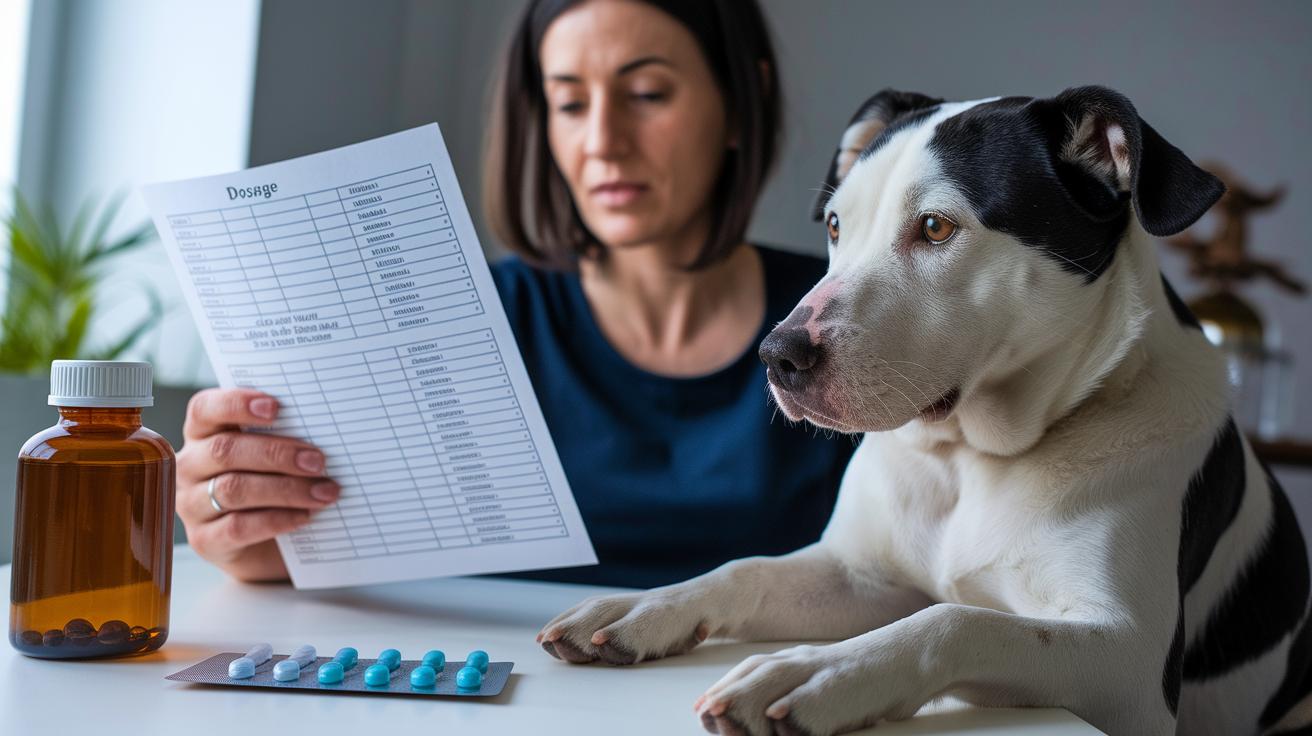
Knowing the right dose is key to keeping your dog safe. We use weight charts to find the proper amount for both pills and spot-on treatments. Always stick with the dose printed on the package. These treatments should not be used on puppies under 8 weeks old or those weighing less than 4 lbs. Also, some formulas should be skipped if your dog has any brain (neurological) issues.
Below is a simple dosage table for you:
| Weight Range | Dose Recommendation | Format |
|---|---|---|
| 4-10 lbs | Half dose as directed | Oral or Topical |
| 11-25 lbs | Standard dose | Oral or Topical |
| 26-50 lbs | 1.5x standard dose | Oral or Topical |
Keep an eye on your pet after treatment. Watch for vomiting, tiredness, or red, irritated skin. If you notice any of these signs within 48 hours, call your vet right away.
These vet-recommended guidelines help ensure your dog gets the care it needs while keeping risks low. We’re here to help you protect your furry friend.
Preventing Flea Reinfestations in Dogs: Strategies and Routines
Keeping your home clean and acting at the right time can really help keep fleas away. We recommend vacuuming floors and furniture every two or three days to get rid of flea eggs and larvae hiding in your carpets and sofas. Also, wash your pet’s bed in hot water every week to kill any fleas that might be there.
In warm places, you might need to use preventive treatments all year because fleas can spread fast. If you live in a cooler area, using these treatments only in the warmer months can work well and save you money.
A big tip is to treat all pets in your home at the same time. If you only treat one pet, the fleas might just move to another pet and start the problem again.
Key strategies include:
Following these steps regularly makes your home safer and keeps your pets happy.
Comparing Top Dog Flea Treatments: Effectiveness, Duration and Cost
When picking a flea treatment, it's smart to think about how long it lasts and what it costs each year. We looked at how many bugs each option covers, how often you need to apply it, and how easy it is to use. This guide helps you decide what works best for your pet and your budget.
| Treatment Type | Duration | Pros | Cons | Annual Cost |
|---|---|---|---|---|
| Oral Chewable | 12 weeks per dose | Covers many parasites; simple to give | Needs a vet prescription; must dose by weight | $250 |
| Topical | 30 days | Works fast; water-resistant | May irritate skin; formula depends on weight | $180 |
| Collar | Up to 8 months | Lasts a long time; budget-friendly | Only works on the outside; may not suit all fur types | $80 |
| Natural | Varies | Can use at home; low-cost choices | Results can be inconsistent; covers fewer parasites | Varies |
- Think about how often you need to apply the treatment compared to its yearly cost.
- Check that the product covers all the bugs that matter for your pet.
- Make sure the ease-of-use fits your schedule and your pet's habits.
- Compare vet-prescribed options with over-the-counter and natural choices to see which gives you the best value.
Final Words
In the action, we covered the top choices for keeping your pet safe from pests. We looked at oral options, spot-on treatments, collars, and even natural remedies. You learned simple dosage tips, safety steps, and ways to tackle flea reinfestations. This guide gives you the tools to choose the right flea treatment for dogs that fits your busy life while supporting rescues. Enjoy the peace of mind that comes with making informed, vet-backed choices, and know you're helping animals in need.
FAQ
What is the best flea treatment for dogs without a vet prescription?
The best flea treatment for dogs without a vet prescription offers safe, effective control using over-the-counter products like spot-on solutions. These treatments repel and kill fleas for about 30 days, making them a favorite for many pet parents.
How can I treat fleas at home using natural methods?
The question on treating fleas naturally at home points to using remedies like vinegar sprays or baking soda, along with thorough cleaning. These methods help reduce flea larvae while keeping your dog safe.
What is the most effective flea treatment for dogs?
The question about the most effective flea treatment highlights that combining fast-acting formulas with long-term prevention works best. Oral chewables and topicals offer quick relief and lasting protection against fleas and ticks.
What kills fleas on dogs immediately?
The question regarding immediate flea kill shows that fast-acting oral treatments can eliminate adult fleas within 30 minutes. However, they work best when paired with a product that provides month-long prevention.
Can I treat fleas without going to the vet?
The question on avoiding a vet visit means you can safely treat fleas with many over-the-counter options like spot-on treatments, collars, or chewables, all designed for effective flea control in healthy dogs.
What flea treatment options work best for small dogs?
The question about treatments for small dogs emphasizes that many flea products offer weight-based dosing. This ensures small dogs receive the right, safe dose, making chewable and topical treatments effective for their size.
What do online reviews say about products like Simparica, Bravecto, and NexGard?
The question on online chatter shows that pet parents often praise products such as Simparica, Bravecto, and NexGard for ease of use and reliable flea control, noting their strong performance and overall satisfaction.