


Have you ever noticed how some pets pick up tricks quickly while others need a bit more time? Clicker training uses a small device that makes a clear, short sound every time your pet does something right. That sound tells your pet that they did well and often comes with a treat or kind words right away.
In our post, we explain the Happy Pet Method. It makes training fun by using simple, clear cues that boost your pet's confidence. It’s a smart way to show your pet that good behavior really does bring rewards.
What is Clicker Training: Happy Pet Method
Clicker training is a fun, positive way to teach your pet new behaviors. You use a small device to make a clicking sound exactly when your pet does something right. That click shows your pet what action earned a treat or kind praise.
With clicker training, you add a reward soon after the click. For example, if your dog sits and you click at the moment he sits, you then give him a treat. This method focuses on rewarding good behavior instead of removing things your pet likes.
It is important to click at the very moment your pet acts. This helps your pet connect the sound with a reward. Over time, the click itself becomes a cue for a reward, making learning fun and building your pet's confidence.
Origins and Evolution of Clicker Training Devices

Back in the mid-1900s, researchers like B.F. Skinner studied how animals learn. They found that a clear sound, like a click, marked the exact moment an animal did something right. This idea helped set the stage for using sound cues to shape behavior. Early experiments showed that simple sounds made it clear which actions were rewarded.
By the 1960s and 1970s, trainers working with dolphins and whales used sound signals to encourage more complex tricks. Then, in the 1980s and 1990s, Karen Pryor made clicker training a hit with dog owners. What started as low-cost plastic clickers grew into a range of sound and digital tools that help us reward our pets in many different ways.
Clicker Training Fundamentals Explained: Core Principles
Clicker training is a science-backed way to teach your pet new tricks using clear signals and rewards. When you use a clicker, your pet hears a distinct sound right when they do something right. Pair that sound with a treat or some kind words, and your pet quickly learns that good behavior has a positive outcome. Using the clicker every time with clear rules helps your pet understand exactly what earns a reward.
- Mark the right action immediately
- Always follow the click with a treat or praise
- Clearly define which behavior gets marked
- Build new skills step by step
- Keep training calm and stress-free
These basics form a strong foundation for learning. It’s important to click right after your pet does the right thing. This quick timing helps them connect the behavior with the reward. Breaking a trick into small steps makes training fun and manageable for both you and your pet. By keeping your approach consistent and always pairing the click with a reward, your pet stays engaged and motivated. This method boosts their confidence and creates a caring, respectful training space.
How Clicker Training Reinforces Behavior: Mechanics of Auditory Cues

When you use a clicker, its sound gets linked with something your pet loves, like a yummy treat or kind praise. Every time you click at the right moment, your pet learns that the sound means a reward is coming. It’s like giving them a little hint that says, "Good job, here comes your reward!"
Clicker training works with two simple ideas: capturing and shaping. Capturing means noticing a behavior when it happens and marking it right away. Shaping involves breaking a trick into small, easy steps. You might start by giving a treat every time your pet does the trick, then slowly switch to offering treats only sometimes so the behavior sticks. It’s like putting together a puzzle piece by piece so your pet can learn the full trick gradually.
We know no training method is perfect. Clicker training is meant to be fun and stress-free, but sometimes life throws a curve. Trainers work hard to keep any bumps to a minimum so that the focus stays on positive cues. In the end, clear and loving training makes it easier for both you and your pet to enjoy learning together.
Practical Applications of Clicker Training for Dogs, Cats, and Equines
Clicker training is a fun and clear way to help your pet learn. It uses a simple sound to mark the moment your pet does something right. This method works great for training dogs, cats, and horses, and it helps every pet feel understood and safe.
Using Clicker Training with Dogs
Dogs pick up basic commands like sit, stay, and come quickly when the click marks exactly when they do the right thing. A steady click paired with a reward, like a tasty treat, lets your dog know they earned the praise. Think of it like snapping a quick picture of their best moment. When your dog sits on command, click and give a delicious treat. This clear way of training helps reduce bad behavior and builds strong, positive habits.
Using Clicker Training with Cats
Cats may act independent, but they love clear signals that work with their natural curiosity. With clicker training, you can guide your cat to use the litter box, walk on a leash, or even do simple tricks. The click sends a quick message that they did something right. This turns everyday training into a fun mini-adventure, boosting your cat’s confidence and deepening your bond.
Using Clicker Training with Horses
Clicker training also works well with horses, improving both groundwork and riding cues. The method helps your horse understand commands like walking calmly or responding to subtle riding signals. The click effectively connects a good move with a reward. This friendly approach makes training sessions safe, clear, and enjoyable for your equine friend.
Common Mistakes and Tips for Effective Clicker Training
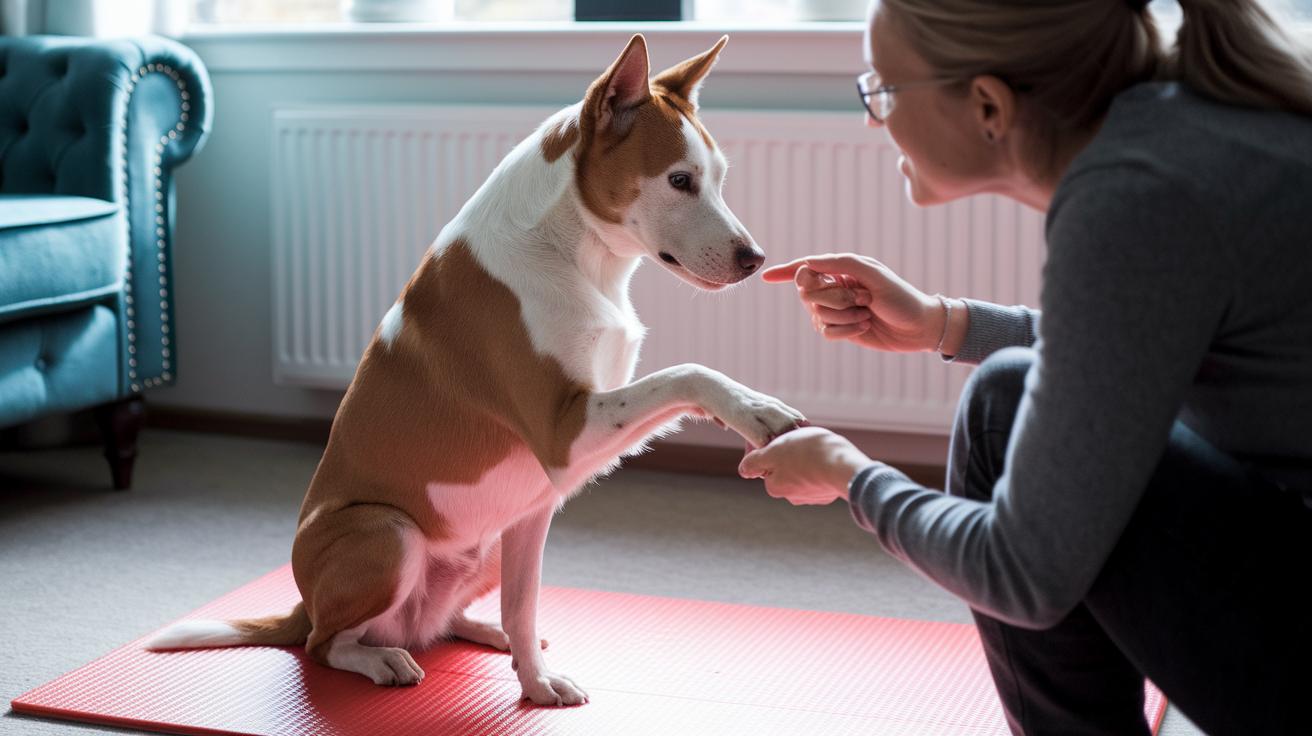
Sometimes even a great training tool like the clicker can go off track. When it doesn't work right, your pet might get mixed up or not learn as fast as you hope. Here are some common slip-ups and simple tips to keep your training clear and fun:
-
Clicking too late can mark the wrong action
Tip: Click right when your pet does what you want so they know you mean it. -
Not always following the click with a reward makes it less clear
Tip: Always give a treat or kind words after the click, so your pet gets the signal. -
Using the clicker too much without clear rules can confuse your pet
Tip: Save the click for showing off specific behaviors and keep your rules steady. -
Not easing out the clicker as your pet learns can hold back progress
Tip: Gradually use the clicker less over time as your pet learns the trick. -
Giving treats that your pet isn’t excited about can lower their drive
Tip: Pick treats that your pet really loves to keep them interested. -
Ignoring a mix of rewards might let the behavior fade away
Tip: Slowly shift from every click reward to a varied plan to keep the behavior strong.
Final Words
In the action, we've seen how clicker training works by marking a pet's exact behavior with a click and rewarding it immediately. We covered its origins, core principles like precise timing and positive reinforcement, and its practical uses for dogs, cats, and horses. You also learned common mistakes to avoid along the way. Wondering what is clicker training? We hope you feel empowered to try these clear, vet-recommended methods and enjoy making a positive, ethical impact on your pet's life.
FAQ
What is clicker training used for?
The clicker training is used for marking and reinforcing desired behaviors in animals. It uses a unique click sound paired with a reward to shape behavior gradually.
Is clicker training bad?
The clicker training method isn’t inherently bad. It relies on precise timing and positive reinforcement; mistakes come from inconsistent use rather than the clicker itself.
What is clicker training for dogs?
The clicker training for dogs teaches basic cues like sit, stay, and recall. The click marks good behavior paired with a treat, making learning fun and clear.
What does being clicker trained mean?
Being clicker trained means using a precise click sound to mark a desired action, followed by a reward. This technique reinforces learning and guides behavior in a positive way.
What does clicker training mean in non-traditional contexts?
In some urban, pet play, or trans contexts, “clicker training” can have varied meanings. Check reliable sources to distinguish these slang uses from the standard animal training method.
Does clicker training work on humans?
The clicker training method is mostly designed for animals. While some apply its positive reinforcement ideas to human habits, its primary success lies in pet training.