
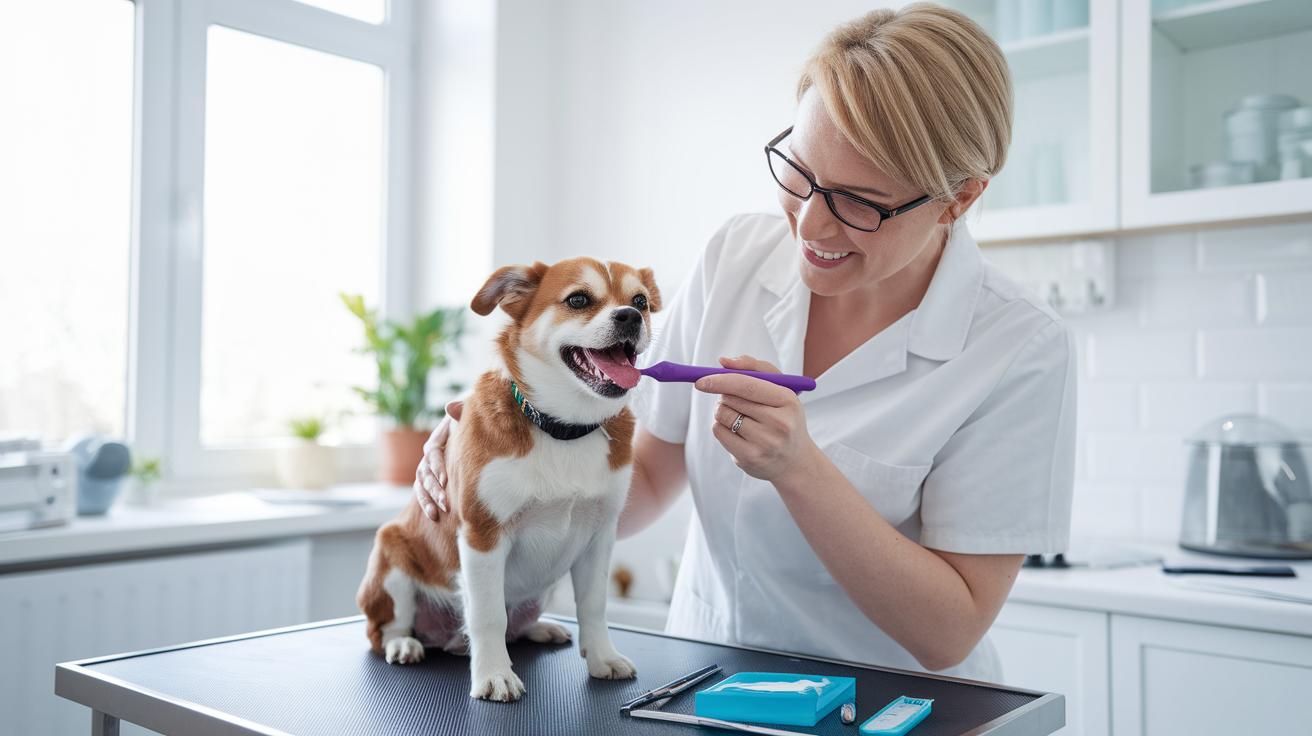

Ever notice your pet's breath isn't as fresh as you'd like? A few small changes in your everyday routine can help brighten your pet's smile and cut down on bad breath.
Imagine each tooth-brushing moment as a chance to bond with your furry friend. In our post, we share simple at-home dental care tips that really work. We cover how to choose pet-safe brushes and pastes, how long to brush, and tips for earning your pet's trust from the very first tooth.
Try these steps and see how little changes can make a big difference for your pet's breath and overall health.
Fast-Track At-Home Dental Routine for Fresher Pet Breath
Every pet deserves fresh breath. A simple daily routine can make a big difference. Start by choosing a quiet spot at home where your pet feels safe. When your pet is calm, gently brush one or two teeth. For instance, softly brush a canine in slow, small circles to build trust.
Try a fun trick: set a timer for two minutes. Brush slowly over a few teeth at a time and add more as your pet gets used to it. It may seem small, but little steps add up.
Choose the right tools. Use a pet-friendly toothbrush with soft bristles and a small head. Pick a pet toothpaste that uses enzymes (it gently breaks down plaque). Start with a few teeth per session and build a lasting habit.
- Find a quiet, familiar spot.
- Use a pet-friendly toothbrush with soft bristles.
- Squeeze a little pet toothpaste on the brush.
- Set a timer for two minutes.
- Gradually brush more teeth as your pet relaxes.
Plaque and tartar can cause bad breath because of the odor-causing bacteria. If your pet’s breath doesn’t get better, it might be a sign of dental or tummy issues. It’s a good idea to visit your vet for a dental cleaning at least once a year, or sooner if you notice any signs.
Stick with this daily routine to help reduce plaque and keep your pet’s breath fresher. For more pet health tips, check out our complete pet care guide.
Selecting Pet-Friendly Dental Tools and Chews

Picking the right dental tools for your pet makes cleaning safe and effective. Pet toothbrushes have small heads and soft bristles that gently clean even tiny teeth. They work best with pet toothpaste that uses enzymes to break down plaque. If your pet has a small mouth or sensitive gums, try a cotton ball or finger brush with pet-safe toothpaste. This way, you can start a daily dental routine that feels easy for both of you.
Dental chews also help keep your pet’s mouth clean. These chew treats have a texture built to remove tartar and control plaque buildup. Some interactive chew toys brush your pet’s teeth as they chew, which supports good oral health. The "Two-Minute Trick" makes cleaning quick and steady, so your pet gets used to it without feeling stressed.
Essential tools and chews include:
• Pet toothbrush with a small head and soft bristles
• Pet toothpaste with an enzyme base
• Cotton balls or finger brushes
• Dental chew treats that help remove tartar
• Interactive chew toys for extra brushing action
Dietary Adjustments and Natural Breath-Freshening Foods for Pets
Changing your pet's diet can naturally freshen their breath. Many store-bought foods have extra chemicals that might add to bad odors. Natural foods made from whole ingredients can help keep your pet's mouth cleaner. Foods rich in enzymes work to break down plaque as your pet chews.
Adding foods like raw carrots or apples to your pet’s meals can gently clean their teeth. These simple, whole foods can be part of a balanced diet that helps fight off bad breath. Even a little sprinkle of fresh parsley can work like a natural deodorizer to keep odors in check.
Try mixing in whole, natural foods that have cleaning enzymes. Some regions like South Korea, New Zealand, and Hong Kong use natural ingredients that support oral hygiene. This means your pet gets tasty treats while reducing plaque. The crunchy bite of carrots is a great help in scrubbing away food buildup.
| Natural Food | Breath-Freshening Benefit |
|---|---|
| Carrots | Crunch cleans teeth naturally |
| Apples | Natural fibers help scrub plaque |
| Parsley | Acts as a natural deodorizer |
| Blueberries | Antioxidants support mouth health |
Plaque Prevention and Tartar Control Techniques for Fresher Pet Breath
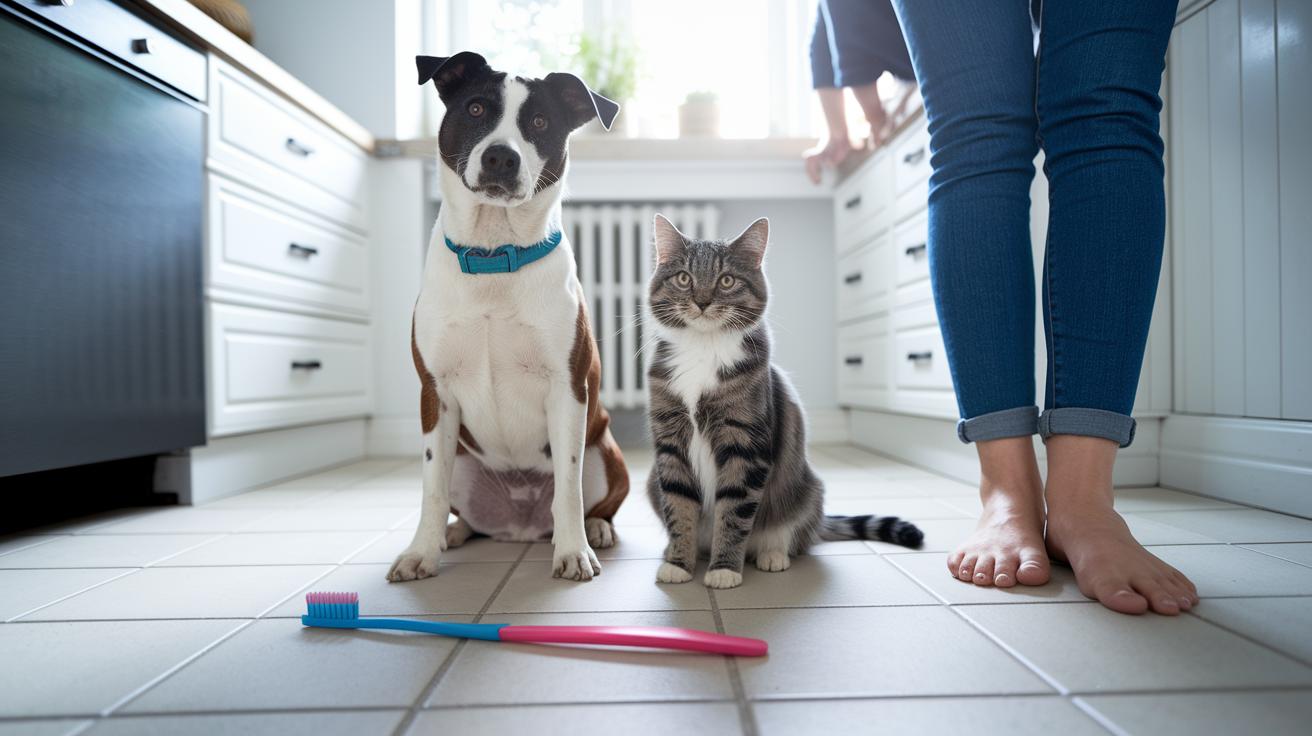
Keeping your pet’s teeth clean at home is very important. We suggest brushing your pet’s teeth with pet-friendly toothpaste at least three times a week. Dental chew treats can help remove plaque while your pet enjoys a tasty treat.
You can add a few extra steps to make the routine even better. For instance, enzyme-based water additives break down plaque in hard-to-reach areas when used every day. Switching up dental toys and chews also keeps the routine fun.
Here are some easy tips to remember:
- Brush with pet-friendly toothpaste at least three times a week.
- Offer dental chew treats after meals.
- Use an enzyme-based water additive daily.
- Rotate dental toys and chews often.
- Keep an eye on your pet’s breath and book vet checkups when needed.
Veterinary Dental Examinations and Professional Care for Pet Oral Health
We know that a clean, healthy mouth makes for a happy pet. Regular dental checkups at the vet help keep your pet’s mouth fresh and free of hidden problems. Each year, a checkup can spot early signs of dental trouble and clear away that stubborn plaque.
At the appointment, your vet will look over your pet’s teeth closely, polish them, and sometimes even take dental X-rays (special pictures that show hidden issues). By catching problems early, you can fix them before they turn into big issues.
Sometimes, if problems stick around, your vet might suggest extra treatment. This could mean pulling a sick tooth or treating gum issues with periodontal therapy (special care for gum disease). Vets also check if any bad breath might be a sign of something deeper. Keeping up with regular visits helps avoid surprises and keeps your pet’s mouth clean.
These visits are also a great time for your vet to share home care tips or recommend helpful supplements. If you notice your pet seems in pain, has trouble chewing, or sports constant bad breath between checkups, call your vet right away. For new pet parents, the new pet owner care guide new pet owner care guide is a great resource to help manage your pet’s dental health.
By trusting professionals with regular dental exams, you give your pet fresher breath and improved overall well-being. Regular checkups catch little problems early. That way, your pet can enjoy yummy meals and cozy cuddles without any pain. Keep a close eye on your pet's smile!
Final Words
In the action of caring for your pet’s smile, we walked through simple ideas to tackle plaque and tartar. We highlighted easy at-home brushing routines, the best pet-friendly tools, dietary choices, and the need for regular vet visits. Every tip aims to reduce bad breath and boost your pet’s overall health. Remember, using pet dental care tips for fresher breath can make a big difference in your pet's daily comfort and joy. Keep it simple, stay consistent, and enjoy the healthy outcomes.
FAQ
Frequently Asked Questions
Q: What are the best dog dental care products?
A: The best dog dental care products include pet-specific toothbrushes, enzyme-based toothpaste, dental chews, and interactive chew toys. These items work together to reduce plaque and freshen your dog’s breath effectively.
Q: How can I do dog dental care at home?
A: The dog dental care at home routine involves gentle brushing using pet-friendly toothpaste, a calm setting for short sessions (try the “Two-Minute Trick”), and regular checks to build a reliable habit.
Q: What kind of dental care is vet recommended for dogs?
A: The vet recommended dental care for dogs means regular at-home brushing with pet-safe products combined with annual professional dental exams. This approach helps manage plaque and prevents dental disease.
Q: What are some home remedies for dog bad breath?
A: The dog bad breath home remedy often includes brushing with pet toothpaste, offering dental chews, and incorporating natural, breath-freshening foods. These steps reduce odor-causing bacteria between vet visits.
Q: How can dental disease in dogs be treated at home?
A: Treating dental disease in dogs at home involves a consistent brushing routine, the use of dental chews or toys, and supplements. For severe cases, seek a vet’s guidance to prevent further issues.
Q: How do I find dental care for dogs near me?
A: Finding dental care for dogs near you involves checking with local veterinary clinics, pet hospitals, and pet supply stores. Ask for recommendations and reviews to ensure quality care.
Q: How can I make my dog’s breath smell fresher?
A: Making your dog’s breath fresher starts with daily brushing using pet-safe toothpaste, dental treats for plaque control, and natural foods. Regular professional cleanings also help boost breath freshness.
Q: Will my dog’s breath smell better after a dental cleaning?
A: Your dog’s breath should smell better after a dental cleaning as plaque and tartar are removed. However, maintaining a daily oral care routine is key to long-lasting fresh breath.
Q: Is it ever too late to start brushing your dog’s teeth?
A: It is never too late to start brushing your dog’s teeth. Beginning a dental care routine now can improve oral health and reduce plaque buildup, no matter your dog’s age.