


Ever wonder if you're ready when your pet faces an emergency? A few easy steps can help you feel confident to care for your furry friend. In this guide, we share simple first aid tips that show you how to check your pet's breathing, heart rate, and body temperature. These quick checks alert you to problems before they become serious. With clear steps and practical advice, you can feel safe and prepared to help your pet in any situation.
Essential Pet First Aid Tips: Care with Confidence
Begin by taking a close look at your pet. Check that they breathe evenly, that their heart beats at a steady pace, they feel warm, and they seem alert. These small steps help you notice if something is wrong. For example, when you check their pulse, gently press your fingertips near their leg. You should feel a soft, steady beat, like a little drum.
Keep an eye out for big red flags like heavy bleeding, hard or labored breathing, or if your pet suddenly can’t stand. In these cases, act right away to keep them as safe as possible until you can get help from a vet.
Here's what to do:
- Look at their breathing and heart rate.
- If there’s bleeding, press a clean cloth against it.
- Speak in a soft, calm tone to help your pet settle.
- Watch their body temperature and alertness closely.
- Get to a vet as soon as you can if things get worse.
These simple steps can really help during an emergency. Even small changes in behavior may show that something is not right. Keep these tips in mind, and trust your judgment when it comes to your pet’s health.
Building Your Essential Pet First Aid Kit
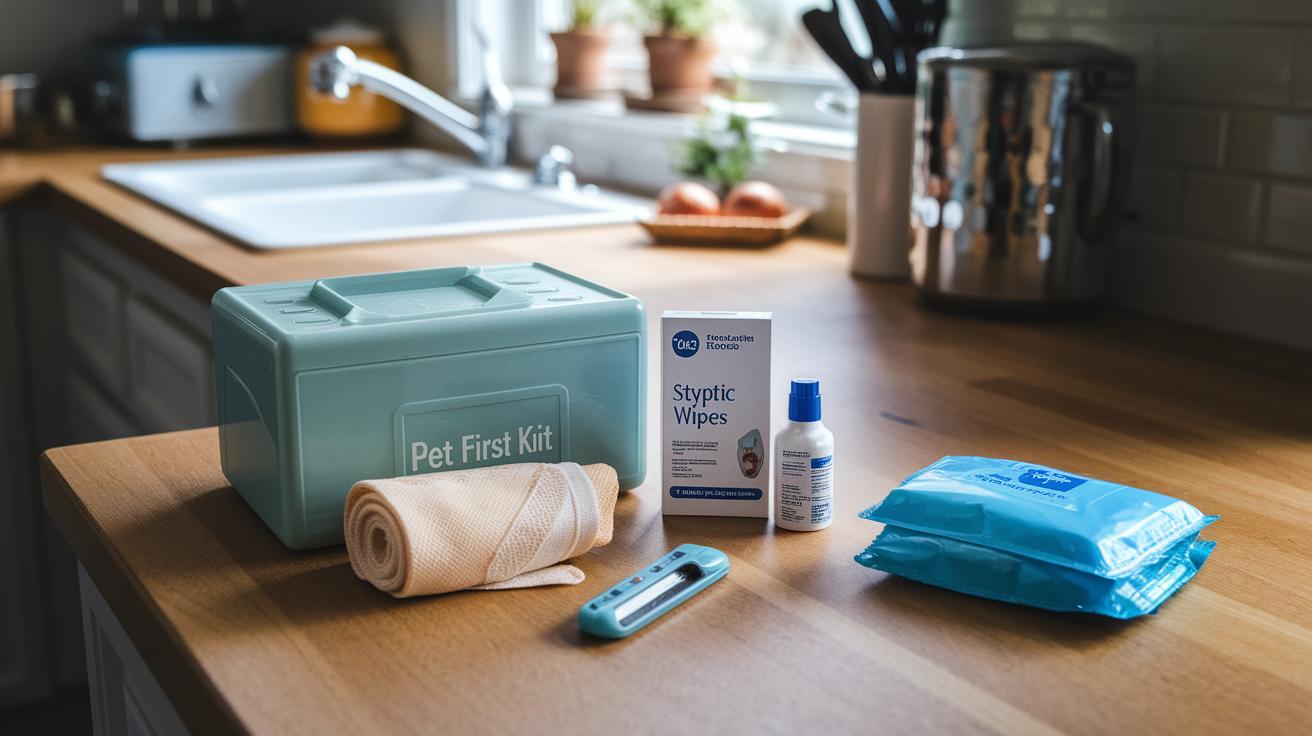
It's important to have a pet first aid kit always nearby. Whether it's at home, in your car, or with you when you're out, having this kit ready can help when accidents happen. Vets tell us to keep supplies on hand so you can act quickly when your pet needs care.
Fill your kit with trusted basics. Pack gauze pads and sterile bandages to cover wounds fast. Use antiseptic wipes to clean cuts before you dress them. A digital thermometer is handy to check your pet's temperature in an emergency. A soft muzzle comes in useful if your pet is hurting and might bite. Keep styptic powder to stop small bleeding and cold packs to ease swelling. Adding tweezers and latex gloves puts an extra safety belt around your care. Finally, an emergency blanket helps keep your pet warm.
Think of this kit as a small bag of lifesaving tools just waiting to help during a mishap. One pet parent said, "That digital thermometer was a real lifesaver when my pup got a sudden fever."
Remember to check your supplies often. Items like antiseptic wipes and cold packs can lose their power over time, so swap them out before they expire.
Here's an easy checklist to guide you:
| Item |
|---|
| Gauze pads |
| Sterile bandages |
| Antiseptic wipes |
| Digital thermometer |
| Soft muzzle |
| Styptic powder |
| Cold packs |
| Tweezers |
| Latex gloves |
| Emergency blanket |
Keep your kit neat and easy to grab so you can give your pet the fast care they need when emergencies strike.
Essential Pet First Aid Tips for Treating Common Injuries
Begin by taking a calm look at your pet to see if there are any cuts or signs of pain. If you find a cut or bite, press a clean gauze pad firmly against the spot to slow the bleeding. Hold the pad with steady pressure for about one minute while you get ready to act.
If your pet has a deep cut, do not use anything that might stick to the wound. Instead, use a fresh piece of gauze each time you check on it. This simple step keeps the area clean until you can see a vet.
When your pet has a bite wound, try to keep them as relaxed as possible. Speak softly and gently press clean gauze over the bite. It helps to hold your pet’s paw or body gently so the gauze stays put and the bleeding slows down.
If you suspect a fracture, try to keep your pet very still. Use a soft cloth or bandage to hold the injured limb steady and prevent it from moving. One pet owner told us, "I wrapped my dog's leg carefully and kept him quiet until we reached the clinic." This gentle care helps stop more injury until a veterinarian can take a look.
For injured reptiles, keep the spot warm and limit their movement. This helps prevent shock and avoids more damage. For birds, gently press on any bleeding spot and set the bird in a quiet, dim area to ease their stress. These steps help you give the right care at home while you plan a visit to the vet.
Remember, the most important things are to stop the bleeding and keep your pet still until you can get professional help.
Essential Pet First Aid Tips for CPR and Choking

If your pet stops breathing and has no pulse, act fast. You can start CPR like you would for a person using chest compressions and rescue breaths. First, check your pet’s chest. If you don't feel a heartbeat, press gently but firmly. Keep in mind that the pressure and speed depend on your pet's size. A small cat needs gentle, slow compressions, while a big dog needs deeper, faster ones.
Here's a quick guide:
- Gently tap your pet and call their name to see if they respond.
- Look for any sign of breathing or a pulse. Do this in about 10 seconds.
- Give chest compressions in the center of the chest.
- After each set of compressions, give a quick rescue breath.
- Be careful. If your pet wakes up suddenly, stand back to avoid any bites.
For a blocked airway, gently open your pet’s mouth with your fingers. If you see something blocking the airway, remove it only if it is safe for you to do so. Always remember that while pet CPR is like human CPR, you must adjust the technique for your pet's size. Stay calm and act quickly in these tough moments.
Essential Pet First Aid Tips for Knowing When to Seek Veterinary Care
Keep an eye on your pet's behavior. Even small changes like confusion or low energy can be a sign something isn't right.
If you see any of these signs, call your vet right away:
- Bleeding that won't stop even with pressure.
- Hard breathing that makes every breath seem like a fight.
- Sudden collapse or trouble standing, which could mean internal problems.
Many clinics now offer ICU care, surgery areas, and even quick imaging tests. Trust your gut and get help when you notice these signs.
Essential Pet First Aid Tips for Small and Exotic Pets
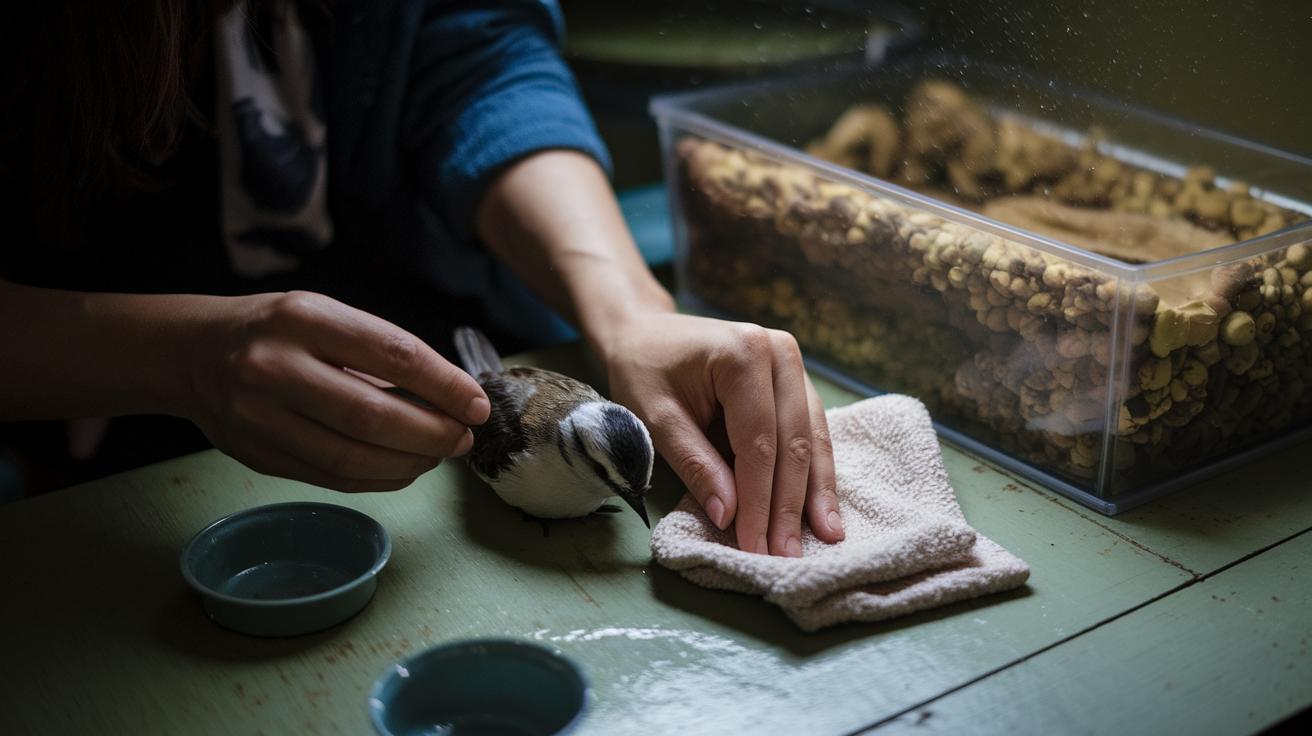
If your bird gets hurt, move it to a dark, quiet spot. This helps keep its stress low while you gently press on any bleeding with a clean cloth or gauze pad. One pet parent shared that a calm, dim space really made a difference during a minor injury.
Reptiles also need special care. Keep your reptile warm and try not to handle it too much. A shallow dish of water nearby can help prevent dehydration while it’s stressed. These small steps can support recovery until you can reach your vet.
For small mammals like hamsters or rabbits, hold them gently in a calm place. If you see bleeding, use a soft cloth to press directly on the spot. Their little bodies are sensitive and need extra care during emergencies.
Farm animals do best in a quiet, isolated space. Wrap any wounds with a clean bandage and hold gentle pressure until you get professional help. These simple actions can lessen further harm when your animal is distressed.
- For birds, use a dark, quiet space and gently press on any bleeding.
- For reptiles, offer warmth, limit handling, and keep a shallow dish of water nearby.
- For small mammals, hold them gently and use a soft cloth to control bleeding.
- For farm animals, move them to a calm area and use clean bandaging with steady pressure.
Final Words
In the action, we learned how to check vital signs, manage bleeding, and even help with CPR and choking in pets. We also explored how to build an on-the-go first aid kit and spot when to seek veterinary care. These essential pet first aid tips give you the tools to act quickly during emergencies. A calm, prepared approach makes all the difference. Keep these steps in mind, stay ready, and know that you are making a great impact on your pet's health and happiness.
FAQ
What are essential pet first aid tips for dogs?
The essential pet first aid tips for dogs include checking their breathing, heart rate, and alertness while keeping them calm. These steps help you spot distress and manage bleeding until professional help arrives.
Where can I find a veterinary first aid PDF?
A veterinary first aid PDF is a handy digital guide that outlines emergency care procedures for pets, offering clear instructions to assist you during critical moments.
What should be included in a pet first aid kit checklist?
A pet first aid kit checklist should include gauze pads, sterile bandages, antiseptic wipes, a digital thermometer, a soft muzzle, styptic powder, cold packs, tweezers, latex gloves, and an emergency blanket.
Is there a pet first aid book available?
A pet first aid book offers detailed, easy-to-follow instructions for handling common injuries and emergencies, ensuring you’re prepared to care for your pet when needed.
How can I enroll in a first aid for pets course?
A first aid for pets course provides hands-on training in emergency care. It teaches you how to assess and stabilize your pet during a crisis, making you more confident in handling emergencies.
What features does a pet first aid app offer?
A pet first aid app gives quick, on-the-go guidance during emergencies. It offers step-by-step tips on CPR, choking relief, and wound care to help you support your pet effectively.
How does dog first aid differ for pets not feeling well?
Dog first aid for pets not feeling well focuses on observing subtle signs like lethargy, loss of appetite, or breathing difficulties. It guides you on when to act immediately and seek veterinary care.