


Do you feel your pet gets enough playtime? When our furry friends don’t move enough, extra calories can sneak in and lead to weight gain. We have some easy ideas to help turn everyday play into a fun way to burn calories. Short walks, quick fetch games, and simple strength exercises can keep your pet active and cheerful. These activities help manage weight and lift your pet's mood too. Stick with us for more tips on building a routine that fits your busy life while keeping your pet in tip-top shape.
Core Pet Exercise Strategies to Prevent Obesity
Keeping your pet moving helps burn extra calories so they stay fit and lively. Daily walks and fun play sessions use up energy, which helps guard against extra weight and related health problems.
Exercise is a mood booster too. It can cut down on boredom that leads to constant barking or chewing. Even a short play session can release those feel-good chemicals that keep your pet happy and calm.
- Scheduled walks
- Interactive play
- Strength-building games
- Agility basics
- Cooldown stretches
Build a routine that fits your pet's life. Start with short walks or little bursts of play and slowly add more variety. Pick activities that both of you enjoy, and stick to a natural schedule. Little by little, these moments add up, keeping both body and mind in shape while you work together to beat obesity.
Structured Canine Exercise Plans to Curb Obesity
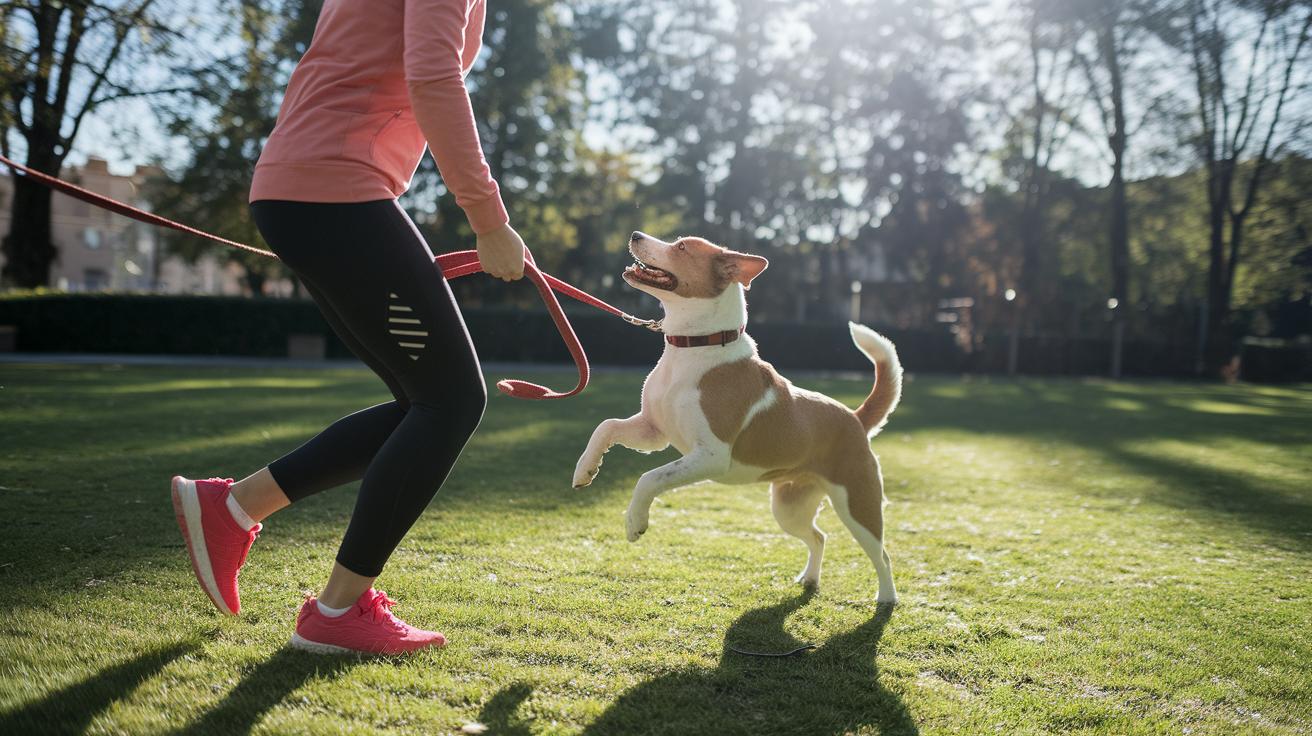
Dogs need exercise to burn extra calories and build strong muscles. A set workout plan keeps their hearts healthy and helps manage weight. Fun, controlled play sessions make it easier for your pup to beat obesity challenges.
A regular routine also deepens the bond between you and your dog. Try new trails, toss a ball for fetch, or add a few steps on your stairs. Mixing short bursts of energy with steady moves keeps things exciting and helps burn calories.
- Brisk walks on a leash
- Interval fetch sessions
- Simple stair routines
- Treadmill workouts
When planning a workout, choose activities that match your dog's age and fitness level. Younger dogs might enjoy more energetic play, while older dogs do better with gentle moves. Watch for heavy panting or slowing down, and always allow time for warm-ups and cooldown stretches. Regular check-ins with your vet help you adjust as your dog gains strength. For more care tips, see our comprehensive pet care guide.
Feline Fitness Routines to Prevent Cat Obesity
Indoor cats can get bored when there aren’t enough fun things to do. Without regular play, they might put on a few extra pounds that can lead to health problems. A cat tree or a nice climb helps them use their natural instincts while keeping them fit.
Playing together is a great way to get your cat moving. Try using a feather wand or a fun chase game so they can jump and dart. A laser pointer can lead to playful sprints, and a puzzle feeder turns mealtime into a little workout for both body and brain. These activities mix things up and boost their mood.
A few short play sessions every day can make a big difference in your cat’s health. A blend of quick playtime and light stretching works well at home. Encourage your kitty to explore new spots and climb when they can. Daily exercise builds muscle and keeps your cat happy, active, and ready to enjoy indoor life.
Low-Impact Movements for Senior and Overweight Pets

Older and heavier pets sometimes need gentle exercise to stay active. Light activities help them move more easily without putting strain on their joints. Always chat with your vet before starting something new. You can also get ideas from our in-home pet care guide.
Gentle Swimming Exercises
Swimming in shallow water is a kind way to relieve joint stress while burning a few calories. A 10- to 15-minute swim a few times a week can help build strength and mobility. Keep the water low and the pace slow to match your pet’s comfort.
Assisted Walks with Support Harness
Using a support harness can make walks safer and more comfy for your aging pet. Try short, slow strolls at a gentle pace. The harness gives extra balance so your pet can enjoy exploring without overdoing it. Adjust the walk time based on how energetic they feel.
Interactive Floor Play
Playing simple games like rolling a ball or using gentle target touches gives pets fun indoor exercise. These low-key games encourage movement without stressing joints. They’re perfect when outdoor walks aren’t an option, helping your pet stay strong and flexible right at home.
Safety Guidelines and Monitoring Progress in Pet Exercise
Keeping an eye on your pet's exercise helps you notice good changes and catch any problems early. Try simple tools like a scale and easy charts that show how healthy your pet is. Mobile apps can track daily activity and calories, giving you a clear look at your pet's progress.
While your pet exercises, watch for signs of trouble. Limping, heavy panting, or slowing down can mean it's time to take it easy. If you see these, stop the workout and let your pet rest a bit longer. And remember, if you plan to change a big part of the routine, check with your vet first.
Enhancing Pet Exercise with Interactive Play and Mental Stimulation

Interactive play is a simple way to help your pet move and think. It uses their body and mind so they burn extra calories and stay out of trouble. Fun puzzles and short training sessions help them focus, feel happy, and build confidence. A mix of moving around and solving little challenges makes playtime fun and keeps your pet alert and content.
Try games that get your pet moving and thinking together. For example, hide a favorite toy or treat for a game of hide-and-seek. You can also set up a treat puzzle that needs a bit of thought, or have a quick training session that rewards movement and learning. These playful routines help keep your pet fit and excited while making everyday time together extra special.
Final Words
In the action, we covered simple exercise plans that blend fun and fitness for your pet. We walked through daily routines to maintain a calorie deficit, boost mood, and build a lasting habit. You saw how scheduled walks, engaging play, and gentle stretches make a difference for all pets, from playful kittens to senior dogs. With pet exercise tips to prevent obesity, you can keep your best friend healthy while making each purchase support local rescues and shelters. Every little step helps lead to happier, healthier pets.
FAQ
What are pet exercise tips to prevent obesity at home?
The pet exercise tips to prevent obesity at home suggest incorporating regular walks, interactive indoor play, and scheduled activity breaks to keep your furry friend active and help manage calorie burn.
How can I prevent pet obesity?
Pet obesity prevention involves monitoring daily food portions, providing balanced meals, and ensuring consistent physical activity through playful and structured exercise routines designed to keep your pet healthy.
What should a dog weight loss exercise plan include?
A dog weight loss exercise plan should include activities like brisk walks, fetch games, and agility exercises. A steady schedule and regular vet check-ups help ensure safe and effective weight loss.
How do I help my dog lose weight without exercise?
Helping your dog lose weight without exercise means focusing on a controlled diet and portion sizes, selecting low-calorie meals, and consulting your vet to adjust feeding schedules and ingredients.
What does it mean if my dog is losing weight but eating normally?
My dog is losing weight but eating normally could indicate an underlying health issue. A vet evaluation is essential to rule out conditions affecting absorption or metabolism.
How do I determine how much to feed my dog to lose weight?
How much you feed your dog to lose weight depends on age, breed, and activity level. Use a dog weight loss calculator or consult your vet for personalized feeding recommendations.
What benefits does dog weight loss food offer?
Dog weight loss food is designed with lower calories and higher fiber to help your pet feel full while losing weight. It should be used along with a vet-approved diet plan to ensure safety.
What is the fastest way for a dog to lose weight safely?
The fastest way for a dog to lose weight safely includes a controlled diet, moderate exercise, and regular vet guidance. Steady, gradual weight loss is key to avoiding health risks.