


Ever wonder if your pet’s food could be the secret to all that energy and joy? We believe that food is more than just a meal, it’s the key to a happy, playful pet. Here are two simple tips for a balanced diet. Think of it like following a cherished recipe.
First, choose a food that lists real meat as the top ingredient. Next, measure portions carefully so your pet gets just the right amount. With these ideas, your furry friend can thrive every day.
How to Achieve Optimal Health in Pets Through Nutrition
Good nutrition is key for your pet's growth, energy, strong immune system, sturdy bones, and clear mind. A balanced diet gives your pet the fuel it needs to enjoy every playful moment.
Remember, quality starts with choosing foods that list real meat, fish, or poultry as the first ingredient. Rather than getting caught up in fancy words like "premium" or "natural," check the nutrient ratios and the order of ingredients. Think of it like reading the recipe for your favorite dish.
Portion control is important too. You should adjust the amount of food based on your pet's size, breed, and activity level. Using cups or kitchen scales to measure helps avoid overfeeding or nutrient gaps. It's just like following a recipe where getting the amounts right makes all the difference.
Talking with your vet is a smart step. A quick visit can help tailor your pet's diet whether you have a bouncy young pup or a senior cat needing joint support. Your vet is a trusted guide who helps ensure every bite supports your pet's wellbeing.
Here are some easy tips:
- Choose foods made with high-quality ingredients.
- Measure portions to match your pet’s needs.
- Feed at regular times to build healthy habits.
- Ask your vet for guidance when your pet’s needs change.
Using these simple tips can boost your pet’s diet and overall health, letting them play and thrive every day.
Understanding Nutritional Requirements for Different Life Stages
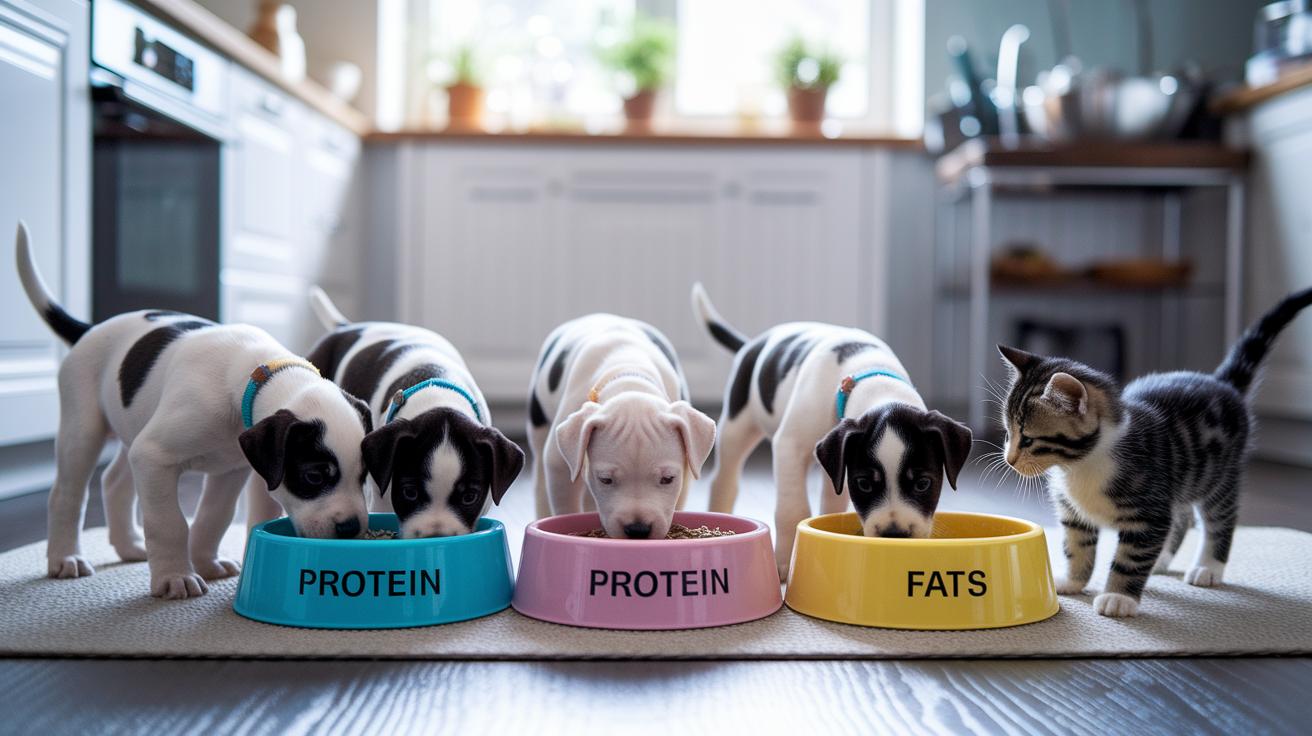
Puppies and kittens need meals full of protein and fat to help them grow strong. Their food gives them the energy to build muscles, bones, and a shiny coat. Think of it like building a sturdy home: each bite lays a brick for their future. Using meat or fish for protein and adding healthy fats gives these little ones exactly what they need to flourish.
Adult dogs and cats have different needs. They do best with balanced meals that give them steady energy all day long. At this stage, you want to avoid too many calories that could add extra weight. Their food should still have good proteins and fats, along with the right mix of carbs, vitamins, and minerals. Picture it like a puzzle where every piece matters for a complete picture.
Senior pets require extra care in their diets. As they get older, their bodies need support for joints and easier digestion. Meals for seniors might have fewer calories but include helpful supplements for aging bodies. Feeding them at regular times and in proper portions can keep them comfortable and healthy as they grow older.
Adjusting your pet’s food as they age helps build their energy, support a strong immune system, and keep them happy. It's all about giving your pet the right building blocks at each stage of life.
Customizing Pet Diet Plans: Ingredient Selection and Portion Control
Measure your pet’s food using a cup or a digital kitchen scale. Adjust the serving based on your pet’s weight, breed, and level of activity. For example, I once measured half a cup of kibble for my small dog with a digital scale so each meal came out perfectly.
Pick foods that list real meat, fish, or poultry as the first ingredient. Add healthy fats and pet-friendly vegetables. It’s like choosing fresh, quality items at the market for a nutritious meal.
Controlling portions helps prevent overfeeding. Keep treats to no more than 10% of your pet’s daily calories. Picture it as a pie chart where treats take up only a tiny slice.
Quick tips:
- Use a digital kitchen scale or cups for accurate food measurements.
- Choose ingredients that highlight genuine protein sources.
- Limit treats to a small part of your pet’s overall calories.
Selecting High-Quality Pet Foods and Natural Ingredients

When you pick a pet food, take a moment to check the label. Look at the order of the ingredients. The first few items should be real meat, fish, or poultry, just like a good recipe where the best parts come first. For example, if the label says "Chicken" rather than "Chicken by-product," you know it provides true protein.
Before settling on a brand, notice what the ingredient list tells you. A list with fresh, clear items up front is a good sign that the food is truly nutritious.
Also, check the balance of proteins, fats, and carbohydrates. A good pet food should have a mix that supports your pet's energy and health. If the label uses vague terms like premium or natural without real details, it might not be the best choice.
Here are some simple tips:
- Look at the ingredient order to see the main protein sources.
- Avoid foods that lean on unclear buzzwords.
- Check that the nutrient mix is balanced.
- Be cautious of claims that aren’t backed by clear details.
Supporting Pet Health with Supplements and Healthy Treat Alternatives
We all want our pets to feel their best. Adding safe supplements and low-calorie treats is a great way to help. For instance, fish oil can make your pet’s coat shiny and help keep their skin healthy. Probiotics for dogs (https://goodpawsgoodcause.org?p=92) can support smooth digestion. Always check with your vet before adding anything new. One pet parent even said that after starting fish oil, her dog's coat became noticeably smoother, almost like a little spa treatment from the inside out.
Healthy treat swaps make snack time fun and nutritious. Instead of treats that are high in calories, try these simple options:
- Carrot sticks for a crisp bite and natural vitamins
- Apple slices (seedless) for a sweet, hydrating bite
- Freeze-dried meat bites to give a boost of pure protein
Each treat gives your pet important nutrients without extra calories. It’s a thoughtful way to show your furry friend some extra love while keeping their diet balanced. Just like a pinch of seasoning can lift a meal, a little nutrient-packed treat can brighten your pet’s day.
Implementing Hydration and Consistent Feeding Schedules for Optimal Nutrition

Keeping fresh water available is key for your pet's digestion, kidney health, and body temperature. Change their water every day to make sure it's cool and inviting. Adding some wet food can also help, especially if your pet doesn't drink a lot.
Feeding your pet at the same times each day builds healthy habits and can make training a bit easier. A regular schedule means your pet knows when to eat, which can help keep them calm. Think of each meal as a little routine that supports their tummy and overall health.
Quick tips to try:
- Always offer fresh water.
- Mix in a bit of wet food to boost hydration.
- Stick to set meal times every day.
A steady feeding plan sets a natural rhythm that can improve digestion and energy levels. Keeping things regular is like setting a clock for your pet’s meals. This simple approach brings comfort to their body and mind and plays an important role in keeping them healthy.
Monitoring and Adapting Diets: Recognizing Nutritional Issues in Pets
Pets can show little clues when their diet isn’t right. A coat that looks dull or brittle, and too much scratching or flaky skin, might be the first signs. You might also see sudden weight changes or low energy. It’s a bit like noticing your favorite sweater has lost its color and shape , a quiet sign that something isn’t working well.
Watch out for these signs:
- Dull or brittle coat
- Constant itching or flaky skin
- Sudden weight gain or loss
- Low energy
- Upset stomach signs like vomiting or diarrhea
- Bad breath or too much shedding
Catching these signs early gives you a chance to change your pet’s diet. For example, if your pet is shedding more than usual, it might be time to review the food ingredients. Sometimes, small changes can really lift their overall mood and health.
It also helps to try allergy-friendly meals if your pet seems sensitive. Plus, keeping treats to less than 10% of their daily calories keeps the diet in balance.
If the signs stick around, check in with your vet. They can help you build a plan that fits your pet’s special needs. A little care now can mean a happier, healthier pet tomorrow.
Tailoring Specialized Diets for Pets with Health Conditions

When your pet has allergies or health issues like kidney disease or diabetes, a custom diet can make a big difference. We work with our vets to create meal plans that meet your pet's needs without causing any upset.
For pets with allergies, a simple diet with fewer ingredients might help them feel better. You might try a grain-free meal (like the one we suggest for sensitive stomachs) that cuts out common allergens and unnecessary additives.
For pets with ongoing health problems, meals made by vets keep the right mix of protein, fats, and carbs while watching extra calories. These diets usually have lower sodium and adjusted minerals to support organ health. Your vet can help you find the best option by testing a few different meals until you see positive changes.
Quick tips:
| Tip | Description |
|---|---|
| Allergy Options | Try a limited-ingredient formula |
| Grain-Free | Use if your vet recommends it |
| Chronic Conditions | Pick diets made by veterinary experts |
| Monitor | Keep checking how your pet responds |
Every pet is special. A diet made just for them not only feeds their body but also boosts energy, adds shine to their coat, and improves comfort. Teaming up with your vet is the best way to create a safe, effective plan.
Creating Nutrient-Dense Homemade Meals for Pets
Cooking for your pet can be a healthy choice when you plan meals with care. We start with a good protein like chicken, beef, or fish. These proteins help build strong muscles. Adding a bit of salmon oil not only gives healthy fats but also keeps your pet's coat shiny.
A little bit of brown rice or sweet potatoes gives steady energy. And veggies like peas, carrots, or spinach bring in vitamins and extra fiber. Always remember to wash your hands, clean your surfaces, and cook the food well to keep everything safe.
For a simple stir-fry, try mixing chopped chicken with a spoonful of sweet potato and some steamed carrots. This meal gives a good mix of protein, fats, and carbs in one dish.
If you think your pet might need extra vitamins or minerals, a supplement could help fill in the gaps. It's a smart idea to chat with a veterinary nutritionist to make sure your recipes cover all of your pet's needs. Also, adjust the serving sizes based on your pet's weight, breed, and how active they are. Keep the meals stored in a clean container to protect their freshness.
Simple, balanced meals are a caring way to nurture your pet's well-being every day.
Final Words
In the action, we explored ways to boost pet health with smart feeding plans. We broke down everything from essential ingredient selection and portion control to keeping your pet hydrated and recognizing nutritional issues. The guide also touched on tailored diets for pets with health concerns and even creating safe, homemade meals. These ideas, mixed in with pet nutrition tips for optimal health, help you keep care simple and effective. Every little step makes a big difference when caring for our furry friends. Enjoy making mealtimes fun and healthy!
FAQ
What are some pet nutrition guidelines, care tips, and health essentials?
Pet nutrition guidelines advise feeding balanced meals with quality proteins, healthy fats, and proper portions. These care tips help support energy, growth, and overall health for your pet.
What is the best diet to feed dogs for optimal health, including canine nutrition requirements and overall dog diets?
The best dog diet focuses on high-quality proteins, healthy fats, and pet-safe veggies. Portion control based on breed, age, and activity supports energy levels, weight management, and a shiny coat.
What role does a clinical pet nutritionist play in pet health?
A clinical pet nutritionist reviews and customizes your pet’s diet to meet specific needs. They help select ingredients and adjust meals for growth, recovery, or managing special health conditions.
What does the 80 10 10 rule for dog food mean?
The 80 10 10 rule means a raw feeding plan where 80% of the diet consists of muscle meat, 10% of bones, and 10% of organs. This ratio offers balanced nutrients and supports overall canine health.
What are the 7 basic nutritional needs of animals to maintain health?
The 7 basic nutritional needs include proteins, fats, carbohydrates, vitamins, minerals, water, and fiber. Meeting these needs helps support growth, energy, digestion, and overall pet well-being.
What does the 25 rule for pet food indicate?
The 25 rule for pet food suggests limiting filler ingredients to no more than 25% of your pet’s diet. This guideline promotes nutrient-dense meals that better support your pet’s health and energy.