


Do you worry that your senior pet might not be getting the care they need? As our furry pals grow older, even small changes can boost their comfort and health. In this short guide, we share five simple tips to help your aging friend thrive. We cover small tweaks in food, exercise, and home safety to keep your pet happy and loved every day. Let's explore these easy ideas and show your pet just how much you care.
Essential Care Pillars for Senior Pet Companions
As pets get older, their needs change. Dogs often become seniors around age seven and cats around age ten. Their metabolism slows and energy drops. Even tiny weight gains can affect how they feel. This means it's time to adjust their care with attention and a personal touch.
A caring plan that meets both body and behavior changes makes a big difference. It keeps your pet lively and comfy each day. We focus on a few key areas:
- Nutrition
- Exercise
- Health checks
- Environment
- Mental well-being
Good nutrition can help keep muscles strong by using high-quality proteins and balanced meals. Regular, gentle exercise like slow walks or soft play keeps their muscles working and supports joint health without stressing their body. Routine vet checks catch any early issues so you can take action quickly. Simple home tweaks, such as adding non-slip mats and easy-access steps, create a safer space for them to relax. And fun activities like puzzle feeders or interactive toys keep their minds busy and stress low.
This plan shows your pet just how loved they are every day while keeping them active and content.
Nutrition Essentials for Elderly Dogs and Cats

As our pets get older, their food needs change. Their bodies slow down and need special support for their muscles. What worked when they were young might not work now. The right meals can help keep them strong, manage their weight, and support their overall health.
| Requirement | Dog Guidelines | Cat Guidelines |
|---|---|---|
| Protein | High-quality protein to keep muscles strong | Protein that cares for kidney health |
| Calories | Low-calorie diets to prevent weight gain | Calories balanced for healthy weight |
| Phosphorus/Fat Control | Balanced minerals with less phosphorus | Lower phosphorus with easy-to-digest fats |
| Hydration Methods | Encourage fresh water often | Wet foods and extra water spots |
| Meal Frequency | Small, regular meals for constant energy | Several small meals to help digestion and hydration |
Working with your vet on meal plans is a great idea. Check your pet’s weight and energy often, and adjust food portions as needed. With balanced protein, controlled calories, and smart hydration, you help your senior dogs and cats stay active, comfortable, and happy in their golden years.
Exercise and Mobility Support for Aging Companions
Daily gentle movement helps your senior pet feel comfy and move with ease. Low-impact activities like slow walks or a bit of swimming can ease joint aches and lift energy. You might want to offer water before and after these sessions so your pet stays well hydrated. Even a brief 10-minute walk can brighten your pet's mood and support smooth joint health.
Mobility aids can be a big help when moving becomes tough. Ramps for easy entry, orthopedic beds designed to cushion joints, and non-slip mats to prevent falls all make a difference. Many pet parents also mix joint supplements like glucosamine into meals to reduce discomfort and support healthy joints. These tools help your pet explore safely, no matter their age.
Keeping an eye on weight is important for older companions. With less activity, pets can gain extra pounds that put extra stress on joints. We suggest checking your pet's weight regularly and adjusting exercise routines based on their energy. If your pet seems tired, try shorter sessions that mix play with rest. This balanced plan helps maintain muscle tone and keeps delicate joints protected, so your pet remains agile and happy.
Monitoring Health and Behavior Shifts in Senior Pets
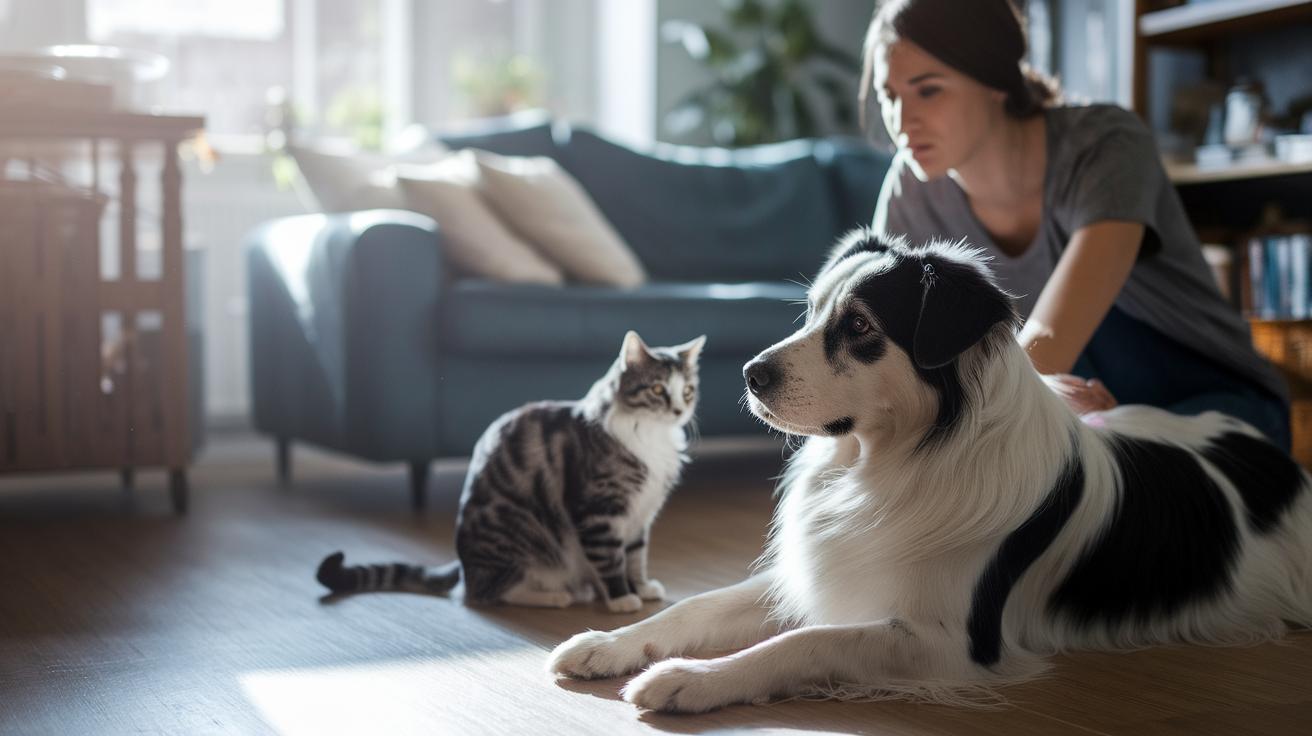
Watching your pet closely can really help keep them happy and healthy. As your pet grows older, small changes in their eating, energy, or even the shine of their coat can hint at bigger issues. Paying attention to these details means you can get help before problems get worse.
Early Signs to Watch
Keep an eye on behaviors like not eating as much, losing weight, or a coat that seems dull. You might also notice they move more slowly or seem off balance. Sometimes, older pets act confused or sleep at odd times. If you see these signs, it's a good idea to talk with your vet right away.
Scheduling Routine Assessments
Regular check-ups are important. For older dogs, tests like blood work, heart monitoring (ECG), and chest X-rays are often done twice a year. Senior cats should have their blood pressure checked and get screened for diabetes. These visits help you and your vet create a care plan that fits your pet's needs.
It can be really useful to jot down any changes you see day to day. This log makes it easier to share details with your vet, helping them give your beloved pet the care they deserve.
Adapting Your Home Environment for Senior Pet Comfort
As your pet gets older, moving around can become a bit tougher. We can help by adding simple changes around the house. Try placing ramps or low steps near favorite spots like beds and sofas so your dog can get there without hurting their joints. Put non-slip mats under rugs to keep things safe and steady. In busy areas, rearrange the furniture to give your pet more space to move around. Raised food and water bowls can also make mealtime easier on their necks.
Even small tweaks can make a big difference. For older cats, a low-entry litter box helps them use the bathroom without a high jump. Set up a quiet, cozy spot where your feline can rest and feel safe. In the kitchen, keep walkways clear and add soft rugs in corners so your pet has good traction. These little changes help lower stress and support your buddy’s independence.
Key Home Modifications
| Modification | Benefit |
|---|---|
| Ramps or low steps | Eases access to beds and sofas |
| Non-slip mats | Prevents falls |
| Raised bowls | Reduces neck strain |
| Low-entry litter boxes | Makes it easier for cats |
| Designated quiet spots | Provides a safe resting place |
Take your time to add these changes, and your senior pet will soon feel much more comfortable at home.
When to Seek Veterinary Guidance for Aging Companions

Older pets should see the vet every six months to catch small health changes early. Regular check-ups can spot issues before they become serious and help keep your buddy comfortable.
At these visits, your vet may run a full blood test, chemistry check, heart test (ECG), and chest X-ray on dogs. For cats, they often check blood pressure and test the thyroid (a gland that affects energy). These tests catch problems early so treatments can be more effective.
Before you head to the vet, jot down any changes you notice. For example, you might write, "I noticed Bella seems less active on walks." This little note helps your vet focus on your pet's needs and makes the visit even more helpful.
Supporting Cognitive Health and Comfort in Senior Pets
When our pets grow older, keeping their minds busy is very important. Puzzle feeders, fun training sessions, and switching up their toys help ward off boredom and keep their thoughts active. Try giving them a new scent to explore or a simple game to spark their curiosity. These little activities work like a brain workout, making playtime both fun and useful for your senior friend.
Comfort matters too. Spending quiet time together or using a calming pheromone diffuser can help ease any anxiety. Keep an eye on your pet for signs of confusion or sudden changes in behavior. Even a few minutes of focused, gentle interaction each day can lift their mood and support a healthy mind as they age gracefully.
Final Words
In the action, we explored key ways to care for our aging pets. We walked through essential care pillars like nutrition, gentle exercise, regular health checks, home adjustments, and mental stimulation.
By using these senior pet care tips for aging companions, you're ensuring comfort, safety, and quality of life for your furry friend. Remember, a few thoughtful changes can make all the difference in keeping your companion happy and healthy.
FAQ
Q: What are some senior pet care tips for aging companions at home?
A: Senior pet care tips help adjust your home, food, and exercise routines for your aging buddy. They include tailored nutrition, safe exercise, regular health checks, secure home modifications, and mental stimulation to boost comfort.
Q: What do senior dog care facilities offer?
A: Senior dog care facilities provide specialized attention and services to address older dogs’ unique needs. They often offer gentle exercise, meal adjustments, and a calm environment supported by trained staff.
Q: What senior dog care products are recommended?
A: Senior dog care products include balanced diets, orthopedic beds, ramps, joint supplements, and puzzle toys. These products help support joint health, comfort, and mental engagement for aging dogs.
Q: What does a senior dog age chart show?
A: A senior dog age chart outlines when dogs enter their golden years, usually around seven years of age, and highlights how aging may affect health and energy levels, guiding care adjustments over time.
Q: How should I care for a senior dog with dementia?
A: Caring for a senior dog with dementia involves maintaining consistent routines, providing a calm, familiar home, engaging in gentle mental stimulation, and seeking veterinary advice to monitor and manage behavior changes.
Q: What are the signs that my senior dog is healthy?
A: Signs your senior dog is healthy include a good appetite, steady energy, clear eyes, a shiny coat, and stable weight. Regular veterinary checks also help verify your pet’s overall wellbeing.
Q: How do senior and geriatric dogs differ?
A: Senior dogs show early aging signs with minor changes, while geriatric dogs have more pronounced age-related issues. Geriatric pets often require extra support, such as increased veterinary care and comfort measures.
Q: Where can I find free pet care for seniors near me?
A: Free pet care for seniors near you can be found through local community programs, animal welfare organizations, or shelters. These groups often offer low-cost or complimentary services to support pet owners on a budget.