Home Blog Page 5

Cat Grooming Tools Spark Joy For Furry Friends

0

Do you ever wonder if the right grooming tools can light up your pet's day? Keeping your cat neat is more than just a pretty coat. It makes your cat feel cozy, cuts down on shedding, and even helps with hairballs.

Think of grooming like a gentle massage that relaxes your cat and shows you care. In this post, we share our top picks, from easy-to-use brushes to quiet, friendly clippers, that make grooming simple and fun.

Read on to learn how a few simple tips can brighten your pet’s day and keep them healthy.

Essential Cat Grooming Tools: Brushes, Clippers, and More

We know that keeping your cat well-groomed makes them happy and healthy. The right brush or comb not only keeps their fur shiny but also helps cut down on shedding and hairballs. Using safe nail clippers and grooming scissors lets you check for any skin problems early on.

A full grooming bundle makes sure every part of your kitty is cared for. From a gentle, cat-safe shampoo to soothing eye wipes, each item is made to fit into your cat's daily routine. This simple kit makes grooming less stressful and can even help with allergies by removing loose fur.

  • High-quality cat brush or comb
  • Cat-safe nail clippers with safety guards
  • pH-balanced cat shampoo and conditioner
  • Ear cleaner made for feline pH
  • Eye wipes for gentle tear stain cleaning
  • Dental care tools for a healthy mouth
  • Safe grooming scissors for trimming stray hairs
  • Balm to soothe dry paws and nose
  • Grooming gloves as a calm alternative to brushes
  • Flea comb for quick pest checks

Every tool in this essential kit helps cut down on shedding, stops hairballs, and makes health checks easier. With a complete bundle for fur management, you can keep your cat neat and comfy every day.

Cat Grooming Tools Spark Joy for Furry Friends
img-1.jpg

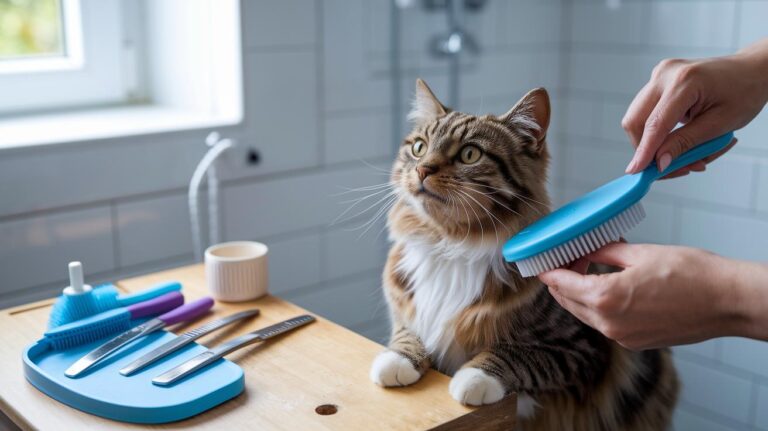
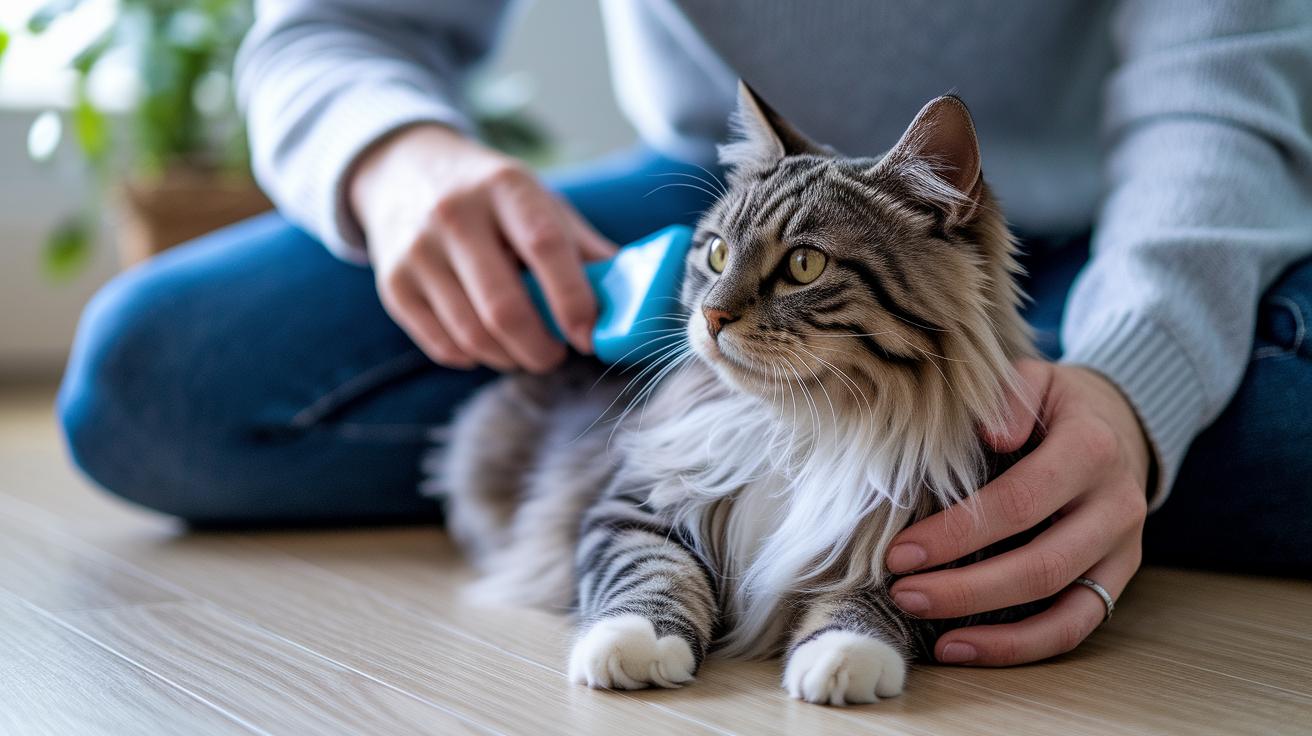
Brushing your cat isn’t just about untangling fur; it also helps reduce shedding and boosts blood flow. Slicker brushes, like our featured slicker brush, work great on medium to long coats. Daily grooming gets easier with a domestic shedding brush. Did you know a groomed cat often feels more relaxed? Grooming becomes a fun time you share together.

Different combs also play a big part in caring for your cat. Self-cleaning fur combs are a breeze, they toss out caught hair with every stroke. Soft bristle tools, like pin brushes, add shine and feel like a gentle massage that many cats love. There are options for all fur types, whether your pet sports a short coat or a long, fluffy mane.

When picking a tool, think about your cat’s coat and needs. For a fluffy friend who tangles, a slicker brush paired with a soft bristle tool works well. For everyday care, a self-cleaning fur comb keeps grooming stress-free and fun.

Precision Clipping and Trimming Tools for Cats

Cat clippers are built to do many jobs. They come with different guard attachments so you can choose the right fur length for each part of your cat's coat. Many models have quiet motors that help keep your pet calm during grooming. Some even follow a trusted design for sensitive skin. One pet parent mentioned, "I used the clipper with adjustable guards and my cat barely flinched." This shows that careful trimming can be stress-free.

When you trim your kitty's hair, it helps to use a gentle, steady hand. Start with clean, dry fur and work slowly to avoid nicking delicate skin. Make sure the blades are sharp and oiled before you start for a smooth cut. One simple tip is to use a few short bursts with the quiet clipper to keep your pet comfortable.

If mats or stray hairs become a problem, a fur scissors kit can really help. Both straight and curved scissors work well for those hard-to-reach spots around the paws, face, and tail. As one pet parent said, "Using my precision scissors is like a gentle spa day for my cat!"

Nail and Ear Care Tools: Keeping Claws and Ears Healthy
img-2.jpg

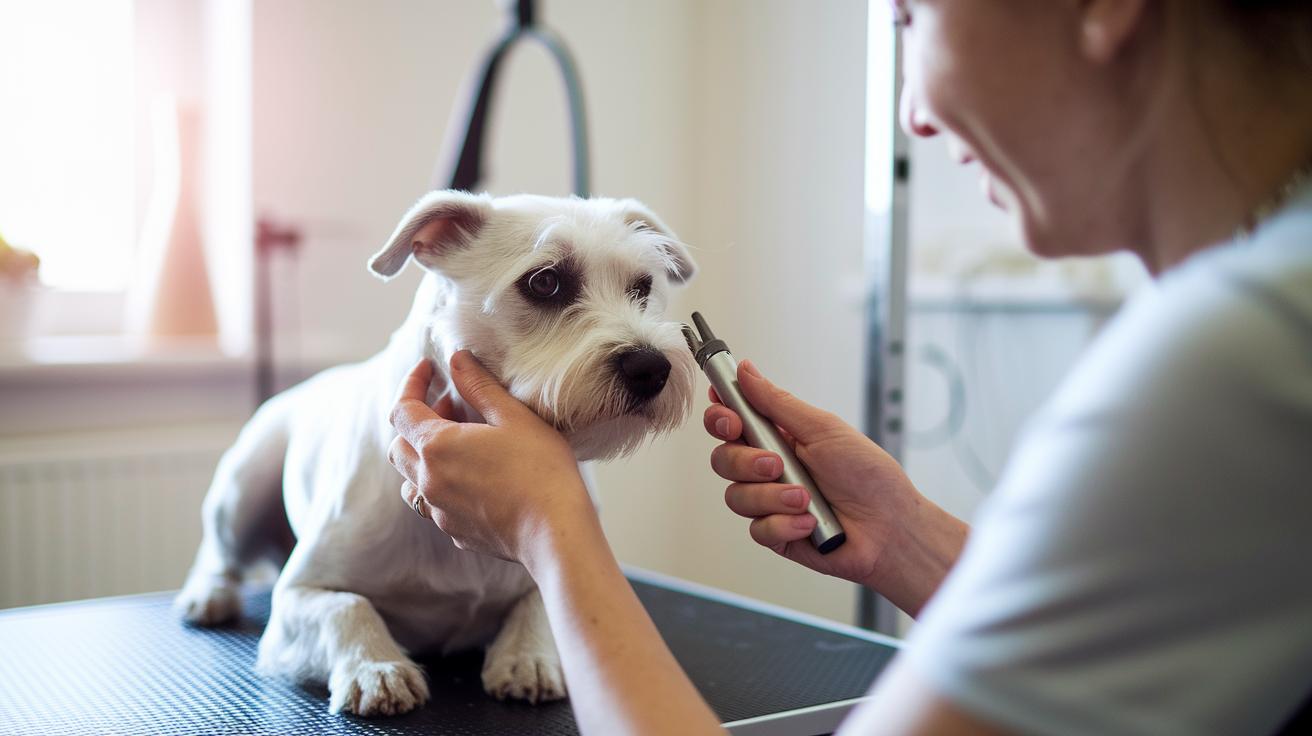
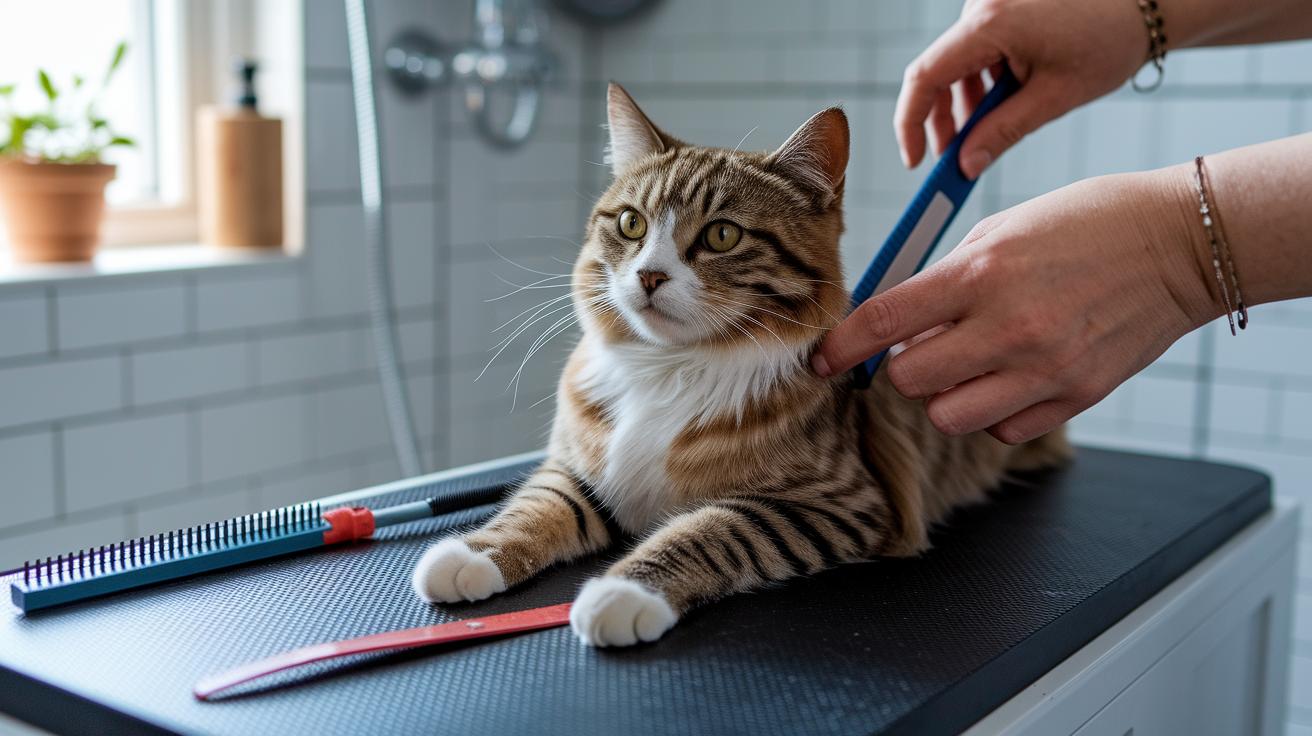
Keeping your kitty's nails trimmed helps them feel comfy and safe. We use clippers made just for cats. They have little guards that stop you from cutting too far. Some tools even file as they trim to smooth out any sharp bits. Regular use can mean fewer scratches on your furniture and less worry during play.

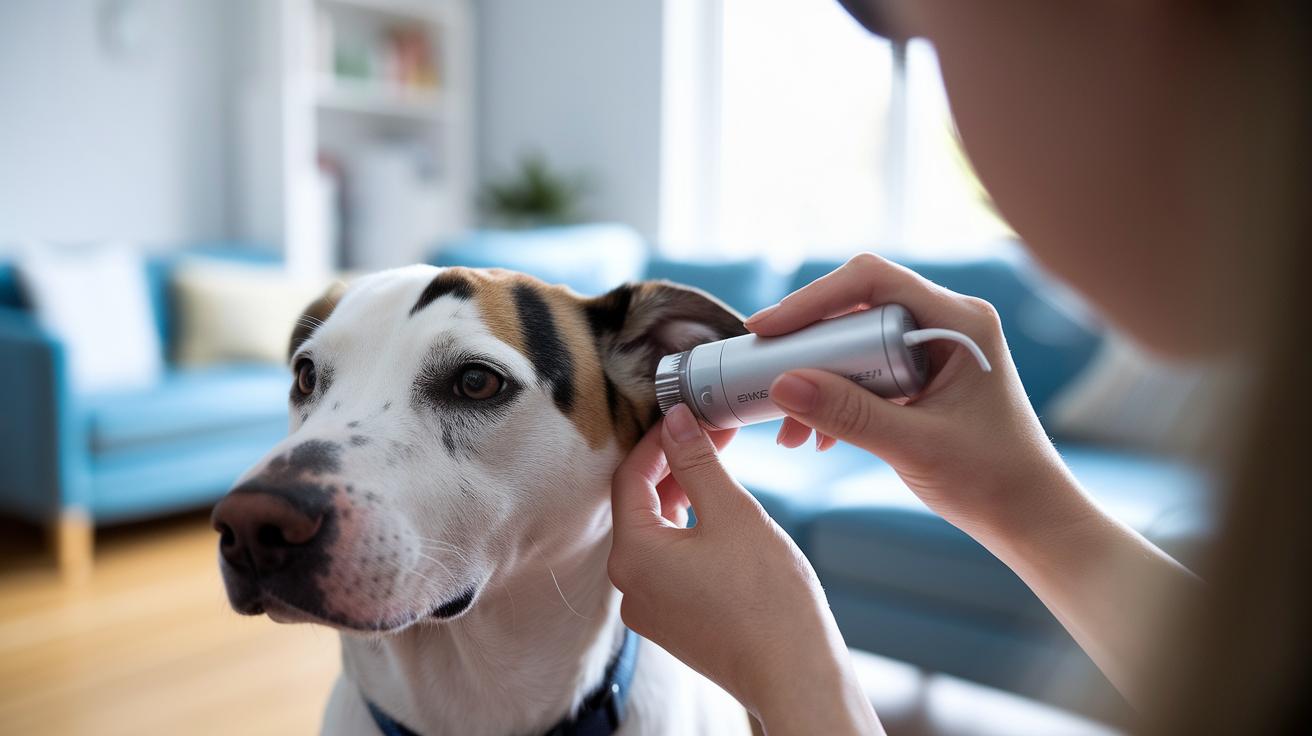
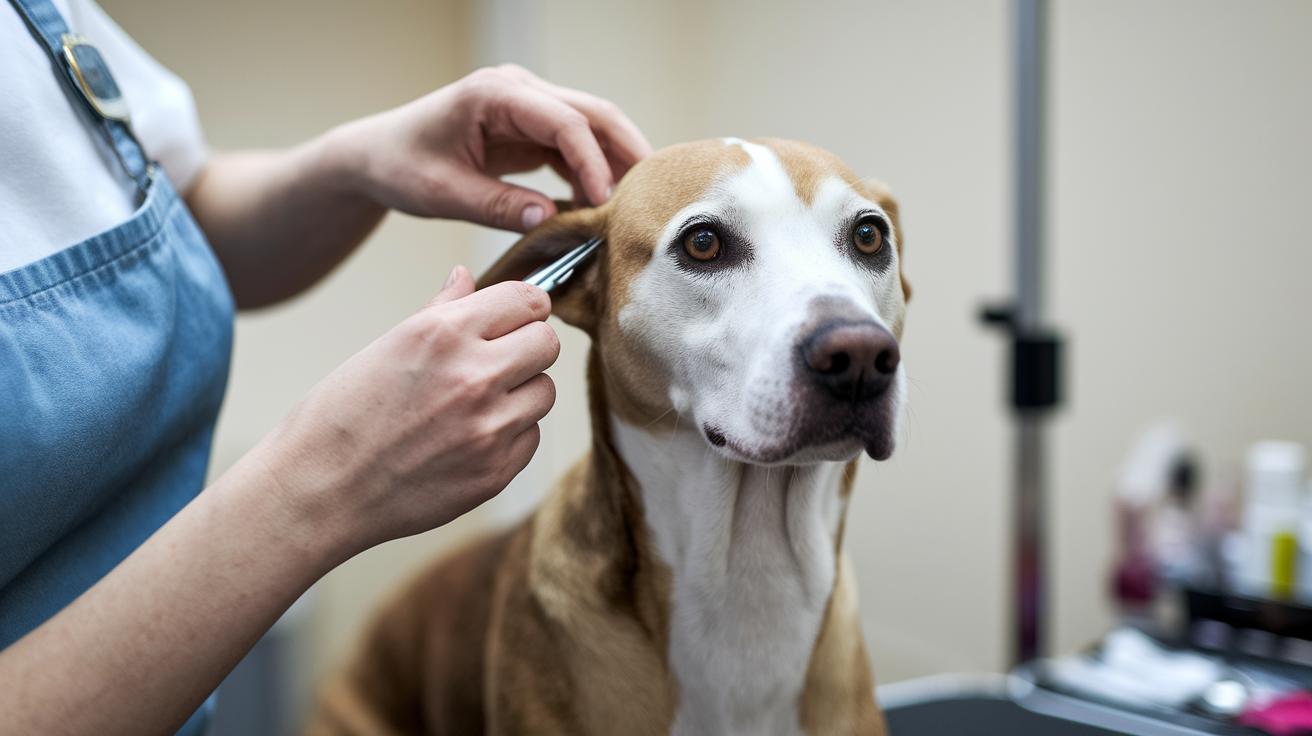
Taking care of your cat's ears is just as key. Use a gentle ear cleaner or soft wipes made for cats to remove extra wax and dirt. These products work without poking too deep in the ear. Always check that the cleaner is safe for cats and use a light touch to keep the experience calm.

Specialty Accessories: Grooming Gloves, Hammocks, and More

Grooming gloves help you remove loose fur by gently petting your cat. They feel like a soft massage that calms even a restless kitty. You can use them with grooming hammocks or gentle restraints to keep your cat safe during the session. This extra care can lower the risk of bites or scratches while making grooming enjoyable for both of you. One pet parent shared, "A few minutes with my grooming glove turned my restless cat into a purring bundle of joy."

Tangle resolution kits are a handy bundle of tools to trim stubborn mats and tangles. They usually include a flea comb to spot tiny pests, dental care tools for a healthy mouth, and paw balms to soothe dry spots. Together, they create a simple grooming solution that helps keep your kitty comfortable.

Grooming Tools by Breed and Coat Type

img-3.jpg

Choosing the right grooming tools can make a big difference for your cat. For example, cats with long, flowing fur like Persians and Maine Coons need special brushes to handle dense coats. These tools help remove loose hair, cut down on tangles, and keep mats away. For cats with short fur, a sleek brush or soft-bristle comb is usually enough to keep their coat shiny and healthy. With the right tools, grooming turns into a calm and lovely routine that you and your pet can enjoy together.

Long-Haired Breeds: Tools like de-shedding combs and specialized combing systems

If your cat has long hair, using the proper tool is key. A de-shedding comb lifts loose hair and helps stop painful mats from forming. Specialized combing systems work gently to untangle knots without pulling at your cat's fur. Many pet parents say that a good grooming tool not only makes coat care easier but also turns grooming into a special time for bonding.

Short-Haired Breeds: Simpler brushes for minimal maintenance

For short-haired cats, less is more. A simple slicker brush or soft-bristle comb can keep their coat clean and vibrant. These tools take off stray hair and help you notice any skin issues early on. This way, you can keep your cat looking neat without extra fuss.

Cleaning, Maintenance, and Storage of Grooming Tools

Keeping your tools clean helps your pet stay healthy and keeps your gear working well. When you clean them regularly, you stop hair, oil, and germs from causing problems.

Here are some easy steps to follow:

  1. Take apart your clippers and scissors so you can reach every part.
  2. Wash the metal pieces in mild soap and water to remove oil and debris.
  3. Dry each piece well to prevent rust and damage.
  4. Lightly oil your clippers and disinfect the blades with a pet-safe solution.
  5. Store all your tools in strong cases or organizers so they are safe and ready when you need them.

Regular care makes your grooming tools last longer and work better. It also helps keep your pet safe from harmful bacteria. For more tips on how to keep your pet tools in great shape, check out our detailed pet care guide at https://goodpawsgoodcause.org?p=436.

Final Words

In the action, we broke down a clear list of must-have supplies, from brushes and combs to precision clippers and specialty accessories, that keep your cat happy and healthy. We covered breed-specific tips and shared simple steps for cleaning and storage to keep your gear ready for the next session.

Every tool in our guide plays a role in easing pet care routines. These cat grooming tools ensure proper coat care, support overall health, and make every grooming session a positive experience.

FAQ

FAQ

What are professional cat grooming tools?

Professional cat grooming tools include high-quality brushes, clippers, and nail trimmers designed to manage shedding and mats. They help keep your cat’s coat healthy while making grooming easier and less stressful.

What are the best cat grooming tools?

The best cat grooming tools feature user-friendly designs like slicker brushes, self-cleaning combs, and quiet clippers. These tools reduce shedding, detangle hair, and ensure a smooth, stress-free grooming session for your cat.

Which grooming tools work best for long hair and matted fur on cats?

Grooming tools for long hair and matted fur often include de-shedding combs, self-cleaning brushes, and precision scissors. These tools help remove tangles and mats while keeping your cat comfortable during the grooming process.

What should be included in a good cat grooming kit?

A good cat grooming kit typically includes a variety of brushes or combs, cat-safe clippers, nail trimmers, and specialized tools for delicate areas. This complete accessory bundle helps reduce shedding and keeps your cat’s coat in top shape.

What are cat grooming clippers and how do they work?

Cat grooming clippers are quiet, cat-specific trimming devices with adjustable guard attachments. They allow you to safely trim fur and manage mats without stressing your pet, keeping their skin protected and comfortable.

What is a cat grooming bag and where can I find local options?

A cat grooming bag is a portable, organized case that holds all essential grooming tools. To find local options, search online for “cat grooming near me” or ask your local pet care provider for recommendations.

How do you groom an unwilling cat?

Grooming an unwilling cat involves a calm environment and patience. Start by using gentle, stress-free strokes with a soft brush, reward with treats, and take breaks to ease your cat into the routine.

How can I get rid of excessive cat hair in my house?

Reducing excessive cat hair at home means regularly grooming your cat using de-shedding tools and brushes. This routine helps minimize loose fur in your house and keeps your cat’s coat healthier.

How do cat groomers keep cats still during grooming sessions?

Cat groomers keep cats still with gentle handling and calming techniques, such as using comfortable restraints or grooming hammocks. These methods help your pet feel secure while the grooming process is carried out smoothly.
Cranberry Supplement For Dogs: Boosting Vitality

0

Have you ever wondered if a little berry can boost your dog's health? Cranberries work like a raincoat on a rainy day. They help keep harmful bacteria away and protect your pup's bladder. This means fewer vet visits and more energy for play. In this guide, we’ll show you how the right cranberry supplement brings extra protection and a natural boost to your furry friend.

Cranberry Supplement for Dogs: How It Safeguards Urinary Tract Health

Dogs sometimes get urinary tract infections that can make them uncomfortable and cause bigger problems later. Cranberry supplements can help keep bad bacteria away, much like a raincoat protects your pup on a rainy day. This means fewer vet visits and a happier, healthier dog.

Cranberry extract has special compounds called proanthocyanidins. They stop bacteria from sticking to the walls of your dog’s bladder. Think of it like a non-stick pan where nothing clings on. Many dog formulas include these compounds to help keep the urinary tract clear. We use just the right amount of plain cranberries to make sure they’re safe and helpful.

When you start giving your dog cranberry supplements, keep it simple. Cranberry treats should make up no more than 10% of your dog's daily diet. You can also offer a bit of 100% pure cranberry juice (with no added sugars), but too much might upset their tummy. And always check with your vet before adding any new supplement to be sure it fits your dog’s needs.

Nutritional and Wellness Advantages of Cranberry Supplement for Dogs

img-1.jpg

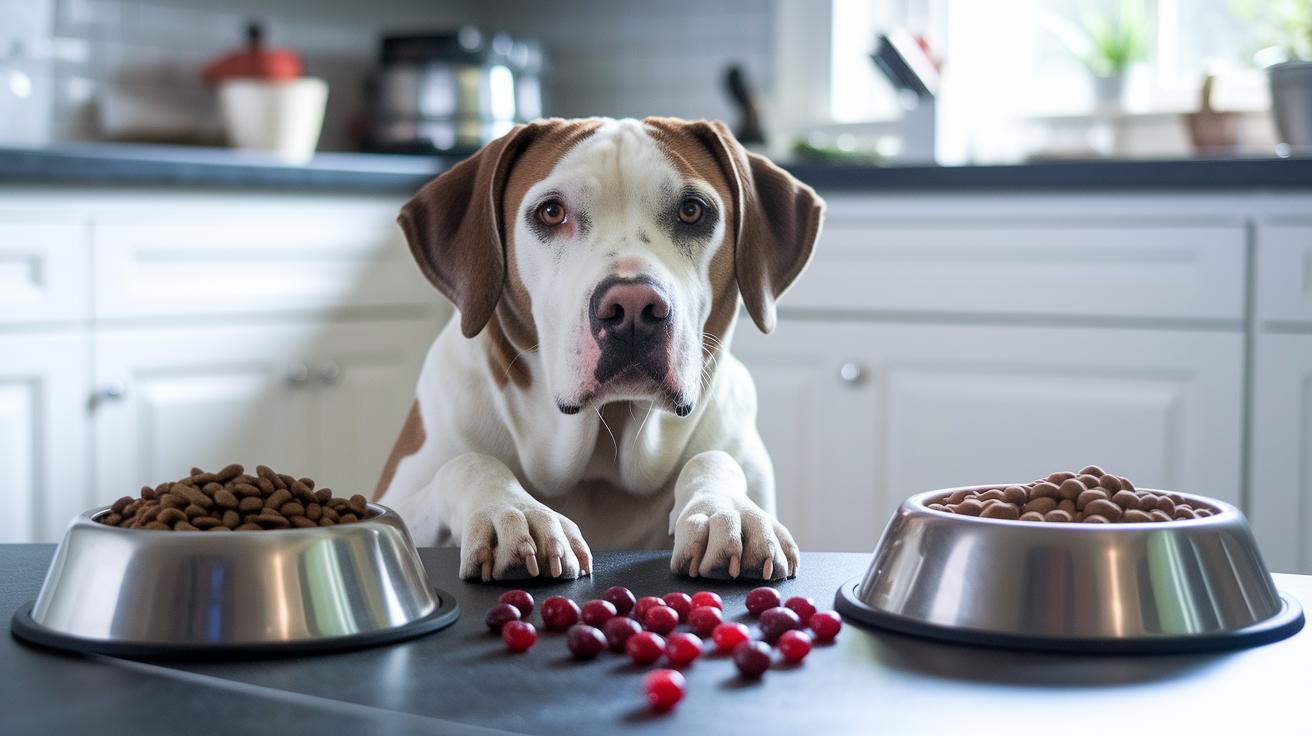
Cranberries are a well-known superfood that can give your dog a healthy boost. They are full of antioxidants that help protect cells from damage. They also offer vitamins C and E to support your dog's immune system. Think of it as adding an extra layer of care, like wearing a coat on a chilly day. A cranberry supplement is a tasty treat to add along with your dog's regular meals.

Cranberries also help reduce swelling and add fiber for a happy tummy. This extra fiber makes digestion easier and supports gut health. Just remember to keep the supplement to less than 10% of your dog's daily calories for safety. Always choose plain, additive-free products because sweetened cranberry options are not recommended. Using a little each day is a simple way to give your pet a nutritious boost while keeping their routine balanced.

Top Cranberry Supplement for Dogs: Key Forms and Ingredients to Look For

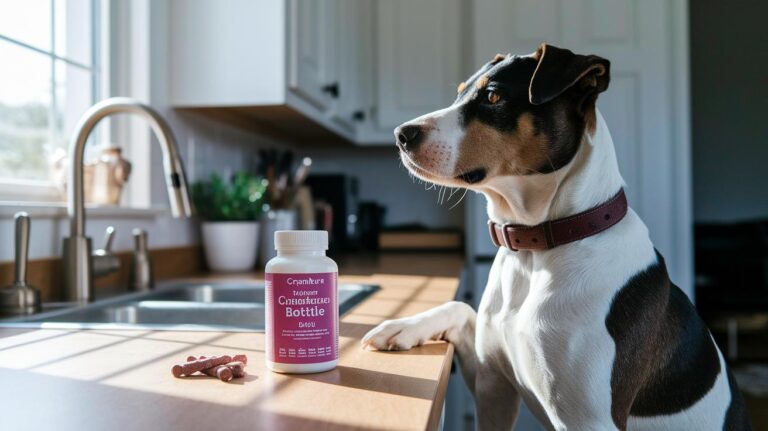
When you choose a cranberry supplement, you boost your dog's energy and support its urinary health. We know that a good product usually pairs cranberry extract with D-mannose (a sugar that helps stop bacteria in the bladder). Trusted brands like Nutramax Crananidin® and Zesty Paws® Urinary Tract Bites make sure their formulas are safe and work well. You might need to check the form and details. Does your dog love treats more than pills? Or would it do better with a liquid extract mixed with food? Each type has its own perks suited to your dog's way of life.

Form Key Ingredients & Features
Tablet Mixes cranberry extract with D-mannose; easy to give and keeps dosage steady.
Chewable Bite A tasty treat form that often uses natural flavors so your dog will want it daily.
Liquid Extract A concentrated form that lets you add the right amount into meals with ease.
Powder A versatile option to blend smoothly into wet food or mixes.

Pick the type that fits your dog's habits. Tablets work well for quick treats, and chewable bites feel like a snack your pet can enjoy. Liquid extracts are great if you mix in food, and powders are ideal for special diets. Always check for clear ingredient labels that show pure cranberry extract and D-mannose. Adjust the dose to your dog's size and needs. And as always, chat with your vet before making any changes to keep your pet safe, happy, and full of life.

cranberry supplement for dogs: Boosting Vitality

img-2.jpg

Before you add any cranberry supplement to your dog's diet, check with your vet first. They can help you pick the right amount and make sure it does not mix badly with other foods or medications. This step keeps your dog safe while supporting their urinary health.

  • Under 20 lbs: ½ chew or 1 mL of liquid extract
  • 20-50 lbs: 1 chew or 2 mL of liquid extract
  • Over 50 lbs: 2 chews or 4 mL of liquid extract
  • Powdered formula: ¼ tsp per 10 lbs of body weight

Remember, cranberry treats or powders should only be up to 10% of your dog's daily meals. Too much, even pure cranberry juice, can upset their tummy or cause diarrhea. Watch your dog closely when you start a new supplement. If you see any signs of an upset stomach or changes in behavior, adjust the dose. By monitoring your pet in the first few days, you help keep their diet balanced while giving them a little extra boost in vitality.

Safety Considerations and Side Effects of Cranberry Supplement on Dogs

When you pick a cranberry supplement, choose one made from pure, additive-free cranberry juice. Even a little too much can turn a happy tummy into a troubled one, so it's best to avoid extra sugars and additives.

Products with added ingredients might cause weight gain or digestive stress. With a plain version, you control exactly what your dog eats.

Always chat with your vet before starting any new supplement. This simple step helps ensure you choose the right amount to keep your pet safe and feeling great.

Expert Reviews and Comparison of Cranberry Supplement for Dogs

img-3.jpg

  1. Zesty Paws Urinary Tract Bites

    • Pros: This supplement is vet-reviewed and comes in chewable bites that dogs enjoy. They are made to support your dog's urinary health.
    • Cons: Some pet parents feel the price is a bit higher compared to other options.
    • Approximate Price Range: $20 to $30 per bottle.
  2. Nutramax Crananidin®

    • Pros: It has a consistent formula with ingredients that have been proven to help support urinary health. This makes it one of the top choices for your dog.
    • Cons: It comes in tablet form, which some dogs may not like, and the tablets are a bit bulky.
    • Approximate Price Range: $25 to $35 per bottle.
  3. Homemade Cranberry Treats with Craisins®

    • Pros: This natural option is enjoyed by many pet parents as a tasty treat. It is easy to mix into your dog's everyday meals and is a budget-friendly choice.
    • Cons: It does not provide the precise dose that commercial supplements offer and may not deliver the same level of urinary support.
    • Approximate Price Range: $10 to $15 per bag.

Choosing the best option comes down to your dog's taste, their dietary needs, and your budget. Many pet parents have shared that while commercial supplements like Zesty Paws and Nutramax Crananidin offer reliable, vet-reviewed benefits, a homemade treat with Craisins can be a fun and cost-effective addition to a balanced diet.

Final Words

In the action, this article showed how a cranberry supplement for dogs can support urinary health and boost overall wellness. We covered how the natural extract works, the proper feeding tips, and clear dosage guidelines to make pet care easier. We also touched on potential side effects and the importance of vet consultation to ensure your pet’s safety. Every detail is meant to help you choose the right product for your furry friend, making pet care simple, practical, and beneficial for all. Enjoy a healthier, happier journey with your pet.

FAQ

What is the best cranberry supplement for dogs?

The best cranberry supplement for dogs supports urinary health with added benefits like D-mannose. Products like Nutramax Crananidin® and Zesty Paws® are often recommended by pet parents for their effectiveness.

What are the side effects of cranberry supplement for dogs?

The side effects of cranberry supplements in dogs can include stomach upset or diarrhea when given in excess. Dogs with certain health issues may also experience adverse reactions, so it’s best to use vet-approved formulas.

What is the correct dosage of cranberry supplement for dogs?

The correct cranberry supplement dosage for dogs depends on their weight, often following guidelines like ½ chew for under 20 lbs and up to 2 chews for larger dogs. Always consult your veterinarian for tailored advice.

What do reviews say about cranberry supplements for dogs?

Reviews of cranberry supplements for dogs frequently praise their urinary tract support and overall well-being benefits. Pet parents report noticeable improvements, especially with products like Nutramax Crananidin® and Zesty Paws®.

Which cranberry supplement is best for dogs with UTI issues?

The best cranberry supplement for dogs with UTI issues works by preventing bacteria from sticking to the urinary tract. Products such as Zesty Paws® are recognized for their effective urinary support and preventative benefits.

Are cranberry supplements available at PetSmart?

Cranberry supplements for dogs are available at PetSmart in various forms, including powders and chewable bites, making it easy to choose a product that fits your pet’s needs and routine.

What are the benefits of cranberry supplement powder for dogs?

Cranberry supplement powder for dogs provides antioxidants and supports urinary health. It’s a simple way to add health benefits to your dog’s food without altering their routine, as long as the formula is plain and vet approved.

What do discussions on Reddit say about cranberry supplements for dogs?

Discussions on Reddit about cranberry supplements for dogs highlight their benefits for urinary tract support. Many pet parents share positive experiences and recommend trying different formulas to find the best match for their pets.

Are cranberry supplements good for dogs?

Cranberry supplements are good for dogs when used properly. They help support urinary health and provide antioxidants, but they should always be given in moderation and under veterinary guidance.

Can I give my dog cranberry pills for humans?

Cranberry pills made for humans aren’t ideal for dogs due to potential additives and untested dosages. It’s safer to use supplements formulated specifically for canine health to ensure proper dosage and benefit.

Why Do Vets Not Like Grain-free Cat Food

0

Ever wonder why some vets advise against grain-free cat food? They worry these diets might not provide all the essential vitamins and minerals your cat needs, kind of like skipping your own morning vitamins. Some studies even point to a link between these diets and heart issues. In this post, we explain the vet concerns about grain-free options and what the lack of grains might mean for your feline friend. Stick with us as we break down the facts in simple terms to help you make the best choice for your pet.

Veterinary Reasons Behind Skepticism Toward Grain-Free Cat Food

Vets are careful about grain-free cat food. They believe removing grains might leave a cat without key nutrients. Grains offer vitamins and minerals that help keep your cat healthy. It’s a bit like switching your morning coffee to tea , even small changes can affect how you feel.

Some vets point to a study by the FDA. This study found a link between grain-free diets and a heart condition in dogs called dilated cardiomyopathy (DCM). This condition can cause abnormal heartbeats and even lead to heart failure. They worry that cats might face similar problems.

New clinical data shows grain-free recipes may miss out on important nutrients. Many pet parents choose these diets to avoid allergens or certain additives. However, real-life results suggest that these diets might not have all the nutrients your cat needs. That’s why vets suggest discussing any diet changes with a trusted pet care provider.

Nutritional Imbalances in Grain-Free Cat Food

img-1.jpg

Grain-free cat food may miss important nutrients that grains naturally provide. Many vets say that without grains, your cat might not get enough B-vitamins and minerals that help keep energy levels steady and the body working well. Think of it like skipping your morning vitamins; you might feel a bit off. Your cat could lose out on the natural boost that helps them stay active and healthy.

Another concern is the lack of key amino acids such as taurine. Taurine is very important for your cat's heart and eye health. Cat foods with grains usually have a stable amount of taurine. When there is not enough, it is like missing a daily dose of something essential. Vets worry that this could lead to long-term health gaps.

Also, missing fiber and minerals adds to the problem. Fiber is needed for smooth digestion, and minerals help many parts of the body work correctly. Without the natural fiber from grains, your cat might have tummy troubles, and missing minerals can weaken their immune system. Vets say that grain-free diets can work in some cases, but they believe it is very important to keep an eye on nutrient levels. We always suggest talking with a trusted pet nutrition expert to make sure your furry friend gets all the essential nutrients needed to thrive.

Heart Health Concerns: DCM and Grain-Free Diets in Cats

Grain-free foods can worry pet parents because they might cause dilated cardiomyopathy (DCM) in cats. DCM may bring odd heart beats, heart failure, or even sudden death. It is like an engine without enough oil. Without the right nutrients, the heart just cannot run as it should.

New research shows that a cat's heart works differently from a dog's. Even a small lack of key nutrients in grain-free food can upset your cat's delicate heart. Think of it like this: missing a nutrient in your cat's meal is like a tiny leak that disrupts a calm river.

Early warnings came from studies with dogs. Now, vets are watching cats for special signs. Some grain-free foods might not have enough vitamins and minerals to support steady heart beats and a strong heart. Vets suggest you talk with your pet doctor before switching diets, so you know the food meets your cat's unique heart needs.

Ingredient Analysis: Grain-Free Versus Traditional Cat Foods

img-2.jpg

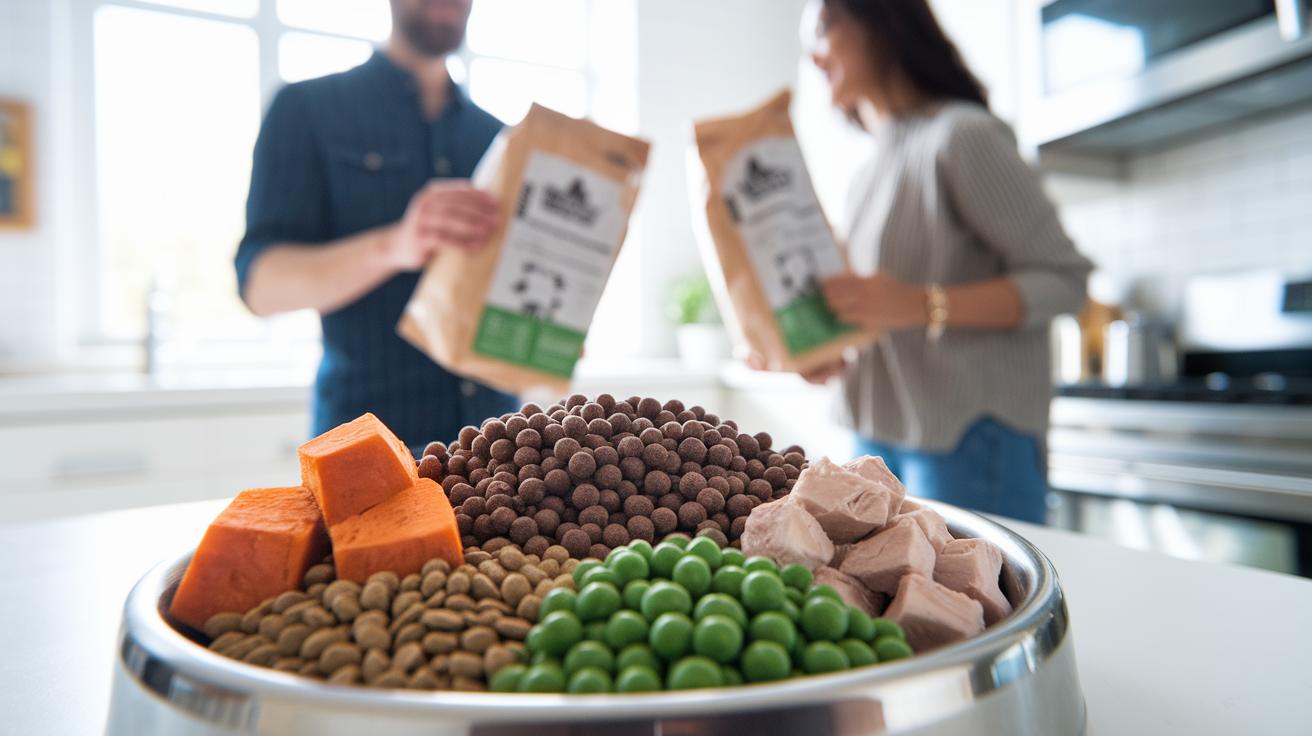
Many vets tell us that knowing what’s in your cat’s food is very important. Traditional foods that include grains have been used for years. They use whole grains to give a steady supply of carbs, fiber, vitamins, and minerals. Grain-free formulas use other ingredients such as beans, potatoes, or sweet potatoes. But these may not give your cat all the natural nutrients found in grains. That is why vets often approach grain-free options with caution. Sometimes, a grain-free food looks good on paper but lacks the natural fiber and minerals that whole grains bring. Over time, this might lead to small health issues, especially for cats with sensitive tummies.

When you look closer, the differences become clear. Grain-free diets usually need extra supplements to match the balanced mix found in traditional foods. They might use pea protein instead of a full animal meal and replace grains with starchy vegetables. While these can be healthy, they may still fall short in natural fiber and mineral content. That is why many vets suggest reading ingredient lists carefully to ensure your cat gets complete nutrition. Traditional recipes, on the other hand, rely on well-known ingredients that naturally provide a balanced diet. This steady mix helps keep your cat energized and healthy, giving you peace of mind. Both choices have their perks, but ingredient transparency is key to making the best decision for your furry friend.

Ingredient Type Grain-Free Sources Traditional Grain-Inclusive Sources
Protein Animal meals, fish Chicken, beef meals, added grains
Carbohydrate Potatoes, peas Rice, oats
Fiber Pea fiber, sweet potato Barley, whole grains
Vitamins Synthetic, vegetable extracts Whole grains, natural sources
Minerals Supplemented additives Natural mineral content in grains

Veterinary Guidance for Safe Grain-Free Cat Nutrition

Before changing your cat's food, talk with your vet or a pet nutrition expert. They can review your cat's health and help find any gaps in its diet while guiding you on a safe switch.

Pick a cat food that meets AAFCO standards so your pet gets all the basic nutrients. Your vet might also suggest adding nutrients like taurine, B vitamins, or extra fiber to cover any gaps in a grain-free diet.

Watch your cat’s weight, energy, and coat during check-ups. One pet parent noticed their cat had more energy and a shinier coat after adding specific supplements with their vet's advice. Keep a simple record of any changes so you can update the feeding plan if needed.

Final Words

In the action, we broke down the key veterinary reasons behind the grain-free debate. We looked at nutritional imbalances, heart health concerns, and ingredient clarity. We explained why do vets not like grain-free cat food and shared helpful tips on safe feeding practices. The insights offer a clear path to making informed choices for your pet. Stay positive and keep striving for healthy, balanced nutrition for your furry friend.

FAQ

Why do vets not like grain-free cat food?

The reason vets are wary of grain-free cat food is due to potential nutrient imbalances and emerging links to heart issues like dilated cardiomyopathy (DCM). They worry that key nutrients may be missing.

What are the pros and cons of grain-free cat food?

The pros of grain-free cat food include the use of alternative ingredients, while the cons involve possible nutrient gaps and heart health concerns. Experts advise reviewing ingredients and consulting your vet.

Does grain-free cat food cause heart problems?

The connection between grain-free diets and heart issues is tied to missing nutrients that may lead to conditions like dilated cardiomyopathy (DCM). Studies suggest caution and careful nutrient balancing.

What side effects can grain-free cat food cause?

The side effects of some grain-free diets can include issues like nutrient deficiencies that may affect your cat’s coat, energy levels, and heart health. Ensuring a balanced formula is key.

How does grain-free cat food compare to regular cat food?

Grain-free cat food often omits ingredients that supply essential nutrients found in regular formulas. This means it might require additional supplementation to meet your cat’s complete nutritional needs.

Is there a best grain-free cat food option?

There isn’t a one-size-fits-all best option. The ideal grain-free food should meet AAFCO standards and your cat’s specific needs. It’s best to discuss choices with your vet.

Is grain-free food harmful to cats?

Grain-free food isn’t inherently harmful, but some formulas may lack key nutrients. It’s important to check labels closely and consult your vet to ensure your cat’s diet is balanced and healthy.

What is the number one healthiest cat food?

The healthiest cat food is one that meets AAFCO guidelines, offers complete balanced nutrition, and is tailored to your cat’s needs. Your vet can help determine the best option for your pet.

Are there grain-free wet cat food options available?

Wet grain-free cat food options do exist. Ensure you choose formulas that meet nutritional guidelines and are approved by AAFCO to provide a balanced diet for your cat.

Diy Rabbit Cages: Elevate Your Rabbit’s World

0

Have you ever thought your bunny might need a home upgrade? Many pet parents choose store-bought cages, but a DIY rabbit hutch can really change the game. In this guide, we show you how to build a multi-level home that is sturdy, safe, and fun for your furry friend. We explain how to pick the right wood and mesh, add secure features, and finish it off so your bunny has a cozy space to roam. Your pet will love this custom build that gives them plenty of room to explore.

Building a Multi-Level Rabbit Hutch: Step-by-Step Guide

Framing

First, pick your lumber. You can either use three 8-ft 2x4s that you split into 2x2s to save cash or go with six 8-ft 2x2s straight away. Cut the top and bottom pieces into two pieces of 30.5 inches and two pieces of 27.25 inches. For the sides, cut four rails to 70.25 inches and drill small pilot holes at each end to help with the screws. Adding side braces keeps the hutch square and sturdy. You can even mount swivel casters underneath to move the hutch easily and improve airflow.

Tip: Measure twice, cut once. It really saves time.

Mesh & Flooring Installation

Now it’s time to add the mesh. Use 14-gauge 1×2 wire and cut panels for the walls and roof so your bunny gets a safe, breezy space. For the floor, choose a tighter mesh to protect those little feet from sharp edges. Secure the mesh with battens or U-nails along the edges so it stays in place. Then, place a scrap-wood spacer about 4.25 inches thick under the cages. This gap makes the hutch safe and makes cleaning a breeze.

Remember: Always double-check your measurements before cutting the wire to avoid wasting material and time.

Finishing Touches

Finally, add the details that make the hutch both practical and fun. Install spring-loaded door latches to keep your rabbit secure while allowing quick access. Fit automatic waterers and feed cups so your pet always has what it needs. Consider adding insulation or chew-safe finishes for extra protection. Modular stacking brackets let you expand the hutch later if you decide to build a bigger version. For example, a built-in cleaning tray makes routine maintenance simple.

Remember: A well-finished hutch is more than just a structure, it’s a safe, cozy home for your furry friend.

Selecting Materials for DIY Rabbit Cages

img-1.jpg

If you're planning to build a rabbit cage, here are some extra ideas to help make a safe and comfy home for your bunny. We already talked about lumber, wire, mesh, and finishes, but these extra tips can really boost your design:

  • Pick smooth, sturdy 2×4 or 2×2 lumber.
  • Use 14-gauge woven 1×2 wire for the sides and roof. It sets up stronger than 16-gauge wire.
  • For the floor, choose a tighter mesh. This small-gap mesh supports your bunny like a firm, cozy blanket.
  • Give all metal parts a galvanized finish to help them resist rust.
  • Insulate the cage if temperatures go below 50°F or above 69°F.
  • Use pet-safe fasteners and design panels that come off easily. This makes cleaning a breeze.

These extra tips help you create a durable, safe, and easy-to-clean cage that your bunny will love.

Budget-Friendly DIY Rabbit Cage Plans & Cost Breakdown

When planning your DIY rabbit cage, it's smart to look for ways to save money without cutting corners on safety. We suggest keeping the main build cost under $150 for fresh lumber and mesh and then using recycled items for extra features. One builder even found used items to trim expenses on extras, proving that creativity really pays off.

Here are some easy ideas:

  • Upcycle pallets to build feeding stations or side walls. This trick can lower material costs by about 30% compared to buying new boards.
  • Hunt for salvaged boards that let you add unique touches without overspending.
  • Check out local salvage yards for used hardware like screws and casters to save even more.
Item Approximate Cost
Lumber & Mesh Under $150
Hardware & Casters $20 – $30
Upcycled/Recycled Materials Varies by source

diy rabbit cages: Elevate Your Rabbit's World

img-2.jpg

Give your bunny a safe outdoor home by building stackable cages. Use treated wood or tough outdoor plywood to create a shelter that stands up to rain and shine. A sloped roof helps water run off quickly, much like a gentle stream after a rain.

Plan for drainage by adding small channels under the cleaning trays. A groove along the base guides rainwater away, keeping your rabbit’s space dry and clean.

Keep your bunny comfy with insulation panels on the walls and roof. These panels help maintain a steady temperature between 50 and 69°F and soften outside noise, so your pet feels at ease.

Make cleaning a breeze by including hinged access panels. They let you easily open the shelter for quick bedding updates or a fast cleanout.

Think ahead and design with extra space in mind. Modular stacking lets you expand the setup as your bunny family grows, keeping the design both practical and charming.

Indoor DIY Rabbit Cages & Playpen Ideas

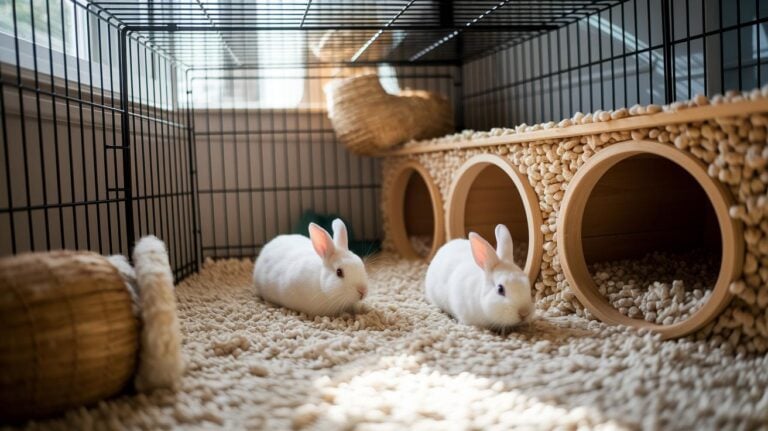
Looking for a cozy setup that keeps your home neat and your bunny happy? You can build a small, clever space using light materials like thin, sturdy wood or recycled plastic. Create a multi-level shelter by stacking cages and playpens. This way, your rabbit gets areas to play and rest. Removable ramps and platforms let your little friend hop between levels like a fun playground.

Mounting the unit on wheels (casters) protects your floors and makes cleaning a snap. You can easily move the enclosure if you need to tidy up or change your room layout. Use finishes that are safe for chewing, so your bunny stays safe from nibbling hazards. A fold-away panel system can hide the playpen when it's not in use, keeping your decor looking neat.

Here are some ideas to consider:

  • Compact designs that use vertical space well.
  • Multi-level spaces with easy-to-use ramps.
  • Lightweight materials that are simple to move around.
  • Casters for quick shifts and cleans.
  • Chew-safe finishes for added durability.
  • Fold-away panels for a sleek, hidden look.

Planning a layered, modular space gives your bunny plenty of room to explore while keeping your home stylish and organized. This approach adds fun and exercise to your pet's day and helps your living area feel warm and intentional for both of you.

Maintenance & Safety Tips for DIY Rabbit Cages

img-3.jpg

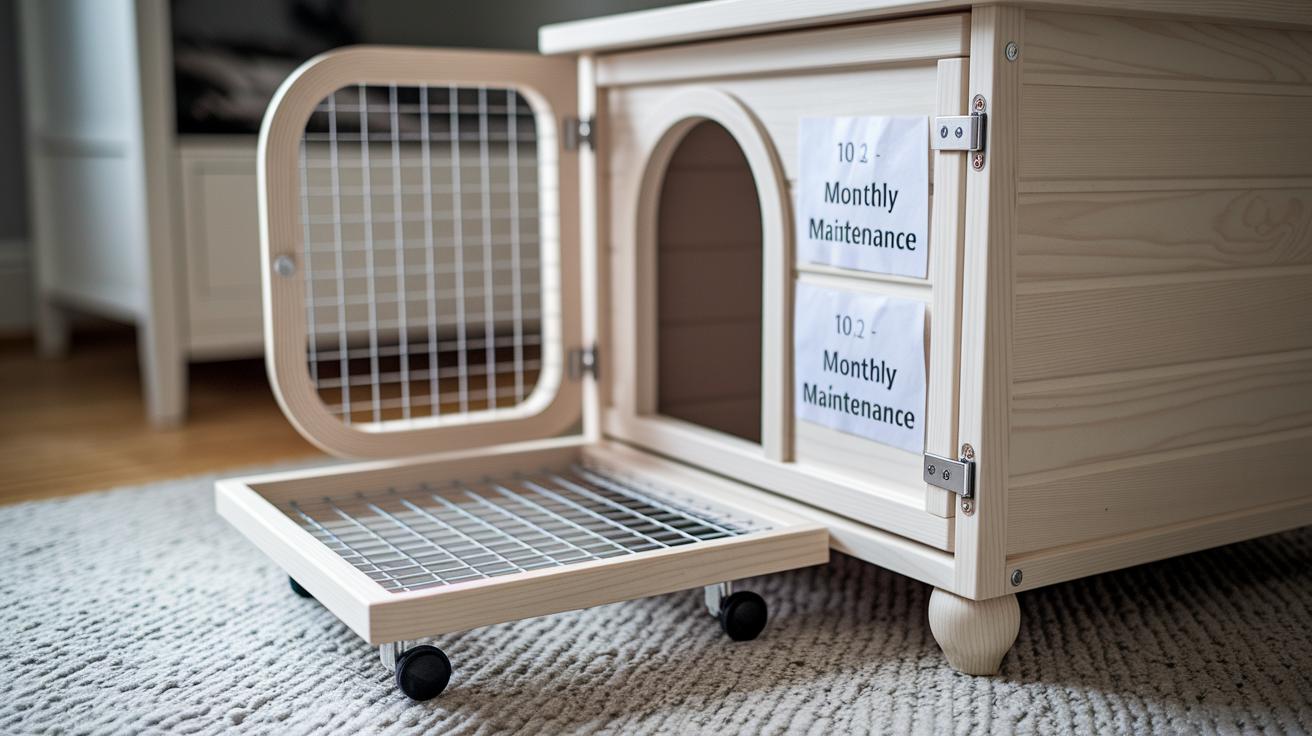
Keeping your bunny's home safe and clean is simple with a few smart updates. Try using pull-out trays or wheels (casters) so you can do a deep clean every week. This makes it easy to reach every corner without disturbing your furry friend. It really makes a difference, your hutch will feel fresh in no time.

Next, check any cut edges. Round and smooth them out so there are no sharp spots that could hurt your bunny. A bit of extra sanding goes a long way and keeps your pet comfortable.

Also, keep an eye on the cage wire. Make sure it stays rust-free to protect your bunny and keep the cage lasting longer. Every month, give the door latch a gentle tug to check if it is solid. If it feels loose, it might be time to tighten or replace it.

You might also add automatic waterers and feed cups. This way, your pet always has fresh water and food nearby.

When cold weather sets in, pull on an insulating cover to help keep the hutch cozy. And to stop any unwanted visitors like rodents, add hardware cloth around weak spots.

  • Use pull-out trays or wheels for easier cleaning.
  • Smooth out all edges to avoid injury.
  • Check the cage wire often for rust.
  • Test door latches each month.
  • Use insulating covers in winter.
  • Secure vulnerable spots with hardware cloth.

Final Words

In the action of building your multi-level rabbit hutch, you learned how to plan framing, install mesh and flooring, and add those finishing touches confidently. You discovered how to choose safe, strong materials while keeping costs low through smart hacks and recycled parts. Whether designing for indoors, outdoors, or even light modifications on diy rabbit cages, every step supports pet care and meaningful rescue work. Keep embracing these creative projects and enjoy creating a safe, happy space for your furry friend.

FAQ

DIY rabbit cages indoor

The DIY indoor rabbit cage design offers a compact, safe space using pet-friendly materials. It often features removable platforms, chew-safe finishes, and casters to protect floors while keeping your bunny active and comfortable.

DIY rabbit cages outdoor

The DIY outdoor rabbit cage design uses weatherproof materials like treated lumber and galvanized wire mesh. It provides proper insulation and drainage to keep your rabbits safe and comfortable in any weather.

DIY rabbit cages plans

The DIY rabbit cage plans include clear steps for precise cuts, secure framing, and proper mesh installation. They ensure your hutch is sturdy, safe, and budget-friendly for your pet’s needs.

DIY rabbit cages PVC

The DIY rabbit cage with PVC utilizes lightweight, durable PVC pipes to form a secure frame. This design is easy to clean, cost-effective, and works well for both indoor and outdoor rabbit enclosures.

DIY rabbit cage indoor cheap

The affordable DIY indoor rabbit cage design relies on budget-friendly materials like scrap wood and recycled mesh. It creates a safe, compact space that still offers room for exercise and easy cleaning.

Rabbit cage wire roll

The rabbit cage wire roll means using a full-length roll of wire mesh to cover the cage. It ensures full coverage, proper airflow, and a secure, rust-resistant enclosure for your pet.

Wire rabbit cages outdoor

The outdoor wire rabbit cage design uses sturdy, galvanized mesh for durability and weather resistance. It provides adequate ventilation and a secure barrier to keep your rabbits protected outdoors.

How to build rabbit cages for breeding

Building rabbit cages for breeding means designing enclosures with easy separation, quick cleaning, and ample room. Removable trays and adjustable compartments help support breeding needs while keeping rabbits comfortable.

What is the 3 hop rule for rabbits?

The 3 hop rule for rabbits means the cage should be at least three times the length of a rabbit’s hop. This ensures enough space for movement, promoting exercise and overall health.

What can I use as a rabbit cage?

You can use wood, wire mesh, or PVC pipes to build a rabbit cage. The key is a safe, secure enclosure that offers good ventilation and enough room for your bunny to move around.

Is it cheaper to build or buy a rabbit hutch?

Building a rabbit hutch is often cheaper than buying one. DIY projects let you customize features and save money by using upcycled materials while ensuring your pet’s safety.

How cold is too cold for rabbits in the hutch?

For rabbits, a hutch should not drop below 50°F. Proper insulation, weatherproofing, and design adjustments help keep your pet warm and comfortable during colder periods.

Unscented Cat Litter Sparks Calm Pet Spaces

0

Have you ever wondered if a simple change in your cat's litter could bring more calm to your home? Unscented cat litter uses natural ingredients to lock in odors without masking them with strong smells.

It's like swapping a harsh chemical cleaner for one that lets your home's true scent shine through. This gentle approach helps sensitive pets while reducing the number of harsh additives in the air.

Many pet parents have already made the switch. They say it not only keeps their spaces peaceful but also feels more natural for their furry friends. Give unscented litter a try and see the difference it can make in your home.

Unscented cat litter sparks calm pet spaces

Unscented cat litter is made without any added smells or colors. It uses natural ingredients to control odors from pee and poop without hiding them with strong scents.

Think of it like switching from a chemical cleaner to one that lets your home's natural scent shine. This litter works to truly trap odors, giving your cat a more natural and cozy space.

A recent list called "7 Best Unscented Cat Litters" shows many chemical-free options. These litters are tested to see how well they lock in bad smells while keeping your cat safe. For example, brands like World's Best use clever clump and seal methods without extra artificial additives.

This type of litter is a great choice for cats that have sensitivities. It lowers the chance of causing breathing or skin issues, which means your pet can enjoy a calm and comfortable space.

Using unscented cat litter helps you build a simpler, healthier home. It lets your cat be natural while keeping unwanted odors away.

Comparing Clumping vs Non-Clumping Scentless Cat Litter

img-1.jpg

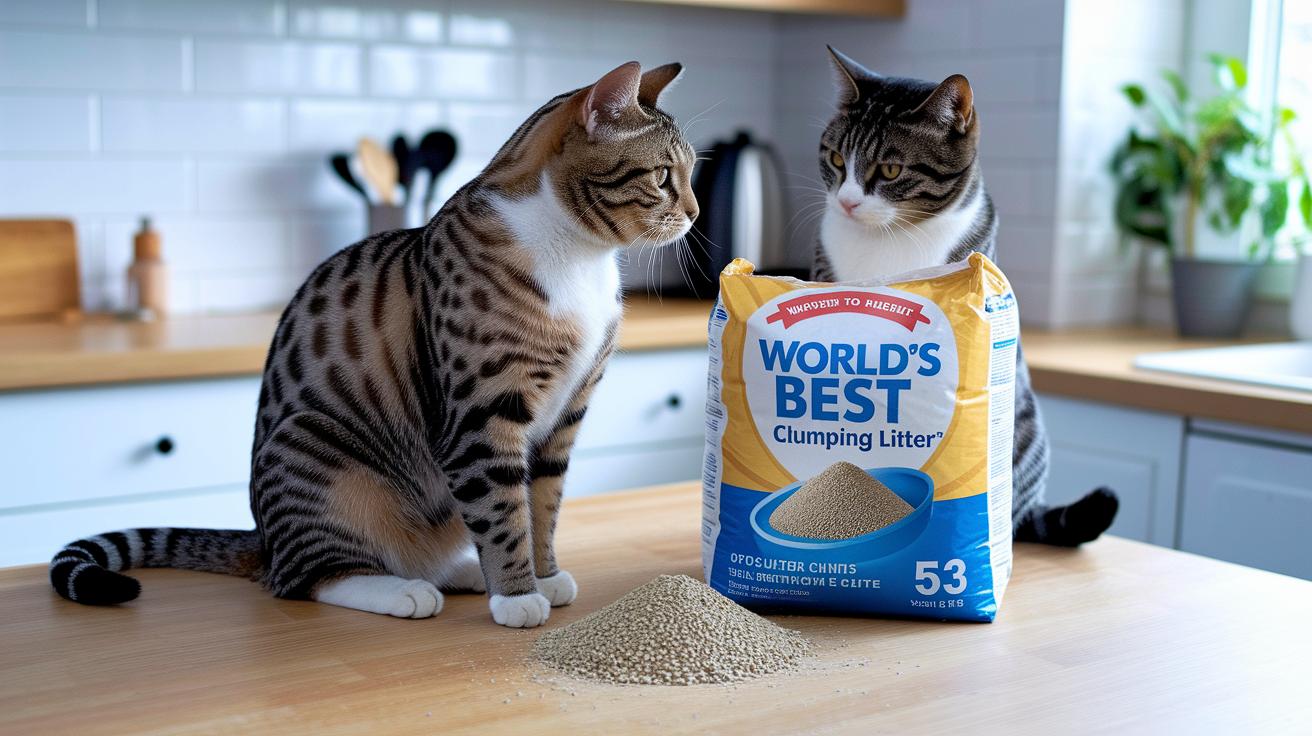
World’s Best offers a clumping and scentless litter that forms tight clumps with ease. Its clump and seal tech quickly locks in urine and feces odors, making clean-up simple and keeping smells well under control. Fun fact: cat litter that clumps well can cut your daily scoop time by nearly 50%.

On the other hand, non-clumping fragrance-free litter gives you a budget-friendly choice. Some pet parents even use promo code VETSTREET1499 to get the first bag for under $15. This option is great if you want to save money while keeping the formula safe and free from harsh chemicals.

There’s also a natural wheat flushable litter that works gently by absorbing urine without dyes or additives. It’s a perfect pick for homes with several cats or pets that are sensitive to chemicals. Meanwhile, a plant-based pellet formula uses wood fibers to stop the bonding of enzymes with waste. This unscented clay alternative limits tracking and does a solid job with odor control.

Tidy Cat’s lightweight scentless litter is another option. It includes an ammonia blocker for extra odor reduction. You can see more details about these choices here: Clumping vs Non-Clumping Cat Litter.

Each type has its own perks to fit different needs. They all work hard to help keep your pet’s space calm and fresh.

Top Unscented Cat Litter Brands and Performance Ratings

Below we share a friendly guide to the best unscented cat litters tested in 2025. We rated each one on odor control, clumping, and pet safety. For example, World’s Best makes tight clumps with clump and seal tech (learn more with Clumping Cat Litter) and locks in urine and poop smells well. This makes it a great pick for pet parents who like to keep things simple and clean.

Brand Key Feature Ideal Use Case Approx. Price
World’s Best Tight clumps with clump and seal tech that controls strong odors Best for overall odor control $25 per bag
Tidy Cat Lightweight Free of fragrances and dyes with an ammonia blocker Great for low-dust and easy pouring $22 per bag
Budget Non-Clumping Promo code offers first bag under $15 with a free toy Ideal for trial or budget-friendly use Under $15
Natural Wheat Flushable Clumps by absorbing urine naturally without dyes or perfumes Perfect for sensitive cats and multi-cat homes $20 per bag
Kitten Training Litter Clay formula with herbal attractant for gentle clumping Best for kittens aged 8 weeks to 1 year $18 per bag
Kitty Poo Club Eco-Friendly Sodium bentonite clay in recyclable packaging with bundle deals Great for eco-conscious pet parents $28 per bag
Plant-Based Pellets Wood fiber formula that stops enzyme bonding for low tracking Ideal for strong odor management at home $24 per bag

Quick tip: A well-performing litter like World’s Best can cut your daily scoop time almost in half, giving you more moments to enjoy with your pet.

Selecting the Ideal Unscented Cat Litter for Your Cat’s Needs

img-2.jpg

If you’re looking for cat litter that works well for your kitty, we’re here to help. Wheat-based clumping litter is a favorite among many pet parents. It clumps gently, which makes cleaning easier and helps keep allergens away. One pet parent mentioned, "My cats love the gentle clumping feel, it makes cleaning simple and keeps allergens at bay."

Plant-based pellet litter is another great choice for tight spaces. Its crunchy, wood fiber texture stops litter from spreading and is soft on sensitive paws. As one pet parent shared, "The pellet texture is easy on my cat’s paws and keeps the floor tidy."

While pellet litters might seem pricier, buying in bulk from local stores or online can save you money. Many local retailers even offer packaging made from recyclable materials, which is a win for the environment.

For more eco-friendly options, check out Eco-Friendly Cat Litter.

Transitioning and Maintaining an Unscented Cat Litter Box

Start by mixing a bit of the unscented litter into your cat’s usual litter. Over 7 to 10 days, slowly add more unscented litter until your kitty gets used to it. For example, begin with 75% old litter and 25% unscented, then adjust as your cat grows comfortable.

Keep an eye on any smells. If you start to notice bad odors, you may need to change the mix or scoop more frequently. Scoop out the litter every day so your cat's space stays clean. When smells build up, it might stress your kitty.

Here are a few simple tips:

  • Scoop the litter box daily to clear away urine and solid waste.
  • Replace all the litter once a week to keep the box fresh.
  • Try a clay kitten training litter with a herbal scent if you have young cats.
  • Skip dusty additives that might upset sensitive noses.

Taking care of these little details helps keep your cat happy and healthy.

Maximizing Cost Efficiency and Sustainability with Unscented Cat Litter

img-3.jpg

Choosing the right litter is about more than just paying less. Check for eco-friendly labels like EcoCert or Green Seal. These marks show that the litter is made with care for our planet. One pet parent told us, "Using eco-certified unscented litter cut my waste and saved money this year."

Looking at the litter's full life can show you the long-term benefits. This means checking how long it lasts, how easy it is to dispose of, and how it affects the environment, all along with the cost. Some pet parents have noticed that litter that clumps well can lower your monthly spending because you replace it less often. This method gives you a full picture of both savings and planet care.

Certification Description
EcoCert Shows the litter is made in an eco-friendly way and helps reduce waste
Green Seal Confirms the product meets high sustainability rules

Another pet parent shared, "Switching cut my waste and expenses by 20%." It reminds us that saving money and caring for the Earth can go hand in hand.

Final Words

In the action, we explored how unscented cat litter works and why it offers true odor control along with hypoallergenic benefits for sensitive felines. We compared clumping versus non-clumping options and pitched top brands based on performance, cost savings, and eco-friendly choices.

We also shared simple steps to transition and maintain a fresh litter box. With clear, practical tips and vet-backed insights, you can feel confident choosing the best unscented cat litter for your furry friend. Enjoy a happy, healthy pet and feel good about your impact.

FAQ

Frequently Asked Questions

What is unscented cat litter and why is it used?

Unscented cat litter means it has no added fragrances or dyes. It naturally controls odor and helps reduce irritation for cats with sensitivities.

How does clumping unscented cat litter compare to non-clumping types?

Clumping unscented litter forms tight clumps for easy scooping and odor control. Non-clumping options are budget-friendly but may need more frequent changes.

Which unscented cat litter brands are popular, like Tidy Cats and Arm & Hammer?

Popular unscented brands include Tidy Cats Free & Clean, Arm & Hammer Multi-Cat Clumping and Double Duty, Dr Elsey’s Ultra, and Fresh Step Simply Unscented, all known for effective odor control.

What is the best unscented cat litter to use?

The best unscented litter depends on your cat’s needs; options like World’s Best, Tidy Cats, and Arm & Hammer offer strong clumping and odor control while keeping no extra scents.

Is unscented cat litter better for cats with sensitivities?

Unscented cat litter can be better for sensitive cats by reducing exposure to chemicals and dust, which helps minimize skin and respiratory irritation.

Which unscented cat litter is most effective for odor control?

Litter with ammonia blockers and strong clumping, such as Tidy Cats Free & Clean Unscented, is known for effectively eliminating odors without relying on added fragrances.

What cat litter do vets recommend?

Many vets suggest unscented, hypoallergenic litters like Dr Elsey’s Ultra, which are low in dust and free from artificial additives, promoting healthier breathing for your cat.

Leather Dog Leash: Bold Style, Lasting Quality

0

Have you ever noticed how a favorite leash becomes part of your family's story? Leather leashes bring a hearty style and lasting quality that synthetic ones just don’t offer. They even improve with time, like a cherished family photo. In this article, we show how a well-made leather leash, built with tough 1/2-inch latigo leather, gives you a secure, comfy grip while adding a classic look to your walks. Choosing leather means going for strength, comfort, and a style that only gets better over time.

Leather Dog Leash Benefits: Quality, Durability & Style

Leather leashes really stand out compared to nylon or chain ones. They have natural strength and a style that never goes out of fashion. While synthetic leashes might fade or tear, leather only gets richer as it ages, much like a treasured family photo.

This leash is crafted from durable 1/2-inch latigo leather. The tightly woven fibers give it great strength and help it resist wearing down. Over time, the leather softens to fit your grip and your pet's comfort. It has a secure bolt snap on one end to keep your dog safe and a looped handle on the other for a firm, comfy hold. Picture yourself enjoying a walk with your dog using a lead that is both stylish and tough enough for active play.

Handcrafted in the USA, this vintage leather leash shows careful attention to every detail. When you choose a USA-made product, you get quality you can trust. Plus, part of your purchase helps local shelters, making every walk a little kinder.

Choosing the Right Leather Dog Leash Width & Strength

img-1.jpg

When you pick a leather leash, its width shows how strong it is. A thicker leash means more material to handle strong pulls and keep your dog safe. It proves that the leash is built to resist tough tugs. Many pet parents choose a width that matches their dog's size, energy, and training needs.

Key Width Options

  • 1/2" latigo leather is great for small or toy dogs. It works well for easy walks, light training, and even show events.
  • 3/4" latigo leather fits medium-sized dogs. It is ideal for active walks and more spirited training sessions.
  • 1" latigo leather is best for large dogs or those that pull. It provides extra strength for long walks and fun outdoor adventures.

Remember to think about the leash length too. A regular leash gives your dog enough room for a comfy walk. A double-handle leash (1/2" that extends to 6 feet) offers better control during training or in busy areas. Double handles help when your dog needs a little extra guidance in crowded spots. Matching your collar to the leash width also creates a smart, coordinated look. Picking the right combination makes sure your leash is both sturdy and a perfect match for your dog's everyday adventures.

Leather Dog Leash Styles & Designs for Every Preference

Leather dog leashes come in many designs that mix usefulness with a bit of flair. You can choose a simple flat latigo leash if you love a classic style or go for a braided artisan tether if you want something unique. Some leashes have a rolled, vintage finish that feels both traditional and extra grippy. There are also custom embossed options that let you show off your dog's personality. And for those busy training sessions or crowded streets, a 6-foot double-handle leash gives you more control. Each style brings a timeless charm along with the strong, durable feel of real leather. For more designs, check out types of dog leashes.

Style Key Feature
Flat Lead Sleek latigo leather with a simple, modern look
Braided Lead Great grip and strength thanks to its interwoven design
Rolled Lead Vintage style with a rolled finish for extra charm
Embossed Lead Custom designs that add a personal touch
Double-Handle Lead A long 6-foot design with extra handles for better control

There are many personalization options with different colors and hardware finishes. You can match the leash to your dog's collar or your own style. With so many choices, you get a leash that works well and adds a bit of your own personality to every walk.

Buying Guide: Key Features to Look for in a Leather Dog Leash

img-2.jpg

When you choose a leather dog leash, you want something that looks great and feels solid in your hand. Not all leashes are the same. It helps to look for extra care in the details, like strong metal parts and a design that gives you better control.

For example, a dual-handle leash lets you have a regular loop for everyday walks and an extra grip when things get busy. That extra hold can really help when you're training or managing a playful pet.

• Material: Look for full-grain latigo leather that fights wear and stretching.
• Hardware: Choose brass or stainless-steel bolt snaps for secure, lasting use.
• Stitching: Pieces with extra stitching at stress points can stand up to tugging.
• Handle: Options like a simple loop or a two-handle setup add more control.
• Length: A 6-foot leash is usually just right for training and safe walking.
• Support: A good warranty or return policy shows the maker stands by their work.
• Made in the USA: Items made locally often meet stricter quality standards.

It might cost a little more, but a well-built leash can handle daily adventures and gives you that extra peace of mind when you're out with your furry friend.

Care & Maintenance for Long-Lasting Leather Dog Leashes

Leather dog leashes deserve a bit of extra love to stay stylish and strong. Unlike synthetic materials, latigo leather needs gentle care to keep its softness and avoid cracks. This tip is especially helpful if you chose a soft, supple leather tether or an eco-friendly vegetable-tanned leash for its natural feel.

Try these 5 simple steps to keep your leash in great shape:

  1. Clean: Wipe the leash with a damp cloth and use a mild leather cleaner to get rid of dirt.
  2. Condition: Apply a leather conditioner often to keep it soft and help prevent cracking.
  3. Dry: Let the leash air dry naturally after cleaning. Don’t soak it in water to keep the leather secure.
  4. Store: Put your leash away from direct heat or sunshine. A cool, dry spot is best.
  5. Inspect: Check your leash for any signs of wear or cracks after long walks or rough play.

For vegetable-tanned leathers, a pH-neutral leather balm is a smart choice. It nourishes the leather and helps make your weather-ready leash work well in every season. Using eco-friendly care products supports a greener routine while taking care of your pet’s favorite accessory.

Customer Reviews & Top Brands in Leather Dog Leashes

img-3.jpg

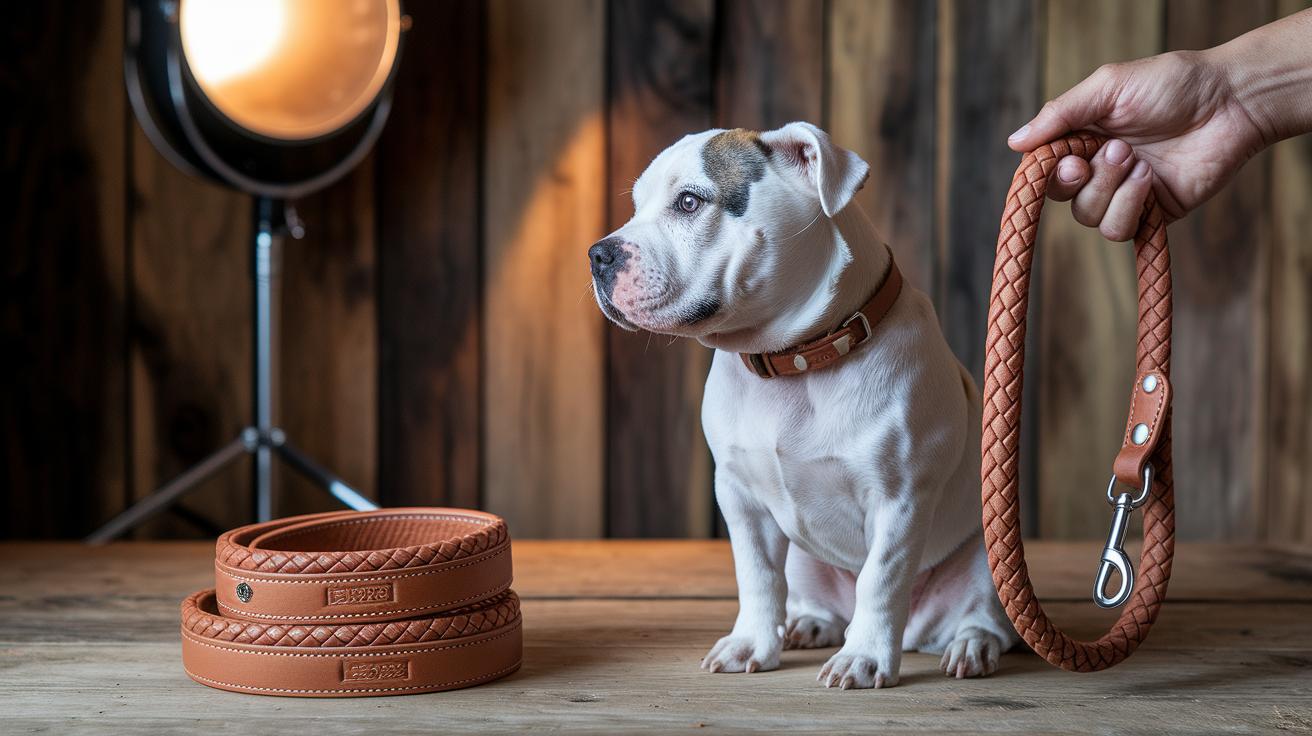
Many pet parents have shared that a good leather dog leash feels solid and stylish. They love that these leashes last long and feel great in their hand. The mix of bold style with a handcrafted design makes them a favorite for many. Reviews point out that the 1/2" and 1" braided models offer a gentle, sure grip for training sessions and even show-ring events. Matching leash-and-collar sets also get high praise for creating a well-put-together look. Plus, many customers appreciate that these products are made in the USA, come with lifetime stitch warranties, and even offer custom order options for that personal touch.

Brand Feature Description Review Score
Brand A Premium handcrafted leather tether with a smooth and comfy finish 4.8/5
Brand B High-end decorative leather tether with intricate embossed details 4.7/5
Brand C Luxury natural leather dog lead that softens over time for a better grip 4.9/5
Brand D Handcrafted design focused on durability and custom finishes 4.8/5

When you read reviews, keep an eye out for comments about how the leash fits your dog's build and holds up over time. Notes about the leather softening into a custom fit or staying strong after many months are a good sign. Check the details on durability and comfort closely so you can make a smart choice for you and your pet.

Final Words

In the action, we've seen why a leather dog leash stands out in both durability and style. We explored its quality materials, trusted hardware, and standout design options. You learned how to pick the right width and maintain your leash with simple steps. Customer reviews praise its comfort and reliability, especially for training and show events. Enjoy the convenience, safety, and ethical impact of a leather dog leash that helps keep your pet happy and supports rescues. Happy walks ahead!

FAQ

High-quality Leather Dog Leash

A high-quality leather dog leash provides lasting strength, classic style, and comfort. Made in the USA with premium latigo leather, it offers superior durability and a timeless look for everyday walks and training sessions.

Leather Dog Leash and Collar

A leather dog leash and collar set gives you a coordinated, stylish look with matching quality. Both pieces work together to provide comfort, control, and a refined appearance that lasts through every adventure.

Braided Leather Dog Leash and Braided Leather Leashes for Dogs (6 Foot)

A braided leather dog leash, often available in a 6-foot length, combines durability with extra grip and stylish texture. It is ideal for everyday training and casual walks, keeping your pet secure all along the route.

Heavy Duty Leather Dog Leash

A heavy duty leather dog leash is designed for powerful, active dogs. Crafted with robust latigo leather and reinforced stitching, it offers exceptional strength and reliability during vigorous walks and demanding training sessions.

Leather Dog Leash with Two Handles and Double Handle Leather Dog Leash

A dual-handle leather dog leash gives you extra control during training. With a secure loop handle and a solid bolt snap, it enables safe management of energetic pups, ensuring confident handling in any situation.

Leather Dog Leash on Reddit

Many pet parents on Reddit praise leather dog leashes for their natural durability and classic appeal. They often discuss maintenance tips like regular conditioning and proper cleaning to keep the leather soft and strong.

Rolled Leather Dog Leash and Red Leather Dog Leash

A rolled leather dog leash offers a vintage look with a unique, soft texture that develops with use. A red leather option adds a vibrant twist while maintaining the high durability and comfort that leather is known for.

Are Leather Leashes Good for Dogs?

Leather leashes are good for dogs because they offer reliable strength, great control, and a natural feel that improves with use. With proper care, they provide a comfortable and stylish option for daily walks.

What Kind of Leash Does Cesar Millan Recommend?

Cesar Millan typically recommends sturdy, well-constructed leashes for effective control during training. While he does not endorse one specific style, quality materials like leather are often favored for their strength and reliability.

What’s the Best Lead to Stop a Dog from Pulling?

The best lead to stop pulling is one that offers secure grip and extra control, like a wide, heavy-duty leather leash. This style helps manage strong dogs by minimizing excessive movement during walks.

Why Do Vets Recommend Against Retractable Leashes?

Vets advise against retractable leashes because they lack firm control and can pose safety hazards. A standard, solid leash provides better management, reducing the risk of accidents and ensuring safer walks for your pet.

Stackable Rabbit Cages: Happy Home Solutions

0

Have you ever thought your small space could be a bunny apartment? Stackable rabbit cages free up room and give your bunnies a cozy spot to eat, sleep, and play. This smart design saves space and helps your rabbits exercise while keeping play and rest areas apart. Each level feels like a little home, turning a tight space into a fun, multi-room setup for your pet. See how this simple change can make life better for you and your rabbits.

Maximizing Space with Stackable Rabbit Cages: Overview & Benefits

img-1.jpg

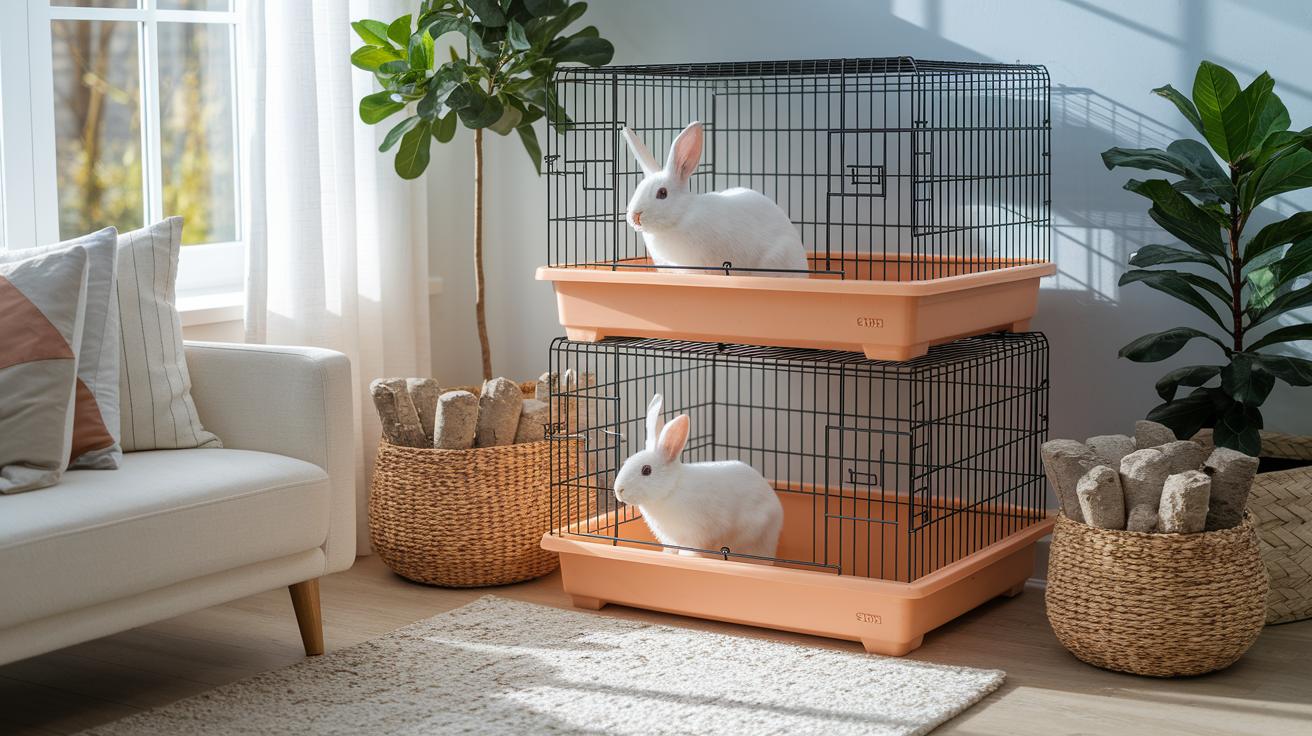
Stackable rabbit cages are a clever way to free up space and keep your bunnies cozy. They stack in two to four levels so you can create special spots for sleeping, eating, and using the litter box. Did you know many pet parents find that stacking cages can triple the living area even in a small room?

Each level gives your rabbits a safe space to hop and climb. This fun design offers a bit of exercise and mental playtime. They come in different sizes to suit various rabbit breeds, so every bunny gets plenty of room to grow.

Separating resting and play areas helps lower stress and keeps the space tidy. The vertical design opens up floor space for extra toys or accessories.

Key benefits include:

  • More floor space for you
  • Separate areas for sleeping, eating, and play
  • Added exercise with climbing and jumping
  • Various sizes to fit your pet's needs

This smart, efficient setup not only improves your bunny's comfort but also gives you a cost-friendly way to manage pet housing.

Essential Features to Evaluate in Stackable Rabbit Cages

img-2.jpg

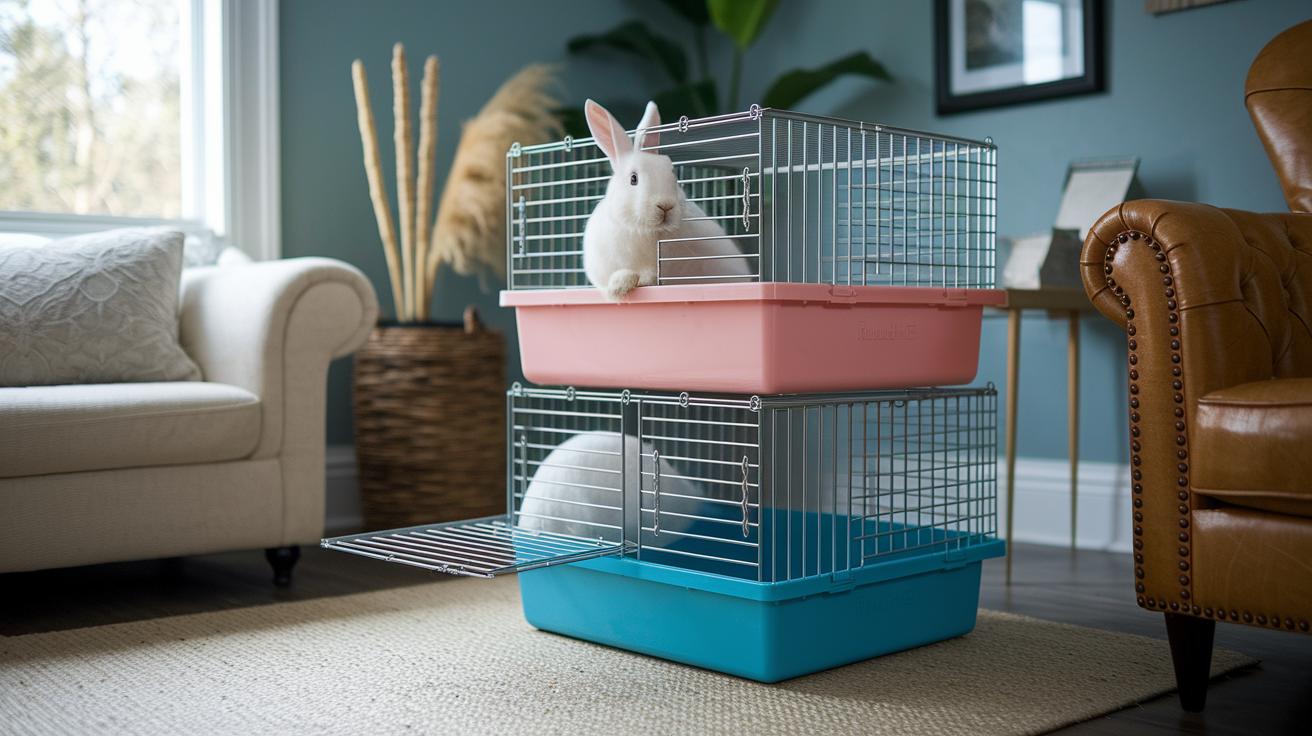
Stackable rabbit cages are like little apartments for your bunnies. They help you save space while giving each bunny its own cozy spot. When you pick a cage, make sure the design locks well so the tiers stay steady. You don't want any shifting when your rabbits are hopping around.

Choose cages with strong wire-mesh and a tough frame that can handle outdoor weather. The materials should support your rabbits and resist rain and wind. Every level needs enough room so your bunnies can hop, stretch, and play as they grow. Think of it as a simple multi-room home just for them.

Good airflow is very important too. Look for side vents or roof panels that keep the air fresh. This cools the cage on hot days and stops moisture from building up. Plus, slide-out trays make cleaning quick and easy, just pull one out, clean it, and you're done.

Security matters a lot. Heavy-duty latches help keep your rabbits safe and sound. Here are some key points to check:

  • Locking parts that keep the cages stacked firmly
  • Weather-resistant materials for long-lasting use
  • Enough room on each level for healthy movement

By choosing a cage with these features, you're setting up a safe, comfy, and easy-to-care-for home. Your bunnies get a secure space to enjoy every single day.

Comparing Top Stackable Rabbit Cage Models

img-3.jpg

When choosing a new home for your bunny, you want a safe and cozy space. We looked at four cage models that offer smart designs at a friendly price. Each one has special perks, like secure stacking or handy slide-out trays, that make caring for your pet easier. They are built to fit different rabbit needs while keeping costs low.

Model Tiers Dimensions Price Special Feature
Seny Stackable Cage 2 24″ x 48″ ~$120 Simple and compact
PawHut Stackable Hutch 3 30″ x 60″ ~$180 Weather-resistant panels
Aivituvin Upgrade Rabbit Hutch 2 32″ x 50″ ~$150 Slide-out tray for easy cleaning
Aivituvin Double Hutch 2 modules 30″ x 72″ ~$220 Spacious dual-module layout

Each option has its strengths. The Seny model is a good start for bunny lovers who want a simple, multi-level design. Need more room or easier cleaning? The Aivituvin models offer extra space and a built-in tray. And if you are worried about harsh weather, the PawHut hutch comes with weatherproof panels and extra tiers.

Think about your space and your rabbit's needs to pick the best home. Compare tiers, sizes, and features to give your bunny a safe and comfy place to hop and play.

Stackable rabbit cages: Happy Home Solutions

img-4.jpg

Follow these 6 steps to build a safe and mobile multi-level rabbit pen. We have smart ideas that save you money while giving your pet a cozy space.

  1. Pick your wood. You can use 3×8ft 2×4s or 6×8ft 2×2s, depending on your budget and design. If you want to save a bit, you can rip 2×4s to match 2×2s.

  2. Cut the top and bottom rails. Measure and trim two pieces to 30.5 inches and two pieces to 27.25 inches. Check your numbers so every rail fits just right.

  3. Get your side posts ready. Cut these to 70.25 inches and drill small pilot holes at each end. This makes joining the pieces easier and keeps the pen steady.

  4. Put the frame together and add side braces. Assemble your pieces carefully and attach the braces to keep it square and strong. This base supports all the levels you plan.

  5. Attach swivel casters at the base. They let you move the cage easily when it's time to clean. A mobile cage means less strain on your back.

  6. Mount the modular cages and check the tray clearance. Secure each wire cage to the frame and leave about a 4.25-inch gap for the slide-out tray. This design makes waste removal simple and hassle-free.

DIY Guide: Building Your Own Triple-Stacked Stackable Rabbit Cage Frame

img-5.jpg

Material Selection

Pick sturdy wood that won’t break the bank. Try using ripped 2x4s cut into 2×2 pieces. We learned this trick after a barn flood in August 2022. For example, you might repurpose three 8-foot 2x4s for a strong and affordable frame. Also, have screws, braces, and mobile swivel casters ready to make cleaning a breeze.

Frame Assembly

Measure carefully to keep your frame steady. Cut the top rails to 30.5 inches, the bottom rails to 27.25 inches, and the side posts to 70.25 inches. Drill pilot holes first to ease the assembly. Then add side braces to keep the frame square. This updated method makes putting it all together simple and accurate.

Installing Cages & Accessories

Now, mount your three modular wire cages on the frame. Leave about 4.25 inches of space below each cage so you can slide out a tray for easy waste removal. Use heavy-duty screws and fasteners to secure everything in place. For a creative touch, you can add an optional work desk on one tier. Finally, attach the swivel casters at the base so you can roll the whole setup around when it’s time to clean.

Maintenance & Cleaning Strategies for Stackable Rabbit Cages

img-6.jpg

Keeping your rabbit cages clean is very important for your bunnies' health and happiness. Regular cleaning cuts down on germs and makes each level feel safe and comfy. With a few simple steps, you can keep your multi-level cage fresh in no time.

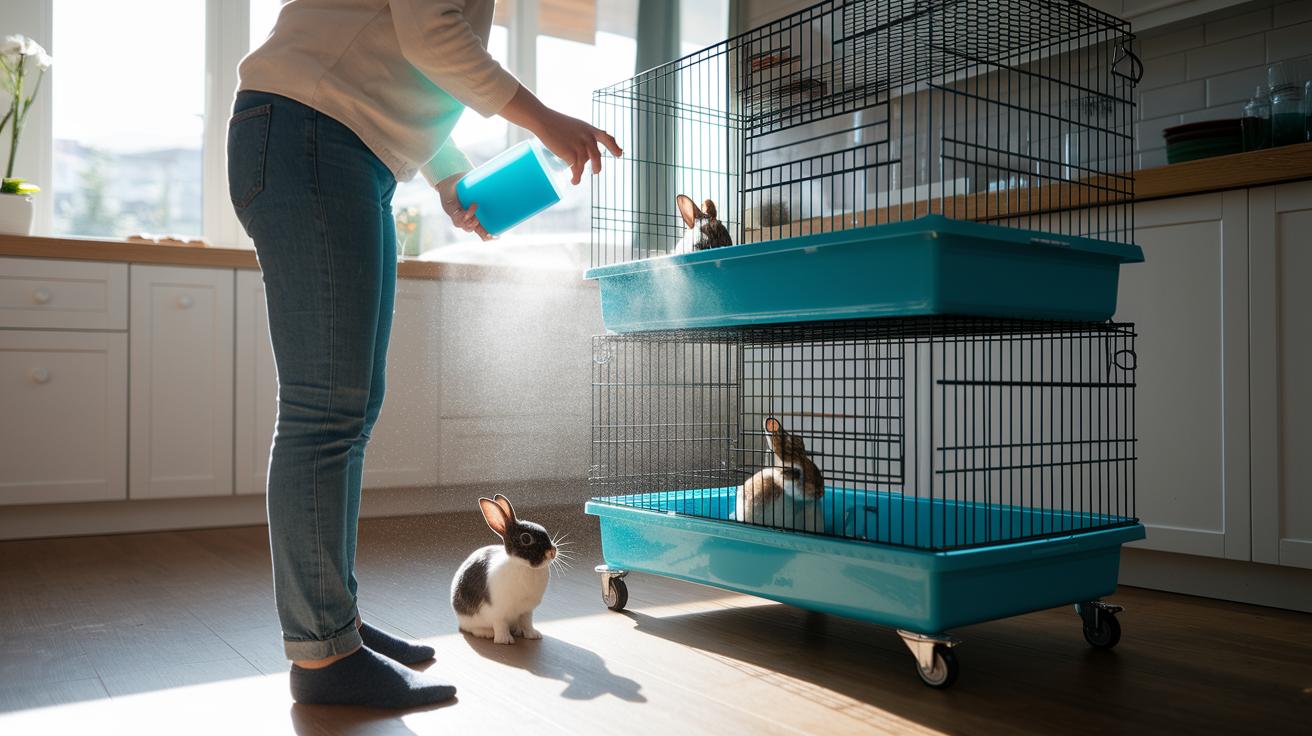
Start by pulling out the bottom trays that have a 4.25-inch gap. These trays slide out easily, so it is simple to remove waste. Then, roll the whole cage on its swivel wheels. This lets you reach every level for a deep clean with ease.

Try to do these steps each week:

  • Spray the trays with disinfectant to kill germs.
  • Wipe down the wire mesh and the frame to remove dirt.
  • Check that all latches and supports are tight.
  • Change the bedding and clean the litter pans, waterers, and even the toys so your bunnies stay comfortable.

By doing these steps, you keep every bunny safe and content. Regular care means less stress for you and a cleaner, safer space for your rabbits to hop, play, and relax.

Safety & Welfare Standards for Multi-Level Stackable Rabbit Cages

img-7.jpg

When you build a multi-level cage for your rabbits, start by making sure each level can hold enough weight. Each shelf should be able to carry about 30 lbs so your bunnies stay safe even when the cage is full of bedding, toys, and food. Checking the weight limits helps you avoid overloading the structure.

For any outdoor levels, add a mesh guard (a sturdy screen) to keep predators away and allow good airflow. Always check that the mesh is secure and in one piece to stop any unwanted visitors.

Strong latches and cross-bracing are important too. They lock the shelves in place and lower the chance of the cage tipping over, which could hurt your rabbits. Make it a habit to inspect every connection regularly.

It also helps to create separate zones for eating, resting, and waste. This keeps the area clean and reduces stress for your pet. Finally, ensure that all levels have proper ventilation and weather protection. This careful setup makes a healthy home for your rabbits and meets high animal care standards.

Final Words

In the action, we explored how stackable rabbit cages maximize space and boost rabbit safety. We dug into key features, compared top models, shared easy assembly tips, and even walked through a DIY guide. We rounded it off with clear cleaning and safety steps that support your rabbit's health and well-being.

Every part of this guide is designed to make pet care simple and efficient. Enjoy building a safe, cozy home that benefits both your pet and the rescue community.

FAQ

What are stackable rabbit cages plans and DIY guidelines?

The stackable rabbit cages plans and DIY guidelines offer clear step-by-step instructions to build multi-level enclosures. They ensure proper space for sleeping, feeding, and cleaning with easy-to-remove trays.

Where can I find stackable rabbit cages for sale, including KW rabbit cages?

The stackable rabbit cages for sale are available through specialty pet retailers and online outlets. Some models, like KW rabbit cages, may be featured among trusted, pet-focused vendors ensuring quality construction.

What features do stackable rabbit cages with trays offer?

The stackable rabbit cages with trays are designed for easy cleaning and maintenance. Their slide-out tray systems simplify waste removal and keep the enclosure hygienic, promoting a healthy environment for your rabbits.

How do stackable rabbit breeding cages differ from standard models?

The stackable rabbit breeding cages focus on dividing zones for different activities. They offer separate areas for mating, nesting, and resting, all while maximizing space and ensuring safety for your rabbits.

What size options are available for large or indoor stackable rabbit cages?

The large stackable and indoor rabbit cages come in various sizes and tier configurations. They are built to provide ample room for exercise and comfortable living, making them suitable for diverse home environments.

Types Of Dog Leashes: Elevate Your Walks

0

Have you ever thought about how the right leash can make your walks with your dog even better? A good leash helps make every stroll more fun and safe.

There are many leashes to choose from. You can use a basic flat leash for everyday walks or a special bike leash if you and your pup feel adventurous. Each option gives you control, comfort, and plenty of fun.

Next time you head out, try a leash that fits your dog's personality and your style. It might just change the way you both enjoy your time together.

Overview of Dog Leash Types

img-1.jpg

Are you ready to make your walks more fun and safe? We have many leash options that match different dog behaviors and walking styles. Whether you're enjoying a slow stroll or a quick run, there's a leash here to suit you both.

  • Standard flat leash for everyday walks: Made from strong rope or nylon, this is perfect for daily outings.
  • Retractable dog leash for calm, well-trained pets: Gives your dog a bit more room while you keep control.
  • Adjustable length leash for variable control: Comes with preset lengths so you can pick what works best.
  • Bungee leash to ease pulling shocks: Its stretchable part helps reduce strain on both you and your dog.
  • Gentle muzzle leash for strong pullers: Wraps around the muzzle to safely manage tugging without harm.
  • Harness leash for dogs with breathing issues: Clips on to a soft, well-fitted harness to protect your dog's neck.
  • Slip leash with a looping metal ring for training: A simple, slip-on system that is great for training sessions.
  • Martingale leash combining collar and leash: Gently tightens when your dog pulls to keep things secure.
  • Chain leash for heavy chewers: Made with metal links so it stands up to determined chewers.
  • Double leash for walking two dogs: Features one handle that splits into two leads for easy multi-dog walks.
  • Seat belt safety leash for car travel: Clips into your car’s seat belt system to keep your dog secure during rides.
  • Bike leash for cycling with your dog: Attaches to your bike frame so your furry friend can keep up safely.

Each leash has been designed with control, durability, and comfort in mind. Choosing the right one can make a big difference in managing pulling, keeping close control, and even giving your dog a bit of extra freedom while staying safe.

Standard Dog Leashes: Materials and Design

img-2.jpg

Basic leashes usually come in flat nylon or rope. They use a metal clasp that is strong and gentle on your pet's skin. Nylon is a popular pick because it is affordable and tough. Leather leashes add a touch of elegance and last a long time, but they cost more. For dogs that like to chew, a chain leash is a solid, chew-resistant choice.

Modern leashes often include features that boost safety and comfort. Reflective trim makes your pet more visible during night walks. Some handles have padded grips or textured surfaces that keep a steady hold. These simple touches keep both you and your pet comfortable and safe.

The type of clip and the width of your leash are important too. Bolt snap clips work fine at first but may wear out with heavy use. Trigger snap clips, which are larger, offer better strength for active dogs. A thicker leash gives extra support, but it might feel less flexible. Always think about your dog's size and how much it pulls when choosing the perfect leash.

Retractable and Adjustable Dog Leash Models

img-3.jpg

A retractable or adjustable leash can really change your walk by giving you both control and freedom. It lets you decide if you want extra reach or a set length for a secure stroll, so your dog gets the right amount of space while staying safe.

Retractable Leash

Our retractable leash lets you extend the cord from 10 to 26 feet. It works best for calm, well-trained dogs who enjoy a bit of extra room to explore. The cord unwinds and winds back smoothly as your dog moves. Here are the main benefits and some things to keep in mind:

  • Flexible length control for open trails
  • Extra room for exploration
  • It can get tangled
  • May offer less quick control if your dog bolts
  • The cord’s recoil can sometimes pull unexpectedly

Adjustable Leash

Adjustable leashes come with several clip points or buckle settings. This design lets you fix the length ahead of time, so you don’t have to adjust it all the time. It works well if you need to switch quickly from a longer leash during a calm walk to a shorter one in busier spots. Keep an eye on these things:

  • Simple control without constant handling
  • Great for both easy strolls and crowded areas
  • Extra moving parts may wear down over time
  • Regular checks for secure fittings are needed

Both options have their unique perks. Retractable leashes give more freedom on spacious trails, while adjustable leashes provide steady control for everyday walks. Choose the one that fits your dog’s training and the places you visit, and enjoy safer, happier outings together.

Hands-Free Leashes and Active Dog-Walking

img-4.jpg

These hands-free leashes turn into waist belts or shoulder straps so you can stay free while keeping your pup close. They work best for small and medium dogs that don't pull too hard, making them great for running, hiking, or city walks. They let you enjoy your outing while staying connected with your furry friend. Many even have a bungee part that softens sudden tugs, which helps both you and your pet stay safe. Imagine going for a jog and not having to fumble around for your phone or water bottle.

Different types of active leashes bring special perks to your adventures. Bike leash versions clip securely to your bike so your dog stays right by your side. Running models are made to fit snugly, so they handle quick pace changes and bumpy trails. These designs let you focus on your path while keeping your best buddy safely tethered. They are perfect for fitness walks and outdoor fun, offering a mix of ease, safety, and comfort for you and your pet.

Training and Anti-Pull Dog Leashes

img-5.jpg

When your dog pulls on walks, it can make your day tougher. These leashes help guide your pet gently, just like in a pro training session. We have some simple tips to help you pick what works best for your walks.

  • Slip Leash: This leash has a single loop metal ring that tightens a bit when your dog pulls. Trainers use it early to show your dog to slow down.
  • Gentle Leader Leash: This leash works like a light muzzle, keeping your dog focused and stopping strong pulls. Experts say it helps set a calm walking pace.
  • Martingale Leash: This tool combines a normal leash with a collar that tightens safely. It is great for high-energy walks and keeps your pet secure.
  • Front-Lead Leash with Harness: This leash guides your dog to walk by your side. Trainers suggest short practice sessions to build trust over time.
  • Bungee Leash: With a rubber section that softens sudden pulls, this leash reduces strain on both you and your pet. It works well in busy or distracting spots.

Using these tips with the right leash can make walks safer and more fun for both you and your dog.

Specialty Dog Leashes for Multi-Pet Control and Vehicle Safety

img-6.jpg

Double dog leash systems now feature smart handle designs that help lower tug stress. They also let you adjust the length to match your walk. For example, you might pick a double leash with a breakaway connector that separates safely if your dogs pull suddenly. This set-up gives you balanced control and extra safety on walks with two pets.

Seat belt safety leashes now come with improved clip designs that lock firmly into your car's seat belt slot. For example, make sure the clip clicks in completely when you install your seat belt leash to stop it from coming loose during travel. This tip helps keep your pet secure and calm in the car.

Bike leash attachments and multi-clip harnesses now include adjustable tension settings and strong connections. For example, an adjustable bike leash keeps your dog steady during active rides without compromising safety. These upgrades give you more ways to manage multiple pets on every adventure.

Choosing the Right Leash for Your Dog’s Size and Lifestyle

img-7.jpg

Choosing the right leash means matching it to your dog's size and strength. Big dogs need a strong leash with a padded handle so you have a secure grip. Small pups do better with a light, soft leash that keeps their little frames safe.

Your dog's energy and daily habits also help decide which leash to choose. For active dogs that love to run or hike, a hands-free leash or one with a bungee design can help cushion sudden tugs. Puppies might start off with a slip lead for gentle training, while everyday walks work well with a regular flat leash that gives you balanced control.

Before you buy, measure your dog and think about where you usually walk. A longer leash works well in open spaces, and a shorter one is safer in crowded areas. Matching the leash to your dog's size, strength, and activity makes every walk safer and more enjoyable.

Final Words

In the action, we explored a range of dog leash types designed to meet different needs. We looked at standard, retractable, hands-free, training, and specialty options. Each section broke down features like durability, safety, and ease of use, making it simple to choose the right canine restraint option. This guide helps you pick from different leash design variations while supporting rescues and shelters. Enjoy every walk with peace of mind, knowing you chose reliable dog leashes that care for your pet and our furry community.

FAQ

What types of dog leashes are there?

The types of dog leashes include standard flat, retractable, adjustable, bungee, gentle (muzzle), harness, slip, martingale, chain, double, seat belt, and bike leashes. Many come with pictures to guide your choice.

What kind of leash is best for a dog that pulls?

Leashes for pulling dogs often feature gentle (muzzle) designs, martingale leads, bungee leashes, and training-specific options. These help control pulling by redirecting your dog’s energy safely, even for small pullers.

What are slip leashes for dogs?

Slip leashes use a single loop design with a metal ring that tightens when your dog pulls. They are popular for training to gently remind your dog to walk calmly.

What is the best leash for a puppy?

The best leash for a puppy is usually a lightweight, slip or standard flat leash with a secure clip. It offers gentle control while helping your puppy learn proper walking behavior.

What are nylon leashes for dogs?

Nylon leashes are strong, cost-effective, and skin-friendly. They provide durability for everyday walks and keep your pet safe with their firm yet comfortable design.

What does “dog leash chewy” mean?

A “dog leash chewy” often describes a leash built for heavy chewers. For these dogs, tougher materials like chain leashes are used to withstand chewing while keeping your pet secure.

What is the 3 second rule for dogs?

The 3 second rule for dogs means waiting three seconds before giving praise or treats after a desired behavior. This delay helps your dog link actions with rewards during training.

What leashes do vets recommend?

Vets often recommend sturdy flat nylon or leather leashes with secure clips and reflective trim. These leashes offer reliable control and added safety, especially during low-light walks.

Is Grain Free Food Good For Cats? Absolutely

0

Do you ever wonder if grain-free food is really good for your cat? Many pet parents choose recipes that leave out wheat, corn, and rice and use veggies like sweet potatoes and peas instead. They say these meals help soothe allergies and upset tummies, like a tailor-made plan for your furry friend. But many healthy cats do just fine on regular food that has a good mix of proteins and essential nutrients. In this post, we explore the ups and downs of grain-free diets so you can decide what works best for your pet.

Grain-Free Food for Cats: Evaluating Health Benefits and Risks

img-1.jpg

Grain-free cat food skips cereals like wheat, corn, rice, barley, and rye and uses starchy veggies and legumes such as potatoes and peas instead. This type of food can help cats with allergies, gluten sensitivities, or sensitive tummies feel better. If the food is balanced and has all the vitamins and minerals your cat needs, grain-free options work well for those special cases.

Most cats, however, do just fine with regular food. Traditional diets deliver a full mix of proteins, fats, and essential nutrients. So if your cat isn’t showing any signs of itching or tummy troubles, a normal diet is a solid choice. As one pet parent said, "Switching food is like moving houses slowly: mix a little new with the old each day."

Key points to consider:

  • Grain-free diets help cats with specific sensitivities.
  • Regular cat food is a reliable option for most healthy cats.
  • Every formula should cover all the essential nutrients your cat needs.

In the end, choosing the right food depends on your cat’s unique needs and your vet’s advice. We hope you find the best option to keep your pet happy and healthy.

Formulations and Ingredients of Grain-Free Cat Foods

img-2.jpg

Grain-free cat foods do not include wheat, corn, rice, barley, or rye. Instead, they use starchy vegetables and legumes like potatoes, peas, lentils, sweet potatoes, and chickpeas to give your cat easy-to-digest energy. They also add animal proteins such as chicken, fish, or beef to support muscle growth and overall health.

Manufacturers work hard to list and analyze nutrients on every bag or can. You will see clear details on protein, fat, fiber, and vitamins so you know exactly what your cat is eating.

Imagine it like a meal plan made just for your cat. A mix of tasty animal protein and healthy vegetables creates a kibble that feels like a gourmet treat.

Grain-free formulas can be a good choice for cats with sensitivities. If your cat shows signs of itchy skin or tummy troubles, trying a grain-free option might help. The idea is to use alternative carbs like legumes and starchy vegetables to give enough energy while keeping all the important nutrients.

Key points to note:

  • They do not include traditional grains.
  • They use starchy vegetables (potatoes, sweet potatoes) and legumes (peas, lentils, chickpeas) for energy.
  • Main proteins come from animal sources, making the food a good match for your cat.
  • Nutrient analysis shows a balanced mix of protein, fat, fiber, and vitamins.
Component Common Ingredients
Excluded Grains Wheat, corn, rice, barley, rye
Replacement Carbohydrates Potatoes, sweet potatoes, peas, lentils, chickpeas
Primary Protein Sources Chicken, fish, beef

This balanced mix gives your cat a nutrient-rich meal while skipping ingredients that might be hard to digest.

Veterinarian Insights on Grain-Free Diets for Cats

img-3.jpg

Dr. Amy Bergs reminds us that every cat is one-of-a-kind. If your cat has itchy skin or tummy troubles, it is a good idea to talk to your vet. They can help decide if a grain-free diet might soothe your furry buddy. Just like trying out a new toy, any diet change should be done with a vet's guidance.

Your vet and other experts say there is no proof that grain-free diets cause heart problems in cats. This means that if your cat is healthy, a regular food that has grains works just fine.

Here are some simple tips:

  • Look for signs like red, itchy skin or an upset stomach.
  • Ask your vet if changing the food is a good idea.
  • Adjust the feeding plan to fit your cat's overall health.

Dr. Bergs also notes that if your cat is sensitive to certain ingredients, a grain-free diet might ease their discomfort. She compares a special diet to a custom suit that fits just right. This means you can meet your pet’s needs without making unnecessary changes.

If you see signs like itching or odd stools, check in with your vet. They can help you keep an eye on any changes as you try a new food for your cat.

Comparing Grain-Free vs. Traditional Cat Foods

img-4.jpg

Recent research shows that a grain-free cat food might help pets with known sensitivities. In one 2022 study, a cat with mild tummy troubles had firmer stools after three weeks on a grain-free diet.

Here’s what you need to know:

  • Grain-free diets can lower inflammation and calm a sensitive stomach. They use ingredients like potatoes or peas instead of grains. They might cost a bit more since they include special ingredients.
  • Traditional diets stick to AAFCO standards (nutrition guidelines set for pet food) and are budget-friendly. They offer a mix of proteins, fats, and carbohydrates and work well for most healthy cats.
Diet Type Benefits Considerations
Grain-Free Helps ease tummy issues in sensitive cats; uses alternative ingredients Tends to cost more; best for cats with known sensitivities
Traditional Balanced nutrition and cost-effective; meets AAFCO standards May not work as well for cats with food sensitivities

We recommend you think about your cat’s history and needs. If your pet struggles with digestion, you might want to try a grain-free option. For a healthy cat, a traditional diet is usually enough. Always check with your veterinarian for advice that fits your cat best.

Who Benefits Most from Grain-Free Diets for Cats?

img-5.jpg

If your cat struggles with a sensitive tummy, switching to a grain-free diet might really help. For kitties dealing with irritable bowel disease or ongoing gut inflammation, these diets can soothe their digestive system and ease flare-ups.

Sometimes cats show signs of discomfort like itchy skin or an unsettled stomach because of grain allergies or gluten sensitivities. A diet without grains may help reduce that discomfort and make them feel better.

Remember, most cats can digest grains without a problem. So, a grain-free option is best for cats who have documented issues.

Example snippet: "Think of it like tuning a piano; without grains, your cat’s diet could hit all the right notes."

Key points:

  • Great for cats with irritable bowel issues or chronic inflammation.
  • A good choice for kitties with grain allergies or gluten sensitivities.
  • Not needed for cats that handle grains well.

Transitioning Your Cat to a Grain-Free Diet Safely

img-6.jpg

Start with a simple plan over 7 to 10 days. Mix 25% grain-free food with 75% of your cat's usual meal. Every two days, add a bit more grain-free food until your cat is eating it all.

Watch your cat closely. Notice if its appetite, weight, or stool changes. If your kitty seems sluggish, vomits, or has diarrhea, stop the new food and call your vet.

Quick guide:

  • Day 1 to 3: 25% grain-free and 75% regular food.
  • Day 4 to 6: A 50/50 mix.
  • Day 7 to 10: 75% grain-free, then 100% if your cat is happy and healthy.

Every cat is unique. If needed, slow down the change and chat with your vet if anything seems off.

Final Words

In the action, we explored the benefits and risks of grain-free diets. We broke down ingredients, vet insights, and safe ways to switch to a non-grain plan. We also compared these diets with traditional options and pinpointed which cats might really benefit from them. With practical tips and expert advice, you can decide if this approach fits your pet’s lifestyle. Grain free food good for cats may be an excellent choice for sensitive tummies while most healthy cats enjoy balanced nutrition. Enjoy discovering the best for your furry friend.

FAQ

FAQ

Q: Is grain free food good for cats reddit

A: The discussion on whether grain-free food is good for cats on Reddit shows that many pet parents see benefits for cats with sensitivities, though most healthy cats may not need it.

Q: What are the pros and cons of grain-free cat food?

A: The grain-free cat food pros and cons are that it may help cats with allergies or sensitivities, while many healthy cats digest grains well and benefit from a balanced, cost-effective diet.

Q: Does grain-free cat food cause heart problems?

A: The concern that grain-free cat food causes heart problems in cats is unfounded; no studies link these diets to heart issues in cats like some concerns seen in dogs.

Q: What are the side effects of grain-free cat food?

A: The grain-free cat food side effects can include digestive upset if a cat does not tolerate the alternate ingredients, but most cats adjust well with balanced formulas.

Q: What is the best grain-free cat food?

A: The best grain-free cat food depends on your cat’s individual health and taste; choose formulas that meet AAFCO standards and consult your vet for the right option.

Q: Is grain-free food good for cats with sensitive stomachs?

A: The grain-free food good for cats with sensitive stomachs answer suggests that switching can reduce digestive upset, though many cats handle grains fine unless they have specific allergies.

Q: Is grain free bad for cats reddit?

A: The view that grain-free food is bad for cats on Reddit reflects mixed opinions; many healthy cats do well on grain-inclusive diets, while special diets help those with known sensitivities.

Q: What are people saying about grain free cat food on Reddit?

A: The discussions about grain-free cat food on Reddit show varied experiences, with some pet parents reporting improvements for sensitive cats and others finding no advantage over traditional diets.

Q: Why do vets not like grain-free cat food?

A: The reason some vets caution against grain-free cat food is that eliminating grains isn’t necessary for most healthy cats and may not offer any added health benefit without a specific sensitivity.

Q: Should cats be on grain-free food?

A: The response to whether cats should be on grain-free food is that most healthy cats do well on complete, balanced diets that include grains, while grain-free diets are best for those with diagnosed allergies.

Clumping Cat Litter: Enjoy Effortless Freshness

0

Ever wished cleaning up after your cat was as easy as a magic trick? Clumping litter makes messes quick to clean. It traps smells and forms little clumps that you can scoop away in seconds.

This litter locks in moisture and keeps dust down so your kitty can enjoy a clean, comfy space. In this post, we explain how it works and share the special ingredients that keep your home fresh.

Stick with us to learn how to make cleanup easier and brighten your cat's day.

Clumping Cat Litter: Enjoy Effortless Freshness

img-1.jpg

A great clumping litter makes cleanup a breeze. It traps smells, forms solid clumps, and keeps dust to a minimum. This means less mess and a healthier space for your cat. We know you want an easy routine that cares for both your home and your furry friend.

This kind of litter uses special ingredients to lock in moisture and odors. It has been vet-reviewed for safety and works well in homes with many cats or kitties that are a bit sensitive. With the right litter, your home stays fresh and your pet feels comfortable and safe.

  • Frisco Multi-Cat Unscented Clumping Clay Cat Litter: A low-dust option that seals odors well, making it a top pick for households with several cats or allergies.
  • Tidy Cats Free & Clean Clumping Clay Cat Litter: Uses activated charcoal to catch odors while forming clumps that are simple to scoop.
  • Arm & Hammer Clump & Seal Multi-Cat Cat Litter: Packed with baking soda crystals to help banish smells; best used when scooped daily and paired with enough litter boxes.
  • Arm & Hammer Slide Scented Cat Litter: Uses particles that get active with moisture to keep scents masked for up to seven days and helps the litter box stay clean.
  • Arm & Hammer Cloud Control Platinum: Provides a 99% dust-free, hypoallergenic experience, perfect for kitties with breathing or allergy issues.
  • Dr. Elsey’s Kitten Attract Litter: Made with a natural herbal attractant and a soft feel, ideal for kittens from 8 weeks to 1 year old.

When picking a clumping litter, think about your home. If you have lots of cats, a strong clumping, low-dust litter is key. For families with young or sensitive cats, hypoallergenic and kitten-friendly options work best. Matching the litter to your cat’s needs means a fresher home and a happier pet every day.

How Clumping Cat Litter Works: Fundamentals and Technology

img-2.jpg

Clay-Based Clumping

Many clumping litters use sodium bentonite clay. When liquid touches this clay, it swells and grabs the moisture, forming firm clumps. This makes it easy to scoop out waste and keeps the clean litter separate. Think of it like a sponge that turns into a solid block when wet. This method helps control smells and keeps messes to a minimum.

Crystal (Silica) Clumping

Silica gel crystals work like tiny moisture magnets. They soak up liquid quickly and trap odors while keeping dust low during scooping. The crystals form tight clumps that are simple to remove. This process locks in smells and reduces particles in the air, which is great for homes where dust matters.

Plant-Based Clumping

Plant-based litters use natural fibers from wood or paper to form clumps. They bond with moisture and work well to control odors. Many of these litters are biodegradable and flushable, making them a safe choice for the planet. This eco-friendly option still offers effective odor control while being kind to nature.

Agent Key Property Typical Brand
Clay Swells to form tight clumps High absorbency, low dust
Crystal Activates with moisture and locks odors Low dust, effective clumping
Plant-Based Flushable and biodegradable Sustainable, eco-friendly

Comparing Top Clumping Cat Litter Brands and Formulations

img-3.jpg

When you line up options side by side, it's easier to find the one that fits your home's needs. Many pet parents tell us that Frisco Multi-Cat keeps smells at bay and creates little dust. Others like that Arm & Hammer offers different choices for sensitive pets.

Many users note that Tidy Cats Free & Clean uses charcoal to trap odors, while Arm & Hammer formulas deliver steady performance day after day. Today, many homes with multiple cats are leaning toward unscented, clump-strong litters.

  • One pet parent shared, "Frisco Multi-Cat kept my home fresh even with three cats."
  • A reviewer commented, "Arm & Hammer's hypoallergenic option works great for our sensitive pet."

For little felines, Dr. Elsey’s Kitten Attract is a favorite because its gentle texture helps during training. Many say the natural herbal attractant really helps kittens learn good habits. Similarly, Okocat Original Premium Wood is popular because it's flushable and plant-based, ticking all the eco-friendly boxes.

Fresh feedback shows that details like clump strength in multi-cat households and unscented formulas really matter. Plus, having different weights and prices helps you balance cost with how well the litter performs.

Maintaining and Cleaning Clumping Cat Litter Boxes for Optimal Performance

img-4.jpg

Keep your cat's litter box neat by scooping it daily, within 30 minutes after your cat uses it. We suggest doing a full cleaning of the box once a week. This routine helps stop bad smells and keeps germs away, so your cat's spot stays fresh and healthy.

Every day, scoop out clumped litter as soon as you see it. We recommend having one box per cat plus one extra, to reduce stress and mess. A strong scoop makes it quick and easy to remove waste. Scooping fast also helps keep dust and stray litter from spreading around.

For a deep clean, empty the box completely one time a week. Clean it with a gentle detergent and rinse it until no soap remains. Let the box dry fully before adding new litter. This cleaning step gets rid of lingering smells and germs, so every new fill starts off clean.

Here are some extra tips:

  • Try using a litter mat to catch stray granules.
  • Consider an automated scoop if you want to save time.

Cost and Eco-Friendly Considerations of Clumping Cat Litter

img-5.jpg

Figuring out the cost for each use can help you plan your budget. When you check the price per pound, you can pick a litter that keeps your home smelling fresh while staying friendly on your wallet. For instance, you might spend about $0.70 per pound on Tidy Cats, $0.80 on Arm & Hammer, and around $0.65 on Frisco.

When you think about the environment, remember that clay litters come from mining. This process can lead to a bigger carbon footprint. On the other hand, paper litters like Fresh News Paper and wood-based options such as Okocat break down naturally. These plant-based litters can even be flushable (but always check if your plumbing can handle it first). Plus, non-toxic varieties skip strong fragrances and chemicals, which is safer for kittens and sensitive cats.

Buying in bulk can save you about 10-15%. Keep extra litter in a cool, dry spot so that it stays fresh and you never run out.

Frequently Asked Questions About Clumping Cat Litter

img-6.jpg

We know keeping your cat’s space fresh matters to you. Here are the basics to help you out:

  • Scoop soon: Scoop the litter within 30 minutes after your cat uses it. This keeps smells lower and your home fresher.
  • Safe and gentle: Clumping litters are made with non-toxic, vet-approved ingredients. If your cat is sensitive, look for one without extra fragrances.
  • Easy cleanup: These litters bind urine into clumps. That means you can clean up small messes without having to change all the litter.
  • Flushable options: Most plant-based clumping litters are safe to flush. Clay or silica litters may clog your pipes.
  • Low-dust choices: For less dust on your floors and in your air, choose litters marked as dust-free or hypoallergenic (less likely to cause allergies).

Final Words

In the action, our review dug right into what sets top products apart, low dust, strong clumping, and effective odor control. We shared clear benefits like high absorbency and vet-backed safety for busy pet parents. This guide shows how the perfect clumping cat litter can simplify hygiene, support pet health, and even favor eco-friendly choices. Every option is picked to match your home needs and make a positive impact on rescues. Enjoy a simpler, healthier routine for you and your furry friend!

FAQ

Q: What does clumping cat litter mean and how does it work?

A: The clumping cat litter means it binds moisture into tight clumps that can be easily scooped out, reducing odors and making cleaning a smoother task.

Q: How does clumping cat litter compare to non-clumping litter?

A: The clumping litter binds urine into solid masses for simple removal, while non-clumping types absorb moisture without forming clumps, often requiring a full change. This makes clumping litter more convenient for many pet parents.

Q: What are the downsides of clumping litter, and do vets recommend clumping or non-clumping litter?

A: The clumping litter can produce dust and sometimes track around the home. Many vets recommend non-toxic, low-dust clumping formulas because they are easier to manage and support cat health.

Q: What types and sizes of clumping cat litter are available, and where can you find them?

A: The clumping litter options include clay-based types, pellet formulas, and bulk sizes like 40 lb. Many are available at major retailers such as Walmart, catering to varied cleaning needs.

Q: What are some top clumping cat litter brands for cats?

A: The clumping litter picks include Tidy Cats Free & Clean Unscented, Dr. Elsey’s Kitten Attract, Arm & Hammer Slide Multi-Cat, Arm & Hammer Double Duty, Tidy Cats 4-In-1 Strength, and Tidy Cats Clumping Instant-Action, each known for strong clump formation and odor control.

Turmeric Supplement For Dogs: Spark Joyful Vitality

0

Have you ever thought that a simple spice might help your dog feel more energetic and ease discomfort? Turmeric supplements may be the gentle boost your pet needs. Many pet parents have seen their dogs move more freely and play with less pain after using this natural remedy. We explain how turmeric can help ease joint aches and calm upset tummies so your furry friend can enjoy life more. Imagine your pup frolicking around with less pain and more joy.

How Turmeric Supplements Support Dog Health

img-1.jpg

Turmeric is a natural way to help with swelling and pain in your dog. It comes from the roots of a plant called Curcuma longa and is usually made into a powder. This gentle supplement eases stiffness and discomfort, which can be a big relief for older pups or those with arthritis or IBD (inflammatory bowel disease). Many pet parents choose turmeric so their dogs can move freely and enjoy playtime without joint pain.

Besides easing joint pain, turmeric can also help soothe an upset tummy. It may reduce nausea, diarrhea, and constipation while helping keep the gut healthy. Adding turmeric to your dog's meals, especially when paired with products like the best joint supplement for dogs (https://goodpawsgoodcause.org?p=486), is an easy way to care for both mobility and digestion.

Key Benefits of Turmeric Supplements for Dogs

img-2.jpg

Turmeric contains curcumin, a natural ingredient that helps ease joint pain and stiffness in dogs. It supports pain relief for arthritis, injuries, and infections, and gives a boost to immune health.

Turmeric also settles tummy troubles like nausea, diarrhea, and constipation. Some blends mix it with omega-3 fatty acids for even more soothing benefits.

  • Helps ease joint pain and stiffness
  • Supports pain relief for arthritis, injuries, and infections
  • Settles nausea and smooths digestion
  • Eases diarrhea and constipation
  • Boosts immune defense for overall health
  • Pairs well with omega-3 fatty acids for extra support
  • Keeps your dog vibrant and active

These benefits work together to help your dog live a happier, more active life.

Dosage Guidelines and Safe Usage of Turmeric for Dogs

img-3.jpg

When giving your dog turmeric, start slow. The right dose depends on your pup's weight, age, and health. Experts say to begin with a small amount if your dog is over 12 weeks old. Then, slowly increase the dose. Mixing turmeric into your dog's meals, once or twice a day, helps with absorption and can ease stomach issues. Watch your dog closely after adding turmeric to notice any mood or behavior changes.

Adjusting the turmeric dose can be easier with a clear guide. Use the table below as a starting point when mixing turmeric into your dog's food. These amounts are general and might need changes based on your dog's unique needs. Always chat with your vet before making big changes. This step-by-step plan helps support joint comfort and overall wellness.

Dog Weight Recommended Daily Turmeric Dose (mg)
Small (up to 20 lbs) 30-50 mg
Medium (21-50 lbs) 50-100 mg
Large (51-90 lbs) 100-200 mg
Giant (over 90 lbs) 200-300 mg

Remember to work with your vet to fine-tune the dose for your dog's special needs. This careful method makes sure your furry friend gets safe, long-term support from turmeric.

Selecting High-Quality Turmeric Supplements for Dogs

img-4.jpg

If you want to boost your dog's health with turmeric, it is important to choose a good supplement. Turmeric comes in powder, capsules, and paste. Powder can mix easily with food so you can change the amount you add. Capsules give you a set amount every time and help take the guesswork out of dosing.

Watch for products that say they are organic and have a standard amount of curcumin (the ingredient that helps with swelling and joint pain). A fun fact: long ago, people used turmeric to ease aches and help them recover. To get the best results, look for supplements with black pepper. This spice helps your dog absorb the turmeric better. Some options also include omega-3 fatty acids to support healthy joints and skin.

Here’s a quick checklist for the best turmeric for your pup:

  • Look for organic certification
  • Check for a set curcumin level
  • Find supplements with black pepper to boost absorption
  • Consider ones with added omega-3 fatty acids

When you compare turmeric powder and capsules, powder is great for mixing with meals and adjusting doses. Capsules are handy when you want quick, even amounts. You can choose the type that fits your dog's taste and your daily routine. For more ideas, check out our full pet care guide to see how turmeric can work well as part of your dog's overall health plan.

Potential Side Effects and Veterinarian Recommendations for Turmeric in Dogs

img-5.jpg

Turmeric is usually safe for most dogs. But sometimes, it can cause a little tummy upset, like a mild stomach ache or diarrhea. Every dog is unique, and some may show signs of sensitivity, such as slight changes in their stool or a minor allergic reaction. Turmeric can also mix with certain medications like blood thinners, so it's best to introduce any new supplement slowly.

It's a good idea to chat with your vet before adding turmeric to your dog's diet. Your vet can help figure out if this supplement is right for your pet and guide you on the proper dosage based on your dog's weight, age, and overall health. They might even suggest a short trial period to check that everything is okay. Keep an eye on your dog and note any changes in behavior or health.

Here are a few simple tips to remember:

What to Watch For Why It Matters
Tummy upset (like stomach discomfort or diarrhea) Your dog might need a lower dose
Itching or mild swelling Could be a small allergic reaction
Mixing with medications (such as blood thinners) Time to check in with your vet

Following these steps can help make sure your dog enjoys the benefits of turmeric safely.

Final Words

In the action, we reviewed how turmeric can support your pet’s health from easing joint pain to aiding digestion. We broke down dosage tips, safe usage, and what to look for when choosing a quality product. The guide offers a clear, simple path to helping your dog feel comfortable and happy. Remember, a trusted turmeric supplement for dogs may become an essential part of your pet care routine. Enjoy the journey of keeping your furry friend healthy while making a positive impact.

FAQ

Q: What are the side effects of turmeric supplements for dogs?

A: The turmeric supplement for dogs side effects may include mild stomach upset and diarrhea. These effects underline the need for vet advice when starting any new supplement.

Q: What benefits do turmeric supplements provide for dogs?

A: The turmeric supplement for dogs benefits include easing joint pain, reducing arthritis inflammation, and improving digestion, which help your pet feel more comfortable and active.

Q: How can I choose the best natural turmeric supplement for my dog?

A: The best turmeric supplement for dogs is one that is natural and organic with standardized curcumin levels. Look for products with bioavailability enhancers like black pepper for better absorption.

Q: What are veterinarian recommendations for turmeric in dogs?

A: The vet recommended turmeric for dogs advice is to start at a low dose and mix it with meals. A vet can help adjust the dose and monitor for any interactions, especially with medications like blood thinners.

Q: Can I give my dog human turmeric capsules or other turmeric supplements?

A: The question about giving human turmeric capsules to dogs means that it is best to use products made specifically for canines to ensure proper dosage and safety. Always consult your vet before switching supplements.

Q: How should I prepare turmeric for my dog?

A: Preparing turmeric for dogs usually entails mixing the correct dose into their food or preparing a paste. Always follow your vet’s guidelines to match your dog’s weight and health needs.

Q: What is the strongest natural anti-inflammatory for dogs?

A: The strongest natural anti-inflammatory for dogs is often turmeric, which helps ease joint pain and inflammation. However, checking with your vet is important to ensure it fits your dog’s health plan.

Cage For Guinea Pigs: Premium & Cozy Finds

0

Have you ever thought that your guinea pig might deserve a home-like cage? A smart design gives your pet cozy spots to relax, play, and snack. It works like a little apartment that keeps your pet safe and makes cleaning a breeze. Today, we share some cozy cage options made just for guinea pigs. With the right setup, your little friend grows happier and your day gets a bit easier.

img-1.jpg

Choosing the right home for your guinea pig is really important. A well-planned cage helps your little friend feel safe and happy. When a cage has its own spots for sleeping, eating, and using the bathroom, it makes life better for both of you. Imagine a cozy nook for snoozing, a neat area for snacks, and a special spot to go potty.

A good cage gives your pet room to explore and play while keeping your cleaning chores low. A sturdy design means less time spent scrubbing and more time enjoying those happy moments with your pet.

Below is a quick guide to some of our favorite cage options:

Cage Option Dimensions Features Durability Cleaning Price
Cozy Cube C&C Cage 4×2 ft (10 sq ft) C&C grid with coroplast base High Easy ~$100
Wooden Retreat Hutch 5×2 ft (12 sq ft) Untreated, sealed wood Moderate-High Moderate ~$120
Pet-Store Essential Cage 4×2 ft Wire with plastic-bottom Low Moderate ~$60
Spacious L-Shaped Haven L-shaped 8×2 ft (20 sq ft) C&C grids with coroplast extension Very High Easy ~$150

When you pick a cage, think about the space your guinea pig needs based on its gender and the number of pets. Look at the materials to be sure the cage is sturdy and easy to clean. A design with separate zones means your pet can play, rest, and explore while keeping things simple for you.

Cage Size and Layout Essentials for Guinea Pigs

img-2.jpg

When it comes to your guinea pigs, space matters. We recommend each pet gets about 7.5 square feet of room to wander. If you have two guinea pigs, aim for 10 to 12 square feet. For four, try to offer up to 20 square feet. This extra room helps them play, stretch their legs, and feel less stressed.

Organize the cage into small zones to make life easier. Set aside a quiet spot for sleeping, a corner for bathroom time, and a separate area for food and hay. This clear layout helps your pets follow a routine and makes cleaning up a breeze. Simple barriers can split up these areas without taking away their play space.

It is best to choose a single-level cage over one with multiple floors. While ramps can be fun additions, they do not add extra floor space. A single open area makes it simple to keep things organized and spot any mess quickly. This way, your guinea pig always has a safe and roomy environment to enjoy.

Materials and Construction for Durable Guinea Pig Cages

img-3.jpg

Choosing the right materials and build for your guinea pig's cage keeps your pet safe and makes cleaning easier. A strong cage helps avoid accidents and lets you spend more time playing. A firm floor made of coroplast or plastic can protect your pet's feet from injuries like bumblefoot. On the other hand, wire mesh floors can hurt your pet and are tougher to clean, even though good air flow is important.

Material Pros Cons
C&C + Coroplast Strong frame, firm floor reduces foot injuries, good airflow Costs a bit more than basic cages
Wooden Hutch Robust build, natural look, gets more charming with care Can be chewed and is prone to moisture issues
Plastic-bottom Wire Cage Easy to clean, light design, budget friendly Might not offer a solid floor for full comfort

Cleaning and long-lasting materials are key too. Easy-to-wipe surfaces help keep your pet healthy and make your daily routine smoother. A solid coroplast or plastic floor speeds up cleaning and keeps bedding dry and safe. For bedding, a 2-3 inch layer of paper works best for soaking up moisture. It’s best to avoid cedar or pine shavings because their strong smells can bother your pet. Although wood looks great, it needs extra care to ward off moisture and prevent mold. Overall, a cage built with durable, easy-to-clean materials gives your guinea pig a cozy home and lets you focus on fun times together.

Cage Accessories, Bedding, and Optimal Placement

img-4.jpg

Choose bedding that keeps your guinea pigs cozy and dry. We like using a 2–3 inch layer of soft paper or fleece liners because they soak up moisture well. Avoid cedar or pine shavings because their strong smell can upset your pet's sensitive nose. Keeping the cage floor clean helps prevent issues like bumblefoot or breathing problems. Spot-clean wet spots every day to keep the space fresh.

Regular cleaning makes for a healthy home. When the bedding gets dirty, swap it out for a new layer of the same material. Adding useful items like hay racks, water bottles, and little hideaways can boost comfort and let your pet act naturally. A small, hidden nook can feel like a safe retreat during playtime.

Place the cage indoors in a room where the whole family spends time. Your guinea pig will enjoy being part of the action. Just keep the spot away from kitchens, bright sun, or hot areas to avoid sudden temperature changes.

Set the cage in a quiet corner, away from loud TVs or speakers. Keeping the room between 65–75°F helps your pet feel safe and reduces stress. With the right bedding and accessories, your guinea pig will have a cozy and secure home.

DIY and Custom Cage Projects for Cavies

img-5.jpg

C&C Cage Construction

Start by figuring out how many grid panels you need to build the space you want. For a 4 x 2 ft setup, choose panels that snap together easily. A clear plan makes the whole project much smoother.

Next, gather your supplies: strong grid panels, a sheet of coroplast for the base, and simple tools like a hand cutter. A neat, well-cut base keeps the floor tidy and helps prevent accidents. Here's a tip: measure twice before you cut to make sure each panel fits just right.

Finally, snap the panels together and secure the coroplast base. Check that every snap is locked and that no rough edges stick out. This DIY build lets you create a safe and just-right space for your pet.

Wooden Hutch DIY

When making a wooden hutch, pick untreated, sealed wood that feels durable and natural. Some pet parents even use a cedar-style board (but not real cedar if allergies are a worry) to build a warm, inviting home.

Use simple tools like a saw and a hammer to cut and join the pieces. Add a mesh over the ventilation spots to keep the air flowing well inside the hutch. Think of it like setting up a tiny home for your pet, where every cut and join matters.

Wrap up the project by sanding any rough spots and finishing with a pet-safe sealant. These final touches not only make the hutch look better but also help it last longer.

Upcycled and Modular Designs

Get creative by using upcycled items like plastic bins or old crates. You can add extra panels to expand the space as your pet grows or as your needs change over time. This approach turns everyday items into a safe and fun playground for your little friend.

The beauty of this design is its flexibility. Start with a simple setup and add more modules when you need to. This DIY project is both budget-friendly and a fun way to craft a unique home for your pet.

Indoor vs Outdoor Cage Options for Guinea Pigs

img-6.jpg

Indoor cages give your guinea pigs a steady home and more time with you. When your pet lives indoors, you can check its mood and health during the day. Your pet stays comfy in a familiar space and enjoys everyday moments with the family. This setup also shields them from outdoor risks like rough weather or sudden noises.

Indoor cages help keep the temperature steady. By placing the cage in a room where the temperature stays between 65 and 75°F, your pet avoids getting too hot or too cold. It also makes cleaning easier since dirt from outside stays out.

Outdoor time can be fun too. When the weather is nice, take your guinea pig to a safe, enclosed space for a bit of play and stretch time. Just be sure to watch closely so they stay safe from strong sun or extreme temperatures.

You can get ready for weather changes by using insulated or waterproof covers on colder or rainy days. This way, no matter the season, your guinea pig’s home stays cozy and secure.

Regular Cleaning and Maintenance of Guinea Pig Cages

img-7.jpg

Every day, take a moment to wipe away any wet spots as soon as you see them. Use pet-safe cleaners to clear away pee or any moisture that might hurt your guinea pig. Wipe the solid floor gently and check for damp bedding because too much moisture can lead to breathing troubles or even bumblefoot. Make sure to rinse your cleaning cloth well and let everything dry completely before letting your pet back in.

Each week, remove the top 2 to 3 inches of bedding and replace it with a fresh layer. This keeps the home dry and limits bacteria. While you're at it, give hard surfaces a quick wipe and check for any damp areas that might have been missed during your daily clean.

Once a month, give the entire cage a deep clean. Use a pet-safe disinfectant on all surfaces, including the cage sides, floor, and accessories. Let the disinfectant air dry fully and double-check that all vents are clear. This monthly routine helps ensure your pet has a safe and healthy space to thrive.

Final Words

In the action, we covered everything from choosing a spacious and safe layout to picking durable materials for your guinea pig habitat. We discussed handy DIY projects, indoor versus outdoor setups, and even cleaning tips. All these insights help busy pet parents find a reliable cage for guinea pigs that keeps their pets happy and healthy while making a positive impact on rescues. Enjoy creating a cozy, well-planned space that supports both your pet’s needs and your mission of care.

FAQ

What kind of cage is best for guinea pigs?

The best guinea pig cage is one that offers room, safe materials, and clear zones for sleeping, toileting, and feeding. It should provide at least 7.5–10 sq ft per pet, whether you have 1, 2, or 4 guinea pigs.

What are the DIY and specialized options for building guinea pig cages?

DIY and specialized cages let you customize space and materials. Using grid panels with a coroplast base or a sturdy wooden hutch can create a safe, roomy home tailored to your guinea pigs while ensuring ease of cleaning.

What are the benefits of outdoor guinea pig cages?

Outdoor guinea pig cages allow extra exercise and fresh air when the weather is good. However, they need supervision and proper weatherproofing to keep your pets safe and comfortable throughout the day.

What is the leading cause of death in guinea pigs?

The leading cause of death in guinea pigs often stems from respiratory issues or complications from dental problems. Regular check-ups, a balanced diet, and a clean habitat help support their overall health.

Can guinea pigs go 2 days without hay?

Guinea pigs rely on hay daily for proper digestion and dental wear. Skipping hay for two days can harm their gut health, so always provide fresh hay each day to meet their nutritional needs.

Do guinea pigs need to be covered at night?

Guinea pigs benefit from having a covered bedding area at night. A cover creates a cozy hideout that provides warmth and security while ensuring proper ventilation to keep them comfortable.

Dog Ear Hair Trimmer Brings Effortless Grooming Bliss

0

Have you ever thought that trimming your dog's ear hair could be really easy? A special ear hair trimmer removes extra hair, stops moisture from building up, and helps prevent infections. You can finish a grooming session in just 10 to 25 minutes while giving your pup a big win.

This tool includes smart safety features like blade guards and a cordless design. It makes cleaning your dog's ears feel like a breeze. Find out how this handy trimmer can simplify your grooming routine and keep your furry friend happy and healthy.

dog ear hair trimmer Brings Effortless Grooming Bliss

img-1.jpg

Keeping your dog's ears neat is key to their health. A dog ear hair trimmer helps you clear away extra hair, stopping moisture build-up that can lead to infections. Simple trimming sessions last just 10 to 25 minutes and can help your pet feel more comfortable.

Whether you choose a cordless clipper or a rechargeable model, these tools make ear care easy. They work by trimming away hair that might block your dog’s hearing, keeping those ears clear. Many pet parents find clippers gentle and simple to use at home.

Some trimmers come with added features, like protective blade guards and designs that handle tight ear folds. We suggest letting your dog get used to the sound of the machine first. This small step can make the grooming session as easy as enjoying a light breeze on a walk.

Veterinarians often recommend these tools for keeping ears clean. If you're looking into dog hair clippers or professional grooming tools, the right trimmer not only eases grooming but also supports a healthy, happy pet. A part of your purchase even helps local rescues and shelters.

Key Features of Safe and Quiet Dog Ear Hair Clippers

img-2.jpg

A quiet ear hair removal tool makes grooming calm and easy. It uses a motor that works at less than 50 dB to keep your pet relaxed. One pet parent even said it felt like a soft breeze during ear care. This quietness really helps, especially for sensitive dogs.

Blade guards and adjustable cutting lengths add an extra layer of safety. They trim the ear hair smoothly and help stop any accidental nicks. It's like having a little shield working with the clipper.

The best clippers have a cordless, easy-to-hold design that reduces hand fatigue. Whether you are trimming tight ear folds or around stubborn whiskers, this design makes grooming simple.

Many models also come with water-resistant bodies so you can rinse off any mess under the tap. This makes cleaning up after a grooming session much less stressful.

They run on rechargeable Lithium-Ion batteries, giving you up to 90 minutes of runtime with a simple USB charge. This means you can do several grooming sessions in a row without needing to take a break.

  • Motors that run at less than 50 dB of noise
  • Blade guards and adjustable cutting lengths for safe trimming
  • A cordless and comfortable design
  • A water-resistant body for easy cleaning
  • A rechargeable Lithium-Ion battery with USB charging

Top-Rated Dog Ear Hair Trimmers Compared

img-3.jpg

Finding the right clipper for your dog's ear hair can be a bit overwhelming. We dug into the top ear trimmers so you have all the simple facts before you pick one. A handy trimmer should last long on a charge, work quietly, and stay within your budget. Many pet parents like fully cordless devices since they give extra control around floppy or long ears. Some even repurpose personal trimmers, like the ones for nose or bikini hair, for small-breed ear grooming. Reviews tell us that battery-operated pet groomers can run for 60 to 120 minutes, making them a great option when you’re busy. Prices range from around $30 to $90, letting you find a budget-friendly tool that works for you.

We also looked for a sturdy trimmer that feels safe and works consistently. The devices below were picked after careful reviews. Key points include a quiet motor, which helps keep your pet calm, and a design that is both strong and gentle. Check out these models side by side to see which tool fits your needs and makes ear grooming as soft as a warm breeze on a sunny day.

Model Battery Life Noise Level Price Key Feature
Wahl Lithium-Ion® Pro Series® Pet Clipper Kit 120 minutes Low $90 Salon-quality performance with 4 guide combs
Adapted Personal Trimmer 60 minutes Moderate $35 Great for small-breed ear cleaning
Fully Cordless Ear Groomer 90 minutes Very low $70 Extra control for floppy ears
Budget-Friendly Pet Grooming Device 80 minutes Low $30 Built to last without a big price

Each option strikes a unique balance for safe, effective grooming. Compare the details to find the perfect tool that makes trimming easy and keeps your pet both comfy and stylish.

Safe Dog Ear Trimming Techniques with Your Ear Hair Trimmer

img-4.jpg

First, clean your dog's ear using a damp cotton ball. Gently wipe the outer area to remove wax, dirt, or signs of irritation. Take a moment to check for any odd buildup.

Before you begin trimming, let your dog get used to the trimmer. Hold it close by the ear for a few seconds so your pet can hear its sound and feel its movement. This little step can help calm a nervous pup.

Next, work in small sections. Hold your dog's ear softly and trim little by little, taking great care not to insert the blade into the ear canal. Move slowly and steady, and remember that safety is key.

Make the session fun by offering treats and praise along the way. Keep grooming under 20 minutes to prevent stress. When you are done, gently wipe the ear with a soft, damp cloth and apply a vet-recommended ear moisturizer to soothe any irritation.

Using these simple steps will help you create a calm and safe grooming experience for both you and your pet. Always be patient and gentle with your dog's delicate ears.

Maintenance and Care for Long-Lasting Ear Grooming Trimmers

img-5.jpg

Keep your ear trimmer in good shape so you can enjoy easy, stress-free grooming sessions with your pet. After each use, grab the cleaning brush that came with it and brush away any hair. If your detachable blades are waterproof, rinse them quickly under tap water to wash off any leftover fur.

Dry each part carefully with a soft towel. Once everything is dry, put a drop of clipper oil on the blade pivot. This little step stops rust and keeps the blades sharp, think of it as a treat for your tool.

Store your trimmer in a cool, dry place away from moisture or extreme heat. Regular care makes a big difference.

  • Brush away hair after every session
  • Rinse detachable parts if they're waterproof
  • Dry all parts thoroughly before oiling the pivot
  • Store in a cool, dry place
  • Replace or sharpen blades every 6 to 12 months

Frequently Asked Questions About Dog Ear Hair Trimmers

img-6.jpg

  • Q: How often should I trim my dog’s ear hair?
    A: We suggest trimming every 4 to 6 weeks. This helps keep buildup away and lowers the chance of infections.

  • Q: Can I use regular hair clippers?
    A: Yes, but make sure they are narrow enough and come with a guard. The guard keeps your pet safe while trimming.

  • Q: Will trimming hurt my dog?
    A: Not if you do it right. With gentle technique and plenty of treats and praise, your dog will feel calm and comfy.

  • Q: What does a quality trimmer cost?
    A: A good trimmer usually costs between $30 and $90. Higher-end models may cost a little more but they offer extra care.

Using the right tool can make ear grooming a gentle and stress-free experience for your pet. Take your time and keep the process fun and safe.

Final Words

In the action, we explored how safe, quiet dog ear hair trimmers make grooming easier. We covered key features, smart techniques, and maintenance tips so you can care for your pet with confidence.

We also cleared up common questions and compared top-rated models. Every tip helps reduce stress and keeps your pet safe and clean. Enjoy the process and take comfort in knowing your choices support both your pet’s health and a great mission.

FAQ

How do I choose the best dog ear hair trimmer?

Choosing the best dog ear hair trimmer means looking for a professional, quiet, and cordless tool with protective blade guards and adjustable cutting lengths. These features help ensure safe and effective grooming for your pet.

How do I remove hair from my dog’s ears painlessly?

Removing your dog’s ear hair painlessly means using a tool like a specifically sized trimmer or dog ear scissors. Calm your pet with treats, let them get used to the tool, and trim slowly for a stress-free experience.

Do vets recommend ear plucking for dogs?

Vets generally recommend gentle trimming over ear plucking. Trimming minimizes discomfort and reduces the risk of infection compared to plucking, keeping your dog’s ears clean and healthy.

Why do groomers pluck dogs’ ear hair and what do they cover their ears with?

Groomers often pluck or trim ear hair to prevent moisture buildup and infections. They sometimes use soft covers or protective clips over the ears during grooming to ease anxiety and keep the area safe.

What are some key features to look for in a quality dog ear hair trimmer?

A quality dog ear hair trimmer should have a low-noise motor, protective blade guards, adjustable cutting lengths, an ergonomic design, and cordless operation, ensuring precise and comfortable grooming sessions.

Where can I find affordable dog ear hair trimmers on Amazon or near me?

You can find affordable dog ear hair trimmers on Amazon and at local pet grooming stores. Look for models priced between $30 and $90, check user reviews, and compare key features for the best quality.

What alternatives are there to trimmers for dog ear hair removal?

Alternatives include using dog ear scissors or specialized ear hair removal powders. However, using a quality clipper is often safer and more precise, reducing the risk of nicks and keeping your pet comfortable.

Is Grain-free Dog Food Good: Spark Pet Vitality

0

Have you ever wondered if a grain-free diet could help your pup feel better? Many pet parents are trying grain-free dog food to see firmer stools, less gas, and more energy. In this post, we explain how swapping wheat and corn for sweet potatoes, peas, and lean proteins may help a sensitive tummy and boost overall health. True grain allergies are rare, but some dogs do better with a different mix. Let’s see if a grain-free diet can give your pet the extra vitality it needs.

Grain-Free Dog Food: The Quick Verdict on Benefits and Safety

img-1.jpg

Grain-free dog food swaps out common grains like wheat, corn, rice, barley, and oats for options like sweet potatoes, peas, lentils, and chickpeas. It also includes animal proteins such as chicken, turkey, salmon, or beef to keep your dog lively and support lean muscles. Many pet parents notice firmer stools and less gas, which can make mealtime easier for pups with sensitive tummies.

This type of diet can be a good fit for dogs with skin or tummy troubles. Even though real grain allergies are rare in dogs, some really do better without grains. Grain-free foods must still follow AAFCO standards and have the right number of calories. The FDA looked into DCM between 2018 and 2022 and found no proof that legumes cause heart problems, clearing up many misunderstandings.

  • Pros: May lead to firmer stools and less gas
  • Pros: Made with high-quality animal proteins to support lean muscles
  • Pros: Could help improve skin and ear health for sensitive dogs
  • Cons: Might have more fat and calories if not balanced well
  • Cons: Could be missing some nutrients if the right supplements aren't added
  • Cons: Real grain allergies are rare, so many dogs don't need to avoid grains

Grain-free dog food can help dogs with special dietary needs. But for most pups, a well-balanced diet that includes grains works just as well.

is grain-free dog food good: Spark Pet Vitality

img-2.jpg

Grain-free dog food blends nutrient-rich ingredients that boost your dog's energy and support overall health. We swap common grains for a mix of special ingredients so each meal is complete and balanced to meet AAFCO standards.

Carbohydrate Alternatives

We use sweet potatoes, peas, lentils, and chickpeas as friendly substitutes for grains. These ingredients provide gentle, steady energy and fiber that helps digestion run smoothly. Plus, they add a tasty texture to every bite.

Animal-Based Proteins

High-quality proteins like chicken, turkey, salmon, and beef lead the way in these recipes. They deliver the amino acids your dog needs to build lean muscle and keep up with adventures. Even if your pup is a picky eater, natural flavors often win them over.

Probiotic & Vitamin Supplements

BC30™ probiotics help keep your dog's tummy happy and boost their natural defenses. We also mix in key vitamins and minerals to fill any nutritional gaps. This way, every meal is as wholesome as it is delicious. For more about using probiotics for dogs, check out Probiotics for dogs.

Health Advantages of a Grain-Free Dog Food Diet

img-3.jpg

For dogs with sensitive skin or upset tummies, a grain-free diet can work like an elimination diet. It helps you spot which ingredients might be causing problems. Many pet parents have seen fewer skin flare-ups and ear infections when they switched to a grain-free meal. One friend even said that finding the one ingredient meant fewer tummy troubles and calmer skin.

Many pet parents also notice that their dogs have firmer stools and less gas. A simpler diet can make mealtime more comfortable. One pet parent shared that after changing the food, their pup’s stools became firmer, leading to happier walks and a healthier pup.

When dogs eat food that suits them well, they often show more energy and shinier coats. One story we loved mentioned how a dog's coat grew healthier and its playtime got a burst of energy after the switch.

Comparative Analysis: Grain-Free vs Grain-Inclusive Dog Foods

img-4.jpg

We know picking the right food for your dog is important. Both grain-based and grain-free options meet AAFCO standards. They use different ingredients to help with digestion and energy.

Aspect Grain-Inclusive Dog Food Grain-Free Dog Food
Primary Carb Rice, barley, oats Sweet potatoes, legumes
Protein Source Animal proteins with grains High-quality animal proteins
Caloric Density Usually a similar calorie count Often similar, but it can vary
Digestibility Tasty and easy on many dogs May vary; some dogs react to legumes
Common Supplements Standard vitamins and minerals Often includes added probiotics and nutrients

Both options help create a balanced meal plan for your dog. Grain-inclusive foods bring familiar carbohydrates that offer steady energy. Grain-free diets swap those grains for ingredients like sweet potatoes or legumes. The protein quality stays high in both because each food meets strict nutritional rules. Still, some dogs with sensitive tummies might do better with one type over the other. For instance, a grain-free mix might help ease digestion or cut down on gas. And while both foods provide similar calories, proper portion control is key.

Choosing the right food comes down to your dog's unique needs and how their body reacts to different carbohydrate sources.

Veterinary and Regulatory Perspectives on Grain-Free Dog Food

img-5.jpg

Experts and regulators have looked closely at grain-free dog food to make sure it meets strict food rules. The FDA spent several years checking if these diets might link to heart problems in dogs. Veterinarians say to use them only when your dog shows clear food sensitivities. Here, we share what the rules say, what experts suggest, and the debates that continue.

FDA Investigation Findings

Between 2018 and 2022, the FDA studied diets high in legumes (beans and lentils) and other non-grain carbs. They did not find a clear link between these diets and heart issues like dilated cardiomyopathy (DCM). The report mentioned that some dogs had heart issues but there wasn’t strong proof to blame grain-free food. This means that when a grain-free diet is made right and meets AAFCO standards (AAFCO: a group that sets pet food guidelines), it can give full nutrition without safety worries.

Veterinary Recommendations

Veterinarians suggest grain-free diets only for dogs with clear signs of food sensitivities, such as tummy upset or skin problems. They recommend a full check-up first to make sure the new food is the right choice for your pet’s health. Every dog food, grain-free or not, should meet AAFCO standards and go through careful quality tests. This way, you keep your pet’s meals balanced and safe.

Ongoing Nutrition Debates

Experts are still studying the long-term effects of using more alternative carbs in dog food. Some worry that too many legumes might affect a dog’s metabolism, while others believe that what matters most is the overall mix of nutrients. Research is ongoing, and each dog may react differently to these changes.

Potential Risks and Considerations of Grain-Free Dog Food

img-6.jpg

We now know that some dog breeds may not handle legume-heavy diets very well. New research shows that these diets might change a dog's heart rhythm, especially in breeds already at risk for heart issues like dilated cardiomyopathy. Some breeds may show early signs of heart strain when fed too many legume ingredients.

Trials have also found that a little drop in key vitamins can lower your dog's energy. This kind of vitamin shortfall might not show up on the package. It is important to check that the food meets AAFCO standards to ensure complete nutrition.

Some grain-free diets might even have as many or more calories as those with grains. That means it’s crucial to measure your dog’s food carefully because even a small scoop can add extra calories.

Not every dog adjusts the same to legume-based carbs. Some pups might have slower digestion changes leading to mild tummy issues. A gradual diet switch and a check-up with your vet can help spot these signs early.

How to Choose and Transition to Grain-Free Dog Food

img-7.jpg

When you shop for grain-free dog food, check that the first ingredient is a quality meat like chicken or salmon. Make sure the food meets AAFCO standards (set guidelines for balanced nutrition) and has clear info about where it comes from. This way, you know every bag is safe.

Look closely at the nutritional label. See if it lists simple carbs like sweet potatoes or lentils. This helps you tell that there are no fillers or low-grade ingredients, making it easier to compare and choose the right food for your pup.

Make the change slowly over 7 to 10 days. Start by mixing a little bit of the new food with your dog's current meal. Gradually add more while reducing the old food. This slow shift helps your dog's tummy adjust without any upset.

Keep an eye on your furry friend after the switch. Notice any changes in stool, energy, or weight. If something seems off, chat with your veterinarian for advice.

Final Words

In the action, we explored the benefits, ingredients, and risks of grain-free dog food while comparing it to grain-inclusive options. We broke down key steps on how to choose and transition safely. Our discussion also highlighted veterinary insights and how proper nutrition supports your pet's health. When you ask, "is grain-free dog food good?" our guide shows that careful research and a balanced approach lead to a healthier, happier pet. Enjoy making informed choices and feel good about your impact.

FAQ

Q: Is grain free dog food good on Reddit?

The discussion on Reddit shows mixed opinions. Some pet parents report benefits like firmer stools and improved skin, while others worry about ingredient balance. The best choice depends on your dog’s individual needs.

Q: What are the pros and cons of grain-free dog food?

The pros of grain-free dog food include firmer stools, reduced gas, and healthier skin. The cons involve unclear links to nutrition issues and possible nutrient gaps. Myths often exaggerate these risks without solid evidence.

Q: Is grain free dog food good for large dogs?

The answer for large dogs is yes for many, as they benefit from protein-rich formulas that aid muscle maintenance. However, always check the calorie content to make sure it meets your pet’s energy needs.

Q: Why do some vets not recommend or caution against grain-free dog food?

The caution comes from vets reserving grain-free options for dogs with specific sensitivities. They are concerned about nutrient balance and potential heart-health issues when formulas lack rigorous ingredient testing.

Q: Is grain-free dog food good for dogs with allergies?

The answer is yes for some dogs with allergies. Grain-free diets may reduce skin irritation and ear infections, though true grain allergies are rare, making it best to base choices on your dog’s specific needs.

Q: What is grain-free dog food and what are its downsides?

Grain-free dog food is a formula that excludes wheat, corn, rice, barley, and oats, using alternatives like sweet potatoes. Its downsides can include potential nutrient gaps and calorie imbalances if the formula isn’t properly balanced.

Reactive Dog Training: Calm, Confident Canines

0

Have you ever noticed your usually sweet dog suddenly barking or lunging? It might be that your pup feels overwhelmed by what he sees, even when nothing dangerous is around. In this post, we talk about using positive reinforcement to help turn those anxious moments into calm confidence. By spotting what triggers your dog and rewarding calm behavior, you help him learn to relax. This not only makes daily walks easier but also builds trust between you and your furry friend. Let's discover how to turn reactive moments into chances for growth.

Mastering Reactive Dog Training: Transforming Barking and Lunging into Calm Confidence

img-1.jpg

Sometimes our dogs get overwhelmed by fear or frustration, which can make them bark, lunge, or even snarl when they see another dog or a passing bicyclist. It is important to remember that these reactions are not the same as aggression. When you see this difference, it helps you choose a training plan that works best for your pet.

We can use positive reinforcement to turn those wild moments into calm ones. This means giving your dog a yummy treat or a kind word whenever they stay cool around things that usually upset them. For example, one dog named Max used to bark at every visitor. Over time, with gentle exposure and rewards, Max learned to greet guests nicely.

The trick is to use treats and praise at the right moment. High-value treats (treats your dog really loves) and consistent, upbeat words build a clear message: being calm brings good things. Start by spotting what sets off your pet and note the safe distance where they feel relaxed. Reward that calm behavior often.

Keep an eye on your dog’s body language, too. Every pet learns at their own pace. Adjust your training steps as needed so your dog can build confidence day by day.

Identifying Triggers and Threshold Levels in Reactive Dog Training

img-2.jpg

Knowing what unsettles your dog helps you plan safer training sessions. Your pup might react to other dogs, strangers, bikers, or even sudden sounds. When you spot these triggers and learn the safe distance where your dog stays calm, you create a kinder training space. This lets your dog learn without feeling overwhelmed.

Here are some simple steps:

  1. Watch your dog in different places. Note any changes when new things show up.
  2. Write down the exact trigger, like another dog, a stranger, or a passing bike.
  3. Find the safe distance where your dog shows a little stress but is still calm.
  4. Record details such as the time, place, type of trigger, and how strong the reaction was.
  5. Use these notes to adjust your training. Start at a safe distance and slowly shorten it as your dog learns.

These easy steps help you track what triggers your dog's reactions. With clear notes, you can tailor your training and boost your dog's confidence in a caring, step-by-step way.

Systematic Desensitization and Counter-Conditioning in Reactive Dog Training

img-3.jpg

This method helps your dog learn to stay calm around things that normally upset them. We start by showing your dog a trigger in a small, gentle way that doesn't cause a strong reaction. When your dog stays relaxed, you give them a tasty treat or kind praise. This simple Engage/Disengage method builds a new, calm feeling each time your dog encounters the trigger.

First, watch your dog from a safe distance where the trigger is visible but not too scary. Reward them with high-value treats and lots of praise when they notice the trigger without reacting. Then, gently shift their focus using a fun command or by offering a favorite toy. Practice this step by step to help your dog learn to remain calm. If you see signs of stress, take a break right away and try again later.

Remember, every dog learns at their own pace. If your dog seems anxious, slow down and keep sessions short. By using clear rewards and lots of patience, you help turn nervous behavior into a calm, confident response.

Management Strategies and Safety Precautions in Reactive Dog Training

img-4.jpg

Managing your dog's space is very important when working with reactive behaviors. Start by setting up a safe training zone with few distractions. Keep a steady distance from triggers so your dog feels secure. As you slowly bring the trigger closer, make sure your pet always has enough room to feel safe. Think of it like a cat watching a bird from afar – calm and collected.

Using the right gear really makes a difference. Simple tools like front-clip harnesses, head halters, and long lines give you more control during training. These items gently guide your dog and help prevent sudden lunges or pulls. One pet parent mentioned how using a front-clip harness felt like having a safety net during walks, making every step feel secure.

It is also important to watch for your dog's stress signals. Look out for cues like ears pulled back, a tucked tail, or quick, heavy panting. These signs tell you that your dog might be feeling overwhelmed. If you notice them, stop the exercise and let your pet take a break. By paying close attention and adjusting when needed, you help your dog learn in a calm and controlled way without too much stress.

Building Focus and Engagement with Positive Reinforcement in Reactive Dog Training

img-5.jpg

We help your dog build focus by pairing rewards with gentle, step-by-step exposure. Pick treats your dog adores, like tiny bits of chicken, to reward calm behavior as they face triggers. Use a simple marker word like "yes" or a clicker at the calm moment. For instance, when your dog softly looks away from a distraction, mark that behavior and give a treat. This approach mixes reward-based focus with slowly exposing your pet to challenging situations.

Add a bit of play to your training sessions. If your dog stays calm during a short trigger moment, follow with a game like fetch or tug. This not only makes training fun, but it also reinforces their new, calm reaction. If your dog is steady even with unexpected sounds, reward that focus right away with a treat and a quick play break.

Tracking Progress and Long-Term Management in Reactive Dog Training

img-6.jpg

Tracking your dog's progress in handling reactive behavior takes time, but every small win counts. You can set simple, clear goals that mark when your dog faces a trigger without barking or lunging. Keep a basic log where you note the trigger, how far it was, and any changes you see. Even little improvements, like your dog sitting quietly as a stranger walks by, show that your steady work is bringing calm and confidence.

Long-term training means being patient and expecting ups and downs. Check in often to see how things are going. If your dog shows signs of stress or if biting starts, it might help to call a professional or check with your vet. Sometimes, a bit of medicine (to help ease anxiety) can make training sessions smoother for everyone. This careful approach helps keep both your pet and you safe.

Building a support network can make this journey feel less lonely. Reach out to trainers, other pet parents, or behavior experts who can share tips and success stories. Their advice can help reinforce the good habits you're building and cheer you on along the way. Each steady step lays the foundation for a calmer, happier dog.

Final Words

In the action, we explored how reactive dog training turns barking and lunging into calm confidence. We discussed identifying triggers and setting safe boundaries, using step-by-step desensitization and counter-conditioning, and keeping a close eye on your dog's body language. We also looked at positive reinforcement and long-term management tips that build trust and comfort. With these techniques, you can guide your pet toward a happier, safer future. Keep practicing and celebrating even small wins along the way!

FAQ

Where can I find reactive dog training near me or in places like California and Texas?

The query for reactive dog training near you suggests both local and state options. Look online or ask your vet for referrals to trainers who use safe, positive methods in your area.

How can I train my reactive dog at home or via online resources?

Training your reactive dog at home or online means using step-by-step videos and community advice. Try platforms like YouTube or Reddit to learn techniques and tailor sessions to your dog’s specific triggers.

What is the best reactive dog training method and how do I stop my dog’s reactivity?

The best reactive dog training uses positive reinforcement and gradual exposure. Focus on small, controlled steps and high-value treats that reward calm behavior and help replace reactive responses with confidence.

How do I socialize a reactive dog effectively?

Socializing a reactive dog involves gradual exposure to triggers combined with rewards. Start at a safe distance, slowly introduce new experiences, and consistently praise calm behavior to build confidence over time.

Can reactivity be trained out of dogs or even cured?

Reactivity can often be reduced with consistent positive training and patient management. While complete “cure” may not be realistic, dedicated work helps your dog learn to cope better with triggers over time.

How long does it take to train reactivity out of a dog?

The training timeline varies with each dog. Consistent, positive techniques might show improvements in weeks or months, but long-term management is crucial for lasting, calm behavior.

What is the best way to address reactive behavior without using punishment?

The best approach avoids punishment entirely. Instead, focus on positive reinforcement—redirect your dog’s attention with treats and praise when calm behavior is shown, building trust and reducing reactivity.

How can I manage aggression during reactive moments, such as on dog walks?

Managing aggression during reactive moments means using proper gear and setting clear boundaries. Keep a safe distance from triggers, observe your dog’s stress signs, and reward calm behavior to maintain control and safety.

What should I avoid doing with a reactive dog?

Avoid harsh punishments or overwhelming exposure to triggers, which can heighten anxiety. Instead, use gradual introductions and plenty of positive reinforcement to help your dog feel safe and learn calm responses.

Probiotics For Dogs: Boost Canine Vitality

0

Have you ever wondered if a daily supplement could boost your dog's energy? Probiotics (tiny good bugs that help with digestion) might be the answer.

Many pet parents notice a happier tummy and more pep in just a few weeks. These little helpers keep your dog's belly balanced even when times get tough or diets change.

By adding probiotics, you give your pup a strong base for a healthier, more energetic life. Today, let's see how these simple supplements can help your furry friend feel their best.

Maximizing Your Dog’s Health with Probiotics: Key Benefits & Usage

img-1.jpg

Probiotics are tiny helpers that live in your dog's belly. They include good bacteria and yeast that work to keep your dog's digestion in balance. If your pup faces stress, changes its diet, or takes antibiotics, probiotics can help bring back that balance. Many pet parents have seen better digestion and stronger immunity in just four weeks. Some even notice a calmer dog in about six weeks. One pet parent shared, "After starting probiotics, my dog’s appetite and energy got a real boost in a month."

Adding probiotics is like giving your dog a little boost to its natural defenses. They help your pet get more from its food and support the immune system by managing important body signals that control swelling. Probiotics may ease mild tummy troubles or a bit of irritability. Here are some points to remember:

  • Probiotics help keep your dog's gut balanced.
  • They support overall nutrition and immune health.
  • They work well during stressful times or changes in diet.

When you give your dog probiotics regularly, you help keep its digestion steady. Over time, this means a happier, healthier, and more energetic pup.

Probiotic Types & Delivery Forms Tailored to Dogs

img-2.jpg

Probiotic supplements made just for dogs work with your dog's unique gut bacteria. They come in many forms, such as chewable treats, powdered supplements, capsules, and liquids. Each type is made to suit your dog's tastes and needs.

Chewable gut support treats are fun and easy to give. Powdered supplements mix right into your dog's meal for a natural boost. Capsules, a dry form, offer another simple way to help support your dog's gut health. Many products use the Enterococcus faecium NCIMB 10415 strain, a trusted option. For example, one product costs about $29.90 for a 30-day supply, balancing quality and cost.

Using supplements made for dogs matters because human probiotics may not match your pet's needs. We recommend starting with a chewable treat. Imagine your dog eagerly waiting to grab a tasty snack that supports good gut health. This method works well even for picky eaters.

Key Health Benefits of Probiotics for Dogs

img-3.jpg

Probiotics help keep your dog's tummy happy and healthy. They make it easier for your pet to digest food and get more nutrients from every meal. When the gut is balanced, it helps the immune system work in a calm, steady way. In other words, probiotics can calm allergy signals (IgE antibodies trigger allergies) and boost cells that help keep the immune system relaxed.

Studies show that dogs on regular probiotics often suffer less diarrhea from antibiotics and enjoy fewer tummy troubles during stressful times. One pet parent shared, "After starting probiotics, my dog's energy improved, and she felt calmer during stressful times."

Key benefits include:

  • Easier digestion and better use of nutrients
  • A balanced immune response that may reduce allergy signs
  • Relief from antibiotic-related diarrhea and gut upset
  • Support for healthy weight and kidney function
  • A calmer, more energetic pup

By balancing the gut bacteria, probiotics help create a stable environment for your dog. This balance can ease skin irritations and other common issues. With regular use, probiotics act as a natural helper for your dog's tummy and overall well-being.

Dosage Guidelines for Probiotics in Dogs

img-4.jpg

Studies show the Enterococcus faecium NCIMB 10415 works best when given once a day with your dog's meal. Most products cost about $29.90 for a 30-day supply and mix right into your dog’s food. We recommend using the supplement as directed on the label by mixing it into your dog's usual food to support good digestion and energy. It can take 4 to 6 weeks to see the benefits, so stick with it.

If you're adding probiotics while giving antibiotics or during a big diet change, it's smart to talk with your vet. They can help you adjust the dose for your dog’s unique needs and make sure the probiotic works well with any other meds. Here are some tips:

  • Use it once daily, as the label says.
  • Watch your dog’s response for 4 to 6 weeks.
  • Ask your veterinarian if your dog has special health needs.

Following these steps can help keep your dog's gut balanced and support a healthy digestive system.

img-5.jpg

Vet experts have tested several probiotic products that can really boost your dog's vitality. These products help with digestion and keep your pet feeling good. One pet parent shared, "My dog’s tummy troubles improved in just a few weeks using these products."

GB-01® Gut Balance and Purina Fortiflora Synbiotic are special blends that help manage diarrhea and restore a healthy gut. They work like gentle helpers to keep your dog's tummy calm.

Pro-Kolin Advanced with clay is made for dogs with sensitive stomachs. The clay in it soaks up toxins and steadies digestion. It is a popular choice to ease discomfort and bring long-lasting balance to your pup.

For everyday care, Animal Biome GI Relief supports overall gut health. This product works steadily to maintain your dog's energy and keep their tummy settled.

Azodyl is also well-liked by vets. It is designed for kidney support and targets issues specific to that area. This product is part of a plan for dogs with kidney concerns and has shown real benefits in studies.

Key product highlights include:

  • GB-01® Gut Balance: A synbiotic formula that helps control diarrhea.
  • Purina Fortiflora Synbiotic: A trusted blend to restore gut balance.
  • Pro-Kolin Advanced with clay: Great for dogs with sensitive stomachs.
  • Animal Biome GI Relief: Ideal for daily gut support.
  • Azodyl: Focuses on kidney care and overall organ health.

Each product is made with proven strains to help your dog thrive while keeping their tummy happy.

Precautions & Veterinary Consultation for Dog Probiotics

img-6.jpg

Probiotics are safe for many dogs, but some pups might get a bit of gas, bloating, or a mild allergy. Dog-specific formulas work best because they match your pet's own gut bacteria. Using human probiotics may not give the right mix for your dog and could cause stomach issues.

If your dog has a weak immune system or serious health issues, ask your vet before starting any probiotic. Checking in with your vet regularly can make sure the supplement is working well and your dog feels good. Keep a close eye on your pet for any unusual signs after you begin the supplement.

Key tips:

  • Choose only dog-specific probiotics.
  • Watch your pet closely for any side effects.
  • Talk to your vet if you notice any changes or if your dog has a weakened immune system.

Integrating Prebiotics & Diet with Probiotics for Dogs

img-7.jpg

Prebiotics like beet pulp and chicory root are natural fuel for the good bacteria in your dog's tummy. When you add these fibers to meals, you help keep your pup's gut balanced and boost the work of probiotics. This kind of diet can support smooth digestion and a strong immune system.

Adding safe, fiber-rich foods to your pet's meals is very important. For example, a little cooked pumpkin or sweet potato can add extra fiber that helps your dog's tummy. While yogurt, kefir, and sauerkraut have live cultures, they might upset some pups. A diet made just right for your dog is often a better pick.

Mixing prebiotic fibers with probiotics in your dog's meals can boost gut health. This natural plan helps digestion, improves nutrient absorption, and keeps your dog full of life.

It’s an easy and safe way to help your dog stay happy and energetic. Why not give it a try today?

Final Words

In the action, we reviewed how probiotics for dogs work to boost digestion and enhance immune health. We covered different delivery methods, smart dosage tips, and practical steps to safely integrate these supplements into your pet’s routine. We also touched on combining prebiotics and diet tips to build a balanced gut. It’s all about giving your pet a balanced, healthy gut and supporting ethical causes along the way. Let’s celebrate the small wins that lead to big improvements in your pet's well-being.

FAQ

Homemade probiotics for dogs

The homemade probiotics for dogs use safe, fermented ingredients to boost beneficial gut bacteria. They may include options like fermented vegetables or yogurt, but it’s best to consult your vet for proper safety and dosage.

What are the best and most effective probiotics for dogs?

The best probiotics for dogs are dog-specific formulas containing strains like Enterococcus faecium NCIMB 10415. They effectively balance your pet’s gut, support digestion, and have clinical backing for reliable results.

What are natural probiotics for dogs?

The natural probiotics for dogs come from sources like kefir or other fermented foods that naturally support gut bacteria. However, specially formulated supplements are usually a more reliable choice for consistent benefits.

How do probiotics for dogs help with yeast issues?

The probiotics for dogs for yeast work by restoring healthy gut flora, which helps curb yeast overgrowth. They support the immune system and can reduce discomfort linked to yeast imbalances.

What probiotic products are vet recommended for dogs?

The vet recommended probiotics for dogs feature strains with clinical support and are designed specifically for canines. Your vet can guide you on the best product and dosage for your dog’s unique health needs.

What benefits do probiotics offer for dogs?

The probiotics for dogs benefits include improved digestion, better nutrient absorption, enhanced immune support, and decreased diarrhea. Regular use helps restore a healthy microbial balance and promotes overall well-being.

What do pet parents say about probiotics for dogs on Reddit?

The probiotics for dogs on Reddit are popular among pet parents, who share real-life success stories. They often stress that dog-specific formulas lead to better gut health and noticeable improvements in behavior.

Which probiotics for dogs can be found on Amazon?

The probiotics for dogs on Amazon are mostly dog-specific supplements with proven benefits. Customer reviews often mention improved digestion and overall wellness, making them a convenient option for busy pet parents.

How do I know if my dog needs a probiotic?

The need for a probiotic shows when your dog experiences digestive issues like diarrhea, changes in stool, or discomfort after antibiotics. If you notice these signs, consult your vet for tailored advice.

Is Greek yogurt a good probiotic for dogs?

The Greek yogurt is a source of live cultures that may benefit some dogs. However, its dairy content means it should be given in small amounts and only after checking with your vet for suitability.

Does a probiotic help a dog?

The probiotic helps a dog by supporting a healthy gut balance and boosting overall digestion and immune function. This can lead to improved nutrient absorption and more stable energy and behavior.

Sherpa Travel Pet Carrier Enhances Every Adventure

0

Worried about traveling with your pet? We get it. The Sherpa travel pet carrier is made to help. It meets airline rules and keeps your furry friend safe and cozy.

Every detail counts. It has a spring frame that slides under your seat and mesh panels that let fresh air in. With this carrier, your pet gets a snug hug on the go.

Ready to see how this travel companion can make every trip easier? Let's explore and make traveling simple and fun for you and your pet.

sherpa travel pet carrier Enhances Every Adventure

img-1.jpg

Traveling with your pet is easier now. This carrier fits strict airline rules and keeps your pet safe and comfy every time you travel.

  • A spring frame lowers the carrier a few inches to fit under your seat.
  • Mesh panels all around keep fresh air flowing and let your pet see out.
  • Locking zippers help keep the carrier closed so your pet stays secure.
  • A seat belt strap works as a luggage strap for extra ease.
  • You can load your pet from the top or the side. It feels as easy as giving a warm hug.
  • A large zippered side pocket holds travel papers and small items.
  • An adjustable, padded shoulder strap gives you comfort when carrying it.
  • A soft, removable faux lambskin liner can be machine washed (replacement liners sold separately).
  • Choose from Black, Brown, Plum, or Gray to match your style.
  • Airline approved on most major carriers. Small and medium sizes also join Sherpa’s Guaranteed On-Board program.
Size Dimensions Weight Limit
Small Up to 13″ L x 7.5″ H Up to 8 lbs
Medium Up to 16″ L x 10″ H Up to 16 lbs
Large Up to 18″ L x 11″ H Up to 22 lbs

Measure your pet from chest to rear and floor to back to get the best fit. With a 100% satisfaction guarantee, you can be sure that every trip is safer and more enjoyable.

Size & Capacity Guide for Your Sherpa Travel Pet Carrier

img-2.jpg

To measure your pet, we suggest taking two simple measurements. First, lay your pet on a flat surface and measure from the front of their chest to the back end. Next, measure from the floor up to the top of their back. These steps help ensure your pet can lie down comfortably and fit perfectly inside the carrier, all while meeting airline rules.

Size Dimensions (L × H) Max Weight
Small 13″ × 7.5″ 8 lbs
Medium 16″ × 10″ 16 lbs
Large 18″ × 11″ 22 lbs

Airline Approval & Compliance with Sherpa Travel Pet Carrier

img-3.jpg

We know traveling with your pet is important. The Sherpa Travel Pet Carrier is built to meet airline rules and is approved on most major airlines. It has a smart spring wire frame that compresses to fit under your seat and a secure seat belt strap that keeps it steady during your flight.

Key features include:

  • It meets airline travel rules.
  • The spring wire frame compresses to fit under-seat sizes.
  • A seat belt strap securely holds the carrier.
  • Always check your airline's pet rules before booking your trip.

Comparing Sherpa Travel Pet Carrier to Other Airline-Approved Animal Cases

img-4.jpg

The Sherpa Travel Original Deluxe pet carrier is designed with your pet's safety and comfort in mind. It uses a clever wire frame and a soft faux lambskin liner to make your pet feel cozy during flights. In contrast, Sleepypod Air features a crush-tested design built with tough ballistic nylon and weighs around 3.8 lbs. Petmate Softside uses a mix of rigid plastic and mesh and weighs about 5 lbs, making it a bit bulkier.

Here are some key differences:

  • Sherpa Travel Original Deluxe is light at only 2.9 lbs, so it's easier to carry.
  • Its adjustable design fits well in most cabin spaces, with size ranges from 13" to 18" long and 7.5" to 11" high.
  • Sleepypod Air offers similar dimensions but is built more for high-impact durability.
  • Petmate Softside, which is priced at about $60, has a sturdier plastic and mesh build.

The price points can help you choose the right option. Sherpa ranges from $59 to $79. Sleepypod Air is around $125, showing its specialized design. Petmate Softside sits near the $60 mark.

Model Weight Dimensions Material Price Airline Approval
Sherpa Travel Original Deluxe 2.9 lbs 13″–18″ L × 7.5″–11″ H Faux lambskin & mesh $59–$79 Most major airlines
Sleepypod Air 3.8 lbs 13″–18″ L × 8″–11″ H Ballistic nylon ~$125 Crush-tested carriers
Petmate Softside 5 lbs 15″ × 10″ H Plastic & mesh ~$60 Most airlines

This side-by-side look makes it clear which animal carrier fits your travel style best. If you need something light and easy to carry, Sherpa is a great pick. If you prefer extra durability, you might lean toward Sleepypod Air or Petmate Softside.

Usage Tips & Pet Comfort in the Sherpa Travel Pet Carrier

img-5.jpg

Begin by gently inviting your pet into the carrier. Let them explore the soft, removable faux lambskin liner first. You might say, "Hey, give this a sniff before hopping in," so they feel at home.

You can choose a top entry if your pet loves a quick, paws-first hop or use the side entry when you have a larger pet who prefers a slower, calmer approach. This helps them get used to different ways to enter.

Always buckle the carrier using the seat belt strap under your seat. This simple step keeps the carrier steady and reduces sudden movements.

Make sure the mesh panels are free for air to flow. Position the carrier where nothing blocks the fresh breeze so your pet can always enjoy a cool, comfortable trip.

Place a favorite toy or treat inside the carrier. A little bit of familiarity can help calm an anxious pet during travel.

Don't forget to measure your pet carefully. Measure from the chest to the rear and from the back to the floor. Getting the right fit will make the journey much more enjoyable.

For more ideas on helping your pet adjust, check out tips on using a small pet travel carrier to improve loading practices.

Cleaning & Maintenance for Your Sherpa Travel Pet Carrier

img-6.jpg

Keeping your Sherpa Travel Pet Carrier in great shape makes every trip easier and keeps your pet safe and comfy. Regular cleaning helps the carrier last longer and ensures your pet always feels welcome. Here are some simple steps you can follow:

  • Remove the faux lambskin liner and wash it in the machine on a cold, gentle cycle. Air dry it to keep that soft feel.
  • Always take out the wire frame before washing. This step helps keep both the frame and the liner safe.
  • Use mild soap and water to wipe down the mesh and nylon surfaces. Rinse well and let them air dry so no soap is left behind.
  • Look at the zippers every month for any dirt that might slow them down. If needed, use a silicone-based spray to keep them moving smoothly.

  • Check any removable parts from time to time. Replace the liner if you see signs of wear. Replacement options can be found through official channels.

Regular cleaning keeps your carrier ready for your next adventure while keeping your pet comfortable and safe.

Pricing, Availability & Where to Buy the Sherpa Travel Pet Carrier

img-7.jpg

The Sherpa Travel Pet Carrier comes in three sizes. The small one is $59, the medium is $69, and the large is $79. This makes it a smart pick if you want a pet carrier that meets airline rules without costing a fortune.

You can grab it from Sherpa's official website, Amazon, Petco, or a few local pet shops. Many of these spots offer seasonal discounts and free shipping. Some stores even let you try it in person and offer in-store returns, which is great if you want to see it before buying or need to exchange it.

The carrier is available in colors like Black, Brown, Plum, and Gray. Plus, the small and medium sizes are part of Sherpa's Guaranteed On-Board program. This means you can travel confidently knowing your pet will have a smooth and safe journey on most major airlines.

Final Words

In the action, we dived into key features, sizing tips, and airline approval steps for the sherpa travel pet carrier. We compared it with other airline-approved cases and shared tips for pet comfort and safe travel. We also covered cleaning and pricing details so you know every part of its upkeep and availability. Each section was designed to help you keep your pet happy and safe during trips. It’s all about making travel light, easy, and pet-friendly, supporting a good cause with every purchase.

FAQ

What are the features of the Sherpa travel pet carrier large?

The Sherpa large pet carrier is designed with a patented spring wire frame that compresses to meet under-seat requirements. It offers locking zippers, mesh panels for ventilation, and a secure seat belt strap for safe in-cabin travel.

What distinguishes the Sherpa travel pet carrier medium?

The Sherpa medium pet carrier balances secure design with pet comfort. It fits pets up to 16 lbs, features locking zippers and breathable mesh panels, and meets airline under-seat dimensions using its spring wire frame.

How does the Sherpa Everyday Airline Approved Pet Carrier work?

The Sherpa Everyday carrier uses a patented spring wire frame to compress and meet airline requirements. It offers top- or side-entry options and includes secure locking zippers and a seat belt strap to keep your pet safe in-cabin.

What benefits do airline approved pet carriers in-cabin from Sherpa provide?

Sherpa airline approved carriers offer a secure design with locking zippers, ample ventilation via mesh panels, and a compressed layout that fits under-seat. They help ensure safe, compliant, and comfortable travel for your pet.

What is Sherpa Pet and what options does it offer?

Sherpa Pet provides airline-approved pet carriers in various sizes, featuring secure closures, adjustable straps, and materials that ensure comfort and ventilation. They support pet travel with design features and programs like Guaranteed On-Board.

What makes the Sherpa Essential Pet Carrier a smart choice?

The Sherpa Essential Pet Carrier features secure locking zippers, a compressible spring wire frame, and ventilation mesh panels. It also offers a removable faux lambskin liner for added pet comfort during trips.

How is the Sherpa Original Deluxe Pet Carrier unique?

The Sherpa Original Deluxe Pet Carrier is lightweight at 2.9 lbs and includes a cozy faux lambskin liner. Its secure design with locking zippers and patented frame makes it ideal for safe, comfortable travel on most major airlines.

Slicker Brush: Ignite Pet Grooming Joy

0

Have you ever wondered if a slicker brush could make grooming easier and more fun for your pet? Think about a brush with fine, sturdy wire bristles that gently works through tangles and mats so your furry friend looks neat and feels loved. Today we’ll show you how slicker brushes work, what makes them special, and why every pet parent can benefit from one. Enjoy discovering a grooming tool that not only cleans but also gives your pet extra comfort with every brush stroke.

Understanding Slicker Brushes: Key Features of a Slicker Brush

img-1.jpg

Slicker brushes are special grooming tools with fine, sturdy wire bristles that help get rid of knots, tangles, and mats. They work best on short, wiry coats, like those on Terriers, where careful, precise grooming is needed. The brush has a strong handle and a wide head that keeps the bristles in place. This lets you easily reach all parts of your pet during grooming. Think of it as your secret helper for keeping your pet looking neat.

The wide head comes with flexible pins that bend to follow your pet's body shape. They are different lengths to help break up stubborn mats gently. This design also clears away leaves and twigs from outdoor adventures without hurting your pet's skin. Just use a gentle touch so the pins can work their magic safely.

Slicker brushes are also great for removing extra pet hair and are used by professionals, too. They help reduce shedding and leave a smooth, clean coat. With this dual use as both a de-matting tool and a pet hair remover, your pet will not only look good but also feel comfortable and cared for between visits to the groomer.

Selecting the Right Slicker Brush for Your Pet’s Needs

img-2.jpg

Picking the right slicker brush can make grooming a joy for you and your pet. You need a brush that fits well, feels right in your hand, and has the right pins for your pet's fur. When you find that match, grooming stays safe and fun.

Brushes are made in different sizes and firmness levels. For little dogs or toy breeds, a brush with a smaller base is gentle on soft fur. Big breeds, like Labradors or dogs with double coats, need a brush with firmer pins to get through thicker fur. This way, you can choose a brush that fits your pet’s size and coat type.

Many brushes today have a handy self-clean feature. With one simple push, the pins slide back to drop off the hair. This makes cleaning the brush easy and quick.

The handle is important too. A thicker handle gives a good grip for big hands but might feel too bulky if your hands are small. A shape that fits well in your hand helps you groom without strain and gives you better control.

Choosing the right brush for your pet makes grooming smoother and even more enjoyable.

slicker brush: Ignite Pet Grooming Joy

img-3.jpg

Grooming your pet with a slicker brush turns a daily routine into quality bonding time. It helps keep the skin safe and removes tangles and loose hair with care. This method uses gentle, short strokes that prevent any pain while keeping your pet neat and happy. A session usually takes 10 to 30 minutes, depending on your pet's coat and any knots. Whether you use the everyday method or focus on stubborn mats, the right approach really matters.

  1. Check your pet's coat and get your tools ready. Make sure you have a clean slicker brush and some detangling spray.
  2. Spray a light mist of detangling spray on the tangled spots to soften the fur.
  3. Start with long, smooth strokes to lift off loose hair and begin grooming.
  4. For stubborn tangles, use focused strokes to gently break them up.
  5. For pets with double coats, use broader, firmer strokes to remove extra undercoat.
  6. End with soft, smoothing strokes to give your pet a shiny finish.

Tip: Adjust the pressure if your pet feels uncomfortable. A gentle touch keeps the skin safe and turns grooming into a calm, loving moment for both of you.

Cleaning and Maintenance Tips for Your Slicker Brush

img-4.jpg

Every day, take a moment to clear the hair from your slicker brush. Some brushes have a handy button that retracts the pins and pushes the hair off fast. If your brush isn't self-cleaning, try a pin comb or a small brush cleaner. One pet parent even said it felt like a simple push of a button!

Each month, give your brush a deeper clean. Soak the brush head in warm, soapy water, then rinse it thoroughly. Let it air-dry completely before the next use to keep away musty smells and germs. This little routine helps keep your pet's grooming tool fresh and ready.

Take a quick look at the pins often to check for any bending or damage. If you see wear, think about getting a new brush. Even if the brush seems to clean well, the pins may lose their shape over time. It doesn't hurt to inspect the handle and pin alignment every now and then. This small effort makes grooming a fun and safe ritual for you and your pet.

Benefits of Slicker Brushes Across Coat Types

img-5.jpg

Slicker brushes are a gift for pets with short, wiry coats. Their firm pins untangle knots fast while keeping skin safe. Grooming becomes simple and the fur always looks neat. It’s like a gentle massage that turns wild hair into smooth, well-kept fur.

Double-coated breeds, like German Shepherds and Labradors, love slicker brushes too. They help free the undercoat, cut down on shedding, and control stray hairs. Gentle, steady strokes keep the coat thick and healthy without stressing the skin. It’s an easy way to manage thick fur while keeping grooming sessions comfy.

Doodles and Goldendoodles also get big benefits from slicker brushes. Their curly hair can mat quickly, but regular brushing stops tight curls from forming stubborn knots. The brush clears loose hairs and little bits of debris, leaving the coat soft, bouncy, and light. This means less hassle and more happy playtime.

Pets that love the outdoors or have sensitive coats get a special treat with slicker brushes. Soft strokes and flexible pins easily remove burrs, leaves, and twigs picked up on adventures. They do this while keeping irritation low, making grooming calm and reassuring for you and your pet.

Top Slicker Brushes Compared: Ratings, Features & Pricing

img-6.jpg

When it comes to grooming your pet, the right slicker brush makes all the difference. We chose five brushes and tested them for how well they pick up loose fur and dirt, how comfortable the handle feels, and what extra features they offer, like self-cleaning or dual heads. We focused on finding brushes that work great for all fur types and everyday use. The table below shows each brush's rating, its best feature, and an approximate price to help you pick the one that fits your needs.

Brush Model Rating Key Feature Price
Chris Christianson Big K 4 paws Great at removing loose fur and dirt $29.99
Wide-head Curved-Pin Model 3.5 paws Strong metal back with long pins $24.99
Swihawk Self-Cleaning 3 paws Heavy handle with retractable pins $34.99
Dual-Headed Straight/Curved Pins 3 paws Works as a flea/tick comb $20.99
Budget Option 2 paws Compact design with firm pins and clear instructions $10.49

Each brush has its own strengths. If your pet needs a brush that clears loose fur and dirt really well, the Chris Christianson Big K is a top pick. And if you're after a compact option that is light on your wallet, the Budget Option is a smart choice.

Incorporating Slicker Brushes into Your Regular Grooming Routine

img-7.jpg

If your dog has a double coat, brushing with a slicker brush every day helps keep its fur smooth and bright. Dogs with a single coat or low shedding do best with a good brush once a week. Using the brush between visits to the groomer keeps the coat neat and cuts down on painful mats and knots.

Regular brushing makes it easier to untangle fur and keeps your pet's skin healthy. Many pet parents say that adding a brush helps them finish grooming faster and with less fuss. Whether your pet likes a light daily brush or a longer weekly session, keeping a regular schedule really works.

You can mix in brushing with other grooming steps like bathing and trimming. Try bathing your pet every month to keep the coat clean. Then trim any hairs that stick out and brush away loose fur to stop tangles. This routine helps the coat shine and makes grooming a calm time for both of you.

Tip: A few minutes of regular grooming can make the whole process much easier and help you bond with your pet.

Final Words

In the action, we explored the design and benefits of the slicker brush. We broke down its key features, from wire bristles to flexible pins, and covered how to choose the right one for your furry friend.

We also looked at simple, safe grooming steps and easy cleaning tips. With practical advice and caring insights, using a slicker brush can make pet care a breeze while supporting a great cause. Enjoy a happy, healthy routine with your pet.

FAQ

What is a slicker brush used for?

The slicker brush is used for grooming pets by removing mats, tangles, and debris from fur. It helps reduce shedding and keeps your pet’s coat neat and healthy.

What is the difference between a pin brush and a slicker brush?

The pin brush features loosely spaced pins for gentle detangling, while the slicker brush has fine, close-set wires for deeper removal of mats and stubborn tangles in pet fur.

Is there a slicker brush for cats and dogs?

Slicker brushes work well on both cats and dogs. They help remove loose hair, debris, and reduce shedding, though you should choose one that fits your pet’s specific coat type.

What is the best slicker brush for doodles?

The best slicker brush for doodles features gentle, flexible pins that prevent tight curls from matting. It is designed for sensitive, curly coats and helps keep fur manageable and neat.

Do slicker brushes deshed?

Yes, slicker brushes deshed by removing loose undercoat and debris. This helps reduce overall shedding and maintain a cleaner, healthier coat for your pet.

Are slicker brushes available on Amazon?

Slicker brushes on Amazon come in various styles and price points. Read reviews and check ratings to find one that best meets your pet’s grooming needs and your budget.

What is a professional slicker brush for dogs?

A professional slicker brush for dogs is built with durable, fine pins for effective de-matting and debris removal. It is popular among groomers for its quality and reliable performance.

What is Chris Christensen’s slicker brush?

Chris Christensen’s slicker brush is a renowned grooming tool known for its quality construction and efficient performance in removing mats and tangles from pet fur.

Can slicker brushes be used for human grooming?

Slicker brushes are designed specifically for pet fur. They are not ideal for human hair, which has different textures and requires tools designed for its unique grooming needs.

What does “Girl with the Dogs Slicker Brush” refer to?

The phrase “Girl with the Dogs Slicker Brush” refers to a popular product admired by pet parents for its ease of use and gentle design, making it effective on various pet coat types.

Tax Deduction For Animal Shelter Donations: Boost Benefits

0

Ever thought that your kind act could help lower your tax bill? When you give to an animal shelter, your donation might lower your taxable income while caring for furry friends. We’ll walk you through the easy steps to claim your tax deduction by following IRS rules. You’ll find out how to keep your receipts and know which gifts qualify. Your generosity benefits both you and the animals you love, making your support count in more ways than one.

How Animal Shelter Donations Qualify for Tax Deductions

img-1.jpg

When you give to shelters approved by the IRS as 501(c)(3) organizations, your donations can lower your taxable income. You list these gifts on Schedule A of your tax return so the IRS sees that your donations meet the rules.

When you make a donation, be sure to get a receipt. This note should include the shelter's name, the donation dollar amount, and the date. For example, if you give $100 to a rescue center on March 15, your receipt should say: "Rescue Center Name, $100, March 15." This piece of paper is very important for your claim.

Here are the basic rules you need to follow:

  • The donation must go to an IRS-approved animal shelter.
  • You must itemize your donations on your Schedule A.
  • The receipt must list the shelter's name, how much you donated, and when you donated.

Following these simple steps helps make sure your donation really works for you on your taxes. Remember, only gifts to approved shelters can help lower your taxable income. Stick with these clear guidelines so you get the full benefit of your generous support.

Eligibility Criteria for Animal Shelter Donations

img-2.jpg

When you donate to animal shelters, your gifts need to fit IRS rules for tax deductions. Cash gifts help cover everyday pet care like food and vet visits. Shelters use this cash to keep kennels clean, offer emergency care, and support routine treatments. This kind of gift is simple and makes a big difference.

You can also donate items like food, bedding, or supplies. The IRS values these gifts by their regular store prices. It’s like giving a gift that keeps on giving, helping shelters cut costs while keeping animals safe and cozy.

Expenses you pay while fostering a pet count as donations too. These can include:

  • Food
  • Veterinary care
  • Grooming services
  • Litter
  • Bedding

These fostering costs can be deducted up to 50% of your adjusted gross income (AGI). This helps cover the extra cost of caring for an animal in need.

While volunteering is a kind act, your time isn’t deductible. Only the out-of-pocket costs that aren’t reimbursed count.

Keep good records and receipts for every donation. This way, your support is clear to the IRS and helps shelters show how much your kindness benefits pets every day.

Documentation and Recordkeeping for Animal Shelter Tax Write-Offs

img-3.jpg

Keeping good records is important to make sure you get the tax benefits from your animal shelter donations. Every gift you make needs clear paperwork so the IRS can see it. You should have a receipt that shows the shelter’s name, how much you donated, and the date. If you got a mug or any other item in return, only the extra amount you gave over what the gift is worth counts for your deduction.

For example, if you donated supplies and got a thank-you mug worth $5, you would subtract that $5 from your donation when you claim it. It also helps to save your bank or credit card statements that show the donation went through.

Here are some items you should keep to support your deductions:

  • A receipt from the shelter with its name, the donation amount, and the date.
  • Bank or credit card records showing the transaction.
  • Detailed records of any items you donated, including what they’re worth.
  • Documents that show any benefits you got from donating.
  • Emails or confirmation forms from the shelter about your donation.

Calculating Deductions: Monetary Versus In-Kind Animal Shelter Gifts

img-4.jpg

When you donate cash to an animal shelter, it is simple. The IRS lets you claim up to 60% of your adjusted gross income. So if you earn $50,000, you may deduct up to $30,000 from your taxes. Every dollar you give in cash can lower your taxable income as long as you stay below that limit.

Donating items like pet food, bedding, or other supplies is a bit different. The IRS values these in-kind gifts at the usual price you would pay in a store. Because of this, the rules may allow less of a deduction compared to cash. For example, if you donate items worth $200, you can only claim that amount if they meet the IRS guidelines for non-cash gifts.

If you receive a benefit in return for your donation, only the extra amount you give counts. Imagine you donate $100 and get a small thank-you gift worth $10. For tax purposes, this is seen as a $90 gift. Keep your receipts and records with the shelter's name, the donation amount, and the date. This helps make sure your contribution is counted correctly when you file your taxes.

Step-by-Step Guide to Claiming Your Animal Shelter Donation Deduction

img-5.jpg

Here is a simple checklist to help you claim your deduction. We’ve added tips to keep things clear and avoid common problems:

  1. Make sure the shelter is a 501(c)(3) nonprofit (tax-exempt). Ask for a copy of their tax-exempt certificate if you’re not sure.

  2. Hang on to all your donation receipts. Think of them like receipts from your local pet store that show every time you gave.

  3. List your deductions on Schedule A, line 11. Then, check that each donation is recorded and your totals match your records.

  4. For non-cash gifts like pet food, use the usual store price to figure out their value. For example, if a bag normally costs $20, use that amount.

  5. Remember to subtract any benefits you received from your total gift. If you got a thank-you mug worth $5, only count $15 for that donation.

  6. File your tax return by April 15 with all your supporting documents. Keep copies of receipts, bank statements, and any written acknowledgments to help reduce audit risks.

Special Cases: Fostering Pets and Volunteer Expenses in Animal Shelter Deductions

img-6.jpg

If you pay out-of-pocket for a foster pet's care, you can usually claim those costs as a charitable donation. This means expenses like food, vet visits, bedding, and grooming supplies count. For example, spending $150 on a bag of wholesome pet food for a foster animal may be deducted if you itemize your donations.

Keep in mind that your volunteer time is not deductible. The IRS allows only tangible costs, much like you would pay for a meal's ingredients, not the chef's time.

For business dogs used in guarding or herding, regular care expenses such as food, training sessions, and vet visits are deductible. However, you cannot claim the cost of buying the dog. Imagine a business owner pays $200 for training so the dog can protect the place reliably. That training cost qualifies as a business pet care expense.

Be sure to save detailed records and receipts for every expense. These documents are key to backing up your claim and making it easier to follow IRS rules when you prepare your taxes.

Understanding AGI Limits and Phase-Out Rules for Animal Shelter Donations

img-7.jpg

When you plan your tax deductions, keep in mind that cash gifts to animal shelters can be deducted up to 60% of your adjusted gross income (AGI). For instance, if your AGI is $40,000, you can claim up to $24,000 in cash donations. In-kind contributions like pet food or supplies work a bit differently. They are capped at 50% of your AGI, meaning you cannot take a deduction for more than half of your income in donated items.

If your donations go above these limits, don’t worry. You can carry the extra amount forward and deduct it over the next five years. This rule makes it easier to enjoy tax benefits even if you give a lot in one year.

The IRS also lets you spread your donations over several years. Think of it as a long-term care plan for your favorite animal shelter. Just keep good records, like receipts and bank statements, to back up your deductions.

Preparing for New Tax Rules Affecting Animal Shelter Donations in 2026

img-8.jpg

On July 4, 2025, a new law was signed that changes how you report deductions for animal shelter donations starting in 2026. These rules affect cash gifts and items you donate, which may change the deduction limits and how you report them.

Now is a good time to check your recordkeeping. Make sure every receipt and bank statement is in order so you can adjust easily when the rules take effect.

Keep an eye on IRS notices for new forms and clear instructions. You might want to:

  • Update your documentation process.
  • Get familiar with the new way deductions are calculated.
  • Organize your records like a devoted pet parent who keeps track of every expense.

Taking these steps now will help you file your taxes smoothly and keep supporting your favorite pet rescue next year.

Final Words

In the action summary, we broke down how to prepare your animal shelter donation for a tax deduction for animal shelter donations. We covered eligible contributions, proper documentation, and unique cases like fostering and volunteer expenses. Keeping clear records is key. For example, hold onto these:

• A donation receipt
• The shelter’s 501(c)(3) verification
• The date of your donation
• The donation amount
• Bank or credit confirmation

Simple steps can make tax season less stressful while you support your pet and local rescues. Stay positive and keep making a difference.

FAQ

How are tax deductions calculated for donation amounts?

The tax deduction for your donation depends on your tax bracket, filing status, and whether you itemize. It reduces your taxable income rather than giving a direct refund.

What is the tax write off for donations to Goodwill?

Donations to Goodwill are deductible if they’re given to a qualified 501(c)(3) organization and you itemize your deductions. Keep a receipt showing the donation amount and date.

Are animal shelter donations tax deductible in Texas?

Donations to IRS-approved animal shelters in Texas are eligible for tax deductions if you itemize. Ensure the shelter has 501(c)(3) status and you have proper documentation.

Are charitable donations tax deductible if you don’t itemize?

Charitable donations are only deductible if you itemize your deductions. If you take the standard deduction, you won’t receive a separate write-off for your gifts.

How much can you claim for charitable donations without receipts?

The IRS generally requires a receipt for donations over $250. For gifts under that amount, you may claim them with adequate recordkeeping like bank statements, but receipts are best.

Are charitable donations tax deductible in 2026?

Yes, charitable donations should remain tax deductible in 2026. However, new tax rules may change the limits or calculation methods, so check the latest IRS guidelines.

How does the new $6000 tax deduction work?

The new $6000 tax deduction refers to updated limits under recent tax law changes. It may affect the amount you can deduct for certain contributions. Review current IRS guidance for specifics.

Which donation is eligible for a 100% deduction?

Generally, qualifying cash donations to a 501(c)(3) organization can be 100% deductible if they meet IRS guidelines and you have proper records. In-kind gifts are valued at fair market value for deduction.

Dog Training Treats: Delight Your Pup Instantly

0

Have you ever noticed how a tasty treat can turn training time into the best part of the day? Imagine your pup's tail wagging non-stop when they see that little reward. These special treats do more than fill a craving, they help your furry friend learn commands faster. Think of choices like crunchy freeze-dried beef liver or soft, easy-to-break pieces that pack real flavor and nutrition. In this guide, we share our favorite picks that make training fun and effective while keeping your pup excited every step of the way.

High-Value Dog Training Treats: Top Brand Picks for Quick Training Success

img-1.jpg

High-value treats can really change your training sessions. They are both tasty and packed with nutrition. When your dog sees a treat that tastes amazing, they learn faster. For example, freeze-dried treats like Beef Liver give just 2 kcal per piece and about 4 g of protein. This helps your furry friend quickly connect good behavior with a yummy reward.

These treats also let you control portions and cut down on waste. Soft bites like Wellness Soft Bites are easy to tear into just the right serving size. You can even try homemade options, like boiled chicken or turkey-pumpkin treats, for a fresh change. Many brands offer discounts too, which is a nice bonus. Using treats as a fun snack can help reinforce commands and speed up your training routine.

Treat Name Key Feature Best Use Case
Freeze-Dried Beef Liver 2 kcal per piece, 4 g protein Great for quick, clear training rewards
Wellness Soft Bites Easy-to-tear for perfect portion control Ideal for busy training sessions
Boiled Chicken Treats Homemade and very palatable Perfect for rewarding precise commands
Turkey-Pumpkin Treats Fresh and flavorful mix Great for keeping training fun and varied
Mixed Protein Medley Offers varied textures and flavors Keeps your training routines exciting

Healthy & Natural Dog Training Treats: Nutritional Facts and Benefits

img-2.jpg

Our natural and organic treats offer a wholesome reward for your pup while also keeping their health in mind. We use simple, real ingredients like pumpkin or sweet potato to help lower allergy risks and support sensitive tummies.

  • Each treat gives about 3 kcal, 2 g protein, 0.5 g fat, and 1 g fiber.
  • Grain-free options, made with sweet potato, pea protein, or pumpkin, help ease allergy worries (read more at is grain-free dog food good).
  • These recipes skip artificial colors, flavors, and preservatives.
  • With just a few ingredients, these treats keep things natural and straightforward.
  • They work great for dogs with sensitive systems or finicky appetites.

These soft treats pack a nutritional punch but need extra care because they spoil faster than shelf-stable snacks. It’s best to keep them in the fridge and only make a small amount at a time. Using them within a few days means your dog always gets a fresh, safe reward during training.

DIY Homemade Dog Training Treat Recipes for Every Puppy

img-3.jpg

Making your own treats lets you choose fresh, wholesome ingredients for your pup. It’s a fun, budget-friendly way to offer healthy rewards that help during training and strengthen your bond.

Ingredients:

  • 1 cup oat or wheat flour
  • ½ cup pumpkin puree
  • 1 egg
  • ¼ cup peanut butter
  • ¼ cup water

Steps:

  1. Preheat your oven to 350°F.
  2. In a bowl, mix together the pumpkin puree, egg, peanut butter, and water until smooth.
  3. Slowly stir in the flour until you form a soft dough.
  4. Roll out the dough on a lightly floured surface until it’s about 1/4 inch thick.
  5. Cut the dough into small shapes using a cookie cutter or a knife.
  6. Arrange the treats on a baking sheet lined with parchment paper.
  7. Bake for 12–15 minutes until the edges turn a light golden color.

These treats make training sessions fun and effective. You'll create roughly 1,000 bite-sized snacks in about 30 minutes, perfect for rewarding good behavior.

Remember, these soft treats have no preservatives. Keep them safe by refrigerating for up to 3 days or freezing extras for up to 2 months. That way, your furry friend enjoys a fresh, tasty reward every time.

Choosing Dog Training Treats for Size, Age & Health Needs

img-4.jpg

Finding the best treat for your dog can make training fun and safe. You need treats that match your dog's age, size, and health needs. For example, squishy treats work well for puppies and older dogs because they are soft and easy to chew. But remember, these treats spoil faster so use them quickly.

Low-calorie treats are great for small dogs as they help prevent weight gain. If your dog has allergies or a sensitive tummy, gluten-free or grain-free options work best. Some treats even have probiotics (good bacteria for digestion) to keep your dog’s belly happy.

  • For breed size: Low-calorie treats (2 kcal or less per piece) help small dogs stay slim.
  • For age: Squishy treats are soft and easy to chew, making them ideal for puppies and seniors.
  • For allergy sensitivity: Gluten-free or grain-free treats help ease tummy troubles.
  • For digestive health: Probiotic treats support gut health and overall well-being.

Matching treats to your dog’s needs makes training enjoyable and effective. Keep your pet's age, size, and any special dietary needs in mind to make snack time a happy time.

Budget-Friendly Bulk Dog Training Treats: Cost-Effective Options

img-5.jpg

Bulk treat packs are a great way to keep training fun without hurting your budget. You can get treats for as little as $0.03 each, so you can reward your dog often without spending too much. Sometimes you might need to break them into smaller pieces, but the savings really add up, especially if you're training daily or have more than one pup. Buying in bulk means you always have plenty of treats ready to keep your dog engaged.

  • Brand A offers a 1 lb bag with 500 treats. It's perfect for short sessions or trying out a new training trick.
  • Brand B comes in a 2 lb bag with 800 treats. This bag is great when you need more treats without overspending.
  • Brand C is a 3 lb bucket with 1,200 treats. It works well for busy pet parents who need a steady supply of rewards.

Using a treat pouch or a simple portion control container keeps these treats organized and easy for quick access during training.

Best Practices for Using Dog Training Treats Effectively

img-6.jpg

When training your dog, timing and being consistent make all the difference. It helps your pup learn quickly and stay excited to work with you. Here are some straightforward tips to guide your training sessions:

  • Give a treat within one second after your dog shows the right behavior so they can easily connect the treat with the action.
  • Keep your treat pouch in the same spot every time. This creates a familiar space that helps minimize distractions.
  • Use the same type of treat for each command so your dog knows exactly what to expect.
  • Save the extra special, tasty treats for harder commands and stick with regular treats for everyday behaviors.
  • Start by rewarding your dog every time they do something right. Once they hit around 80% success, switch to giving treats a little less often.
  • Change up the treat flavors from time to time. This keeps training fun and stops your dog from getting too used to one taste.

When your dog masters a command, try mixing in some verbal praise or a gentle pet instead of a treat. This helps them learn that good behavior brings rewards even without a treat every time.

Where to Buy Dog Training Treats and Support Animal Rescues

img-7.jpg

If you're looking for tasty training treats for your dog, you can choose from trusted online shops. Many of these sites offer treats like Freeze-Dried Liver and Wellness Soft Bites. They come with easy-to-read info on calories and ingredients so you can pick a treat that makes your pup smile. Buying in bulk can help you save more. And when you use code RL0264, you get 20% off select brands that are both good for training and kind to your wallet.

When you buy from these trusted sources, you help animal rescues and shelters too. Many sellers donate a part of their profits to local animals in need. Your purchase not only boosts your training routine but also helps fund important shelter programs. Visit our animal rescue donations page to learn how your support makes a real difference. Your smart treat choices bring joy to your pet and brighten lives in your community.

Final Words

In the action, we dove into the world of high-value treats and why they matter for quick training success. We explored top brand picks, savvy cost options, natural ingredients, DIY recipes, and best practices that help your pet learn and stay healthy.

Our guide shows that the right dog training treats can make training fun and impactful. Every purchase supports animal rescues and shelters, ensuring your loyalty delivers lasting care and ethical influence. Enjoy the journey with your furry friend!

FAQ

What is a good dog training treats recipe?

The dog training treats recipe uses simple ingredients like oat or wheat flour, pumpkin puree, egg, peanut butter, and water. Bake at 350°F for 12–15 minutes to create bite-sized, high-value treats perfect for training.

What are the best dog training treats available?

The best dog training treats include high-value freeze-dried treats, soft bites like Wellness Soft Bites, and homemade options. These treats offer great taste, controlled portions, and fast learning reinforcement.

What are cost-effective bulk dog training treat options?

The dog training treats bulk packs come from select vendors offering treats at around $0.03 each. They often require being torn into smaller pieces, making them a budget-friendly option for extended training sessions.

What insights do people share on Reddit about dog training treats?

The dog training treats Reddit discussion often highlights homemade recipes and quality store-bought options. Users appreciate detailed tips on portion control and maintaining interest during training sessions.

Where can I find dog training treats at Walmart, Amazon, or Target?

The dog training treats at Walmart, Amazon, and Target feature trusted, popular brands. These options typically offer high-value, healthy, and consistent treats that work well for quick rewards during training.

What makes dog training treats healthy and beneficial for my pet?

The dog training treats healthy options are made with natural, grain-free ingredients that reduce allergy risks. They deliver balanced nutrition and are perfect for rewarding good behavior during training sessions.

What treats do most dog trainers and vets recommend?

The dog training treats recommended by trainers and vets are high-value options like freeze-dried liver and soft, easy-to-control bites. They work well for rapid learning and maintain your pet’s enthusiasm.

What is the 10 10 10 rule for puppy training?

The 10 10 10 rule for puppy training means checking behavior, rewarding, or giving cues every 10 seconds to establish consistency. This quick feedback loop helps your puppy learn commands effectively.

Rope Dog Leashes: Superior Quality For Dogs

0

Ever wonder if your dog's leash can keep up with his wildest adventures? Rope dog leashes are strong, comfy, and stylish. They are crafted with braided nylon or cotton (robust fabrics) so they can handle even the most energetic pullers while staying gentle in your hand. These leashes offer lasting comfort and durability at every walk. They are a great choice for busy pet parents who want both reliability and ease. In this post, we share why rope dog leashes help keep your furry friend safe and happy on every outing.

Top Rope Dog Leashes for Durability, Comfort, and Style

img-1.jpg

We know how important it is for your dog to feel safe and comfortable on walks. Our rope leashes bring you strength, style, and lasting comfort all in one. Made with braided nylon or cotton, these leashes hold up even during busy walks. They come in lengths from 4 ft to 6 ft and thicknesses from 6 to 12 mm. That means you can pick one that fits your dog's size and energy level.

The snap hooks are made from stainless steel and zinc-alloy. This gives them a strength that can handle between 500 and 1,000 lbs. In simple terms, they are tough enough for energetic pullers while still feeling good in your hand.

Did you know some rope dog leashes can handle even the most energetic pullers without losing comfort? It’s a perfect mix of toughness and style. If you want to see more options made from different materials, check out our page on various types of dog leashes at https://goodpawsgoodcause.org?p=445.

Model Material Length Thickness Price Best Use
RopeRover Braided Nylon 5 ft 8 mm $25 Everyday walks
TugMaster Cotton Blend 4 ft 6 mm $15 City strolling
TrailBlazer Braided Nylon 6 ft 10 mm $35 Hiking adventures
Pawsome Cotton 5 ft 8 mm $20 Training & play
UrbanLeash Braided Cotton 4 ft 12 mm $40 Large breeds

This side-by-side guide makes it simple to find the right leash for your dog's daily adventures.

Understanding Rope Materials and Construction Techniques

img-2.jpg

When you choose a rope dog leash, it's important to know what makes it durable. A sturdy rope leash gives you the confidence you need on every walk. For example, nylon braid is a popular pick because it usually holds around 550 lbs. It works well for everyday walks and can handle a good pull without snapping.

Marine-grade polypropylene is a smart choice if you often walk in wet or sandy areas. This material floats and resists water damage, making it perfect for beach outings. For active pups that pull extra hard, climbing-grade polyester offers strength up to about 1,000 lbs. And if you prefer something softer, natural cotton gives a gentle feel, is eco-friendly, and is built strong enough for daily adventures.

How the leash is made matters too. A double-braid design offers reliable strength, day in and day out. A triple-braid boosts durability even more on those extra rough days. Look at the leash ends as well. Welded splices make smooth, strong attachments that help stop fraying, while knotted ends give a classic look but need a quick check now and then.

The hardware is just as important. Strong clips or hooks keep your leash safely attached to your pet, so you can feel at ease no matter where your walks take you. Combining good materials with solid construction means more fun, safe outings every time.

Selecting the Perfect Length and Thickness for Your Rope Leash

img-3.jpg

We all want our dog to be safe and comfy during walks. When you're training your pup, a 4-ft leash is a great choice because it keeps your little friend close while learning good habits. For regular walks, a 5- to 6-ft leash gives your dog a chance to explore a bit but still stay under control. Fun fact: even small dogs can be full of energy on a 5-ft leash, just like larger breeds on longer ones.

The thickness of the leash matters too. Smaller dogs do best with a rope that is 6-8 mm thick, which is light and easy to handle. Bigger dogs need a thicker rope, around 10-12 mm, to match their strength. Many leashes even come with adjustable knots or clips, so you can change the length to fit your walk perfectly.

Choose a leash that fits your dog's size and your own style of handling. This way, every walk feels safe, balanced, and fun for both of you.

Rope Dog Leashes for Various Dog Sizes and Activities

img-4.jpg

If you have a small dog under 20 lbs, choose a leash that feels light and gentle like a soft hug. Look for one with a cushy handle and a grip that makes it easy to control your pet. Imagine holding a leash as smooth as a calm stream, easy to handle and kind to small paws.

For medium dogs weighing between 20 and 50 lbs, you want a leash that is both strong and easy to use. These leashes usually have comfy grips and a flexible length so your pup can explore safely while staying close to you. Picture a leash that acts like a friendly guide on your walks.

If your dog is a large breed over 50 lbs, go with a heavy-duty leash made from tough materials and a solid handle. These leashes are built for extra strength during play and training. Running leads offer extra support, and training slip-leads give a firm feel when needed, like a steady handshake that works just right.

Maintenance and Care Tips for Longevity of Rope Dog Leashes

img-5.jpg

Keeping your rope leash strong and safe is easy if you follow a few simple steps. When it gets dirty, hand-wash it gently in lukewarm water with a mild detergent. If you use the washing machine, set it to a gentle cycle. Always air-dry your leash by hanging it in a cool spot away from direct sunlight so the fibers stay strong.

Check your leash regularly. Look closely for frays or loose strands and make sure all the clips and rings are secure. If you notice small tears, fix them quickly to keep the leash safe. Store your leash in a cool, dry place away from moisture to avoid mildew.

These easy tips for cleaning, checking, and storing your leash help keep it strong and looking great. This way, every walk will be safe and fun for both you and your furry friend.

Price Ranges and Best Places to Buy Rope Dog Leashes

img-6.jpg

Looking for a rope dog leash that lasts yet looks great? There are a few price ranges to choose from. If you're on a budget, you can pick up a simple, heavy-duty leash for $10 to $20. These leashes keep your dog secure without a high cost.

Mid-range options cost between $20 and $35. They use quality rope and offer a comfy feel. You get a good mix of strength and style for your walks.

For those ready to spend a bit more, premium leashes run from $35 to $60. They bring extra durability and neat details that can really improve your long walks.

There are different ways to shop. Online stores offer a wide range and handy customer reviews so you can see what others think. But if you visit a local store, you can hold the leash, feel the rope, and try out the snap hook before buying. Many local artisans also sell custom or limited-edition leashes that add a unique touch while supporting small businesses.

One tip to remember: before buying, hold a mid-range leash to feel if it is both flexible and strong. It’s a quick check that helps you pick the best value for you and your dog.

Comparing Rope Dog Leashes with Other Leash Types

img-7.jpg

Flat Nylon Leashes

Flat nylon leashes are very light and simple to clean. They slide smoothly in your hand and look neat. But they don't give you the same soft feel and natural grip as rope leashes. Even though nylon helps prevent tangles, its smooth feel might not give you the cozy hold of a braided rope. Many pet parents say rope feels like a worn, comfy sweater.

Chain Leashes

Chain leashes are made for extra strength if your dog pulls a lot. The metal design feels heavy and solid during a brisk walk. That weight can sometimes make long walks less comfy. Although chains are tough, they lack the gentle touch and flexibility that rope leashes offer. For day-to-day walks where comfort matters, rope leashes are a popular choice.

Retractable Leashes

Retractable leashes allow your dog to explore with extra freedom. They work well in big, open spaces at home or in the park. However, the retractable part can wear out and may not always offer a secure grip. In contrast, rope dog leashes provide steady performance and easy control. Check out our range of durable dog leashes that are built for everyday adventures without sacrificing comfort or strength.

DIY Guide: Crafting Your Own Rope Dog Leash at Home

img-8.jpg

  1. Gather your materials and tools.
    Get your ½" braided rope, a snap hook, and heat-shrink tubing ready. You will also need scissors, a lighter, and a measuring tape. Think of it like setting up your kitchen before you start cooking, a good plan makes for a fun project.

  2. Measure and cut the rope.
    Decide how long you want your leash to be. Use your measuring tape and mark the rope. A simple trick is: "Measure twice, cut once." This way, you know your leash will be just right for your dog.

  3. Melt the rope ends.
    Carefully run a lighter along the rope ends to melt them just a bit. This stops the fibers from sticking out and gives your leash a neat finish. It’s a bit like smoothing the edges of your favorite blanket.

  4. Attach the snap hook.
    Thread the melted end of the rope through the snap hook. Pull it snug so it stays secure, ready for busy walks and playful adventures.

  5. Apply heat-shrink tubing.
    Slide a piece of heat-shrink tubing over the connection. Use your lighter again to shrink it in place. This step makes sure the rope and hook stick together strong and steady.

  6. Optional: Wrap the handle.
    For an extra comfy grip, take some extra rope and wrap it around the handle area. This little detail can make those long walks a lot easier on your hands.

Final Words

In the action, we took a deep dive into the best rope dog leashes. We examined durable materials, different construction techniques, and how to pick the right length and thickness. We also shared care tips, price ranges, and even a DIY guide. Your choices now help you simplify daily pet care while supporting shelters. With rope dog leashes built for comfort and strength, every walk becomes a chance to make a difference. Enjoy safe, happy adventures with your furry friend.

FAQ

What are the best rope dog leashes for outside?

The rope dog leash for outside is designed to stand up to outdoor adventures. It features weather-resistant braided rope and a sturdy snap hook, ensuring comfort and durability during every walk.

What are the best rope dog leashes available?

The best rope dog leashes offer durable braided materials, secure hardware, and comfy grips. They deliver reliable strength and style, making them ideal for everyday walks and training sessions.

How do rope dog leashes suit large dogs?

The rope dog leashes for large dogs are constructed with thicker rope and heavy-duty fittings. They provide extra strength and control, keeping larger breeds safe and secure during active outings.

What is a rope leash for dog training used for?

The rope leash for dog training is built to help guide your pet during practice. Its moderate length and strong grip offer control and comfort, making training sessions more effective.

What makes a rope dog leash heavy duty?

The heavy duty rope dog leash is crafted with robust materials and reinforced hardware. This design offers higher tensile strength, perfect for active dogs and energetic pullers.

How can I make a DIY rope dog leash?

The rope dog leash DIY guide shows you how to measure, cut, and secure braided rope with a snap hook. It’s a fun, budget-friendly project you can finish in about 30 minutes.

What are the benefits of a thick rope dog leash?

The thick rope dog leash provides extra durability and strength. Its robust design reduces wear and tear, making it a great choice for energetic or heavy-pulling dogs.

How do rope leashes work for small dogs?

The rope leash for small dogs is made with lighter, easy-to-handle rope and custom fittings to ensure safety and comfort. It offers gentle control without overwhelming your little pet.

Airline Approved Pet Carrier Delivers Joyful Journeys

0

Have you ever wondered if your pet feels the excitement when you fly? A pet carrier that meets airline rules makes travel safer and easier. These carriers follow strict safety rules and give your furry friend plenty of room, fresh air, and a cozy spot during the flight.

With the right carrier, boarding is smoother and your pet stays relaxed. In this guide, we break down the must-have features and explain why choosing a safe, comfy ride makes for a happy journey every time you fly.

In-Cabin Pet Carrier Requirements for Airline Travel

img-1.jpg

Airlines have firm rules so your pet is safe and comfy during the flight. They need enough room to sit, stand, turn, and lie down. Meeting these rules keeps your pet secure and lowers travel stress.

Airlines usually allow only one pet per passenger when the carrier fits their size and comfort checks. This means you need a carrier with plenty of space and good airflow. For example, some airlines do not let French Bulldogs (around 20-30 lbs) fly as cargo. That's why picking an airline-approved carrier ahead of time is important. It also gives your pet a chance to get used to the new space.

  • Under-seat dimensions that follow airline rules
  • Ventilation panels for good air circulation
  • Secure closures to keep your pet safely inside
  • A choice of soft or hard sides to fit your pet's needs
  • A leak-proof base for easy clean-up
  • Comfort padding so your pet can relax during long flights

Choosing a carrier with these features makes check-in and boarding go smoothly. With the right setup, your pet enjoys the flight, and you both have a more relaxed journey.

Choosing Materials and Design for Your Flight-Approved Pet Carrier

img-2.jpg

Materials are key for keeping your pet comfy and for meeting airline rules. The right design keeps your pet safe and makes travel less stressful. The type of material you choose affects weight, durability, and how easy it is to carry the carrier, which is important when your pet spends hours inside.

Let’s break down mesh panels versus solid panels. Mesh lets fresh air flow in, keeping your pet cool and calm. They are also light, which is a big plus when you’re bustling through busy airports. On the other hand, solid panels have a firm structure that feels more secure, especially for pets that need a little extra support. For example, Sherpa’s carrier has mesh windows that help with ventilation and is easy on your wallet. Their version with wheels also makes moving through terminals smoother.

Material Type Advantages Considerations
Soft-sided mesh Lightweight, ventilated Less structured
Hard-sided solid Sturdy, secure Heavier, less airflow
Rolling with wheels Easily transportable May add extra weight

Choose a design that feels both safe and cozy. And remember, a part of your purchase helps local shelters and rescues.

Top-Rated Airline Approved Pet Carriers: Reviews and Recommendations

img-3.jpg

We love the Sherpa Original Deluxe Pet Carrier because it meets airline rules and keeps your pet comfortable. It has a tough design with a mesh window that gives your pet plenty of fresh air and a view. Your pet can sit, stand, or lie down with ease, and its secure closures make you feel safe during travel. Pet parents often share that their furry friends feel relaxed and secure throughout the flight.

If you travel often, you might enjoy the wheeled version of this carrier. The added wheels make it easier to move through busy terminals and large airports. You get all the great features of the Original Deluxe along with better maneuverability. Many pet parents say this version helps them breeze through check-in and enjoy the journey with less stress.

For pet parents with larger dogs or pets over 20 to 25 lbs, a different travel option may work better. Services like JSX offer a semi-private cabin that lets your pet stay with you during the flight. This setup is a great choice if your pet needs a little extra care and space while traveling. Picking the right carrier that suits airline rules and your pet’s needs makes travel happier and less stressful for everyone.

Preparing Your Pet and Carrier for the Journey

img-4.jpg

Begin by letting your pet explore the carrier at home. Place it in a quiet, familiar spot so your fur baby can check it out on their own time. This helps them see the carrier as a safe, friendly space.

Make the carrier cozy. Add their favorite blanket or toy and toss in a few healthy treats. These little comforts help your pet link the carrier with fun, not fear.

Before you hit the road, take your pet for a quick vet visit. Check that their microchip is current and that you have all the required health papers. A short checkup can ease your worries and catch any concerns early.
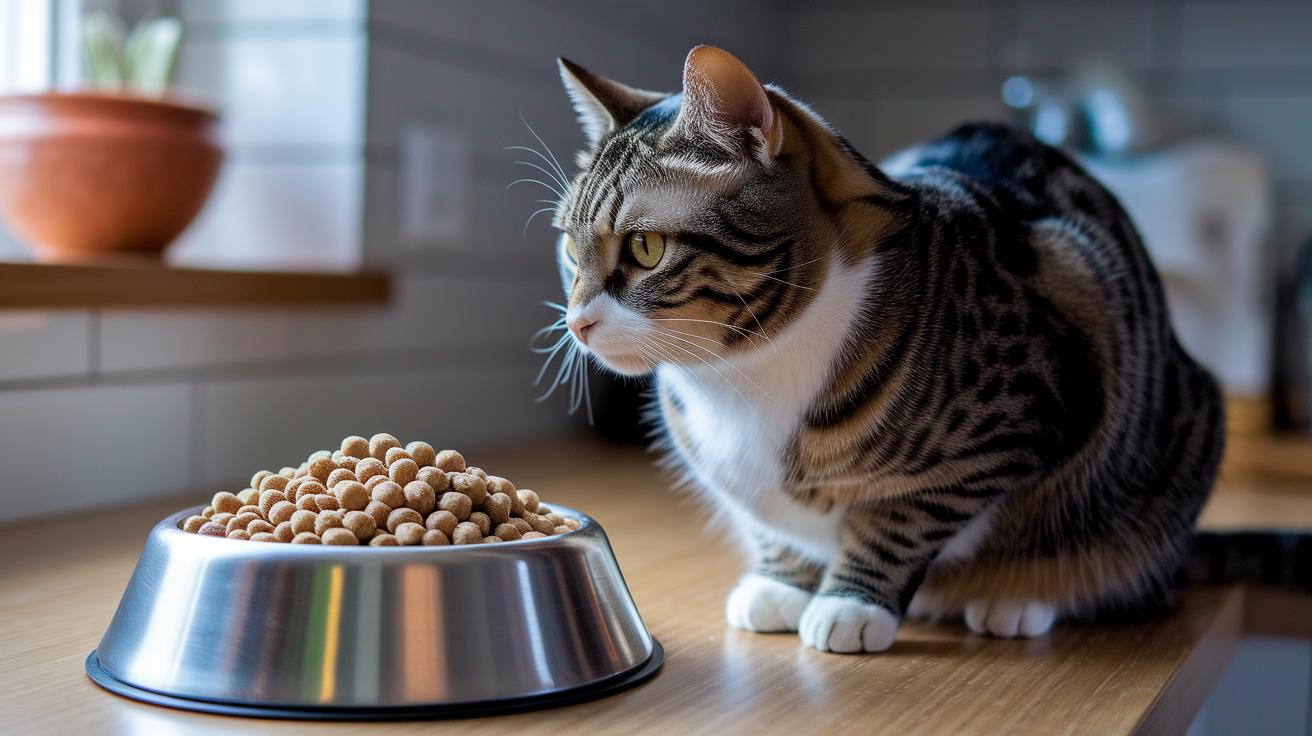
The day before your flight, go over your gear. Pack the essentials, double-check your pet’s ID details, and grab any extra supplies you might need. And remember, supporting local rescues is part of our mission. Visit the animal rescue donations page at GoodPawsGoodCause for more ways to help.

img-5.jpg

Most airlines let you bring one pet in the cabin if your pet carrier meets size and weight rules. We suggest you check your airline's chart before you travel. This ensures your pet can sit, stand, and lie down comfortably. Planning ahead can make check-in less stressful and help you avoid surprises.
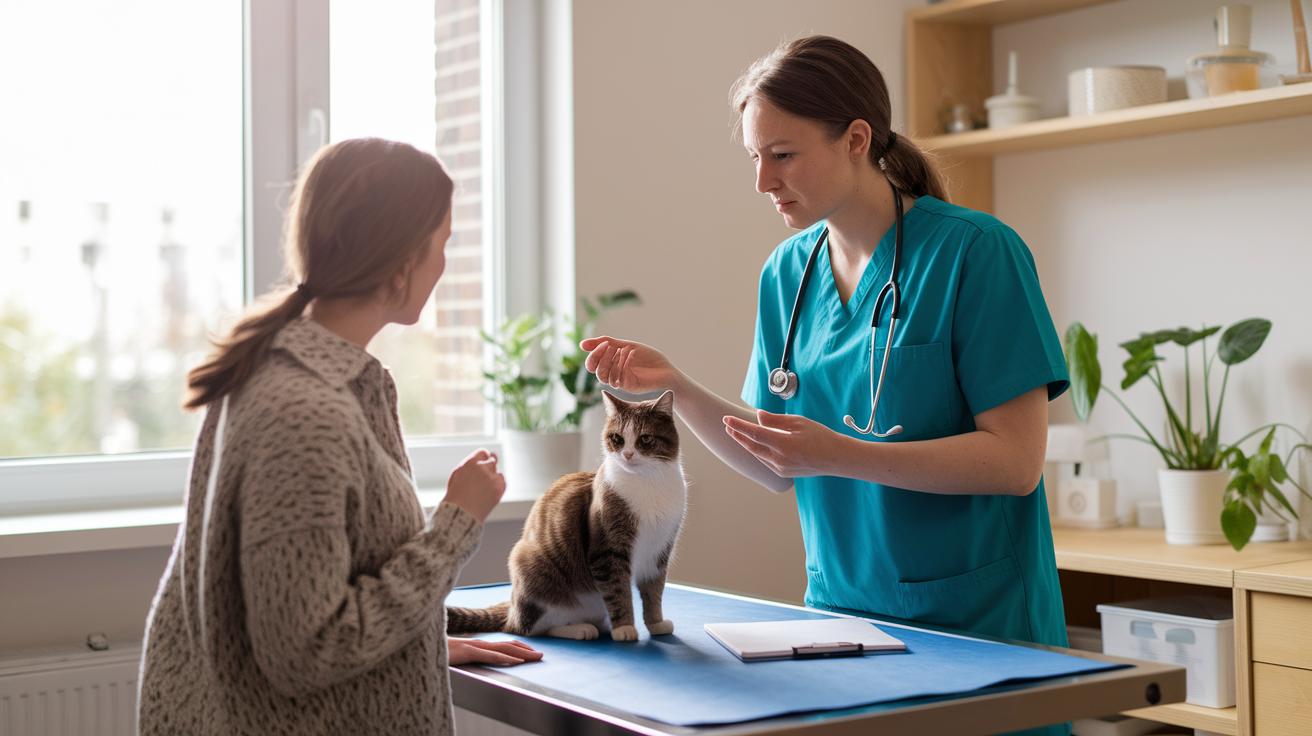
Airlines may add extra fees if your carrier is too big or if you have extra pet items. They might only accept certain kinds of payment too. It helps to confirm which cards work with your airline before your trip. That way, you can budget well and skip unexpected charges.

Sometimes there are extra rules for certain breeds. For example, French Bulldogs and other short-nosed breeds face stricter limits because of their shape. Check your airline's breed guidelines and ensure your carrier meets every size and safety rule. This extra step helps keep your pet safe and your travel smooth.

Tips for Ensuring Pet Comfort and Compliance During Flight

img-6.jpg

Start by picking a carrier that brings in fresh air and has soft padding. A carrier with mesh panels lets the air flow in, keeping your pet cool. Adding a favorite blanket or toy can also help calm your pet when they're in a carrier.

Place the carrier under your seat in a way that keeps it steady and easy to reach. Airlines design this spot so your pet can sit, stand, or shift a bit. Make sure the carrier is securely fastened so it stays still during takeoff and landing. This helps you quickly comfort your pet if they need a little care.

During the flight, check on your pet regularly. If it's a long flight, give them a small water break. When you land, remove the carrier gently so your pet can stretch and adjust. These simple steps can make a big difference in keeping your pet happy and relaxed throughout your trip.

Final Words

In the action, we talked about how following airline rules makes travel stress-free. We covered carrier requirements, design choices, and tips to ease pet discomfort during the flight. We explained why letting your pet acclimate to the space and checking airline policies is key to a smooth journey.
Remember, a quality airline approved pet carrier keeps your pet comfy and safe from check-in to landing. With a little planning and care, you ensure a pleasant trip that benefits both your animal and the shelters we support.

FAQ

What do airline approved pet carrier dimensions mean, and why do they matter?

Airline approved pet carrier dimensions refer to the specific measurements that allow your pet to stand, turn, and lie down comfortably. They ensure the carrier fits securely under the seat and meets the airline’s safety rules.

What features define the best airline approved pet carrier?

The best airline approved pet carrier combines comfort with durability and proper sizing. It includes secure closures, good ventilation, and sometimes extra features like wheels to make travel easier for both you and your pet.

How do airline approved pet carriers with wheels enhance travel?

Airline approved pet carriers with wheels are designed for easier navigation through airports. They meet size rules while offering smooth rolling, so you can transport your pet with less hassle and more convenience.

How do airline approved pet carriers differ for in-cabin travel, for cats, and for pets that might need to go in cargo?

Airline approved pet carriers for in-cabin travel are designed to fit under the seat while keeping your pet comfortable. Carriers for cats are usually cozy, and those for pets that might need cargo travel must meet stricter safety specs. Always check your airline’s rules for breed and weight requirements.

How do I know if a pet carrier is airline approved?

A pet carrier is airline approved if it meets the carrier dimensions and safety standards set by the airline. Look for specific measurements, secure closures, proper ventilation, and weight guidelines in the product details.

What is the largest size pet carrier that fits under an airplane seat?

The largest size pet carrier that fits under an airplane seat varies by airline. Typically, it adheres to strict dimensions. Always confirm the carrier’s size against your airline’s requirements to ensure a proper fit.

What airlines allow pets as carry-ons?

Most major airlines allow one pet per passenger as a carry-on if the carrier meets their specific size regulations. Confirm with your airline before travel to understand the policy details and any applicable fees.

How do I bring a larger dog, such as a 30 lb or 40 lb dog, on a plane using an airline approved carrier?

To bring a larger dog on a plane, use a carrier designed to meet airline size requirements while offering enough room for your pet to be comfortable. Always check the airline’s weight guidelines and reservation policies—some services even cater specifically to larger breeds.

Best Odor Control Cat Litter Boosts Home Freshness

0

Ever thought your cat's litter could be a secret odor fighter? If you have more than one cat, you may know that ammonia smells can stick around. We looked into litters that trap odors fast to keep your home cozy.

Here are some favorites:

  • Litters with moisture-activated probiotics (good bacteria that fight smells)
  • Natural walnut shell formulas made from real walnut shells

Each option helps freshen your space and makes cleanup a breeze. Read on to find the right litter that brings a breath of fresh air to your daily routine.

Leading Odor Control Cat Litters: Our Top Picks

img-1.jpg

We picked these cat litters because they do a great job clumping and neutralizing odors. They trap ammonia quickly so your home stays fresh. Pet parents trust them for their fast smell-fighting power and easy cleanup.

Choosing the right litter is especially important if you have more than one cat. For example, Naturally Fresh Ultra Odor Control uses a moisture-activated probiotic to tackle ammonia on contact. Its Multi-Cat Formula, made with walnut shells, works naturally to keep smells at bay. This means that whether you have one cat or many, your home will enjoy top-level odor control. Plus, cats themselves tend to like clumping litters, which makes scooping a breeze with choices like GreatLitter and Purina Tidy Cats.

We reviewed each option for its ability to control odors and keep your space fresh. There are clumping and non-clumping types at different price points. From fast odor elimination to gentle everyday freshness, there’s a great match out there for your cat’s comfort and your cleaning routine.

Product Key Odor-Control Feature Price Range Customer Rating
Naturally Fresh Ultra Odor Control Moisture-activated probiotic eliminates ammonia odors $20-$25 4.7/5
Naturally Fresh Multi-Cat Formula Walnut shells with natural counteractant $18-$22 4.6/5
Non-Clumping Pellet Litter Fights odors up to 7x more effectively $15-$20 4.4/5
GreatLitter High-performance clumping with advanced scent control $22-$28 4.8/5
Purina Tidy Cats Premium smell eliminator with trusted performance $19-$24 4.5/5

The Science Behind Odor Control Cat Litters

img-2.jpg

Modern odor control cat litters mix nature with clever science to banish bad smells. They use an all-natural recipe that is free of chemicals. Walnut shells soak up ammonia naturally, cutting down on strong odors. Probiotics and baking soda join forces to keep bacteria in check. Bentonite clay quickly forms clumps to lock in moisture, making clean-up a breeze and cutting down on dust. These formulas are backed by research, so you can trust they keep your cat safe while fighting odors.

Silica gel crystals grab extra moisture to keep the litter box drier, while biodegradable materials help lower smells without extra perfumes. This simple, chemical-free approach, boosted by baking soda, also helps stop bacteria from growing. The natural ingredients work together both chemically and physically to keep your home fresh. Many pet parents love that these litters tackle odors on many fronts to make a clean, welcoming space for their cats.

Key Natural Odor Fighters

Walnut shells are standout odor fighters because they soak up ammonia molecules well. Mixed with baking soda, they trap smelly gases and help keep your litter box fresh. These natural ingredients work together to cut down on odor buildup so you and your fur baby can enjoy a cleaner home.

Clumping and Mineral Technologies

Bentonite clay quickly forms solid clumps that lock in moisture, while silica gel crystals absorb extra dampness. This mix of minerals cuts down on dust and offers long-lasting odor control.

Comparing Clumping and Non-Clumping Odor Control Cat Litters

img-3.jpg

If you're on the hunt for a litter that controls odors, think about how you clean and what your cat likes. Clumping litter makes firm clumps that lock in smells, while non-clumping pellet litters use a strong formula to fight odors and keep dust and tracking to a minimum.

  • Odor control: Clumping litters form solid clumps to trap smells, while non-clumping types rely on a concentrated formula for up to 7× odor-fighting power.
  • Easy cleanup: With clumping litter, you just scoop out the soiled parts. Non-clumping litters might need a full change more often.
  • Dust and tracking: Clumping litters can create more dust, but non-clumping options usually keep the surrounding area cleaner.
  • Your cat’s taste: Many cats like the texture of clumping litter better than pellet or silica gel types.
  • Multi-cat homes: Non-clumping litters can be a good choice when you have several cats and need extra odor control.
  • Cost: Clumping litters may cost a bit more because they last longer with easy scoop-ups, while non-clumping litters are often more budget-friendly.

Your best pick depends on what matters most for you and your furry friend. If you love a quick scoop and your cat adores the texture, a clumping litter is a great match. But for busy days in a multi-cat home needing strong odor control without the mess, non-clumping pellets might be the way to go.

Sustainable Odor Control Cat Litters for Eco-Conscious Owners

img-4.jpg

Choosing eco-friendly cat litter not only keeps your home smelling fresh but also shows you care about our earth. When you pick a litter made from natural, renewable materials, you help reduce waste and lower your impact on the planet. Products built with biodegradable ingredients break down naturally, leaving less waste in landfills. Pet parents who love nature get the best of both worlds: great odor control and an eco-friendly choice.

Biodegradable and Compostable Ingredients:

Litters made with walnut shells, paper fibers, and plant starches break down naturally over time. These natural ingredients work hard to control odors while cutting down on waste. For example, walnut shells are leftovers from food production that fit perfectly into a zero-waste formula. This means the litter fights smells well and leaves behind less lasting residue.

Sustainable Packaging and Sourcing:

Many eco-friendly litters come in packaging that you can compost. They also follow earth-friendly methods every step of the way. Every element, from responsibly harvested wood pellets to safe cleaning solutions, is chosen with care. These thoughtful choices not only control odors but also help protect our planet for future generations.

Maintenance Tips for Optimal Odor Control Cat Litter Performance

img-5.jpg

Taking care of your cat's litter box each day helps keep odors at bay and makes sure your cat has a fresh spot to relax. We recommend scooping out clumps and waste once a day. This simple step stops ammonia buildup from making smells linger. Keep the litter about 2 to 3 inches deep. It works just like watering a garden, a little daily work makes a big difference.

Each week, give the litter box a closer look. Remove any stray bits and make sure the box stays neat. Check the litter level and add more if needed. If you're using a probiotic-based formula (natural helpers that fight odor), a steady routine keeps it working well.

Every 2 to 4 weeks, it's time for a deep clean. Empty the litter completely to get rid of any old smells and prevent bacteria from growing. Wash the box with mild soap and warm water. This extra care not only keeps your pet's area safe but also helps freshen the air in your home.

Balancing Budget and Performance in Odor Control Cat Litter

img-6.jpg

When picking a cat litter that controls odor, it helps to check both the cost and how well it works. Clay clumping litters run about $0.80 to $1.20 per pound. They last longer because you only scoop out the clumped, soiled bits. This means you might spend a bit more at first but save money as you only replace the messy parts. It works great if you want a litter that keeps your home fresh without changing the whole box every time.

Non-clumping pellets are a friendlier pick for your wallet at about $0.50 to $0.75 per pound. But remember, you may need to replace them more often. Silica gel options are priced around $1.00 to $1.50 per pound and need little weekly upkeep. Balancing how often you replace the litter with the starting cost helps you find a solution that fits your budget and keeps your cat's area smelling nice.

Expert and Pet Owner Reviews of Leading Odor Control Cat Litters

img-7.jpg

Our experts say clay-based clumping litters are great for keeping your cat comfortable and happy with their litter box. They also like the new moisture-activated probiotic formulas. These formulas help keep the air fresh and make cleaning easier.

Many pet parents agree. In surveys, 90% of owners with several cats reported they were happy with these litters. One pet parent said, "The fresh scent lasted all day and made cleanup a snap." Another shared, "Our home stays odor-free even with many cats."

Expert Accolade Customer Feedback
High ranking by veterinary panels 90% satisfaction in multi-pet homes
Innovative probiotic formulas enhance air quality “The fresh scent lasted all day, making cleanup a breeze.”

Final Words

In the action, this guide broke down top odor control cat litters, explained the science behind their scent-fighting power, and compared clumping formulas with dust-free performance. It also offered simple maintenance tips and budget-friendly choices. Good reviews from vets and pet owners help you trust your selection. With these tips, you can easily choose the best odor control cat litter that fits your needs and supports a better life for your pet. Keep your home fresh and your pet happy.

FAQ

What is the best odor control cat litter according to reddit and Consumer Reports?

The best odor control cat litter according to reddit and Consumer Reports often features clay‐clumping formulas like GreatLitter or Purina Tidy Cats that trap odors effectively, forming scoopable clumps for easy cleanup.

What litter is best for odor control while also being dust free?

The best cat litter for odor control and dust‐free performance uses advanced scent-neutralizing technology with low-dust formulas, ensuring minimal tracking while keeping your home fresh and clean.

What is the best odor control cat litter for automatic litter boxes?

The best odor control cat litter for automatic litter boxes is designed for smooth operation and typically uses pellet or specially engineered clumping formulas that work well with the box’s mechanism while neutralizing odors.

What is the best natural cat litter for odor control?

The best natural cat litter for odor control uses eco-friendly ingredients such as walnut shells or plant-based materials that naturally absorb odors without relying on synthetic fragrances.

What is the world’s best unscented cat litter?

The world’s best unscented cat litter is made for sensitive noses, using gentle, natural formulas that still effectively neutralize odors to keep your litter box fresh and inactive scents at bay.

How do I choose the best litter for odor control when I have multiple cats?

Choosing the best litter for multiple cats means opting for a strong odor-fighting formula with a low-tracking design, ensuring it can handle heavier use and reduce ammonia buildup in busy households.

What cat litter works best for controlling urine smell?

The best cat litter for urine smell typically uses clumping formulas with natural absorbents that quickly lock in moisture and neutralize ammonia, helping to keep urine odors under control.

How can I stop cat litter—and my house—from smelling?

To stop cat litter and your house from smelling, scoop daily, maintain a proper litter depth, and replace the litter on schedule. Adding a natural odor neutralizer can further help control ammonia buildup.

Animal Rescue Donations Spark Hope And Change

0

Have you ever wondered if a small donation can make a big difference? It truly can, especially when it comes to helping rescue animals. Every dollar helps to feed hungry pets, provide a safe shelter, or pay for treatments that save lives. With every digital receipt and update, you can see exactly how your support matters. Our simple guide shows you how to donate and shares real stories that warm your heart. Discover how your generous gift can brighten the future for animals in need.

Streamlined Steps for Animal Rescue Donations

img-1.jpg

Donating to animal rescues lets you make a real difference in a pet's life. You can give a one-time donation when a rescue needs extra help or set up regular donations that provide steady care every month.

Many donation sites keep it simple. You can use your credit card, PayPal, mobile wallet, or shop-to-give methods. Some even show a little timer to remind you when you can donate again. Once you donate, you get a digital receipt and tax info sent straight to your email.

  1. Choose a rescue group or campaign
  2. Pick a one-time gift or recurring donation
  3. Enter your personal and payment details
  4. Check and confirm your donation
  5. Receive your digital receipt and tax documents
  6. Sign up for updates or volunteer opportunities

After donating, check your email for news and updates. You might get reports showing how your gift helps with food, shelter, and medical care. These updates keep you in the loop and might even invite you to see success stories or get involved further.

Animal Rescue Donations Spark Hope and Change

img-2.jpg

When you see how your donation is used, you know it makes a real difference. You can tell that every dollar goes to helping pets get treatments, healthy food, a safe shelter, and extra care. This clear plan builds trust between you and the rescues.

Allocation Area Percentage Description
Medical Treatments 40% Surgeries, vaccinations, emergency care
Food & Nutrition 30% Quality pet food and dietary supplements
Shelter Operations 20% Facility maintenance, utilities, kennel upgrades
Administration 10% Staff, fundraising, outreach materials

We also share our yearly reports so you can see the impact of every dollar. These easy-to-read charts show how funds cover emergency care and daily shelter needs. This detailed look proves that your generous gift brings hope, drives change, and helps keep our furry friends safe.

Selecting Reputable Animal Rescue Organizations for Donations

img-3.jpg

Accreditation is a simple way to see if you can trust a rescue. Rescues with BBB or GuideStar certifications show they meet strict standards. They usually keep their costs low, often under 15%, so most of your donation goes straight to pet care. When a rescue shares its annual reports, you know every dollar is tracked and used wisely. It is just like checking the label on your pet food.

It also helps to read the rescue's mission statement and review their reports. Look for clear goals and real success stories on their website. Online reviews from other pet parents add extra trust. When these reviews match the mission and numbers, you can be sure you are choosing a reliable rescue.

Many brands now donate part of their product sales to shelters that have been carefully checked. You might see a note saying "A part of this purchase helps local rescues." You can check this by reading the product details or asking customer support for more information. This little note shows that the promise is real and follows strict guidelines.

When you are unsure, look for lists like "26 Pet Charities for Giving Tuesday." These lists gather only trusted options so you can compare them easily. With clear criteria in place, you can feel good knowing your donation helps rescue animals and supports a system of care.

Digital and Online Channels for Animal Rescue Donations

img-4.jpg

Direct website donations are easy and safe. When you visit a rescue site, you usually see a clear donate button. The site shows simple steps to give a one-time gift or sign up for recurring donations. They explain where your money goes so you know your help counts.

Other sites, like popular crowdfunding platforms, bring a friendly sense of community. They often share donor comments and proof of impact so you can see the difference your gift makes. A call to action like "Click the donate button now and make a difference" invites you to join in right away.

Social media campaigns and retail-to-donate programs provide fresh ways to help. Social media fundraisers let you team up with other pet parents for more visibility. Retail programs let you give a little extra when you shop. And don't forget to check for matching campaigns that can double your impact. For example, a matching offer might say, "Your gift now helps rescue twice as many animals." This makes your donation even more valuable.

Maximizing Tax Benefits from Animal Rescue Donations

img-5.jpg

When you give to a charity that the IRS recognizes as a 501(c)(3) rescue, your gift may lower your taxable income if you list your deductions. In plain words, if you itemize, you can subtract your donation amount from what you owe in taxes. To get this benefit, check that the charity shows its tax ID and certification clearly. Always hang on to your donation receipt. It should list the date, amount, and the charity’s tax ID. For instance, a receipt might say, "Donation received on 03/15 for $50, Tax ID 12-3456789." This receipt is the proof you need when you file your taxes.

Many companies help make giving even more rewarding with matching gift programs. That means your company may add the same amount you donate, doubling your support. To use this benefit, ask your human resources team or benefits manager about the process. They can tell you which forms to fill out. And don’t forget to include a copy of your donation receipt. Keeping good records of the date, amount, and any emails or letters about your matching gift makes things easier for tax time and when your employer reviews your submission. This simple step not only helps you stay organized but also ensures you receive every tax and matching gift benefit available.

Compelling Impact Stories from Animal Rescue Donations

img-6.jpg

Storytelling matters. When we share real-life examples of how your donations change lives, you feel a personal connection. Picture a volunteer saying, "Before I helped, I saw how one donation saved a life." These stories show that every little dollar helps turn sadness into hope for our furry friends.

There is a global story from the Fly Pets to Freedom mission. In this mission, kind donors helped move animals from dangerous areas. Rescuers worked together with care and planning to make it happen. Every small contribution helped save lives and prove that your gift truly makes a difference.

In 2023, a local campaign made headlines. Many caring pet parents gave small donations, raising $50K for emergency surgeries at a community clinic. This campaign was all about neighbors helping one another when pets needed urgent care. Every donation proved that when we come together, big changes happen for our animal friends.

Innovative Ways to Support Animal Rescue Donations

img-7.jpg

There are many creative ways to help animals beyond just writing a check. You can make your donation an engaging act that benefits both you and the rescues.

Try sponsoring kennel care. Your gift covers a pet's daily needs, and you'll get regular updates on how they're doing. Or, why not set up a virtual fundraiser? It’s a fun way for pet parents to come together and brainstorm small actions that help animals in need.

You could also host a "Paws for a Cause" event. Picture a local gathering where supporters enjoy an evening out, and part of what you raise goes straight to rescue groups. Another idea is to donate supplies from a shelter's online wish list. This way, you give exactly what they need for their animals.

And don't forget about corporate matching days. On these days, your donation can be doubled by your employer, which is a simple way to increase your impact. These fresh ideas help build lasting support for animal rescue missions while making the giving experience more interactive and heartwarming.

Final Words

In the action, we walked through clear donation steps, explained fund allocation, and showed how to choose trusted rescue organizations. We covered digital giving, tax benefits, and shared real impact stories that warm the heart. Each section reminds us that animal rescue donations help make a big difference. Your support simplifies pet care while fueling ethical change. Every step you take supports a brighter future for animals in need. Keep moving forward, every gift counts and creates a ripple of hope.

FAQ

Animal rescue donations near me

Animal rescue donations near me mean finding local charities that help pets. Look for groups with good reviews and clear reports on how funds are used to support shelter and rescue work.

How do animal rescue donations drop off work?

Animal rescue donations drop off allow you to bring cash or supplies to designated locations. Check the charity’s website or call ahead to learn their hours and accepted items.

What are the worst animal charities to donate to?

Worst animal charities typically lack transparency and spend a large share on overhead. Research reviews, check for accreditation, and review financial reports to avoid organizations with poor fund allocation.

What are the best animal charities to donate to, and which is the best animal rescue charity?

The best animal charities use clear financial reports and proven impact stories. Look for groups with strong accreditation, low overhead, and visible mission outcomes to ensure your donation truly helps pets.

What is ASPCA animal rescue and how can I donate by mail?

ASPCA animal rescue supports various pet protection services. To donate by mail, send a check to the address on their website with your contact information so your gift goes directly to their animal care programs.

Which national animal rescue organizations can I support?

National animal rescue organizations include groups like the Humane Society of the United States and Best Friends Animal Society. These organizations are well-known for their impact and clear fund allocation.

What is the most needed item to donate?

The most needed item to donate varies by shelter. Often, cash donations, pet food, and medical supplies are in high demand because they offer the most flexibility to meet immediate rescue needs.

How much of your donation to ASPCA actually goes to the animals?

How much of your ASPCA donation reaches animals varies. Reputable charities post annual financial reports showing clear breakdowns, so you can see what percentage directly funds animal care.

Does Oregon Humane Society take donations?

Oregon Humane Society does take donations. Visit their official site or call to learn about current donation options, including drop offs and mailing instructions, to support their rescue efforts.

How do PETA donations work?

PETA donations help fund animal rights campaigns and rescue initiatives. You can donate online, by mail, or at events. Check their website for the most current and secure donation options available.

What are the best dog charities to donate to?

Best dog charities focus on rescue, rehabilitation, and adoption services. Research each group’s reports and reviews to ensure your donation supports transparent, dedicated efforts to help dogs in need.

How are MSPCA donations used?

MSPCA donations support animal welfare programs, including rescue operations, medical care, and shelter services. Their official site explains donation options and details how funds are allocated to help improve pets’ lives.

How do donations support the Humane Society of the United States?

Donations to the Humane Society of the United States fund emergency care, rescue missions, and advocacy work. Their annual reports provide detailed breakdowns, ensuring you know how your gift benefits animal welfare.

How do Best Friends Animal Society donations make an impact?

Best Friends Animal Society donations fund nationwide rescue, spay/neuter programs, and adoption services. Their transparent allocation and success stories show how small gifts build a big difference in saving animal lives.

Best Rat Cages For Happy Furry Friends

0

Have you ever thought about whether your pet rat has the perfect home? We know a safe, roomy cage makes your little friend happier and healthier. Just like the right food, the right space is important too. In our review, we look at rat cages that give plenty of room, have well-spaced bars, and are built to last. We'll show you why these features matter and how they help create a cozy nest for your furry buddy. Let's find the best cage to keep your pet safe and content.

Top-Rated Rat Cages Reviewed for Safety, Space, and Durability

img-1.jpg

Choosing a rat cage means giving your pet a home that is safe, roomy, and built to last. Experts say each rat should have at least 2.5 cubic feet of space. Many pet parents go for 5 cubic feet for extra play and rest time. Imagine your furry friend having a place to build a nest and run around without bumping into things.

Here are some key points to remember:

  • Space: Each rat needs at least 2.5 cubic feet, and 5 cubic feet can make your pet feel even more at home.
  • Bar Spacing: Look for cages with bars no more than 0.5 inches apart. For baby rats, choose about 3/8 inches. This helps keep them safe.
  • Bar Orientation: We prefer horizontal bars because they make climbing easier and feel more natural.
  • Materials: Skip cages with wood parts since they soak up liquids and are hard to clean. Metal or plastic is best for keeping things clean and sturdy.

Also, pick a cage that has removable trays or wide doors. This makes cleaning easy and helps keep the cage safe even during lots of play. In short, a good rat cage offers a secure, spacious, and durable home for your happy little pet.

How to Choose the Right Rat Cage: Size, Bar Spacing, and Material

img-2.jpg

When choosing a cage for your pet rat, it's important to build a safe and fun home for your little friend. Here are some key points to consider:

  • Space: Each rat should have about 2.5 cubic feet of room, but if you can give 5 cubic feet per rat, that's even better. Think of it as a mini playground for your furry buddy.
  • Bar Spacing: Make sure the gaps between the bars are small. They should be no wider than 0.5 inches. For rats younger than 6 months, a gap of 3/8 inches is best to keep them secure.
  • Bar Orientation: Look for cages with horizontal bars. These help your pet climb and exercise naturally.
  • Materials: Avoid wood because it soaks up liquids and is hard to clean. Metal bars and plastic trays work best for a safe and clean environment.
  • Ventilation: A good airflow is important to keep the cage cool and dry. This helps control odors and gives your rat plenty of fresh air.
  • Cleaning Features: Choose a cage with removable trays and wide doors. This makes daily cleaning and deep cleaning much easier to manage.

In-Depth Reviews of the Best Rat Cage Models

img-3.jpg

Model Capacity Bar Spacing Key Feature
Double Critter Nation 31.5 cf (6 rats) Not specified Double doors, locking ramp, wheels with locks, undertray storage
Ferplast Ferret Tower Up to 13 rats Not specified Extra-deep tub for easy cleaning
Rat Manor Ideal for 2–3 baby rats 3/8 inches Collapsible design
Pawhut Small Cage Up to 4 rats 0.75 inches Built-in handles for easy transport and cleaning
Mcage Large Customizable space Not specified Removable shelves & bottom wire with a litter drawer

Our table gives you a clear look at the best rat cages we like. These picks were chosen because they have smart designs that help make life easier for you and your pets. If your rats love to run around, the Double Critter Nation offers plenty of room with double doors for quick access, a locking ramp to keep them safe, and undertray storage to ease cleaning.

If you have a larger rat family, the Ferplast Ferret Tower can hold up to 13 rats. It comes with an extra-deep tub that helps you clean much faster. If you are just starting with little ones, the Rat Manor works great. It has a safe 3/8-inch bar spacing and a collapsible design that fits well in small spaces.

The Pawhut Small Cage is a solid choice if you have a few rats. Its built-in handles make it easy to move and clean. And if you like to change your setup, the Mcage Large lets you adjust the space with removable shelves and a bottom wire. It even has a litter drawer to keep things tidy.

Each of these cage designs is built with care. They give your pet rats a secure, spacious, and fun home while making your day a bit easier.

Comparing Rat Cage Materials: Metal, Plastic, and Wooden Alternatives

img-4.jpg

Metal cages are built tough and can last a long time. They usually come with finishes that resist rust, which makes cleaning easier. You can wipe the bars with mild soap and water each day so they stay clean and safe. It helps to check them regularly for any signs of wear. A quick wipe with a soft cloth and a pet-safe cleaner keeps everything shiny and hygienic.

Plastic trays and bases are very light and simple to remove for cleaning. You can quickly rinse away any debris, which makes your daily clean-up easier. However, scratches in the plastic can hold bacteria. It’s a good idea to inspect the plastic parts often and smooth out any small grooves. If you see deeper scratches, it might be best to replace that piece to keep your rat's home safe.

Wood is not the best choice for the main structure of a rat cage. Wood soaks up moisture, which makes it hard to fully clean. Damp spots can lead to mold or mildew, so cleaning becomes a bigger job. Wood might look nice for a DIY project, but it needs special sealants and extra care that might not keep up with regular cleaning needs.

Maintenance and Hygiene for Long-Lasting Rat Cages

img-5.jpg

A clean cage makes your rat happy and healthy. Every day, spend a few minutes wiping away spills and messes with a pet-safe cleaner. For example, if some bedding is left behind after your rat molts, a quick clean stops the mess from building up.

Plan a deep clean each week using a non-toxic disinfectant. Open all doors or remove trays so you can reach every part of the cage. This helps you get into every corner without obstacles from blocking bars.

Keep extra bedding and supplies in an undertray storage area. That way you won't get in the way while cleaning. Once the surfaces are completely dry, add back fun items like ladders, hammocks, or little platforms. Only return these when the cage is moisture-free.

A regular cleaning routine keeps germs at bay and makes sure your rat's space is always inviting for play and rest.

Budget-Friendly and DIY Rat Cage Solutions

img-6.jpg

When you shop for rat cages, you don’t have to spend a lot to keep your pet happy. There are great choices like the Rat Manor. It fits 2–3 young rats and is light enough to move around, which many pet parents love. You might also check out the Pawhut Small Cage. It has built-in handles that make moving and cleaning easier. For smaller households, the Prevue Pet Cage is a smart, low-cost pick for 2 rats.

Here are some wallet-friendly options to consider:

  • Rat Manor: A simple, easy-to-move cage perfect for young rats.
  • Pawhut Small Cage: Comes with handles so you can move and clean it quickly.
  • Prevue Pet Cage: Offers a secure space for 2 rats without a big price tag.

If you like DIY projects, you can create a safe temporary home for your rat. Try using hardware cloth (a strong metal mesh) and PVC pipes for the frame. You could also repurpose birdcage shelves or wooden frames. Just make sure the bars are spaced correctly and the materials are non-toxic. This way, you get a custom space that is safe and budget-friendly for your furry friend.

Final Words

In the action, we covered top-rated rat cages for safety, space, and durability. We broke down how to choose the right enclosure, from size and bar spacing to materials and easy cleaning features. We also compared metal, plastic, and wood options and shared tips on maintaining hygiene and staying on budget. Each section gave you clear guidance to make an informed decision. Remember, selecting the best rat cages can help create a secure and cozy living space for your little pets. Enjoy setting up a safe and happy home!

FAQ

Q: What type of cage is best for rats?

A: The best rat cage gives your pets enough space (at least 2.5 cubic ft per rat), secure metal bars with safe spacing (no more than 0.5 inches), sturdy design, and easy cleaning with features like removable trays.

Q: What are some recommended rat cage setups for different numbers of rats?

A: The best setups match your rats’ needs. For 2 rats, choose a compact, secure design; for 4 rats, look for extra space and climbing bars to keep them active and comfortable.

Q: What are good budget-friendly rat cages?

A: Budget-friendly cages offer must-have features like safe bar spacing, good ventilation, and easy access for cleaning without extra fancy add-ons, ensuring your rats stay safe without a high cost.

Q: What are the popular Critter Nation and similar rat cage models?

A: Critter Nation models—like the Midwest Homes Critter Nation Double Unit, Midwest Deluxe Single Unit, and related add-ons—offer plenty of room, secure doors, and versatile design features that many pet parents appreciate.

Q: What is unique about the Kaytee rat cage?

A: The Kaytee rat cage stands out with its sturdy design, secure latches, and proper ventilation, giving your rats a safe, comfortable space for play and rest.

Q: How do top-rated rat cages on Reddit compare?

A: Reddit reviews favor cages that offer ample space, durability, and ease of cleaning. They often point to features like horizontal climbing bars and secure, well-spaced metal construction for active rats.

Q: Do rats prefer water bottles or bowls for hydration?

A: Rats do well with water bottles that prevent spills, but some may drink more easily from bowls. Your choice should depend on ease of cleaning and your pets’ daily habits.

Q: Do rats prefer light or dark environments?

A: Rats feel safer in dim or dark spaces that mimic their natural burrows. Offering cozy hideaways and shaded corners helps them relax and feel secure at home.

Q: Can I leave my rats alone for 3 days?

A: Leaving rats alone for 3 days means ensuring they have enough food, fresh water, and a secure environment. Ideally, arrange for a pet neighbor to check on them to be safe.

Q: What defines a large rat cage and why might you choose one?

A: A large rat cage provides extra room for play, climbing, and nesting. More space offers better enrichment, helping your rats stay active, curious, and happier overall.