Home Blog

Best Organic Dog Treats: Pure Joy For Pets

0

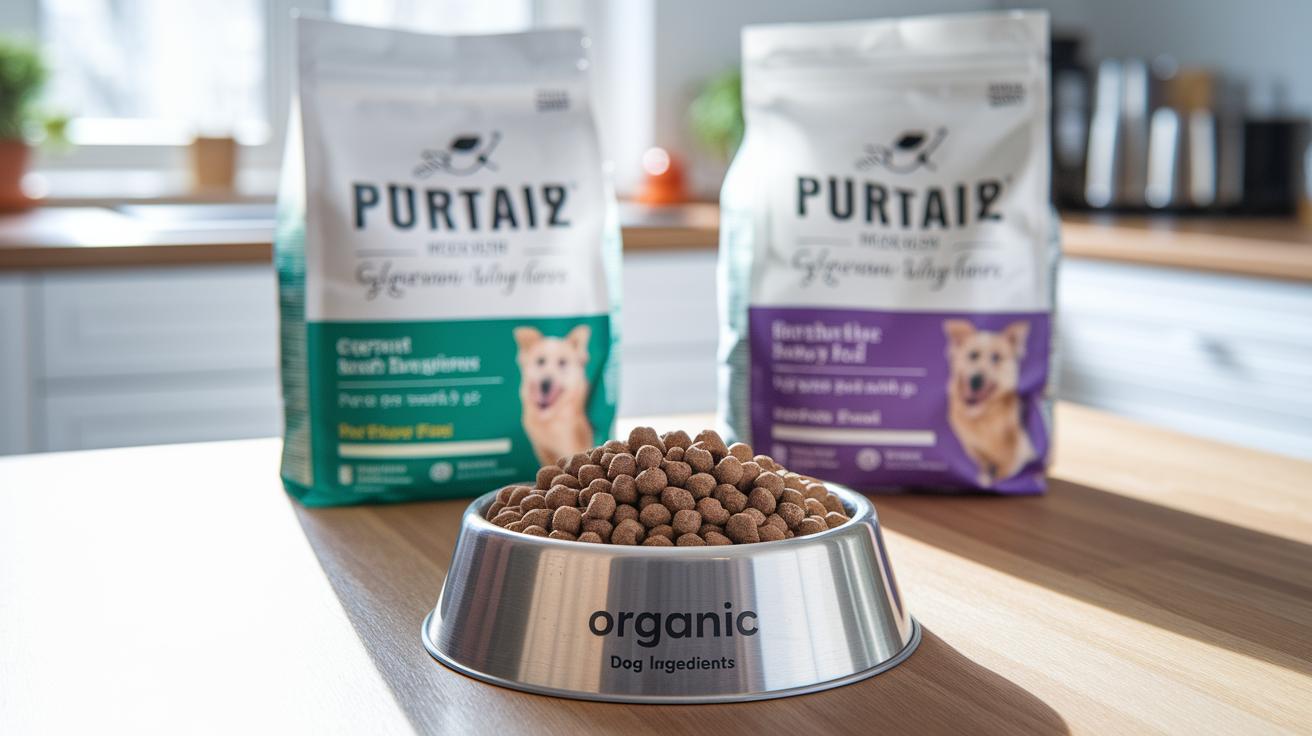
Ever notice your pup seems a bit uninterested in his treats? It might be because the treats lack the natural goodness he loves. Organic dog treats are made with simple, natural ingredients and no fake additives or GMOs (ingredients changed in a lab). They deliver pure flavor and help soothe sensitive tummies while keeping joints comfy. Every bite feels like a little burst of joy. In this post, we share our favorite organic treats that taste great and keep your furry friend happy and healthy.

Best Organic Dog Treats: Pure Joy for Pets

Organic dog treats give your pup a tasty reward without any nasty extras. They are made with no artificial ingredients, pesticides, or GMOs. These treats are great for pups with allergies, sensitive tummies, or joint aches. The recipes use simple ingredients like organic chicken, oats, sweet potatoes, pumpkin puree, banana, and peas. These yummy bits offer vitamins and minerals that help with digestion, joints, and overall health.

Here are our top picks for best organic dog treats:

  • Newman's Own Organic Dog Treats
    We love these treats for their mix of sweet potato and peanut butter. They are USDA-certified and made with real ingredients that pack a nutritional punch.

  • Castor & Pollux ORGANIX Dog Cookies
    These cookies are USDA-organic, wheat-free, and sugar-free. They provide a nice crunch without any extra additives that might upset a sensitive tummy.

  • Full Moon Organic Human-Grade Dog Treats
    With human-grade ingredients, these treats skip artificial preservatives. They are a perfect choice if you want the purest snack for your furry friend.

  • Sojos Organic Dog Treats
    Known for being grain-free and only lightly processed, these treats offer a light, tasty option that supports a balanced diet without too many calories.

  • Whimzees Natural Dental Chews
    These chews are more than just a treat. They help clean your pup's teeth by reducing plaque and tartar while serving up a naturally delicious snack.

With these top picks, you can feel good about giving your pet treats that are healthy and made in the USA. Each treat brings a bit of extra joy along with its nutritional benefits.

Criteria for Choosing the Best Organic Dog Treats

img-1.jpg

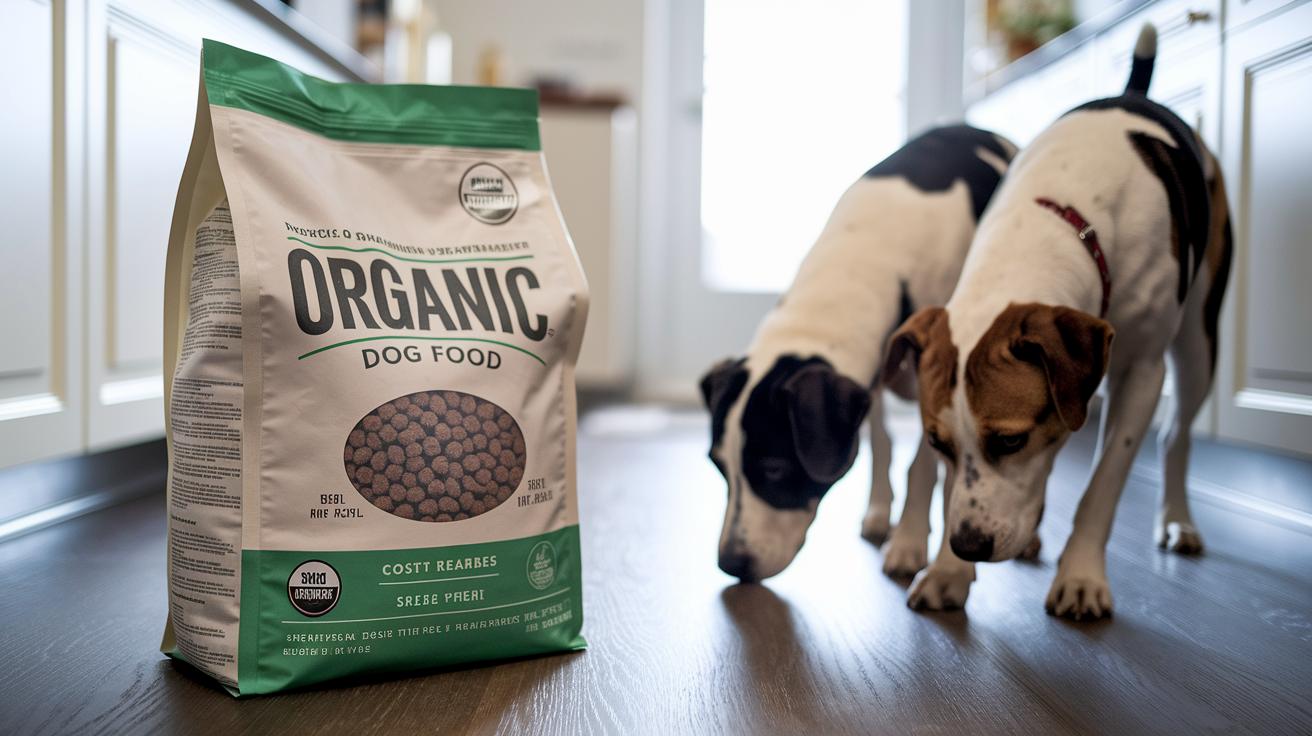
When you choose organic dog treats, you want the best for your furry friend. Look for the USDA Organic Seal. It shows that the ingredients come from farms that steer clear of synthetic pesticides. You also want a clear list of main ingredients like organic chicken and pumpkin. This helps you be sure exactly what your pet is eating, with no hidden junk.

Here are some easy tips to follow:

  • Find labels that list the main ingredients.
  • Skip treats with wheat flour and added sugars.
  • Choose products that have third-party testing claims.
  • Look for certifications like USDA Organic, Non-GMO Project Verified, or grain-free markings.

Also, think about how the treat was made. Sustainable sourcing and gentle processing help keep the food's natural nutrients and protect our environment. When you pick a treat that meets these standards, you give your pet a chemical-free snack made from whole foods. Plus, every bite is a little promise of care for your pet’s health.

USDA Organic & Non-GMO Standards in Dog Treats

When you choose dog treats, look for the USDA Organic Seal and the Non-GMO Verified label. The USDA Organic mark shows that the treats come from farms that use natural methods and skip unwanted chemicals like synthetic pesticides and fertilizers. That means there are no artificial additives in your pet's treat.

The Non-GMO Verified label tells you the ingredients haven't been changed by genetic engineering. You can feel good knowing you're giving your pet a treat made with care. Plus, these labels show that the treats were made using farming practices that protect our soil, save water, and cut down on pollution. It’s like giving a little thank you to nature with every bite.

Comparative Review: Leading Organic Dog Treat Brands

img-2.jpg

We know how much you care about your pup's health. Here’s a friendly side-by-side look at top organic dog treat brands. This guide helps you find a healthy snack that feels just right for your furry friend.

Brand Ingredients & Features Certifications Price Range Targeted Benefits
Newman’s Own Organic Dog Treats Organic sweet potato and peanut butter blend USDA-certified $8–$12 per bag Vet-approved bites with a balanced taste
Castor & Pollux ORGANIX Dog Cookies USDA Organic, wheat-free, non-GMO, no added sugar USDA Organic $10–$15 per bag Natural biscuits for pups with sensitive tummies
Full Moon Organic Human-Grade Dog Treats No artificial preservatives; made with ingredients safe for us too Human-grade quality $12–$18 per bag Crisp treats that support overall well-being
Sojos Organic Dog Treats Grain-free and lightly processed Meets USDA Organic standards $9–$14 per bag Grain-free snacks perfect for daily rewards
Whimzees Natural Dental Chews All-natural chews that help clean teeth Quality-controlled natural formula $13–$20 per bag Reduces plaque and tartar for a healthy smile

Each option here meets strict organic standards while offering something unique for your dog. Newman's Own is loved by many pet parents for its tasty, wholesome blend. Castor & Pollux offers gentle biscuits made just for pups with sensitive systems. Full Moon focuses on human-grade quality with no artificial additives, perfect if you seek the purest treats. Sojos uses natural, grain-free ingredients that work well as a daily snack. And Whimzees stands out by helping keep your dog's smile bright with dental benefits.

For more tips on treats that work well during training, check out our guide: Dog Training Treats.

Specialized Functional Organic Dog Treats for Health

These treats are more than just a snack; they help your dog feel great inside and out. They use real, targeted ingredients that support your pet’s well-being. The probiotic bites work like a gentle boost for your dog's digestion, kind of like a little snack after a big meal. Check out our guide on Probiotics for Dogs for more info.

Our collagen chews use UC-II (a special type of collagen) to help ease joint inflammation and promote smoother movement. This means even the most energetic pups can enjoy more playtime without discomfort.

We also add herbal and botanical blends to support a shiny coat and calm skin. These chews are not only tasty but also help maintain a healthy look. And with lean ingredients that give energy without extra calories, these treats are a smart pick for keeping your dog nimble and fit.

Overall, these organic treats pack nutrients that care for your dog’s tummy, joints, skin, and whole body.

DIY Organic Dog Treat Recipes for Homemade Snacks
img-3.jpg

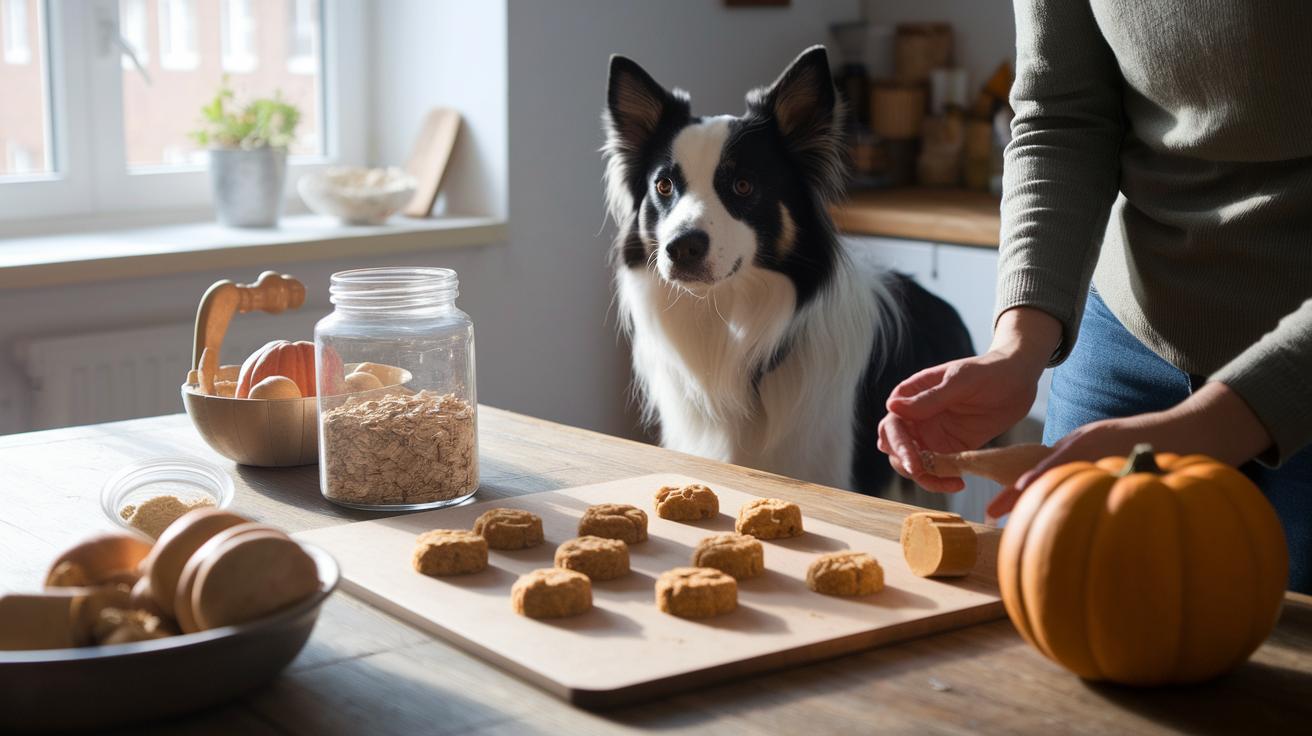
Here are two simple recipes to treat your dog to homemade, all-natural snacks. These recipes use just a few wholesome ingredients, perfect for pet parents who love making healthy treats at home.

Pumpkin Bites are full of fiber to help your dog's digestion. Mix these ingredients:

  • 1 cup organic pumpkin puree
  • 1 cup oat flour
  • 1 egg

This blend makes a soft, chewy treat that soothes your dog's tummy while keeping things pure and simple. The pumpkin adds moisture and a naturally tasty flavor, and the egg helps everything stick together.

For a nutty twist, try Peanut Butter Oat Cookies. You’ll need:

  • ½ cup natural peanut butter
  • 1 cup oat flour
  • ½ banana, mashed well

These cookies skip added sugars and wheat flour, so they remain truly organic. Use USDA-certified organic items when you can and avoid fillers to keep the recipe all-natural.

Both recipes are easy to make and a fun way to share a healthy, homemade snack with your pet. Enjoy the process and have fun baking treats that celebrate your pup's bright, happy smile.

FAQs on Best Organic Dog Treats

  • Are organic treats worth the cost?
    Yes, they sure are. Organic treats pack in plenty of nutrients and help cut down on allergens. Many pet parents say these treats help their dogs with digestion and overall well-being. Plus, they're made with sustainable farming practices that care for our planet.

  • How many treats should I give per day?
    A smart rule is to let treats be 5-10% of your dog's daily calories. This can change depending on your dog's size and how active they are. Think of these treats as a little bonus to their regular meals, not a full meal on their own. If your dog is small or has a sensitive tummy, you might want to give only a few treats.

  • What are the best storage practices for organic dog treats?
    Keep your treats in a cool, dry spot to maintain their freshness. If you make your own treats, it helps to store them in the fridge so they keep their texture and flavor. This way, every bite stays safe and tasty for your pet.

Final Words

In the action, we explored top picks and key tips for choosing safe and tasty treats. We broke down certifications, ingredients, and even DIY recipes that put pet health first. The guide makes it easy to spot treats free from artificial additives and full of natural goodness. This post shows that finding the best organic dog treats can be simple and supportive for your pet's well-being. Every purchase also helps local rescues, making care for your pet and support for shelters go hand in hand. Enjoy snack time with your buddy!


FAQ

What are the best organic dog treats for small dogs?

The best organic dog treats for small dogs use high-quality, USDA-certified ingredients that don’t include artificial additives. They are often grain-free and gentle on small stomachs, helping sensitive pups enjoy safe snacks.

How can I make homemade organic dog treats?

The idea of homemade organic dog treats means using simple, natural ingredients like oat flour, organic pumpkin puree, or natural peanut butter. These recipes allow you to control added sugars and support your dog’s digestion.

What are the top healthy organic dog treats available?

The top healthy organic dog treats combine natural ingredients like organic chicken, sweet potato, and oat flour with USDA organic and Non-GMO certifications. They are designed to support digestion, joint health, and overall well-being.

Where can I find organic dog treats like Grandma Lucy’s near me?

Finding organic dog treats like Grandma Lucy’s means checking local pet stores or trusted online retailers. Look for clear organic labels and USDA certifications to ensure safe and quality treats.

What are the best natural and healthiest treats for my dog?

The best natural treats for your dog include products made with organic oats, pumpkin, and naturally sourced fruits. They offer vitamins and minerals while meeting strict USDA Organic and Non-GMO standards for quality.

Can my dog have cottage cheese?

Cottage cheese is generally safe in small amounts. It provides protein and calcium, but choose low-fat versions and introduce gradually to prevent digestive upset.

What fruits are good for dogs?

Safe fruit options for dogs include apple slices (seedless), blueberries, and bananas. These fruits offer vitamins and fiber without the high sugar content of some other fruits.

Diy Hamster Wheel Repair For Speedy Results

0

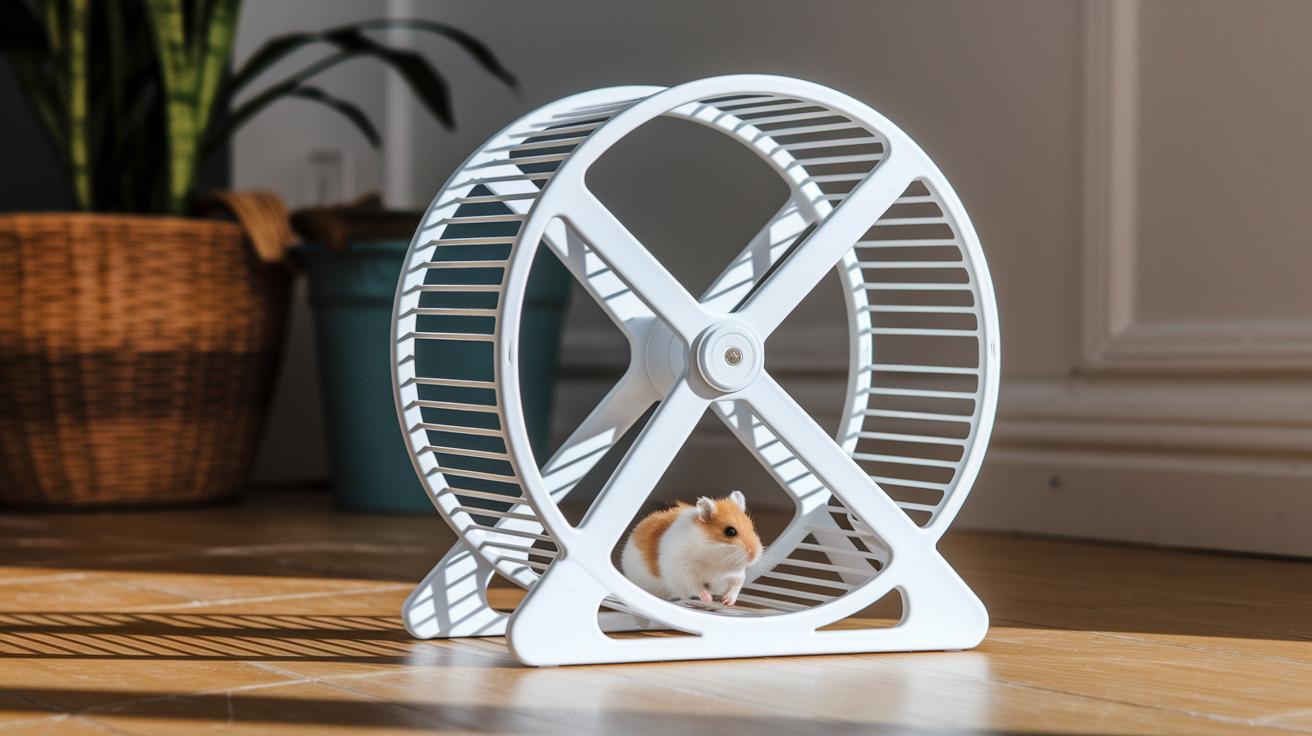
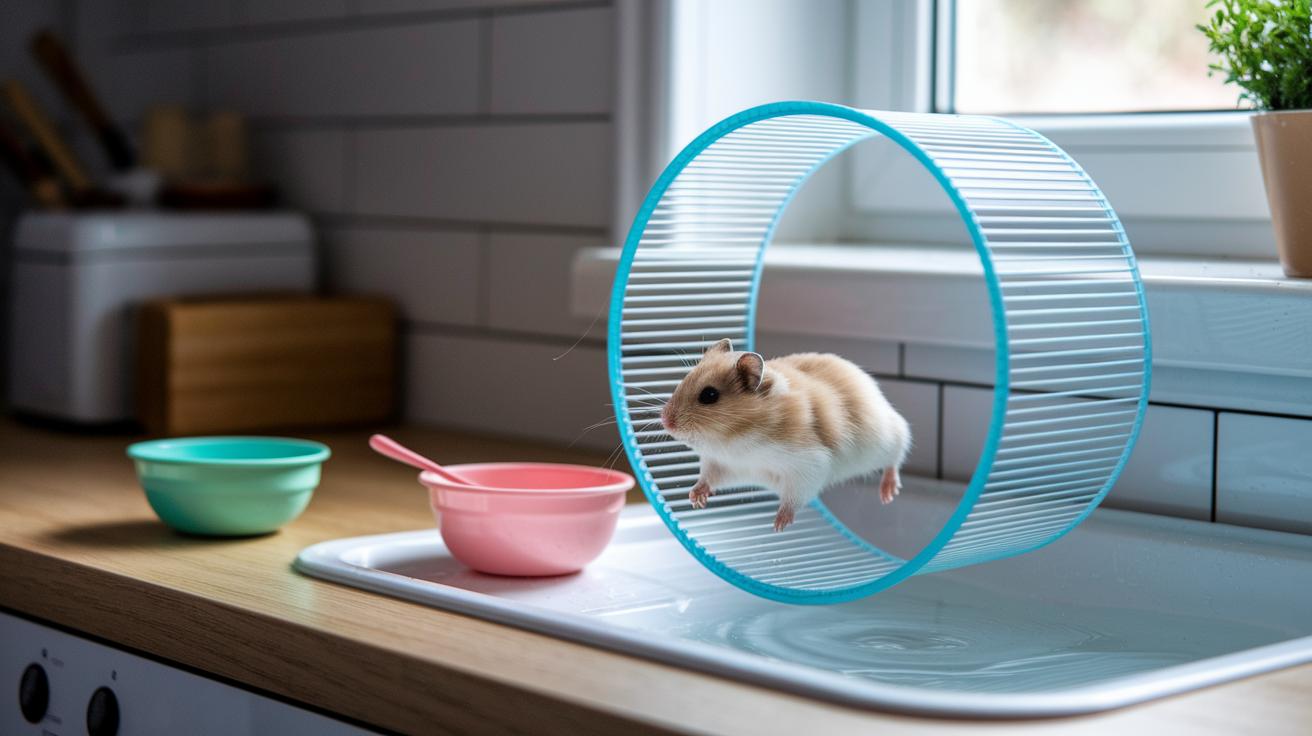
Ever wonder if your hamster’s wheel might need a little tune-up for a smoother, quieter run? A noisy wheel can make your pet uneasy and less playful. In this guide, we show you how to repair it using everyday tools from home. We explain how to clean away the dirt and replace a worn bearing. These quick fixes help your pet enjoy exercise time again and give you the confidence to handle small repairs around the house.

DIY Hamster Wheel Repair: Complete Step-by-Step Walkthrough

Start by placing your hamster wheel on a flat, clean surface. This keeps you safe and creates a calm space to work. Clear away any loose bedding or bits of debris.

Then, grab a Phillips screwdriver and carefully unscrew the wheel’s housing. Keep the screws in a little container so you know where each one goes later.

Next, gently take the wheel apart by separating the outer track from the middle hub. Look at the old bearing closely. Most mass-made wheels use rough bearings that can make noise and cause the wheel to spin unevenly. Use needle-nose pliers to remove the worn bearing. Fun fact: Did you know a hamster can travel up to 9 km in one night? Every small fix makes a difference for your little friend.

Now, check the axle and the bearing seat. Look for buildup like hair, dust, or dried bedding. A soft brush and a little mild dish soap work great for cleaning. Rinse the parts and dry them with a lint-free cloth.

Get your replacement bearing ready. Often, you can use one salvaged from an old hard disk drive. Make sure it fits the axle well. If it feels loose, try adjusting the mounting with a small hex key set.

Apply a touch of food-safe lubricant, such as silicone grease, to the axle and bearing surfaces. This makes sure the wheel spins quietly and smoothly.

Finally, reassemble the wheel by reversing the steps. Press the new bearing in its place, secure the hub, and tighten the screws. Give the wheel a few test spins. It should run quietly and smoothly before returning it to your hamster’s cage.

Essential Tools & Materials for DIY Hamster Wheel Repair

img-1.jpg

Before you begin your repair, make sure you have these handy tools and supplies:

  • A Phillips screwdriver: to loosen and tighten screws.
  • Needle-nose pliers: great for handling small parts.
  • A small hex key set: for those tight spots around the axle.
  • Food-safe lubricant (like silicone grease or PTFE spray): keeps plastic bearings spinning smoothly.
  • Spare parts: use a smooth bearing from an old hard drive or pick up an affordable replacement.
  • Cleaning supplies: a soft brush, mild dish soap, and a lint-free cloth to remove debris and dried bedding.
  • Protective gear: gloves and goggles help keep you safe when pressing parts or cutting materials.

Start simple. Grab your Phillips screwdriver and pliers before taking apart the wheel. Then work through each repair step one at a time.

Troubleshooting Common Issues in DIY Hamster Wheel Repair

Let's start by checking for clear issues. A squeak might come from friction along the axle or a bearing that is worn out. For example, if you hear a steady squeak while the wheel spins, it may mean that the bearing isn't as smooth as it once was.

Next, take a close look at the wheel. Check if it wobbles or seems out of line. This could mean that the axle mounts are loose or that the track surface is uneven. A loose mount may tilt the wheel, and an uneven track can make the spin feel shaky.

Also, check for any dirt, dried bedding, or hair on the parts that move. These bits can clog the wheel and add extra strain over time. A soft brush and a bit of mild dish soap should help clean away the debris. After cleaning, wipe the area with a lint-free cloth to remove any moisture.

Make sure you also inspect the plastic track itself. Look for cracks or damage that might cause rattling noises or make the wheel move unevenly. Go over the entire wheel and replace any parts that look too worn.

Key areas to focus on:

  • Squeaks from friction on the axle or worn bearings.
  • Wobbling from loose axle mounts.
  • Dirt or hair buildup slowing the spin.
  • Cracked plastic tracks causing rattles.

By taking the time to check each area, you can help the wheel run smoothly and safely. This way, your pet enjoys a quiet, comfortable ride.

Advanced DIY Integration: Precision Tips for Hard Drive Bearing Upgrade

img-2.jpg

Start by taking an unused hard drive and removing the platters so you can get the bearing assembly. This is like finding a hidden treasure you can reuse for a precise upgrade.

Next, use a digital caliper (which measures to 0.01 accuracy) to check the sizes of the bearing bore and the axle shaft. If the sizes don’t match perfectly, a simple spacer or sleeve will help make them fit just right.

Before you install the new part, give the bearing a gentle clean. Brush off any dust with a soft brush and a drop of mild dish soap. Then, rinse it lightly and dry it with a lint-free cloth to keep everything neat.

Remove the old bearing from the wheel hub and press the new bearing in evenly. A hex key is great for applying steady, gentle pressure to secure it without fuss.

Finally, put the wheel back together, tighten the screws, and add a little food-safe lubricant where the bearing meets the axle. Spin the wheel to check that it turns smoothly and quietly.

Maintenance & Safety Tips for Lasting DIY Hamster Wheel Performance

Keeping your hamster wheel in good shape is key for your pet’s safety and fun. We suggest a monthly check to catch any small issues before they grow. This way, your little friend has a safe space to play and exercise.

First, take the wheel out of the cage and carefully take it apart. Wash every piece with a bit of mild dish soap, then dry them well with a lint-free cloth. Once dry, add a fresh layer of food-safe grease so the parts move smoothly.

Next, give the wheel a good look over. Check the axle for any leftover hair or bedding. Look for tiny cracks or breaks in the plastic parts and replace anything that seems damaged. Make sure the wheel mount is tight and free of sharp edges. Spin the wheel by hand to be sure it turns easily before you put it back.

  • Inspect axle for debris.
  • Check plastic track for cracks.
  • Secure all mounts.
  • Test spin manually.

Finally, boost your pet’s play area with about 10 inches of deep bedding, fun tunnels, and chew toys. A well-sized wheel lowers stress and keeps your hamster active and happy every day. Regular upkeep not only avoids expensive fixes but also gives your pet a safe, joyful exercise time.

Final Words

In the action, we walked through DIY hamster wheel repair, from basic fixes to advanced work like fitting a hard drive bearing. We covered key tools, detailed troubleshooting steps, and safe maintenance tips. Each repair choice not only improves your pet’s exercise experience but also adds quiet, smooth rotation. With these clear steps, you can keep your hamster active and happy while making a positive impact. Enjoy the repair process and celebrate the little wins that keep your pet healthy and your home a little kinder.

FAQ

How to make a hamster wheel at home?

Creating a hamster wheel at home involves repurposing household items like cardboard and safe plastic. You simply cut and shape the material, secure a smooth bearing inside, and test for a quiet, safe spin.

What are common hamster wheel problems?

Common hamster wheel problems include squeaking from worn bearings, uneven spinning due to misalignment, and wobbling from loose parts. Regular cleaning and reapplying food-safe lubricant can help fix these issues.

How to repair alloy wheels DIY?

Repairing alloy wheels is different from hamster wheels. This process typically involves metal filling, sanding, and painting. Our guide specifically covers DIY hamster wheel repairs for pet exercise safety.

What can I put on my hamster wheel to make it stop squeaking?

To stop squeaking, apply food-safe silicone grease or PTFE spray to the wheel bearing and axle. This reduces friction, quiets the spin, and helps your pet enjoy a smoother run.

Kitten Teething Toys Spark Safe Playtime

0

Have you noticed your kitten nibbling a lot? It might be teething. Teething toys help soothe sore gums and give your kitten a safe way to play. They come in fun shapes and different textures that gently rub and clean those tiny teeth.

In this post, we share our favorite picks. Each toy is built tough to help your furball make healthy chewing habits. Plus, a part of your purchase helps local rescues.

Best Kitten Teething Toys for Soothing Relief

Teething toys help your kitten chew safely while easing sore gums. They keep furniture and cords safe and teach healthy chewing habits during this delicate phase. These toys have special textures and materials that soothe tender gums and match your kitten's playful spirit.

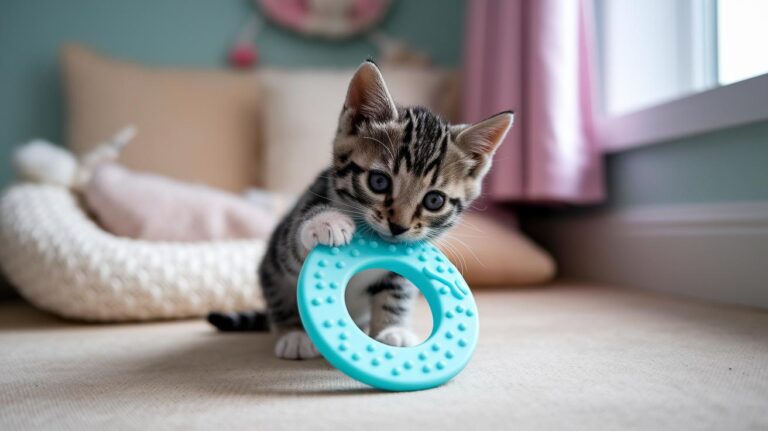
  • Petstages Dental Kitty Chew Wheel
    This toy has a wheel inside that works like a baby teething toy. It is made to last and offers different textures that gently massage and clean little teeth. Many pet parents and vets trust this toy to give kittens fun and relief.

  • KONG Cat Hugga Wubba Toy
    Shaped like a plush squid with several legs, this toy invites kittens to grab and bite. Its design works for kittens of all sizes and offers a safe spot for chewing. The soft yet firm material makes exploring different textures a fun game.

  • Petstages Dental Health Cat Chew Toy
    This toy comes in a few shapes to help stop kittens from chewing your furniture. It targets different chewing angles to support healthy teeth and gums. Fun and safe, it is a proven pick for teething kittens.

  • HDP Petstages Nighttime Catnip Rolls
    A wallet-friendly choice that works all day. Infused with catnip, it soothes teething kittens and sparks playful energy. Its simple design is perfect for daily chewing, letting energy go to safe use.

  • Petstages Catnip Plaque Away Pretzel
    Sized just right for tiny kittens, this toy’s unique shape helps clean teeth gently as they chew. Its texture scrapes away plaque without overwhelming little mouths.

Switching a few toys every few days keeps playtime interesting and makes teething relief even better.

Kitten Teething Timeline & Dental Milestones

img-1.jpg

Kittens begin teething when they are just 2 to 4 weeks old, and they have all 26 baby teeth by the time they're 8 weeks. Soon after, around 3 to 4 months, adult teeth start replacing the baby ones, and by 7 to 8 months, their mouth is fully grown. Knowing these stages helps you choose the best toys as your kitten’s needs change.

You might notice some clear signs when your kitten is teething. They may drool a bit, chew on more things, seem a bit cranky, or show slightly red gums. These symptoms are normal and show that they're growing. Just like a little one who loves a pacifier when upset, your kitten might prefer soft items to calm their sore gums. This is a great cue to introduce a teether toy.

Matching the right toy to your kitten's teething stage makes a big difference. For the early days, soft and safe toys are best. As your kitten gains strength, firmer toys can help clean and massage their new teeth. For extra tips on choosing toys that match your kitten's dental milestones, check out this pet care guide: https://goodpawsgoodcause.org?p=436.

Comparing Materials & Safety of Kitten Teething Toys

When it comes to picking teething toys for your kitten, safety is top of mind. You want toys made of non-toxic materials that help protect your little one as they chew. These toys help soothe sore gums and encourage good dental habits while making playtime fun. Look for designs that cut down on harmful chemicals and include neat features like a spot for catnip and fun textures that keep your kitten busy without wearing out quickly. A toy that is both durable and gentle is key since teething can leave those gums extra sensitive.

Material Pros Cons Safety Notes
Rubber Sturdy, bendable, easy to clean, freezer-safe May be too firm for very young kittens if not designed well Make sure it is non-toxic and pet-safe
Plush Fun with crinkle parts, soft feel May tear; loose fibers can be a hazard Keep an eye on play and replace if worn
Wood Natural feel, often comes with catnip May splinter with heavy play Use only when you can watch play and check often
Silicone (food-grade) Non-toxic, gentle on gums, dishwasher-safe Fewer texture choices Best for sensitive mouths; look for pet safety labels

Before you buy, check labels and certifications that show the toy meets safety standards. Look for items that have been reviewed by pet care experts and follow strict non-toxic guidelines. This way, your kitten can have a safe, fun teething experience which gives you peace of mind every time they explore with their mouth.

DIY Kitten Teething Toys & Homemade Chew Aids

img-2.jpg

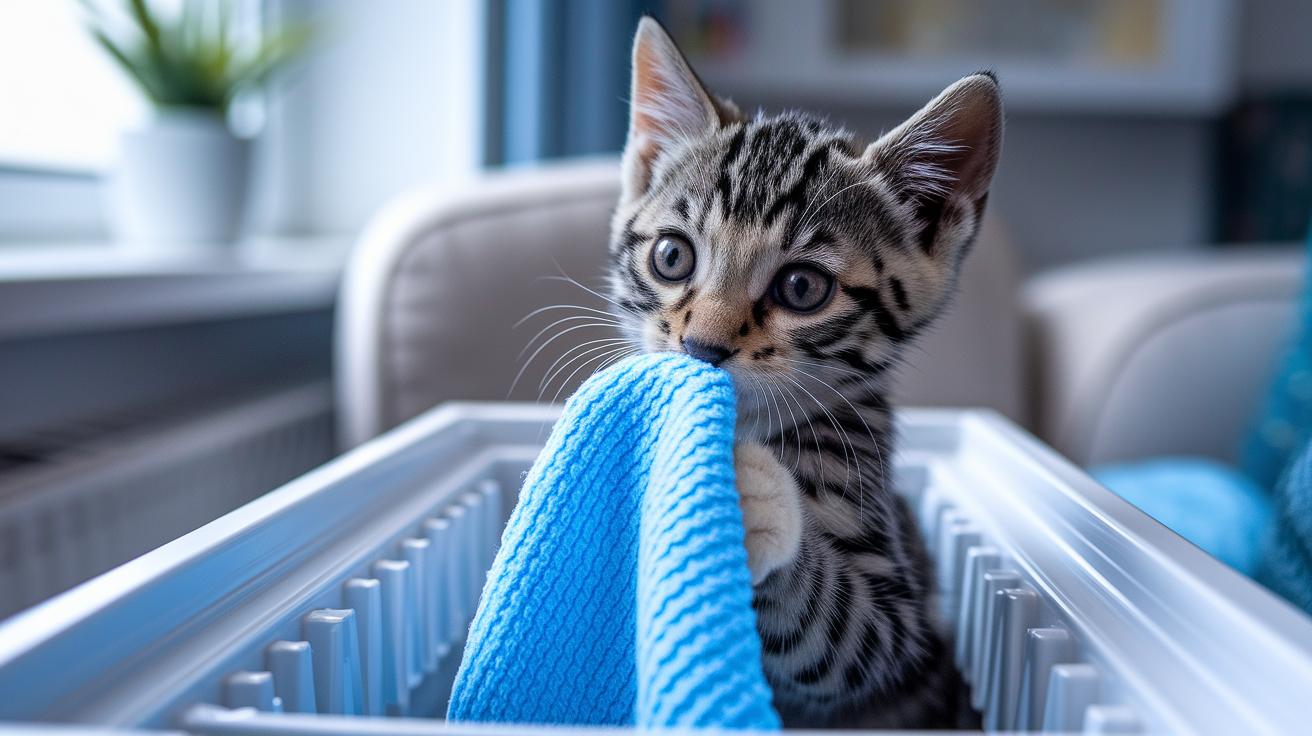
  1. Wet Washcloth Relief
    Take a small washcloth, wet it, and twist it tightly. Then, pop it in the freezer for at least one hour. When you give it to your kitten, the cool fabric soothes sore gums while your little one nibbles and chews. This is a simple and effective way to ease teething pain. Always watch your kitten during play.

  2. Felt Catnip Ring Craft
    Cut a circle from felt and shape it into a ring. Fill it loosely with cotton and sprinkle a bit of dried catnip in the middle. This toy gives your kitten a fun texture to chew on. It's like turning snack time into play time.

  3. Frozen Produce Chews
    Slice up an unsweetened apple or use a dehydrated carrot stick and freeze it. You can also wrap a few ice cubes in a soft cloth to gently massage the gums. These treats offer a crunchy texture that helps relieve teething pain. Always keep a close eye on your kitten to make sure they play safely.

Caring for & Rotating Kitten Teething Toys

Every few days, swap out 3-4 different teething toys to keep your kitten excited. This little change helps keep play fun while encouraging safe chewing and easing biting habits. When a toy loses its spark, try adding a bit of catnip or a quick spritz of catnip spray to bring back the fun.

It’s also important to keep toys clean for safe play. Clean rubber or silicone toys each week with mild soap and water. For soft plush toys, a gentle cycle in the washing machine works best. These toys let your kitten chew happily and safely while also protecting your home.

Troubleshooting & FAQs on Kitten Teething Toys

img-3.jpg

Q: When should I call my vet?
A: If your kitten drools a lot or shows gum irritation for more than eight weeks, it's time to get in touch with your vet.
Example: If your kitten seems uneasy and drools excessively, please call your vet right away.

Q: How can bite gel help ease teething pain?
A: A vet-approved bite gel can calm sore gums when you apply a small amount on a cool silicone toy.
Example: Put a tiny dab on a toy to help your kitten feel more comfortable during teething.

Q: What if my kitten bites furniture or cords and ignores their toys?
A: Try offering a chilled silicone toy along with treats like catnip rolls to guide their chewing.
Example: When you see your kitten chewing furniture, swap it with a cool chew toy.

Q: How do I encourage good chewing habits during teething?
A: Rotate your kitten's toys often and choose ones with different textures so they stay interested and chew properly.
Example: Switch between various textures each week to keep your kitten engaged.

Q: What if my kitten ignores their teething toys?
A: You can try small changes, such as sprinkling a bit of catnip on the toy or choosing a different style, to spark their interest.
Example: Lightly dust a toy with catnip to catch your kitten's curiosity.

Final Words

In the action, we explored a range of kitten teething toys that ease discomfort and support healthy chewing. We broke down five top products, touched on safe, non-toxic materials, and even shared DIY ways to craft fun chew aids. We also shared tips on rotating toys and caring for them so they last longer. With kitten teething toys, you'll keep your little one happy while making each chew session safe and effective. Here's to simple, reliable care that makes a real difference every day.

FAQ

What are the best kitten teething toys?

The best kitten teething toys combine durable materials with gentle textures that soothe and clean gums. They include options like rubber wheels, plush toys, and silicone treats that meet vet-approved safety standards while keeping your kitten engaged.

What can I give my kitten for teething and why are dedicated toys important?

Giving your kitten safe teething toys helps ease gum discomfort while discouraging naughty chewing. Options without catnip, or with gentle added scents, provide soothing relief and keep your kitten focused on safe chewing instead of furniture.

At what age do kittens begin teething and need these toys?

Kittens start teething between 2 to 4 weeks. All baby teeth are in by 8 weeks. Offering teething toys at the right time can ease pain and support healthy oral habits from early on.

Where can I find kitten teething toys, including DIY and store options?

You can find kitten teething toys online at Amazon, Walmart, or Petsmart, as well as nearby pet stores. Many pet communities, like on Reddit, share DIY ideas for affordable and engaging kitten chew solutions.

Are there good DIY solutions for kitten teething toys?

DIY teething toys, like chilled wet washcloths or homemade felt rings with catnip, provide affordable, safe relief. They give your kitten a fun, textured surface to chew on while keeping their mouth comforted and busy.

Dog Training Harness: Boosting Confidence With Ease

0

Have you ever wondered if a simple dog training harness could boost your pup's confidence? A well-fitting harness does more than just stop pulling. It lets your dog move safely and comfortably. Think of it as a cozy sweater that wraps your pet just right. It gently guides your dog during walks and training. In this guide, we share the top features and benefits to help you choose a harness that makes your furry friend feel secure and ready to explore.

Dog Training Harness Buying Guide: Key Features and Benefits

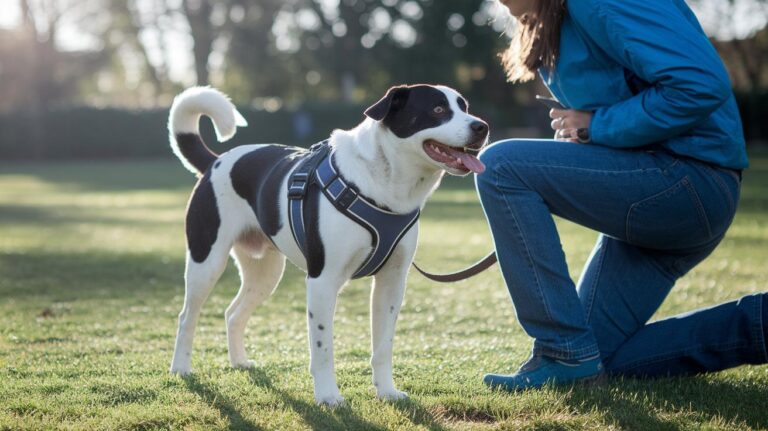
Picking the right harness can boost your dog's confidence during training. A good harness helps you manage pulling while keeping your dog comfy. Many models come with both front and back clips. The front clip gently redirects your dog's movement, while the back clip gives steady support on your daily walks.

Think of a harness as a mix of a snug restraint jacket and a comfort-fit sweater. When you measure using a two-finger rule under the straps, you make sure your dog feels secure but free to move. Padded chest areas reduce strain. Reflective stitching makes your dog easier to see when it's dark. Materials vary from soft nylon for everyday walks to stronger fabrics for active play.

Look for these key elements:

  • Proper attachment-point placement for better pull control
  • Easy-open buckles for quick adjustments
  • Adjustable straps for a secure, custom fit
  • Machine washable material for simple cleaning
Feature Benefit
No-pull mechanism setup Helps gently guide your dog and reduces pulling
Adjustable restraint jacket Offers a secure and custom fit
Machine washable material Keeps cleaning easy and the harness fresh

Paying attention to these features makes it easier to choose the right harness for your dog before checking out specific models.

Top Dog Training Harness Models Reviewed

img-1.jpg

We tested 19 different dog training harnesses on dogs ranging from 8 to 85 lbs to help you find a harness that boosts your pup's confidence and gives you great control.

The Ruffwear Front Range harness features two clip options so you can choose front or back clips to help stop pulling. It works well for no-pull training but can feel a bit bulky for smaller dogs.

The Coastal Pet K9 Explorer harness is easy to use with simple buckles and reflective panels that light up during evening walks. It even has a tactical style that makes nighttime strolls feel safe and secure.

The Kurgo Tru-Fit Smart harness offers strong straps and solid pull control. While some pet parents have seen issues with the plastic buckle, it still stands out as a reliable choice for energetic pups who need a mix of strength and flexibility.

For toy breeds, the Puppia Soft Harness is a cozy, vest-style option that keeps your little friend safe. It might not adjust perfectly around the neck and can catch a bit of pet hair, but its gentle feel is great for calm training sessions.

If your pup is an escape artist, the Voyager Step-In Air harness might be the one. With three fasteners and adjustable neck straps, it keeps your dog secure even when they try to slip away.

For larger dogs, the 2 Hounds Design Freedom No-Pull harness is built to handle big pups weighing over 250 lbs. Its design controls pulls well, even if the strap system takes a moment to get used to.

Each harness has its own strengths, making it easier for you to find the perfect match for your furry friend while keeping training sessions fun and safe.

Dog Training Harness Fit and Sizing Guide

When you're picking a harness, measure your dog's chest at its widest point. Weight alone doesn't tell the whole story. For example, the Ruffwear series fits chests from 13 to 42 inches. Use a soft measuring tape for the best accuracy. A good harness should let you squeeze two fingers under the strap. This extra room stops chafing and keeps your dog comfy while staying secure.

If you have a front-clip harness, start by placing it behind your dog's front legs. Front-clip styles help guide your pet gently. Back-clip models, on the other hand, spread pressure across the shoulders during daily walks. Always check that the buckles and sliders adjust just right. This is handy when puppies grow or if your dog sports a thick coat.

Here are three simple steps to get the best fit:

  • Measure the widest part of your dog’s chest.
  • Adjust the straps so you can fit two fingers under them.
  • Ensure all buckles and sliders give a snug, flexible fit.

With Step-In Air harnesses, you also need to adjust the neck part. They use three layers of fasteners to keep even the sneakiest pups secure. A proper fit boosts your dog's confidence and makes training sessions safer.

Maximizing Obedience with a Dog Training Harness

img-2.jpg

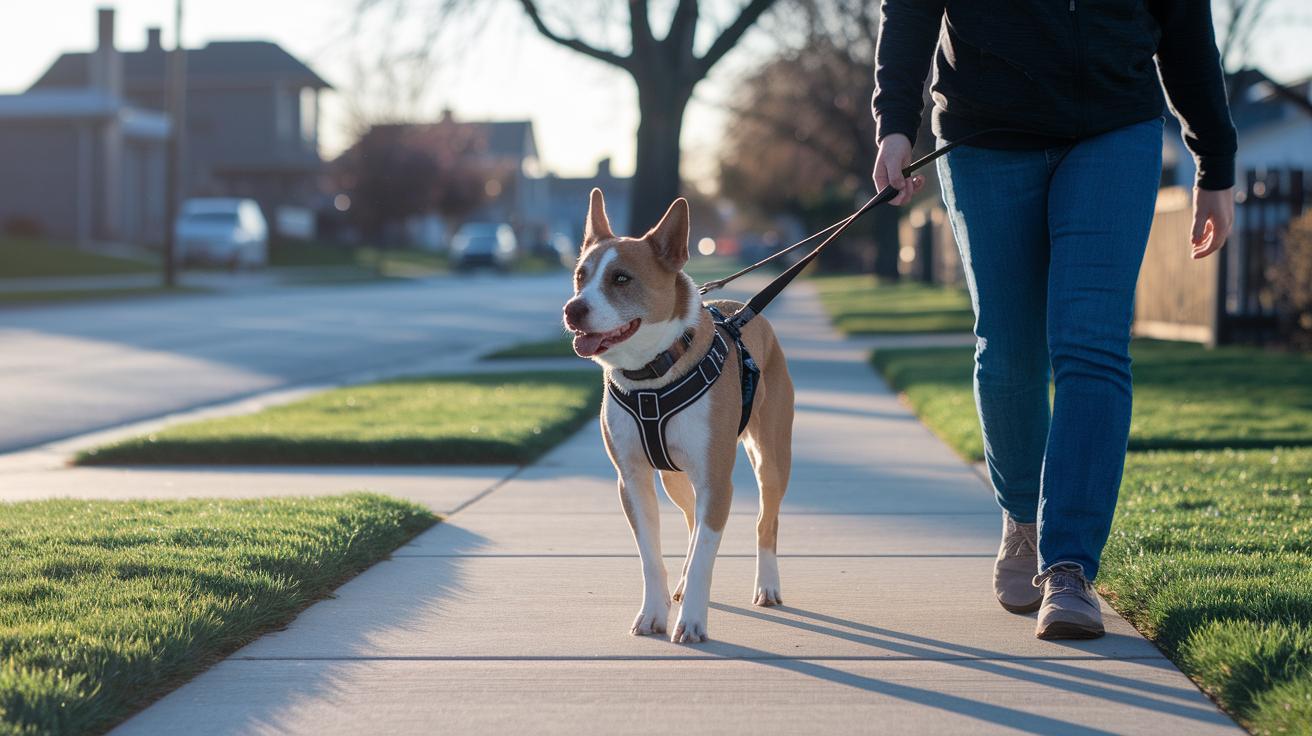
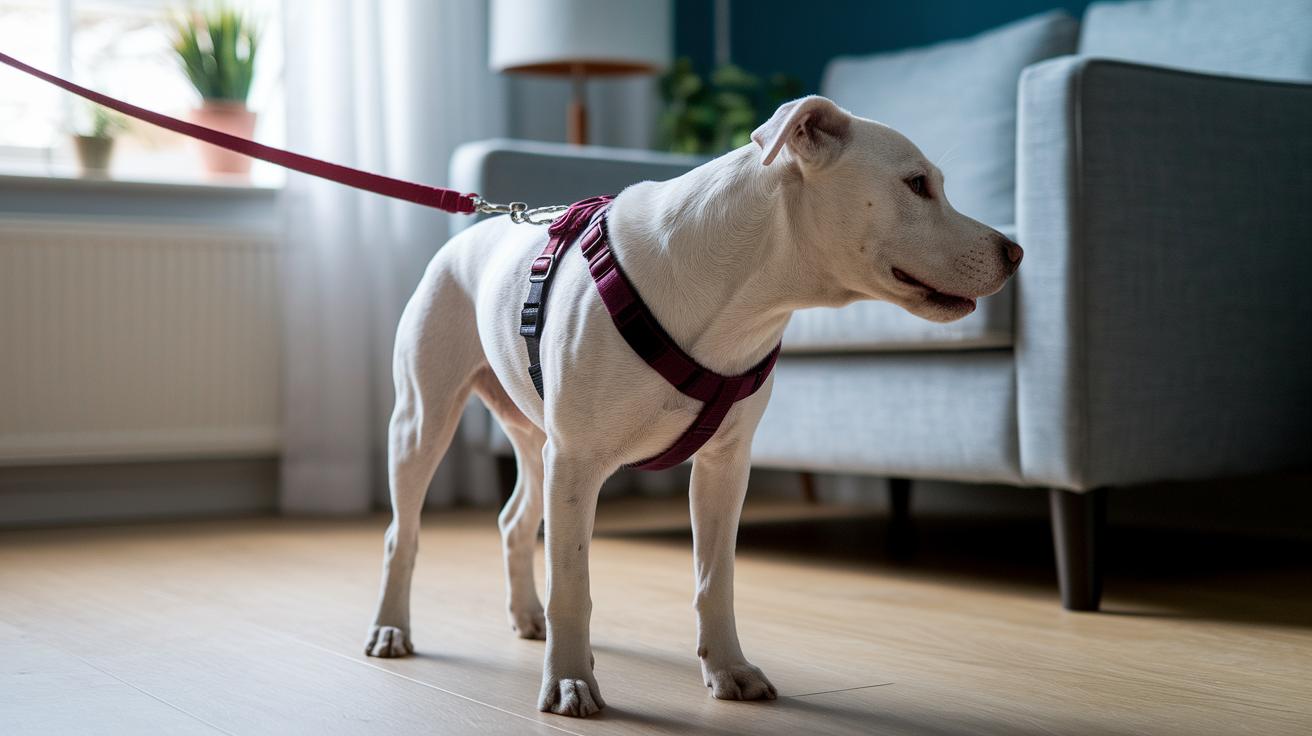
A front-clip harness gently guides your dog and makes leash-walking much easier. Experts say it helps curb pulling without choking your pet. Many pet parents have noticed their dog's tail wagging a bit more proudly during those first indoor training sessions. That boost in confidence is a great start to lasting good behavior.

When your dog is ready for recall drills or a chill outdoor walk, try switching to a back-clip harness. It spreads pressure evenly across your dog's shoulders and gives them a sense of calm. Start practicing in a safe spot like a fenced yard or a quiet room. You might even attach a small treat near the harness to create a happy connection. Before long, your dog will see it as a friendly tool that gently guides them.

Follow these simple steps to build a strong training routine:

  • Measure your dog and adjust the harness so you can slide two fingers underneath.
  • Keep training sessions short in a calm, low-distraction space.
  • Reward your dog with a favorite treat when they respond well.

Slowly bring in small distractions as your pet grows more comfortable. Stay consistent with your cues, and in just a few weeks, this setup will help boost both your dog's obedience and confidence.

Dog Training Harness Care, Durability, and Maintenance

Taking care of your dog's training harness helps it work well every time. Some harnesses, like the Kurgo Tru-Fit, have plastic buckles that can break if they aren’t checked. We recommend giving them a look once a month.

If you use a Puppia Soft harness, you'll notice pet hair on the fabric. A quick swipe with a lint roller right after your walk will help keep it neat.

Many harnesses are machine washable. Use a gentle cycle with a mild detergent. For example, Coastal Pet harnesses keep their bright reflective stitching even after more than 10 washes.

Other types, like leather or neoprene blends, might just need a spot clean with a little mild soap instead of a full wash. High-tensile nylon straps stay in shape after getting wet or muddy. Just rinse them with water and let them air-dry so they're ready for the next adventure.

Don't forget to store your harness flat. This simple step stops strap distortion and keeps your harness in top shape for many training sessions ahead.

Final Words

In the action, we broke down what makes a dog training harness a must-have for safe, effective training. We covered key features like the no-pull design, adjustable fit, and user-friendly care tips. We also shared hands-on reviews and sizing insights to help you pick a model that suits your pet’s needs. With clear steps for proper use and routine upkeep, you’re set to enjoy a product that supports both your busy life and animal rescues. Happy training and keep your pet safe and sound!
FAQ

What dog training harness works well for large dogs and stops pulling?

The dog training harness for large dogs and pull prevention is built with sturdy materials, adjustable straps, and a front-clip design to reduce pulling and improve control during walks.

What is the best dog training harness and what do trainers recommend?

The best dog training harness often includes models like Ruffwear Front Range, PetSafe Easy Walk, and EzyDog Convert because they offer versatility, a secure fit, and the ease of controlling pull that many trainers suggest.

What is the 10 10 10 rule for puppy training?

The 10 10 10 rule for puppy training means practicing short, 10-second sessions repeated 10 times within a 10-minute overall period to keep lessons engaging and prevent overwhelming your puppy.

What is the number one trick to stop your dog from pulling on the leash?

The number one trick to stop your dog from pulling on the leash is using a front-clip harness that gently redirects your pet’s motion, making walks smoother while reinforcing calm behavior.

Why might some dog trainers avoid using harnesses?

The reason some dog trainers avoid harnesses is that they sometimes prefer collars for direct neck control, especially when they need to address specific behavior issues during training sessions.

What features should a quality dog training harness include?

The features of a quality dog training harness include adjustable straps for a snug fit, dual-clip options for directing movement, easy-to-clean materials, and a durable design to keep your pet secure and comfortable.

How To Introduce A New Dog To Your Home After Adoption: Yay

0

Are you ready to welcome a new furry friend into your life? Bringing your dog home after adoption is both exciting and a bit challenging. Imagine a quiet space where your pup can settle down before all the fun begins.

In this guide, we share simple steps to help your new companion adjust. First, give your dog some time to relax and feel safe. Then, build trust by setting clear, easy-to-follow rules. A calm start makes all the difference.

These tips will help you and your pup begin your journey together on the right paw. Enjoy every moment as your new friend finds a loving home.

Step-by-Step Guide to Introducing Your Newly Adopted Dog to Your Home

When you bring your new dog home, start with a quiet three-day detox period. Set up a peaceful spot with soft bedding where your dog can relax and feel safe. This gives your pet a chance to settle in after the busy shelter.

Over the next 30 days, create a routine that makes your home feel like a secure and friendly space. From day one, set simple rules like keeping dogs off the couch. Reward gentle behavior as you and your dog learn to understand each other better.

Follow this simple plan for a smooth transition:

Time Period Focus
First 3 Days Quiet detox period in a secure space
First 3 Weeks Simple routines like feeding, toilet breaks, and short walks
First 3 Months Gentle training and extra bonding time; use every encounter for learning

These gradual steps will build your dog's confidence. A calm, routine-filled home helps ease worries like pacing or chewing, especially when things in the house change. Enjoy getting to know your new friend and watch them blossom in their new safe space.

Preparing Your Home for a Newly Adopted Dog

img-1.jpg

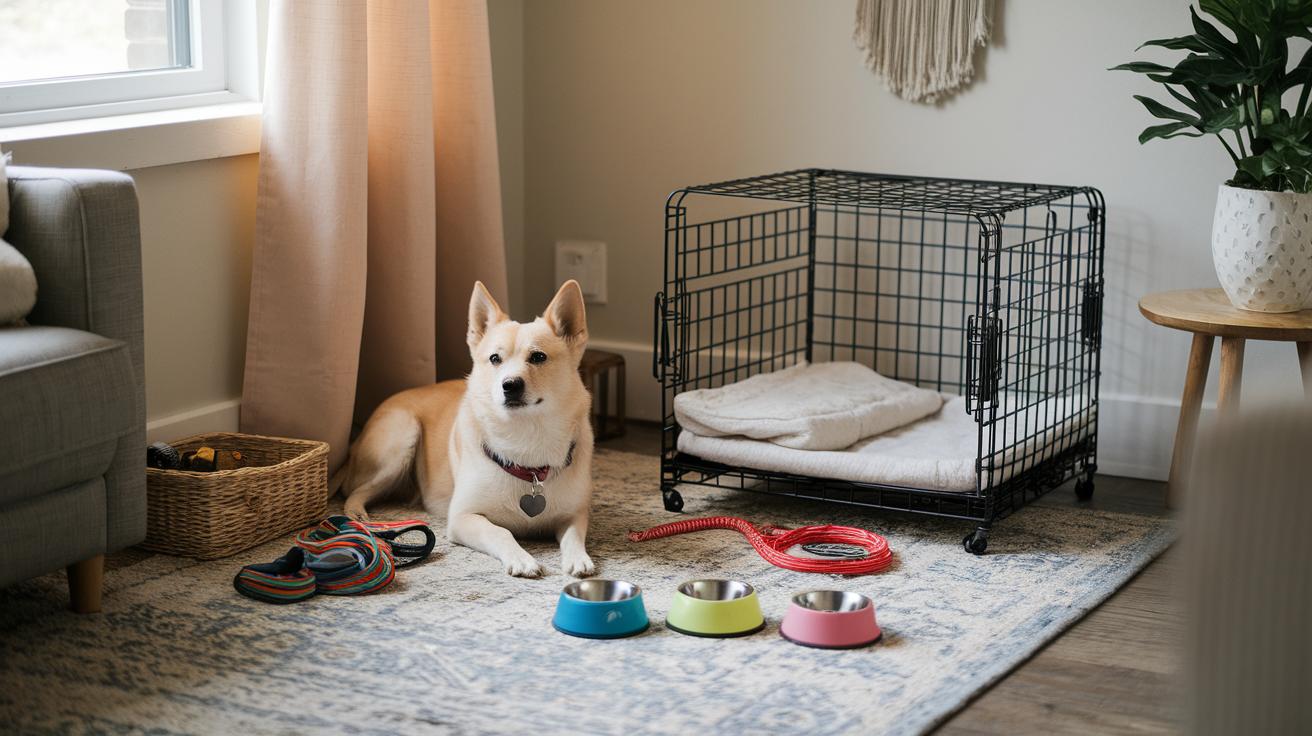
Before your new pup steps into your space, get your home ready with all the necessary supplies. Have a cozy bed, a crate for safe resting, bowls for food and water, a collar with an ID tag, fun toys, and a leash waiting. Think of it as setting up a small hotel room just for your pet.

Make a quiet, low-key spot where your dog can relax. Add comfy bedding so your new friend feels secure. This calm area will help your pup unwind after the busy shelter environment.

Try these simple tips to keep your home safe:

  • Clear dangerous items: secure trash bins, tuck away electrical cords, and lock cabinets.
  • Plan for playful moments: set aside a space where exploration and chewing are okay.
  • Define a special spot: use a pet mat or a small rug so your dog knows it’s their zone.

Remember, when your home is ready, your pup can settle in with ease. I once jotted down a list of everything my dog needed, a bed, bowls, and toys, and checked each off as I got them. That little system made sure my dog had a calm, safe place to begin a happy new chapter.

Establishing a Consistent Home Routine for Your Adopted Dog

Begin with a steady routine from day one. The first 30 days are key to helping your dog settle in. A clear schedule for meals, potty breaks, exercise, and rest not only eases stress but also builds trust. Every moment becomes a chance to teach good manners and show that your pup is safe and loved.

Here are some ideas to get started:

  • Take a morning walk around 7 AM. This helps your dog wake up and explore.
  • Serve meals at about 8 AM and again at 6 PM to keep eating times steady.
  • Enjoy a play session in the mid-afternoon so your pup can burn off energy.
  • Allow for rest breaks after activity to help your dog calm down and recover.

These steady routines give your new friend a sense of stability. You’ll notice small improvements and spot any issues quickly. A set schedule makes every day feel predictable and safe for your furry companion.

Introducing Your Adopted Dog to Family Members and Pets

img-2.jpg

When you welcome a new dog, plan the first meeting in a quiet park or a friend's yard. This neutral place makes it easier for everyone to feel at ease. Start with a short walk on leashes so both pets can explore the space together.

If there are children at home, always keep a watchful eye. Guide kids to speak in soft voices and pet gently. Think of it like treating your new friend as if it were your favorite storybook character, nice and kind.

When introducing the new dog to your other pets, try these simple steps:

  • Take side-by-side walks with both dogs.
  • Swap a bit of their bedding or favorite toys so each can get used to the other's smell.
  • Allow on-leash introductions at home where you control the space.

Be careful around special spots like feeding areas or favorite beds. These "hot" zones might make pets protective. Keep an eye on these areas and, if needed, separate them for a little while until they feel more comfortable.

With patience and careful watching, each step will help your new friend settle in with your family.

Monitoring Your Adopted Dog’s Behavior and Adjustment

Keep a close eye on your new pup as it settles in. In the first few weeks, your dog might hide, pace, whine, chew on things, or even have a few accidents. You may see your little furball exploring every corner like a curious detective. A sudden pause during a walk could mean your friend feels uneasy in a new place.

Separation anxiety is common too. If your dog clings to you, barks, or whines when you step away, it’s a sign that it needs more time alone. Think of it as your pet saying, "I’m not ready to be by myself just yet."

Try these simple tips to ease your pet’s stress:

  • Give short bursts of alone time so your dog learns that being on its own is safe.
  • Use the crate as a cozy spot by letting your pup rest there during busy moments.
  • Keep goodbyes short and calm, a quick farewell is less stressful than a long, emotional send-off.

Watch these early signs closely. Every little change helps you understand how your pet is doing. If stress signs last beyond three weeks, consider asking a professional for advice. Sometimes a little extra support can go a long way in helping your new friend feel at home.

Building Trust and Bonding with Your New Dog after Adoption

img-3.jpg

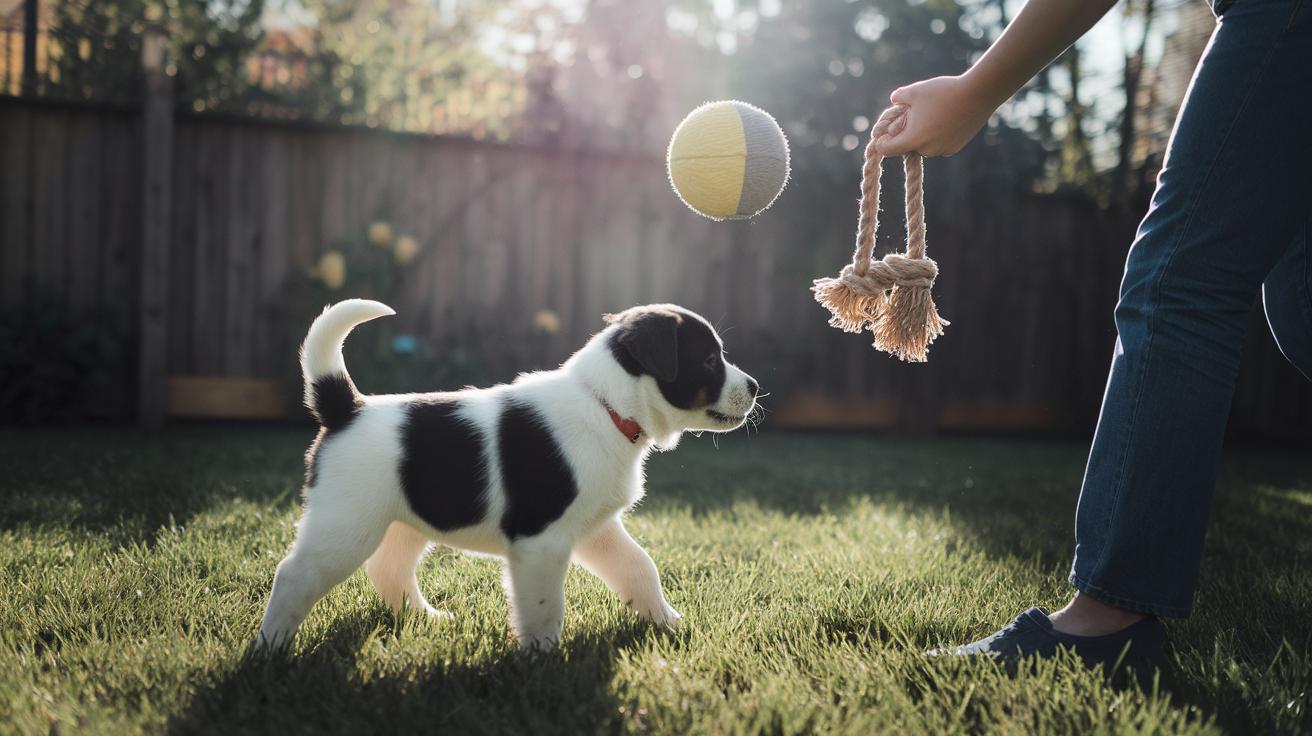
Think of nurturing your new pup much like tending a little garden. A bit of care each day goes a long way. Spend short, fun moments playing games that let your dog move and explore. Try tossing a ball or having a gentle tug-of-war with a rope. These simple games help your dog feel secure and loved.

Try adding in some calm grooming or mini training sessions. You can teach your dog to sit, come, or settle with easy steps. Every time your dog does something good, give a small treat or a kind word. This approach makes your dog learn that friendly behavior has its rewards.

One-on-one walks are a wonderful way to build a connection. A quiet stroll around the block gives you both a chance to enjoy new smells and sights together. Keep your tone calm and patient, especially if your dog is a bit shy or new to the rescue life.

Remember, trust builds slowly. Doing little things every day will help your new friend become more confident and secure. A touch of love and care every day can create a bond that lasts a lifetime.

Final Words

In the action, we explored clear steps that help make sure a new dog feels safe and loved. We covered setting up a cozy space, establishing steady routines, and easing introductions with family and other pets. We even looked at how to spot signs of stress and build trust through simple bonding activities.

Remember, knowing how to introduce a new dog to your home after adoption sets the stage for a happy life together. Every little step counts. Enjoy the progress and cherish the moments together.

FAQ

How do I introduce a new dog to my current dog at home if there’s jealousy, dominance, or aggression?

Introducing a new dog to your resident dog means planning gradual, controlled meet-ups. Start in a neutral space with both dogs on leashes, allow short interactions, and reward calm behavior to build trust.

How do I introduce a rescue dog to my home?

Introducing a rescue dog means creating a calm, safe space and starting slowly. Let your new friend explore at their own pace while keeping initial interactions gentle and supervised to ease anxiety.

How do I introduce a puppy to a dominant or aggressive dog?

Introducing a puppy to a dominant dog means arranging brief, on-leash meetings in neutral areas. Supervise closely, reward calm behavior, and gradually increase the time they spend together while ensuring each dog has its own space.

What should I avoid when introducing dogs to each other?

Avoid forcing interactions, using harsh corrections, or ignoring signs of stress. Instead, let each dog set a comfortable pace and take breaks if tension or anxiety appears during their introduction.

What is the 7-7-7 rule for dogs?

The 7-7-7 rule promotes balanced interaction by suggesting timed periods for play, rest, and independent time. This method helps prevent overwhelming your dog while easing them into new social experiences.

What is the 3-3-3 rule with dogs?

The 3-3-3 rule splits introductions into three segments: three minutes of meeting, three minutes apart, and three minutes together. This structured routine helps to gradually build comfort and reduce stress.

What is the 90-10 rule for dogs?

The 90-10 rule means that dogs should spend 90 percent of their time in calm, positive interactions and only 10 percent in moments of stress. This approach encourages a relaxed atmosphere during the transition.

What do welcoming home quotes and experts like Cesar Millan suggest about introducing a new dog?

Welcoming quotes and experts like Cesar Millan advise using patience, clear household rules, and gentle guidance to ease nerves. Their tips help establish a smooth transition for both the new and resident dogs while creating a warm environment.

Pet Seatbelt For Cat Safety: Cozy Car Ride

0

Have you ever worried that your cat's car ride might not be as safe as it seems? Even a small turn or sudden stop can put your kitty at risk if they aren't secured right. A crash-tested pet seatbelt helps by moving the force away from delicate spots. This handy harness keeps your cat safe and gives you peace of mind on every trip. Read on to discover the key features that bring extra comfort and protection to your furry friend's journeys.

How Pet Seatbelts Protect Cats in a Collision

Using a pet seatbelt for your cat can really lower the chance of injury in a crash. Even a moderate speed of 30 mph can make a 30-pound kitty feel a force of over 600 pounds. That means the crash makes a force 20 to 25 times the cat’s weight. A crash-tested harness spreads the force away from your pet’s sensitive areas like the head, neck, and body.

Systems with the CPS Certified mark have been carefully tested to meet safety rules. In a sudden stop or accident, these seatbelts keep your cat in one spot. This stops your pet from getting loose or even running into traffic. Studies even show that nearly one in four pet parents has held their pet during a hard brake, which can be risky for everyone.

Choosing a car restraint for your cat gives you extra peace of mind on every ride. You can relax knowing that if the car stops suddenly, your furry friend stays as safe as possible.

Key Features to Prioritize in a Cat Seatbelt Harness

img-1.jpg

When you pick a car seatbelt for your cat, choose one that is CPS Certified and crash-tested. For example, Sleepypod ClickIt Sport Plus and ClickIt Terrain meet strict safety rules. They use strong, flexible materials that help absorb impact and include sturdy anchor straps for the car's seatbelt.

A proper cat harness should have adjustable chest and belly straps. This makes a snug fit that follows your cat's shape without limiting their movement or breathing. Quick-release buckles let you fasten and remove the harness with ease. Reinforced loops give you a safe spot to thread your vehicle’s seatbelt.

Stay away from harnesses with loose extension ties or zip-lines. These can make crash forces worse and put your cat at risk. By focusing on these design features, you ensure that your cat is comfortable during rides and well-protected in the event of a bump.

Installing and Using Your Cat Seatbelt Harness

Keep your cat safe on every ride by using a cat seatbelt. First, gently wrap the harness around your kitty’s chest and body. Adjust the straps until they are snug but still let your cat breathe easily. Next, thread your car’s seatbelt through the loops on the harness and click it into place.

Place your cat on the back seat or on a flat surface away from airbags to lower the risk of injury. Keep the windows closed so your pet doesn’t lean out or distract you while driving. Also, avoid using booster seats or extension tethers that haven’t been crash-tested.

After you set up the harness, tug it gently to make sure everything is secure. Check for any loose straps and adjust them until your cat is comfortably snug. It’s a good idea to check the fit every day or before each trip to keep your cat safe and sound.

This setup gives your pet a cozy ride and helps keep them safe during sudden stops or turns. It brings peace of mind for you and a safe, happy journey for your furry friend.

Seatbelt Harness vs Crate Options for Cat Safety

img-2.jpg

When you're on the road, crash-tested harnesses and carriers both help keep your kitty safe, but they work in different ways. A good pet seatbelt gives your cat freedom and security. It lets your furry friend move around a bit while keeping them snug with a safe seatbelt design. Just remember that getting the right size and installing it correctly is very important.

On the other hand, crash-tested carriers and crates are built tough. They have strong straps that attach to your car firmly. For example, lightweight crates like Gunner Kennels G1 come with 8-foot tie-down straps to handle big impacts. Carriers like the Sleepypod Atom or Air have water-repellent interiors and flexible bases. They meet CPS standards and work well on the road or airplane. These options keep your cat secure and limit movement in a sudden stop.

Some pet booster seats might seem extra comfy, but they often do not pass crash tests. They can give a false sense of safety and might let your cat lean out or not be kept properly safe.

Restraint Type Certification Pros Cons
Crash-tested Harness CPS Certified Gives freedom for movement; lightweight and flexible Needs correct sizing and proper seatbelt setup
Crash-tested Carrier/Crate CPS Certified Tough design with water-repellent interiors; very secure Offers less movement; space is more confined
Booster Seat Often not certified Might feel extra comfy Does not pass crash tests; false sense of security

pet seatbelt for cat safety: Cozy Car Ride

When picking a seatbelt for your cat, start by matching your car's belt buckle and path with the harness or carrier. This is your first step in keeping your kitty safe during car rides. For many SUVs and minivans, a crate such as the Gunner G1 works well because it secures to floor tie-downs or rear hooks.

Low-backed seats need harnesses with small, secure buckles. For example, Sleepypod harness loops are made to work with most standard seatbelts. They keep the seatbelt steady even if there’s a sudden jolt.

Here are some simple tips:

  • Check that every piece can handle a crash.
  • Make sure all parts lock firmly under pressure.
  • Compare different designs to match your specific car model.

Following these tips means a safer, cozier ride for your cat every time you hit the road.

Expert Tips for Using a Pet Seatbelt for Cat Safety

img-3.jpg

When you travel with your cat, a crash-tested pet seatbelt harness is a must. Always make sure it is securely fastened and fits just right before each ride. This simple check stops sudden movements and keeps your cat safe.

Unique tip:

  • Help your cat get used to the harness by starting with short rides. This can calm them and build confidence.

Final Words

In the action, we explored how a pet seatbelt for cat safety helps protect your kitty during collisions. We covered key features like CPS-certified materials and adjustable straps, discussed installation steps, and compared harness systems with crate options for safer travel. Each point aims to simplify your pet travel routine while supporting ethical impact. Every secure ride brings peace of mind for you and a safer journey for your pet. Enjoy every ride knowing you’ve made a smart, supportive choice with a pet seatbelt for cat safety.

FAQ

What is a cat seatbelt harness?

The cat seatbelt harness is a safety device that secures your kitty during car rides. It helps distribute crash forces and keeps your pet safely restrained in case of collisions.

What is the best cat harness for car travel?

The best cat harness for car travel is one that is crash-tested and adjustable for a snug fit. It should have quick-release buckles and durable materials to keep your cat secure and comfortable.

Are pet seat belts safe for cats?

Pet seat belts for cats are safe when they are crash-tested and used as directed. They reduce injury risk during sudden stops by keeping your cat securely restrained while you drive.

How do I seatbelt my cat?

To seatbelt your cat, fit the harness around its chest and torso until snug. Next, thread your car’s seatbelt through the harness loop and buckle it securely, ensuring your cat is safely restrained.

Do pet seatbelts work?

Pet seatbelts work by reducing the force of a crash on your pet. They help prevent injury by limiting movement and keeping your furry friend securely in place during sudden stops or collisions.

What devices are sold to keep dogs and cats restrained in vehicles?

Devices include crash-tested harnesses, seatbelt attachments, pet carriers, and safety tethers. These products help keep both dogs and cats secure while traveling, reducing injury risks.

What are some recommended crash-tested pet harnesses?

Recommended models include Sleepypod Clickit Sport Plus, EzyDog Drive, Ruffwear Load Up, EzyDog Convert, and FORMFIT Mesh Harness. They are designed to meet strict safety standards and offer reliable crash protection.

Clicker Training For Cats: Happy Feline Success

0

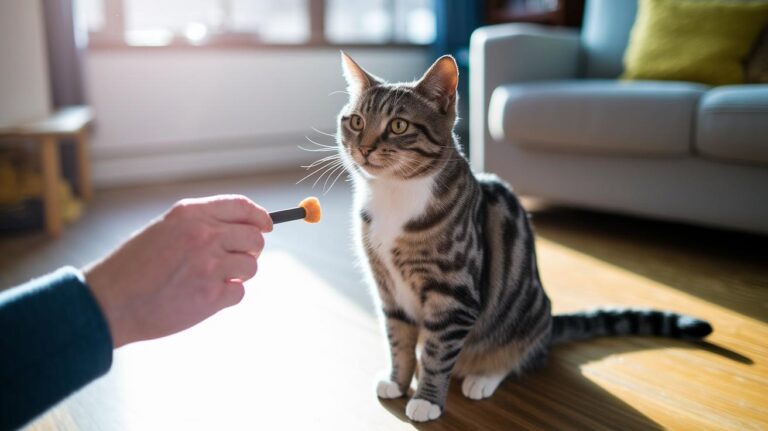
Have you ever called your cat only to hear silence? What if one simple click could change that? Clicker training uses a clear sound, tasty treats, and a bit of patience to work with your cat's natural instincts.

This guide shows you how to make a clicker-treat bond that makes training fun and deepens your connection. We give you easy, step-by-step tips to teach your cat tricks like "sit" in just a few sessions.

Curious how one small click can lead to big changes? Read on and enjoy watching your cat shine!

Starting Clicker Training for Cats: A Step-by-Step Guide

Clicker training is a fun way to teach your cat new tricks. All you need is a small clicker, a few tasty treats, and lots of patience. You might even teach a simple command like "sit" in one or two sessions. Using the right tools and a quiet spot makes the training work better. For more tips on caring for your kitty, check out our new pet owner care guide.

The trick is to build a click-treat connection. Every time your cat does something good or moves right, the click tells them, "Good job! Treat time!" Repeating this helps your cat link the sound to a reward. Start with these simple steps:

  • Use the same clicker sound each time
  • Choose small, high-value treats
  • Find a quiet spot without distractions
  • Click right when your cat makes a move
  • Reward your cat within one second after the click

Keep each session short, about 5 to 10 minutes, and practice every day. This regular routine helps your cat learn faster and makes every click a moment to celebrate. Over time, this steady approach builds a stronger bond between you and your furry friend.

The Science and Benefits of Clicker Training for Cats

img-1.jpg

Clicker training works on a simple idea: a quick click sound marks the moment your cat does something good, and a treat follows right away. It is based on a science idea called operant conditioning (a way to learn by rewards). Fun fact: Before becoming a world-renowned scientist, Marie Curie carried test tubes in her pockets, not knowing the risks. It shows that sometimes, unexpected habits lead to surprising outcomes, just like how a little click can spark big changes in your cat.

Each click taps into your cat’s natural instincts, almost like the thrill of a mini hunt. That sound feels like a tiny victory for your pet, making training fun and exciting. These joyful moments of learning can help you and your cat build a closer bond.

Studies have shown that regular clicker training helps reduce biting and aggressive behavior. With each session, you and your cat learn to communicate more clearly and trust each other. Every well-placed click is a step toward happier behavior and a more confident pet.

Choosing the Right Clicker and Treat Strategies for Your Cat

When you choose a clicker, you have some neat options. Handheld clickers fit easily in your hand and work well for quick training sessions. Button clickers make a clear snap that your cat might pick up on faster. Remote clickers let you train from a short distance. The important part is to get a clicker that makes the same sound every time because that sound tells your cat which behavior earned a treat. Try a couple of different types until you find one that your cat loves.

Treats matter too. Pick small, tasty rewards that are balanced and good for your cat. Reward every 2 to 3 clicks so your cat stays excited without getting too many treats. A perfect bite keeps training fun and motivating. For more tips on choosing treats and tools, check out our comprehensive pet care guide. Stick with this plan, and your cat will soon know that each click means a yummy reward.

Planning and Structuring Home-Based Cat Clicker Training Sessions

img-2.jpg

Pick a set time each day for training so your cat knows fun is on the way. Use the same sound, a quick click or the treat pouch opening, to signal that it's time. This steady routine tells your cat it’s time to focus and play.

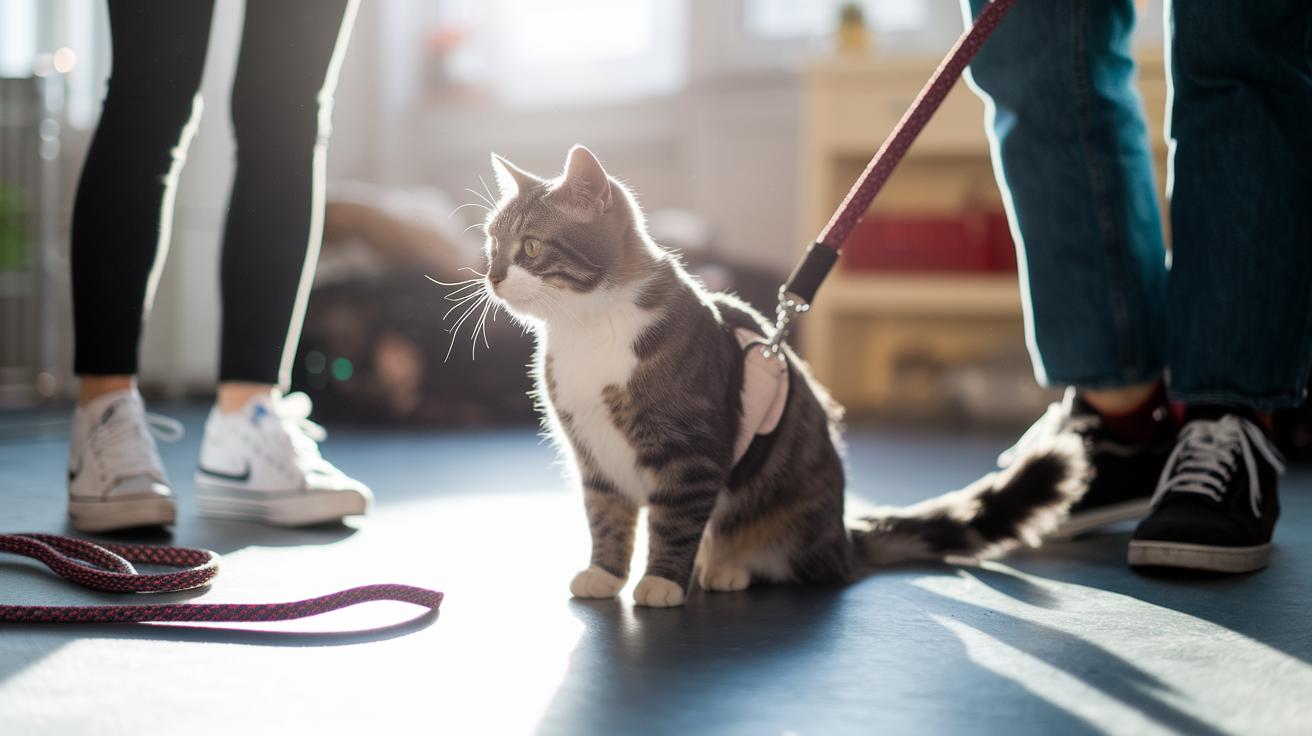
Find a quiet, simple spot where you can train without distractions. Let your cat get used to the area and any tools you plan on using. If you want to try a leash or harness later, start by letting your cat sniff and explore them indoors. Use a few tasty treats to make the new gear feel safe. Then, slowly add the leash or harness during brief sessions while you keep the clicker and treat rewards coming.

Keep sessions short, around 5 to 10 minutes, and aim for 2 to 3 times a day in the same spot. That way, your cat won’t get tired and the training stays fun. If you decide on longer lessons, pause often so your cat can take a little break. Each little click becomes a mini celebration of progress.

Mastering Feline Clicker Training Levels: From Association to Complex Tricks

Level 1: Click-Treat Association
Start by making a quick click sound and then giving your cat a treat right away. The click tells your cat, "Good job." Soon, your cat will look for the treat each time you click. This is the basic step that helps with all the tricks that follow.

Level 2: Finger Targeting
Hold out your finger and wait for your cat to move a bit. When your cat touches your finger with its nose or paw, click and give a treat. This simple action helps your cat focus and sets you up for teaching more tricks.

Level 3: Basic Obedience (Sit)
Show your cat the “sit” command by slowly moving a treat upward. When your cat sits, click immediately and offer a treat. This clear reward helps your cat learn exactly what you want.

Level 4: Spinning
Use a treat to lead your cat in a slow circle. When your cat completes a full spin, click and treat. With practice, your cat will start spinning on cue without much help.

Level 5: Jumping
Place a treat a little above your cat’s head so it makes a small jump to reach it. When your cat jumps, click and provide the treat. This fun exercise builds both confidence and coordination.

Level 6: Shaping Complex Behavior
Break a tricky trick into tiny, simple steps. Click each time your cat makes a little move that looks like part of the final trick. This step-by-step approach makes a big trick easier to learn.

Level 7: Advanced Tricks (Roll, Agility)
Work on more advanced moves like rolling over or simple agility drills. Rolling might take some time, so be patient. Celebrate each small step as your cat gets more confident and ready for new challenges.

Troubleshooting Clicker Training: Overcoming Common Cat Behavior Challenges

img-3.jpg

Sometimes, even with a lot of planning, your cat doesn't do what you expect. You might notice that your cat isn’t responding to the click, gets too excited during training, or behaves in a mixed-up way. This can happen when the click isn't timed just right, the treats don't appeal enough, or there are too many distractions. Sometimes your cat might even get too focused on treats or show unwanted habits like chewing on plants or being restless at night. Fixing these issues early keeps training fun and helpful for both you and your furry friend.

Mistake or Challenge Solution
Cat ignores click Use tastier treats and train in a quieter spot
Overexcited pacing Make sessions shorter and give calm praise between clicks
Inconsistent marking Time the click exactly with the behavior
Distractions nearby Shift to a quieter area and remove extra toys until later
Slow learner Break the trick into smaller, easy steps

Be patient and try small changes when you face challenges. It may take a few tries to find the right fix for your cat. Keep training sessions short and fun while gradually making them a bit harder. Over time, these changes help your cat feel more confident and each click will lead to the behavior you want.

Advanced Clicker Training for Cats: Tricks, Agility, and Measuring Progress

Ready to take your cat's training to the next level? Try setting up a mini obstacle course in your living room with little jumps and tunnels. This fun setup keeps your kitty engaged and builds on what you've learned before. Next, create a safe space for a timed agility run where your cat can zigzag freely while you use your clicker as a cue. And don’t forget the hand-targeted high-five, reward your cat for a quick paw tap.

Here are some tips:

  • Celebrate when your cat does a full spin, which may happen in about 3 weeks.
  • For some kitties, mastering a smooth roll might take up to 9 months.
  • Mix up the drills to keep things fresh and fun.

Keep track of the progress by snapping a photo or marking a treats-earned chart each time your cat hits a milestone. When your cat completes an obstacle or sets a new record for speed, take a moment to celebrate together. Just like Ambassador cats such as Captain Patch, you’ll see that advanced clicker training not only builds agility but also deepens the bond between you and your pet. Every click is a small celebration of your cat’s growing skills.

Final Words

In the action, we explored the basics of clicker training for cats.
We covered setting up your space, picking the right clicker and treats, and planning short sessions that build a strong bond with your pet.
We also talked about troubleshooting common challenges and progressing to more advanced tricks.
Every step focuses on simple, clear actions that bring fun and learning for both you and your cat.
Clicker training for cats can be a rewarding way to keep your pet healthy and happy.

FAQ

What is clicker training for cats, and are clickers good for training cats?

The clicker training for cats method uses a click as a marker paired with treats to reinforce good behavior. It helps teach tricks and stop unwanted actions when practiced with care.

How can I get free clicker training for cats?

The free clicker training for cats approach is shared on forums like Reddit where pet parents offer advice, guides, and tips without cost, so you can start training on your own budget.

What resources are available for clicker training cats, including books and kits?

The clicker training for cats book and cat clicker training kit provide step-by-step guidance with essential tools such as a reliable clicker and tasty treats, helping you start training confidently.

Which clicker is best for cat training?

The best clicker for cat training offers a clear, consistent sound and is simple to use. It pairs well with small, high-value treats to make lessons fun and effective for your feline.

What is the 3-3-3 rule for cats in clicker training?

The 3-3-3 rule for cats involves short sessions with three clicks, three treats, and three repetitions. This routine keeps training engaging and helps build focus and good habits.

What are the negatives of clicker training for cats?

The negatives of clicker training for cats include timing challenges and a learning curve for both you and your pet. Inconsistent clicks may confuse your cat and slow progress.

How do I say “I love you” to my cat through training?

The phrase “I love you” in cat training means showing affection with gentle praise, timely treats, and accurate clicks. This warm approach builds trust and strengthens your bond over time.

Who is Jackson Galaxy in relation to clicker training for cats?

The Jackson Galaxy connection in clicker training refers to his work as a cat behavior expert. He uses clicker techniques to address behavior issues and helps pet parents communicate better with their cats.

Pet Nail Clippers For Cats: Easy, Safe Trim

0

Have you ever wondered if you have the right tool to trim your cat's nails? Many pet parents feel anxious during nail trims because a bad clipper might hurt your feline friend.

Using clippers made just for cats gives you more control and a safer trim. Even if you're new to grooming, you’ll get a neat, calm cut that keeps your pet comfortable. Look for clippers with safety guards and sharp stainless-steel blades. They keep grooming simple, safe, and stress-free for both you and your cat.

Remember, a little extra care now means more happy, healthy moments with your furry companion.

Selecting the Perfect Cat Nail Clippers for Safety and Comfort

When it comes to trimming your cat's nails, safety matters. A strong, well-built clipper helps you cut nails fast and keeps your pet safe. Using a gentle tool makes grooming less stressful for both you and your furry friend.

It is best to use clippers made just for cats. They give a neat trim without risking a deep cut. This is important if you're new to pet care or even if you've been grooming for years. For kittens, a tool with a safety guard can make grooming more simple and secure.

  • Sharp stainless-steel blades for clean, quick cuts
  • Spring-loaded handles for a secure, comfy grip
  • Scissor-style blades for gentle trimming on small claws
  • Plier-style design for extra control on thicker nails
  • Adjustable features to keep the cut at a safe depth
  • LED-assisted models to help you see better during use

When your clipper has these features, it sets you up for easy, worry-free grooming sessions. This approach helps keep your cat calm and makes your routine smooth and simple.

Main Styles of Cat Nail Trimmers Explained

img-1.jpg

Finding the right tool makes trimming your cat's nails easier and less stressful. Every style has its own way of handling those delicate claws while matching your grooming style and your cat's temperament.

Scissor-Style Clippers

These clippers work like little scissors. They use small, curved blades to give a neat and gentle cut. Their design creates a tiny cutting area so you get extra control. Plus, they have a comfortable grip that helps you avoid any accidental cuts.

Plier-Style Clippers

Plier-style clippers feel like small pliers with straight, sharp blades. They have a spring-loaded action that makes quick, smooth cuts. These work well for cats with thicker nails by giving you good leverage for a firm trim.

Nail Grinders

Nail grinders file down the nail slowly with a rotating abrasive tip. This gentle method lessens the risk of cutting into the quick (the soft part inside the nail). They have a quiet motor, but your cat might need a little time to adjust to the sound and vibration.

LED-Assisted Clippers

These clippers shine a small light on the nail edge, which is especially useful when the room is dark. The extra light helps you see clearly for a safer cut. Just keep in mind that these might be a bit bulkier, so they work best for cats that can handle a larger tool.

Each type has its own benefits. Scissor- and plier-style clippers are great for quick, controlled trims, while nail grinders offer a slow and steady file down. LED-assisted tools bring extra light for a more precise job. We hope this guide helps make nail trimming a friendlier experience for both you and your cat.

Best Cat Nail Clippers: Top 5 Picks of 2024

Safari Professional Nail Trimmers

We love these because they have sharp stainless steel blades and spring-loaded handles that let you trim your cat's nails quickly and carefully. Priced at about $9.99, they give you a precise cut every time. They are reliable and simple to use. One head-up: the spring may seem a bit stiff at first when working on delicate nails.

Hertzko Professional Pet Nail Scissors

These nail scissors are a great budget choice at under $7. They cut feline nails neatly with a scissor-style design. It can be a little hard to see the nail quick, but they still do the job. If you're looking for a no-fuss tool, these work well.

Pet Republique Professional Nail Clippers

With padded grips for extra comfort, these clippers make long grooming sessions easier. They come at a mid-range price and balance quality with comfort. They are friendly for both new and experienced groomers. Some pet parents wish they were a bit smaller for easier handling.

PATPET N8 Quiet Small Pet Nail Grinder

This nail grinder files your pet's nails gently with a quiet motor, which helps keep the process calm. It works by filing gradually to avoid cutting too close to the quick. It might need a bit of time for your cat to get used to the sound and feel, but many find it creates a stress-free experience.

Pawsibility Reinvented Nail Clippers

These clippers include an LED light that brightens your view so you can see the nail details even in low light. They are designed for accurate cuts. The light is a big plus, but some pet parents say the tool feels a little bulky for smaller cats or kittens. It’s a neat mix of innovation and practical design.

Step‐by‐Step Guide to Safely Trim Your Cat’s Nails

img-2.jpg

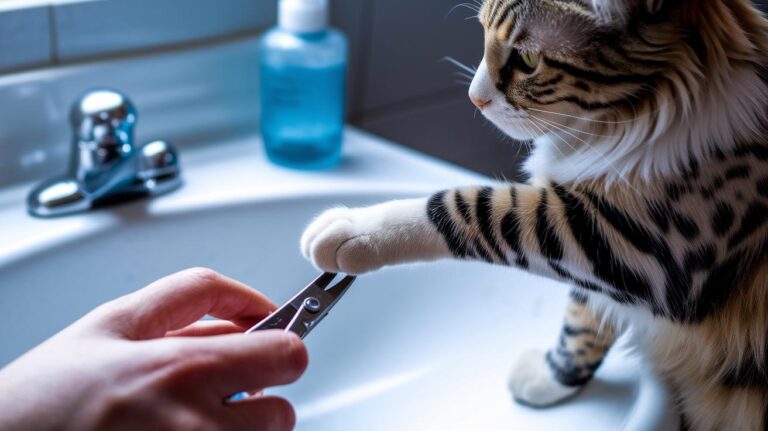
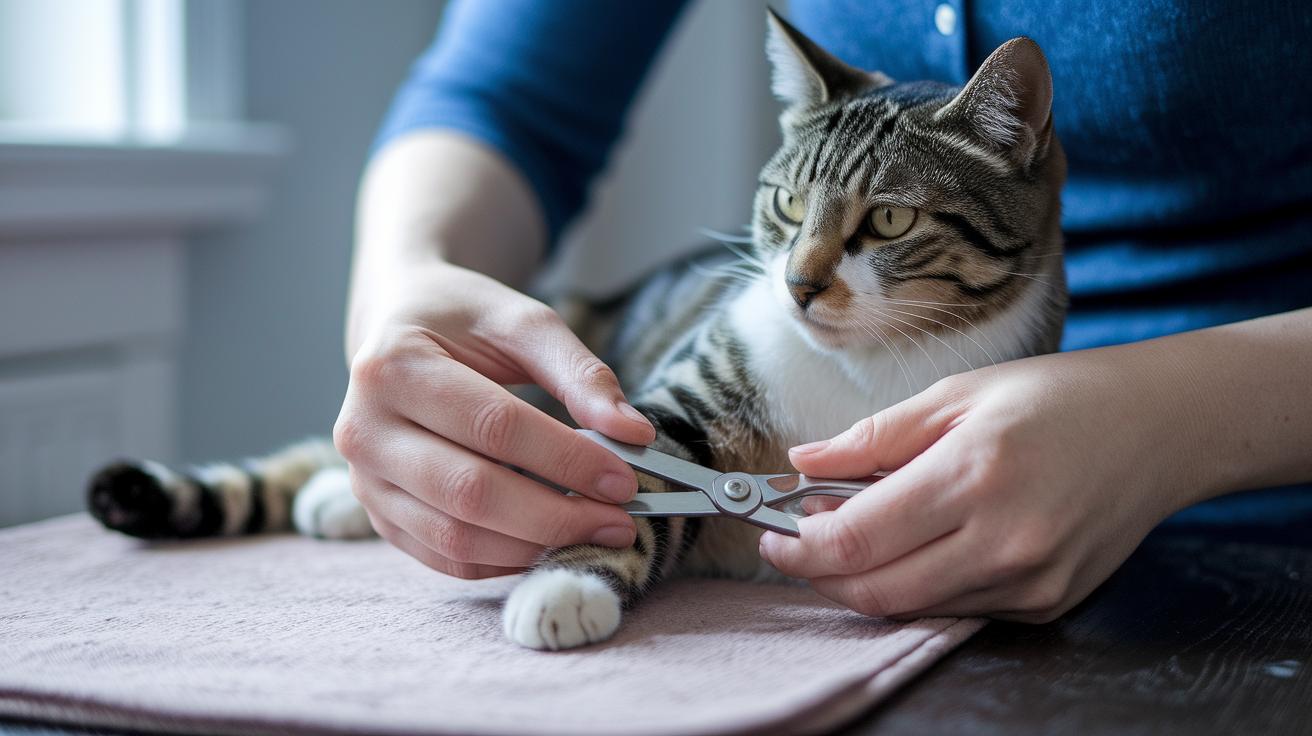
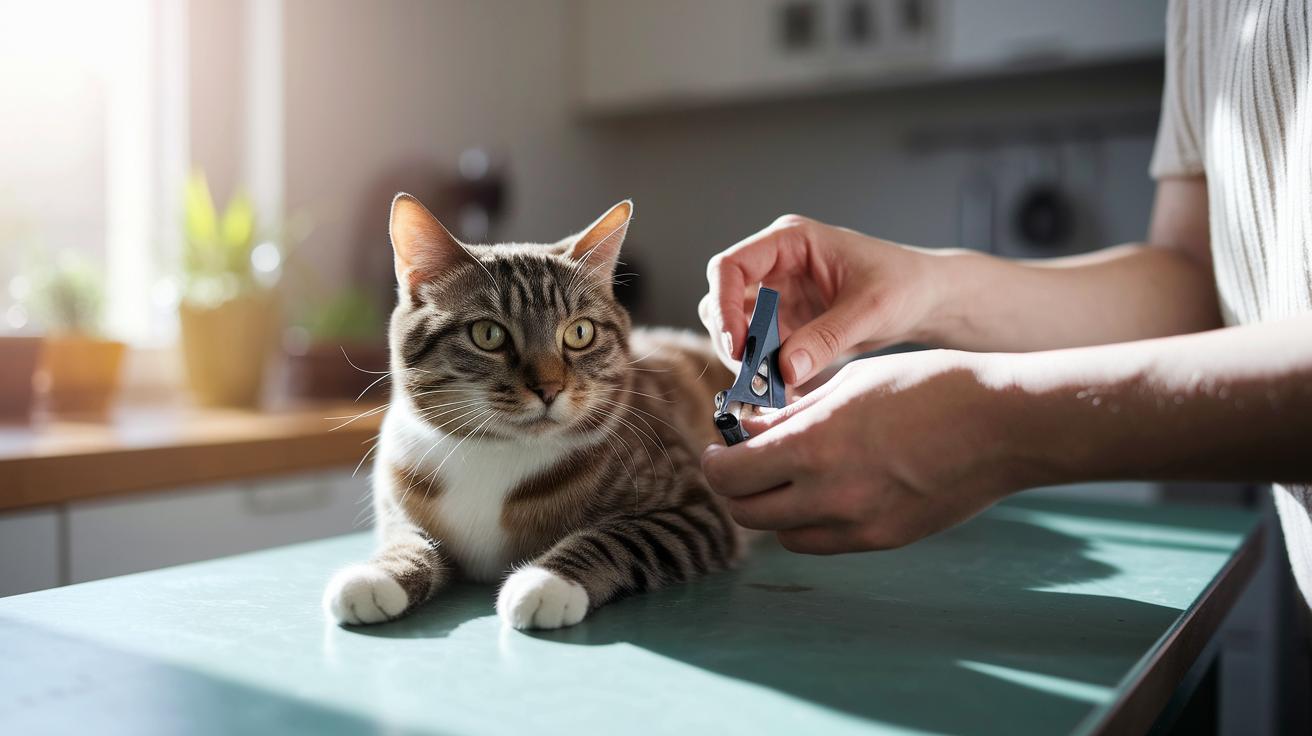
Trimming your cat’s nails might feel a bit challenging at first, but with some care, it can become a calm and bonding time for both of you. Pick a quiet spot where you and your cat can relax together. Hold your cat’s paw gently and speak in a soft, kind tone. If you need more tips on grooming, check out our full pet care guide.

  1. Press on the pad to clearly see the nail.
  2. Trim only the clear tip. Be careful not to cut too close to the pink area inside the nail.
  3. File down any rough edges with a nail file or grinder.
  4. Rinse your clippers after each use so the blades stay clean and sharp.
  5. Take a short break between each nail to help your cat stay calm.
  6. Reward your cat with treats and gentle praise after each nail.

Handle each paw with care. With a bit more patience and kindness, nail trimming can be a happy time that builds trust between you and your pet.

Caring for Your Cat Nail Clippers: Cleaning and Maintenance

Keep your nail clippers in great shape for every grooming session. After each trim, rinse the blades with warm water and dry them fully. This stops rust and keeps the blades sharp for next time.

Regular cleaning also helps cut down on germs. Check the screws sometimes to make sure the blades stay aligned. A little extra care makes a big difference.

Here’s a simple routine:

Step Action
1 Rinse blades with warm water
2 Dry completely
3 Apply one drop of mineral oil to the pivot joint once a month
4 Check and tighten any loose screws
5 Store in a dry, safe place away from moisture

With this easy routine, your clippers will be ready each time, keeping your pet safe and happy.

Common Questions About Pet Nail Clippers for Cats

img-3.jpg

Is it better to cut or grind cat nails?
Cutting your cat's nails is a quick way to trim them. Using a grinder lets you slowly file off little bits, which helps you avoid the soft spot in the nail (the quick). Both ways work well if you use a gentle touch and the right tool for your cat.

How often should nails be trimmed?
A good rule is to trim your cat's nails every 2 to 4 weeks. How often you need to do it depends on how active your cat is and how fast their nails grow. Regular trims help stop snagging and keep your kitty comfortable.

Should a vet trim my cat’s nails?
Many vets agree that you can trim your cat's nails at home if you feel comfortable and use a proper tool. With some practice and patience, most pet parents learn to trim nails safely. In fact, many vets think routine grooming can be managed by you without needing a professional.

What if my cat resists?
If your cat isn’t too sure about nail trimming, take it slow. Try letting your cat get used to the clipper by showing it to them and rewarding them with treats. Work in short, calm sessions. Over time, your cat may come to accept nail grooming as part of a regular routine.

Final Words

In the action, we explored how to choose safe, easy-to-use clippers by highlighting key features like sharp stainless-steel blades and ergonomic designs. We broke down styles from scissor-style to LED-assisted tools and shared top picks, trimming tips, and cleaning advice.

By following these simple steps, you can enjoy stress-free grooming sessions that keep your cat happy and healthy. Enjoy caring for your furry friend with the best pet nail clippers for cats.

FAQ

What type of nail clippers are best for cats?

The best cat nail clippers combine a sharp stainless steel design with safety features like a guard and ergonomic grip, making them ideal for both beginners and experienced pet parents.

How do LED-assisted cat nail clippers work?

LED-assisted clippers incorporate a small light that illuminates the nail edge, helping you see clearly in low-light conditions and achieve precise trimming without hassle.

Do vets recommend clipping cat nails?

Many vets recommend clipping cat nails at home with proper tools to prevent painful overgrowth and accidental injury, making it a safe routine when done carefully.

Is clipping or grinding cat nails better for safety?

Clipping offers a quick trim, while grinding gently files away nail layers to minimize accidental cuts near the quick—each option works well depending on your cat’s comfort.

Should I trim my cat’s nails or leave them as is?

Regular trimming is advised because it prevents overgrown nails that can hurt your cat or cause damage, ensuring your feline stays comfortable both indoors and outdoors.

Where can beginners find reliable cat nail clippers?

Beginners often find models on Amazon that feature safety guards and ergonomic designs, offering dependable options that make nail trimming easier and more stress-free for your cat.

Backyard Flea Treatment Brings Outdoor Cheer

0

Ever wonder if your backyard might be a secret hideout for fleas? Even a little bit of wet grass or a pile of leaves under your deck can invite pests that bother your pet.

A good flea treatment for your yard does more than keep bugs away. It makes your space a happy, safe place for your furry friend. With clear, pet-safe steps, you can bring back a yard that feels cheerful and cozy.

Let’s dive into some simple tips to change a flea-friendly spot into a fun playground for you and your pet.

Effective Backyard Flea Treatment: A Step-by-Step Guide

Keeping your backyard free of fleas is key to keeping your pet comfy and safe. Fleas can cause itching and skin problems, and they may even spread diseases. Outdoor spots with lots of natural debris and damp shade, like under decks, along fences, or in shrub beds, make a perfect home for these pests. By dealing with fleas outside, you stop them from sneaking indoors and help create a healthier space for your pet.

Start by checking your yard for areas with extra trash and moisture. These spots are where fleas are likely to hide. Once you spot the trouble areas, choose a pet-safe outdoor treatment. Look for a product that uses an insect killer (like bifenthrin) along with an ingredient that stops flea growth. Whether you pick a liquid spray or a granular product, apply it directly where the fleas are. Follow the label instructions carefully, and keep your pet away until the treatment dries. Quick tip: Check these areas again later to see if they need another round.

You might notice fewer fleas within a few hours, and a big drop in their numbers over the next few days. Focusing treatment on the right areas makes this method effective for keeping your yard safe and your pet happy. For more pet care tips, check out our comprehensive pet care guide.

Recognizing Flea Hotspots and Infestation Signs in Your Backyard

img-1.jpg

Your backyard can be a playground for fleas. They love dark, damp spots like under decks, along fences, in tall grass, or near your pet's favorite hangout. These cozy areas let fleas breed easily. Check roofs, porches, and little garden corners often. A quick yard cleanup can cut down on these flea hideouts.

Watch for signs of a flea problem. If your pet scratches a lot or you see tiny bite marks, it might be fleas. You might also spot live fleas or small black specks (flea dirt) on your pet's fur. Sometimes, you could find flea larvae in the leaves or brush. These signs mean it’s time to boost your flea control efforts.

Natural Backyard Flea Treatment Options: DIY and Eco-Friendly Solutions

Natural backyard flea treatments give you a pet-safe and effective way to handle pesky fleas. We use solutions that are gentle on your yard and kind to your pet. They cut down on chemicals and help break the flea life cycle.

Here are a few ideas:

  • Beneficial nematodes: Tiny worms that munch flea larvae in less than 48 hours.
  • Diatomaceous earth: A natural powder that sticks to fleas and dries them out.
  • Cedar wood chips: They release a bit of cedar oil that repels adult fleas.
  • Homemade essential oil spray: Mix water, a drop of liquid soap, and a few essential oils like peppermint, rosemary, citronella, lavender, eucalyptus, clove, pennyroyal, or neem for a pet-safe knockdown.
  • Commercial citrus-based insecticide: Uses citrus extracts like d-limonene and linalool; you can easily apply it with a garden hose.

For the best results, focus on damp, shaded spots under decks and near fences. Apply these treatments on dry days to boost their power. Regularly clearing away leaf litter helps your yard breathe and soak up sunshine, which wards off new flea invasions. These natural methods protect your pet, your home, and our local environment.

Pet-Safe Chemical Treatments and Professional Backyard Flea Control

img-2.jpg

Pet-safe chemical treatments are a top choice to keep your yard flea-free. Products like Bifen IT spray and Bifen LP granules use a medicine called bifenthrin. This works with an insect growth regulator (a helper that stops fleas from breeding) to quickly cut down on flea numbers. The spray hits the grass right away, while the granules seep into the soil over time to target flea larvae. Many pet parents also choose professional pest control for extra follow-up visits that offer long-lasting protection and peace of mind.

Product/Service Active Ingredient/Technique Application Method Recommended Reapplication Interval
Bifen IT spray Bifenthrin with an insect growth regulator Liquid spray Follow label directions
Bifen LP granules Bifenthrin with an insect growth regulator Granular treatment Depends on flea activity
Professional service package Expert treatment with an insect growth regulator Customized application Scheduled follow-up visits

When choosing a treatment, think about your yard size, flea levels, and budget. A small yard with a few flea spots may do well with a simple spray or granules. Bigger infestations might benefit from a professional service that can reach hidden areas and treat the yard more evenly. Always follow label instructions and keep your pet away until the treatment dries. This careful approach helps create a safe outdoor space that is fun for you and comfortable for your pet.

Preventive Yard Maintenance for Sustainable Backyard Flea Treatment

Keep your yard tidy by removing fallen leaves, grass clippings, and other waste every week. This simple step helps cut off places where fleas like to hide, leaving a cleaner and safer space for your pet. Mow your grass to a medium length and trim thick shrubs so more sunlight reaches the yard. It’s like giving your yard a little refresh that also cuts down on damp corners.

Next, fix any drainage problems to stop puddles and wet spots. A dry, well-aerated yard makes it hard for fleas to survive and breed.

For long-term success, set up a regular routine to spot-treat areas that seem at risk. Try alternating between natural remedies and gentle chemical treatments. Check these spots each month and treat them in small amounts as needed. This method keeps flea numbers down without using too many pesticides, making your yard a safe haven for you and your pet.

Dog-Friendly Backyard Flea Treatment: Safety Guidelines and Best Practices

img-3.jpg

Before you start treating your yard, remember to keep yourself safe. Wear gloves, long sleeves, and eye protection while mixing and applying the flea treatment. This simple step helps you avoid accidental skin contact and keeps you safe. Most outdoor sprays are pet-safe only after they dry, so be sure to keep your dog away until the area is dry. A little tip: try treating a small spot first to see how long it takes to dry.

Choose a biodegradable or low-toxicity formula to protect your pets, wildlife, and family. After you treat your yard, watch your pets closely when they come back. You might also want to rinse their paws if they have walked on the treated surfaces. For more tips on combining outdoor treatment with home care, check our in home pet care guide.

Final Words

In the action of tackling flea infestations, we explored a variety of pet-safe methods that blend natural remedies, professional tools, and regular yard care. We broke down how to spot hidden hotspots and safely apply treatments while keeping your pets secure. By balancing effective outdoor sprays with preventive maintenance, you can achieve lasting results with backyard flea treatment. Every step helps protect your pet's comfort and supports a healthier home environment. Enjoy a fresher, safer yard today.

FAQ

How can I create a DIY backyard flea treatment?

A DIY approach means mixing water, a drop of liquid soap, and pet-safe essential oils to target flea hotspots. Always follow directions and keep pets off treated spots until fully dry.

How can I safely treat my backyard for fleas when I have dogs?

A pet-friendly backyard flea treatment involves using products labeled safe for dogs. These products control fleas while you keep your dog off the area until the treatment dries.

What flea killer is safe for my yard and pets?

A flea killer safe for yards and pets uses low-toxicity ingredients. Follow label instructions and let treated areas dry completely before reintroducing your pets.

What kills fleas in the yard instantly?

An instant knockdown of fleas can come from spot treatments with fast-acting insecticides. While fleas may drop quickly, ongoing management is needed for continuous control.

What is the best flea spray for home and furniture?

The best flea sprays for home and furniture combine a quick knockdown formula with long-lasting action. Many pet-safe brands are available that disrupt the flea life cycle without harming family members or pets.

How do I get rid of ground fleas in my yard?

To get rid of ground fleas, treat shaded, moist areas with a targeted spray or natural remedy like diatomaceous earth. Regular debris removal improves airflow and reduces flea breeding spots.

Does Dawn soap kill fleas in the yard?

Using Dawn soap outdoors can kill some fleas on contact, but it isn’t designed for lasting flea control. It is better used as a supplemental measure rather than a complete yard treatment.

What will completely get rid of fleas?

No treatment can guarantee 100% flea elimination. The best approach combines effective insecticides or natural remedies with routine yard cleaning to steadily reduce flea populations.

Is Adams Flea & Tick Home Spray effective for outdoor flea problems?

Adams Flea & Tick Home Spray is intended mainly for indoor use. For outdoor flea issues, consider products specifically designed for yards or combine it with targeted outdoor treatments.

How do products like Virbac Knockout, Vet’s Best, Raid, PetArmor, or Adams Yard & Garden Spray compare?

These products offer different formats and active ingredients to control fleas. Choose based on your yard size, infestation level, and if you need a spray or granular mix for quicker and extended results.

Dry Organic Dog Food Sparks Healthy Pet Smiles

0

Ever wonder if your dog's food holds a secret for extra play and a shiny coat? Our dry organic dog food is packed with vitamins, proteins, and healthy fats that help build strong muscles and smooth digestion. Many pet parents have noticed that a natural, chemical-free diet makes pets more energetic and keeps their smiles bright. Switching to organic kibble can boost your pet’s health and bring extra joy to meal times.

How Dry Organic Dog Food Supports Canine Health

Dry organic dog food gives your dog a good mix of vitamins and minerals that help boost its immune system. It has proteins, fibers, and healthy fats that work together to keep muscles strong and energy levels steady. The natural ingredients avoid artificial add-ons and fillers, which can lower the chance of allergies and digestive discomfort. Many pet parents see that a dog eating organic kibble often sports a shiny coat and plenty of energy during play.

Organic diets are made to support smooth digestion and a healthy coat. They bring the right nutrients for puppies, adults, and older dogs. Without chemical additives, each meal helps keep energy levels up and digestion on track. This means mealtime is a joy for both you and your pet.

  • Supports immune defense
  • Promotes healthy digestion
  • Enhances coat shine
  • Aids muscle maintenance
  • Sustains energy levels

Veterinarians back these diets as chemical-free and meeting strict organic standards. They say that organic formulations are a trusted, science-backed choice for pet parents who want clean and nutritious meals for their furry friends.

Key Ingredients and Certifications in Dry Organic Dog Food

img-1.jpg

These kibbles are backed by USDA-certified nutrition. They meet strict rules for organic ingredients and production methods. You can trust that every bite is made with care and follows government guidelines for safety and quality.

Good formulas use whole foods to build a balanced diet for your pet. They include USDA-certified meats like beef and chicken, along with organic fruits and veggies like carrots, squash, kale, apples, and parsley. Seeds like pumpkin and sunflower add extra vitamins and minerals. This mix supports energy, good digestion, and overall health.

These foods use non-GMO ingredients and skip chemicals in the process. A slow, low-heat drying method helps keep natural enzymes, flavors, and vitamins intact. By avoiding mystery meats, artificial colors, flavors, and preservatives, each bowl stays close to nature and balanced for your pet's well-being.

Top Dry Organic Dog Food Brands Reviewed for Quality and Value

We searched for dog food brands that really care about what they include in their food. We looked at each brand's ingredients, quality marks, and overall value. You can trust these choices because they tell you exactly what's inside. They meet different needs like helping a strong immune system, steady digestion, or balanced nutrition.

Brand Package Size Key Benefit
Natural Balance Original Ultra Broth Coated 4 lb Immune support
Badlands Ranch Superfood – Beef 11.5 oz Digestion
Badlands Ranch Superfood – Wild Fish & Turkey 11.5 oz Overall health
Nutro Natural Choice Small Breed Adult 13 lb Bone & muscle support
IAMS High Protein Real Chicken 30 lb High-protein balance
Lucy Pet Products Grain-Free Small Bites 4.5 lb Nutrient absorption
AvoDerm Natural Chicken Meal & Brown Rice 7 lb Skin & coat health
Natural Balance Limited Ingredient Grain Free 4 lb Sensitive pups
Open Farm Nutrient-Dense Grain-Free Kibble Various sizes Ethically sourced

Each option gives a great balance of cost and benefit. There are smaller bags for trying out something new and bigger bags if you need more food at home. You can feel good knowing you are giving your pet a nutritious meal that also fits your budget.

Life Stage and Breed‐Specific Dry Organic Dog Food Formulas

img-2.jpg

When picking dry organic dog food, it's important to match the food to your dog's age and breed. Some recipes work for every life stage while others are made just for adults, lower-fat diets, or tighter budgets. Each type meets specific nutritional needs. For example, big puppies need controlled calcium, small dogs need extra calories, and older dogs need joint support.

Puppy Formulas

Puppy formulas are packed with nutrients for growing pups. They have just the right calories and vitamins to support rapid growth. These recipes control calcium levels and include key ingredients to build a strong start.

Adult Maintenance

For adult dogs, the focus is on steady energy and overall wellness. These meals mix organic proteins with whole fruits and vegetables to help your dog stay active and healthy throughout the day.

Senior Support

Older dogs benefit from meals that help with their joints and keep their weight in check. Senior formulas offer fewer calories and extra supplements to support joint health while helping your dog enjoy an active lifestyle.

Small Breed Blends

Small breed blends are made with tiny, easy-to-chew pieces and high density calories. This ensures that your little pet gets concentrated nutrients to match their fast metabolism without extra bulk.

Large Breed Meals

Large breed meals are designed to support sound bone health and balanced growth. They blend quality protein and minerals to help big dogs grow at a healthy pace, keeping joints strong and building a stable foundation.

Transitioning to Dry Organic Dog Food: Best Practices

Switching to a new food slowly helps keep your dog’s tummy happy. Mixing in a bit of the new dry organic kibble over time lets your dog adjust to its richer, natural flavors and different nutrients.

We recommend a 7-10 day transition. Start by mixing one-quarter of the new food with three-quarters of the old food for two days. Then, add an extra one-quarter of the new food every two days until it’s 100% new kibble. This step-by-step method is gentle on your pet’s digestion.

Keep an eye on your dog's stool and energy. If you notice any changes, you might add a little probiotic (a friendly gut helper) to their meals. This check-in helps you adjust the switch and makes sure your dog enjoys a smooth and healthy change to their new organic diet.

Buying Guide: Selecting and Purchasing Dry Organic Dog Food

img-3.jpg

When you pick dry organic dog food, check the packaging first. Look for bags that can be sealed again and keep out moisture. These bags help keep the food fresh and hold onto important nutrients. Processing the food slowly at low temperatures also makes it last longer and reduces its weight. This way, every meal stays high quality until it reaches you.

The cost per serving is another key point. Look at the label's guaranteed analysis to see the cost per pound when you compare different brands. You can buy a one-time package or choose a subscription plan. With a subscription, you get convenience, savings, and even a rescue donation that helps local animal shelters (https://goodpawsgoodcause.org?p=118). Many eco-friendly brands use ingredients that come from sustainable sources and use smart packaging that wastes less. Together, these choices help keep active dogs happy and care for the environment. For feeding schedules and extra tips, check out our pet care guide (https://goodpawsgoodcause.org?p=436).

Choose brands with clear recipes and green practices. This choice benefits your pet's health and lifts up the community. Companies that care about quality and use sustainable methods often support local shelters. When you buy these products, you help fund animal rescue efforts and build a safer, healthier world for dogs. Every purchase makes a difference for pets, their families, and rescue programs every day.

Frequently Asked Questions About Dry Organic Dog Food

What’s the difference between organic and natural dog food?
Organic dog food follows strict USDA rules and comes with official seals. Natural dog food, on the other hand, isn’t regulated. The seals on organic food show it is free from pesticides, so you know your dog is getting a cleaner meal.

How should I transition my dog’s diet?
The best way is to change slowly. Mix more of the new organic food with your dog’s current food over 7 to 10 days. This helps keep your pet’s tummy calm and avoids stomach upset.

How can I verify true organic credentials in dog food?
Always check for clear labels and official seals. These marks confirm that the food has met strict USDA organic guidelines. They help you trust that your pet is eating safe, quality food.

Should I choose raw or cooked organic food?
Both options have their good points. Raw food might keep more natural enzymes intact, while cooked food can be gentler on your dog’s digestion. It all depends on your dog’s health needs and how they handle different foods.

What potential side effects might I see?
Sometimes, a sudden change in diet can cause loose stools or a bit of an upset tummy. Doing the switch slowly and adjusting portions can help avoid these issues.

How long does dry organic kibble last unopened?
Typically, the quality stays good for 12 to 18 months if you store it in a cool, dry place.

Final Words

In the action of exploring how dry organic dog food enhances canine health, we covered key benefits like immune support, improved digestion, and better coat quality. We also broke down top ingredients, life stage formulas, and the safe, gradual transition process.

We hope you feel ready to make confident choices that protect your pet’s well-being and support ethical causes. Armed with clear benefits and practical advice, you can simplify your shopping while making a positive impact. Enjoy the peace of mind that comes from safe, vet-recommended choices.

FAQ

Which dry organic dog food brands are known for delivering top health benefits?

The dry organic dog food brands recognized for top health benefits are those with USDA-certified organic ingredients and no fillers. They offer nutrient-dense kibble that supports digestion, energy, and overall immunity.

Is a scrambled egg good for a dog?

The scrambled egg is good for a dog when it’s cooked plain without added salt or spices. It offers a protein boost that can complement your pet’s balanced diet.

Is Greek yogurt good for dogs?

The Greek yogurt is good for dogs when served plain and unsweetened. It supplies protein and probiotics that may aid digestion, serving as a nutritious treat in moderation.

What dog food is good for arthritis?

The dog food for arthritis typically features omega fatty acids and antioxidants along with joint-support ingredients. It is designed to help soothe discomfort and support healthy mobility in aging canines.

How To Clean A Hamster Wheel: Sparkling Care

0

Have you ever thought about how a clean hamster wheel can boost your pet’s health? A quick scrub cuts down germs and makes playtime feel safer and even more fun. When you keep your little buddy’s wheel sparkling, you help them enjoy healthy exercise and happy runs.

In this guide, we share simple steps to help you along the way. You’ll learn how to move your pet with care and dry the wheel completely. This way, your furry friend always has a favorite spot that’s safe and clean.

Step-by-Step Cleaning Tutorial for Your Hamster Wheel

Keeping your hamster's wheel clean is simple and helps your pet stay healthy. A clean wheel cuts down on germs and grime, making exercise fun and safe. Follow these easy steps and your little friend will always have a fresh place to run.

  1. First, move your hamster to a safe spot. You can use an exercise ball or a small cage so your pet stays secure.
  2. Remove the wheel and give it a good shake. Tap it gently to get rid of loose bedding, food bits, and droppings.
  3. Soak the wheel in an animal-safe disinfectant for 15 minutes. This helps kill any harmful germs.
  4. Rinse the wheel under running water. Keep rinsing until you don’t smell any soap or chemicals.
  5. Let the wheel air-dry completely. Lay it on a clean surface so no moisture is left that might cause mold.

Remember to check that the wheel is completely dry before putting it back. A clean, dry wheel makes a great, safe play space for your hamster and keeps them feeling happy and healthy.

Why Regular Hamster Wheel Cleaning Matters

img-1.jpg

When you skip cleaning, your hamster’s wheel can quickly become a home for germs. A dirty wheel may hurt your pet’s feet and bring along bad smells that spoil playtime. Dirt, droppings, and bits of food can build up over time, making the area unsafe for your little buddy. Imagine a sticky, grimy wheel – it wouldn’t be fun for your pet and could even affect how happy and healthy they are.

The wheel's design and how much your pet uses it play a big role in how often you should clean it. Wheels with lots of little corners catch more bedding, seeds, and droppings. If your hamster is very active or you have more than one, a quick daily wipe might do the trick. For most wheels, a full wash once a week helps keep things fresh. Adjust your cleaning routine based on how the wheel is built and your pet’s habits to ensure a safe and comfy space for exercise.

Selecting Safe Cleaning Agents for Hamster Wheels

We know you want the best for your little pet. To keep your hamster wheel safe and clean, use gentle cleaning products made for pets. First, you can choose a store-bought disinfectant that says it's safe for small animals. Spray it on and let it sit for 15 minutes so germs are killed.

You might also use mild dish soap. Mix 1 teaspoon of soap in each cup of warm water. This mix cuts grease and dirt without leaving harsh chemicals. Rinse well so no soap scent distracts your pet.

Another option is a white vinegar solution made with equal parts vinegar and water. Vinegar cleans and disinfects naturally. Just rinse it off well to avoid any lingering vinegar smell.

For tougher stains, try a baking soda paste. Spread the paste on the stain and gently scrub it off. Make sure to rinse well so no powder stays behind for your pet to nibble on.

Always rinse extra well and let the wheel dry completely before your hamster plays on it. A clean wheel helps keep your pet healthy and happy.

Establishing a Cleaning Schedule for Hamster Wheels

img-2.jpg

Keeping your hamster's wheel clean is easier than you might expect. Every day, give the wheel a quick wipe down. Focus on the flat areas where droppings and seed pieces often gather. This daily clean helps keep dirt away and makes your pet feel at home.

Once a week, take the wheel off for a deeper clean. Soak it in an animal-safe disinfectant for 15 minutes, then rinse it well with water. This wash removes stubborn germs and debris that a quick wipe might leave behind.

Every month, spend a bit more time on a deep clean. Check the wheel's bearings, tighten any loose parts, and scrub the corners where grime builds up. This extra care keeps the wheel safe and working well.

If you have more than one hamster or if your pet's area gets extra dusty, feel free to adjust the schedule. A busier wheel might need more frequent washes, and any extra dirt means it's time for another quick clean. Keeping a simple calendar can help you stay on top of your pet's care.

Tips to Protect Your Hamster and Wheel During Cleaning

When you clean, always keep your hamster's safety in mind. Our tutorial shows you how to clean and dry each day-to-day piece. A wet wheel can make your pet slip, so be sure it is totally dry before playtime. Use pet-safe cleaners and rinse off all soap, leaving no residue behind. Think of it this way: a dry wheel is a safe playground for your furry friend.

Next, take special care of any extra parts. Carefully take apart pieces you can remove and check them for cracks or wear. Rinse and let items like food bowls, water dispensers, and the exercise ball dry completely. Cleaning each piece well helps stop germs from spreading. These extra steps make sure every part is safe and ready for fun.

Final Words

In the action, you learned a clear, step-by-step way to clean your pet's wheel safely. We covered everything from shaking off debris and using pet-safe cleaning solutions to setting up a regular cleaning schedule. Each step helps keep your pet happy and the wheel in top shape.

By following these tips on how to clean a hamster wheel, you ensure a clean, safe, and healthy play space for your little friend. Keep it simple and keep it safe.

FAQ

Can I use Dawn dish soap to clean a hamster cage?

Using Dawn dish soap may leave residues that can irritate your pet. Instead, choose a pet-safe cleaning agent or a mild, diluted soap designed for small animals.

How to have a happy hamster?

Having a happy hamster means providing a clean, safe home with steady exercise and gentle care. A well-maintained cage, a functional wheel, and regular play help keep your pet content.

How long can a hamster cage go without cleaning?

The length between full cleanings depends on bedding and your pet’s activity. Spot-clean daily and aim for a full wash weekly to prevent harmful bacteria and odors.

Why does my hamster’s wheel get so dirty?

The hamster wheel normally gets dirty from bedding, food bits, and droppings. Regular cleaning helps remove this buildup, keeping the wheel safe and hygienic for your pet.

Spring Cat Toy: Spark Joyful Exercise & Play

0

Does your cat seem bored lately? We know our kitties need a little spark of fun and exercise now and then. Imagine a toy that bounces like a small critter, giving your cat a playful workout right at home. This spring cat toy does just that. It moves like natural prey to encourage your kitty's pouncing skills, giving them both a physical and mental workout. Try it and watch your living room become a fun playground for your pet.

Interactive Benefits of a Spring Cat Toy for Feline Exercise

Our spring cat toy comes in a 3-pack and features sturdy plastic coil springs that bounce around during play. The fun, bouncy movement mimics the way small prey moves. This natural action sparks your cat’s hunting instincts. Your cat will love pouncing, batting, and chasing these lively springs.

Both kittens and adult cats can enjoy this toy. It gives your pet a playful challenge and a bit of a workout while indoors. As your cat figures out the pattern of the bouncing springs, it also gets a nice brain workout. Plus, we offer free shipping on US orders over $35 and cool coupon deals when you sign up for our newsletter. That means giving your cat a playful boost is easier than ever.

This bouncing toy does more than just boost physical movement. Its unpredictable roll and spring keep your cat alert and engaged. It turns a normal room into a little playground where your pet can build agility and practice quick, natural reflexes. In short, it mixes fun with exercise, helping your cat stay healthy and happy.

  • Improved agility
  • Reduced boredom
  • Healthy weight management
  • Stress relief
  • Solo play potential

Comparing Spring Cat Toy Designs: Coiled vs. Novelty Spring Playthings

img-1.jpg

A fun toy gets your cat's attention and lets them show off their natural hunting skills. Some toys bounce thanks to a plastic coil, while others use a strong metal spring or mix different shapes and textures for a twist. Choosing the right toy depends on your cat's energy and how they like to play.

Design Type Material Best Use
Plastic Coil Tough plastic Everyday bouncing fun
Metal Spring Strong metal High-energy chasing and pouncing
Novelty Shape Mixed materials Extra textures and spins for playful surprises

Match your toy to your cat's play style. If your cat loves steady play, a simple plastic coil works well. For kitties who are always on the go, a metal spring holds up better during vigorous play. And if your cat likes surprises, a novelty toy can keep things interesting.

Material and Durability Considerations in Spring Cat Toys

Spring cat toys come in different materials like plastic, metal, and rubber. Many pet parents like plastic coils because they stand up well to biting and scratching while being affordable. Metal springs give extra strength for active play, and rubber parts add a good grip or soft cushion. You might see small differences in quality or where the materials come from when you shop in over 30 countries. Sometimes a toy even shows a price of $0.00 USD, which usually means it is part of a special offer or bundle deal.

We check these toys for bite strength and how well the coil holds its bounce after lots of play. The goal is to keep the toy fun over many sessions without falling apart.

  • Check the toy’s thickness to be sure it is sturdy.
  • Read reviews from other pet parents for real-life durability tips.
  • Give the toy a light press to see how flexible it is.
  • Look for a warranty or guarantee before you buy.

Essential Safety Guidelines for Spring-Based Play

img-2.jpg

When your cat is having fun with a spring toy, it's important to keep an eye on them. We suggest watching your pet closely during play and checking the toy often for any signs of wear. Toys in our Springs n’ things lineup face different stresses from playful pounces, so a little extra care goes a long way.

  1. Look over the coils for any sharp edges or signs of wear.
  2. Remove any pieces that come loose right away.
  3. Keep play sessions short to prevent overuse.
  4. When you're not playing, store the toy in a safe spot.
  5. Swap out the toy as soon as you notice any damage.

Cleaning your cat's toy is also key to keeping them safe and healthy. Wipe it down with a damp cloth and a bit of mild soap, then let it dry completely before the next play session. This simple routine stops dirt and bacteria from building up and hurting your pet's skin or paws. With regular checks and cleaning, your cat's spring play toy stays a safe and fun part of indoor play.

DIY and Eco-Friendly Spring Cat Toy Options

Want a fun project that reuses safe items and keeps your cat moving? You can make an engaging spring toy at home using recycled materials. This project is kind to your wallet and gives your cat a playful accessory made with care. By choosing eco-friendly options, you're not only reducing waste but also helping the planet. It’s a perfect way to create a toy that matches your cat’s energy and style, all while using safe, non-toxic items.

Upcycled Coil Spring Craft:

  1. Find non-toxic springs at your local hardware store or from old toys.
  2. Cover the ends with soft, washable fabric to keep your cat’s paws safe.
  3. Use pet-safe glue that won’t harm your furry friend to secure the fabric.
  4. Add fun bits, like feathers, for some extra sensory play.
  5. Check the toy carefully to make sure there are no loose parts or safety risks.

Follow these steps to create a fun accessory that keeps your cat active and supports a greener lifestyle. Always try to choose responsible suppliers and recycled materials when you can. This DIY idea turns your creativity into a safe, eco-friendly toy that brings joy and exercise indoors.

Top Spring Cat Toy Brands and Retail Channels

img-3.jpg

We’ve rounded up some trusted brands and retailers where you can find fun spring cat toys. Whether your cat loves a bouncy toy, a catnip treat, or a toy with sensory textures, these places have you covered with solid products at fair prices.

You can find these toys at popular stores like Amazon, Walmart, and Petco. They offer a mix of unique styles that are perfect for indoor play. One favorite is the Cat Spring Cat Toy – 3 pack, a top seller among interactive toys.

Brand Pack Size Price Range Key Feature
KitJoy 3 pack $15-$20 Bouncy coil springs for dynamic play
PurrPlay 2 pack $12-$18 Colorful design with sensory textures
Feline Fun 4 pack $20-$25 Durable plastic built for active paws
CatCraze 1 pack $10-$15 Lightweight and great for solo play
WhiskerWorks 3 pack $18-$22 Innovative design that mimics prey movement
Playful Paws 3 pack $14-$19 Versatile toy that pairs well with other play items

When you shop for spring cat toys, keep in mind that shipping options and return policies can differ. Amazon is known for quick delivery and easy returns. Walmart’s toys are tough and built to last even with the most enthusiastic play. Petco often has stylish bundles that mix the toy with other fun accessories. Be sure to check each retailer’s details so you pick the best fit for your playful companion.

Tips for Maximizing Playtime with a Spring Cat Toy

Try setting up little play spots around your home. This creates a fun mix of adventure and challenge for your cat. For example, put the toy on a low table, a soft rug, or a safe countertop. Each new spot is like a mini playground that keeps your cat curious.

Here are some ideas:

  • Hide treats in the toy coils for a treasure hunt.
  • Use a teaser wand to add a fun chase.
  • Let your cat play on different surfaces like hardwood or carpet.
  • Switch toys every week to keep things fresh.
  • Add a pinch of catnip for extra fun.

Mixing up your play routine helps prevent boredom. By changing the toy's location and trying new tricks, your cat stays active and alert. This fun variety gives your cat a little exercise each day and keeps them both happy and engaged.

How Spring Cat Toy Purchases Support Animal Rescues

img-4.jpg

When you pick a spring cat toy, you treat your pet to a fun, bouncy playmate and help animals in need. Often, part of the sale, like a coupon offer or a festive promo, goes toward local shelters and rescue programs. That way, your pet has a great time while you give back.

You can do even more to support rescues at checkout. Here are a few ideas:

    Step What to Do 1 Add a small donation using the Animal Rescue Donations option. 2 Donate outgrown toys to your local shelter. 3 Shop from brands that give back to the community.

By choosing a spring cat toy, you not only give your pet playful exercise but also offer a helping hand to animals waiting for a new home. Each little step makes a big difference and turns your everyday purchase into an act of kindness.

Final Words

In the action, this article showed you how a spring cat toy can boost exercise, spark curiosity, and keep your cat engaged. We covered the fun benefits of coil action, compared toy designs, shared safety tips, and even explored eco-friendly DIY options.

We also highlighted how each purchase supports animal rescues. Small changes in play can make a big impact on your pet's health and our furry friends in need.

Enjoy every moment with your spring cat toy.

FAQ

Are cat spring toys safe and good for cats?

The idea that cat spring toys are safe and beneficial means they’re made for interactive play that sparks natural hunting instincts. Always supervise and inspect for damage to keep playtime secure.

Why does my cat love spring toys and what toys stimulate them the most?

The reason your cat loves spring toys is that the bouncing coils mimic prey movements. This stimulating play excites their natural hunting skills and is one of the most engaging types of toys.

What are some popular cat spring toy options, including large sizes, bulk orders, and dynamic models?

The popularity of cat spring toys spans large sizes, bulk purchasing options, and tech-enhanced models like SmartyKat Hot Pursuit and YEOWWW! Catnip Toy, all designed to boost interactive fun.

Where can I purchase cat spring toys near me or through online bulk deals?

The best local or online options for cat spring toys are found at retailers such as Petsmart and Amazon, which often offer bulk deals and free shipping on orders over $35.

What benefits do cat spring toys offer compared to other playthings?

The benefits of spring toys include increased agility, reduced boredom, healthy weight management, stress relief, and engaging solo play through their fun, bouncing, and interactive design.

Service Dog Harness: Reliable Comfort & Durability

0

Do you sometimes worry that your service dog's harness might not keep up with your busy day? This harness feels like a warm, snug hug that stays secure during training and long walks.

In our guide, we show you a harness that blends comfort with strength. It has:

  • Adjustable straps for a perfect fit
  • A no-pull design to keep your dog steady
  • Bright reflective patches so your dog is seen in low light

This harness is built to support your dog's daily work and give you extra peace of mind.

Essential Features of a Service Dog Harness

A service dog harness is made to keep your dog comfortable and secure all day. It meets strict rules for public use while keeping your pet safe. The harness uses adjustable straps and strong metal pieces that hold tight even on busy days. Imagine a harness that stays in place when your dog jumps up for a treat. It really feels just right.

These harnesses come with hook-and-loop patches so you can add a custom support strap for guide dogs. Removable chest plates help keep the weight balanced and add extra protection during work. Many also feature a no-pull design that makes daily activities and training much easier.

Safety and visibility are top priorities. Bright reflective patches ensure your service dog is seen in low light. A light, breathable mesh keeps your pet cool on long days, and carefully placed soft padding stops chafing.

You also get adjustable parts that fit dogs of all sizes, whether they're guide dogs or large helpers. Every detail is planned so your dog fits secure and meets public rules.

  • Adjustable straps with strong metal pieces
  • Hook-and-loop patches for custom security
  • Removable chest plates for balanced support
  • No-pull design for relaxed service tasks
  • Bright reflective patches for safety
  • Light, breathable mesh with soft padding for comfort

A part of every purchase supports Animal Rescue Donations, helping local shelters through our program.

Measuring and Sizing a Service Dog Harness

img-1.jpg

Grab a soft measuring tape and a pen. You want to measure your service dog's neck and chest carefully so the harness fits well and stays in place during training and everyday tasks. Start by wrapping the tape around the base of the neck, where the collar usually sits. Then, wrap it behind the front legs to measure the chest where the harness will rest.

Here are some simple steps to follow:

  • Measure the neck at its natural resting spot.
  • Measure the chest at the widest part behind the front legs.
  • Write down both numbers.
  • Check these measurements against the harness sizing chart.

This harness has adjustable straps and buckles that make it easy to get a snug, comfortable fit for dogs of all sizes. If your furry friend's build changes or you try a new harness, you can quickly remeasure to keep things secure.

Materials and Durability in Service Dog Harnesses

Service dog harnesses are built tough to handle daily challenges. We use heavy-duty nylon that holds up well, even with rough work. The fabric includes a strong mesh that lets air flow to keep your dog comfy on long days. Some models add quality leather for a classic look and extra strength when needed.

These harnesses have smart design touches that help them last. They come with metal parts that won’t rust, even if they get wet often. Strong stitching holds every seam in place so parts don’t split. Multilayer waterproof fabrics keep rain and mud at bay, helping your dog stay dry. Every part is made with care to stand up to busy days.

Here’s what makes them special:

  • Heavy-duty nylon for extra strength
  • Breathing mesh that stays tough yet cool
  • Quality leather for a traditional, rugged look
  • Rust-proof metal parts for long-lasting use
  • Waterproof layers that protect in wet weather

Service Dog Harness: Reliable Comfort & Durability

img-2.jpg

We built this harness with your service dog's comfort in mind. It comes with a breathable mesh panel and adjustable anti-chafe straps that keep your pup cool and help prevent rubbing. We've also added new touches for extra comfort and better control. Memory-foam padding and ergonomic belts ease pressure points, and micro-adjustments around the shoulders and chest let you fine-tune the fit, like tweaking your favorite jacket until it feels just right.

This smart design sets the harness apart from standard models. Extra cushioning and careful adjustments boost comfort during long workdays while improving your control. The handler belt is designed for a quick, secure fit, giving you extra support during training or everyday walks.

Standard Features Innovative Enhancements
Breathable mesh panels Memory-foam padding
Adjustable anti-chafe straps Ergonomic belts and micro-adjustments

Safety Standards and Compliance for Service Dog Harnesses

When you choose a service dog harness, safety comes first. Good harnesses show their purpose with clear patches like Service, Police, or Military K9. These marks mean the harness meets strict rules. Plus, bright reflective details help keep your dog visible when light is low.

The harness is made to be easy to handle with a no-pull system. This design helps reduce strain on your dog during sudden moves. It also follows public safety rules and ADA guidelines so everyone knows your service dog is working.

Every part is built with care. Strong buckles and secure stitching mean the harness is both safe and practical. Official patches and bright details make it simple for handlers and the public to recognize a working service animal.

  • Official patches (like Service, Police, Military K9)
  • Bright reflective details that stand out in low light
  • No-pull design for safe, secure handling

This thoughtful design keeps your service dog safe and makes sure the gear meets public rules.

Comparing Top-Rated Service Dog Harness Models

img-3.jpg

Pet parents trust these top harness models because they work well and feel comfy. The Registered Mesh Service Dog Vest is a favorite for its lightweight design and high visibility. It fits securely and keeps your service dog cool during active days.

The Unimax Multi-Purpose Harness features a removable chest plate. This lets you adjust the balance and add extra security. It’s easy to customize for your dog's needs during service or training.

The Quest No-Pull Dog Harness is popular for its simple, user-friendly design. Its no-pull feature reduces strain on your dog, giving you better control during walks. Many pet parents appreciate that it minimizes tugging and makes daily routines smoother.

Leather vests with customizable badges offer a classic look paired with smart features. They are sturdy and fit securely while letting you add personal patches. This extra touch gives your service dog a unique ID that stands out in public.

Many pet parents rate these models 4.5 stars or more. They love the comfort, the flexible customization options, and the reliable leash control in any setting.

Here’s an overview of standout features:

  • Registered Mesh Service Dog Vest: Light design, great airflow, clear identification
  • Unimax Multi-Purpose Harness: Removable chest plate, extra security, easy to adjust
  • Quest No-Pull Dog Harness: No-pull design, secure control, simple to adjust
  • Leather Vests with Customizable Badges: Classic style, rugged build, personalized look
Model Key Features Pros
Registered Mesh Vest Light, breathable Easy to see, secure fit
Unimax Multi-Purpose Removable chest plate Customizable, balanced support
Quest No-Pull Harness No-pull design No tugging, easy control
Leather Vests Customizable patches Sturdy, personalized look

Maintenance and Care Guide for Service Dog Harnesses

Keeping your service dog harness clean and strong is important for your pet's safety and comfort. A little care goes a long way to keep the gear ready for everyday tasks.

Here are some best tips:

  • Wash the harness by hand with a gentle detergent to clear away dirt and smells.
  • Let the harness air dry in a cool area away from direct heat and sunlight so the fabric stays sturdy.
  • Check the straps, buckles, and all parts every month to catch any wear early.
  • Tighten buckles and adjust straps as needed to keep the harness snug and secure.
  • Store the harness in a dry area when not in use to stop mildew and damage.

This easy care guide helps keep your service dog's harness in top shape. Regular checks not only extend the harness life but also keep it safe for every task. For more detailed tips on cleaning and inspection, visit the Comprehensive Pet Care Guide at the provided link.

Using these steps means your gear is always ready to help support your service dog safely each day.

Accessories and Customization Options for Service Dog Harnesses

img-4.jpg

Give your service dog's harness a little extra love with useful add-ons. You can add reflective or embroidered patches to make your dog's gear personal and easy to see. You might even pick removable saddlebags or side bags so your pet can carry small items. Picture a patch kit with a clip-on tag that signals a diabetic alert. This way, everyone knows your dog is on duty.

These features make life easier when you're on the go. Built-in waste bag dispensers and treat pouches keep your hands free. The grab handles give you extra support when your dog is moving fast or learning new tricks. And clip-on leash connectors can help you stay in control on busy days.

Here's a quick look at the key options:

Feature Benefit
Reflective and embroidered patches Your dog is seen and celebrated
Removable saddlebags or side bags Extra storage for small essentials
Built-in waste bag dispensers and treat pouches Makes walks smooth and hands-free
Integrated grab handles Extra support during sudden moves
Clip-on leash attachments Simplifies control on busy days

These add-ons turn a basic harness into a complete gear set that works for both you and your pet. Every feature is designed to make training and daily walks easier and more enjoyable.

Final Words

In the action, we looked at the core features of a service dog harness, from its smart design and trusted materials to practical care tips that keep gear in top shape. We walked through how proper measuring and simple upkeep can make a big difference. Each review showed that these products are built for comfort and safety while also supporting rescues. This blend of reliability and positive impact leaves us feeling good about every purchase. Enjoy trusted products that help both your pet and local shelters.

FAQ

What is the difference between an authentic service dog vest and a fake one?

An authentic service dog vest meets legal guidelines, features certified patches, and uses durable, high-visibility materials that ensure your pet is clearly recognized for its tasks.

How do I make my dog a legitimate service dog instead of just using a vest?

Making your dog legitimate requires proper training, certification, and documentation. A vest alone does not fulfill the legal or functional requirements of a service dog.

Can a hotel ask for proof that my dog is a service dog?

Hotels can request documentation to verify a service dog’s status, following legal guidelines. It helps ensure proper accommodations and that the animal meets service dog standards.

What disabilities qualify for a service dog?

Service dogs assist with a range of disabilities, including mobility impairments, visual or hearing loss, and psychiatric conditions, as outlined by legal standards.

Are there service dog harness options for both large and small dogs?

Service dog harnesses come in various sizes. They are designed with adjustable features to ensure a secure, comfortable fit for both large and small breeds.

Do service dog harnesses offer extra features like pockets or handles?

Many service dog harnesses include added features such as pockets for essentials and built-in handles for easier control during daily tasks.

Where can I purchase a service dog harness?

Service dog harnesses are available on Amazon, through specialty pet stores, and online retailers that offer certified, durable gear to meet your needs.

5 Senior Pet Care Tips For Aging Companions!

0

Do you worry that your senior pet might not be getting the care they need? As our furry pals grow older, even small changes can boost their comfort and health. In this short guide, we share five simple tips to help your aging friend thrive. We cover small tweaks in food, exercise, and home safety to keep your pet happy and loved every day. Let's explore these easy ideas and show your pet just how much you care.

Essential Care Pillars for Senior Pet Companions

As pets get older, their needs change. Dogs often become seniors around age seven and cats around age ten. Their metabolism slows and energy drops. Even tiny weight gains can affect how they feel. This means it's time to adjust their care with attention and a personal touch.

A caring plan that meets both body and behavior changes makes a big difference. It keeps your pet lively and comfy each day. We focus on a few key areas:

  • Nutrition
  • Exercise
  • Health checks
  • Environment
  • Mental well-being

Good nutrition can help keep muscles strong by using high-quality proteins and balanced meals. Regular, gentle exercise like slow walks or soft play keeps their muscles working and supports joint health without stressing their body. Routine vet checks catch any early issues so you can take action quickly. Simple home tweaks, such as adding non-slip mats and easy-access steps, create a safer space for them to relax. And fun activities like puzzle feeders or interactive toys keep their minds busy and stress low.

This plan shows your pet just how loved they are every day while keeping them active and content.

Nutrition Essentials for Elderly Dogs and Cats

img-1.jpg

As our pets get older, their food needs change. Their bodies slow down and need special support for their muscles. What worked when they were young might not work now. The right meals can help keep them strong, manage their weight, and support their overall health.

Requirement Dog Guidelines Cat Guidelines
Protein High-quality protein to keep muscles strong Protein that cares for kidney health
Calories Low-calorie diets to prevent weight gain Calories balanced for healthy weight
Phosphorus/Fat Control Balanced minerals with less phosphorus Lower phosphorus with easy-to-digest fats
Hydration Methods Encourage fresh water often Wet foods and extra water spots
Meal Frequency Small, regular meals for constant energy Several small meals to help digestion and hydration

Working with your vet on meal plans is a great idea. Check your pet’s weight and energy often, and adjust food portions as needed. With balanced protein, controlled calories, and smart hydration, you help your senior dogs and cats stay active, comfortable, and happy in their golden years.

Exercise and Mobility Support for Aging Companions

Daily gentle movement helps your senior pet feel comfy and move with ease. Low-impact activities like slow walks or a bit of swimming can ease joint aches and lift energy. You might want to offer water before and after these sessions so your pet stays well hydrated. Even a brief 10-minute walk can brighten your pet's mood and support smooth joint health.

Mobility aids can be a big help when moving becomes tough. Ramps for easy entry, orthopedic beds designed to cushion joints, and non-slip mats to prevent falls all make a difference. Many pet parents also mix joint supplements like glucosamine into meals to reduce discomfort and support healthy joints. These tools help your pet explore safely, no matter their age.

Keeping an eye on weight is important for older companions. With less activity, pets can gain extra pounds that put extra stress on joints. We suggest checking your pet's weight regularly and adjusting exercise routines based on their energy. If your pet seems tired, try shorter sessions that mix play with rest. This balanced plan helps maintain muscle tone and keeps delicate joints protected, so your pet remains agile and happy.

Monitoring Health and Behavior Shifts in Senior Pets

img-2.jpg

Watching your pet closely can really help keep them happy and healthy. As your pet grows older, small changes in their eating, energy, or even the shine of their coat can hint at bigger issues. Paying attention to these details means you can get help before problems get worse.

Early Signs to Watch

Keep an eye on behaviors like not eating as much, losing weight, or a coat that seems dull. You might also notice they move more slowly or seem off balance. Sometimes, older pets act confused or sleep at odd times. If you see these signs, it's a good idea to talk with your vet right away.

Scheduling Routine Assessments

Regular check-ups are important. For older dogs, tests like blood work, heart monitoring (ECG), and chest X-rays are often done twice a year. Senior cats should have their blood pressure checked and get screened for diabetes. These visits help you and your vet create a care plan that fits your pet's needs.

It can be really useful to jot down any changes you see day to day. This log makes it easier to share details with your vet, helping them give your beloved pet the care they deserve.

Adapting Your Home Environment for Senior Pet Comfort

As your pet gets older, moving around can become a bit tougher. We can help by adding simple changes around the house. Try placing ramps or low steps near favorite spots like beds and sofas so your dog can get there without hurting their joints. Put non-slip mats under rugs to keep things safe and steady. In busy areas, rearrange the furniture to give your pet more space to move around. Raised food and water bowls can also make mealtime easier on their necks.

Even small tweaks can make a big difference. For older cats, a low-entry litter box helps them use the bathroom without a high jump. Set up a quiet, cozy spot where your feline can rest and feel safe. In the kitchen, keep walkways clear and add soft rugs in corners so your pet has good traction. These little changes help lower stress and support your buddy’s independence.

Key Home Modifications

Modification Benefit
Ramps or low steps Eases access to beds and sofas
Non-slip mats Prevents falls
Raised bowls Reduces neck strain
Low-entry litter boxes Makes it easier for cats
Designated quiet spots Provides a safe resting place

Take your time to add these changes, and your senior pet will soon feel much more comfortable at home.

When to Seek Veterinary Guidance for Aging Companions

img-3.jpg

Older pets should see the vet every six months to catch small health changes early. Regular check-ups can spot issues before they become serious and help keep your buddy comfortable.

At these visits, your vet may run a full blood test, chemistry check, heart test (ECG), and chest X-ray on dogs. For cats, they often check blood pressure and test the thyroid (a gland that affects energy). These tests catch problems early so treatments can be more effective.

Before you head to the vet, jot down any changes you notice. For example, you might write, "I noticed Bella seems less active on walks." This little note helps your vet focus on your pet's needs and makes the visit even more helpful.

Supporting Cognitive Health and Comfort in Senior Pets

When our pets grow older, keeping their minds busy is very important. Puzzle feeders, fun training sessions, and switching up their toys help ward off boredom and keep their thoughts active. Try giving them a new scent to explore or a simple game to spark their curiosity. These little activities work like a brain workout, making playtime both fun and useful for your senior friend.

Comfort matters too. Spending quiet time together or using a calming pheromone diffuser can help ease any anxiety. Keep an eye on your pet for signs of confusion or sudden changes in behavior. Even a few minutes of focused, gentle interaction each day can lift their mood and support a healthy mind as they age gracefully.

Final Words

In the action, we explored key ways to care for our aging pets. We walked through essential care pillars like nutrition, gentle exercise, regular health checks, home adjustments, and mental stimulation.

By using these senior pet care tips for aging companions, you're ensuring comfort, safety, and quality of life for your furry friend. Remember, a few thoughtful changes can make all the difference in keeping your companion happy and healthy.

FAQ

Q: What are some senior pet care tips for aging companions at home?

A: Senior pet care tips help adjust your home, food, and exercise routines for your aging buddy. They include tailored nutrition, safe exercise, regular health checks, secure home modifications, and mental stimulation to boost comfort.

Q: What do senior dog care facilities offer?

A: Senior dog care facilities provide specialized attention and services to address older dogs’ unique needs. They often offer gentle exercise, meal adjustments, and a calm environment supported by trained staff.

Q: What senior dog care products are recommended?

A: Senior dog care products include balanced diets, orthopedic beds, ramps, joint supplements, and puzzle toys. These products help support joint health, comfort, and mental engagement for aging dogs.

Q: What does a senior dog age chart show?

A: A senior dog age chart outlines when dogs enter their golden years, usually around seven years of age, and highlights how aging may affect health and energy levels, guiding care adjustments over time.

Q: How should I care for a senior dog with dementia?

A: Caring for a senior dog with dementia involves maintaining consistent routines, providing a calm, familiar home, engaging in gentle mental stimulation, and seeking veterinary advice to monitor and manage behavior changes.

Q: What are the signs that my senior dog is healthy?

A: Signs your senior dog is healthy include a good appetite, steady energy, clear eyes, a shiny coat, and stable weight. Regular veterinary checks also help verify your pet’s overall wellbeing.

Q: How do senior and geriatric dogs differ?

A: Senior dogs show early aging signs with minor changes, while geriatric dogs have more pronounced age-related issues. Geriatric pets often require extra support, such as increased veterinary care and comfort measures.

Q: Where can I find free pet care for seniors near me?

A: Free pet care for seniors near you can be found through local community programs, animal welfare organizations, or shelters. These groups often offer low-cost or complimentary services to support pet owners on a budget.

Pet Adoption Fees Explained: Clear, Positive Value

0

Ever wonder why adoption fees are different from one pet to another? When you pay the fee, you help cover the shots, check-ups, surgeries, daily care, and even the paperwork. Yes, the fee can seem high, but it pays for all the work that goes into getting a pet ready for your home. In this article, we will explain each part of the fee so you can see how your money makes a real, positive difference when you welcome a new friend into your life.

What Pet Adoption Fees Cover and Why They Vary

Adoption fees help cover the care and costs needed to get a pet ready for a new home. They can be as low as under $100 at city shelters or above $500 at some rescue groups. When you pay a fee, you are helping cover many services.

  • Veterinary care like vaccines, microchipping, spay/neuter surgeries, and other health checks
  • Daily costs such as food, housing, and keeping the shelter running
  • Administrative work, including staff wages, building upkeep, and paperwork
  • Bundled services like full behavioral checks or trial home visits

Fees differ because each group works in its own way. City shelters may get government help to lower costs. In contrast, private rescues and foster groups often spend extra time and money on one-on-one pet care, which can raise fees. Some groups show a detailed list of costs so you know what each fee is for. Others bundle several services together. Either way, the fee helps cover both the immediate care and the extra work needed to get a pet ready for adoption.

Medical Cost Components in Pet Adoption Fees Explained

img-1.jpg

Every pet adoption includes essential care to help your new friend start off on the right paw. The adoption fee covers treatments like shots, tests, and other care that our vet teams provide with love.

Cost Component Price Range
Vaccinations $15 – $100 per dose
Microchipping $25 – $50
Spay/Neuter Surgeries $200 – $500
Bloodwork & Deworming Included as needed

A pet's age and overall health can change what care they need. Older pets or those with past health issues might get extra tests or treatments. Plus, if you're adopting from another state, you may need to pay health certificate fees on top of the usual cost. Every adoption fee is unique because it reflects the special care each animal receives.

Comparing Pet Adoption Fees at Shelters Versus Rescue Groups

When you’re thinking about adopting a pet, the fees can really shape what you get. City-run shelters usually ask for less than $100 because they get help from the government. On the other hand, rescue groups that use foster homes may charge more than $500. That fee often covers several months of food, extra care, and lots of one-on-one attention. Some places even mix both ideas, offering essential services along with a few extra treats. Knowing what each fee covers helps you see the real value in each option.

Government-Supported Shelters

City shelters keep costs low by using public funds. Their fee covers basic health care like doctor's check-ups and temporary housing. They often give you a list of services so you know exactly what you're paying for.

Foster-Based Rescue Networks

Foster rescues treat every pet with lots of personal care and love. They sometimes charge over $500. That fee can cover a steady supply of food, special vet care, and more time spent making sure your pet is ready for home. This extra cost reflects the time and care these rescues put into nurturing animals.

Combined Models

Some groups use both shelter facilities and foster care. Their fees blend lower basic costs with extra services like longer trial periods and added health support. Asking for a detailed fee list can help you see exactly what is included.

Before you decide, ask for all the fee details. Compare the options so you can choose what fits you best and supports local efforts like animal rescue donations (https://goodpawsgoodcause.org?p=118).

Administrative and Operational Expenses in Adoption Fees

img-2.jpg

Shelters have many everyday expenses that help keep our pets safe and well cared for before they find a new home. We spend about $8 to $15 each day on food, bedding, and basic supplies for every dog. With a typical shelter stay of 9 to 14 days, these amounts add up quickly to keep the space warm and welcoming.

We also cover costs to keep our facilities in tip-top shape. For example, salaries for our caring staff, like veterinarians who earn around $60,000 to $80,000 a year and behavior specialists who bring in $35,000 to $50,000, are built into the fee. Money for utilities, cleaning, and repairs also helps maintain a safe, neat space. When you contribute through the adoption fee, you are helping ensure that every pet receives thoughtful care until they find their forever family.

Additional Costs Beyond Pet Adoption Fees Explained

When you bring home a new pet, the adoption fee covers the care before adoption but not the basics you'll need later. You will likely need to buy items like a collar, leash, bed, and toys separately. These essentials help your pet feel secure and loved once they leave the shelter. It helps to plan a starter kit budget. Check out sales or even secondhand options at pet stores to keep costs low. And if your pet has special needs, be sure to set aside a bit more for extra supplies.

Beyond the basics, new pet parents handle ongoing medical care. Routine costs such as vaccinations, training classes, grooming, and even emergency vet visits can add up. Even treatments known before adoption become your responsibility at home. Here are two simple tips:

  • Set aside a little fund every month for surprise vet visits.
  • Look into local, low-cost pet care options to ease routine expenses.

Regular check-ups and emergency visits can vary, so having extra funds makes a big difference. Budgeting wisely helps you care for your new best friend.

Getting the Best Value from Pet Adoption Fees

img-3.jpg

When you adopt, the fee usually covers important check-ups and vaccines that might cost $500 to $1,500 if you paid privately. Paying a small fee means your new pet gets a healthy start. Many shelters even offer a 14- to 30-day trial period along with extra help, like phone advice on behavior. This fee covers more than just the treatment, it gives you and your pet a smoother settling-in period.

Getting care early can help you avoid surprises later on. When small problems are fixed right away, you may skip costly emergency visits down the road. In short, the adoption fee is a smart investment, keeping your pet healthy and helping you manage costs over time.

Key Questions to Clarify Pet Adoption Fee Details

When you adopt a pet, it's important to know what your fee covers. This helps you avoid surprises and makes the process easier. Find out if the fee is broken down into specific costs or if it's one simple charge. This way, you know exactly what you're paying for and feel confident about your decision.

Ask if the fee covers things like behavior checks, trial periods, and extra support if problems come up. Also, check if any extra charges, such as out-of-state health certificates, might be added later. Knowing these details means you understand what you're paying for and helps ensure your new furry friend gets the care they need after adoption.

Final Words

In the action, we broke down what pet adoption fees cover, from vet care and daily shelter costs to administrative and extra post-adoption expenses. We looked at differences across shelters, rescues, and combined models while sharing key questions to ask for clear fee details.

Every fee component works together to support a pet’s health, care, and a better life. Pet adoption fees explained here show how each dollar helps care for your new friend and supports ethical animal-welfare causes.

FAQ

How much does it typically cost to adopt a pet from shelters or rescue groups?
The cost to adopt a pet usually ranges from under $100 at municipal shelters to over $500 at rescue organizations, covering vet care, daily expenses, and administrative costs.
<dt>What are typical adoption fees at PetSmart for both dogs and cats?</dt>
<dd>PetSmart adoption fees often vary but generally fall between $50 and $150, reflecting local shelter pricing and recent vet care provided before adoption.</dd>

<dt>What does the 3-3-3 rule mean for pet adoptions?</dt>
<dd>The 3-3-3 rule in pet adoptions typically encourages spending dedicated time with a pet, preparing three essential items, and allowing a trial period to ensure a smooth transition into your home.</dd>

<dt>Why are adoption fees so high for dogs?</dt>
<dd>Adoption fees for dogs cover essential veterinary services like vaccinations, spay/neuter surgeries, and microchipping, as well as daily care and facility expenses, which adds up to a higher fee.</dd>

<dt>What does it mean when pet adoption fees are waived?</dt>
<dd>When fees are waived, it means the shelter or rescue is running a special promotion or event where the adoption charge is eliminated, though new pet parents still cover future care and supplies.</dd>

<dt>Which organizations are well-known for pet adoptions?</dt>
<dd>Organizations such as Animal Humane Society, Pet Haven Inc of MN, Crossroads Animal Shelter & Community Veterinary Clinic, Feline Rescue, Underdog Rescue MN, and Caring For Cats are recognized for their commitment to pet care and adoptions.</dd>

Can A Pet Seatbelt Prevent Injury In Accidents!

0

Have you ever wondered if a pet seatbelt really keeps your furry friend safe? Just like our own seatbelts, these harnesses help hold your pet in place when you brake hard. Science tells us that anything not buckled up can keep moving. That means a little dog can turn into a little projectile if not secured.

Crash-tested pet harnesses help reduce injury risks. Buckling up your pet is one of the smartest choices you can make, for both you and your pet.

How Pet Seatbelts Prevent Injury in Accidents

Pet seatbelts work much like our own seatbelts. They keep your pet from flying forward when the car stops suddenly. Physics tells us that anything not fastened stays in motion until something stops it. Picture a small dog of 10 lbs getting thrown forward like a heavy object in a crash if it isn't secured.

Crash-tested pet harnesses have several strong anchoring points to keep your pet safe. These points limit movement in both forward and side directions. They spread the force of a crash over your pet's chest and back to absorb impact energy. This helps lower the risk of broken bones or internal injuries.

A pet seatbelt is a restraint that stops your furry friend from becoming a projectile in an accident. When worn correctly, the harness manages crash energy well, creating a safe space in the car like human seatbelts do for us.

Key features include secure fasteners and durable materials. Manufacturers test these harnesses in crash-like situations so you can trust they work when needed. Using a pet seatbelt not only makes trips more comfortable but also plays a crucial role in keeping your pet safe during unexpected events.

Safety Studies and Crash Statistics on Pet Seatbelt Effectiveness

img-1.jpg

We all want our pets safe on the road. The National Highway Traffic Safety Administration shows that unbuckled passengers are 11 times more likely to suffer fatal injuries. The same rule applies to our pets. Tests using dog-size crash dummies at 30 mph prove that even a low-speed impact can seriously injure a pet without a seatbelt.

Imagine a small dog, around 10 pounds, launched forward like a heavy object during a crash. Good pet harnesses can reduce the force on your pet by up to 50%. This means a well-tested pet seatbelt can make a big difference when it comes to safety.

Key points:

  • Unrestrained passengers face an 11 times higher risk of fatal injuries.
  • Crash tests at 30 mph mimic real accident conditions.
  • Proper restraints can cut impact forces by about 50%.

These findings show the importance of using a crash-tested pet seatbelt to keep your furry friend safe every time you drive.

How Pet Seatbelts Work: Design and Construction

Crash-tested pet seatbelts are built with your pet's safety and comfort in mind. They use a three-point system that has two shoulder straps and a chest strap that fastens securely to your car belt. This design works like a regular seatbelt, keeping your pet safe by limiting movement if there’s a sudden stop or crash.

Three-Point Contact System

The three-point system secures the harness in three main spots. Two shoulder straps rest over your pet’s upper back, while a chest strap fits snugly across the front. This setup keeps your pet from moving too far forward, sideways, or upward. In a sudden stop, the force is spread out so that no single part of your pet takes all the impact.

Material and Load Testing

Top-quality pet seatbelts are made with automotive-grade webbing and sturdy metal parts. These materials are tested to handle forces from 2,000 to 4,000 pounds. Manufacturers use load tests and follow FMVSS 213 (safety tests using a sled) to ensure the design meets strict standards. Plus, adjustable points, quick-release buckles, reflective strips, and soft padding add extra comfort and ease. Every detail is designed to absorb shock well, keeping your pet safe even during minor accidents.

Every feature plays its role. The secure straps and durable build work together to absorb energy, ease strain, and give your pet reliable protection on every trip.

Comparing Pet Seatbelts with Alternative Restraint Methods

img-2.jpg

When you want your pet to ride safe and comfy, it pays to choose the right restraint. Not all options work the same when it comes to controlling movement or spreading out energy in a crash. Here are some common choices:

  • Unrestrained travel

    • Without any restraint, your pet can wander freely.
    • This freedom might turn dangerous if your pet becomes a moving object in a sudden stop or distracts you.
    • Imagine your pet darting about during a sharp turn. That risk is not worth it for either of you.
  • Crates and carriers

    • These create a small, secure space that some pets find comforting.
    • In an accident, however, they might move or tip over if not tied down well, which could lead to injury.
  • Booster seats

    • Booster seats help raise your pet, letting them enjoy the view out the window.
    • They do not offer the same secure, multi-point attachments as pet seatbelts, so a sudden stop might push the force to one part of your pet's body.
  • Proper pet seatbelt harnesses

    • These harnesses come with several anchoring points to control both forward and side-to-side movement.
    • They are designed to spread crash force evenly over your pet's chest and back.
    • This balance of safety and control makes them a great choice for keeping your pet secure.

Each method has its own pros and cons. By weighing the benefits and risks, you can choose the option that best suits your pet's needs and keeps them safe on every ride.

Installing and Using a Pet Seatbelt Safely

Start by measuring your pet's chest at its widest point. This simple step helps you choose a harness that is comfy and keeps your pet safe without holding it back. Here are some easy steps to follow:

  1. Put the harness on your pet and adjust the straps until it fits just right. It should feel snug but not tight or loose.

  2. Secure the harness to your car's seatbelt system. Follow the harness manual to route the straps correctly, as a wrong setup can lower its safety.

  3. Tighten the harness until it holds your pet steadily during sudden stops. Check the fit by letting your pet move a bit without the harness sliding around.

  4. Make sure the quick-release buckles are locked in place. These buckles help both you and your pet exit the car easily and safely.

  5. Confirm the reflective trim is visible to enhance safety in low-light conditions. This feature helps other drivers see your pet, keeping it extra safe.

Always double-check the harness setup before every ride to avoid loose attachments or incorrect strap routing.

Final Words

In the action, we explored how pet seatbelts work to keep your pet safe during sudden stops and collisions. We broke down key crash statistics, design details, and even compared alternatives. By explaining how a three-point system distributes force and safeguards your pet, we showed that these harnesses really matter. Our review of safety studies and practical tips helps answer one big question: can a pet seatbelt prevent injury in accidents? Stay safe and enjoy every ride with your best friend.

FAQ

What are the best crash-tested dog seat belts?

The best crash-tested dog seat belts use a three-point contact design with automotive-grade materials. They meet safety tests and spread impact forces to keep your pet secure during sudden stops.

Are dog seat belts required by law?

Dog seat belts are generally not mandated by law, but research and testing show they reduce injury risk, keeping your pet safe and preventing distractions while driving.

What is the safest dog seat belt?

The safest dog seat belt features crash-tested, automotive-grade components with a three-point system. It distributes crash forces evenly to secure your pet during an impact.

How do dog car seat belts work?

Dog car seat belts fasten with secure buckles and multiple anchors. They restrict your pet’s movement in a crash by spreading forces across the chest and back, minimizing injury risk.

Are headrest dog seat belts safe?

Headrest dog seat belts sometimes lack firm anchoring. A full harness that clips directly to the vehicle seatbelt generally offers more reliable restraint and protection.

Are dog seatbelts a good idea?

Dog seatbelts are a good idea because they secure your pet, prevent distraction, and lower the chance of serious injury by absorbing crash forces effectively.

What is the 7 second rule for dogs?

The 7 second rule for dogs means that dropped food should be picked up within 7 seconds to reduce bacteria intake. It is a guideline for eating hygiene rather than a safety standard.

What are the disadvantages of a dog harness?

A dog harness may restrict movement if not fitted correctly. It can sometimes cause chafing or discomfort, so choosing an adjustable, padded model is important for long journeys.

Can seat belts effectively prevent injuries in pets?

Seat belts designed for pets can effectively prevent injuries by absorbing impact energy and limiting movement. This protection reduces the risk of severe trauma during a collision.

2: How To Use A Clicker In Dog Training

0

Have you ever noticed how one quick click can make your dog light up? That tiny sound tells your furry friend that he did something right. In this guide, we’ll show you how to charge your clicker, time your clicks perfectly, and reward your dog's best behavior. This simple method helps you speak your dog's language and deepens your bond. Let’s explore how a little click can turn training into a fun, rewarding experience for both of you.

Step-by-Step Guide to Using a Clicker in Dog Training

Start by charging your clicker. Click it and immediately give your dog a treat. Do this around 20 times so your pup learns that the clicking sound means a reward is coming.

Next, capture simple behaviors like sit, stay, or come. When your dog finishes the action, click right at that moment. This tells your dog, "Yes, that’s exactly what I want."

After you click, offer a tasty treat within half a second. A small piece of cheese or a freeze-dried treat works well. A tiny delay might make the link between the click and treat unclear.

  • Try 5-10 short trials with each behavior. This keeps training fun and focused.
  • Once your dog gets it, add a word cue along with the click.
  • Slowly ask for a bit more by delaying the click slightly or holding the pose longer.

Keep repeating these steps during each session. Over time, your dog will come to understand that a quick click means a reward is on its way. Also, mix up the behaviors. Start with a simple command like “sit” and then move on to staying in place a little longer. Stick to a regular routine, and your dog will quickly learn that the click marks success.

Benefits of Clicker Training for Effective Dog Behavior Reinforcement

img-1.jpg

Using a clicker gives clear, immediate feedback so your dog knows exactly when he's done something right. The quick click marks the exact moment of good behavior, which makes it easy for him to link his actions with a tasty treat. This fast signal helps him learn in no time.

It also builds a stronger bond between you and your furry friend. When training feels fun and relaxed, trust grows. Your dog learns that training isn't just about short-term commands but about building calm, lasting habits. Instead of feeling anxious, he learns to respond confidently and steadily.

Key benefits include:

  • Instant, clear feedback at the right moment.
  • Faster learning with less guesswork.
  • A stronger bond through positive, fun sessions.
  • Focus on long-term, calm behavior rather than quick fixes.
  • A stress-free way to build good habits.

Selecting the Right Clicker and Rewards for Training Sessions

When choosing a clicker, hold it in your hand and listen to its sound. It should feel comfortable and give a clear, consistent noise. You have a few options to fit your style. For example, a plastic box clicker gives a loud click that works well outdoors. A silicone button clicker creates a softer sound for dogs that are sensitive to noise. And a wrist-band clicker lets you have both hands free to guide your pet.

Pair your clicker with small, soft treats like cheese cubes or freeze-dried liver. This helps your dog quickly enjoy the treat so they can easily connect the click with a reward. It’s like giving your pet a little high-five each time they do well.

Clicker Type Volume Best Use
Plastic Box High Outdoor Training
Silicone Button Medium Sensitive Dogs
Wrist-band Clicker Variable Hands-free Sessions

Mastering Timing and Consistency in Clicker-Based Dog Training

img-2.jpg

Clicker training works best when the click sound happens almost instantly after the right action. When your dog sits or gives a paw and you click within half a second, they connect that behavior with a yummy treat. It’s amazing how fast they learn that a click means a reward.

Keep everything steady. Use the same click tone every time and hold the clicker the same way. This clear, consistent approach helps your dog understand exactly what earns a treat. Soon, your training sessions become fun moments of trust and reward.

Try these simple tips:

  • Click right when your dog does the behavior.
  • Stick to one tone, hand position, and treat method.
  • Practice with everyday actions like sitting and hand touches.

Troubleshooting Common Challenges in Clicker Training Your Dog

Recharging the Clicker

If your dog isn’t reacting to the clicker, it might have lost its meaning. Try clicking 20 times in a quiet room while giving a tasty treat after each click. This helps your pet learn that the clicking sound means a good reward is on the way. Soon, you'll see your dog perk up at the sound.

Adjusting for Sensitivity

Sometimes the click might seem too loud and scare your dog. In that case, try a quieter silicone clicker or cover the clicker until your pet feels more at ease. Click a few times during calm moments so your dog slowly gets used to the softer sound and feels safe.

Preventing Overclicking

Clicking too often can confuse your dog. Make sure you click only when your dog does exactly what you want. Keep a treat pouch handy so you can give a reward within half a second after the click. This quick feedback helps your dog understand which action earned a treat.

  • Refresh the clicker’s meaning with steady clicks in a calm place.
  • Use a quieter clicker if your dog seems uneasy.
  • Click only for perfect actions so your dog knows what earns a treat.

Advancing to Complex Behaviors with Your Clicker Training Method

img-3.jpg

When your dog has learned basic commands like sit, stay, and come, it's time to try new tricks. Start with loose-leash walking. Each time your dog takes a calm step, click and reward. As your buddy grows more comfortable, wait a bit longer between the click and the treat. This sound method helps your dog keep a calm pace and stay focused.

Break down new behaviors into small steps. If you want to teach targeting (when your dog touches an object), click for a small move or even a curious glance before expecting a full touch. And if your dog spins or backs up by chance, be ready with a treat to click at that perfect moment. This method rewards natural actions and builds on them.

Once your dog responds well to the click alone, add a word like "walk" or "touch" right after the click. Then, reinforce it with a treat. Keep training sessions short so your dog stays focused. With patience and consistency, those little steps turn into lasting new skills.

Final Words

In the action, this guide shows how to use a clicker in dog training. We walked through charging your clicker, clicking for core behaviors, and rewarding on time. We also covered troubleshooting tips and ways to step up to advanced training while keeping your timing sharp and consistent. These clear steps help build a stronger bond with your pet and make training fun and effective. Enjoy watching your pet learn and grow as you practice these easy, positive techniques.

FAQ

How to use a clicker in dog training videos or for beginners?

The clicker is used to mark the exact moment your dog does the right thing. First, charge the clicker by pairing the sound with treats. Then, click as soon as your dog obeys a basic command and immediately offer a reward.

Why do some people say clicker training is bad?

The view that clicker training is bad comes from concerns that overusing the clicker or poor timing can confuse your dog. When done properly, clicker training offers clear, instant feedback.

Where can I buy a clicker and find training materials like PDFs?

The clicker is available at pet stores and online retailers. PDF guides on clicker training are often found on reputable dog-training websites and community forums.

How does clicker training work for humans?

The clicker technique for humans uses the same principle of marking an action immediately with a sound. However, it is less common and generally adapted from pet training methods.

What is the hardest command to teach a dog?

The hardest command to teach a dog can be one that requires impulse control, like staying or coming when distracted. Success depends on clear communication and patient practice.

What are the disadvantages of using a clicker in dog training?

The main disadvantages include the risk of overreliance on the sound and potential confusion if timing is off. Additionally, too loud a click may scare some dogs.

What is the 3-3-3 rule for dog training?

The 3-3-3 rule means keeping training sessions short, repeating the process several times a day, and ensuring clear, immediate clicks followed by rewards to maintain your dog’s focus.

Oster Pet Clippers Ignite Grooming Success

0

Ever notice how some clippers just can’t keep up with your pet’s lively coat? Oster pet clippers make grooming a breeze. They have a strong motor and a sturdy build that stays steady through long sessions. Whether you're at home or in a busy salon, these clippers work on every coat type with calm power and low noise. Choosing between the corded or cordless model is simple and brings pro-quality results every time. Plus, a part of each purchase helps support local rescues and shelters.

Why Oster Pet Clippers Excel in Power and Durability

Oster pet clippers are built tough to handle even the busiest grooming sessions. Their strong motors provide steady power so you can count on smooth performance throughout long appointments. Both at-home pet parents and professional groomers appreciate how these clippers work well on all kinds of coats without missing a beat.

Whether you choose the sturdy corded Oster A6 or the light, cordless Oster Volt, you'll find a tool that fits your grooming needs. They also match well with other professional dog grooming tools, showing why so many busy salons trust them.

Here are some reasons we love them:

  • Strong motor that keeps a steady pace
  • Impact-resistant build that lasts
  • Options to choose between corded and cordless
  • A wide range of blade attachments for different coats
  • A comfortable grip for long grooming sessions
  • Quiet operation under 60 dB for a calm experience
  • Simple blade removal and reattachment for easy cleaning

Oster pet clippers bring reliable power, versatility, and thoughtful design together. With options priced between $100 and $200, they make grooming smooth and comfortable for every pet.

Comparing Corded vs. Cordless Oster Pet Clippers

img-1.jpg

When you're picking a clipper, you want one that has the muscle for long grooming sessions and also lets you move around easily. Oster pet clippers give you both options. The corded Oster A6 features a strong 0.8 HP motor that powers through grooming tasks, while the cordless Oster Volt offers up to 90 minutes of grooming time in a light design. Both models are built to run quietly, keeping noise under 60 dB so your pet stays calm.

Model Power Type Motor Power Run Time Weight
Oster A6 Corded 0.8 HP Continuous 3.0 lbs
Oster Volt Cordless Standard SPM 90 minutes 1.5 lbs
Model 76023 Corded 0.7 HP Continuous 2.8 lbs

Think about your grooming space and daily routine. If you need a clipper that never runs out of juice during busy days, the corded model might be right for you. But if you appreciate flexibility and want to keep your area neat, the cordless option is quiet, easy to handle, and still strong for tough grooming sessions.

Blade Options and Customization with Oster Pet Clippers

Oster blades come in many sizes, from #10 (1/16 inch) to #40 (1/100 inch). They work well for both rough cuts and neat finishes. You can easily choose a blade that fits your pet's unique coat. Whether your furry friend has thick fur or just needs a tidy trim, there's a perfect match for you. The quick-change system makes swapping blades speedy, so you can switch gear even when grooming several pets in one go. It’s as simple as changing your favorite ice cream flavor, fast and satisfying.

Keeping the blades in good shape is really important. We suggest cleaning them after every use to get rid of any fur and oil buildup. A few drops of oil help the blades run smoothly and keep rust at bay. If you notice the cut isn’t as clean or the blade shows signs of wear, it might be time to replace it. Replacement blades are sold one at a time, so you can pick the exact size you need to keep your grooming routine running like clockwork.

Professional Groomer Insights on Oster Pet Clippers Performance

img-2.jpg

Groomers love these clippers because they work well on even the thickest coats. They tell us that the A6 stays strong when trimming dense undercoats, while the Volt reaches those tricky spots with ease. This mix of power and simple control makes them a favorite in the salon. You can choose between speeds of 2,400 and 3,000 strokes per minute, so you can match the speed to different fur types or pets with sensitive skin. Their strong motor and sturdy build help make grooming faster and easier. Many pros also find that using these clippers with other salon tools creates a smooth, efficient routine.

Groomers also appreciate the easy-to-use design that speeds up service in busy salons. With dual-speed options, you can quickly switch speeds during an appointment, making sure every pet gets a perfect cut. These clippers work great with a full range of grooming gadgets, which is why they are trusted for both everyday trims and special styling sessions.

Multi-Speed Operation Features

Dual-speed control makes precise trimming simple. By switching between 2,400 and 3,000 strokes per minute, you can easily go from a firm cut for thick fur to a gentler trim for a softer finish.

Maintenance Best Practices for Oster Pet Clippers

After each grooming session, take a moment to clean your clippers. Brush off any fur and debris from the blades and nearby parts. Then, spray the blades with a pet-safe disinfectant to keep germs at bay. This simple routine keeps the clippers cutting smoothly and ensures your pet stays safe.

Before you use the clippers again, add 2–3 drops of clipper oil to the blades. This little step reduces friction and helps prevent rust. Oiling keeps the blades sharp so every trim feels just right.

Once you've cleaned and oiled your clippers, let them cool down. Then store them in a dry, well-ventilated case. Proper storage stops moisture from building up and helps your clippers last longer for many happy grooming sessions.

Purchasing Oster Pet Clippers: Pricing, Retailers, and Warranty

img-3.jpg

Oster pet clippers are affordable tools that make grooming fun and easy. Most models cost between $100 and $200, which is a great deal for pet parents and grooming pros alike. You can buy these clippers at pet stores, online, or from professional suppliers. Many of them offer multi-speed settings, so you can adjust the trim for any coat type. One model is even known for its power and ease of use, making grooming a smooth and stress-free process.

Most Oster clippers come with a one-year warranty from the manufacturer. This means you get quick help if anything goes wrong. Some sellers even offer extra warranty plans to protect your device while you trim your pet’s fur. With solid warranty support and caring after-sales service, you can focus on making every grooming session a success.

Final Words

In the action, we covered how these clippers offer power and durability. We broke down models, compared corded vs. cordless options, and explored blade customization for every fur type. We even looked at how professional groomers put these tools to the test and shared tips on care and safety.

This guide shows that oster pet clippers deliver reliable performance and ethical impact. Here's to easier routines and happy, well-cared-for pets.

FAQ

Frequently Asked Questions

What are Oster Dog Clipper blades and how do I choose the right one?

Oster Dog Clipper blades come in various sizes to suit different coat textures. They include a clear chart so you can match the right blade size for coarse or fine finishes.

How do Oster Pet Clippers Cordless work and what models are available?

Oster Pet Clippers Cordless, like the Oster Volt Lithium Ion model, offer extended runtime and lightweight design. They make grooming easier without the hassle of a cord.

Are Oster pet clippers available on sale and what is included in the grooming kit?

Oster pet clippers often go on sale through major retailers. A grooming kit usually includes clippers, a range of blades, and accessories that help you maintain a neat, pet-friendly cut.

How are Oster dog clippers used properly?

Oster dog clippers are easy to use. Start with the proper blade size, oil the clipper before each use, and follow the instructions for cleaning and maintenance to keep them running smoothly.

Which Oster dog clippers are considered the best by professionals?

Many groomers value models like the Oster Volt and Oster A5 Turbo 2-Speed for their consistent performance and durability. These clippers offer power and versatility for various coat types.

What brand of clippers do most dog groomers use?

Professional groomers favor Oster clippers for their high-torque performance and durability. Oster models such as the A6 and Volt are popular choices in many grooming studios.

Is there a difference between pet clippers and regular clippers?

Pet clippers are designed with quieter motors and specialized blade designs to handle fur, making them safer and more effective for grooming pets compared to regular human hair clippers.

What are the features of models like the Oster Volt and Oster Cordless Turbo A5?

Models like the Oster Volt and Oster Cordless Turbo A5 offer cordless convenience, long run times, and dual-speed settings, ensuring precise control for both casual and professional grooming needs.

How do the Oster Golden A5 and Wahl Bravura Lithium Ion Clipper Pro Dog compare?

Oster Golden A5 clippers are available in single and dual-speed options with consistent performance, while the Wahl Bravura Lithium Ion Clipper Pro Dog is a trusted alternative known for its robust motor and efficiency in professional settings.

What does Oster animal care mean for pet grooming?

Oster animal care means using tools designed for safe and effective pet grooming. Their clippers help ensure a comfortable experience for your pet while keeping maintenance simple and efficient.

Flea Treatment Tablets For Dogs: Trusted Choice

0

Ever wonder if tablets work faster than sprays to fight fleas? These tablet treatments hit the flea’s nerve signals in just a few hours. When your dog chews one, the active ingredients travel in their blood and knock out nearly all the fleas quickly. Best of all, they keep your pet safe for up to 12 weeks. This simple, safe method makes parasite control easier for busy pet parents. Let’s look at these trusted options to keep your furry friend happy and flea-free.

flea treatment tablets for dogs: Trusted choice

These tablets work fast by stopping fleas from sending nerve signals. When your dog chews one, the active ingredients quickly travel in their blood and attack adult fleas in just a few hours. One study even showed that almost all fleas were gone within that time. This means your pet gets relief fast.

They not only work quickly but also protect for up to 12 weeks. That way, you don’t need to give doses all the time. This long-lasting effect helps make your pet’s parasite control simple and fits easily into your daily routine. Every product is checked by veterinary experts and is either FDA-approved or EPA-registered, so you can be confident in its safety and performance.

The tablets block the signals that fleas need to eat and breed. This stops fleas in their tracks and lowers the risk of flea-related diseases. Independent tests have shown that these chewable tablets work fast, require fewer applications, and are cost-effective. That's why many pet parents trust them.

For more ways to keep your dog healthy, check out our "comprehensive pet care guide." Regular use of these tablets can help create a flea-free environment while keeping things simple for busy pet parents.

Comparing the Top Flea Treatment Tablets for Dogs

img-1.jpg

When it comes to keeping your dog safe from fleas, ticks, and other pests, the right tablet makes a big difference. A good tablet works quickly and keeps your pet protected for up to 12 weeks. Plus, it's an easy monthly dose that fits right into your routine. Our guide puts the treatments side by side so you can compare the key ingredients, which pests they fight, how often you give them, and if you need a prescription. Imagine your pup happily munching on a treat while you feel at ease knowing the fleas are gone. In tests, almost all adult fleas vanished within hours.

All these tablets are approved by the FDA, so safety and quality are top priorities. They fight off many parasites at once, so you won't have to use more than one treatment. For instance, Credelio Quattro even helps with tapeworms, adding extra value to its protection. This kind of all-around care helps keep your dog's overall health in check.

Use the table below to compare the top products. It shows the main details you need to pick the right treatment for your pet.

Product Active Ingredients Parasites Covered Dosing Frequency Prescription?
Simparica Trio sarolaner, moxidectin, pyrantel fleas, ticks, heartworms, intestinal parasites Monthly (up to 12 weeks effective) Yes
NexGard PLUS afoxolaner, moxidectin, pyrantel fleas, ticks, heartworms, intestinal parasites Monthly Yes
Credelio Quattro lotilaner, moxidectin, pyrantel, praziquantel fleas, ticks, heartworms, intestinal parasites, tapeworms Monthly Yes

When you look at these options, think about your dog's size, age, and the risks of pests in your area. These FDA-approved tablets make it easier for busy pet parents to protect their furry friends.

Dosage and Administration of Flea Treatment Tablets for Dogs

Giving your dog the right dose is the first step to safe and steady flea protection. Every package comes with clear, FDA-approved advice on how to store and use the tablets. Remember, puppies under 4 pounds or younger than 8 weeks may not be able to take some tablets. The tablet strength is based on your dog's weight, so measuring accurately is very important. Most tablets are made to be given once a month with a meal, which helps your dog swallow the tablet easily while you keep an eye out for any reactions.

A steady routine means your dog gets constant protection against fleas, ticks, and other pests. Check the package instructions for tips on mixing the tablet with their food and always look at the expiration date before you give it. If you’re new to pet care, the new pet owner care guide (https://goodpawsgoodcause.org?p=189) can help you set up a good routine.

  • Weigh your dog.
  • Choose the right tablet strength.
  • Give the tablet with a meal.
  • Ensure your dog swallows it properly.
  • Stick to a monthly schedule.
  • Store tablets safely and check the expiration date.

Safety and Side Effects of Flea Treatment Tablets for Dogs

img-2.jpg

Vet experts have checked these tablets and say most dogs do well when you follow the directions. Sometimes your dog might feel a little off, like having a mild tummy ache or soft stool. You might also notice a bit of sleepiness right after the tablet. In rare cases, a few dogs might show wobbly movements or a slight tremor. These signs usually pass quickly, but it's a good idea to keep an eye on your furry friend for the first few hours.

If your dog has a neurological disorder, these tablets might not be the best choice. The guidelines clearly warn that dogs with existing neurological issues can have stronger reactions. If you're unsure or know your dog has a condition, just give your vet a quick call to see if this treatment is a good fit.

Studies over one year show that when you follow the label, these tablets don't build up harmful effects. Monthly doses, used as directed, do not increase risks over time. Still, it's important to watch for unusual behavior and report anything odd to your vet. Always check the label for warnings and make sure to use the right dose based on your dog's weight and age. This helps keep your pet safe and healthy.

Monthly Flea Prevention Schedules with Oral Tablets for Dogs

We know sticking to a monthly routine can boost your dog's comfort and safety. Experts say a steady dose works best, and here are some tips to help you keep on track.

Scheduling Tips

  • Try tablets that last longer if bugs are less of an issue in your area.
  • Mark your calendar or use a pet care app. For instance, note the 1st of the month or set a recurring reminder on your phone.
  • Each season can bring new challenges. Check with your vet to adjust your schedule as flea risks change.

These simple strategies can make managing flea prevention smoother for you and happier for your pet.

Natural and Alternative Flea Treatment Tablets for Dogs

img-3.jpg

Many pet parents like to choose natural ways to treat fleas. They may give their dogs herbal chews or essential oil tablets to avoid chemicals. These options seem safe and gentle. But they are not checked by the FDA or EPA, so they do not have the same amount of testing as regular flea medications.

Natural flea remedies might not work as well as products that are tested in studies. They can help a bit, but their results can change from one batch to the next. If your dog spends a lot of time where fleas or ticks are common, these natural tablets may not stop an infestation. Many vets suggest using oral treatments that are proven to work fast and consistently.

Some pet owners add natural remedies to their regular parasite prevention plan. Still, if you care about safety and steady results, traditional flea treatment tablets are the trusted choice.

Veterinarian Recommendations and Best Practices for Flea Treatment Tablets for Dogs

Our vets remind us that picking the right flea tablets for your dog depends on many factors. You need to think about your pet's age, weight, overall health, and daily habits. Always talk to your vet before starting a new treatment. For example, what works best for a puppy might not be right for an older dog.

Your vet may ask about your dog's past reactions to treatments to help guide the right plan. Most advice is clear: follow the label exactly and dose according to your dog's weight. It’s also wise to check that the tablet is safe for your pet, especially if they have allergies or sensitive spots. Regular checkups make sure the medicine works well and can safely mix with any other treatments.

We also suggest reviewing your dog's flea treatment now and then. As your pet grows or their health changes, adjustments might be needed. Keeping an open chat with your vet helps to make sure the tablet stays both safe and effective throughout your dog’s life.

Final Words

In the action, we explored how flea treatment tablets for dogs deliver fast and lasting protection for your pet. We broke down product comparisons, dosage tips, safety checks, and monthly routines that keep your pet healthy. We even touched on natural alternatives versus clinical options. Every tip was designed to make caring for your pet simple and effective while supporting ethical impact. Enjoy the ease of pet care that works and know your choice makes a real difference in animal welfare.

FAQ

Q: What does oral flea treatment for dogs without a vet prescription mean?

A: Oral flea treatment without a vet prescription means you can get approved chewable tablets over the counter. They work fast and use weight-based dosing to safely eliminate fleas.

Q: What is CAPACTION for dogs?

A: CAPACTION for dogs is a brand offering an oral flea treatment designed to take action quickly. Always check details and talk with your vet to see if it fits your pet’s needs.

Q: What does a once-a-month flea pill for dogs do?

A: A once-a-month flea pill is given every 30 days to continuously protect your dog by killing fleas rapidly, providing a consistent defense with a simple, monthly dose.

Q: Do dog flea tablets work and can any pill kill fleas quickly?

A: Dog flea tablets work effectively when used as directed. Some fast-acting formulas can eliminate fleas within 30 minutes, giving you quick relief from infestations.

Q: Are there flea pills for puppies and large dogs?

A: Flea pills come in various strengths designed for puppies and large dogs alike. Always refer to age and weight guidelines to ensure your pet receives the right, safe dosage.

Q: What is the worst month for fleas?

A: Flea activity usually peaks during the warmest months, often in July or August. Local climates can vary, so flea pressure might be higher during these summer months.

Q: What are Comfortis Flea Pills for Dogs?

A: Comfortis Flea Pills are a vet-prescribed oral treatment known for rapid flea kill and month-long protection. They have a proven track record of safety and effectiveness.

Q: What is the safest oral flea treatment for dogs?

A: The safest oral flea treatment is one prescribed with your pet’s age, weight, and health in mind. Look for FDA-approved options and follow your vet’s dosing guidance closely.

Q: How should I use Chewy Flea Treatment for Cats?

A: Chewy Flea Treatment for Cats is made just for felines. Never use a dog product on cats; always choose a feline-approved formula and follow the instructions for safe, effective use.

7 Organic Wet Dog Food Picks That Delight

0

Have you ever wondered if your dog's dinner can be both delicious and healthy? Organic wet dog food gives your pup a fresh meal made with ingredients fit for people. These meals help keep your dog's joints strong, tummy happy, and coat shiny. It feels like a loving chef is preparing a special dish just for your pet. In this guide, we share 7 top picks that pet parents love. Each choice shows that simple, vet-approved meals can truly lift your dog's daily well-being.

Why Choose Organic Wet Dog Food for Your Canine

Organic wet dog food brings your pet fresh, whole meals made with human-grade ingredients. Vets help design these recipes to care for your dog's joints, skin, tummy, and weight. You can actually see the real ingredients. For example, the turkey and whole wheat macaroni recipe helped a dog named Bear lose weight, showing how good food can help.

This food stands for quality and honesty. When you serve organic wet dog food, you choose meals where each ingredient is picked with care. Each bite is natural and tasty, made to keep your dog strong and happy.

If your dog has special needs, there are recipes made just for that. Whether your pet needs an extra push for joint health or help with weight control, there is a recipe backed by vet science. You can trust that your dog is getting food that is both delicious and good for their health.

Choosing organic wet dog food means you care about your dog's well-being every day. Every meal is made to support your pet's health while still being fun to eat.

Certified Ingredient Transparency in Organic Wet Dog Food

img-1.jpg

Organic wet dog food is all about knowing exactly what your pet eats. In open kitchens, you can see every step as ingredients are chopped, cooked, and mixed right before your eyes. This clear process shows that only human-grade protein and fresh produce go into every recipe.

Imagine watching fresh vegetables and quality meats being prepared with care. It feels like watching a good chef make a special dish, and it gives you confidence that there are no hidden fillers or cheap additives.

Here are a few reasons why this matters:

  • Every step from chopping to cooking is visible.
  • Only human-grade proteins and fresh fruits and vegetables are used.
  • USDA Organic certifications prove strict quality and sourcing standards.

This honest approach helps pet parents feel sure that their dog's meal is safe and nutritious.

Nutritional Benefits of Organic Wet Dog Food

Organic wet dog food gives your pup a healthy boost with fresh, whole foods. It mixes proteins, fats, and carbs to help with joint comfort, skin care, digestion, and keeping a good weight. Think of it as an organic stew that tastes great and fuels playful days and quiet nights.

This food has lots of water to keep your dog well-hydrated. After romp sessions or on a warm day, it works like a refreshing drink to keep your furry friend feeling lively and fresh.

Some meals even include extra helpers like JustFresh Boosts toppers. They:

  • Add key vitamins and minerals
  • Support smooth digestion
  • Aid in easing joint discomfort

Every bite uses human-grade ingredients. Each serving gives muscle-building proteins, energy-rich fats, and fiber that supports digestion.

In short, organic wet dog food is a tasty, balanced meal that blends hydration with nutrition to help your pet feel their best.

Comparing Top Organic Wet Dog Food Brands and Pricing

img-2.jpg

Organic wet dog food provides real ingredients and clear pricing that makes feeding your pup healthy meals easy. We looked at several brands that mix nutrient-rich recipes with options that suit different ordering needs. Each option brings you truly organic meals for your furry friend. Some brands even offer free shipping on frozen orders over $99 or non-frozen orders over $49. You also get a 50% discount on your first autoship order along with 5% off on all recurring shipments. This makes it simple for you to serve fresh, wholesome meals without breaking the bank.

When choosing organic meals, think about your budget and how often you order. A slightly lower price per can might be a great deal if the free shipping requirement fits your order size and schedule. It’s like stocking up on your pet’s favorite treat while saving money with regular autoship discounts. The table below offers a side-by-side look at five great brands.

Brand Certification Price per Can Shipping Threshold Subscription Discount
Nature’s Feast USDA Organic $4.50 Frozen orders over $99 50% off first, then 5%
Paws Pantry USDA Organic $4.00 Non-frozen orders over $49 50% off first, then 5%
Fresh Bites USDA Organic $5.00 Frozen orders over $99 50% off first, then 5%
Good Paws Good Cause USDA Organic $4.75 Non-frozen orders over $49 50% off first, then 5%
TailWag Treats USDA Organic $4.25 Frozen orders over $99 50% off first, then 5%

As you review these details, think about your ordering habits and your pet’s needs. A brand with a lower price per can and reachable shipping levels can keep both your pup happy and your wallet at ease. Checking out the subscription discounts is a smart way to save money over time while feeding your pet real, tasty meals every day.

How to Transition Your Dog to an Organic Wet Dog Food Diet Safely

Start by mixing a little organic wet food with your dog's usual meal. This lets them get used to the new taste and texture without upsetting their tummy.

Try these simple steps:

  • Use a mix of 75% current food and 25% organic wet food. For instance, if your pup eats 1 cup of food, add ¼ cup of wet food.
  • Over the next 3-4 days, slowly move to a half-and-half mix. Keep an eye on their energy and how their stool looks. If you see a sudden change, slow the switch down.
  • Then, mix 25% current food with 75% organic wet food for another 3-4 days. Watch for signs like loose stools or less interest in eating.
  • Finally, after about a week of gradual changes, serve 100% organic wet food. If your dog seems uneasy or has an upset tummy, slow the process and chat with your vet.
  • A handy tip: DIY homemade meal kits can help you create a gentle, tailored transition schedule for your furry friend.

Always be alert to your dog's behavior and digestion. Adjust the timing if needed so your pet stays happy and comfortable during the switch.

Organic Wet Dog Food Options for Specific Canine Health Needs

img-3.jpg

Our organic wet dog food is here to help your pet feel its best. We make each recipe with ingredients that are safe for people too and have been checked by veterinarians. These meals can help with things like keeping your dog at a healthy weight, giving their coat a nice shine, easing joint pain, and settling a sensitive stomach. For example, Bruno, a 10-year-old dog, saw his skin clear up and his hair grow back after switching to one of these vet-approved meals.

Here are some top picks for different needs:

  • Weight management (Turkey & Whole Wheat Macaroni Recipe): This meal helps dogs lose extra pounds. It uses lean turkey and whole wheat to fill your pet up and give them steady energy. Just like how Bear thrived on a balanced diet, this recipe can help keep your dog at a healthy weight.

  • Skin and coat support (JustFresh Boosts topper): This topper is made for dogs that need a little extra help with their skin and coat. It is packed with vitamins and minerals that work to keep fur shiny and soothe restless skin.

  • Joint mobility blend (with added omegas and glucosamine): This blend has omega fatty acids and glucosamine (which may help joints work better) for dogs who need a bit of joint support. It helps improve movement and makes playtime easier.

  • Sensitive stomach formula (limited-ingredient profile): This recipe is made with few ingredients to help keep meals simple. With fewer items, there is less chance of upsetting a delicate stomach, making meal times less worrisome.

Each recipe is made to support both great taste and the specific health needs of your furry friend.

Customer Experiences and Vet Recommendations for Organic Wet Dog Food

Pet parents and vets both see how organic wet dog food can help your dog feel more lively and balanced. Many notice smoother digestion, a boost in energy, and a shinier coat in just a few weeks. One pet parent shared, "My dog seemed younger and more playful after switching diets." This real-life feedback matches what vets observe every day.

Recent community surveys show:

  • 94% of pet parents see a boost in energy levels.
  • Over 90% notice better coat quality and mobility.

Vets emphasize that meals made with natural, human-grade ingredients give your dog important proteins, vitamins, and minerals. This balanced diet supports joints and a happy gut. One vet said, "I see more dogs with steady energy and overall better health when they eat organic meals."

Other pet parents mention that their dogs are more excited during walks and playtime. It’s clear that organic wet dog food offers real and measurable benefits for your furry friend.

Reported Benefit Satisfaction Rate
Energy Levels 94%
Coat Quality & Mobility 90%+

Final Words

In the action of choosing a nutritious path for your pet, we explored how organic wet dog food supports joint, skin, and digestive health with real, whole-food ingredients. We also shared tips on transparent sourcing, smart transitions, and cost insights so you can shop with ease.

Every step helps your pet feel vibrant and contributes to meaningful support for rescues and shelters. It's a win-win for healthy pets and a caring community.

FAQ

What is the best organic wet dog food that vets recommend?

The best organic wet dog food features real, human-grade ingredients and vet-approved recipes. It helps with weight management, joint support, and overall health while meeting high standards of purity.

How do organic wet dog food recipes support my dog’s health?

Organic wet dog food recipes use fresh ingredients like quality proteins and vegetables. They boost hydration and provide balanced macros for better digestion, skin health, and joint care.

What should I look for in all natural wet dog food options?

All natural wet dog food should list high-quality, human-grade ingredients and avoid fillers or artificial additives. This gives your dog clear, nutritious meals focused on overall well-being.

What are key features of Open Farm and Organix wet dog food?

Open Farm and Organix offer wet dog food with transparent sourcing and vet recommendations. Their formulas include options like Grass Fed Beef Rustic Stew and Puppy Chicken & Salmon, made with real, fresh ingredients.

Which wet dog food works well when mixed with dry food?

The best wet food to mix with dry adds moisture and flavor while delivering balanced nutrition. It can boost overall health by enhancing your pet’s regular dry meal with extra protein and veggies.

What makes wet food a healthier option for dogs?

Wet food is healthier for dogs when it is nutrient-rich and vet-approved. Its high moisture content aids digestion and hydration, while whole-food ingredients support skin, joints, and overall vitality.

Which wet dog food helps manage arthritis symptoms?

Wet dog food that helps with arthritis often includes omegas and glucosamine to support joint function and comfort. These formulas are designed to ease mobility issues and improve quality of life.

What should I avoid in wet dog food ingredients?

Avoid wet dog food with fillers, synthetic additives, and low-quality ingredients. Choose products with clear, transparent ingredient lists made from human-grade proteins and fresh produce for safe, reliable meals.

Safest Hamster Wheel Materials: Boost Pet Wellness

0

Ever wonder what makes a hamster wheel safe? We know that as pet parents, it's easy to miss the little details that keep tiny paws from getting hurt. Using good materials like strong plastic, smooth stainless steel, or safe treated wood can boost your pet's well-being while they run around happily. In this post, we share the best choices for hamster wheels and explain why a level, sturdy design really matters. Let's explore what keeps your little buddy's playtime safe and fun.

Top Materials for Safest Hamster Wheels

A safe hamster wheel starts with a solid, flat design. This means there are no mesh screens or bars that could catch a little paw. For Syrian hamsters, we suggest an 8-inch wheel. Smaller hamsters need a wheel that's at least 6 inches wide. Since July 2020, you can choose from strong plastics, stainless steel, or treated wood in the US.

Strong plastics are made from high-impact materials. They are molded so they have no sharp edges to hurt your pet. Think of it like crunchy kibble that always feels just right. These wheels work hard every day while staying quiet and smooth.

Stainless steel wheels give extra strength and steadiness. They have a smooth track that helps take pressure off joints during running. Wooden wheels are another option. These are treated with non-toxic finishes so the surface stays even and safe for little paws. They stay calm and soft on your pet's feet.

Every material has its own benefits. They all meet the safety and size guidelines to keep your pet healthy and happy.

Evaluating Plastic Wheel Safety and Composition

img-1.jpg

We love hamster wheels made with food-grade ABS and polypropylene. These plastics are shaped to be smooth so they won’t hurt your pet's paws. They last a long time and are made without extra chemicals. Since 2020, some wheels even have a silicone layer to offer extra grip and quiet running.

Plastic Type Pros Cons
ABS Sturdy with a smooth finish Can be affected by high heat
Polypropylene Lasts long and is made without chemicals Might feel a bit softer under pressure
Silicone-coated ABS Better grip and quieter operation Costs a bit more to make
Recycled PET Eco-friendly and strong Texture can vary from piece to piece

Common Plastic Types

ABS and polypropylene come from trusted production lines. They are made with care and feel gentle on your pet's paws. Each type is tested to keep toxins low and to ensure a smooth finish, so your pet stays safe during play.

Safety Testing and Coatings

We test every wheel to make sure it handles daily play. Extra silicone is added for a better grip and quieter running sounds. These careful tests and coatings ensure each wheel is safe, quiet, and built to last.

Metal Hamster Wheels: Pros, Cons, and Safety

Metal hamster wheels made of stainless steel are built tough for daily play. They use high-grade 304 or 316 stainless steel so the wheel stays strong and rust-free even with lots of running. This means you can trust it to last.

The seams are smoothed out so there are no sharp edges to hurt little paws. Many wheels have a powder-coated or textured surface that gives your pet a firm grip during their active moments. The whole unit is reinforced to keep it stable, so there’s no wobbling or misalignment.

Designers also use lead-free alloys to keep heavy metals away from your pet. Quality bearings are added to keep the wheel quiet and lessen stress on joints. Pet parents like metal wheels because they combine strength with safety, meeting strict standards while giving your pet a safe way to play.

Wooden Wheels: Natural Options and Treatments

img-2.jpg

Wooden wheels are a natural exercise tool that many pet parents love for their quiet, soothing feel. They are often made from maple or birch plywood and held together with food-safe glue. We sand the wood until it is smooth. This finish protects your pet’s paws and lowers the chance of splinters.

We seal these wheels with a non-toxic, water-based finish to keep their natural look while keeping harmful chemicals away. Think of it like a pet-safe varnish that both protects and beautifies. Designers also add anti-slip treatments using vegetable oil or food-safe lacquer to boost grip during active play.

We build these wheels using eco-friendly methods to keep them strong. Seasoning and kiln-drying help reduce warping over time. Even though wooden wheels run more quietly than plastic or metal ones, you should check them often. Look for rough spots or splinters so your pet can enjoy a safe, natural running track every day.

Essential Safety Standards and Certifications for Hamster Wheels

We trust manufacturers who follow strict rules to keep your pet safe during play. Hamster wheels must meet standards like ASTM F977 (a safety rule for small pet exercise gear) and EU Animal Welfare Regulations (2010/63/EU). These standards help ensure that every part of the wheel is strong, free from sharp edges, and safe from harmful chemicals.

Labs such as SGS and TÜV test these wheels for strength, safe edges, and low toxin levels. They check details from seam strength to surface wear. When you see labels like ASTM-compliant, CE mark, or Pet-Safe Certified, you know the wheel has passed tough safety tests.

These certifications mean you can trust that the wheel is built with safe and durable materials. They show the design has been carefully reviewed, which helps reduce risks and gives your pet a smooth, quiet ride.

  • ASTM F977: Safety rule for small pet exercise devices
  • CE mark: European check for material safety
  • SGS Tested: Independent lab check for strength and safety
  • TÜV Certification: Looks at build strength and safe coatings
  • Pet-Safe Certified: Meets special safety standards for pet products

These tests and labels help you feel confident that the wheel supports your pet's well-being while meeting proven safety standards for everyday play.

Maintenance, Durability, and Longevity of Wheel Materials

img-3.jpg

Keeping your hamster wheel clean helps your pet stay healthy. Use warm water and a little mild soap to wash it. Do not use strong chemical cleaners because they can harm the wheel. Plastic wheels often last 2-3 years with daily play. Metal and wooden wheels can last over 5 years if you care for them. Cleaning often keeps the wheel looking new and safe for your pet's exercise.

A good fit is key for a quiet spin. Make sure every part fits snugly and add mounts that soften vibrations. For metal wheels, a bit of pet-safe grease on the bearings every few months makes a big difference. It helps the wheel run smoothly and takes pressure off your pet's joints.

We build our wheels using strong methods and tested materials. This means every wheel is fun and made to last. Check your wheel often for signs of wear and keep it maintained. A well-kept wheel makes every run safe, quiet, and enjoyable for your furry friend.

Safest Hamster Wheel Materials: Boost Pet Wellness

Choosing the right wheel size is important. For Syrian hamsters, we suggest an 8–12-inch wheel, and for smaller hamsters, a 6–8-inch wheel works best.

Here’s a quick-reference guide for materials:

Material Key Benefit Practical Tip
Metal Runs quietly and stays stable Perfect for active hamsters who need a smooth ride. Try a metal wheel for a calm, steady spin.
Untreated Wood Offers a natural feel and is safe to chew Great for pets that like to nibble. Just remember to check it often for any splinters.
Plastic Easy to move and gentle on tiny paws Ideal if you want a lightweight wheel that spins with ease for your little pet.

Before buying, make sure the wheel has a non-slip surface to keep those little paws safe. Also, think about your pet’s activity level and chewing habits. Find a balance between easy spinning and a strong, steady design for the best comfort.

Final Words

In the action of choosing a wheel for your furry friend, we broke down how plastic, metal, and wood options deliver safety, durability, and comfort. We talked about safe plastic compounds, sturdy metal alloys, and eco-friendly wooden finishes. We also looked at key tests and certifications that shield your pet from harmful chemicals and sharp edges. Each section gave useful tips for keeping your hamster happy and healthy. Always consider the safest hamster wheel materials to make your purchase both smart and kind on a larger scale.

FAQ

What is the safest hamster wheel?

The safest hamster wheel uses a continuous solid surface made from food-grade plastic, stainless steel, or treated wood. It avoids mesh or bars to protect little feet and joints during exercise.

What materials are unsafe for hamsters?

Unsafe materials include rough, split, or mesh designs that may catch paws. Wheels with toxic chemicals or low-quality adhesives can harm hamsters and should be avoided.

What type of wheel is best for hamsters?

The best wheel has a seamless running surface, is the right size for your pet, and is built from pet-safe materials. It should be durable, low-noise, and designed to prevent injury.

How do I choose the right wheel size for my hamster?

For Syrian hamsters, look for an 8-12 inch wheel, and for dwarf varieties, choose a 6-8 inch option. The right size supports comfortable exercise and prevents injury.

Do hamsters recognize their owners?

Hamsters become familiar with their owners through daily care routines. They may show comfort and recognition, even though their bonding style is different from cats or dogs.

What features should I look for in silent or large hamster wheels available on Amazon?

Silent and large wheels are designed with sturdy, smooth materials that reduce noise and vibration. Many Amazon options offer these features along with pet-safe, durable builds.

Can different small pets use the same type of wheel?

Different small pets need wheels suited to their size and behavior. While hamsters usually benefit from specific wheel sizes, Gerbils or other small animals might require alternative exercise gear for safe play.

Flying Cat Toy Delivers Playful Thrills

0

Ever wonder if a small bird-like toy can make playtime exciting for your cat? This toy flutters and chirps to spark your kitty’s natural hunting instincts. It’s made from tough ABS plastic and has flexible propellers, so it’s safe for indoor adventures.

The toy’s little chirps and fluttering wings help keep your cat active and engaged. It turns playtime into a fun chase, like real bird play for your furry friend.

In this post, we’ll share its features, benefits, and details on how it keeps boredom at bay. A part of each purchase helps local rescues, too.

Airborne Feline Plaything Overview: Specs, Pricing, and How a Flying Cat Toy Works

This cool toy looks and sounds just like a flying bird. It flaps its wings and swoops around in playful three-dimensional moves that make your cat want to chase. The toy even chirps like a real bird, so every playtime feels like a mini adventure. It’s perfect for indoor cats who need some extra fun to beat boredom.

We built this toy with tough ABS plastic and flexible propellers to keep it safe for indoor play. Its light weight and small size (a 5-inch wingspan, 3.5-inch body, and just 3.2 oz) let your kitty easily catch it. The toy runs on a battery that gives 20 minutes of play per charge and charges simply with a USB-C cable. It’s priced at $39.99, and orders over $50 get free shipping.

Feature Detail
Wing Motion Flapping wings with fun, random 3D moves
Sound Effects Chirping sounds that spark your cat’s hunting instincts
Battery 20 minutes of play per charge, USB-C rechargeable
Materials Tough ABS plastic and flexible propellers
Dimensions 5-inch wingspan, 3.5-inch body, 3.2 oz
Price & Shipping $39.99 with free shipping on orders over $50

When you switch the toy on, it comes to life right away. Small motors and sensors work together to let it move vertically and horizontally. These sudden, playful moves get your cat running, leaping, and pouncing, just like it would when chasing a real bird. It’s a fun way to keep your pet active indoors while giving you peace of mind knowing they are happily engaged.

Core Features and Specifications of a Flying Cat Toy

img-1.jpg

This flying cat toy lets your kitty enjoy an exciting play time while staying safe indoors. It moves in fun and surprising ways that tap into your cat's natural hunt instincts. You get a motor-powered toy that uses vertical movements and varied paths to really catch your pet's attention.

  • Flight Modes: It offers random zigzag moves, a gentle hover, and smooth spiral ascents and descents.
  • Safety Auto-Stop: It turns off automatically after 5 seconds of no play.
  • Rotor Replacement: The rotors are easy to replace so the fun lasts longer.
  • Material Details: Made from safe ABS plastic with a silicone propeller guard.
  • USB-C Charging: Charges quickly to keep your cat entertained.
  • Chirping Sound: Realistic bird chirps boost your cat's excitement.
  • Play Duration: Best enjoyed in sessions of 10-15 minutes for steady fun.

The build is strong and thoughtful. It combines playful, smart flight with features like an LED safety guard on the propellers, making it a great choice to keep your pet happy and safe.

Flying Cat Toy Delivers Playful Thrills

This flying cat toy gives your pet a fun way to exercise and stay sharp. Its lifelike flight mimics the quick moves of a real bird, which naturally sparks your kitty's hunting instinct. It makes playtime exciting and helps keep your cat focused and active.

Playing with this toy can also help reduce unwanted behaviors. Many pet parents notice that a burst of fun each day makes their cats less likely to scratch furniture or engage in restless nibbling. The chase and pounce actions bring out your cat's natural energy and lift its mood.

Veterinary experts suggest a short play session of 10 to 15 minutes in the morning and again in the evening. These small bursts of fun get your cat moving in different ways and help relax its mind. For more ideas on how to keep your kitty happy and healthy, check out our complete pet care guide.

Safe Usage Guidelines for Your Flying Cat Toy

img-2.jpg

We want your kitty to enjoy safe, fun playtime. When you first show the toy to your cat, watch them closely to see how they respond to the moving parts. This careful start helps avoid accidents and makes sure your pet gets the most out of play.

Here are some quick tips:

  1. Check the toy before each use. Make sure every part, especially the propeller guard, is in place.
  2. Keep play sessions to about 10-15 minutes so your cat doesn’t get too overstimulated.
  3. Set up in a clear area without obstacles, so your cat can move safely.
  4. Once a week, clean the propeller guard and the toy body with a damp cloth.
  5. Charge the toy in a secure spot where it stands upright.

When not playing or charging, store the toy upright. This little step can help it last longer. Also, review your warranty info to feel confident that help is ready if needed.

How to Choose the Best Flying Cat Toy: A Buyer’s Guide

When you’re picking a flying cat toy, think about your cat’s size and energy. You want a toy that feels just right for your playful friend. Prices usually range from $25 to $60 depending on the design, materials, and extra bits.

For active kitties, try a toy that weighs around 2.5 to 4 oz. That way, it's light and easy for your cat to lift during play. Also, check the battery life. Most of these toys run for 15 to 30 minutes on one charge, giving your cat plenty of time to chase and pounce.

Sometimes, you’ll find toys with extra safety features like silicone or hard plastic guards to keep your pet safe. Extra goodies such as spare propellers, a USB charging cable, and a warranty card can add more value over time. Choosing a toy with these features means a better playtime for your cat that lasts.

Model Price Battery Life Best For
Model A $25 15 min Beginners
Model B $40 20 min Active cats
Model C $60 30 min High energy kitties

Before you buy, take a minute to check the retailer’s return policy and warranty details. This small step can save you time and make sure that if your cat’s play style changes or the toy doesn’t perform as expected, you’re covered.

Customer Reviews and Real-World Performance of Flying Cat Toys

img-3.jpg

Many pet parents give this toy a high rating of 4.5 out of 5 stars at major stores. They say that within just 2 minutes of play, cats are fully engaged and excited. The toy flies like a real bird and even chirps, sparking your cat’s natural hunting drive.

  • Pros:

    • Flies in a way that looks like a real bird
    • Built tough for safe indoor play
    • Makes fun sounds that get your cat excited
    • Recharges easily with a USB-C cable
    • Offers different flight modes for surprise fun
  • Cons:

    • Battery performance drops after about 6 months
    • The safety guard can get small scratches
    • Auto-stop may pause the fun at times
    • Only a few color choices are available
    • Costs more compared to simpler toys

In everyday use, pet parents have seen that the strong build holds up well during even the most energetic play. The flapping and random moves keep cats chasing, pouncing, and having a great workout. Plus, every toy purchase helps support animal rescue donations. Learn more.

Video Demonstrations and Interactive Feline Flight Tips

Video demos let you see the toy come to life. They show every flight mode so you can watch the toy zigzag, hover gently, or spin in a graceful circle. In a short 2-4 minute video, you'll see unboxing, flight tests, and genuine cat reactions. You get to hear playful chirps and see each wing move, even in slow motion, so you know what to expect before you buy.

Want to record your own play session? Try these simple tips: keep your camera at eye level for a natural view, use bright and steady lighting to bring out clear details, and make sure to capture both the wing flaps and your cat's happy reactions.

Final Words

In the action, our blog broke down the toy’s design, flight modes, safety guidelines, and real-world reviews. We covered everything from specs and materials to how this flying cat toy sparks natural play instincts.

This guide helps busy pet owners pick a vet-backed, fun, and safe toy that keeps kitties engaged and supports animal rescue donations. Give it a try, and let your pet enjoy a playful lift-off.

FAQ

Do flying bird cat toys actually fly?

The flying bird cat toy truly flies by using battery power and remote control to mimic a bird’s natural flapping and unpredictable 3D flight patterns, complete with engaging chirps.

How long do flying cat toys last?

The battery-operated feline entertainer offers about 20 minutes of continuous flight per charge, with built-in auto shutoff features to help conserve power during play.

How long will my cat play with a flying bird toy?

The engaging design of the flying bird cat toy typically keeps cats entertained for about 10–15 minutes, offering both exercise and mental stimulation that taps their natural hunting instincts.

What is the absolute best cat toy?

The best cat toy is one that combines realistic flight dynamics, safe materials, and sensory details like chirping sounds, ensuring your pet stays active, engaged, and safe during play.

Can I find remote control and large flying cat toys on Amazon?

The remote-controlled flying bird cat toys, including larger models, are available on Amazon, offering realistic flight behavior and engaging features designed for indoor cats who love interactive play.

Are there video demonstrations available for flying bird cat toys?

The flying bird cat toy video showcases its 360° flight and lifelike wing-flap actions, giving you a clear view of how it moves and sounds during play so you can see the fun in action.

Dog Harness For Vehicle: Safe And Stylish Travel

0

Ever wonder if your best friend is safe during car rides? We worry about our dogs when we drive, especially since cars can be unpredictable. In this post, we explain how crash-tested, stylish harnesses keep your pet secure and comfy. We share real tests and design tips so you can drive with peace of mind knowing your furry buddy is snug and safe. Let’s explore why a harness can be both safe and cool for every road adventure.

Critical Safety & Design Features of Vehicle Dog Harnesses

Crash tests help us know if a dog harness is safe for car rides. We run tests that mimic a 30 mph impact using fast cameras and tools. This shows us how far your pet might move and keeps them safe. One tester said, "We measured every inch to make sure a two-finger space holds the pet securely." Only five harnesses passed these tough tests, showing how hard it is to meet high safety goals.

A good travel harness must handle more than just speed. The weak spots are usually at the strap connections, not the nylon fabric. Designers work hard to use stronger metal parts so nothing loosens or breaks if there is a bump. The best harnesses include two seatbelt loops that join with your car's belt. This means the harness stays in place even during a sudden stop.

Strong materials also matter a lot. Many harnesses now have a padded vest that soaks up some of the shock during a crash. Heavy-duty zippers and straps add strength without feeling bulky. One pet owner said, "The padded vest takes most of the jolt, and that makes me feel safer on long drives."

New designs also try to stop your pet from bouncing too much. Some harnesses and pet beds are shaped to limit extra movement that could hurt them. With a focus on a snug two-finger fit, these designs keep your pet comfy and secure. This mix of safety and comfort makes traveling in the car a happier experience for both you and your furry friend.

Top Crash-Tested Dog Harnesses Reviewed

img-1.jpg

Car rides with your furry friend can make you worry. That is why crash-tested safety gear is so important. We test these harnesses at speeds up to 30 mph using high-speed cameras and digital tools. Each one is checked for a secure fit, even weight, and minimal movement.

The Sleepypod Clickit Sport is a favorite. It has two seatbelt loops that clip on fast. Its padded vest soaks up shock and keeps your pet safe during hard stops. It is certified by the Center for Pet Safety. If you prefer a different style, the Sleepypod Terrain also passed strict crash tests. Its vest shape might be a better match for some pups.

Next, we have the Ruffwear Load Up Harness. It came out in August 2021 but was recalled in January 2022 for safety updates. Its sturdy design impressed many pet parents. Still, the recall means you should look for the latest safety improvements.

For bigger dogs or pets who need extra support, the Gunner G1 Kennel is a great pick. It has a strong molded design and comes in several sizes. Its solid build cradles your pet securely, but it does add a bit of extra weight to your car. Lastly, the Sleepypod Mobile Pet Bed offers a unique, round shape that helps cut down on bouncing during impact. Heavy-duty zippers and straps hold it together, and it even doubles as a travel bed.

Harness Certification Price Sizes Pros & Cons
Sleepypod Clickit Sport Center for Pet Safety certified $129 Small, Med, Large Dual seatbelt loops; shock-absorbing vest; secure fit for most dogs
Sleepypod Terrain Crash test certified $149 S, M, L Stylish vest design; different fit may suit some pets better
Ruffwear Load Up Harness Initial design; recalled January 2022 $119 S, M, L Sturdy build; recall indicates need for safety update
Gunner G1 Kennel Not applicable $200 Multiple sizes Rugged design; heavy but maintains structure
Sleepypod Mobile Pet Bed Crash test simulated $179 S, Med, L Round shape minimizes rebound; heavy-duty zippers and straps; not for all seat types

Each harness offers its own mix of safety features and everyday practicality. There is a great option for every pet and vehicle.

Selecting a Harness Compatible with Your Dog and Vehicle

When you pick a harness, think about where it will go in your car. Some harnesses work best on bench seats, while others suit the back of an SUV or even a truck bed. In our tests with real rear-seat setups, we discovered that a snug fit and strong anchor points make a big difference during sudden stops or quick turns.

For mid-sized vehicles, a harness that contours to the bench seat helps keep your pet safe. A good tip is to ensure the strap leaves just a two-finger gap at your dog's chest. This little space helps your pet stay comfortably in place. Remember, only one pet should use each harness. If your dog is small (under 18 lbs), consider an airline-approved pet carrier. It fits better in tight spaces and limits extra movement. Bigger dogs may need a sturdy crate setup for longer rides.

Here are some key points to check when choosing a harness:

Feature What to Look For
Front cabin options Matches your car’s dash and seat design
Rear bench systems Provides strong anchoring points
Adjustable straps Fits both your vehicle and your pet’s shape

Knowing your vehicle’s seat style and your dog's size goes a long way. A harness that fits well and has strong anchors makes every ride safer. Check our pet care guide for more travel tips to help you find the best setup for your dog and vehicle.

Proper Installation and Fitting Instructions for Vehicle Dog Harnesses

img-2.jpg

First, find the right anchor point in your car. Look for the loops made for the seatbelt or LATCH strap. Thread the strap through these loops and secure it well.

Then, pull the strap tight until you can gently slide two fingers under it. If two fingers just fit, your harness has the ideal tension. This method helps keep your dog safe during a crash without causing any discomfort.

Follow these simple steps:

  • Route the strap through the seatbelt or LATCH loops so that they are fully in place.
  • Pull the strap to remove extra slack. A two-finger gap at your dog's chest works best.
  • If you have one, use a caliper or digital tool to check the strap length. This makes sure the harness is short enough to limit movement in a sudden stop.
  • Look at all the connection points. Make sure the buckles and loops are locked tightly.
  • On long trips or after using it several times, re-check the harness to keep it safe and fitting right.

Keeping up with these tips and a little maintenance ensures your dog's safety gear works well for many adventures. Enjoy safe and comfy travels with your furry friend.

Comparing Harnesses to Crates and Carriers for Vehicle Safety

If you're taking your pet on a car ride, it's good to know how harnesses, crates, and carriers differ. Each one brings its own mix of safety, comfort, and ease of use.

Harnesses clip right into your car's seatbelt. They let you quickly transition from car ride to walk. Many harnesses use two loops for solid support. We suggest leaving a two-finger gap at your pet's chest so it fits snugly but comfortably. Just keep in mind that some harnesses might feel bulky or stiff for certain dogs.

Crates give your pet a full, secure space. For instance, crates like the Gunner G1 Kennel keep your pet safely enclosed. This sturdy design holds your pet in place, even during a hard impact. The downside is that crates add extra weight to your car. They work best when you need full isolation, but they aren't the easiest for everyday trips.

Carriers, such as the Sleepypod Mobile Pet Bed, work best for smaller pets, especially those weighing under 18 lbs. They hold your pet snugly, reducing bouncing during sudden stops. Carriers are handy if your pet moves often from outdoor play to car rides. However, they usually fit only small pets and may not shield larger dogs as well.

Here are the key points:

  • Harnesses: Easy transition from car to walk, but some may feel stiff or bulky.
  • Crates: Offer full enclosed safety but add extra weight.
  • Carriers: Great for small pets who need a snug ride, yet not ideal for larger dogs.

Think about your pet’s size and your car when deciding. Each option has its own set of benefits and limits to keep your pet safe and comfortable on every adventure.

Real-World Dog Owner Reviews of Vehicle Harnesses

img-3.jpg

Many pet parents share how these harnesses work for daily drives and long trips. They tell us that some models can feel a bit bulky and stiff, which makes adjustments on the move a challenge. One pet parent said, "The seatbelt integration stays secure, but getting the strap just right is a bit of a challenge." This kind of feedback is common whether you are on a short drive or a long journey.

Reviewers also recommend looking for a harness with a soft padded vest. They love models that work well both in the car and when you take your dog for a walk. One reviewer mentioned, "I love that I don’t have to change the harness when I step out, it makes switching from car rides to walks so simple." This smooth transition can really boost safety on road trips.

There are some cautionary notes too. For example, reports about the recalled Ruffwear model remind us to keep up with the latest safety updates. Even if a harness might need minor strap adjustments, many pet parents say that a secure seatbelt connection is key for long-trip safety.

Experts suggest choosing harness models that balance safety and comfort. These small details matter a lot when you want worry-free travel with your furry friend.

Final Words

In the action, we covered everything you need to know. We looked at key safety features, installation tips, and how these harnesses compare to crates and carriers. We also shared real owner reviews to guide your choice.

We hope this guide helps you feel confident when picking a dog harness for vehicle use. Your pet’s safety on the road means a lot, and every safe trip makes a difference. Enjoy many happy journeys ahead!

FAQ

What is the best and safest dog harness for a car ride?

The best and safest dog harness for a car ride is one that is crash-tested with a secure design and durable materials. It keeps your pet securely in place during sudden stops and impacts.

Where can I buy a quality dog car harness?

Quality crash-tested harnesses are available online at Amazon, PetSmart, and Chewy. These retailers offer trusted brands like Sleepypod and Kurgo in various sizes and styles to meet your pet’s needs.

How do Sleepypod harness models perform for car safety?

Sleepypod models, such as the Clickit Sport Plus and Clickit Sport Terrain, are crash-tested and feature dual seatbelt loops and padded vests. They provide excellent protection and comfort during car rides.

How does the Kurgo dog harness perform in vehicle safety tests?

The Kurgo dog harness is crash-tested and engineered for a secure fit, making it a reliable choice for keeping your dog safe in the car. It uses durable, automotive-grade materials for added strength.

What is the best dog harness for large dogs?

The best harness for large dogs features dual seatbelt loops, reinforced straps, and robust hardware. It offers a secure, adjustable fit designed to withstand sudden stops and impacts on the road.

Can you use a dog harness on a car?

Yes, a dog harness is designed for car use when properly installed. It connects with the vehicle’s seatbelt system to keep your pet restrained and reduce injury risks during collisions or sudden stops.

Essential Pet First Aid Tips: Care With Confidence

0

Ever wonder if you're ready when your pet faces an emergency? A few easy steps can help you feel confident to care for your furry friend. In this guide, we share simple first aid tips that show you how to check your pet's breathing, heart rate, and body temperature. These quick checks alert you to problems before they become serious. With clear steps and practical advice, you can feel safe and prepared to help your pet in any situation.

Essential Pet First Aid Tips: Care with Confidence

Begin by taking a close look at your pet. Check that they breathe evenly, that their heart beats at a steady pace, they feel warm, and they seem alert. These small steps help you notice if something is wrong. For example, when you check their pulse, gently press your fingertips near their leg. You should feel a soft, steady beat, like a little drum.

Keep an eye out for big red flags like heavy bleeding, hard or labored breathing, or if your pet suddenly can’t stand. In these cases, act right away to keep them as safe as possible until you can get help from a vet.

Here's what to do:

  • Look at their breathing and heart rate.
  • If there’s bleeding, press a clean cloth against it.
  • Speak in a soft, calm tone to help your pet settle.
  • Watch their body temperature and alertness closely.
  • Get to a vet as soon as you can if things get worse.

These simple steps can really help during an emergency. Even small changes in behavior may show that something is not right. Keep these tips in mind, and trust your judgment when it comes to your pet’s health.

Building Your Essential Pet First Aid Kit

img-1.jpg

It's important to have a pet first aid kit always nearby. Whether it's at home, in your car, or with you when you're out, having this kit ready can help when accidents happen. Vets tell us to keep supplies on hand so you can act quickly when your pet needs care.

Fill your kit with trusted basics. Pack gauze pads and sterile bandages to cover wounds fast. Use antiseptic wipes to clean cuts before you dress them. A digital thermometer is handy to check your pet's temperature in an emergency. A soft muzzle comes in useful if your pet is hurting and might bite. Keep styptic powder to stop small bleeding and cold packs to ease swelling. Adding tweezers and latex gloves puts an extra safety belt around your care. Finally, an emergency blanket helps keep your pet warm.

Think of this kit as a small bag of lifesaving tools just waiting to help during a mishap. One pet parent said, "That digital thermometer was a real lifesaver when my pup got a sudden fever."

Remember to check your supplies often. Items like antiseptic wipes and cold packs can lose their power over time, so swap them out before they expire.

Here's an easy checklist to guide you:

Item
Gauze pads
Sterile bandages
Antiseptic wipes
Digital thermometer
Soft muzzle
Styptic powder
Cold packs
Tweezers
Latex gloves
Emergency blanket

Keep your kit neat and easy to grab so you can give your pet the fast care they need when emergencies strike.

Essential Pet First Aid Tips for Treating Common Injuries

Begin by taking a calm look at your pet to see if there are any cuts or signs of pain. If you find a cut or bite, press a clean gauze pad firmly against the spot to slow the bleeding. Hold the pad with steady pressure for about one minute while you get ready to act.

If your pet has a deep cut, do not use anything that might stick to the wound. Instead, use a fresh piece of gauze each time you check on it. This simple step keeps the area clean until you can see a vet.

When your pet has a bite wound, try to keep them as relaxed as possible. Speak softly and gently press clean gauze over the bite. It helps to hold your pet’s paw or body gently so the gauze stays put and the bleeding slows down.

If you suspect a fracture, try to keep your pet very still. Use a soft cloth or bandage to hold the injured limb steady and prevent it from moving. One pet owner told us, "I wrapped my dog's leg carefully and kept him quiet until we reached the clinic." This gentle care helps stop more injury until a veterinarian can take a look.

For injured reptiles, keep the spot warm and limit their movement. This helps prevent shock and avoids more damage. For birds, gently press on any bleeding spot and set the bird in a quiet, dim area to ease their stress. These steps help you give the right care at home while you plan a visit to the vet.

Remember, the most important things are to stop the bleeding and keep your pet still until you can get professional help.

Essential Pet First Aid Tips for CPR and Choking

img-2.jpg

If your pet stops breathing and has no pulse, act fast. You can start CPR like you would for a person using chest compressions and rescue breaths. First, check your pet’s chest. If you don't feel a heartbeat, press gently but firmly. Keep in mind that the pressure and speed depend on your pet's size. A small cat needs gentle, slow compressions, while a big dog needs deeper, faster ones.

Here's a quick guide:

  • Gently tap your pet and call their name to see if they respond.
  • Look for any sign of breathing or a pulse. Do this in about 10 seconds.
  • Give chest compressions in the center of the chest.
  • After each set of compressions, give a quick rescue breath.
  • Be careful. If your pet wakes up suddenly, stand back to avoid any bites.

For a blocked airway, gently open your pet’s mouth with your fingers. If you see something blocking the airway, remove it only if it is safe for you to do so. Always remember that while pet CPR is like human CPR, you must adjust the technique for your pet's size. Stay calm and act quickly in these tough moments.

Essential Pet First Aid Tips for Knowing When to Seek Veterinary Care

Keep an eye on your pet's behavior. Even small changes like confusion or low energy can be a sign something isn't right.

If you see any of these signs, call your vet right away:

  • Bleeding that won't stop even with pressure.
  • Hard breathing that makes every breath seem like a fight.
  • Sudden collapse or trouble standing, which could mean internal problems.

Many clinics now offer ICU care, surgery areas, and even quick imaging tests. Trust your gut and get help when you notice these signs.

Essential Pet First Aid Tips for Small and Exotic Pets

img-3.jpg

If your bird gets hurt, move it to a dark, quiet spot. This helps keep its stress low while you gently press on any bleeding with a clean cloth or gauze pad. One pet parent shared that a calm, dim space really made a difference during a minor injury.

Reptiles also need special care. Keep your reptile warm and try not to handle it too much. A shallow dish of water nearby can help prevent dehydration while it’s stressed. These small steps can support recovery until you can reach your vet.

For small mammals like hamsters or rabbits, hold them gently in a calm place. If you see bleeding, use a soft cloth to press directly on the spot. Their little bodies are sensitive and need extra care during emergencies.

Farm animals do best in a quiet, isolated space. Wrap any wounds with a clean bandage and hold gentle pressure until you get professional help. These simple actions can lessen further harm when your animal is distressed.

  • For birds, use a dark, quiet space and gently press on any bleeding.
  • For reptiles, offer warmth, limit handling, and keep a shallow dish of water nearby.
  • For small mammals, hold them gently and use a soft cloth to control bleeding.
  • For farm animals, move them to a calm area and use clean bandaging with steady pressure.

Final Words

In the action, we learned how to check vital signs, manage bleeding, and even help with CPR and choking in pets. We also explored how to build an on-the-go first aid kit and spot when to seek veterinary care. These essential pet first aid tips give you the tools to act quickly during emergencies. A calm, prepared approach makes all the difference. Keep these steps in mind, stay ready, and know that you are making a great impact on your pet's health and happiness.

FAQ

What are essential pet first aid tips for dogs?

The essential pet first aid tips for dogs include checking their breathing, heart rate, and alertness while keeping them calm. These steps help you spot distress and manage bleeding until professional help arrives.

Where can I find a veterinary first aid PDF?

A veterinary first aid PDF is a handy digital guide that outlines emergency care procedures for pets, offering clear instructions to assist you during critical moments.

What should be included in a pet first aid kit checklist?

A pet first aid kit checklist should include gauze pads, sterile bandages, antiseptic wipes, a digital thermometer, a soft muzzle, styptic powder, cold packs, tweezers, latex gloves, and an emergency blanket.

Is there a pet first aid book available?

A pet first aid book offers detailed, easy-to-follow instructions for handling common injuries and emergencies, ensuring you’re prepared to care for your pet when needed.

How can I enroll in a first aid for pets course?

A first aid for pets course provides hands-on training in emergency care. It teaches you how to assess and stabilize your pet during a crisis, making you more confident in handling emergencies.

What features does a pet first aid app offer?

A pet first aid app gives quick, on-the-go guidance during emergencies. It offers step-by-step tips on CPR, choking relief, and wound care to help you support your pet effectively.

How does dog first aid differ for pets not feeling well?

Dog first aid for pets not feeling well focuses on observing subtle signs like lethargy, loss of appetite, or breathing difficulties. It guides you on when to act immediately and seek veterinary care.

How To Prepare Your Home Before Adopting A Pet

0

Are you wondering if your home is ready for a new furry friend? It might seem like a simple task, but a few easy steps can help your pet settle in comfortably. With a bit of planning, you can ease any worries and make a safe, warm space that feels like home. Let's go over a simple checklist that covers both the physical setup and the cozy, loving feel your pet deserves from day one.

Adoption Readiness Checklist for Your Home Before Adopting a Pet

Planning ahead can make a big difference when you welcome a new pet into your home. Adopting a pet is a long-term promise that goes beyond just buying supplies. When you get ready in advance, you help your new friend feel calm and loved from the start.

It’s not just your space that needs to be ready , your heart should be, too. Making sure you’re emotionally prepared means your pet will feel safe and cared for on day one. Plus, this careful planning shows your commitment to the well-being of animals and supports local shelters.

Here’s a simple checklist to get you started:

  1. Research and choose the pet that fits your household best.
  2. Give your floors and fabrics a good clean and remove any allergens.
  3. Remove or secure items that are toxic or easily breakable.
  4. Set up safe spots for playing, resting, and eating.
  5. Gather all the essential supplies before your pet arrives.
  6. Plan out the first day’s routine, like entry points and carrier setup.
  7. Book an initial visit with your vet.
  8. Get ready in your mind for the pet’s adjustment period.

Following these steps builds a loving base for your pet’s new life. Each task, from cleaning to planning the welcome, helps create a safe, calm space where your new friend can flourish.

Pet-Proofing Your Home: Removing Hazards and Defining Safe Zones

img-1.jpg

Kitchen and Dining Areas

When you're in the kitchen or dining room, think of pet-proofing like baby-proofing. We suggest you keep cleaning supplies and chemicals high up or locked away. Also, store food and trash safely so your pet can't reach them. Use slip-resistant mats on the floor to help your pet move around without slipping.

Living Room and Common Spaces

In the living room, keep things tidy for your pet's safety. Tuck away loose cords and secure bookshelves. Remove breakable items and small objects your pet might swallow. Arrange your furniture to create clear pathways, and use safe barriers if there are spots that might be risky.

Bedroom and Sleeping Zones

In the bedroom, set up a safe spot with washable bedding and a cozy area for your pet. Keep windows secured or add sturdy screens, and lock balcony doors to avoid escapes. Also, remove any sharp or small objects that might cause harm. These steps help create a calm and secure space for your new friend.

Shopping Essential Supplies for Your New Pet and Home Setup

We know how exciting it is to welcome a new pet into your home. The right supplies make the change smoother for both you and your furry friend. When you shop, think about your pet’s age and breed so you can choose items that really work for them.

Start with the basics. A sturdy crate that grows with your pet can feel like a warm, safe den, perfect for when the weather turns cold. Writing a quick list before you shop helps, too. Make sure each item fits your pet’s size and needs. Whether it's a chew-toy for a teething puppy or a soft plush for a kitten, small choices can brighten their day.

It also pays to check that toys and gear are built to last. Remember, many pets thrive on routine, and having the right tools helps build a deeper bond right from day one.

Item Purpose Recommended Quantity
Food bowl Holds pet food 1
Water bowl Holds fresh water 1
Collar & leash Helps with control and ID 1 set
Crate/carrier Makes traveling safe 1
Bedding Makes a cozy spot 1 set
Toys Offers fun and exercise Varies

Getting these essentials ready means your pet can settle in quickly and feel safe every day. Enjoy picking out the best gear to start building many happy memories together.

Setting Up Pet-Friendly Living Areas at Home

img-2.jpg

Create a calm and comforting space by setting aside a quiet spot for your pet to rest and a clear zone for play. Keep these areas away from busy traffic and loud sounds so your pet can settle in with ease. Picture a cozy corner with a soft bed where your furry friend can nap after some playful energy. This calm space helps your pet feel safe and ready to enjoy your home.

Next, set up a dedicated area for training and daily routines. Use pet gates to mark where your pet eats, plays, and rests. You can also create an exercise corner with chew toys and chase toys so your pet can practice simple commands while exploring safely. This clear setup helps your new friend learn the house rules and feel more at home.

Finally, choose pet-friendly furniture and cleaning zones to keep your home tidy. Pick durable, easy-to-clean floors and wipe-friendly furniture that can handle little accidents. Keep cleaning supplies close by so you can do quick touch-ups. This thoughtful plan blends comfort with practicality, making your home a fun and clean retreat for both you and your pet.

Planning Your Home’s First-Day Welcome for a New Pet

When your new friend comes home, keep things calm and friendly. Choose one quiet spot with a soft bed and a few familiar items to help your pet feel safe and secure.

For now, let your pet explore just that space. When it's time to meet everyone, introduce family members one by one so things don't feel too overwhelming. Stick to a simple routine: a little playtime here and some quiet moments there. If you have a new puppy or kitten, follow your vet's advice on health and training.

Watch your pet closely on the first day. If it hides or seems nervous, give it some extra time to settle in. Noticing and tuning in to your pet's feelings helps build trust and sets the stage for a long, happy bond.

Scheduling Veterinary Care and Home Health Preparedness for Your Pet

img-3.jpg

Get a wellness exam scheduled for your new friend within seven days of adoption. You can choose a local clinic like the one at 318 Indian Trace, Weston FL 33326. They're open every day from 8 am to 9 pm and often skip the fee for the first exam. You'll want to plan visits for vaccines, dental checks, parasite control (especially in spring), and any lab tests your pet might need. Your pet might also need procedures like spay/neuter, specialty surgeries, CT scans, or other in-house tests. For extra help, check out the new pet owner care guide.

It helps to keep a pet first-aid kit ready for minor emergencies. Gather bandages, antiseptic wipes, tweezers, and a list of emergency contacts including your vet's info. Keep the kit in a spot that's easy to grab and check it often to swap out expired items. Doing this helps you feel ready for any sudden mishaps. Plus, updating your vet-approved kit every six months makes sure you're always set.

Establishing Daily Home Routines for Your Adopted Pet

Start your day with a simple routine that makes your pet feel safe. Feed them at the same time every morning. Take a short walk or have a quick play session to help wake up their senses. After breakfast, do a safety check. You can secure loose cables, lock away chemicals, and check your fences. This little effort sets a calm tone for the day.

In the middle of the day, spend some time playing and practicing simple tricks. Offer a healthy snack and use easy commands to build your bond. Keep your home tidy with pet-safe cleaning products and close the bins for waste. This helps make sure your home stays fresh and safe for both of you.

In the evening, wind down with a calm routine that helps with rest. Serve a light meal and, if needed, enjoy a brief exercise session. Check that your pet has enough water and plan any routine dental care. A final walk around your home to secure any missed spots wraps up the day for a happy, safe pet.

Final Words

In the action, you’ve seen how to set up a home that feels safe and welcoming for your new pet. The post broke down practical steps, from pet-proofing rooms and gathering essential supplies to planning a calm first-day welcome and scheduling vet care. It showed you a clear and simple guide on how to prepare your home before adopting a pet, keeping routines, safety, and care in harmony. Enjoy building a warm space where your furry friend can thrive.

FAQ

How can I adopt a pet for free?

Adopting a pet for free means using community events and free adoption days hosted by shelters like the ASPCA. These events help animals find homes without fees holding you back.

How do I adopt a pet?

Adopting a pet means researching local shelters, meeting animals in need, and getting ready for a long-term commitment. It starts with choosing a pet that fits your lifestyle.

What are the costs involved in adopting a pet?

The cost of adopting a pet varies by shelter fees, medical care, and vaccinations. Some adoption events offer free days, while others charge modest fees to support the shelter’s care.

How do I make my dog happy when home alone?

Making your dog happy when home alone means providing engaging toys, a comfy bed, and safe spaces. Background music and puzzle feeders can also help keep them calm and entertained.

What is the ASPCA free adoption day?

The ASPCA free adoption day is an event where you can adopt a pet with no fees. This helps animals find homes and supports the rescue community by removing cost barriers.

How much do dogs cost at the pound?

Dogs at the pound typically come with low adoption fees that help cover their care. These fees vary by location, so check with your local pound for up-to-date pricing.

What is the 3-3-3 rule when adopting a pet?

The 3-3-3 rule means easing a pet into your home by allowing three days for isolation, three days for supervised introductions, and three days for a gradual adjustment. This rule helps your new friend settle in smoothly.

Where should an adopted dog sleep on the first night?

An adopted dog should sleep in a quiet, secure spot near you on the first night. A cozy bed and familiar item can help make the transition calm and comforting.

Which dogs are the hardest to get adopted?

The hardest dogs to get adopted are often older breeds or those with special needs. These dogs may require extra patience and care, but with the right home, they can thrive.