Home Blog Page 4

Pet Grooming Clippers For Cats: A Smart Choice

0

Have you ever thought about how calm and easy home grooming for your cat can be? Many pet parents find that using special pet grooming clippers makes a big difference. These clippers slice through thick fur quietly and smoothly, helping your kitty stay relaxed while you work.

They work well for quick touch-ups and even for stubborn mats. You can choose between clippers that plug in or run on batteries. Our guide will show you why these tools are a smart, stress-free choice for you and your feline friend.

Top Pet Grooming Clippers for Cats: Expert Picks for Quiet, Efficient Trimming

Andis AGC Super 2 Speed Brushless Clipper is a top pick for pet parents who want a low-stress grooming experience. Its brushless motor keeps things quiet and light, so you can trim with ease. With two speeds and A5 blade compatibility, it handles everyday trims and tough mats with its full-size 5 cm blade.

If you need extra freedom while grooming, try cordless A5 models like Andis Pulse ZR II, Heiniger Saphir, and Heiniger Opal. Without cords to hold you back, you can move around easily, which helps when your cat gets anxious from loud sounds.

Keep noise and heat in check when choosing a clipper. One tip: watch the motor's temperature as you trim. Too much heat may upset your cat and affect the tool's work. Brushless motors keep things cooler and quieter, making home grooming simpler.

These clippers are strong yet gentle. They combine powerful cutting with quiet, efficient operation. They work like professional tools while taking care of your kitty's delicate fur. Pick the one that fits your needs, and enjoy a calm, easy grooming time for both you and your pet.

Types of Pet Grooming Clippers for Cats: Corded, Cordless, Midi, and Mini

img-1.jpg

Corded Clippers for Cats
Corded clippers give you steady power with their 5 cm blade. These tools, like the Andis AGC, work non-stop so you can trim thick mats or give your cat a full-body cut without a hitch. It’s a bit like using a trusty lawnmower that never slows down.

Cordless Clippers for Cats
Cordless clippers such as the Andis Pulse ZR II, Heiniger Saphir, and Heiniger Opal let you move freely without worrying about cords. They offer great battery life which makes them perfect for reaching tricky angles, especially when your cat gets a little nervous.

Midi Trimmers
Midi trimmers come with a 3 cm blade that is just right for medium-area trimming. They work well on spots like the legs, sides, and hygiene areas. This tool is a great choice when you need precise control without the weight of full-size clippers.

Mini Trimmers
Mini trimmers also feature a 3 cm blade but are built for careful, detailed work. They are best for delicate areas such as the face, paws, and armpits. With mini trimmers, you can trim those sensitive spots safely and with extra care.

Clipper Type Blade Width Power Source Best Use
Corded Clippers 5 cm Corded Heavy matting and full-body trims
Cordless Clippers 5 cm Battery operated Maneuverable grooming tasks
Midi Trimmers 3 cm Corded or cordless Legs, sides, and hygiene spots
Mini Trimmers 3 cm Corded or cordless Face, paws, and armpits

Key Features of Pet Grooming Clippers for Cats: Quiet Operation, Blade Quality, and Ergonomic Design

Pet parents have noticed that new clipper designs with brushless motors work much better than older models. One pet parent said, "My new clipper hums softly. It is a big change from the loud buzz of my old set, and my cat stayed calm the whole time."

The A5 blades cut through fur more smoothly than traditional blades. One pet parent mentioned, "It sliced through thick fur like a sharp knife through butter, smooth and precise." This means the grooming session is gentler and more comfortable for your kitty.

The clippers now come with a light, balanced handle that feels good in your hand. One pet owner shared, "Even after long grooming sessions, my hand didn't tire. It felt just right."

The new heat management system keeps the blades cool during long grooming sessions. As one user explained, "The clipper blade stayed cool, making sure my cat never felt uncomfortable."

Feature Advanced Clipper Traditional Clipper
Motor Noise Quiet hum that calms cats Loud buzz that can stress cats
Blade Performance Smooth A5 blades for delicate fur Dull blades prone to pulling
Handle Comfort Light and balanced design Heavy and tiresome over long sessions
Heat Management Keeps blades cool during long use Can overheat quickly

Choosing Pet Grooming Clippers for Cats Based on Coat Type and Grooming Needs

img-2.jpg

If your cat sports thick, matted fur, full-size clippers with a 5 cm blade give you the power to cut through those dense coats. They help keep your pet’s skin safe from cuts. One pet parent mentioned that using a full-size clipper made grooming their long-haired buddy a lot easier and much less stressful.

Midi trimmers work great for larger areas like the legs and sides. Mini trimmers are your best friend when you need to groom delicate spots such as the face, paws, and underarms. Choosing a clipper that fits your cat’s coat type, whether it’s shedding, prone to hairballs, or has sensitive skin, ensures safe and effective grooming at home.

Grooming Preparation Tips

  • Spend a few minutes playing with your cat to help them relax.
  • Brush well to untangle and remove loose hair.
  • Work slowly and keep the fur steady to avoid any accidental cuts.

Safety and Maintenance Tips for Pet Grooming Clippers for Cats

When you groom your cat, always hold their coat firmly and let their legs stretch. This simple care stops accidental cuts, especially near soft spots like armpits and folds. If your cat has loose skin, these extra steps really help.

Before and after every grooming session, clean your clippers. This removes hair buildup, stops rust, and keeps bacteria away. Follow these easy steps:

  • Wipe off hair and debris from the blades.
  • Lubricate the blades as the maker suggests.
  • Sterilize all the cutting surfaces with a pet-safe solution.
  • Check the motor for overheating; take a break if the blades get too hot.

Also, inspect your clippers often. If the blades feel dull or look damaged, sharpen or replace them. This keeps cuts neat and stops any pulling on your cat's hair. When you're done, keep the clippers in a dry case to protect them.

Always watch the blade temperature during grooming. If they warm up too much, slow down or pause to keep your cat comfortable. These simple tips help you keep your clippers clean, sharp, and safe for every session.

Comparing Leading Brands of Pet Grooming Clippers for Cats: Wahl vs Andis vs Oster

img-3.jpg

Finding the right clipper can make grooming less stressful for both you and your cat. Andis clippers, such as the AGC Super 2 Speed and Pulse ZR II, have quiet brushless motors that lower noise and vibrations. This helps keep your cat calm while you groom, though it’s important to watch for any heat buildup so that the blades stay cool.

Wahl and Oster are also strong choices. They both work to lower noise and feature a simple, quick blade-change system. Their designs do a good job at dispersing heat, which is great during longer grooming sessions. One pet parent mentioned, "Switching blades was so fast it saved me time, and my cat hardly noticed the low hum."

Here are a few points to consider when choosing your clipper:

Feature Andis Wahl & Oster
Noise Extra quiet Designed to lower noise
Heat Control Might warm up with time Good at keeping cool
Blade Systems A5 blades work well for dense or matted fur Quick and easy blade-change systems
Support Check warranty, blade availability, and kits Check warranty, blade availability, and kits

Each brand has its own strengths. Andis clippers might be a bit quieter, while Wahl and Oster keep things cool for longer sessions. Consider what matters most to you, whether it’s noise level, heat control, or a fast blade change, so you can choose the clipper that fits best with your grooming routine.

Final Words

In the action of exploring quiet brushless motors, cordless ease, ergonomic designs, and smart safety tips, this article showed how to choose the right tools for a smooth, stress-free grooming session. We've broken down models for full-body trims, face work, and maintenance essentials. With clear comparisons and practical advice, you now have a trusted guide to get the best results. Enjoy using your pet grooming clippers for cats and feel good knowing every purchase supports rescue efforts.

FAQ

Which clippers work best for matted or long-haired cats?

Cat clippers for matted fur use full-size, sharp blades that slice through thick, tangled hair with ease. They help reduce pulling while keeping your cat relaxed during grooming.

What professional pet grooming clippers are used for cats?

Professional pet grooming clippers feature quiet, brushless motors and versatile blades. They handle heavy mats and precision areas, making them ideal for efficient, calm cat grooming sessions.

How do I find pet grooming clippers for cats near me?

You can locate pet grooming clippers by checking local pet stores and online retailers. Many websites offer location filters and reviews to help you choose the right tool for your cat.

What are the best pet grooming clippers for cats according to reviews?

Top-rated clippers usually boast quiet brushless motors, ergonomic design, and sharp, cat-specific blades. Reviews praise models like Andis for their efficiency and comfort during cat grooming.

What are Oneisall Cat Clippers?

Oneisall Cat Clippers are designed specifically for feline grooming. They offer a gentle, quiet trimming experience and are built to suit the delicate nature of your cat’s coat and skin.

Which clippers are best if I need silent grooming for my cat?

Silent clippers for cats use specially designed brushless motors to reduce noise. This feature helps keep your pet calm, making the grooming process smoother and more stress-free.

What kind of clippers do cat groomers use?

Cat groomers use professional-grade clippers with quiet brushless motors and adjustable blades. These clippers are designed for various coat types, ensuring safe and efficient trimming.

Can human clippers be used on cats?

Human clippers are not ideal for cats. Cat-specific clippers are designed with safety and precision in mind to protect delicate skin and handle different fur textures.

What is the best grooming tool for cats?

The best grooming tool is one designed especially for cats. Look for clippers with quiet operation, tailored blades, and ergonomic design to ensure a safe, effective trim every time.

How do groomers keep cats still during grooming?

Groomers keep cats still by creating a calm environment, using gentle holds, and offering treats. This soothing approach helps minimize stress while ensuring a safe, comfortable trim.
Flea Treatment For Dogs: Safe, Reliable Care

0

Is your dog's flea treatment safe and reliable? Fleas cause itchiness and can lead to other health problems. In this post, we look at options that really work. You can choose chewable tablets that protect your pet for 12 weeks, a collar that stays strong outdoors, or a monthly liquid that gets rid of fleas on contact. We break down each method so you can decide which one is best for your furry friend and your home. A happy pet means a happy home.

Top Flea Treatment Options for Dogs: Efficacy and Usage

We have four main ways to keep your dog safe while fighting fleas and ticks. First, there is a monthly chewable tablet. This one tackle treats fleas, hookworm, roundworm, and even five types of ticks. One chew lasts 12 weeks and helps stop heartworm too. Think of it as one simple chew every three months that cuts down on extra treatments.

Next, a flea and tick collar can give your dog up to eight months of steady protection. This collar works well for stopping pests on the outside. But it doesn't protect against bugs inside your pet, and sometimes some dogs do not like wearing it.

Another favored method is an over-the-counter liquid you put on your dog each month. This treatment kills fleas, ticks, flies, and even mosquitoes as soon as they touch your pet. Still, it does not offer heartworm or inside parasite protection.

Remember, treating your home is just as important. Fleas are tiny (less than 1/8 inch) and dark in color. They can be spotted as flea dirt mixed with water, and your dog might scratch a lot or seem restless. Since most flea larvae (95%) live in your house or yard, cleaning your surroundings is key.

  • Oral chew: Lasts 12 weeks and handles many parasites
  • Collar: Gives up to 8 months of outside protection only
  • Topical: A monthly liquid that kills on contact

Each option can play a role in keeping your dog safe from fleas and ticks. Choose what fits your dog's needs and your home's care best.

Oral Flea Treatments for Dogs: Tablets and Chewables

img-1.jpg

Oral flea treatments are a popular choice for pet parents who want simple and steady protection for their dogs. Prescription chewable tablets help guard against fleas, heartworm, hookworms, roundworms, and ticks for 12 weeks. They come in easy-to-dose forms like oral canine flea medication or chewable pet flea formulas.

For quick relief, treatments such as Capstar work fast, killing adult fleas in about 30 minutes. Just remember, Capstar should be paired with a longer-lasting product to keep your pet fully protected.

Always use these treatments when your puppy is at least 8 weeks old and weighs 4 lbs or more. Follow the dosing directions carefully. Some formulas even come with warnings for dogs with certain neurological problems.

Key details:

  • 12-week protection against several parasites
  • Fast-acting options like Capstar need to be combined with longer-term treatments
  • Age and weight guidelines are in place to ensure safety

Use oral flea treatments only after your pet is 8 weeks old and weighs at least 4 lbs to help ensure proper dosing.

Topical and Spot-On Flea Treatments for Dogs

Flea treatments help keep your dog safe from fleas with a simple monthly application. Frontline Plus is a trusted choice that repels and kills fleas at all stages for 30 days. It is water-resistant, so it works even when your dog gets wet. Think of it as a gentle shield that lasts all month.

Advantage II works quickly by killing all adult fleas within 12 hours. It comes in different sizes to fit various dogs. Just be sure to check your pet’s skin after the first use to catch any irritation.

Sentry Fiproguard is a wallet-friendly option that works well for homes with more than one pet. It offers the basic flea defense you need without extra cost.

Key details:

  • Frontline Plus: 30-day protection and water-resistant.
  • Advantage II: Fast action in 12 hours; monitor for skin irritation.
  • Sentry Fiproguard: Affordable flea defense for multi-pet households.

Flea and Tick Collars: Extended Protection for Dogs

img-2.jpg

Flea and tick collars, like the Seresto collar, keep your dog safe for eight months. They are a smart choice when you compare them to monthly treatments because they can help you save on costs. These collars work on pests you see on the outside and might not stick as well if your dog has long or thick fur. You can trim a bit of the fur around the collar area to help it stay snug.

Key points:

  • Eight-month protection against fleas and ticks
  • More cost-effective than monthly treatments
  • Only works on outside pests, not internal ones
  • Make sure the fit is right for dogs with long or thick fur

Regular home cleaning can also help cut down on flea problems.

Natural and At-Home Flea Remedies for Dogs

You can use simple items from your kitchen to help keep fleas away. One easy method is a vinegar spray. Mix equal parts apple cider vinegar (or white vinegar) with water in a spray bottle and lightly spritz your dog's coat. This spray gives a quick break from fleas but does not kill them all.

Another option is using baking soda. Sprinkle it on your dog's bedding or around the house to help dry out flea larvae. Then, give your home a good vacuum and wash your pet’s bedding in hot water. This routine can remove many flea stages and lower the flea count.

It is best to avoid essential-oil collars and sprays. They may seem natural, but there is little vet support for their safety and they can irritate your pet’s skin. Stick to the vinegar and baking soda methods to keep your furry friend safe and your home clean.

Dosage Guidelines and Safety Precautions for Dog Flea Treatments

img-3.jpg

Knowing the right dose is key to keeping your dog safe. We use weight charts to find the proper amount for both pills and spot-on treatments. Always stick with the dose printed on the package. These treatments should not be used on puppies under 8 weeks old or those weighing less than 4 lbs. Also, some formulas should be skipped if your dog has any brain (neurological) issues.

Below is a simple dosage table for you:

Weight Range Dose Recommendation Format
4-10 lbs Half dose as directed Oral or Topical
11-25 lbs Standard dose Oral or Topical
26-50 lbs 1.5x standard dose Oral or Topical

Keep an eye on your pet after treatment. Watch for vomiting, tiredness, or red, irritated skin. If you notice any of these signs within 48 hours, call your vet right away.

These vet-recommended guidelines help ensure your dog gets the care it needs while keeping risks low. We’re here to help you protect your furry friend.

Preventing Flea Reinfestations in Dogs: Strategies and Routines

Keeping your home clean and acting at the right time can really help keep fleas away. We recommend vacuuming floors and furniture every two or three days to get rid of flea eggs and larvae hiding in your carpets and sofas. Also, wash your pet’s bed in hot water every week to kill any fleas that might be there.

In warm places, you might need to use preventive treatments all year because fleas can spread fast. If you live in a cooler area, using these treatments only in the warmer months can work well and save you money.

A big tip is to treat all pets in your home at the same time. If you only treat one pet, the fleas might just move to another pet and start the problem again.

Key strategies include:

    Strategy Description Regular Vacuuming Vacuum floors and furniture every 2–3 days. Weekly Bedding Wash Use hot water each week to wash pet bedding. Group Treatment Treat all household pets at the same time.

Following these steps regularly makes your home safer and keeps your pets happy.

Comparing Top Dog Flea Treatments: Effectiveness, Duration and Cost

img-4.jpg

When picking a flea treatment, it's smart to think about how long it lasts and what it costs each year. We looked at how many bugs each option covers, how often you need to apply it, and how easy it is to use. This guide helps you decide what works best for your pet and your budget.

Treatment Type Duration Pros Cons Annual Cost
Oral Chewable 12 weeks per dose Covers many parasites; simple to give Needs a vet prescription; must dose by weight $250
Topical 30 days Works fast; water-resistant May irritate skin; formula depends on weight $180
Collar Up to 8 months Lasts a long time; budget-friendly Only works on the outside; may not suit all fur types $80
Natural Varies Can use at home; low-cost choices Results can be inconsistent; covers fewer parasites Varies
  • Think about how often you need to apply the treatment compared to its yearly cost.
  • Check that the product covers all the bugs that matter for your pet.
  • Make sure the ease-of-use fits your schedule and your pet's habits.
  • Compare vet-prescribed options with over-the-counter and natural choices to see which gives you the best value.

Final Words

In the action, we covered the top choices for keeping your pet safe from pests. We looked at oral options, spot-on treatments, collars, and even natural remedies. You learned simple dosage tips, safety steps, and ways to tackle flea reinfestations. This guide gives you the tools to choose the right flea treatment for dogs that fits your busy life while supporting rescues. Enjoy the peace of mind that comes with making informed, vet-backed choices, and know you're helping animals in need.

FAQ

What is the best flea treatment for dogs without a vet prescription?

The best flea treatment for dogs without a vet prescription offers safe, effective control using over-the-counter products like spot-on solutions. These treatments repel and kill fleas for about 30 days, making them a favorite for many pet parents.

How can I treat fleas at home using natural methods?

The question on treating fleas naturally at home points to using remedies like vinegar sprays or baking soda, along with thorough cleaning. These methods help reduce flea larvae while keeping your dog safe.

What is the most effective flea treatment for dogs?

The question about the most effective flea treatment highlights that combining fast-acting formulas with long-term prevention works best. Oral chewables and topicals offer quick relief and lasting protection against fleas and ticks.

What kills fleas on dogs immediately?

The question regarding immediate flea kill shows that fast-acting oral treatments can eliminate adult fleas within 30 minutes. However, they work best when paired with a product that provides month-long prevention.

Can I treat fleas without going to the vet?

The question on avoiding a vet visit means you can safely treat fleas with many over-the-counter options like spot-on treatments, collars, or chewables, all designed for effective flea control in healthy dogs.

What flea treatment options work best for small dogs?

The question about treatments for small dogs emphasizes that many flea products offer weight-based dosing. This ensures small dogs receive the right, safe dose, making chewable and topical treatments effective for their size.

What do online reviews say about products like Simparica, Bravecto, and NexGard?

The question on online chatter shows that pet parents often praise products such as Simparica, Bravecto, and NexGard for ease of use and reliable flea control, noting their strong performance and overall satisfaction.

Pet Grooming Clippers For Dogs: Stellar Picks

0

Ever thought grooming your dog could be calm and easy? We know it’s not simple when every pup has a different coat. That’s why we looked into clippers that work well for all breeds. We found models with strong motors that run quietly and have comfy grips. They help keep your furry friend relaxed while getting a neat trim. Let’s check out these top picks that make grooming a gentle and stress-free experience.

Best Pet Grooming Clippers for Dogs Reviewed: Top Models & Ratings

Every dog is unique, so choosing the right clipper matters. A fluffy pup might need clippers with a strong motor and extra guide combs, while a dog with a fine coat could do well with a simple blade setup. Picking the right tool not only gives a neat trim but also helps your pet feel more at ease with the sound and feel of the clippers.

Top clippers come with handy extras like spare blades for different coat types. Many pet parents trust brands like Andis and Wahl because their clippers are durable and reliable. These tools work great whether your dog just needs a little touch-up or a complete style change.

Model Key Features Best For Price Range
Andis ProClip Powerful motor, interchangeable blades, durable build Various coat types $$
Wahl KM10 Lightweight, quiet motor, ergonomic design Fine to medium coats $$
Heiniger Saphir Precision cutting, adjustable speeds, multiple attachments Thick, matted coats $$$
Oster A5 Turbo Turbo motor, long-lasting battery, professional grade Frequent grooming needs $$$
Mosaic Quiet Low noise, high-performance, easy to handle Nervous dogs, various coat types $$

When you shop for clippers, think about your dog's coat and grooming schedule. If your pup gets groomed often, a model with a strong motor and extra attachments for easy blade swaps might be best. It also helps to let your dog check out the clippers first by letting them sniff it for a minute. This little step can make your grooming session extra calm and stress-free.

Understanding Cordless Pet Grooming Clippers & Battery Performance

img-1.jpg

Cordless pet clippers turn home grooming into a simple, stress-free task. No cords means you can move easily around your pet without tripping or tangling. You can reach every spot with ease, which helps keep both you and your furry friend calm. Plus, you spend less time setting up.

Today, most clippers use lithium-ion batteries. These batteries deliver steady power while you work. Many models run for over 60 minutes on a full charge and usually recharge in just 60 to 90 minutes. This reliability makes even longer grooming sessions smooth and worry-free.

When shopping for pet clippers, check the battery ratings and read reviews on battery life. Choose a model that lasts long and charges quickly to avoid interruptions. Think about how often you groom your pet and select a battery that meets your needs. This way, grooming remains fun, calm, and hassle-free.

Pet Grooming Clippers for Different Dog Coats & Blade Guide

Choosing the right blade makes a big difference when trimming your dog. It helps you give a smooth, safe cut every time. Different blades work best with different fur. For example, if your dog has short, fine hair, you might pick a #10 blade for a neat finish. But if your dog has thicker or medium fur, a blade like the #4F or an even lower-number blade works better. Matching the blade to your dog's hair type makes grooming faster and less stressful.

Blade Number Best Coat Type Typical Use
#10 Short, fine coats Clean finish trimming
#7F Smooth, slightly longer coats Light trimming and blending
#4F Medium-length coats Even trimming with precision
#3 Thick or coarse coats Heavy-duty cutting for dense fur
#30 Matted or specialty coats Deep trimming and mat removal

Removable blade systems let you swap blades quickly without fuss. Attachment combs give you more control to match different fur lengths and textures. Whether your dog needs a gentle trim or a firm cut for matted fur, a clipper with many blade options helps keep the trim even and safe. This makes at-home grooming smoother and more fun for both you and your pet.

Salon-Grade & Heavy-Duty Pet Grooming Clippers for Professional Results

img-2.jpg

Salon-grade clippers are made for regular use on thick fur. They cost around $200+ and have strong, tough motors that work well with dense coats. Trusted names like Andis and Wahl offer models built to last with solid warranties.

Andis Specialized Grooming Units

Andis has models like ProClip and UltraEdge that many pet groomers love. They come with easy-to-switch blades for different tasks and run with steady power. They are built tough so you can trust them during long grooming sessions.

Wahl Expert Clipping Technology

Wahl makes the KM10 and Bravura models with both rotary and pivot motors. This design helps them run smoothly and keeps the noise low, which helps calm your pet. They also have a comfy, easy-to-hold design and work great on thick, heavy coats. Their simple features and reliable performance have earned a lot of praise from users.

Durability is key for these professional dog grooming tools. Extended warranties and brushless motors give you extra confidence that these clippers will handle busy grooming days.

At-Home Pet Grooming Clippers: Setup Guide & Maintenance Tips

Helping your pet get used to the clippers makes grooming calm and easy. When you first introduce the clippers, turn them on near your pet for a short time so they can listen to the soft buzz. This simple step helps ease any fear they might have about the new sound and feel.

Pre-Grooming Preparation

Charge the clippers fully and attach the right blade for your dog's coat. Turn them on in a room where your pet feels safe. Let your pet watch the low hum and gentle vibration. When they stay calm, offer a treat or a kind word to build a positive link with the clippers. You might even try running the clippers on a cushion first so both of you can see what happens without any surprises.

Routine Clipper Maintenance

After each grooming session, brush the blades gently to remove hair and debris. Apply a bit of clipper oil to keep the blades running smooth and cool. Make sure the blade is secure and all fasteners are tight. From time to time, remove the blade to check for any wear. Store your clippers in a dry, dust-free spot. This regular care helps extend the life of your clippers and keeps them working safely.

Before you start grooming each time, take a moment to do a quick safety check. This ensures every part is secure and ready for a safe, stress-free session.

Budget-Friendly vs. Salon-Quality Pet Grooming Clippers

img-3.jpg

If you're looking for a simple way to keep your pet's coat neat, budget-friendly grooming kits might be just right for you. They usually cost between $30 and $60 and come with a few basic attachments and a lower-power motor. These clippers are great for drop-in touch-ups instead of heavy or complete grooming sessions.

For pet parents needing tougher tools, salon-quality clippers are built to handle more demanding jobs. They cost about $150 to $300 and often include extra blade options, a powerful motor, and longer warranties. These clippers are perfect for dense or frequently groomed coats because they offer professional-grade performance right at home.

Mid-range models offer a balanced mix of strength and value, coming in at around $80 to $120. They pack enough power and come with the essential accessories to handle a variety of grooming tasks without the high price of professional units. This option is a smart choice if you want a reliable tool that bridges the gap between basic and salon-grade grooming.

Safety, Noise Reduction & Comfort Features in Pet Grooming Clippers

Quiet motors and low-vibration design help calm even the most nervous dogs during grooming. These clippers use soft, ultra-quiet tech that drowns out loud buzzing and harsh shakes. You get extra control from a grip that won’t slip, so your hand stays fresh during long sessions. This means you can focus on a smooth trim without worrying about clumsy slips. The quiet pace also helps sensitive dogs feel safe, turning grooming time into a gentle bonding moment.

Many clippers also include smart safety features for your pet's well-being. A safety guard keeps the blades from touching your pet's skin, which helps stop accidental nicks. Smooth blade edges and adjustable speeds protect sensitive skin from pulling or irritation, so every cut feels gentle. These thoughtful improvements make at-home grooming a safer, more pleasant experience for both you and your furry friend.

Accessory Kits & Blade Replacement for Longevity of Pet Grooming Clippers

img-4.jpg

Clipper kits often come with handy extras like comb attachments, cleaning brushes, clipper oil, a blade guard, and sometimes even scissors. These tools help you keep your clippers running smoothly between grooming sessions. When blades get dull, you can grab a new set from trusted brands. A fresh blade makes cutting easier and keeps your pet comfy during grooming. Having extra blades nearby is a smart choice so you don't have to pause grooming.

Sharpen your blades every once in a while to make them last longer. Many brands share simple tips on how to keep your blades sharp. Some pet parents try ceramic blades for better heat resistance, while others stick with steel for its long-lasting strength. Choosing the right blade for your pet's coat and how often you groom can make all the difference. Use good blades to keep your clippers in top shape every time.

Final Words

In the action, we explored top-rated models, covered cordless options, and talked through matching blades to each dog’s unique coat. We broke down how to pick between salon-grade and budget-friendly clippers and shared simple setup and care tips.

Choosing the right pet grooming clippers for dogs means smoother, safer grooming sessions for your pet while keeping maintenance hassle-free. It feels great to see how the best tools can simplify your routine and make a positive impact every time you groom. Enjoy every cut and cuddle after a well-groomed session!
FAQ

What are the best professional dog grooming clippers?

The best professional dog grooming clippers are built for heavy use and come with features like detachable blades and powerful motors to deliver salon-quality performance for varied dog coat types.

Which dog grooming clippers work well for home use?

The best dog grooming clippers for home use are user-friendly, quiet, and designed for different coat types. They allow you to trim your pet safely and efficiently right at home.

What features do professional dog grooming clippers with detachable blades offer?

Professional clippers with detachable blades let you easily swap and clean blades to match your dog’s coat needs. This design keeps the tool performing well during longer grooming sessions.

What are heavy duty dog clippers and which models deliver top performance?

Heavy duty dog clippers are engineered with rugged motors and sturdy housing to manage thick coats and frequent grooming. They are ideal for busy groomers and pet parents who need reliable performance.

What clippers do dog groomers recommend for a variety of dogs?

Dog groomers recommend clippers from trusted brands like Andis and Wahl. These offer versatile blade options, ergonomic designs, and dependability that suit multiple coat textures and sizes.

What is rule #1 for grooming a dog?

Rule #1 for grooming a dog is to ensure your pet feels comfortable and safe. Always start slowly, let your dog acclimate to the clippers, and reward calm behavior throughout the process.

What’s the difference between a dog trimmer and a dog clipper?

A dog clipper cuts larger areas with fuller blades for an even trim, while a dog trimmer is best for detailing and edging sensitive spots to achieve a polished look.

How much should you tip a $70 dog groomer?

A good tip for a $70 dog groomer is around 15-20% of the total cost. This extra amount shows appreciation for quality care provided to your pet.

Why are Heiniger dog clippers popular among pet groomers?

Heiniger dog clippers are popular due to their precision cutting, quiet operation, and durable build. They handle various coat types effectively, making them a favorite in many grooming routines.

What makes Wahl KM Cordless dog clippers a good option for home grooming?

Wahl KM Cordless dog clippers offer the freedom of movement with long battery life, a comfortable grip, and low noise. They are efficient and easy to use for safe, at-home grooming.

Are there clippers with vacuum features and sanitary trim options for doodles?

Yes, some dog grooming clippers come with vacuum features that capture loose hair and offer sanitary trim options. They provide a cleaner cut suitable for doodles and pets with delicate coats.

How To Train A Puppy: Happy Start

0

Have you ever wondered if your puppy's playful behavior can turn into great manners? Training is not just about teaching commands; it is about building a lasting bond between you and your furry friend.

In this guide, we share easy steps from simple bonding exercises to basic commands like sit and stay. With short, fun sessions, every training moment can grow into trust and love.

Get ready to help your pup start a happy journey toward good manners, one step at a time.

Step-by-Step Puppy Training Guide: How to Train a Puppy Successfully

This guide gives you a simple, step-by-step plan to train your puppy. We show you how to build trust and teach key skills, from basic manners to important commands that help keep your little buddy safe.

  1. Bonding: Spend quality time with your puppy to build trust and love. Check the bonding tips for more details.
  2. Basic Commands: Teach easy commands like "sit" and "stay" using fun, short sessions. Look at the basic command tricks for guidance.
  3. Potty Training: Set regular times for bathroom breaks and reward outdoor successes. See the potty training advice for clear steps.
  4. Crate Introduction: Help your puppy see the crate as a safe, cozy spot by introducing it slowly with gentle praise. Read the crate training steps for help.
  5. Socialization: Let your puppy meet new people and explore safe places. This helps them become friendly and well-adjusted. Check the socialization goals for more ideas.
  6. Leash Manners: Start by practicing indoors, then slowly move to outdoor walks. Reward calm behavior as you go. Find leash training tips in the detailed section.
  7. Recall Practice: Use fun games and treats to teach your puppy to come when called. Discover more recall ideas in the recall tips section.
  8. Consistency: Keep training sessions regular and positive to build lasting habits. Read the consistency advice for extra support.

Next, dive into each detailed section for step-by-step guidance to give your puppy a great start.

House Training a Puppy: Potty Training with a Schedule

img-1.jpg

A steady routine makes house training easier. We know your puppy will feel more secure with regular breaks. Try taking your little one outside after meals, play, or naps. Choose one outdoor spot and say "go potty" every time. This helps your puppy learn the right time and place to go. When you can't keep an eye on your pup, using a crate can help keep accidents at bay. Don't forget to praise and treat your pup right after a successful break. It makes the learning even more fun!

Time of Day Purpose of Break
Morning After waking and breakfast, head outside to start the day.
Mid-morning A quick break following play keeps things on track.
Afternoon After a nap or lunch, another trip outside builds routine.
Evening Post-dinner and play time helps end the day calmly.

Keep potty time both fun and purposeful. Stick to your schedule, use the same spot, and use your simple cue each time. With lots of praise and rewards after each successful break, your puppy will soon make this routine a natural part of the day.

Crate Training a Puppy for Confidence and Safety

The crate gives your puppy a cozy place to feel safe and sound. It can help ease nerves and stop some unwanted chewing when you can't keep an eye on your furry friend. Over time, a crate can become a calm haven that your puppy really loves.

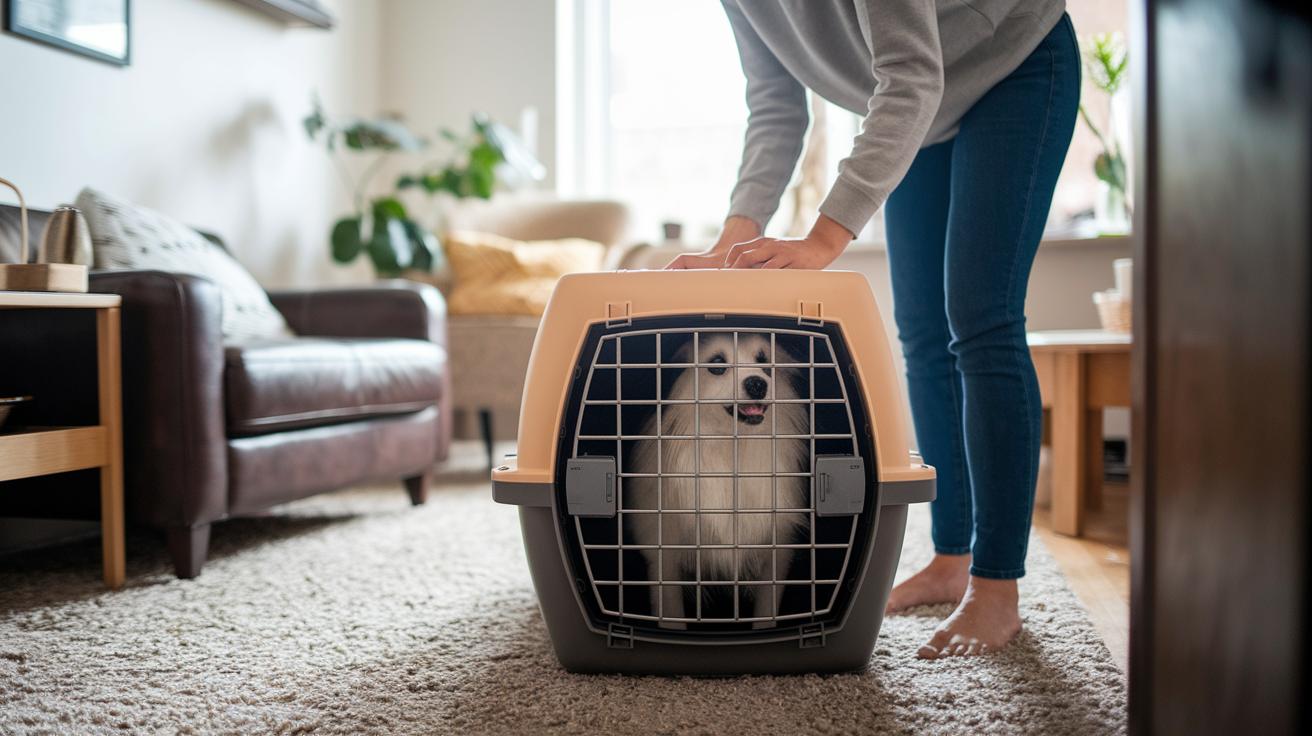
Make the crate inviting. Pick one that fits your puppy nicely and add a soft bed along with a few safe toys. At first, leave the door open so your pup can explore without feeling trapped. Use treats and kind words to help your pet see the crate as a fun spot.

Place the crate in a quiet corner of your home. Let your puppy step inside for a few short visits while you stay nearby. Reward your little one with a treat each time it goes in. Once your pup is comfortable, gently close the door for brief moments, always keeping things happy and relaxed. Before long, your puppy will enjoy longer crate times, even when you're not around or while you sleep.

Obedience Training for Puppies: Teaching Sit, Stay, and Come

img-2.jpg

Training your puppy builds a warm bond and makes learning fun. Begin in a quiet room free of distractions. Use soft treats and lots of praise right away when your pup listens. Keep sessions short, around 10 minutes, and add little distractions as your puppy grows.

Sit Command

Hold a treat near your puppy's nose and slowly move it upward. Your pup will naturally sit as they follow the treat. The moment your puppy sits, say a happy word or use a clicker, and quickly give them the treat with praise. Try saying, "Good job!" right after they sit.

Stay Command

Ask your puppy to sit and then show your open palm like a stop signal. Stay calm and slowly step back. Give a short pause before you return for a reward. Add a bit more time each time so your puppy learns to stay in place.

Come Command

Start indoors by calling your puppy in a cheerful tone. Once they understand, try it outside with a long leash. Every time they come back, reward them generously. This builds trust and keeps your pup safe while having fun together.

Puppy Leash Training: Guiding a Puppy on a Leash

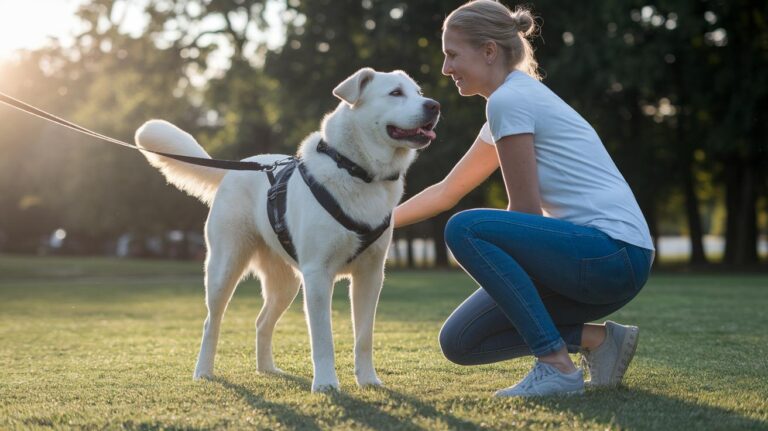
When you're starting indoor leash training, use a lightweight leash in a calm, familiar room. Your puppy will feel safe. Let them wander around wearing the leash. When they stay calm, offer a few soft treats. This way, your puppy sees the leash as a fun friend. Keep sessions short and playful so they grow more confident.

Once your puppy is at ease indoors, try training outside. Begin in a quiet outdoor spot where there are few distractions. Walk slowly while rewarding your pup with tasty treats when they stay by your side. Gradually add small distractions so your puppy learns to focus on the fun training. With each step, your puppy earns better leash manners, making walks a safe and joyful adventure for both of you.

Socializing a New Puppy: Early Socialization Strategies

img-3.jpg

Helping your new puppy explore the world can be both fun and safe. Start with short outings where your pup meets new sounds, sights, and smells in a calm way. Reward good behavior with treats and a gentle tone. This helps your little buddy learn that fresh experiences can be pleasant.

Picture taking your puppy to a quiet shop. Allow them to explore a small area while you cheer every curious look at something new, be it a person or an object. Offer a treat each time your pup stays calm near a busy sign or a friendly face. This kind of praise shows your puppy that new places can be fun.

Then, try a neighbor's backyard or a quiet park. Introduce one pet or person at a time. Keep these moments short and positive , give a treat and praise right away when your puppy stays relaxed. These small wins help build a confident and friendly pup.

Correcting Puppy Biting & Unwanted Behavior

Puppies often bite, and it’s not always just cute nibbling. Sometimes they bite because they’re overexcited, curious, or sore from teething. It’s best to catch this early so you can guide them before it becomes a habit. For example, if playtime turns into biting, taking a short break helps your pup learn that biting stops the fun.

Redirecting your pup is key. One simple trick is to scatter a few treats on the floor during play. This shifts your puppy’s focus from biting to snacking on tasty rewards. Offering safe chew toys also gives them a good outlet for teething pain. These toys soothe their gums and show them what is okay to chew on.

Keep your approach consistent with gentle corrections. When your puppy bites, calmly remove your attention and offer a toy instead. This steady response helps your pup see that biting means missing out on playtime.

Final Words

In the action, this guide takes you through essential steps, from bonding and potty training to crate, leash, social, and behavior lessons. Each section shows you clear, step-by-step instructions so you can turn training sessions into fun moments.

The detailed tips help you learn how to train a puppy with care and consistency. Every lesson builds confidence and deepens your bond, making everyday training a rewarding and positive experience. Enjoy every step, knowing you’re supporting your pet’s health and happiness.

FAQ

How to Train a Puppy Book?

The How to Train a Puppy Book offers a simple guide that covers bonding, basic obedience, house training, and crate methods. It gives clear steps for new pet parents to work with their puppies.

How to train a puppy not to bite and discipline a puppy?

Training a puppy not to bite involves using gentle corrections, offering proper chew toys, and consistent redirection. Clear rules and short time-outs help your puppy learn good manners without harsh discipline.

How to train a puppy to pee outside, on a pad, or for toilet?

Training a puppy for the toilet means following a consistent schedule, choosing a spot, using verbal cues, and rewarding successful potty breaks—whether outdoors or on a pad—to build solid habits.

How to train a puppy in 7 days?

Training a puppy in 7 days focuses on short, focused sessions covering bonding, house training, and basic obedience. Quick and repeated practice, along with rewards, makes for rapid progress.

What is a puppy training schedule by age?

A puppy training schedule by age adapts to growing needs. Early stages focus on bonding and socializing, while later phases introduce basic commands, leash manners, and more advanced activities as your puppy matures.

How to train a puppy for kids?

Training a puppy for kids involves simple, engaging methods that work well for young families. Short sessions, clear commands, and positive rewards help create a safe and friendly bond between kids and puppies.

What is the first thing you should train a puppy on?

The first step is to build a strong bond and basic obedience. Establishing trust and simple commands sets a positive foundation for house training, crate training, and socializing.

What is the 3-3-3 rule with puppies?

The 3-3-3 rule suggests three minutes per training session, three repetitions per command, and three days to consistently introduce a new behavior, making learning manageable and fun for your puppy.

What is the 10-10-10 rule for puppies?

The 10-10-10 rule involves ten minutes per training session, ten repetitions of a command, and about ten days to solidify a behavior. This structure helps ensure steady learning while keeping sessions brief.

Grain Free Food For Dogs With Allergies: Bliss

0

Have you noticed your dog scratching more than usual or having tummy troubles? Many pet parents share these worries. When your furry friend struggles with itchy paws or red spots, a change in diet might help. Grain free meals made with simple proteins like venison or salmon and mild carbs could be the switch you need. They may help clear up skin issues, add shine to your dog's coat, and support smooth digestion. In this post, we explore a few top choices and share easy tips to help you decide if a grain free diet could brighten your dog's day.

Top Grain-Free Food Options for Dogs with Allergies

Grain-free dog foods give your pet meals without common allergens like wheat, corn, soy, and gluten. They use simple ingredients so your furry friend can enjoy a meal that is easy on a sensitive tummy.

Many of these formulas have one protein source, like venison, salmon, or duck, paired with one gentle carbohydrate. Here are a few favorites:

  • Free-range chicken with carrot and chicory
  • Turkey with pumpkin and spinach
  • Wild boar with pumpkin and broccoli
  • Cod and haddock with kale and chickpeas

If your dog has more serious reactions, there are vet-recommended foods made from special proteins. These diets break proteins into tiny pieces to help lower the chance of an allergy flare-up. They might cost a bit more but offer a targeted approach for sensitive pups.

Most pet parents appreciate these grain-free meals because they support a healthy coat and skin while keeping feeding simple. If you’re curious if grain-free means less allergy risk, check out trusted sources like these links is grain-free dog food good and benefits of grain free dog food.

These options balance simple ingredients with all the nutrients your pet needs for tasty, safe, and easy-to-digest meals.

Grain free food for dogs with allergies: Bliss

img-1.jpg

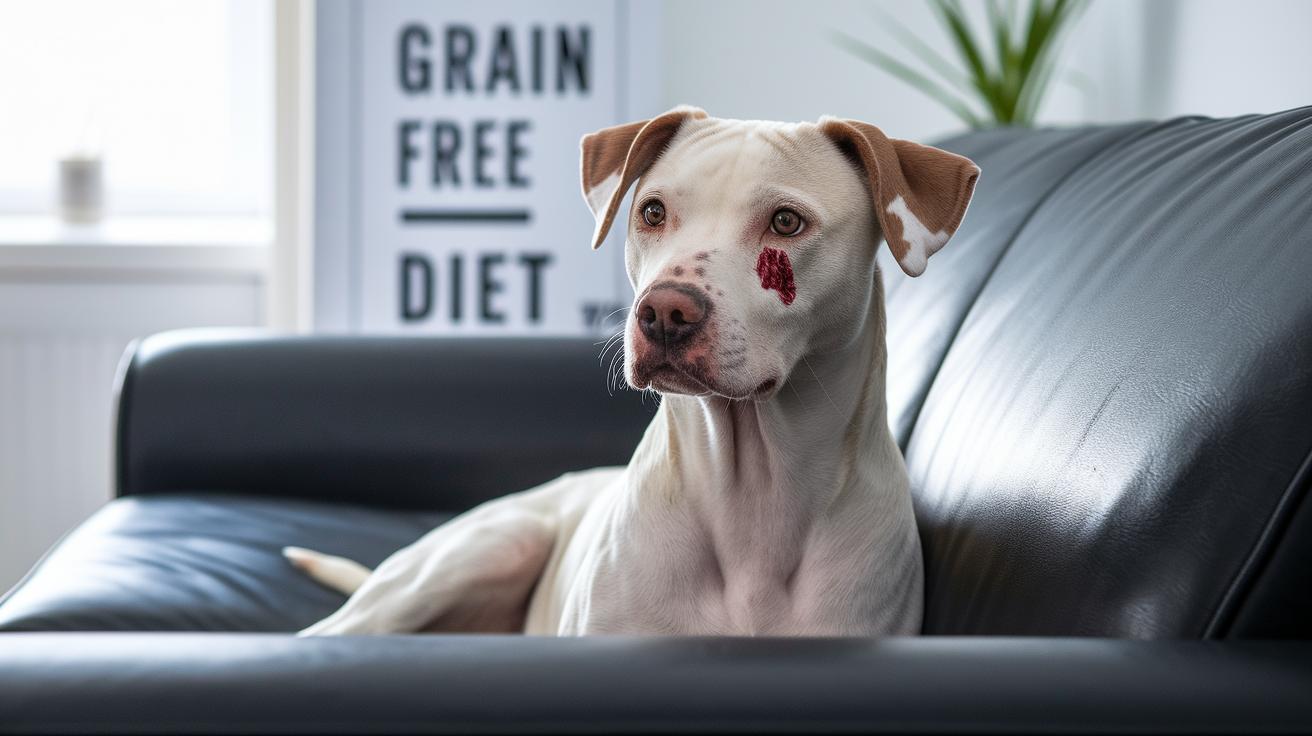
Knowing the signs of allergies in your dog can help you decide when to change to a grain free diet. Many pet parents see skin rashes and tummy troubles that hint at food sensitivities. You might notice your pet scratching a lot, licking its paws too much, or having red patches around its ears. Sometimes, these symptoms come with ear infections, vomiting, or diarrhea that can make your dog uncomfortable.

It’s like putting together clues. If your dog keeps scratching and shows red spots behind its ears, proteins like beef, dairy, or chicken might be the cause. These proteins usually trigger allergies more often than grains. In fact, true grain allergies are rare, most issues are due to food intolerance.

Here are some key signs to watch for:

Sign What You Might See
Scratching Repeated scratching all over
Paw Licking Excessive licking of the paws
Red Patches Red spots around the ears
Ear Infections Frequent or ongoing ear infections
Stomach Upset Vomiting or diarrhea

When you spot these signs, it might be time to try meals made with natural ingredients that are low on irritants. Changing your dog’s diet slowly can help them feel better and live more happily.

How Grain-Free Diets Aid Allergy Management

Grain-free diets leave out wheat, corn, soy, and gluten to reduce common irritants for your pet. This change may help ease itchy skin and settle upset tummies. One pet parent shared, "After switching to a grain-free formula, my dog's digestion improved noticeably."

However, not every grain-free formula is safe for allergies. Many still include proteins like beef or chicken that can trigger reactions. A simple diet with one new protein can lower this risk. One pet parent mentioned, "Choosing a duck-based recipe instead of beef lowered my pup's allergy signs significantly."

Many pet parents notice better digestion and less skin irritation with these meals. Working with your vet can help you choose the right food for your dog. Here are some tips:

  • Look for diets with one novel protein.
  • Check nutritional info for simple, clear ingredients.
  • Keep an eye on signs like extra itching or changes in digestion.
Tip Why It Helps
Single protein source Less chance of an allergic reaction
Simple ingredients Fewer additives to irritate your pet

Working with your vet ensures that the grain-free option matches your dog's unique needs.

Limited Ingredient Diets Versus Grain-Free Formulas

img-2.jpg

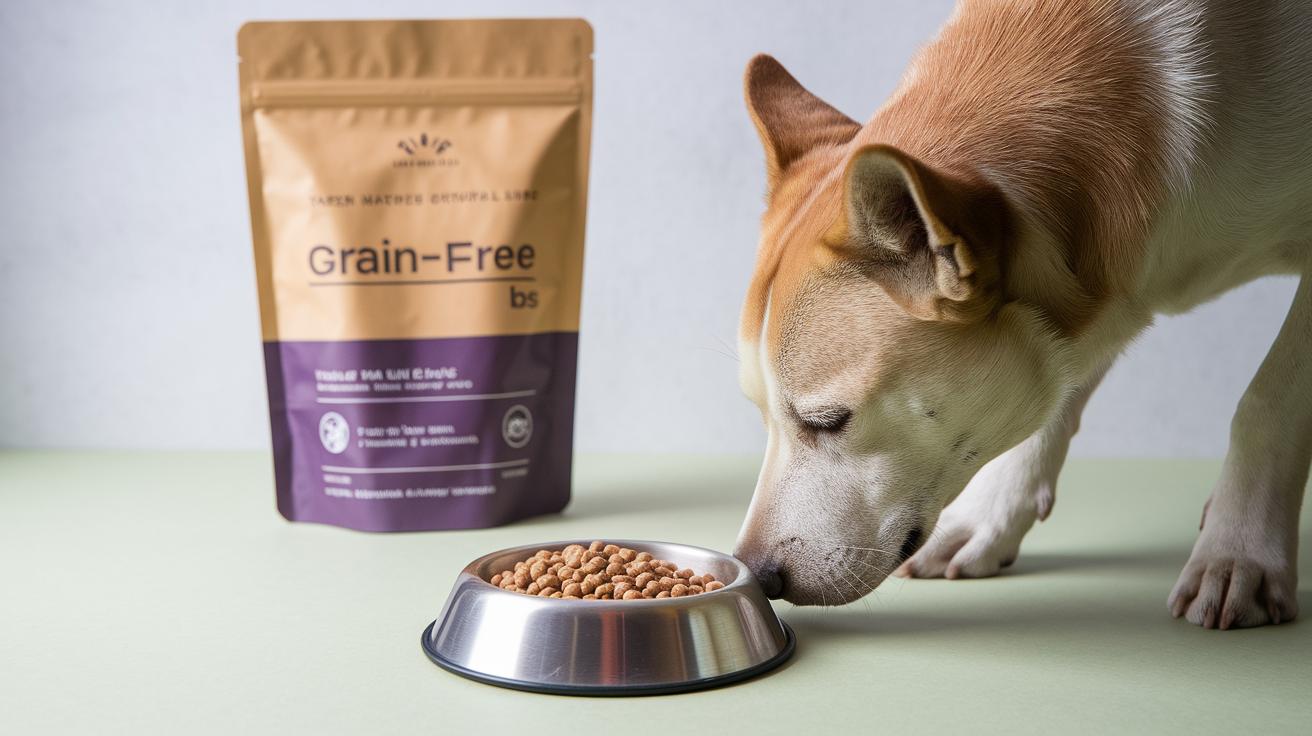
Limited ingredient diets use a very simple recipe with one protein and one carbohydrate. This simple plan helps you figure out what might be upsetting your dog's tummy or skin.

Grain-free formulas skip common grains like wheat, corn, and soy. They might still include proteins like beef or chicken. Many also switch to new protein choices such as venison, rabbit, or duck. These new proteins give your pet a different option that might work better for sensitive stomachs.

Your vet may suggest an elimination diet when you suspect food allergies. This plan usually lasts 8 to 10 weeks. You slowly add foods back one at a time to find the ingredient causing the issue. In some cases, a vet might recommend a hydrolyzed prescription diet. These diets break proteins into very small pieces to lower the chance of an allergic reaction, though they usually cost a bit more than most grain-free options.

Key differences include:

  • Fewer ingredients mean fewer chances for irritation.
  • Both diets can use new protein choices as safer alternatives.
  • Hydrolyzed diets work well but may be pricier.

Both limited ingredient diets and grain-free formulas can help manage a sensitive dog's diet. It often comes down to finding the right balance between cost, how well they work, and your pet's unique needs.

Grain free food for dogs with allergies: Bliss

We’ve skipped this part so you won’t see repeated information later in the article.

Grain free food for dogs with allergies: Bliss

img-3.jpg

Switching your dog's food can feel a bit overwhelming, especially when allergies are involved. When you move to a grain free diet, take your time. Over 7 to 10 days, start by mixing 25% grain free food with 75% of the old meal. Each day, add a bit more grain free until your pup enjoys only the new food. It's like welcoming a new friend slowly, small steps build trust. You might even see a happy tail wag from just a small taste.

Here are some tips to keep in mind as you make the change:

  • Watch your dog's skin and coat. Look out for any rashes or extra scratching.
  • Check their stool and how much they eat. If you see any tummy troubles, slow things down.
  • Keep feeding times and portion sizes consistent to avoid stressing their little tummy.

Write down each change you make. Note the date, how much new food you add, and any reactions you observe. This simple record helps you and your vet fine-tune the plan. This careful approach does more than switch a meal, it helps keep digestion steady and reduces the chance of an allergic flare-up.

Final Words

In the action, we've tackled how to spot allergy signs and choose the best pet food. We walked through comparing limited ingredient diets with grain-free formulas and shared simple steps for switching safely. The tips help you select the best ingredients and nutrient mix to soothe your pet's sensitive tummy. With the right gradual change, your pet can thrive on grain free food for dogs with allergies. It's all about making life easier for busy pet parents and keeping your furry friend happy and healthy.

FAQ

What is natural grain free food for dogs with allergies?

The natural grain free food for dogs with allergies uses simple, limited ingredients—often one protein and one carb—to lower irritants and ease skin and digestive discomfort.

What is the best grain free food for dogs with allergies?

The best grain free food for dogs with allergies blends novel proteins with minimal carbs to minimize triggers. Vets often endorse these recipes to help soothe sensitive skin and stomachs.

Should dogs with allergies eat grain-free diets?

Whether dogs with allergies should eat grain-free diets depends on their individual needs. Grain-free formulas remove common cereal grains but may still contain other allergens like beef or chicken.

Why do some vets not recommend grain-free dog food?

Some vets are cautious about grain-free dog food because many recipes still include common protein allergens, and the diet might lack essential nutrients. Vet guidance is key when choosing a food plan.

Which dog food is best for dogs with allergies?

The best dog food for dogs with allergies features a novel protein paired with a simple carbohydrate. It provides balanced nutrition, reduces allergen exposure, and is often supported by veterinary recommendations.

Can grains cause itching in dogs?

While many believe grains cause itching in dogs, true grain allergies are rare. It is usually proteins, such as beef or dairy, that lead to skin irritation in sensitive pets.

Off Leash Dog Training: Confident Canine Control

0

Ever worry that letting your dog off the leash will lead to chaos? It may seem risky at first, but off-leash training builds trust, safety, and confidence. With simple commands and fast rewards, your pup learns to return every time, even when there are distractions. This training turns playtime into a safe, guided adventure where your dog can explore and enjoy freedom. Start in a quiet spot and slowly add more challenges. Soon, you'll have a happy, secure dog. Ready to see how a little practice can bring fun and control?

Achieve Reliable Recall with Off Leash Dog Training Best Practices

A strong recall keeps your dog safe and happy. You want to be sure your pup comes back every time. Start indoors in a quiet room. Call your dog's name and then say "Come!" right away. Reward your pet with a tasty, single-ingredient treat like beef lung bites. This quick reward shows your dog that coming back is a win.

Once your dog does well inside, move to a secure, fenced yard. Keep practicing the recall using a clear marker sound such as a clicker or a happy "Yes!" This helps build trust and keeps your dog focused even with a few distractions nearby.

Here are a few steps to follow:

  1. Indoor Cue – Use your dog's name followed by "Come!" in a calm spot.
  2. Immediate Reward – Offer a healthy treat and mark the moment clearly.
  3. Yard Practice – Move to a fenced yard and introduce gentle outdoor distractions.
  4. Distance Increase – Slowly stand farther from your dog as you practice.
  5. Proofing in Multiple Settings – Try the recall at dog parks, on trails, or other safe spots.

Steady practice builds a strong foundation for off leash training. With patience and plenty of positive rewards, you and your dog will enjoy many safe adventures together.

Off Leash Obedience Skills: Balancing Freedom and Safety

img-1.jpg

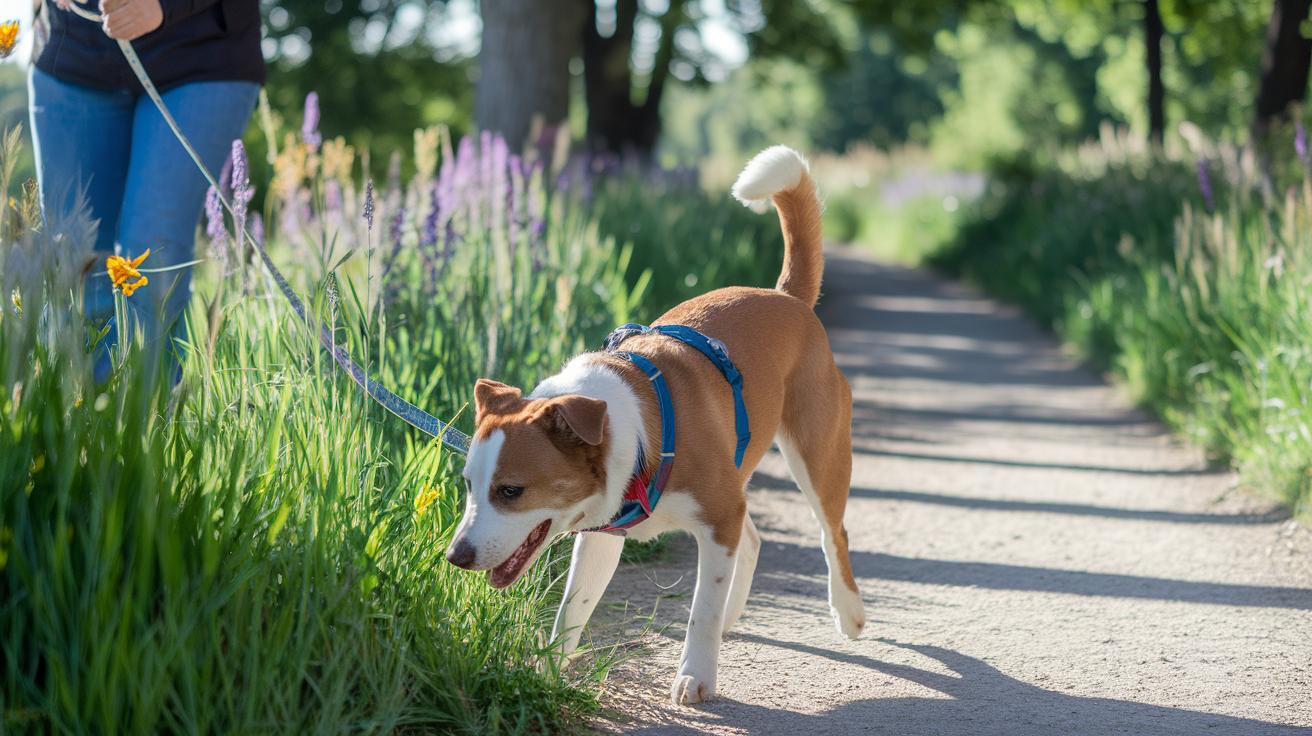
Off leash time gives your dog a chance to run, play, and get exercise while its mind stays sharp. In parks, fields, or on hiking trails, your pet can sniff new smells and see new sights. This time builds its confidence and helps use up natural energy the right way. You see a happy dog exploring while staying close to you.

Safety comes first in off leash training. Pick quiet spots with little traffic and avoid crowded areas. Watch for sudden noises or unexpected meet-ups with people or other dogs. By choosing safe places, you create a secure space for off leash fun.

Every dog is different when it comes to off leash play. Some may get extra excited around other animals while others feel uneasy with loud sounds. Adjust your training to match your dog's behavior and slowly add distractions. Meeting your pet's needs builds trust and keeps obedience strong. These simple steps make off leash time both fun and safe.

Progressing from On-Leash Basics to Off Leash Mastery

This plan builds on what you know about calling your dog indoors. It adds new troubleshooting tips and simple exercises to boost your dog's focus. We break the training into three steps: building strong indoor commands, moving to a fenced yard, and practicing in busy outdoor spots.

Indoor Recall Drills

Start with indoor sessions in a quiet room. Use a clear cue like "Come!" and give your dog a treat right away. If your dog ignores the call, try reducing distractions and offer a tastier treat. This helps your dog learn that a good call means a rewarding surprise. A little extra time and patience can turn a missed cue into a small win.

Yard Training with Progressive Distances

Move next to your fenced yard using a long training leash. Gradually increase the distance between you and your dog. Add simple distractions, like the sound of rustling leaves. If your dog finds it hard to focus, hide a treat in a quiet corner and repeat the command. You can even turn it into a fun hide-and-seek game with treats to keep your pet interested.

Real-World Practice Sessions

Bring training to parks, hiking trails, or other open areas. These spots come with more distractions. If your dog seems overwhelmed, reduce the distance and slowly ramp up the challenge. Mix short calls with quiet moments to help your dog get back on track. With steady practice, your dog will build the focus needed for full off-leash work.

Phase Environment Tools
Phase 1 Indoor, low-distraction Leash, treats, marker
Phase 2 Fenced yard Long training leash, treats, clicker
Phase 3 Open areas (parks, trails, lakeside) No leash, high-value rewards, marker

Advanced Off Leash Dog Training Drills for Consistent Performance

img-2.jpg

Begin by creating a safe space where you can practice calling your dog from different distances. Try calling from 20 ft, 30 ft, and even 50 ft. Use a clear marker, like a clicker or a quick "Yes!" and reward your dog right away when it comes to you.

Next, add small distractions to your drill. You might invite another dog, set up a few cones, or play sounds of wildlife. These little challenges help your dog focus on your call even when things get a bit busy.

Finally, mix in some fun agility moves. Set up low jumps and simple cones to improve your dog's focus and teamwork with you. With clear commands and regular practice, your dog will grow more confident and reliable when off leash.

Essential Gear for Off Leash Dog Training

A long training leash is key for off leash training. It lets you slowly build up the distance while keeping your pup safe. Pair the leash with yummy treats, like beef lung bites (a treat many dogs love), to keep your dog excited during training. Use a marker tool like a clicker or a steady "Yes!" to let your dog know when it does a good job. These items work together to help your pet focus and respond even when there are more distractions.

When training in open areas or at a distance, a whistle or remote pager is a must to call your dog back clearly. A GPS or trackable collar adds extra safety by showing you where your dog is at all times. Some trainers also use an e-collar for extra guidance, but only with expert help. Each tool works to build a lasting recall and strengthen the bond between you and your furry friend.

Troubleshooting Off Leash Dog Training: Overcoming Common Challenges

img-3.jpg

Sometimes, you notice your furry friend not listening or getting too excited when off leash. If your dog doesn’t come when you call or runs after small critters, it may be time to adjust your training steps. Spotting these problems early can help you avoid bigger issues down the road.

Try starting with shorter distances and using extra yummy treats that your dog loves. If your recall isn’t working, practice simple, timed recall drills. When your dog gets too caught up chasing wildlife, play games on a leash to help focus their attention. If loud sounds make your pet anxious, try low-volume noises and mix in short agility breaks for a fun change of pace.

If things still don’t improve, consider getting help from a professional trainer. They can share new tricks and techniques to fit your dog’s unique needs, turning today’s challenges into tomorrow’s successes.

Integrating Off Leash Dog Training into Everyday Routines

Turn off-leash training into fun playtime. For example, play a game of fetch recall by calling your dog to come before you throw the ball. You can also play hide-and-seek in your backyard so your pet has to look for you. Try mixing in training calls with regular play to help your dog learn without feeling like work.

Pick a spot that works best for training. In cities, choose a quiet park or a small enclosed area away from lots of people and cars. In the country, open fields work great, but watch out for wildlife that might catch your dog's attention. Regularly practicing in these spots helps your dog remember to come when called, even if things around change.

Get the whole family involved. Ask everyone to use the same clear commands and reward signals so there is no confusion. Keep sessions short and fun, whether at the dog park, a local trail, or during a family walk. This team effort lets your dog practice off-leash skills in different places and strengthens the bond with everyone.

Final Words

In the action, we broke down building a rock-solid recall. We covered indoor drills, yard practice, and real-world sessions. We shared tips on balancing freedom and safety with consistent drills.

We also explored proper gear, troubleshooting common issues, and blending off leash dog training into daily routines. It’s all about taking small steps towards a reliable and fun experience. Your pet will thrive with this balanced approach, and every step makes a difference for our furry friends.

FAQ

How can I find off leash dog training near me?

Searching for off leash dog training near you means looking at local trainers and programs like Off Leash K9. Check online listings and community boards to find sessions in your area.

What do Reddit discussions and reviews reveal about off leash dog training?

Reddit and reviews show that successful off leash training emphasizes building solid recall, using positive rewards, and ensuring each session is safe. Costs vary, and online coupons sometimes help reduce fees.

How do I choose the best off leash dog training program?

Choosing the best program means looking for reliable recall drills, experienced trainers, and a focus on safety and gradual skill building with treats, clickers, and positive reinforcement.

Where can I find Off Leash K9 training locations like Charlotte, NC, Smyrna, Bakersfield, or Green Bay?

Off Leash K9 has centers in several cities including Charlotte, NC, Smyrna, Bakersfield, and Green Bay. Checking their website or local training listings will give you specific location details.

Is off-leash training good for dogs?

Off-leash training is good when your dog has a reliable recall. It boosts exercise and mental stimulation while strengthening your bond, as long as it’s introduced safely and gradually.

What is the 777 rule for dogs?

The 777 rule for dogs is a training idea that focuses on recall exercises at different distances. It builds strong off leash behavior by gradually challenging your dog’s responsiveness.

What is the 10 10 10 rule for puppy training?

The 10 10 10 rule suggests short, frequent training sessions—10 minutes at a time, repeated 10 times a day, using about 10 different cues—to help puppies learn commands effectively.

How do you train a dog off leash?

Training a dog off leash starts with indoor recall drills in low-distraction areas. You then progress to secure outdoor spaces, rewarding your dog with treats and praise to build reliable off leash behavior.

Recipes For Grain Free Dog Food: Healthy Bites

0

Ever thought about treating your dog to a homemade meal that is both safe and delicious? We believe grain-free recipes are a real game-changer. They use human-grade ingredients to keep sensitive tummies happy and boost your pup's overall health.

In this guide, we share simple, step-by-step recipes that mix lean meats like beef, turkey, or lamb with veggies like carrots and peas. These meals lock in good nutrients and give you a taste of home-cooked love in every bowl.

Read on to learn how you can make meals that nourish your pet and add a little extra love to mealtime.

Top Grain-Free Dog Food Recipes to Make Today

These recipes use human-grade ingredients that are easy on sensitive tummies. They lock in nutrients and deliver flavors your dog will love. One recipe shows that slowly cooking 5 lbs of lean ground beef over low-medium heat helps keep the flavors bright and the nutrients secure. This method makes about 200 ounces of food, though meat fat and egg size can change the total amount.

Here are some ideas to try:

  • Recipe 1: Beef & Veggie Boost

    • Start with 5 lbs of lean ground beef, gently browned in a pan.
    • Mix in chopped carrots, peas, and a beaten egg for a protein lift.
    • Yields around 200 ounces of food.
    • Remember, nutrient counts are estimates so check with your vet if your dog needs a special diet.
  • Recipe 2: Turkey & Mixed Delight

    • Use 2 to 3 lbs of lean ground turkey, browned in small batches to keep nutrients intact.
    • Add chopped green beans and a drizzle of olive oil (rich in Omega-3 for great skin and coat).
    • Ideal for pet parents exploring natural, grain-free meals. Adjust portions based on your dog's size.
  • Recipe 3: Lamb & Rice Medley

    • Choose lean ground lamb mixed with organic brown rice, diced carrots, and a sprinkle of parsley.
    • This DIY, grainless dinner can be tweaked with safe ingredient swaps to fit your pup's taste.

Always check with your veterinarian to ensure your dog's meals are balanced and just right.

recipes for grain free dog food: Healthy Bites

img-1.jpg

When you make a grain free meal for your dog, start with ingredients you trust. Use lean meats like ground sirloin, turkey, or lamb to give your pup high-quality protein without too much fat.

Next, add veggies for natural vitamins and fiber. Carrots, peas, a mix of frozen veggies, and grated pumpkin brighten up the plate and help support your pet's overall health.

For an extra boost, try a few add-ins. Hard-boiled eggs pack in more protein (just double-check if your dog isn’t allergic) and a little parsley brings extra micronutrients to the bowl.

A bit of healthy oil goes a long way. Olive, safflower, or coconut oil adds omega-3 support to keep your dog's skin and coat shiny and healthy. Imagine mixing lean turkey with crunchy carrots and a drizzle of olive oil, a meal that feels as good as it tastes.

Here are some tips when you shop:

  • Primary proteins: lean ground sirloin, turkey, lamb
  • Veggies: carrots, peas, mixed frozen veggies, grated pumpkin
  • Add-ins: hard-boiled eggs, parsley
  • Healthy oils: olive, safflower, coconut oil

Check out our ingredient guide on homemade grain-free dog food for more DIY recipe ideas.

Step-by-Step Guide to Homemade Grain-Free Dog Food

  1. Heat a pan on low-medium heat and gently brown lean ground meat. This slow cooking keeps the meat's nutrients locked in, much like simmering a tasty stew. You can also try ground turkey or rabbit if you prefer a leaner option.

  2. Move the browned meat into a large bowl. Add chopped vegetables and diced hard-boiled eggs. Feel free to switch up the veggies, using green beans instead of carrots, for example, gives a different crunch to your dog's meal.

  3. Mix in 1 or 2 tablespoons of an Omega-3 rich oil such as olive or safflower oil. A small drizzle ties all the flavors together. You might try flaxseed oil for a fresh change sometimes.

  4. Weigh your mixture to get an idea of the total yield, and adjust the ingredient amounts as needed. Think of it like checking fruit for ripeness, it helps you portion the meal just right.

  5. Finally, chat with your veterinarian to ensure the meal meets your dog's dietary needs. And always let the food cool completely before serving.

Crockpot and Slow Cooker Grain-Free Dog Food Recipes

img-2.jpg

First, heat a large pan over medium heat and brown 2 lbs of ground turkey in small batches. This helps lock in the natural flavors and nutrients before you move the meat to your slow cooker. Next, put the browned turkey in the slow cooker and add 4 cups of frozen mixed veggies along with 2 cups of grated carrots. These veggies bring vitamins and fiber to support your dog's tummy.

Set the slow cooker to low and let it cook for 1 to 2 hours. After an hour, check to see if the veggies are soft enough. If you like a softer meal for your dog, letting it go a bit longer works well.

Once the cooking is done, stir in 1 tablespoon of pumpkin purée for extra fiber and a touch of natural sweetness, and 1 tablespoon of coconut oil for healthy fats. This recipe makes about 13 servings and takes roughly 1 hour and 25 minutes to prepare. Feel free to change up the ingredients to suit your pet's needs, just be sure to avoid any foods that are not safe for dogs.

Nutrition and Feeding Guidelines for Grain-Free Dog Food

Feed your dog a meal that keeps them strong and happy. Stick to proper portions and a balanced mix of nutrients. AI tools can give you a starting point, but always check the carb and vitamin details with your vet.

A good guide is to serve about 2-3% of your dog's body weight each day. For instance, an 80-pound dog might get about 4 cups of food twice a day, while a 40-pound dog can thrive on roughly 2 cups twice a day. This helps keep their energy steady and weight in check.

  • Hard-boiled eggs provide protein, but remember they are high in phosphorus. Use them only sometimes if your dog has kidney concerns.
  • Oils rich in Omega-3, like olive or safflower oil, help boost skin and coat health.

Think of these tips as a simple checklist for a vet-approved meal plan for your pup. Regular chats with a board-certified veterinary nutritionist can keep your homemade dog food on track with your pet’s unique needs.

Did you know that some pet parents found that a small switch in oil type can make a meal shine with natural goodness?

Storage and Batch Cooking Tips for Grain-Free Dog Food

img-3.jpg

When you make a big batch of grain-free dog food, good storage keeps it fresh and safe for your pet. After cooking, put the food in an airtight container and keep it in the fridge for up to one week. If you need extra food later, freeze small portions in containers that you can thaw when needed. You can also adjust the recipe, most batches are about 200 ounces, but feel free to double or halve it to match your dog's needs.

It helps to weigh the final meal because differences in meat fat and egg size can change the amount of food. Try a small test batch first, just like weighing a few freshly baked cookies, to be sure you get the portions right.

    Weigh your food for the best accuracy. Label each container with the date you made it. Write your dog’s serving size on the label.

This step-by-step approach makes it easy to track freshness and serve the right portions. It also helps you adjust future batches if your dog's appetite changes. With neat labels and careful storage, you can serve balanced, grain-free meals that keep your pet happy and healthy every day.

Customizing Grain-Free Dog Food Recipes for Allergies and Preferences

We know how much you care about your dog's health. If your pup shows signs of irritation, changing up the protein in their meal can help. Instead of always using beef, try turkey, lamb, or even venison. Think of it like giving your dog a new treat burst of flavor while staying healthy.

It helps to change up the vegetables too. One day you might use sweet potato, başka day try green beans or zucchini. A neat tip: mix fresh green beans with pumpkin puree. This simple combo adds extra nutrients and makes mealtime fun.

Be sure to leave out foods that can hurt your dog, like onions, garlic, grapes, and raisins. If eggs cause allergies, pureed pumpkin works well instead. It keeps the food moist and tasty without the risk.

Adding a little broth or water when you cook brings all the flavors together nicely.

Here are some quick pointers:

Tip Options
Swap proteins Beef, Turkey, Lamb, Venison
Rotate veggies Sweet potato, Green beans, Zucchini
Egg alternatives Pureed pumpkin
Avoid Onions, Garlic, Grapes, Raisins

If your dog's diet needs extra care, talking with a board-certified veterinary nutritionist is always a good idea.

Final Words

In the action, we explored making tasty, grain-free meals that keep your pet healthy. We broke down simple, step-by-step recipes using lean meats, fresh veggies, and safe oils. We also shared crockpot tips, nutrition guidelines, and practical storage ideas.

These recipes for grain free dog food help you save time while ensuring your pet's diet is vet-recommended and rich in love. Every step supports hectic days and animal-welfare causes. Enjoy preparing meals that make a difference!

FAQ

What are some simple, healthy, and vet-approved homemade grain-free dog food recipes?

The simple grain-free recipes mix lean proteins, veggies, and healthy oils. Some use stovetop browning or a crockpot to make meals nutrient-preserving and tasty, meeting both daily energy and health needs.

Can I make homemade grain-free dog food for dogs with allergies?

Yes, by using allergen-friendly ingredients and choosing proteins or vegetables that suit your dog’s sensitivities, you can create a safe, homemade grain-free meal that supports sensitive stomachs.

What are some vet-approved crockpot or turkey-based dog food recipes?

Vet-approved crockpot recipes combine browned ground turkey, mixed veggies, and omega-rich oils. The slow cooker method helps preserve nutrients while providing a balanced meal that many sensitive dogs can enjoy.

Why don’t some vets recommend grain-free dog food?

Some vets caution that grain-free diets can lack balanced nutrients or have high carbohydrates that may not suit all dogs. It’s best to work closely with your vet to customize a safe diet.

What should the top three ingredients be in dog food?

The top ingredients should include a high-quality protein for muscle support, wholesome vegetables for fiber and vitamins, and a healthy oil for skin and coat nourishment.

What grains can be added to homemade dog food?

In a true grain-free recipe, grains are excluded. If grains are used, rice or quinoa are options, but many prefer carbohydrate sources like sweet potato or peas for a grain-free approach.

What can a dog eat on a grain-free diet?

Dogs on grain-free diets can enjoy lean meats, safe vegetables like carrots and green beans, and healthy fats. These meals provide balanced nutrition while avoiding typical grains.

Best Cat Litter For Multiple Cats: Impressive Odor Control

0

Have you ever noticed how some cat litters seem to work wonders in homes with many cats? In busy, multi-cat households, keeping odors in check can be a real challenge. That's why choosing the best litter is so important.

We looked at top picks that work hard to control smells and make cleanup easy. Some use natural corn formulas while others feature small, advanced microgranules (tiny pieces that boost odor control). These litters help keep your home smelling fresh even when your cats are busy.

Read on to find the options that can turn a stinky situation into a breath of fresh air.

Best Cat Litter for Multiple Cats: Top Picks for Odor Control and Durability

World's Best Cat Litter uses a natural compressed corn formula that clumps tightly when it meets waste. It contains no silica dust and locks in smells fast. Did you know that corn-based litter can cut cleaning time in half, helping to keep your home fresh?

Catalyst Pet Multi-Cat Formula is made with upcycled softwood fiber and stays almost completely dust-free. It keeps odors under control, which makes it a popular pick for cat households. Think of it as a little superhero that fights bad smells with natural power.

Tuft & Paw Really Great Cat Litter does a great job of keeping the litter in the box. Even when your playful cats spread bits around, this litter helps keep floors cleaner. Imagine a litter that stays exactly where it should be.

Arm & Hammer Multi-Cat Clump & Seal uses moisture-activated microgranules and baking soda to neutralize odors for up to seven days. Each scoop works like a mini air freshener to help keep your home smelling nice.

Jonny Cat Complete Multi-Cat Clay Litter is an affordable option that still manages to handle odors well. The trade-off is that it may track a bit more, so you might need to sweep more often.

Pretty Litter Ultra-Premium uses dust-free silica crystals and even helps you keep an eye on your cat’s urine health. In busy homes, you might need to change it more frequently, but it offers a neat extra feature.

Dr. Elsey’s Cat Ultra-Premium Clumping Litter is a smart choice for sensitive kitties. This low-dust, hypoallergenic (less likely to cause allergies) option keeps odors in check, though its control is moderate.

Cat’s Pride Complete Care Unscented Hypoallergenic Multi-Cat Clumping Litter tackles odors quickly. It has no added fragrances, making it a great pick for pets that are prone to allergies.

Clumping Performance and Advanced Odor Management for Multi-Cat Use

img-1.jpg

Advanced coagulating technology makes cleaning up easier. Studies show natural compounds (like those in World's Best Cat Litter) help clumps form fast by binding waste quicker than artificial chemicals. One pet parent said, "Clumps formed almost instantly, so cleaning was a breeze."

Arm & Hammer Multi-Cat Clump & Seal stands out with its moisture-activated microgranules and baking soda. Users say these ingredients trap odors for up to seven days and keep the area smelling fresher.

Dr. Elsey’s Cat Ultra-Premium Clumping Litter clumps quickly and strongly. Its low-dust, hypoallergenic formula (less likely to cause allergies) makes scooping simple while being kind to sensitive kitties.

Product Clumping Technology Odor Management
World’s Best Cat Litter Uses natural binders that help form clumps fast Traps odors right away
Arm & Hammer Multi-Cat Clump & Seal Utilizes moisture-activated microgranules Baking soda holds odors for up to seven days
Dr. Elsey’s Cat Ultra-Premium Clumps quickly and strongly Low-dust, gentle formula helps cut down odor spread

Minimizing Dust and Tracking in Multi-Feline Households

Living with many cats means keeping your home clean can sometimes be a challenge. A special litter designed for multi-cat homes helps keep your floors cleaner. Recent studies show that some litters with a porous texture hold dust better. For instance, Catalyst Pet Multi-Cat Formula uses upcycled softwood fiber and works to reduce dust almost completely.

Here are a few tips to help even more:

  • Tests show that certain granule shapes can catch dust before it leaves the box.
  • Placing a mat by the litter box helps keep fine particles from spreading.
  • Regular sweeping or using a damp mop can pick up any extra bits in busy areas.

Many pet parents have found that even top litters like Tuft & Paw Really Great Cat Litter need regular upkeep to keep surfaces clean. Extra care goes a long way in reducing dust and tracking, keeping your home tidier for you and your furry friends.

Natural and Eco-Friendly Litter Alternatives for Multiple Cats

img-2.jpg

Looking for cat litter that's kind to your cat and the environment? We offer choices made from renewable, eco-friendly materials that break down naturally. Check out these options:

  • World’s Best Cat Litter is made from pure corn. It has no extra chemicals, making it safe and renewable.
  • Catalyst Pet Multi-Cat Formula is crafted from upcycled softwood fiber. It lowers waste while meeting the needs of many cats.
  • Pretty Litter Ultra-Premium uses dust-free silica crystals. Its biodegradability is lower, but it really helps control odor in busy homes.
  • Other litters use materials like pine, walnut, or paper. Many of these options even offer flushable instructions to make clean-up a breeze.

Some of these products come with eco-certifications to show they meet biodegradability standards. Comparing these ratings can help you choose the right fit for your home and nature.

Material Biodegradability Special Features
Corn High 100% natural and renewable
Upcycled Softwood Fiber Moderate to High Low dust and eco‐friendly
Silica Crystal Low Dust-free odor control
Pine, Walnut, Paper Variable Often flushable

User Feedback and Cost-Effective Choices for Multi-Cat Litter

We learned that pet parents look for different things when choosing litter. Some of you love how Jonny Cat offers a great price for homes with many cats. Others appreciate Cat's Pride because it controls odors quickly and is free of added scents, which helps sensitive noses. And many pet parents like Pretty Litter for its subscription plan that even helps monitor your cat's health (by checking urine pH).

Product User Insight
Jonny Cat Great for busy homes on a budget
Cat’s Pride Neutralizes odors fast and is fragrance-free
Pretty Litter Subscription plan with urine pH monitoring for extra care

For more details, check out our earlier product review sections.

Optimizing Litter Box Setup and Maintenance for Multiple Cats

img-3.jpg

When you have several cats at home, a smart litter box setup matters a lot. Try placing the boxes in quiet, low-traffic areas so your cats can relax when they do their business. One pet parent shared that a calm spot helped her shy kitty feel safe.

Scoop the litter every day to keep smells away and replace it each week to stop germs from building up. Daily scooping is like a quick check-up on your cat’s health. It can help you notice any changes early on.

Self-cleaning litter boxes can be a big help when you have many cats. These smart systems clear waste right away, giving you one less chore. For busy homes, a high-capacity box that holds more waste can save you time by reducing how often you need to empty it.

Also, skip scented litters because they might make some cats sneeze or avoid the box. Using these tips will make cleaning easier and keep a comfy space for your furry family.

Final Words

In the action, we discussed top picks that simplify cleaning and control odors while keeping multiple cats happy. We compared litters made from natural corn, sustainable softwood fiber, and silica crystals. Each option shines with strong clumping and low tracking, even with busy households. Our review also shared real-user feedback and smart setup tips to keep litter boxes clean and efficient. Choosing the best cat litter for multiple cats can make pet care easier and more rewarding. Every small choice makes a big difference for pet health and rescue support.

FAQ

What is the best litter to use for multiple cats?

The best litter for multiple cats depends on your needs for odor control, clumping strength, and low dust. Litter choices like Catalyst Pet Healthy Formula and World’s Best Cat Litter are popular among pet parents.

Which cat litter excels in odor control and low tracking for multiple-cat households?

The best cat litter for odor control and low tracking features ingredients like baking soda and microgranules to lock in smells. Options such as Arm & Hammer Multi-Cat Clump & Seal and Tuft & Paw are top choices.

What cat litter do vets recommend for healthy multi-cat environments?

Vets often recommend litters that are low in dust and hypoallergenic. Dr. Elsey’s Ultra Clumping Cat Litter is a trusted option due to its fast clumping action and gentle formula.

How can I keep my house clean with multiple cats?

Keeping a home clean with multiple cats means daily scooping, proper litter box placement in quiet areas, and opting for low-dust, low-tracking litters like Catalyst Pet Multi-Cat Formula.

What kills the smell of cat feces quickly?

Litter that locks in odors with ingredients like baking soda—found in products such as Arm & Hammer Multi-Cat Clump & Seal—quickly neutralizes unpleasant smells and keeps your home fresh.

What are some good litter box options for multiple cats?

A good litter box for multiple cats should be spacious with high sides and a low-tracking design. These features help contain mess and simplify cleaning for busy pet parents.

Which cat litters are best for pet owners seeking eco-friendly options?

Eco-friendly choices like World’s Best Cat Litter use natural corn and Catalyst Pet Multi-Cat Formula uses upcycled softwood. They offer effective performance while caring for the environment.

What are cost-effective choices for litter in multi-cat households?

Options like Jonny Cat Complete Multi-Cat Clay Litter are budget-friendly but may track more. Balancing cost with performance is key for keeping your multi-cat home clean.

Dog Training Techniques: Proven Ways For Happy Pets

0

Have you ever wondered how some dogs learn so quickly? It all starts with simple training that builds a strong bond between you and your pet. We begin with basic commands like sit, stay, and come, and use gentle rewards with a method called LIMA (which stands for a careful, low-stress approach).

In this guide, we skip the confusing stuff and share friendly, proven techniques. Step by step, you'll see how these clear methods boost your dog's confidence and make training fun. Get ready to turn everyday routines into joyful moments with your furry friend.

Core Dog Training Techniques for Obedience and Behavior

We start by teaching your dog easy commands to build a real connection with you. Simple actions like sit, stay, and come are learned with treats to show your dog how to behave correctly. Once your dog gets these basics, you can add more precise cues like heel, back up, and stop at a distance. This helps your dog listen and understand what you expect even when distractions are around.

We follow the LIMA approach, which means using the least intrusive and gentle methods to train your pet. This method uses rewards to celebrate each small win, making training a kind and steady process. It turns basic skills into advanced techniques that keep your dog’s mind active and focused.

Start training in a quiet space at home before moving to busier places like parks. This helps your dog learn to concentrate no matter what is happening around. Keeping cues and rewards consistent is key. With a clear plan and step-by-step practice in different settings, everyday routines become fun and rewarding for both you and your furry friend.

Basic Dog Training Techniques: Foundational Commands

img-1.jpg

Teaching your dog simple commands is key to a happy, well-behaved pet. It also builds a warm bond between you both. Speak clearly and use hand signals so your dog hears and sees what you mean, even when distractions are around. Start in a quiet area and offer treats and kind words when your dog does well. This method helps your dog learn fast and makes each command stick.

Here are five basic commands to start with:

  • Sit: Helps your dog relax and focus.
  • Stay: Teaches patience until you say it's okay.
  • Come: Calls your dog back safely.
  • Leave It: Curbs unwanted actions.
  • Heel: Keeps your dog close during walks.

Leash Walking Dog Training Techniques for Loose Leash Etiquette

Start with the right tools. Pick a sturdy leash and a snug harness that fits your dog well. Begin in a quiet place so your dog can learn to stay close with the heel command.

If your dog starts to pull, say "easy" in a gentle voice. Wait until your dog calms down before you give praise or a treat. This shows your dog that a calm walk earns rewards.

Next, try practicing in places with a few more distractions. This helps your dog focus even when there is more going on. Keep sessions short and fun. Mix quiet practice sessions with short walks to new spots.

Reward your dog with treats, kind words, and a little petting. With patience and clear cues, your dog will learn loose leash walking. Soon, your walks will be a happy, shared time for both of you.

Housebreaking Dog Training Techniques for Puppies and Adults

img-2.jpg

Housebreaking is all about a steady routine that builds clear signals for where to go. Both puppies and adult dogs thrive on a regular schedule paired with kind rewards right after they do their business. For pups, puppy pad training helps them learn indoor cues, while adult dogs do well with regular outdoor trips and simple verbal hints.

We want to help your dog feel sure of where to eliminate. Try these six simple daily steps to set up a good potty plan:

  • Set a regular feeding and bathroom routine.
  • Take your pet outside first thing in the morning and after meals.
  • Use a clear word like "go potty" at the right spot.
  • Give love or a treat right after your pet goes.
  • Keep a close watch indoors to prevent surprises.
  • Slowly add a little more time between trips as your pet learns.

Following these steps gives your dog a clear pattern and builds confidence. It makes housebreaking a positive and successful experience for both you and your furry friend.

Advanced Dog Training Techniques: Tricks, Agility, and Behavioral Shaping

We build on basic commands to help your dog focus even in busy places. Once your dog is good at commands like heel, back up, and stop, you can add fun tricks. Your dog might spin, weave through your legs, or even help pick up toys. Agility training brings in simple obstacles like dog walks that give your pet exercise and let you both have fun solving little challenges. Using a clicker for behavioral shaping helps your dog learn quick responses. Scent work turns hide-and-seek with treats into a playful brain game. And impulse control exercises help calm your dog during stressful times.

Technique Skill Focus Key Equipment
Advanced Obedience Commands Staying sharp in busy places Strong leash, clicker, treats
Trick Training Fun challenges with spins and weaves Toys that reward, clicker
Agility Training Teamwork and problem-solving with obstacles Agility tunnel, hurdles
Behavioral Shaping Fine-tuning responses with rewards Clicker, treats
Scent Work Developing scent skills in a fun game Hidden treats, scent markers
Impulse Control Exercises Staying calm in stressful times Tasty rewards, gentle voice cues

The best method depends on your dog’s personality and your training goals. Mix these methods to keep sessions fun and help your pet grow more confident. Try one or two techniques at a time and adjust as your dog learns. Practice in quiet spots and then in busier areas to build focus. Every small win is a step forward. Reward your dog often to make training fun and effective. These methods help create a happy pet who loves a good challenge while building a strong bond between you two.

Specialized Dog Training Techniques for Anxiety and Reactive Behavior

img-3.jpg

When your dog shows signs of worry when you leave, start by teaching them that good things happen even when you're not around. Begin with quick, short departures and offer a little treat or kind words when they stay calm. This easy method, called gradual desensitization, helps your pet learn to relax. Swap their anxious feelings for a favorite toy or treat through counter-conditioning. Building their own sense of calm makes a big difference. For more tips, visit dog separation anxiety training.

If your dog sometimes gets aggressive, begin by strengthening basic commands like sit and stay. Clear cues help your dog stay focused during stressful moments. Instead of scolding, give a reward when your pet shows calm and obedient behavior. This friendly approach builds trust and gently eases aggression over time. Keep your training steady and consistent. Need more advice? Check out aggressive dog training.

You can help ease reactive behavior by slowly exposing your dog to triggers. Introduce mildly challenging situations one step at a time, and interrupt any sudden reactions with a quick reward. This reward-based interruption teaches your dog a new, calmer response to distractions. With patience and practice, you will see progress, making everyday life more relaxed and enjoyable for both you and your furry friend.

Dog Training Techniques Tools and Equipment Recommendations

Using the right gear can make dog training fun and clear. A clicker, a strong harness, and some favorite toys can help your dog learn quickly. Reward your pet right after they do something good. A fast treat or a quick pat makes the link between action and reward clear.

Good gear also keeps training safe. Check your harness and leash often and swap them out if they show signs of wear. When your equipment fits well, you feel confident and your dog stays focused. Sometimes, simple updates like a better-fitted harness or a longer leash give your sessions a noticeable boost.

Final Words

In the action of building trust and teaching clear commands, our blog covered core dog training techniques for obedience and behavior. We shared practical steps from basic commands to managing distractions outdoors. You learned effective leash walking, housebreaking routines, and creative methods to advance your dog's skills. Every tip works with reward-based conditioning and quality training tools. Enjoy applying these dog training techniques as you build a stronger bond with your pet and support a caring mission with every step.

FAQ

How can I use dog training techniques at home?

Dog training techniques at home include using reward-based methods and clear routines. This helps build a strong bond with your pet while teaching basic commands and gradually adding distractions for better focus.

Are there free dog training techniques available?

Free dog training techniques can be found online and through community classes. They often focus on basic commands and simple reward methods to build a strong foundation with your pet without extra cost.

Where can I find dog training techniques in PDF format?

Dog training techniques in PDF format are available from pet organizations and shelters. These guides offer step-by-step instructions on teaching basic obedience, leash manners, and housebreaking strategies.

What are the four types of dog training techniques?

The four types of dog training techniques include reward-based training, traditional methods, advanced agility, and specialized behavior approaches. Each focuses on using positive reinforcement or structured steps to improve your dog’s skills.

What are some dog training tips for beginners and traditional dog training methods?

Dog training tips for beginners involve using consistent cues and rewards. Traditional methods emphasize basic commands like sit, stay, and come, paired with clear hand signals to build reliable and enjoyable training sessions.

What types of dog training certifications exist?

Dog training certifications come in various forms, from obedience and behavior modification courses to agility training programs. These certifications help verify a trainer’s skills and commitment to safe, positive training techniques.

How can I find dog training near me?

Dog training near you is typically offered by local pet centers, community clubs, or certified trainers. Checking online reviews and asking for recommendations can help you find a program that fits you and your dog.

What is the 3-3-3 rule with dogs?

The 3-3-3 rule with dogs splits training into 3-minute sessions, 3 times a day, and revisits a new behavior for 3 days. This method keeps training short, consistent, and fun for your dog.

What is the most effective method of dog training?

The most effective method of dog training is reward-based conditioning. By using treats, praise, and play, it encourages positive behavior and builds a trusting relationship between you and your pet.

What are the five golden rules of dog training?

The five golden rules of dog training are consistency, timing, patience, clear communication, and positive reinforcement. These principles help create a solid, trusting foundation for your ongoing training efforts.

What are the seven most important dog commands?

The seven most important dog commands are sit, stay, come, down, heel, leave it, and off. These commands help keep your pet safe and improve communication during everyday activities.

What Does Grain Free Mean In Dog Food:wow

0

Ever wonder what grain free really means for your dog? It might seem new, but it just means no wheat, corn, rice or oats. Instead, these foods use peas, lentils or sweet potatoes for energy. Some pet parents see better skin or a happier tummy after switching. True grain allergies are rare, but many dogs do well on grain free meals. And rest assured, grain free dog food meets all the nutritional rules to keep your dog strong and happy. Let's take a closer look.

Grain-Free Dog Food Defined

Grain-free dog food means that makers leave out common grains such as wheat, corn, rice, barley, and oats. Instead, the recipe uses different carbs like peas, lentils, or sweet potatoes to provide energy and key nutrients. Even without grains, the food meets AAFCO’s complete and balanced rules so your dog gets all the vitamins and minerals needed for healthy growth.

Many pet parents choose a grain-free diet when they suspect their dog might be sensitive to grains. True grain allergies are rare. Still, some owners notice improvements in skin, digestion, or ear issues by switching up the food. For example, Max had mild tummy troubles until his vet suggested a grain-free meal plan. Small diet changes can sometimes make a big difference.

Today, many pet food makers make sure that a named meat like chicken, beef, or salmon appears first on the label. This change shows that grain-free food is all about offering a different carbohydrate source while keeping high-quality protein front and center. That helps keep your dog strong, happy, and ready for play.

Common Grains in Dog Food and Reasons for Grain-Free Choices

img-1.jpg

Traditional dog foods often list wheat, corn, rice, barley, or oats as ingredients. These grains provide energy, fiber, and important vitamins like B vitamins that help keep your pet active.

If your dog has itchy skin or an upset tummy, many vets recommend trying an elimination diet without corn, wheat, or soy. One vet shared that a dog with constant scratching felt better after switching to a formula that used other ingredients. This shows that while grains offer good nutrients, ingredients like sweet potatoes or peas often work better for sensitive tummies.

New studies suggest that many grain alternatives give the same benefits but may lower the chance of food sensitivities. This lets you decide if changing your dog’s diet can help them feel more comfortable and balanced.

Alternative Ingredients That Replace Grains in Grain-Free Dog Food

Grain-free dog foods use other ingredients to give your pet the key nutrients found in grains. They don't use wheat, corn, or rice. Instead, they rely on natural options like peas, lentils, chickpeas, tapioca, potatoes, and sweet potatoes. For example, some recipes swap out rice for sweet potatoes, which add natural beta-carotene (a nutrient that gives color) and an easy energy boost.

High-quality proteins like chicken, beef, or salmon always come first. They offer the protein and amino acids that help build and repair muscles. This focus means that even without grains, your dog gets a hearty, nutrient-packed meal.

Carbs from legumes and tubers give energy and lend fiber to keep your pet's tummy happy. Peas and lentils add extra protein and iron, while tubers provide complex carbs for steady energy. One pet parent even shared, "My dog’s coat became shinier after switching to food with more lentils and sweet potatoes."

Every ingredient is chosen with care to create a complete diet that meets AAFCO standards (guidelines for pet nutrition). This mix of plant carbs and animal proteins makes a healthy, well-rounded meal for your dog.

Alternative Ingredient Type Nutritional Role
Peas Legume Protein, Fiber
Lentils Legume Protein, Iron
Sweet Potatoes Root Vegetable Complex Carbs, Beta-Carotene
Tapioca Starch Digestible Carbs

Benefits of Grain-Free Dog Diets

img-2.jpg

Grain-free dog diets can help your pet feel comfortable and great. They are a good choice if your dog has a sensitive tummy or skin. These meals use gentle carbohydrates like sweet potatoes or peas and pack in high-quality proteins to keep your dog happy and healthy. For more details, check out Benefits of Grain Free Dog Food.

Improved Digestive Comfort

Dogs with sensitive stomachs often do better on grain-free diets. Using ingredients like sweet potatoes or peas gives them easy-to-digest energy without upsetting their bellies. Many pet parents notice more regular stools and fewer tummy troubles when grains are left out.

Allergy Symptom Relief

Taking out common grains like wheat and corn can help lessen allergy symptoms. This makes it easier for you and your vet to see which ingredients might be causing issues, especially if your dog has itchy skin or ear problems. With fewer allergens, your pet may feel a lot more comfortable.

Focus on High-Quality Protein

Grain-free diets often list clear proteins like chicken, salmon, or beef at the top. These proteins help keep your dog's muscles strong and energy high. Many dogs show shinier coats and extra pep in their step when they switch to a grain-free meal. This focus on quality protein supports overall good health and a happier pet.

Potential Risks of Removing Grains from Dog Food

Grain-free dog foods can work well for dogs with special sensitivities, but there are a few things to consider. These foods are often high in calories and protein. They may lack enough fiber, which can upset your dog's tummy or lead to an unbalanced diet. Without extra fiber, your dog's digestion might suffer.

FDA DCM Investigation and Findings

Between 2018 and 2022, the FDA checked if grain-free diets could be linked to a heart condition called dilated cardiomyopathy (DCM). They did not find a direct link between commercial grain-free foods and DCM. Still, it is important to watch your dog's heart health. A meal that is heavy on protein but low on fiber might not support your dog's heart and digestion over time.

Balancing Calories, Fiber, and Protein

When you choose a grain-free option, make sure it meets AAFCO standards. Some grain-free meals pack in too many calories and protein, which may lead to weight gain for less active dogs. They can also be low in fiber, which is key for regular digestion. Look for foods that list a clear protein source and include added fiber or other healthy ingredients. This way, your dog gets the right energy, protein, and fiber to stay happy and healthy.

Veterinary Insights on Grain-Free Diets in Canine Health

img-3.jpg

Many vets suggest trying a grain-free diet when your dog shows signs of food sensitivities. If your pet has ongoing itching or tummy troubles, a trial without common grains like wheat or corn can help reveal if these foods are a trigger. One vet explained that removing these grains for a few weeks, with proper oversight, can shed light on the problem.

Experts remind us that grain-free isn't a one-size-fits-all fix. Instead, it's important to look at your dog's unique needs. Watch how your dog reacts, notice energy levels, the shine of their coat, and how well their digestion works. Both grain-inclusive and grain-free diets can keep your dog healthy as long as the food meets AAFCO's complete and balanced standards.

Vets also stress the need to keep an eye on heart health. A well-made diet, whether it includes grains or not, can promote a strong heart. Regular check-ups are key to ensuring that any change in diet supports your dog's muscle maintenance and overall energy. Always consult your vet before making big changes to your pet's diet.

Debunking Pet Food Myths About Grain-Free Diets

Recent studies show that grains like wheat, corn, rice, barley, and oats give our dogs the fiber and B vitamins they need. We spoke with an expert who mentioned that these grains help with digestion and improve nutrient absorption when they are part of a good formula. Many examples have shown that dogs eating foods with grains often stay at a healthy weight and have fewer allergy issues when their overall nutrition is balanced.

Here's a surprising fact: a 2022 study found that over 75% of dogs did just fine with grains. This finding challenges the idea that grain-free diets are always the better choice.

When you pick food for your pet, it's best to check out the whole nutritional profile instead of just cutting out grains.

Choosing the Right Grain-Free Dog Food: Label Reading and Selection Tips

img-4.jpg

When you look at your dog's food label, start by checking the first ingredient. You want to see a named animal protein, like chicken, turkey, or salmon. This means the food is made with quality protein to help your dog stay strong and healthy. Also, look for a clear AAFCO complete and balanced statement. That shows the food meets the proper nutritional guidelines.

Next, see if the food has added probiotics (friendly bacteria that help with digestion). Many grain-free formulas include them to keep your dog's tummy happy. Also, check if the maker shares where the ingredients come from and avoids artificial preservatives. It can really help you feel confident in what you're feeding your pet.

Another key detail is the caloric content. Some grain-free meals pack more calories, which might be too much for a less active dog. Compare the premium options with the budget ones. Sometimes a premium formula has extra benefits like a richer nutrient profile, while a budget option simply covers the basics.

Here's a simple tip: If you need more help deciding if grain-free food is right for your dog, check out additional insights on "Is Grain-Free Dog Food Good." Little details on the label can make a big difference in choosing the best food for your pet.

Final Words

In the action, we explored what does grain free mean in dog food. We broke down the definition, explained which grains are left out, and shared alternatives like peas and sweet potatoes. We also discussed benefits like easier digestion and allergy relief, along with risks and vet insights. This guide gave clear tips for reading labels and choosing safe formulas. Every pet parent can feel confident when picking foods that support healthy pups and a meaningful cause. Keep caring, and enjoy the ease that comes with smart choices.

FAQ

Do vets recommend grain-free dog food?

Some vets do recommend grain-free diets for dogs with suspected allergies or digestive issues when used as an elimination trial. They advise using these formulas under proper veterinary guidance.

What does grain free mean in dog food for pitbulls?

Grain free for pitbulls means the diet omits common grains such as wheat, corn, rice, barley, and oats, while still meeting complete and balanced standards set by AAFCO.

Why do vets not recommend grain-free dog food?

Vets may not recommend grain-free diets if they are not necessary. They caution that an unbalanced formula might lack needed fiber and calories unless properly formulated according to standards.

What are the pros and cons of grain-free dog food?

Grain-free dog food can help ease allergies and digestive issues, offering high-quality protein and improved coat quality. However, such diets may be calorie-dense and sometimes lack sufficient fiber.

What is the grain-free dog food warning?

The grain-free dog food warning advises pet parents to ensure that the formula meets AAFCO complete and balanced standards. It is wise to consult your vet to determine if it is the right choice for your dog.

What is the grain-free dog food myth?

The grain-free dog food myth claims that all grains are harmful fillers. In truth, grains provide essential nutrients like fiber, vitamins, and minerals and can be a part of a balanced diet when used appropriately.

What is the best grain-free dog food?

The best grain-free dog food lists a named animal protein as the first ingredient, meets AAFCO standards, and uses quality alternatives like sweet potatoes or peas. Look for products that suit your dog’s specific needs.

How does grain free vs grain dog food compare on Reddit?

Discussions on Reddit show mixed opinions, with some pet parents noting fewer allergies with grain-free diets, while others see no clear benefit. The choice often depends on each dog’s individual health and preferences.

Is grain free dog food better for dogs?

Grain-free dog food may work better for dogs with food sensitivities or allergies but is not necessarily better for all dogs. It’s important to assess your pet’s nutritional needs and consult your vet before switching.

Diy Hamster Cage: Easy, Safe & Affordable

0

Have you ever wondered how to turn a regular bin into a snug home for your hamster? We know you want to create a secure, budget-friendly space for your little friend. In this guide, we walk you through using everyday, repurposed supplies to build a DIY cage that feels safe and cozy. Step by step, you'll learn how to mix fun design with simple tools so your pet can explore and enjoy their new home every day. Ready to make a safe haven your hamster will love? Let's get started.

Quick Guide to Building Your DIY Hamster Cage at Home

This guide helps you build a safe, budget-friendly home for your pet hamster, Timbit. Inspired by a design created for a little hamster named Roxy, you start with a simple bin layout. First, gather safe supplies like non-toxic clear plastic bins or wood panels and a secure mesh lid. You can also add a splash of paint or trim to give it a bit of style while keeping it sturdy. Imagine turning an ordinary plastic bin into a charming home that makes cleaning a breeze!

After your work is done, you'll see Timbit happily exploring his new space. The finished cage offers a safe spot for play and rest. It also lets your pet climb, burrow, and explore around. Every step, from cutting the panels to fitting the lid securely, is planned so you can feel great about the strength and safety of the home you create. This project is a smart, custom solution for a playful pet, all while reflecting the caring spirit behind every detail.

Essential Materials and Tools for Your DIY Hamster Cage

img-1.jpg

For your DIY rodent home, start with a 30- to 50-quart clear plastic bin or some non-toxic wood panels to create a strong base. A mesh or wire lid is a must for good airflow and keeping your pet safe. Chewing-safe wooden dowels work well for making ramps your hamster can climb. Using repurposed bins or scrap wood also saves money and cuts down on waste. This budget-friendly approach lets you build a cozy, custom space for your small friend.

When picking your tools, a utility knife is perfect for trimming panels to the right size. A drill with the right bits helps you add ventilation holes for a fresh environment. A hot-glue gun or pet-safe sealant secures each piece, and fine-grit sandpaper smooths any rough edges. These simple strategies let you customize every part of the cage while keeping it safe and attractive. With just the right mix of supplies and tools, you can create a durable, affordable hamster cage that your pet will love.

Step-by-Step Assembly of a Bin-Style DIY Hamster Cage

Let's start with a simple plan. You want to set out your bins (or pieces you find at home) and decide where your pet can breathe easy and enjoy safe access. Use a sharp knife to mark and score the plastic or wood carefully. Drill small, evenly-spaced holes for air and create a door that keeps your pet secure. Follow the original Roxy design by smoothing all cut edges and locking fittings tight. A bit of extra paint or a trim can give the cage a friendly, custom look.

  1. Measure and mark where you need to cut on the bin walls.
  2. Trim the marked areas with your utility knife.
  3. Drill small holes evenly for good airflow.
  4. Fit a secure mesh lid and smooth out any rough spots.
  5. Cut an access door and attach it with a simple hinge.
  6. Add interior platforms and ramps using wooden dowels or scrap wood.
  7. Secure all the parts with a hot-glue gun or pet-safe sealant.
  8. Paint the outside and add decorative trim to finish the look.

Following these simple steps, you'll build a strong, safe home that is both fun and practical. Every measured cut and drilled hole adds to a space that feels cozy and secure for your pet. Enjoy making a lovely habitat that has both style and care built right in.

Custom Design Ideas for Your DIY Hamster Cage Layout

img-2.jpg

Think of your hamster cage as a blank canvas where you can blend your style with fun ideas. We know you love making a safe, playful space for your furry friend. Try building multi-level platforms using scrap wood and wooden dowels to create spots for climbing and exploring. Add clip-on attachments like tunnels, hanging toys, and exercise wheels so you can easily change things up when your pet feels playful. Use safe textures and cozy hideaways to give your hamster a spot for chewing and snuggling.

Plan your design around what your hamster enjoys most. Maybe it loves climbing ramps, burrowing in snug hideouts, or running along clear paths. Mix easy, homemade tricks with simple layout changes that can grow with your pet. These little tweaks make the area even more fun and unique.

Below is a quick guide to different design ideas, the materials you’ll need, and the time it takes to build each one:

Design Idea Materials Needed Estimated Build Time (hrs)
Multi-level Platform Wooden dowels, scrap wood 2
Tunnel & Hideout Combo PVC pipes, soft bedding 1.5
Ramp and Exercise Track Wood panels, pet-safe glue 1
Clip-On Accessories Cardboard, non-toxic paint 2

Ensuring Safety and Comfort in Your DIY Hamster Cage

Every step you take in building your cage is meant to keep your pet safe. We smooth out every edge to help prevent injuries and use secure lid locks that keep your pet safely inside while still letting in fresh air (about 1 square inch of ventilation for every 10 square inches of floor space). We choose materials that are friendly for your little friend and make sure nothing sticks out or is loose. All these details help create a sturdy, safe space for your curious pet.

Comfort matters, too. A cozy home begins with 2 to 3 inches of bedding that lets your pet burrow and feel secure. Adding several chew toys and hideouts gives your pet fun and a private spot to relax. Keeping the room between 65°F and 75°F with low humidity makes sure the temperature is just right. A quick daily spot cleaning keeps the space fresh and inviting. These simple steps blend safety and comfort perfectly in a budget-friendly, homemade habitat.

Maintenance Tips and Upgrades for Your DIY Hamster Cage

img-3.jpg

Keeping your DIY rodent home clean is key to a happy, healthy pet. We suggest you quickly wipe the food and water areas every day. This stops spills and mess from building up. Every week, give the whole cage a wash with a pet-safe cleaner. Doing this keeps dirt away and helps your little friend stay comfy.

Next, think about fun upgrades to add a bit of flair to the cage. Try adding simple cardboard tunnels for exploring or a wooden chew platform for healthy snacking. Small extras like a wheel or ladder can make playtime more exciting. You could also use eco-friendly bedding and recycled pieces to build a more sustainable setup. Sometimes, clever ideas like turning old CDs into wheel bases or using a repurposed cabinet drawer for extra space spark new ways to refresh your hamster's world.

Final Words

In the action, you learned to gather materials, follow step-by-step assembly tips, and add custom design ideas to build a safe and budget-friendly space for your pet. The guide touched on essential safety checks, maintenance routines, and creative upgrades.

By following these steps, you can build a practical diy hamster cage that keeps your pet happy while supporting overall pet well-being. Enjoy the process and take pride in a project that makes life simpler and more fun for you and your furry friend.

FAQ

How can I create a DIY hamster cage using IKEA materials?

The IKEA hamster cage idea shows you can repurpose IKEA items to build a secure, affordable habitat for your pet. This method is budget-friendly and lets you customize the space for safety and comfort.

Are there DIY plans for building a hamster cage using various materials?

The DIY hamster cage plans prove you can build from materials like plastic, wood, or cardboard. Ideas shared on online forums guide you to choose safe, affordable options for a pet-friendly setup.

What kinds of accessories are available for a DIY hamster cage?

The DIY hamster cage accessories include ramps, platforms, tunnels, and chew toys. These additions enhance play and comfort, making your pet’s new home even more engaging and fun.

What materials can I use for a hamster cage?

The answer to what you can use for a hamster cage includes non-toxic plastic bins, safe wood panels, and sturdy cardboard. Each material works when prepared well, ensuring proper ventilation and secure fittings.

Is it safe to DIY a hamster cage?

The concept of a DIY hamster cage is safe when you use secure lids, smooth edges, and maintain good ventilation. Following proper guidelines ensures your pet has a secure and enjoyable space.

Are empty toilet paper rolls safe for hamsters?

The answer is that empty toilet paper rolls can be safe for hamsters when cleaned properly. They make great chew toys or hideouts, offering a fun way to add enrichment to your pet’s space.

What kind of wood is safe for hamsters?

The kind of wood safe for hamsters is untreated, non-toxic wood like pine or aspen. It should be smooth and free of chemicals to ensure that your pet remains safe and comfortable.

Crystal Cat Litter Delivers Sparkling Clean Results

0

Have you ever wished for an easier way to keep your home smelling fresh while making cleanup a breeze? Crystal cat litter is here to help. Its tiny silica beads work like little sponges that soak up odors right away. Switching from dusty clay litter means less mess and a cleaner, safer spot for your cat. In this post, we show you how crystal litter keeps things tidy and fits perfectly into a busy pet parent's routine.

Why Use Crystal Cat Litter for Your Home?

Crystal cat litter is a new kind of litter made from tiny silica gel beads. It uses little pores to soak up moisture and control smells. This litter is a fresh switch from old clay types and comes in light bags under 10 lbs, perfect for busy pet parents like you.

Unlike clay litter, which can clump and create harmful dust, crystal litter stays nearly dust-free and never clumps. This makes clean-up easier and safer for both you and your cat. It even works well with automatic litter boxes, keeping your routine smooth and hassle-free.

The granules hold lots of moisture and keep odors at bay for up to 30 days per cat. Plus, it is non-toxic and fights off mold and bacteria, so you know your pet’s area stays clean. A part of this pick is that it fits right into a busy lifestyle without sacrificing a fresh, odor-free home.

How Crystal Cat Litter Works to Control Odors

img-1.jpg

Crystal cat litter uses tiny silica gel beads that work like little sponges. Each bead soaks up about 40% of its own weight in liquid. Did you know that one scoop of these granules can grab enough urine to keep that stubborn smell away? It’s pretty neat.

Once the beads trap the moisture, it evaporates slowly, locking in the odor. Their special make-up also stops bacteria and mold from growing, which helps keep your cat’s box fresh all month long.

Top Benefits of Crystal Cat Litter

Crystal cat litter brings a lot of great perks for you and your cat. It breaks down 92.7% of ammonia to keep smells at bay and uses a special odor lock to trap any lingering scents. The litter makes very little dust and comes in a light package, so handling it is a breeze. It also fights off mold and bacteria, works easily with self-cleaning boxes, and stays fresh for about 30 days for each cat.

Together, these features help simplify your daily cleanup and create a safe, healthy space for both you and your pet.

Safety and Drawbacks of Crystal Cat Litter

img-2.jpg

Crystal cat litter uses silica gel that is safe after processing. It helps remove the harmful dust found in traditional clay litters. Most of the time, this litter stays almost dust-free. But over time, a small amount of dust may appear. This dust is much less risky than the dust from clay litters.

Some cats might not like the hard feel of the crystals. If your kitty has sensitive paws or loves a softer surface, they might find it uncomfortable. Also, the little granules can easily spread outside the box. You might see crystals scattered on your floor, so set up your litter area carefully.

Crystal litter does not break down in nature. When it is used up, you have to dispose of it in a landfill. This can be a concern for those looking for greener options. If you care about the environment, consider checking out eco-friendly cat litter alternatives.

This type of litter typically costs about $3 to $4 per pound, which can add up over time. Plus, if kittens accidentally eat a few crystals, it may cause a little upset tummy. Keep a close eye on your little ones as they adjust to this new litter.

Crystal Cat Litter vs Clay Litter: A Side-by-Side Comparison

Crystal cat litter is made with busy pet parents in mind. It works hard to keep your space fresh by cutting down on dust and odors. Plus, it lasts longer, so you don’t have to change it as often.

Feature Crystal Litter Clay Litter
Odor Control Works great with about a 92.7% cut in ammonia Works okay
Dust Nearly 90% less dust Makes more dust
Moisture Absorption Soaks up around 40% of its weight Doesn’t absorb moisture as well
Clumping Does not clump Clumps for easy scooping
Lifespan Lasts roughly 30 days per cat Needs a weekly change
Cost $3–$4 per lb $1–$2 per lb; may include crystalline silica

This table shows that crystal cat litter is a smart choice if you value lasting freshness and less mess. It handles odor, dust, and moisture better over a longer period. At the same time, clay litter offers clumping for quick scooping and a lower price, which might suit traditional routines. We know every pet parent is different, so choose the one that fits you and your kitty best.

Crystal cat litter Delivers Sparkling Clean Results

img-3.jpg

Start by filling your litter box with 2 to 3 inches of crystals spread evenly in the tray. This layer helps the crystals quickly soak up moisture while giving your cat a cozy spot to go.

Every day, scoop out any solid waste and stir the crystals once or twice. Doing so spreads the absorbency around so every bit of litter stays fresh. It’s like giving your carpet a little fluff to keep it even.

When the crystals look soaked or you notice a smell before 30 days, it's time to change the tray completely. Refreshing the litter every month helps keep the area safe and clean for you and your pet.

To keep dust down and make the crystals last longer, avoid using a vacuum. Instead, gently sweep away stray granules and add a little extra fresh layer around the edges if needed. This simple routine keeps your pet’s spot sparkling clean.

Buying Guide and Cost Savings for Crystal Cat Litter

Crystal cat litter is often sold in small bags that weigh less than 10 lbs. You can expect to pay about $3 to $4 per pound. These bags work great for pet parents because they are easy to handle and keep your cat's area fresh for longer. The extra processing means one bag might last up to 30 days for each cat while helping control odors.

If you want to cut costs, buying in bulk or signing up for a subscription can really help. Bulk orders may save you as much as 30% compared to buying small bags. You might also find good deals with warehouse packs or off-brand options. A recurring subscription removes the worry of running out and locks in a steady price.

On a daily basis, crystal litter costs about $0.10 to $0.15 per cat. In contrast, traditional clay litter usually runs about $0.05 to $0.08 per cat day. Even though crystal litter may seem pricier at first, its longer lifespan and lower upkeep can add up to savings over time.

Final Words

In the action, we explored how crystal cat litter works its magic. We covered its unique odor control, easy maintenance, and clear advantages over clay options.

We broke down its key benefits, from minimal dust to vet-recommended safety, to help you make a smart, practical choice.

Choosing crystal cat litter not only keeps your pet happy and healthy but also supports a mission that gives back to animal rescues. Enjoy the ease and impact of every purchase!

FAQ

How is crystal cat litter different from regular and clumping litter?

The crystal cat litter differs by using porous silica gel beads that trap moisture and odor. It doesn’t form clumps and produces minimal dust, making it a longer-lasting and cleaner option.

What is a crystal cat litter box and how does it work?

A crystal cat litter box uses the same moisture-absorbing beads to trap urine and odor. It works by allowing crystals to absorb and hold liquids in their microscopic pores for effective odor control.

Can I buy crystal cat litter at Walmart, Amazon, or in bulk?

Crystal cat litter is available at major retailers like Walmart and Amazon. Bulk options are also offered by some stores, providing a cost-saving way for pet parents to maintain a fresh litter box.

Is crystal litter good for cats and what are its downsides?

Crystal litter is good for many cats because it is non-toxic and controls odor well. However, its harder texture may bother sensitive paws and it can track outside the box during use.

Where does the pee go in crystal cat litter?

The pee is absorbed into the silica gel beads, where moisture is trapped in tiny pores. This process helps neutralize odors until the litter is fully replaced after about 30 days.

What is the healthiest cat litter to use?

The healthiest choice depends on your cat’s needs, but crystal litter is popular for being non-toxic, low-dust, and effective at breaking down ammonia, which can help keep your cat’s environment fresh.

Are there variations like Cat’s Pride, PetSafe, or Fresh Step in crystal cat litter?

Yes, brands such as Cat’s Pride, PetSafe, and Fresh Step offer crystal litter options. While they share core benefits, each may have slight differences in texture, scent, or packaging.

What about crystal cat litter tray refills and color charts?

Crystal cat litter tray refills are designed for easy replacement in your litter box. Some brands also offer a color chart to guide you in choosing the best option for your pet’s needs.

Dog Leashes For Hiking: Stellar Secure Picks

0

Ever wonder why some dog leashes work on rough trails while others don’t? When you hit steep paths with your pup, you need gear that's safe and comfy. In this guide, we share simple tips for picking a leash that handles rough hikes and still lets your dog explore. We look at easy-to-understand features like shock-absorbing bungee ropes, sturdy materials, and smart designs that keep your pet safe on every adventure. Let’s check out our top picks and find the perfect hiking buddy for your furry friend.

Choosing the Right Dog Leashes for Hiking: Durable, Secure, Comfortable Options

We know you want a leash that can handle the great outdoors and keep your dog safe. Our top pick is the Ruffwear Roamer Leash. This leash has a bungee-style rope that softly absorbs shocks, so your dog can explore without tangling the line.

When you choose a leash for hiking, durability, security, and comfort should be your top concerns. A sturdy leash is built to handle rough trails. A 10- to 15-foot leash gives your dog room to sniff around, while still keeping control. A shorter 4- to 6-foot leash can sometimes feel too tight for your pet.

We also offer longer leash options. In open fields, a 20- to 30-foot leash lets your furry friend roam free. On crowded or twisty trails, a shorter 6-foot leash works best to keep things safe. Here are a few things to look for:

  • Bungee-style ropes that absorb sudden pulls
  • Versatile designs that you can carry by hand or around your waist
  • Tough materials tested on rough terrain

These features help make every hike safe and fun. Think of the right leash as a trusted buddy on your outdoor adventures.

Comparing Materials of Dog Leashes for Hiking

img-1.jpg

Your dog's leash is an essential part of your hiking kit. It needs to do its job in rain, mud, and shine. Nylon may seem like the usual choice, but it soaks up water, gets heavy, and can wear out quickly on rough trails.

BioThane long lines come in 10, 12, and 15-foot options. They are built tough and are waterproof. Their reinforced stitching makes them easy to clean and ready for mud, snow, or sand. Imagine a leash that you can wipe down just like cleaning a muddy boot. That is what BioThane offers.

Rope and hemp leashes give you a natural grip that feels secure in your hand. However, they tend to trap dirt and need a bit more upkeep. Some leashes have reflective details, which help you stay visible during early morning or evening hikes.

Here are some key points when choosing your outdoor leash:

  • Nylon is affordable but may not handle wet, rugged trails well.
  • BioThane is waterproof and built to last on any adventure.
  • Rope and hemp offer a natural feel but require extra cleaning.
  • Reflective features boost safety in low light without reducing durability.

Leashes like the Pebble Grip BioThane Leash and Element BioThane Long Line are loved for their weather resistance and long life. Picking the right, sturdy leash means your dog can enjoy a secure and fun hike, whatever the season.

Optimal Leash Lengths and Control Features for Hiking Dog Leashes

When you hit the trail, you want your furry friend to explore without getting into trouble. A 10-15 ft leash gives your dog enough room to sniff around while staying safe. On busy or tricky paths, a 6 ft leash keeps them close and secure. And in wide-open fields, a 20-30 ft leash lets them enjoy a big, free roam while you keep an eye out.

Adjustable leash systems are a real lifesaver. They let you quickly change the length so you can go from a snug walk on narrow trails to a more relaxed stroll in open spaces. These light trail controllers help reduce arm tiredness while you keep good footing on rocky ground.

Modern designs now include anti-twist swivels that stop tangles on switchback or narrow paths. Some models even use ropeless tech to keep everything smooth and hassle-free on your adventure.

Key points to remember:

  • 10-15 ft leashes work well on mixed trails.
  • 6 ft leashes are best for tight or busy spots.
  • 20-30 ft lines let your dog roam in open areas.
  • Adjustable systems let you change lengths on the fly.
  • Anti-twist and ropeless designs help keep things tangle-free.

These features work together to give you and your pet a safe and enjoyable hike every time.

Hands-Free Hiking Dog Leashes and Specialized Harness Systems

img-2.jpg

We love hitting the trails with our furry pals. These hands-free leashes help you hike without fumbling, even on rocky paths or busy trails. For instance, the Ruffwear Roamer Leash wears around your waist. Its stretch-blend rope lets your dog explore safely while you keep balanced and free to use a trekking pole.

The Trailblazer BioThane Hands-Free Leash is another solid pick. With a padded crossbody strap and quick-adjust buckles, it adapts easily to uneven ground. Both leashes spread the pulling force evenly, so you and your dog feel less strain on tough climbs and long hikes.

When choosing a hands-free system, check for these features:

  • Waist-worn design for steady control on steep slopes.
  • Soft, padded straps that ease shoulder pressure.
  • Quick-adjust buckles for fast setup.
  • Stretch-blend ropes that absorb sudden pulls.

Imagine strolling along rough trails while your dog enjoys the freedom to roam, safe, secure, and fun. A harness-to-leash system like these keeps you balanced and ready for any rocky path.

These systems truly boost your hiking experience, letting you focus on nature while your pet roams happily. Best of all, part of your purchase helps local shelters and rescues, making every adventure a little more meaningful.

Care, Maintenance, and Practical Tips for Hiking Dog Leashes

Treat your hiking leash like a trusted friend on your adventures. With a few simple steps, you can keep it strong and safe for every outing. For instance, if you have a bioThane leash, a damp cloth will wipe away dirt. If you use a rope leash, put it in the washing machine and let it air dry.

After a muddy trail run, a quick wipe-down makes a big difference. Check the stitching, metal parts, and webbing after long trips. If you see any fraying or a little rust on snaps or buckles, replace them right away to keep your pet safe.

Store your leash and gear in a cool, dry spot away from strong sunlight and chemicals. This helps the material stay strong and keeps the connectors working properly.

Here are some easy tips to follow:

  • Clean your leash according to its material.
  • Look for signs of wear or damage after long hikes.
  • Keep your gear in a safe, low-sunlight place.
  • Replace any worn parts as soon as you notice them.

By taking care of your gear, you ensure that every hike is safe, secure, and fun for both you and your pet.

Final Words

In the action, this guide showed how to pick gear that keeps your pet safe on trails. We covered durable materials, best fit lengths, and hands-free setups that let you explore with ease.

Each tip on care and maintenance helps your gear last longer, making your walks worry-free. Remember, choosing the right dog leashes for hiking means more fun and steady support for rescues. Enjoy your hikes and the moments you share along the way!

FAQ

What do large dog leashes for hiking offer?

Large dog leashes for hiking offer extra strength and durability for bigger dogs. They are built to handle strong pulls and rough outdoor conditions, making them safe for enduring trail adventures.

What makes the best dog leashes for hiking stand out?

The best dog leashes for hiking combine durability, comfort, and secure control. They often feature adjustable lengths, anti-tangle designs, and weather-resistant materials so you can explore confidently.

How do waterproof dog leashes for hiking benefit pet parents?

Waterproof dog leashes for hiking are designed to resist rain and mud. They use materials like BioThane that clean easily and keep a strong hold, ensuring safety on wet and challenging trails.

How does a hands-free hiking dog leash improve your outdoor experience?

A hands-free hiking dog leash lets you keep your hands free for balance and trails. Its design, typically a crossbody strap, distributes pull force evenly while keeping your pup secure during adventures.

What features define the best dog leashes for pullers?

The best dog leashes for pullers include sturdy construction and anti-pull features. Often paired with a harness, they help reduce strain on both dog and owner while offering steady control during hikes.

What are the benefits of a Biothane dog leash?

A Biothane dog leash is known for being strong and weather resistant. It doesn’t absorb water, resists fraying, and is simple to clean—ideal for enduring rugged outdoor conditions.

How do a dog leash and collar set work together for hiking?

A dog leash and collar set work together by offering coordinated design and safety. They provide secure control and comfort, ensuring your pet is properly guided on both hikes and everyday walks.

What hiking gear options does Ruffwear offer?

Ruffwear dog leashes and harnesses deliver outdoor-tested designs for hiking. Their products include hands-free options like the Roamer, versatile Switchbak harnesses and leashes, and specialized models for secure, rugged trails.

Dog Oral Care Guide: Brighten Your Pup’s Smile

0

Ever wonder if your dog's smile could be even brighter? Many pet parents skip daily dental care, even though a clean mouth means fresh breath, fewer trips to the vet, and less pain. In this guide, we share simple daily tips, gentle brushing steps, and fun chew toys to help keep your dog's teeth strong. Stick with us and see how a quick routine can light up your pup's smile while keeping them healthy and happy.

dog oral care guide: Brighten Your Pup's Smile

Taking care of your pup's teeth helps keep them happy and healthy. A clean mouth means fresh breath and more fun playtime with fewer trips to the vet. When you care for their teeth, you help prevent painful dental issues that can hurt other parts of their body too.

Stick to a daily routine to keep plaque away and maintain fresh breath. You can brush their teeth gently using a pet-safe toothbrush and toothpaste, let them chew on dental toys that massage their gums, and even try VOHC-approved chews for extra cleaning. Keep an eye on your dog's mouth to catch early signs of sore or red gums.

For example, gentle, small circles when brushing work like magic, smoothing out little wrinkles like on your favorite blanket. We share easy tips and reminders for mixing daily care with occasional check-ups, so your pup can keep flashing that bright, healthy smile.

Understanding Canine Dental Health Basics

img-1.jpg

Dogs' teeth work hard every day when they eat, chew, and play. They have different types of teeth like incisors, canines, premolars, and molars that help with biting and grinding food. Plaque can form on these teeth and start dental problems without you noticing. If plaque is left untreated, it can cause painful infections and may even affect the heart, kidneys, or lungs.

A daily dental care routine is key to keeping your dog's mouth healthy. Brushing with a pet-safe toothbrush and toothpaste helps remove plaque and keeps the gums in great shape. Even a small spot on the gums might signal early gum inflammation or infection, so it's important to stay on top of it.

We recommend regular vet check-ups to catch any issues early. Most dogs benefit from an annual visit, but older dogs or those with dental issues might need a check-up every six months. During these visits, the vet checks for tartar build-up and may suggest a professional cleaning if needed.

Keeping up with daily care and regular vet visits helps maintain healthy teeth and gums. A solid dental routine not only brightens your pup's smile but also supports overall health, allowing more playtime and a happier life.

Identifying Common Dog Dental Issues

Your pup's mouth health is important. Dental problems can sneak up on you if you're not paying attention. Catching early signs lets you clear away plaque (that slimy buildup) and slow down tartar (hardened plaque). Many issues start small before growing into bigger health concerns.

Special dental diets and chew treats with the VOHC seal help cut down on plaque. Vet-approved water additives and oral rinses work to lower bacteria and freshen your dog's breath. These steps, used regularly, protect gums and teeth.

Here are four common issues you might see:

  • Plaque buildup along the gums
  • Tartar deposits (hardened plaque)
  • Gum inflammation (gingivitis)
  • Advanced periodontal disease

Plaque and tartar often cause discomfort and make eating harder. Inflamed gums can swell and hurt when chewing. If dental disease worsens, it might even affect your dog's overall health. Keeping a close eye on your pup's mouth and using these cleaning methods can help maintain a bright, healthy smile.

At-Home Dog Teeth Cleaning Best Practices

img-2.jpg

Brushing your dog's teeth every day is the best way to keep their mouth healthy. Use a pet-safe toothbrush or a finger brush along with vet-approved toothpaste to gently remove plaque from your pup's teeth. Don't use human toothpaste because it can upset your dog's stomach and it doesn't clean as well.

Start with a simple routine. You can try these steps:

  • Wet the brush with a little water and add a pea-sized amount of toothpaste.
  • Lift your dog's lips gently so you can see the teeth and gums.
  • Brush in small circles on the front and back of the teeth.
  • Work your way carefully to the inner areas.

Being consistent is important. Brush your dog's teeth at least once a day. This helps stop plaque from turning into tartar, which can cause sore gums and even harm important organs like the heart and kidneys. Some dogs might not like the toothbrush at first, so spend a few minutes every day letting them get used to it. A little praise or a pet-safe treat can make a big difference.

Dental toys can also be a fun part of the routine. Rubber or rope toys are great for play and can massage your dog's gums as they chew. A sturdy rope toy not only entertains your pet but also gives their gums a gentle massage that helps boost circulation.

Mixing regular brushing with dental toys is a great way to fight plaque and keep your dog's smile bright and healthy.

Essential Oral Hygiene Products for Dogs

Taking care of your dog's teeth can be simple and fun. You can use a pet-safe toothpaste with a finger brush for better control or a regular toothbrush for a firmer feel.

Try VOHC-approved dental diets and chews that help lower plaque and tartar. Dental toys made of rubber or rope work by gently massaging your dog's gums as they chew. Rotate these toys a few times a week to keep your dog's smile balanced and healthy.

Step-by-Step Dog Teeth Brushing Routine

img-3.jpg

Brushing your dog's teeth can be simple and enjoyable. Use a pet-safe toothbrush or finger brush with vet-approved toothpaste to help remove plaque gently. Hold the brush at a 45° angle (a small tilt that matches your dog's gumline) so you clean without using too much pressure. Just a few minutes daily will keep your dog's mouth healthy and fresh. As you go, praise your pet and give a pet-safe treat to make the experience positive.

  1. Let your dog sniff the toothbrush and taste the toothpaste so they get used to the flavor.
  2. Gently lift your dog's lips to show the teeth and gums.
  3. Squirt a little toothpaste on the brush and clean in small circles, keeping the brush at a 45° angle.
  4. Brush both the outer and inner sides of the teeth using short, careful strokes from front to back.
  5. Praise your dog throughout the process and give a treat at the end to reward them.

DIY and Alternative Dog Oral Care Strategies

Taking care of your dog's teeth at home can be both fun and simple. You can boost your pup's dental care with pet-friendly home remedies that are safe and easy to use.

Try adding a few drops of a vet-approved water additive to your dog's bowl. It helps reduce bad bacteria and freshens breath as your pet drinks. On days when brushing isn't possible, use pet-safe dental wipes. These wipes gently wipe away food bits and light plaque, helping keep your dog's smile cleaner between brushings.

A playful tip is to use dental chew toys. These toys massage your pup's gums and scrape off plaque during playtime. They turn fun into an extra dental care session.

Remember, home care is great, but it doesn’t replace a professional cleaning. A vet cleaning under anesthesia removes buildup below the gumline, where daily care can’t reach. Regular vet check-ups help spot issues early. Mixing daily home care with these easy tips can help your pup enjoy a healthy, bright smile.

Professional Veterinary Dental Care for Dogs

img-4.jpg

When your vet cleans your dog's teeth under anesthesia, they can do a lot more than what you can manage at home. This procedure lets the vet look at every tiny corner of your pup's mouth, even the areas tucked under the gums. They carefully remove hard plaque and tartar buildup. Cleaning under the gum stops infections that could harm important organs like the heart, kidneys, or liver.

We usually recommend a yearly dental exam to catch any early signs of trouble. If your dog is older or has extra risks, you might want to visit the vet every six months. During these visits, the vet checks the teeth, gums, and overall mouth health with a gentle touch. With anesthesia, your pup stays relaxed so the vet can work safely and thoroughly.

After the cleaning, your vet may suggest a few changes for home care. You might try a different toothbrush or add a water cleaner to your routine. Keeping up with follow-up care is key to preventing dental issues. For more pet care tips, check out our complete pet care guide at https://goodpawsgoodcause.org?p=436.

Final Words

In the action, we broke down how to keep your pet's mouth clean and healthy. We covered everything from brushing techniques and dental toys to safe products and even at-home tips. We also highlighted how regular vet checks can catch early dental issues.

Following this dog oral care guide will help your pet enjoy fresher breath and better overall health. Keep smiling and enjoy every playful moment with your furry friend.

FAQ

What are the best dog dental care products?

The best dog dental care products include VOHC-certified chews, pet-approved toothpastes, and safe toothbrushes. They help reduce plaque and tartar, keeping your dog’s breath fresher and their smile healthier.

How do I provide dog dental care at home?

At-home dog dental care means using pet-safe toothpaste and gentle brushing daily. It can also include dental toys and water additives to manage plaque build-up and support overall oral health.

What dental care options do vets recommend for dogs?

Vet recommended dental care for dogs combines regular brushing, specially formulated diets, and water additives with periodic professional check-ups. These routines help prevent plaque issues and reduce the risk of dental disease.

How can I find dog dental care services near me?

Dog dental care near you can be found by visiting local veterinary clinics and pet care stores. They often offer professional dental cleanings and advice on the best in-home care strategies.

What is Pet Dental Month 2026?

Pet Dental Month 2026 is a time dedicated to raising awareness about pet oral hygiene. It encourages pet parents to focus on dental check-ups, share care tips, and take advantage of local promotions.

What are Veterinary Dental Month promotions near me?

Veterinary Dental Month promotions near me are special offers from local veterinarians on dental services. They help pet parents access affordable cleanings and check-ups to maintain their pet’s oral health.

How do dog oral health water additives work?

Dog oral health water additives work by reducing bacteria in your pet’s water, which supports cleaner teeth and fresher breath. They are a simple, complementary step to daily brushing for enhanced oral care.

Ways To Support Local Animal Rescues Besides Donating Money!

0

Have you ever thought that donating money is the only way to help animal rescues? Actually, there are many hands-on ways to lend a hand. You can volunteer your time, foster a pet, or help out with simple daily tasks that mean a lot to local shelters. Getting involved can lift a pet's confidence and create a warm, caring home. In this post, we share clear ideas that show every little effort matters and that every pet parent can make a real difference.

Essential Volunteer and Hands-On Support for Local Animal Rescues

Local animal rescues need kind pet parents like you. Many shelters run simple programs where you go to an orientation, get some training, and work a few shifts. When you join in, you help the rescue run smoothly and give each animal a little extra love.

For example, volunteers spend time with shy pets to ease their worries. By walking dogs, playing with cats, cleaning kennels, and helping out during busy times, you make a big difference. Every little task adds up to a caring community that helps pets feel safe and ready for adoption.

  • Walk dogs to give them fun exercise and a chance to socialize.
  • Spend time with cats so they feel safe, even in a busy shelter.
  • Clean kennels to keep all the animals in a healthy space.
  • Help the staff during busy times to keep everything running well.
  • Set up play sessions to boost the animals' moods.
  • Lend a hand sorting and delivering rescue wish list items.

Ready to help? Check with your local shelter or rescue for upcoming volunteer orientations. Many centers offer flexible shifts that work with your schedule and give you the training you need to start making a difference right away.

Engaging in Foster Care Programs to Double Rescue Capacity

img-1.jpg

Foster care programs help you make a big difference by letting you care for an animal for just a few weeks. When you welcome a pet into your home for 2 to 4 weeks, you not only ease shelter crowding but also give the pet a chance to learn how to be loved. The shelter covers food, vet care (medical support), and even some basic training. Even if you're new to fostering, your temporary care can get a pet ready for a forever home.

To start, call or visit your local shelter or rescue center. Ask them about their foster program and follow their simple steps. You might join a short orientation or training session. They will help match you with a pet that fits your home and lifestyle. This friendly support builds your confidence and makes fostering a win for both you and the animal.

One local shelter saw a 50% drop in kennel crowding after growing their foster network. That real success shows how your help can give pets one-on-one care and a calmer space to thrive. Your involvement lightens the shelter's load and makes life better for many pets in need.

Organizing Adoption Events and Community Outreach for Rescues

Adoption events bring pet lovers together and help more pets find caring homes. These events spread the word about local rescues while creating a friendly, fun space for everyone. You might see pop-up booths in parks, mobile adoption trailers, or even weekends dedicated to pet adoptions. For example, one city held a spring fair that helped 25 pets go home in just one weekend. When our community unites in this way, pets and people both get a boost of good vibes.

Planning a successful event means thinking through the details. Choose places that are easy to find and have plenty of room for pets and people. Check if you need any permits for parks or community centers. Be sure to plan staff shifts with volunteers, shelter team members, and local helpers so that visitors get all the information they need. And don’t forget to plan for safety by setting aside a special play area and keeping a first aid kit nearby.

Local businesses can add extra spark to your event. Many cafes or pet supply stores might donate supplies or help advertise the event. Some might even sponsor a few small giveaways. By teaming up with these partners, rescues can reach even more pet lovers and make every event brighter and more impactful.

Leading Educational Outreach and Advocacy for Animal Welfare

img-2.jpg

We believe that spreading simple tips on pet care builds a caring community. School talks on how to care for pets help students become animal advocates. When a local library or community center hosts a workshop, pet owners get clear, hands-on advice to keep pets safe and happy. This approach not only teaches, they inspire everyday support for animal welfare.

When you plan a pet education project, pick topics that everyone can relate to. You might talk about programs like trap-neuter-return for community cats, safe ways to control pests, or even how to plant gardens that help pollinating insects. These ideas are friendly for families, students, and community volunteers alike. Use plain language and clear, real-life examples so anyone can join in.

To create an engaging pet workshop, start by choosing a warm, welcoming spot. Libraries, community centers, or even online platforms work great for these sessions. Pick a time that works for your audience and choose a space that encourages chatting and hands-on fun. Use simple visuals and share everyday examples to connect with your listeners. With a bit of planning and a friendly touch, you can make a real, lasting difference in how your community cares for its pets.

Amplifying Rescue Awareness with Digital Campaigns and Social Media

We know you care about rescued pets. Running a fun digital campaign can help more people see their stories. Try planning posts that share pet profiles and touching rescue tales. Simple hashtags can lift adoption questions by nearly 40%. Picture a "Pet of the Day" post that shows a different rescue story each day. Use friendly photos and clear words that invite pet lovers to click, share, and comment. Post when your community is most active. This way, you build an online family that supports pets and local shelters.

It’s just as important to track your success as it is to set up your campaign. Check basic stats like likes, comments, and shares on sites like Facebook and Instagram. For example, your "Pet of the Day" week might earn about 50 new adoption applications. Watch which posts get the best response and adjust your content based on what you see. This simple feedback keeps your campaign fresh and growing.

Coordinating In-Kind Support and Resource Donation Drives

img-3.jpg

In-kind support is a hands-on way to help local animal rescues while keeping costs low. Many shelters list everyday needs like crunchy kibble, warm blankets, cleaning supplies, and even litter on their wish lists. One workplace drive gathered 300 pounds of food in just two weeks. That shows how quickly community help adds up. When you plan a donation drive, you supply shelters with the real items that help keep them open and feed rescued animals every day.

  • Site selection: Pick a busy, central spot that is easy to reach and safe.
  • Wish-list setup: Work with your local shelter to make a clear list of what they need.
  • Promotion: Tell your community using boards, social media, and local newsletters so people know how to lend a hand.
  • Collection: Set up drop-off points and plan regular pick-ups to keep the donations flowing.
  • Delivery: Team up with shelter staff to make sure every donation is delivered and recorded correctly.

Teaming up with local businesses can make your drive even stronger. They might offer more drop-off spots, help share your message, or chip in with items. This kind of teamwork not only boosts donations but also builds a caring network of local support for animal rescues.

Final Words

In the action, your hands-on help brings big changes to shelters and rescues. We covered volunteer programs, foster care, event planning, outreach, digital campaigns, and in-kind supply drives. Each method shows clear ways to support local animal rescues besides donating money. Small actions like walking a dog or sharing a pet profile add up to a big impact. Your efforts keep pets happy and rescues strong. Keep making a difference and enjoy the positive change you create.

FAQ

Q: What are 13 creative ways to help animal shelters?

A: The 13 creative ways to help animal shelters include volunteering, organizing adoption events, fostering animals, donating supplies, promoting digital campaigns, and hosting community outreach projects. Each idea boosts shelter support and animal care.

Q: How can I help animal shelters without adopting?

A: Helping animal shelters without adopting means volunteering, running donation drives, supporting foster programs, and sharing rescue stories online. Your actions lighten shelter work and improve overall animal welfare.

Q: How can I help animals as a kid?

A: Helping animals as a kid can mean joining local volunteer projects, caring for household pets, and organizing food or toy drives. Even small steps make a big impact when you show responsibility and compassion.

Q: How can I help animals around the world?

A: Helping animals worldwide involves supporting international rescue efforts, spreading awareness through social media, donating supplies, and joining global pet care initiatives that connect communities across borders.

Q: How do I find animal shelters near me?

A: Finding animal shelters near you is easy with a quick local online search or checking community boards. Visiting nearby shelters helps you get directly involved with animal care and volunteer programs.

Q: How can I support and promote local animal shelters in my community?

A: Supporting local shelters in your community can include volunteering, coordinating adoption events, running social media campaigns, and donating essential supplies. Your active participation brings more attention to shelters and helps animals find homes.

Q: How do I start an animal rescue with no money?

A: Starting an animal rescue with no money means building community networks, partnering with local shelters, volunteering your time, and using free social media tools. Many rescues begin small and grow through dedicated local support.

Best Pet Travel Carriers Spark Joy On Trips

0

Have you ever thought a pet carrier could brighten your trip? It’s not just a practical choice, it gives your furry friend a safe and cozy spot while you travel. We looked at carriers that let your pet stand, turn, and lie down easily. Whether it’s a quick errand or a long drive, these carriers help make the journey stress-free. In our top five list, you’ll find options that are simple to use and super comfy. They are trusted by pet parents everywhere, so you and your pet can enjoy every adventure together.

Top 5 Best Pet Travel Carriers for Safe & Comfortable Transport

When you pick a pet travel carrier, you want to keep your furry friend safe and comfy. You also want a carrier that lets them stand, turn, and lie down easily. We examined top-rated carriers that work well for both quick trips and long journeys. We looked for designs that are easy to handle, approved by travel authorities, and great for different pet sizes.

Here are five carriers that fit the bill:

  • Carrier Name: Sherpa Original Soft-Sided Carrier
    Type: Soft-sided
    Weight Limit: Up to 15–20 lbs
    Best For: Cabin travel where your pet can move around a bit
    Why We Like It: It is approved by travel authorities and feels cozy. It may be a bit snug for bigger pets, but it works well if your pet is small.

  • Carrier Name: Sherpa Wheeled Carrier
    Type: Wheeled Carrier
    Weight Limit: Around 20 lbs
    Best For: Pet travel when you need an easy rolling option
    Why We Like It: Pet travelers love how easy it is to move around. It has a sturdy build. Note that you might need extra space for storing the wheels.

  • Carrier Name: Petmate Sky Kennel
    Type: Hard-sided
    Weight Limit: Over 30 lbs
    Best For: Cargo travel with medium to large dogs
    Why We Like It: It stands up to tough travel and meets all related regulations. Its fixed structure can feel a bit rigid compared to soft-sided options.

  • Carrier Name: PawsPort Soft Carrier
    Type: Soft-sided
    Weight Limit: Up to 15 lbs
    Best For: Short trips and everyday outings
    Why We Like It: It is very lightweight with a cushioned interior that feels comforting. It might not be the best for very long trips though.

  • Carrier Name: TravelBuddy Backpack Carrier
    Type: Backpack
    Weight Limit: 10–15 lbs
    Best For: Short outings when you need to carry your pet hands-free
    Why We Like It: It is both handy and comfortable. Keep in mind it is best for small pets only.

Overall, the Sherpa Original soft-sided carrier brings a great balance of ease and practicality. It helps you travel with the joy of knowing your pet has a safe, warm space with plenty of room to relax.

How to Choose the Best Pet Travel Carrier for Your Pet

img-1.jpg

When picking a travel carrier, start by thinking about your trip and your pet's size. If you're taking a quick car ride, you might like a light carrier. But if you travel by plane, a sturdier option is a smart pick. Your pet should have enough room to stand, turn, and lie down comfortably.

Safety and strength matter, too. Look for a carrier with a strong frame that can handle bumps and sudden stops. Make sure it has lots of air holes to keep your pet cool. A leak-proof bottom and secure closures give extra peace of mind. A soft, padded interior will help your pet feel comfy and relaxed. Materials that clean easily are a bonus for busy pet parents.

It is also very important to get the right fit. Measure your pet’s height, length, and width. Then compare these numbers with the carrier's inside dimensions. A good fit helps keep your pet safe and lowers stress during travel.

Before any long trip, let your pet get used to the carrier. Start with short, fun sessions at home using treats and praise. This makes the carrier a friendly space rather than something new and scary.

Types of Pet Travel Carriers: Soft-Sided, Hard-Sided, Backpacks & Wheeled Options

When you plan a trip with your pet, one carrier may not fit every need. There are different styles out there, each with its own set of benefits. Choosing the right one helps your pet feel safe and comfortable, no matter how far you roam.

Soft-Sided Carriers

These carriers are made of light, breathable fabric with padded interiors. They are perfect for cabin trips because they offer a soft, cozy space. Their design gives your pet enough room to stand, turn, and lie comfortably, making them ideal for gentle trips and busy travel days.

Hard-Sided Carriers

Hard-sided carriers come with a strong plastic shell that protects your pet during rough journeys. They meet the strict requirements for flight cargo and are built to last. They are easy to clean and work well for longer trips or when you expect a bit more bump along the way.

Backpack Carriers

Backpack carriers offer a hands-free way to travel with your pet. They are great for smaller or calmer pets and let you keep them close as you explore. This style turns travel into a shared adventure without slowing you down.

Wheeled Carriers

Wheeled carriers are a smart option if you have a heavier pet or face long distances. The smooth, rolling wheels help reduce the strain of carrying your pet through busy terminals. They make moving through crowded areas a lot easier and more comfortable for both of you.

Each carrier style brings a mix of comfort, ease, and durability. Think about your pet’s size and travel habits, and you’ll find the perfect match to make every journey a joy.

Airline-Approved Pet Travel Carriers & Flight Weight Guidelines

img-2.jpg

When you plan to fly with your pet, it's key to choose a carrier that meets airline rules and keeps your furry friend comfy. Most carriers follow IATA rules, but many airlines have their own guidelines too. For in-cabin travel, your pet should be able to stand, turn around, and lie down. These carriers usually work for pets weighing about 15–20 lbs. Cargo crates, however, are built tougher for bigger pets. Some breeds, like French Bulldogs, cannot travel in cargo because of breathing risks. Knowing these details will help you pick the right carrier.

Feature In-Cabin Cargo
Weight Limit Up to 15–20 lbs Over 20 lbs
Size Limits Compact; must let your pet move freely Stricter; built for safe travel
Material Requirements Light yet sturdy (airline approved pet carrier) Tough and reinforced
Ventilation Standards Lots of mesh or air holes Designed for steady airflow
Typical Fees Usually free or a small extra cost Often extra cargo fees apply

If your pet needs extra room or is above the typical weight limit, consider options like JSX semi-private flights. They offer alternative travel for pets that might not fit standard in-cabin rules, so your pet can travel safely and comfortably on every leg of the journey.

Measuring Your Pet for the Perfect Carrier Fit

Getting the right carrier is key to a safe and happy trip for your pet. When the carrier is too small, your pet might feel cramped and uncomfortable. If it is too big, it might not feel snug enough. Think of it like choosing a cozy bed for your furry friend.

Start by measuring your pet's height from the floor to their shoulders. Next, measure the length from the tip of the nose to the base of the tail. Then, check the width across the shoulders, which is the widest part of the body. For example, if your pet is 10 inches tall, look for a carrier that gives a bit more vertical space so they can stand and turn around easily.

Always compare these numbers with the carrier's interior dimensions to be sure your pet has plenty of room to stretch, turn, and lie down comfortably during the journey.

Preparing Your Pet for Stress-Free Travel in Their Carrier

img-3.jpg

Start by giving your pet time to get used to the carrier well before your trip. Place the carrier in a quiet spot and hide a few treats inside. For example, leave the door open with a treat on the floor. This helps your pet see the carrier as a safe and comfy space.

Next, turn the carrier into a little home. Add your pet’s favorite blanket, toy, and a couple of treats. This makes the carrier inviting and cozy. Try short practice sessions at home or on brief car rides. These mini trips help your pet get used to movement and ease any travel worries.

Lastly, add some safety touches. Attach ID tags and a "Live Animal" sticker to the carrier. This simple step makes handling much easier when you’re on the move. And before you leave, run through a checklist to ensure your pet’s food and water needs are met.

Final Words

In the action, we explored top picks, safety tips, and measuring steps for pet travel. We covered soft-sided, hard-sided, backpack, and wheeled options, ensuring you know the key features and vet-backed specs. Quick advice on prepping your pet helps make every trip less stressful. The guide simplifies choosing the right fit so you spend less time shopping and more time enjoying travel with your furry friend. With the best pet travel carriers at your fingertips, every journey can be safe and hassle-free.

FAQ

Q: What are some of the best pet travel carriers recommended on Reddit?

A: The best pet travel carriers recommended on Reddit usually combine comfort, durability, and airline compliance. Pet parents often praise models like Sherpa and Sleepypod for their user-friendly design and convenient features during travel.

Q: What does it mean when a pet carrier is airline approved for in-cabin travel?

A: Being airline approved for in-cabin travel means the pet carrier meets size, ventilation, and safety standards set by airlines. It allows your pet to stand, turn, and lie down comfortably during the flight.

Q: Which pet travel carriers are best for dogs?

A: The best pet travel carriers for dogs provide ample room, sturdy construction, and proper ventilation. Popular choices like Sherpa carriers offer comfortable interiors and ease of use, making travel safe and enjoyable for your dog.

Q: Which pet travel carriers work well for cats?

A: The best pet travel carriers for cats offer cozy spaces with secure, quiet designs to ease anxiety. They feature soft interiors and practical layouts that help your furry friend feel safe and comfortable during trips.

Q: Which pet travel carriers are ideal for small dogs?

A: Ideal pet travel carriers for small dogs deliver a snug yet spacious environment. They are lightweight, cabin-compliant, and designed for easy handling while giving your pet enough room to move comfortably.

Q: What makes Sherpa pet carriers a popular choice?

A: Sherpa pet carriers are popular because they offer a blend of affordability, practicality, and comfort. Their TSA-approved, soft-sided designs let pets stand, turn, and lie down, making them a trusted choice for travel.

Q: Which airline approved pet carrier options can accommodate a 30lb dog?

A: Airline approved pet carrier options for a 30lb dog have robust construction and a roomier interior. Certain Sherpa models are designed with extra space while still meeting cabin travel guidelines for larger pets.

Q: What are the key features of the Sleepypod Air Pet Carrier?

A: The Sleepypod Air Pet Carrier features a secure build and a comfortable, easy-to-clean interior. Its design focuses on safety and simplicity, making it a favored option for pet parents on the go.

Q: What distinguishes the Sherpa Original Deluxe Pet Carrier?

A: The Sherpa Original Deluxe Pet Carrier is distinguished by its lightweight, soft-sided design and ample room. It is TSA-approved and crafted to let pets stand and move around comfortably during travel.

Q: How does the Sleepypod Mobile Pet Bed function as a travel option?

A: The Sleepypod Mobile Pet Bed doubles as a cozy carrier and rest area. Its soft design and versatile build help reduce travel stress while providing a familiar, comfortable space for your pet.

Q: What are the benefits and drawbacks of the SturdiBag Pro 2.0?

A: The SturdiBag Pro 2.0 offers a durable, structured design that ensures secure travel. While it provides excellent stability and protection, some users find it heavier compared to softer, more flexible alternatives.

Q: How does the Sleepypod Atom – Fear Free Happy Homes Edition in Sky Blue stand out?

A: The Sleepypod Atom in Sky Blue stands out with its calming color and stress-reducing design. It focuses on safe travel by offering a secure, comfortable environment that helps ease your pet’s travel anxiety.

Q: What improvements does the SturdiBag Pro 3.0 offer over earlier models?

A: The SturdiBag Pro 3.0 builds on its predecessors with enhanced durability, refined design, and easier handling features. Its updated construction supports secure travel and improved comfort for your pet every trip.

Clicker Training For Dogs: Spark Canine Delight

0

Ever wish you could press a button to tell your dog he did great? Clicker training works like that. It's a small tool that makes learning clear and fun. When you pair a quick click with a tasty treat, your pup quickly learns which actions earn rewards. This simple method cuts through confusion and helps build a strong bond between you and your furry friend.

In this blog, we'll show you how a tiny sound can smooth out training for both new pet parents and those who have been training for a while. We share tips that make the process easy and enjoyable for everyone.

How Clicker Training for Dogs Works to Teach Desired Behaviors Effectively

Clicker training is a fun and clear way to teach your dog right behaviors. You use a small tool that gives a quick click when your dog does something you like. That click tells your pup, "Good job!" When you quickly follow up with a tasty treat, your dog learns the sound means reward. Think of it like this: when your dog sits, a click means a yummy treat is coming.

Using a clicker gives a fast, clear signal that can be better than treats alone. Sometimes, if you only use treats, the delay can confuse your dog, especially if they are quick to act or easily distracted. The click happens right when the behavior takes place, so your dog knows exactly what action earned the reward. This clear timing helps training go faster and smoother.

Research shows that a simple sound marker like a click makes learning easier and reduces confusion. This method works great for both seasoned trainers and new pet parents. Clicker training builds a direct connection between action and reward, making training less stressful and more fun for you and your dog.

Essential Equipment for Successful Clicker Training for Dogs

img-1.jpg

When you start clicker training, a good clicker is key. We suggest a simple plastic or metal clicker that costs under $10. It makes a clear, precise sound and fits comfortably in your hand. Imagine holding a clicker that feels just right. Each click becomes a signal that your dog understands and learns from. This small tool is affordable and works well with your teaching style.

Choosing the right treats is just as important. Pick treats that are small, soft, and easy to eat so your dog gets an instant reward. A treat pouch can help you keep them handy. Find a quiet area or use a non-slip mat to reduce distractions. Adding a flat collar and leash can also help your dog focus. This setup can make training fun and turns each session into a happy moment for your dog.

Step-by-Step Instructions to Charge and Use a Clicker for Dog Training

Charging the Clicker

To charge the clicker, you pair its sound with a treat until your dog knows that a click means a reward is coming. This step can take up to 45 minutes. Find a quiet spot and hold the clicker. Click it and give your dog a treat right away. Think of it like when your cat purrs and you know something fun is about to happen. This step lays the foundation for all the training to come.

Teaching a Simple Command (e.g., Sit)

When your dog starts to understand the click sound, try a simple command like "sit." When your dog sits, click the moment their bottom touches the floor. Then, quickly give a treat. The click tells your dog which action made you happy. Starting with "sit" is a great way for beginners and builds trust for learning more tricks later.

Adding New Behaviors (e.g., Down, Stay)

After your dog masters "sit," you can work on new commands like "down" or "stay." Use the same method: do the trick, click at the right time, and then give a treat. With short practice sessions, your dog can learn many commands. Each new behavior adds to the meaning of the click.

Shaping Complex Actions (e.g., Wave)

For a trick like "wave," start small. Click and treat for a little movement that looks like the start of a wave. Slowly add more until your dog performs the full action. This step-by-step method helps your dog learn even a complex trick over time.

Step Description Charging the Clicker Spend up to 45 minutes clicking and treating in a quiet space Teaching “Sit” Click when your dog sits, then give a quick treat Adding New Behaviors Introduce one new command at a time with the same click and treat method Shaping Complex Actions Start with small steps and add slowly until the full action is learned

Troubleshooting Common Clicker Training Issues for Dogs

img-2.jpg

When you click too soon or too late, it can leave your dog confused about why they got a reward. If you click before your dog finishes the action, they might not know which part of the behavior earned the treat. Clicking too late works the same way. Getting the timing right is key to building solid habits.

Using treats that aren't exciting or skipping training sessions can slow your progress. If the treats don't make your dog eager, they might lose interest in learning. For example, Bondi started walking better on a leash when his trainer clicked at the right time and used treats he loved. Short, daily sessions help keep training fun and effective.

Issue Solution Early click Wait until the activity is finished Late click Improve the timing window Low-value reward Use treats your dog loves Inconsistent sessions Practice for a few minutes every day

Advanced Clicker Training Techniques to Master Obedience with Dogs

Advanced clicker training goes beyond the basic commands you might already know. It includes tricks like duration and distance work to help your dog learn to hold a position. Duration training teaches your pet to maintain a behavior for a set period by clicking regularly. For example, you might ask your dog to stay and slowly extend the time they stay in place. Each click helps build their focus and boosts their confidence.

Design your training sessions to match your dog's natural behavior. Watch for moments when your dog feels relaxed or alert. If they seem comfortable, try adding another command. But if you notice a drop in focus, it might be time for a break. This way, you steadily build on what your dog has learned while keeping the session fun and stress free.

Keep an eye out for small signs like a pause, a yawn, or a drop in energy. These can mean your dog needs a rest or is ready for a new challenge. Experts say to adjust the session based on what you see. With patient timing and attention, you can make each training session rewarding for both you and your dog.

Phasing Out the Clicker in Canine Training Routines

img-3.jpg

When your dog follows commands every time, it's a good moment to use the clicker less. By now, you both know the meaning of the click. Reducing the clicks helps your dog rely more on rewards than on the sound.

Here's a simple three-step plan:

  1. Start clicking only sometimes. Give a treat right after so your dog remembers the connection.
  2. Add a kind word along with the click. This mix helps your dog link good behavior with praise.
  3. Move to using just your voice. Your dog will keep doing well without the clicker sound.

Adapting Clicker Training for Dogs with Special Needs

Every dog learns in its own way. Some pets need a little extra care during training, and a method made just for them works best. When your dog faces challenges, like being blind or getting overwhelmed easily, a gentle, custom approach can help a lot. For instance, you might try saying, "Start with a simple cue – when your dog feels a soft vibration, it’s time for a click!" This clear signal builds trust and helps your dog feel safe.

For blind dogs, pair the click with a gentle tap or a light vibration. This extra cue gives them more to go on. Dogs that get nervous or show aggression do best in calm places with short sessions. Breaking tough behaviors into small steps turns each moment into a mini victory, like when your dog looks up or calms down.

Here are some best tips for training dogs with special needs:

  • Create a distraction-free area.
  • Reward every small win quickly.
  • Keep sessions short and repeat them often.

These simple adjustments help every dog enjoy clicker training and build confidence, step by step.

Final Words

In the action, we showed how clicker training for dogs builds clear connections between behavior and reward. You learned about essential tools, easy steps, and ways to fix common issues. We covered everything from charging the clicker to fading its use as your pet grows confident. Plus, we explored modifications for pets with special needs. Each tip is designed to make training simple and effective. Keep up the steady pace and enjoy watching your pet thrive every day.

FAQ

Clicker training for Dogs book

A clicker training for dogs book provides step-by-step guidance on using a clicker to mark desired behaviors. It explains how immediate rewards build clear, positive connections between action and treatment.

Why clicker training is bad

The belief that clicker training is bad often comes from improper timing. When used correctly, however, a clicker marks the exact moment for reward, making learning faster and clearer.

Free clicker training for dogs

Free clicker training for dogs is available in online tutorials, videos, and downloadable guides. These resources show you how to set up sessions and use the clicker effectively for positive reinforcement.

Clicker training humans

Clicker training is mainly for dogs, but some have adapted its core idea for humans by linking cues with rewards. This approach is less common and not typically used for standard human training.

Clicker training for dogs pdf

A clicker training for dogs PDF is a downloadable guide that explains techniques and tips for using a clicker. Check online pet training sites for easy-to-follow manuals that detail the positive reinforcement method.

Clicker training for dogs near me

Clicker training for dogs near you is often offered by local trainers, pet clubs, or dog classes. Search online directories or contact your pet store to find nearby positive training sessions.

Where to buy a Clicker for dog Training

You can buy a clicker for dog training in pet supply stores, online marketplaces, or from local trainers. Most clickers are budget-friendly and designed to be easy to handle during training sessions.

Best clicker training for dogs

The best clicker training for dogs combines precise sound markers with high-value treats. Look for classes or guides that teach clear commands and reward immediately to enhance your dog’s learning experience.

How to use a clicker with a dog to stop unwanted behavior?

Using a clicker to stop unwanted behavior means you instead focus on marking a positive replacement behavior. When your dog shows an acceptable action, immediately click and reward, encouraging repetition of the good behavior.

What is the hardest command to teach a dog?

The hardest command to teach a dog varies based on the animal. Complex tricks, such as “wave” or multi-step routines, often require gradual shaping and precise click timing to ensure success.

When to start clicker training for dogs?

The ideal time to start clicker training is as early as possible once your dog shows basic focus. Early training builds a strong behavior-reward connection, making learning smooth and enjoyable.

What to use instead of a dog clicker?

Instead of a dog clicker, you can use a consistent marker word like “Yes” or a light tap sound. The important part is to pick a signal your dog easily recognizes as marking a correct behavior.

Dog Supplements: Revitalize Your Dog’s Health

0

Ever thought your dog's meal might need a little extra boost? Many pet parents add a simple supplement to help with stiff joints, add shine to a coat, and boost overall energy. Think of it as a tune-up that fills in the gaps regular food might leave. You can look for quality marks and vet recommendations to be sure you're choosing something safe. A small change in the bowl can really brighten your dog's day. Let's take a closer look at how the right supplements can boost your dog's health and make every meal feel a bit more special.

Dog Supplements: Definitions, Quality Standards, and Core Benefits

Dog supplements are added to your dog's regular food to give them extra nutrients that can boost their health. They can help with issues like stiff joints, heart support, digestion, and a healthier coat. When you see the NASC Quality System seal on a product, it means the supplement has passed safety tests and worked well in studies. Sometimes a vet might say, "This chew is backed by science" to let you know it is a safe choice.

About one in three dogs in the U.S. gets supplements or vitamins. Many pet parents add these extra nutrients to boost energy, help with aging, or fill in gaps from regular dog food. This approach of adding a few drops or offering a tasty bone makes feeding time extra special and simple.

Main categories of dog supplements include:

  • Glucosamine: Often mixed with chondroitin, it helps keep joints smooth and may ease movement.
  • Fish oil: Rich in omega-3, it supports a shiny coat, healthy skin, and a strong heart.
  • Antioxidants: Vitamins C and E help protect cells and can reduce inflammation.
  • Probiotics: These good bacteria support a healthy gut, especially after your dog has taken antibiotics.
  • Liver support: Supplements with SAM-e work like the body’s natural detox support to help the liver function well.

Adding a well-chosen supplement is like tuning up your dog's daily diet, offering focused support at any stage of life.

Dog Supplements for Joint Mobility: Glucosamine, Chondroitin, and Advanced Joint Solutions

img-1.jpg

Watching your dog move with ease is a top goal for many pet parents. Glucosamine is a natural sugar found in joint fluid. It helps build strong cartilage and keeps your dog's joints working well. It may come from shellfish or be made in a lab.

Chondroitin works hand-in-hand with glucosamine. It helps keep the joints smooth by cushioning the bones and can ease soreness. Many vets suggest using these two together to help with hip problems and arthritis. When your vet recommends them, they mean to support your dog's joints and ease pain.

Some products mix these ingredients with other helpful compounds for extra joint comfort. Imagine your dog enjoying longer walks and playful romps in the park. That is the benefit of a formula focused on keeping joints happy.

Many joint supplements are made for both young pups and older dogs. They can easily fit into your routine and adjust as your dog grows. You can find top-reviewed joint products here: best joint supplement for dogs.

Adding these supplements to your dog's diet helps them move, play, and feel comfortable. With good joint care and nutrition, your furry friend can enjoy a longer, happier, and more active life.

Dog Omega Fatty Acid Complexes: Fish Oil Nutrient Boosters for Coat, Skin, and Heart Health

Fish oil gives your dog omega-3 (EPA and DHA, which help make fur shiny and skin calm). It can support a healthy heart, boost brain growth in puppies, and may even ease joint stiffness. Pet parents love how easy it is: just mix it into your dog's meal for an extra nutrient boost.

Key benefits include:

  • A shiny, soft coat with better texture.
  • Soothed skin for extra comfort.
  • A stronger heart.
  • Improved brain development in puppies.
  • Support to reduce joint inflammation.

Some research shows mixed arthritis benefits. Still, many vets suggest adding fish oil to a balanced diet.

Quick tip:
Mix a small bit of fish oil into your dog's food. It might just be the game-changing step to help keep your pet active and happy.

Dog Gut Health Support: Probiotics and Digestive Balance Formulas

img-2.jpg

Probiotics are full of friendly, live bacteria that help keep your dog's stomach happy. They work great after your pup has been on antibiotics or felt sick by helping to rebuild the natural balance in their tummy. This can lead to smoother digestion and a stronger immune system.

Enzyme blends break food down into smaller parts so your dog can soak up nutrients better. They ease a little tummy discomfort and support a balanced gut all day. Every meal becomes a simple boost for your dog's energy and well-being.

Key benefits include:

  • Balances the natural gut bacteria.
  • Helps your dog absorb more nutrients.
  • Eases minor digestive discomfort.
  • Supports recovery after sickness or antibiotics.

Mixing probiotics with enzyme blends can set your dog's digestive health on the right track.

Before you add any new supplement, check the label for the right dose and ingredients. A quick chat with your vet can help you pick what’s best for your pet. Small changes in your dog's routine can lift their energy and overall health. And that means happier days for both of you.

A part of this approach helps your dog thrive every day.

Dog Multivitamins and Antioxidants: Daily Vitamin Mixes for Overall Wellness

Daily vitamins give your dog extra nutrients they might not get from regular meals. These blends mix key vitamins and minerals to fill in gaps when feeding commercial dog food. They help support a strong immune system, nourish the skin, and boost overall health. Vitamins C and E work as antioxidants, fighting off harmful molecules (free radicals) and helping reduce inflammation. This can lead to a shinier coat, healthier skin, and better energy as your dog grows older.

Here are some of the benefits:

  • Extra nutrition to round out your dog's daily meals.
  • A boost for their immune system to keep defenses strong.
  • Antioxidant support for skin, coat, and heart health.
  • Help for brain function and smoother aging.

Many pet parents add vitamins to their dog's routine for extra daily wellness. It's simple: just mix a small dose into their food. With each meal, you're taking a step toward a healthier and happier life for your furry friend.

Safe Use of Dog Supplements: Dosage Guidelines, Potential Side Effects, and Veterinary Advice

img-3.jpg

Starting any new supplement for your dog is best done with a chat with your vet. We suggest talking with your vet first. This safety check helps you avoid products that might contain xylitol or other toxins that can harm your dog. One pet parent once said, "I always check with my vet to match the right dosage for my buddy’s needs."

Take a close look at the supplement label. Too much of nutrients like calcium, vitamin D, or iron can build up and may be dangerous. Remember, more is not better. Always follow the instructions and ask your vet if you have any questions about the amount given.

Here are some simple tips:

  • Ask a trusted professional if the supplement is safe.
  • Start with the recommended dose and watch out for any odd signs.
  • Keep a note of any changes in your dog's energy or behavior.

Some products may say they are chemical-free or all-natural. But these labels do not replace advice from your veterinarian. Many supplements have limited research behind their claims. That is why expert advice is always the best choice.

Before adding a new supplement to your dog's routine, talk to your vet. With a vet-approved plan, you help your pet get the benefits and avoid side effects. Following these simple steps can help keep your dog happy and healthy.

Dog Supplements: Revitalize Your Dog’s Health

When you pick the right supplements, you can help your dog feel more energetic and healthy. For puppies, look for nutrients that aid brain growth, like DHA (a fatty acid that supports brain development), and a good balance of calcium and phosphorus for strong bones. These supplements help puppies stay playful and curious as they grow fast.

Older dogs need a different mix. Senior dogs can benefit from supplements that support their joints, brain, and heart. Their bodies may not absorb nutrients as well, so special formulas for seniors can help keep muscles strong and joints moving.

Different breeds also have different needs. Large breeds may need extra glucosamine and chondroitin to cushion their joints and support cartilage. Small breeds, with faster metabolisms, need formulas that are gentle on their tummies and pack the right nutrients, even in small amounts.

Here are some tips to keep in mind:

  • Pick supplements that match your dog's stage of life.
  • Think about your dog's breed size and any special needs.
  • Follow the dosing advice and chat with your vet for extra guidance.

By adjusting your dog's supplement routine, you help them stay lively, active, and ready for every adventure.

Final Words

In the action, we broke down dog supplements and outlined their clear benefits. We covered joint support, fish oil boosts, and gut health aids alongside daily vitamins. We also talked about safe dosing and why vet advice matters.

Each type of supplement delivers tangible perks for your pet's mobility, coat, and overall well-being. There’s a lot to consider, but with the right dog supplements, you help your pet thrive while making a positive ethical impact.

FAQ

Dog supplements for homemade food

Dog supplements for homemade food add key nutrients to your pet’s home-cooked meals. They help cover nutritional gaps and support overall health while working with fresh ingredients.

Best dog supplements

The best dog supplements offer high-quality ingredients that support vital functions like joints, coat, and gut health. They often come vetted by professionals and follow safety standards.

Dog supplements Powder

Dog supplements in a powder form mix easily into meals for a convenient nutritional boost. They provide essential vitamins and minerals without altering your pet’s eating routine.

Dog supplements for joints

Dog supplements for joints commonly include glucosamine and chondroitin, which aid joint comfort and mobility. They help reduce stiffness and support active play in aging pets.

Dog supplements Reddit

Dog supplements mentioned on Reddit share personal pet owner experiences and reviews. Pet parents discuss product benefits and real-life tips for integrating these supplements safely.

Best dog supplements for homemade food

The best dog supplements for homemade food balance nutrients like vitamins, minerals, and joint care ingredients. They help make your pet’s fresh meals complete and healthful.

Dog supplements for skin

Dog supplements for skin focus on omega fatty acids and antioxidants to boost coat shine and soothe dry skin. They help keep your pet comfortable and looking its best.

Vet recommended supplements for dogs

Vet recommended supplements for dogs are chosen for safety and proven benefits. These products help support overall wellness and address specific needs like joint or skin health.

What is the best overall supplement for dogs?

The best overall supplement for dogs supports multiple health areas, such as joints, coat, and immune function. It typically includes a balanced mix of vitamins and minerals guided by vet advice.

What is the 80 10 10 rule for dog food?

The 80 10 10 rule for dog food means a diet consisting of 80% lean protein, 10% fat, and 10% carbohydrates. This rule helps ensure your pet gets a balanced, nutrient-rich diet.

Do supplements really work for dogs?

Dog supplements really work by filling dietary gaps and supporting specific needs like joint mobility and coat health. Their effectiveness varies, so it’s best to consult your vet.

What can I give my dog for overall health?

For overall health, consider adding a multivitamin or antioxidant supplement to your dog’s diet. These can boost immune function, support skin and coat health, and promote overall well-being.

Hamster Cage Accessories: Elevate Your Pet’s World

0

Have you ever thought about turning your hamster's cage into a safe, fun playground? With a few smart accessories, you can make a plain space feel like a cozy home that helps your pet thrive. A reliable wheel, a snug hideout, and chew toys that spark natural behaviors can really make a difference. These must-have items keep your little friend active and happy. In this guide, we share simple tips to boost your pet's play and comfort while also supporting our local shelters.

Must-Have Hamster Cage Accessories for Health and Happiness

Creating a safe, fun space for your hamster is the first step in keeping your furry friend happy and healthy. A sturdy cage with plenty of room is like a mini playground that gives you a base to add all the essential accessories.

  • Wheel: Lets your hamster run and play to stay active.
  • Water bottle: Keeps your pet hydrated with an easy top-fill design that helps avoid messes.
  • Food dish: Provides a safe spot for meals so food stays in place.
  • Hideout: Offers a cozy retreat that feels like a natural burrow.
  • Bedding: Uses dust-free, paper-based material that supports healthy breathing.
  • Chew toy: Keeps little teeth in check while giving mental stimulation.
  • Starter kit: Comes with a cage, wheel, food dispenser, and water bottle so new pet parents have everything they need.

These accessories are not just extras. They work together to create a caring home where your hamster can exercise and feel relaxed. Choosing a safe wheel for smooth running and a quiet water bottle that stops spills helps keep your little pet secure and loved. This setup supports natural behaviors while ensuring your hamster stays healthy every day.

Play and Exercise Equipment for Hamster Cages

img-1.jpg

Hamsters need fun ways to move around. Mixing play tubes with an exercise wheel gives your little pet a range of safe spaces to run, explore, and play. Different surfaces help build strength, keep your pet's mind busy, and lower stress. Plus, a mix of fun paths makes your pet feel happy and excited in its cage.

Giving your pet several ways to move also creates safe spots for natural play. For example, tunnel systems and extra levels add an extra bit of adventure. They let your hamster hop between new areas while staying safe in a cozy cage.

Silent Wheels

These wheels run quietly and have solid surfaces that keep your pet's feet safe. They clip on easily to most cage bars, making them a simple add-on to your setup. For the best ride, set them on a flat surface.

Tunnel & Tube Systems

These modular tunnels snap together quickly to create a mini-maze. They give your pet a fresh route to follow and keep it mentally engaged. Just attach each tube to your cage for instant fun.

Adventure Balls

Adventure balls give your hamster safe time outside the cage while you keep a close eye. Limit these runs to short sessions so your pet doesn't get too tired. Place the ball on a smooth, flat area to keep it steady and safe.

Natural and Decorative Enrichment Elements in Hamster Cages

Bringing nature into your hamster's cage helps your little friend feel safe and at home. Using wood and natural fibers gives the cage a warm, earthy feel that matches your pet's natural habits. These nature-inspired touches create a safe space, ease stress, and invite a sense of exploration. They remind your pet of a tiny forest hideaway where they can nap, burrow, or roam freely. Plus, natural decor keeps the area cozy yet easy to clean.

Try adding a ceramic holder that fits a water bottle for a neat, mess-free way to offer water. A chamber box serves as a perfect spot for burrowing, giving your pet a snug hideout that helps reduce stress. And a celebration basket makes a fun foraging area that sparks playful interaction. Together, these natural pieces create a warm and exploratory world for your hamster.

DIY and Customizable Hamster Cage Accessories

img-2.jpg

DIY projects let you design a cozy home for your hamster while saving money. When you create your own upgrades, you can easily adjust the layout as your little friend grows and explores. Plus, crafting your own gear lets you turn everyday items into fun, clever accessories that keep your pet engaged.

Flex Bridge & Platforms

A Flex Bridge adds a gentle step between different cage areas. You can build it using sturdy wood or light plastic along with simple connector clips from around the house. First, measure your cage openings so you know the right size. Next, cut the material to fit and attach the clips securely. You might even add a small platform on top for extra support, giving your pet a safe way to explore new levels.

Modular Tube Network

A Modular Tube Network lets you create a fun, custom maze inside your cage. Begin by planning the paths so that every connection is smooth. Use PVC or plexiglass tubes that fit snugly with snap-on clips. It is important to secure every joint to stop any gaps that might let your pet escape or hurt itself. Checking and cleaning the tube connections regularly helps keep the maze safe and inviting.

  1. Measure the cage openings
  2. Cut the PVC or plexiglass tubes
  3. Attach clips to the cage bars
  4. Snap the tube pieces together
  5. Test for a secure and stable setup

Safety and Maintenance Essentials for Hamster Cage Accessories

When you choose hamster cage accessories, safety and smart design matter. Look for quiet wheels with strong surfaces to keep your pet’s feet and legs safe. Pick bedding options like paper-based, dust-free substrates that help your pet breathe easily and stay comfy.

Consider accessories such as the Quick Clean Small Pet Habitat. It has pull-out trays and washable plastic walls to make cleaning easier. Choosing these well-made items creates a space that delights your pet and minimizes risks while letting them act naturally.

For daily care, do a quick check for any wear or loose parts. Then, once a week, give the cage a deep clean to remove dust and buildup that could affect your pet’s breathing. Regular cleaning and a short inspection keep everything, from wheels to water bottles, working safely and lasting longer. Use mild soap and water to clean so you avoid harsh chemicals.

Keep spare parts in a small storage box in a dry spot. This simple step helps extend the life of your accessories and makes maintenance easier.

Final Words

In the action of building a cozy, safe habitat, we covered the must-have essentials, hamster cage accessories like wheels, water bottles, hideouts, and the playful elements that keep your pet active. We looked at creative DIY ideas and shared key safety and maintenance tips to keep everything in top shape.

These pointers help keep your pet healthy, happy, and stress-free. Every small upgrade makes a big difference. Enjoy making your pet’s space a cheerful haven.

FAQ

What are hamster cage accessories tubes?

Hamster cage accessories tubes refer to connecting tunnels and pathways that let your pet explore and exercise, keeping them engaged while safely linking different cage areas.

Where can I purchase hamster cage accessories online or nearby?

You can find hamster cage accessories on online stores like Amazon or Walmart and at local pet stores, offering a range of quality products to enhance your pet’s habitat.

What hamster accessories work best for glass tanks?

Hamster accessories for glass tanks include secure attachments like mesh lids and plastic connectors that fit safely, ensuring easy cleaning and a stable environment for your pet.

What should be included in a hamster supplies list?

A hamster supplies list should include essentials such as a wheel, water bottle, food dish, hideout, bedding, chew toy, and a starter kit to create a comfortable and stimulating home.

What are the best hamster cage accessories?

The best hamster cage accessories offer a blend of safety, comfort, and fun, from quiet wheels and engaging tubes to natural decor and cozy hideouts that support your pet’s overall well-being.

Do these accessories cater to other small pets like guinea pigs and various hamsters?

Yes, many accessories are designed with versatility in mind, providing species-specific options for golden hamsters, Mongolian gerbils, Roborovski dwarf hamsters, winter white dwarf hamsters, and even guinea pigs.

Positive Reinforcement Dog Training Ignites Joyful Results

0

Have you ever noticed how a little treat or kind word can help your dog learn? Research shows that when you reward your pup with treats and praise, training becomes fun and effective. Instead of using strict rules that might stress your pet, this kind approach builds good habits and a closer bond.

Studies tell us that dogs can learn up to 50% faster when they feel loved and supported. Each little win during your training journey makes your furry friend calmer and more confident. Give it a try and see how simple rewards can bring lots of positive change to your dog's life.

Understanding Positive Reinforcement Dog Training

Positive reinforcement dog training is all about celebrating what your dog does right. It means giving treats, kind words, or even a gentle belly rub the moment your dog shows good behavior. This simple method uses operant conditioning (teaching by rewarding actions) to make your dog more likely to repeat these actions. Research shows that dogs trained with rewards learn up to 50% faster than those taught with harsh methods.

This training method does more than teach tricks. It builds a stronger bond between you and your furry friend. When you reward your dog right after it follows a command or behaves well, it learns that these actions lead to happy outcomes. Over time, treats and praise help lower anxiety and boost your dog’s confidence.

Key points to remember:

  • Rewards help your dog connect a behavior with a happy result.
  • It avoids the fear that comes with punishment-based training.
  • Regular rewards make your pet calm and eager to learn.
  • Simple treats, a friendly tone, and a little petting can encourage good habits.

For example, try giving your dog a small piece of crunchy kibble right after following your cue. Or, offer a quick belly rub when your dog sits quietly. These little wins add up, helping your dog enjoy learning while you build a warm, stress-free relationship.

Scientific Principles and Benefits of Positive Reinforcement Dog Training

img-1.jpg

Research tells us that giving your dog a treat right away sparks a burst of dopamine. Dopamine is a natural feel-good chemical that helps form strong habits. Imagine your dog’s brain lighting up like you do when you enjoy your favorite snack.

This quick reward also helps lower cortisol, the stress hormone. With less stress, your dog feels more relaxed over time. These changes work together to build lasting good behavior that goes beyond just following commands.

Neurochemical Outcome
Dopamine Builds strong habits for lasting behavior change
Cortisol Helps reduce stress and keeps your pet calm

Here are some key benefits:

  • Strong, lasting behavior cues
  • Lower stress for a relaxed pet
  • A science-backed way to build your dog’s confidence

Positive reinforcement does more than get your dog to sit. It helps create a happier, more secure pet by building habits that last.

Positive Reinforcement Dog Training Ignites Joyful Results

When you train your pet with treats, the right tools make a big difference. You can use marker tools like clickers or a simple four-pack (about $1.50 each) with extendable sticks. They help you mark the exact moment your dog does something right. Try clicking when your dog obeys and follow up with a treat right away.

Small, low-value rewards work best in these quick sessions. You might use tiny pieces of crunchy kibble, a bit of carrot or green bean, a small cheese cube, or even a small piece of plain roast chicken or pork. Think of these treats as little rewards each time your dog listens. For more ideas on treats, check out the dog training treats page. You can also add place-marker dots when you need to shape more detailed behaviors.

Keeping a steady routine is key. Short and frequent sessions help your dog learn faster. With the right tools and treats, training turns into a fun and rewarding time for both you and your pet.

Step‐by‐Step Guide to Behavior Shaping in Positive Reinforcement Dog Training

img-2.jpg

Start with a clear goal. Pick one simple behavior, like teaching your dog to sit. Follow these friendly steps to shape that habit.

  1. Choose an easy behavior.
    Look for something your dog does naturally. If your dog already sits on command, that's a great start.

  2. Mark the moment your dog sits.
    Say a clear word like "good sit" or use a clicker as soon as they sit. This tells your pet that the action was just right.

  3. Reward right away.
    Hand your dog a small treat immediately. This quick reward helps them connect the sit with the tasty treat.

  4. Ask for a little more.
    Once your dog sits reliably, slowly ask for a longer sit. Start by adding a few extra seconds and then increase the time as your dog gets better.

  5. Ease off the lure.
    In the beginning, you might use a treat to guide your dog. Over time, step back so your dog depends more on your cue than the treat.

  6. Add extra cues.
    Try using a hand signal along with your word. This mixes things up and keeps training fun and interactive.

  7. Reward often at first.
    Give a treat most of the time , about 8 out of 10 tries works best. Later on, you can reduce treats to a few, random rewards.

By following these steps with clear markers and immediate rewards, you make training a fun, interactive session. Each step builds on the one before it, helping your dog learn and feel happy along the way.

Timing and Consistency in Positive Reinforcement Dog Training Sessions

Timing is everything. When you give a treat or mark the right behavior in under one second, your dog quickly makes the link. Even a small delay can drop their learning by nearly 70%. Imagine that when your dog sits and gets a treat right away, it's as if his whole world lights up with joy.

Keep everyone on the same page. When every family member uses the same words and gives the same rewards, your dog will learn faster and avoid confusion. Think about it, if one person says "sit" and another says "down" for the same trick, your dog might not know what to do.

Be kind and clear in your training. Use a calm voice and simple body signals. Short sessions (about 5 to 10 minutes) and fast feedback help create a space with fewer distractions. Here are a few tips to keep in mind:

  • Give rewards right away so your pup links the action to the treat.
  • Keep training sessions short for better focus.
  • Have every household member stick to the same method.

These gentle methods build a trusting environment for your pet. When everyone is consistent, your dog knows exactly what you expect, making training both fun and effective.

Case Studies and Success Stories of Positive Reinforcement Dog Training

img-3.jpg

In Case Study 1, a 3-month-old puppy learned to sit reliably in less than two weeks. We did five-minute sessions every day with tasty treats and lots of praise. Soon, the little pup started waiting for its reward and its response rate reached 90%. Imagine saying "Good sit!" and watching your puppy light up with joy as it connects your command to a yummy treat.

Case Study 2 shows how positive training helped an anxious rescue dog. Before training, the dog often paced and whined from stress. After four weekly sessions using gentle cues and rewards, these stress signs went down by 60%. The treats helped build trust, and the bond between the pet and caregiver grew stronger.

Over 25 years of canine research back these results. Using clear, consistent rewards makes learning fun for our pets. Plus, a part of every training purchase helps shelter dogs through rescue donations. (Learn more at https://goodpawsgoodcause.org?p=118)

Troubleshooting Challenges and Safety Precautions in Positive Reinforcement Dog Training

Sometimes, training with treats can go off track. One common hiccup is giving too many treats. This can make your dog gain extra weight. Instead, try using low-calorie treats or break treats into smaller pieces. Your dog still feels rewarded without taking in too many calories.

Another issue is when your dog jumps and you accidentally reward that behavior. When you see jumping, turn away from your dog until it settles down. This simple step helps show your pet that calm behavior brings rewards.

Dogs might get frustrated if a session goes on too long. Keep training sessions under 15 minutes. Ending on a happy note keeps your pet engaged and excited for the next round.

Practical tips to try:

  • Use low-calorie treats or split treats into smaller pieces.
  • Turn away if your dog starts jumping to avoid reinforcing the behavior.
  • Watch for signs of fatigue and wrap up the session if your dog gets frustrated.

Always check for any food allergies and pick a quiet, safe spot for training. Using gentle, positive methods not only builds healthy habits but also supports a kind, caring way to train your dog.

Final Words

In the action, we explored how positive reinforcement dog training can build trust and reduce stress with simple rewards like treats, praise, and belly rubs. We broke down the science behind reward-based methods and shared step-by-step guides, essential tools, and real-life success stories. We also tackled common challenges with practical tips and safety advice. Every element is designed to help your pet learn calmly and build a stronger bond, all while supporting ethical practices in pet care. Enjoy the journey and celebrate every small win.

FAQ

Positive reinforcement dog training near me

The term positive reinforcement dog training near you refers to local trainers who use treats, praise, and fun rewards to guide your dog’s learning in a kind and effective way.

Positive reinforcement dog training reddit

The mention of positive reinforcement dog training reddit indicates that online communities share real-life tips, success stories, and advice on reward-based methods, offering a friendly space for pet parents.

Positive reinforcement dog training examples

Positive reinforcement dog training examples include rewarding your dog with treats, praise, or belly rubs when they sit, stay, or come, which builds trust and reinforces desired behavior without fear.

Positive reinforcement dog training books

Positive reinforcement dog training books offer step-by-step guides and real-life case studies on using rewards like treats and praise, helping pet parents learn and implement kind, effective training methods.

Positive reinforcement dog training psychology

Positive reinforcement dog training psychology explains that using rewards triggers a positive brain response in dogs, releasing dopamine and reducing stress, which improves learning and builds a strong bond with owners.

Positive reinforcement dog Training pdf

Positive reinforcement dog training pdf documents contain clear, printable guides that detail reward-based methods, giving pet parents structured protocols and tips to train their dogs in a kind and effective way.

Positive reinforcement dog training certification

Positive reinforcement dog training certification means there are professional courses available that teach reward-based methods, ensuring trainers use ethical, effective techniques that help build trust without punishment.

Dog training positive reinforcement vs correction

Dog training positive reinforcement vs correction contrasts using rewards for good behavior with punishment for mistakes, showing that kindness builds trust and lasting skills while corrections may create fear and stress.

What is positive reinforcement training for dogs?

Positive reinforcement training for dogs means rewarding desired actions immediately with treats, praise, or play, which encourages the behavior to be repeated and builds a strong, trusting bond with your pet.

What is the 3-3-3 rule with dogs?

The 3-3-3 rule with dogs suggests short, frequent, and consistent training sessions—three minutes, three times a day—to keep learning fun and effective, ensuring your pet stays engaged.

What is the 10-10-10 rule for puppy training?

The 10-10-10 rule for puppy training involves short sessions—ten minutes of training, ten minutes of play, and ten minutes of rest—to help young pups learn effectively without getting overwhelmed.

What are the 4 types of positive reinforcement?

The four types of positive reinforcement include using food treats, verbal praise, toy rewards, and affectionate gestures to encourage and strengthen your dog’s desired behaviors in a friendly way.

Nylon Dog Leashes: Outstanding Quality & Value

0

Ever wonder if a leash can really mix quality with a good price? Many pet parents pick a plain leash, but our nylon leashes show there is a better way. We explain the options, prices, and honest reviews to help you find a leash that stays strong through every adventure.

Our leashes are made with tough nylon and careful stitching. This means your pup stays safe on every walk. And each purchase helps local shelters give animals a second chance. We believe caring for pets goes hand in hand with supporting our community.

Guide to Buying Nylon Dog Leashes: Options, Pricing & Reviews

When you shop for a dog leash, having a clear guide helps you sort through many choices fast. It explains different styles and quality levels so you can find a leash that fits your dog's needs, whether you need something sturdy for everyday walks or a leash that adds a bit of flair.

The website is built to make shopping simple. You can filter your search by price, like $13 or $20, or check out spots like NEW ARRIVALS, BEST SELLERS, and ON SALE. This easy setup helps you spend less time browsing and more time enjoying walks with your pup.

  • Plain Nylon
  • Slip Leads
  • Braided Trainers
  • Quick-Release
  • Personalized

There are different price points, so you can shop based on your budget. You can choose from affordable options or premium leashes made with domestic quality standards. If you need more than one leash, the filters help you find bulk options. Plus, you can read other pet parents' reviews to guide you to the best pick for both quality and value.

nylon dog leashes: Outstanding Quality & Value

img-1.jpg

Our nylon dog leashes are built to last. We use strong, high-quality nylon webbing that handles everyday walks and tougher outings. Made in the USA, each leash meets strict standards you can trust.

We reinforce key stress points with extra stitching. This keeps the leash from fraying over time and ensures your pet stays safe on every walk.

Every leash comes with solid hardware that has passed safety tests. The hardware and sturdy materials work as a team so that you get a leash that is safe, durable, and practical.

A part of your purchase helps local shelters by supporting rescued animals.

Stylish Variations in Color, Pattern & Size for Nylon Dog Leashes

We know every pet has its own style. That’s why we offer leashes that are as unique as your dog. Whether your furry friend loves bright colors or something a bit more low-key, we have a leash that fits your walk perfectly.

  • Plain nylon leashes come in 14 solid colors like white, black, pink, blue, and green.
  • Slip leads are available in 18 bright shades and in two lengths: 4 ft and 6 ft.
  • Choose personalized designs with simple embroidered details.
  • Try digital camo styles if you want a modern twist.
  • Lightweight leashes work great for small breeds.
  • Extra long, strong leashes are made just for larger dogs.

When you pick a leash, consider your dog’s coat and energy. A colorful nylon leash can brighten up your walk and help your pup stand out. For pets with a plain coat, a patterned or embroidered design adds a touch of fun. The right leash makes walks safer and more enjoyable for both you and your pet.

Safety & Comfort Features in Nylon Dog Leashes

img-2.jpg

Nighttime safety is a must. Many nylon dog leashes have reflective stitching and webbing that catch headlights and streetlights. This helps you spot your pet even in low light and gives extra peace of mind when walking after dark.

Padded handles and comfy grips make your walks a lot easier. Quick-release clips and a 20-inch detachable traffic leash let you adjust control quickly. These thoughtful features ease hand fatigue and help you react to sudden changes during your walk.

  • Reflective stitching boosts your pet's visibility at night.
  • Padded handles keep your hands comfy.
  • Quick-release clips let you disconnect safely and fast.
  • Reinforced hardware holds large dogs secure during active play.

It is important to pick features that match your walking environment and your dog's size. In busy city streets or darker neighborhoods, reflective details are a must. Padded grips and quick-release clips are especially useful for energetic walks or for larger dogs. Think about your dog's energy and where you typically walk to choose the features that will make your stroll safe and pleasant.

Specialized Nylon Leash Types for Training & Heavy-Duty Use

If you have a dog who loves to pull or is full of energy, these leashes are made to stand up to the challenge. They give you steady control during training and are tough enough for even the roughest outdoor adventures.

Slip Leads

Mendota slip leads come in 18 bright colors. They are great for quickly attaching and detaching during training drills. They move with your dog, giving you fast control when your pet needs a bit of extra help.

Check Cords & Braided Trainers

Check cords, like the Mendota Check Cord, and braided EZ Trainer Leashes are perfect for exercises like tracking and recall. Check cords give you instant feedback for better control, while braided trainers are extra strong and easy to grip. Many pet parents rely on these for their intense training sessions.

Rope & Convertible Leashes

Rope-style leashes are built for hard work, like hunting or field use, because they have high strength. The Canvas Personalized Convert-A-Leash features a 20-inch detachable traffic leash, which works great for close-quarter handling. This clever design lets you switch from a firm control lead to a relaxed walking leash.

Type Ideal For Length Options
Slip Leads Quick attach/detach training drills 4 ft – 6 ft
Check Cords & Braided Trainers Tracking, recall, and precise control 5 ft – 7 ft
Rope & Convertible Leashes Tough work and close handling 20-inch detachable piece with flexible options

Cleaning & Maintaining Your Nylon Dog Leashes

img-3.jpg

Nylon leashes are simple to take care of. You can toss them in the washing machine or wash them gently by hand with mild soap and water. Rinse well to remove all the soap, and let them air dry. A waterproof layer protects them from rain, mud, and other outdoor messes so they stay ready for your next walk.

When storing or traveling, keep your leash neat and safe. Fold or roll it carefully, and store it in a cool, dry spot away from heat and moisture. This way, your leash remains strong whether you’re taking a quick stroll or a longer adventure.

  • After every walk, check for fraying and loose stitches.
  • Rinse your leash right after a muddy outing.
  • Wash with mild soap to keep the nylon safe.
  • Let the leash air dry completely before putting it away.
  • Store it in a cool, dry place out of direct sunlight.

Final Words

In the action, we covered everything you need to know about nylon dog leashes. We explored easy site filters that show you a range of styles, prices, and user reviews. We looked at how reinforced materials, bright colors, and safety features make walking safe and fun.

We also shared tips on maintaining your favorite leashes. Every element, from design to cleaning, shows how simple and effective pet care can be while supporting local rescues. Enjoy finding the perfect nylon dog leashes for your pet's needs!

FAQ

What is the nylon dog leash material made from?

The nylon dog leash material is made from strong, woven nylon fibers built for durability and easy cleaning.

How do heavy duty nylon dog leashes differ?

Heavy duty nylon dog leashes use reinforced stitching and robust hardware to handle strong pulls and rough use, making them ideal for active dogs.

What makes the best nylon dog leashes?

The best nylon dog leashes offer high tensile strength, secure hardware, and come in many colors and designs, ensuring safe and comfortable walks.

Are there nylon dog leashes suited for large dogs?

Large nylon dog leashes feature thicker webbing and extra strength to support big dogs, providing durability and safety during daily walks.

What is a nylon rope dog leash?

A nylon rope dog leash is crafted with woven nylon fibers that deliver flexibility and strength, perfect for active dogs and outdoor adventures.

Where can I find nylon dog leashes nearby?

You can find nylon dog leashes nearby at local pet stores, specialty retailers, or through online shops that offer local pick-up options.

How does a rubber dog leash compare to nylon?

A rubber dog leash offers a flexible, water-resistant grip that differs from nylon, making it a great choice for wet or slippery conditions.

What are Biothane dog leashes made of?

Biothane dog leashes are made from synthetic materials with a plastic coating, resulting in a waterproof, easy-to-clean, and durable option.

Cheap Cat Litter: Save Money, Love Your Cat

0

Ever worry that saving money on cat litter might leave your kitty feeling less cozy? Some pet parents think budget litter is low quality, but we've found options that truly impress.

We checked prices, performance, and even talked with other cat lovers. Our guide shares the top picks that let you save money while keeping your furry friend happy and comfy. Affordable litter might be just the change your kitty and your wallet need.

Cheap Cat Litter Price Comparison: Top Budget Picks at a Glance

If you're hunting for a bulk litter option that won't break the bank and still gives your furry friend the best care, you're in the right place. We looked at monthly costs, savings from subscriptions (like Chewy's 5-10% off), and even surveyed 200 cat parents. They found that mid-priced clumping litters can deliver great value over time. This guide is here to help you balance cost with performance.

Product Name Price per Pound Estimated Monthly Cost Odor Control Rating Litter Type (clumping vs non clumping cat litter)
Frisco Multi-Cat $1.20 $24 High Clumping
Arm & Hammer Slide $1.30 $26 Moderate Clumping
Dr. Elsey’s Ultra Unscented $1.50 $30 Excellent Clumping
Pine Pellet Pros $1.10 $22 Good Non-Clumping
Tidy Cats LightWeight $1.25 $25 Moderate Clumping

These budget choices give you plenty of options to suit different needs. For example, Frisco Multi-Cat and Dr. Elsey’s Ultra Unscented can be a smart choice because their clumping formula means you can change less often, which saves money. On the other hand, Pine Pellet Pros delivers affordability while still keeping odors in check. And by watching for subscription discounts and bulk deals, you can trim your monthly cost even more. Choose the litter that fits your cat’s habits and your cleaning routine to enjoy savings that keep both your wallet and your pet happy.

Low-Cost Clumping vs Non-Clumping Cat Litters

img-1.jpg

Clumping litters form tight clumps when your cat uses the box, letting you scoop out just the waste. This means you use less litter and spend less time cleaning. Imagine only needing to remove the clumps instead of dumping out the whole box. It saves you money and cuts down on big cleanups.

Non-clumping litters usually cost less when you buy them. They might seem like a good choice if you're watching your budget. But since they don't form solid clumps, you have to change the whole box more often. Over time, the extra litter and time spent cleaning can add up, making them a less efficient choice.

When it comes to controlling odors, clumping litters have a clear edge. They trap moisture and waste, keeping smells under control. Pair them with a stainless steel litter box that resists bacteria, and you get a fresher-smelling home for you and your cat. Ultimately, choosing between clumping and non-clumping means balancing the ease and savings of targeted cleaning against a lower upfront cost that might bring more work later.

Top Budget-Friendly Clumping Cat Litters Reviewed

Product Price per lb Key Features & Performance User Insights / Tips
Frisco Multi-Cat Clumping $1.20 This litter has baking soda to help neutralize odors and forms hard clumps so cleaning is quick. Some cats might need a bit of time to adjust. One pet parent mentioned, “My cat hesitated at first but soon liked it.”
Arm & Hammer Clump & Seal Slide Competitive pricing It features a low-dust, soft texture that many cats enjoy and makes firm clumps that clean up easily. Pet parents say its gentle feel works well in homes with many cats. For instance, one shared, “Our cats love how soft it is.”
Dr. Elsey’s Ultra Unscented $1.50 This unscented litter forms strong clumps for easy scooping and controls odors well without added fragrance. Ideal for those who prefer no scent. One user noted, “It stays fresh for weeks.”
Pine Pellet Pros Economical This natural pellet litter keeps odors in check and is eco-friendly with a unique clumping process. It works best when stirred occasionally to help form clumps. One pet parent said, “A quick stir makes all the difference.”
Tidy Cats LightWeight $1.25 This lighter litter is easier to handle and offers moderate clumping along with reliable odor control. Great for those who want a lighter option for simpler cleaning. One user mentioned, “I love how easy it is to pour and clean up.”

Affordable Natural and Non-Clumping Cat Litter Alternatives

img-2.jpg

Natural litter options are a smart and eco-friendly choice for keeping your cat's box fresh. For example, ground corn is safe and compostable. Many pet parents mix it with baking soda to help banish odors. Shredded paper is nearly free too, although you might need to change it more often since it doesn't clump.

Biodegradable blends made from wheat, corn, or pine offer another solution. They help control odors while being kind to the planet. You might also see options labeled "eco-friendly cat litter" from Good Paws Good Cause.

Some pet owners even mix a store-brand litter with a natural filler in a 50/50 ratio. Try a small batch first to see if your cat adjusts well. Scoop the litter regularly and dispose of waste safely. If your litter is biodegradable, you can even explore home composting options.

Keep tweaking the mix until you find the perfect balance between clumping action and environmental care.

Smart Savings Strategies for Economical Cat Litter Purchases

If you want to save money while keeping your cat comfy, try subscription deals and buying in bulk. Many pet parents save 5 to 10% with Chewy instead of dealing with Amazon's changing rates. Plus, buying in bulk can lower costs by 15 to 30% if you have space to store it. This not only cuts down your monthly bill but also saves you the hassle of reordering often.

You can also use a few simple hacks to make your litter last longer. One idea is to add a bit of baking soda (it helps keep odors away) to your litter. Many pet parents mix it in on a regular schedule. It’s a small tweak that makes a big difference, turning everyday litter into a longer-lasting solution.

Keeping up with daily care is important too. Scooping each day and doing a deep clean once a month helps stretch every batch of litter. This routine means you use less litter overall and get more value from each purchase.

Hidden Costs of Ultra-Cheap Cat Litters

img-3.jpg

It can be tempting to buy very cheap cat litter, but many pet parents have noticed some hidden challenges. These litters tend to scatter more, leaving bits of litter outside the box. That means you may find yourself vacuuming and mopping more often than you expected. Spending extra time and money on cleaning can quickly eat up the savings.

Cheaper litters often create a lot of dust too. That dust can make the air in your home less clean and force you to clean more frequently. Many cat parents end up changing the litter more often and cleaning extra areas because of the dust. In the long run, these extra chores can cost more than the low upfront price. Always count the true cost, including the extra care needed, before choosing a cat litter.

FAQs on Finding the Best Cheap Cat Litter

What if my cheap litter doesn’t form clumps well?
If your litter isn’t clumping as you’d like, try mixing in a bit of clumping litter from a brand you trust. You can also add a small pinch of baking soda to help it work better. Keep an eye on how your cat reacts and adjust the mix slowly.
For example, add a little clumping litter to your cheap brand and see if it holds together more effectively.

What are some tips real pet parents have found useful with budget litter?
Many pet parents scoop the litter every day and give the box a deep clean once a week. They also often mix in a natural, eco-friendly additive to help control odors while keeping costs low.
For example, try using a natural scent booster with your budget litter to help keep smells in check.

Looking for detailed comparisons on clumping versus non-clumping litters, tips for controlling odors, eco-friendly options, or ways to save with bulk buying and subscriptions?
Please check the relevant parts of the article for more detailed information on these topics.

Final Words

In the action, we broke down cost comparisons, clumping mechanics, natural alternatives, and savings strategies with clear numbers and honest insights. We spotted the benefits of subscription deals and warned about hidden tracking costs. Each section offered simple tips to make smart decisions for your pet's health and your wallet. This guide helps you choose the best cheap cat litter that meets your pet's needs and supports animal rescues. Enjoy a smoother, stress-free shopping experience and a happier, healthier pet.

FAQ

Is cat litter cheaper at Walmart?

The question about Walmart pricing shows that cat litter often costs less at Walmart compared to other stores. You may find exclusive in-store deals and competitive prices there.

How can I save money when buying cat litter in bulk?

The question regarding bulk purchases shows that buying 50 lbs bags or larger offers a lower cost per pound. Bulk options require proper storage but can lead to long-term savings.

Where can I find affordable cat litter online?

The question about online shopping shows that platforms like Amazon and Chewy feature budget-friendly cat litter options with various discounts and subscription deals to help you save over time.

What are the best options for cheap clumping cat litter?

The question on clumping litter shows that choices like Dr. Elsey’s Ultra Clumping, Arm & Hammer Slide, and Double Duty offer easy scooping and improved odor control at a budget-friendly price.

What is the cheapest material to use for cat litter or its alternatives?

The question about cheapest options shows that cost-effective materials include clumping clay and alternatives like shredded paper or ground corn. Each has its own pros and cons for odor and ease-of-use.

Does Dollar Tree sell cat litter?

The question regarding Dollar Tree shows that some locations do stock cat litter. However, quality and scent can vary, so checking product reviews might help you decide if it meets your needs.

What should I know about budget litter boxes such as the Purina Tidy Cats Breeze Litter Box System?

The question about litter boxes shows that budget systems like Purina Tidy Cats Breeze offer simple cleaning features and effective odor control, making them a practical option for pet parents.

What is Dr. Elsey’s cleanprotein Chicken Kibble Cat Dry Food?

The question about Dr. Elsey’s Chicken Kibble shows that it is a separate cat food option focused on balanced nutrition. Though not related to litter, it appeals to pet parents seeking overall care solutions.

Rabbit Care Guide: Nurture Happy Hoppers

0

Have you ever seen a bunny that hops with extra joy while another seems a little down? If you're new to being a bunny parent, you're in the right spot. Rabbits come in different sizes and each one needs a snug home, proper food, and plenty of play.

In this guide, we share easy tips on setting up a safe space, meal ideas, grooming steps, and fun play activities. Follow these simple steps to help your furry friend bounce happily every day.

Essential Rabbit Care Guide for New Owners

Rabbits come in more than 50 breeds and are grouped into three sizes: small (less than 4.4 lbs), medium (4.4 to 11 lbs), and large (more than 11 lbs). They live for about 8 to 12 years, so bringing one home means a long-term friendship. Imagine a bunny with a joyful binky, a burst of joyful hops that says, "I’m happy!"

As a new bunny parent, focus on five main care points:

  • A safe home that protects your pet.
  • A balanced diet with plenty of hay, fresh veggies, and a few pellets.
  • Regular grooming (weekly for short-haired rabbits and daily for long-haired ones).
  • Daily playtime outside the cage.
  • Routine vet visits.

Each tip helps your rabbit stay healthy and happy. In the sections below, you'll find simple guides on setting up a cozy space, planning meals, and keeping up with grooming, exercise, and health checks. For more tips, check out the new pet owner care guide at Good Paws Good Cause. Enjoy every leap and cuddle with your happy bunny!

Creating a Safe Rabbit Housing Setup

img-1.jpg

Indoor and outdoor setups each have their own perks for your bunny. At home, a bunny-safe room or playpen lets you easily watch over your pet. Outside, you need to protect against the weather. Keep the hutch well-ventilated and maintain a comfy temperature between 60°F and 70°F. A mesh top or secure door is a must in either setup to keep your bunny safe when it’s exploring.

Setup Type Space Requirements Temperature Ventilation
Indoor Setup At least 16 sq ft (with a secure run) Room temp 60-70°F Good air flow
Outdoor Hutch At least 16 sq ft; minimum 3 ft high Keep inside at 60-70°F Weatherproof with proper airflow

Regular cleaning keeps your bunny happy and healthy. Scoop litter and clean the floors each week to cut down on smells and germs. A weekly check-up and a deep clean now and then, especially during warmer weather, go a long way in keeping the space fresh. This routine gives your bunny plenty of room to play and rest in a clean, safe home.

Rabbit Diet and Nutrition Essentials

Hay is the foundation of a healthy rabbit diet. It helps with digestion and keeps your bunny's teeth in shape by wearing down the growing edges. Without enough hay, rabbits can develop sore teeth and upset tummies.

Here are four types of hay we recommend:

  • Timothy hay – a favorite for most bunnies.
  • Orchard grass – a softer choice that many rabbits enjoy.
  • Oat hay – offers a crunchy texture with plenty of fiber.
  • Meadow hay – a mixed blend that gives different tastes and nutrients.

Fresh leafy greens and vegetables add important vitamins and minerals to your rabbit's plate. We suggest about one cup of veggies for every 4 lb of body weight each day. This keeps the meal balanced without too much change at once. Try mixing in greens like romaine lettuce, parsley, and cilantro for a bit of variety.

Always give your bunny clean water. A heavy ceramic bowl works best because it is sturdy and simple to clean. Make sure to rinse it out every day to avoid any germs. Also, keep treats to about 5% of the daily meal. While rabbits love a sweet snack like carrots, too many can cause problems because of the extra sugar.

Grooming and Hygiene in Rabbit Care

img-2.jpg

To keep your bunny happy and healthy, regular brushing is key. Short-haired rabbits need a good brush once a week, while long-haired ones require daily grooming, especially during shedding times. Brushing removes loose fur and stops hairballs from forming. Imagine your bunny settling down after a gentle brush; that's a sign you're doing a great job. Regular grooming also helps your pet relax and strengthens your bond.

Keeping your bunny's home clean is just as important. If you use recycled newspaper pellet litter, scoop it out every day to control waste. Then, wash the litter box and cage floors each week to cut odors and lower the chance of illness. Always wash your hands before and after handling your rabbit. These simple steps keep your bunny's space safe and clean, so they can feel their best.

Exercise, Playtime, and Enrichment Techniques

Rabbits need plenty of time outside their cages, about 3 to 4 hours a day, so they can run, hop, and stretch. This daily break is key for both their bodies and their minds. Let your bunny explore a safe x-pen or a room bunny-proofed just for them. Imagine your pet happily hopping across a soft carpet, its tail twitching with excitement.

To make playtime even more fun, add a few toys and gadgets to the space. Tunnels, ramps, boxes, chew toys, and hidden food puzzles all work great. They let your bunny explore and act out natural behaviors like foraging. Even a simple cardboard box can become a secret hideout that sparks lots of curiosity.

Keep an eye on your rabbit’s play. A quick log of its activity can help you notice if it needs a change. If your bunny seems to slow down or lose interest, swapping out a toy or two might bring back the spark. This way, you help ensure your pet stays active, happy, and healthy every day.

Health Monitoring and Veterinary Care Guide

img-3.jpg

Every week, take a few minutes to check on your bunny at home. Look closely at its feet for any soreness and check its teeth for signs they might be growing too long (bunny teeth grow about 2 mm each week). These quick checks can help you spot problems before they get serious.

Neutering your bunny can lower the risk of certain cancers and help reduce aggressive behavior. It’s a simple step that supports your pet's overall well-being and makes them calmer and easier to handle.

For healthy adult rabbits, a vet exam once a year is ideal. If your bunny is over 7 years old, plan for a check-up every six months. During these visits, the vet can look at dental health, spot early signs of illness, and suggest any diet changes. Taking care of small issues early keeps them from turning into bigger problems.

Keep an eye on any changes in your bunny’s routine or behavior. Signs like a loss of appetite, differences in their special droppings (called cecotropes, which give extra nutrients), low energy, or breathing changes could be a sign of trouble. If your bunny seems less bouncy during play or isn’t eating as much as usual, it might be time for a vet visit. Noticing these changes helps ensure your pet gets care quickly, keeping them happy and healthy.

Gentle Handling, Bonding, and Behavioral Insights

When you start socializing with your bunny, offer it a little treat in a quiet spot. Leave a small piece of apple on the floor so your rabbit can sniff it out on its own. This simple act shows your pet that it gets to decide when to come close. You might say, "Take your time, I'm here when you're ready," as you gently set the treat down.

Once your bunny feels at ease, it's time to try a careful lift. Slide one hand under its chest and place the other behind its back. This hold feels like a warm hug, making your pet feel safe and supported while you carry it.

Look for happy bunny signs like binkying (jumping in the air), flopping around, or even a soft purr. These behaviors mean your rabbit is joyful and secure. Sometimes, your pet might chin to mark its safe space. But if you notice growling, lunging, or nipping, it could be a sign your bunny feels threatened or needs a break. Recognizing these cues helps you adjust your approach, building trust and strengthening your bond.

Seasonal Care and Safety Adjustments for Rabbits

img-4.jpg

Winter is when you want your bunny to feel really cozy. Try adding extra straw or hay to its hutch and cover it with a waterproof layer to block out dampness and drafts. Keeping the shelter between 60 and 70°F is key for your rabbit's comfort. Think of your rabbit nestled in a warm bed on a cold morning, it feels like a little winter haven.

When spring and summer arrive, help your bunny cool down. Place the hutch or play area in a shady spot and boost air flow with a fan or open windows. You can also add a few frozen water bottles as a simple cooling station when temperatures climb. These small changes make a big difference, keeping your pet active and happy all season long.

You can also adjust your rabbit’s diet. In warmer months, offer more water-rich greens like romaine lettuce or dandelion leaves to help with hydration. In winter, add a bit more hay to support digestion and healthy teeth. Even little tweaks in what you feed your bunny can help it feel its best as the seasons change.

Safety checklist:

  • Keep the hutch between 60 and 70°F.
  • Insulate with extra straw or hay and use waterproof covers in winter.
  • Provide a shady, breezy spot and add cooling aids in summer.
  • Check regularly for drafts and ensure good air flow.

Final Words

In the action, this rabbit care guide breaks down everything a new owner needs. We covered safe housing ideas, balanced diets, and the daily play and enrichment essentials that keep your bunny active and happy.

We also looked at proper grooming, health checks, and the gentle handling required to build trust. With clear, straightforward steps, you can care for your rabbit with ease and love. Enjoy the journey of pet care and making a positive impact along the way.

FAQ

Rabbit care guide pdf

The rabbit care guide PDF provides a printable resource covering essential topics like housing, diet, grooming, and play. It’s a handy reference for new rabbit parents looking for easy-to-follow tips.

Rabbit care guide for beginners and how do you take care of a beginner rabbit?

The beginner rabbit care guide outlines key steps such as setting up safe housing, keeping a balanced diet, and scheduling daily exercise and vet checkups. It offers clear, step-by-step advice for first-time owners.

Daily rabbit care checklist and do and don’ts for rabbits

The daily rabbit care checklist reminds you to provide fresh hay, water, exercise, and spot cleaning. It also highlights do’s and don’ts like gentle handling and avoiding too many sugary treats for a healthy bunny.

How to care for a rabbit outdoors

The outdoor rabbit care guide explains the need for a secure, weatherproof hutch with proper ventilation and temperature control, along with daily supervised playtime to keep your bunny safe and engaged.

Rabbit care guide printable and indoor rabbit care

The indoor rabbit care guide, available as a printable PDF, details safe setup strategies, feeding routines, and exercise tips. It helps you create a bunny-proofed space that supports a happy, healthy rabbit.

How to take care of a bunny for kids

Caring for a bunny with kids focuses on teaching gentle interactions, maintaining a clean habitat, offering a balanced diet, and ensuring kids supervise play and handling for a safe, loving pet experience.

What is the 3 3 3 rule for rabbits and what is the 3 hop rule for rabbits?

The 3 3 3 rule guides rabbit care by suggesting about three hours of daily out-of-cage exercise, feeding from three food groups (hay, greens, pellets), and performing three regular habitat cleanings for a balanced routine.

Donate Cat Litter To Animal Shelters: Share Kindness

0

Ever thought one little bag of cat litter could make a big difference? When you donate just one bag, you create a clean, safe space where cats and kittens can feel at home. Your kind act eases the shelter’s work and helps keep animals healthy.

In this post, we share five simple steps to show how your donation spreads kindness in your community. Even a small gift can bring comfort to a pet in need.

Start making a difference with these five simple steps. Every bag of Cat’s Pride corn-based litter you donate sends one pound of litter to shelters. That safe, non-toxic litter helps keep our furry friends' spaces clean and comfy.

  1. Find Shelters That Accept Donations
    Look for local animal shelters that welcome donations. A quick online search or a visit to your neighborhood animal center should help. Remember, every bag makes a difference.

  2. Understand Their Needs
    Make sure the shelter takes only new, unopened bags of quick-clumping, odor-blocking litter. They may require a recent manufacture date and sealed packaging so you know you’re giving the right kind of help.

  3. Pack the Litter Carefully
    Place the litter in a sturdy, plastic-lined box. Use heavy-duty tape to seal it and write down key dates and details on the package.

  4. Choose How to Deliver
    Decide if you want to drop off the litter at a designated spot or ship it directly to the shelter. Look into cost-saving options like flat-rate shipping boxes.

  5. Confirm It Was Received
    Follow up with the shelter to make sure they got your donation. This lets you see how your help adds up, especially since your gift is part of over 9 million pounds donated nationwide.

Every step you take spreads kindness while giving shelters the safe cleaning supplies they need.

Eligibility and Requirements for Donating Cat Litter

img-1.jpg

Animal shelters look for specific qualities in donated litter. Please follow Steps 2 and 3 when you prepare your donation. The litter must be new, unopened, and clump quickly. It should be corn-based, non-toxic (free from harmful chemicals), and low in dust so it is safer to work with.

Each bag must include a manufacture date within the past 12 months and be in a sturdy, plastic-lined box. This keeps the litter clean and free from contamination. Every bag you donate helps shelters provide a safe, fresh environment for their cats.

When you pack a bag with these details – new, unopened, quick clumping, low-dust, and made within 12 months in a sealed box – you make a big difference in keeping shelter spaces safe and clean for our feline friends.

Top Animal Shelters Accepting Cat Litter Donations

Many shelters and rescue groups across the country are grateful for your cat litter donations. Our Litter for Good program has partnered with over 120 shelters and cat cafés in all 50 states and Canada. They need fresh, unopened, quick clumping litter to help keep cats safe and cozy.

We work closely with local humane societies who serve their communities every day. For example, Best Friends Animal Society is one of our key partners. These groups, along with local rescue coalitions, depend on reliable litter donations to provide the cleaning supplies that help care for more than 3 million cats each year.

Here are some groups that welcome your extra litter:

  • Humane societies that care for rescued pets.
  • Best Friends Animal Society, known for their heartfelt care.
  • Local rescue teams ready to jump in during emergencies.
  • Cat cafés that serve as both safe spaces and adoption hubs.

Your donated litter goes straight to helping these groups keep their areas clean and safe. Every bag supports shelters in meeting the high demand for cleaning supplies. Learn more about how you can help by visiting animal rescue donations.

Best Practices for Shipping and Drop-Off of Cat Litter Donations

img-2.jpg

When you ship cat litter donations, flat-rate carrier boxes can help you save money. These boxes often fit litter bags well while keeping costs down. Be sure to seal your package tightly with strong tape. This extra step stops spills and damage during transit.

If you’d rather not handle shipping yourself, try manufacturer-fulfilled donations. With this option, the supplier sends the donation straight to the shelter. It saves you time and extra work.

For drop-offs, check with your local shelter or rescue group first. Common drop-off spots include:

  • Shelter front desks
  • Donation bins set up for contributions
  • Curbside pickups (call ahead to confirm times)

Using these easy methods helps keep shelters clean and safe while supporting rescue teams. Careful planning ensures your donation arrives ready to help improve the pet space. Follow these tips for a smooth experience every time you donate.

The Impact of Donating Cat Litter to Animal Shelters

When you give cat litter to shelters, every bag matters. Each donation helps keep cats in a safe, clean space. In fact, more than 9 million pounds of litter have helped thousands of cats stay healthy.

Your donation can save shelters over $200,000 each year on supplies. This means more money for food, care, and fun toys for the cats. A good, quick-clumping litter makes it easier to clean and gives cats a comfy spot while they wait for their forever homes.

By donating cat litter, you help take care of over 3 million cats each year. Many of these cats are still waiting for a permanent home. Your support gives shelters the supplies they need to keep cats happy and healthy, and every bag of litter makes a real difference in the community.

Final Words

In the action, we walked you through finding eligible shelters, checking requirements, and safely packaging your litter donations. We offered practical tips for shipping or drop-off and highlighted the real impact on shelters and cats. Each step helps ensure your donation makes a difference. By following this guide, you can confidently support rescue centers and strengthen their mission. Your efforts help improve shelter hygiene and feline well-being. Remember, every time you choose to donate cat litter to animal shelters, you’re making a positive change.

FAQ

How can I donate cat litter to animal shelters near California?

Donating in California follows clear guidelines. Shelters accept only new, unopened, and properly packaged litter that meets their safety and freshness standards. Check local sites to find your nearest drop-off.

How can I donate cat litter to animal shelters near Texas?

In Texas, the process is similar. Look for shelters that need new, sealed, corn-based litter and follow local guidelines for drop-off or shipping arrangements.

How do I donate cat litter to animal shelters near me?

You can donate near you by finding local shelters through our resource page. Ensure the litter is new, unopened, and meets the safety standards before dropping it off or shipping it.

Can I donate cat litter to animal shelters?

Yes, shelters welcome donations of cat litter if it is new, properly sealed, and meets their non-toxic, low-dust, and quick-clumping requirements.

What is Freekibble litter?

Freekibble litter is a specific type known for its quick clumping and easy cleanup. Make sure it fits the donation criteria if you plan to donate it to a shelter.

Where can I donate cat litter?

You can donate to partner shelters and cat cafés listed on our “where to donate pet supplies to shelters” page that accept new, sealed bags of approved cat litter.

Where can I get free cat litter for low income families?

Some community programs and local shelters offer free cat litter to low-income families. It’s best to check with nearby rescues or social service agencies for available assistance.

Will animal shelters take old litter boxes?

Shelters usually decline old litter boxes as they prefer new, clean items for safety and hygiene. It’s best to donate only unopened products.

Where can I get rid of used cat litter?

Used cat litter should be disposed of according to local waste guidelines. Do not donate used litter since shelters require fresh, sealed products.

What items can’t be donated to animal shelters?

Shelters generally won’t accept used cat litter, old litter boxes, or any items not in their original, unopened packaging. Always check each shelter’s donation requirements.

Airline Approved Pet Carrier For Large Dogs Excels

0

Ever wondered if a pet carrier can really keep your big dog safe and comfy during a flight? We know that traveling with your furry friend can be stressful, especially when it comes to finding the right carrier. In this guide, we explain what to look for in an airline-approved carrier for large dogs. We cover why having plenty of room, fresh air, and a secure space is so important. A good carrier makes travel easier for both you and your best buddy.

Essential Airline Requirements for Large Dog Carriers

When you plan to fly with your big dog, a pet carrier that meets airline rules is a must. These carriers keep your pet safe and comfy during the flight. Picture a crate so well made that your dog can stand up, turn around, and relax just like at home. This design makes a world of difference for active dogs on long trips and helps meet international travel standards.

IATA Live Animal Regulations say the carrier should give your pet plenty of room to move safely. That means the crate needs openings on at least three sides for fresh air. It should also have a leak-proof, sturdy bottom with a tray that comes out for easy cleaning. A solid locking mechanism keeps your dog secure so that even if there’s some rough air, your pet stays safe.

Size and the right materials are just as important as air flow and safety. For large breeds, a carrier is usually about 40-48 inches long, 30 inches wide, and 33 inches high. It should be made from tough materials like ABS plastic or reinforced composite to stay strong even if the crate is handled roughly. Together, these requirements make sure your flight crate not only meets airline standards but also offers a safe, comfortable space for your travel buddy.

Comparing Top Airline Approved Pet Carriers for Large Dogs

img-1.jpg

When you travel with your large dog, choosing the right carrier is very important. You need a carrier that lets your pet stand, turn around, and lie down easily. It should also give plenty of fresh air and be strong enough to keep your pet safe. A roomy pet case makes the journey easier for both you and your furry friend.

Below is a simple side-by-side look at four trusted models that balance safety with ease of travel.

Model Dimensions (L×W×H) Max Dog Weight Price Key Feature
Skyway® 46×30×33" 90 lbs $180 Heavy-duty latches
Petmate® Atlas 44×29×31" 85 lbs $160 Built-in wheels
Sleepypod® Air 42×28×32" 80 lbs $340 Compact fold-down
Zampa® Pro 48×32×33" 100 lbs $250 Extra ventilation

Each carrier is made to follow airline rules and to keep your pet safe. The Skyway® has strong latches, which makes it a good fit for frequent flyers. Petmate® Atlas has wheels that help you move it easily from one gate to another. The Sleepypod® Air folds down nicely if space is tight. And the Zampa® Pro gives extra airflow to help keep your dog calm on the plane.

Remember to check each carrier’s inner space to match your pet’s size. Look at the locking systems and overall durability for tough travel. Also, be sure to review your airline’s specific rules, since sizes or details might differ. These choices offer a blend of good value and smart design for pet parents who want a safe, sturdy travel carrier for their large breeds.

Airline Safety & Regulatory Guidelines for Large Dog Carriers

When you're flying with your big dog, it's important to know that airlines have clear rules to keep your pet safe. Your dog carrier gets checked by gate agents to make sure it meets safety standards. The crate, built to follow IATA guidelines, should let your dog stand up, turn around, and lie down comfortably. Most airlines also ask for a vet health certificate from within the last 10 days to show your pet is healthy enough to travel.

Before booking, make sure your carrier is approved by the airline. Many airlines need you to save a spot for your pet and confirm the crate meets their rules when you book. It helps a lot to label your carrier with "Live Animal," show arrows for the correct upright position, and include your contact details. These steps guide handlers in keeping your pet secure on the flight.

Gate agents check the carrier at the gate to ensure it is in good shape and has proper air flow. Following these steps will help make air travel safer and less stressful for your big dog. Remember to double-check these guidelines for every trip, as airline rules may change over time.

How to Measure Your Large Dog for an Airline Approved Carrier

img-2.jpg

Measuring your large dog correctly is the first step in picking a travel kennel that fits just right. You want your pet to stand, turn, and lie down with ease during their flight. Here’s an easy guide to help you get it right:

  • Measure from the tip of your dog's nose to the base of its tail. Then add 2 inches to make sure there’s enough extra room.
  • Measure from the floor to the top of your dog's head (with ears up). Add another 2 inches to give them enough headroom.
  • Check the width by measuring the widest part of your dog’s chest. Look for a carrier that's 2 to 3 inches wider than that measurement.
  • Put on your dog's collar and leash when measuring. This shows you the travel posture and helps ensure all accessories fit well inside the carrier.
  • Finally, compare your measurements to the airline's allowed interior dimensions before you buy.

Following these steps makes sure your furry friend travels in a carrier that meets airline rules and is comfortable along the way.

Airline Approved Pet Carrier for Large Dogs Excels

Traveling with your big dog should be fun and stress-free. This carrier moves smoothly with wheels and a telescoping handle so you can glide through busy airports without a hitch.

This sturdy case has a lot of thoughtful features that help your dog feel comfy. A padded, removable floor mat gives your pet a soft spot to rest. Plus, side pockets and a top-loading door make it easy for you to grab treats, paperwork, or even a favorite toy along the way. There's also a built-in tether attachment to keep your dog safe when loading and unloading.

These cabin-friendly details are designed to make the whole trip easier. They help keep your pet cozy and secure from check-in to boarding.

Customer Experiences with Airline Approved Carriers for Big Dogs

img-3.jpg

Pet parents share their real-life experiences with these carriers, and it shows why so many of us trust them for our big dogs. One frequent flyer told us that the Skyway® holds up incredibly well over and over again. They said, "The Skyway® has survived several long trips without a dent in its structure." That makes you feel even safer when your pet is traveling with you.

Many of you have also mentioned how much you like the Sleepypod® Air. It folds down neatly and is very sturdy. It’s great to know you can store it easily when it's not in use.

The Petmate® Atlas gets lots of love too. Its smooth wheels help you steer through busy airport halls without any hassle.

And then there's the Zampa® Pro. Owners share that its great airflow helps keep their dogs calm, even during stormy flights. One pet parent said, "My big dog relaxes much better in the Zampa® Pro, thanks to its superior ventilation."

  • Skyway®: Handles repeated use with no dents
  • Sleepypod® Air: Folds neatly and stays tough
  • Petmate® Atlas: Easy to move around thanks to smooth wheels
  • Zampa® Pro: Extra ventilation keeps dogs calm in flight

These experiences help you choose a safe, comfy option for air travel with your big dog. Each positive review also reminds us that our choices help rescue and shelter pets in need.

Buying Guide: Selecting the Best Airline Approved Pet Carrier for Large Dogs

If you want to fly with your big dog, here are some friendly tips to help you choose a safe and comfy crate. First, set a budget. Carriers usually come in three price groups. Basic models cost about $150 to $200, mid-range ones are around $200 to $300, and premium options are above $300. This helps you pick a crate that fits your needs without breaking the bank.

Next, think about how long your flight will be. For long trips, choose a crate with a padded inside and good airflow so your dog can relax. For shorter flights, a simpler design that meets safety rules is just fine. Always check with your airline to be sure the crate will be accepted and to know if there are extra fees.

Another key point is how easy the crate is to clean and store. Look for a design with removable trays and mats that you can wash easily. This way, the crate stays fresh for your next adventure. Some models even make it easier to store when you’re not using them.

Lastly, take a close look at the airline’s rules. Make sure the crate meets their guidelines for booking and check-in. Some airlines might need extra approval or have special conditions. A good warranty and easy-to-buy replacement parts like latches, wheels, or panels can add even more value. It’s smart to check that the manufacturer offers solid support in case any parts need replacing later.

Final Words

In the action, we covered everything you need to know about airline approved pet carrier for large dogs. We detailed essential regulations, from IATA requirements to proper dimensions and materials. You learned how to measure your pet and compare top models based on safety and comfort. We even shared real customer experiences and buying tips for hassle-free travel with your furry friend. Remember, picking the right carrier can be simple and safe. Enjoy your next adventure knowing your pet is well cared for and ready to fly.

FAQ

What is the best airline approved pet carrier for large dogs?

The best airline approved pet carrier for large dogs meets IATA guidelines, giving your dog enough space to stand, turn, and lie down. It features sturdy construction, proper ventilation, and secure locks for safe air travel.

What are airline approved pet carriers available for cabin travel?

Airline approved pet carriers for cabin travel are designed to fit within airline size limits and under the seat. They offer proper ventilation and secure latches to ensure your pet remains safe and comfortable during the flight.

What features should an airline approved pet carrier for a 30-lb dog have?

An airline approved pet carrier for a 30-lb dog should provide ample space for movement, breathable openings, a leak-proof bottom with a removable tray, and secure locking mechanisms, ensuring both compliance and comfort.

How do airline approved pet carriers ensure safe transport for cargo and extra-large pets?

Airlines require carriers for cargo and extra-large pets to meet IATA standards. These carriers have reinforced materials, proper ventilation, leak-proof bottoms, and secure locks, which help keep your pet safe throughout the journey.

How do I bring a 50 lb dog on a plane?

To bring a 50 lb dog on a plane, you must use an airline approved carrier that meets strict size and safety guidelines. The carrier should allow your dog to stand, turn, and lie down comfortably during travel.

What is the largest pet carrier that fits under an airplane seat?

The largest pet carrier that fits under an airplane seat is designed for small pets and typically follows dimensions around 17×13×9 inches. Always check your airline’s specific guidelines before traveling.

Can I buy a seat for my large dog on an airplane?

Buying a separate seat for a large dog is generally not allowed. Most airlines require that pets travel in an approved carrier that meets strict size and safety standards, so review your airline’s policy for details.

How strict are airlines with pet carrier size?

Airlines enforce strict pet carrier size rules to ensure safety. Carriers must follow IATA standards with proper dimensions, ventilation, and secure construction, so always verify your carrier meets your airline’s requirements.

What are some popular Petmate airline approved pet carriers?

Popular Petmate models include the Sky Kennel, Vari Kennel, Ultra Vari Kennel, Aspen Pet Porter, 2 Door Top Load Kennel, and Fashion Vari Kennel. Each model meets airline safety and size standards for pet travel.