Home Blog Page 9

Pet Travel Carrier With Wheels: Effortless Travel Joy

0

Have you ever struggled with a heavy pet carrier? You’re not alone. A carrier with wheels can make travel a breeze for you and a cozy ride for your pet. You can roll through airports without hurting your back while your furry friend stays safe in a lightweight, sturdy carrier. Imagine gliding through busy terminals knowing your pet is comfy and secure. This carrier is built for easy travel and extra care. Let’s take a closer look at how it can make your journeys stress-free and enjoyable for both of you.

Key Benefits of a Pet Travel Carrier with Wheels
img-1.jpg

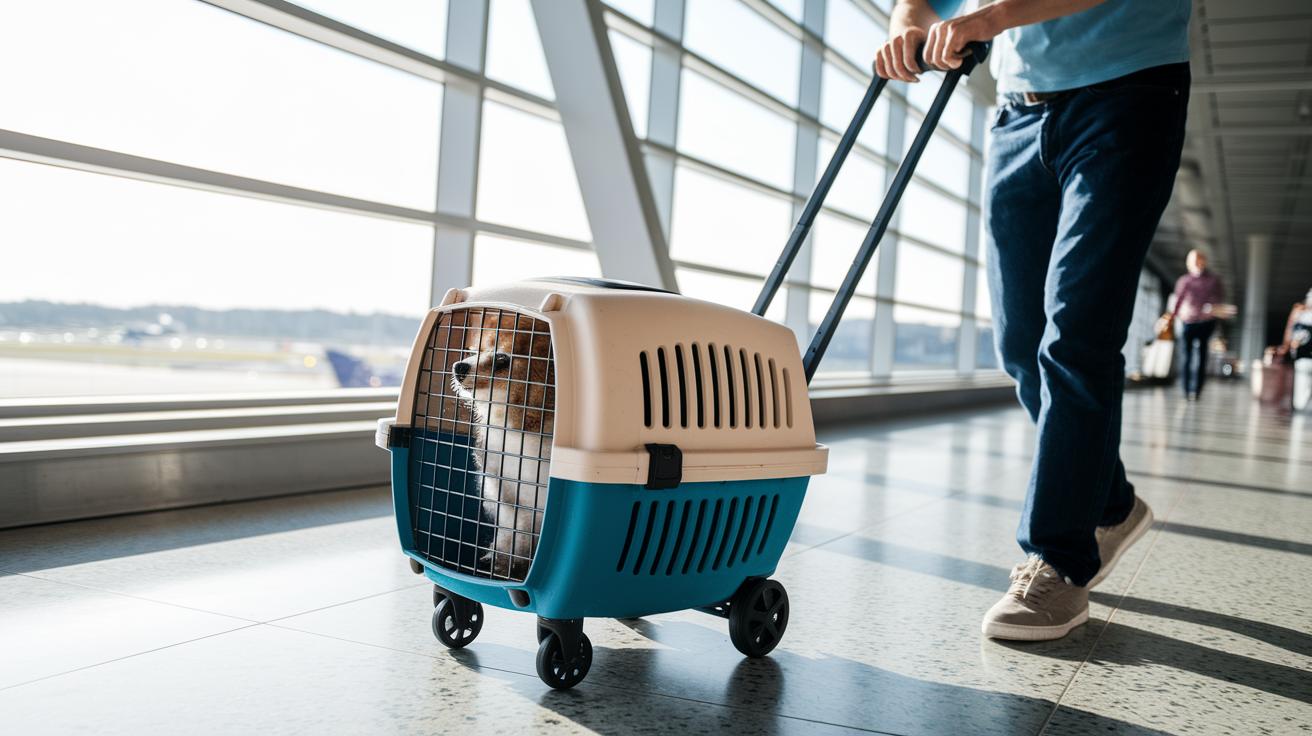
These travel carriers make journeying with your furry friend easier and more fun. They roll on wheels so you don't have to lift a heavy bag. This means less strain on your shoulders and back – up to 60% less compared to tote-style bags.

Imagine moving smoothly through an airport with your pet safe and cozy by your side. These carriers are built light and strong, weighing between 4 and 8 pounds. Some models hold small pets up to 20 pounds, while bigger ones can support pets up to 65 pounds. There’s a perfect size for every pet, from a playful kitten to a loving dog.

Here’s what makes them special:

Feature Benefit 600D Oxford Fabric with Reinforced Aluminum Frame Durable design for everyday travel Four-Sided Mesh Ventilation Keeps your pet cool and lets them see out PU Swivel Wheels (2.5″ diameter) Rolls smoothly over different surfaces Telescoping Handles (24″ to 40″) with Locking Feet Adjusts to your height and stays stable when set down

Every detail is made with both you and your pet in mind. With breathable mesh panels and easy-roll wheels, you get a lightweight, safe carrier that makes every trip worry-free. Enjoy travel with extra comfort for you and extra care for your pet.

pet travel carrier with wheels: Effortless Travel Joy

img-2.jpg

Finding the right pet travel carrier with wheels is all about matching your pet's needs with your travel plans. You want a carrier that feels just right for your furry friend. Start by checking the weight capacity. Carriers come in sizes for pets from 10 to 70 lbs. Choose one that fits your pet comfortably.

If you plan to fly, check the interior measurements. Most airlines allow carriers up to 18" L × 11" W × 11" H so your pet can stay safe and cozy in the cabin.

Think about the materials next. A water-resistant nylon outside is great for keeping moisture out, while a breathable polyester mesh helps your pet see out and get fresh air. This blend keeps your companion cool and secure during travel.

The frame is important too. Aluminum frames are light, so they're easier to carry. But if you travel often, a reinforced plastic frame gives extra durability. Pick what fits your travel style.

Wheel style matters as well. Fixed wheels do well on smooth floors, while 360° swivel casters make turning easier, which is a big help in busy places like airports or crowded sidewalks.

Also, check out the handle design. Look for padded grips or telescoping handles that adjust to your height. These features help lower shoulder strain on longer trips.

Lastly, consider your budget. You can find carriers from about $40 to $80 for budget options, $90 to $150 for mid-range, and premium models over $160. There's a lightweight pet travel case with wheels out there for every traveler.

Comparing Top Rolling Pet Travel Carriers for Pets

img-3.jpg

Traveling with your pet is more fun when you have the right carrier. A rolling pet case makes trips easier whether you're in a busy airport, on crowded sidewalks, or taking a long drive. Here, we take a look at four top choices that many pet parents trust.

Each carrier is built with different needs in mind. The PetMate Sky Kennel Roller has a hard outer shell made of strong ABS plastic. It fits pets up to 25 lbs and has earned a 4.7-star rating. This sturdy case is great for frequent travelers.

If you like a softer feel, try the Gen7Pets Carry-On Spinner. Its soft sides make it flexible and comfy. The inside measures 19 by 12 by 11 inches and fits pets up to 18 lbs. It scores about 4.5 stars and is loved for short trips and flying.

Budget-minded pet parents may appreciate the Petsfit Soft Rolling Carrier. It features mesh on all sides for good air flow, creating a cozy space that measures 15 by 10 by 9 inches inside. Priced at $75 and earning a 4.2-star rating, it gives good value without breaking the bank.

For larger pets or heavier travel, check out the WanderVault Wheeled Crate. It has a steel-reinforced frame for extra strength and fits pets ranging from 50 to 65 lbs. With plenty of room at 30 by 20 by 22 inches, this crate is both durable and spacious. It costs $180 and holds a 4.6-star rating.

Model Max Weight Dimensions (L×W×H) Price Rating PetMate Sky Kennel Roller 25 lbs 21×14×14″ $230 4.7 Gen7Pets Carry-On Spinner 18 lbs 19×12×11″ $140 4.5 Petsfit Soft Rolling Carrier 20 lbs* 15×10×9″ $75 4.2 WanderVault Wheeled Crate 50–65 lbs 30×20×22″ $180 4.6

*Note: Weight ratings for the Petsfit Soft Rolling Carrier may differ based on the model.

pet travel carrier with wheels: Effortless Travel Joy

img-4.jpg

Traveling with your pet becomes simple with a wheeled carrier. It makes busy airport trips or quick vet visits easier by letting you carry on hands-free and focus on the fun time with your furry friend.

Many pet parents have noticed these carriers work well on long city walks and even during therapy visits. They help keep things steady when you stroll busy sidewalks.

One pet parent shared a cool tip: "I used to drag my pet in a heavy bag, but switching to a wheeled carrier cut my shoulder strain in half!"

Model Max Weight Dimensions (L×W×H) Price
PetMate Sky Kennel Roller 25 lbs 21×14×14″ $230
Gen7Pets Carry-On Spinner 18 lbs 19×12×11″ $140
Petsfit Soft Rolling Carrier 20 lbs 15×10×9″ $75
WanderVault Wheeled Crate 50–65 lbs 30×20×22″ $180

Using a wheeled carrier makes each outing smoother and more enjoyable for both you and your pet.

Airline Approval and Regulations for Pet Carriers with Wheels

img-5.jpg

Pet carriers allowed on airlines must fit under the seat. They should measure 18 inches long, 11 inches wide, and 11 inches high. Check your airline's rules two days before you leave, as wheels that cannot be removed might push the height over the limit. Your carrier should also have lockable zippers, a leak-proof bottom, and at least three panels that let air in. These details help keep your pet snug and safe during the trip.

Airlines also look at the total weight. If your pet and carrier together weigh more than 20 pounds, you might incur extra fees. We suggest weighing them at home before your trip. When you go through TSA screening, the carrier goes through an X-ray. If you have a thick blanket or pad inside, take it out to speed things up. This makes sure that both your pet and its carrier meet all safety standards.

Always check with your airline for any special rules. Some airlines might require you to keep the wheels within a certain height or ask that you remove them for inspection. Using a carrier that follows these rules can save you time and extra costs. This little check helps reduce stress for both you and your pet. Make sure to review the guidelines before you leave to keep everything safe and approved.

Best Practices and Tips for Traveling with a Wheeled Pet Travel Carrier
img-6.jpg

Getting ready for a day on the road with your pet can be fun and stress-free. Here are eight simple tips to help make sure both you and your furry friend enjoy the journey:

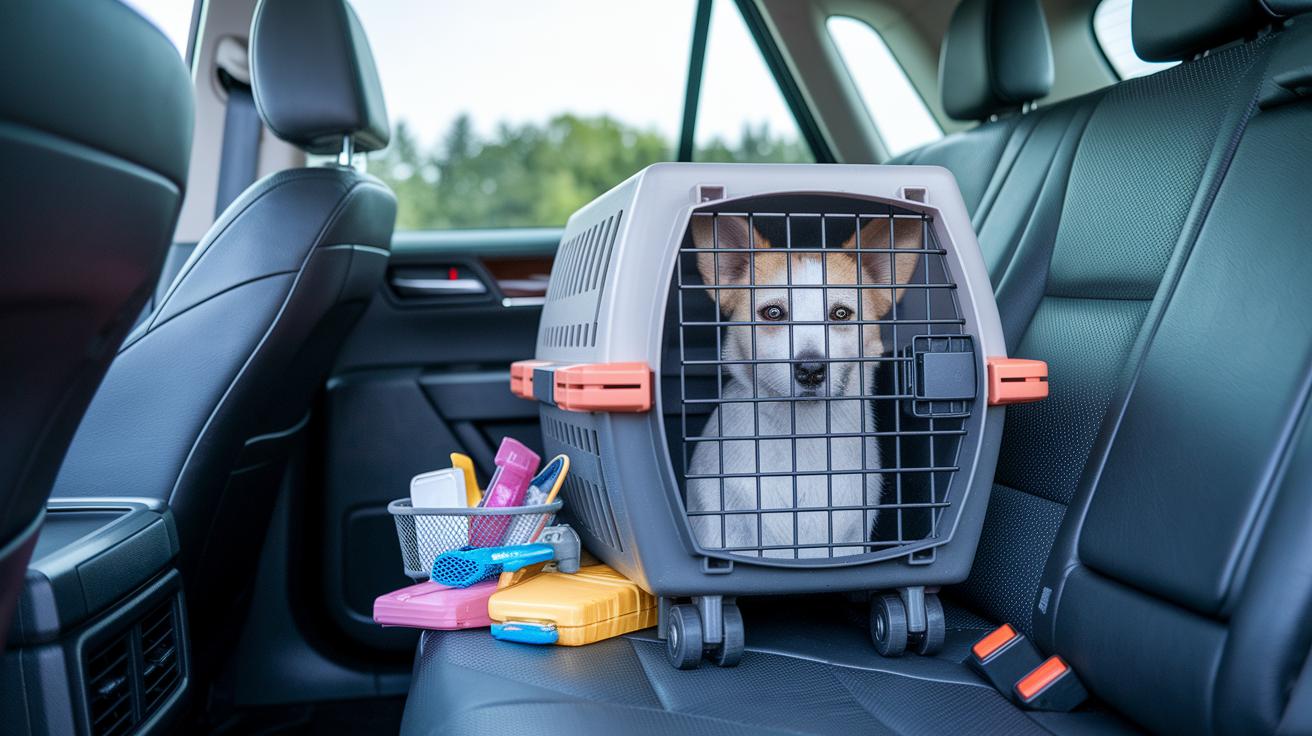
  • Help your pet feel at home in the carrier. Fill it with treats and favorite toys for about 10 minutes each day over a week or so. Many pet parents find their pets relax faster when the carrier smells familiar.

  • Pack the must-haves for travel. Bring absorbent travel pads, a collapsible water bowl, bottled water, and cleaning wipes. This way, you are ready for any little mess along the way.

  • Keep the carrier steady by locking its wheels when it is not moving. This simple step stops it from rolling around when you pause.

  • Secure the zipper with a zip-tie to stop the carrier from accidentally opening during travel. A quick wrap can keep everything safe.

  • During boarding or waiting, put the carrier on a flat, clean surface. A smooth base without debris helps the wheels roll freely.

  • In your car, fasten the carrier with a seatbelt threaded through the handle. This mini safety belt holds it in place while you drive.

  • Before you hit the road, give the wheels a quick test. Push the carrier gently to make sure it rolls smoothly and locks properly.

  • Lastly, check all parts of the carrier, like zippers and handles, to make sure everything is secure before each trip. A little upkeep goes a long way in keeping your adventure worry-free.

User Experiences and Common Questions About Pet Travel Carriers with Wheels

img-7.jpg

Pet parents often say these carriers make travel less tiring. They love how the smooth rolling wheels lighten the load, especially on long terminal treks. One pet owner even shared, "My carrier’s wheels roll so smoothly even after hours of walking. It takes the edge off busy airport days."

But real use does show a few hiccups. After about 20 trips, some wheels start to squeak, which can be a bit annoying over time. Taller pets might find the headroom a little tight in cabin designs, and a few owners have noticed a slight wobble in the handle during long journeys. Still, the good points shine through. Many pet parents enjoy the easy-clean liners and large mesh panels that let in fresh air and keep their pet comfortable.

We also hear many questions from fellow pet parents. A common one is about TSA screening. In most cases, these carriers pass the X-ray just fine. Another frequent question asks about removing wheels. Most models have a simple push-pin or screw design, so you can swap parts when needed. For larger dogs, remember that in-cabin models typically work best for pets up to 20 lbs, while airline-approved large bags hold pets from 50 to 65 lbs. Cleaning is easy too, as many carriers have machine-washable fleece pads or interiors that just need a quick wipe with mild soap.

These real-life tips can help you choose the travel carrier that fits your pet's needs best.

Final Words

In the action, this article showed how smart design, key features, and user tips work together. We covered benefits like reduced strain and easy maneuverability. You learned how to choose and compare models, handle airline rules, and even pack the essentials. The insights make it easier for busy pet parents to get a pet travel carrier with wheels that supports comfort, safety, and ethical impact. Enjoy smoother travels with your furry friend and feel good knowing every purchase helps shelters and rescues.

FAQ

What makes a pet travel carrier with wheels airline approved?

The airline approved pet travel carrier with wheels meets under-seat dimensions, secure lockable zippers, and traverses TSA screening. It often features removable or compliant wheels that fit airline policies, ensuring a smooth boarding experience.

How do small, medium, and large pet travel carriers with wheels differ?

The small and medium wheeled carriers fit snugly under airline seats for light pets, while large carriers accommodate heavier or larger dogs with extra space. Each size balances mobility and comfort for different travel needs.

What features define a pet carrier with wheels and handle?

A pet carrier with wheels and handle offers sturdy casters, an adjustable telescoping handle, and secure zippers. It typically features ample mesh ventilation and durable fabric, easing travel while keeping your pet safe and comfy.

What benefits do wheeled pet travel carriers offer?

Wheeled pet travel carriers help reduce back strain and ease mobility through busy terminals. Their smooth rolling wheels and secure design provide comfort and safety, making travel less stressful for both pets and pet parents.

Plant-based Cat Litter Sparks Eco-friendly Purrs

0

Have you ever thought that your cat’s litter box can be both clean and kind to our planet? Plant-based cat litter is winning over pet parents who want a fresher home and a healthier earth.

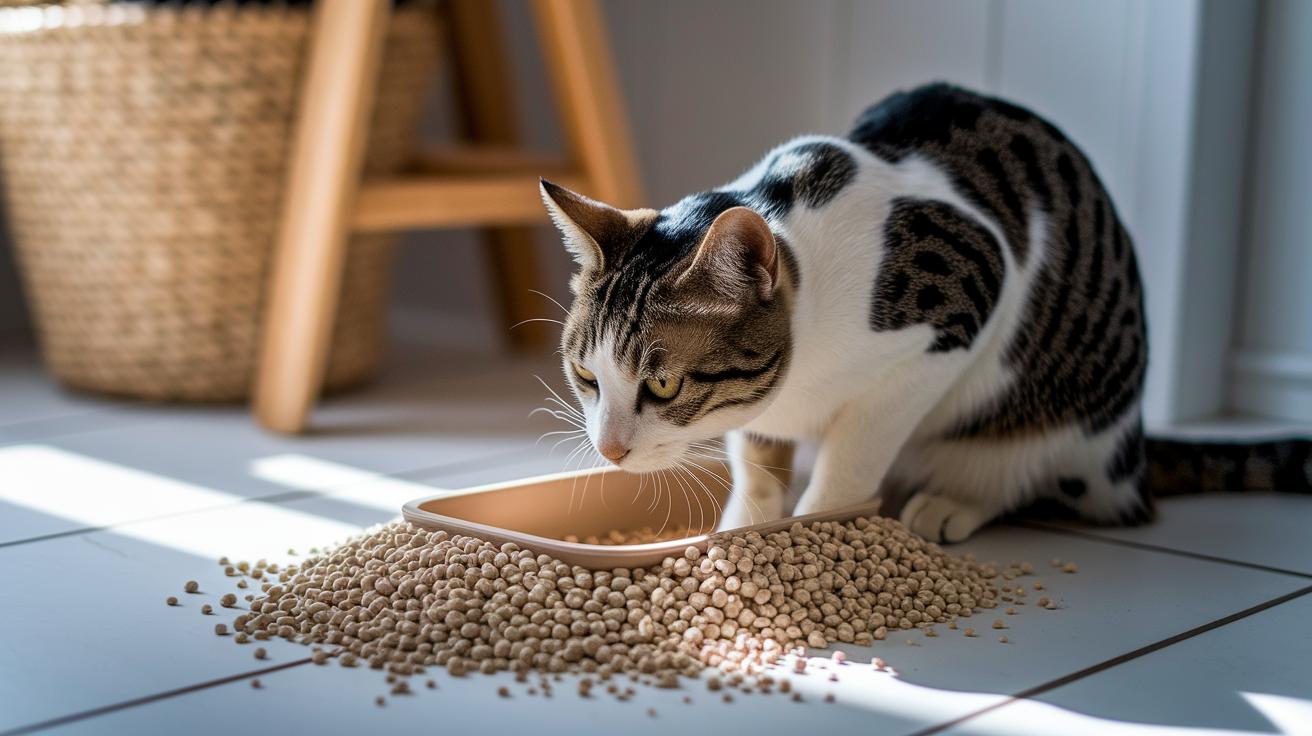
It’s made from renewable sources like pine pellets and corn. This means it helps cut down on dust and bad smells while keeping your kitty safe and happy. Imagine it like a soft, natural blanket that pads your cat’s space and helps lower your carbon footprint.

Switching to this litter shows that caring for our pets can also help take care of the environment. It’s a simple step toward a greener future for both you and your furry friend.

Plant-Based Cat Litter: Comparing Eco-Friendly Alternatives to Traditional Clay Litter

img-1.jpg

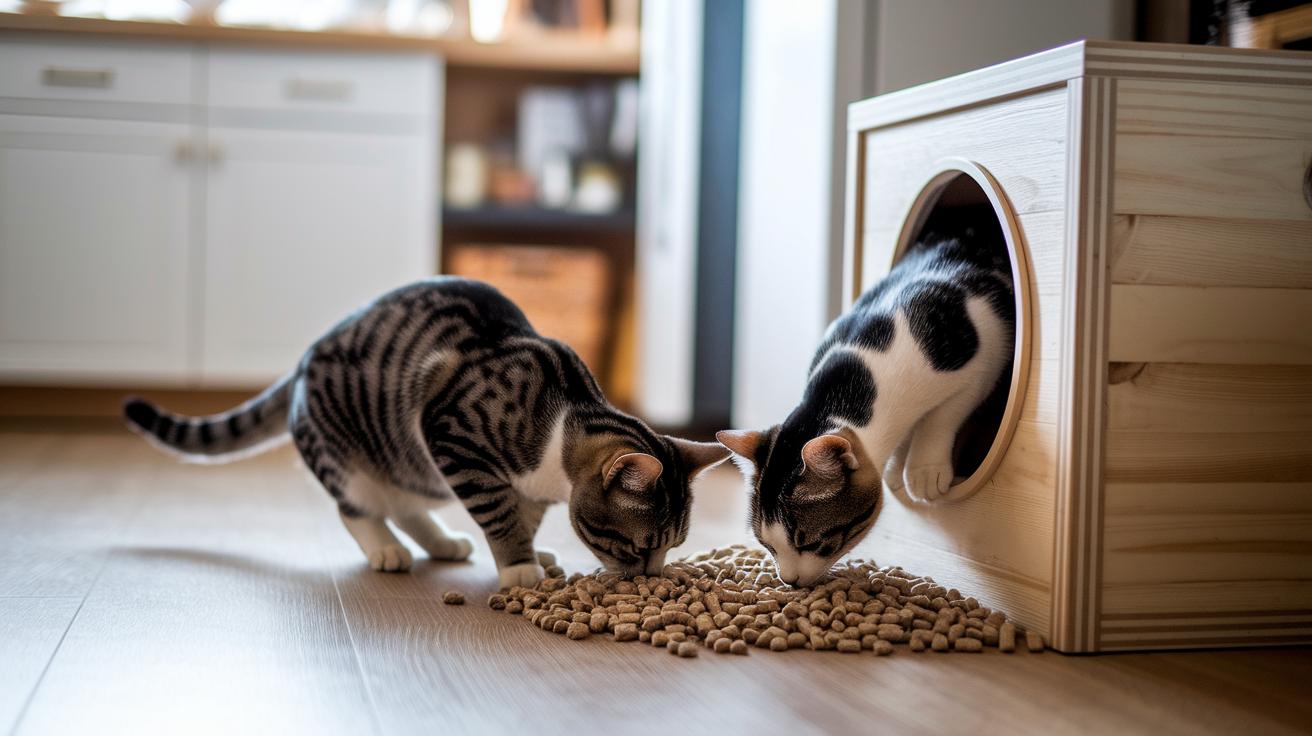
Plant-based cat litter is a smart choice for pet parents who care about their cat's health and our planet. Instead of using traditional clay, plant-based litters are made from renewable materials like pine pellets, corn, wheat, and grass seed. These natural ingredients help control odors and keep dust to a minimum, making your cat's litter box cleaner and healthier.

A 2022 study showed that clay litters create three times more carbon emissions than plant-based options that break down naturally. Switching to a plant-based litter means less exposure to fine silica dust for you and your cat, plus it helps cut down on your home's carbon footprint. Think of pine pellets like a soft blanket that soaks up ammonia and keeps smells under control.

Key benefits of plant-based cat litter include:

  • Made from renewable materials for a greener home
  • Lower dust levels that support healthy breathing
  • Natural odor control with simple, effective ingredients
  • Biodegradable, reducing waste in our landfills

Many pet parents say that switching to a plant-based litter means fewer messes and happier cats. One owner mentioned, "My cat's litter box stays fresh longer, and I feel good because I'm helping cut down on waste." This easy change not only makes your home healthier but also supports a more sustainable way of living for all of us.

Types of Plant-Based Cat Litter: Pine, Corn, Wheat, Grass, and Paper

img-2.jpg

Wood-based cat litters made from compressed pine pellets are a favorite among pet parents. They fight ammonia smells naturally and keep odors in check. These pine pellets form a soft, spongy layer that locks in smells and keeps your litter box feeling fresh longer.

Corn-based litters are another popular pick. They break down naturally, come from renewable sources, and are often safe to flush if your local rules allow it. They work well with regular scoopers and make daily cleaning a breeze. Many pet parents appreciate how these litters mix great performance with eco-friendly benefits.

Wheat-based litters create firm clumps that are simple to scoop, much like the feel of traditional clay. They offer the comfort of familiar texture while being made from a renewable resource. Many pet parents choose this compostable option because it makes cleanup easier.

Litters made from grass seeds form tight clumps that leave fewer stray bits around your home. They work well for both adult cats and kittens, helping to keep your floors and surroundings cleaner.

Recycled paper litters come as soft, non-clumping pellets. They are perfect for healing or declawed cats since they are gentle on paws. These litters help manage waste while keeping the litter box neat.

  • Pine: Fights odors naturally and clumps well
  • Corn: Breaks down naturally and is often flushable
  • Wheat: Forms firm clumps that are easy to scoop
  • Grass: Clumps tightly to reduce tracking
  • Recycled paper: Gentle, soft pellets that stay loose

Performance and Cleanup with Plant-Based Cat Litter

img-3.jpg

Plant-based cat litter keeps your home smelling fresh by fighting bad odors and neutralizing ammonia with natural granules. These granules form firm clumps that are easy to scoop, although you may need to replace all the litter a bit more often. Non-clumping formulas work well with sifting systems, making daily cleaning a breeze. Many pet parents appreciate that these dust-free, organic absorbents reduce airborne particles, which is great for cats and for anyone with sensitive lungs.

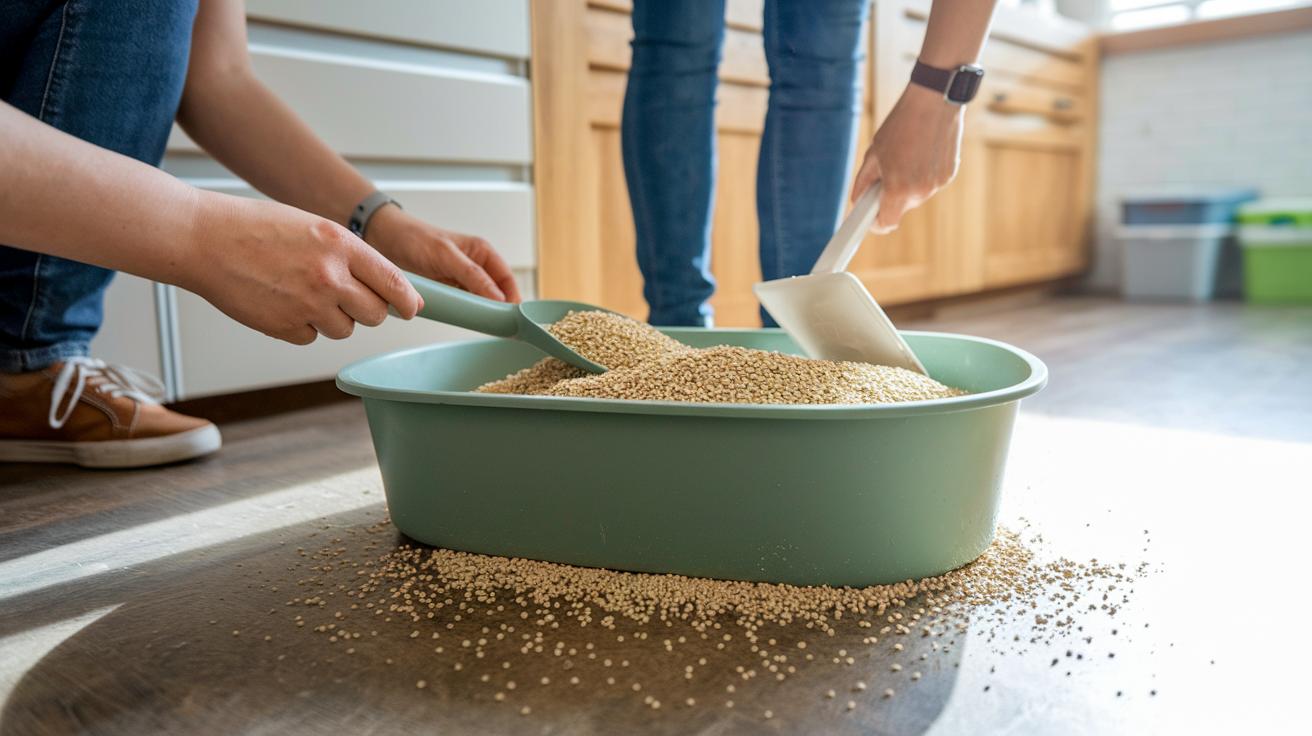
Taking care of the litter box is simple. Scoop it two to three times a day and sift the pellet litter each day. When the pellets begin to break down, replace all the litter. This easy routine keeps the box fresh and stops odors from building up.

Key maintenance tips include:

  • Clumping litters: They form tight clumps that are easy to remove but may need more frequent full changes.
  • Non-clumping options: They work well with sifting systems and save you time during cleanup.

One pet parent mentioned that switching gradually over a week helped keep their cat calm and curious. This method makes managing the litter box both efficient and eco-friendly.

Environmental Impact of Plant-Based Cat Litter

img-4.jpg

Plant-based litter is made from renewable materials like wood, grains, and grass that naturally break down. This means it has a smaller carbon footprint than clay litter.

Using a stainless steel, easy-to-clean litter box with your plant-based litter helps it last longer and cuts down on waste. One pet parent shared, "After switching to this combo, I replaced the litter less often, which means less trash and extra savings."

Choosing and Transitioning to Plant-Based Cat Litter

img-5.jpg

Start by mixing a little of the new plant-based litter with your current one. Over 7 to 8 days, begin with a mix that is about 25% new litter. Then slowly add more until your cat is using only the new litter. Take it slow. This way your cat can get used to it without feeling overwhelmed.

If you see your cat avoiding the new litter, try different textures during short trials. Keep the litter box in the same spot so your pet feels safe and familiar. This steady approach can ease transition stress.

Here are some ideas to consider:

  • For cats with breathing issues, try options made from recycled paper or choose a grain-free, hypoallergenic type (less likely to cause allergies).
  • If you have more than one cat, a larger box with high sides can help contain the mess and manage any odors.

Watch your cat’s behavior and see what feels best. If one type isn’t a good match, try another with a similar feel and good odor control. With some patience and a bit of trial and error, you’ll discover the best natural litter that makes both your cat and the planet smile.

Eco Purchasing Guide and Availability of Plant-Based Cat Litter

img-6.jpg

Plant-based cat litter can be a smart pick even if it costs a little more than clay at first. In the long run, you save money because you replace it less often and it helps keep your cat healthy.

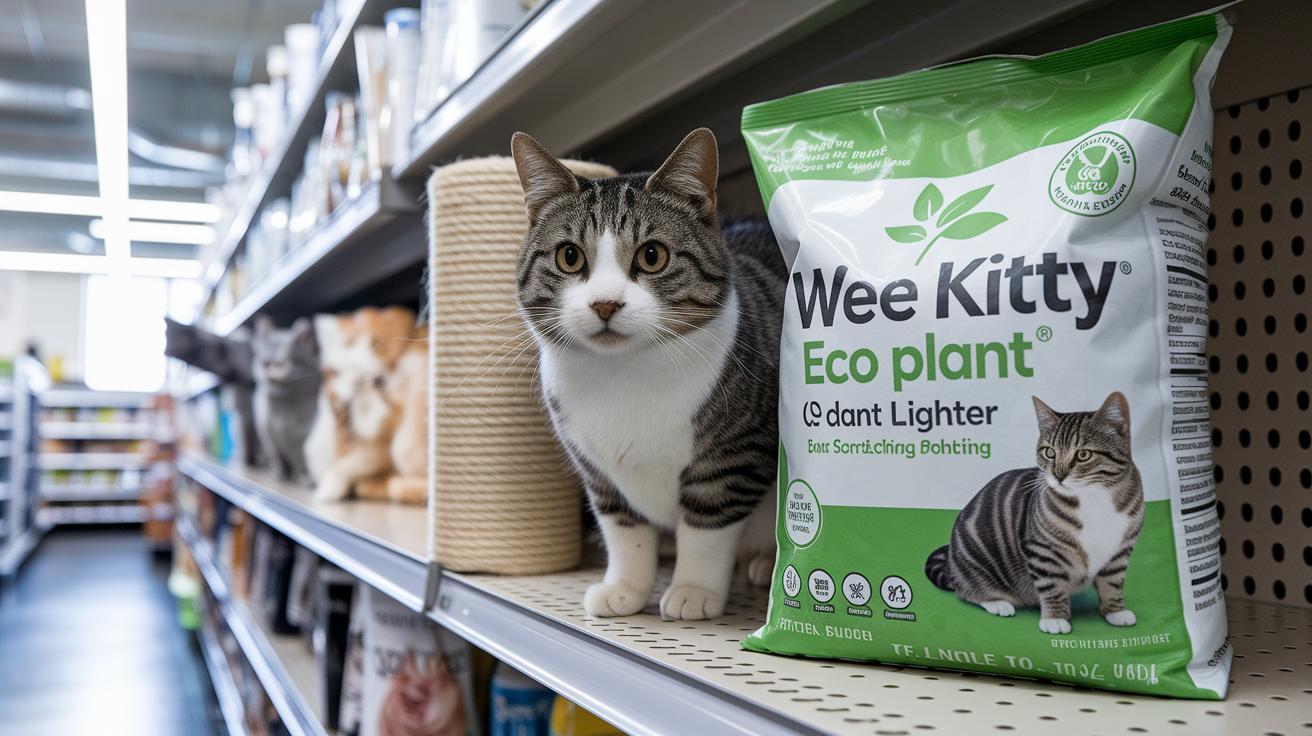
Many brands, like Wee Kitty Eco Plant Litter, are sold in U.S. pet stores and online in 20–25 lb bags. The price depends on what it is made from. Some use corn, wheat, pine, grass, or even recycled paper. Each one clumps, controls odor, and cleans up a bit differently.

When you compare options, keep these points in mind:

  • Plant-based litters may cost more upfront but can save you money over time.
  • You can find them both in stores and online, so you can pick what your pet needs.
  • Prices vary by packaging, brand, and material. Check the cost per pound to get a fair deal.

Using an eco purchasing guide for pet litter helps you choose a natural, budget-friendly option. A side-by-side guide on plant-based litters makes it easy to compare compostable choices that fit your eco-friendly lifestyle.

Final Words

In the action, we compared plant-based cat litter alternatives to traditional clay. We saw how options like pine, corn, wheat, and grass seed offer odor control, easy cleanup, and a lower environmental impact.

The guide walked through performance tips and a smooth transition method for your cat. Choosing plant-based cat litter helps reduce waste and supports a safer environment. Enjoy a greener side to pet care and feel great knowing your choice makes a real difference.

FAQ

What is the best plant based cat litter?

The best plant‑based cat litter uses renewable materials for odor control and low dust. Eco-friendly options like ARM & Hammer Plant Power and Okocat Natural Wood Clumping are favorites for many pet parents.
Are plant based cat litters safe and healthy for cats, including kittens?

Plant‑based cat litters are safe and healthy. They are made from natural materials that produce less dust, reducing allergens, and have gentle, unscented formulas ideal for kittens and sensitive cats.

Where can I buy plant based cat litter and what brands should I consider?

Plant‑based cat litter is sold in pet stores and online. Well-known brands include ARM & Hammer, Sustainably Yours, Okocat, and Boxiecat, which offer eco-friendly options for various cat needs.

What alternatives can I use instead of traditional kitty litter?

Alternatives to traditional kitty litter include biodegradable plant‑based options, recycled paper products, sand, or ashes — all of which reduce environmental impact and are gentle on your cat’s paws.

What did people use before commercial kitty litter existed?

Before commercial kitty litter, people used materials like sand, ashes, or soil to manage waste. Today’s plant‑based options offer improved odor control and a friendlier environmental footprint.

How do plant based cat litters perform regarding odor control and cleanup?

Plant‑based cat litters naturally neutralize odors and create minimal dust. Their clumping designs make scooping quick, ensuring a clean litter box and a healthier environment for both you and your cat.

Are there lightweight unscented plant based cat litters available?

Yes, lightweight unscented plant‑based litters are available. They help reduce chemical exposure and are a great choice for sensitive or allergy‑prone cats, keeping the litter area fresh without harsh scents.

Donate Dog Food To Animal Shelters: Spread Kindness

0

Have you ever thought about how one bag of dog food can do so much? When you donate, you’re giving more than a bowl-full, you’re sharing hope and kindness with pets who need a warm, safe home. Your gift helps shelters serve healthy meals for puppies, adult dogs, and even seniors.

In this guide, we’ll show you how to:

  • Find trusted shelters near you
  • Take a few simple steps to make your donation count

Even a small act of kindness can brighten a pet’s day and make a big difference in their life.

img-1.jpg

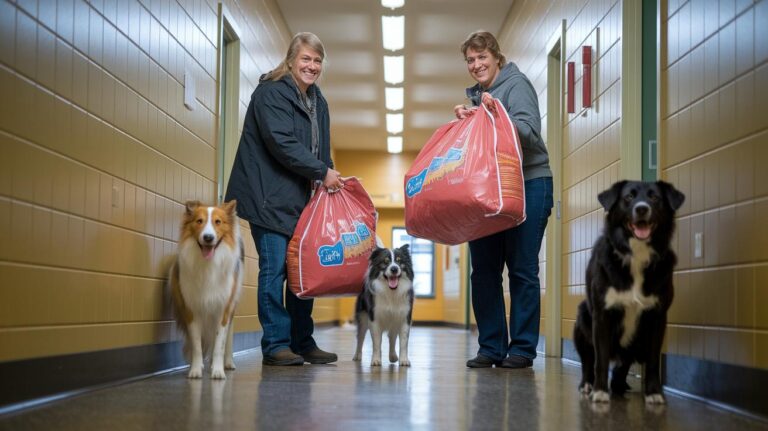
If you want to help, start by finding shelters or rescue groups you trust. You can call local centers or check national ones online. Make sure they accept dog food donations and that it meets community needs. For a quick list, visit where to donate pet supplies to shelters to find verified drop-off spots.

Next, follow these simple steps for your donation. Use dog food that gives balanced nutrition for puppies, adults, or seniors. The food should be unopened, sealed, and not expired. Always check the label for full nutrition details and AAFCO statements. For instance, make sure that crunchy kibble is well sealed and still within its best-by date.

Finally, decide if you want to drop off your donation or give it online. Many sites offer both choices and show prices in local currencies like USD, AUD, or CAD. Keep in mind that some online platforms have a short cooldown before they accept another donation. Schedule your drop-off or set an online appointment so your contribution reaches the shelter when it’s most needed.

Locating Local and National Shelters Accepting Dog Food Donations

img-2.jpg

Start by checking out online directories like Petfinder, the ASPCA locator, or ask at your local animal control office. These sites make it easy to see which shelters accept dog food donations. You can sort listings by location or by what they focus on. Whether you want to send meals to rescues or balanced rations to sanctuaries, there's something for every pet parent.

Look for listings that support different causes. Some shelters help pets in tough situations while others focus on everyday needs. This way, your donation matches your heart and what your community needs.

Shelter Name Location Contact Method Accepted Food Types
ASPCA National Online form, Phone Dry, Canned, Puppy Formula
Humane Society National Phone, In-person Dry, Wet, Special Diet
Local Paws Rescue City, State Email, Drop-off Dry Kibble
Stray Haven County, State Website, Drop-off Dry, Senior/Medical Diets

Before you donate, it pays to call or check the shelter's website to confirm what they need. Their requirements might change with the seasons or new rescue projects. This extra step makes sure your donation gives the right kind of support.

Understanding Shelter Dog Food Needs and Safety Guidelines

img-3.jpg

Shelters need dog food that is just right for every stage, whether it’s for a playful puppy, a steady adult, or a gentle senior. High-protein formulas help build strong muscles and keep energy levels up. Think of it like fueling up before a fun day at the park; the right meal makes all the difference.

Always check the label. Look for an AAFCO statement (AAFCO sets nutrition standards) to be sure the food offers complete nutrition and essential nutrients. And make sure the package is sealed and not past its expiration date to keep pets safe.

When donating, be sure the food comes in sealed bags or cans. Items with torn or open packaging may not be safe, so it’s best to choose food that keeps its freshness intact.

Preparing and Delivering Your Dog Food Donation

img-4.jpg

Plan your donation drop-off or shipment when the shelter is open to receive items. Some shelters even offer scheduling tools or special deals to help you book a time. Setting an appointment means your donation gets there when it is needed most, making everything easier for you and the shelter.

  1. Check the expiration dates and look over the packaging.
  2. Divide the dog food into bundles of 5–10 lb each.
  3. Write the type and weight on each bundle.
  4. Pack the bundles in strong boxes.
  5. Set up a drop-off or arrange a pickup with a courier.
  6. Confirm the delivery and let the shelter know what’s inside.

After you deliver, give the shelter a quick call or send an email. Ask if they got everything safely and if they need any extra paperwork. This is a good time to request a receipt or a thank-you note so you know your donation made a difference. Keeping in touch helps you plan future donations and find other ways to support their programs. It builds a lasting connection and shows you care about helping pets in need.

Organizing Group and Corporate Dog Food Donation Drives

img-5.jpg

When planning your group drive, set clear goals and find volunteers who love dogs as much as you do. It starts with a simple ask: Who can help make a change for our furry friends? Talk to local pet parent groups, friends, and neighbors to set up drop-off spots for nutritious meals. You might even ask people to sign a petition and share the news online. This way, everyone plays a part, and the drive builds both food supplies and community spirit.

Next, work out the details like storage, transport, and timing for drop-offs. Design flyers and share the event on social media. Sometimes companies even match donations, doubling the food for our pups, so check out pet rescue programs. Finally, show your thanks by sending digital badges or a short newsletter to keep the excitement alive.

Impact Stories: How Donated Dog Food Transforms Shelter Lives

img-6.jpg

Stories show how a small act of kindness can change lives. When you donate a bag of food, you give hope, care, and a fresh start. Real stories make that magic real.

At one shelter, a tiny, underfed puppy slowly came back to life. Before, he struggled to gain weight and looked very tired. With each healthy meal, his energy grew. Soon, he was playful and full of life. It felt like watching a fragile little soul turn into a joyful, wagging friend.

Another rescue dog had lost his spark. With meals made just for his needs, he began to recover. His coat got shinier and his steps steadier. The change made everyone smile. It reminded all pet parents that a good meal can make a big difference.

These true stories invite you to share a little kindness. Every bag donated brings hope and helps a pet find a better life.

Beyond Donations: Other Ways to Support Dog Shelters

img-7.jpg

Helping our furry friends goes well past offering food. You can give your time by walking dogs, doing simple office tasks, or helping at shelter events. You could also set up a small fundraising campaign with neighbors. This not only brings in money for much-needed pet supplies but also builds a community of caring pet parents.

Gifts like a soft bed, fun toys, or basic grooming supplies can really help shelters with their everyday work and bring comfort to the animals.

Sharing your story matters too. Post your experiences online, sign a petition, or attend a shelter event. These small acts help spread the word and bring more community support.

Final Words

In the action, we covered quick steps to find, verify, and support shelters. We broke down how to check dog food guidelines, secure sealed packages, and finalize your donation with drop-offs or online orders. We even touched on group drives and scheduling tips to keep things smooth.

Every step helps you donate dog food to animal shelters while boosting pet health and rescue efforts. Your care makes a real impact on the animals and builds a kinder community.

FAQ

Frequently Asked Questions

Donate dog food to animal shelters near California

The phrase “donate dog food to animal shelters near California” means you should contact local rescue groups and verify their donation policies. Look for shelters online or in local directories to ensure your food meets their guidelines.

Donate dog food to animal shelters near Texas

The phrase “donate dog food to animal shelters near Texas” means reaching out to Texas-based shelters and rescue organizations. Call or visit their websites to confirm they accept your type of dog food before donating.

Donate dog food to animal shelters near me

The query “donate dog food to animal shelters near me” means finding rescue centers in your area. Use online directories or local listings and contact shelters to learn about their donation guidelines and needs.

Where to donate opened dog food near me

The phrase “where to donate opened dog food near me” means some shelters might accept opened food only if it’s gently used and approved. Always check with the shelter to see if they can safely accept opened packages.

Donate dog food to animal shelters California

The phrase “donate dog food to animal shelters California” means you can support California shelters by donating sealed, unexpired dog food. Confirm the shelter’s policies first to ensure your donation meets their standards.

Where can I donate dog food near me

The phrase “where can I donate dog food near me” means using local directories or community outreach to find nearby shelters and rescue groups. Contact them directly to ask about their donation requirements.

Where to donate dog supplies near me

The phrase “where to donate dog supplies near me” means reaching out to local animal shelters that accept items like food, toys, and bedding. Check community bulletin boards or online directories for nearby donation centers.

Click to give free food to the animal rescue

The phrase “click to give free food to the animal rescue” means using an online donation portal provided by a rescue organization. It often lets you contribute conveniently with a few simple clicks to support animals in need.

What to do with left over dog food?

The query “what to do with leftover dog food” means that if it’s sealed and unexpired, you can donate it. For opened food, check with local shelters as some might accept it if it meets their safety standards.

Will a shelter take an open bag of dog food?

The query “will a shelter take an open bag of dog food” means that most shelters prefer unopened packages to be safe. Contact your local shelter first to see if they can accept an open bag before donating.

Do Vets Recommend Grain Free Dog Food: Trusted

0

Have you ever asked if grain free dog food is really best for your pup? Many pet parents hear high praise, yet vets suggest a grain free diet mostly when your dog shows allergies or a sensitive tummy. New studies even hint that it could be linked to heart issues in some pups. In this post, we share what vets really recommend and why a balanced diet, whether it has grains or not, should fit your dog's unique needs.

What Veterinarians Say About Grain-Free Dog Food

img-1.jpg

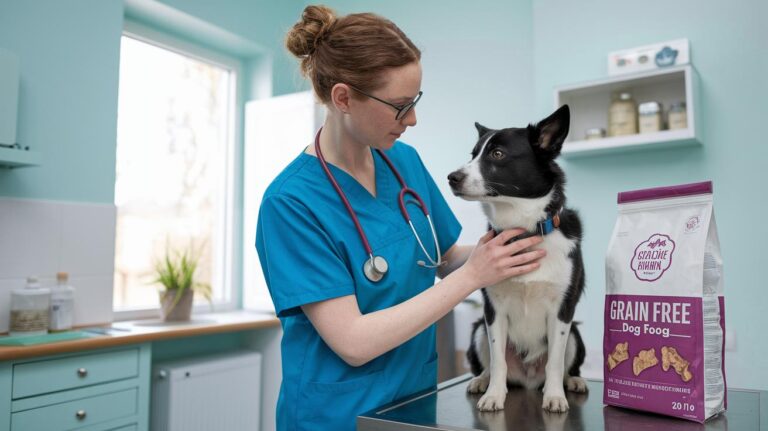
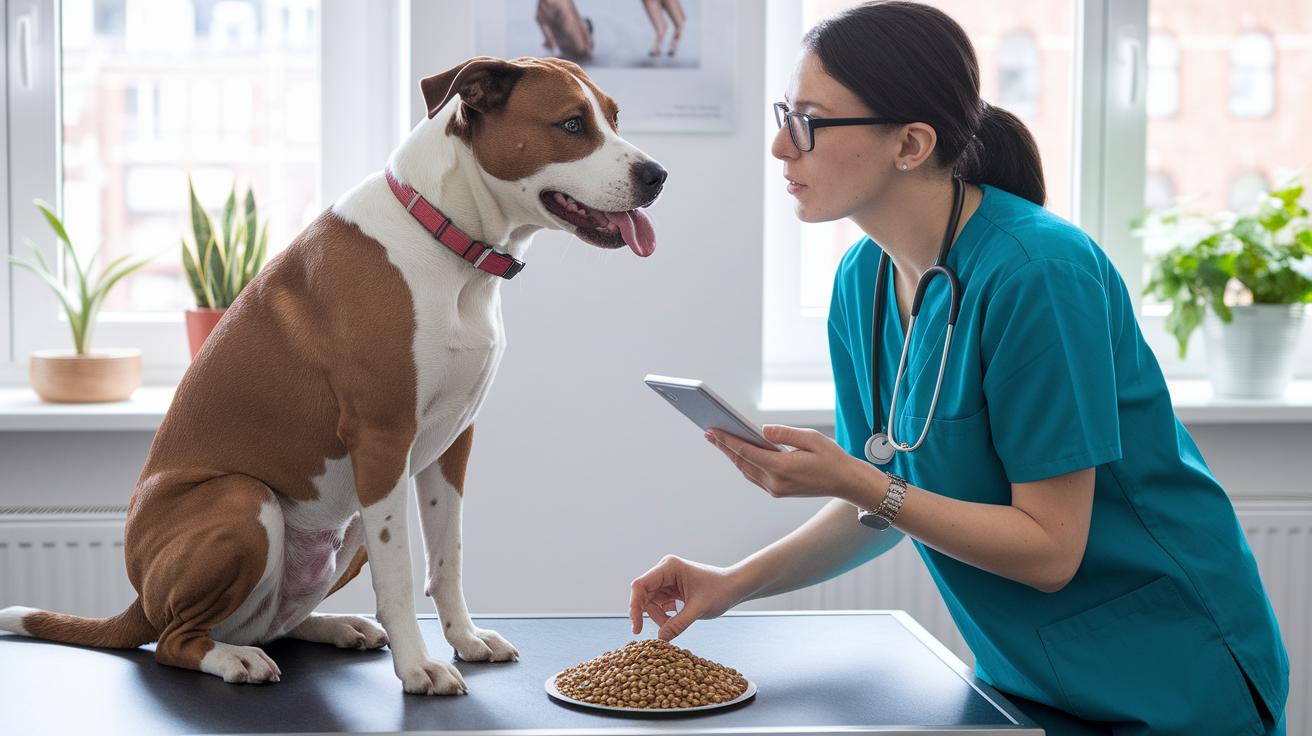
Some vets have mixed opinions on grain-free dog food. They usually suggest these diets only if your pup has a real grain allergy or sensitive stomach. A board-certified small animal skin doctor reminds us that grain-free formulas work best for true grain allergies, not as a one-size-fits-all upgrade.

Recent research from March 4, 2025, raised concerns about a possible link between grain-free food and heart problems like dilated cardiomyopathy (DCM). While some studies point to risks, there is no clear consensus. One vet said, "It is important to match the food to your pet's needs." So, a dog without allergy issues might be just as happy on a balanced diet that includes grains.

Many vets recommend speaking with a veterinary nutritionist to tailor your dog's meals to their health needs. They also suggest checking out more details on pet nutrition at "is grain-free dog food good" (https://goodpawsgoodcause.org?p=83). In short, your vet's advice is all about what suits your dog's overall health best.

Veterinary Reasons to Recommend Grain-Free Diets

img-2.jpg

Many vets suggest a grain-free diet for dogs with grain allergies or upset tummies. These diets skip common fillers like corn, wheat, and soy, which can cause irritation and upset bellies. Pet parents often see fewer skin flare-ups and better tummy health when these ingredients are removed.

Grain-free recipes usually have just a few ingredients. This makes the diet easier on dogs with true allergies because there is less chance for a reaction. You might notice your dog feels calmer and digests food more smoothly on this type of diet, especially if they have known food sensitivities.

Vets also point out that grain-free foods can lower the inflammation that sometimes happens with common fillers. Some pet owners have seen big improvements when switching to a grain-free recipe for dogs with delicate stomachs. Tailored diets like these can help manage ongoing issues, making them a trusted option for many pet parents.

Risks Vets Warn About in Grain-Free Dog Food

img-3.jpg

Vets are concerned that grain-free diets might be linked to dilated cardiomyopathy (DCM), a serious heart condition that can lead to heart failure. Studies show that more dogs on these diets are developing DCM, and many experts suspect that common carb ingredients like legumes and potatoes could be part of the reason.

Grain-free diets may help some dogs avoid food allergies, but they might also put their hearts at risk. One board-certified expert explained, "The change in carbohydrate sources seems to affect heart muscle function, though we are still studying how." Think about it: your dog might switch to a diet that reduces allergies but may eventually face a tired, weak heart.

Vets recommend that if you choose a grain-free diet, you keep a close eye on your dog's heart health. Regular vet check-ups and tests can help catch early signs of DCM. Even though cats rarely have diet-related DCM, only 20 cases were reported to the FDA as of 2020, it’s important to manage your dog’s diet carefully.

So, if you decide to go grain-free, do it with your vet's guidance. Watch for signs like lethargy, a drop in appetite, or fainting, and contact your vet right away if you notice any changes.

Grain-Free vs. Grain-Inclusive Diets: A Veterinary Comparison

img-4.jpg

When choosing food for your dog, vets point out clear differences between grain-free and grain-inclusive meals. Grain-free diets have caught the eye of many, thanks to promises of fewer allergens and a simpler list of ingredients. On the other hand, diets that include grains offer benefits like fiber and B-vitamins from whole grains that help keep your dog’s tummy happy.

Vets remind us that any dog food should follow AAFCO life-stage standards. In simple words, this means the food must balance all the nutrients your dog needs to stay active and healthy. For example, a grain-inclusive food might be more affordable while naturally providing key nutrients. Meanwhile, a grain-free food might call for added nutrients, like taurine, to make up for what it lacks. A smart tip: always check that your dog's food is balanced, even without grains.

In real life, both diets have their good points and drawbacks. Grain-free food is a solid choice for dogs with a true grain allergy or sensitive stomach. But for many pets, grains can add a nice boost of fermentable fiber that supports digestion. At times, grain-free meals need extra help to cover all nutritional bases. Conversely, grain-inclusive meals pack nutrients from natural ingredients but may not suit dogs with specific allergies.

Diet Type Pros Cons
Grain-Free Simpler formulas, great for true grain allergies, may reduce inflammation May require extra nutrients, possible nutrient gaps if not balanced well
Grain-Inclusive Provides fermentable fiber and B-vitamins, cost-effective, supports gut health May trigger mild allergies in sensitive dogs
Balanced Formulation Meets nutritional standards per AAFCO, can be tailored with a vet’s advice Needs vet input to ensure all health needs are met

How to Choose Vet-Approved Dog Food Safely

img-5.jpg

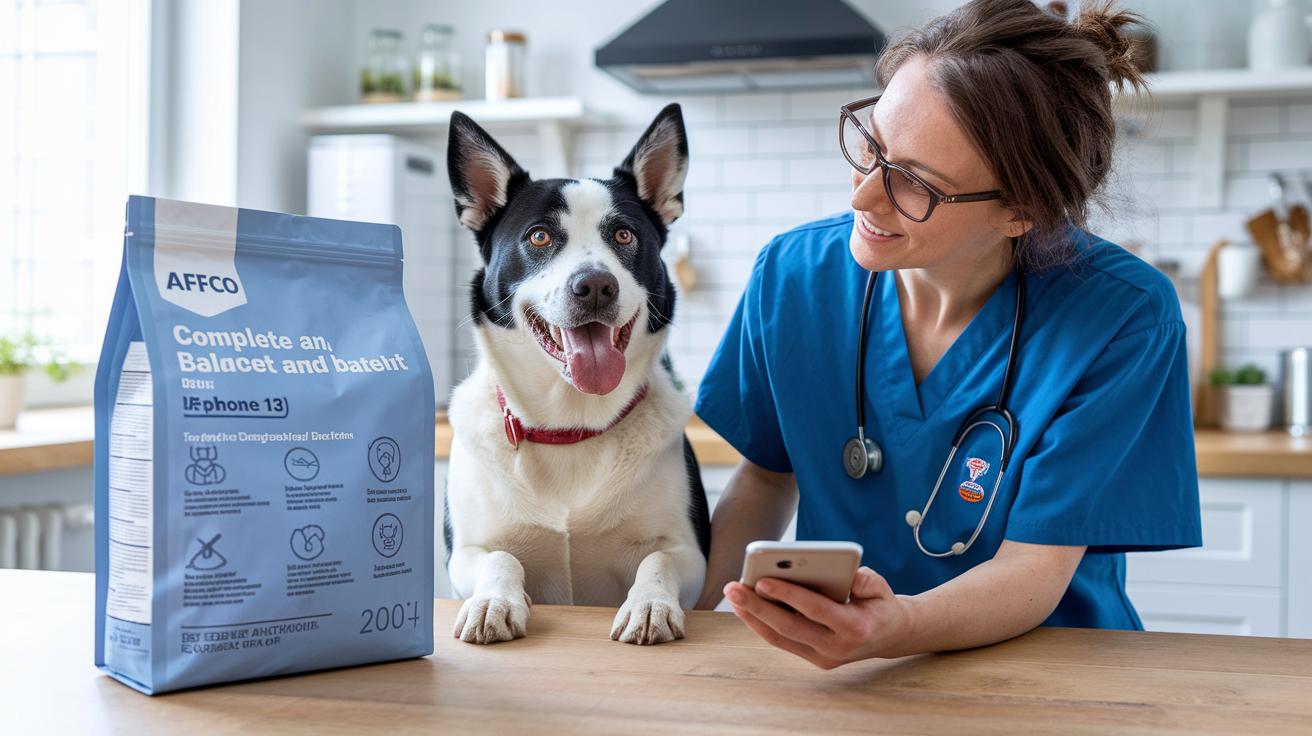
When you choose dog food, make sure it says "complete and balanced" for your dog's age and activity level. Look at the label for an AAFCO statement. This means the food follows basic nutrition rules. And it's always a smart move to ask a vet-nutritionist before changing your dog’s meals. They can help check that the new food meets your pet’s needs.

Here are five simple tips to help you pick vet-approved dog food:

  • Make sure the package says it is complete and balanced.
  • Look for an AAFCO statement to show it meets nutrition standards.
  • Talk to a vet-nutritionist before you change the diet.
  • Choose food with a high-quality protein (the first ingredient should be a named meat).
  • Steer clear of unnecessary fillers and artificial additives.

These tips help you choose food that supports your dog's overall health and gives you peace of mind.

Alternatives and Holistic Strategies Beyond Grain Removal

img-6.jpg

Many pet parents are seeking ways to feed their dogs without completely cutting out grains. One option is a limited-ingredient diet that uses new proteins. With fewer ingredients, this type of food gives your dog quality nutrition and may lower the chance of a reaction.

Homemade recipes are another great choice. When you cook for your dog, be sure to mix in exact amounts of supplements like omega-3 fatty acids and taurine (an important nutrient) under your vet's advice. This caring approach lets you adjust meals to your pet's needs and avoid unnecessary fillers.

Wet food or high-protein non-cereal diets also work well. They can be easier on a sensitive tummy and help keep your dog well hydrated. This option supports delicate stomachs without needing a complete grain-free recipe.

Remember to balance any new diet with regular health check-ups, like heart screenings, to make sure your dog stays healthy. Combining these thoughtful feeding choices with routine vet visits helps ensure your furry friend thrives.

Final Words

In the action, we explored vets’ advice on when grain-free diets may work best for pets and when they might pose risks. We broke down expert opinions, compared grain-free and grain-inclusive options, and shared tips for choosing vet-approved food.

We dove into safe strategies and alternatives that support your pet’s unique needs. Do vets recommend grain free dog food? It depends on your pet's health and allergies. Always chat with your vet and make the best choice for your furry friend.

FAQ

What are the pros and cons of grain-free dog food?

Grain-free dog food may help reduce allergy symptoms and ease digestive upset in some dogs, but it can also pose risks like potential nutrient imbalances and heart concerns, so a vet’s input is key.

What warnings exist for grain-free dog food?

Grain-free dog food warnings focus on a possible link to canine dilated cardiomyopathy (DCM). Vets advise careful monitoring of your pet’s heart health when using these diets.

What are common myths about grain-free dog food?

A common myth is that grain-free dog food is always healthier. In reality, its benefits depend on your dog’s needs, and vets recommend grain-free only for pets with genuine grain allergies or sensitivities.

Why might grain-free diets be good for dogs?

Grain-free diets are considered good for dogs with identifiable grain allergies or gastrointestinal sensitivities. They help lessen inflammation and discomfort by avoiding common allergens like corn, wheat, and soy.

Is grain-free dog food good for dogs with allergies?

Grain-free dog food can benefit dogs with diagnosed grain allergies by reducing allergic reactions and digestive issues. However, always work with your vet to decide the best diet for your pet.

What do vets say about grain-free dog food?

Vets are divided on grain-free dog food. While some support it for pets with allergies, others caution about potential nutrient imbalances and heart risks. Professional advice can help guide your decision.

What should I look for when choosing the healthiest dog food?

The healthiest dog food is one that is complete and balanced per AAFCO standards, features high-quality proteins, and suits your pet’s age and activity level. Vet consultation is recommended.

What is meant by non-grain-free dog food?

Non-grain-free dog food includes traditional grains that provide fiber and B-vitamins to support gut health. These diets offer balanced nutrition if formulated to meet your dog’s dietary needs.

What is the FDA warning about grain-free dog food?

The FDA warns about a potential link between grain-free dog food and canine dilated cardiomyopathy (DCM). Pet owners should watch for heart issues and consult with their vet if concerned.

In Home Pet Care Guide: Cherish Pet Joy

0

Have you ever wondered if keeping your pet at home makes them happier and healthier? When you care for your pet in a familiar place, stress goes down and routine takes shape. We recommend a few simple steps like feeding them on time, setting aside play sessions, and planning regular grooming. This helps your furry friend feel safe and loved.

In this guide, we’ll share easy tips to create a calm home for your pet. Stick with us and see how these small changes can make a big difference in your pet’s well-being.

In-Home Pet Care Guide: Cherish Pet Joy

img-1.jpg

Taking care of your pet at home means they stay in a place they know well. It helps keep stress low and gives them a steady routine. This way, your pet gets the attention they need without the change and noise of boarding or daycare.

When your pet stays home, they keep their normal habits. Familiar surroundings and regular check-ins help them feel calm. You know your pet best, so you can spot small changes and keep them safe.

Here are some simple tips to follow:

  • Feeding schedule: set regular meal times.
  • Exercise blocks: plan walks or play breaks.
  • Grooming slots: brush and tidy them up.
  • Health checks: watch for signs they need a vet visit.
  • Playtimes: set aside time for fun and games.

These easy routines help lower anxiety and boost your pet's health. When they know when to eat, play, and relax, your pet feels secure. Small daily rituals build trust and make their day a little brighter. Every meal and walk is a step toward a happier, healthier pet.

Feeding & Nutrition Strategies in Your In-Home Pet Care Guide

img-2.jpg

Getting your pet's meals right is key for a happy, healthy life. Different animals, ages, and energy levels need different meal patterns. For instance, a playful dog may do best with two good meals a day, while a laid-back cat might benefit from smaller meals given more often. Keeping a schedule helps your pet's tummy work well. Whether your buddy is a big dog or a tiny critter, a meal plan made just for them sets a solid base for their health. These home feeding habits not only keep their digestion steady but also turn every bite into a boost of energy. For a fresh and balanced start, check out the New Pet Owner Care Guide.

Species Meal Frequency Portion Size
Dog 2 meals/day Based on weight and age
Cat 3-4 meals/day Small, measured servings
Rabbit Multiple small meals Fresh veggies and hay mix
Small Rodent Frequent snacking Tiny, regulated amounts

Always make sure your pet has fresh, clean water. Cleaning their bowl daily and refilling it keeps them well hydrated and full of energy.

DIY Grooming & Hygiene Tips for an In-Home Pet Care Guide

img-3.jpg

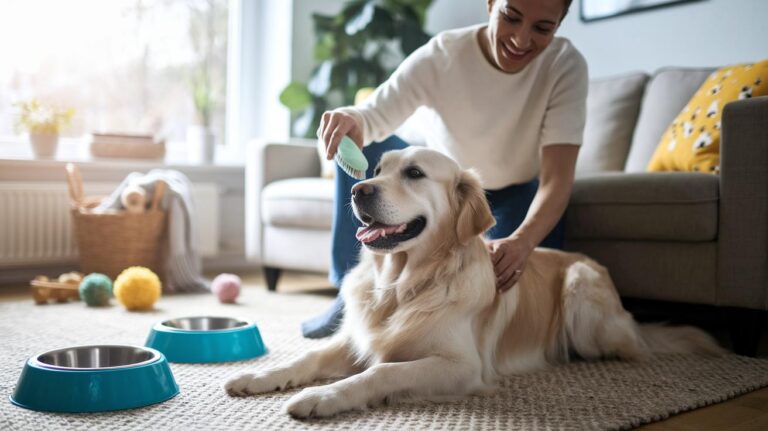
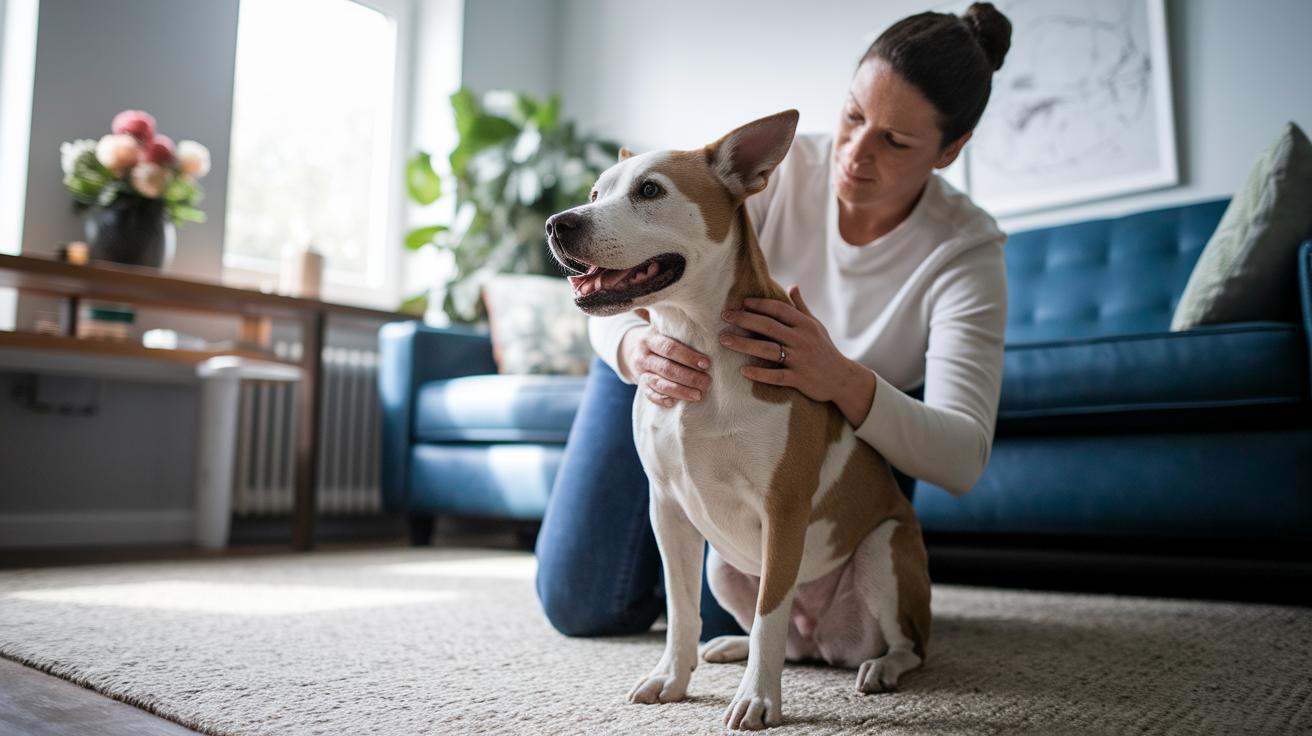
Setting up a little grooming spot at home can make a big difference. Use a non-slip mat and good lighting so you can see every little detail. No matter if your pet has long, flowing fur or a neat, short coat, the right brush or comb will keep grooming fun and simple. Create a calm, cozy space where your pet feels safe and relaxed.

With just a few basic tools, you can handle many grooming tasks yourself. Try these easy tips at home:

  • Coat brushing
  • Nail trims
  • Ear cleaning
  • Dental wipes
  • Paw massages
  • Fur detangling

A steady grooming routine can help cut down on mats and shedding. And if you spot any unusual patches, signs of irritation, or if your pet looks uneasy, it might be time to check in with a professional.

Indoor Exercise & Play Techniques in an In-Home Pet Care Guide

img-4.jpg

Keeping your pet active indoors is key to their happiness and health. When your pet plays, they stay lively, relaxed, and full of energy. Regular playtime can help your pet sleep better at night and stay alert during the day. Fun indoor activities keep boredom away and help avoid unwanted mischief.

  1. Hide-and-seek – Let your pet look for you. It sharpens their focus and boosts their agility.
  2. Stair sprints – Quick runs up and down the stairs burn off energy in no time.
  3. DIY agility jumps – Arrange small hurdles with chairs or low tables so your pet can jump safely.
  4. Laser-pointer chases – A moving beam of light on the floor gets your pet excited for a fun chase.
  5. Treat treasure hunts – Hide a few small treats in safe spots around your home to spark their curiosity and mind.

Keep an eye on your pet while they play. Short sessions of about 10 to 15 minutes work best. Watch for signs like slowing down, heavy panting, or uninterest. If your pet starts to tire, take a break so they can recharge. This way, every game stays fun and safe, and your pet builds confidence and focus with each playtime session.

Health Monitoring & At-Home Veterinary Check Advice in Your In-Home Pet Care Guide

img-5.jpg

Regular check-ups at home help you spot changes in your pet quickly. Taking a few minutes each week to look at your pet’s fur, eyes, gums, and joints can catch small problems before they grow into bigger ones. It also makes you feel more confident and gives your vet useful clues if a visit becomes necessary.

Issue Check Method What to Do
Skin problems Look for rashes or bald spots Book a vet visit
Ear concerns Check for redness or build-up Clean or call your vet
Joint stiffness Gently move the legs and see how it feels Watch activity or ask your vet
Dental care Inspect the gums and teeth Brush or visit the vet
  • Gauze
  • Antiseptic
  • Styptic powder
  • Bandages

When it's time to give medication, use a gentle approach. A calm voice with kind words or a treat makes it easier for your pet. Offer a small amount of water to help the pill go down and confirm that your pet takes the full dose. This careful method lowers stress and helps your pet trust you even more.

Behavioral Training & Mental Stimulation in an In-Home Pet Care Guide

img-6.jpg

Building trust with your pet starts with positive reinforcement. When you reward good behavior with treats, kind words, or a quick play session, your pet learns what to do. Using clear commands and gentle corrections makes everything easier for both of you.

When dealing with issues like jumping or chewing, clear cues are the secret. Keep your commands simple, use a calm voice, and offer rewards. This steady routine not only curbs unwanted habits but also builds your pet's confidence during training.

House Training Step-by-Step

  1. Start by setting a regular time to take your pet outside.
  2. Pick a quiet spot where your pet feels safe.
  3. Use the same cue every time you get to the spot.
  4. Reward your pet right away with a treat or a kind word.
  5. Slowly increase the time between breaks as your pet learns the routine.

DIY Brain Games

  • Shell game
  • Treat puzzles
  • Scent trails
  • Toy rotation
  • New-command drills

Every pet is unique. Young pets like short, fun sessions with lots of treats, while older pets or larger breeds might do better with a slower pace. By watching your pet and adjusting the training to fit their energy, you can keep the experience fun and supportive.

Preparing Your Home Environment for In-Home Pet Care

img-7.jpg

Take a walk around your home and look for things that might hurt your pet. Check for loose cords, plants that could be toxic if nibbled, and cleaning supplies within reach. These hazards can upset or injure your pet. When you spot and fix them early, you give your sitter one less worry. Imagine finding a worn-out cord by your pet's favorite sleeping spot. By securing it, you keep your pet safe and show that you care.

  • Cord covers
  • Cupboard locks
  • Pet-safe cleaners
  • A special feeding area
  • A spot for waste
  • Emergency contacts posted up
  • Items to help them feel familiar

A clear, written guide for your sitter or family members is a big help. A simple checklist that shares feeding times, play breaks, and any extra care instructions makes sure everyone knows what to do. This does wonders for keeping your pet's day calm and safe.

Final Words

In the action of everyday care, this in-home pet care guide shows you how to build a routine that covers feeding, grooming, indoor play, and health checks. We shared practical tips and strategies to help you keep your pet happy and healthy while reducing stress. A simple plan makes all the difference in providing comfort. Enjoy the extra cuddles and peace of mind that come with a well-organized routine and remember that every small effort contributes to a big impact.

FAQ

In home pet care guide reddit

The phrase in home pet care guide reddit refers to discussions and tips on Reddit where pet parents share their routines and insights on caring for pets at home.

In home pet care guide for dogs

An in home pet care guide for dogs outlines easy-to-follow routines, including feeding, exercise, and grooming tips tailored for keeping your dog happy and healthy.

What are good templates for pet sitter instructions?

Good pet sitter instruction templates outline daily routines, feeding schedules, and emergency contacts. They are available as free downloads in Word, Google Docs, or online formats to ensure consistent care.

Is $50 a day good for house sitting?

$50 a day for house sitting can be a fair rate. It generally covers basic responsibilities and pet care, though rates vary depending on the workload and local market standards.

What are the red flags in a pet sitter?

Red flags with pet sitters include lack of references, poor communication, unclear care instructions, and limited experience with pets, all of which could lead to missed care details.

What are the hardest pets to take care of?

The hardest pets to take care of usually have specialized diets, require extensive grooming, or need lots of exercise, such as exotic animals or pets with special health needs.

What is a normal rate for a pet sitter?

Normal pet sitter rates typically range from $15 to $30 per visit, depending on services provided, pet type, and the local cost of living.