Home Blog Page 6

Comprehensive Pet Care Guide: Embrace Pet Happiness

0

Do you ever wonder if you might be missing something that makes your pet truly happy? Taking care of your furry friend goes beyond feeding and daily walks. It means following a simple plan that covers vet check-ups and easy grooming steps.

This guide shares everyday tips on care, feeding, and exercise that keep your pet healthy and smiling. We explain each step so you can enjoy more fun and stronger moments with your pet. Come along and learn a routine that builds a bond and keeps those tails wagging.

Essential Components of a Comprehensive Pet Care Guide

img-1.jpg

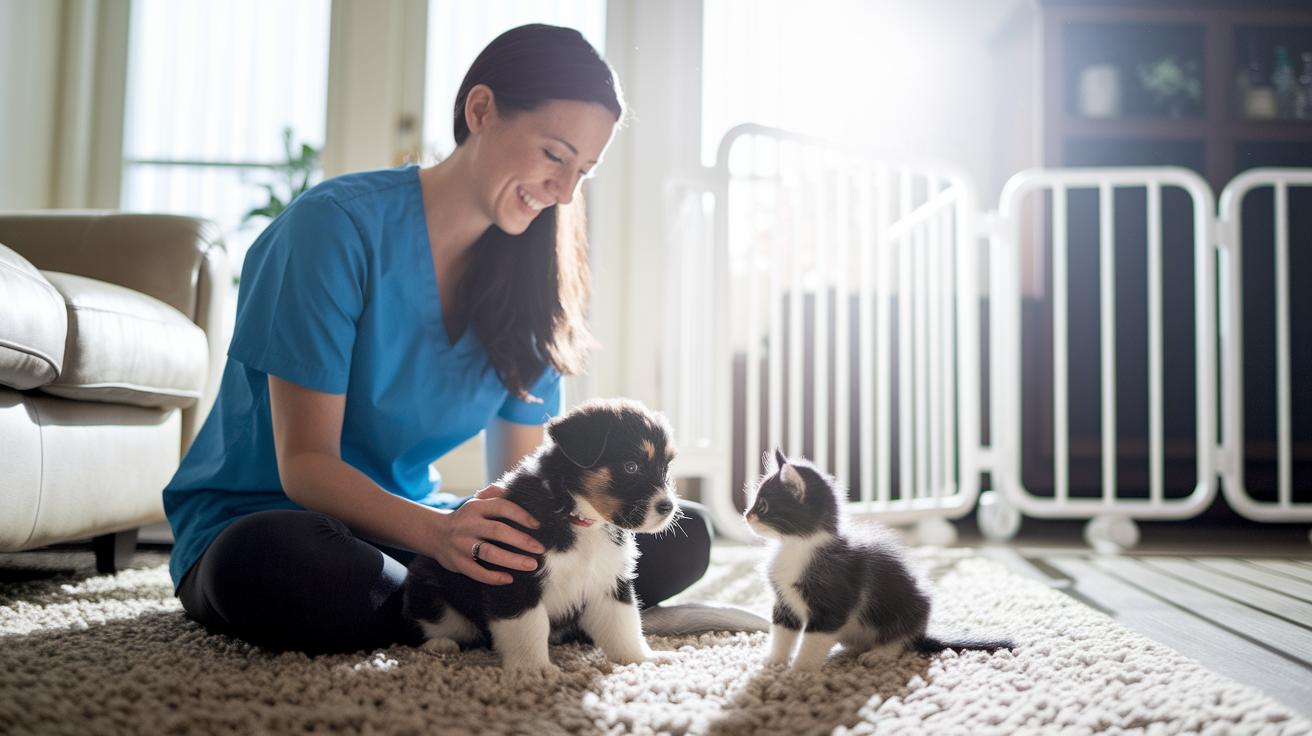
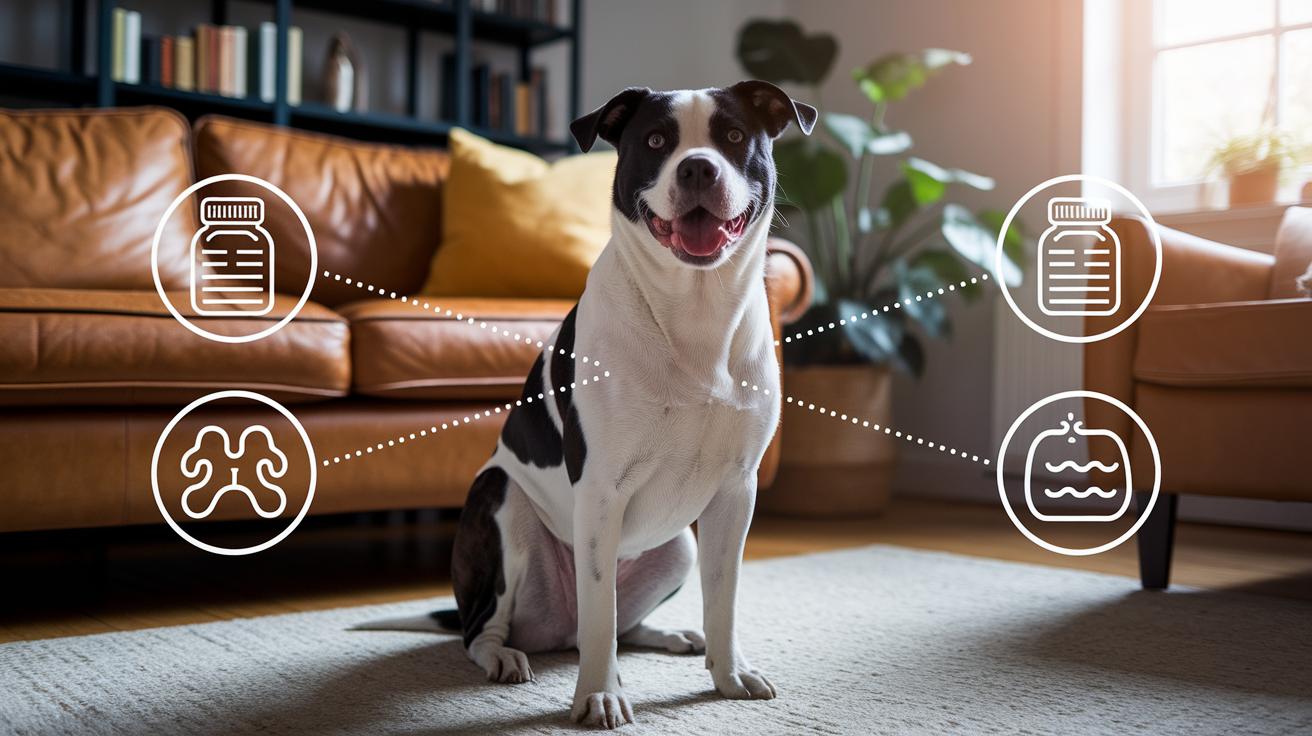
When you care for your pet, having an easy, step-by-step plan helps you cover every detail. It shows you what to do each day, every week, and as your pet grows. This way, you can spot small problems early, offer the right food and exercise, and build a routine that makes your pet happy.

Preventive care and routine check-ups work together to keep your pet well. Regular vet visits, good food, and simple grooming help stop big problems before they start. Vaccines like DAPP for dogs and FVRCP for cats fight off common bugs. And spaying or neutering can lower the risk of cancers and behavior issues. These steps not only keep your pet healthy but also build a bond of trust between you both.

  • Daily care routines
  • Nutrition guidelines
  • Grooming best practices
  • Training strategies
  • Health maintenance & vaccinations
  • Safety & emergency protocols

This complete guide covers everything from daily habits to emergency care. The sections below offer practical tips on feeding, exercise, and keeping up with check-ups. We hope these ideas give you confidence to handle everyday care and any unexpected moments while keeping your pet smiling.

Daily Care Routines in Your Comprehensive Pet Care Guide

img-2.jpg

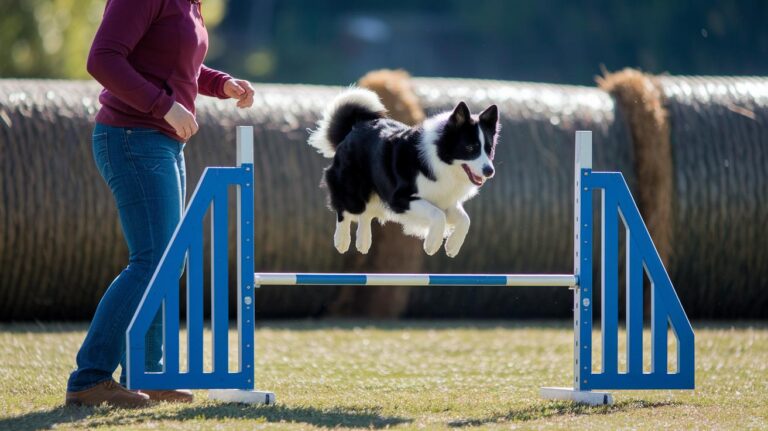
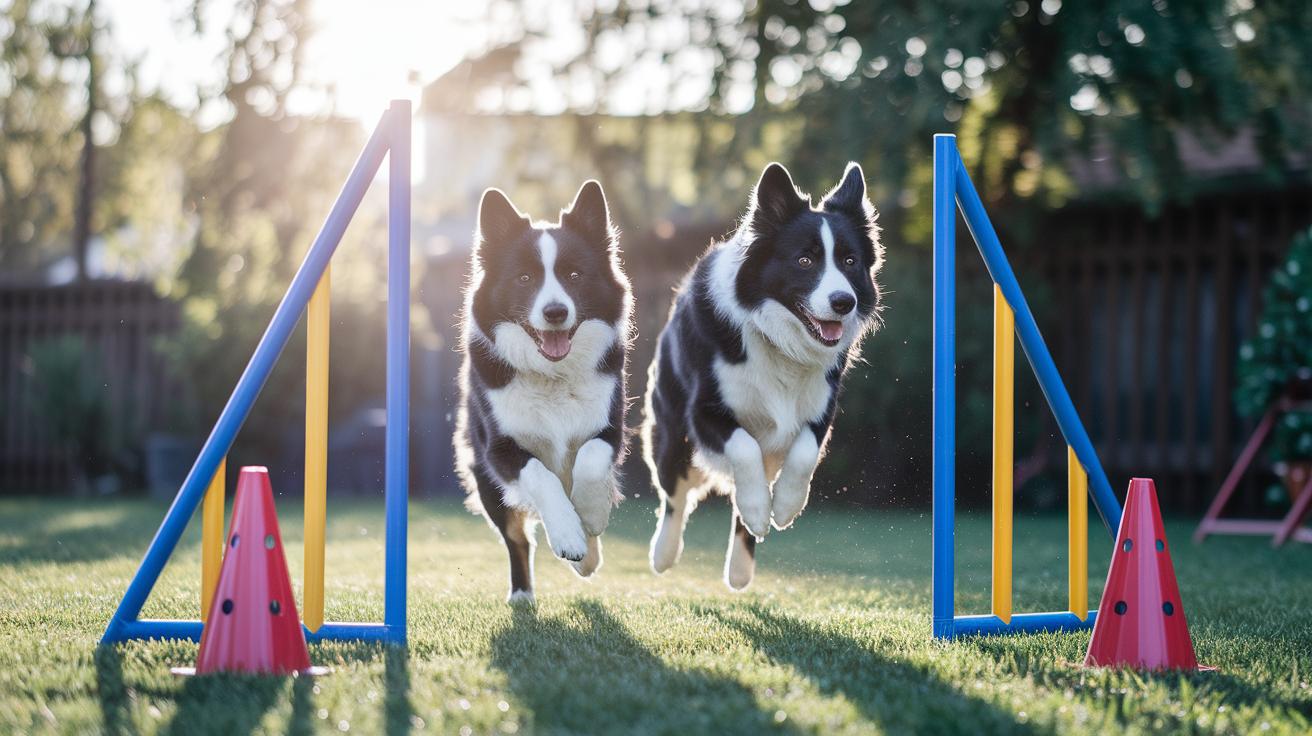
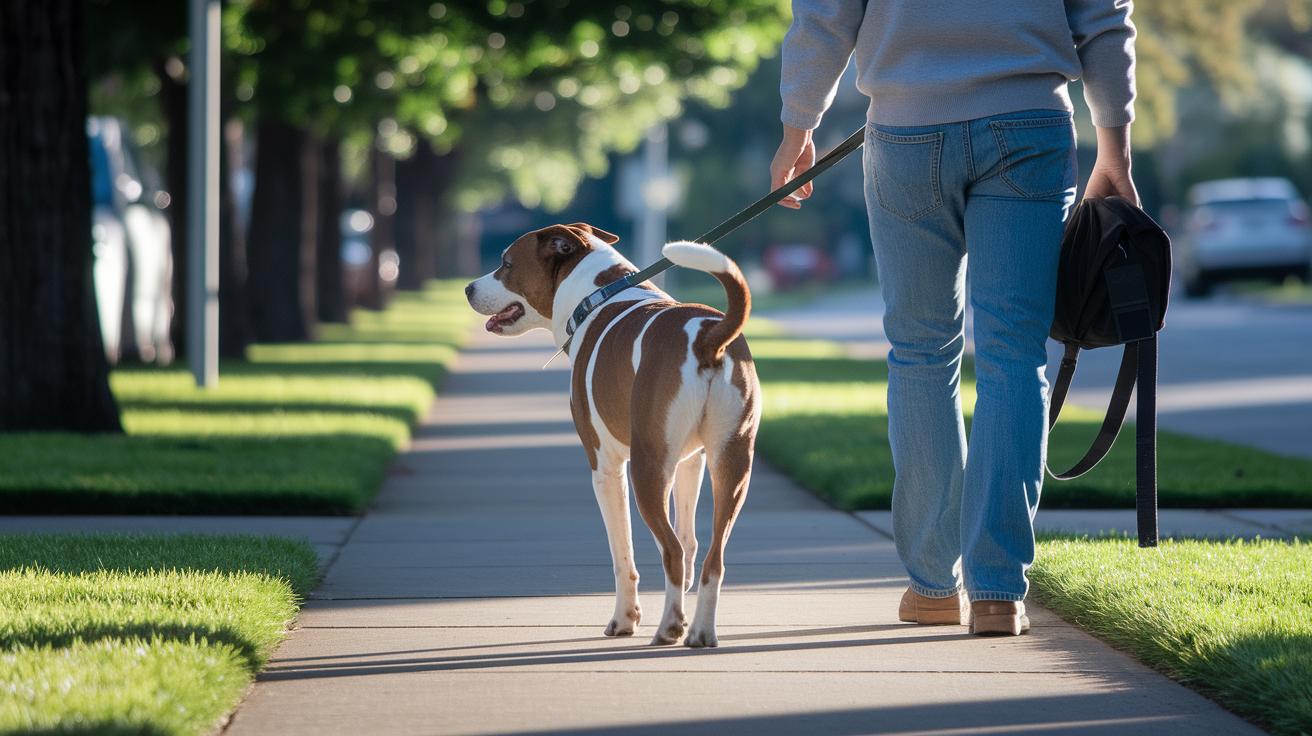
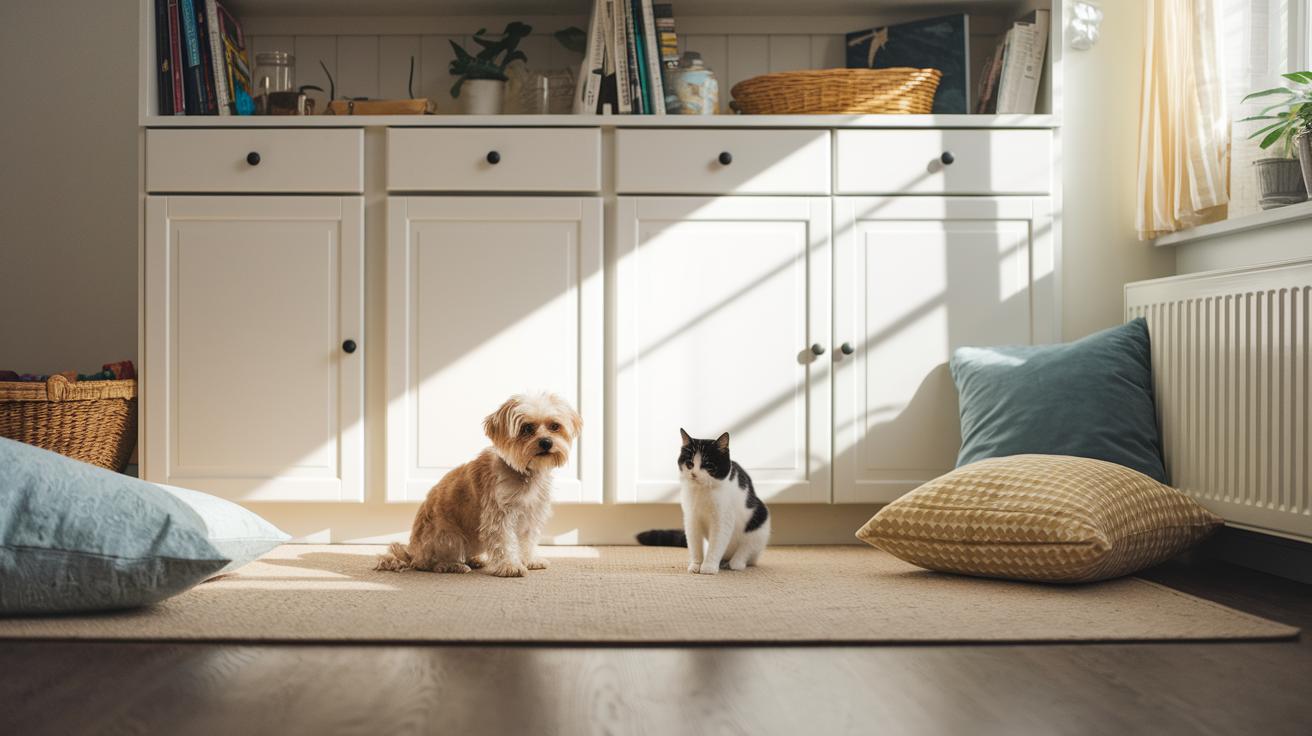
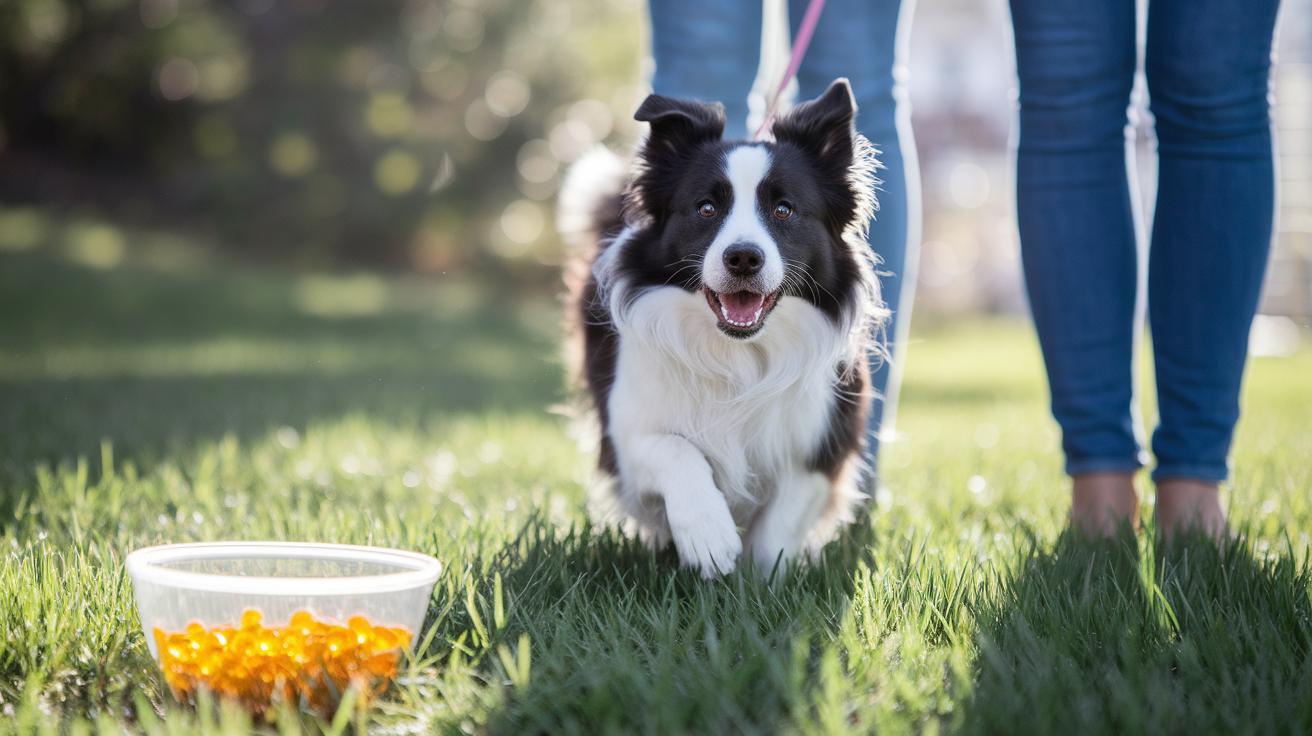
Every day, make sure your pet has fresh food and plenty of clean water. A consistent routine helps your pet feel safe and loved. For dogs, 30 to 60 minutes of exercise works well. A brisk walk or some time running in the backyard helps burn off their energy. For cats, try 10 to 15 minutes of interactive play a couple of times a day. Even indoor pets enjoy a few toys and a safe play nook to brighten their day.

Each week, take a moment to check your pet's ears. Look for redness or any strange smells that might signal an infection. For small mammals, give their cages a quick once-over and change their bedding or toys. These little checks can help you spot small problems early on.

Every month, focus on preventive care. This means treating for fleas, ticks, and heartworms (which helps stop unwanted critters). Trim their nails and give extra attention to coat care to keep your pet comfortable. This regular maintenance supports your pet's long-term health and happiness.

Nutrition Guidelines in a Comprehensive Pet Care Guide
img-3.jpg

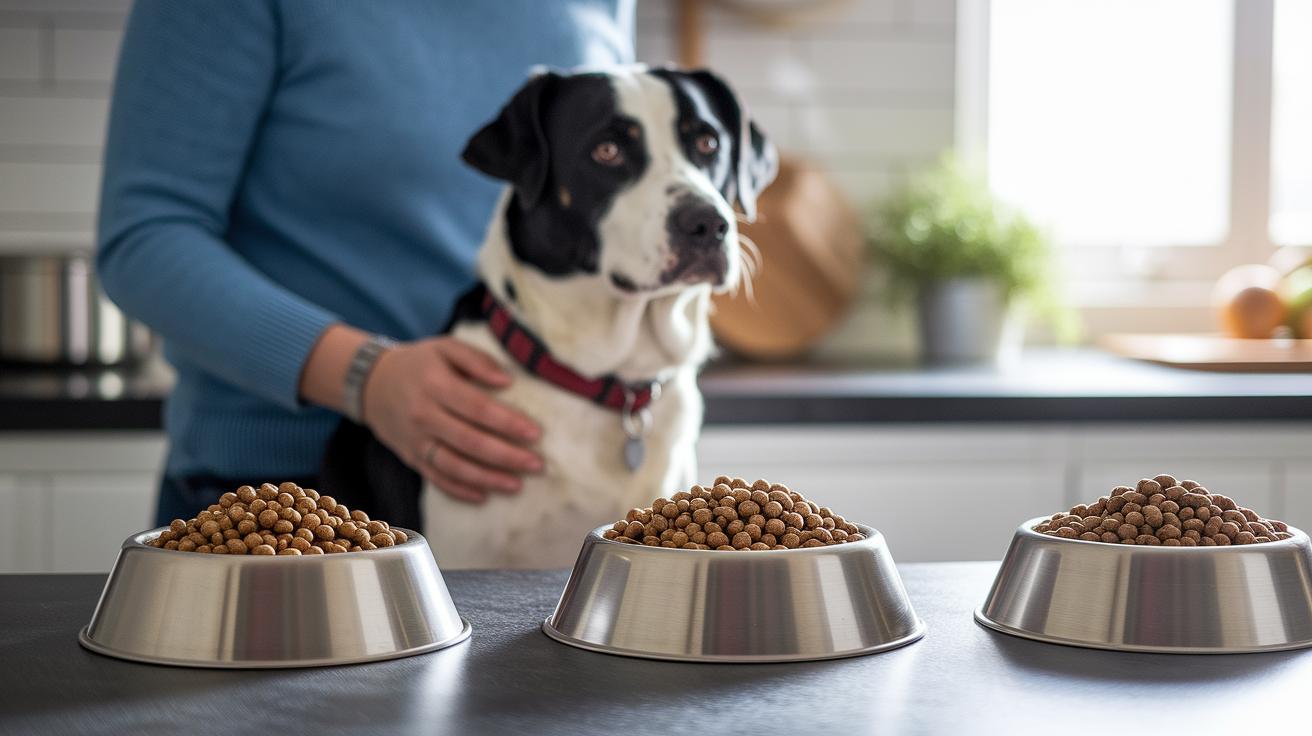
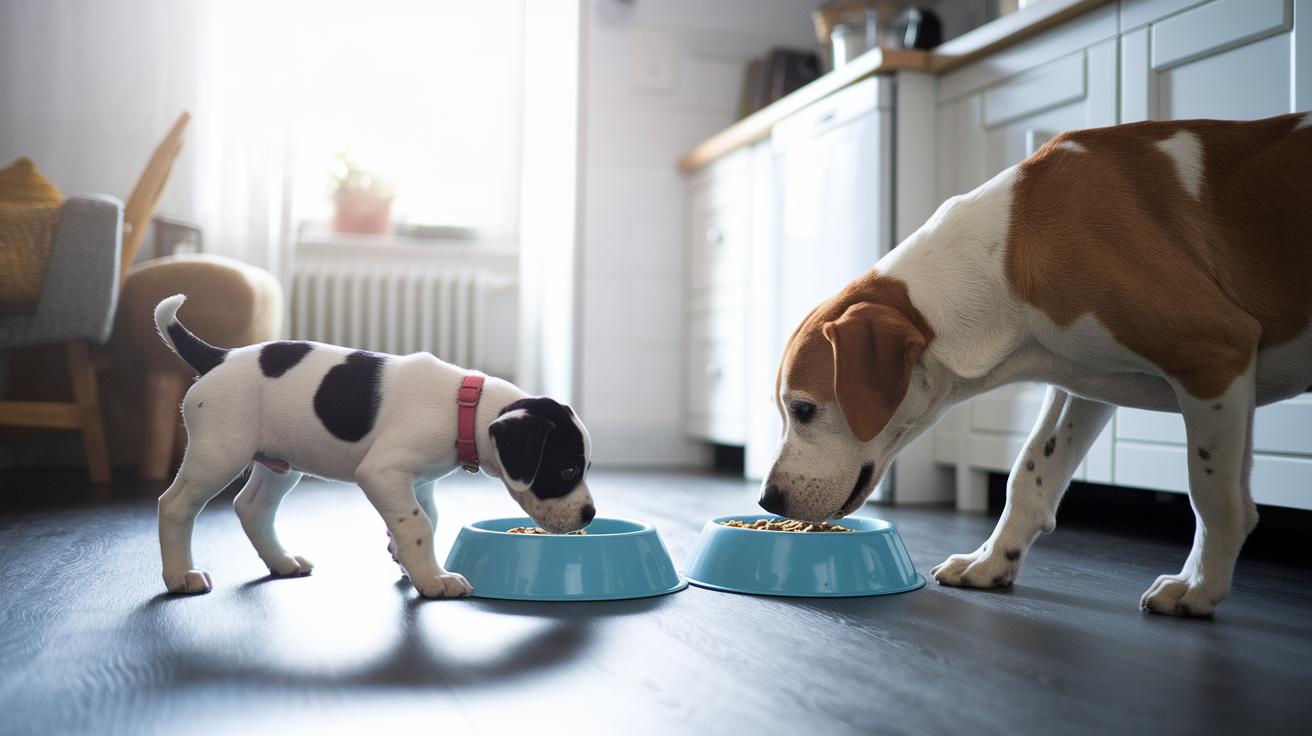
We all want our pets to feel their best at any age. For puppies and kittens, meals should be full of the right nutrients to help them grow strong. We keep portions small so they don’t overeat. For older pets, it's best to offer fewer calories and foods that help support joints and organs. Adjusting calories and meal times based on your pet's age and activity helps keep them at a healthy weight.

It’s important to make sure your pet stays well-hydrated too. Always offer fresh water during the day. If your pet has special needs like allergies or weight problems, a few tweaks can help. For example, pets with food sensitivities might do better on a simple diet with fewer ingredients. Overweight pets may need meals with fewer calories. Watching how much water your pet drinks and noting any changes at meal time can quickly highlight any issues.

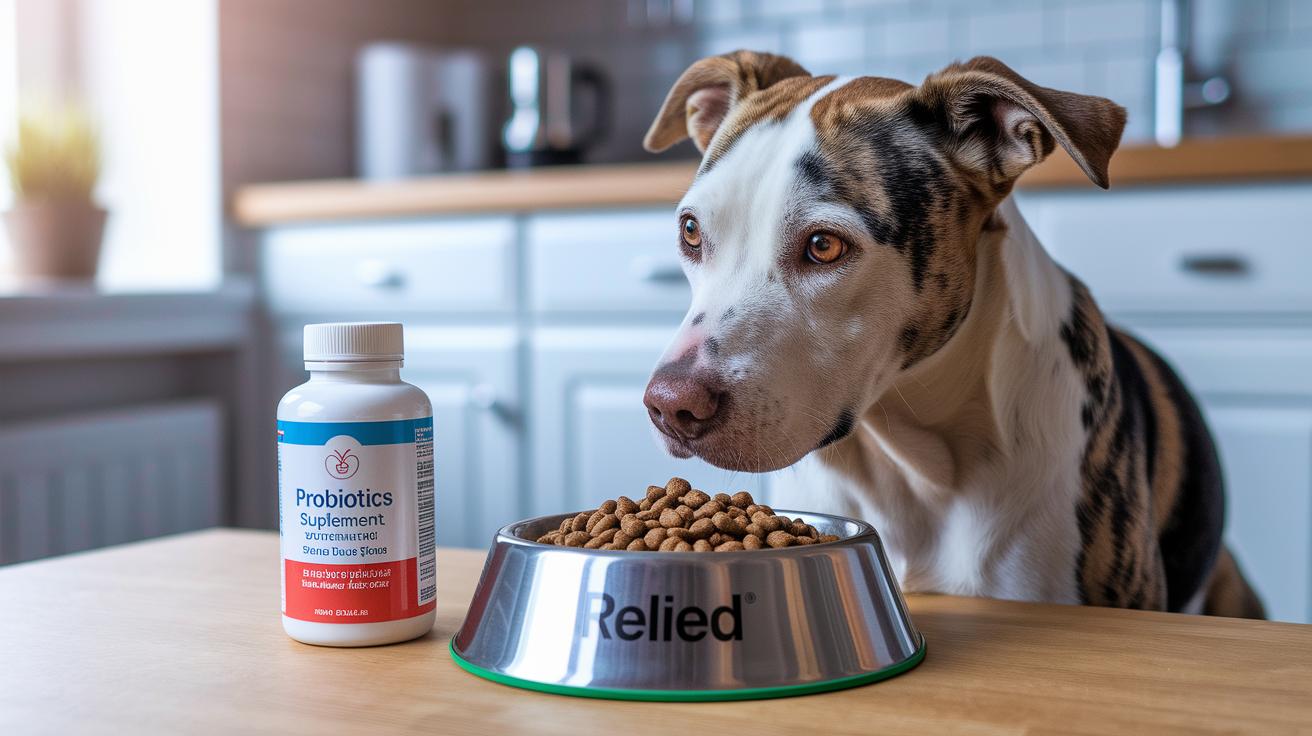
Supplements can also give your pet a little boost. Many pet parents add them to support digestion and the immune system. You might ask your vet about adding probiotics for dogs (good bacteria that help with digestion) to their meals. When used with balanced food, these supplements can help your pet stay energetic and absorb all the good nutrients.

Grooming Best Practices in the Comprehensive Pet Care Guide
img-4.jpg

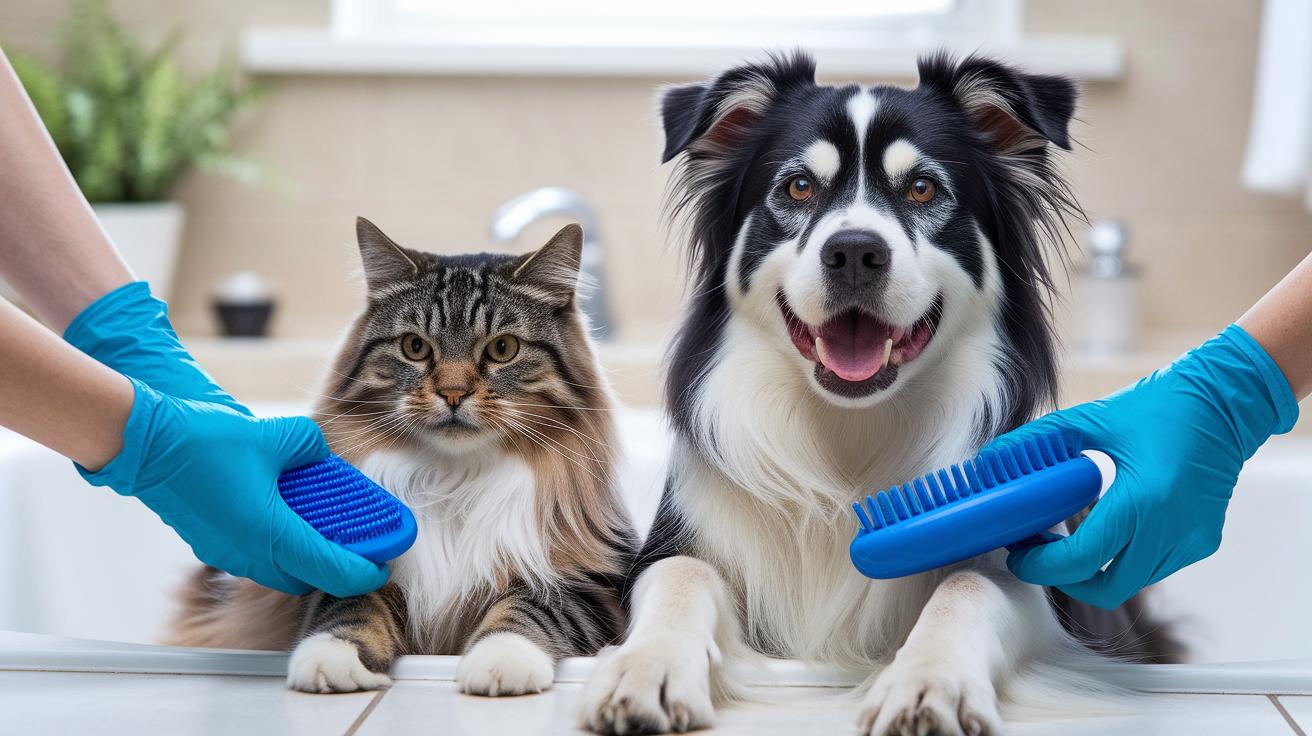
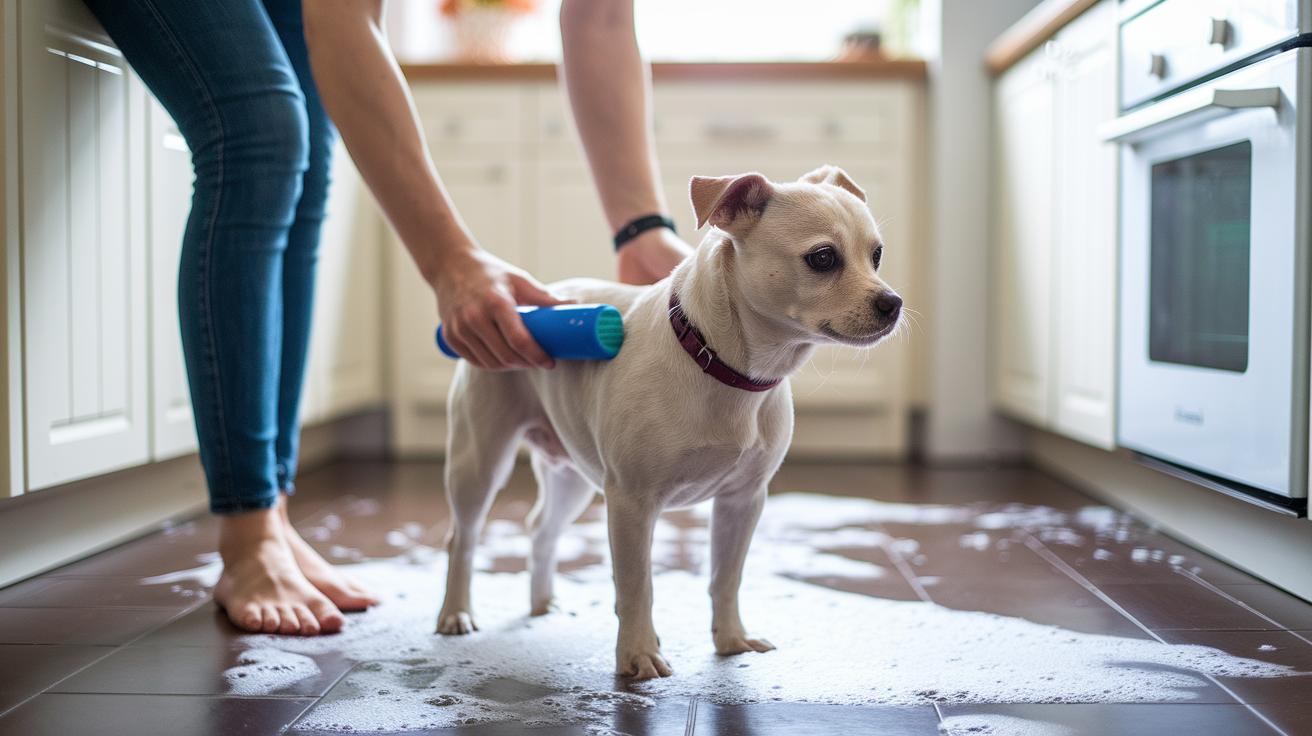
For short-haired pets, brush them once or twice a week to remove loose fur and lower the chance of skin problems. Long-haired pets need a daily brush to keep their coat free of tangles and mats. Regular grooming also helps you spot any bumps or scratches that might need care.

Bath routines change with the type of coat. Short-haired dogs do well with a bath every 8 to 12 weeks, while long-haired dogs may need a bath every 6 to 8 weeks. A neat trim can keep long fur looking tidy. Try using a slicker brush to work out stubborn tangles and dirt. This makes bath time smoother and more comfortable for your pet.

Looking after your pet's teeth is important, too. Brush their teeth a few times a week to cut down on plaque and bad breath. Dental chews and water additives can help keep their gums healthy. An annual cleaning by a professional can stop dental issues early.

Remember to include parasite control in your routine. Use flea and tick treatments during grooming sessions to keep your pet comfy and reduce infestation risks. This step helps their coat stay clean and irritation-free.

Training Strategies in Your Comprehensive Pet Care Guide
img-5.jpg

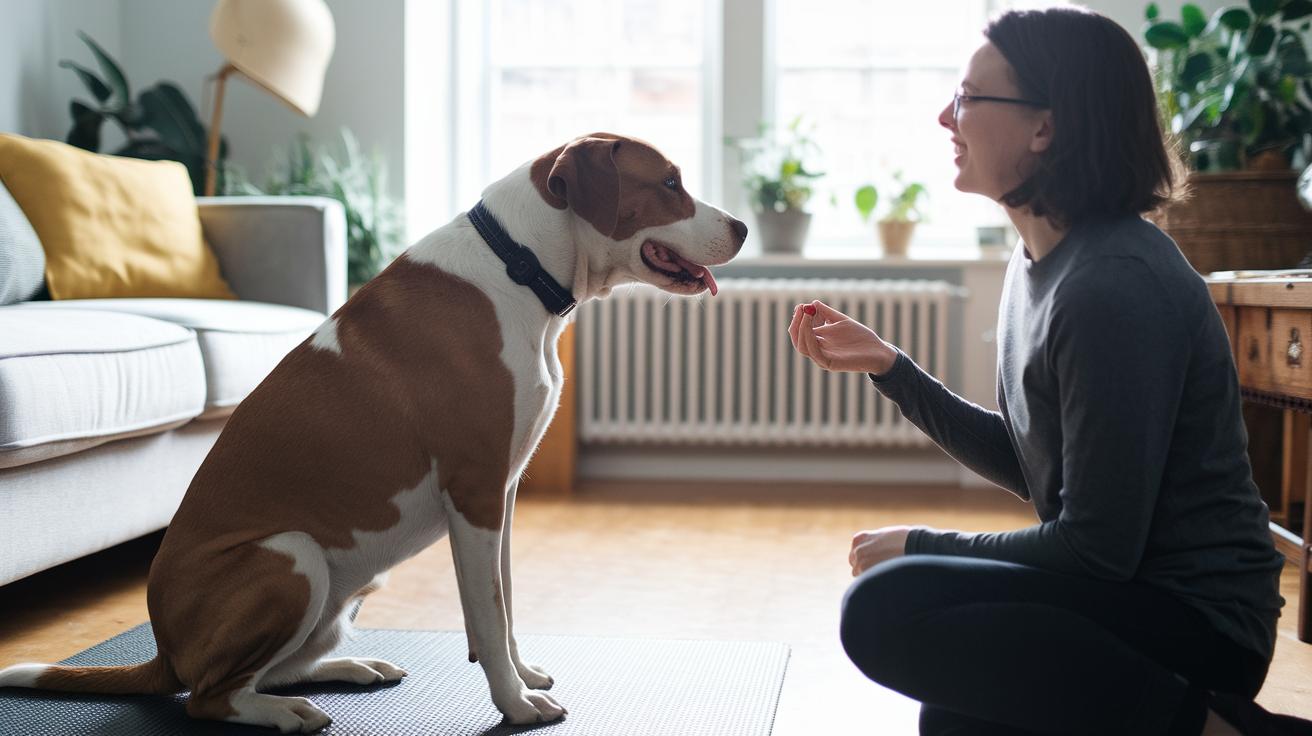
Start by setting a regular training time that works for you and your pet. Choose a consistent slot each day, whether in the morning or at night, so both of you know what to expect. For instance, you might share a fun fact like, "Just five minutes a day can build lifelong habits." This routine builds trust and makes training feel natural and enjoyable.

Next, work on simple commands using positive rewards. When your pet listens to commands like sit or stay, offer a tasty treat or a favorite toy. This approach not only teaches good behavior but also boosts your pet’s confidence. Keep training sessions short and fill them with plenty of praise so your furry friend stays engaged without getting tired.

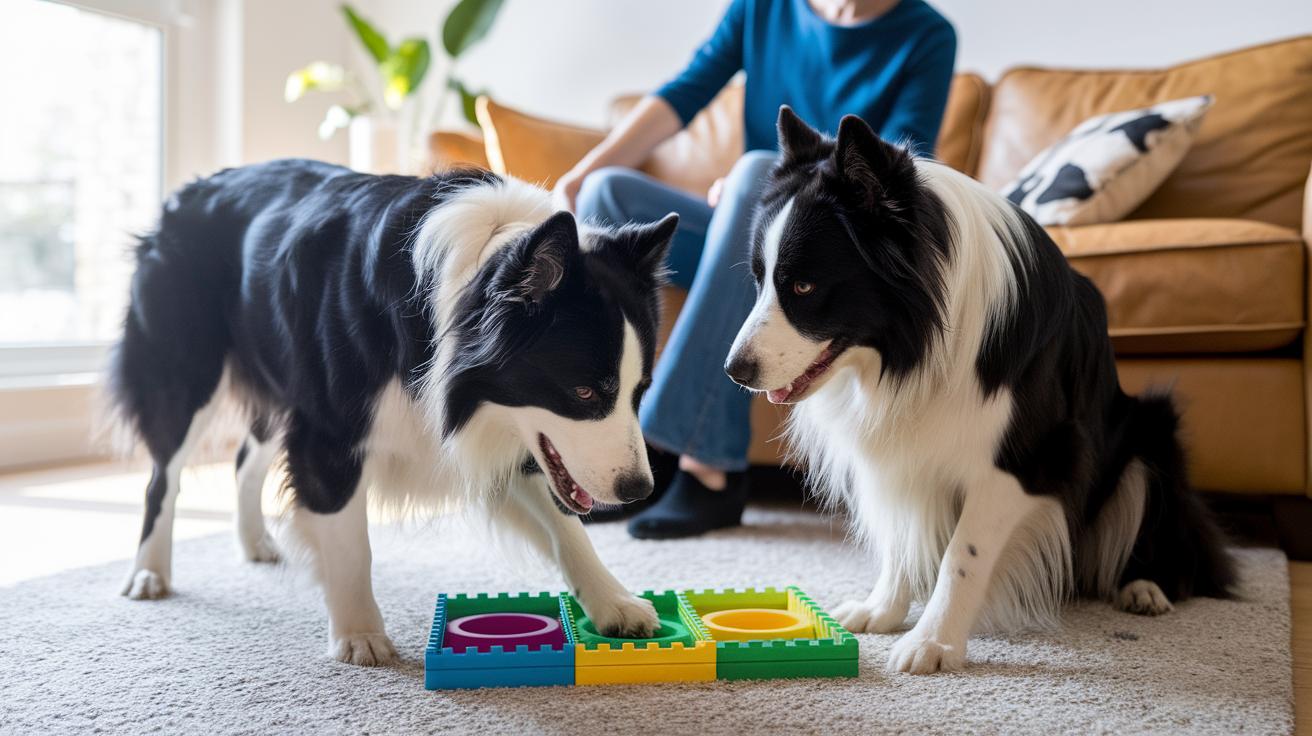
Once your pet has mastered the basics, add some new challenges to keep things fun. Try using puzzle feeders or interactive toys that make them think. If your pet seems anxious when you leave or barks too much, you might want to get advice from a professional trainer. Mixing in fun games and advanced tricks can sharpen your pet's mind and bring you closer together.

Health Maintenance and Preventative Care in a Comprehensive Pet Care Guide

img-6.jpg

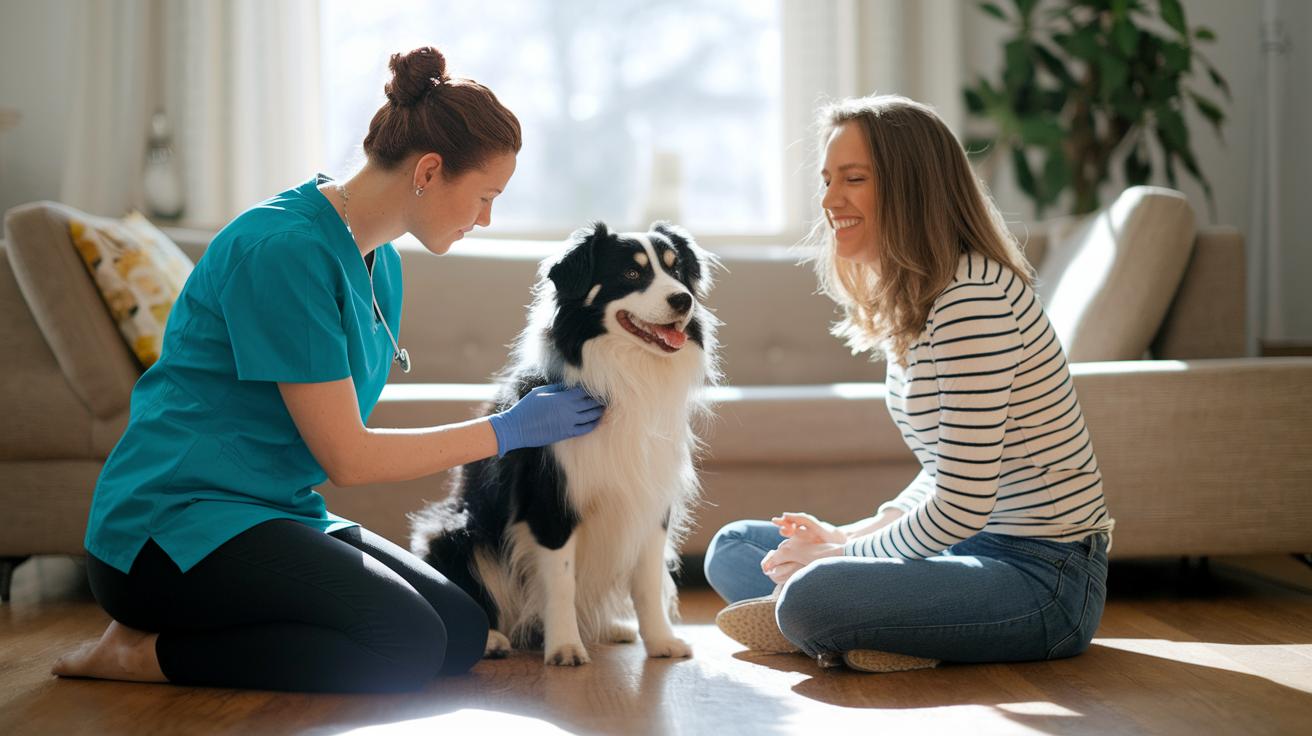
Regular check-ups are a great way to help your pet stay happy and healthy. For adult dogs, visits twice a year catch small issues early and keep their diet and exercise just right. Older dogs may do better with a check every three months. Adult cats should see the vet once a year to check their weight, teeth, and overall health, while senior cats do best with a visit every six months. These routine exams let your vet notice the natural changes in your pet and offer simple ways to keep them comfortable as they grow.

Vaccines play a big part in protecting your pet from dangerous diseases. Dogs get a DAPP vaccine that guards against distemper, adenovirus, parvovirus, and parainfluenza. Cats receive the FVRCP shot which covers the common feline viruses. Spaying or neutering not only helps with unwanted behaviors but also cuts the risk of some cancers by up to 90%. Together, the vaccines and surgery are a strong strategy for supporting your pet’s overall health.

Monthly medications, whether given by mouth, as a spot-on treatment, or via injection, help protect against heartworm and pests like fleas and ticks. Regular dental check-ups also catch early signs of gum disease or tooth decay. By keeping up with this routine, small problems get fixed quickly, meaning your pet can stay comfy and cheerful every day.

Safety and Emergency Protocols in Your Comprehensive Pet Care Guide
img-7.jpg

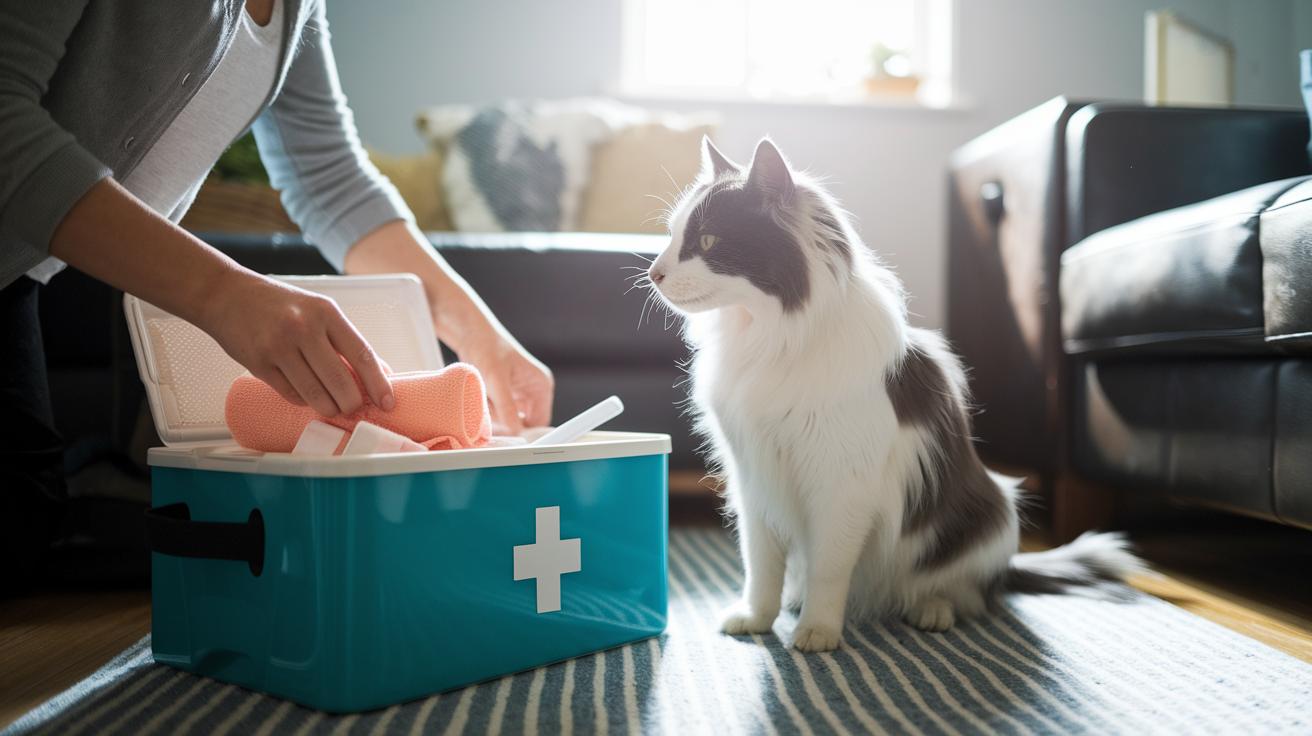
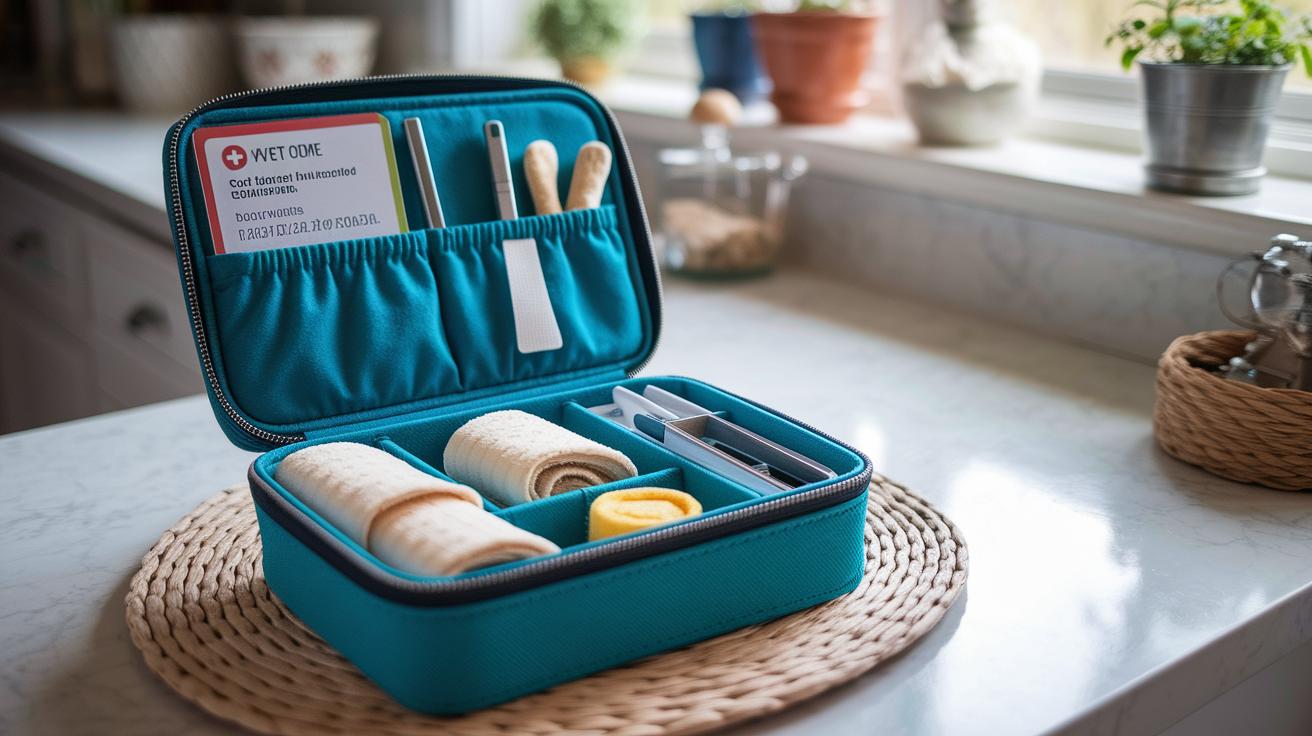
Make sure you have a pet first aid kit ready. Fill it with bandages, antiseptics, tweezers, and a list of emergency contacts. Keep the kit in a spot you can quickly reach. For example, write your pet's vet phone number on a small card and tuck it in with your supplies. Being prepared helps you handle small injuries or accidents before they turn into bigger problems.

It's important to watch for signs that your pet might be in trouble. If your pet has trouble breathing, shows seizures, or has unusual bleeding, these are serious warning signs. Call your vet right away. Also, notice if your pet's behavior or energy changes quickly. A small change could be the first sign of an emergency that needs fast care.

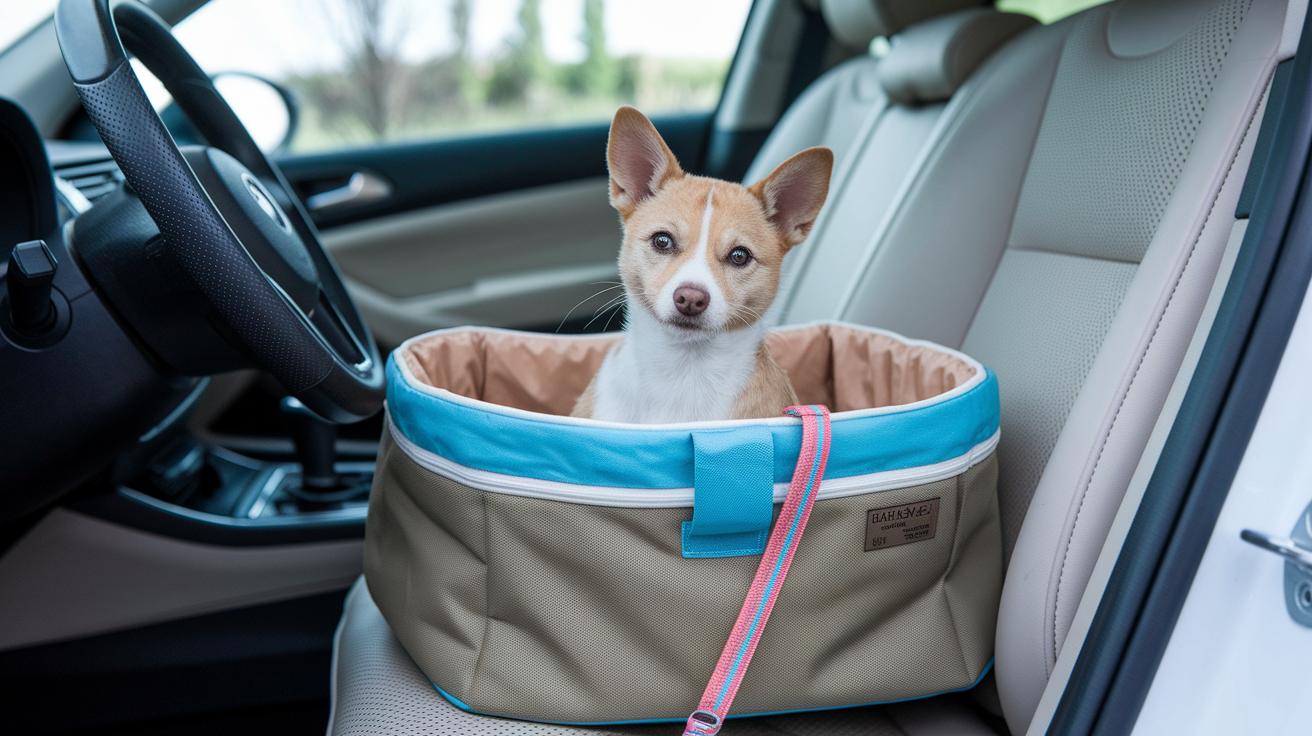
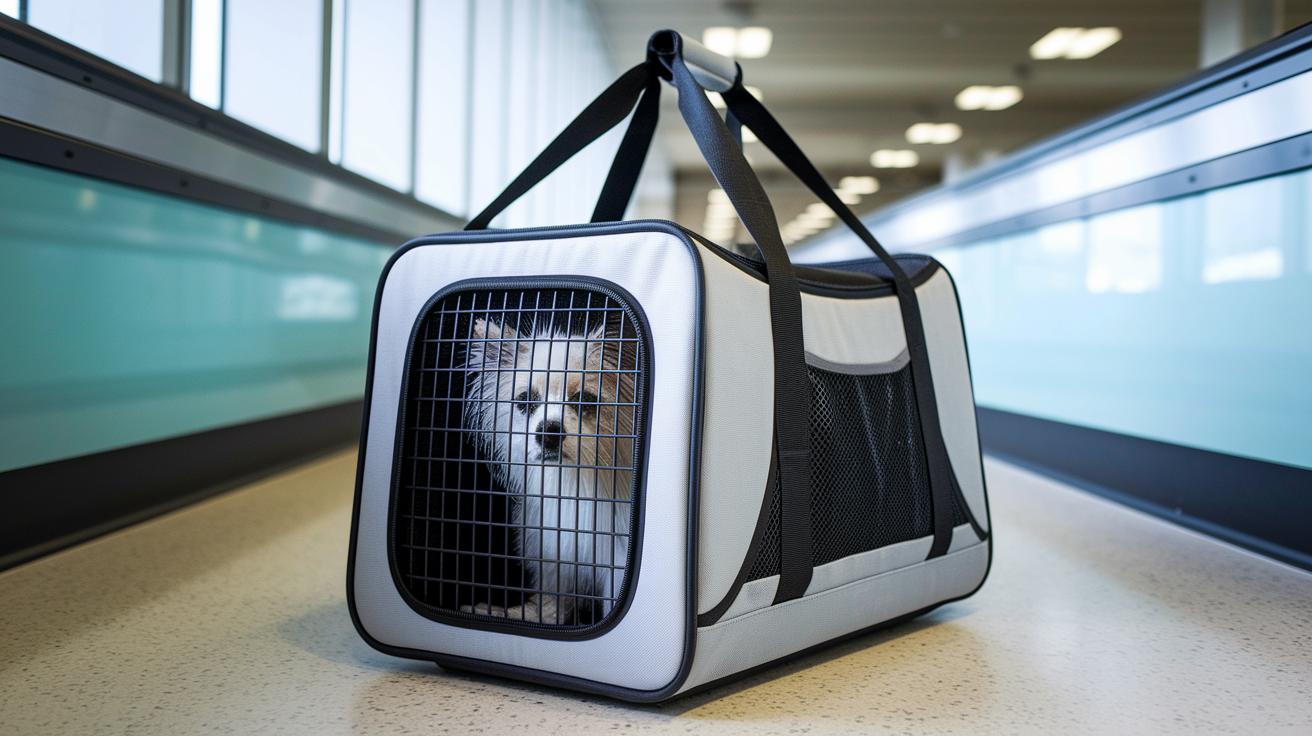
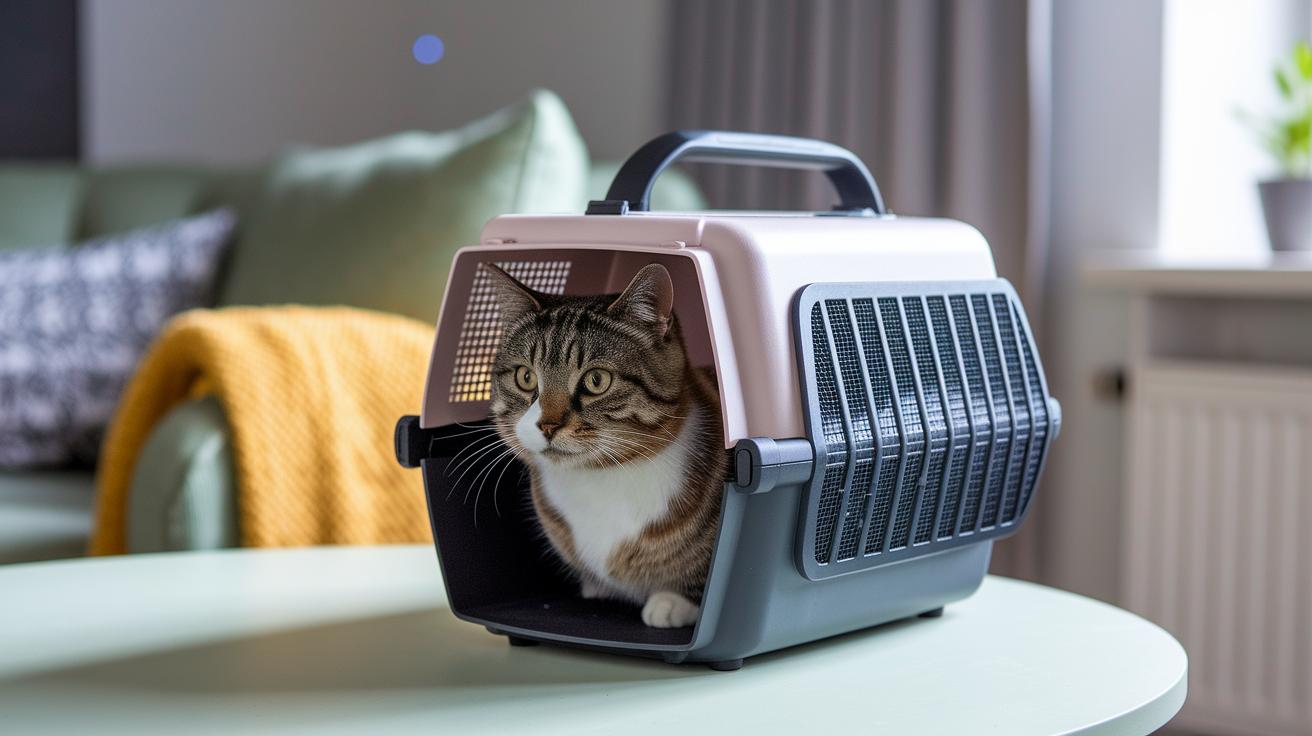
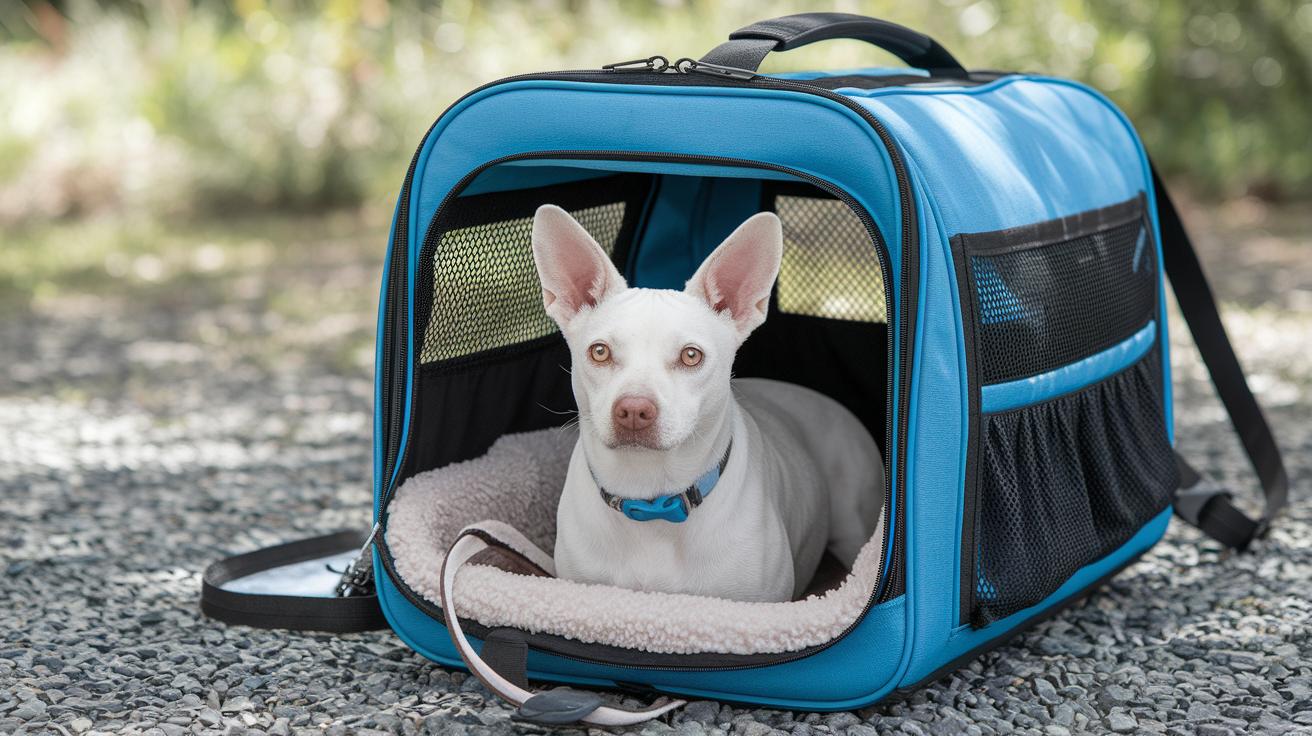
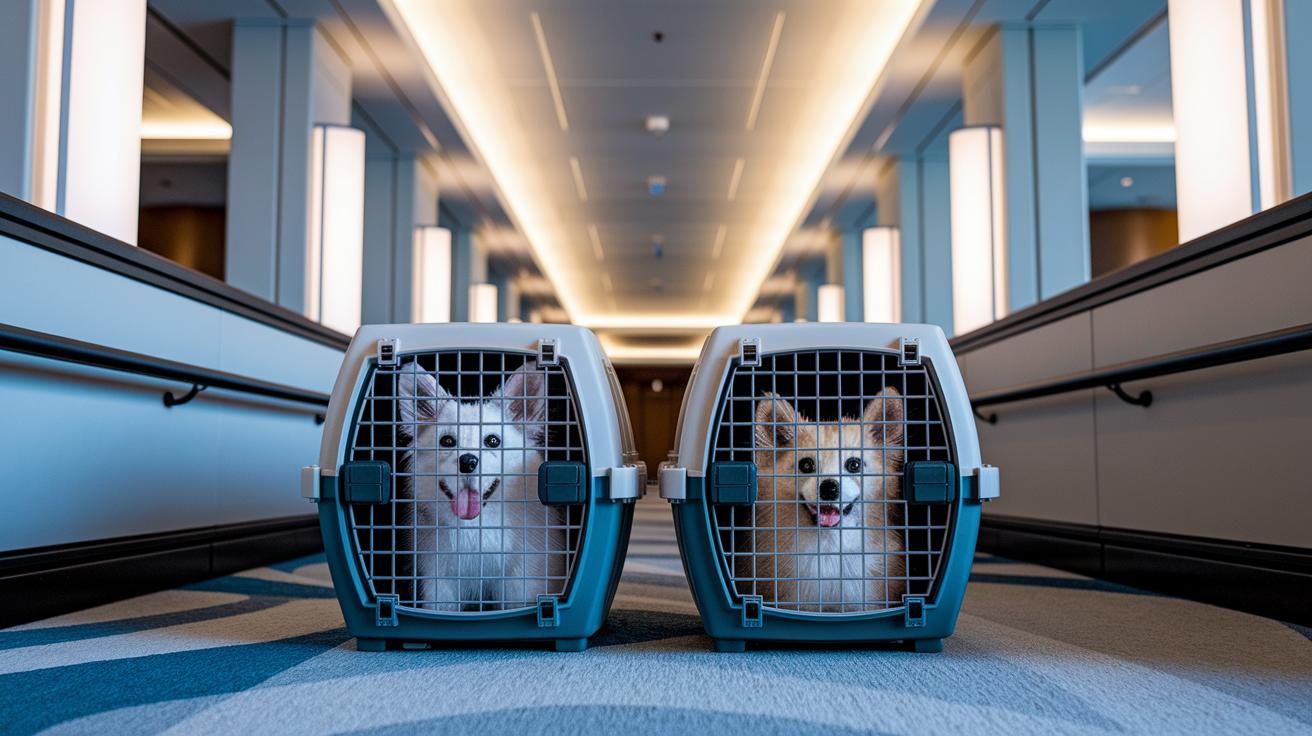
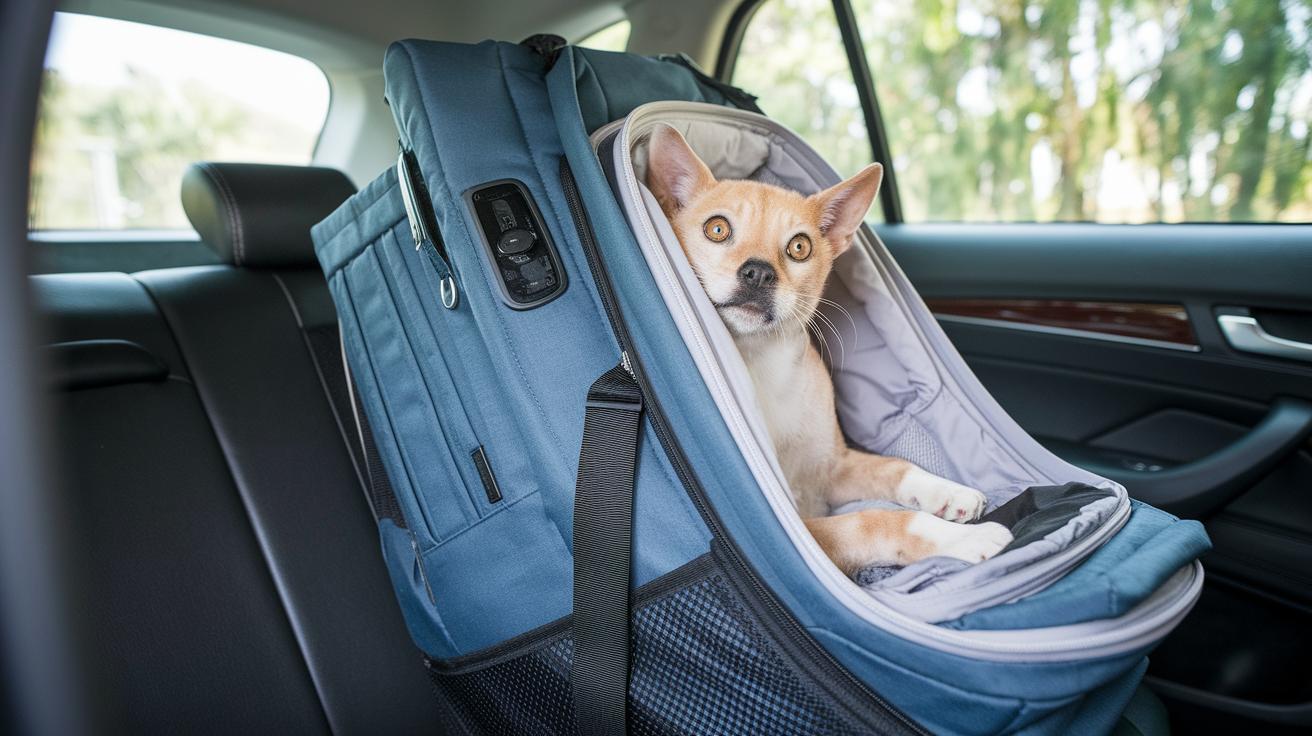
Keeping your home and travel safe for your pet is essential too. Regularly check your space to secure loose wires, remove any toxic plants, and block off dangerous areas. When traveling, use an airline approved pet carrier and plan your route in case you need to leave quickly. Microchipping your pet can also help get them back home faster; studies show that more than half of chipped pets are returned compared to less than a quarter of pets without a chip.

Specialized Care Recommendations in the Comprehensive Pet Care Guide
img-8.jpg

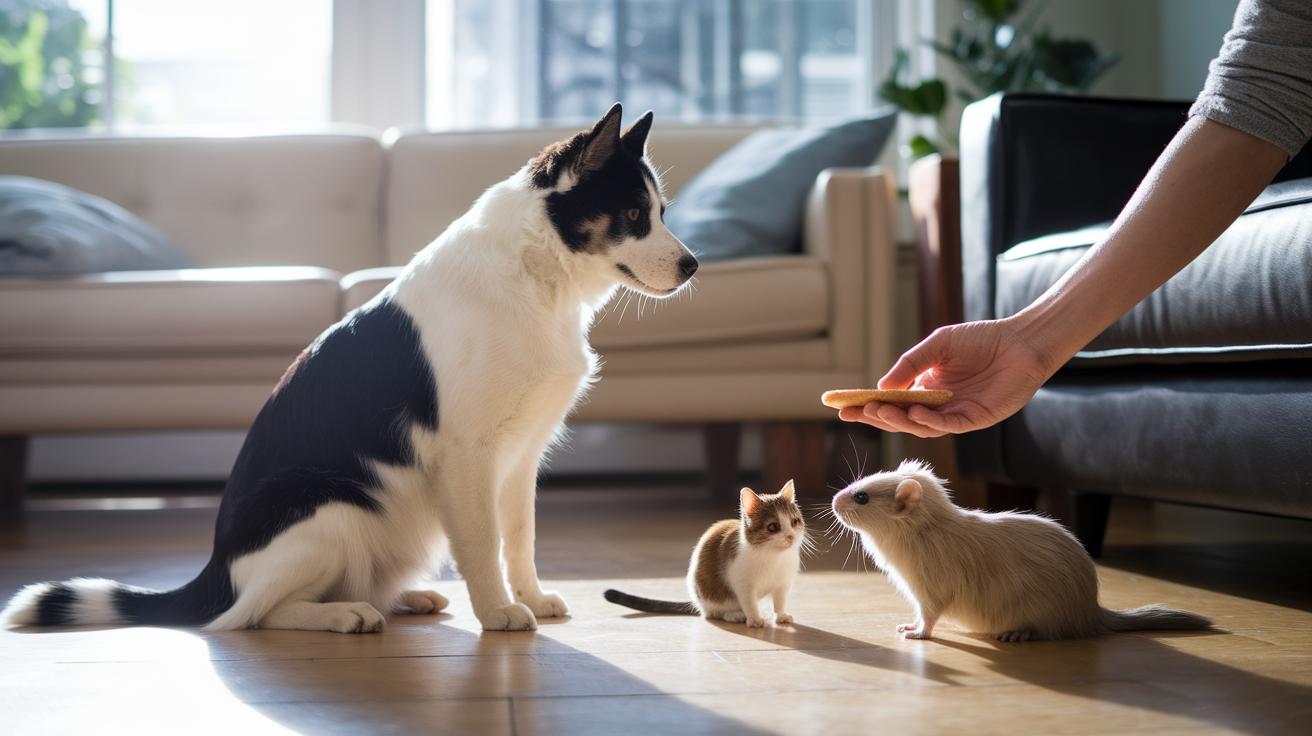
When it comes to caring for your pet, every type needs its own special routine. Adult dogs do best with exercise and food that fits their breed. Cats enjoy 10 to 15 minutes of active play two or three times a day. Small pets like rabbits and guinea pigs need a clean home and food full of vitamin C to help keep them strong. For exotic pets, it’s best to follow a routine set by your vet. Older pets may need extra help with their joints, eyes, and diet.

Pet Type Key Care Focus Recommended Frequency
Dogs Breed-specific exercise, balanced diet, routine vet check-ups Daily exercise; biannual exams
Cats Interactive play, proper nutrition, litter maintenance 10–15 min play 2–3x daily; annual exams
Small Mammals Clean cages, vitamin C-rich diets, habitat enrichment Weekly cleaning; regular diet checks
Exotic Pets Species-specific care plans, specialized health monitoring As advised by your vet
Senior Companions Joint support, adjusted nutrition, frequent check-ups Regular monitoring; quarterly exams

Every pet is unique. Watch for changes in your pet’s behavior to know when to adjust the routine. Use the table as a guide for vet visits, meal planning, and playtime that helps your pet feel both healthy and happy. A plan made just for your pet is a great way to keep them smiling and thriving.

Final Words

In the action, you’ve seen how breaking pet care into clear steps can make a big difference. We walked through daily routines, nutrition, grooming, training, and health checks. Each step of our comprehensive pet care guide is designed to keep your companion happy and safe. We also covered emergency safety and specialized tips for different pets. Every detail matters when it comes to caring for your furry friend, and every choice helps support rescues too. Enjoy making a positive impact with simple, effective pet care.

FAQ

Dog care guide pdf

The dog care guide PDF offers clear steps on daily routines, feeding, exercise, grooming, and preventive health. It’s designed to help pet parents keep their furry friends well and happy.

Dog health care tips

Dog health care tips focus on regular vet visits, balanced diets, exercise, and grooming. They also advise early detection of illness and consistent routines to maintain your dog’s overall wellness.

How to take care of a dog step by step

Taking care of a dog step by step involves setting daily routines, feeding balanced meals, ensuring regular walks, and scheduling vet check-ups. This approach supports healthy growth and a joyful pet life.

Cat care tips for beginners

Cat care tips for beginners recommend offering proper nutrition, clean litter boxes, interactive play, safe spaces, and routine vet visits. These tips ensure your cat feels comfortable and remains healthy.

Cat care guide pdf

The cat care guide PDF provides beginner-friendly advice on feeding, play, litter box maintenance, and gentle grooming. It’s a handy resource to help keep your feline friend happy and thriving.

10 ways to take care of animals

Ten ways to take care of animals include regular feeding, exercise, grooming, social interaction, vet visits, safe housing, balanced nutrition, mental enrichment, parasite control, and emergency preparedness.

Dog care checklist

A dog care checklist outlines feeding times, walk routines, grooming tasks, vet appointments, exercise sessions, and essential supplies. It helps you maintain a consistent, mindful care routine for your dog.

Indoor cat care tips for beginners

Indoor cat care tips for beginners suggest providing interactive play, clean litter boxes, comfortable resting spots, and balanced meals. Routine vet visits and safe hiding places also enhance your cat’s indoor life.

What is the 90 10 rule for dogs?

The 90 10 rule for dogs means that 90% of a dog’s behavior is shaped by environment and training, while 10% is inherited. It highlights the impact of nurturing care on their behavior.

What is the most comprehensive pet insurance?

The most comprehensive pet insurance covers accidents, illnesses, routine wellness, and preventive care. It helps manage unexpected costs while ensuring your pet gets quality care when needed.

Are pet wellness plans worth the money?

Pet wellness plans are worth the money as they cover routine exams, vaccinations, and preventive care. They help spread costs over time and keep your pet healthy with regular check-ups.

What to include in pet care instructions?

Pet care instructions should include feeding schedules, exercise routines, grooming details, emergency contacts, and medication or supplement guidelines. These clear steps ensure your pet gets reliable, loving care.

Best Grain Free Cat Food: Feline Favorites

0

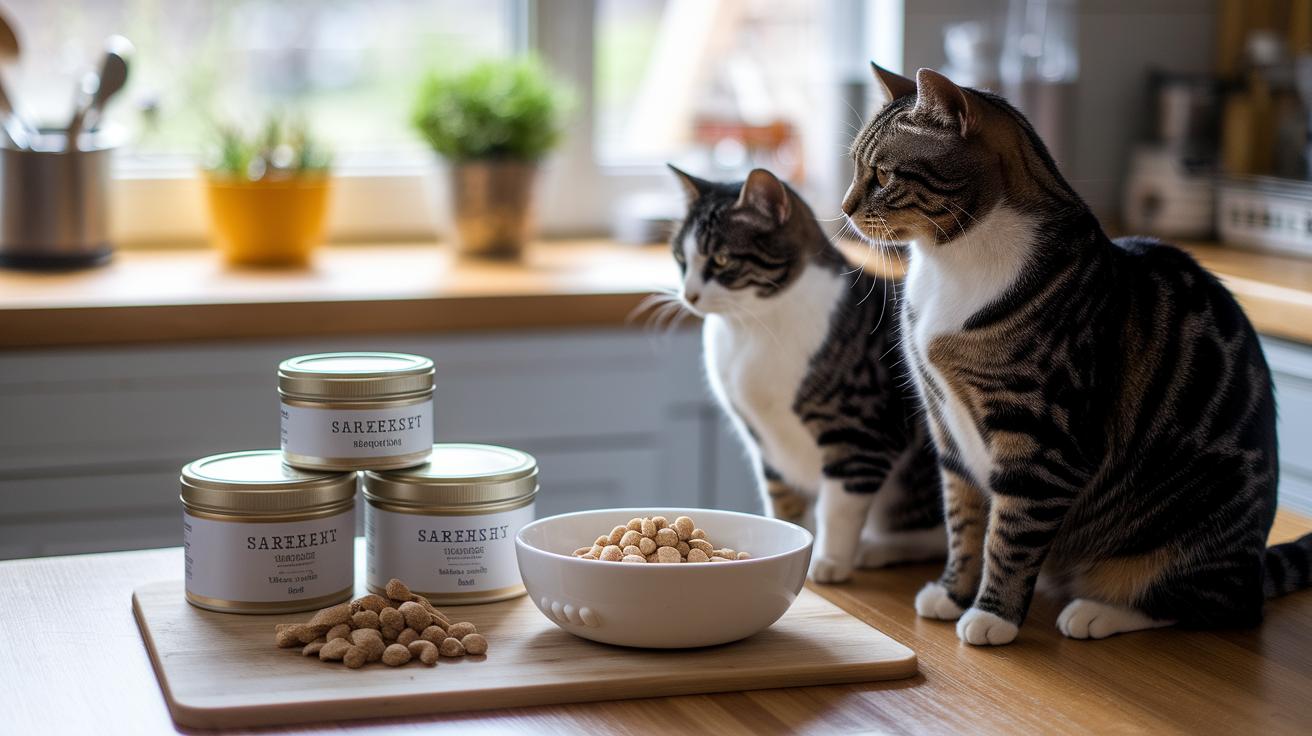
Are you hoping for a happier, healthier cat? You might be wondering if cutting out corn, wheat, or rice in favor of potatoes and legumes can help your cat feel more natural. We looked at the top grain-free foods that mix named proteins, veggie and fruit blends, and good prices. Our expert picks are made with a sensitive tummy in mind and give your playful cat the energy it needs. Let’s check out how these natural choices can work for your furry friend.

Best Grain Free Cat Food: Top 5 Expert-Reviewed Brands

img-1.jpg

We carefully chose these cat foods to bring your furry friend meals that feel natural and wholesome. We checked each option for ingredient quality, protein amount, and price so that your cat enjoys a diet close to what they would eat in the wild. We picked foods that use named proteins (the good stuff) and skip unnecessary fillers. Plus, we know budget matters. Some of these options even come in trial packs, like 12 tins for just £7 at 40% off.

Brand Key Protein Source Protein % Price Range Best For
WhiskerWonders Salmon 35% $$ Sensitive stomachs
Feline Feast Chicken 32% $$ Active adults
Purrfect Protein Turkey 34% $$$ Senior cats
Meow Mixers Beef 30% $ Budget-friendly
Kitten Kickstart Mixed Fish 36% $$ Kittens & growth

Each brand stands out with a good mix of high protein, quality ingredients, and prices that keep you worry-free. They replace grains with nutritious veggie and fruit blends that help give your cat balanced energy. We trust these picks because they offer vet-checked nutrition that respects your cat's natural needs, making them a smart choice for sensitive eaters and playful kitties alike.

Understanding Grain Free Cat Food Compared to Traditional Formulas

img-2.jpg

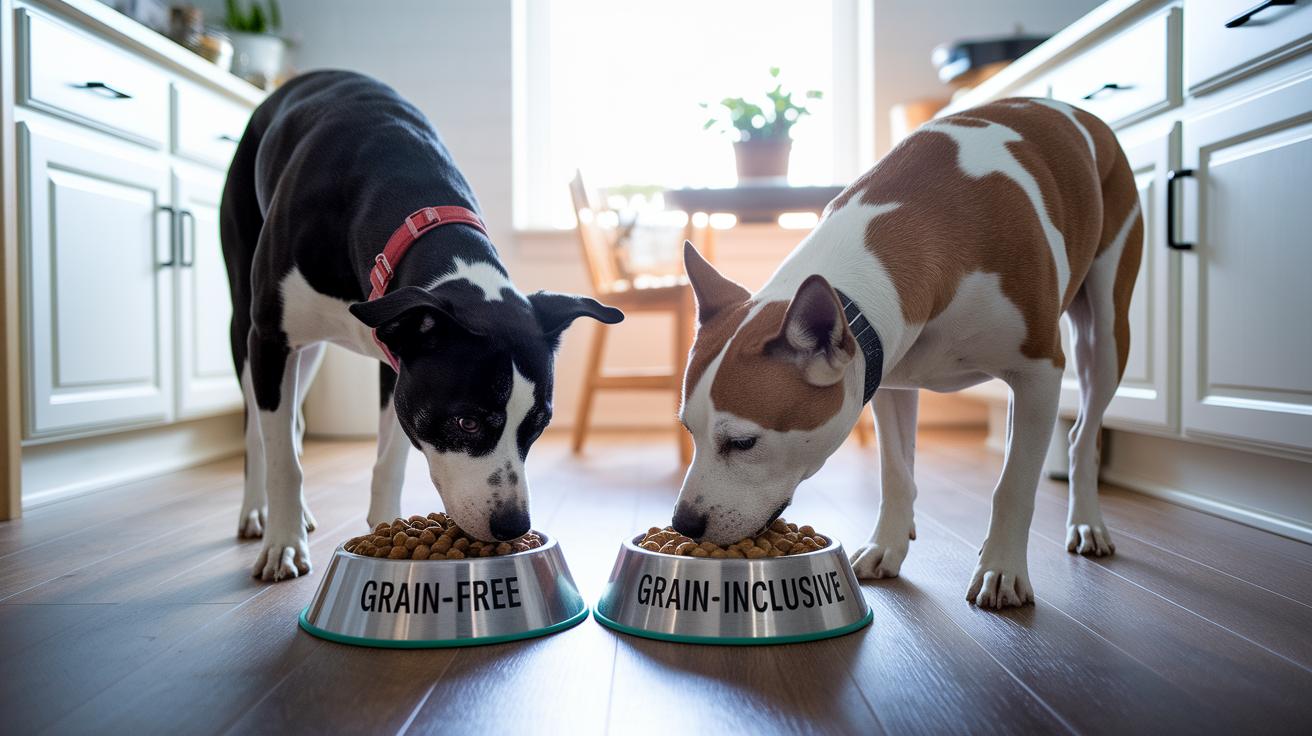
Grain-free cat food is made without common grains like corn, wheat, or rice. Instead, these formulas use other carbs such as potatoes, legumes, or fruits. This food is designed to mimic a cat’s natural prey diet by using more protein and fewer simple carbs.

Traditional cat food usually relies on grains for energy. That can mean more simple carbohydrates in their diet. In contrast, grain-free options offer real proteins from specific meat sources and a range of fibers from vegetables. Dry grain-free kibble might still have starch binders like pea or potato starch. Wet options naturally have more moisture to help with hydration. This different mix can support better digestion and overall health for your cat.

Remember, gluten-free does not mean grain-free. Gluten-free foods like quinoa, oats, buckwheat, or millet are still grains. Many grain-free formulas use legumes and starchy vegetables as the main carb sources.

Nutritional Benefits of a Grain Free Cat Food Diet

img-3.jpg

Grain-free cat food is a great way to feed your cat a meal that feels natural. With about 30-40% protein, it mimics what your cat would eat in the wild. This helps build strong muscles and keeps your cat lively.

  • Easy digestion: It helps soothe tummy troubles and moves food along gently.
  • Muscle support: Packed with amino acids that help build and repair muscles.
  • Fewer allergies: Without grains, your cat may have fewer sensitivity issues.
  • Extra hydration: Wet grain-free foods add needed moisture to support kidney health.
  • Shiny coat: Nutrient-rich formulas help keep the fur soft and bright.
  • Weight control: Balances calories and boosts metabolism for a leaner body.

These benefits show that a grain-free diet is more than just a food choice. It offers a balanced meal for kittens with sensitive tummies, older cats, and indoor kitties. High protein keeps them energetic and supports muscle repair, while added moisture helps with hydration. Overall, grain-free cat food is a kind and thoughtful option for pet parents who want the best for their furry friends.

Potential Drawbacks of Best Grain Free Cat Food Options

img-4.jpg

Grain-free formulas can be a hit for many pet parents, but they come with a few trade-offs. They usually cost about 20%–50% more than regular cat foods. This extra cost can add up fast, especially if you have a large or super active cat. Also, some brands swap out grains for starchy ingredients like potatoes and legumes. These ingredients pack more calories as carbs and can change the energy balance your cat relies on.

  • Higher price tag
  • Carbs from dense starches
  • Nutrient gaps when the formula isn't balanced well
  • Dry kibbles that use starch binders instead of natural grain fibers for gut health
  • Fewer ingredients that might limit overall nutrition

Always check food labels carefully. Look at the ingredient list and nutritional details to make sure your cat gets the best nourishment. By comparing products and reading labels, you can choose a grain-free option that works well for your cat’s health without stretching your budget too much.

Decoding Labels to Choose the Best Grain Free Cat Food

img-5.jpg

When you check your cat food label, start by looking at the ingredient order. Look for names you recognize, like chicken or salmon, right at the top. This shows the recipe is built around good protein, just like nature made it. A clear list means the food really cares about your cat’s health.

Primary Protein Source

When you see the actual meat listed at the top, you know your cat is getting real protein for strong muscles and plenty of energy. Vague words like "meat meal" might hide lower-quality ingredients. Always make sure you're choosing the good stuff.

Guaranteed Analysis

This part of the label tells you the balance of protein, fat, and fiber. Look for at least 30% protein, 15% fat, and under 5% fiber. These numbers help make sure the food meets your cat’s nutritional needs, keeping them lively and their digestion smooth.

Fillers and Binders

Watch out for filler ingredients like unnamed by-products or binders such as pea starch and potato starch. A high ash content may also be a red flag. If you see these, the food might not be balanced nutritionally.

By checking labels carefully, looking for real meat, confirming the nutrient breakdown, and avoiding vague fillers, you can pick a grain-free cat food that supports your cat’s well-being. This simple checklist helps you make smart, healthy choices for your pet’s diet.

Comparison of Wet and Dry Grain Free Cat Food Formats

img-6.jpg

Dry Grain Free Kibble

Dry grain free kibble is super easy to use. It stores well for a long time and is quick to serve. The crunchy bite can help clean your cat's teeth by reducing plaque. Many pet parents value the portion control and fast meal option. Some recipes use starch binders (ingredients that help hold the food together), but the focus is on convenience and dental benefits.

Dry kibble is also usually more budget friendly and lasts longer after you open it. It doesn't have as much moisture as wet food, so make sure your cat always has fresh water. This option works best for busy homes and for cats that love a crunchy snack.

Wet Grain Free Options

Wet grain free food comes in forms like pâté or chunky mixes with about 75-80% moisture. This high water content helps keep your cat's urinary tract healthy and gives a feel similar to fresh prey. Its soft texture is gentle on older cats or those with dental issues who might find hard kibble tough to chew.

On the flip side, wet food can cost 10-20% more per serving than dry meals. Once opened, it doesn't last as long, which might be a challenge if you need to stretch meals out. Still, many pet parents say the added hydration and rich flavor make it well worth the extra care.

In the end, choose the food that best suits your cat's needs. Consider their water intake, dental health, and what fits your lifestyle best.

Transitioning to the Best Grain Free Cat Food Safely

img-7.jpg

Changing your cat's food can be a bit tricky. A slow change gives your pet's tummy time to get used to the new meal. This careful switch can help keep vomiting or loose stools away. Always have fresh water ready and try to keep your cat's routine as normal as possible.

  1. Pick a grain-free formula your vet trusts. This helps make sure your cat gets the right nutrients.
  2. Start with a mix of 25% new food and 75% old food. Keep this mix for the first few days.
  3. Every 3 to 5 days, add 25% more new food. This slow rise lets your cat adjust well.
  4. Watch for signs like vomiting, loose stools, or changes in appetite. If you see any of these, slow down the switch.
  5. Once your cat is eating only the new food, check on them for at least 2 weeks to catch any lasting issues.

Remember, every cat is different. Your timeline might be a little off from these steps. Patience and close watching are key. If your cat still seems uneasy or shows signs of discomfort, call your vet right away.

Final Words

In the action of choosing the best grain free cat food, we walked through top brands, compared wet and dry options, and broke down nutritional benefits and drawbacks. You saw tips on reading labels and transitioning safely.

By weighing ingredient quality, protein percentages, and overall value, you can feel confident in your choice. Enjoy the ease of repeat shopping and the positive impact on local rescues, helping your pet thrive while supporting a great cause.

FAQ

What is the best grain-free cat food on Reddit?

The best grain-free cat food on Reddit is often praised for high protein content, quality ingredients, and flavors that satisfy both picky eaters and indoor cats. Many users share real-life success stories with these brands.

What is the best grain-free cat food for indoor cats?

The best grain-free cat food for indoor cats offers balanced nutrition with higher protein and fewer carbohydrates, helping maintain a healthy weight, shine in coat, and satisfy even the fussiest palates.

What do vets say about grain-free cat food?

The opinions on grain-free cat food vary among vets. Some caution against high starch replacements causing imbalances, while others support grain-free options for cats with allergies or sensitive tummies. Always consult your vet.

What are the pros and cons of grain-free cat food?

Grain-free cat food offers pros like higher protein mimicking a cat’s natural prey diet and improved digestion, while cons include a higher price tag and a risk of nutrient imbalances if low-quality starches are used.

What is the best grain-free wet cat food?

The best grain-free wet cat food provides high moisture content and quality protein that supports urinary health and hydration while delivering a smooth, appealing texture many cats find irresistible.

What should I know about Royal Canin grain-free cat food?

Royal Canin’s grain-free option is formulated for cats with sensitive digestion, using alternative carbohydrate sources. It focuses on balanced nutrition, though opinions vary on taste and ingredient transparency.

What is the best grain-free cat food for kittens?

The best grain-free cat food for kittens features gentle, high-protein formulas designed to support growth and digestive health, with carefully chosen ingredients that suit the delicate needs of developing kittens.

Retractable Dog Leash For Large Dogs: Unmatched Strength

0

Ever struggle with a leash that just can't keep up with your energetic buddy? Imagine a leash that holds strong even when your dog gives a big tug. Our retractable leashes help big dogs roam up to 26 feet while still keeping you safe. It's a smart mix of fun and control every time you head out. Have a look at our guide to find the perfect leash for your enthusiastic pal.

Essential Retractable Dog Leashes for Large Dogs: Top Recommendations

img-1.jpg

Big dog owners know that normal leashes just don't work for strong, energetic dogs. Our retractable leashes are built for dogs up to 150 lbs. They let your furry friend explore up to 26 ft while still giving you a quick way to lock things down. It's like having a safety net for your walk. One pet parent said, "It felt like a built-in tether that balanced my dog's energy with my need for safety."

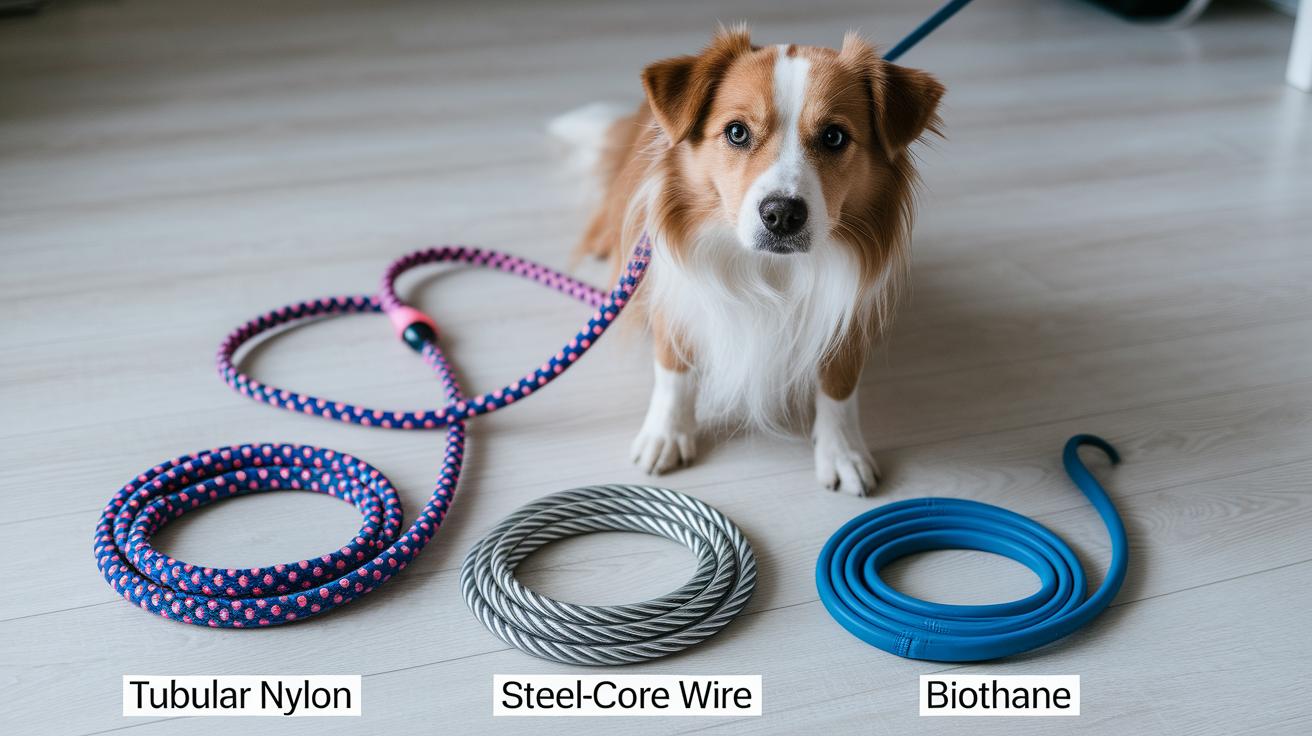
When you’re out with your big buddy who loves to run, a soft handle and a no-tangle design make a world of difference. You can choose from materials like Biothane, tubular nylon, chew-proof steel wire, or even a stylish leather option. Each leash has been tested with tug tests, car trunk drags, and even knife-slice tests to show that they can handle real-life challenges while keeping your pet safe.

Model Weight Capacity Lead Length Key Feature
Fida Heavy Duty Up to 150 lbs 26 ft Soft-grip and reliable brake
TUG 360 Up to 150 lbs 26 ft Tangle-free mechanism
Ruffwear Up to 150 lbs 26 ft Enhanced outdoor durability
PetSafe Up to 150 lbs 26 ft Ergonomic design for long walks
BAAPET Up to 150 lbs 26 ft Reinforced materials for strong pullers

These picks give you a smart balance of freedom and control. They are built tough for the big, active dogs we all love to take on adventures. With solid construction and safety features you can trust, you can enjoy your walks while knowing you are also helping support local rescue efforts.

Retractable dog leash for large dogs: Unmatched Strength

img-2.jpg

When you have a big, active dog, every little detail matters. A strong retractable leash gives you the safety you need while letting your dog roam freely. This leash is made for big dog owners who want both control and adventure.

Here are six features that make a real difference:

  • Heavy-duty braking and locking mechanism. It uses strong stainless-steel parts that help you stop your dog fast.
  • Ergonomic non-slip grip handle. The TPE or rubber overmolding keeps your hand comfy on long walks.
  • Secondary traffic handle. It gives you extra control in busy spots when you need your dog close.
  • Integrated accessory loops. They let you clip on waste bags or a small flashlight so you’re always ready.
  • Reflective stitching. This boosts your visibility during low light hours for safer walks.
  • Quick-release belt clip. It attaches to your belt so you can move around easily without holding the leash.

With these smart details, the leash handles strong pulls and keeps you in charge. It turns everyday walks into safe and fun adventures for your active, large dog.

Material and Design Comparisons for Heavy-Duty Extendable Leads

img-3.jpg

Tubular Nylon Lead
This leash uses tubular nylon to keep things light and easy for you. Its cord design makes it an affordable option. Just be aware that if your furry friend is a heavy chewer or puller, the fibers might wear out sooner. It is a great choice for pups who are gentle on their gear.

Steel-Core Wire Lead
This leash comes with a 15-inch shielded core that is very tough. It is built to stand up to strong chewers and pullers. You might notice it is a bit heavier on long walks, but it works well for pups that need a strong tether.

Biothane Lead
Biothane leads are designed to handle wet weather and messy paws. They are waterproof and very easy to clean. A quick wipe is all it takes to keep it looking good. If you want a leash that stands up to the elements with little upkeep, this is a good pick.

Leather Show Lead
Leather leads give you a classic and refined look. They do need a break-in period and a bit of care to keep them soft and crack-free. While they need extra attention, many pet owners love that mix of durability and style for both everyday walks and special occasions.

Durability Tests and Real-World Performance for Retractable Leashes

img-4.jpg

Tensile Strength and Drag Evaluations

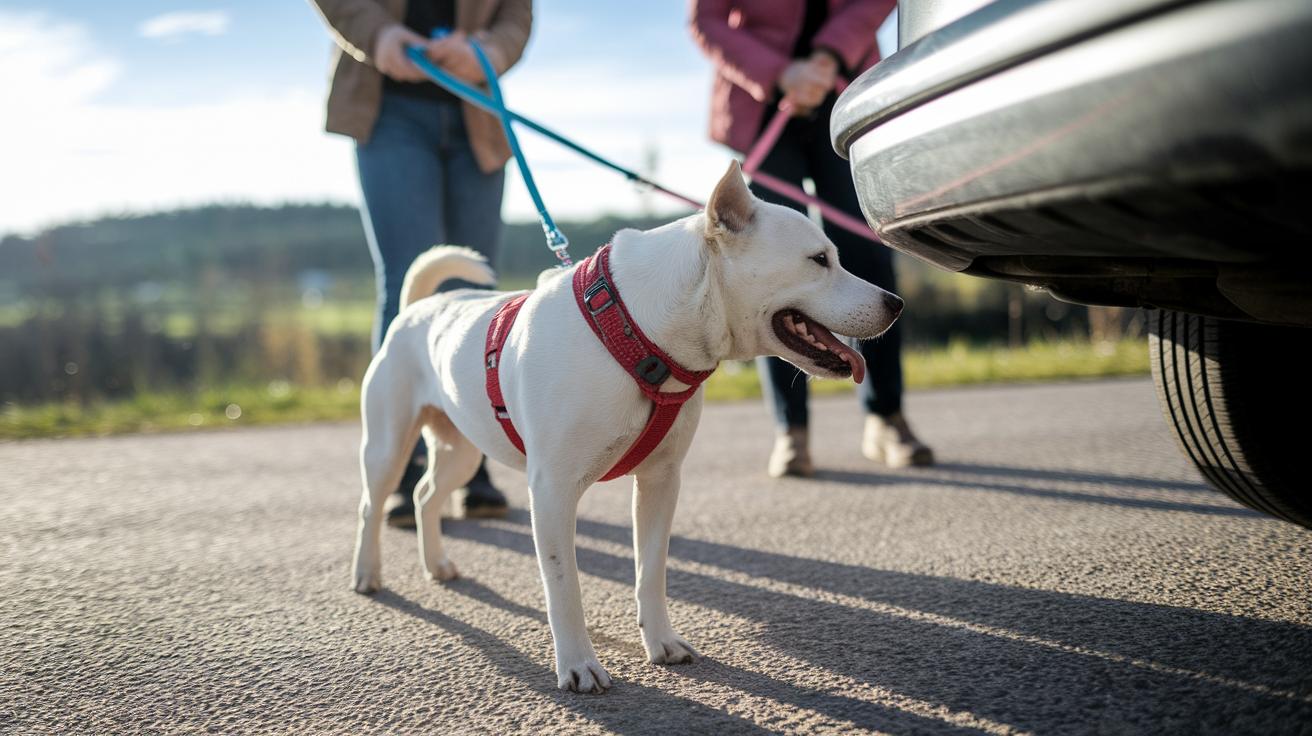
We tested these leashes by pulling them hard with loads from 100 to 150 lbs. This simulates how strong dogs can tug. We tied the leash down and pulled steadily until it reached its limit. It passed when its brake held firmly without slipping. We also dragged the leash from a car trunk on pavement and tried it during runs, hikes, and city walks. One pet parent said, "It felt like a built-in safety net during our brisk walks."

Abrasion Resistance and Material Performance

We ran ten knife-slice tests on each model to mimic biting and tough outdoor wear. The top five models showed only small scratches. This means they can handle biting, rain, snow, and heat. Many pet parents noticed that the leashes still retract with a secure lock even after being used in rough conditions.

Safe Handling and Usage Tips for Retractable Leashes with Big Dogs

img-5.jpg

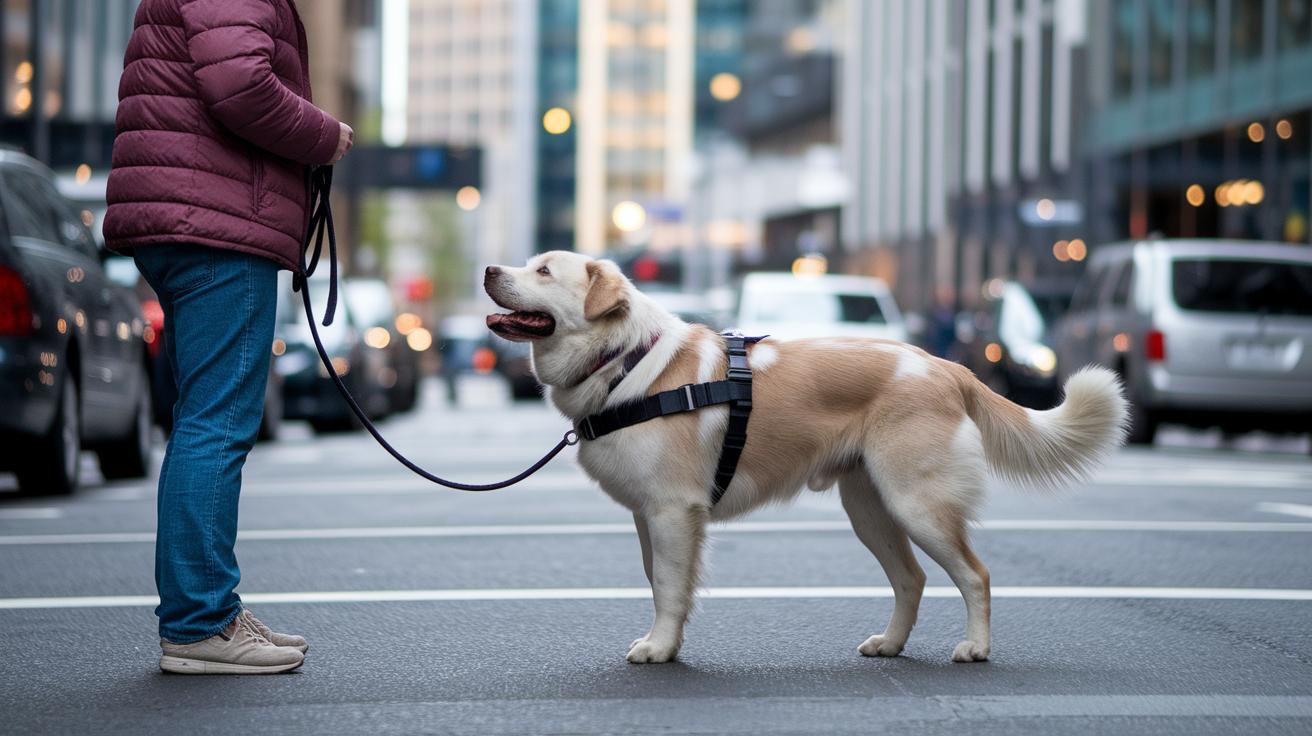
Managing a retractable leash with a big dog is easier than it seems when you use a few simple tricks. Here are five tips to help you enjoy safe walks with your strong friend:

  1. Hit the brake before you step into busy spots or near the road. This keeps your dog secure when traffic is around.
  2. Use the extra handle when you pass other dogs or cyclists. It helps you keep your dog close and in control.
  3. Let out a little slack (about 3 to 5 feet) in crowded areas. This extra space helps your dog avoid bumps and stays ready for sudden stops.
  4. Pair your leash with a front-clip harness. It reduces neck strain when your dog makes a quick move and keeps them comfy.
  5. Check the cable for any wear each time before you walk. A quick look helps catch any damage so you can avoid surprises later.

Following these steps makes every outing safer for both you and your lively companion.

Maintenance, Care, and Longevity of Your Retractable Dog Leash

img-6.jpg

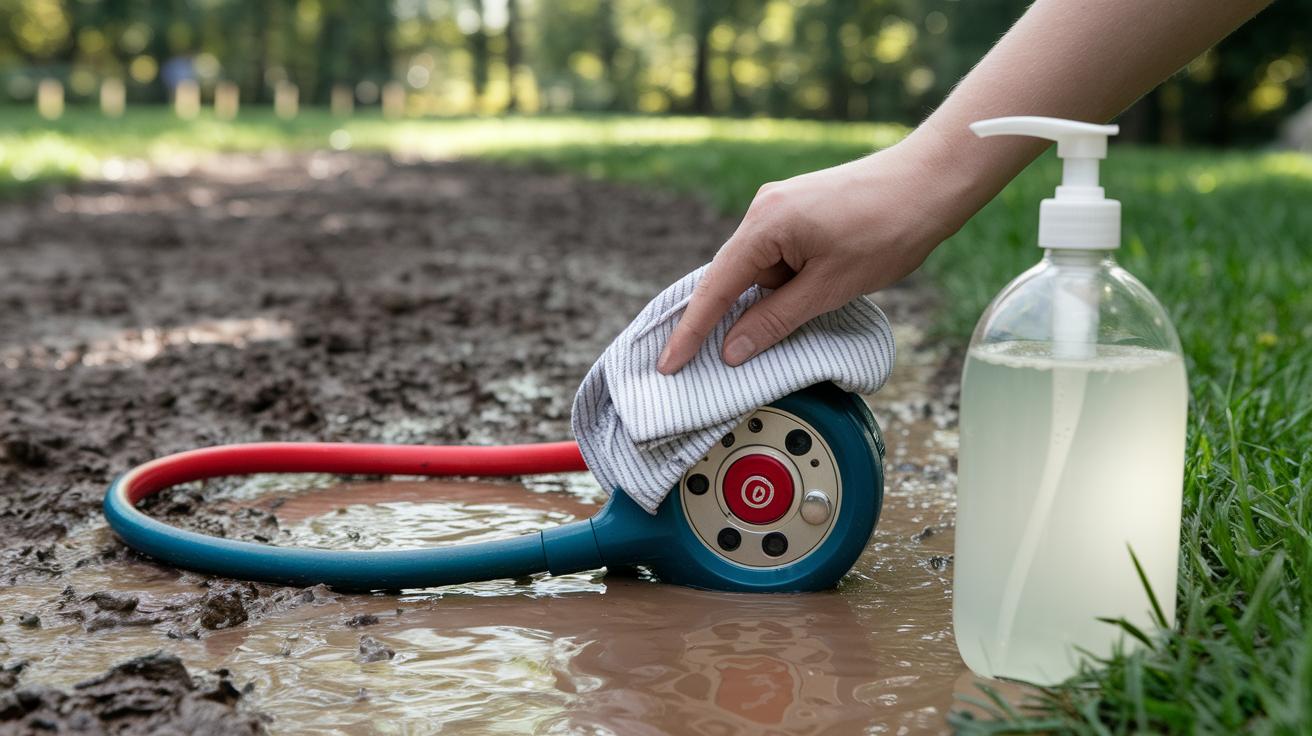
Keeping your retractable leash in good shape is key for safe, stress-free walks with your furry friend. Regular care helps the leash last longer and makes sure every brake and lock works right.

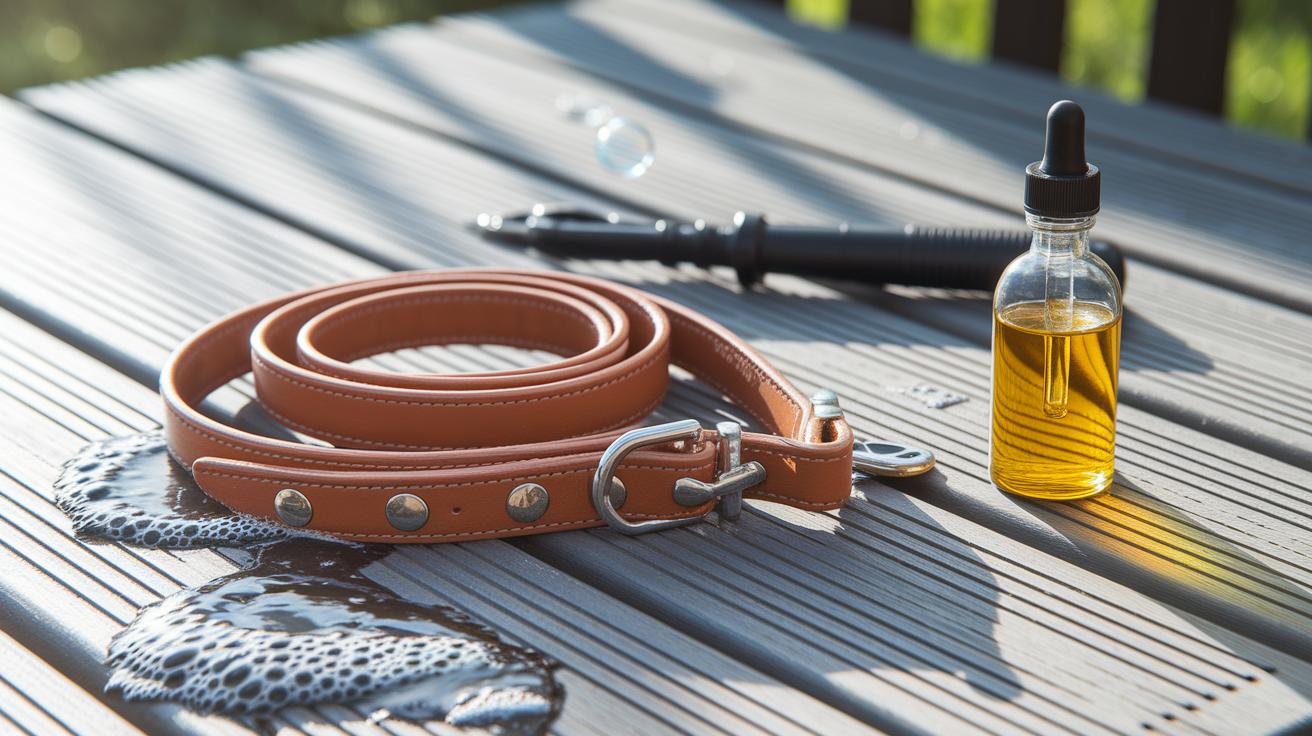
  • After muddy walks, wipe the tape or cord with mild soap and water to remove dirt and prevent buildup.
  • Every three months, use a little silicone spray on the brake and lock parts to keep them running smoothly.
  • Store your leash indoors at room temperature, away from strong sunlight, to avoid heat damage.
  • Check the cable or webbing each month for frays, rust, or kinks, so you can catch any problems early.
  • If something isn’t working right, replace the part under the manufacturer’s warranty to keep your leash safe and dependable.

Frequently Asked Questions About Retractable Dog Leashes for Large Dogs

img-7.jpg

  1. Q: Are retractable leashes safe for strong pullers?
    A: Yes, they are. Many of these leashes are built for dogs weighing up to 150 lbs. They come with a sturdy metal brake click lock that helps secure your dog quickly. This gives you peace of mind and helps keep even the strongest puller under control.

  2. Q: What length is ideal?
    A: A leash between 16 and 26 ft works best. It gives your dog room to sniff around while keeping them close enough for you to manage easily. Longer leashes, like those 50 or 100 ft long, might be hard to handle in busy areas.

  3. Q: Which material resists chewing best?
    A: Look for steel-core or Biothane leads. They are tougher than nylon and can handle lots of chewing. This makes them a smart choice for dogs that love to chew on their leash.

  4. Q: How do I prevent tangles?
    A: Always pull the leash back all the way before you move. Also, choosing a model with a tangle-free swivel helps keep the line smooth during your walk.

  5. Q: Are there quality options under $20?
    A: Yes, there are. Some models under $20 use a 15-inch steel wire core in a lightweight housing. They offer good strength and value for everyday walks.

Final Words

In the action, we explored top-rated retractable dog leashes built to give your pet freedom yet keep them secure. We broke down key durability tests, safety features, and practical care tips to help you choose with confidence. We also showed how each feature supports safe, everyday adventures. From easy-to-use brake systems to materials that withstand rough play, every detail matters for busy pet parents. Enjoy peace of mind knowing your pet's ready for adventure with a retractable dog leash for large dogs that meets both quality and ethical standards.

FAQ

What defines a heavy duty retractable dog leash for large dogs?

A heavy duty retractable leash is built for large breeds featuring durable materials, a reliable brake/lock mechanism, and a non-slip handle. It gives your pet freedom while keeping control secure.

Are retractable leashes good for big dogs?

Retractable leashes can be safe for big dogs when properly designed for high weight capacities. They offer freedom yet require careful handling to maintain control during walks.

Why do vets recommend against retractable leashes?

Vets often caution against retractable leashes because they can offer less control in sudden situations, increase the risk of injury from jerks, and may not respond well to aggressive pullers.

What is the best retractable dog lead for large dogs?

The best retractable lead for large dogs combines heavy duty design, secure brake locks, and durable materials like steel-core or Biothane, providing a balance between your dog’s freedom and your control.

Do dog trainers recommend retractable leashes?

Many dog trainers advise using fixed-length leads for training since they offer better control and safety. Retractable leashes can work well if used carefully, but may not be ideal for all dogs.

Non-clumping Cat Litter Delivers Pure Pet Delight

0

Have you ever thought a small change might make cleaning up cat litter easier and safer? Non-clumping litter soaks up moisture like a sponge. It helps keep messes low and lowers the risk of blockages if your cat happens to sample it. It may not form neat clumps, but it has a hidden plus for busy pet parents and playful kitties. In this post, we explain how this simple litter brings affordability, safety, and ease of use to multi-cat homes.

Understanding Non-Clumping Cat Litter Basics

img-1.jpg

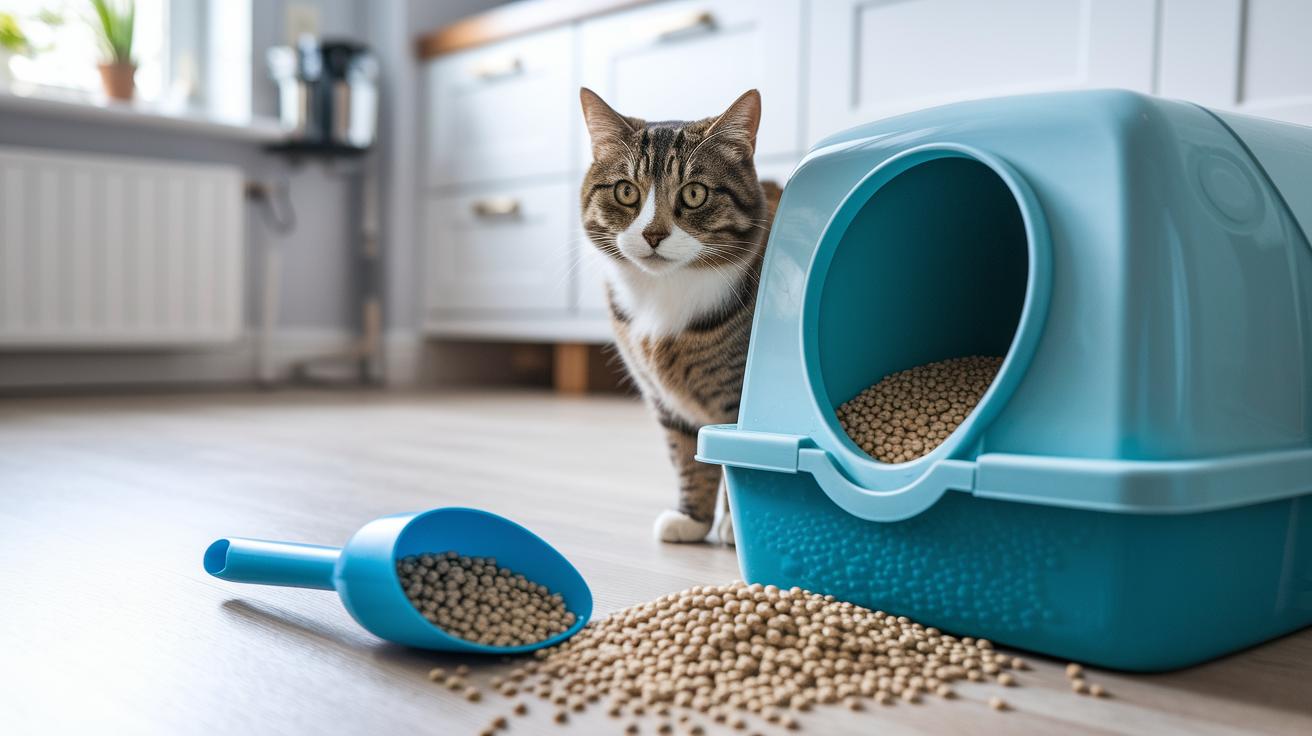
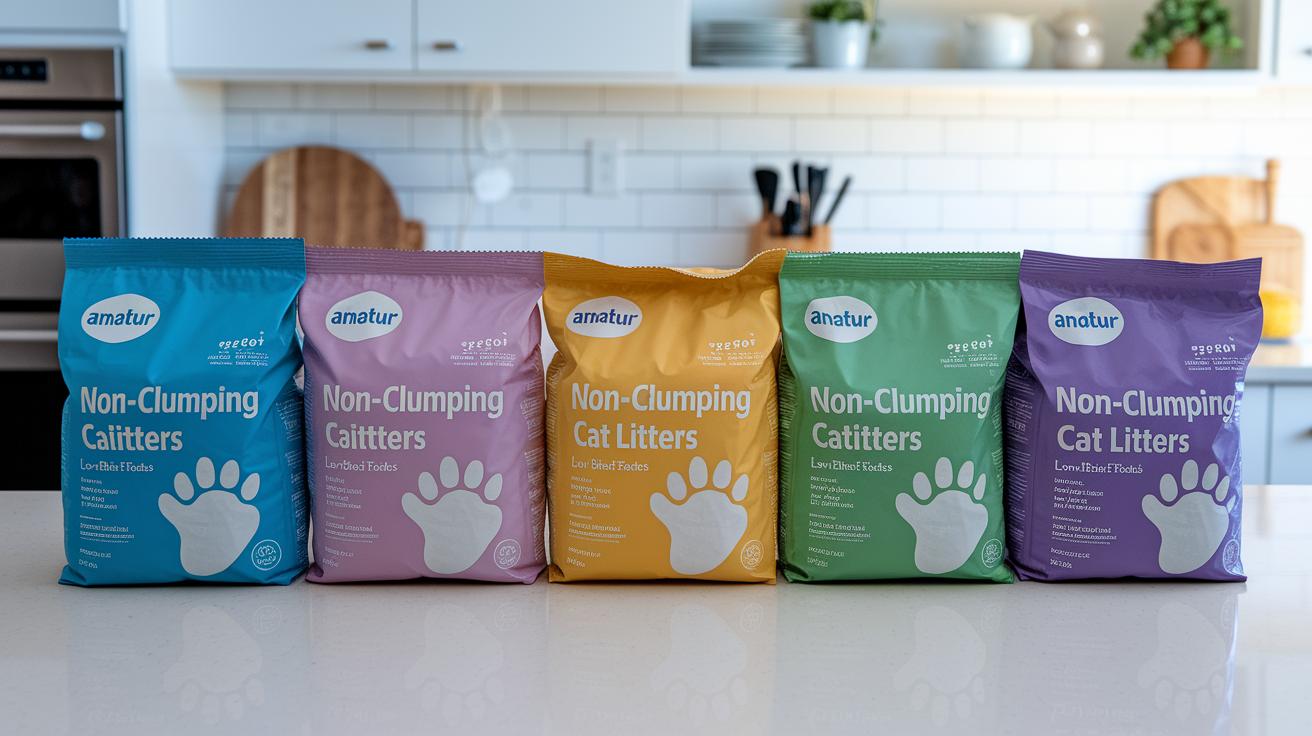
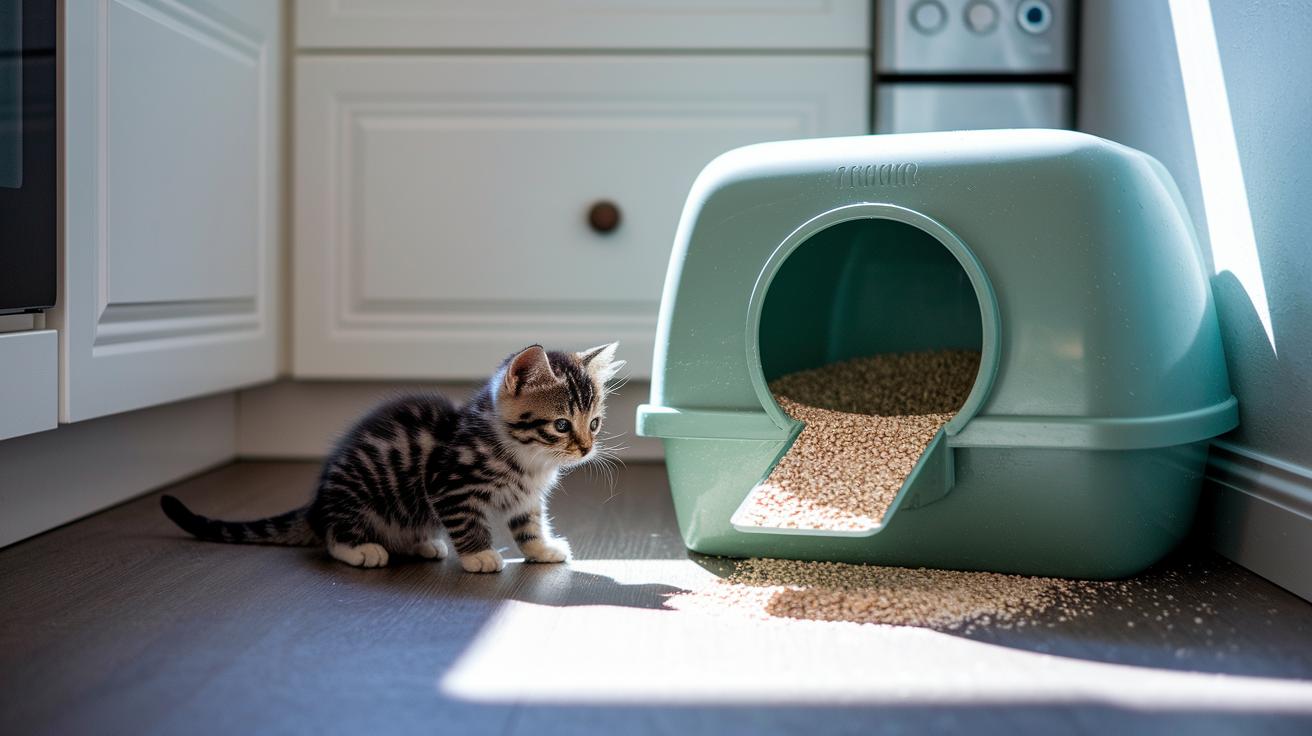
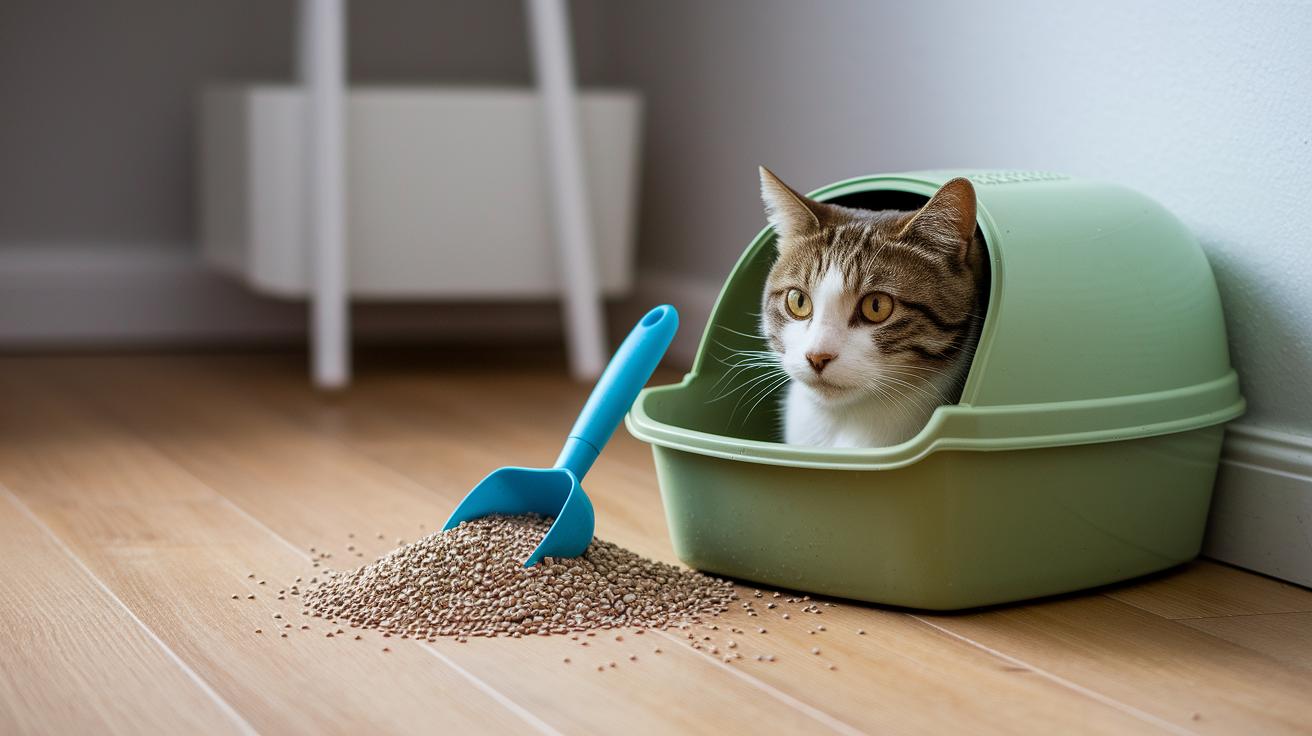
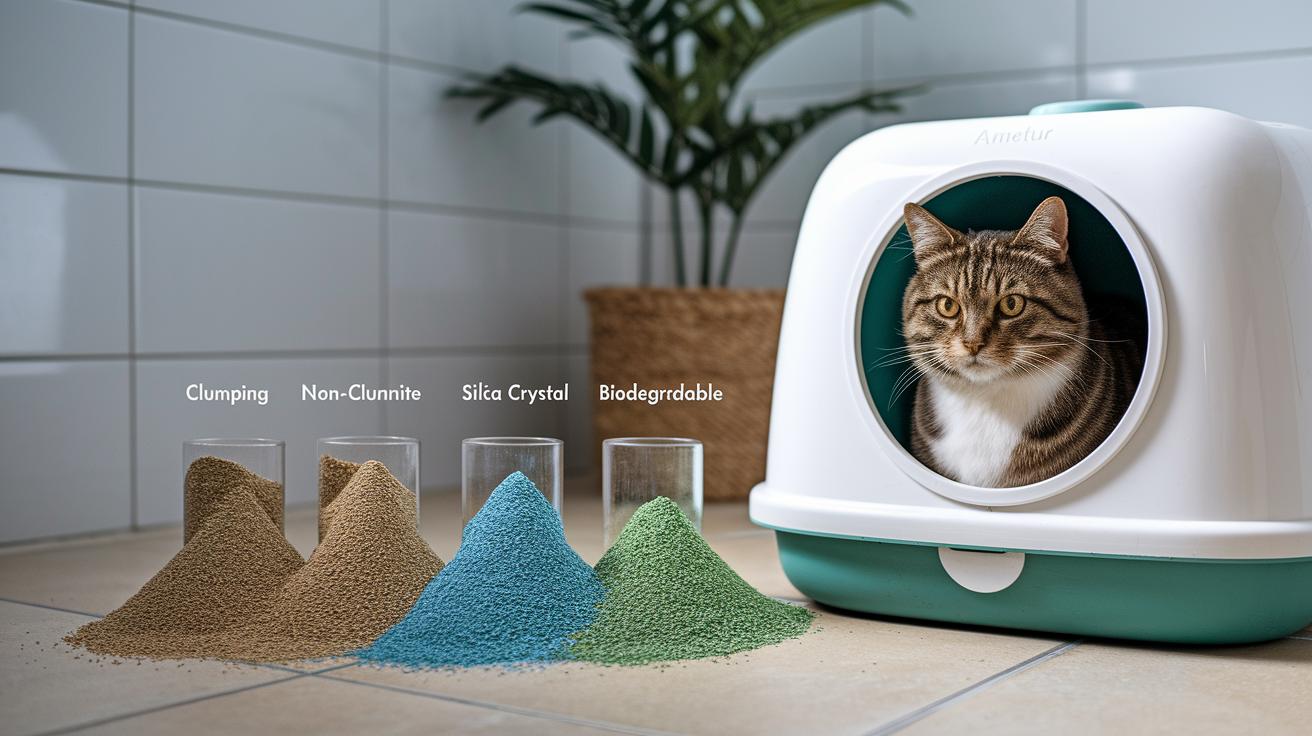
Non-clumping cat litter is designed to soak up moisture without forming hard clumps. It is made from materials like absorbent clay, silica gel, wood, paper, or even coconut. This litter works differently from clumping types. Instead of gathering liquid into solid clumps, it absorbs spills much like a sponge and lets wet pellets slip through in sifting boxes.

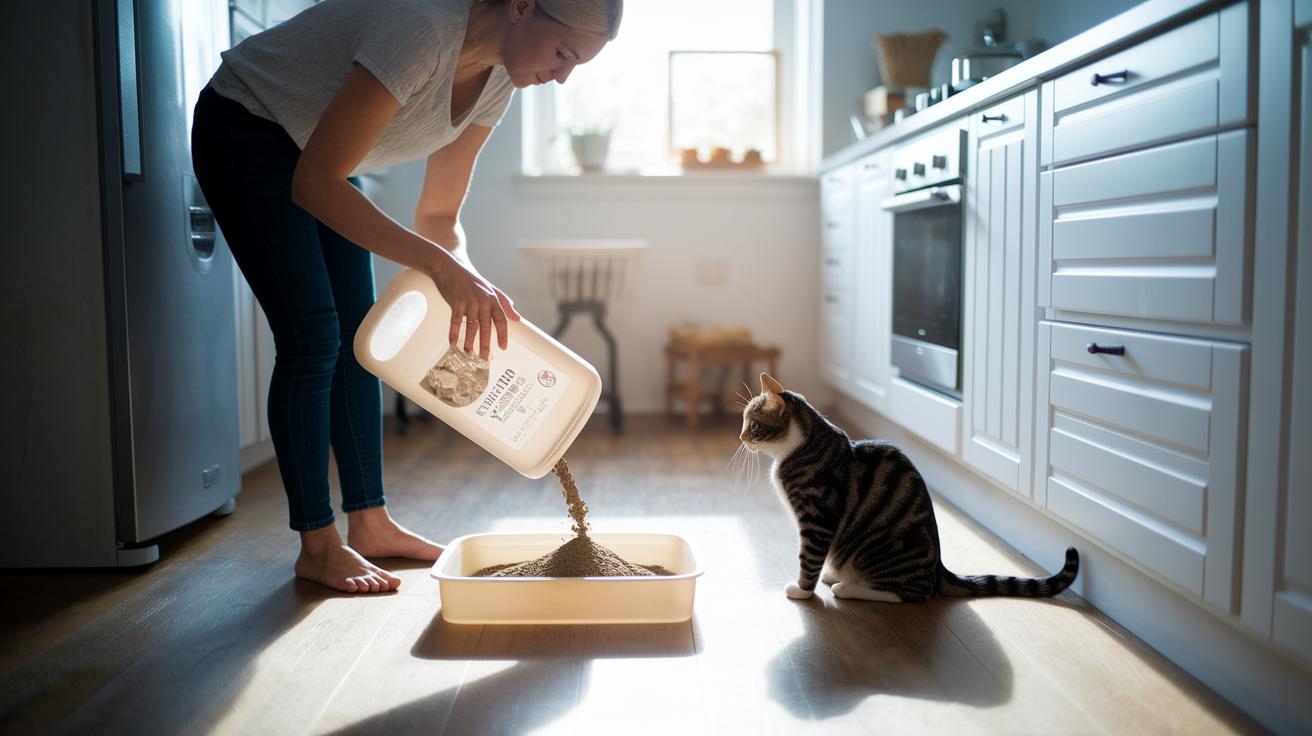
Because it does not clump, you need to change the entire litter box every one to two weeks. We recommend stirring the litter each day to spread out any moisture and keep the top as dry as possible while still trapping waste. This method also means that if your cat ingests a little, there is less risk of a blockage in their digestive system. This safety feature can be especially important for playful kittens and sensitive cats.

Key points to remember:

Feature Description
Materials Lightweight and absorbent like clay, silica gel, wood, paper, or coconut
Dust Helps reduce dust in the air
Maintenance Scoop solids daily and mix thoroughly to keep the top dry

This type of litter is a great option for pet parents who appreciate simplicity and affordability. It may not have the ease of clumping litter, but its safety and cost efficiency make it a popular choice in busy, multi-cat homes.

Key Advantages of Non-Clumping Cat Litter

img-2.jpg

If you're looking to save money while keeping your kitty happy, non-clumping cat litter might be just the thing. It lets you get more value for your money, like having extra treats or toys left over for your fur friend.

This type of litter works great with automatic and sifting litter boxes. That means less scooping and a simpler cleanup for you. Plus, silica-based formulas keep smells at bay and feel soft on your cat’s paws, imagine a litter that's both odor-fighting and gentle with every step.

Key benefits include:

  • Lower cost per pound to help stretch your budget.
  • Easy-to-use with automatic and sifting litter boxes.
  • Excellent odor control with silica-based ingredients.
  • Soft granules that care for sensitive paws.

Trying non-clumping cat litter can be a smart choice if you want convenience and savings while keeping your pet comfortable.

Drawbacks of Non-Clumping Cat Litter

img-3.jpg

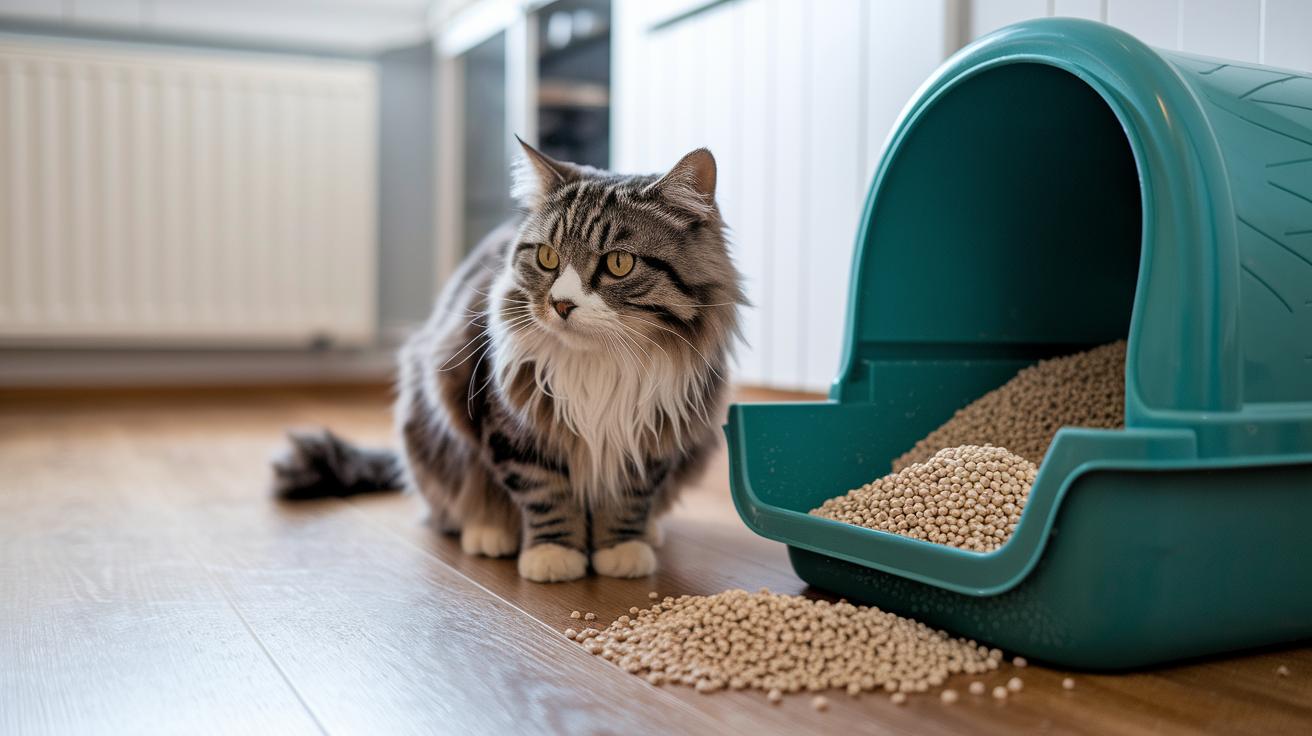
Non-clumping cat litter can be a real hassle. It does not form firm clumps, so waste mixes with fresh litter. This means you often need to replace the whole box instead of just scooping out the mess.

It also does a poorer job at controlling odors. The wet pellets do not lock away moisture like clumping litter. This can lead to a strong "cat-pee" smell if you do not change it often. The issue gets worse if you have more than one cat or if you do not stir the litter every day.

Users say that topping up the litter is tricky too. The used litter stays mixed with the fresh, so it is hard to get the right balance for absorbing moisture. While this can be kinder on your budget, it needs more work and regular stirring.

Key drawbacks to keep in mind:

  • Build-up of soiled litter over time
  • Greater chance of strong ammonia smells
  • Need for constant stirring and full litter box changes

non-clumping cat litter Delivers Pure Pet Delight

img-4.jpg

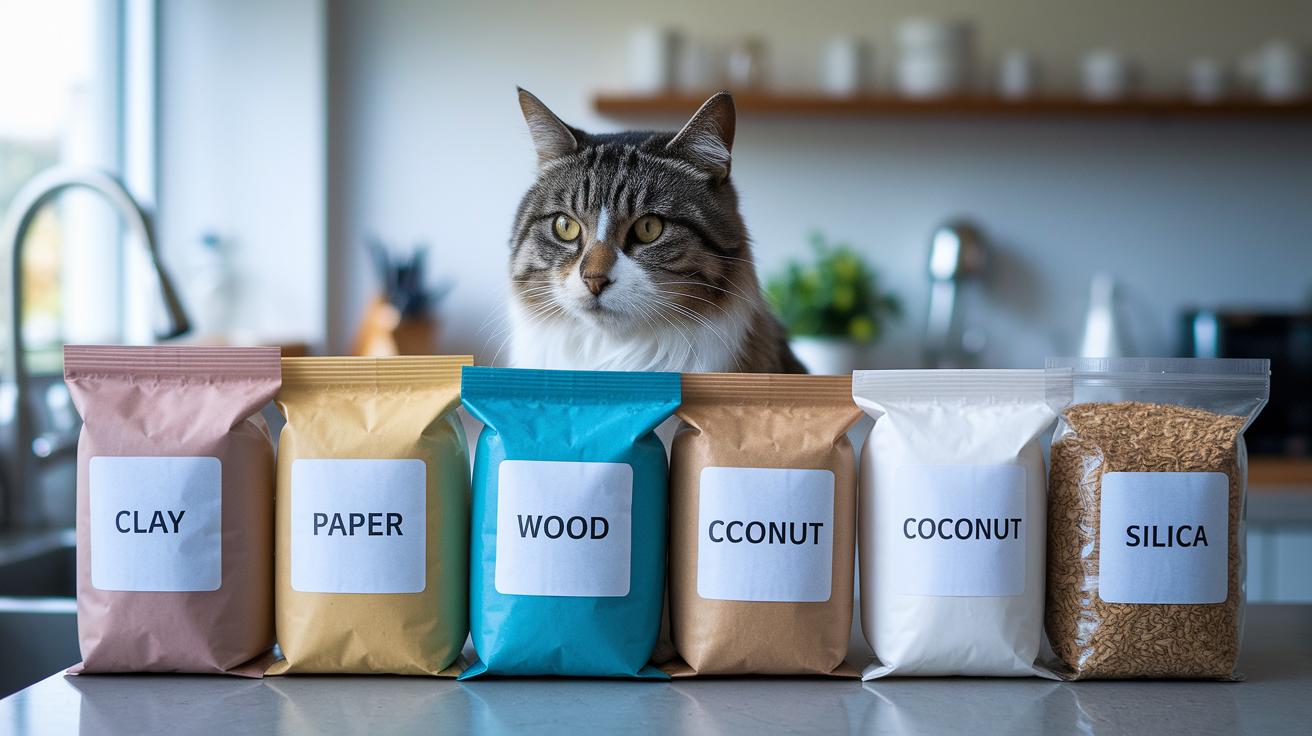
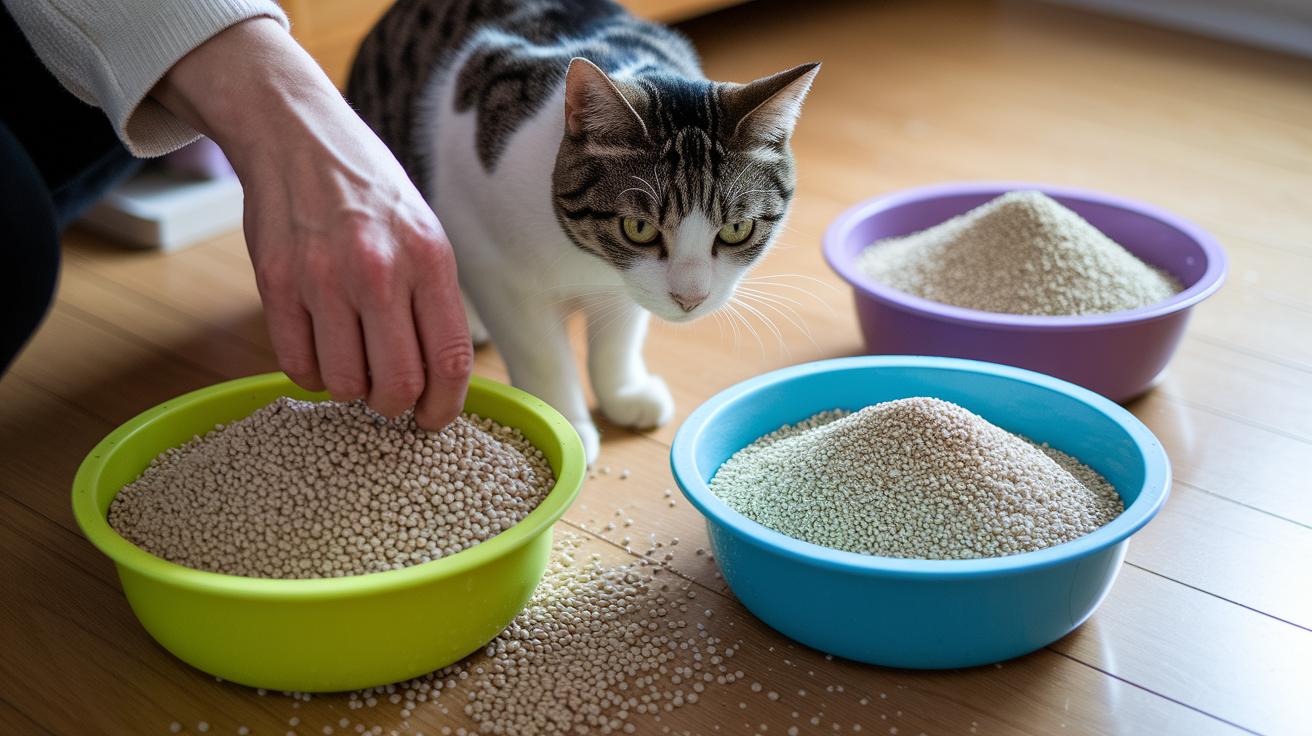
When picking non-clumping litter, you need to check a few things. First, look at the material. It can be clay, paper, wood, coconut, or silica. Each one soaks up moisture differently and feels unique under your cat’s paws. Paper and coconut litters are light and kind to the earth. On the other hand, clay and silica work well to lock in wetness.

Next, think about dust and smell. Low-dust litter keeps the air clear for kittens and cats with sensitive breathing. You can choose unscented litter for a neutral aroma or a lightly scented one to hide odors, especially if you have more than one cat.

Key points to consider:

  • Material: Does it absorb well and feel nice on your pet’s paws?
  • Dust and scent: Pick low-dust, unscented options for sensitive cats.
  • Weight and price: Compare the cost per pound and how easy it is to handle.
  • Eco-friendliness: Check for sustainable and biodegradable options.

When switching from another litter, mix a little of the old with the new over 1 to 2 weeks. This slow change helps your kitty feel at ease and lets you see how the new litter performs.

Top-Rated Non-Clumping Cat Litter Products Reviewed

img-5.jpg

We looked closely at five non-clumping cat litters that work well for many pet parents. We chose these options because they are affordable, easy to use, and have trusted performance. We listened to your feedback and did our own research on key features like low dust, easy clean-up, and benefits that are just right for indoor cats. These litters work great in automatic litter boxes and stay gentle on delicate paws. We compared them by looking at weight, price, cost per pound, and standout features so you can easily find the best fit for your cat.

Product Weight Price Cost/Lb Key Features
CatSpot Coconut 5 lbs $17.99 $3.60/lb Biodegradable, low dust, light scent
Fresh News Unscented Paper 25 lbs $26.23 $1.05/lb Flushable, soft on paws
Feline Pine Original 40 lbs $24.99 $0.62/lb Natural pine, odor control
Naturally Fresh Walnut Pellet 26 lbs $23.99 $0.92/lb Walnut shells, low tracking
Pretty Litter 6 lbs $24.00 $4.00/lb Silica crystals, color-change health monitoring

Each of these brands balances value and performance in its own way. Pet parents love them for the low dust and practical features. Whether you prefer an eco-friendly choice with biodegradable parts or a high-tech formula that even keeps tabs on your cat’s health, this table helps you make a clear choice. We hope this guide makes it easier for you to pick a litter that fits your cat’s lifestyle perfectly.

Maintenance Tips for Non-Clumping Cat Litter

img-6.jpg

Every day, take a few minutes to scoop out your cat's solid waste. This small effort keeps smells down and helps your cat feel cared for.

Give the litter a good stir. Think of it like fluffing a pillow, it spreads out the moisture so the top stays dry and inviting.

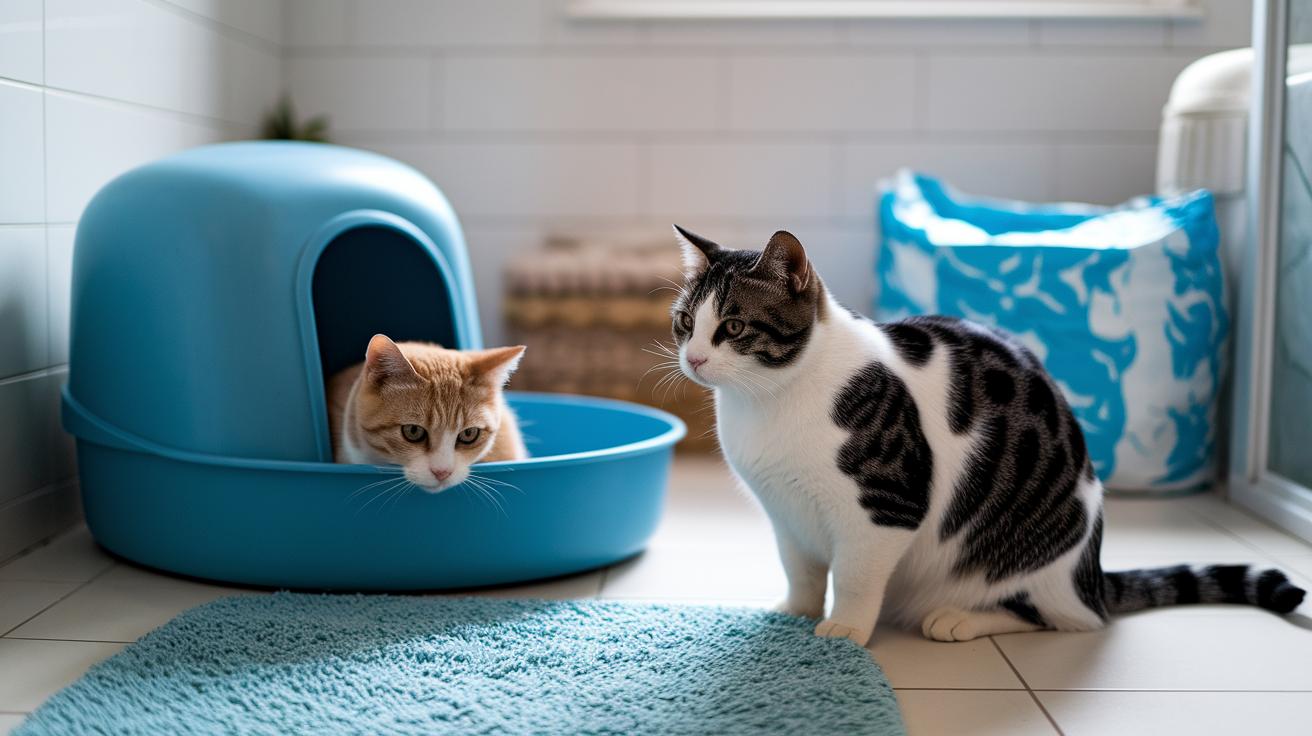
If your litter box has a sifting or automatic feature, use a special sifting scoop. It collects the heavier, wet pellets that settle at the bottom, making cleanup easier.

Replace the entire litter every 1 to 2 weeks. A fresh litter box stops the build-up of ammonia from old urine and keeps your cat’s space healthy.

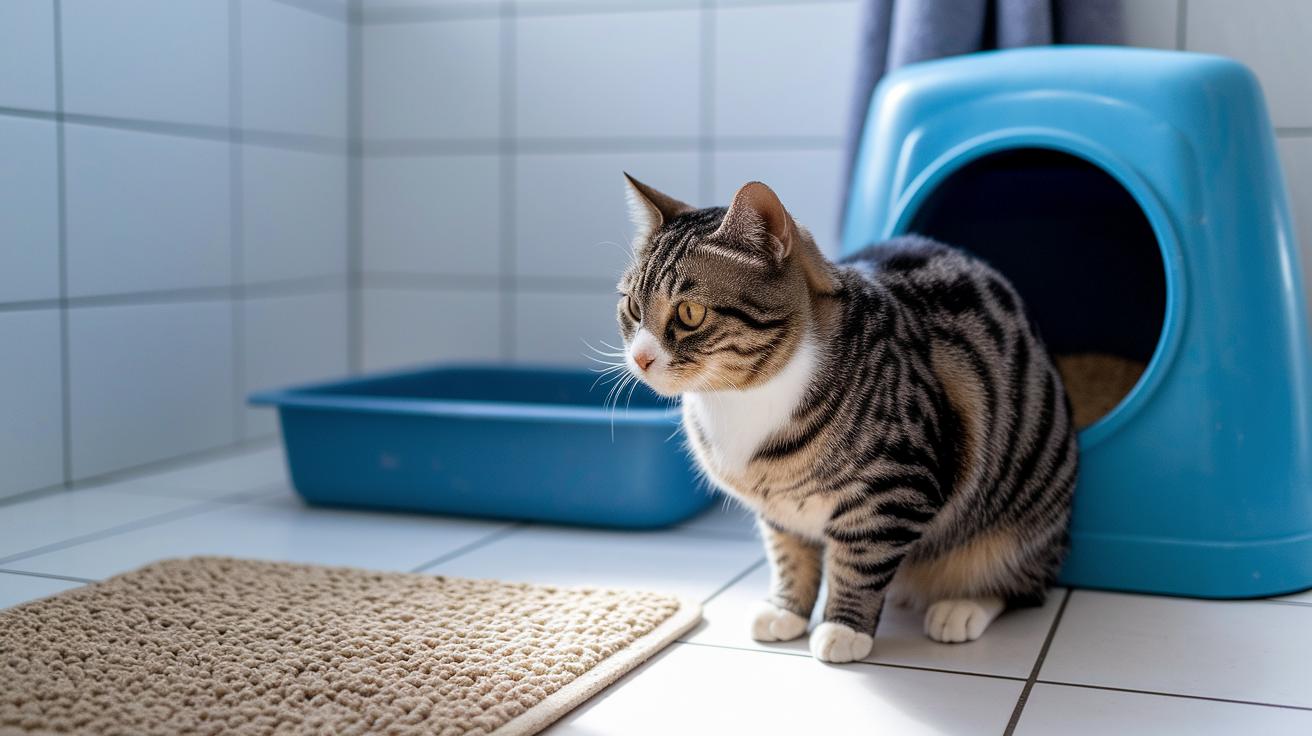
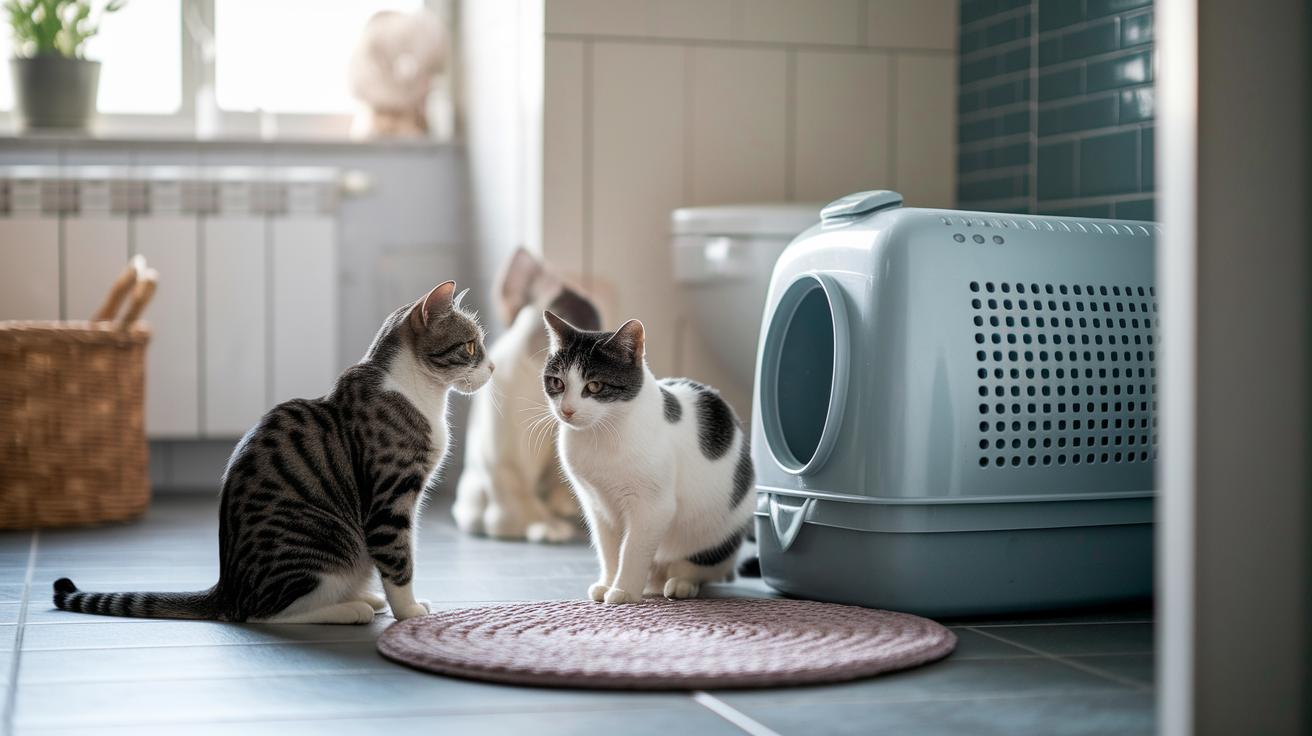
Place a litter mat around the box. This simple step catches litter that sticks to your cat's paws, keeping your home tidier.

Remember to wash the litter box regularly. Use mild soap and water, then dry it completely before you add new litter. This extra care helps control bacteria and makes the area fresh for your furry friend.

Following these easy steps not only reduces odors but also keeps your cat comfortable and your home a happy place for both of you.

DIY Odor-Control Enhancements for Non-Clumping Cat Litter

img-7.jpg

Looking for simple tricks to keep your cat's litter box smelling fresh? We have a few ideas that work well with non-clumping litter. These tips help kill odors without the need for a whole new product.

Try these easy steps:

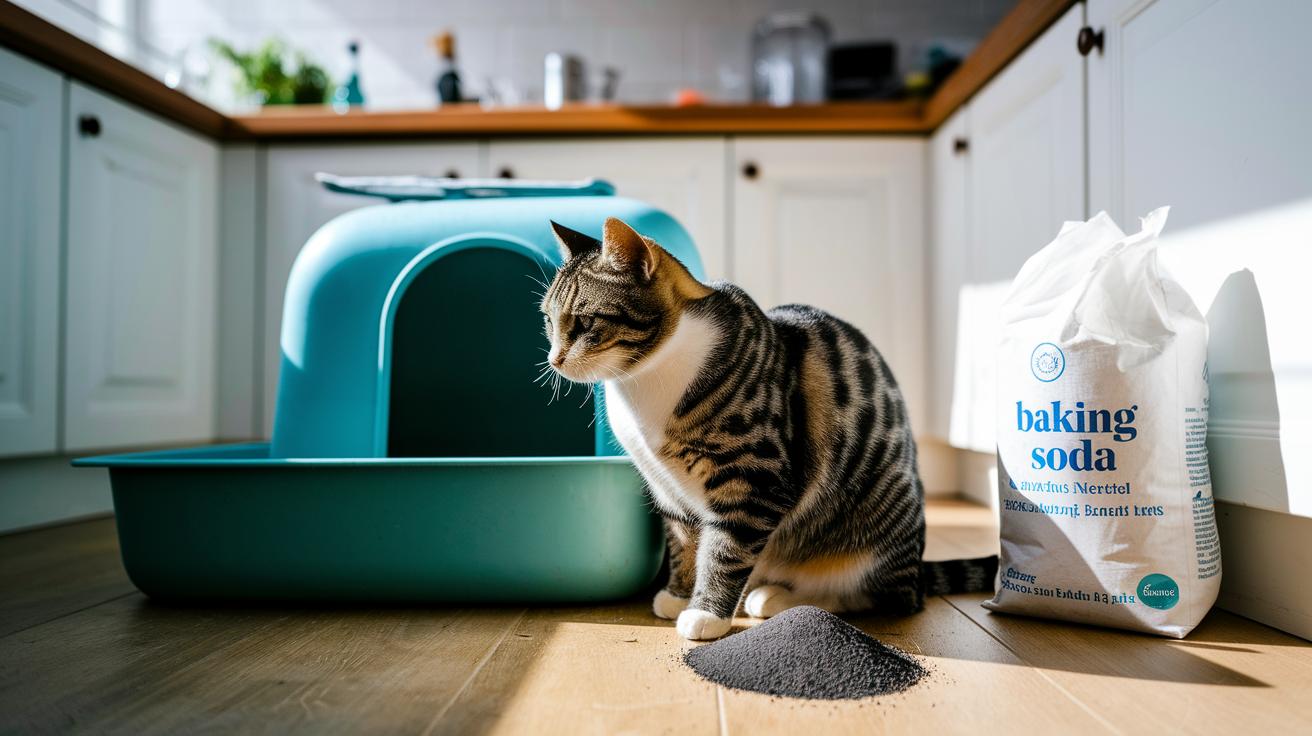
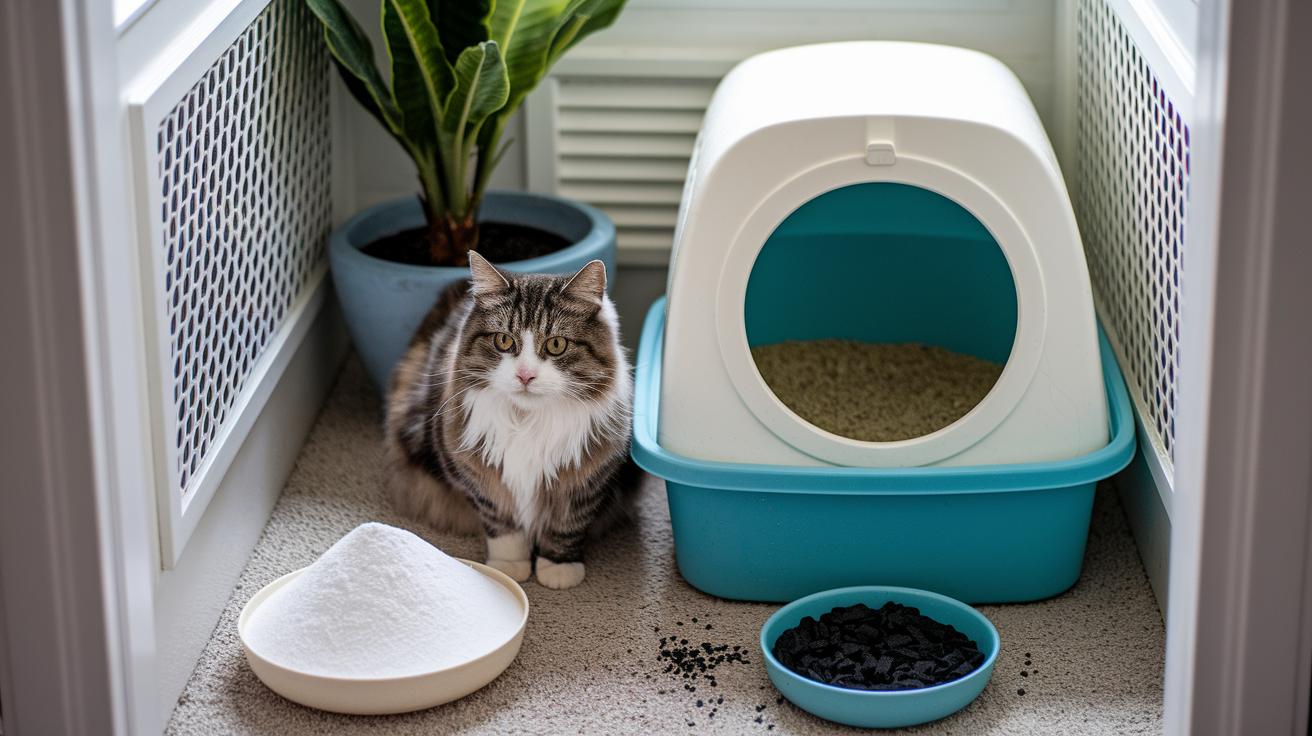
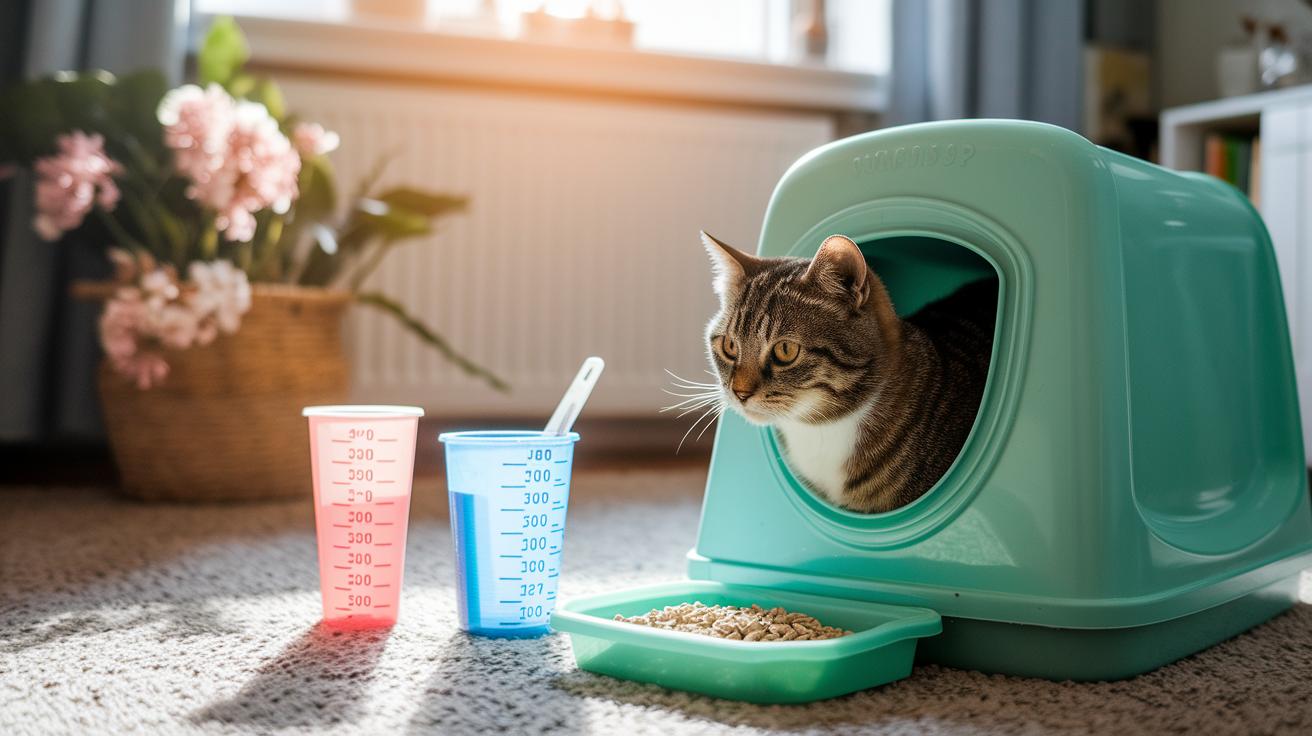
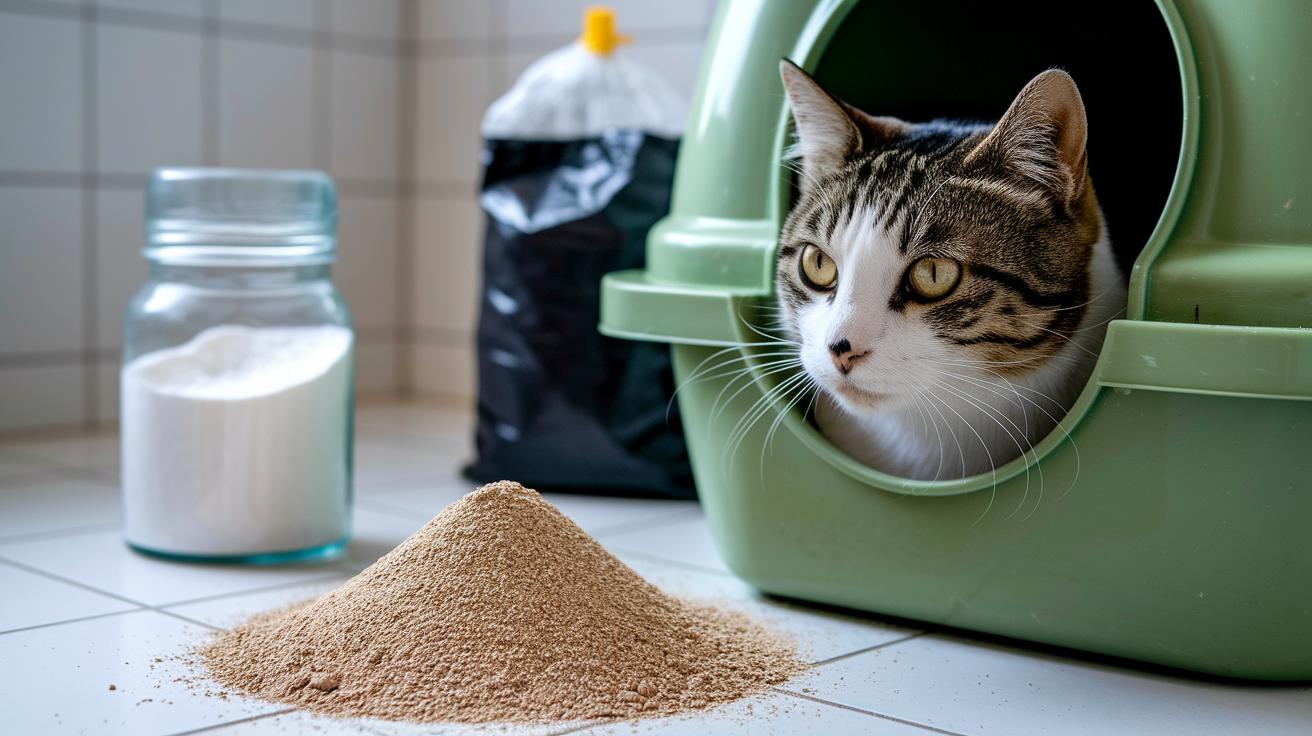
  • Mix ¼ cup of baking soda into the litter. This common kitchen ingredient helps cancel out smells.
  • Sprinkle activated charcoal granules on top. Activated charcoal soaks up bad odors and moisture.
  • Use fragrance-free deodorizing crystals if you want a neutral scent. They work without adding any extra smells.
  • Place small pouches of bamboo charcoal around the litter box. They help trap odors all day long.
  • Stir in a bit of sifting clay litter. This extra boost helps absorb moisture and control odors even better.

Each tip is designed to work with the litter you already have. You can try one idea or mix a few to find what works best for you and your cat. Enjoy a fresher space while keeping your cat relaxed and your clean-up routine simple.

Eco-Friendly Non-Clumping Cat Litter Options

img-8.jpg

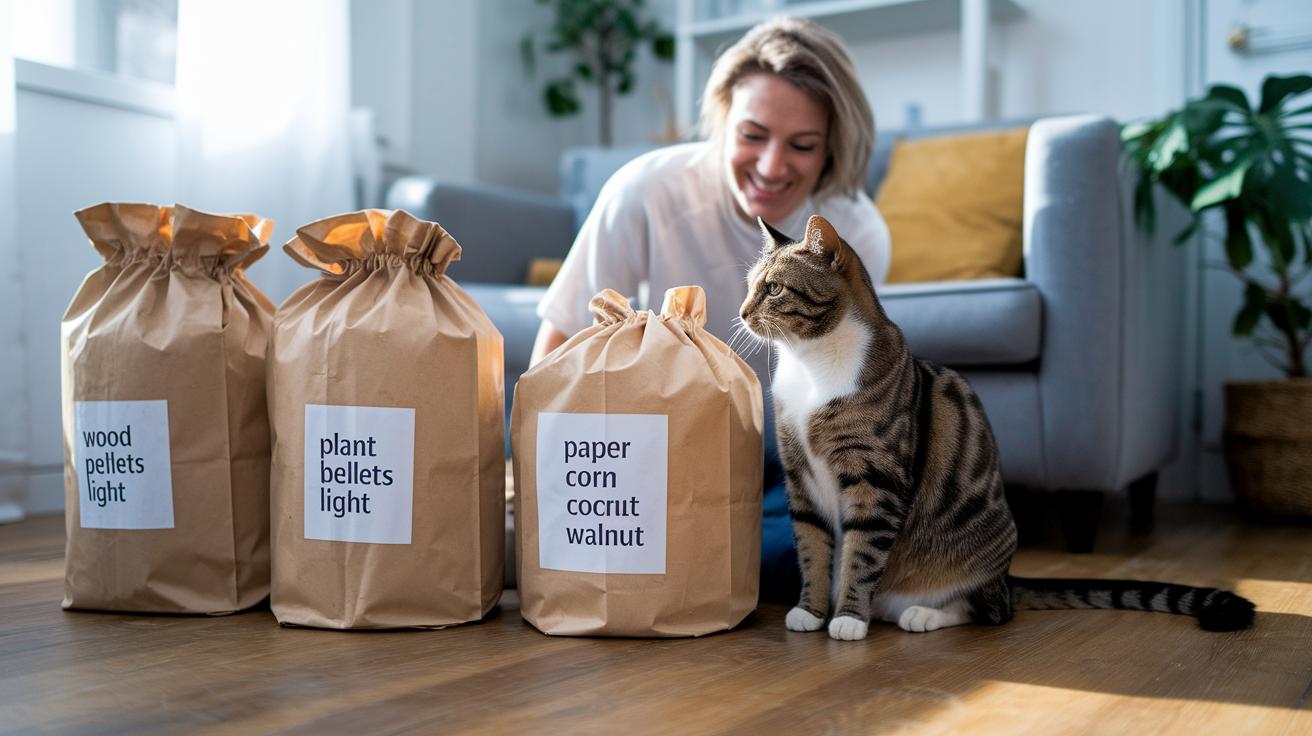
If you love your pet and the planet, you might enjoy these eco-friendly cat litter choices. We know you care about helping the earth. With plant-based options made from wood pellets, paper, corn, coconut, or walnut shells, you get a litter that can often be composted or even flushed.

Take Fresh News paper, for example. It is fully biodegradable, which means it breaks down naturally and keeps waste low. Then there's Feline Pine. It uses reclaimed pine so no new trees are cut down. And CatSpot Coconut uses husk fibers, a renewable material that supports sustainable farming.

Choosing these litters keeps your home smelling fresh and helps manage waste better. Instead of sitting in a landfill for years, the litter breaks down or composts naturally. It’s a simple, thoughtful choice that cares for your furry friend and the environment.

Next time you shop for cat litter, think green for a healthier planet and a cleaner litter box.

FAQs on Non-Clumping Cat Litter

img-9.jpg

We know it can be tricky to keep your kitty's spot clean. For more details, check the care instructions above. Here are some quick, friendly reminders:

  1. How often should I change non-clumping litter?
    We recommend emptying the entire litter box every 1–2 weeks and scooping out the solid bits every day. This keeps it fresh for your cat.

  2. Is non-clumping litter safe for kittens?
    Yes, as long as you choose a low-dust, soft-granule formula. Take a look at the kitten safety guidelines for extra tips.

  3. How do I transition from clumping to non-clumping litter?
    Mix a little of the new litter with the old over 7–10 days. This gradual change helps your cat adjust smoothly.

  4. Will non-clumping litter work in automatic boxes?
    It does. The wet pellets pass through the sifting traps in most automatic boxes. Just follow your box's instructions for the best results.

  5. How can I control odor effectively?
    Stir the litter every day and consider adding a small amount of baking soda or activated charcoal to help keep odors under control.

Final Words

In the action, this guide walked you through the basics of non-clumping cat litter, its benefits, drawbacks, and ideal maintenance steps. We compared top-rated options, offered practical tips for odor control, and even touched on eco-friendly choices. Each section aimed to simplify your decision-making by breaking down features, costs, and safety tips. We hope these insights help you choose a non-clumping cat litter that keeps your pet comfortable and supports your values. Keep things simple, safe, and enjoyable for your furry friend.

FAQ

How does non clumping cat litter differ from clumping litter?

The non clumping cat litter differs by absorbing moisture without forming solid clumps, which means you need a full litter box change every 1–2 weeks, unlike clumping litter that lets you scoop clumps daily.

Is non clumping cat litter safe for kittens?

The non clumping cat litter is safe for kittens when you choose a low-dust, soft formula designed with their sensitive paws and respiratory systems in mind.

What defines a non clumping cat litter box?

The non clumping cat litter box uses loose, absorbent material that doesn’t clump; you remove solid waste daily and replace the entire litter regularly for best results.

Can non clumping cat litter work for ice-related messes?

The non clumping cat litter is meant for absorbing pet waste rather than melting ice; for ice management, it’s best to use products made for ice melt.

What do Reddit discussions say about non clumping cat litter?

Reddit users note that non clumping cat litter is budget-friendly and safer if ingested but mention that odor control can lag without regular maintenance.

Where can I find non clumping cat litter near me or on Amazon?

You can find non clumping cat litter in many pet stores locally and online on platforms like Amazon, including unscented options that work well for sensitive pets.

Why would anyone use non clumping cat litter?

The non clumping cat litter is chosen for its affordability, safety benefits for curious kittens, and suitability for automatic or sifting litter boxes despite needing more frequent changes.

What kind of material makes up non clumping cat litter?

The non clumping cat litter is usually made from absorbent clay, silica, wood, paper, or coconut fibers, all designed to soak up moisture without forming clusters.

Why do shelters prefer non clumping cat litter?

Shelters lean toward non clumping cat litter because it lowers ingestion risks for young kittens and allows for complete box cleanouts, ensuring a cleaner environment.

How often should non clumping cat litter be replaced?

The non clumping cat litter should be completely replaced every 1–2 weeks, with daily removal of solid waste to manage odors and keep the box fresh.

What are the differences among Tidy Cats, Special Kitty, and unscented options?

Tidy Cats Non Clumping 24/7 Performance absorbs moisture without clumping, while its clumping version forms easy-to-scoop clusters. Special Kitty offers a natural clay version that stays unscented and a scoopable clumping option, giving pet parents choices that suit their cleaning style.

Supplements For Dogs With Kidney Disease: Revive Vitality

0

Ever wondered if a little boost could help your dog feel more lively, even with kidney issues? These supplements work gently to support kidney function, ease swelling, and keep your pet well hydrated. They help flush out toxins and provide the nutrients your dog needs to stay energetic every day. In this post, we explain how these supplements ease kidney strain and boost overall comfort. If you want to help your dog regain that spark even during tough times, keep reading to find out how you can help your best friend thrive.

Key Benefits of Supplements for Dogs with Kidney Disease

img-1.jpg

Supplements can be a real help for our dogs facing kidney troubles. They boost the work of your dog's kidneys, especially when kidney disease has taken a toll. Even a small boost can help your pet clear toxins and stay healthier.

These supplements work gently. They calm inflammation and help keep your dog well hydrated. This means your furry friend can feel more energetic and comfortable every day. We know you want your dog to enjoy life, even during tough times.

  • Better kidney function
  • Reduced inflammation
  • Steady hydration
  • Oxidative stress support
  • Urinary health assistance
  • Nutritient boost

Each of these points helps ease the strain on your dog's body. A better kidney function means your pet can remove waste more easily. Lower inflammation helps lessen discomfort. Keeping hydrated is key to healthy cells and proper kidney work. Antioxidants help protect important cells from damage. Helping the urinary tract makes it easier to flush out waste. And adding essential vitamins gives your dog the energy to thrive. Together, these benefits can make even hard days a little brighter for both you and your best friend.

Understanding Kidney Disease and the Role of Supplements for Dogs

img-2.jpg

Our dogs' kidneys work hard every day. They filter blood, remove waste, balance water and electrolytes (salts), control blood pressure, produce red blood cells, and help activate vitamin D. Often, kidney problems don't show signs until a lot of function is already lost (up to 70%). That's when natural pet nutrition aids and targeted supplements can help ease the burden on your dog's body.

Chronic vs Acute Kidney Disease in Dogs

Chronic kidney disease develops slowly over time. You might notice small changes such as extra thirst, mild weight loss, or shifts in urination habits. By the time these signs show up, much of your dog's kidney function may already be affected.

In contrast, acute kidney injury happens quickly and can be very serious. It may occur because of toxins, infections, or other sudden emergencies. Recognizing the difference is important since acute issues need immediate care.

How Supplements Support Kidney Function

Supplements made for kidney health work in many ways. They help balance electrolytes and lower inflammation, easing the load on the kidneys. Antioxidants fight cell damage, and handy vitamins replace nutrients that might be missing. With a blend of natural pet nutrition aids and organ-supporting supplements, these products help keep your dog well-hydrated and support overall kidney health. This approach gives your dog a better chance of staying comfortable and full of energy, even when facing kidney challenges.

Supplements for Dogs with Kidney Disease: Revive Vitality

img-3.jpg

If your dog is dealing with kidney issues, the right supplements can give them a little boost. These helpers are made to ease kidney strain by fighting inflammation, replacing lost nutrients, and reducing harmful molecules. They support healthy kidney function and help your pet feel more lively.

Below is a table that shows seven key supplement types for dogs with kidney disease.

Type Main Ingredients How It Helps Usual Dose
Omega-3 Fatty Acids EPA and DHA (in triglyceride form) Calms inflammation Based on your dog’s weight, per vet advice
B-Complex Vitamins B1, B2, B6, B12, folate Replaces vitamins lost from extra urination Follow your vet’s suggestion
Phosphorus Binders Vet-approved binders Helps control phosphorus in later stages Customized to your dog’s needs
Antioxidant Blends Vitamins E and C, astaxanthin, CoQ10 Fights free radicals As instructed on the label
Renal-Specific Probiotics Targeted probiotic strains (for dogs) Helps the gut clean up toxins Follow product guidelines carefully
Herbal Blends Cranberry, nettle leaf, dandelion, astragalus Supports detox and urinary health As recommended on the packaging
Complete Kidney Support A mix of essential nutrients Offers full kidney care Your vet’s advice is key

Each type works best when paired with a balanced diet and plenty of water. Talk closely with your vet to pick the best option for your furry friend. These targeted formulas can help lessen kidney stress and improve your dog's overall quality of life.

Dosage and Administration of Supplements for Dogs with Kidney Disease

img-4.jpg

Before you add any new supplement to your dog's routine, talk to your veterinarian. Every dog is different, and your vet can help set the right dose based on your pet's weight and health. They might say, "Start low and go slow" to make sure your dog gets just what they need without any risk.

A good way to find the right dose is to start small and increase slowly. For example, if your vet recommends fish oil, check that it comes in triglyceride form so your dog can absorb it better. This careful step-by-step change helps support your dog's kidney health without overwhelming their system.

Mixing the supplement into your dog's food can make it easier for them to take their full dose. Stir a little bit into the meal and watch closely for any signs of upset, like a tummy ache, less interest in food, or unusual behavior. Keeping an eye on your dog lets you adjust the dose quickly and keeps your furry friend safe.

Side Effects and Precautions of Supplements for Dogs with Kidney Disease

img-5.jpg

When you add a new supplement for your dog’s kidney issues, it's important to know what to watch for. Sometimes, your pet may get an upset tummy with vomiting or diarrhea, lose their appetite, or even show a mild allergic reaction. Phosphorus binders need extra care, so it's best to follow your vet's advice closely. If you notice your dog suddenly becoming very tired or acting uncomfortable, it could be a sign to pause the supplement and call your vet. For instance, if your dog starts vomiting after you try a new supplement, it's a good idea to stop and get advice from your veterinarian.

Before you change or add any supplement, talk to your vet. They can help choose the right dose for your dog's needs and check for any interactions with other medications your pet might be taking. We also recommend keeping your canine friend away from foods like grapes, raisins, onions, or garlic, as these can put extra stress on their kidneys.

Selecting Quality Supplements for Dogs with Kidney Disease and Veterinary Guidance

img-6.jpg

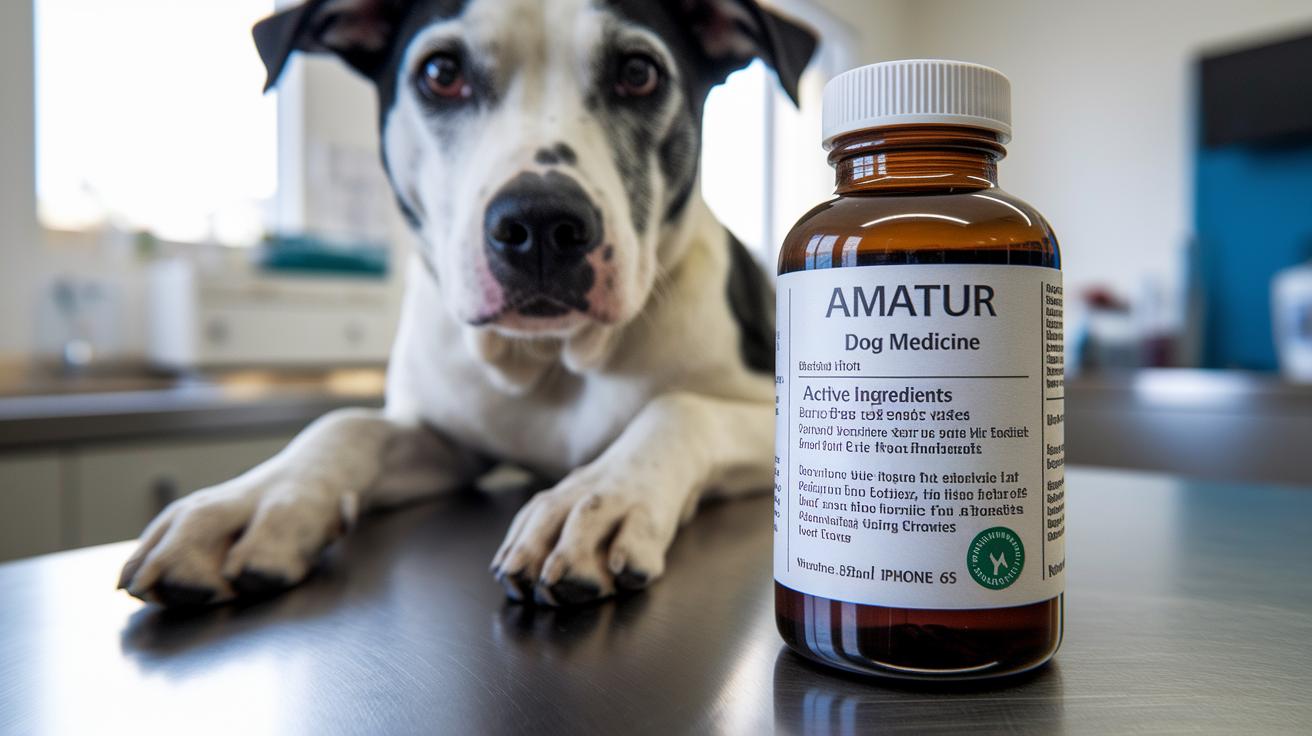
When picking supplements, start by checking the label. Look for a list of active ingredients and note if herbal extracts are made to a set strength (potency) and cleaned for purity. A third-party quality mark on the label is a good sign. It shows that the product is safe and consistent for your dog.

Choose products that are clinically tested and come from trusted makers. These formulas and blends have been backed by scientific research. Vet reviews and clinical trials show that they do what they promise. When a product is well-tested, you can feel sure you are giving your dog safe support for its kidney issues.

Talk with your vet to build a custom plan for your dog. They will help pick a supplement that fits your dog's age, size, overall health, and kidney disease stage. This personalized approach makes the support more effective and safe. Working with a trusted vet keeps your dog's overall care in balance.

Integrating Diet, Hydration, and Supplements for Dogs with Kidney Disease

img-7.jpg

When choosing food for your dog, pick meals that are low in phosphorus and salt but full of omega-3 fatty acids and quality proteins. These foods help take some of the stress off the kidneys while giving your dog the nutrients they need. Try changing the food slowly. Start by mixing a small amount of the new renal-support diet (about 25%) with the old food (75%) so your dog can get used to it.

Keeping your dog hydrated is key for kidney health. Always have fresh water available to help flush out toxins and support the kidneys. If your dog is not drinking enough, you might add a little broth without salt to encourage more sips. A cool drink can really help the kidneys do their job.

It is also important to mix in any supplements with your dog's food. Adding vet-approved supplements into meals makes it easier to help your dog get balanced nutrition. When you serve a renal diet with the right supplements, you turn every meal into an extra boost of care for your pet.

Final Words

In the action, we explored how targeted nutrients help enhance kidney function and overall well-being for our furry friends. We broke down key benefits like improved kidney function, reduced inflammation, and better hydration, all vital for dogs managing kidney challenges.

We also detailed proper dosing, safety tips, and how supplements for dogs with kidney disease can work hand in hand with a balanced diet and regular vet guidance. Every step is a small leap toward a healthier, happier pet life.

FAQ

What are some of the best kidney supplements for dogs?

The best kidney supplements for dogs combine omega-3 fatty acids, antioxidants, and herbal extracts. They boost kidney function, reduce inflammation, and support hydration for improved overall renal health.

How do natural and herbal supplements benefit dogs with kidney disease?

Natural and herbal supplements use ingredients like cranberry, dandelion, and nettle to ease oxidative stress and calm inflammation. They offer gentle support for dogs managing kidney disease.

How does AminAvast Kidney Support benefit dogs?

AminAvast Kidney Support is designed for dogs to lower oxidative stress and support kidney function. It provides a balanced blend of nutrients that help ease the workload on the kidneys.

How does Azodyl support dog kidneys?

Azodyl for dogs works by reducing toxin buildup that strains the kidneys. It uses targeted enzymes and probiotics to enhance the removal of waste, thereby supporting smoother kidney function.

What should I look for in kidney support dog food?

Kidney support dog food is typically low in phosphorus and sodium and enriched with omega-3s. It helps slow kidney decline and provides balanced nutrition while supporting hydration and overall kidney health.

What do dog owners on Reddit recommend for kidney support supplements?

Many Reddit dog owners recommend supplements featuring omega-3s, antioxidants, and herbal blends. They value products with clinical backing and positive user feedback for reliable kidney support.

What supplement is good for dog kidneys?

A good dog kidney supplement contains omega-3s, antioxidants, and herbs. This mix helps lower inflammation, ease oxidative stress, and support overall kidney function effectively.

What should I avoid giving my dog with kidney disease?

You should avoid foods high in phosphorus and non-prescribed vitamins, as well as toxic items like grapes, raisins, onions, or garlic. These can worsen kidney strain and cause adverse reactions.

How can I improve my dog’s kidney function?

You can improve kidney function by adding targeted supplements, offering a kidney-friendly diet, ensuring proper hydration, and following your veterinarian’s advice closely.

What is the life expectancy of a dog with kidney disease?

Life expectancy varies with disease stage and treatment quality. With proper care, many dogs live a good quality life for months or even years after a kidney disease diagnosis.

Diy Guinea Pig Cage: Affordable, Clever & Cozy

0

Ever wondered how to create a safe, cozy home for your guinea pig without spending a fortune? In this guide, we'll show you how to build an affordable, clever cage your little buddy will love. We explain each step in simple language and share smart tips to keep costs low. You'll learn to use everyday tools to set up a snug space where your pet can run, explore, and relax. After all, a happy home doesn't have to be expensive.

Plan Your DIY Guinea Pig Cage Layout

img-1.jpg

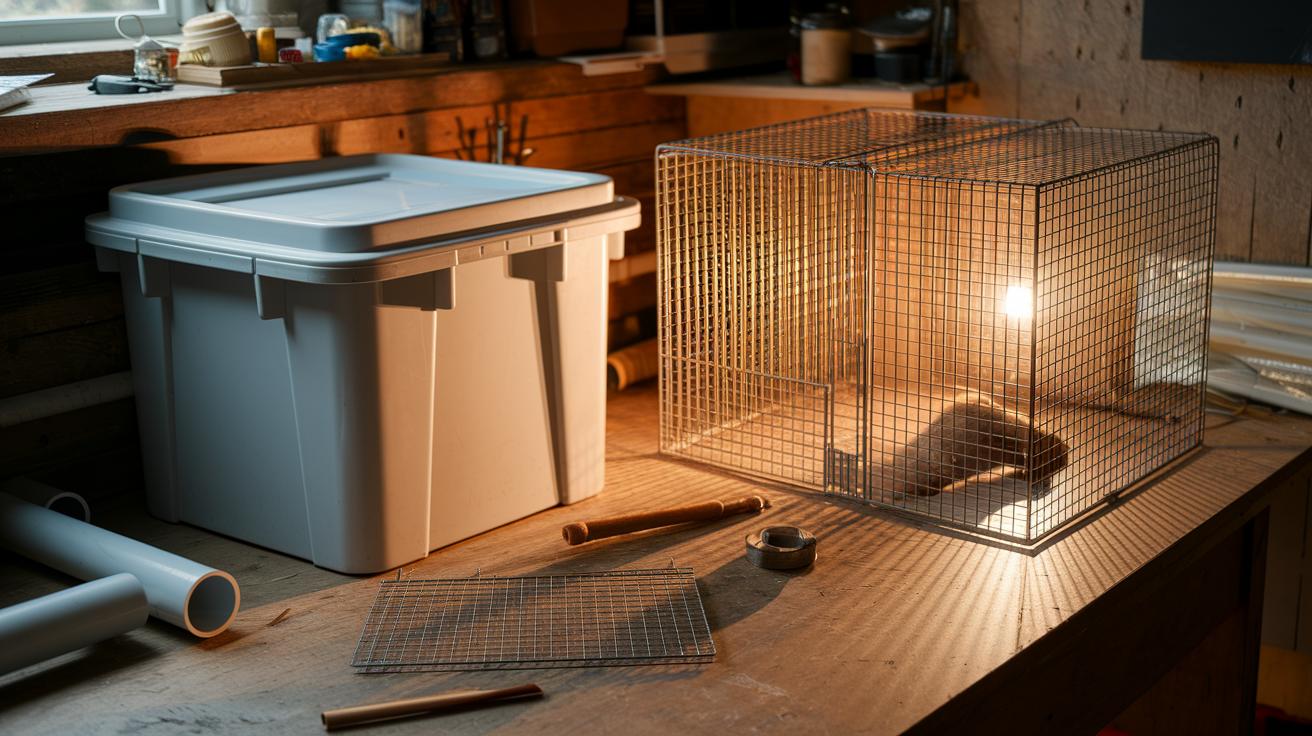
Good planning is key to building a safe, happy cage for your guinea pig. Every bit counts when you design a space where your little friend can run, explore, and relax. A well-planned cage gives your pet plenty of room to play and clear paths for safe movement. Think of it as crafting their own cozy home that keeps harm away while they scamper around.

The guide's creator started this project after adopting a guinea pig in 2016. They used a tall table from Habitat for Humanity to build a space that is both useful and snug. Using the minimum cage sizes mentioned here can really help your guinea pig enjoy their new home.

Next, we explain each step of the build. We list the materials you need and share simple directions to help you build a safe cage. You’ll also find ideas to make the space extra comfy and fun, along with safety tips and ways to add your own style. Plus, we share ways to keep the cage clean and inviting, making it a practical and enjoyable project for both you and your pet.

Essential Materials and Tools for Your DIY Guinea Pig Cage

img-2.jpg

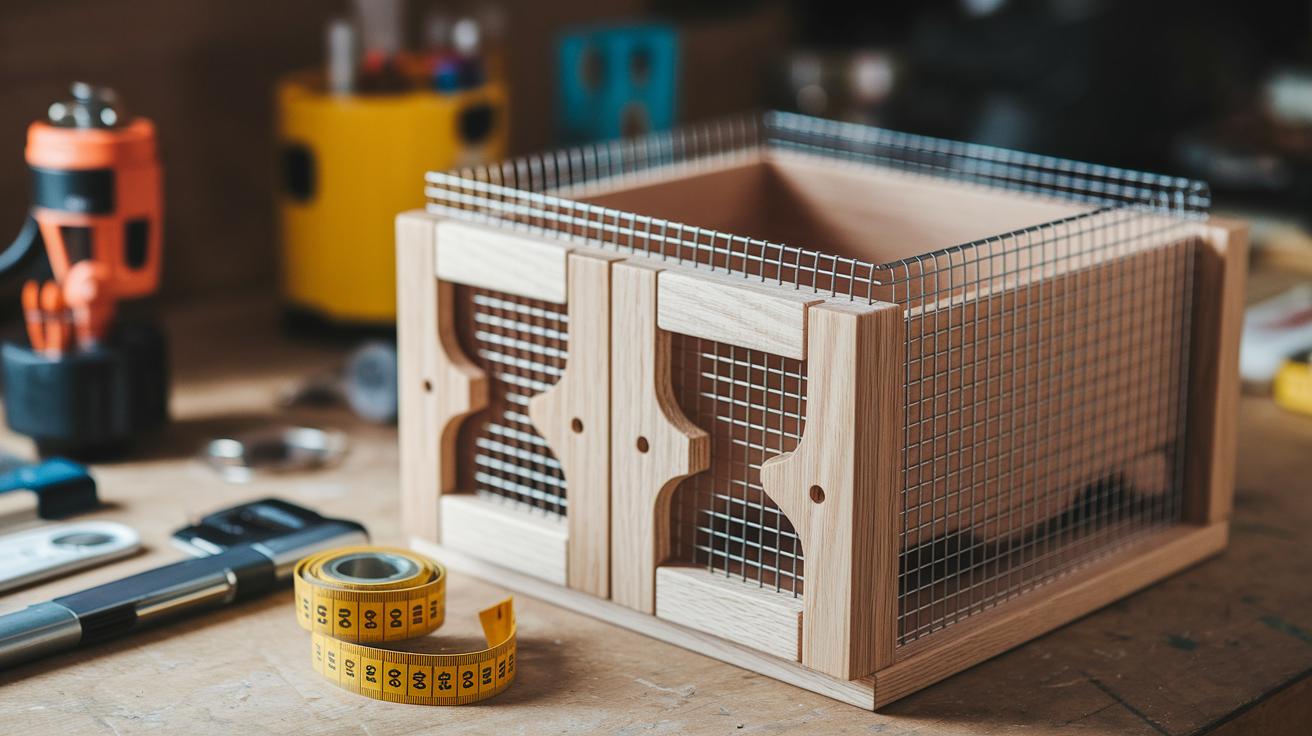
When you build a cage for your guinea pig, it's best to gather all your supplies first. We know you want a safe and cozy space, so using quality tools makes it easier and fun.

  • Coroplast sheet (24"x24") for a roomy feeding area
  • 2×4 liner board (2×4 inches) to make a solid base
  • Wood back panels cut to 86" wide by 16" high for sturdy walls
  • Zip ties (1-inch wide) to secure each joint
  • Large paper clips to hold small parts in place
  • Plexiglass panels (16 inches tall) to stop escapes
  • Plexiglass tracks with ½-inch deep channels for a snug fit
  • Bumpers (2-inch thick) to cushion corners and protect edges
  • Table saw with a guide for clean, safe cuts
  • Measuring tape (at least 25 feet) and safety glasses to keep you safe and sure of your measurements

Try checking local hardware stores or recycling centers to find these items. Using second-hand supplies can help save money and be more eco-friendly.

Step-By-Step Construction of Your DIY Guinea Pig Cage

img-3.jpg

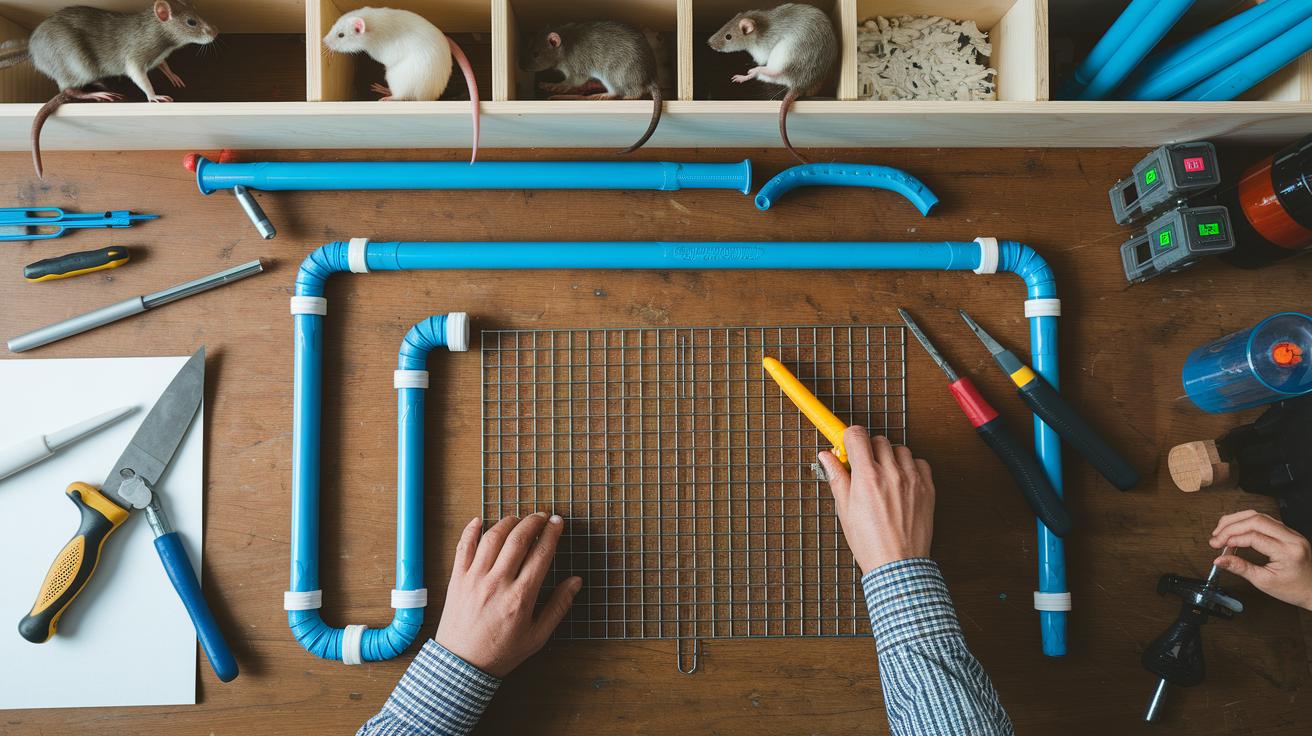
Building a safe, snug space for your guinea pig starts with careful assembly. We’re here to guide you step by step as you put together the frame, secure the panels, and create a stable base for play and rest. Take your time with measuring and cutting to keep everything just right.

  1. Connect the C&C grids to form a basic frame. Check each joint carefully by measuring twice before you secure them.
  2. Mark the Coroplast sheet at the halfway point where you need to score it. Use a straight edge to draw a neat line.
  3. Carefully score the sheet along your mark. Wear your safety glasses and gloves when you cut.
  4. Bend the scored Coroplast to form the walls of the base. Make sure the edges line up well to make sturdy walls.
  5. Fasten the wood back panels, which should be 86 inches wide by 16 inches high. Double-check these measurements with a tape measure before you attach them.
  6. Cut channels at least ½ inch deep for the bumpers and plexiglass tracks. This extra depth makes sure your plexiglass holds in place.
  7. Insert the 16-inch high plexiglass panels into the tracks. A gentle tap with a rubber mallet can help them fit snugly.
  8. Place the Coroplast feeding area on the cage floor and lay the 2×4 liner board evenly over it to complete the base. Check that everything is level and stable.

Before you finish, walk around and look over every joint and surface. Press lightly on different parts of the cage to be sure nothing wobbles or comes loose. This final check helps you know your guinea pig’s new home is secure and comfortable.

Safety and Design Customizations for Your DIY Guinea Pig Cage

img-4.jpg

When you plan your own guinea pig cage, safety and design go hand in hand. It's best to keep the cage indoors so your pet stays away from curious cats and other dangers. An indoor spot lets you set up secure features and comfy places. Add bumpers along the edges and use half-inch deep tracks for plexiglass panels to form a strong barrier that stops escapes. A 1 to 2 inch overhang in the front and a base deepened to 27 inches add extra stability, giving your guinea pig a safe, inviting home that looks neat.

Secure Features and Escape-Proofing

We suggest using sturdy locks, tough bumpers, and accurately cut half-inch deep tracks to close every opening. The bumpers cushion any bumps while the deep channels hold the plexiglass panels in place. This setup helps keep your pet safe and stops little paws from pushing the panels loose. It also helps to place the cage in a quiet corner away from busy areas. Check these secure parts often to make sure everything stays firm and safe.

Ramp and Layout Enhancements

Think about adding ramps and little platforms to encourage your guinea pig's activity. A simple ramp can connect different parts of the cage, while raised areas offer extra spots to relax. Use safe, chew-proof materials and add fun touches like tunnels or small hideaways. These simple ideas not only extend the play space but also keep cleaning and setting up easy.

Maintenance, Cleaning, and Care of Your DIY Guinea Pig Cage

img-5.jpg

Every day, take a few moments to clean your guinea pig’s home. Wipe the fleece liners to clear away loose hair and bits of food. Give the bedding a little shake to keep it light and help it absorb odors. These small actions help stop bacteria and keep your pet’s spot cozy and safe.

Each week, give the entire cage a thorough clean. Remove all the bedding and wipe down surfaces with a pet-safe cleaner. Replace full liners with new ones and check any nooks that might hide waste. This steady routine keeps the cage clean and makes deep cleans easier later on.

Over time, set aside time to inspect the cage for wear and tear on parts like plexiglass panels and ramps. Tighten any loose fittings and replace pieces that look worn out. These tips help avoid bigger repairs down the road. For more help, please check out our comprehensive pet care guide.

Final Words

In the action, we mapped out a plan that shows how accurate measurements and smart material choices create a safe, fun space. You learned about the design layout, careful construction steps, and practical upgrades to boost your guinea pigs' play and well-being.

We wrapped up with tips on easy cleaning and lasting care. This guide for your DIY guinea pig cage helps simplify your shopping and maintenance while making a positive impact on your pet's world. Enjoy the build and the smiles it brings!

FAQ

What is a C&C cage for guinea pigs?

The C&C cage is a modular design with connected compartments that offer exercise, hiding spots, and play areas for guinea pigs. It helps keep your pet both active and secure.

How can I build a DIY guinea pig cage using Ikea materials?

The DIY guinea pig cage using Ikea pieces repurposes furniture like shelves and panels. It creates a safe, stylish indoor habitat optimized for play and effortless cleaning.

How do I create a safe indoor guinea pig cage?

A safe indoor guinea pig cage is designed with pet-friendly materials and ample space for running. It keeps your pet secure from drafts or other critters and makes cleaning simple.

What are some DIY guinea pig cage plans involving woodworking?

DIY guinea pig cage plans with woodworking use safe wood panels and non-toxic finishes. They provide step-by-step instructions for cutting and assembling a sturdy, spacious habitat your pet will love.

How do I design a DIY guinea pig cage with a lid?

A DIY guinea pig cage with a lid includes a secure top to stop escapes while still allowing easy access for cleaning. The lid also offers extra safety and retains a comfortable environment.

What materials can I use to make a guinea pig cage?

You can use materials like wood panels, Coroplast sheets, zip ties, and plastic components to build a durable, custom guinea pig cage. These supplies ensure a secure and cost-effective pet habitat.

How do I make DIY guinea pig toys?

DIY guinea pig toys are crafted from safe, untreated items like fabric scraps, cardboard, or wood pieces. They encourage activity and mental stimulation while keeping your pet happily engaged.

Why shouldn’t guinea pigs have carrots?

Guinea pigs shouldn’t have too many carrots because their high sugar content can upset a guinea pig’s digestive system and lead to weight issues. Stick to leafy greens and vet-approved treats instead.

What is the leading cause of death in guinea pigs?

The leading cause of death in guinea pigs is respiratory infections. These often result from poor ventilation or drafts in their living space, so proper cage conditions are crucial for their health.

Is it illegal to own just one guinea pig?

It is not usually illegal to own a single guinea pig, but they thrive with a companion. Many experts recommend pairing them to ensure proper social interaction and well-being.

Thinning Shears For Dog Grooming: Bright, Sharp Cuts

0

Have you ever thought that one careful snip could make grooming much easier? Thinning shears help you make clear cuts that leave your dog's fur looking neat and feeling smooth. The right shears work with your dog's unique coat and fit your budget. In this post, we'll walk you through the top features to consider. This way, grooming becomes fun, easy, and safe for both you and your furry friend.

Choosing the Best Thinning Shears for Dog Grooming

img-1.jpg

When you choose thinning shears, start by thinking about your dog's coat. Does your buddy have curly hair, a thick double coat, or smooth short fur? Knowing this helps you pick a tool that makes neat, sharp cuts.

Good quality shears can also fit your budget. Sometimes you can even grab a deal like $45 off orders over $225. It’s a win-win: great tools that don’t break the bank.

Here are some key points to check:

  • Price range and savings opportunities
  • Blade material and tooth design
  • Handle style and comfort
  • Coat compatibility for your breed
  • Warranty and trust in the supplier

Find shears that mix quality with value. Look for tools that work well on different coats and feel good in your hand. A tool made from strong stainless steel or with smart tooth designs makes grooming easier and safer.

Remember, the right shears make grooming more fun. A careful choice can mean fewer snags, smoother cuts, and a happier experience for both you and your pet.

Key Features to Look for in Thinning Shears for Dog Grooming

img-2.jpg

When you pick out thinning shears, start with one that has top-notch blades. Many favorite models use 440C Japanese-steel convex blades. These blades give you smooth and precise cuts every time. This special steel means the shears stay sharp and last long, even with lots of use. And when you add a good quality shear oil, it helps keep the blades in top shape.

The design goes beyond the steel. You need a handle that feels good even during long grooming sessions. The tooth layout and tension adjuster let you fine-tune every snip so that you avoid snags and uneven cuts. Here are six benefits to look for:

  • Strong steel built for long-lasting use
  • Convex blade edge for smooth, even cuts
  • Tooth design that helps reduce snags
  • Adjustable tension for better control
  • Comfortable handle for long sessions
  • Professional-grade lubricant to keep the blades performing well

thinning shears for dog grooming: Bright, Sharp Cuts

img-3.jpg

Thinning shears come in many shapes that work well with different types of fur. You can choose from blending, classic, curved, or straight-edge shears to get a controlled cut for both light and thick coats.

Blending Thinning Shears

These shears make smooth fades and gentle transitions in your pet's coat. They work best on medium fur and help remove extra bulk without any harsh lines.

Classic Thinning Shears

Classic shears use a time-tested blade design for even clipping and texturing. They work well on many coat types, whether your pet has short or long fur.

Curved Thinning Shears

Curved shears, like the ones you can check out at curved scissors for dog grooming, are great for artistic cuts. They really shine on wavy or curly fur, enhancing natural movement while cutting down on clumps.

Straight-Edge Thinning Shears

Straight-edge shears give you a clean, even cut. They are perfect for pets with thick or double coats, letting you remove hair evenly for a bright, tidy look.

How to Use Thinning Shears for Dog Grooming: Techniques and Tips

img-4.jpg

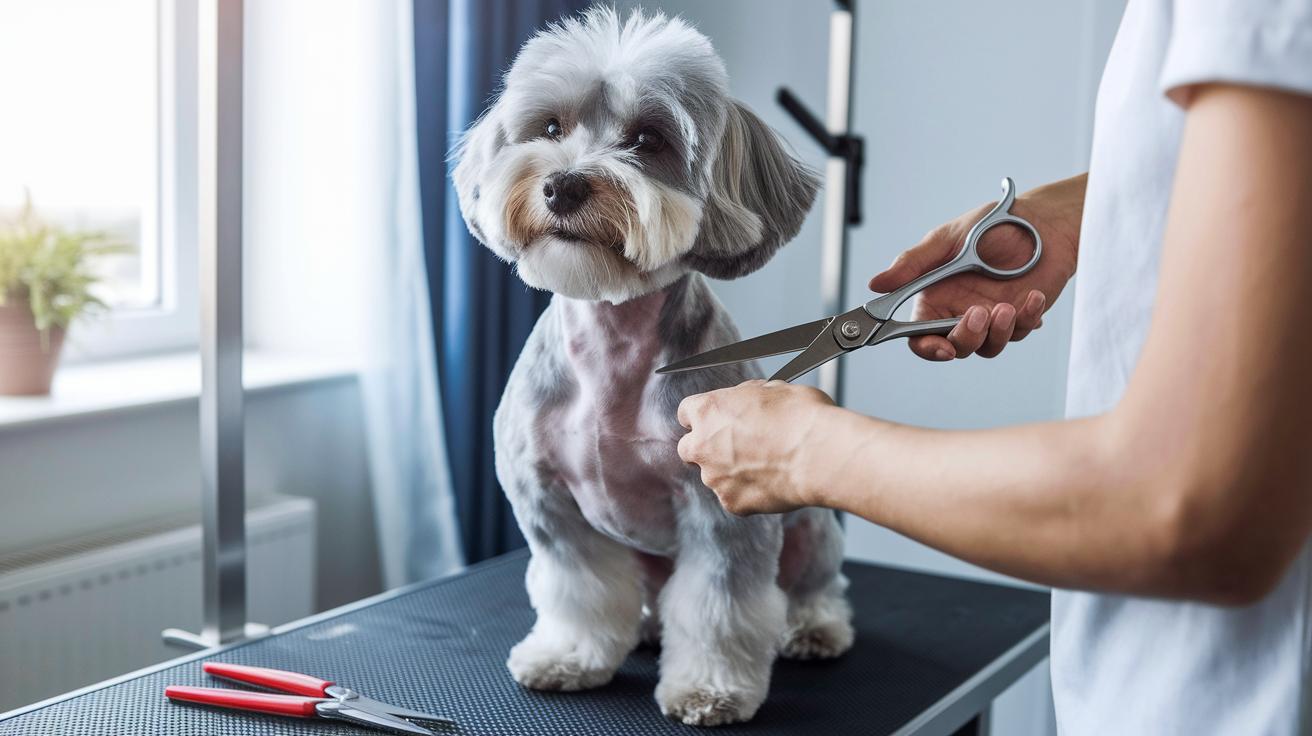
When grooming your dog, hold the thinning shears like you would a pair of scissors for paper. Keep your grip steady yet relaxed and make sure the tools feel comfy in your hand. Hold the shears at just the right angle so the blades cut through the fur gently. Your goal is to thin and blend the coat, not chop it all off. Work slowly with careful strokes to avoid taking off too much at once.

Next, focus on one small section of fur at a time. Use a comb to lift the coat and reveal any tangled or thick spots before you trim. Work with light, repeating strokes and adjust your angle and pressure to match the fur's texture. Check your progress as you go so that the finish stays even. If you are new to thinning shears, take extra time to follow the proper techniques from experienced groomers.

  • Comb a small, clean patch of fur to clearly see the area you want to thin.
  • Hold the shears with a steady, comfortable grip and line up the blades parallel to the fur.
  • Trim using short, light strokes to gently feather and blend the coat.
  • Adjust the angle as needed to follow the direction of the fur.
  • Pause frequently to check your work and ensure a balanced, smooth finish.

Maintaining and Caring for Thinning Shears for Dog Grooming

img-5.jpg

Taking care of your thinning shears is important for smooth and neat cuts. After each groom, use a soft cloth to wipe off hair and dirt. This daily cleaning stops buildup and keeps your blades sharp. A quick check on the tension helps make sure the blades cut evenly. We suggest using a good shear oil to keep the metal slick and make every snip easier.

Every week or month, give your shears some extra love. Remove any stubborn buildup and add a little more oil so they glide nicely. Check the screw adjustments and make sure the handle is secure for a comfortable grip during long grooming sessions. Here are some key tasks to remember:

  • Clean off hair and debris after every use
  • Oil the blades weekly with a quality shear oil
  • Adjust tension settings for even cutting
  • Line them up with a professional sharpening now and then and store them away from moisture

thinning shears for dog grooming: Bright, Sharp Cuts

img-6.jpg

If your dog loves a neat trim, these thinning shears make grooming simple and fun. We looked at three top models based on cost, blade material, number of teeth, and handle style. This guide helps you pick the right tool for your furry friend. Each pair has its own design and performance so there is an option for every grooming need and every budget.

Model Price Blade Material Tooth Count Best For
7″ Adalynn Rose Thinner Premium High-grade Stainless Steel Detailed design Precision trimming for refined looks
Classic Series Shear Mid-range 440C Japanese-steel convex blades Balanced tooth layout Even cuts on various coat types
Mid-Range Thinning Shear Budget-friendly Stainless Steel Blend Standard tooth count Everyday grooming tasks

Reviewers love these shears for their sharpness and ease-of-use. They say the premium Adalynn Rose Thinner works best for detailed trims. The Classic Series shears make even cuts with their smooth, convex blades. And if you are watching your budget, the mid-range option offers quality for everyday grooming. Also, don't miss the special deal: save $45 when you spend over $225.

Final Words

In the action, this guide helped you sort through choosing thinning shears. We explored key features, techniques, and tips for caring and maintaining your grooming tools.

We walked through practical steps for selecting the right model for different coat types and highlighted smart savings.

Your toolkit now includes the essentials to keep your pet looking great with thinning shears for dog grooming. Keep trying and enjoy the ease that comes with convenient, trusted care.

FAQ

What are the best thinning shears for dog grooming?

The best thinning shears for dog grooming stand out due to precision blades, comfortable handles, and durability. They work well for both professional groomers and pet parents handling home grooming.

How do thinning shears work for dog grooming?

Thinning shears work by removing bulk from a dog’s coat. They help achieve a natural look when used with a firm grip, the right angle, and gentle strokes to avoid over-thinning.

Where can I buy reliable thinning shears for dog grooming?

Reliable thinning shears are available on trusted online retailers like Amazon. Look for models with positive reviews and check for promotions, such as $45 off orders over $225, to get the best value.

What are curved thinning shears and when should they be used?

Curved thinning shears have rounded blades that fit a dog’s body curves. They are ideal for blending and smoothing around curved surfaces to ensure natural-looking cuts.

How do blending shears differ from thinning shears for dogs?

Blending shears have shorter teeth for gradual transitions, while thinning shears remove more bulk quickly. Both are useful for softening harsh lines in a dog’s coat but serve slightly different texturizing roles.

When should you use or avoid thinning shears on dogs?

Thinning shears are best used for blending, reducing bulk, or texturizing a coat. However, avoid them on matted or very fine hair to prevent irritation or uneven cuts.

Can human thinning shears be used on dogs?

Human thinning shears can work in a pinch but often lack the design features for safe pet grooming. Dog-specific shears offer blades and ergonomics tailored to the needs of a pet’s coat.

Does using a #7 or #10 blade result in a shorter cut on a dog’s coat?

Using a #7 or #10 blade typically results in a shorter, more precise cut. The blade size determines the tooth length and spacing, which influences how much hair is removed during grooming.

Benefits Of Grain Free Dog Food: Boost Health

0

Have you noticed your dog's tummy acting up after meals? Switching to grain-free food might be just what your pet needs. This meal plan replaces wheat, corn, and rice with quality proteins and healthy carbs like sweet potatoes and peas. Many pet parents see less scratching and more steady energy after switching. In this post, we show you how grain-free meals can help your furry friend feel happier and healthier.

Key Benefits of Grain-Free Dog Food

img-1.jpg

Grain-free dog food skips wheat, corn, and rice. Instead, it uses high-quality proteins like chicken, salmon, or beef and good carbs like sweet potatoes and peas. This mix helps your dog's tummy feel comfortable and supports easy digestion.

Switching to grain-free meals may help with allergies. Many pet parents notice fewer signs of itchy skin and ear problems. Adding fruits and veggies such as blueberries and sweet potatoes gives your pet extra vitamins and antioxidants to boost their natural defenses.

Grain-free food keeps your pet full of steady energy. By focusing on quality proteins and wholesome carbs, these meals help maintain lean muscle and a balanced diet. You may see your dog looking healthier and more energetic day by day.

  • Improved digestion: Easy-to-digest carbs and fiber help keep your pet's tummy happy.
  • Allergy management: Removing grains can reduce triggers for itchy skin and ear issues.
  • Coat and skin health: The right ingredients and omega fatty acids can make coats shinier and skin healthier.
  • Energy levels: High-quality proteins and smart carb choices give steady energy without sugar spikes.
  • Balanced nutrition: A mix of proteins, fats, and vitamins helps your pet stay strong and well-fed.

Up next, we explore each benefit in more detail, from keeping your pet's tummy happy to boosting their energy and overall health.

Improved Digestive Health with Grain-Free Dog Food

img-2.jpg

Grain-free dog food swaps out common grains for easy-to-digest carbs like sweet potatoes and lentils. It has extra fiber that helps ease bloating and keeps your dog's tummy happy. This recipe is made to support a balanced gut so every meal helps with smooth digestion. Many recipes even add the BC30 probiotic strain (click the link to learn more) to boost the good gut bacteria. By using a mix of healthy carbs, grain-free diets often lead to firmer stools and less gas. With natural and wholesome ingredients, these foods help your dog feel comfortable and keep digestion on track.

  1. Soothes bloating with fiber-rich carbs.
  2. Helps keep bowel movements regular and comfy.
  3. Supports firmer stools through balanced nutrient absorption.
  4. Boosts gut health with BC30 probiotic strains.

All these benefits come from recipes that meet AAFCO standards. That means every formula is balanced and filled with the nutrients your dog needs. Following these guidelines helps keep your dog’s digestion healthy and improves overall well-being with every meal.

Managing Allergies and Sensitivities with Grain-Free Diets

img-3.jpg

Many pet parents have seen that grains like wheat, corn, and rice can sometimes make dogs feel itchy or upset. True grain allergies are not common, but many sensitive pups seem to do better when they eat grain-free food.

Here are some signs to look for:

  • Itchy skin
  • Ear infections
  • Hives
  • Upset tummy
  • Gas

Grain-free diets often include new proteins like salmon and turkey. These proteins are less likely to cause reactions than the ones you might normally feed your pet. By cutting out grains and gluten, you can help lower the chances of skin irritations and stomach troubles.

Many pet parents tell us that their dogs seem calmer and show fewer allergy symptoms after switching. This approach not only cuts out possible irritants but also gives your dog a balanced meal with quality ingredients to keep them healthy and happy from the inside out.

Enhanced Skin and Coat Quality from Grain-Free Formulas

img-4.jpg

Many pet parents have seen that foods filled with grains and low-quality fillers can make your dog's skin itch, flake, and look dull. When you feed your dog food that doesn't give them the right nutrients, it can lead to skin irritations and a coat that lacks life. Grain-free formulas swap out those fillers for high-quality proteins and healthy fats that your dog truly needs.

  • Less dandruff thanks to nutrient-rich ingredients.
  • A shinier coat with omega-3 and omega-6 fats.
  • A healthier skin barrier because of better ingredients.

Grain-free recipes shine with star ingredients like salmon and flaxseed, which bring in natural fatty acids to help support a shiny coat and strong skin. When we add superfoods like sweet potatoes and blueberries, the antioxidants work to repair skin cells. This thoughtful mix not only soothes skin irritations but also gives your dog's coat a vibrant, healthy look.

Balanced Nutrition, Weight Control, and Energy Levels with Grain-Free Dog Food

img-5.jpg

Grain-free dog food gives your dog balanced fuel. It’s made with the right mix of protein and carbs to help keep muscles lean and boost overall health. We use good proteins like chicken, salmon, or beef paired with healthy carbs such as sweet potatoes and peas. This blend helps your dog feel full longer and keeps energy levels steady without the bounce of low-quality ingredients.

  • Supports strong muscles with key proteins.
  • Helps your dog feel full so they eat less.
  • Keeps energy levels steady with wholesome carbs.
  • Aids in weight control with balanced calories.

It’s important to keep an eye on calorie intake when choosing a grain-free diet. Meals built to meet AAFCO standards are crafted to give complete and balanced nutrition. That means your dog gets just the right amount of energy and nutrients to avoid overeating. By adjusting portion sizes as needed, you can help ensure your pet stays healthy and energetic every day.

Nutritional Value and Ingredient Insights in Grain-Free Dog Meals

img-6.jpg

Grain-free meals for your dog use only the best ingredients to keep them happy and healthy. We mix high-quality animal proteins like chicken, beef, or fish with hearty carbs such as sweet potatoes, peas, and lentils. Added fruits and veggies, like blueberries and spinach, bring in vitamins and antioxidants to help boost your dog’s immune system.

This blend helps build muscle, supports overall energy, and keeps your pet feeling vibrant. Plus, with fewer fillers and no artificial additives, you know your dog is getting a meal made with care.
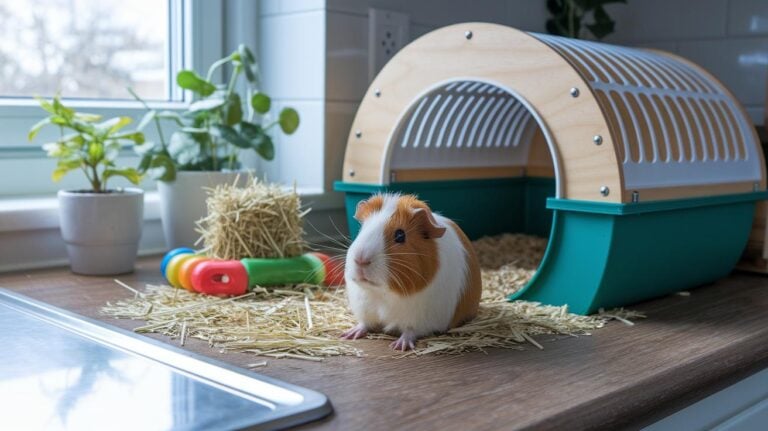
Ingredient Nutrient Benefit Source Example
Chicken Protein for strong muscles Animal protein
Sweet Potatoes Carbs and fiber for energy and digestion Alternative carbohydrate
Blueberries Antioxidants for immune support Fruit
Lentils Fiber and protein for balanced meals Legume

We believe in using simple, clean ingredients so your dog can enjoy every bite. The well-chosen proteins and carbs work together to keep them strong, full of energy, and ready for any adventure.

Veterinary Perspectives and Scientific Research on Grain-Free Diets

img-7.jpg

Vets often suggest grain-free diets for dogs that show signs of food sensitivities. Some pups dealing with upset stomachs, itchy skin, or mild allergies might enjoy meals that skip common grains and still follow AAFCO nutrition rules. We know that a balanced diet is key. That means choosing foods with good protein, healthy carbs, and added goodies like probiotics to support your dog's overall health.

Recent studies back up what many vets say. Here are some simple points from the research:

  • When grain-free meals are well balanced, there is no proven link to dilated cardiomyopathy.
  • A balanced diet with probiotics can help keep your pet's digestive system happy.

One study by the FDA in 2018 looked at diets high in legumes and raised questions about heart health, but no clear connection was found. Researchers also note that probiotics, such as BC30™, support a strong gut and a healthy immune system.

If you are thinking about switching your dog to a grain-free diet, talk with your vet first. Every pet is different. Working together, you can create a meal plan that gives your dog the right mix of calories, proteins, carbs, and special extras for a healthier life.

Transitioning Your Dog Safely to a Grain-Free Diet

img-8.jpg

Switching to grain-free food takes time so your dog's tummy stays happy. A slow change helps stop digestive issues and lets your pet get used to the new ingredients. Mixing a bit of the new food with the old can really help.

Follow these steps:

  1. For the first 2-3 days, mix 25% grain-free food with 75% of the current food.
  2. Over the next 2-3 days, mix 50% grain-free food with 50% old food.
  3. Then, for another 2-3 days, blend 75% grain-free with 25% current food and keep an eye on your dog's energy and stool.
  4. After 7-10 days, if everything looks good, switch to 100% grain-free food.

Always check in with your vet during this change. They can help with the right portion sizes and make sure your pet stays healthy.

Final Words

In the action, we've seen how choosing grain free dog food can boost digestion, ease allergy symptoms, and improve skin and coat health while keeping energy levels up. You learned how balanced nutrition, vet-backed insights, and a gradual transition make all the difference. Every good decision you make for your pet adds to a healthier lifestyle and supports a deeper impact. Remember, the benefits of grain free dog food bring real, positive change, one bowl at a time.

FAQ

What is grain-free dog food?

The term “grain-free dog food” refers to meals made without common grains like wheat, corn, or rice. Instead of grains, these diets feature alternative carbohydrates like sweet potatoes and peas paired with high-quality proteins.

What benefits does grain-free dog food have?

The benefits of grain-free dog food include improved digestion, reduced allergic reactions, healthier skin and coat, steady energy levels, and better weight management by using superior ingredients.

Do vets recommend grain-free dog food?

Vets often recommend grain-free dog food for dogs with allergies or sensitivities. They stress the importance of choosing formulas that meet complete AAFCO profiles and advise consulting a vet for personalized guidance.

What are the pros and cons of grain-free dog food?

Grain-free diets offer pros like easier digestion and effective allergy management. However, some formulas may miss nutritional balance if not well-formulated, so careful selection and gradual transition are essential.

Are there any myths or warnings about grain-free dog food?

The idea that grain-free dog food is a miracle cure is a myth. Warnings often note that poorly balanced grain-free diets may lack essential nutrients, so it’s important to check ingredient quality and vet advice.

Does grain-free dog food cause heart problems?

The notion that grain-free dog food causes heart problems has not been proven. Research indicates that diets meeting balanced AAFCO standards and using proper ingredients do not show a direct link to heart issues.

Are grains beneficial in dog food?

Grains can be beneficial as they provide fiber, vitamins, and energy. When included in balanced formulas, many dogs digest grains well, supporting overall health without triggering sensitivities.

Is it better to get grain-free dog food?

Grain-free dog food may be a better option for dogs with grain allergies or sensitivities. However, the ideal choice depends on your pet’s unique needs, so it’s best to discuss options with your vet.

Border Collie Training: Spark Positive Progress

0

Ever wonder if your Border Collie is all set to shine? Training is more than just teaching commands. It builds trust and sparks progress that lasts.

Starting with simple steps like sit and come makes a big difference. You form good habits and create a bond with each treat and kind word.

This guide walks you through the basics to set a strong stage for positive change. Ready to join your clever Border Collie on a fun, focused training adventure? Let's get started.

Border Collie Training Fundamentals: A Quick-Start Guide

img-1.jpg

At around 12 weeks old, your Border Collie is ready for formal training. This is a great time for you to join in. Start with basic commands like sit, come, and lie down. For example, say, "When you hear 'sit,' sit down before entering or leaving the house." Remember, training is a journey. It takes consistent time, patience, and love from both you and your pup.

Tools and timing are very important. Use rewards like treats, praise, and play to encourage your dog. Many pet parents love to use dog training treats when their dog gets a command right. Other useful tools are:

  • Tennis balls for fun play
  • A clicker or whistle for clear signals
  • A crate to give your pup a safe space (crate training a puppy)

Start leash training around 10 weeks with short sessions of 5-10 minutes after playtime. This helps manage energy and keeps your dog focused. Each training session builds good habits and a stronger bond with your furry friend.

Structuring Obedience Command Basics for Border Collies

img-2.jpg

Start with simple commands like "sit." Ask your Border Collie to sit before you go in or out. This small step builds mutual respect and sets a calm tone. The "come" command is just as important. It should work every time, even with a few distractions, just like when Tess came running back after a deer startled her.

Next, work on leash manners early. Try short training sessions around 10 weeks old with lots of praise and treats. When your pup is about 4 months old, begin recall training. Start in a quiet space and slowly add distractions as your dog learns. These simple, steady steps help make training fun and effective.

Here are a few steps to follow:

Step Description
1 Pick a quiet spot with no distractions.
2 Use treats and kind words to reward a good recall.
3 Slowly increase the distance as your dog gets better.
4 Add light distractions once your dog reliably responds.
5 End each session on a happy note.

Good leash manners and a strong recall make daily walks smoother. A short, focused training session helps your Border Collie stay alert in busy places. By keeping a regular routine and rewarding progress, you help your pet become a respectful and loving companion.

Leveraging Herding Instincts in Border Collie Puppy Development

img-3.jpg

Border Collies come from a long line of herders, so they have a natural urge to round things up. This instinct can sometimes lead to nipping or chasing if it isn’t guided the right way. We suggest using fun drills and agility games to help your pup use that energy. With games like jump-and-weave or a playful fetch, your dog burns energy while building focus and discipline.

Drill Equipment Needed Target Skill
Jump-and-Weave Hurdles, Cones Agility and Coordination
Frisbee Fetch Frisbee, Open Field Focus and Tracking
Flyball Sprint Flyball Set, Timer Speed and Discipline

By adding these drills into your routine, you help turn natural herding instincts into a positive force. Structured play builds good habits while deepening the bond between you and your pup. Regular practice shows your furry friend the difference between gentle herding and unwanted nipping. Over time, these fun sessions become special moments of learning and connection for both of you.

Mental Stimulation and Behavior Management for Border Collie Training

img-4.jpg

High-energy Border Collies need both physical exercise and brain work. Puzzle toys, fun games, and dog sports are a great way to keep their minds busy. A food puzzle that releases treats can turn playtime into learning time. Regular brain challenges help keep boredom at bay and even stop little mischiefs. They let your pup work on problems while building self-control and focus.

Social time is just as important. Letting your Border Collie meet new people, other pets, and visit new spots builds confidence and softens reactive nipping. A quiet corner or a crate can be a safe retreat when things get too hectic. A calm and steady owner shows your dog that staying relaxed is safe. Small, steady steps like these add up over time and help channel your pup's energy in a positive way.

Advanced Border Collie Training: Beyond Basic Obedience

img-5.jpg

Once your Border Collie masters basic commands and routines, many pet parents look for ways to take training further. Advanced classes in herding, agility, and tracking let your pup use its natural gifts while channeling that energy into focused work.

A whistle or clicker can be a clear cue from afar. For instance, set up a drill in an open field where your dog responds to a gentle whistle. This builds confidence in long-range obedience and deepens its understanding of your voice and signals.

As your Border Collie becomes more responsive, try mixing in advanced command sequences and agility drills. Exercises like jumping and weaving boost both precision and speed, which are great for competitive events. You can add obstacles that challenge your dog to perform quick commands while moving through a tricky course. These drills sharpen physical skills and help your dog link each command to a specific action. Expert workshops give you hands-on advice and simple, step-by-step techniques that add both discipline and fun to training sessions.

If you are aiming for competitions, field trial practice and certification tips are key. Regular practice with friendly feedback helps pinpoint areas to improve. Set up mock trials to mimic real events and build your dog's stamina and focus under pressure. Many pet parents also join membership services that offer tutorial libraries and live Q&A sessions for ongoing support. These advanced techniques build on your effort and love for training, paving the way for impressive field performances.

Creating a Structured Training Schedule for Border Collie Development

img-6.jpg

Start by creating a plan that works with your Border Collie's lively nature. Keep training sessions short, about 5 to 10 minutes, right after a walk or playtime. In the first week, focus on house training, establishing a sleep routine, and slowly introducing alone time. For example, after a quick walk, spend a few minutes showing your pup the right spot to rest. This helps set a positive daily routine.

From week 2 to week 8, add new commands and practice on the leash along with some social time. Break the training into clear steps: first, work on basic commands, then practice staying calm while on walks, and finally, introduce brief outings with new people. Balancing exercise with rest keeps your dog engaged without feeling overwhelmed. A well-planned schedule builds skills step by step, letting your Border Collie switch between bursts of energy and calm focus.

Leveraging Digital Canine Courses and Professional Guidance for Border Collie Training

img-7.jpg

Digital training courses let you learn at your own pace with many fun videos and live Q&A sessions. You can subscribe for around $3.33 a month and get access to a library of skills, progress tracking, and special support made just for border collie training. These online lessons work great with your in-home sessions and fit busy pet parents perfectly. You might even watch a quick video tutorial during a walk and try a new command right away during play.

Virtual workshops bring hands-on advice into your routine. Live sessions and free digital courses share expert tips that boost your confidence as a pet parent. They mix modern online lessons with local, in-person coaching. Look for dog coaching with a solid reputation for clear instructions and positive reinforcement that matches your border collie’s spirited energy and smarts.

Here are a few tips to balance free and paid resources:

  • Blend free online tools with trusted local sessions.
  • In-home dog courses offer a comfy space to learn.
  • Online platforms add advanced techniques to your toolkit.

This mix of digital and on-site coaching helps you and your pup learn together. Regular sessions, both online and in-person, keep training fun and build a strong bond between you and your border collie.

Final Words

In the action, we covered the essentials to build a solid training plan, from basic commands and leash manners to guiding herding instincts and boosting mental stimulation. We shared step-by-step techniques and digital resources to support your journey. With clear timing and positive reinforcement, each tip is designed to enhance border collie training and help your pup thrive. Every step builds confidence and brings you closer together. Enjoy the moments and celebrate the progress along the way.

FAQ

Border Collie training near me

When you search for Border Collie training near you, you’re looking for local classes and trainers who offer in-person sessions tailored to your dog’s energy and learning style. Check local pet centers and community boards.

Border Collie training schedule

When you ask about a Border Collie training schedule, it means using short, focused sessions—typically 5–10 minutes after exercise—with regular practice to build commands step by step while keeping your dog engaged.

Border Collie training at home

When you mention Border Collie training at home, you’re referring to using your living space for structured lessons. Incorporate fun games, treats, and clear commands to build solid obedience daily.

Free Border Collie training

When you look for free Border Collie training, you’re seeking cost-free resources like online videos, articles, and community groups. These can offer useful tips and techniques, ideal for new pet parents exploring training methods.

Border Collie training for beginners

When you ask about Border Collie training for beginners, you’re starting with basic commands like “sit” and “come.” Utilizing treats, praise, and a steady routine helps create a strong training foundation.

Border Collie training videos

When you search for Border Collie training videos, you’re looking for visual guides that show step-by-step techniques. These videos offer clear demonstrations to help you effectively teach and reinforce commands.

Border Collie training book

When you ask for a Border Collie training book, you’re seeking a resource that explains training techniques simply. A useful book will provide step-by-step instructions, real-life examples, and tips from experienced trainers.

How to train a Border Collie to come when called

When you ask how to train a Border Collie to come when called, start by practicing in a quiet space with short distances. Use treats, praise, and gradually introduce distractions to build a reliable recall.

Are Border Collies easy to train?

When you wonder if Border Collies are easy to train, know that they’re smart and eager to please. Their high energy means they learn quickly with mental stimulation and consistent, positive guidance.

What not to do with Border Collies?

When you ask what not to do with Border Collies, avoid harsh corrections, inconsistent commands, and pushing them too hard. Instead, use gentle, positive reinforcement to help them thrive and learn effectively.

How many commands can a Border Collie learn?

When you ask how many commands a Border Collie can learn, understand that these clever dogs can master dozens of commands when training is consistent and fun, constantly challenging their natural intelligence.

What’s the hardest breed of dog to train?

When you ask which breed is the hardest to train, it often depends on individual temperament, though some breeds may be more stubborn. Training success relies on patience, consistency, and understanding your dog’s unique needs.

How do Border Collies compare to breeds like Australian Shepherd, Golden Retriever, Belgian Shepherd, Labrador Retriever, and German Shepherd?

When comparing Border Collies with Australian Shepherds, Golden Retrievers, Belgian Shepherds, Labrador Retrievers, and German Shepherds, each breed has its strengths and challenges. Training methods differ based on energy, intelligence, and natural instincts, so choose the approach that suits your dog best.

Best Joint Supplement For Dogs: Enhance Mobility Naturally

0

Have you ever wondered if natural ingredients can help ease your dog's stiff joints? We all want our furry friends to run, jump, and play without limits.

In this post, we look at the best joint supplements for dogs. We focus on products that are vet-approved (checked by animal doctors) and made with clear, proven ingredients. These supplements work to reduce inflammation (swelling) and support cartilage. They can help your pet move more easily and comfortably.

Stay with us as we share expert picks and real-life benefits. Our goal is to help your pet enjoy more wagging tails and playful days.

Top-Rated Joint Supplements for Dogs: Expert Picks & Reviews

img-1.jpg

Choosing a joint supplement that your vet approves is smart. It means pet experts have checked the formula for safety and how well it works. When you pick a supplement with clear, proven ingredients, you help your dog ease stiffness and stay active. A vet-approved supplement fits right into your pet's care routine and can really boost their daily play and comfort.

  • Turmeric & Curcumin Soft Chews help cut down inflammation while keeping digestion, skin, coat, and heart health in check.
  • Collagen Chews support strong joints, spine, and discs so your dog can move around easily.

You might see better mobility in about 4 to 6 weeks with regular use. Always chat with your veterinarian to be sure the supplement works well with your dog's needs and other treatments. For more tips on keeping your dog healthy, check out our comprehensive pet care guide (link provided).

Key Ingredients in an Effective Joint Supplement for Dogs

img-2.jpg

When you pick a joint supplement for your dog, you want ingredients that work together to support joint health and smooth movement. Each part plays a clear role, from keeping joints lubricated to easing inflammation. These natural ingredients help keep joints cushioned, flexible, and comfortable. This blend works much like your dog's own body, helping them move freely and feel better every day. Check out the key ingredients below:

  • Glucosamine: Helps smooth out joints and rebuild cartilage.
  • Chondroitin Sulfate: Acts as a cushion to boost flexibility and reduce everyday wear.
  • MSM (Methylsulfonylmethane): Offers anti-inflammatory support to ease swelling and discomfort.
  • Omega-3 Fatty Acids (EPA & DHA): Sourced from fish oil, these fats help fight inflammation and support a healthy skin, coat, and heart.
  • Hyaluronic Acid: Works as a natural lubricant that makes motion smoother and lowers friction.
  • Turmeric (Curcumin): Provides strong anti-inflammatory and antioxidant benefits to protect joint tissues.
  • Green-Lipped Mussel: Delivers a natural mix of glucosamine, chondroitin, and omega-3s for gentle, long-term joint care.

A part of every purchase helps local rescues.

How to Choose the Best Joint Supplement for Your Dog

img-3.jpg

First, make sure the supplement is approved by your vet. They know your dog's history best and can help you pick one that meets your pet's needs. A vet-approved formula means every ingredient is chosen for safety and results.

Next, check the label for clear dosing instructions. It should say how much to give based on your dog's weight and age. Clear directions help you dose safely without any guesswork.

Also, look for quality marks like NASC or GMP. These marks show that the product is made under strict guidelines and has been tested for consistency. This means you can trust what you're giving your dog.

Finally, think about the product type and how easy it is for your pet to take. Whether it comes as a chewable treat, powder, or liquid, it should match your dog's taste. A supplement that your dog enjoys is key for keeping their joints healthy over time.

Dosage and Timing for Optimal Joint Support in Dogs

img-4.jpg

Keeping your pet on a steady daily routine is key for healthy joints. We usually recommend giving the supplement once or twice a day based on your dog's weight. This way, your small, medium, and large pups all get just what they need. Sticking to the dose helps make sure your dog isn’t getting too little or too much.

Different life stages need different care. Puppies, active dogs, and seniors each have their own requirements. Bigger dogs might need a bit more support every day. Many pet parents see improvements in movement and comfort within 4 to 6 weeks of regular use. We suggest checking with your veterinarian to set up the best plan for your fur baby.

Safety, Side Effects, and Veterinary Insights on Canine Joint Supplements

img-5.jpg

When you add a joint supplement to your dog's routine, safety is the top priority. Most formulas work well when you follow the instructions. Each ingredient is chosen based on trustworthy research. Still, a few natural ingredients may lead to a small tummy upset in some pups. Some pet parents notice a slight change in appetite or a bit of stomach trouble early on.

Certain ingredients like turmeric and MSM can make sensitive dogs have diarrhea, vomit, or even an allergic reaction. We suggest you watch your dog closely during the first two to three weeks of using a new supplement. If you see any signs of discomfort or odd behavior, talk to your veterinarian right away. A little extra care early can help keep your pet safe and comfy.

Remember, joint supplements are meant to work with your regular veterinary care. They are not a replacement for any prescribed medicine. Your veterinarian can help you pick the best supplement for your dog's joint health. Many pet parents find that using these products improves mobility and makes daily life a bit more joyful for their furry friend.

Mythbusting and FAQs About Joint Supplements for Dogs

img-6.jpg

How long until I see improvement?
Many pet parents start to notice changes in about 4 to 6 weeks. Check the Dosage and Timing section for more details. Your dog's age and breed can also affect results.

Are supplements safe for all dog breeds?
Most joint supplements are safe for most dogs. However, some dogs with special needs may need a custom plan. If you're unsure, ask your veterinarian for advice that suits your dog.

Can supplements replace prescribed medication?
Joint supplements are designed to support your dog's joint health but should not replace any prescribed medications. They work best when used alongside your vet’s long-term care plan.

Does fish oil help my dog’s joints?
Fish oil provides benefits by easing inflammation and helping keep your dog's coat healthy. For more info, see the Key Ingredients section. You might need to adjust the dose if your dog is very active.

Do dog joint supplements actually work?
When used consistently over time, many pet parents see improved mobility in their dogs. Some older dogs or specific breeds might need a special dosing plan to see the best results.

Final Words

In the action, we explored trusted joint supplements with expert reviews and vet-backed guidance. We walked through key ingredients, safe dosages, and common concerns so you can easily choose what’s best for your furry friend.

We broke down the science, practical tips, and safety checks with clear, bite-sized details. With careful consistency and expert advice, you'll spot improvements in 4–6 weeks and find the best joint supplement for dogs that fits your routine. Enjoy healthy, happy pets and feel good knowing your choice supports rescues.

FAQ

What is the best vet recommended joint supplement for dogs?

The best vet recommended joint supplement relies on high-quality ingredients like glucosamine and chondroitin, clear dosing, and proper certifications. Vets stress choosing formulas proven to boost mobility and ease discomfort.

What is the #1 joint supplement for dogs?

The #1 joint supplement for dogs typically features clinically backed ingredients that promote joint health. Many pet parents favor products with added anti-inflammatory support and clear vet approval.

Do any joint supplements really work for dogs?

Joint supplements work by supporting cartilage, reducing inflammation, and easing discomfort. With consistent use for 4–6 weeks and guidance from a vet, many pet parents see meaningful improvements in mobility.

Is Dasuquin better than Cosequin?

Dasuquin may offer enhanced joint protection with extra ingredients, while Cosequin focuses on essential joint support. Your veterinarian can help determine which formula best suits your dog’s needs.

What joint supplement is best for dogs with arthritis?

For dogs with arthritis, supplements rich in glucosamine and chondroitin can ease pain and improve mobility. Products that target inflammation often provide extra relief when used consistently.

Which joint supplement is best for dogs with hip dysplasia?

For dogs with hip dysplasia, choose supplements that support cartilage and reduce inflammation. Ingredients like glucosamine and omega-3 fatty acids often offer extra hip support when paired with veterinary advice.

What is the best natural joint supplement for dogs?

The best natural joint supplement features plant-based or whole-food ingredients such as turmeric or green-lipped mussel. These options support joint health without synthetic additives.

What is the best joint supplement for small dogs?

The best joint supplement for small dogs offers tailored dosages in an easy-to-chew form. Make sure to check weight guidelines and consult your vet to ensure safe and effective support.

What joint supplement is recommended on Reddit?

On Reddit, pet parents often recommend joint supplements that combine natural ingredients, clear dosing, and proven formulas. Reviews highlight products that have meaningful benefits for boosting mobility.

Soft Pet Travel Carrier: Cozy, Comfy And Safe

0

Ever wondered if your pet can feel safe and cozy on the go? We do. A soft travel carrier is light and tough. It keeps your furry friend snug and secure through every adventure. Think of it as a little den that hugs your pet while standing up to everyday wear and tear. In this post, we share why these carriers make travel easier and safer for you and your pet, all while giving them the soft comfort they deserve.

soft pet travel carrier: Cozy, Comfy and Safe

img-1.jpg

This carrier is built for pet parents who want safety and comfort on the go. We use tough, high-grade fabric and light materials so you can travel without any extra burden. Many models come with a removable liner that you can toss in the machine and a firm bottom piece for extra balance. Plus, built-in leash clips and secure zippers help keep your pet safe during every journey.

Pet owners love its snug, padded design that clips easily onto car seats and fits right in on planes, bikes, and outdoor adventures. Most carriers weigh less than 3 lbs but still give your pet a cozy retreat wherever you roam.

Why choose soft carriers?

  • They are lightweight and easy to carry.
  • Removable liners make cleaning a snap.
  • Extra safety features, like leash attachments and secure zippers, mean peace of mind.

With a focus on comfort, the soft padded interior feels gentle for your pet and stands up to spills and everyday use. Every detail is made to reduce travel stress so that you both enjoy the ride.

When compared to hard-sided carriers, these soft ones shine with their flexible and practical design. They are easy to clean, safe, and they let your pet relax comfortably while you travel.

Soft-Sided Construction and Premium Materials in Pet Travel Carriers

img-2.jpg

These soft pet travel carriers use tough, light fabrics like 900-denier polyester and reinforced nylon. We choose these materials for their strength and light feel, so your pet is safe on every trip. They hold up well even when your furry friend is full of energy. Picture a cushioned animal flight bag that feels light but stands strong against snags and wear.

Inside, padded mesh panels allow fresh air to flow and keep your pet cool while supporting the carrier's shape. This smart design makes sure the bag remains sturdy and comfy, even on long journeys.

Many of these carriers also have foam-padded bottoms that snap in place for extra stability and comfort. Plus, they can be removed easily for a quick clean. Some models even have water-resistant coatings to protect against spills and rain. With quality materials and a thoughtful design, these soft-sided travel bags create a safe and cozy space for your pet.

Sizing Your Soft Pet Travel Carrier: Dimensions and Weight Limits

img-3.jpg

When you pick a soft pet travel carrier, the right size is important. It helps keep your pet safe and cozy. We know every pet is different, so matching the carrier size and weight limit to your pet matters. For example, a small flight case might work nicely for a cat or a little dog. Knowing the measurements and weight limits makes it easier to choose a carrier that fits under an airline seat or in your car. It also helps you compare choices if you need a small-breed travel case or a larger option for a big pet.

Below is a simple guide that shows popular models, their sizes, and weight limits. This table makes it easy to see how each carrier measures up to your pet's needs. Whether you're planning a quick drive or flying in the cabin, these details help you pick a carrier that is both comfy and safe. Just imagine setting off on an adventure knowing your pet has a secure, snug space to relax and enjoy the ride.

Carrier Model Dimensions (L×W×H) Weight Capacity
Dagne Dover Kyoto small 16.5″ x 10.25″ x 11″ Up to 12 lbs
Dagne Dover Kyoto large 18″ x 12″ x 11.4″ Up to 15 lbs
Maxbone Go Everywhere 9.5″ x 12.5″ x 16″ Up to 10 lbs
Sleepypod Air 22″ x 10.5″ x 10.5″ Up to 15 lbs
MidWest 18.9″ x 12.21″ x 12.71″ Up to 20 lbs
Sherpa Original Deluxe 17″ x 11″ x 10.5″ Up to 15 lbs

Comfort and Convenience Features in a Plush Journey Case for Pets

img-4.jpg

Inside, you'll find removable fleece liners that are soft and washable. Imagine a liner so gentle that your pet feels like it's resting on their favorite cushion, yet sturdy enough for a quick wash. Hard-bottom inserts keep the carrier firm and stop it from sagging, while mesh panels on three sides let in fresh air to keep your pet cool.

Outside, clever design details make travel easier. Built-in leash clips hold your pet securely so you don't need extra gear. Side pockets give you space for treats, your phone, or waste bags, just like having a handy travel bag. Adjustable shoulder and hand straps make the weight feel more balanced, so carrying it is a breeze.

This carrier is built for hands-free carry and smart storage. You can easily attach it to car seats or door handles. With these features, the plush journey case makes every trip cozy, safe, and easy to manage for both you and your pet.

Airline-Approved Soft Pet Travel Carrier Models

img-5.jpg

Sherpa Original Deluxe

If you're looking for a safe travel option, Sherpa Original Deluxe is a favorite among pet parents. It comes with the Guaranteed On-Board® program so your pet can stay with you in the cabin. The easy-glide wheels and secure dual drawstring closures make travel a breeze, and it meets airline rules.

Sleepypod Air In-Cabin

Sleepypod Air In-Cabin is smartly designed with bendable edges to fit neatly under most airplane seats. It earned a four-star crash-test rating to show its focus on safety during flights. The water-repellant interior helps protect against spills, and it meets TSA guidelines so your pet can travel with confidence.

Away Pet Carrier

Away Pet Carrier fits most airline carry-on limits to make boarding simple for you and your pet. It has a soft sherpa bedding insert and a reinforced base for extra comfort and durability. This carrier is a great choice for pet parents who want a stylish and dependable option that combines safety with ease of use.

Care, Maintenance, and Top Travel Tips for Your Soft Pet Travel Carrier

img-6.jpg

Our soft travel carrier is made to fold flat when not in use and stand tall when opened. This clever design helps you pack and store it quickly so it's ready when you and your pet are set to go.

It comes with a removable lining you can clean in a washing machine or by spot cleaning with a mild detergent. The hard-bottom insert dries fast after you blot it with a towel. Plus, side pockets and straps give you extra hold when you secure it in your car or overhead bin.

  • Wash the fabric liner regularly using a machine or gentle spot cleaning with a mild detergent.
  • After cleaning, blot the hard-bottom insert with a towel and let it air-dry to keep it firm and fresh.
  • Fold the carrier flat for easy storage at home.
  • Use the side pockets and straps to secure the carrier in your vehicle during trips.
  • Pack all your pet essentials ahead of time and double-check that the closures work well to keep your furry friend safe and snug.

Final Words

In the action, we explored how a soft pet travel carrier brings pet comfort, design excellence, and top safety features to your adventures. We broke down practical sizing, lightweight materials, and clever storage ideas to simplify your busy lifestyle.

Every detail, from secure leashes to washable liners, ensures your furry friend travels in style. The soft pet travel carrier is a game changer for pet care that blends convenience with ethical impact, leaving you and your pet ready for the next journey.

FAQ

What is a soft-sided pet carrier?

A soft-sided pet carrier is a lightweight travel case made of fabric with padded mesh panels. It is designed to keep your pet safe and comfortable during trips, whether by car or plane.

Are soft pet carriers safe?

Soft pet carriers are safe when built with durable materials, secure zippers, and reinforced designs. They meet strict safety standards for travel and help keep your pet stable and cozy throughout the journey.

Which soft pet carriers are airline approved for in-cabin travel?

Airline-approved soft pet carriers are designed to meet size limits with features like hard-bottom inserts and secure straps. They ensure safe, easy in-cabin travels by complying with airline regulations.

What features do soft pet travel carriers with wheels offer?

Soft pet travel carriers with wheels combine durable, lightweight fabric with smooth-rolling wheels for easy movement. They provide secure closures and padded interiors to make travel effortless and comfortable.

How do I choose the right size soft-sided carrier for a 25 lb dog?

When choosing a carrier for a 25 lb dog, look for one with clearly stated weight capacities and roomy interiors. Ensure it has a hard-bottom insert for stability and secure leash attachments for extra safety.

What is the best soft dog crate for travel?

The best soft dog crate for travel blends comfort with robust safety features. It offers durable fabric, sufficient space for movement, and secure closures to keep your pet safe during every outing.

Dog Shedding Tool: Embrace A Fur-free Life

0

Have you ever wished pet hair would just vanish? Imagine a simple tool that lifts loose fur, keeping your home neat while your pet feels extra cared for. These shedding tools work with special teeth or blades to remove stubborn hair and make grooming easier for busy pet parents like us. In this post, we explain how the tool works, highlight its real benefits, and offer tips to help you choose the best one for your friend. Let's take this step together toward a home with less fur and more love.

How Dog Shedding Tools Work: Mechanism and Benefits

img-1.jpg

Dog shedding tools, like undercoat rakes and FURminator-style devices, help remove loose hair from deep in your dog's coat. They use special blades or teeth to reach beneath the top layer and lift off loose hair. With regular use, these tools can cut visible shedding by up to 90%.

Many tools have ergonomic handles, making them comfortable to hold during long grooming sessions. A soft grip reduces hand fatigue so you can groom your pet easily. Imagine a tool that feels like an extension of your own hand, smooth, efficient, and simple to use.

Pet parents have found that these tools work well on all kinds of coats. Whether your dog has a short or thick coat, a good shedding tool makes grooming less of a chore. Regular use not only removes fur but also helps keep your home cleaner, reducing the constant battle with pet hair on your furniture.

Top Dog Shedding Tools Compared: Brushes, Rakes, and Combs

img-2.jpg

Finding the right tool can make grooming your dog easier and more fun. We know how much you care about your pet, and using the right brush or comb really helps keep loose hair under control. Many pet parents share their hands-on tips and praise these tools for making grooming simpler.

Try an undercoat rake. It has stainless steel teeth that gently lift deep, dense hairs. One pet parent even said it works like a mini vacuum for pet hair!

Another great option is a de-matting comb. It smoothly untangles thicker fur without pulling too hard. And if you want a gentle, daily grooming tool, a slicker brush with soft bristles is perfect.

For top performance, many pet parents choose a FURminator tool. It grabs excess hair well and is low maintenance and easy to clean.

To help you compare their features and prices, check out this table:

Tool Type Key Feature Price Range
Undercoat Rake Stainless steel teeth for deep hair removal $15-$25
De-matting Comb Efficient at untangling thick mats $10-$20
Slicker Brush Soft bristles for everyday grooming $10-$15
FURminator Tool Designed to reduce shedding significantly $20-$30

Match the tool to your dog's coat type for the best results. A well-chosen grooming tool helps keep your dog comfortable and your home cleaner, all while adding a little extra love to your routine.

dog shedding tool: Embrace a Fur-Free Life

img-3.jpg

Finding the right grooming tool can make all the difference for you and your dog. When you choose a tool that fits your dog's coat, you make grooming easier and more enjoyable.

For dogs with short hair, a rubber curry brush gently lifts loose fur. It works as a coat maintenance brush that helps keep fur from sticking to your pet's skin.

For long-haired dogs, an undercoat rake is a smart choice. Its wide, curved teeth reach down to the undercoat, pulling out deep hair without pulling too hard. One pet parent shared, "It feels like I’m removing years of trouble with each stroke."

Double-coated breeds do best with fine stainless steel de-shedding tools. They are made to catch dense, loose hair while keeping the topcoat smooth. These brushes work well and are gentle on your dog's skin.

Here are our top recommendations:

  • Rubber curry brushes for short-haired pups
  • Undercoat rakes for long-haired breeds
  • Fine stainless steel de-shedding tools for double-coated dogs

Using the right shedding tool lets you enjoy grooming sessions and helps you both embrace a fur-free life.

Step-by-Step Guide to Using a Dog Shedding Tool Effectively

img-4.jpg

If you're a busy pet parent who wants to cut down on loose fur, this guide is here to help. We care about keeping your furry friend comfy while reducing shedding in a calm, fun way.

First, make sure your dog is relaxed on a soft, comfy surface. A calm pup makes grooming easier and more enjoyable for both of you.

Follow these easy steps:

  1. Pre-brush with a slicker brush.
    Use a slicker brush to gently smooth out tangles and clear away loose fur. This step gets your dog's coat ready for a deeper clean.

  2. Hold the tool at a 45° angle.
    This angle lets the tool slide under the top coat without touching your dog's skin.

  3. Brush in the direction of hair growth.
    Glide the tool along your dog's fur. This helps remove loose undercoat hairs in small strokes.

  4. Focus on problem spots.
    Pay extra attention to areas like the back, behind the ears, and under the belly where fur tends to build up.

  5. End with a gentle massage.
    Give your dog a soft massage after using the tool. This soothes the skin, boosts blood flow, and adds a loving touch to the grooming session.

For dogs that shed a lot, try this routine 2-3 times a week. You'll help keep your dog’s coat smooth and cut down on fur around your home, all while making grooming a pleasant time for both of you.

Maintenance and Cleaning of Your Dog Shedding Tool

img-5.jpg

Keeping your dog shedding tool clean makes grooming easier and more effective. We know that a clean tool works better for both you and your pet. When you clean it regularly, you help keep it neat and ready for action.

Try these cleaning tips:

  • Tap the tool gently to shake out loose hair.
  • If your tool has an eject button, press it to free up tangled fur.
  • Each month, wash your tool with warm water and a bit of mild soap.
  • Dry it well to keep rust away and keep the brush strong.

Following these simple steps helps you enjoy a smooth and safe grooming session, making life better for both you and your furry friend.

Customer Reviews and Price Ranges of Leading Dog Shedding Tools

img-6.jpg

Many pet parents have shared their love for de-shedding tools in online forums. They say each tool does a great job removing loose hair. The FURminator scores about 4.5 out of 5 because it picks up stray hair really well. Undercoat rakes get around 4 out of 5. Pet parents appreciate these tools for their long life, smart design, and easy cleaning.

Price matters a lot when picking a tool to cut down on fur. Most pet owners mention that top grooming tools cost between $15 and $40. This price means you can choose a tool that works well without breaking your budget. One pet parent said, "I got the FURminator and it works wonders. There is less hair around the house and cleaning is a breeze." Another shared, "The undercoat rake is sturdy and does its job well, even for coats with lots of length."

Reviews show that the best hair collectors not only reduce visible shedding but also keep working well over time. Many pet parents point out that it is easy to brush off the gathered hair. With regular cleaning, these tools stay simple to maintain. Whether you choose the FURminator or an undercoat rake, you'll soon notice fewer fur clumps around your home. These tools often become a must-have part of a pet parent's grooming routine.

Final Words

In the action of exploring how a dog shedding tool works, we covered everything from its simple design to its effective de-furring method. We laid out a clear guide for selecting the right tool, offered easy steps for proper use, and reviewed how to keep your tool clean and sharp. We also shared real customer feedback and price points so you can shop with confidence. Every tip helps make pet care simpler and supports a cause that matters. Enjoy smoother grooming and a happier pet!

FAQ

What is the best de-shedding tool for dogs and does a professional tool make a difference?

The best de-shedding tool for dogs efficiently removes loose undercoat hairs with a quality design like stainless steel teeth or blades. Professional tools help reduce shedding and keep your home cleaner.

What de-shedding brush works best for short-haired dogs?

A de-shedding brush for short-haired dogs is designed with gentle bristles that capture loose hair effectively. It helps maintain a neat coat while keeping your dog comfortable during grooming.

How do I use a dog shedding blade correctly?

To use a dog shedding blade correctly, hold it at a 45° angle and gently glide it along the coat. This technique targets undercoat hairs without irritating your pet’s skin.

Which de-shedding comb is best for long-haired dogs?

A de-shedding comb for long-haired dogs features fine, sharp teeth that unclog tangles and remove loose hair. It improves coat appearance and minimizes hair around your home.

What is the best thing to give a dog to stop shedding?

The best approach to manage shedding is using grooming tools and a balanced diet. No single product stops shedding entirely, but regular de-shedding routines greatly reduce loose hair.

How do I get rid of dog hair everywhere in my house?

Reducing dog hair in your home starts with regular grooming using de-shedding tools. Complement this with frequent cleaning, vacuuming, and maintenance to capture stray hairs effectively.

Does deshedding actually work for reducing dog hair?

Deshedding works by removing loose undercoat hairs before they spread. Regular use of the proper tool keeps your dog’s coat healthy and reduces the hair you find around your home.

Donation Matching Programs For Animal Shelters Spark Joy

0

Have you ever wondered how your donation can do even more? When you give, some companies choose to match or even triple your gift. This means that your small donation can help provide safer shelters, better treatment, and more comfort for pets. And when others join in, your gift shines even brighter. One smart choice can multiply the help we offer our furry friends.

Understanding Donation Matching Programs for Animal Shelters

img-1.jpg

Donation matching programs make your gift go further for our animal friends. Some companies will double or even triple what you give. So if you donate $100, a 1:1 match turns it into $200. A 2:1 match means your $100 becomes $300.

Many workplaces support these matching gifts. This boost can come from current employees, retirees, or family members through workplace giving programs. Imagine hearing someone say, "I donated $100, but my company tripled it, and every dollar mattered a lot more!"

Every year, between $4 billion and $7 billion in matching funds go unused. This missed opportunity means less help for shelters that care for pets. When more donors and employers join in, extra funds can help with facility repairs, new adoption programs, or better medical care for pets.

A clear match ratio like 1:1 or 2:1 makes it easy to see how every donation can shine brighter. Every act of giving helps more animals find the loving homes they deserve.

Animal Shelter Donor Matching: Eligibility & Partnership Criteria

img-2.jpg

Animal shelters wanting to join donor matching programs need to meet simple guidelines. Typically, shelters must be a registered 501(c)(3) nonprofit and give a valid tax ID along with proof of nonprofit status. But each company has different rules, so checking the details is very important.

Many programs match gifts from current employees, retirees, or family members. Some even match eligible volunteer hours. It is smart to review each company’s guidelines to be sure you meet all the rules. For example, one service may ask you to upload proof of nonprofit status in their online system to confirm eligibility.

Here’s what to check:

  • Shelter’s nonprofit registration status
  • Valid tax identification and necessary documents
  • Specific company rules for donor matching

Special matching tools can help automate checks and track submissions. This makes the process easier for busy shelter teams. Taking the time to verify these details can make every donation count even more.

Launching a Shelter Matching Initiative: Step-by-Step Guide

img-3.jpg

Start by checking out a matching gifts database. It helps you find which companies offer matching gift programs and what rules they have. For example, you might see a list that shows companies like Johnson & Johnson that match donations at a ratio of 2:1 for current employees and 1:1 for retirees. This step shows you how much extra help your shelter can get.

Next, make sure both the shelter and the donor meet the company rules. You will check details like your shelter's nonprofit status and tax ID numbers. This is like checking your pet's collar before a long walk, a simple step that keeps you safe. You can use online tools or visit the page on how animal rescue donations work to guide you.

Then, fill out the matching gift form online and follow up to get a confirmation. Some services help with this by handling the details so you can focus on caring for the shelter. This way, every donation match works hard for your furry friends.

Here is a quick checklist to remember:

Step Action 1 Use a matching gifts database to find eligible companies 2 Verify the shelter and donor meet the company guidelines 3 Submit the matching gift request online and follow up

Following these steps can reduce stress and add a little extra joy. Every approved match brings more help to your shelter and the pets you care for.

Platforms, Tools & Corporate Partners for Donation Matches

img-4.jpg

Digital platforms help you find matching gifts quickly. They offer easy-to-search tools so you can locate employer matching programs that boost donations for animal shelters. Some tools even send friendly reminders, track your submissions, and streamline communications. Imagine getting a quick note saying, "Your donation can double!" That little push makes a big difference.

These platforms take care of routine tasks so shelter staff can spend more time caring for pets. Automated systems handle follow-ups and send confirmation alerts. It works like an automatic feeder that dishes out food right on schedule, simple and reliable.

Corporate partners also play a big part. Many companies offer matching programs that can double or even triple your donation. Below is a table showing top corporate partners and their match ratios. Use it to find the right fit for your shelter.

Company Match Ratio Notes Pets Best Insurance up to 3:1 Includes pet-health volunteer hours Hills Pet Nutrition 1:1 No minimum donation requirement Blue Buffalo 2:1 Matching for employees & retirees Zoetis 1:1 Supports global animal welfare ADM Animal Nutrition 1:1 Annual cap applies

Digital tools and caring corporate partners work together to spark joy and maximize match opportunities for animal shelters.

Measuring Success: Impact & Success Stories in Shelter Matching Funds

img-5.jpg

In 2022, a matching campaign doubled donations and raised $50,000. That money built a new adoption area so pets quickly find loving homes. Every dollar was paired with another, showing how strong our community support can be. One fact we love to share: "Every $1 donated can turn into $2 or even $3 – more help for shelters."

Doubling or even tripling donations has led to real changes in shelters. Funds have improved facilities, making spaces safer and cleaner for our pets. In one case, matched donations helped expand medical care so pets get the treatment they need. Bigger adoption events made possible by these funds also give more animals a chance at a forever home.

Matching gifts work like a multiplier for small donations. Consider these improvements:

Improvement Impact for Pets
Facility upgrades Cozy resting spots and safer spaces
Enhanced medical care Prompt and essential treatments
Expanded adoption events More chances for pets to find their forever homes

These outcomes say it all. Matching gifts do more than add numbers together; they build a better life for every pet. When donors, employees, and retirees chip in, shelters grow and help many more animals. Every match is a step toward safer shelters and brighter futures for our furry friends.

Strategies & Best Practices for Maximizing Shelter Match Programs

img-6.jpg

When you set up a shelter match program, treat every donor like a friend. Explain clearly how matching gifts work and why they help our shelter. Show a quick photo or a short video of a pet enjoying a comfy bed or a tasty meal. You might say, "Match your donation today and see double the love in action."

Email drip campaigns are great for reminders. Set up friendly emails that nudge donors about matching opportunities during busy times. A note like, "Your match is waiting – help double the love for our shelter," can make a big difference. Using simple tools to record and thank donors for their match saves time and makes them feel great about giving.

Here are some easy tactics to try:

  • – Use clear and simple messages paired with cute animal photos.
  • – Share quick social media reminders about match days.
  • – Automatically send a thank-you message when a match is processed.
  • – Explore new partnerships with local businesses to boost matching gifts.

By using these steps, you build a friendly and caring community among pet lovers. Honest updates and quick emails help build trust and encourage donors to give again. Even a small update to your website with matching stats or a brief list in your email can turn each donation into extra love for our shelter pets.

Donor & Administrator Tips: Navigating Donation Matching Programs

img-7.jpg

Donors, start by checking your employer’s gift matching rules. Knowing the details helps ensure your donation is paired with your company’s support. You can verify your eligibility online and set a reminder to submit your request right away.

  • Look up your employer’s matching rules and deadlines.
  • Send your matching gift request as soon as you can.
  • Check your match status on your employer’s website.
  • Keep a copy of any confirmation emails or forms for your records.

If you work at a shelter, you can make the process easier by giving clear and simple instructions to donors. A short FAQ that explains how matching gifts work and lists required documents can really help. You might even offer ready-made messages for email, Facebook posts, tweets, or texts. For instance, a note like, "Your donation has been matched to double the love for our pets" can encourage more participation.

It’s normal to face challenges like confusing eligibility rules or short deadlines. Easy, step-by-step guidelines help clear up misunderstandings. Sharing detailed reports of matched funds builds trust in the community. By keeping everyone informed and offering ongoing help, you can be sure that the matching program is running smoothly and making a real difference for our pets in need.

Final Words

In the action, we explored how donation matching programs for animal shelters work and how they double or triple contributions. We broke down the steps for setting up matching initiatives and shared tips for verifying donor eligibility.

We also looked at trusted platforms and shared success stories that show a real impact on shelters. By following these clear, practical strategies, you can help boost contributions and support rescues. Small actions add up to big change for our furry friends.

FAQ

Frequently Asked Questions

What do donation matching programs for animal shelters in California entail?

Donation matching programs in California boost your gift by pairing your donation with extra funds from companies or employers. This support can double or even triple your contribution to help more pets.

What do donation matching programs for animal shelters near Texas entail?

Donation matching programs in Texas work similarly by boosting your gift. Companies or employers match your donation, increasing the funds available to local shelters and enhancing care for animals.

How can I donate to an animal shelter in someone’s name?

Donating in someone’s name honors that person by dedicating your gift to an animal shelter. You usually provide the recipient’s details and a personalized message for a lasting tribute.

Where can I donate for animals, and what are the options available?

You can donate for animals through local shelters, rescue groups, or larger organizations. Many groups offer online portals, events, or direct mail options, making it easy to support pets in need.

What are ASPCA matching gifts, and how do they work?

ASPCA matching gifts mean that the organization or a partner matches each dollar you donate, instantly increasing your contribution and expanding the impact of your gift on animal care.
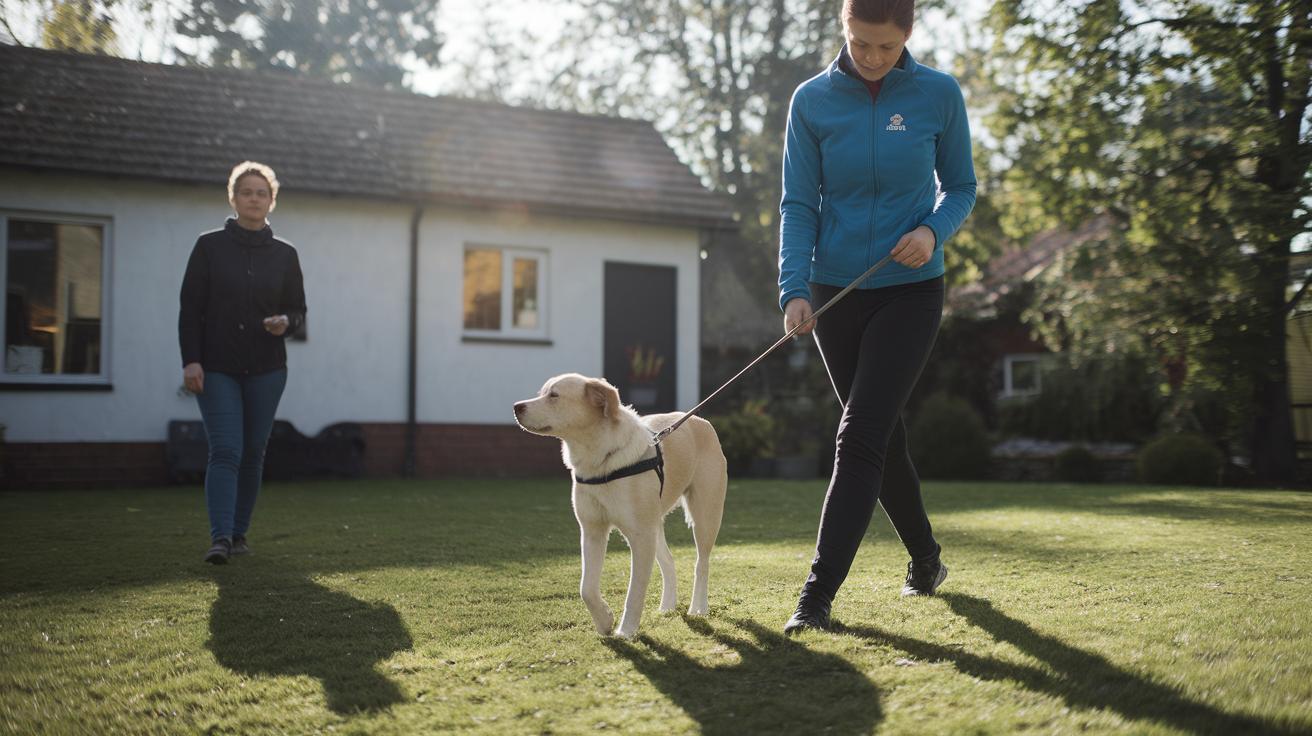
What is HSI animal rescue?

HSI Animal Rescue is an organization dedicated to saving and caring for animals by providing shelter, medical treatment, and adoption services for pets in need.

How do I cancel a Humane Society donation?

Cancelling a Humane Society donation typically means contacting their donation support team. They’ll guide you through the process and answer any questions about stopping or adjusting your gift.

Aggressive Dog Training Ignites Positive Canine Change

0

Have you ever thought that your dog's aggressive behavior might be a call for help? Sometimes, what seems like tough behavior is really your pet trying to tell you something.

It all starts with noticing what sets your dog off. A relaxed walk on a leash or a tasty treat can gently guide your pup toward better behavior.

By using safe, trusted methods and working with experts, you and your furry friend can build a bond filled with trust and calm. Give these kind techniques a try and see the real progress in your pet's behavior.

Aggressive Dog Training Blueprint: How to Control and Modify Aggressive Behaviors

img-1.jpg

Dogs sometimes show aggression, and that can be dangerous when someone or another pet might get hurt. Before you start training, take time to figure out what sets off your dog. Use safe steps like walking on a leash and, if needed, a muzzle to keep everyone safe. It also helps to keep your dog away from visitors until you get a handle on the behavior.

Before you train, watch your dog and learn what makes him upset. We use kind, patient methods that build trust over time. Notice places that can be risky, such as busy parks or when unexpected people come by, so you can keep things calm. Stick with proven techniques and avoid harsh tools like shock or prong collars. This way, you manage aggression with care.

Being consistent is key to changing behavior. Reward moments of calm with tasty treats and praise. Many pet parents find that working with a certified trainer or behavior expert makes a big difference. Together, you can help your dog form new, calm habits that replace aggression.

  1. Find your dog's triggers and note when he feels stressed.
  2. Keep him on a leash in tricky places.
  3. Use a properly fitted muzzle if his behavior might get out of hand.
  4. Separate him from guests during stressful times.
  5. Consult a certified trainer or behavior expert for extra guidance.

Identifying Triggers in Aggressive Dog Training

img-2.jpg

Understanding what sets off your dog's anger is key for any pet parent. When you recognize what upsets your dog, you can build a gentle training plan to help them feel safe and calm.

Sometimes your dog reacts out of fear when facing new people, loud sounds, or busy places. For instance, a dog might bark at a man in a hat or get nervous during a storm. Places like busy parks and vet offices can make these feelings even stronger. Noticing these triggers early lets you adjust your training and keep your pet relaxed.

Watch your dog's body language closely. Sometimes, signs like a quick yawn or gentle lip licking show that they feel stressed. These small hints can help you stop a little worry from growing into a larger problem. When your dog senses that you understand them, they feel more secure.
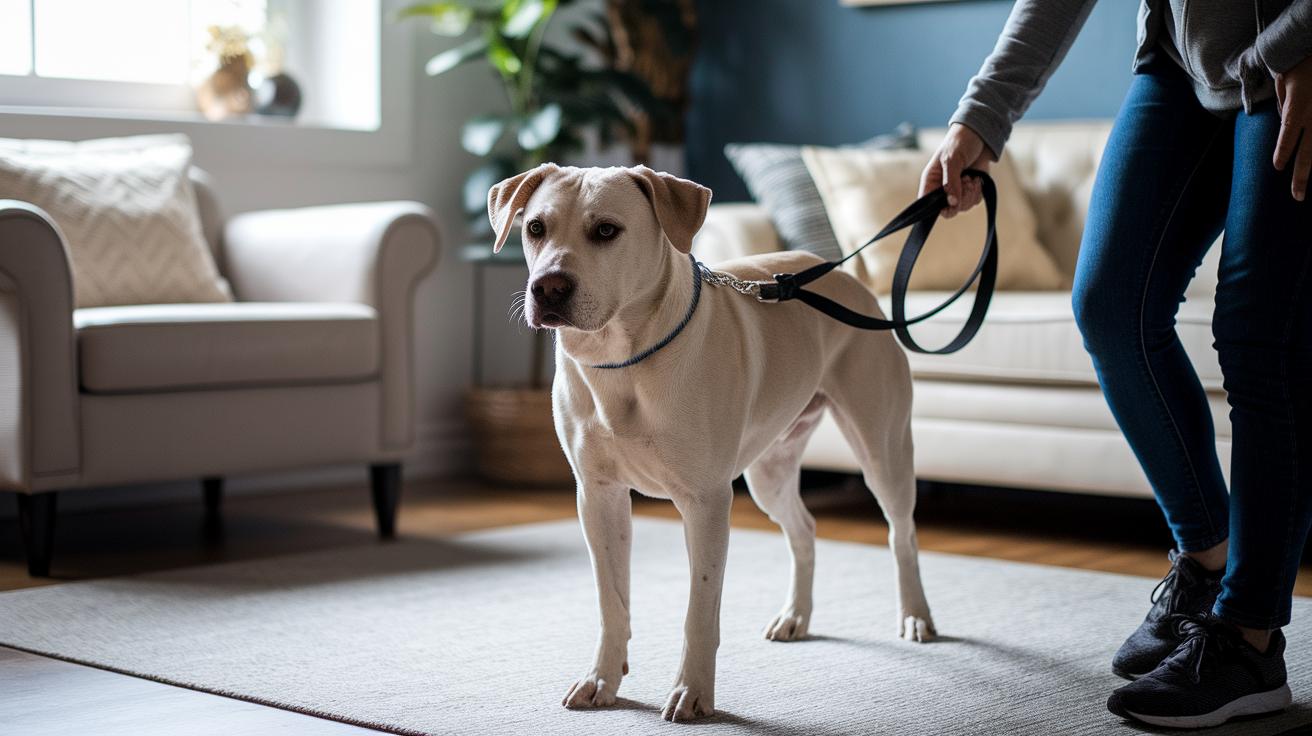
  • Certain people (for example, a man with a hat)
  • Children or unfamiliar faces
  • Loud sounds like fireworks or thunderstorms
  • Busy spots such as parks or vet offices
  • Yawning as an early sign of stress
  • Lip licking when feeling uneasy
  • Pacing or jerky movements
  • A tucked tail or showing the whites of the eyes

By knowing these triggers and early signs, you can keep an eye out and step in before a stressful moment turns into something bigger. Every little effort helps your furry friend feel more secure and happy.

Aggressive dog training ignites positive canine change

img-3.jpg

Creating a Safe Training Environment

Start by making a calm spot for your dog. Pick a quiet room, remove extra distractions, and keep anything that might scare your pet out of reach. Use soft lighting and familiar scents so your dog feels at ease. A sturdy leash and, if needed, a well-fitted muzzle can keep both of you safe in these first sessions. Think of this space as a cozy den where your pup feels secure and ready to explore new tricks.

Desensitization and Counter-Conditioning

Now that your safe space is set up, slowly introduce things that normally upset your dog. Begin with very mild versions of these triggers. When your pet sees or hears these low-level reminders, give them a reward like praise or a favorite toy. This small treat helps change their feelings from worried to calm. Over time, you can make the triggers a bit stronger as your dog learns to stay relaxed.

Positive Reinforcement Techniques

Using treats, quick rewards, and kind words really boosts your dog's confidence. When they do well, reward them right away so they connect calm actions with positive surprises. A clicker can mark the exact moment they are relaxed, reminding them that staying calm brings lots of benefits. With patience and repetition, your dog learns that being steady not only feels nice, but it also earns them plenty of love and treats.

Professional Aggressive Dog Training: When to Seek Expert Help

img-4.jpg

If your dog shows serious aggression, it might be time to get help from a trusted expert. Look for a dog trainer or a veterinary behaviorist who uses science-based methods and positive reinforcement. They should use kind techniques, not shocks or harsh collars. Ask about their background and if they’ve worked with similar cases before. It helps to hear success stories from other pet parents.

A good expert knows that aggression is a natural response and works on building trust instead of fear. They will point out early signs of stress in your dog and suggest ways to slowly lower exposure to things that upset them. A caring trainer takes the time to listen to your worries and watch your dog's behavior before making a plan.

When you choose someone, make sure their methods are clear, simple, and consistent. They should explain each step in words that make sense to you. It’s a bonus if you can talk to other pet parents who have seen improvements with their dogs. This way, you’re sure to work with someone who is both skilled and compassionate.

Maintaining Progress in Aggressive Dog Training

img-5.jpg

Relapse Prevention Plans

When your dog feels more confident, you can slowly bring back things that once upset them. Start with very gentle challenges and add a bit more difficulty over time. Stick to a steady routine so your dog knows it’s a safe space to learn. This simple plan helps keep progress on track and stops old habits from coming back.

Progress Tracking Methods

Noticing small changes in your dog's training is important. Keep a small behavior journal and jot down what you see each day. You might even make short videos during training to catch moments you might miss. Regular check-ins help you spot what’s working and what might need a tweak. This keeps you both moving in the right direction.

Reinforcement Schedules

Rewarding your dog the right way is key. Start by giving a treat every time your dog stays calm. Then, slowly change to giving treats only sometimes, maybe one for a few calm actions. This helps your dog learn to trust its own self-control while still knowing a reward is coming. Keep up with regular training sessions and gradually add more challenges for steady improvement.

Safety Protocols in Aggressive Dog Training Sessions

img-6.jpg

A strong lead, a snug muzzle, and clear barriers help create a safe place for training. They cut down on distractions and stop sudden triggers.

Plan your escape routes and rehearse emergency steps. Decide ahead of time which path takes you to a safe spot. Think of it like this: if the session turns tense, you'll know exactly where to go. If your dog's behavior gets rough, use a calm, firm voice and quickly move your dog to safety.

Quick action during a surprise keeps everyone safe and the training effective. Plus, part of this sale helps local shelters run behavior classes through animal rescue donations.

Final Words

In the action of our blog, we explored a clear blueprint for managing aggressive dog behavior. We broke down key topics like spotting triggers, creating a safe space at home, using rewards for progress, and knowing when to seek professional help.

We also covered how to track progress and maintain safety during training. These steps help simplify care, keep pets secure, and support rescue efforts.

Remember these five crucial steps:

  1. Spot triggers.
  2. Set a safe zone.
  3. Use rewards.
  4. Track progress.
  5. Seek professional help.

FAQ

Where can I find aggressive dog training services, including boarding and regional options near California, Texas, or near me?

Finding local aggressive dog training is key. Start by checking local listings and directories for trainers offering in-home sessions and boarding options. Many professionals provide hands-on help in your area.

What aggressive dog training techniques work best for aggressive dogs?

Effective aggressive dog training techniques include gradual exposure to triggers combined with desensitization and positive reinforcement using high-value rewards. Communities like reddit often share practical examples and ideas from personal experiences.

Are there affordable aggressive dog training options available?

Affordable aggressive dog training may be found through community programs, local shelters, or trainers offering flexible pricing. It helps to compare options, seek referrals, and ask about payment plans for quality, cost-effective support.

Can aggression be trained out of a dog and how do you train a dog to stop being aggressive?

Aggression can be reduced with consistent, reward-based training and professional help. Gradual desensitization, clear messaging, and structured routines help a dog learn to stop aggressive behaviors over time.

Can an aggressive dog be rehabilitated?

An aggressive dog can be rehabilitated with patience and structured behavior modification. Expert guidance, gradual trigger exposure, and reinforcement of calm behavior can lead to lasting improvements in your pet’s conduct.

Hamster Care Guide: Spark Better Pet Lives

0

Ever wonder if your hamster feels truly safe and loved? A snug cage, comfy bedding, and tasty snacks can turn their space into a little paradise.

In this guide, we share simple ideas to help your furry friend feel right at home. We'll cover how to set up a safe, open space, pick treats that your pet will adore, and plan fun exercise routines.

Follow these easy tips and watch your hamster flourish in a cozy, inviting haven.

Ultimate Hamster Care Guide Overview

img-1.jpg

Taking care of your hamster means giving it a safe and snug home where it can be happy and active. A good setup lowers stress and lets your pet act like it naturally does. Getting the basics right, such as cage size, bedding, food, exercise, and health checks, can help your little buddy lead a lively life.

Here are some key points:

  • Your hamster should have a space that is at least 100 cm by 50 cm (about 16″ by 10.5″ by 10.5″). Tanks work best because they let you add deep bedding.
  • Fill the cage with 2 inches of dye-free paper bedding (like Carefresh or Kaytee). This gives your pet a soft place to burrow. Avoid using pine shavings.
  • Food is important. Lab blocks like Mazuri Rat & Mouse work well together with a good seed mix such as Higgins Sunburst. You can also offer some insects, fruits, or herbs for variety.
  • Make sure your hamster has fresh water every day, either in a bottle or a bowl.
  • Exercise helps too. Use an 11-inch wheel for Syrian hamsters and an 8-inch wheel for dwarf types. Avoid wheels made of wire.
  • Stay alert to any signs of problems. Look for symptoms such as wet tail, breathing troubles, or dental issues.
  • When putting your hamster in its cage, scoop it gently from below. Allow 2 to 3 weeks for your pet to adjust to its new home.

For more tips on food, handling, and fun ways to keep your hamster busy, check out our detailed sections. A part of our goal is to help you create a safe, happy space for your pet, while also supporting local rescues.

Setting Up the Perfect Hamster Habitat

img-2.jpg

When picking a safe home for your hamster, you have a few good options. You can use a 60-gal breeder tank, try a DIY bin cage, or set up a clear acrylic cage. They all give you a clear view and keep your pet safe. Just make sure the floor is at least 100 cm by 50 cm. This extra room lets your little buddy play and helps prevent falls, especially if you avoid multi-level wire setups.

Safety and easy cleaning are important, too. Look for cages with 1 cm bar spacing or a mesh cover to block larger gaps. A well-planned design keeps your pet secure while it roams around happily. And when the cage is easy to clean, you get more time for fun moments with your hamster.

  • Brewer tank conversion: Turn a 60-gal breeder tank into a roomy, easy-to-clean home.
  • Plastic bin cage: Repurpose a large plastic bin with a secure mesh lid for a simple build.
  • Modular acrylic unit: Create a clear acrylic setup so you can watch your pet at all times.
  • Repurposed dresser drawer: Convert an old dresser drawer into a cozy, unexpected hamster home.
  • Custom wooden frame: Build your own enclosure with wood framing and extra safety features.

Deep bedding is a must. Use at least 2 inches of dye-free paper bedding like Carefresh or Kaytee. This gives your hamster a soft area to dig and burrow. Also, put platforms under heavy items like wheels and hides so they don’t sink into the bedding. This thoughtful layout helps your pet act natural and keeps it safe all the time.

Hamster Care Guide: Spark Better Pet Lives

img-3.jpg

Your hamster needs a balanced, all-round diet to keep a steady burst of energy for exploring its world. They need proteins, fats, and fiber to stay healthy. A good meal plan includes pelleted lab blocks, a mix of quality seeds, and some dried herbs, fruits, and veggies. This variety gives all the essential nutrients while making mealtime fun and engaging.

  • Pelleted lab blocks that cover all basic needs
  • A quality seed mix (feed 1–2 tbsp per day)
  • Dried herbs to help digestion
  • Small pieces of fruit for vitamins and tasty treats
  • Fresh vegetable snacks for extra fiber
  • Occasional insects to add a protein boost

Feeding your pet on a steady schedule helps keep it at a healthy weight and mimics its natural foraging habits. You can scatter-feed these items 2–3 times a week to encourage playful scavenging. Use measured portions so you don't overfeed, and be sure to offer fresh water every day in a bowl or bottle. Changing the water daily makes a big difference in keeping your little friend happy and healthy.

Cleaning and Hygiene Practices for Hamsters

img-4.jpg

Keeping your hamster's space neat is key to their health and comfort. A clean cage helps keep stress low and stops odors and germs from taking hold. By making cleaning a habit, you create a safe and happy home for your little friend.

  1. Spot-clean daily: Pick up any wet or messy bedding so the cage stays fresh.
  2. Clean weekly: Remove damp spots and add new bedding to keep the area hygienic.
  3. Do a full clean monthly: Tidy up thoroughly, leaving a little bit of old bedding to ease your pet's stress, and wipe down surfaces.
  4. Finish up by rinsing and air-drying all accessories. Always use gentle cleaners to keep your pet safe.

These simple steps help control smells and make sure your hamster feels calm and well-cared for.

Enrichment and Exercise Essentials in Hamster Care Guide

img-5.jpg

Your hamster loves to explore. The right toys and activities keep your little friend both active and curious. With a fun, varied setup, your pet can run, explore, and nibble, which helps cut down on bar chewing and restlessness.

Here are some ideas to try:

  • For Syrian hamsters, use an 11-inch solid plastic wheel.
  • For dwarf hamsters, pick an 8-inch wheel.
  • Create 5 or 6 cozy hides with items like coco soil pots, cork logs, or tunnels.
  • Offer chews made from hard wood or pine cones that hold up well.
  • Have a daily play session in a safe playpen for about 30 minutes.
  • Add a sand bath with reptile or child’s play sand; just refresh it every week.
  • Switch out toys regularly to keep things interesting.

Safety is important, too. Make sure wheels aren’t made of wire and chew toys aren’t made with sawdust you might eat. Keep an eye on your hamster during play and change up the toys to spark fresh interest. This careful approach helps ensure that your hamster stays active, happy, and safe.

Handling and Behavioral Guidance in Your Hamster Care Guide

img-6.jpg

When you first welcome your hamster home, give it 2 to 3 weeks to get used to its new space. This quiet time helps your little pal feel safe and eases its stress. In those first days, avoid quick moves or too much handling. Instead, let your pet explore its cage at its own pace.

  • Gently lift your hamster from below using the "ice-cream" scoop method instead of grabbing it from above.
  • During hand-feeding, offer a few yummy treats to create a friendly bond.
  • Keep an eye out for signs of stress like chewing on the bars, staying very still, or nipping. These may mean your pet is feeling overwhelmed.
  • Try to interact when your hamster is most active, like at dawn or dusk.
  • Slowly increase the time you handle it as your pet becomes more comfortable and curious.

Remember, building trust takes time and consistent care. Patience and gentle, regular interactions will help your hamster feel secure and grow a loving bond with you.

Grooming and Health Monitoring in the Hamster Care Guide

img-7.jpg

Taking care of your hamster's grooming is an easy but important part of keeping it healthy. Every day, you can check for tangled fur, loose bedding, or skin issues. A weekly sand bath helps keep your pet's coat clean and neat. Regular grooming not only keeps your little one looking sharp but also lets you notice changes in its body or how it moves. Spending a few minutes daily can help spot problems early so your hamster stays happy and cozy.

Nail Trimming Instructions

  • Use small clippers made for tiny nails.
  • Hold your hamster gently but securely.
  • Trim just the curved tips of the nails.
  • Avoid cutting too close to the quick (the part with blood vessels).
  • Give a small treat to keep your pet calm.
  • Check the nails often and clip them when they begin to curve.

Signs of Illness

  • Dull eyes
  • Weight loss
  • Diarrhea
  • Noisy breathing
  • Matted fur
  • Lethargy

If you see any of these signs while grooming, please call a vet who knows about rodents. A monthly check-up that includes a dental exam and a review of your hamster's overall health can make a big difference. Quick first-aid like keeping your pet in a quiet spot and watching for changes can help stop problems from getting worse.

Troubleshooting and Safety Tips for Your Hamster Care Guide

img-8.jpg

Watching over your hamster means staying alert for signs of heat stroke and stress. Even with a good setup, changes in temperature and behavior can harm your little friend.

  • Keep the temperature below 80°F. If it gets warmer, add a cool shelter like a frozen water bottle wrapped in a towel.
  • Check for panting or extra sleepiness. These can be early signs of heat stroke.
  • Look for quick weight loss or more nail-biting than usual. These might be stress signals.
  • Notice if your pet eats or moves differently. Changes can mean something isn't right.
  • Place the cage in a spot that gets plenty of fresh air.
  • Pay attention if your hamster grooms less or digs more. Such changes may show discomfort.

By watching these cues and making simple changes, you can keep your hamster safe and at ease.

Final Words

In the action, we explored all the key steps for a happy, healthy hamster. We built a safe habitat, planned nutritious meals, kept clean routines, and set up fun exercise and enrichment. We also shared handling tips, grooming checks, and emergency safety ideas.

Together, these steps form a solid hamster care guide that helps your little friend thrive. Embrace these practices and feel confident that your pet is in good hands. Here's to many happy, scampering moments ahead!

FAQ

How do you take care of a hamster for beginners?

Caring for a hamster for beginners means setting up a spacious, safe cage with deep bedding, offering a balanced diet, and gently handling your pet to allow time for settling in. Regular cleaning and enrichment are key.

What are the do’s and don’ts of hamster care?

The do’s include providing a proper cage, balanced nutrition, and gentle handling, while the don’ts include using harsh bedding materials, rough handling, and overcrowding the habitat.

What should you not do with your hamster?

You should not handle your hamster roughly or force interaction if it seems stressed. Avoid using unsuitable bedding such as pine shavings, and steer clear of unsafe accessories like wire wheels.

Can I touch my hamster every day?

You can touch your hamster daily if it is calm and used to gentle handling. Always scoop your pet from below and allow time for it to adjust to your touch.

What is a proper hamster cage setup?

A proper hamster cage should have a minimum floor space of 100 cm × 50 cm, deep dye-free bedding, secure accessories like a solid wheel, and design features that support safe burrowing and easy cleaning.

How does care differ between Syrian and dwarf hamsters?

Syrian hamsters need larger cages and an 11-inch wheel, while dwarf hamsters do well in smaller enclosures with an 8-inch wheel. Adjust food portions and handling techniques to match each type’s size and energy level.

Tsa Approved Pet Carrier: Joyful Journey Awaits

0

Ever wonder if your pet carrier is safe and comfy for a flight? TSA approved pet carriers are more than just bags for travel. They are thoughtfully designed to meet airline rules. They have leak-proof bottoms and let fresh air flow in from three sides so your pet can feel like it’s in a little room. Choosing the right carrier means you follow the rules and make every flight a happy adventure for you and your furry friend.

tsa approved pet carrier: Joyful Journey Awaits

img-1.jpg

A pet carrier that meets TSA rules is built to keep your pet comfy and safe when you fly. It must fit under the seat below you, with maximum dimensions of 18 inches long, 11 inches wide, and 11 inches high. The carrier needs a leak-proof bottom and good airflow on at least three sides so your pet always gets fresh air. It should be strong enough for your pet to stand, turn around, and lie down easily. Think of it like a small, cozy room that gives your pet space to stretch without any worries.

Soft-sided carriers are a favorite for cabin travel because they easily slide under your seat. Hard-sided crates only work for checked baggage. Airlines also want carriers with strong seams, secure zippers, and clear ID labels to keep your pet safe and easy to identify. In short, a TSA approved pet carrier is more than just a travel bag. It combines size, ventilation, and durability in one smart design, making every trip a safe and happy adventure for your pet.

TSA Approved Pet Carrier Regulations and Size Requirements

img-2.jpg

Here’s a simple guide to help you choose a pet carrier that meets TSA and airline rules. We want to make your travel experience with your pet safe and stress-free.

  • The carrier should be no more than 18 inches long, 11 inches wide, and 11 inches high. For example, a carrier sized 18 x 11 x 11 will slide neatly under your airplane seat.
  • The total weight of your pet and the carrier should be around 20 lbs. This helps you stay within airline limits.
  • The carrier needs ventilation on at least three sides so that fresh air can circulate, much like having a few open windows.
  • Make sure the bottom is leak-proof and has an absorbent liner. This will catch any accidents and keep things clean.
  • Look for sturdy seams and secure zippers for extra durability. These details are like the strong stitches on your pet’s favorite blanket.
  • There should be a visible ID label on the outside. Think of it like a school bag name tag that helps identify you or your pet.
  • Lastly, the carrier must fit completely under the airplane seat with no part sticking out, ensuring a smooth boarding process.

Types of TSA Approved Pet Carriers and Key Materials

img-3.jpg

When choosing a pet travel carrier, you want comfort for your pet and smooth travel for you. It's good to think about how the carrier fits into your travel routine. For example, a soft-sided carrier made of canvas or nylon is very flexible. Imagine a carrier so light and soft it folds like a cozy sleeping bag, slipping easily under a seat.

Carriers are made with different materials to meet TSA rules. Each type has its own perks. Soft-sided carriers are light and flexible. Hard-sided crates, usually made from ABS plastic, are strong and secure. However, they work best as checked baggage instead of in-cabin. Backpack-style carriers have padded straps and mesh panels so your pet can breathe easily, making them great for hands-free travel. Roller carriers come with wheels and a telescoping handle, which makes moving a breeze even though they are a bit heavier.

Here's an easy table to compare the main types side by side:

Carrier Type Material Ventilation Weight Best Use
Soft-sided Canvas, nylon Mesh panels (good airflow) Light In-cabin travel
Hard-sided ABS plastic Limited with air holes Heavier Checked baggage
Backpack-style Fabric with mesh Full mesh ventilation Moderate Hands-free carrying
Roller Durable composites Integrated mesh panels Heavier Frequent travelers

Each carrier has its own perks. Your pet's comfort and your travel style will help you choose the best TSA approved pet carrier.

Top TSA Approved Pet Carrier Picks for 2024

img-4.jpg

The Sherpa Original Deluxe is a great choice for travel. It has a spring-wire frame that keeps it in shape, plus mesh on three sides for plenty of fresh air. It fits under most airplane seats and costs between $55 and $70. With a 4.6⭐ rating, it is light but strong, a perfect pick for pet parents who need comfort and TSA-compliant gear.

Sleepypod Air is built to withstand the bumps of flying. It is tested for airline travel and uses Microban fabric (helps control odors). When you’re not using it, you can store it flat, which is very handy. Priced at $199 and with a 4.5⭐ rating, it is a smart choice for those who want a blend of clever design and safety.

AmazonBasics Soft-Sided is a wallet-friendly option that doesn’t skimp on comfort. With a size of 17"L x 11"W x 10"H, it works well for in-cabin travel. It comes with a cozy fleece liner and handy side pockets for extra storage. At only $30 and rated 4.3⭐, it is great for everyday trips.

Frisco Airline-Approved stands out with reinforced seams and a removable fleece pad that is easy to clean. It is built tough but also cozy for your pet. Priced at an affordable $45 and holding a 4.4⭐ rating, it meets TSA rules while keeping your pet safe and snug.

Petmate Sky Kennel (cargo only) meets IATA standards with its hard plastic design and secure metal door. Even though it is meant for cargo travel, many pet parents love it for its strength and safety features. Priced at $60 and boasting a 4.7⭐ rating, it is a favorite for those who need a very sturdy travel option.

Preparing Your Pet and TSA Carrier for Screening

img-5.jpg

Traveling by air with your pet means planning ahead. We want your furry friend to feel safe and your carrier ready for TSA screening.

Start at home. Let your pet get comfortable with the carrier for 2–4 weeks. Try a little crate training. Put tasty treats inside to help them see it as a cozy, familiar spot.

Here are some simple steps:

  • Arrive at the airport 2–3 hours early so you have plenty of time.
  • Practice crate training at home for a few weeks to ease your pet's anxiety.
  • Add an ID tag and health certificate to the carrier, just like a school backpack name tag.
  • Place a leak-proof, absorbent pad at the bottom to keep it tidy.
  • Avoid sedatives; TSA prefers pets to stay naturally calm.
  • Check that zippers, seams, and ventilation panels work well for safe airflow.
  • Let the gate agent know you’re traveling with a pet so they can help.

Taking these steps makes the screening process smoother for you and your pet. With a bit of preparation at home and arriving early, your journey can be calm and joyful.

TSA and Airline Pet Carrier FAQs

img-6.jpg

When you fly with your pet, airlines add an extra fee for your furry friend's travel. Most of the time, you can expect to pay between $75 and $150 for one flight. One pet parent mentioned, "Every time we fly, we pay about $100 extra, which covers the care and space our pet enjoys."

For rules on TSA size limits, sedation guidelines, the papers you need, and the best time to arrive, please check the "Preparing Your Pet and TSA Carrier for Screening" section.

  • Airline fees: $75–$150 per one-way flight.

Final Words

In the action of planning a smooth pet travel experience, we broke down the essentials, a clear definition of what makes a carrier meet TSA and airline rules, detailed size and material insights, top picks for 2024, and handy tips for prep at home and at the airport. Every point is shared to help you choose safe, vet-recommended gear that makes traveling stress-free. Enjoy every journey with confidence, especially with a tsa approved pet carrier.

FAQ

What is a TSA approved pet carrier?

A TSA approved pet carrier meets strict rules to keep your pet safe during air travel. It must fit under the seat, be leak-proof, ventilated on three sides, and offer enough space for comfort.

What are the size and design requirements for a TSA approved pet carrier?

A carrier must be no larger than 18″L × 11″W × 11″H, have reinforced seams, secure zippers, and a leak-proof bottom. It should allow your pet to stand, turn around, and lie down.

What types of TSA approved pet carriers are available and what materials do they use?

TSA approved pet carriers come as soft-sided, backpack, and roller types. Soft-sided models (canvas or nylon) are flexible, while hard-sided crates (ABS plastic) are for cargo use only.

Which TSA approved pet carriers are top picks for 2024?

Top picks include the Sherpa Original Deluxe, Sleepypod Air, AmazonBasics Soft-Sided, and Frisco Airline-Approved carriers. Each is praised for fit, ventilation, and durability, ensuring comfort and compliance.

How should I prepare my pet and carrier for TSA screening?

Practice at home with the carrier for 2–4 weeks, attach an ID and health certificate, use an absorbent pad inside, and avoid sedation. Arrive 2–3 hours early to ensure a smooth check-in.

Do pet carriers count as a carry-on and what documentation is required?

When a carrier meets TSA dimensions and weight limits, it counts as a carry-on. Always bring updated health certificates and vaccination records to ease airport screening.

Are there extra fees and special arrival times for traveling with a pet?

Yes, airlines often charge extra fees ranging from $75–$150 one-way. It is best to arrive 2–3 hours early for international flights and 1.5–2 hours early for domestic trips to allow ample time for processing.

Dog Leash Training Tips: Enjoy Peaceful Walks

0

Ever notice how walks with your dog can feel like a tug-of-war? With a few simple tips, you can turn that struggle into calm, happy strolls. Use a tasty treat and patient steps to help your dog feel safe with its collar and leash. When the leash is slack, your pup can explore without any pressure. It makes every walk a peaceful adventure. Ready to change chaotic outings into relaxed moments together? These dog leash training tips help you build fun, stress-free walks with your best friend.

Dog Leash Training Tips: Enjoy Peaceful Walks

img-1.jpg

Let's begin with some dog leash training tips that help you and your furry friend enjoy calm walks. We use treats to help your dog get comfortable with the collar, harness, and leash. This way, your pet starts to think, "Hey, this is fun!" and training becomes a breeze.

A loose, slack leash is important. When the leash isn't tight, your dog feels less pressure and is less likely to pull. Research even shows that longer leashes let your dog explore with sniffing and help keep their heart rate relaxed. Start indoors where there are fewer distractions, and break the training into small, simple steps. For example, reward your dog when they walk calmly or trot neatly within 3 to 6 feet of you.

Here are six easy steps to turn training into a peaceful routine:

  1. Let your dog wear the collar or harness off leash so they can get used to it.
  2. Attach the leash indoors and practice walking with a loose line.
  3. Teach a check-in cue by holding a treat at your side to keep your dog focused.
  4. Move to a quiet outdoor spot and continue reinforcing a slack leash.
  5. Gradually increase the walking distance while adding mild distractions.
  6. Practice a short training session daily to build lasting habits.

With gentle control and plenty of rewards, you'll soon master these basics and enjoy calm, rewarding strolls with your best friend.

Dog Leash Training Tips: Gear Selection for Collars, Harnesses, and Leashes

img-2.jpg

Collar vs Harness

Let your dog try the collar or harness at home before you use it on walks. This way, they can get used to wearing it. If your pup walks nicely with a collar, a back-clip collar works well. But if your dog pulls or has a sensitive neck, a front-clip harness or one made to reduce pulling gives you better control and keeps their neck safe. For dogs that really pull, a front D-ring harness can help guide your dog back to you when they're excited. Think of it like a gentle guide, not a strict command.

Leash Types and Lengths

A leash that is 6 to 10 feet long gives your dog room to sniff and explore, which can help them learn to walk with a relaxed, slack leash. A 4 to 6 feet leash is great when you need closer control during training. You can also choose from adjustable or retractable leashes for extra flexibility, but be careful, retractable leashes may tangle if you're not cautious. Check out our pages on Types of Dog Leashes and Adjustable Dog Leashes to see your options. Picking the right gear makes every walk safer and more enjoyable for you and your pet.

Positive Reinforcement and Gentle Control Methods in Dog Leash Training

img-3.jpg

We believe in using more advanced positive reinforcement to build a strong bond with your dog. Instead of using basic treat and praise routines all the time, try noticing and rewarding even small changes. These little wins can help lessen nervous energy and reduce leash pulling.

For example, if your dog glances back at you before pulling, say, "Nice check" and offer a treat. This simple praise builds trust and helps your dog learn to calm down on their own. One pet parent even shared that celebrating small pauses made their dog more relaxed and attentive on walks.

Here are some tips:

  • Reward small improvements and add brief check-ins.
  • Change the timing of treats to encourage longer calm moments.
  • Combine verbal praise with a bit of play to keep training light and fun.
Technique Advanced Tip
Treat Timing Change timing to encourage longer calm periods
Check-in Cues Reward quick pauses to help your dog manage excitement

If you face challenges like persistent pulling or high energy during walks, take a pause and watch your dog's body language. Adjust your reward routine to match what they need. This force-free approach supports both your dog's emotions and physical control.

Troubleshooting Common On-Leash Behavior Issues

img-4.jpg

When your dog pulls, lunges, barks, or gets distracted, stop your walk right away. Pause until things calm down. This helps your dog learn that pulling ends the fun, while calm behavior brings rewards. For dogs who pull a lot, a front-clip harness can gently guide them without harsh tugging. Consistency matters. A quick redirection with a calm voice stops your dog from getting more excited.

For example, if your dog lunges suddenly, call them back with a word like "come" or "check." Once they settle, offer a treat. This makes training smoother and turns each step into a positive experience.

Issue Solution
Pulling Stop and wait for a slack leash, then reward
Lunging Use a familiar check-in cue
Barking Pause the walk and praise quiet moments
Distracted Sniffing Give a verbal cue to refocus

Keeping a calm and steady routine helps your dog feel more relaxed on busy outdoor walks.

Adapting Dog Leash Training Tips for Different Breeds and Ages

img-5.jpg

You can start your training journey with a collar as early as eight weeks. Formal leash training usually kicks in when your pup is 12 to 16 weeks old. Every dog is unique. Their breed, age, and personality shape how they learn. Keep it consistent, because it might take a few days or even months for your furry friend to get the hang of walking on a loose leash.

Large Breed Routines

For bigger dogs, a sturdy front-clip harness works best. It keeps your pup’s neck safe and gives you better control. Try doing three short, focused sessions each day that include simple exercises to build strength. A slower pace lets your dog build muscle and feel more confident. Even one minute of focused training can grow into longer, steadier walks over time. Think of it as stacking little wins that add up fast.

Small Breed & Puppy Protocols

Small breeds and puppies do well with a lightweight collar and quick indoor sessions lasting 5 to 10 minutes in a calm space. Rewarding them often with treats or praise helps them learn fast and feel at ease with their leash. As your little one gets more comfortable, gradually try taking the training outside. This lets them adjust to new sounds and sights without feeling overwhelmed. Each tiny success is a big win for your little friend.

Advanced Dog Leash Training Tips for Outdoor Safety and Distraction Management

img-6.jpg

Start your training in calm outdoor spots like fenced parks or quiet streets. These peaceful areas help your dog build confidence while learning new skills. Once your dog feels safe, slowly move to busier areas with more activity.

Begin with a long leash (about 10 ft) so your dog gets a safe taste of off-leash freedom. This extra space lets your dog explore but still listens to your commands. Keep the leash slack to encourage calm walking by your side. Adjust your pace to match your dog's comfort, so sudden stops or changes don’t startle them.

Here are some tips to remember:

  • Walk in places with few distractions first, then try busy routes.
  • Use treats your dog loves when distractions pop up.
  • Slowly introduce urban elements like bicycles, traffic, and crowds.
  • Reward calm walking with praise and treats.

Teaching these skills in a controlled setting builds trust and confidence. Soon, your dog will handle urban adventures with focus and calm.

Final Words

In the action, we covered everything to help you master dog leash training tips. We broke down the process into simple steps, shared gear advice, and highlighted the power of positive reinforcement.

We learned that small wins lead to stress-free walks. Keep practicing these gentle techniques. Your pet will soon enjoy calm strolls while you feel confident and supported every step of the way.

FAQ

How do I train my dog to walk on a leash without tugging, and how do I stop my dog from pulling on the leash while walking?

Training your dog to walk without tugging means rewarding calm walking. You stop when your dog pulls, then resume once the leash is slack. Use treats and praise to build loose-leash habits.

How do I leash train an adult or older dog to walk without pulling?

Leash training an adult or older dog means starting gently. Introduce treats and a check-in cue and practice in low-distraction areas, gradually adding new sights to boost focus and reduce pulling.

How do I train a puppy, especially for the first time, to walk on a leash without pulling?

Puppy leash training should start indoors with short sessions. Reward calm behavior, using treats and praise near eye level, then slowly move outdoors to build a habit of a slack leash.

What is the 10-10-10 rule for puppy training?

The 10-10-10 rule in puppy training generally means 10-minute sessions, 10 repetitions, and 10 treats to keep training engaging. Adapt these numbers based on your puppy’s focus and energy.

What is the 5 second rule for walking dogs?

The 5 second rule for walking dogs suggests rewarding your dog within five seconds of good behavior. Quick, timely rewards help build a positive connection between calm walking and treats.

Dog Rescue Donations Spark Joyful Transformations

0

Have you ever thought that a small donation could change a dog's life? Every gift you give, whether in person or online, brings real hope to our furry pals. In this post, we show you simple ways to support dog rescues. You can give safely online or drop off a gift at your local shelter. We help you choose the best method for your lifestyle while proving that each dollar makes a heartfelt difference for pups in need. Join us and see how your kindness turns into hope for our four-legged friends.

How to Donate to Dog Rescues: Methods and Platforms

img-1.jpg

When you decide to support dog rescues, you have a few good ways to help out both in person and online. Giving in person is a hands-on way to make a difference. Many local shelters appreciate drops of food, bedding, and other supplies for dogs that need them. It builds community and you might even see a smile from a volunteer.

Donating online is fast and secure. With sites like CUDDLY, you can make one-time gifts or set up monthly donations. These online portals also let you see your past donations so you can see the impact of every dollar you give. CUDDLY holds a strong BBB rating of A- and shows real care with transparency and clear steps.

  • One-time gifts through rescue websites
  • Monthly donations using secure platforms
  • Drop-off supplies (like food and bedding) at local shelters
  • Corporate matching gift programs
  • Sponsoring local events such as walks or galas
  • Volunteer-led donation drives

Think about which method fits best with your schedule and trust level. Whether you donate online quickly or personally bring supplies, every gift helps dog rescues and changes lives, one caring donation at a time.

Top Reputable Dog Rescue Organizations for Your Dog Rescue Donations

img-2.jpg

When you're picking a rescue to support, it's good to check their ratings and see how open they are. You want to be sure that most of your donation goes straight to caring for dogs. A smart move is to look at the Better Business Bureau (BBB) rating and review their public financial records. We find that charities with an A+ or A rating often use 85% or more of donations for direct care. That shows they put real care into helping animals.

Organization BBB Rating Focus Area Website
Best Friends Animal Society A+ Rehoming & spay/neuter example.org
ASPCA A+ Nationwide rescue aspca.org
CUDDLY A- Crowdfunded wishlists cuddly.com
Local Dog Rescue Alliance A Emergency shelter care localrescue.org

When you compare organizations, take a close look at their spending. Find a detailed annual report or budget that breaks down where every dollar goes. Typically, groups that spend about 85% on actual dog care and less than 15% on overhead prove your donation makes a big difference. These details can help you choose the rescue that fits your values and truly helps dogs in need.

Transparency and Fund Allocation in Dog Rescue Donations

img-3.jpg

We already mentioned donation splits in our Top Reputable Dog Rescue Organizations section. Now, let's look a little closer at annual reports and see how your support becomes real care for dogs.

Many rescues share yearly reports that show every cost. You can see where the money goes, like on vet care, shelter upkeep, and food. For example, check how much was spent on emergency vet treatment. When details are clear, it shows the rescue is open and honest. Some even include stories, like explaining how a donation made a surgery possible.

When you check these reports, be on the lookout for a few warning signs:

  • High overhead costs compared to direct care
  • Missing or vague financial details
  • Expense categories that are unclear

Stick with organizations that share clear numbers. That way, you know your donation makes a real difference.

Dog Rescue Donations Spark Joyful Transformations

img-4.jpg

In 2023, nearly 120,000 dogs found a safe home thanks to caring donors. Their help raised a 78% adoption rate, and 15% of the funds went to important medical care. Every gift makes a big difference.

Your support builds community programs and improves shelter spaces. It speeds up emergency help and provides vital vet care. This means our pets get a chance for a safe, healthy future.

Take Max, a senior pup who needed urgent surgery. Thanks to donations, he received the care he needed. His story reminds us that every dog deserves a second chance.

A neighborhood spay and neuter drive stopped more than 500 accidental litters. This smart effort helps control pet populations and keeps our animals healthier.

A shelter upgrade boosted capacity by 30%. Now, more dogs rest in safe, cozy spaces as they wait to find their forever homes.

These stories warm our hearts and inspire us to keep giving. When you see rescued dogs thriving, it's clear that every gift brings hope and supports lasting change for animals in need.

Best Practices for Maximizing Impact of Your Dog Rescue Donations

img-5.jpg

When you donate, make sure your gift fits with your mission and the right timing. For example, joining matching gift drives or end-of-year campaigns can boost what you give. When shelters need extra help, your timed donation helps more dogs get care.

Think about seasonal giving, too. Many rescues run special events during busy times. A well-timed donation can be a big boost to reaching their goals.

Recurring Donations

Setting up monthly donations gives shelters steady funds. This regular support makes it easier for them to plan ahead and care for dogs in need.

Matching Gift Programs

If your employer matches what you donate, your support doubles. This extra money means more food, vet care, and safer shelters for the dogs.

Tools like automatic calendar reminders and donor portals can make managing your donations a breeze. They help you schedule regular gifts and track your impact. With these handy tips, you can feel sure that every dollar helps support dogs who need it most.

How to Verify and Track Your Dog Rescue Donation Impact

img-6.jpg

We already talked about checking registration details and BBB ratings in our earlier guides. Now, you can see even more about your impact with our new tracking tools.

Registering on Platforms for History Review

With CUDDLY, you can sign in to view your donation history, project updates, and wishlists. You'll also see a real-time impact dashboard that shows exactly how funds are used as soon as they are applied. For example, a live chart might show the progress of a new shelter fund so you know where every dollar goes.

Reading Impact Reports

You will also receive regular quarterly emails, photos, and financial dashboards from CUDDLY. Now, it gives you personalized donor feedback too. Think of it like getting a quick note from a friend that says, "Your support helped fill a new kennel today." These tracking features bring clear transparency and help put your mind at ease. They put your donation history and impact details all in one spot, much like our earlier donation guides. For more on how your contributions are making a difference, take a look at your animal rescue donation history.

Final Words

In the action, we explored safe and simple ways to donate both online and in-person. We shared clear tips on using secure platforms, managing recurring contributions, and verifying impact through real-time updates. Each method is designed to fit your busy schedule while making a measurable difference. The success stories we reviewed bring home how every gift supports better care for our animals. Every step toward dog rescue donations builds a brighter future for pets in need. Let's keep making smart, caring choices that truly help our furry friends.

FAQ

How can I donate to dog rescues near me or drop off pet supplies?

Dog rescue donations include both in-person drop-offs and online contributions. You can visit local shelters to drop off food, bedding, or toys and join community donation drives to support your local rescues.

How do free dog rescue donations work?

Free dog rescue donations let you give supplies or funds at no extra cost. Many shelters offer free donation drives where you simply drop off what pets need, making it easy and caring to help.

How can I spot animal charities to avoid donating to?

The worst animal charities often show high overhead costs and a lack of transparency in spending. Look for organizations with detailed annual reports and reputable ratings to be sure every dollar helps the animals.

How do I choose the best animal or dog rescue charity to donate to?

The best charities provide clear financial reports and strong impact stories. Reputable groups like ASPCA, Best Friends Animal Society, and other national or local rescues offer transparent programs that ensure your donation truly helps animals.

What is the most needed item to donate for shelter dogs?

Often, shelters need food, bedding, and durable toys. Many shelters post a wishlist of needed items, so checking their request list helps you provide exactly what will improve the lives of shelter dogs.

What breed of dog is most commonly surrendered?

Mixed breeds and popular household dogs are often most frequently surrendered. Factors like unexpected changes at home or lifestyle shifts can lead to higher surrender rates of these beloved pets.

How do donation options with ASPCA work?

ASPCA donation options include one-time online gifts, recurring contributions, and participation in community drives. They offer multiple ways to give, making it easy for you to join their mission of helping animals nationwide.

What is meant by dog rescue adoptions?

Dog rescue adoptions refer to the process of adopting a dog from a shelter or rescue group. It involves an application, meeting the pet, and ensuring the home is the right match for a pet in need.

3 How Often To Change Cat Litter: Hassle-free

0

Ever worry you might be overdoing it by changing your kitty's litter too often? Keeping the box clean not only keeps your home smelling fresh, but also makes your cat feel safe and loved. It may seem like extra work, but a good routine can really help. In this guide, we share simple tips on when to change the litter, whether you're using clumping, non-clumping, or silica-crystal types. We're here to help make litter care easy so your furry friend stays happy.

Determining the Right Frequency to Change Cat Litter

img-1.jpg

Keeping your home fresh and your cat happy means daily scooping is a must. For one cat using clumping clay litter, give it a full change every 7 days. With more cats, extra waste calls for a new litter every 3 to 5 days so your kitty always feels comfy.

If you’re using non-clumping litter with odor-fighting additives like baking soda or charcoal, the full change can be pushed out to every 10 to 14 days. Still, scoop every day to keep bacteria away.

Silica-crystal litters hold liquids well and can last up to 30 days. But don’t skip removing clumps and solid waste each day. If you catch a strong ammonia smell, it’s a sign to change the litter sooner.

Think of your cat’s litter box like a quick cleaning routine. A clean box makes for a happier pet and a fresher home.

Key Factors Influencing How Often You Change Cat Litter

img-2.jpg

How often you change your cat's litter depends on a few simple things. First, the number of cats sharing a box matters a lot. If each cat has its own box or has been tested to share well, you might get away with fewer full changes. But if several cats share one box, waste builds up fast, so plan on changing it more often.

The type of litter box you have is important too. A box you scoop by hand needs regular cleaning. Even self-cleaning boxes still need a complete litter change on a set schedule. Your vet may suggest how often you should change the litter to keep your pet healthy.

Every cat is different. Some cats use their box more or make more urine, which can lead to a stronger ammonia smell. That sour scent is a clear sign it’s time for a fresh change. Also, if you live in a warm or humid home, bacteria grow faster, and you may need to change the litter more frequently.

  • One box per cat or boxes that are comfort-tested for sharing
  • Pick a litter box type that fits your routine and home
  • Watch for strong smells as a cue to change

By paying attention to these details, you can keep your cat's space fresh and healthy, and that makes life easier for both you and your pet.

Scheduling Litter Changes by Litter Type: Clumping, Non-Clumping & More

img-3.jpg

Your cleaning routine should fit the type of litter you use. Clumping bentonite cat litter (see clumping cat litter) does a great job trapping odors. With one cat, changing it once a week works fine. If you have several cats, scooping every 3 to 5 days is best.

Non-clumping clay litters often include helpers like baking soda or charcoal to fight smells. For these, swap in fresh litter every 10 to 14 days to keep buildup at bay.

For silica crystal litters, scoop out waste every day and do a full change each month. Biodegradable litters made from corn, pine, or walnut are eco-friendly (see eco-friendly cat litter). They may not clump as strongly, so it’s best to change them every 7 to 10 days.

Litter Type Change Frequency Pros Cons
Clumping Bentonite Weekly (one cat) or every 3–5 days (multiple cats) Traps odors well; easy to scoop Not eco-friendly
Non-Clumping Clay Every 10–14 days Has odor-fighting additives; budget-friendly Clumps less effectively
Silica Crystals Monthly with daily scooping Great liquid absorption; low dust Higher cost; no clumping
Biodegradable (corn, pine, walnut) Every 7–10 days Eco-friendly; gentle on paws Less effective clumping

Step-by-Step Process to Change Cat Litter

img-4.jpg

Step 1: Remove Waste and Scoop
Start by scooping out the solid waste and clumped litter. This helps keep bad bacteria at bay. Use a scoop that easily lifts most of the mess, leaving just a bit behind for later.

Step 2: Empty and Dispose of Old Litter
Dump the leftover litter into a trash bag. Make sure every bit of soiled litter is gone. This stops unwanted smells and keeps old litter from mixing with the new.

Step 3: Clean and Sanitize the Box
Wash the box with warm water and a mild soap. Avoid strong cleaners because they can be harsh on your cat's nose. This gets rid of stains and germs, leaving the box fresh.

Step 4: Dry and Inspect for Damage
Dry the box well with a clean towel. Then, check for any cracks or wear. A dry, undamaged box helps stop moisture and odors.

Step 5: Refill and Position for Use
Fill the box with 2-3 inches of fresh litter. Spread it out evenly so your cat has a comfy space. Then, put the box back in a quiet area where your cat feels safe.

Odor Control and Sanitary Upkeep After Changing Cat Litter

img-5.jpg

If you notice a strong ammonia smell, it’s a clear sign that your cat’s litter box needs a little extra care. When that odor pops up, try scooping more often or even changing the litter sooner than you planned. A little sprinkle of baking soda or a bit of activated charcoal works wonders by soaking up bad smells naturally before they turn into a strong odor.

Unscented litter is a great pick for kitties who might be bothered by chemical scents. It helps keep your fur baby calm and comfy. Also, placing the litter box in a low-traffic, well-ventilated spot can help control moisture and stop odors from building up. These small tricks keep your home smelling clean and welcoming.

A tidy litter box makes your cat happier and feels like a safe spot. Regular cleaning stops bacteria from growing and keeps the area fresh. When you take care of the litter box, you’re not just making your cat’s day better, you’re keeping your whole home more inviting too.

Sustainable Renewal Timeline and Cost-Saving Strategies for Changing Cat Litter

img-6.jpg

Planning ahead saves time, money, and helps protect our planet. With auto-delivery, you'll always have fresh litter when your cat needs it, and you might even save a few dollars along the way.

One neat trick is to blend a little used litter with new litter. Try mixing one part used litter with three parts fresh litter. This simple mix keeps your cat's box clean, cuts costs, and lessens waste.

Weather plays a role too. In hot, humid days, you might need to change the litter more often to keep odors away. In cooler weather, you can stretch the time a bit longer. Tweaking your routine based on the season helps keep everything fresh.

Don't forget proper disposal. Bag the clumps if you're recycling them or toss them in the trash correctly. This small step helps reduce your environmental footprint.

  • Subscribe for on-time, discounted refills
  • Mix used with new litter for cost savings
  • Adjust change intervals with the seasons
  • Dispose of waste properly to cut your footprint

Final Words

In the action, we explored practical steps and clear guidelines for keeping your pet’s litter box fresh. We broke down routines for single or multiple cats, compared clumping to non-clumping options, and examined key cleaning steps for odor control.

By understanding how often to change cat litter based on your pet's needs and your home environment, you can keep things simple and hygienic. With manageable routines and eco-friendly tips, you’re all set to ensure a happy home for your furry friend.

FAQ

Q: What is the best cat litter?

A: The best cat litter depends on your cat’s needs and your cleaning routine. Options include clumping, non-clumping, crystals, wood pellets, and eco-friendly types. Evaluate based on ease of cleaning and odor control.

Q: How often do cat owners on Reddit say to change cat litter?

A: Reddit users commonly suggest a full litter change every 7 days for clumping litter with daily scooping, but frequency can vary based on litter type, cat count, and odor levels.

Q: How often should I change a clumping litter box?

A: For clumping litter, the box is typically changed weekly for one cat and every 3–5 days in multi-cat homes, with daily scooping to trap odor and waste.

Q: How often should I change cat litter for two cats?

A: For two cats using clumping litter, a complete change every 3–5 days is recommended, along with daily scooping to keep the box fresh and odor-free.

Q: How often should I change cat litter crystals?

A: Litter crystals work best when replaced monthly, though you should scoop every day to remove waste and reduce odor buildup in the box.

Q: How often should I change non-clumping cat litter?

A: Non-clumping litter should be completely swapped every 10–14 days, while you continue daily scooping to manage waste and odor effectively.

Q: How often should I change cat litter wood pellets?

A: Wood pellet litter is best changed every 7–10 days, depending on moisture and odor levels. Always scoop daily to extend freshness and reduce smells.

Q: How often should I change cat litter for one cat?

A: For a single cat with clumping litter, a weekly full change is ideal, paired with daily scooping. Adjust frequency if you notice stronger odors or buildup.

Q: How often should I change cat litter entirely?

A: A full litter change is typically done weekly for clumping varieties, 10–14 days for non-clumping types, and monthly for silica crystals, ensuring proper hygiene.

Q: Can you put new litter on top of old litter?

A: You can add new litter gradually to old if your cat tolerates it, but for best hygiene and odor control, a complete cleaning of the box is advisable.

Q: Can I flush cat litter down the toilet?

A: Most cat litters should not be flushed due to plumbing issues and local laws. Only flush labeled flushable litters and always check local guidelines first.

Q: How long does a 40lb bag of cat litter last?

A: A 40lb bag usually lasts around a month for one cat, but usage depends on your scooping frequency, litter type, and the number of cats using the box.

New Pet Owner Care Guide: Unleash Joyful Moments

0

Are you excited to welcome a new furry friend into your home? We put together a simple guide just for you.

We share easy tips to help you set up a safe, fun space for your pet. You will learn how to create a play area, make a daily routine, and plan that important vet visit.

Every step builds a foundation for many happy moments. This guide shows you how to turn your home into a safe haven where your pet can thrive and you both enjoy your everyday bond.

Essential Overview: Your New Pet Owner Care Guide

img-1.jpg

Welcome to your new role as a pet parent. This guide is made for first-timers with puppies, kittens, and small animals. The first year is very important for your pet's long-term health. We offer simple, step-by-step tips to help you start daily routines, from making your home safe to scheduling an early vet check-up.

Did you know that a steady routine can reduce stress for both you and your pet? Our advice is clear and easy to follow, so your pet can settle in happily.

We cover key areas to help you care for your new friend:

Environment Preparation Nutrition Vet Care Training Grooming

By following these steps, you help create a loving and safe home where your pet can thrive. Enjoy each little moment together.

Preparing Your Home in the New Pet Owner Care Guide

img-2.jpg

Making your home safe for your new pet is as important as child-proofing your house. Start by getting rid of hazards like loose wires, toxic plants, and small things your pet might chew on. As you set up a pet-friendly area, make sure there’s plenty of room to play and some quiet corners to relax. Get your house ready before your pet steps through the door. And remember to plan a vet check within the first week to help keep your pet healthy. It’s like laying the first brick for a secure, loving home.

  1. Lock up cabinets that hold cleaning supplies or breakable items.
  2. Put up pet barriers or block off stairs.
  3. Secure furniture so it won’t tip over.
  4. Hide or cover loose wires and cords.
  5. Move toxic plants or keep them out of reach.
  6. Set aside a spot with food and water bowls, a collar, leash, bed, toys, and a litter box.

Taking these steps now means peaceful and joyful moments later. By making each room safe and cozy, you turn your home into the perfect haven for your newest family member.

Nutrition Guidelines in the New Pet Owner Care Guide

img-3.jpg

Picking the right meals for your pet is key to a long, active life. You want to choose food that has a good mix of proteins, carbohydrates, and fats. For example, puppies and kittens do best with food that boosts their growing bodies, while older pets need food that keeps them lively without adding extra weight. Look for pet food that lists all the ingredients and gives clear advice for your pet's age.

Setting up a steady feeding routine is also important. Try to feed your pet small, regular meals throughout the day. This helps stop overeating and keeps the tummy happy. Keep an eye on your pet's body shape and adjust the portions if needed. A regular schedule makes mealtime predictable for your pet and helps you notice any changes in eating habits.

Water is a must-have in your pet's diet. Always make sure there is fresh, clean water available. Change the water daily, and offer more on hot days or after lots of play. Good hydration helps your pet stay energetic and ready for fun every day.

Health Monitoring and Veterinary Care in Your New Pet Owner Care Guide

img-4.jpg

It all starts with a good vet checkup when you welcome your new friend. Try to book the first visit within a week of adoption. Regular exams help catch small problems early and make sure shots are up to date. A simple dental cleaning can keep your pet from painful mouth issues. Also, checking for pests like fleas, ticks, and heartworm is very important. Following your vet's schedule sets up a strong, happy future for both of you.

Vaccine Purpose Timing
Distemper Stops serious viral bugs 6-8 weeks; boosters every 3-4 weeks until 16 weeks
Rabies Stops a dangerous virus 12-16 weeks; then yearly or as needed
Parvovirus Protects against bad tummy upsets 6-8 weeks; boosters until 16 weeks
Adenovirus Keeps the liver and breathing on track 6-8 weeks with follow-up shots
Bordetella Helps ward off kennel cough As needed, often yearly
Leptospirosis Fights off bacterial bugs 12-16 weeks; then yearly boosters

Sticking to this routine not only guards your pet from common health issues but also keeps their teeth and skin in check. Regular visits let you get updated advice as your pet grows. With care from experts, you'll build a lasting, healthy bond with your new buddy.

Behavior Training Methods in the New Pet Owner Care Guide

img-5.jpg

Getting your new puppy or kitten started on the right foot builds a strong bond for years to come. In the beginning, simple methods work best. Try teaching basic commands and setting a daily routine so your pet feels safe. Crate training and a proper litter box area help your pet know where to rest and play. These steps lay the foundation for good behavior as your pet grows.

Positive reinforcement works wonders when teaching new skills. When your pet follows a command, offer praise, a gentle pet, or a small treat. Some pet parents even use a clicker to mark the good moment. For example, reward your pet with a treat like dog training treats to show that they did well. This friendly approach builds trust and makes learning fun.

Helping your pet learn to get along with people and other animals is also key. Use gentle, steady guidance to correct habits like chewing on furniture or barking too much. Set aside time for calm play sessions and slowly introduce your pet to new people and places. This careful step-by-step approach builds confidence and shows your pet that exploring the world is both safe and enjoyable.

Grooming and Hygiene in the New Pet Owner Care Guide

img-6.jpg

Keeping your pet clean is important for their health and happiness. Regular brushing, baths, and nail trims keep their skin and fur in good shape. Simple tools, like a grooming mitt for cats or a slicker brush for dogs, work great to remove loose fur and dander. Think of it as a gentle massage that calms your pet while cutting down on shedding. A well-groomed pet not only looks neat but feels truly cared for, making cuddle time even more special.

Dental care is just as key as keeping their fur tidy. Brushing your pet’s teeth at home and booking professional cleanings help ward off painful mouth issues. It’s also smart to check their ears and eyes often. A little care around these sensitive spots can stop infections before they start. With these simple steps, your pet stays fresh and healthy, paving the way for many joyful moments together.

Emergency Preparedness in the New Pet Owner Care Guide

img-7.jpg

Getting ready for surprises can make a big difference for your furry friend. Start by putting together a pet first aid kit with the basics: bandages, antiseptic (a cleaning liquid to help prevent infection), and a digital thermometer. This kit helps you quickly handle minor cuts or fevers. For instance, if your kitten chews on something it shouldn’t and seems uneasy, you’ll have what you need to check for redness or swelling. Keep your kit handy, it builds your confidence when little mishaps happen.

When a bigger problem comes up, having a clear plan can guide you through choking, poisoning, or falls. Make a simple emergency plan that shows safe exit routes and a meeting spot outside your home. Think of it like running a fire drill; practicing helps so you won’t be caught off guard. A quick, calm response can really help when your pet needs care fast.

It’s also important to be careful when giving your pet medicine. Always measure doses closely and stick to your vet’s advice. Write down how much and when you give each dose. This simple step helps you avoid mistakes and keeps your pet safe during critical moments.

Final Words

In the action, we explored pet-proofing, balanced nutrition, consistent vet care, effective training, proper grooming, and emergency preparedness.

Each section offered friendly, clear steps to ease new pet care routines. The new pet owner care guide provides simple tips and practical advice throughout.

Every tip helps make pet care both reliable and kind. Enjoy the journey with your pet while making a positive impact on animal rescue initiatives.

FAQ

How to take care of a dog step by step, including a first-time owner checklist?

The guide for taking care of a dog step by step begins with pet-proofing your home, choosing essential supplies, setting routines for feeding, exercise, and vet visits, and tracking tasks on a checklist for new owners.

What are some dog health care tips?

The dog health care tips focus on regular vet check-ups, balanced nutrition, daily exercise, routine grooming, and watching for behavior changes to spot health issues early and keep your pet thriving.

What are the top 10 things a dog needs?

The top 10 things a dog needs include a safe space, quality food, regular exercise, proper grooming tools, fun toys, a cozy bed, good identification, consistent training, social interaction, and routine veterinary care.

Is there a dog care guide PDF available?

The dog care guide PDF is a handy resource that covers topics like home setup, nutrition, training, and emergency tips, making it easy for new dog owners to follow step-by-step care instructions.

How do you take care of a dog for kids?

Taking care of a dog for kids means introducing simple routines like feeding, walking, playful training, and gentle grooming while teaching safety and responsibility to build a loving bond.

What essential dog care products should I consider?

Essential dog care products include a sturdy collar and leash, food and water bowls, grooming tools, engaging toys, and a comfy bed, all designed to support your dog’s safety, comfort, and overall well-being.

Diy Rat Cage: Affordable Fun Build

0

Have you ever thought about making a safe, fun home for your pet rat without breaking the bank? This DIY rat cage project is a great way to do just that. You only need a plastic storage bin, some PVC pipes, and a little creativity.

We’ll show you every step, from taking measurements to putting it all together. By the end, your little buddy will have a snug space to call home, and you'll enjoy the satisfaction of making something special.

Step-by-Step Construction Guide for Your DIY Rat Cage

img-1.jpg

  1. Start with a big, wide plastic storage bin. This bin becomes the cage. The lid works as the roof, and the bottom as the floor. Measure the inside of the bin so you know how long your PVC pipes should be.

  2. Plan your layout with care. Mark where the wheel wells are and decide how the PVC frame will move around them. Remember: knowing your bin’s exact size saves you time.

  3. Cut the PVC pipes to match the bin's inner length and width. A PVC cutter or saw works fine if you make clean cuts. Join the pieces with elbows to build a strong rectangle. This forms the base frame of your cage.

  4. Press the frame into the bottom of the bin. Make sure it fits well around the wheel wells. A close fit keeps the frame steady during your rat's active play.

  5. If you need extra strength, add more support pieces. This extra help makes the cage safer and gives you room to add fun features later.

  6. Put the lid on top like a roof. Check that it fits snugly. Now you have a safe, creative, and fun home ready for your rats.

  7. Finally, check all joints and connections. When you are happy with the build, your DIY rat cage is ready for your personal touches, like toys or extra platforms.

DIY Rat Cage: Essential Materials and Tools

img-2.jpg

First, gather all the supplies you need to build a cozy cage for your pet rat. You will need a large plastic storage bin with a lid. The lid works as a roof and the bottom becomes the floor. Make sure the bin is wide and deep so your pet has plenty of space.

Next, get some PVC pipes and corner connectors to build a sturdy frame. Use a PVC cutter or saw to cut the pipes to match the bin's inner length and width. For the cage walls, you need hardware cloth cut to your chosen height. It’s a good idea to order a little extra so you can trim it later for a perfect fit.

For shelves, you have two options. You can use threaded rods with key rings for a set-up that stays in place or opt for heavy-duty cardboard panels if you’re watching your budget. Use zip ties or hose clamps to secure the hardware cloth and any mounting pieces.

You will also need a few basic tools: wire cutters, a drill with a hole saw bit for making doors, a measuring tape, and a marker to mark where to cut. These supplies work together to create a safe and practical home for your little friend, just like the DIY guinea pig cage example.

Enjoy building a fun and safe space for your pet!

DIY Rat Cage Frame and Base Construction

img-3.jpg

  1. Start by measuring the inside of your storage bin. Check the whole space, including the curved parts of the wheel wells. Mark where each pipe will go so every edge fits just right.

  2. Next, cut the PVC pipes to match your measurements. Make sure the cuts are smooth and straight. If needed, trim the pieces a bit longer or shorter around the wheel wells.

  3. Put the PVC pieces together using elbow connectors to form a firm rectangle. Set the frame down in the bin to see if it fits snugly with no gaps or slips.

  4. For extra stability, add a pair of rubber feet or a small piece of tank-top foam between the frame and the bin floor. Press lightly in each corner so the frame stays put.

If you see any gaps or movement, double-check your measurements and make sure the cuts are perfectly straight.

DIY Rat Cage Hardware Cloth Installation and Doors

img-4.jpg

Start by spreading the hardware cloth along the inside walls of your storage bin. Make sure the width matches the cage height you want and leave an extra 2 or 3 inches to trim off later. This extra bit helps you get the perfect fit after a dry-run.

Then, mark four door openings on the cloth. Each door should be about 12.5 inches by 12.5 inches for safe, easy access. Remember to subtract about a quarter to half an inch on each side so the door frame fits snugly. That means your final door will be closer to 12 inches on each side.

Next, do a dry-fit of the hardware cloth over your PVC frame and along the bin’s edge. This step helps you see that each door covers the right spot without leaving big gaps where your pet might slip out. A good tip is to lay the cloth flat and check your measurements before you cut anything permanently.

Secure the cloth using zip ties or hose clamps. Make sure it stays tight and that the edges are flush against both the PVC frame and the bin. A firm fit is key to keeping your pet safe while also allowing proper airflow through the cage walls.

Finally, check that the edges of your doors are smooth and that they swing open easily. This way you get simple access and maintain a secure space for your little friend.

DIY Rat Cage Multi-Level Shelves and Ramps

img-5.jpg

Begin by cutting PVC pipes to match the depth of your cage. Join the pipes with elbow connectors to form a sturdy rectangle. Then, wrap the frame with hardware cloth so your rats have a safe, strong platform to climb and rest.

There are two simple ways to add shelves to your cage:

  • Method A: Push threaded rods through the PVC frame and secure them with key-chain rings. This makes a very stable shelf that stays put. Keep in mind that once you install this shelf, moving it later may be hard.
  • Method B: Place heavy cardboard panels on PVC rails to form the shelf. This is a cheaper choice and lets you change panels quickly if they wear out. Use zip ties or adhesive strips to hold the cardboard until it needs to be replaced.

For a ramp, build a gentle slope near your cage door. A fixed ramp lets your rats easily move from one level to the next and saves time compared to taking apart a full staircase. Make sure the ramp has a smooth surface so your pet can climb up and down safely.

Mix and match different levels by including both straight and angled platforms. This variety helps your pet exercise and stay engaged as they explore a fun and interactive setup.

DIY Rat Cage Customization and Enrichment

img-6.jpg

Give your rat a fun, new playground with a few smart changes to its cage. You can add playful spots and little surprises that keep your pet busy without breaking the bank.

Start by adding fun modules. For example, build a couple of digging boxes using two large boxes. This simple idea helps your rat enjoy natural burrowing and stay entertained.

Next, boost their foraging skills with easy toys. Try using a treat ball or hanging a small kebab stick. These toys encourage your pet to work for treats and keep both body and mind active. If you feel creative, repurpose a wooden bird perch as a chewing station or even use an old toilet paper holder for a quirky twist.

You can also add hammocks, ropes, and small space pods between the levels of the cage. These pieces invite your rat to climb and play. For older rats or those not as spry, a low-entry hammock or a snug nest box gives a comfy place to rest.

With just a few personal touches, your DIY project becomes a lively space that keeps your rat healthy and curious.

DIY Rat Cage Safety, Ventilation, and Maintenance

img-7.jpg

Run your hand along the hardware cloth and PVC edges to feel for any sharp spots. File down or tape over any rough spots so your rat won’t get scratched. Imagine each edge being as smooth as glass. Keeping them safe really helps.

Use hardware cloth instead of solid panels to boost airflow. Solid panels can block air and make the cage stuffy. Good airflow keeps your rat comfortable and the space cool.

Check door latches and frame joints every week. If you see bent clips or old zip ties, replace them right away. A quick weekly check can catch problems early, like spotting a loose hinge before it grows into a bigger issue.

For cleaning, take off the lid and slide out the shelves. Then wipe down the bin floor and PVC frame with a pet-safe disinfectant. For older rats, use lower platforms, wider ramps, and stable perches so they can move around easily. As one pet owner said, "Safe touches make all the difference." These steps help keep the cage safe, eco-friendly, and healthy for your furry friend.

DIY Rat Cage Cost Estimates and Budget-Friendly Tips

img-8.jpg

If you're looking to build a cozy home for your pet rat without spending a fortune, you're in the right place. Here's what you can expect on a budget:

  • Storage bin: about $20 to $30
  • PVC pipes and fittings: about $15 to $20
  • Hardware cloth: about $10 to $15
  • Fasteners (like zip ties or hose clamps): about $5 to $10

Feeling creative? You can save more by using a cardboard shelf. It costs less, but you'll need to replace it sooner if it wears out.

Also, try reusing old items, such as an extra bin or scrap PVC. This smart swap might cut your project costs by 20 to 30%. With these tips, you can make a safe and fun rat home without overspending.

Final Words

In the action, we walked through planning, building, and customizing a safe, fun habitat. We covered step-by-step PVC frame assembly, hardware cloth installation, and creative multi-level shelves. These clear steps help you tackle your diy rat cage project with ease. You learned how to ensure safety, proper ventilation, and budget-friendly choices. Every step brings your pet a happier, healthier space. Enjoy the build and the joy it brings to your little friends.

FAQ

DIY rat cage plans

The DIY rat cage plans offer step-by-step ideas to build a safe, interactive habitat using common items like a plastic bin, PVC pipes, and hardware cloth. They guide you from planning to complete construction.

DIY rat cage PVC

The DIY rat cage PVC instructions focus on building a sturdy frame with PVC pipes and connectors. They show you how to measure, cut, and assemble parts to create a secure foundation for your rat’s home.

DIY rat cage outdoor

The DIY rat cage outdoor concepts adapt indoor designs for outside use by using weather-resistant materials and ensuring proper ventilation. This helps create a safe, fresh-air space for your pet rat.

DIY rat cage accessories / DIY rat accessories

The DIY rat cage accessories include creative add-ons like hammocks, tunnels, and foraging toys. They add enrichment and customization, making the cage more engaging and fun for your pet rat.

DIY rat bin cage

The DIY rat bin cage idea uses a large plastic bin as the main structure, enhanced with a PVC frame and hardware cloth. This design is affordable and easy to build while keeping your pet safe.

Rat cage ideas / Rat cage setup

The rat cage ideas and setup tips combine features like multi-level shelves, ramps, and secure doors. They focus on stable construction, good airflow, and enrichment to meet your rat’s natural needs.

How to make a cage for a rat?

The guide to making a cage for a rat covers planning, assembling a PVC frame within a plastic bin, attaching hardware cloth, and adding enrichment features. It ensures a secure and interactive habitat for your pet.

Do rats prefer water bottles or bowls?

The discussion on water sources shows rats often enjoy water bottles for controlled drinking, while bowls might lead to splashing. Choose based on your rat’s behavior and what’s easier for you to maintain.

What do rats like in their cage?

The answer to what rats like in their cage reveals they enjoy soft bedding, plenty of climbing space, tunnels, and interactive toys. These elements boost exercise, mental stimulation, and overall comfort.

Do rats prefer houses or hammocks?

The insight into rat preferences shows that rats benefit from both houses for hiding and hammocks for lounging. A mix of enclosed spaces and elevated resting spots creates a balanced, enjoyable environment.

Durable Dog Leashes: Built For Lasting Adventures

0

Ever wonder if your dog's leash can handle daily adventures? We took 10 leashes from trusted brands and put them to the test. We tugged them hard against a strong bar, simulated a car-drag, and even cut them repeatedly with a knife. Some of these leashes nearly beat every sharp challenge. It shows they are made for lasting adventures. Let’s explore how smart materials and thoughtful design help keep you and your pet safe on each journey.

Durable dog leashes: Built for lasting adventures

img-1.jpg

We put 10 dog leashes from brands we trust like Max & Neo, Ruffwear, Petsafe, and Mendota to the test. We watched them on daily walks and tough outdoor runs with dogs from 14 lb to 107 lb. For example, the Max & Neo leash only had a tiny 0.5 cm fray after a six-hour tug test at 30 lb. That kind of result shows you a leash built to last through real-world adventures.

Our tests included:

  • Tug Test: We pulled the leashes repeatedly on a firm structure to see how the material stretches and holds up.
  • Car-Drag Test: We simulated a small vehicle drag to check for unexpected forces.
  • Knife-Blade Friction: We cut one spot on each leash ten times to test the fabric’s strength.
  • Field Trials: We went on walks, runs, and bike rides to see how the leash behaved day-to-day.

Here’s a surprising fact: during our knife-blade friction test, a few leashes kept their strength despite repeated cuts, almost defying the sharp challenge.

We paid close attention to the durability of the fabric and the strength of the hardware. Leashes with strong, non-slip grips and secure attachments keep both you and your pet safe. Even small details, like a bulky rubber logo near a snap, matter because they can rub against a harness and cause discomfort.

Every test reminds us what durable dog leashes are all about – they are built tough for every adventure you and your pet take.

Material Matters: Comparing Nylon, Braided Polypropylene, and Leather Leashes

img-2.jpg

When picking a leash for your dog, the material really matters. A waterproof leash with a rubber grip keeps your hand secure and smells fresh even on wet days. It comes in two sizes and six colors, so you can have fun on rainy walks.

Nylon leashes are a favorite among pet parents. They come in 18 colors and different widths and lengths. These leashes are strong, budget-friendly, and stylish. Think of them like your favorite t-shirt, always there when you need it.

For extra durability and a gentle grip, the Mendota Braided Snap Leash is a great choice. Made of braided polypropylene, it features a sturdy brass swivel snap that many trainers trust.

If you prefer a classic look, try the English Bridle Leather Snap Leash. Handcrafted with ivory nylon thread, it has a premium finish that feels both timeless and luxurious. It’s like carrying a piece of art that also keeps your pet safe on every walk.

Tested to the Limit: Real-World Durability and Performance Tests

img-3.jpg

We combined our usual tests with new ways to check performance so you can see exactly how our products work. In our tug test, we pulled the leashes 500 times, and they still kept about 95% of their strength. One test result showed that after 500 tugs, a leash could hold 25 lbs while keeping 95% of its original strength.

We also ran a car-drag test at speeds of 3 mph and 5 mph. At 3 mph, the leashes stayed in great shape. At 5 mph, only the ones without extra reinforcement had a little fraying.

Next, we did a knife-blade friction test. We compared a leash with a water-repellent treatment to one without. After 10 cuts, the treated leash held onto 90% of its strength while the untreated one dropped to about 82%. For example, the water-repellent version showed almost no wear after 10 cuts.

We even tested the leashes in real outdoor conditions, both dry and rainy. Here’s what we found:

Easy collar clipping, even when wet Sturdy handles that hold firm in any weather A design update that removed bulky rubber logos which once irritated harnesses

All these results line up with our durability ratings to give you clear expectations for your outdoor adventures.

Safety and Comfort: Features Beyond Strength

img-4.jpg

Taking your dog for a walk should feel safe and easy. A tough leash does more than last long, it makes each outing smoother. Its bright reflective stitching helps you see during early mornings or late evenings. One tester even said, "The reflective stripes really brighten up our route during dusk."

This leash has two grips for control. One grip right by your dog helps you steer well in busy spots. The other grip helps you guide your pup on long walks or quick turns.

The built-in bungee works like a shock absorber, softening sudden pulls much like a cushioned car seat eases bumps. It takes strain off your arm and your dog's neck. Plus, accessory loops let you attach small items like a poop bag dispenser or a light, so you keep your essentials handy.

A secure carabiner makes for a quick, safe connection every time. With these smart features, this leash gives you safety, comfort, and control on any adventure.

Feature Benefit
Reflective stitching Helps you see and be seen in low light
Double handles Offers extra control when needed
Bungee elements Softens sudden pulls to ease strain
Accessory loops Keeps your essentials close by
Secure carabiner attachments Ensures a quick and safe connection

Choosing the Right Durable Dog Leash: A Buyer’s Guide

img-5.jpg

When you're picking a strong dog leash, start by thinking about the leash length. A 4-ft leash is great for busy areas. A 6-ft leash gives your dog room to explore while staying close. Longer leashes work well for training or hiking. Also, consider your dog's size. Bigger dogs need leashes built to handle more weight.

Next, match the leash to your dog's daily activities. For everyday walks, a simple and sturdy leash is best. If you often walk in crowded places, look for one with a close-control handle so you can adjust quickly. If you walk two dogs, a double-dog lead might be just what you need. Keep an eye out for leashes that stay simple and avoid too many extra parts that can get in your way. For instance, an extra handle can help in tight spaces, but too many features might complicate things.

Price matters too. A higher price does not always mean better durability. Consider the cost along with the warranty and the quality of the materials. A cost-effective outdoor strap can give you just the right mix of price and performance.

Think about your future plans as well. If you want to try different adventures, try a leash made for specific activities like traffic leads for city walks or hands-free options for long runs. New styles, such as flat leashes and hands-free versions, may offer even more versatility soon.

Remember these leash selection tips:

  • Leash length and weight rating
  • How you plan to use it (training, everyday walks, busy traffic, or handling two dogs)
  • Simple design versus extra features
  • Price compared to warranty and durability

If you need a little extra length without losing strength, check out the retractable dog leash for large dogs. Choose a leash that fits your lifestyle, and enjoy every walk with your furry friend.

Maintenance and Care: Extending the Life of Your Durable Dog Leash

img-6.jpg

Keeping your dog's leash ready for every outing is simple with a few easy tips. After each walk, rinse off mud, salt, or dirt so nothing builds up that might weaken it. Then, gently wash the leash with mild soap and water to clear away any stains.

On sunny days, let the leash air-dry in the shade to prevent the sun from harming its strength. We also suggest checking the leash's hardware and stitching once a month. Tighten any loose parts or replace worn pieces to keep your leash secure for every adventure. If your leash is leather, a bit of leather oil will help keep it soft and extend its life.

  • Rinse off debris after each use
  • Clean gently with mild soap and water
  • Air-dry in the shade, away from direct sunlight
  • Check the hardware and stitching monthly
  • Use leather oil on leather leashes

Top Rated Durable Dog Leashes: Testing-Based Recommendations

img-7.jpg

Max & Neo Double Handle Heavy Duty Reflective Leash

We chose this leash as our best overall pick. Its strong woven fabric held up well under steady tugs. In a six-hour test at 30 lb, it showed only a tiny 0.5 cm wear.

  • Pros: Two handles give you extra control; reflective details boost your visibility; and the weave is built to last.
  • Cons: The slight wear might worry pet owners who want a flawless look.

Primal Pet Gear Double Handle Leash

Our runner-up impressed us with its tough build and comfy cushioned handle that eases pressure on your hand. The thicker handles do take up a bit more space when storing.

  • Pros: Built tough for active, heavy use; the padded grip feels nice and soft; and it works great for lively dogs.
  • Cons: The bulkier design may need extra room when stowed away.

Mendota Braided Snap Leash

We found this leash perfect for everyday walks. A solid brass swivel snap lets you attach or remove it in seconds, while the braided grip stays soft and secure. It performed reliably during daily walks and training sessions.

  • Pros: The snap mechanism works well; the braided grip is both gentle and durable; and it fits daily adventures perfectly.
  • Cons: It lacks extra features some might need for special training sessions.

English Bridle Leather Snap Leash

This stylish leash offers a classic feel with handmade quality and neat ivory thread stitching. It not only looks elegant but also stands up to regular use. It’s a great pick if you love timeless design paired with solid durability.

  • Pros: Handcrafted for quality; elegant appearance; and sturdy construction that suits everyday use.
  • Cons: It takes more care than synthetic leashes, which might be a bit much for some pet parents.

Final Words

In the action, we explored what makes durable dog leashes truly stand out. We broke down the tough materials, real-world tests, and smart features like reflective stitching and double handles that boost safety and comfort. We also shared easy tips on keeping your leash in top shape. Each section offered clear, friendly advice to help you choose a leash that fits your dog's needs and your busy lifestyle. Enjoy your walks knowing you’ve picked one of the best durable dog leashes for lasting control and care.

FAQ

What are the most durable dog leashes?

The most durable dog leashes are built with high-quality materials that pass tough tug and friction tests. They feature reinforced stitching and hardware that keep up with daily vigorous walks.

What makes a chew proof dog leash effective?

The chew proof dog leash uses extra-tough, reinforced materials designed to resist your dog’s biting. This construction stands up to playful nibbles, ensuring the leash lasts longer.

How do durable and heavy duty leashes for large dogs work?

Durable and heavy duty leashes for large dogs are crafted with extra strength and solid attachments. They are tested for powerful tugs while offering comfort and control for your bigger breeds.

What features make the best dog leashes for pullers?

The best dog leashes for pullers offer sturdy shock absorption and dual-handle control. They are built to reduce strain on your arms and keep your dog safe during energetic walks.

How does a dog leash and collar combo benefit pet walking routines?

A dog leash and collar combo provides a coordinated system for secure control. It ensures both comfort and safety, making daily walks easier and more organized for pet parents.

What distinguishes the KONG chew resistant dog leash from others?

The KONG chew resistant dog leash stands out with its specially designed materials that deter chewing. It offers a long-lasting performance even for dogs known for their persistent nibbling.

How is a dog rope leash for outside use beneficial?

A dog rope leash for outside is built for tough outdoor conditions. It offers a firm grip and resilient design that withstands weather and active adventures in varied terrains.

What advantages does the Dog Collar Ruffwear Confluence offer?

The Dog Collar Ruffwear Confluence enhances pet safety with a secure, comfortable fit and durable construction. Its design gives you confidence during walks while keeping your dog stylish.

What makes the Dog Leash Ruffwear Switchbak unique?

The Dog Leash Ruffwear Switchbak is distinguished by its dual handles and robust build. It offers extra control and secure attachments, ideal for active days and unexpected tugs.

What benefits does the Ruffwear Switchbak Dog Harness provide?

The Ruffwear Switchbak Dog Harness delivers enhanced safety and comfort. It is ergonomically designed to distribute pressure evenly, ensuring a secure fit for your energetic pet.

How does the Ruffwear Hitch Hiker leash stand up in performance?

The Ruffwear Hitch Hiker leash is built for ease, featuring secure carabiner connections and durability in heavy tug tests. It is a great choice for pet parents on adventurous outings.

What makes the Ruffwear Roamer dog leash a reliable option?

The Ruffwear Roamer dog leash blends lightweight design with robust construction. It offers responsive control and reliable hardware, making it dependable for active, everyday walks.

Grain-free Vs Grain Dog Food: Happy Pups

0

Ever wonder if a grain-free diet gives your dog a little extra pep? Many pet parents ask about meals that skip grains. They say these diets pack more protein and different kinds of carbs. Others choose foods with grains because they bring natural vitamins and hearty fiber to the bowl. Each option has its own benefits and some drawbacks, kind of like picking between a soft, cozy sweater and a light, cool jacket on a sunny day. In this guide, we look at both choices so you can decide what suits your pup best. Let’s explore dog food options that make tails wag.

Grain-free vs Grain Dog Food: Happy Pups

img-1.jpg

Grain-free dog food skips grains like wheat, corn, rice, and barley. Instead, it uses proteins such as beef, chicken, or fish. It also adds carbohydrates from sweet potatoes, peas, or chickpeas. Some people say this is like a paleo diet for dogs with more protein and different carbs. For instance, you might hear, "Did you know that switching to a grain-free diet helped one pup get more energy and a brighter spirit?"

Grain-inclusive dog food does use whole grains like oats, barley, brown rice, and rye. These grains pack fiber, vitamins, antioxidants, and minerals that give a balanced meal. Many pet parents enjoy this option because it may help with heart health and it can be easier on the budget. You might say, "Switching to a grain-inclusive diet gives your dog a meal full of nature's nutrients."

Both choices have their fans. Some pet parents pick grain-free food to help with sensitive stomachs and better digestion. Others choose grain-inclusive food because it is affordable and full of nutrition. Each type has a few downsides. Grain-free foods can be higher in calories and sometimes may lead to weight gain or nutritional imbalances if not served right. Meanwhile, grain-inclusive foods might not work well for dogs with grain sensitivities. They can also include fillers like refined white rice, which may not add much nutrition.

Every pup is different. Watch your dog's energy and how shiny their coat is. This will help you decide which type of food works best for your furry friend.

Ingredient Profiles in Grain-Free vs Grain Dog Food

img-2.jpg

Grain-free diets base their carbs on peas, lentils, sweet potatoes, and chickpeas. They also include beef, chicken, or fish for protein and add fibers like chicory root and pumpkin. These ingredients can be easier on your dog's tummy.

Grain-inclusive recipes use ancient grains like oats, barley, brown rice, and millet. They add fiber from whole-grain bran and use similar protein sources. This option gives steady energy and supports heart health.

Key differences can be summarized as follows:

Nutrient Grain-Free Grain-Inclusive
Carbohydrates Peas, lentils, sweet potatoes, chickpeas Oats, barley, brown rice, millet
Fibers Chicory root, pumpkin Whole‐grain bran

Both diets add essential vitamins, minerals, probiotics, and preservatives. However, grain-free formulas focus on ingredients that are easier to digest for sensitive dogs, while grain-inclusive recipes offer a balanced, heart-healthy nutrition.

Health and Nutritional Impacts of Grain-Free vs Grain Dog Food

img-3.jpg

Dogs digest grains even though they are not a must in their diet. Foods with grains offer fiber and vitamins that help keep energy steady and support a healthy heart. Many pet parents pick these diets because they add good nutrients. Yet, refined grains like white rice can sometimes cause quick sugar spikes and may lead to weight gain in less active dogs.

Grain-free recipes cut down on starch to help dogs with sensitive tummies. Dogs with gastrointestinal issues may find that fewer starches lead to better stool and more energy. You might even notice a shinier coat and a happier mood.

But taking grains out completely can remove key B vitamins, fiber, and amino acids that help with metabolism and a strong immune system. A grain-free plan may seem perfect for a dog with sensitivities but might miss the balance that whole grains give.

We recommend keeping a close eye on your pet’s energy and digestion with both types of food. Watch how your dog responds over time. Each pet is different, and the right balance can be the secret to keeping your dog healthy and happy.

Allergies and Sensitivities in Grain-Free vs Grain Dog Food

img-4.jpg

Most dogs are fine with grains. They often have more problems with proteins found in poultry, beef, or dairy. Some pet parents worry about grains, but many pups digest them well. Grain-free diets use legumes and tubers, which are usually gentle on sensitive tummies. Still, every dog is different and may react to these ingredients too.

If your dog has a sensitive stomach or skin issues, a grain-free diet might help reduce irritation. One case study showed a 5-year-old retriever with chronic ear infections had fewer flare-ups after six weeks on a simple grain-free plan. This story shows that cutting grains can sometimes ease a dog's discomfort and help keep their digestion in balance. If you're thinking about a change, consider trying a grain-free option to help manage flare-ups. You can learn more by reading "Is Grain-Free Dog Food Good" at https://goodpawsgoodcause.org?p=83.

A few dogs might be sensitive to pulses like peas and lentils found in some grain-free foods. Keeping track of your pup's energy, coat shine, and stool can show you if the diet is a good fit. And always work closely with your veterinarian to find the best food for your furry friend.

Heart Health Considerations in Grain-Free vs Grain Dog Food

img-5.jpg

FDA alerts have connected some boutique grain-free diets with a heart condition called dilated cardiomyopathy (DCM). This happens when there's not enough taurine (a key nutrient) or an imbalance in amino acids. We often check labels to make sure that the food meets strong AAFCO guidelines so it supports your dog's heart.

AAFCO sets clear minimum nutrient levels that apply to all pet foods. They don't treat grain-free and grain-inclusive foods differently. Studies show that grain-inclusive meals with whole grains like oats or barley tend to offer steady nutrition that may lower heart disease risk. It’s like choosing a meal that fills you up and keeps you strong over time.

If you opt for a grain-free diet, keep an eye on your dog's overall energy and heart markers. Regular vet visits and simple blood tests can help catch any signs of trouble early. Balancing a nutrient-packed diet with trusted guidelines is key to keeping your dog’s heart in great shape no matter which option you choose.

Cost Efficiency of Grain-Free vs Grain Dog Food

img-6.jpg

Grain-free dog food usually costs about $3.00 to $6.00 per pound. Grain-inclusive food is more budget-friendly at about $1.50 to $3.00 per pound. The higher price for grain-free is because it uses special ingredients and different proteins. Many pet parents say they pay a bit more because their dog loves the extra protein and gentle ingredients. When you see your dog have more energy and better digestion, the extra cost seems well worth it.

Grain-inclusive foods give you fiber, vitamins, and minerals at a lower price. Still, they sometimes have fillers that add little nutrition. So, while you save money, check the ingredient list to make sure your dog gets the nutrients they need.

  • Grain-free: Uses special proteins and different carbohydrates, so it costs more.
  • Grain-inclusive: More affordable with traditional ingredients.

Surveys show that 65% of pet owners are happy to pay extra for grain-free diets. They see it as an investment in a healthier, happier pet. Take your time to compare options and find the best mix of cost and nutrition for your furry friend.

Veterinary Insights and Feeding Strategies for Grain-Free vs Grain Dog Food

img-7.jpg

Vets say you should switch your dog's food slowly with a seven-step plan. This helps your pet's tummy get used to the change without any upset. Grain-free food may help calm a sensitive tummy, while grain dog food gives a steady source of fiber that supports heart health.

Here is the plan we suggest:

  1. Mix 10% new food with 90% old food for 3 days.
  2. Increase to 25% new food for the next 3 days.
  3. Change to 50% new food for 5 days.
  4. Move to 75% new food for 5 days.
  5. Watch your dog’s poop and note any changes in energy.
  6. Adjust the serving size based on your dog's weight and activity.
  7. Schedule a vet blood test after one month.

Going slowly is key. We always tell pet parents, "Take it slow so your dog's tummy can adjust." One pet parent even shared that after the switch, her dog had more energy and a shinier coat in just a few weeks.

If you're trying a grain-free diet, check out the Benefits of Grain Free Dog Food page on our website. It explains how these special ingredients help with digestion and energy while still meeting your dog’s needs.

Following these steps makes sure you give your pet balanced nutrition while keeping a close eye on how they feel. This gradual method is practical and based on real advice to keep your dog happy and healthy.

FAQs on Grain-Free vs Grain Dog Food

img-8.jpg

  1. Do dogs need grains?
    Dogs don't really need grains, though they do add fiber and help with B vitamins. Check the Nutritional Benefits section for more details.

  2. Are grain-free diets always healthier?
    Grain-free food can be a good fit for dogs with sensitive tummies or active lifestyles. However, it might miss some of the nutrients found in whole grains. See the Diet Comparison section for more info.

  3. Can grain-free cause weight gain?
    Some grain-free formulas have extra calories and less fiber, which can lead to weight gain in less active dogs. See the Weight Management section for guidance.

  4. How do I rotate diets?
    Switching your dog's food should be done slowly over 14 to 20 days. Start by mixing a bit of the new food with the old, gradually increasing the new amount. Visit the Feeding Transition section for a step-by-step guide.

  5. Are grains common allergens?
    Grains are not as common allergens as proteins. Always check labels for ingredients like corn, wheat, or soy. See the Allergen Information section for more details.

Final Words

In the action, we compared key differences in ingredient profiles, nutritional impacts, allergen considerations, heart health risks, cost efficiency, and vet guidance between grain-free vs grain dog food options. We broke down myths, answered common questions, and outlined a simple feeding strategy. Each section aimed to help you decide which approach best supports your pet’s health and your busy lifestyle. We hope these insights simplify your choices and leave you feeling positive about balancing quality care with ethical impact.

FAQ

Grain-free vs grain dog food Reddit and pros and cons

The Reddit discussions on grain-free vs grain dog food highlight that grain-free formulas swap grains for ingredients like sweet potatoes and peas, while grain-inclusive diets offer whole grains for fiber and vitamins. Owners compare costs, digestion, and overall benefits.

How does grain-free vs grain dog food affect large dogs?

The comparison for large dogs shows that grain-inclusive diets often deliver steady energy and heart support, while grain-free options may reduce sensitivities. Your dog’s size, activity, and digestive needs should guide your choice.

Why do some vets not recommend grain-free dog food and do vets recommend it?

The vet stance on grain-free diets is mixed. Some express concern about nutritional imbalances and heart health, while others use grain-free feeds for dogs with sensitivities. It’s best to consult your vet for tailored advice.

What grains do dogs need for heart health?

Dogs benefit from whole grains like oats, barley, and brown rice. These grains provide fiber, B vitamins, and minerals that help support balanced nutrition and maintain heart health.

How do ancient grains compare to grain-free dog food?

Ancient grains like millet and quinoa offer a nutrient-rich source of fiber and vitamins, while grain-free formulas rely on alternative carbohydrates. Choosing between them depends on your dog’s health needs and dietary sensitivities.

What warning should owners consider about grain-free dog food?

Grain-free dog food warnings note a risk of nutritional imbalances and higher calorie density, which can affect sensitive dogs. Owners should monitor portion sizes and consult their vet to ensure balanced nutrition.

What is grain-free dog food?

Grain-free dog food is made without common grains like wheat, corn, rice, or barley. Instead, it uses alternative proteins and carbs such as chicken, beef, sweet potatoes, and peas to better suit dogs with sensitivities.

What is better for dogs, grain or grain-free diets?

Deciding between grain and grain-free diets depends on your dog’s individual needs. Grain-inclusive diets offer sustained fiber and nutrients, while grain-free options may help manage sensitivities and support easier digestion.

Clumping Vs Non Clumping Cat Litter Sparks Joy

0

Have you ever wondered if your cat's litter can make life easier? Picking the right litter is more than just cleaning up. It's about finding what suits you and your pet best.

Clumping litter helps you scoop out messes quickly, almost like fitting together puzzle pieces. Non clumping litter, on the other hand, keeps odors at bay for up to a week while saving you a bit of money.

In this guide, we share the pros and cons of each type so you can choose the best fit for your happy, healthy pet.

Clumping vs Non-Clumping Cat Litter: Head-to-Head Effectiveness & Drawbacks

img-1.jpg

Clumping litter gathers into solid clumps when it meets moisture. This means you only need to scoop out the dirty parts instead of cleaning the whole tray every time. It’s a big help for busy pet parents. Just imagine scooping a clump as simply as lifting one puzzle piece. But remember, you still need to add fresh litter between full changes to keep a steady level.

Non-clumping litter works by soaking up liquids. It absorbs moisture and locks in odors for about seven days, helping to keep smells away throughout the week. This type usually costs less, though you do need to replace all the litter more often. Think of it like making a fresh drink instead of giving it just a stir. This choice might suit pet parents on a budget who don’t mind a bit more cleaning.

In the end, clumping litter saves time with targeted scooping but needs regular top-ups. Non-clumping litter is a cheaper option, though it requires complete replacements more frequently. Your choice depends on whether ease or cost savings matters more to you.

Clumping Litter: Composition, Performance Metrics & Considerations

img-2.jpg

Clumping litter is made from bentonite clay. When wet, this clay quickly bonds to form tight clumps. It soaks up moisture and holds it in a small ball. This makes cleaning up a breeze for busy pet parents.

Makers add ingredients like baking soda, light fragrances, and activated charcoal to help keep odors under control. That means when you scoop, you’re only removing the messy parts. Fresh litter stays in place for new messes. For more details on the ingredients, check out clumping cat litter.

Performance is key. A fast clumping action means you can remove waste before it breaks apart. Dust is also important. Litter is rated on a scale of 1 to 5, with lower numbers showing less dust in the air. Less dust keeps your floors clean and your pet’s breathing healthy. We also watch out for litter that leaves tiny bits everywhere, making cleanup feel like a never-ending chore. One pet parent said, "It’s like having a mini construction site on your carpet!" That’s why fast clumping and low-dust ideas are so valued.

Health and safety come first. Litter with low dust levels can help avoid breathing issues for both you and your cat. Too much dust may irritate noses and lungs. We suggest choosing a product that vets recommend. And always keep the litter area well-ventilated to help reduce dust buildup.

Formula Name Primary Clumping Agent Clump Time (sec) Dust Level (1–5)
Eco Clump bentonite clay 15 2
Ultra Clump bentonite clay 10 3
Fresh Clump bentonite clay 20 1

Non-Clumping Litter: Absorbent Materials & Maintenance Requirements

img-3.jpg

Non-clumping cat litter comes in a couple of types. You will mainly see clay granules and silica crystals. Clay granules have tiny pores that soak up spills, much like a sponge. Silica crystals pull moisture into small spaces inside each bead. Some litters even use recycled paper or wheat, making them a kinder choice for the planet.

Premium non-clumping litters can soak up to 300% of their weight in liquids and keep odors in check for up to seven days. This means that even when the tray is full of moisture, it still works hard to trap smells. Lower-quality options might not hold as much liquid or keep odors away for long. Imagine a litter that soaks up spills so well, it almost feels like extra hidden storage for moisture.

How often you change litter depends on its quality. High-end litters usually need a full change once a week. This removes all the wetness and keeps the tray welcoming for your cat. On the other hand, more budget-friendly brands might require a full replacement every three days. As a pet parent, it helps to think about your cleaning routine and budget. With a bit of care, you can choose a litter that is easy to maintain and keeps your home smelling fresh.

Cost Over Time: Yearly Comparison of Clumping vs Non-Clumping Litter

img-4.jpg

Clumping litter costs more per pound, averaging about $0.80. But you use less because you only need to top off the tray, usually around 15 lbs a month. Non-clumping litter sells for roughly $0.40 a pound, but you need about 20 lbs each month since you change the whole tray.

Litter Type Cost per Pound Monthly Use (lbs) Annual Cost
Clumping $0.80 15 $144
Non-Clumping $0.40 20 $96

When you look at these numbers, non-clumping litter may seem easier on your wallet over the year. You pay less per pound, which could work well for homes with more than one cat or if you’re watching your budget. Even though you change it more often, the lower cost helps keep your monthly spending down.

clumping vs non clumping cat litter Sparks Joy

img-5.jpg

Traditional clay and silica cat litters take a toll on our earth. Clay mining can scar natural landscapes and leave behind piles of waste rock. Silica production adds material to landfills that does not break down easily. For instance, mining one ton of clay can leave behind lots of rock that affects local ecosystems. These methods use plenty of energy and create extra waste.

Dust from these litters is more than just a mess. Tiny particles, especially from silica types, can float in the air and be inhaled by both cats and pet parents. Imagine a light dusting, like a sprinkle of flour – it might irritate your airways. Over time, breathing in that dust could lead to problems. Keeping your home well ventilated helps everyone breathe easier.

Eco-friendly options come as a breath of fresh air. Litters made from pine pellets, wheat blends, or recycled paper break down naturally and create much less dust. These biodegradable choices support a cleaner planet while keeping your home smelling fresh. Picking these alternatives not only benefits your cat but also makes a caring, earth-friendly choice that can truly spark joy.

Selecting the Right Litter for Your Cat and Household

img-6.jpg

When choosing litter, think first about your cat's needs. Young cats might like a softer litter that feels gentle on their paws. Older cats or those with breathing issues may do better with a low-dust, unscented option. Consider your kitty's habits too. For instance, if your cat loves a deep litter bed or is picky about textures, choose something that fits.

Next, check your household situation. If you have several cats, you might need a litter that stands up to heavy use and strong odors. A busy home with little time for cleaning may benefit from a clumping litter for easy scooping or a non-clumping type that keeps smells at bay longer. Also, think about your space and budget. A small home could work best with a compact waste solution, while a larger home might handle a full-tray change routine easily.

Finally, try sample packs before buying a full bag. Sampling different brands helps you see how your cat likes the feel and how it fits into your routine. This low-risk test can show you if the moisture control and texture are just right for both you and your pet.

Final Words

In the action, we broke down the differences between clumping vs non clumping cat litter, covering cleaning steps, odor control, and everyday costs.
We looked at how each option works, from scooping solid clumps to managing absorbency and environmental factors.
We also shared tips on selecting the right litter for your home.
Every insight helps make pet care easier and more impactful.
By comparing key features, you can choose a product that fits your lifestyle and benefits our furry friends.

FAQ

How does clumping versus non-clumping cat litter affect odor control?

The clumping litter forms solid clumps that you can easily scoop out, while non-clumping litter absorbs liquids and locks in odors for several days.

What are the benefits of non-clumping cat litter?

Non-clumping cat litter is budget-friendly and simple to manage. It absorbs moisture well, which helps to trap odors between full tray changes.

How do clumping and non-clumping litter compare for kittens?

Clumping litter allows for targeted scooping but may pose ingestion risks for kittens. Non-clumping litter is gentler overall, making it a safer choice for small, curious cats.

How do you clean non-clumping cat litter?

Cleaning non-clumping litter means scooping out used granules and doing a full tray change more regularly to keep odors at bay and maintain freshness.

What is non-clumping cat litter?

Non-clumping cat litter consists of granules that absorb moisture without forming solid clumps. It traps odors until you perform a full litter box change.

Do vets recommend clumping or non-clumping litter?

Vets suggest picking a litter that matches your cat’s needs. Clumping litter is quick to clean but may have dust that concerns some cats, whereas non-clumping is easier on a tight budget but requires more frequent changes.

Why do shelters favor non-clumping cat litter?

Shelters often opt for non-clumping litter because it is more cost-effective for bulk use and simplifies cleaning, even though it needs complete changes more often.

What are the downsides of clumping litter?

Clumping litter can create dust that may bother breathing and often requires frequent topping up, which can add to the overall expense.

Why would someone choose non-clumping litter?

Some pet parents choose non-clumping litter for its affordability and steady odor control, especially in households with multiple cats where cost savings are important.

2 Dog Arthritis Supplements Boost Mobility And Joy

0

Have you noticed your dog's steps feel stiff and heavy? Many pet parents see their furry friends slow down and struggle with joint pain as they age. We’re looking at two arthritis supplements that can help make a real difference. These supplements rebuild the cushioning in your dog's joints and ease inflammation so your buddy can climb stairs or run in the park with more comfort. A small change in care can mean a big boost in your pet's quality of life.

Maximizing Mobility with Arthritis Supplements for Dogs

img-1.jpg

Dog arthritis supplements help ease pain and improve movement for dogs dealing with arthritis, hip dysplasia, or other joint troubles. They work by helping your dog's body repair cartilage, calm swelling, and keep joints smooth and well-lubricated. Imagine your pet happily climbing stairs again, each step feeling more sure and joyful.

These supplements are great for older dogs (over 7) since they make less cartilage as they age. They also benefit larger breeds like Labrador Retrievers and German Shepherds because their joints work harder. Even active working dogs or those carrying extra weight can feel better and move with more ease.

Key benefits include:

  • Rebuilding worn cartilage.
  • Reducing swelling to ease discomfort.
  • Lubricating joints for smoother, pain-free movement.

For example, a large, overweight dog with stiff joints might start taking a joint supplement and soon jump into the car or play freely. Many pet parents notice that ingredients like glucosamine help rebuild tissue, while other ingredients calm inflammation and cushion the joints.

Adding arthritis supplements to a care plan that includes weight management and gentle exercise can make a big difference in your pet’s daily comfort and happiness. This simple step gives your furry friend more chances to play, explore, and enjoy life.

Key Ingredients in Arthritis Supplements for Dogs

img-2.jpg

Many arthritis supplements start with glucosamine hydrochloride. It helps your dog build the natural blocks (glycosaminoglycans and proteoglycans) needed to repair worn cartilage. Think of it like fixing a favorite toy so your dog can enjoy playtime again.

Chondroitin sulfate is there to protect the cartilage already in place. It works to stop cartilage from breaking down and holds water in the joint to keep it cushioned. For larger dogs, a common dose is 800 to 1,000 mg a day to support active movement.

MSM (methylsulfonylmethane) acts as a helper against inflammation. It supports the formation of connective tissue and can lead to better mobility in just a few weeks. Imagine a rusty hinge that gets some oil and then swings smoothly.

Green-lipped mussel extract brings a mix of omega-3 fatty acids (ETA) with natural glucosamine and chondroitin. This blend gives a solid boost to joint health. Hyaluronic acid helps make the joint fluid slippery, reducing friction between bones. Together, these ingredients work to ease pain and let your dog move with more joy every day.

Safe Dosage and Usage Guidelines for Canine Arthritis Supplements

img-3.jpg

When you read supplement labels, you'll see clear dosing instructions based on your dog's size, age, and health. For example, big dogs may need 800 to 1,000 mg of chondroitin and 500 to 1,000 mg of glucosamine each day. Always check the label to make sure it fits your pet's needs.

For MSM, the common dose is 50 to 100 mg for every 10 pounds of body weight. This helps ease inflammation and supports tissue repair. Remember, small differences in active ingredient amounts can change how well a product works. It's best to choose one with tested dosages.

Side effects, like a small upset stomach, are rare but can happen. Keep an eye on your pet when you start a new supplement. If you notice anything unusual, such as stomach trouble or changes in behavior, call your veterinarian right away.

Begin with the recommended dose and watch how your dog does. With your vet's advice, you can adjust the dose if needed. This careful plan can help your pet enjoy better pain relief and improved movement while keeping risks low.

Comparing Top Arthritis Supplements for Dogs: Reviews & Recommendations

img-4.jpg

When you search for an arthritis supplement, you want one that fits your dog's needs and your budget. Many pet parents choose from soft chews, tablets, capsules, powders, or liquids.

Soft chews are a real treat. They come in flavors like chicken, duck, or peanut butter so even picky pups enjoy them. Tablets and capsules, like those in Nutramax Cosequin, provide a set amount of ingredients like glucosamine HCl and chondroitin sulfate (a compound that helps with joint care), which is key for steady joint support.

Powders and liquids are another good option. They mix easily with your dog's daily meals and absorb quickly. Some pet parents try glucosamine-enriched bone broths or supplement bars because they fit busy lives well. These choices offer simple dosing and an easy way to care for your dog's joints.

Top brands such as Cosequin, Dasuquin, and pet-food-based therapeutic diets have built a strong reputation for quality. Prices range from $0.50 to $2.00 per daily serving, with higher costs often meaning more active ingredients. Many dog owners have noticed improvements in stiffness, energy, and overall comfort after switching products.

Key points from user feedback:

  • Soft chews blend taste with joint support.
  • Tablets and capsules offer a measured dose.
  • Powders and liquids mix well with regular meals.
  • Bone broths and supplement bars are convenient alternatives.

Some pet parents go for soft chews because they are tasty, while others lean toward capsules for their precision. Reviews suggest that effective supplements not only help with joint repair and mobility but also bring more joy and playfulness to your dog’s day. For more ideas on adding supplements to your overall care routine, check our integrative pet care guide.

Natural and Holistic Joint Care Solutions for Arthritic Dogs

img-5.jpg

When you add natural joint care to your dog's routine, you can help boost their mobility and bring back playtime fun. Simple ingredients like fish oil and green-lipped mussel extract can lessen arthritis signs and may reduce the need for extra medicine. These goodies smooth out your dog's joints and ease pain so they can move more freely.

Turmeric extract is another friendly helper. It contains curcuminoids, which work like natural anti-inflammatory agents. Many pet parents add a little turmeric or choose a supplement with it to support joint health. Other herbal helpers, such as boswellia serrata, work together with plant-based antioxidants to fight inflammation even more.

Extra nutrients like hyaluronic acid help keep joints well-lubricated. This eases friction between bones and makes movement easier. When you try natural options, the ACCLAIM method (Analyze, Consider, Confirm, Listen, Adapt, Implement, Monitor) can help you decide which products might be best for your pet.

  • Fish oil and green-lipped mussel extract
  • Turmeric extract and boswellia serrata

These natural choices can support your dog's mobility and keep their tail wagging with happiness.

Integrating Arthritis Supplements into a Comprehensive Dog Care Plan

img-6.jpg

Taking care of arthritis in your dog is more than just adding a supplement to their diet. You need a full plan that blends joint support with everyday changes to keep your furry friend active and happy. Even a small weight drop, like 3–5% a month, can lift some stress off their joints. Imagine a senior pup finding stairs easier to climb after shedding a few pounds.

Low-impact activities, such as calm daily walks or gentle play, help keep muscles strong around the joints. You might even try physical therapy sessions for a routine that supports flexibility and balance.

Making your home pet-friendly can also help. Simple changes like using ramps, a soft orthopedic bed, or non-slip mats can stop falls before they happen and keep joint damage to a minimum.

A thoughtful diet ties it all together. Foods rich in omega fatty acids and antioxidants boost overall health and work well with supplements. Plus, regular check-ups with your vet catch joint issues early. Using a method like ACCLAIM (Analyze, Consider, Confirm, Listen, Adapt, Implement, Monitor) can guide you in keeping track of your pet’s progress.

Simple steps to follow:

  • Keep an eye on your pet’s weight
  • Adjust daily exercise to suit their needs
  • Make small home changes for extra safety
  • Visit your vet regularly

By combining these efforts with joint supplements, you put together a plan that supports your aging dog's mobility and comfort.

Final Words

In the action, we explored how arthritis supplements work to boost your pet's mobility and relieve pain. We broke down key ingredients, safe dosage tips, and compared choices so you can make a smart decision. We also looked at natural approaches and tips to blend these supplements with daily routines. Each piece of advice aims to help your furry friend move with ease and joy. Keep trusting the process and stay positive when choosing dog arthritis supplements for healthier, happier pets.

FAQ

What are the best joint supplements for dogs?

The best joint supplements for dogs usually include key ingredients like glucosamine, chondroitin, MSM, and omega fatty acids. They help support cartilage repair and reduce inflammation to ease arthritis pain.

Which natural joint supplements support both hip and joint health in dogs?

Natural joint supplements for dogs often feature ingredients like green-lipped mussel extract, turmeric, and omega-3s. These work together to provide hip and joint support, easing discomfort and strengthening mobility.

How does Dasuquin work for dogs?

Dasuquin works by combining glucosamine, chondroitin, and other supportive ingredients to rebuild cartilage and reduce inflammation. This helps improve your dog’s mobility and comfort.

Which supplements benefit senior dogs with arthritis?

Supplements for senior dogs with arthritis generally include glucosamine, chondroitin, and MSM. These ingredients help ease joint pain, boost cartilage repair, and improve overall mobility for aging pets.

What can I give my dog for arthritis and do joint supplements actually work?

Joint supplements formulated with glucosamine, chondroitin, and MSM can help manage arthritis by reducing inflammation and improving joint lubrication. They work best when used with proper veterinary guidance.