Home Blog Page 7

Cheap Cages For Guinea Pigs: Happy Budget Homes

0

Have you ever wondered how to give your guinea pigs a great home without breaking the bank? You can find cages for under $50 that offer a safe and snug space for your little pals. Sometimes a lower price means a smaller space, so it’s all about finding a good balance. Our guide offers simple tips and trusted sizes that help you mix cost and comfort, ensuring your pets get the room they need to explore and play.

Affordable Guide to Cheap Cages for Guinea Pigs

img-1.jpg

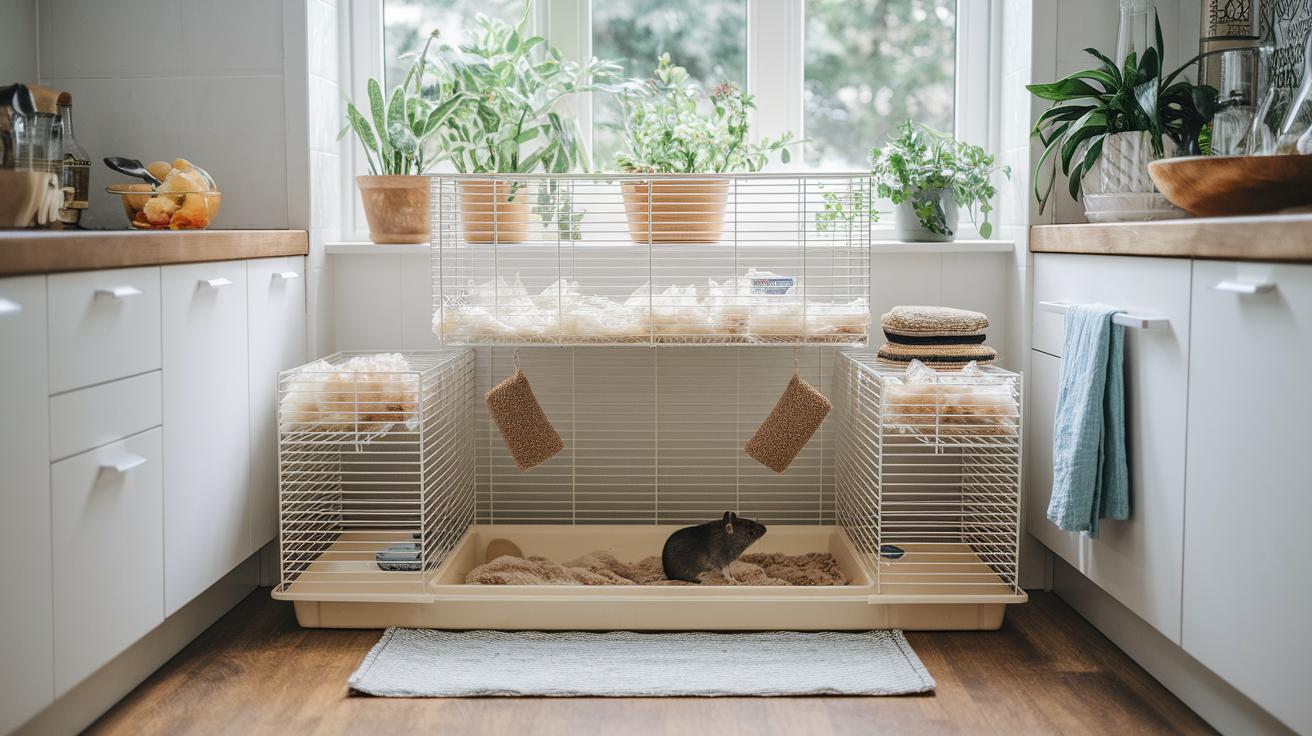
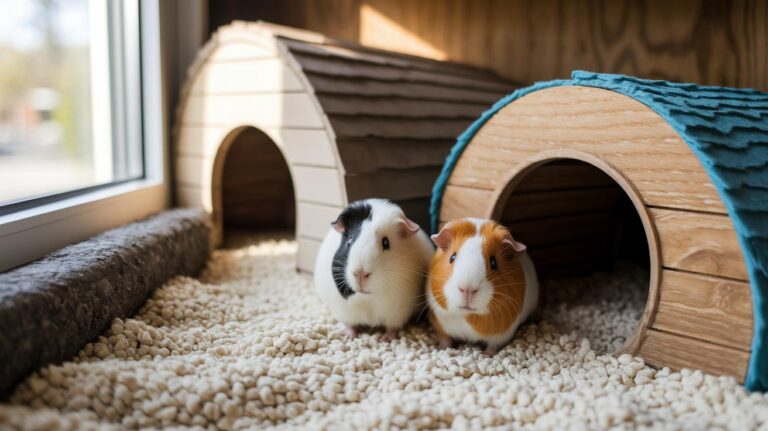
If you're shopping for guinea pig cages, you can find many options under $50. These budget cages help you save money while giving your little pets a safe spot to relax. Just remember that a lower cost might mean the cage is a bit small. A cage under $50 usually meets the basic space requirement of about 7.5 square feet in the US or 7.75 square feet in the UK. Imagine buying a little pen and later realizing your pets need more room to play. Planning ahead can really make a difference.

Knowing the right space guidelines is key when choosing a cage. In the US, the minimum size is 30×36 inches (7.5 square feet) and in the UK, it is 60×120 cm (7.75 square feet). But for two guinea pigs, about 10.5 square feet works best. This extra space lets them roam, exercise and act naturally. Spending a bit more is like turning a small pen into a fun playground for your pet family.

Ensuring Proper Size in Low-Cost Guinea Pig Pens
img-2.jpg

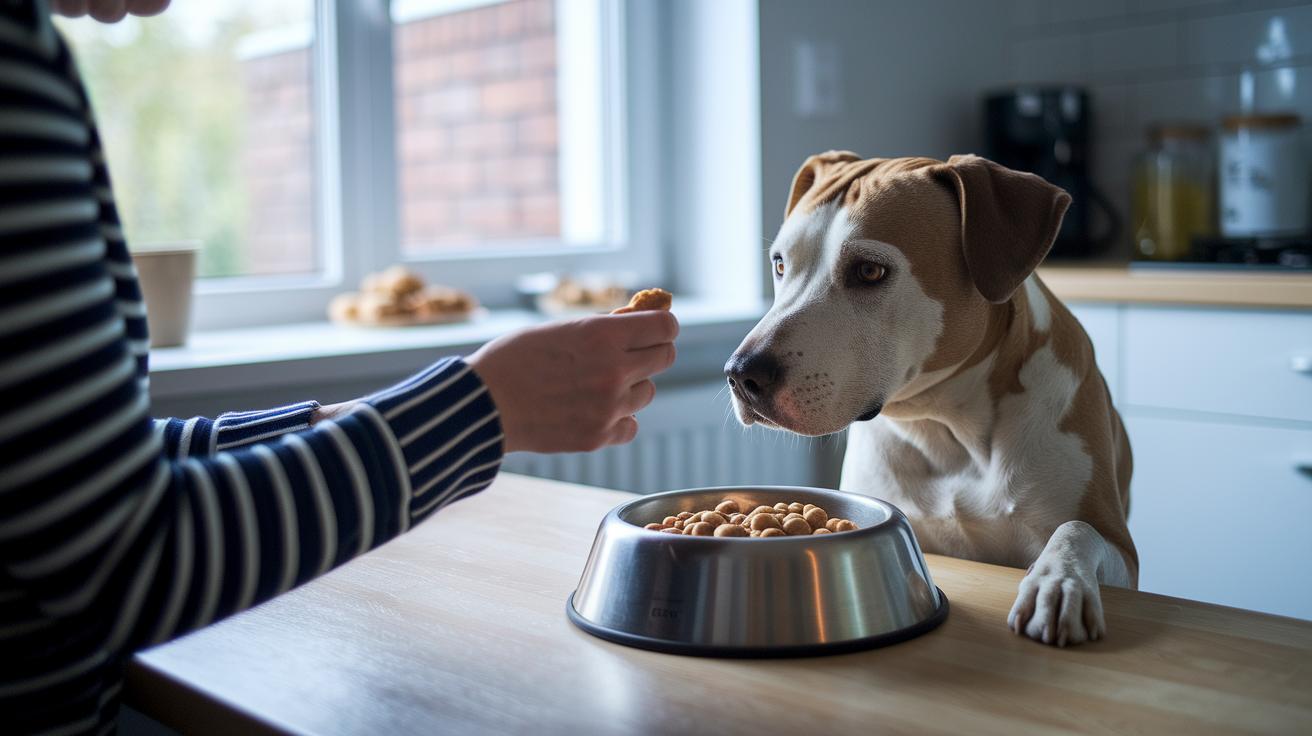
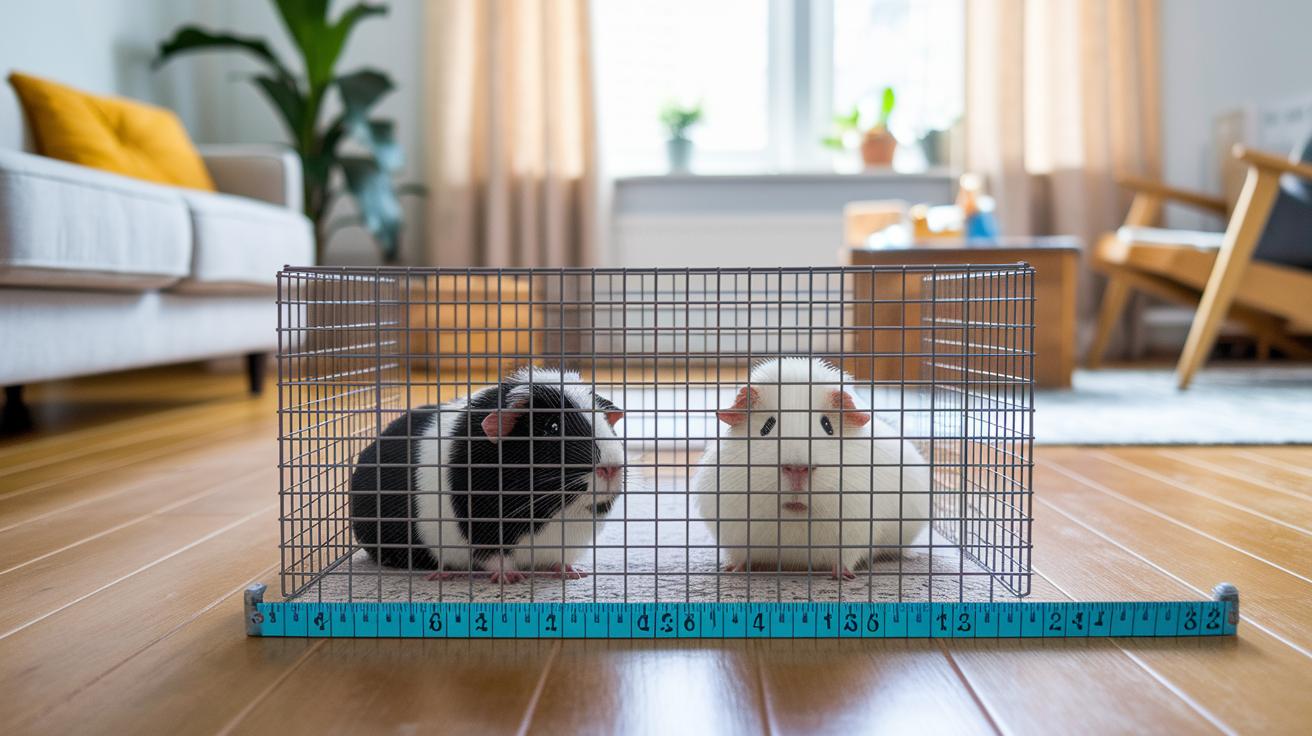
Guinea pigs need enough space to explore and feel safe. A proper cage helps lower stress and gives them room to bounce around. Even a small mistake in size can change their mood and energy.

In the US, a pen should be at least 30 x 36 inches (about 7.5 square feet). In the UK, the guideline is 60 x 120 cm (around 7.75 square feet). For two guinea pigs, choose a pen that measures at least 30 x 50 inches (10.5 square feet) or 60 x 162 cm. This extra space makes playtime more fun.

Always check the pen’s measurements before you buy. Grab a tape measure and verify the size yourself. If a pen says it meets the minimum but looks small, measuring it helps ensure your pets stay happy and healthy.

Side-by-Side Comparison of Discounted Guinea Pig Enclosures
img-3.jpg

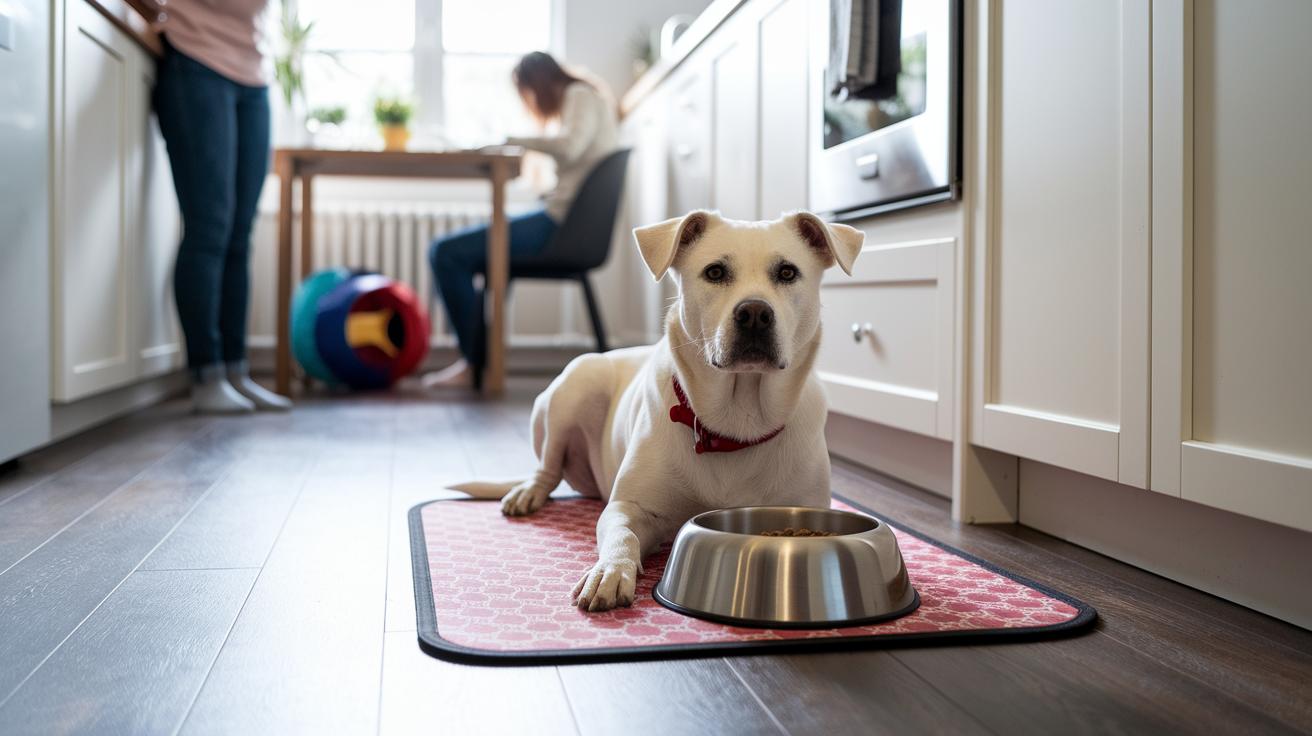
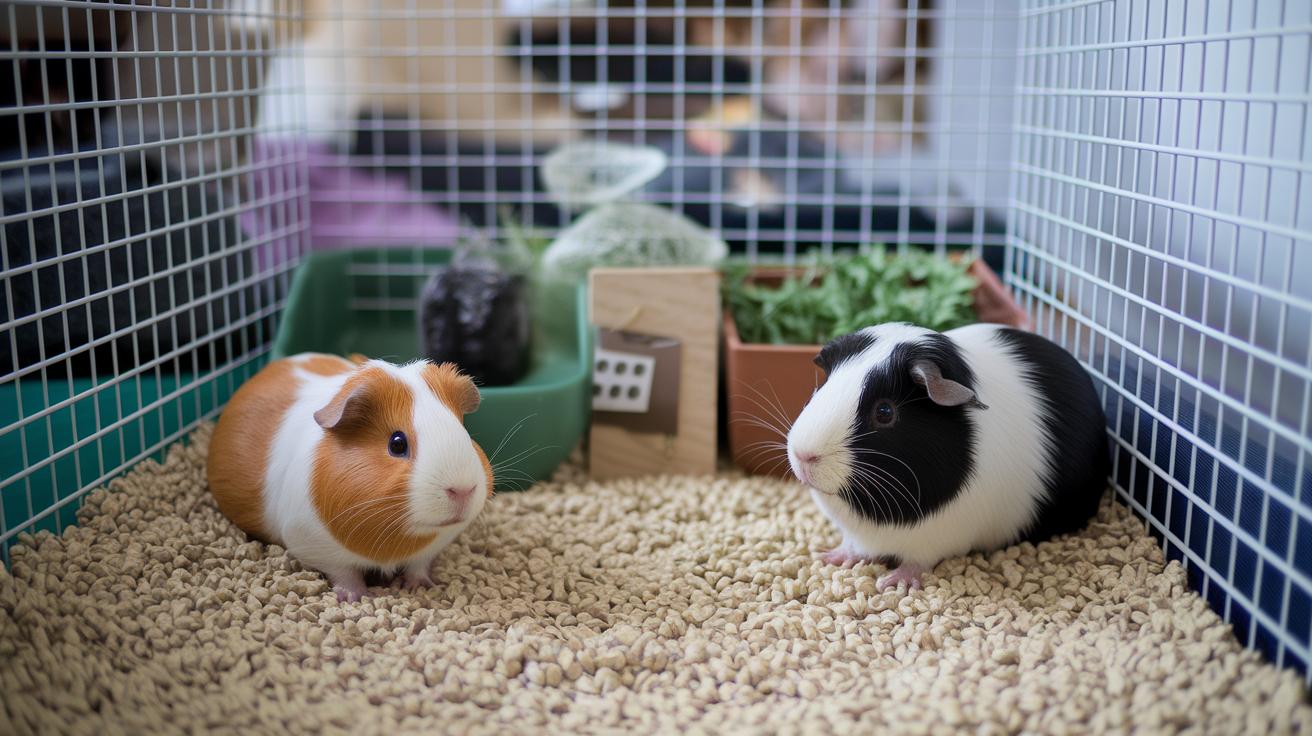
If you’re looking for an enclosure under $60 that gives your little pets plenty of room, we have some friendly options here. These choices combine smart design with a price that works for your budget, all while keeping your pet’s comfort in mind.

Ferplast 160 Budget Model

The Ferplast 160 stands out with an extra 40 cm extension. This gives about 10.5 square feet of space that lets your guinea pigs explore and feel cozy. It is made to be easy to clean and built to last, making your daily pet care a little simpler.

Midwest Guinea Pig Habitat

The Midwest Guinea Pig Habitat starts with a base area of about 7.5 to 8 square feet. Its upgraded “Plus” model adds a top panel, divider, and ramp cover. These features make it extra comfy and secure, all while keeping the price under $60.

Little Friends Affordable Options

Little Friends has two handy choices. The Rabbit 160 model offers 11.6 square feet, and the Square model gives about 10.75 square feet. Both options give plenty of space for play and are perfect for pet parents looking for a budget-friendly setup.

Model Area (sq ft) Key Features Approx. Price
Ferplast 160 10.5 Extra 40 cm extension, easy-clean panels $40-$60
Midwest Habitat 7.5-8 Plus: top panel, divider, ramp cover $40-$60
Little Friends 10.75-11.6 Rabbit 160 & Square; extra room $40-$60

DIY Inexpensive Cage Designs for Guinea Pigs

img-4.jpg

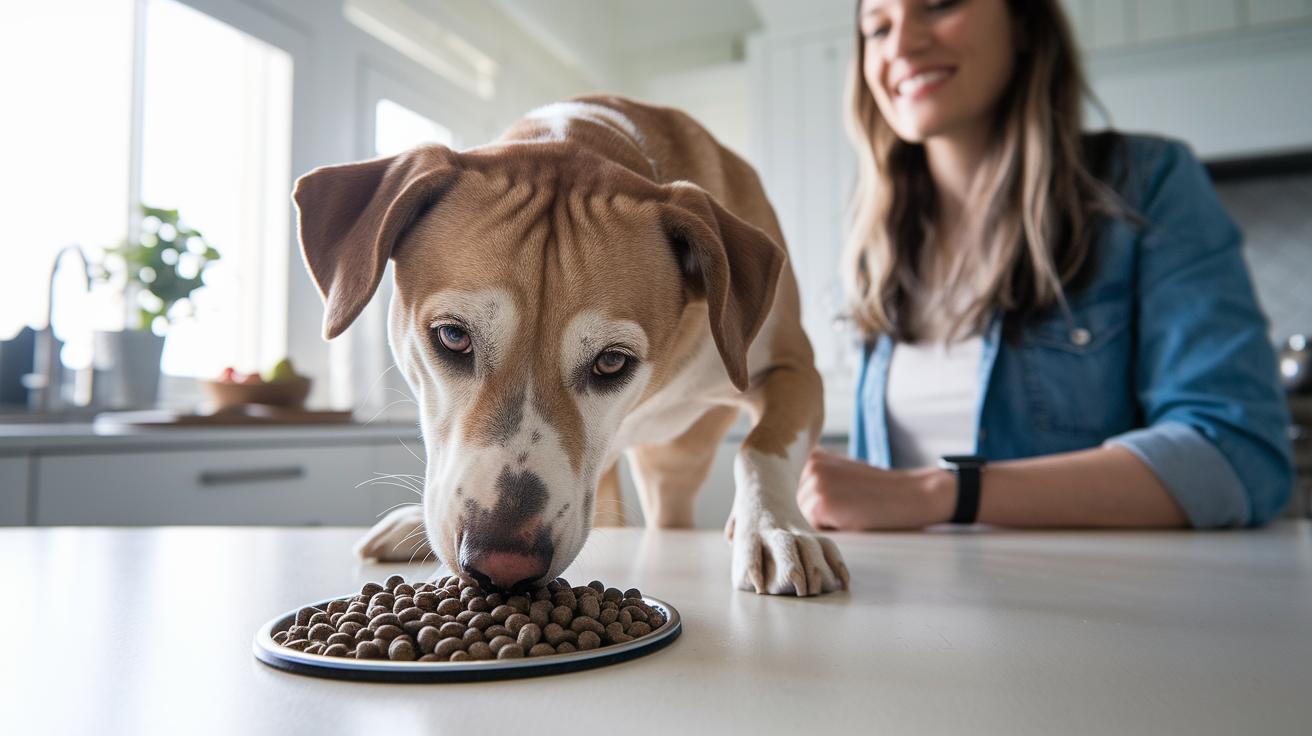
Building your own guinea pig cage is fun and lets you create the perfect home for your pets. You can choose the size and layout that works best for you and gives your little friends plenty of room to explore.

You don't have to spend a lot. Look for items like plastic storage bins around $10, metal grid panels for about $15, or even wood pallets and PVC connectors. These materials can help you build a pen that is at least 7.5 square feet, and ideally 10.5 square feet, for a pair. This way, you keep costs low while making sure your pets have a safe space.

Start by sketching your layout. Arrange your panels or bins to form a spacious play area. Make sure you secure everything well. Then, smooth out any rough spots with weather-proof tape and add corner braces to reinforce the structure. This step-by-step method keeps the cage sturdy and makes it comfortable for your pets.

Finally, add some thoughtful touches. Create a soft bedding area for your pets to rest and cut an access door for easy cleaning. And don't forget to ensure there is plenty of fresh air flowing through the pen.

Tips to Find Bargain Pet Cages for Guinea Pigs

img-5.jpg

Keep an eye out for clearance events, holiday sales, and end-of-season discounts. Big stores like Walmart, PetSmart, and Chewy often drop their prices when they need to clear out extra stock. Right after peak pet season, you can usually find the best deals on pet cages.

Also, check local resale spots for even more savings. Sites like Facebook Marketplace, Craigslist, and local classifieds often have lightly used cages. Sometimes local pet stores even offer floor models or open-box items. When buying used, don't be shy about asking for a discount. A friendly chat can sometimes lead to extra savings for your guinea pig's new home.

Maintaining Durability in Economical Guinea Pig Habitats

img-6.jpg

Keeping your pet space clean is key. We recommend a full clean every week and a quick spot clean each day. This routine helps remove dirt and germs so your guinea pigs can stay healthy.

Take a few minutes each month to check your cage. Look at the doors to make sure they close tightly, check all corners for loose parts, and examine the floor for cracks or damage. Also, inspect latches, grids, and fasteners. A small fix with zip ties or metal clips can help avoid accidents and keep the habitat strong.

For a budget-friendly upgrade, change the bedding often. Use an $8–$12 bag to stop mold and odors. You can also add extra clips to secure panels. These simple steps make cleaning easier and help your pet’s home last longer.

Final Words

In the action, we explored affordable options and practical tips for pet cages. We broke down size standards, compared budget models, and even shared a DIY guide. Each section helped you see the balance between cost and quality while supporting ethical impact.

Remember, a well-chosen setup is key to a happy pet and a fulfilled rescue. Keep an eye on new deals for cheap cages for guinea pigs and enjoy creating a safe space for your furry friend.

FAQ

How can I find cheap guinea pig cages near me or online?

The search for cheap guinea pig cages means exploring local pet stores, Walmart, Amazon, or clearance online. These options offer budget-friendly choices while balancing cost and space.

What are the best cage options for two guinea pigs?

The best cage options for two guinea pigs provide at least 10.5 sq ft of space. Affordable models and extra-large designs ensure your pets have room to move and play.

Is a 2×4 cage big enough for two guinea pigs?

A 2×4 cage typically offers 8 sq ft, which is below the recommended 10.5 sq ft for two guinea pigs. A larger area helps support better health and behavior.

What kind of cage is best for a guinea pig?

The best cage for a guinea pig meets minimum space requirements, is easy to clean, and is built from safe, durable materials that provide comfort and room for enrichment.

What alternatives can I use as a guinea pig cage?

Considering alternatives means using DIY setups like repurposed storage bins, metal grid panels, or affordable pet pens. These options offer flexibility for custom sizing and design for your pet’s needs.

What should I look for in a cage for one guinea pig?

A cage for one guinea pig should offer at least 7.5 sq ft of space, plus easy access, safe materials, and enough room for toys and hiding spots to keep your pet happy.

What is the leading cause of death in guinea pigs?

The leading cause of death in guinea pigs is often linked to age and health issues, such as respiratory problems or nutritional deficiencies. Regular vet visits and proper care help reduce these risks.

Hair Clipper Cleaning Brush Sparks Sleek Performance

0

Ever wonder if your clippers could use a little pampering? A simple cleaning brush can go a long way in keeping your tools in tip-top shape. Just like your pet’s favorite grooming brush enhances their shiny coat, a good clipper cleaning brush sweeps away hair and dust. This means sharper blades, smoother cuts, and less time wasted during grooming. Let’s explore how this small tool can make a big difference in your routine and help your clippers stay in great shape.

Hair clipper cleaning brush Sparks Sleek Performance

img-1.jpg

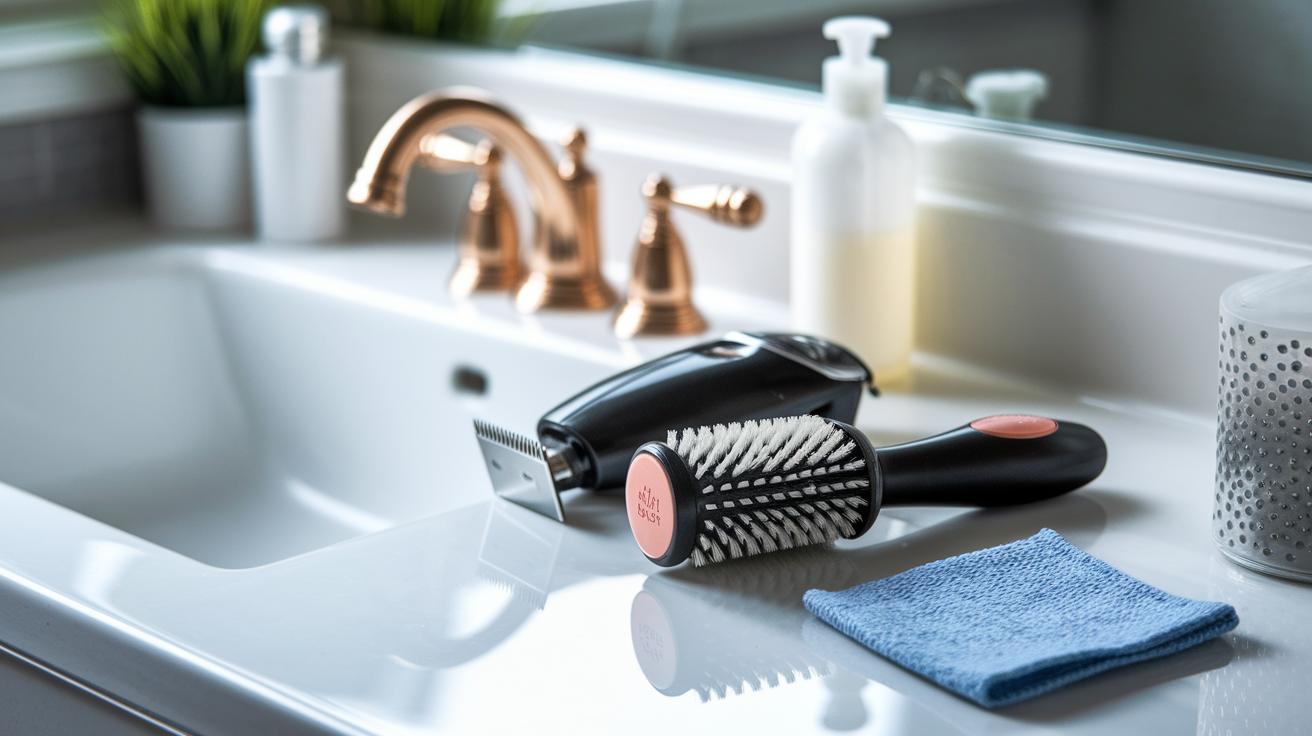
Keeping your clippers clean matters a lot. A good cleaning brush sweeps away hair and dust so your clippers stay in great shape. It keeps your cuts smooth and your blades lasting longer. For example, cleaning prevents buildup that can slow down even your trusted dog hair clippers (https://goodpawsgoodcause.org?p=221).

Here are some key things to look for:

  • Bristles that are gentle yet strong enough to clear hair
  • A handle that feels safe and easy to grip
  • A brush head that fits well around the blades
  • Options with color-coding or packs that include several brushes
  • A design that lasts long and works cost-effectively
  • Compatibility with different clipper models
  • A good price whether you buy one or a set

Each detail plays a part in how well the brush cleans. The bristles need to be soft enough to protect your tool yet firm to get rid of hair. A solid grip and a well-shaped brush head make it simple to clean around clipper blades. And with features like color-coding, you can quickly find the right brush, especially if you have several tools. In the end, these features make maintenance easy and affordable while keeping your clippers performing their best.

Effective Cleaning Technique with Your Hair Clipper Cleaning Brush

img-2.jpg

Keeping your clipper clean helps keep the blades sharp and stops germs from building up. Think of it like giving your tool a little spa day, simple care makes it work better and last longer.

Before you start, unplug your clipper. Shake off any loose hair and, if possible, take off the blades so you can get a deep clean. This is like a quick warm-up before a run.

Hold your clipper at a 45° angle to the blades. Brush with short, back-and-forth strokes to sweep away hair, including the hard-to-reach bits near the roots. It’s like smoothing your pet’s fur after a bath, you want every stray hair out of the way.

After brushing, snap the blades back in place. If you have an ABBS Air Jet, let its cordless power blow away any lingering debris. If not, canned air works just as well. Finally, wipe the metal surfaces with a dry cloth to remove any moisture or tiny bits of hair.

Taking these few steps regularly not only keeps your clippers in top shape but also means fewer repairs. Simple, regular care makes grooming safer and easier.

Side-by-Side Comparison of Top Hair Clipper Cleaning Brushes

img-3.jpg

Keeping your clippers in top shape starts with a good cleaning brush. A reliable brush sweeps away hair and dirt, helping your clippers last longer. When you choose one, look at the type of bristles, the design of the handle, the pack sizes, the color choices, and of course, the price. These details make all the difference for your grooming routine.

We built this quick guide to share five brushes that professionals trust. Each one has its own charm. For example, the Andis brush has stiff synthetic bristles that clear out stubborn hair fast. The Scalpmaster uses soft nylon bristles for a gentle clean. The Diane brush offers medium synthetic bristles and comes in a bulk pack, which is handy for busy stations. Stylecraft’s brush, with natural boar bristles, gives a unique cleaning feel. And the BaByliss Pro brush stands out with firm nylon bristles in several colors so you can match it easily with your clipper.

When checking out these brushes, think about a handle that feels good in your hand, quality materials that last, and if you need one brush at a time or a pack. This helps you pick the best option for your budget and needs. Use the table below for a quick side-by-side look.

Brush Model Bristle Type Pack Options Color Variants Price Range
Andis #12415 Synthetic stiff Single, 12-pack Black $5–$50
Scalpmaster SC-9033 Soft nylon Single, 12-pack Blue $6–$60
Diane DBB023 Synthetic medium Single, 36-pack Red $4–$100
Stylecraft SCBFB Natural boar Single, 3-pack Black/White $8–$24
BaByliss Pro BBFADEBR Firm nylon Single, 3-pack 3 colors $7–$21

Maintenance Schedule for Your Hair Clipper Cleaning Brush

img-4.jpg

After each haircut, take a moment to wipe your cleaning brush. This removes stray hair and dust. A quick daily wipe helps avoid buildup and keeps your tools running smoothly.

Every week, give your brush and clipper blades a proper clean. First, use steady back-and-forth strokes to clear out clippings from the brush. Then, grab a dry cloth and gently wipe the clipper blades to remove any debris. This routine cuts down on stubborn hairs and helps prevent rust, so your clippers and brush perform well every time.

Once a month, treat your brush to a deep clean. Soak it in a mild detergent solution and rinse thoroughly. Allow the brush to air-dry completely before using it again. Experts also suggest replacing your brush every 6-12 months, depending on how much you use it. Store your brush in a dry, ventilated spot to keep mold away and make it last longer.

Best Sanitizers and Sprays to Use with a Hair Clipper Cleaning Brush

img-5.jpg

After you clear the hair from your cleaning brush, a spray sanitizer gives it an extra boost. A quick-acting spray helps break down oils and residue while wiping out 99.9% of germs. This simple step keeps your tools safe and ready, so every cut stays hygienic.

Many top sprays use ingredients like alcohol and quarternary ammonium compounds (germ-killing chemicals). Alcohol-based formulas dry fast, cutting down on moisture, while other sprays include plant extracts for a natural clean. Some even come as a foam that clings to blades a bit longer, giving the disinfectant more time to work deep in every crevice. It’s a small step that makes tool cleaning easier and more effective.

Here’s how to use it:

  • Spray a light coat on your brush and blades.
  • Wait 30 to 60 seconds.
  • Wipe with a dry cloth.
  • Store your spray and brushes in a cool, dry place.

By following these simple steps, you help keep your gear in top shape and ready for your next grooming session.

Final Words

In the action, we explored how a hair clipper cleaning brush can make a real difference. We broke down key features like bristle material, grip, and brush head shape. We walked you through effective cleaning techniques to remove debris and compared top models so you can pick the right one for your clippers. We also put together a simple maintenance schedule and reviewed sanitizers to keep your tools safe. Each step helps you care for your gear with ease while supporting a cause that benefits our furry friends. Enjoy a cleaner, healthier grooming routine!

FAQ

What is the best brush to clean clippers with?

The best brush to clean clippers uses firm yet gentle bristles designed to reach blade crevices. It quickly gathers hair buildup and is built to work with various clipper models.

What’s the best way to clean hair clippers?

The best way to clean hair clippers is to first brush off loose hair, then use disinfectant sprays or canned air to remove stubborn residue and ensure proper hygienic upkeep.

What do barbers use to clean their clippers and brushes?

Barbers use specialized cleaning brushes to dislodge hair and mild, alcohol-based sanitizers or detergents to clean both clippers and brushes, ensuring thorough hygiene and extended tool life.

Where can I find quality hair clipper cleaning brushes?

You can find quality hair clipper cleaning brushes at local supply stores and online, including platforms like Amazon. Trusted brands such as Andis and Wahl offer professional-grade options.

What is a neck duster brush?

A neck duster brush features soft bristles designed to gently sweep away hair clippings from sensitive neck areas, offering a safe and comfortable finish after a haircut.

Best Grain Free Dog Food: Healthy Top Picks

0

Have you ever wondered if a grain free diet might be the key to your dog's well being? We know some pet parents see big changes while others are unsure. In this article, we're sharing some of the top grain free dog food options that are gentle on tummies and great for active dogs.

These foods:

  • Help digestion so your dog feels light.
  • Calm sensitive skin.
  • Pack a protein punch for extra energy.

Let's work together to find a grain free option that keeps your furry friend happy and healthy every day.

Top-Rated Grain-Free Dog Food Options for 2025

img-1.jpg

If you're looking for a grain-free meal that’s gentle on your dog’s tummy, we’ve gathered six top choices to consider. Here’s an easy look at each food’s main protein, what type of dog it suits best, and the price range. For instance, if your pup needs a soft, easy-to-digest meal, KOHA Dog Food might be just right with its moisture-rich, simple formula.

Product Main Protein Best For Price Range
KOHA Dog Food Animal proteins with few ingredients Dogs that need a gentle, digestible meal Moderate
Merrick Grain-Free Up to 84% deboned meats Active dogs that need muscle-building fuel Premium
Taste of the Wild Real fruits, vegetables, garbanzo beans, and lentils Dogs that love natural variety and steady energy Moderate
Blue Buffalo Freedom Quality animal proteins Great for dogs with allergies or sensitive systems Premium
Hill’s Science Diet Sensitive Stomach & Skin Special protein blend Dogs needing help with digestion and skin issues Moderate
Weruva Grain-Free Canned Human-grade protein blend Picky eaters who like a soft, moist meal Premium

Benefits and Drawbacks of Grain-Free Canine Nutrition

img-2.jpg

Grain-free diets can be a good fit for some dogs, especially those with food sensitivities. They focus on high-quality animal proteins and use fewer fillers to help with issues like itchy skin or ear problems. Many pet parents have seen less gas, less bloating, and even better stool quality after switching to these diets. To learn more, you can read about the benefits here: benefits of grain free dog food.

Here are some benefits:

  • May help with itchy skin and some ear issues.
  • Uses lots of animal protein, which supports muscle building and energy.
  • Easier on the tummy, reducing gas and bloating.

There are a few drawbacks to bear in mind. Grain-free diets can cost more because of the special ingredients and extra care in their making. Some formulas use a lot of pulses like peas and lentils. The FDA has linked these pulse-heavy diets to heart issues, such as dilated cardiomyopathy (a type of heart disease), especially in larger dogs.

Before switching, it’s best to check with your vet to make sure your dog truly has a grain allergy. You might also consider options like minimally processed raw, dehydrated, or air-dried foods. These choices could be a safer bet compared to highly processed kibbles.

Choosing the Right Grain-Free Formula for Your Dog

img-3.jpg

Grain-free food can be a great choice for your pup, but it's important to find one that fits their needs. Start by checking the main protein. Look for deboned meats or a novel protein that might be gentler on a sensitive tummy. Next, see what carb sources are included. Sweet potatoes, peas, or lentils can provide a gentle energy boost for your furry friend.

Key factors to consider include:

  • Primary animal protein (for example, deboned chicken or another novel option)
  • Carbohydrate choices (such as sweet potatoes, peas, or lentils)
  • A simple ingredient list (few fillers and by-products)
  • The processing method (gently cooked versus highly processed)
  • Life stage fit (puppy, adult, or senior)
  • Special needs for breed or sensitive skin and digestion

It helps to check the AAFCO statement (feeding standards) and any veterinary endorsements for extra peace of mind. By comparing these factors, you can build a balanced diet that suits your dog's unique needs.

Grain-Free Dog Food Recommendations by Life Stage and Sensitivity

img-4.jpg

Finding the right grain-free food for your dog is about matching their age and any special needs. We picked some favorites to suit every life stage and sensitivity. Whether you have a playful puppy, a busy adult, or a gentle senior, these options help keep them happy and healthy.

For young pups, KOHA Puppy Grain-Free offers moist, small kibble that fits perfectly in little mouths. Adult dogs benefit from Merrick Grain-Free, packed with protein from deboned chicken and beef to keep their energy up. Seniors may enjoy Hill’s Science Diet Senior Grain-Free, which includes joint care ingredients that support older joints. Dogs with sensitive tummies might find relief in Blue Buffalo Freedom Sensitive, made with a few simple ingredients and unique proteins to ease digestion. Small breeds love Taste of the Wild Small Bites Grain-Free, with calorie-dense pieces that are easy to chew. And big breeds can do well with Open Farm Large Breed Grain-Free, enriched with glucosamine and made with controlled calories to support joints and keep weight in check.

Life Stage / Sensitivity Product Defining Feature
Puppy KOHA Puppy Grain-Free Moisture-rich, small kibble
Adult Maintenance Merrick Grain-Free High protein from deboned chicken/beef
Senior Care Hill’s Science Diet Senior Grain-Free Joint-support formula
Sensitive Digestive Blue Buffalo Freedom Sensitive Limited ingredient, novel proteins
Small Breed Taste of the Wild Small Bites Grain-Free Calorie-dense, bite-sized
Large Breed Open Farm Large Breed Grain-Free Glucosamine-rich, controlled calories

Safe Transition to Grain-Free Diets

img-5.jpg

When you change your dog's food, take it slow to avoid tummy troubles. Try mixing 25% grain-free food with 75% of their regular meal. Keep this mix for 2 to 3 days while you watch your dog's energy and how well they digest their food.

Then, move to a mix of 50% grain-free and 50% old food for another 2 to 3 days. This step-by-step change helps your dog adjust gradually. Next, shift to 75% grain-free with 25% regular food over the next 2 to 3 days.

By day 10, if your dog seems happy and healthy, you can switch completely to the grain-free food. During each step, keep an eye on their stool, energy, and the shine on their coat. If you notice any issues like diarrhea, discomfort, or unusual behavior, slow the change even more. And remember, it’s a good idea to check with your vet before starting, especially if your dog has a history of allergies or other health concerns.

Vet-Approved Insights and Health Considerations for Grain-Free Diets

img-6.jpg

Grain-free diets work best for dogs diagnosed with an allergy or sensitivity, like constant itchy skin. We use vet-approved dry kibble that is made with itchy skin relief in mind.

If your dog belongs to a breed that may face heart problems, please talk with your vet about regular heart check-ups.

Here are some tips:

  • Did you know only a small number of dogs truly have grain allergies?
  • If your pup struggles with itchy skin, have a quick chat with your vet about a special diet.
  • Always ask your vet to see if a grain-free diet is a good fit for your pet.
  • Look for diet options that focus on clear, research-backed canine nutrition.

Final Words

In the action, we examined top-rated grain-free options, weighing pros, cons, and the safe transition steps that help your dog thrive. We broke down each formula's key features, from life stage needs to vet-approved insights, ensuring you can choose with ease and care.

We discussed ingredients, protein quality, and practical tips to match your pet's unique needs. Ultimately, this guide helps you find the best grain free dog food that keeps your pet happy, healthy, and well-cared-for. Here's to smart, joyful choices in pet nutrition.

FAQ

What are the best grain-free dog food recommendations according to Reddit?

The best grain-free dog food on Reddit is often praised for its simple ingredients and high protein content, with options like KOHA Dog Food, Merrick, and Taste of the Wild receiving positive community feedback.

What is the best grain-free dog food for skin allergies?

The best grain-free dog food for skin allergies focuses on limited ingredients to reduce allergens and improve coat health. Many pet parents choose Blue Buffalo Freedom or Hill’s Science Diet Sensitive formulas for relief.

What is the best grain-free dog food for large breeds?

The best grain-free dog food for large breeds offers balanced nutrition, joint support, and controlled calories. Options such as Open Farm Large Breed are tailored to meet the specific needs of bigger dogs.

What is the best grain-free dog food for small dogs?

The best grain-free dog food for small dogs is designed with bite-sized, calorie-dense pieces that suit smaller mouths and higher energy levels, as seen with Taste of the Wild Small Bites recipes.

What is the best affordable grain-free dog food?

The best affordable grain-free dog food provides quality nutrition without a premium price. Look for brands that mix cost-effectiveness with high animal protein and minimal fillers to fit your budget.

What is the best grain-free dog food option in wet form?

The best grain-free wet dog food is moisture-rich and uses limited ingredients, like Weruva, which offers enticing, human-grade meals that support hydration and a soft diet for your pet.

What is the best grain-free dog food for Bullies?

The best grain-free dog food for Bullies is built for strong chewers, providing robust protein and joint support with tough kibble and a formula designed to handle the chew power of Bullies.

What is the best grain-free dog food for senior dogs?

The best grain-free dog food for senior dogs supports joint health, easy digestion, and weight control. Options like Hill’s Science Diet Senior Grain-Free deliver balanced nutrients for aging dogs.

Do vets recommend grain-free dog food?

Vets may recommend grain-free dog food for dogs with confirmed grain allergies or chronic skin issues, but they suggest that most dogs tolerate grains well. Always consult with your vet before making any diet change.

What is considered the number one healthiest dog food?

The number one healthiest dog food varies based on your pet’s needs. Many experts praise options like KOHA or Merrick Grain-Free for their high animal protein and minimal fillers to promote overall health.

Airline Approved Pet Carrier For 30lb Dog: Safe

0

Ever wonder if your 30lb dog can fly safely? The right pet carrier can give you peace of mind. Airline-approved carriers keep your pet secure and comfy so you can both breathe easy.

In this post, we show you the top in-cabin options. Look for machine-washable fabric, zip locks that stay shut, and cushioned foam floors that feel like a soft hug. We’re here to help you pick a carrier that follows airline rules and keeps your furry friend cozy on every trip.

Top In-Cabin Pet Carriers for 30lb Dogs: Recommendation and Comparison

img-1.jpg

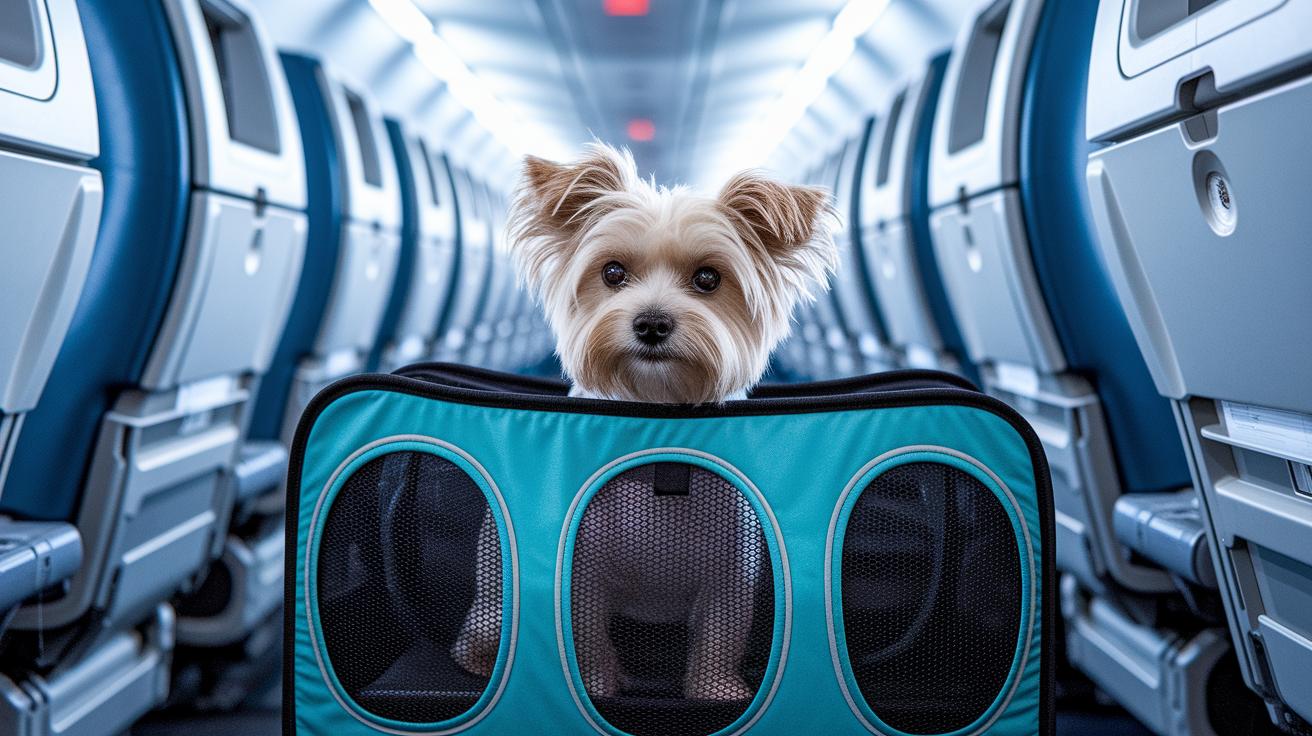
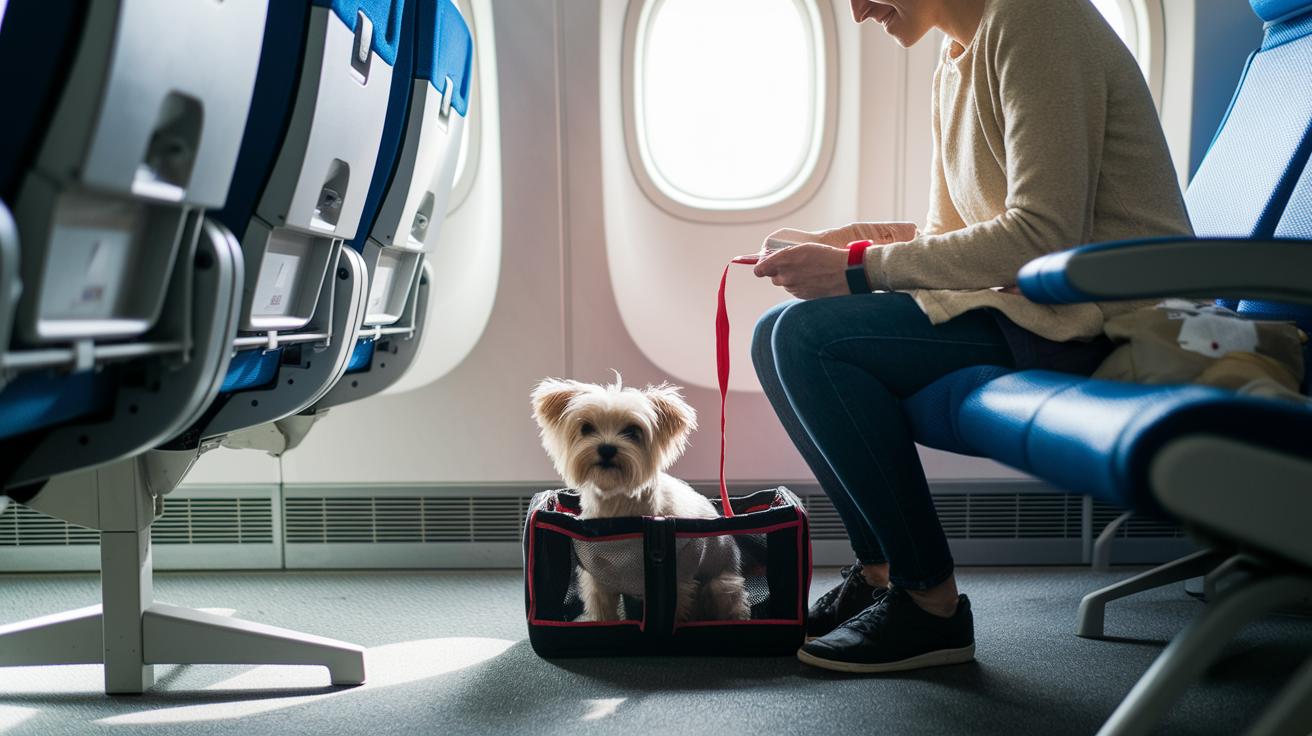
We love the SturdiBag Pro 3.0 for travel. It's an airline-approved pet carrier made just for a 30lb dog. This carrier is nearly all machine washable, has five removable tension rods, and features three secure zipper locks. It also has a foam-core floorboard for extra comfort. The mesh panels and privacy screens keep your pet cool and secure. You can learn more about this carrier here.

Below is an HTML table that compares six top models by weight, size, safety features, and price:

Model Dimensions Weight Capacity Crash Rating/Note Price
SturdiBag Pro 3.0 18″ x 12″ x 12″ Up to 30 lbs Not rated by CPS; emphasizes security features Mid-range
Sleepypod Air In-Cabin 18.75″ x 11.5″ x 8.75″ Varies; suitable for medium dogs CPS 4-star rating Premium
Petsfit 2-Side Expandable 17″ x 11″ x 11″ (+3″ on sides) Designed for smaller to medium dogs No crash rating; budget option Budget-friendly
Tavo Hendrick 20″ x 13″ x 13″ Up to 45 lbs No formal crash rating Higher-end
Away Pet Carrier 18.3″ x 11.1″ x 9″ Up to 30 lbs Crash-tested Approximately $25 premium
Mr. Peanut’s Monterey Series 16.6″ x 11″ x 10″ Up to 20 lbs Convertible backpack/trolley; less comfort with extra weight Mid-range

If you're keeping an eye on your budget, the Petsfit 2-Side Expandable gives you extra space at a friendly price. For pet parents who want top safety, the Sleepypod Air In-Cabin stands out with its CPS crash rating. And if you need a bit more room or want extra security features, the Tavo Hendrick can be a great choice. There is a carrier to match every travel style and pet need. Pick the one that fits your journeys and keeps your furry friend happy.

Understanding Airline Pet Carrier Regulations for a 30lb Dog

img-2.jpg

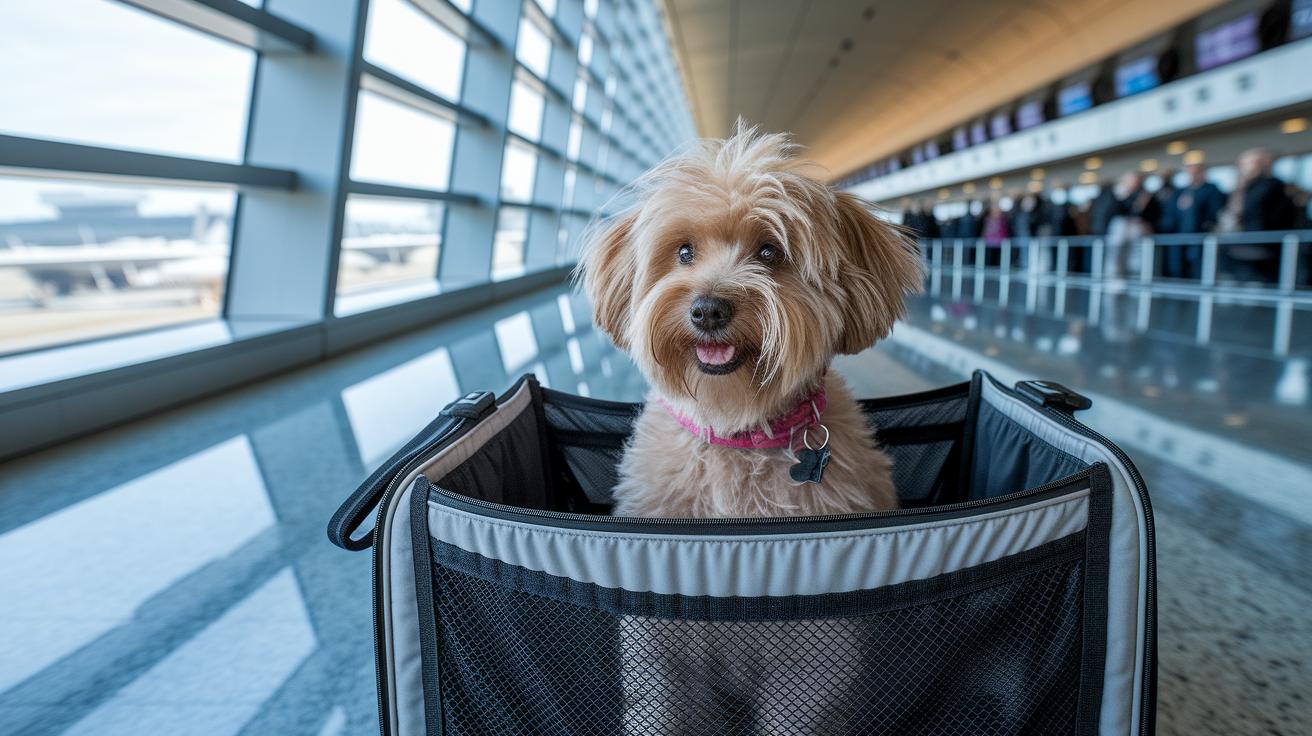
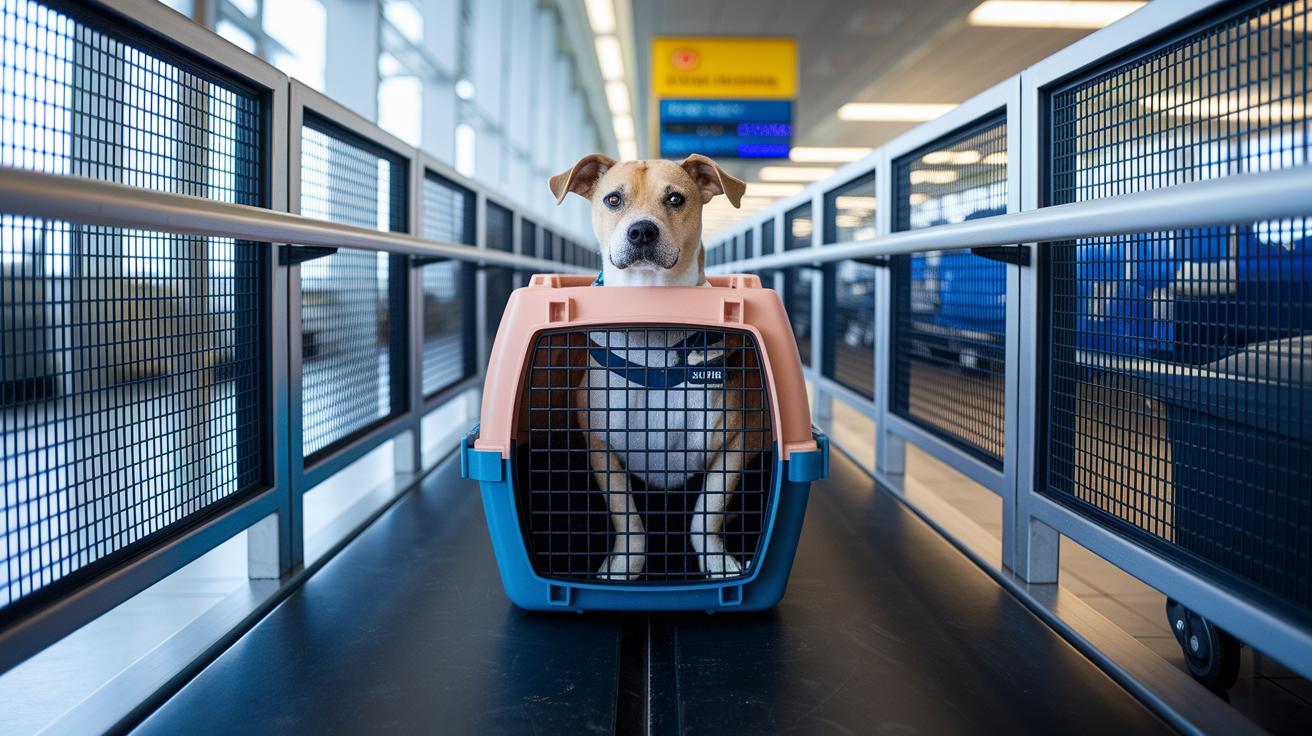
Different airlines have different rules for pet carriers. For example, JetBlue says your pet carrier should be no longer than 17 inches, no wider than 12.5 inches, and no taller than 8.5 inches. Plus, the total weight of your pet and the carrier should stay under 20 lbs. Airlines like American, Delta, and United let you use a bigger carrier, up to 19 x 13 x 9 inches, but they still keep the total weight around 20 to 22 lbs. Soft-sided carriers are our top pick since they can flex to fit under the seat, making travel easier for you and your pet. Also, airlines let each passenger bring one pet, keeping the flight safe and comfy.

At security, carriers go through an X-ray while your pet passes through a metal detector. To make this step smoother, secure your pet with a leash or harness. This little extra care helps stop any sudden escapes and makes the check faster. Carriers with clear materials and easy-to-open closures also help security see that everything meets the rules. For more on what works best, check out the tsa approved pet carrier page.

Sizing & Dimension Guidelines for a 30lb Dog Carrier

img-3.jpg

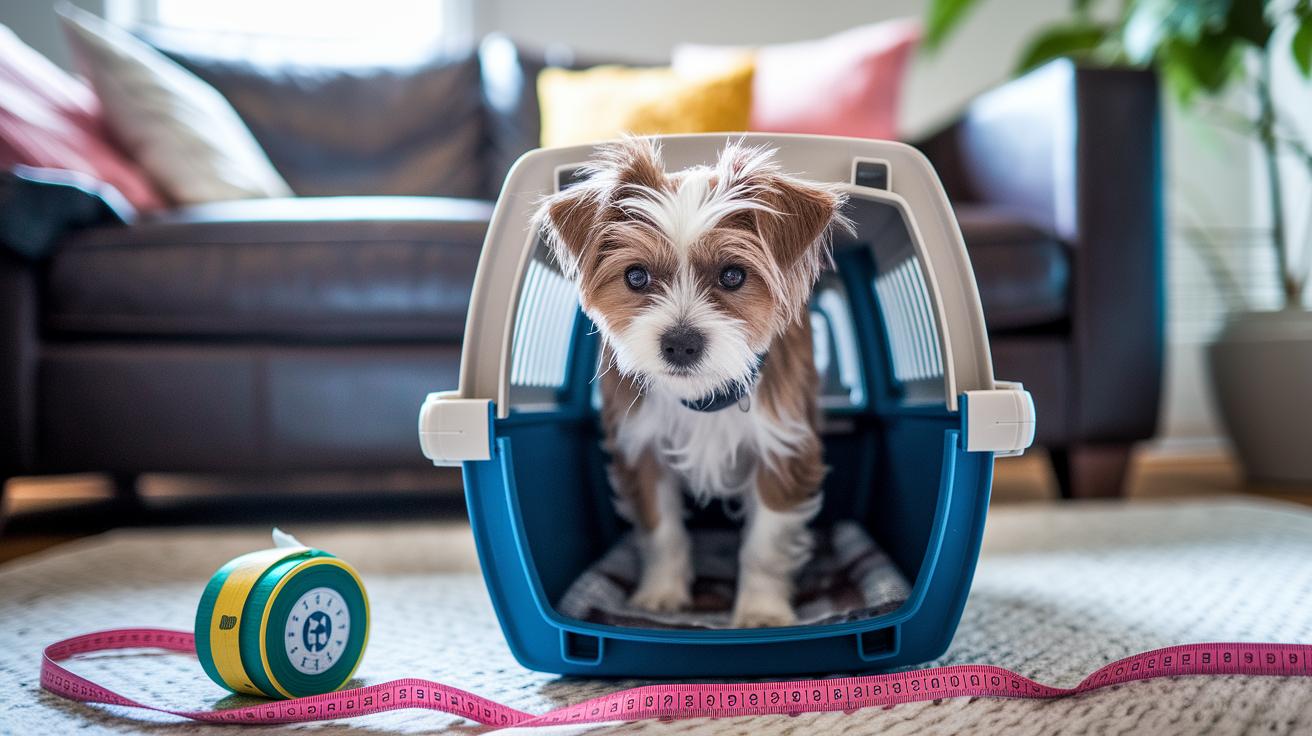
When your furry friend weighs about 30lb, getting the right carrier is key for safe and comfy air travel. You want to make sure your pup has enough room to stand, turn, and lie down without feeling squeezed.

To find the perfect fit, measure your dog from the tip of its nose to the start of its tail and from the floor to the top of its head. Then, add 2 inches to each measurement. This little extra space helps keep your pet relaxed and comfortable.

Most under-seat carriers are around 18" x 14" x 10". So, it's important to know both your pet's size and the carrier's internal space.

Measurement Pet Measurement Required Allowance
Height Floor to top of head Add 2 inches
Length Nose to base of tail Add 2 inches
Width Widest girth Should fit comfortably within carrier dimensions

Don't forget to add a soft, cozy cushion inside the carrier and check each airline's pet rules before booking your flight.

Safety & Comfort Features in Airline Carriers for 30lb Pets

img-4.jpg

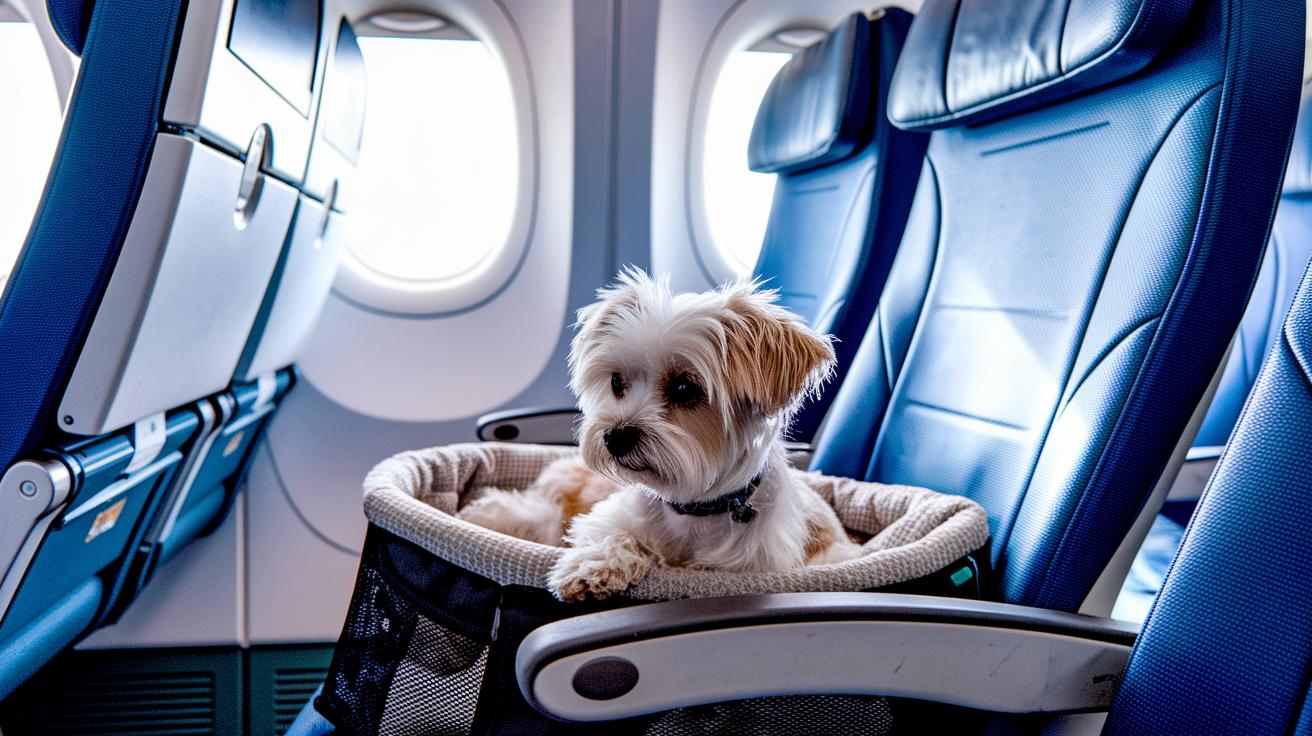
Airline-approved pet carriers for a 30lb dog come with many built-in safety features to keep your pet secure. They have locking zippers that keep the carrier closed and double-stitched seams for extra strength. Many models also include seatbelt loops so you can fasten the carrier safely during travel. Some carriers even have CPS or third-party crash ratings, which means they have been tested for impact safety. These features help keep your pet safe even if the ride gets bumpy.

Inside, comfort is a top priority. The carriers are made with high-density mesh panels that let in fresh air while keeping your pet secure. Often, you will find padded, waterproof liners that offer a soft place for your pet to rest, along with removable machine-washable floorboards that make cleaning a breeze. Expandable side panels give extra room, so your pet can move around more easily. Together, these details create a cozy, safe space that helps your pet feel relaxed throughout the journey.

Preparing Your 30lb Dog for In-Cabin Air Travel

img-5.jpg

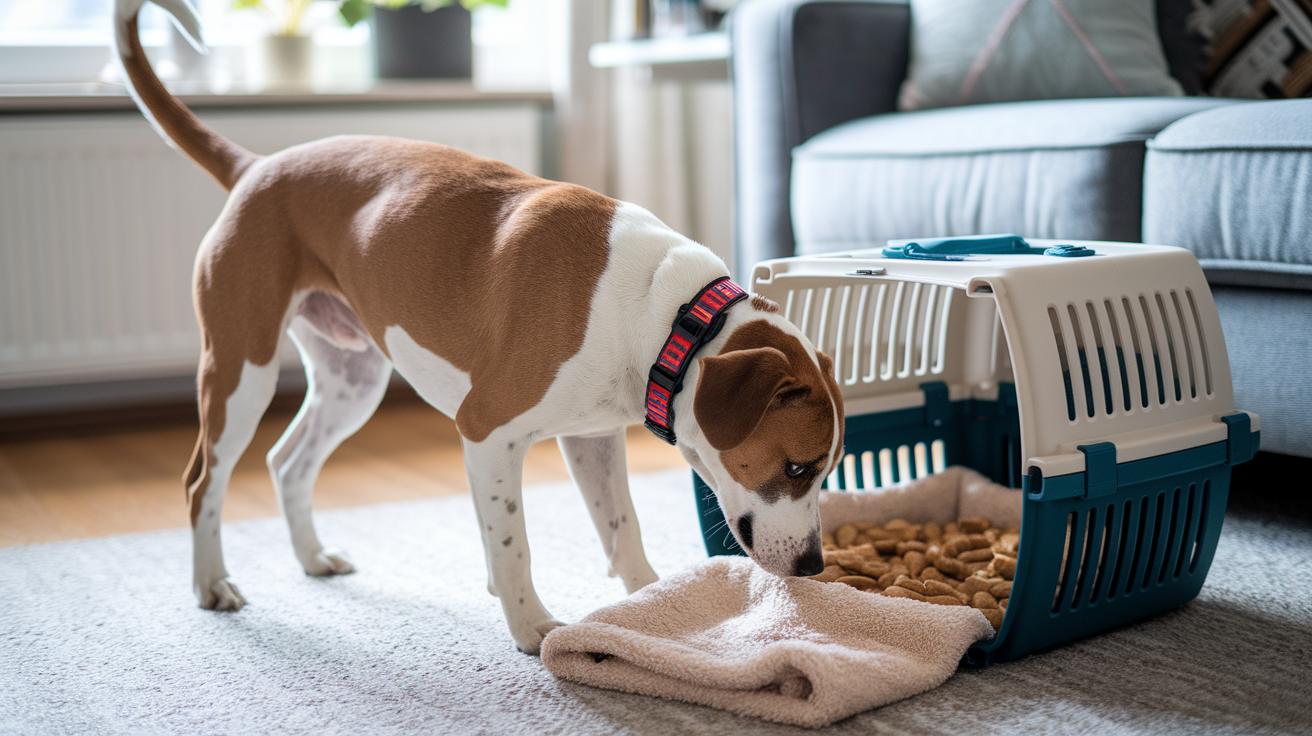
Get your carrier 4 to 6 weeks before your flight. Place it in your home so your dog can explore it at its own pace. Add your pet’s favorite treats and a soft blanket to make it inviting. Each day, spend a few minutes letting your dog go in and out of the carrier. Praise your pet with a cheerful "Good job!" when they step inside. Slowly increase the time your dog stays in the carrier until it feels like a normal part of your day.

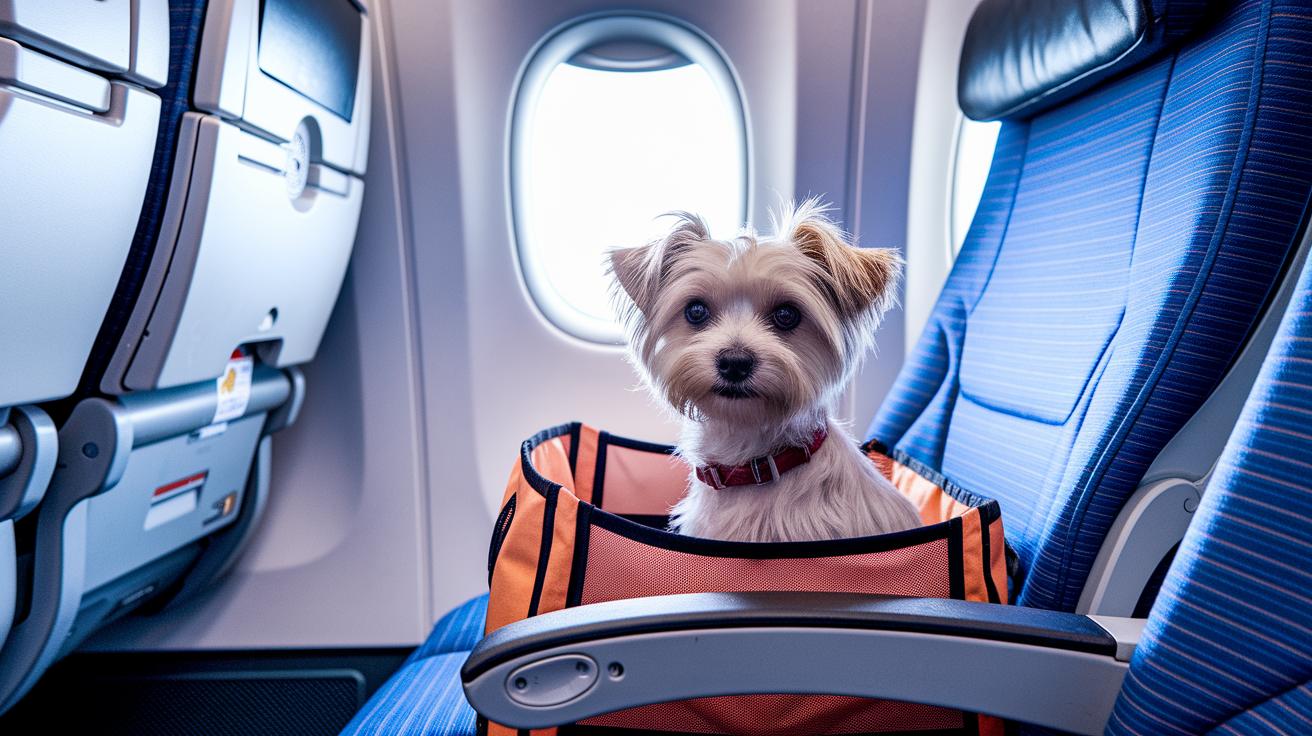
At the airport, keep safety in mind. During security, use a secure harness and attach a small water dispenser inside the carrier so your pet can stay hydrated. Give your dog a chance for a quick bathroom break before boarding. Also, feed your dog a light meal 2 to 3 hours before the flight to avoid tummy troubles. Once aboard, make sure the carrier is snugly placed under the seat and that all straps are fastened. These simple steps help your dog feel calm and safe throughout the journey.

Rolling Carriers & Mobility Solutions for 30lb Dogs

img-6.jpg

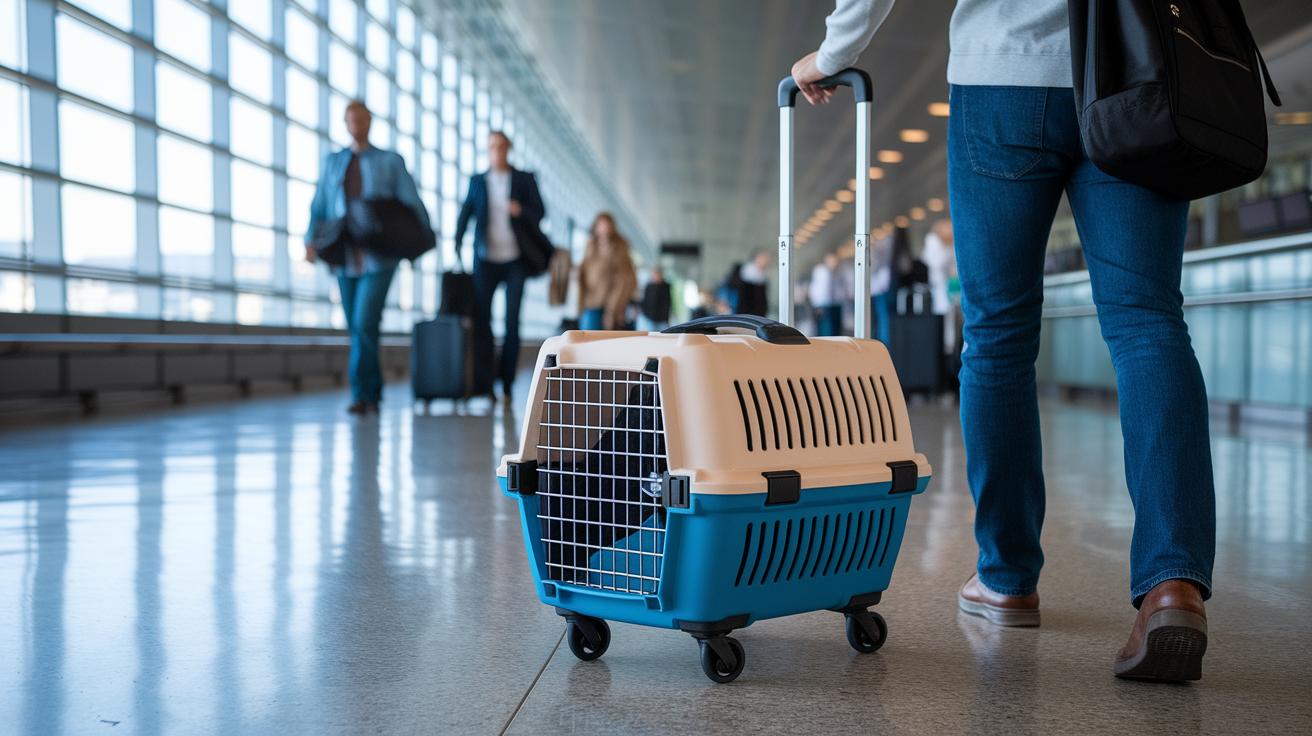
If you travel with your pet, choosing the right carrier is key. You can pick one with wheels or one that you carry by hand. Wheels and locks can make moving through busy airports and tight airplane aisles a breeze.

Take the Sherpa wheeled carrier, for example. It costs about $179 and features spinner wheels plus a telescoping handle. This design helps you roll through crowded terminals and fits neatly under the seat so your pet stays comfy.

Then there's Mr. Peanut’s Monterey convertible model. It works as a backpack or a trolley. But some pet parents say that adding more than 15 lbs in backpack mode might make long journeys less comfortable.

Both carriers come with wheel-lock systems to keep them steady when you're not moving. Think about your travel style and how often you travel. A wheeled carrier might be worth the extra weight if you need easy maneuvering, while a hand-carry option might be just right if you prefer a lighter solution.

Alternatives for Dogs Exceeding the 30lb Cabin Limit

img-7.jpg

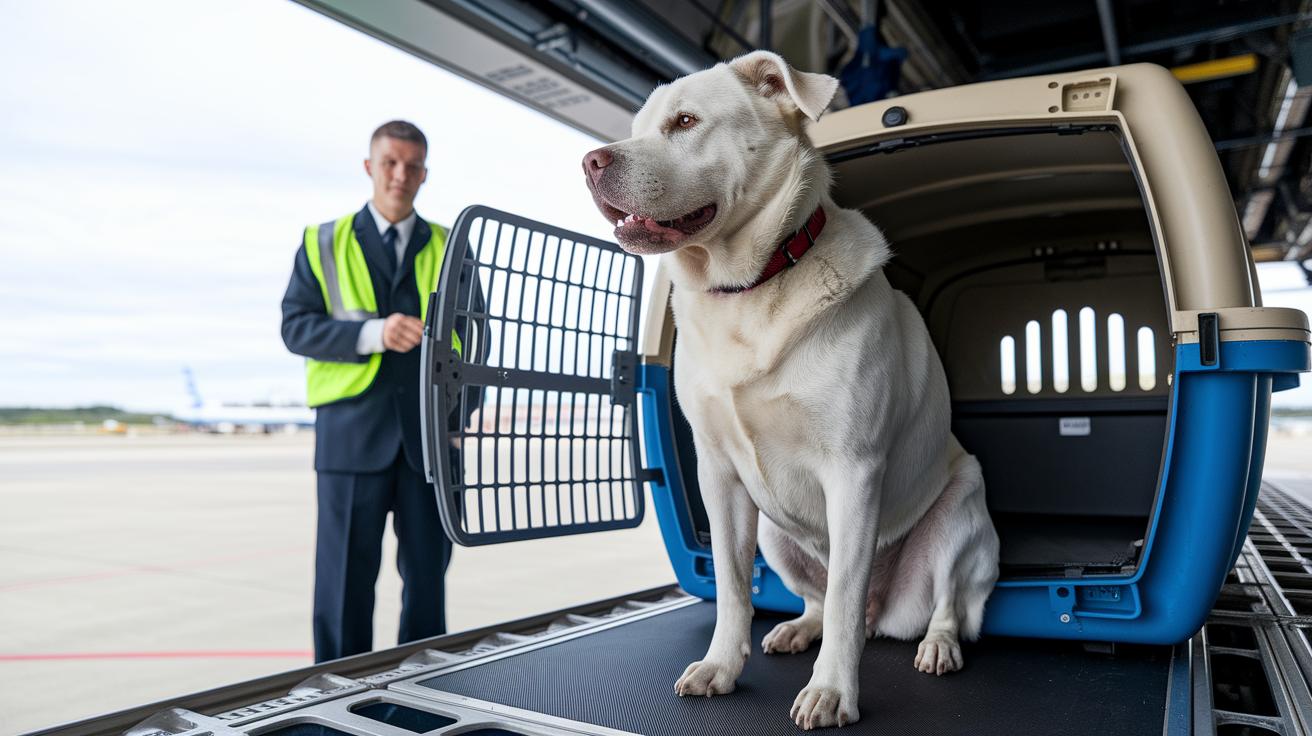
When your dog weighs more than 30 lbs, using an in-cabin carrier might not be the safest choice for air travel. Instead, consider a climate-controlled cargo hold that keeps your pet in a steady environment. Charter services like JSX offer semi-private cabins with more room and a quieter space for dogs up to 50 lbs. These options may cost extra and sometimes need additional breed or health checks, so it’s good to plan and confirm flight details ahead of time.

Another smart choice is to work with a professional pet shipping company. These experts handle every step of the travel process to keep your larger dog safe and comfortable. They arrange nonstop flights and maintain proper climate controls along the way. While this option might be pricier, it also helps reduce stress by taking care of all the details. Planning early and having all your paperwork ready will ensure your pet’s journey goes smoothly.

Final Words

In the action, we've dived into the best in-cabin pet carriers, unpacking safety, comfort, and sizing details for a 30lb canine traveler. We covered key features like secure zippers, machine-washable floors, and wheel options for easy mobility. Our guide also helped with training tips and alternatives for larger dogs.

Keep travel preparations simple and safe. Choose an airline approved pet carrier for 30lb dog and enjoy stress-free trips with your loyal friend by your side.

FAQ

What is the best airline approved pet carrier for a 30lb dog?

The best airline approved pet carrier for a 30lb dog is the SturdiBag Pro 3.0. It features a secure zip closure, removable tension rods, and a foam-core floorboard, meeting under-seat airline requirements.

How can I take a 30lb dog on a plane?

Taking a 30lb dog on a plane means using a carrier that meets airline size and weight limits. Choose a soft-sided, well-ventilated pet carrier and follow screening guidelines, including keeping your dog secured via a harness.

What size crate or carrier should I get for a 30lb dog?

For a 30lb dog, a carrier should allow enough room to stand, turn, and lie down. Measure your pet from nose to tail and add about 2 inches in length and height for a comfortable fit.

What size dog fits in an airline-approved carrier?

A 30lb dog typically fits in airline-approved carriers designed for medium-sized pets. Ensure the carrier offers ample space for your dog’s movement, and always verify the carrier’s dimensions against your airline’s requirements.

How do I safely carry a 30lb dog on a plane?

Carrying a 30lb dog safely involves using a sturdy carrier or dog backpack with secure straps and proper support. This ensures your pet stays comfortable and secure throughout the flight.

3 Calming Supplements For Dogs Boost Happiness

0

Ever wonder if a simple supplement could brighten your dog's day? When loud noises or daily stress unsettle your furry friend, a calming supplement can help ease their worries. These natural options gently encourage your pet's brain to release soothing chemicals. We know that a relaxed dog is a happy dog, so adding a calming boost to a steady routine can help your best friend enjoy a more peaceful life.

How Calming Supplements for Dogs Work to Reduce Anxiety

img-1.jpg

When your dog feels stressed, its body kicks into a fight, flight, or freeze mode. This reaction is great when there’s real danger but can pop off with everyday events. A sudden noise on a calm day might startle your pup like a false alarm.

Calming supplements help by nudging your dog's brain to release gentle chemicals like GABA and serotonin. These natural chemicals signal that everything is safe, almost like a little reminder to relax. They are known as nutraceuticals, which means they aren’t drugs and have lighter rules than medicine. Many pet parents choose these supplements as a daily, non-medication way to ease anxiety.

Experts like Dr. Greenstein and Dr. Perotti-Orcutt say these supplements work best when paired with gentle behavior training and a cozy, structured routine. Adding safe spaces and regular habits makes your dog feel even more secure. This balanced approach not only lowers stress but also boosts your dog’s overall happiness and comfort.

Natural and Veterinary-Endorsed Calming Supplements for Dogs

img-2.jpg

Hill’s Prescription Diet c/d Multicare + Calming Care uses L-Theanine to help your dog feel calm without making them sleepy. If your pet feels anxious often, this chew gives gentle support by boosting the brain's natural calming chemicals.

Another option is CBD oil from hemp that eases stress by working with your dog's natural receptors. Many pet parents like it because it helps lower anxiety during moments like being left alone or when there are loud noises, without heavy sedation.

Solliquin blends L-Theanine, saffron extract, and colostrum to calm situational anxiety. Whether your dog gets nervous during car rides or vet visits, this mix helps soothe those worries. Its natural ingredients make it a trusted pick among herbal calm aids.

Zylkene uses casein peptides from milk to deliver a comforting effect similar to a mother's milk. It helps ease mild to moderate anxiety, making it ideal for dogs that need a bit more calm after a challenging day.

Purina Pro Plan Calming Care supports dogs with separation anxiety by including the probiotic Bifidobacterium longum (a friendly gut helper). While some pets may experience a little bloating or loose stool, many pet parents find it a reliable, veterinarian-endorsed part of a balanced routine.

Comparing Calming Supplement Ingredients for Dogs

img-3.jpg

When you're helping your dog feel less stressed, it's important to know what each ingredient can do. Casein comes from milk. It has little pieces that remind your pet of a warm, comforting hug from their mom. Tryptophan, an essential amino acid, changes into serotonin in your dog's brain. This boost helps lift their mood and ease stress. Melatonin helps set a good sleep cycle and can be just right for a quiet night. L-Theanine, found in green tea, gives gentle calmness without making your pet sleepy. CBD oil works with your dog's natural receptors to help them relax after a busy day.

Ingredient How It Works Dosage Range
Casein Copies the feeling of a mom’s hug for soothing comfort 50-200 mg per dose
Tryptophan Turns into serotonin for a happier mood 10-50 mg per dose
Melatonin Helps keep steady sleep and a calm night 0.5-5 mg per dose
L-Theanine Supports calm alertness without sleepiness 25-100 mg per dose
CBD Oil Works with natural receptors to reduce stress 1-5 mg per kg body weight

Dosage, Safety, and Administration of Canine Calming Supplements

img-4.jpg

When you introduce a new calming supplement for your dog, start with the lowest dose on the label and watch your pet closely. Even small differences in weight or age can change how the supplement works. For instance, if the directions call for 10 mg per kilogram for adult dogs, begin with that dose and see if your dog stays calm without any problems.

  • Start with the lowest dose recommended.
  • Adjust the dose based on your dog's weight (mg per kg or lb) and age (puppy, adult, senior).
  • Look out for minor side effects like a bit of bloating or diarrhea, especially with probiotic formulas.
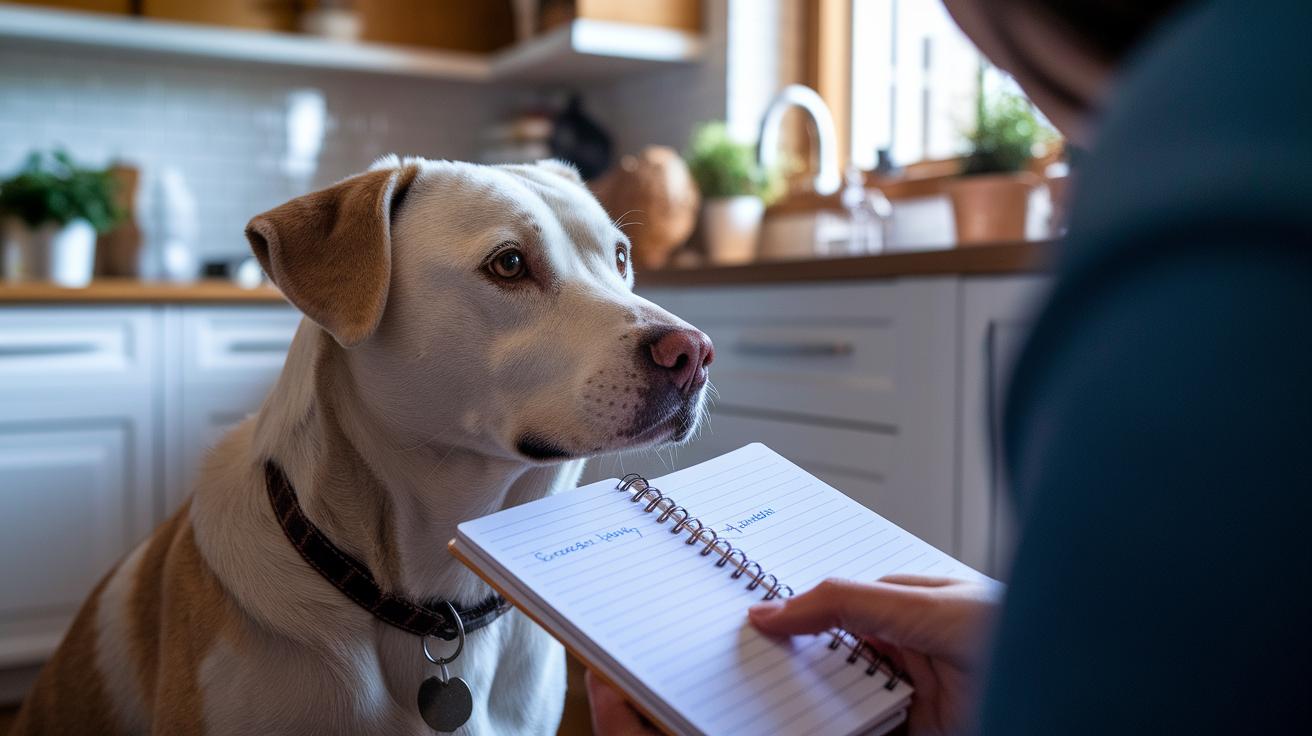
  • Keep a daily note of your dog's reaction to help guide future dosing.
  • Chat with your vet before mixing this supplement with any prescription meds.
  • Choose products that have third-party testing to ensure they are safe and of good quality.

Following these steps helps the supplement support your dog's calm well-being while keeping changes safe and gentle.

Choosing the Best Calming Supplement for Your Dog’s Anxiety

img-5.jpg

Start by figuring out what makes your dog anxious. It might be being left alone, loud sounds, or even travel. When you know the trigger, you can pick a supplement that works, like all-natural products or herbal blends made just for doggie anxiety. For example, if thunderstorms send your pup into a tizzy, try relaxation chews built to calm noise worries.

Then, think about how your dog takes medicine best. Some dogs love a treat-like chew, while others do better with a pill, oil dropper, or a powder mixed into food. Matching the supplement to your dog's style makes a big difference.

Next, check the ingredient list. Look out for any potential allergens or ingredients that might not mix well with other medicines. If your dog has a sensitive tummy, choose a formula that avoids common irritants. Vet reviews or study data can be a good sign you’re choosing a safe product.

Finally, remember to consider your dog's size, age, and diet. A small, active pup might do well on a gentle herbal formula, while a bigger dog may need something a bit stronger to ease anxiety.

Veterinarian Perspectives and Customer Reviews on Dog Calming Supplements

img-6.jpg

Dr. Greenstein and Dr. Perotti-Orcutt remind us that these supplements work best as part of a plan to help change your dog's behavior. They are not magic pills. Instead, they support a full plan that includes daily training and a loving home.

We choose these natural relaxants after plenty of hands-on testing and advice from trusted vets. Many pet parents tell us these calming supplements help their dogs relax during thunderstorms, long car rides, or busy family gatherings. One pet parent shared, "My dog is calm enough to enjoy car rides without the usual restlessness."

Reviews also mention how easy these supplements are to give. Many parents love the natural relaxation chews for puppies, which work as treats too. Keep in mind, every pup may react a little differently. Many pet parents agree that when these supplements join other help for anxiety, they make for a steadier and happier pet.

Always chat with your vet to make sure these supplements are a safe and good fit for your furry friend.

Final Words

In the action to support calm moments in your dog's day, we explored how these natural solutions work to soothe anxiety. We talked about safe dosages, effective ingredients, and real vet-backed insights in every section. The discussion showed that clear guidelines and honest customer feedback can make the choice simpler. With calming supplements for dogs, you get a natural approach to stress relief. Enjoy these tips, and remember that a little care can lead to a happier, more relaxed companion.

FAQ

Q: What are the best calming supplements for dogs that actually work?

A: The best calming supplements for dogs use ingredients like L-Theanine, casein peptides, CBD oil, or herbal blends to support a balanced mood. Choosing the right one depends on your dog’s unique needs, so consult your vet.

Q: What do vets recommend to calm dogs?

A: Vets often recommend natural supplements with ingredients such as L-Theanine, tryptophan, or hemp-derived CBD oil. They stress using these along with behavior training to safely manage anxiety.

Q: What are natural calming supplements and sedatives for dogs?

A: Natural calming supplements use gentle ingredients like chamomile, L-Theanine, and casein peptides that mimic maternal soothing. They help ease stress and promote relaxation without heavy sedation.

Q: Where can I find trusted calming supplements for dogs online?

A: Trusted calming supplements are available on popular sites like Amazon, and pet parents often discuss their experiences on Reddit. This feedback can help you choose products that work for different anxiety issues.

Q: Can calming supplements help with separation anxiety?

A: Calming supplements can ease separation anxiety by supporting balanced neurotransmitters. When used with behavior training and a comforting routine, they help your dog feel more secure when alone.

Q: Are daily anxiety supplements safe for dogs?

A: Daily anxiety supplements, when given at the lowest recommended dose and adjusted for weight, support ongoing calm. It’s best to consult your vet before starting any daily regimen.

Recurring Donations To Animal Rescues Spark Lifesaving Love

0

Have you ever seen how a small monthly gift sparks lifesaving love? When you set up a regular donation, animal rescues get steady help to care for pets that need it. Even a little extra each month can pay for food, a safe shelter, or an unexpected vet visit. Programs like Animal Heroes Monthly Giving or Circle of Champions turn your kind gift into ongoing care that keeps pets safe and loved. It is a simple way to make a big difference, and you can watch your generosity make a real impact over time.

Setting Up Recurring Donations to Animal Rescues: Scheduled Giving for Creature Welfare

img-1.jpg

Recurring donations bring steady support that changes lives. When you join our scheduled giving plan, you help animal rescues get the funds they need every day. We offer monthly plans like Animal Heroes Monthly Giving Program and Circle of Champions so your gift makes a real impact. Visit our animal rescue donations page at https://goodpawsgoodcause.org?p=118 to get started.

Here’s how to sign up:

  1. Visit our animal rescue donations page.
  2. Pick the monthly plan that fits you best, Animal Heroes or Circle of Champions.
  3. Choose a donation amount within your budget.
  4. Click the “Make a Gift Now” button to set up autopay.
  5. Fill in your payment info and complete the secure checkout.
  6. Check your email for confirmation and enjoy updates through our E-Tails Newsletter.

Following these steps, your recurring donation becomes a steady force for change. Your commitment helps fund emergency care, adoption efforts, and other vital programs. Every monthly gift you make truly makes a difference for animals in need.

Benefits of Monthly Patronage for Pet Recoveries Through Recurring Donations to Animal Rescues

img-2.jpg

When you give a small gift every month, you help build a strong base for animal rescues. Your steady support means shelters can count on funds to care for pets in need. Even a little help from you can care for nearly 500 animals by providing food, shelter, and vet care. Think of your donation as a tiny seed that grows into a big tree of care.

Regular monthly support helps rescues handle tricky issues like emergency vet visits and staff shortages. Along the way, donors get fun rewards, like a cool T-Shirt at different giving levels. Many pet parents say they feel proud wearing their T-Shirt, knowing their gift is saving lives. This little token keeps the heart of giving alive and shows how each month makes a real difference.

When rescues know they have steady funds, they can plan better and use money where it is needed most. Each month builds on the last, paving the way for more pets to get the help they deserve. Your recurring donation is a step toward more happy tails and a safer future for rescue pets.

Recurring donations to animal rescues Spark Lifesaving Love

img-3.jpg

Recurring donations make it easy for you to help animal rescues every month. With just one click on a "Make a Gift Now" button, you can set up a donation schedule that fits your budget. Programs like the Humane Heroes Monthly Giving Program let you start steady support and adjust your monthly amount whenever you need. Think of it like setting up a subscription box, your support is on auto-pilot and makes a big difference.

Below is a tool comparison to help you pick the best platform for recurring donations. It lays out key features, fees, and benefits:

Platform Fees Key Feature
PayPal Varies Widely accepted, easy setup
Stripe 2.9% + 30¢ Seamless integration
Donorbox Low fees Recurring donation focus
Patreon 5% to 12% Membership and rewards
GoFundMe No platform fee Simple campaign setup

Recurring donations take the guesswork out of helping. Your steady support covers routine costs and unexpected needs at animal rescues, making every month count.

Ensuring Transparency in Continuous Endowments Boosting Shelter Care With Recurring Donations

img-4.jpg

We show our commitment by sharing yearly Impact Reports, like the 2024 report. In these, we explain how your recurring support pays for important programs. We also share details about our board and how decisions are made. This honest approach helps you see that each donation is carefully managed. It gives reassurance to anyone who wants to help animal rescues.

Rescue groups also break down the financial details and share stats for 2025. Your gifts help fund adoption programs, emergency care, and educational efforts, as well as community projects. This clear breakdown shows pet parents exactly where their money goes. Every donation is used wisely to meet urgent needs.

Regular updates and easy-to-read outcome metrics back up the rescue groups' promise. They share key milestones and real stories of pets helped by your support. This open reporting shows that recurring donations drive real change. It gives every pet parent the confidence that their support is making a lasting difference.

Maximizing Periodic Financial Backing for Shelter Programs Through Recurring Donations

img-5.jpg

When you donate every month, you build a steady source of support for shelter programs. A small boost in your monthly gift can make a big difference by giving shelters the funds they need to care for every pet. Your regular donation becomes a long-lasting investment that helps keep costs low and services reliable.

You can also add extra funds to the Endowment Fund. These contributions make shelters more stable and ready for future challenges. Increasing your monthly gift shows your true dedication to sustainable pet care. It’s like joining a team effort where every little donation creates a safety net for pets in need.

Another great way to help is by sponsoring special programs like Pets For Patriots or local pet food drives. These focused donations power projects that support both nearby shelters and the larger community. When you support these targeted efforts, your monthly gift works on important projects and gives pets quick help towards a safer life.

Leveraging Sustainable Benefaction Ideas for Creature Sanctuaries: The Tax Benefits of Recurring Donations

img-6.jpg

Recurring donations not only give steady help to animal rescues but also lower your tax bill. Many rescues are 501(c)(3) non-profits, so your regular gift can cut your taxable income. When you set up a monthly donation, you get a yearly summary you can use for tax deductions. One pet parent said, "I was surprised to learn that a recurring gift not only helps save more animals but also eases my tax worries." This shows a friendly way to support rescues while saving money.

Automatic payments also reduce fees. That means more of your donation goes straight to food, shelter, and vet care. Every month, your gift works harder for the animals instead of getting lost to administration.

Recurring donations are simple. You don’t need to send reminders or re-sign up each time. Instead, you can focus on the joy of pet parenthood. You also receive a clear yearly summary that helps you see the difference your support makes. These ideas show a smart, practical way to help animal rescues while keeping your own budget safe.

Selecting the Right Rescue: Philanthropic Routes Advancing Rescue Efforts With Recurring Donations

img-7.jpg

When you pick a rescue to support, look at their adoption rules, fostering programs, and emergency plans. A good rescue shows its care with clear board rules, a community food program, and a long history. These details tell you that they work hard to help animals.

Check out news articles from recent years and listen to what volunteers say. This helps you see the real impact of the rescue. You can also read guides like how animal rescue donations work (link) to see if the rescue shares your values. This way, your regular donation goes to a simple and effective cause.

Before you decide, list your expectations and compare them with what the rescue has done. Look for strong community ties, quick help during emergencies, and clear financial records. Doing this little homework makes sure that your donation supports efforts that are truly changing lives.

Success Stories: Sustained Contribution Tactics for Creature Protection Through Recurring Donations to Animal Rescues

img-8.jpg

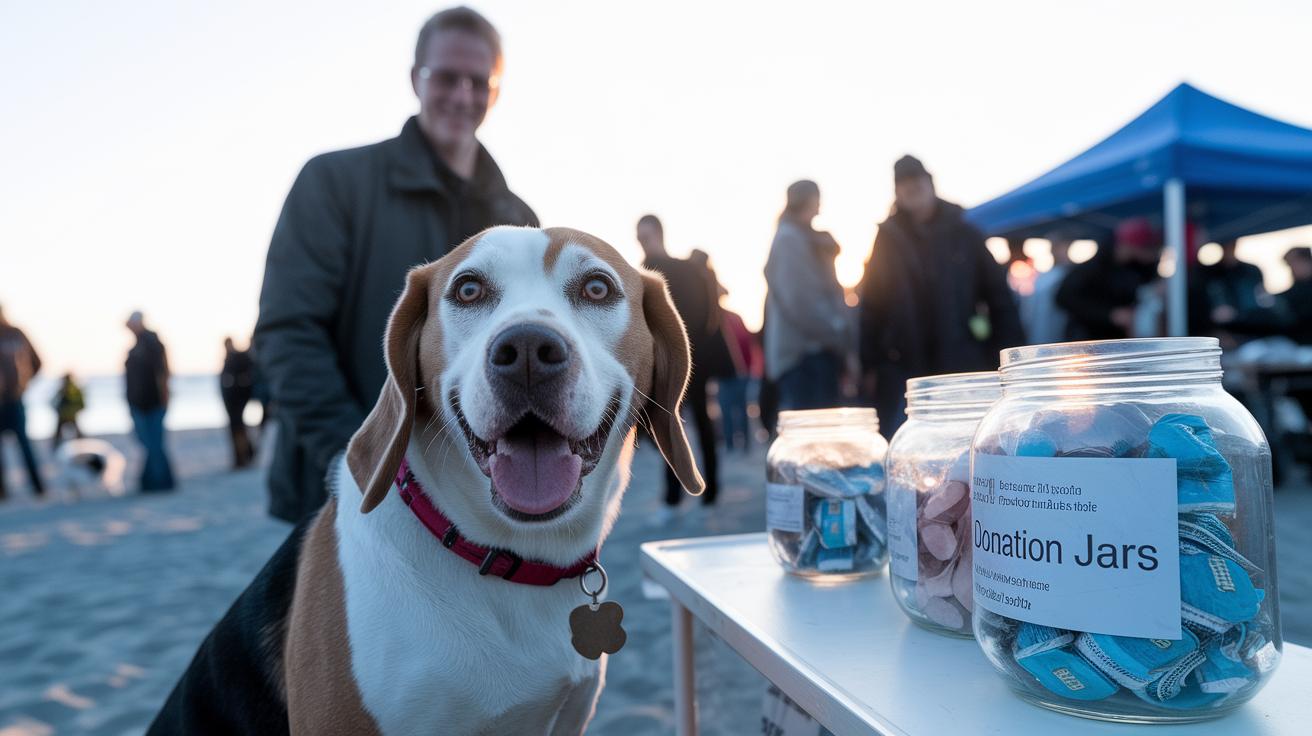
More heartwarming stories are coming in as pet parents share how regular gifts make a big difference. One pet parent told us how their monthly donation paid for life-saving treatment for Max, a rescued beagle who bounced back after tough times. They said, "Even a small monthly gift can spark huge changes," just like Max’s journey from struggle to joy.

At events like Bark on the Beach, the power of community really shines. A shelter volunteer explained that steady donations provided quick care during a sudden crisis. One donor shared, "I feel close to the cause knowing my regular support helped a pet at the right moment."

We now hear real stories from donors about the impact of their giving. One donor said, "Every donation tells a tale of hope, healing, and a fresh start for many pets." These heartfelt words remind us how steady support brings lasting hope to our animal friends.

Final Words

In the action, we've walked through setting up scheduled giving and monthly patronage. You learned how to choose your program, adjust gift levels, and set up an auto-pay system that supports safety, transparency, and long-term care for animals in need.

Each step ties to our mission, simple directions, clear benefits, and real-world examples. Remember, your recurring donations to animal rescues make a measurable impact while keeping pet care convenient and compassionate. Every gift brings hope to more furry friends.

FAQ

How do recurring donations to animal rescues work in California and Texas?

Recurring donations mean you set up monthly payments to animal rescues in any area, including California and Texas. This steady, automated giving helps local shelters plan and care for animals year-round.

How can I find animal shelters near me to donate?

Finding nearby animal shelters involves checking local directories, community boards, or trusted websites like Good Paws Good Cause. This ensures your donation goes to a verified shelter making a real impact in your community.

What should I know about worst animal charities to donate to?

Worst animal charities often lack transparency and clear impact records. We recommend researching organizations’ impact reports, board governance, and community testimonials to ensure your recurring donation truly benefits animal care.

How do I cancel or stop recurring ASPCA donations without calling?

To cancel recurring ASPCA donations without calling, log into your donor account and adjust your settings online. These online tools let you stop future payments easily and manage your donation preferences.

What are the best charities to support for dogs and animal rescues?

The best charities show clear impact, transparency, and strong community ties. Look for organizations with detailed success stories, vet reviews, and measurable outcomes, ensuring your recurring gift makes a lasting difference.

What is the app that helps donate back to animal shelters?

The app that donates back to animal shelters connects you with verified local shelters and tracks your donation’s impact. Look in your app store for trusted charity apps that align with your values and show clear mission goals.

How can I ask for donations to support animal rescue?

When asking for donations, share your personal rescue stories, clear goals, and tangible impacts. Explain how recurring gifts help cover daily shelter needs, inviting others to join your mission for animal care.

Dog Hair Clippers Deliver Effortless Pet Grooming

0

Ever wish grooming your dog felt as calm as a walk in the park? We know some clippers pull and tug, making the process a hassle. With the right dog clippers, you can turn a stressful trim into a soothing routine.

Here’s what makes a difference:

  • A strong motor that cuts smoothly
  • Quiet operation so your pet stays relaxed
  • A comfy design that lets you get a salon-quality cut at home

Let’s explore how smart tools can make grooming easy for both you and your furry friend.

dog hair clippers deliver effortless pet grooming

img-1.jpg

We know choosing the right clippers can feel tricky. A strong motor helps chop through thick fur easily. Plus, adjustable speeds (RPMs) let you match the clipper to your dog's coat. Sharp blades, whether stainless steel or ceramic, give you clean cuts. And low noise helps keep your pet calm and relaxed.

Comfort matters too. A balanced design with a comfy grip makes long grooming sessions easier. Clippers that reduce vibration help you keep control. Choose a cordless model for easy movement or a corded option for steady power. Either way, grooming stays simple and stress-free.

  • Sharp, durable blade material
  • Adjustable cutting speeds (in RPMs)
  • Low noise and reduced vibration
  • Cordless battery life vs corded power
  • Easy-to-hold design
  • Handy accessories and attachments
  • Simple cleaning and maintenance

These key features mean you get clippers that work well, keep your pet safe, and groom gently. Good blades and adjustable speeds let you trim different coats with ease while low noise makes the experience less stressful for your pet. A comfy design and thoughtful extras let you groom longer without any fuss.

Need more tips? Check out our pet care guide.

Top Rated Dog Hair Clippers for Home and Salon Grooming

img-2.jpg

We tested these dog clippers in settings like your living room and a real salon. We looked at how sharp the blades are, how sturdy the clipper feels, the noise it makes, and how easy it is to handle on all kinds of fur.

oneisall Dog Clippers impress with their super-sharp stainless steel blades. They make smooth, clean cuts even on thick fur and work well on different textures. Their sturdy build makes them a go-to for regular grooming, especially when you need that extra precise trim.

Andis EasyClip Pro-Animal comes with a tough metal case that feels balanced and light. It moves smoothly and is easy to control for long grooming sessions, whether you style at home or work in a salon. It has a premium feel that matches its strong build and long-lasting performance.

Wahl Pet-Pro Grooming Kit gives you a set of handy guard combs and washable blades. You can switch up the look quickly, and the kit is built to last. It’s a friendly option if you’re looking for good quality at a budget price.

Wahl Lithium Ion Pro Series is great for pets when you need cordless ease. With a battery that lasts a long time and a quiet motor, it’s an excellent choice now that it’s 31% off. You get high performance without the extra noise.

Wahl Easy Pro for Pets features a soft rubber grip that fits comfortably in your hand and a low-noise motor to keep your pet calm. Its design helps reduce hand strain during long grooming sessions, making it perfect for busy pet parents.

When you’re picking between a budget kit and a pro model, think about your pet’s grooming needs and how often you trim.

Comparing Dog Hair Clippers Performance and Ergonomics

img-3.jpg

We looked at several dog clippers to see how fast they cut, how quiet they are, how comfortable they feel in your hand, and how they get their power. We made sure to include numbers so you can easily compare them.

Oneisall Dog Clippers deliver a fast cut with a quiet engine. Their corded design and light 12 oz weight make them perfect for thick coats. Think of it as getting a burst of balanced power with every snip.

Andis EasyClip Pro-Animal runs at a medium-high speed and keeps the noise low. It weighs only 10 oz and comes with a rechargeable battery that lasts 1-2 hours, making it a great pick for longer grooming sessions.

Wahl Lithium Ion Pro Series offers quiet, high-performance cutting with a cordless design. It runs for 3-4 hours on a full charge and has a balanced 11 oz build. Imagine a clipper that stays on the job for hours without disturbing your pet.

The Wahl Pet-Pro Grooming Kit is a solid choice for those on a budget. It features medium cutting speed, moderate noise, and a 13 oz design along with a 1-2 hour battery life. It covers all the basics without breaking the bank.

These details help you choose the clipper that fits your pet's coat and your grooming style.

Blade Attachments and Adjustable Cutting Blades for Dog Hair Clippers

img-4.jpg

Adjustable blades and guard combs can really change the game when it comes to grooming your pet. They let you easily switch the cutting length for short or long fur, so your dog gets a tidy trim while feeling comfy. This works well whether your dog has a thick, fluffy coat or slick poodle-style hair.

  • Guard comb sets: These come in different sizes and are built tough to handle any coat type.
  • Specialty blades: Choose between ceramic or stainless steel. They give a precise cut for breeds like poodles and shih tzus.

When you think about buying replacement blades, look for a good balance between cost and performance. You want a system where swapping blades and combs is quick and simple, no special tools needed. This saves time on grooming and keeps each new blade sharp and effective. Stick with a clipper that fits your dog's coat needs and makes maintenance easy.

Maintenance and Blade Care Guide for Dog Hair Clippers

img-5.jpg

Take apart your clippers. Remove the blades and any attachments, then use a brush to sweep away loose hair and debris. Rinse the blades under running water to wash off any buildup. Make sure each part is completely dry before you put it back together. This simple routine helps your motor last longer and keeps the blades cutting smoothly.

After cleaning, add a few drops of clipper oil to the blades. This keeps the clippers running easily. We suggest sharpening the blades every 3 to 6 months, depending on how often you use them. That way, your pet gets a fresh, comfortable trim every time.

Clean and disinfect your blades after each use. Use alcohol wipes or a UV sanitizer (a tool that kills germs) to sterilize the blades and any removable parts. Doing this helps stop bacteria buildup and keeps your grooming tools safe. Taking these extra steps makes every trim a smooth and easy process.

Essential Usage Tips and Safety Features for Dog Hair Clippers

img-6.jpg

Before you start grooming, give your pet a gentle brush to get rid of loose hair and untangle mats. This little step can help you avoid any sudden pulls during clipping. Set your clipper to a gentle speed. Lower speeds can cut down on vibration and noise (try to keep it under 65 dB) to keep your pet calm. Use a comb or a special dog shedding tool to smooth out stubborn tangles so the fur is soft and ready for a trim.

When you clip, hold the tool at a slight angle and move steadily. This helps you avoid getting too close to sensitive spots like around the ears and paws. Taking short breaks along the way can help both you and your pet feel more relaxed. Safety guards and rounded blade tips are great to prevent accidental nicks. For extra tangled areas, a dematting comb might be just what you need.

After grooming, take a moment to check your clippers. Look over the warranty details, inspect the cords for any wear, and test the battery if it’s cordless. Then, store your clipper in a clean, dry spot. Doing this helps keep your tool in good shape and ready for the next grooming session. These simple steps make grooming safe, efficient, and stress-free for you and your furry friend.

Final Words

In the action, we explored how key features like motor power, noise control, blade quality, and ergonomics play a big role in choosing the right tool. We broke down everything from battery life and grip design to maintenance tips and safety features. Each section offered quick insights and clear steps to help you care for your pet while cutting grooming time.

The right dog hair clippers keep your pet comfortable and your routine simple. We hope you feel confident and ready for a smoother grooming experience.

FAQ

Where can I find dog hair clippers near me?

Finding dog hair clippers near you is simple. Look in local pet stores and trusted online retailers for both professional-grade and budget-friendly options.

What are the best professional dog grooming clippers and what do groomers recommend?

The best professional dog grooming clippers come from trusted brands like Andis and Oster. They offer sharp, durable blades and adjustable speeds that grooming professionals prefer.

What are the best dog hair clippers for home use?

Home-use clippers are designed for quiet, user-friendly handling. Many pet parents choose models available on Amazon for their reliable performance and comfort during everyday grooming.

What are heavy duty dog clippers?

Heavy duty dog clippers are built to manage thicker or matted coats. They feature powerful motors and robust blades to remain effective through extended grooming sessions.

How do dog hair clippers differ from human hair clippers?

Dog hair clippers are designed with adjustable blades and quieter motors to handle varied fur textures and reduce pet anxiety, unlike human clippers that focus on straight hair cutting.

Can I use human hair clippers on my dog?

Using human hair clippers on a dog is not recommended because their blade design and speed may cause uneven cuts or skin irritation on pet fur.

How can I cut my dog’s hair at home?

Cutting your dog’s hair at home is easier with clippers that offer adjustable speeds and guard combs. Begin by brushing out tangles and work slowly for an even, safe trim.

Why does it sometimes take 4 hours to groom a dog?

Grooming can take 4 hours when dealing with dense or matted fur. Extra time ensures thorough detangling, careful trimming, and a calm, safe experience for your pet.

What are some recommended models like the Andis EasyTrim, Oster Turbo A5, and others?

Popular models include Andis EasyTrim Cordless, Oster Turbo A5, Andis enVISION, Andis Easy Clip Cordless II, Andis EasyClip Corded, and Top Paw Curved Scissors. These tools cover a range of features suited for both home grooming and professional use.

3 Pet Preventive Care Guide: Happy Pet Living

0

Have you ever thought that skipping a vet check-up might cause bigger problems? Just like your car needs regular tune-ups, your pet needs routine care to stay happy and healthy. Our guide walks you through easy steps that can catch problems early. We suggest regular vet visits, a balanced diet, and fun daily exercise to boost your pet’s well-being. A few small changes today can lead to a lifetime of happy moments with your furry friend.

Pet Preventive Care Guide: Your Complete Pet Health Roadmap

img-1.jpg

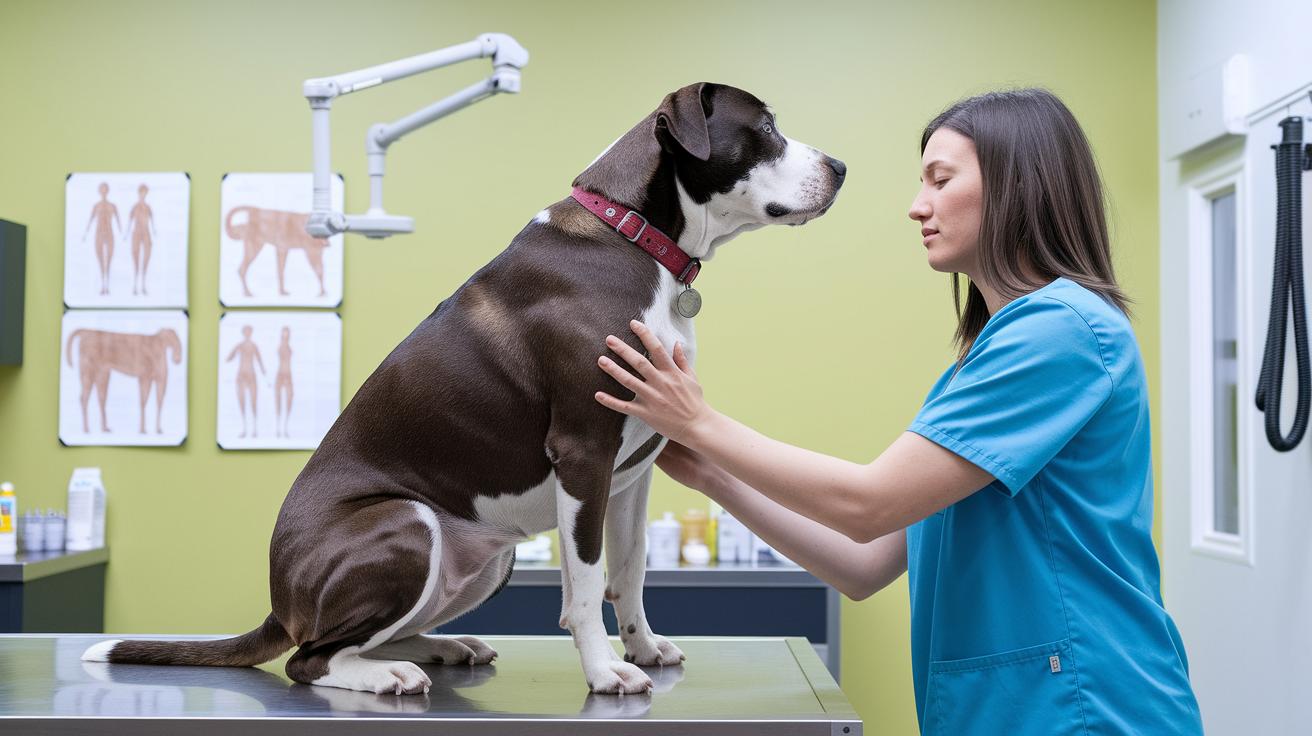
Taking care of your pet starts with regular visits to the vet. We suggest a check-up once a year for a healthy adult pet and twice a year for older pets or breeds at risk so that early signs of illness can be caught quickly. At these visits, your vet will check your pet's weight and vital signs and might run simple blood tests to detect issues like diabetes or thyroid problems before they get worse. Regular shots, such as rabies, distemper, and parvovirus, not only protect your pet but also meet legal rules. Think of it like a tune-up for your car. Before a long road trip, you check that your car brakes work well. In the same way, a vet visit makes sure your pet is ready to go.

Every day matters for your pet's health too. A tasty, balanced diet in proper portions (for example, dogs usually eat about 2-3% of their body weight each day) can help avoid problems like diabetes and joint pain. Regular grooming keeps your pet's skin and coat in good shape, and a bit of exercise each day, such as a 30-60 minute walk for dogs or a short play session for cats, helps reduce stress. Also, using parasite preventers all year stops fleas, ticks, and heartworms, which can cause bigger issues later.

Spaying or neutering helps improve your pet's behavior and can lower some cancer risks. Tailoring care to each stage of life, from playful puppy days to gentle senior years, can lead to a longer, healthier life. Finally, making your home safe by pet-proofing it can prevent accidents and keep dangerous items out of reach. These steps give your pet the best chance to live a happy, thriving life.

Routine Health Checks in Pet Preventive Care Guide

img-2.jpg

We suggest a yearly exam for healthy adult pets and twice-yearly check-ups for older or at-risk pets. At these visits, your vet checks essentials like temperature, heart rate, weight, and overall body condition. Even a small drop in weight can be an early sign of something off. Did you know that a tiny shift in weight might signal early issues such as diabetes or thyroid problems?

Your pet’s exam often includes simple blood tests like a CBC (complete blood count) and other panels to see how well their body is working. A urinalysis helps check kidney and bladder health and can even spot hidden infections, while early cancer screenings may catch problems before noticeable symptoms appear.

These regular check-ups are designed to spot issues early, so your pet can get treatment quickly and stay happy and healthy.

Immunization Timeline in Pet Preventive Care Guide

img-3.jpg

Starting your pet off on the right foot is key. For puppies, you give shots for distemper and parvovirus at 6–8 weeks, again at 10–12 weeks, and one last time at 14–16 weeks. A rabies shot usually comes between 12–16 weeks with boosters after that, either yearly or every 3 years, depending on where you live. Each shot builds a stronger shield as your puppy grows.
Kittens follow a similar plan. They get their panleukopenia, calici, and rhinotracheitis shots at 8, 12, and 16 weeks. A rabies vaccine is given around 12 weeks, keeping in mind both the law and your kitten's developing immune system. This helps make sure that the natural drop of mom’s antibodies doesn’t stop the vaccine from working well.
Even as your pet grows up, boosters are important. These shots help keep them safe from serious diseases and lower the risk for others. Always follow your vet’s advice and note down all vaccination dates. This way, your pet gets the care it needs from playful puppy or curious kitten days to a calm, happy adult life.
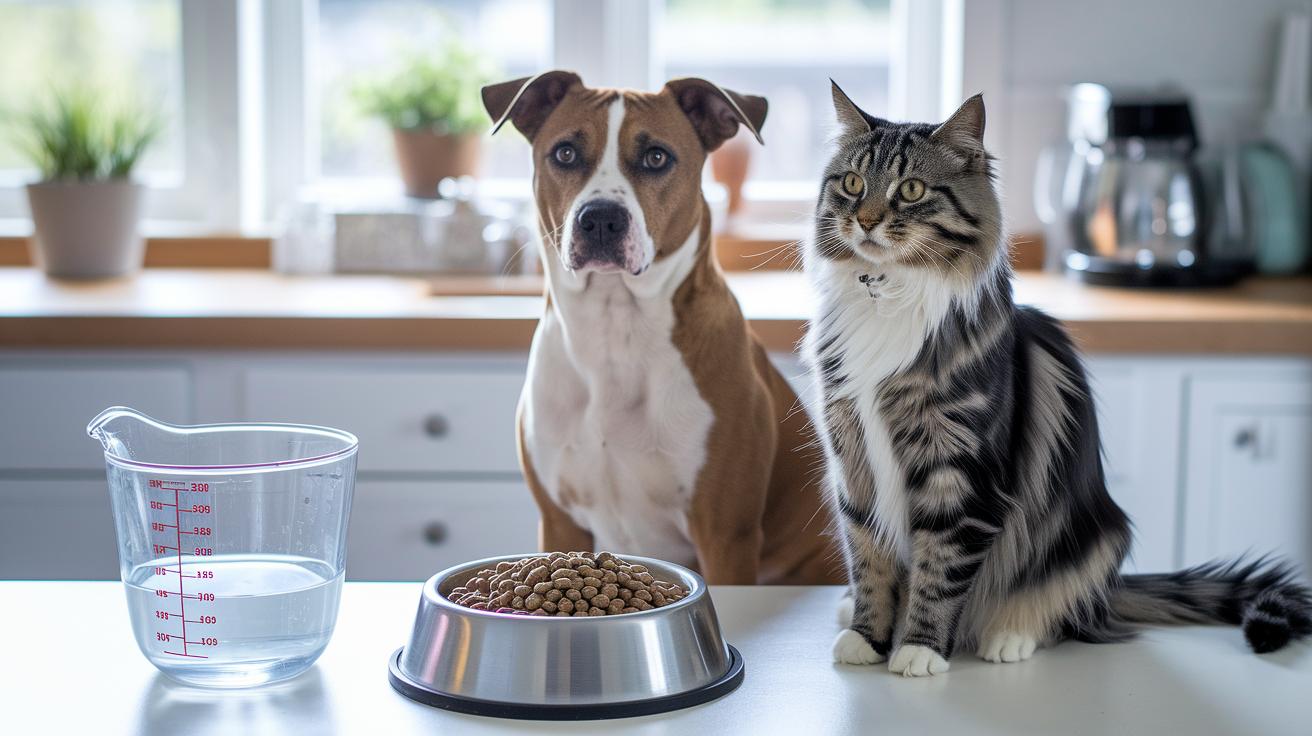
Nutritional Planning in Your Pet Preventive Care Guide

img-4.jpg

Eating the right food helps your pet stay happy and healthy. We suggest measuring their food based on their weight. Many dogs do well with about 2-3% of their body weight every day. Puppies need 3-4 meals daily to keep up with their fast energy. Adult pets usually get 2 meals a day. Older pets might do better with smaller, more frequent meals since their metabolism slows down. A diet full of lean proteins and fiber supports overall well-being. Life-stage formulas are made for each age group so your pet gets the right nutrients at the right time.

You might also add extra supplements to boost coat and joint health. Omega-3 fatty acids or fish oil can help keep their coat shiny and ease joint aches. Probiotics for Dogs (https://goodpawsgoodcause.org?p=92) can also help with digestion. With good weight management, you can help avoid obesity and other issues. Here is a sample feeding schedule:

  • Puppies: 3 meals daily (e.g., 7 AM, 12 PM, 5 PM)
  • Adults: 2 meals daily (e.g., 8 AM and 6 PM)
  • Seniors: 2 smaller meals daily with gentle tweaks as needed

Parasite Prevention Strategies in Pet Preventive Care Guide

img-5.jpg

In warm weather, parasites can quickly become a problem for your pet. We know you want your pet to be safe and comfy, so we recommend a year-round plan. This helps protect against fleas, ticks, heartworms, and intestinal parasites that can cause infections like Lyme disease.

For fleas and ticks, you can use a monthly topical treatment with selamectin (a liquid you apply on your pet's skin) or give an oral fluralaner treatment every 12 weeks. For heartworms, monthly ivermectin is a strong guard for your pet's heart.

Deworming is also very important. For puppies, treat them at 2, 4, 6, and 8 weeks, then every three months. For adult cats, deworm every two months.

  • Fleas: Use a monthly topical selamectin or an oral fluralaner every 12 weeks.
  • Ticks: The same monthly treatments help prevent ticks.
  • Heartworms: Give monthly ivermectin to keep your pet's heart safe.
  • Intestinal Parasites: Deworm puppies at 2, 4, 6, and 8 weeks then quarterly; deworm adult cats every two months.

Regular check-ups with your vet can help keep your pet healthy. They can guide you on when to change treatments to stop parasites from becoming resistant. Staying on top of parasite prevention is a caring way to keep your furry friend happy and ready for fun every day.

Dental and Hygiene Practices in Pet Preventive Care Guide

img-6.jpg

Keeping your pet's mouth clean is very important. By age 3, almost 80% of dogs show signs of gum disease. Brushing your pet's teeth daily with dog toothpaste helps fight plaque. A weekly dental chew with natural enzymes keeps their breath fresher. It’s a good idea to have a professional cleaning each year so any problems can be spotted early.

Good oral care goes hand-in-hand with the rest of your pet's grooming. A monthly bath with a gentle, pH-balanced shampoo keeps their skin calm and coat shiny. Brushing once a week with a tool like the Slicker Brush prevents mats and tangles. Weekly ear checks and cleanings help catch issues before they worsen. A monthly nail trim keeps your pet comfy and safe from accidental scratches.

Task How Often Details
Dental Care Daily & Weekly Daily tooth brushing, weekly enzyme chews, yearly professional cleaning
Ear & Coat Care Weekly & Monthly Weekly ear cleanings, monthly bath with gentle shampoo, weekly brushing with Slicker Brush
Nail & Grooming Monthly Monthly nail trims and overall hygiene checks

Exercise and Enrichment in Pet Preventive Care Guide

img-7.jpg

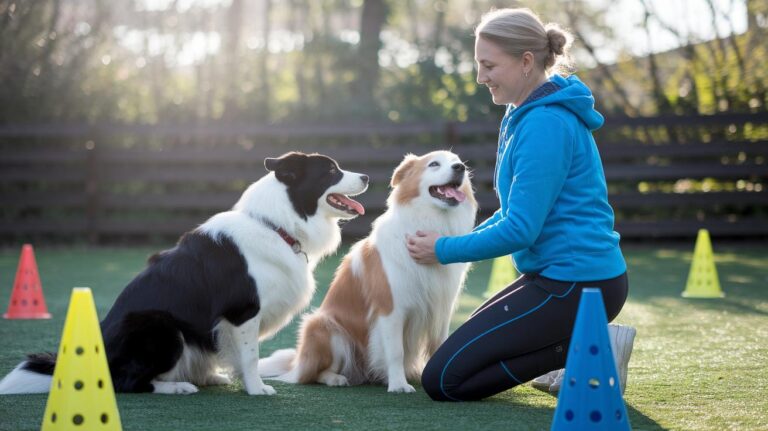
Daily play keeps your pet healthy and happy. We recommend about 30-60 minutes of exercise each day for dogs. Walks, games like fetch, or even a little chase in the yard help burn energy and boost fitness. For cats, try 15-30 minutes of interactive play with wand toys or puzzle feeders. Even a quick play burst can make your pet more alert and cheerful.

Giving your pet mental challenges is as important as physical play. Short training sessions or switching up toys during the week can prevent boredom. You might play a bit before mealtime or during a break at home. Mixing gentle exercise with fun brain games helps your pet stay sharp and content every day.

Early Illness Detection in Your Pet Preventive Care Guide

img-8.jpg

Keep a weekly journal of your pet’s usual habits. Jot down notes like how much they eat, their energy, potty habits, and the look of their fur. For example, you might write, "Today, I noticed Max was a bit tired and skipped his breakfast." This simple record helps you see small changes before they grow into bigger problems.

Take a few minutes once a month to give your pet a full body check at home. Feel their lymph nodes, look at their gums, and listen to their breathing. Watch for signs like unexpected weight loss, coughing, vomiting, skin bumps, or odd behavior. It’s like doing a check-up at home. If you see any changes, maybe it’s time to call your vet.

Using a weekly log with a monthly check-up helps you stay ahead of potential issues. This little extra effort makes sure your pet gets care quickly. It’s one way to help keep your furry friend healthy and happy.

Life Stage Considerations in Pet Preventive Care Guide

img-9.jpg

Every stage in your pet's life needs its own kind of care. When your pup is young, they need fun social play, important vaccines, and food that helps them grow strong. Caring for an adult means scheduling a yearly visit with the vet, cleaning their teeth, and keeping an eye on their weight. Older pets do best with check-ups every six months to spot signs of arthritis, thyroid, or kidney issues early. Adding joint supplements and offering food made just for seniors can help them feel comfy and active.

Life Stage Exam Frequency Focus Areas
Puppies Every 3-4 months Social play, key vaccines, growth food
Adults Annually General check-ups, teeth cleaning, weight watch
Seniors (7+ years) Biannually Screenings for arthritis, thyroid, kidney; joint support

You can tailor your pet’s care plan as they grow and change. For little puppies, try to give them gentle social time and follow their immunization schedule closely to build a strong start. Adult pets need a steady routine with regular vet visits, careful attention to their weight, and routine dental care. When your pet becomes a senior, focus on early screenings to catch any issues and consider adding special supplements or diets to keep them playful. Plus, spaying or neutering at about six months can help lower the risk of certain cancers. Working with your vet makes sure your pet gets the right help at every age so they stay happy and healthy.

Creating a Safe Environment in Your Pet Preventive Care Guide

img-10.jpg

We start with making your home a safe place for your pet. First, pet-proof indoors by removing harmful plants and tucking away electrical cords so your curious pet stays safe. Next, add mats with extra grip in areas that might be slippery. These steps help create a calm space where your pet can wander freely.

Outside, simple changes bring big safety benefits. Make sure your yard has strong fencing to keep your pet secure. Provide plenty of shade and fresh water to help beat the heat. Always watch your pet during outdoor play so they don't wander off. Also, consider microchipping and crate training for extra safety when traveling.

  • Clear away toxic plants and harmful chemicals.
  • Secure electrical cords out of reach.
  • Use non-slip mats in slick spots.
  • Put up sturdy fencing and offer shade.
  • Keep water available and supervise outdoor play.

Final Words

In the action, this post walked through key steps like vet check-ups, age-specific vaccines, balanced nutrition, parasite control, dental care, exercise routines, early detection, life stage planning, and safe environments. Each part builds a complete pet preventive care guide for keeping your beloved pet healthy.

We've covered practical tips to make care easy and impactful. Stay positive and enjoy every moment with your pet knowing you’re giving them the best care possible.

FAQ

What is a dog preventive care plan?

A dog preventive care plan means setting up regular vet visits, vaccines, parasite checks, proper diet, and exercise routines. This proactive plan helps catch health issues early and keeps your pet happy and healthy.

What does veterinary preventive care include?

Veterinary preventive care includes routine exams, scheduled vaccinations, parasite control treatments, dental checks, and nutritional advice. These steps work together to extend your pet’s life and improve their overall well-being.

How do I find preventive care for dogs near me?

Finding preventive care for dogs near you involves checking local veterinary clinics or pet health centers. You can also ask for recommendations from trusted pet parents or search online for nearby services that offer routine wellness plans.

What services are offered by Preventative Pet Health of Michiana?

Preventative Pet Health of Michiana offers routine exams, vaccinations, parasite control, dental care, and nutrition guidance. These services are designed to support your pet’s ongoing health with comprehensive preventive care.

What are responsible pet ownership guidelines?

Responsible pet ownership guidelines include regular veterinary visits, balanced nutrition, daily exercise, consistent dental care, and a safe home environment. Following these steps helps prevent health issues and ensures a long, happy life for your pet.

What should I know about pet insurance?

Pet insurance can help manage unexpected veterinary costs by covering accidents, illnesses, and sometimes routine care. It offers financial peace of mind when your pet needs care, making it easier to afford timely treatments.

What are the Aaha AVMA feline preventive healthcare guidelines?

The Aaha AVMA feline preventive healthcare guidelines recommend regular vet visits, age-appropriate vaccinations, parasite prevention, dental care, and nutritional planning. These practices help maintain your cat’s health and prevent common feline conditions.

Dog Barking Training Sparks Calm, Happy Pups

0

Ever wondered if your pup could be a bit calmer when they bark a lot? We know that barking is normal, but too much noise can really wear you out. In this guide, we share easy, step-by-step ways to help manage barking. We focus on clear rules, rewarding quiet moments, and using a little patience. These techniques help cut down on excess barking and even strengthen the bond between you and your pet. Read on for smart tips that lead to a calm, happy home where everyone listens.

Immediate Steps for Effective dog barking training

img-1.jpg

Start by setting up clear management. Notice when and where your dog tends to bark. Use barriers like baby gates or crates to keep your pup away from triggers. For example, if your dog barks during food prep, keep them out of the kitchen until they can relax.

Next, try an ignore approach. When your dog barks, avoid eye contact, verbal cues, or any gestures. Just wait until the barking stops. Fun fact: ignoring a bark can teach your dog that quiet moments bring rewards, not extra attention.

Then, reward any quiet moment. As soon as your dog stops barking for a couple of seconds, praise them and offer a treat. This helps your dog learn that staying quiet is a good thing.

Finally, be ready for a short burst of extra barking before improvement. This is normal. Stay patient and stick with your plan. Avoid saying "no," as it can sometimes encourage more barking.

Understanding Why Your Dog Barks for Training Success

img-2.jpg

Keeping a simple log of each time your dog barks is very helpful. Write down the time, where you are, and what was happening. For example, you could note, "At 6 PM in the kitchen during food prep, barking started." This log helps you spot patterns and figure out what triggers the barking.

There are several kinds of barking. Demand barking is when your dog asks for something, like food during meal prep. Alert barking happens near windows or outside when any noise or movement catches their eye. And when your dog barks because they feel lonely, that is separation anxiety barking.

Tracking these details lets you change things to help your pup. Once you know what sets the barking off, you can try simple fixes. For example, you might cover windows to block the view or adjust your routine to ease separation anxiety.

When you begin to ignore a bad barking habit, you might notice a sudden burst of barking at first. This burst is normal. It shows that your dog is adjusting to the change before the barking slowly stops.

Here’s a quick tip: use a simple table or list to keep track every day. Write down the time, the spot, and what might have triggered the bark. This way, you can see clear patterns over time.

For example, you might record an entry like this:

Time Location Trigger
7 PM Living room Doorbell rings

Over time, your log will help you train your dog to be calm and quiet.

Positive Reinforcement and Hush Command Training for Barking Control

img-3.jpg

When your dog is quiet for even one or two seconds, say "quiet" in a steady, friendly tone. Right away, offer praise and a tasty treat like your favorite dog training treats. Did you know that even a brief pause in barking can make a big difference? Rewarding a short moment of silence can help your dog learn calm behavior.

On October 13, 2025, a trainer used this same method with a dog that barked at the window. With a clear hush command and a timely reward, the dog's barking soon improved noticeably.

You can take this training further by practicing in different places. For example, in a busy park, use the quiet command together with recall cues to keep your pup focused even when there are many distractions.

Try these drills every day in different settings. Over time, gradually extend the quiet period before you give the reward.

Anti-Bark Training Techniques and Behavior Modification Drills for Canine Vocal Control

img-4.jpg

When training your dog to be quiet, try using a clicker to mark moments of silence. Instead of relying on barriers or ignoring the barking, click at the very first hint of calm. Say something like, "Notice the calm, click!" and then give a treat. This simple method shows your pet that quiet moments are a win.

One owner reported a 30% increase in quiet time within one week after pairing the clicker with immediate rewards. This example shows how a well-timed click can lead to steady, positive changes.

Here are some ideas to refine your training:

  • Click exactly when you first notice silence.
  • Reward with a treat right after the click so your dog connects quiet with something tasty.
  • Slowly extend the quiet period needed before giving a reward.
  • Keep using the clicker during any bursts of barking. This teaches your pet that only lasting silence earns a treat.

Using this clicker drill adds a helpful tool to your training mix, giving you clear, measurable results while keeping your pet’s progress in focus.

Tailored Quieting Training Programs for Different Barking Scenarios

img-5.jpg

If your dog barks at the window or in the yard, try a recall game. Call your pup from a safe distance and reward them with a treat when they stay calm. This friendly routine helps them learn to be quiet even when there are distractions.

For barking during food prep, start by managing your dog's space. Use a gate or a special mat to keep them away from the kitchen. You might see a burst of barking at first, but that's normal. Instead, offer a different activity or a calming cue and praise your pup once they settle down.

If your dog barks at night, set up a calming bedtime routine. Turn on a white noise machine to cover up outside sounds. Make your dog's crate cozier by adding soft bedding or a favorite toy. Soon, your furry friend will see the crate as a safe, quiet place to sleep.

Scenario Trigger Technique
Alert Barking Noises or movement outside Recall games with treat rewards
Demand Barking Kitchen distractions during food prep Use barriers or a station mat and offer alternatives
Nighttime Barking Disruptions to sleep Bedtime routine with white noise and a cozy crate

These simple plans help you handle each kind of barking in a clear and calm way. Notice the differences and choose what works best for your pup. Give these ideas a try and enjoy a quieter, happier home.

Tracking Progress in Your dog barking training Plan

img-6.jpg

Keep a daily note of your dog's barking to see what's working and what isn't. Each time your dog barks, jot down the date, time, where it happened, what started the bark, how you responded, and what came next. For example, you might write: "July 12, 7 PM, kitchen during food prep, ignored barking, rewarded silence for 3 seconds."

Using a notebook or an app makes it easy to see patterns. Write down these details:

  • Date and time of the barking
  • Where the barking occurred (like near a window or in the kitchen)
  • What set off the bark (doorbell, food smell, noise outside)
  • How you handled it (blocking access or using a distraction)
  • What happened right after (did the barking stop or get worse)

Reviewing these notes helps you change up your training steps. For instance, if your dog barks more near windows, you can block the view to calm them. Keeping a steady log also shows you when your dog feels most uneasy, which helps you adjust your approach to training separation anxiety.

img-7.jpg

Getting the right supplies can turn training time into a fun, calm experience for you and your dog. We start with vet-reviewed, tasty treats that work wonders in building a quiet connection. Pair these treats with a clicker to celebrate each quiet moment. A station mat gives your pup a special place to relax, away from distractions. For busy homes full of outside noise, no-view window films and a white-noise machine can really help. A cozy crate cover also makes your dog's space feel extra safe and snug.

One pet parent shared a story about how using a clicker with treats when their dog stayed calm made a big difference. That small change helped shift the behavior from constant barking to peaceful pauses.

Supply Role
High-value treats Reward calm behavior
Clickers Mark quiet moments
Station mats Create a safe spot
No-view window films Block outside distractions
White-noise machines Muffle extra sounds
Crate covers Offer a secure retreat

We also suggest checking out video tutorials from certified trainers and local pro contacts. Every time you pick these supplies, you're also supporting rescue donations. This means you help more pets find a loving home, just by training your dog.

Final Words

In the action, we've walked through immediate steps, understanding why your dog barks, and effective positive reinforcement techniques. We outlined a simple four-step method that includes management, ignoring unwanted vocalization, rewarding quiet moments, and handling extinction bursts. Our tips on tailored quieting programs and progress tracking give you a clear path forward for your dog barking training. These steps can help simplify shopping for repeat essentials and support animal rescues. Enjoy the journey, your thoughtful efforts make a big difference for your pet and others in need.

FAQ

Can a dog be trained to stop barking and what is the best way to handle excessive barking?

Training a dog to reduce barking works with clear steps: manage triggers using barriers, ignore unwanted barks, reward quiet behavior, and repeat consistently. This positive method helps your dog learn to stay calm.

What is the 3 bark rule?

The 3 bark rule means a dog is allowed three barks before you take action. This rule sets a consistent cue, helping your pet learn when to settle down during training.

2. How To Make Dog Leashes: Spark Joy

0

Ever thought about making your own dog leash to add some extra fun to your walks? This guide shows you how to build a leash that is both strong and stylish. We break the process down into easy steps so you can create a leash that fits your pet's needs perfectly. With a little creativity, every walk becomes a special adventure. Enjoy the extra care and fun when you craft a leash for your furry friend.

How to Make Dog Leashes: Spark Joy

img-1.jpg

This guide shows you a simple way to build a custom dog leash that is both strong and stylish. Follow these easy steps and enjoy a personalized accessory for your furry friend.

  1. First, measure your pet's neck and double that number to get the fabric length. (See Measuring and Cutting Fabric and Webbing for more details.)
  2. Cut a fabric strip that is four times as wide as your desired leash width.
  3. Next, cut a piece of nylon webbing to match your fabric strip. Trim ½ inch from each end. (Check Measuring and Cutting Fabric and Webbing for help.)
  4. Fold the long edges of your fabric by ¼ inch. Press them with an iron to make a neat fold. (See Sewing and Assembling a Quilting Cotton Dog Leash for tips.)
  5. Layer the fabric, webbing, and either an interfacing or bias binding for extra strength. This gives you four layers in total.
  6. Stitch close to the folded edges using a heavy-duty or denim needle. Remember to backstitch at the beginning and end for extra security. (More info in Sewing and Assembling a Quilting Cotton Dog Leash.)
  7. Attach the slider, D-ring, and buckle securely at the right spots. (See Attaching Hardware for instructions.)
  8. Finally, check that your leash is about 5 to 5.5 feet long.

Building your own leash gives you the chance to pick the best materials and add a personal touch. Every walk will be a little more joyful knowing it was made with care, just like how we care for our pets.

Essential Materials and Tools for DIY Dog Leashes

img-2.jpg

Building a dog leash at home is fun and easy when you use quality materials. You want parts that are tough for everyday walks and safe for your furry friend.

Here’s what you need:

  • A fat quarter (18 x 22 inches) of quilting cotton or lightweight cotton twill. (For a longer leash, use one yard.)
  • One yard of 1-inch wide nylon webbing (a strong strap).
  • One heavy-duty snap hook or lobster claw clip that can handle pulling.
  • One D-ring and an adjustable slider buckle for a snug fit.
  • A heavy-duty needle made for denim or jeans to sew sturdy seams.
  • Strong upholstery or polyester thread.
  • One interfacing or bias binding (a type of fabric used to add extra strength).
  • Fabric scissors and a ruler or measuring tape.
  • A lighter or another heat source to seal the ends of the webbing.
  • Basic sewing supplies like pins and chalk.

If you're watching your budget, check for sales or local stores that offer quality remnants or bulk deals. This smart approach helps you gather durable parts without breaking the bank.

Measuring and Cutting Fabric and Webbing

img-3.jpg

To make a great leash, careful measuring is key. Start by measuring your pet's neck around, then double that number for the fabric length you need. Next, cut a fabric strip that is four times as wide as the leash you want. For example, for a 1-inch leash, cut a 4-inch strip. If you're making a leash for a small pet with a ¾ inch width, multiply ¾ by four for the strip width.

If your fat quarter (a piece of fabric that is usually 18 by 22 inches) isn't wide enough, simply cut two strips and sew them together with a ¼ inch seam allowance to make one long piece. For instance, if your pet's neck measures 12 inches, you will need a 24-inch fabric length and a strip cut by the rule above to make a sturdy leash.

When cutting the nylon webbing, trim it so that it matches the length of your fabric strip. Trim half an inch from each end of the webbing to get neat edges. Carefully use a lighter to heat-seal the webbing ends. This little step stops fraying and helps your leash last longer. Did you know that a small, heat-sealed edge can add life to your DIY leash? It helps the leash hold up during even the most active play.

By following these steps, you make a leash that is strong and built to last.

Sewing and Assembling a Quilting Cotton Dog Leash

img-4.jpg

Folding and Pressing Edges
Take your fabric strip and fold both long sides inward by 1/4 inch. Press the folds with an iron until they are flat and smooth. It’s like smoothing a pet’s fur before a fun walk.

Layering Webbing and Reinforcement
Place your heat-sealed webbing right in the center of the folded fabric. For extra strength, add a layer of interfacing or bias binding between the fabric layers. This gives you a sturdy four-layer design that can handle playful adventures.

Topstitching and Backstitch Techniques
Sew along the folded edges using a heavy-duty or denim needle with a 1/8 inch seam allowance. Stitch as close to the edge as you can. Then, backstitch both ends to lock the seam in place, kind of like adding an extra safety knot on your pet’s favorite toy.

Attaching Hardware: Clips, Buckles and D-Rings

img-5.jpg

Every part on your leash does a big job. The slider and buckle form the handle so you can set a comfy fit. In the middle, a D-ring is sewn on with its rounded side facing out. This creates a handy spot for tags or a small charm. At the other end, a strong snap hook or lobster claw clip keeps the leash safely hooked to your pet’s collar. Each part is chosen to hold up even when your dog is full of energy.

To fasten everything securely, start with the slider and buckle at the handle. Then, stitch the D-ring in place at the midpoint, making sure it faces outward so accessories can hang easily. Next, attach the snap hook or lobster claw clip at the leash end. Use several back-and-forth stitches at each point for extra strength. This careful order and stitching method makes sure every piece stays secure during even the most active play sessions.

Leash Length, Sizing and Customization Options

img-6.jpg

Choosing the right leash starts with thinking about your dog's needs. Most leashes are about 5 feet long, and with buckles and D-rings, they come out to nearly 5.5 feet. Bigger dogs enjoy this extra room to explore while staying close to you. For smaller pups or puppies, a 4-foot leash can feel snug and easier to manage.

By looking at how active your dog is and what makes them comfortable, you can pick the perfect length. Remember, the extra bits like buckles may add a little extra length, so plan ahead to get that just-right fit.

Adjustable features add both ease and a little personal style. Some leashes have slider buckles or several D-ring spots, letting you change the length from 3 to 6 feet depending on your day's walk. This means you can tighten the leash for quick control or give your dog more wiggle room when it's safe. You might also add touches like reflective tape, padded handles, or fun color accents to boost both safety and style. Every walk becomes a chance to show off a leash that's durable, stylish, and perfectly suited to your beloved pet.

Strengthening, Durability and Maintenance Tips

img-7.jpg

Add extra fabric support at the stress points and build a four-layer leash (fabric, webbing, interfacing, fabric). This makes the leash much stronger. Reinforce spots where the hardware connects with extra stitches like bar tacks or box stitches. Using strong thread, such as high-tensile polyester or upholstery thread, helps the leash hold up even when your dog gives an extra tug.

Before you go for a walk, test the new leash by pulling it with 1.5 times the force you expect from your dog. This simple test shows if there are any weak spots in the stitching or fabric layers. It gives you extra confidence that every pull is met with the right support.

Regular checks and upkeep keep your leash safe for a long time. Every so often, use a heat source to slightly melt the webbing ends. This stops them from fraying and keeps the finish neat. Look at all seams and make sure the hardware stays secure. If you notice any frayed spots, repair them quickly with small fabric patches or binding strips. These little fixes keep your leash strong and ready for all your walks and adventures together.

Final Words

In the action, this guide walks you through the whole process, from selecting quality supplies to detailed steps for measuring, cutting, sewing, and attaching hardware. It breaks down DIY dog leash construction so you understand each phase easily. The instructions show how to make dog leashes that are safe, stylish, and built to last. With repeatable techniques and clear tips on customization, you can create a leash that fits your pet perfectly and supports a great cause. Keep creating and enjoy the process!

FAQ

FAQs

How to make dog leashes to sell

Making dog leashes to sell involves designing a robust product. You measure, cut, and sew quality fabric and webbing, then attach strong hardware like D-rings, sliders, and snap hooks for safety and durability.

How to make dog leashes out of fabric

Making dog leashes out of fabric means using a fabric like quilting cotton or twill. You cut it to size, fold for strength, sew in layers with interfacing, and add hardware for a secure finish.

How to make dog leashes easy

Making dog leashes easy means following a simple, step-by-step guide. Measure accurately, cut fabric and webbing, sew layers carefully, and attach pre-selected, strong hardware so you end up with a durable, pet-friendly leash.

How to make a leash in Minecraft

In Minecraft, a leash is crafted using a slimeball and string. The leash lets you attach and lead animals, and you can follow in-game recipes found in Minecraft guides for detailed steps.

How to make a dog leash with rope

Making a dog leash with rope involves choosing a sturdy rope, then weaving or braiding it for added strength. Attach reliable hardware like a D-ring and snap hook to ensure safe and effective control.

How to create a DIY dog leash and collar

Creating a DIY dog leash and collar means you gather supplies that match in style and safety. You follow clear instructions for cutting, sewing, and attaching hardware, ensuring both items are durable for everyday use.

How to make a dog leash out of nylon rope

Making a dog leash out of nylon rope means selecting high-tensile rope for strength, cutting it to the right length, and adding strong hardware like a D-ring and snap hook after heat-sealing the ends.

What does a DIY Dog Lead Kit include

A DIY dog lead kit includes pre-selected materials such as fabric, webbing, interfacing, and strong hardware. It offers clear instructions to help you easily create a custom, pet-safe leash step by step.

What is the best material for a dog leash

The best material for a dog leash often combines durable nylon webbing with reinforced fabric layers. These materials are engineered to handle everyday pull forces while ensuring a safe, long-lasting product.

How to make a custom dog leash

Making a custom dog leash means you tailor the design, size, and style to your pet. You choose quality materials, measure accurately, sew multi-layered fabric, and add unique hardware for a personalized touch.

What can be used as a leash

A leash can be made from various materials like sturdy nylon webbing, fabric strips, or robust rope. The key is to ensure the chosen material and hardware can safely support your pet’s pull force.

What is the best rope to make a dog leash

The best rope for a dog leash is high-tensile nylon rope. It is durable, resistant to wear, and can be treated with heat to seal the ends, making it ideal for a long-lasting, secure leash.

Tsa Approved Pet Carrier: Enjoy Effortless Journeys

0

Traveling with your pet can feel tricky with all the TSA rules. If you're overwhelmed, you're not alone. Airlines have strict guidelines that make choosing the right pet carrier a challenge. In our guide, we explain what makes a carrier TSA compliant.

We share tips on finding a carrier that fits under your seat, has secure zippers, and features mesh panels for fresh air. We tested many carriers to ensure your furry friend enjoys every trip with comfort and safety.

This guide is your simple roadmap to picking a carrier that follows the rules and makes every journey easier for you and your pet.

TSA Compliant Pet Carrier Requirements

img-1.jpg

Airlines need pet carriers that fit under the seat, usually about 19 inches long, 13 inches wide, and 9 inches high. Your pet should be able to stand, turn, and lie down easily. Before you travel, check your airline's rules to make sure the carrier is the right size.

We tested 37 different carriers and measured 17 of them in detail. We looked at weight limits, how easy they are to clean, and how secure they are. One reviewer even pointed out that a one-inch difference can mean a big change in comfort for your pet.

Key TSA rules include:

  • Mesh panels on at least three sides for good air flow.
  • Locking zippers to keep your pet safe.
  • A waterproof base, often with a removable tray or foam-core floor, to handle spills.
  • A label or stamp showing the carrier meets the size requirements.

These features do more than just follow the rules. They help keep your pet comfortable and safe. Tough materials and strong stitching make the carrier easy to clean and reliable. Every element, from ventilation to secure closures, is important for a smooth, worry-free trip with your pet.

Top TSA Approved Pet Carriers: Expert Reviews and Specs

img-2.jpg

We put these carriers to the test so you and your pet can travel with ease. We checked how easy they are to use, their air flow, how simple they are to wash, and, most importantly, how safe they are. We also looked at handy details like parts that come off for cleaning, secure zippers, and features that pass crash tests. Each carrier has its own charm to suit various travel plans and pet needs. Here’s a quick look at what makes each one special:

  • SturdiBag Pro 3.0

    • Model: SturdiBag Pro 3.0
    • Dimensions: Not specified
    • Weight Capacity: Not specified
    • Special: This carrier is almost fully machine-washable. You can remove five support rods, three zipper locks, and the foam-core floor so cleaning is a breeze.
  • Sleepypod Air In-Cabin

    • Model: Sleepypod Air In-Cabin
    • Dimensions: 22"L x 10.5"W x 10.5"H
    • Weight Capacity: Ideal for small to medium pets
    • Special: It scored 4 stars in crash tests. With a waterproof interior and flexible bottom edges, it fits snugly under an airplane seat while keeping your pet cozy and safe.
  • Petsfit 2-Side Expandable

    • Model: Petsfit 2-Side Expandable
    • Dimensions: Expands by an extra 4 inches for more room
    • Weight Capacity: Suited for smaller pets on short trips
    • Special: Dual-expand panels offer extra space when needed. However, its fixed top rods and shoulder-strap style mean it works best on quick journeys rather than long hauls.
  • Tavo Dupree

    • Model: Tavo Dupree
    • Dimensions: Compact design with about 1 inch less interior space
    • Weight Capacity: Built to meet impact-tested standards
    • Special: It features a crash-tested car-seat anchor with strong metal latches. Note that it weighs about 1 pound more than some other carriers.

Each carrier has been tested to ensure it meets high standards. We hope you find the right TSA-approved travel carrier that keeps your pet safe, comfy, and ready for adventure.

TSA Pet Carrier Size and Dimension Comparison

img-3.jpg

When you travel by plane with your pet, it's smart to check that the carrier fits under the seat. This way, your furry friend has enough space to stand, turn, and lie down comfortably. We know that meeting airline size rules is important, so having a clear size guide can really ease your mind.

Think of it as having a neat checklist right when you need it. For example, the Sleepypod Air measures 22"L x 10.5"W x 10.5"H. That extra length might work well for some pets, but you might prefer something smaller like the Sherpa Original Deluxe or the compact Dagne Dover Kyoto.

Below is a table with six popular carriers and their measurements. Use it to quickly compare and find the best-fit option for your journey, ensuring a safe and comfy trip for your pet.

Carrier Model Dimensions (L×W×H)
Sherpa Original Deluxe (M) 17″L x 11″W x 10.5″H
Sleepypod Air 22″L x 10.5″W x 10.5″H
Dagne Dover Kyoto (S) 16.5″L x 10.25″W x 11″H
Wild One Travel Carrier 17.5″L x 11″W x 10″H
MidWest Soft-Sided 18.9″L x 12.21″W x 12.71″H
Petsfit 2-Side Expand (L folded) 19″L x 12″W x 12″H

TSA Approved Pet Carrier Safety and Comfort Features

img-4.jpg

A TSA-approved pet carrier must do more than just meet size rules. It brings safety and comfort together so your pet feels cozy during travel. For example, the Sleepypod Air uses four mesh sides to let in plenty of fresh air. One pet parent said, "It felt like my dog had an airy, refreshing room even on a long flight."

Safety features include lockable zippers, reinforced stitching, and sturdy metal D-rings to keep your pet secure with a tether. It also has a leak-proof, removable tray base that handles spills like the foam-core floor in SturdiBag. Crash-tested car-seat anchors add extra peace of mind during bumps in the journey.

Inside, padded walls and soft bedding gently hug your pet, making travel less stressful. One user shared, "The padded walls made my cat feel cradled." Remember, some parts need to be removed before cleaning to keep the carrier in the best condition.

Key features:

  • Mesh panels for plenty of airflow (Sleepypod Air uses four sides)
  • Leak-proof, removable tray base for easy cleanups
  • Lockable zippers, reinforced stitching, and metal D-rings for extra security
  • Padded interiors that gently embrace your pet
  • Crash-tested car-seat anchors for added impact safety
Feature Benefit
Mesh panels Improved airflow keeps your pet comfortable
Leak-proof base Manages spills and keeps things tidy
Lockable zippers & D-rings Keeps your pet safe and secure during travel
Padded walls Gives a soft, comforting embrace on the go
Crash-tested anchors Adds safety by handling bumps and turbulence

tsa approved pet carrier: Enjoy Effortless Journeys

img-5.jpg

Traveling with your pet can be easy when you plan ahead. First, measure the space under your seat at home and check your airline's rules. A carrier that fits well keeps your pet safe and calm.

Introduce the pet carrier slowly. Try putting a few treats inside and let your pet explore it over one or two weeks. This helps your pet learn that the carrier is a fun and safe spot.

Keep your travel items light. For example, aim for a total weight of 15 to 20 lbs. This includes your pet, a light blanket, and a collapsible water bowl. Before boarding, remove any extra parts that might block the space under the seat.

Secure the carrier well under the seat. You can use a seat-belt strap or a car-seat anchor to add extra stability in case of bumps.

  • Measure both your home and the airline under-seat space.
  • Help your pet get used to the carrier with treats over 1 to 2 weeks.
  • Pack a lightweight blanket and a collapsible water bowl.
  • Keep the total travel weight between 15 to 20 lbs.
  • Remove extra parts before you board the plane.
  • Secure the carrier with a seat-belt strap or car-seat anchor.

Expert Guide to Selecting a TSA Approved Pet Carrier

img-6.jpg

Traveling with your pet can be a great adventure if you pick the right carrier. We know it can feel tricky to choose one that fits your pet’s size, travel style, and the airline rules. Here’s a simple five-step guide to help you pick a safe and comfy carrier.

  1. First, measure your pet from nose to tail and from the floor to the shoulder. Then add 2 extra inches so your pet has room to move around. For example, if your pet is 18 inches long, look for a carrier that is at least 20 inches.

  2. Next, check your airline’s latest rules for pet carriers. Airlines can have different size limits for dogs and cats. This helps you avoid last-minute surprises at the airport.

  3. Then, look at the carrier’s ventilation. Check for strong mesh panels that give plenty of airflow and a soft padded interior to keep your pet comfortable during the flight.

  4. Also, think about cleaning. See if the carrier has a removable liner or machine-washable fabric. This can help a lot when dealing with spills or accidents.

  5. Finally, balance your budget with the extra features you need. Look for options like crash-test ratings, expandability, or multi-carry styles. This way you know you’re investing in a carrier that is both safe and cozy.

Follow these simple steps and you’ll find a pet carrier that keeps your furry friend comfortable, safe, and ready for any journey.

Final Words

In the action, we dove into TSA-compliant pet carriers and what makes each one safe and comfortable for in-cabin travel. We broke down the key dimensions, sturdy construction, and smart safety features that every pet owner needs to know. We also shared practical tips for prepping your pet and making travel stress-free. Your next tsa approved pet carrier could be the perfect blend of convenience and care, ensuring your furry friend stays secure and relaxed on your journey. Keep planning, stay informed, and enjoy happy travels with your best companion.

FAQ

How do I know if my pet carrier is TSA approved?

A TSA-approved pet carrier clearly displays its dimensions, has sturdy mesh panels on at least three sides, locking zippers, and a waterproof base. Look for a compliance label or stamped dimensions.

What size is an airline-approved pet carrier for in-cabin travel (including American Airlines guidelines)?

An airline-approved pet carrier typically measures around 19″L x 13″W x 9″H, which fits under most seats on American Airlines and ensures your pet can stand, turn, and lie comfortably.

What are some TSA-approved pet carrier options for both small dogs and larger pets like a 30lb dog?

TSA-approved pet carriers come in varied sizes with secure closures and proper ventilation. Some models are designed for small dogs, while others offer extra space for pets around 30lb, ensuring safety and comfort.

Are there TSA-approved pet carriers featuring wheels?

TSA-approved pet carriers with wheels are available. They offer easy maneuverability while still meeting the safety and size requirements for in-cabin travel, making pet transport more convenient.

Do pet carriers go through TSA screening?

Pet carriers do go through TSA screening. Security staff typically inspect the empty carrier separately from your pet to ensure it meets travel regulations before you board.

Where can I find a TSA-approved pet carrier near me?

You can find TSA-approved pet carriers at local pet stores or online. Check retailer inventories and manufacturer websites to locate models that meet airline and TSA standards.

How do airline approved pet carriers for cargo differ from in-cabin carriers?

Airline-approved pet carriers for cargo are built sturdier with enhanced ventilation and security features. They meet strict airline guidelines to protect your pet during longer, hold-based journeys.

What should I look for when choosing the best TSA-approved pet carrier?

Focus on robust construction, breathable mesh panels, secure locking zippers, a leakproof bottom, and the correct dimensions for your airline’s under-seat requirements to ensure safe and comfortable travel.

3 Best Non Tracking Cat Litter: Pure Joy

0

Are you frustrated by stray litter all over your floors? We know it feels nearly impossible to keep things tidy when your kitty leaves little surprises behind. In this post, we explain the best non-tracking cat litters that lock in odors, clump nicely, and reduce dust. Here are three top picks that help make cleanup easier while keeping your home happy for you and your furry friend. Let's explore how these litters can make your day a little brighter.

3 Best Non Tracking Cat Litter: Pure Joy

img-1.jpg

If you want to keep your floors cleaner and make cleanup easier, these non-tracking litters could be just the thing. They lock in odors, form firm clumps, and produce very little dust. This means fewer stray clumps on your carpet and a happier home for both you and your kitty.

Below is a quick comparison of six top options. They vary in price, the way they work, and how well they keep litter from tracking:

Product Price per Pound Key Features
Fresh Step Clean Paws N/A Big granules with paw-trigger technology that cuts stray litter by up to 90%
tuft + paw Really Great Cat Litter $3.05 Dust-free, excellent clumping, and steady performance
Boxiecat Extra Strength N/A 100% dust-free and strong odor control
Feline Pine Original Non-Clumping Cat Litter $0.54 Easy on the budget with good odor lock in a non-clumping design
Fresh News Cat Litter $0.88 Steady performer with neat clumping and low tracking
ökocat Less Mess Clumping Wood Litter $1.14 Firm clumping with natural ingredients and low dust

Each choice has its own mix of benefits. Fresh Step Clean Paws uses large granules to keep stray litter off your floors. tuft + paw aims for a completely dust-free experience. Boxiecat Extra Strength keeps odors at bay with its 100% dust-free formula. Feline Pine is great if you need a friendly price tag. Fresh News Cat Litter finds a balance between clumping and tracking, and ökocat Less Mess gives you a natural, wood-based option.

These options mix performance, neatness, and cost so you can find the best fit for your home and furry friend.

How Non-Tracking Cat Litter Works: Key Anti-Tracking Features

img-2.jpg

Non-tracking cat litters use bigger pieces, smooth textures, or pellet shapes to help keep the litter inside the box. The larger bits stop small pieces from sticking to your kitty’s paws. Some options, like wood or tofu pellet litters, use clever pellet techniques so the litter stays light on your floors and doesn't leave unwanted residue. Tofu litters even clump tightly while creating very little dust. Think of it like a magnet that holds the litter together, so you spend less time cleaning up stray granules.

This low-spread design works because it uses ingredients that are heavier and less likely to break into fine dust compared to clay or crystal litters. The weight and smooth feel make sure the litter stays where it should be instead of clinging to your pet’s fur. This approach not only keeps your floors cleaner but also helps you notice any changes in your kitty’s waste quickly, so you can keep your pet's hygiene safe and hassle-free.

Comparing Types of Non-Tracking Cat Litter: Pellets, Clumping & Plant-Based

img-3.jpg

Pellet litters, like Feline Pine or Naturally Fresh walnut shells, are made of big, heavy pieces. They stay in the box and are less likely to be tracked around your home. If your cat likes to play in the litter, these pellets hold their shape well. It works like a firm block that means less time spent sweeping up stray bits.

Clumping cat litter, like Dr. Elsey’s Ultra, makes strong clumps very quickly. These litters soak up moisture fast which makes cleaning easier. Sometimes a bit of dust is produced. This dust might settle on floors or bother sensitive noses. Still, many pet parents love how well the clumps form and how little litter is tracked around if you can deal with a little dust.

Plant-based litters use natural things like corn, pine mulch, or pea husk. They are almost dust-free and help control odors naturally. These litters feel closer to nature and work to cut down on tracking. They can cost a bit more, but many pet parents appreciate the eco-friendly choice.

There are also options like inorganic silicate blends with medium crystals, such as the Kitty Poo Club formula. These litters lock in odors very well. They only help limit tracking instead of stopping it completely.

Essential Criteria for Choosing Non-Tracking Cat Litter

img-4.jpg

When you're choosing a litter, think about the size and feel of the pieces. Bigger, smooth pieces help keep litter from clinging to your cat's paws. Also, go for a litter with less than 1% dust. This means cleaner air for your cat and a tidier home for you.

Keep an eye on how well the litter forms clumps and controls odors. Look for a clump binder that locks in moisture and smells. An odor guard that lasts all day is a must. For instance, tuft + paw clumps tightly at about $3.05 per pound, while Feline Pine gives you great value at around $0.54 per pound.

If you have several cats, extra absorbency is key. Pick a litter that soaks up moisture and makes strong clumps. A dust filter can also help keep floors and furniture free of stray particles.

Consider these points:

  • Size and smooth texture of the litter pieces
  • Less than 1% dust content
  • Firm clump binder for moisture control
  • Odor-neutralizing formula for lasting freshness
  • High absorbency for multi-cat homes

Mix and match based on your cat's needs and your budget. This way, you find the best non-tracking litter for a cleaner, happier home.

Accessories & Strategies to Enhance Non-Tracking Cat Litter Performance

img-5.jpg

Choosing the right extras can really help keep stray litter at bay. A deep-groove mat or a textured ramp can pick up nearly 80% of loose litter. Imagine a mat that soaks up litter like a sponge soaks up water, leaving your floors much cleaner.

Try these simple steps:

  • Put a deep-groove mat right outside the litter box.
  • Add a textured ramp to guide your cat’s paws.
  • Pick a high-sided or enclosed litter box with built-in ledges to limit tracking.
  • Trim long fur around your cat’s paws to keep more litter off the floor.
  • Vacuum around the area once a week with a HEPA-filter tool designed for different surfaces.

These tips work together to help keep your home cleaner while also being gentle on your cat. They cut down on cleanup time and give you peace of mind, so you and your furry friend can enjoy a tidier space.

Transitioning Your Cat to Non-Tracking Cat Litter: A Step-by-Step Guide

img-6.jpg

Changing your cat's litter can feel easy and stress-free. We recommend mixing 25% of the new non-tracking litter with 75% of your current litter over about 7 to 10 days. This gradual change helps your cat get used to the new feel and smell without any surprises.

Try these simple steps:

  • Stir the two types of litter together well in the box.
  • Watch how your cat behaves during each step.
  • If your cat seems uneasy or avoids the box, slow down the switch.
  • Pick a pellet-based litter with a neutral smell because most cats like that.
  • Make sure the new litter is safe for kittens, especially if you have more than one cat.
  • Keep the litter box in a quiet, easy-to-reach spot.

This plan helps keep the indoor space clean and safe for all your cats while reducing tracking. By checking in on your cat’s reactions, you can fine-tune the mix to make sure everyone is happy and comfortable.

Final Words

In the action, we broke down top non-tracking litters by comparing key specs, price per pound, dust, and tracking reduction. We explored the anti-tracking science, compared pellet, clumping, and plant-based options, and shared simple tricks to boost performance.

We also offered a step-by-step guide for a smooth transition to a new formula. Use this guide to choose the best non tracking cat litter for a cleaner, happier home. Enjoy the stress-free change and keep your space tidy and welcoming.

FAQ

What is the best non tracking cat litter recommended on Reddit?

The best non tracking cat litters featured on Reddit often use larger granules with low dust formulas. These choices reduce stray litter, offer robust odor control, and work well in both open and automatic litter boxes.

How does non tracking cat litter manage odor control effectively?

Non tracking litters use larger, clump-locking granules that trap odors and reduce dust. This design helps seal in smells while keeping stray particles from spreading throughout your home.

What features should I look for in a non tracking cat litter box?

A non tracking litter box should have high sides or a lid, paired with a non tracking litter that uses large, pellet forms. Adding a deep-groove mat can further curb scattered granules.

What are some top low tracking clumping cat litter options?

Top low tracking clumping litters, like tuft + paw and similar formulas, are designed to minimize dust and loose particles. They offer strong clumping, effective odor control, and work well in mechanical litter boxes.

Which cat litters work best for automatic litter boxes such as the Litter-Robot 4?

Cat litters best for automatic boxes are non tracking, clumping formulas that reduce dust and stray granules. Their robust clumping and low tracking properties ensure smoother operation in units like the Litter-Robot 4.

How can I stop my cat from tracking litter everywhere?

To stop tracking, opt for non tracking litters with larger particles and add a deep-groove mat. Trimming your cat’s paw fur can also help minimize the amount of litter carried outside the box.

Is there a cat litter that doesn’t stick to paws?

Yes, litters formulated with larger, smoother granules prevent clinging to paws. These non tracking options significantly reduce stray litter, keeping floors cleaner and your cat more comfortable.

Why might vets not recommend closed litter boxes?

Vets may avoid closed litter boxes because they can trap moisture and odors, promoting bacteria growth. Open or high-sided boxes allow better airflow and easier monitoring of hygiene issues.

What are my options for non clay clumping cat litters?

Non clay clumping options include plant-based or wood pellet litters. These alternatives offer effective clumping and odor control, plus they produce less dust and reduce tracking compared to traditional clay formulas.

How does Tidy Cats low tracking litter compare to other options?

Tidy Cats low tracking litter is engineered to reduce stray granules. It competes with premium non tracking formulas by minimizing dust and scatter, making clean-up easier while keeping your cat comfortable.

What features make Tuft and Paw Cat Litter effective for low tracking?

Tuft and Paw Cat Litter is notable for its dust-free, clumping formula that minimizes litter sticking to paws. This design lowers tracking while ensuring strong odor control and a cleaner living space.

What is meant by “no track litter”?

“No track litter” describes formulas engineered to cling minimally to paws and fur. They use larger granules or pellet technology to keep litter within the box, reducing the mess spread throughout your home.

How Do Animal Rescue Donations Work: Empowering Lives

0

Ever wonder how your donation makes a real difference? Every dollar you give helps pay for vet visits, day-to-day care, and emergencies for animals waiting for a forever home. We keep a close eye on every donation to make sure it goes right where it's needed most. In this post, we explain the simple steps that turn your gift into life-changing care. Let’s dive in and see how your kindness empowers lives.

Animal Rescue Donation Flow: How Donations Work in Rescue Operations

img-1.jpg

When you donate, your gift is a key part of a big plan to care for animals. Your donation helps rescue groups cover urgent vet visits, special diets, food, repairs, emergency surgeries, and other unexpected costs.

Your gift is first collected safely online or through donation boxes. Then, digital tools track every dollar to support the animals. For example, shelter staff writes down each donation and notes how it will help with life-saving treatments or needed improvements. This keeps the process clear and honest.

At the same time, community members pitch in with food, blankets, and cleaning supplies. Both money and supplies join together to meet the shelter’s immediate needs.

Here’s how the process works:

Step What Happens
1 Funds are received online or in person
2 Donations are split based on the shelter’s needs
3 Money is used for daily care and emergencies
4 Shelter staff checks and reports how donations are spent

Click here for animal rescue donations to see how your support makes a direct impact.

This clear system makes sure every donation reaches its goal. By keeping our process simple and honest, rescue groups can give the essential help pets need and keep your trust along the way.

How do animal rescue donations work: Empowering Lives

img-2.jpg

Animal rescue donations give you easy ways to lend a hand to animals in need. You can help by giving money, supplies, or even your skills. Every bit goes toward vet care, food, and a cozy shelter for these animals.

Here are four simple ways you can donate:

  • Give money with online forms or on crowdfunding pages.
  • Drop off supplies like food, blankets, or cleaning items.
  • Offer free services such as vet check-ups, training, or photography.
  • Join donation drives or arrange scheduled pickups for larger items.

Online donations are quick and safe. Drop-offs let you see how your help brings comfort to animals. Free professional services boost care, and organized drives make giving extra easy. Your kind actions make a real difference every day.

Allocation of Animal Rescue Donations: Mapping Funds to Care

img-3.jpg

When you donate to animal rescues, you help real pets in need. Every dollar and item goes toward keeping pets safe, from vaccines to emergency treatments and spay/neuter surgeries. Your contribution helps animals live healthier lives.

Rescues break down the funds carefully. First, they use money for vet care. This covers routine check-ups, sudden emergency surgeries, and necessary medical supplies. Picture a rescued dog with a broken leg, your donation can pay for a surgery that saves its life.

Your gifts also keep shelters running day by day. This money buys pet food, pays for utilities, and stocks cleaning supplies. It is the everyday care that makes a shelter feel like home while pets wait to be adopted.

Some contributions help fix up and grow the shelter too. These funds repair old buildings, enlarge enclosures, and upgrade living spaces. With your help, shelters can welcome more pets without losing safety.

Lastly, donations buy extra supplies like medicines, toys, and comfy bedding. These items offer pets comfort and joy after hard times. Big grants and donations also boost funds for long-term projects and emergency needs.

Allocation Category Description
Veterinary Care Vaccinations, surgeries, emergency treatments
Daily Operations Food, utilities, cleaning materials
Facility Maintenance Building repairs, expansion for more animals
Essential Supplies Medications, toys, bedding

Transparency and Accountability in Animal Rescue Donations

img-4.jpg

Rescue groups build trust by using clear systems to track every donation. They keep a record of every dollar and item so you know exactly how your gift helps pets. They follow strict nonprofit rules, including filing IRS 990 reports, to make sure funds are used as planned.

Donation Tracking Systems

Modern digital tools make tracking donations simple and safe. Shelters use online tools and management software to log each donation as soon as it arrives. This means that every donation, whether money or supplies, is tracked from start to finish. For example, your contribution might go from the initial receipt to being used for emergency vet care or daily operations. A digital record shows the journey of your gift and helps you see how it supports pet care.

Third-Party Audits and Reporting

Independent audits add extra trust. Outside auditors review yearly financial reports to confirm that each donation is spent wisely. They check that funds help with important needs like vet care, food, and shelter upkeep. Certification groups also verify that rescue organizations meet strict standards. Annual reports and audit findings are shared publicly so you can see the clear evidence of responsible spending. By using digital tracking and regular audits, shelters show a transparent financial picture that helps make you feel confident in your support.

Measuring Impact of Animal Rescue Donations on Shelter Care

img-5.jpg

Every donation helps change a pet's life. We track how many animals are rescued, how many find new homes, and how many medical treatments and supplies shelters receive. One donor's gift can fund life-saving care and give a nervous pup a cozy bed.

When you donate, you join a caring community. Your gift helps lower the number of pets put down. In the United States, nearly 347,000 cats and dogs face this each year. Donations help shelters manage space and allow pets to feel safe in temporary homes until they are adopted.

We also track volunteer hours, adoption rates, and community events. These numbers tell the real stories of second chances. Imagine a shelter using a donation to perform emergency surgery. That quick action might save a pet's life and bring hope back to a family.

Key impact indicators include:

  • Animals rescued and rehomed
  • Surgeries and medical treatments provided
  • Essential pet supplies delivered
  • Volunteer hours and community events

Each number shows a pet's life made better and a hopeful future coming to life.

Selecting a Trustworthy Animal Rescue Donation Recipient

img-6.jpg

When you donate, you want your money to truly help animals. Look for a shelter that cares deeply for pets. Check if they have proper accreditation and that you can verify it with trusted sources. It helps to see their IRS Form 990 and yearly financial records. These papers show you how they spend donations and if they use funds wisely.

Read what others say about the shelter. Good shelters share a clear mission and regular updates on their work. They also work hard to keep administrative costs low so more of your donation helps animals. Some even show exactly how funds are divided, so you know where your money goes.

Before you donate, try these steps:

  • Confirm accreditation and look at clear financial reports.
  • Check for a clear mission statement and low overhead costs.
  • Read charity ratings from trusted sources and community reviews.
  • Make sure they give regular, detailed impact reports.

If you are looking for help with dog rescue, visit this resource for trusted options: dog rescue donations.

Final Words

In the action, we explored how your donations help move rescue efforts forward. We broke down methods like online gifts and donation drives, explained where funds go, and described the accountability systems in place. Each dollar supports vet care, daily needs, and shelter upkeep. It shows you how do animal rescue donations work and transforms good intentions into real care for pets. Your support brings hope and practical help to animals in need.

FAQ

How do animal rescue donations work for dogs and other animals?

Animal rescue donations transform funds and supplies into real care. They pay for veterinary services, food, shelter improvements, and other resources that help rescue, treat, and rehome dogs and animals alike.

How does ASPCA donate by mail work?

ASPCA donate by mail means you send a check or money order to their mailing address. Your donation then supports their animal care programs directly.

Where can I donate used pet supplies near me?

Used pet supplies can usually be donated at local shelters, humane societies, or rescue organizations. Give them a call to confirm their needs and drop-off procedures.

How do I make an ASPCA donation in memory of someone?

To donate in memory of someone with ASPCA, simply indicate on your donation form or tell the representative that your gift is in memory of a loved one.

What is the ASPCA donations phone number?

The ASPCA donations phone number is listed on their official website. Calling this number lets you ask questions and donate by phone directly to support their mission.

How do I donate towels to an animal shelter near me?

Donating towels is a simple way to help. Find a nearby shelter, contact them to verify what they need or accept, and drop off clean, gently used towels.

What does a typical SPCA donations list include?

A SPCA donations list often features pet food, bedding, cleaning supplies, and toys. Checking with your local SPCA will give you the most accurate, current needs list.

How much of an ASPCA donation goes to the animals?

An ASPCA donation mostly supports direct animal care like vet visits, shelter maintenance, and rescue operations. Review their annual reports for exact percentages as costs may vary.

What items can’t be donated to shelters?

Shelters often can’t accept perishable goods, expired supplies, or products with hazardous chemicals. Always check a shelter’s donation guidelines before stopping by.

How do animal rescues make money?

Animal rescues fund their work through donations, grants, fundraisers, and in-kind contributions. These funds cover everyday needs as well as emergency and special care for animals.

Is surrendering a pet better than abandoning it?

Surrendering a pet to a shelter is the safer choice. It ensures your pet receives proper care and increases the chance of finding a new loving home compared to abandonment.

Rat Cage Accessories Elevate Your Rat’s Life

0

Have you ever thought your rat's cage could be more fun than just a box? A few simple accessories can turn it into a playground. Try adding a digging box, treat balls, or a little hideaway. These upgrades give your rat a safe and exciting space to explore natural behaviors.

In this guide, we'll share easy ideas to boost your pet's activity and comfort. Your little friend will enjoy a home that feels warm and playful every day.

Essential Rat Cage Accessories to Outfit Your Pet’s Home

img-1.jpg

Creating a fun home for your pet rat is easier than you might think. A few simple accessories can turn a plain cage into a lively playground. Start with a digging box filled with shredded unbleached newsprint. This gives your rat a natural space to burrow and helps with nest building.

You can also add treat balls or hang simple kebob sticks from other cage sections. These fun toys double as foraging games. One pet parent said, "Before my rats learned to forage, they were bored. Now, they work for their treats!"

A lightweight space pod, which costs about $5, offers a snug hideout where your rat can relax or sleep. If you love a little DIY fun, try turning a wooden perch into a toilet paper holder. It adds a playful touch and sparks your rat's curiosity without costing much.

PVC tunnels, about 4.5 inches wide and priced between $3 and $5, help connect different areas of the cage while keeping your rat active. Simple plastic baskets, costing around $1 to $3, can be lined with cloth to serve as both a feeding spot and a cozy hideaway. And don't forget about old T-shirts made into hammocks, they cost almost nothing and bring extra comfort and style.

This bundle of accessories creates an interactive rat home that is fun, simple to set up, and easy on your budget.

Comfortable Bedding and Odor Control Solutions for Rat Cages

img-2.jpg

Shredded unbleached newsprint works great. It soaks up odors and lets your rat make a cozy nest. This option is easy to use every day to keep the cage smelling fresh. One pet parent shared, "I switched to unbleached newsprint and the change in odor was amazing!"

Fleece blankets cut to size serve two jobs. They work as washable liners and as a snug nest wrap. The material is soft and simple to clean. It feels like giving your rat a warm, gentle hug.

Plastic baskets lined with soft cloths offer extra sleeping spots for your pet. They add comfort and help control odors by catching little bits of debris and moisture.

Some owners choose hemp-based bedding because it fights germs. Aspen shavings are also a favorite. They make less dust, which is nice for rats with sensitive breathing.

Here are some factors to keep in mind:

  • Comfort and softness for a better sleep
  • Absorbency to control smells
  • Easy cleaning and upkeep
  • Safety with germ-fighting or low-dust features

Mix and match these options based on what your rat needs and how you like to clean.

Top Toys and Enrichment Playthings for Rat Cages

img-3.jpg

Give your rat a mix of fun and brain-boosting activities with interactive toys. You can make a DIY bandana or scarf hammock from old fabrics. These cozy hammocks invite your pet to climb and nap, adding a personal touch without breaking the bank.

Try setting up a PVC tunnel or using a repurposed cardboard tube with a 4-inch diameter. These simple tunnels offer a safe way for your rat to explore and feel secure. It’s like creating a mini adventure at home.

Another playful idea is a paper cup treat dispenser. Just cut a small hole in the cup, tie a string securely, and tuck in some treats. Your rat will have a blast foraging for snacks, and you’ll enjoy watching their clever antics.

Chew toys like Mega Munch sticks or bamboo chews keep your pet’s gnawing instincts happy. They help with dental health and beat boredom at the same time.

Space pods offer a fun twist, too. Use them upright or flip them over to provide a different feel. And if you wrap some scrambled treats in newsprint, it turns into a small puzzle your rat can solve for a tasty reward. An exercise wheel can also be added to boost active play and match their natural energy bursts.

We suggest rotating about five different toys every week. This keeps your rat curious, active, and entertained while building their problem-solving skills.

Climbing Platforms and Rest Areas: Creating Levels in Your Rat Cage

img-4.jpg

Turn your rat's cage into a fun playground with simple DIY upgrades. Old birdcage shelves, storage bins, and even a T-shirt hammock work great to add different levels where your rat can climb, explore, and have a rest. It's much like setting up a mini obstacle course. One pet parent said, "My rat loves scampering from one T-shirt hammock to another. It feels like his own little gym!"

Natural-fiber ropes add extra fun. Hang a rope vertically for young rats so they have a safe route to climb. Lay it out flat so older rats have an easy path to follow. Make sure you pick a rope that is thick enough to avoid any tangles. A too-thin rope might seem okay but safety always comes first. Always tie your rope snugly and check that it feels sturdy before letting your rat use it.

Here are some tips for setting up:

  • Place platforms where your rat can easily get to them.
  • Use lower ramps or wider steps for older or slower rats.
  • Secure all ropes tightly and test them to be sure they hold strong.

By mixing these simple ideas, you create a cage that isn't just a home. It's a space where your pet rat can safely play, climb, and rest while getting plenty of exercise. Plus, it's a fun way to show your love for your pet while keeping it active and engaged.

Feeding Stations and Hydration Accessories for Rat Enclosures

img-5.jpg

Gravity-fed water bottles are a smart way to keep your rat hydrated. Their metal sipper tubes easily clip onto cage bars. This design helps keep water clean and stops any spills.

Mount the bottle on a strong part of the cage using clips or clamps. Place it so your rat can reach the tube without bumping into its daily path. For example, clip the bottle firmly to a bar so that the sipper hangs just below the cage edge for easy access.

Key steps:

  • Pick a bottle made of non-toxic material that won't invite chewing.
  • Use strong clips or clamps to secure the bottle well.
  • Check that the sipper hangs properly and stays in place.
  • Wash the bottle once a week with warm, soapy water and rinse it well.
Action Tip
Selection Choose a non-toxic, durable bottle with a stable sipper tube
Mounting Clip or clamp it to a secure cage bar where it won’t get in the way
Maintenance Clean it weekly to keep water fresh and avoid mold

DIY Rat Cage Add-Ons for Custom, Budget-Friendly Upgrades

img-6.jpg

Turn everyday items into fun projects for your rat. With a few simple supplies, you can create a mini maze and other playful add-ons that your little friend will enjoy.

Start with 4-inch cardboard mailing tubes. Tape them together to form a maze that lets your rat explore new paths. Try taping two tubes side by side and cutting small doorways between them. One pet parent shared, "I built a tube maze and it was like a new adventure for my rat!"

Then, repurpose a shoebox lid as a digging tray. Cut small openings in the lid and fill it with shredded unbleached newsprint (paper that is not bleached). This gives your rat a fun, safe spot to burrow, just like a mini sandbox.

You can also make chew toys by bundling bamboo or Pretzel sticks and tying them with natural twine. These simple toys are durable, safe, and help satisfy your pet’s need to chew.

Another neat idea is to create a treat dispenser from a toilet paper roll. Fill the roll with shredded newsprint and hide a treat inside. Your rat will have fun solving this little puzzle during snack time.

Here are some steps to follow:

  • Gather household items like mailing tubes, shoebox lids, Pretzel sticks, and bamboo.
  • Use tape and natural twine to secure and modify them.
  • Check each add-on to make sure it is stable and safe.

All of these projects cost less than $10, making them budget-friendly while adding fun upgrades to your rat's home.

Maintenance and Safety Accessories to Keep Your Rat Cage Clean and Secure

img-7.jpg

Keep your rat's home safe and neat with smart upkeep additions. Place waterproof plastic liners under soft fleece mats to shield the cage floor from spills and dirt. This extra layer stops messes from reaching the base and makes cleaning quick and simple.

Pair odor-resistant floor covers with absorbent pads. Swap the pads weekly, they catch smells and moisture so your pet always finds a clean, welcoming space.

Safety matters too. Fit your cage doors with quiet snap locks and latch clips. These little upgrades keep your rat secure without any jarring clicks that might startle them.

For extra comfort, add a soft silicone or rubber mat on the base. It cushions little feet and gathers stray bits, creating a tidy and secure habitat for your pet every day.

Additional points to consider:

  • Use durable, easy-clean base mats.
  • Refresh the odor-resistant, absorbent pads regularly.
  • Secure the cage with reliable, quiet latch fixes.

Final Words

In the action, we've explored key components to set up a fun, safe habitat for your pet rats. We looked at creative bedding, engaging toys, secure climbing platforms, and easy DIY projects that boost enrichment.

Every accessory has its role in building a secure, stimulating space. These rat cage accessories help you create a nurturing home and simplify daily care. Enjoy setting up a space that makes your pet feel special and cared for every day.

FAQ

What are DIY rat cage accessories?

DIY rat cage accessories mean making your own items using everyday materials. Think repurposed cardboard tubes, old T-shirts into hammocks, and DIY treats to create fun, budget-friendly add-ons for your pet’s home.

What are the best rat cage accessories?

The best rat cage accessories mix shelters, foraging tools, climbing platforms, and enrichment toys. They keep your rats safe, comfortable, and mentally engaged, promoting healthy play and exploration.

Where can I find rat cage accessories like bundles?

You can buy rat cage accessories at stores like Walmart and Amazon. They offer ready-made bundles and kits, giving you a mix of essential items and budget-friendly options to upgrade your pet’s habitat.

What does a comprehensive rat supplies list include?

A comprehensive rat supplies list includes bedding, hideouts, toys, feeding stations, exercise wheels, and climbing areas. These items combine to create a safe, engaging home for your pet rats.

What types of rat toys work best for enrichment?

Rat toys that work best mix chew items, PVC tunnels, and hanging treats with DIY options like homemade bandana hammocks. They encourage foraging and play while keeping your pet rats active and stimulated.

How should I set up an ideal rat cage?

Setting up an ideal rat cage involves adding levels, secure climbing routes, cozy bedding, feeding stations, and fun toys. Arrange these accessories to mimic natural behaviors like burrowing, climbing, and foraging for a balanced environment.

Elder Pet Care Guide: Heartwarming, Vibrant Aging

0

Ever wonder if your pet's playful spark fades with age? With just a few thoughtful changes, their later years can be bright and full of love.

In this guide, we share simple tips and real advice on spotting early health concerns, tweaking meals and exercise, and making your home comfy for your furry friend. We truly believe every pet deserves a care plan that keeps them happy, healthy, and full of life.

Key Health and Wellness Strategies for Elder Pet Care

img-1.jpg

Our older pets need a bit of extra love and care as they face new health challenges. Regular vet visits help spot problems like arthritis and dental issues early on. Adjusting their food, exercise, and home setup makes them more comfortable and boosts their overall well-being.

We know that aging changes how our pets work. Small dogs may become seniors at 7 years, larger dogs around 5 or 6 years, and cats typically at 10. Knowing these signs helps you create a care plan that keeps your furry friend happy and vibrant.

  • Get a vet exam every six months to catch issues like arthritis, dental problems, or kidney trouble before they get worse.
  • Learn your pet's aging signs so you know when to add a little extra care.
  • Serve a low-calorie, nutrient-packed diet with omega-3s, glucosamine, and antioxidants to keep them healthy.
  • Enjoy gentle walks and low-impact play to help maintain their muscle tone and joint flexibility.
  • Create a cozy home with soft beds, ramps, and elevated bowls to reduce strain and boost comfort.
  • Keep their mind sharp with puzzles, treat toys, and interactive games.

Following these ideas can make a big difference in your pet's life. With regular checkups, good food, safe exercise, a comfy home, and fun mental activities, you help your senior companion live their best years while feeling loved every day.

Recognizing Early Aging Signs in Senior Pets

img-2.jpg

Every pet ages in its own way. A small dog may be considered a senior at around 7 years, a large dog at about 5 or 6 years, and most cats turn senior around 10. That means it's important to keep a close eye on your furry friend for any small changes.

Here are some signs to watch for:

  • Noticeable stiffness
  • Less interest in play
  • Changes in sleep habits
  • Weight gain or loss
  • Altered bathroom routines
  • Drinking more water than usual
  • Buildup of plaque on teeth
  • Losing muscle strength

By spotting these signs early, you and your vet can address issues like arthritis or kidney problems before they worsen. Keeping track and making little care adjustments can help your pet stay comfy and enjoy their golden years.

Tailoring Nutrition for Mature Animal Needs

img-3.jpg

As your pet grows older, they burn fewer calories and need meals packed with important nutrients. A balanced meal helps keep their muscles strong and their energy steady as their body changes.

Senior pets do best with a mix of key foods. Lean protein helps keep muscles in shape and repairs tissues. Fiber makes sure food moves smoothly through their system. Omega-3 fatty acids and antioxidants work together to ease inflammation and support heart health. Ingredients like glucosamine and chondroitin can help protect joints. Many pet parents opt for vet-recommended or prescription diets that combine these ingredients in one meal plan. Checking your pet's body condition every month can show you if you need to tweak their portions.

Planning meals is a practical way to support your older pet. Measuring their food and sticking to a regular schedule lets you keep an eye on their calorie intake. Adjust portions when their activity level or weight changes. By following these simple tips, you help your pet enjoy a comfortable, active life every day.

Safe and Effective Exercise for Seasoned Companions

img-4.jpg

Taking it slow and steady with exercise keeps your older pet feeling good. It helps keep their body moving, supports healthy joints, and sharpens their mind. A gentle walk makes the heart happy and reduces the stiffness that comes with age. Plus, a bit of movement can lift their mood and keep them curious about what’s happening around them.

We suggest adding three low-impact exercises to your daily routine. First, try a short leash walk lasting 10–15 minutes twice a day. This lets your pet enjoy the fresh air and soft exercise. Next, water play or swimming is a fun way to move without putting too much strain on muscles and joints. Finally, indoor play using soft toys gives a bit of exercise and keeps their brain busy.

Making a few changes at home can also help. Ramps or steps give your pet an easier way to reach their favorite resting spot without climbing too much. Non-slip mats help prevent falls, and a supportive harness makes walks safer and more comfortable. These small tweaks keep exercise fun and safe for your season-worn friend.

Routine Medical Checkups and Diagnostic Guidance for Elder Pets

img-5.jpg

Regular vet checkups help keep your older pet happy and healthy. These visits catch early signs of things like arthritis, dental issues, or organ problems before they become big concerns. At each visit, your vet checks how your pet moves, acts, and overall feels. This makes it easier to adjust care plans when needed. Keeping up with these appointments helps you see your pet's health over time and may save on long-term costs.

Check-Up Component Recommended Frequency Purpose
Physical Exam Every 6 months General health check
Dental Check Every 6 months Stop gum and tooth problems
Blood Work Every 6 months Find early signs of organ issues
Diagnostic Imaging As needed Look at joints, tumors, and more

Caring for your pet means more than just booking appointments. It also means keeping simple records and watching for any changes in their routine or mood. This way, you and your vet can tweak vaccinations, parasite protection, or order more tests like thyroid checks or joint images if needed. This smart, early approach helps your companion live a full, safe, and active life.

Creating a Comfortable Home Environment for Aged Pets

img-6.jpg

Your pet's safety and comfort start at home. Little changes can ease joint pain and make everyday life simpler. A memory-foam bed that hugs aching joints works wonders. Low ramps or pet stairs give your furry friend a gentle way to reach favorite spots. Raised bowls ease neck and back strain while helping your pet drink more easily. These small upgrades make your home feel warm, safe, and inviting during those golden years.

Managing accidents is important too. Absorbent mats and washable pads give your pet a clean, secure spot when accidents happen. They keep your home neat and help your pet feel less stressed during those moments.

Remember, changes in the weather can affect your pet's comfort. A steady home temperature and non-slip floors help prevent falls and keep your pet safe no matter the season. It's like having a favorite cozy chair that always fits the mood.

Mental Stimulation and Behavioral Support for Elder Pets

img-7.jpg

Mental stimulation is important for older pets. Just like a walk keeps you fit, fun challenges help keep your furry friend alert and happy. Activities that mix simple play with learning slow down the aging process. They also boost your pet's confidence and keep their spirits high.

Try fun, easy activities that make your pet think. Puzzle feeders turn treat time into a little game. Scent games let your pet hunt out hidden snacks. Even a few quick training sessions with new commands can make a big difference. These activities add variety and joy to everyday life.

Keep an eye out for signs of stress. If your pet seems confused, anxious, or wanders off more than usual, it might need extra care. Simple fixes like calming supplements or a pheromone diffuser can help. And if you notice ongoing changes, it's a good idea to ask a professional behaviorist for advice. Your companion deserves a happy, comfortable life.

Selecting Supplements and Nutraceuticals for Joint and Immune Support

img-8.jpg

When our furry friends reach their golden years, a little extra help can go a long way. Supplements can be a gentle boost for joint movement and a strong immune system. With the right nutrients, your pet may feel less stiff and ready for more play.

There are a few key types to consider:

  • Joint support: Formulas with glucosamine, chondroitin, and MSM help keep cartilage strong and reduce joint pain.
  • Omega-3 fatty acids: These help lower inflammation and support heart health.
  • Antioxidants and probiotics: Vitamins E and C, along with good bacteria, can uplift your pet’s immune system and gut health.

Using these together can ease chronic aches and add a bit more pep to your senior companion's step. Always check with your vet before trying something new and follow the dosage instructions on the label.

When you shop for these supplements, choose products that are vet-approved and made just for older pets. Keep an eye on changes in your pet's energy, movement, and overall cheer. A little record of these shifts can help you know what’s working best, giving your buddy the comfort they deserve as they age gracefully.

Monitoring and Preventive Care: Long-Term Health Management

img-9.jpg

Keeping a simple log of your pet's daily habits can help you spot early signs of trouble. Note what they eat, how they use the bathroom, how they move, and any change in behavior. Even a small change, like a bit less energy or a different bathroom routine, can signal a need to check in with your vet.

Plan your pet's care for the whole year. Schedule seasonal vaccines, parasite checks, yearly dental cleanings, and routine blood tests. Think of it like a personal calendar for your pet's health that keeps things on track and makes sure necessary updates are made.

Work closely with your vet. Share your notes and review medicine or care routines every few months, especially as your pet grows older. Regular chats with your vet help keep your pet's care just right for their needs.

Final Words

In the action, we covered health tips, safe exercise, balanced nutrition, and mental care for aging pets. We shared ideas like home modifications and routine vet checkups to keep your pet comfy and safe.

This elder pet care guide offers clear, practical ideas to boost pet wellness. We hope the tips make daily care simpler and bring joyful, healthy days for your furry friend.

FAQ

What is the elder pet care guide pdf?

The elder pet care guide pdf provides practical tips for keeping your aging companion healthy. It covers nutrition, exercise, home adjustments, and preventive care to ensure your pet feels loved and safe.

What does free pet care for seniors near me mean?

Free pet care for seniors near me means local services offer low-cost or no-cost health resources for older pets, including wellness clinics, vaccination drives, and community programs to keep your pet comfortable.

What are senior dog care facilities?

Senior dog care facilities are specialized centers that offer tailored services for aging dogs. They focus on medical checkups, gentle exercises, and a calm environment to maintain your pet’s well-being during their later years.

What are senior dog care products?

Senior dog care products include items designed to meet the unique needs of aging dogs. They feature softer materials, joint support ingredients, and easy-to-use designs that boost comfort and overall health.

How do senior and geriatric dogs differ?

Senior versus geriatric dog distinguishes between dogs just entering their senior phase and those in a more advanced, frail stage. Understanding this helps guide adjustments in diet, exercise, and overall care.

How do you care for a senior dog with dementia?

Caring for a senior dog with dementia starts by creating a safe, calm environment. Use consistent routines, low-stress activities, and consult your vet about medications or supplements to support your dog’s brain health.

What are the signs that your senior dog is healthy?

Signs your senior dog is healthy include a steady weight, bright eyes, good mobility, and regular appetite. Balanced energy and clear communication during vet visits also indicate that your pet is doing well.

What do AAHA Senior Care Guidelines recommend?

AAHA Senior Care Guidelines outline recommended practices for elder pet care, including biannual vet visits and specific health tests. They help pet parents detect issues early and maintain the best quality of life for their pets.

Grain Free Dog Food For Seniors: Boost Vitality

0

Have you ever wondered if a grain free diet could help your older dog feel more energetic? As our furry friends age, they often need simpler proteins, non-GMO pumpkin, and healthy fats. Dropping grains like corn and wheat might boost their energy, add a little shine to their coat, and help ease digestion. This food can also ease joint pain and support lean muscles, which means more playful walks and happy days together. Read on to learn how a grain free diet can keep your senior dog vibrant and full of life.

Understanding Grain Free Dog Food for Senior Dogs

img-1.jpg

Grain free dog food for seniors is made to meet the needs of older dogs. This food skips grains like corn, wheat, and soy, and it does not use antibiotics or growth hormones. Instead, it offers solid nourishment so your dog can stay active and healthy. High-quality proteins from turkey and chicken help keep their muscles strong.

We add non-GMO pumpkin and coconut oil that come from local sources. These ingredients help soothe your dog's tummy and keep their coat shiny. We also include glucosamine and chondroitin to support healthy joints. This means your dog can enjoy daily walks and play sessions with ease.

A full mix of vitamins and minerals rounds out the recipe. You will find Vitamin E, Calcium, Pantothenate, Niacin, Vitamin A, Riboflavin, Vitamin D3, Vitamin B12, Thiamine Mononitrate, Folic Acid, Choline Chloride, and Zinc. Each one is chosen to help keep your pet strong and balanced.

To keep the food fresh we use mixed tocopherols and rosemary extract, while natural flavors make it tasty. To learn more about why this type of nutrition is a smart choice for aging dogs, visit https://goodpawsgoodcause.org?p=83.

Grain Free Dog Food for Seniors: Boost Vitality

img-2.jpg

Your senior dog deserves food that helps them stay strong and happy. We use turkey and chicken to build lean muscles. Plus, non-GMO pumpkin with chicory root gives natural prebiotics that support a healthy belly and smooth digestion.

We add salmon oil and coconut oil to boost a shiny coat, support immunity, and lift energy. Glucosamine and chondroitin work together to keep joints moving easily, so walks become a joy.

Lower carbs help manage weight so your furry friend stays lean and energetic.

  • Turkey and chicken protein builds lean muscles
  • Pumpkin and chicory root support smooth digestion
  • Salmon and coconut oils boost coat shine, energy, and immunity
  • Glucosamine and chondroitin ease joint movement
  • Lower carbs help with weight management

Learn how grain free food makes a difference at benefits of grain free dog food.

Key Ingredients in Grain Free Formulas for Aging Dogs

img-3.jpg

Grain free dog food for senior dogs uses a blend of quality proteins, healthy carbs, and superfoods that meet the special needs of older pets. We include turkey, chicken, and fish meals like whitefish and herring to help maintain strong muscles and keep your dog energetic and active.

Instead of grains, these recipes feature sweet potato, field peas, garbanzo beans, and green lentils for steady energy. Non-GMO pumpkin and coconut oil add extra fiber and healthy fats that support digestion and give your dog's coat a natural shine. We also add fruits and veggies like apples, carrots, cranberries, dandelion greens, and raspberries to provide antioxidants that boost the immune system.

This formula is rounded out with key vitamins and minerals such as Vitamins A, D3, and E, along with B-complex nutrients, calcium, and zinc. These micronutrients help support overall health, from a strong immune system to healthy bones.

Ingredient Primary Benefit
Turkey & Chicken High-quality protein to keep muscles strong
Sweet Potato Complex carbs for steady energy
Pumpkin Fiber for smooth digestion
Fish Meals (Whitefish, Herring) Omega-3 for brain and coat health
Chicory Root Prebiotic support for gut health
Vitamins & Minerals Key nutrients for overall wellness

Comparing Grain Free vs Traditional Senior Dog Diets

img-4.jpg

When your senior dog needs a tasty meal, you have two main choices. Traditional diets mix in grains like wheat, corn, or oats for energy. Grain-free diets remove these grains and use legumes or tubers (potatoes or sweet potatoes) instead. Grain-free dry foods have less water than their wet counterparts, which means they pack more energy and feel a bit different.

We also need to think about allergies. Regular recipes can have grains that sometimes trigger sensitivities. Many pet parents choose grain-free options because they reduce these allergens, giving older dogs gentle nutrition.

Some vets warn about a possible link between grain-free diets and a heart condition called dilated cardiomyopathy (DCM). The research is still unclear, so it’s best to chat with your vet before making a change and monitor your dog’s health closely.

It’s important to look at key numbers on the food label. These include:

Nutrient Benefit Protein Helps keep muscles strong Fat Gives energy and supports a shiny coat Fiber Aids in smooth digestion Calories Helps manage weight

By checking both nutrient details and moisture levels, you can choose a diet that fits your senior companion’s unique needs.

How to Transition Senior Dogs to a Grain Free Diet Safely

img-5.jpg

When you switch your senior dog's food, take it slow over 7 to 10 days. Start by mixing 25% grain free food with their usual food. Then, each day, add a little more grain free food until it's all new food. This careful switch helps avoid an upset tummy.

Follow these easy steps:

  • Mix in 25% grain free food with 75% of your dog's current diet.
  • Gradually increase the grain free portion over 7 to 10 days.
  • Watch your dog's stool, appetite, water intake, and energy each day.

Remember, most grain free kibbles give about 350 to 400 kcal per cup. You might need to change the amount to match your dog's energy needs during the switch.

If your dog has any health issues or you notice worrisome changes, talk to your vet right away. One pet parent shared that "switching diets slowly gave my dog time to adjust with no tummy troubles!"

Top Rated Grain Free Dog Food for Seniors Reviewed

img-6.jpg

Open Farm Grain-Free Senior Recipe brings together turkey and chicken proteins with joint support boosters like glucosamine and chondroitin. Many pet parents have seen their older dogs become more lively and active after switching to this food. One owner shared, "My older dog seems more spry after switching to this recipe."
• Pros: Great joint support and very tasty
• Cons: It comes with a premium price

Royal Canin Mature Adult (Wet) is made to help your senior stay hydrated with a high moisture content of 75–78%. Owners have noticed that it can support kidney health and makes mealtime smoother for their pets. One pet parent even said, "My senior's hydration levels have noticeably improved."
• Pros: High moisture aids kidney health
• Cons: Some formulas include grains

For dogs with sensitive stomachs, limited ingredient recipes can be a good choice to ease digestive stress. Many pet parents see smoother digestion and less upset tummies when their pets switch. One owner mentioned, "My dog’s upset tummy settled after trying this formula."
• Pros: Fewer ingredients can help ease digestion
• Cons: It might not provide enough fiber for some dogs

Product Main Benefit Key Ingredient Benefits
Open Farm Grain-Free Senior Recipe Helps keep joints healthy and supports muscle maintenance
  • Turkey & chicken proteins
  • Glucosamine & chondroitin
  • Non-GMO pumpkin, coconut & salmon oil
Royal Canin Mature Adult (Wet) Boosts hydration and helps support kidney health
  • 75–78% moisture content
  • Well-balanced nutrients
  • Specs: 39% protein, 32% fat, 2% fiber, 311 kcal per ½ lb

Final Words

In the action, we broke down the benefits of grain free dog food for seniors. We dove into the recipe details, from lean proteins to joint-saving supplements, and compared these nourishing options with grain-inclusive meals.

You learned how to transition safely while keeping your pet's health a top priority. Every smart choice you make supports your best friend and benefits rescues in need. It's all about giving our aging pets the love and care they deserve.

FAQ

What is the healthiest grain-free dog food for senior dogs?

The healthiest grain-free dog food for senior dogs is designed with high-quality proteins like turkey and chicken, plus joint support ingredients and gut-friendly non-GMO pumpkin to boost overall health and energy.

What are the benefits and ingredients in Open Farm senior dog food?

Open Farm senior dog food offers high-quality proteins, non-GMO pumpkin, coconut oil, glucosamine, and chondroitin. These ingredients support lean muscle, digestive health, and joint mobility in your aging pet.

How do Merrick and Wellness CORE senior dog foods compare?

Merrick and Wellness CORE senior dog foods focus on high proteins and reduced carbs for mature dogs. Both have received positive reviews for quality ingredients that support your pet’s overall health and well-being.

Should senior dogs eat grain-free food and why might some vets advise caution?

Grain-free food can help seniors with allergies or sensitive tummies, yet some vets advise caution due to rare links to heart issues. It’s best to consult your vet before switching diets.

Adjustable Dog Leashes Inspire Joyful Daily Walks

0

Have you ever thought that one leash could make a big difference on your walk? Adjustable dog leashes let you quickly change from a cozy 4-foot style to a more relaxed 8-foot pace. Imagine walking your pup through busy streets one day and then in a quiet park the next, all while keeping them safe and sound. This simple tool adjusts to your dog’s energy and your own pace, giving you both control and freedom. Let’s see how switching it up can add more joy and ease to your daily adventures.

Choosing the Right Adjustable Dog Leash for Your Needs

img-1.jpg

When picking a dog leash, the ability to adjust is super important. Features like sliders, D-rings, and carabiners let you change the leash length fast. Did you know that a simple slider can switch a leash from a snug 4 ft to a relaxed 8 ft in just moments? This helps you match your dog's mood and the way you like to walk.

Flexible leashes give you the freedom to choose the right length for busy city walks, training sessions, or quiet countryside adventures. The easy clips and simple parts help you change things quickly, so your dog is always safe and comfortable. For group walks, a carabiner can add an extra clip to keep everyone organized and secure.

Adjustability Mechanisms

Buckle, slider, and clip systems work together to give you control. The buckle locks the setting in place, the slider adjusts the line smoothly, and the clip makes quick attachments or releases easy. It's like adjusting the volume on your favorite song, quick and simple.

Common Length Settings

Many leashes offer a few settings: a 4 ft mode for busy sidewalks, a 6 ft setting for your everyday walk, and an 8 ft option for open spaces like parks. Each setting is chosen to keep your dog safe and give you control.

It's all about knowing your dog's needs and your own pace. If you’re training your dog for focus, a shorter leash might help keep them close. On a nature walk, a longer leash lets your dog explore safely. Choosing a leash that easily shifts from one setting to another means more joy and less stress for both of you.

Materials & Durability in Adjustable Dog Leashes

img-2.jpg

The material you choose plays a big role in how well your adjustable dog leash works and lasts. When you pick a good leash, you keep your dog safe during daily walks or busy outings. Leather brings a classic feel, while Biothane is water-resistant and easy to clean. Eco-friendly options help you care for your pet and the planet.

Material Durability Rating (1-5) Ideal Use
Nylon 4 Everyday walking
Leather 5 Classic style, strong grip
Biothane 5 Water-resistant
Rope 3 Lightweight hikes
Chain 5 Chew-resistant, large breeds

Taking care of your leash makes it last longer. For a nylon leash, mix mild soap with water and let it air dry. Leather needs a little extra love, so use a pet-safe conditioner to keep it soft. Biothane is super low-maintenance, just wipe it clean after muddy walks. Rope leashes should be checked often for frays and gently washed to keep knots tight. For chain leashes, give them a quick wipe after rain to stop rust. Also, check buckles and connectors regularly.

A bit of care helps your leash stay strong and safe. This means every walk is fun and worry-free. Stick with these simple tips, and your leash, whether it's tough leather or an eco-friendly choice, will be ready for many happy adventures.

Training Benefits of Adjustable Dog Leashes

img-3.jpg

Adjustable dog leashes make training easier and more fun. When you teach recall, a short leash keeps your dog close by your side. It sends a clear message, even in busy places. With a simple tweak, you can switch to a longer leash to help boost your dog's confidence in coming back. This quick change makes training less nerve-wracking and much more effective.

For heel training, having a flexible leash lets your pup move naturally while you still hold control. A bit of extra length lets your dog walk comfortably beside you without too much slack. Switching leash lengths as needed helps your dog learn its spot. Each small change gives you a chance to guide gentle and steady behavior.

  • Adjustable handle positions for close control
  • Secondary clip for dual attachment
  • Built-in shock-absorbing sections
  • Padded grip for extra comfort
  • Reflective stitching for low-light safety
  • Lightweight design, perfect for puppies

These features turn training into a practical, enjoyable routine. Start with clear commands like "come" or "heel" and reward your dog for following them. A short leash works best on busy streets, while a longer one suits open areas. By adjusting the leash and keeping your commands consistent, you build trust and clear communication with your furry friend. Every little adjustment adds up to a strong foundation for a successful training journey.

Hands-Free & Specialty Adjustable Dog Leash Options

img-4.jpg

We all love a walk where you don't have to worry about juggling bags or your phone. With a hands-free leash, you can focus on your pup and enjoy the outdoors easier.

Waist-Belt Hands-Free Leashes

These leashes clip onto a comfy waist belt. They work great for runners or anyone who loves an active walk. You keep the leash close while still moving freely.

Cross-Body Leash Designs

In this style, the leash comes on a shoulder strap that spreads out the weight. It helps you stay balanced when the path gets bumpy or places are busy.

Leashes with Built-In Storage

Some models include small pockets for treats, waste bags, or tiny accessories. It's a handy way to keep your essentials close when surprises pop up.

When you pick a leash, think about your daily routine. A waist-belt design is perfect for a quick run. A cross-body option works well if you walk in crowded areas. And if you need extra storage, a pouch leash could be your best friend. Each option helps make your walk more fun and relaxed for both you and your furry buddy.

Top Adjustable Leashes for Every Dog Size

img-5.jpg

Small Breeds

For our little pups, we recommend a leash that’s between 4 and 6 feet long. These leashes use light hardware so you can adjust them fast without adding extra weight to their collar. They work great when your small dog likes to stick close during a busy city walk.

Medium Breeds

Medium dogs do well with a leash that ranges from 4 to 8 feet. Look for a strap with strong stitching that can handle a bit more pull. It should also adjust easily for training or a relaxed stroll. This design gives you both control and room for your dog to explore.

Large Breeds

Big dogs need a sturdy leash, usually 6 to 10 feet long. Leashes with metal clips keep a firm hold even during energetic play. If your dog is a strong puller, consider a heavy-duty retractable leash built to handle robust tugging while keeping safety in mind.

When choosing a leash, think about your pet’s size and walking style. Small dogs may need a slim handle if they weigh less than 20 pounds. Medium dogs, usually between 20 and 50 pounds, benefit from padded grips for longer walks. Larger dogs, over 50 pounds, require leashes made of tough materials that still let them roam during adventures. Each type is designed to make your everyday walks and training fun and safe.

Cleaning & Maintenance for Adjustable Dog Leashes

img-6.jpg

Keeping your leash clean helps it last longer, prevents sudden breaks, and makes every walk safer. This guide gives you simple tips for caring for every part of your leash.

For a nylon leash, mix a small amount of gentle soap with water. Gently scrub off any dirt and let it air dry. If your leash is leather, use a pet-safe conditioner and a damp cloth to wipe away grime. It’s like giving your favorite sweater a little TLC. For Biothane, a simple wipe down with a clean rag and water gets rid of mud and sweat. And when it comes to metal parts, like on quick-release tethers and breakaway fasteners, wipe them with a damp cloth and dry right away to keep rust at bay.

Remember to regularly check buckles, stitching, and metal pieces for any signs of rust. Store your leash in a cool, dry place away from direct sunlight.

Final Words

In the action, we explored adjustable dog leashes and dove into how features like sliders, D-rings, and clips make a real difference. We discussed durable materials, easy cleaning tips, and training benefits that help keep your pet safe and comfortable.

We also looked at hands-free solutions and picked top leashes for every dog size. With these tips, you’re set to enjoy stress-free walks that support both your pet’s wellbeing and our animal rescue mission. Enjoy every step with your furry friend!

FAQ

Q: What features should I look for in adjustable dog leashes for large dogs and heavy-duty options?

A: Adjustable dog leashes for large dogs offer extra strength and reinforced stitching. They provide variable length control and secure clips to handle strong pullers and ensure safe, comfortable walks.

Q: What makes the best adjustable dog leashes stand out?

A: The best adjustable dog leashes offer multiple length settings, durable materials, and secure hardware. They help give you precise control during walks while keeping your pet comfortable and safe.

Q: How do hands-free dog leashes benefit me during walks?

A: Hands-free dog leashes free up your hands for treats or a phone call. They attach around your waist or across your body, giving you steady control and added convenience.

Q: What qualities define the best dog leashes for pullers and training leashes for dogs that pull?

A: Leashes for pullers feature adjustable, snug fits and padded handles for extra control. They help you manage your dog’s energy and teach better walking manners with firm but gentle guidance.

Q: What are the benefits of a Biothane dog leash?

A: A Biothane dog leash is known for its durability and water resistance. It is easy to clean and remains strong in all weather conditions, making it a great choice for active pet parents.

Q: How do a dog leash and collar set enhance pet safety?

A: A dog leash and collar set streamlines equipment by combining secure walk control with a comfortable, snug collar fit. This pairing makes it easier to manage your pet while keeping them safe.

Q: What makes the Ruffwear Confluence dog collar a great choice?

A: The Ruffwear Confluence collar stands out with its durability and comfort. It is designed to work well with matching gear, making it a reliable option for active and adventurous pets.

Q: How does the Ruffwear Switchbak dog leash improve control during walks?

A: The Ruffwear Switchbak dog leash is built for strong use. Its adjustable length and robust hardware provide excellent control and make it a trusted tool for managing energetic pups.

Q: What benefits does the Ruffwear Switchbak dog harness offer?

A: The Ruffwear Switchbak harness gives a secure, comfortable fit and easy adjustability. It spreads pressure evenly, making it a smart choice for active dogs that need both safety and freedom.

Q: What are the key features of the Ruffwear Hitch Hiker leash?

A: The Ruffwear Hitch Hiker leash is designed for adventurous outings. It offers a tactical build with durable materials and secure fastenings, ensuring you have reliable control on rugged trails.

Q: How does the Ruffwear Roamer dog leash cater to active dogs?

A: The Ruffwear Roamer leash provides extra length and secure grips for active play. It gives dogs freedom to explore while keeping them safely under your control on long walks.

Vet-recommended Dog Multivitamin: Boost Pet Vitality

0

Have you ever wondered if your dog's meal gives them all the vitamins they need? Sometimes even good dog food loses some nutrients during processing. That's why a vet-recommended multivitamin can really help. Vets check these supplements for the right mix of vitamins and minerals and make sure they're safe. It’s like getting advice from a trusted pet parent. This guide shows you how a special multivitamin can boost your pet’s energy and keep them happy every day.

img-1.jpg

When a multivitamin is vet-recommended, animal health experts have given it the nod. Even the best dog foods can lose some vitamins and minerals when they are made or stored. A vet-approved supplement fills these gaps and gives your dog a boost for a balanced diet. It's like getting advice from a trusted friend about your pet's daily health.

Vets look closely at these supplements. They check the mix of vitamins and minerals, how well your dog absorbs them, and whether it's safe to use every day. Many products also come with lab tests and research to back up their benefits, so you know every dose is there to help without too much of a good thing.

This multivitamin supports five key areas:

  • It helps the immune system fight off sickness.
  • It keeps your dog's coat shiny and skin healthy.
  • It supports joint health so your dog can run and play without pain.
  • It boosts energy to keep your pet active.
  • It adds to overall vitality for a happier life.

Together, these benefits help your dog live a healthier, happier life while giving you peace of mind.

Key Ingredients in a Vet-commended Dog Multivitamin

img-2.jpg

Modern dog foods, like kibble and canned meals, may lose important nutrients during processing and storage. This means that even good meals might not give your dog all the vitamins and minerals they need. A multivitamin made with a vet's guidance adds back these key nutrients. It helps your dog see clearly, stay energetic, and feel healthy overall.

  • Vitamin A helps keep your dog's vision clear and supports their immune system.
  • Vitamin D3 builds strong bones and helps balance calcium.
  • Vitamin E works like a shield for cells by fighting damage, keeping your dog lively.
  • B-complex boosts energy and helps nerves function well.
  • Calcium builds strong bones and teeth.
  • Zinc supports healthy skin, helps wounds heal, and gives a shiny coat.
  • Iron helps move oxygen in the blood, so your dog stays full of energy.

This mix is measured just right for every life stage. Whether your dog is a puppy, an adult, or a senior, they get the proper amount of nutrients safely. There is also a probiotic boost that helps with digestion and nutrient absorption (probiotics keep the gut healthy). With these carefully measured ingredients, this vet-commended multivitamin gives your pet steady and balanced support without any chance of too much of a good thing.

img-3.jpg

We want to help your dog stay happy and healthy. Giving the right dose makes sure your pet gets good nutrients without too much. Every dog is different. That's why we use weight-based dosing to fit your pet's needs. With steady use for 2–4 weeks, you may notice a shinier coat, better digestion, and more energy.

Using the right dose also means your dog avoids getting too many vitamins. This keeps every meal safe and helpful for your pet.

Weight Range Suggested Daily Dosage
Under 20 lbs 1 chew/tablet or ¼ tsp powder
20–50 lbs 2 chews/tablets or ½ tsp powder
50–80 lbs 3 chews/tablets or ¾ tsp powder
Over 80 lbs 4 chews/tablets or 1 tsp powder

Keep an eye on your dog's progress. If you see changes or improvements, you might need to adjust the dose. Always ask your veterinarian if you have any questions. This way, your dog gets the best care and all the essential nutrients they need.

Veterinary Reviews & Scientific Backing for Dog Multivitamins

img-4.jpg

Our multivitamins start with careful research led by veterinarians. We work with pet experts who study a dog’s nutritional needs and test different vitamin and mineral mixes. Each chew, tablet, or powder is measured just right to support your dog's health. We rely on up-to-date science and clinical insights to make sure every ingredient is safe and effective.

We also use independent labs to test every batch. These third-party labs check that the nutrient amounts match what we say is in each dose. They follow simple and clear protocols to ensure all vitamins and minerals stay in balance and stay within safe limits. This extra check gives you peace of mind that your dog is getting the right nutrition every day.

Veterinary experts back our multi-vitamin blend too. For example, a chief veterinary officer with over 25 years of experience and other pet professionals have reviewed our formula. They appreciate the careful mix and safety of our product. Their endorsements remind us that our multivitamin not only meets scientific standards but truly helps boost your dog’s energy and well-being.

Comparing Chews, Tablets, and Powders of Dog Multivitamins

img-5.jpg

There are three ways to give your dog multivitamins: soft chews, tablets, and powder. Each type is made to help your furry friend get the nutrients they need. Soft chews feel like treats, while tablets and powders offer another way to deliver key vitamins.

Soft chews are a hit with pet parents because they taste good and are easy to chew. They work great for picky eaters and make sure your dog gets the right vitamins for energy and recovery. Tablets might be tougher for some dogs since not every pup likes swallowing pills, and sometimes they aren't as gentle on the tummy.

Powdered supplements are a smart choice if you want more flexibility. You can stir the powder into wet food or home-cooked meals. This option makes it simple to adjust the dose while supporting your dog's overall immunity and energy.

img-6.jpg

When you pick a multivitamin for your dog, be careful if your pet is very young or older. For puppies under 12 weeks, use these supplements only if your vet advises it. This helps protect their growing bodies. Older dogs need lighter doses because they digest food more slowly.

If your dog tends to get allergies or has a sensitive stomach, choose a product made with natural ingredients and added probiotics (friendly bacteria that help with digestion). This special mix can lower the chance of upset tummies and allergic reactions.

Always follow the weight-based dosing directions and check on your pet regularly. Keep in mind that improvements like more energy or a shinier coat might take a few weeks. Not every multivitamin works the same, so ask your vet to guide you on the best choice for your furry friend.

img-7.jpg

One pet parent told us that their playful pup started eating better just weeks after trying the soft chew multivitamin. The little supplement gave the puppy more energy, and his coat soon looked shiny and healthy. It was so easy to give the chews daily that the pet got steady, balanced nutrition.

Another caregiver saw her adult dog's energy jump and noticed a steadier tummy after using the chews for a few weeks. Her dog was extra excited at meal times, showing that the supplement really worked and made care feel more like fun than a chore.

A senior dog owner shared that her older pet felt better in the joints and moved with more ease. The soft chews supported his joints and helped him stay active. The owner loved that the product boosted overall health and gave extra comfort, sort of like a trusted joint support blend for dogs.

img-8.jpg

We have blended the main facts from these FAQs into the rest of the article. If you're looking for tips on nutrient support for senior dogs, details on tummy-friendly ingredients for sensitive pups, a typical 2 to 4 week timeline to see changes, or how to adjust the dose based on your dog's weight, please check the Benefits, Safety Precautions, Dosage Guidelines, and Veterinary Advice sections.

Final Words

In the action, we explored how a vet-recommended dog multivitamin fills the nutritional gaps left by modern pet foods. We reviewed key ingredients that support skin, coat, joints, and energy while sharing real-life tips on safe dosing and usage.

We also highlighted customer success stories and simple FAQs to make choosing a supplement easier. With these insights, you can help your pet thrive while enjoying the convenience and ethical impact of a product trusted by professionals.

FAQ

How do vet-recommended multivitamins support both large and small dogs?

Vet-recommended multivitamins support both large and small dogs by filling nutrient gaps in regular food, promoting strong joints, a shiny coat, and a healthy immune system tailored to each size’s specific needs.

Which multivitamins are best for dogs, including top-rated options?

The best multivitamins for dogs are those that are vet-endorsed and scientifically backed. They balance essential vitamins and minerals, ensuring your pet gets the nutrition needed for overall health.

Are there multivitamins designed for dogs on homemade diets?

Multivitamins for dogs on homemade diets help replace nutrients lost in home-cooked meals. They ensure balanced nutrition by providing the vital vitamins and minerals that may be missing from homemade preparations.

Which multivitamins work well for dogs with itching or allergies?

Multivitamins for dogs with allergies or itching use natural, hypoallergenic ingredients to support skin health. They help soothe irritation while providing balanced nutrition to keep your pet comfortable and healthy.

Do vets recommend multivitamins for dogs, and are they the most recommended supplement?

Vets often recommend dog-specific multivitamins as a safe supplement to fill nutritional gaps. These formulas are recognized as effective and essential for maintaining overall canine health, unlike human vitamins.

Are human vitamins suitable for dogs?

Human vitamins are not recommended for dogs because they are not formulated for canine needs. Dog multivitamins ensure the right balance and dosage of nutrients necessary for your pet’s safe daily use.

Eco-friendly Cat Litter Sparks Joy For Feline Friends

0

Have you ever thought that your cat’s litter might help protect our planet? Regular clay litters can produce a lot of waste and dust that isn’t good for your kitty or the earth. Eco-friendly cat litter made with natural ingredients like pine and wheat is a gentler choice. It cuts down on carbon emissions and keeps your home smelling fresh and clean.

In this guide, we show you how switching to eco-friendly litter can make life extra joyful for your pet while giving our planet a little extra help.

Why eco-friendly cat litter matters for your home and planet

img-1.jpg

Eco-friendly cat litter comes from natural sources like pine, corn, wheat, walnut shells, and grass seed. These plants and seeds break down naturally, unlike regular clay litters made with sodium bentonite and silica. When you choose eco-friendly litter, you choose a product that works with nature rather than against it.

Traditional clay litters pile up every year and create about 2 million tons of waste that never breaks down. They also make silica dust that can bother breathing. Eco-friendly litters, on the other hand, are low in dust and made from non-toxic materials that protect your cat and your family. They even help lower your home’s carbon footprint. In fact, studies show that clay-based litters can emit three times more carbon than biodegradable ones.

  • Made from natural ingredients that break down safely
  • No harmful mining involved
  • Low dust for a healthier home
  • Fewer carbon emissions, according to recent studies
  • Helps you build a more eco-friendly home

By switching to eco-friendly cat litter, you not only help protect our planet, but you also create a cleaner and safer space for your furry friend to feel happy and comfortable.

Eco-friendly cat litter materials: sustainability at the source

img-2.jpg

Eco-friendly cat litter is made from everyday, natural ingredients that work well for your pet while caring for the planet. Options like pine pellets, corn, wheat, walnut shells, recycled paper, and grass seed all bring special benefits. They come from natural sources or leftovers that help reduce waste and save energy. For example, litter made from wheat needs about 30% less energy than regular clay. This makes it a smart choice for pet parents who want to support the Earth. Picking the right litter means finding the best mix of clumping, odor control, and low dust while creating a greener home.

Material Source Key Benefits
Pine Pellets Wood byproduct Natural, biodegradable, woodsy scent
Corn Corn seed Forms tight clumps to lock in moisture
Wheat Grain byproduct Great odor control and energy-efficient production
Walnut Shells Nut byproduct Non-toxic and absorbs liquids well
Recycled Paper Recovered paper fibers Almost dust-free and very light
Grass Seed Natural seed Low tracking and soft on paws

When choosing eco-friendly litter, think about what your cat likes and your daily routine. Try a small package first to see which texture and clumping works best for your home. In the end, a litter that makes your cat happy also helps create a cleaner, more sustainable world.

eco-friendly cat litter Sparks Joy for Feline Friends

img-3.jpg

Eco-friendly cat litter helps you create a greener home while taking care of your cat. It uses natural ingredients to make cleaning easier. The litter soaks up moisture fast and traps odors well. Some types even use friendly bacteria (probiotics) to fight smells, and the pellets stay almost dust-free and low-tracking.

Starch-based litters clump when they meet moisture. That makes scooping up messes simpler and faster. Wheat-based litters fight ammonia smells, and pine versions add a fresh woodsy scent to your living space. Although some eco-friendly litters need scooping 2 or 3 times a day, many pet parents say it's worth it for cleaner air and a safer home.

  • Soaks up moisture quickly
  • Makes clumps that are easy to remove
  • Keeps dust to a minimum for better air quality
  • Helps block odors for a fresher home
  • Limits litter tracking on floors
  • Usually needs scooping 2-3 times daily

Choosing the right eco-friendly litter is all about what fits best for you and your cat. Some formulas may clump less strongly than regular litters, but they often do a great job with odor control and dust reduction. In the end, you can pick a cat litter that works well and makes your home just a bit greener.

Choosing the right eco-friendly cat litter for your cat

img-4.jpg

When you're choosing eco-friendly cat litter, think about what keeps your cat happy and what helps the planet. Look for litter that comes in recyclable packaging like paper bags or corrugated boxes. Plus, picking a litter made nearby helps lower carbon emissions. Matching the litter to your cat's habits and your home makes life easier for all.

  • Packaging: Look for products in recyclable materials.
  • Origin: Choose litter made locally to reduce shipping emissions.
  • Pellet size: Avoid small pellets that stick to long fur.
  • Dust level: Pick a low-dust formula for a healthier space.
  • Clumping type: Decide if your cat prefers clumping or non-clumping litter.
  • Scent additives: Opt for hypoallergenic (less likely to cause allergies) options without dyes or strong scents.
  • Household size: Make sure the litter fits a home with one cat or several cats.

Balancing these points with the cost helps you find the best eco-friendly litter. This way, you keep your cat comfy while supporting a more sustainable lifestyle.

Eco-friendly cat litter disposal and composting methods

img-5.jpg

Plant-based cat litters are a safe and green way to take care of waste at home. You can turn many of these natural litters into compost using biodegradable bags made in the USA. Before you compost, check your town's rules so you stay safe and follow local guidelines. And remember, never flush this litter because it can block pipes and hurt our water systems.

  • Use certified biodegradable bags for easier composting.
  • Do not flush plant-based litter down the toilet.
  • Keep non-compostable waste separate from your litter.
  • Check your local composting tips for the best way to dispose of waste.
  • Get rid of extra litter responsibly to cut down on landfill waste.

Using reusable trays and liners can also help you lower waste. Stainless steel litter boxes are great because they resist scratches and odors. They help you wait longer between cleanings and reduce disposable waste. Reusable trays catch stray litter and make cleaning up easier, while washable liners keep the area tidy. This method not only saves money but also helps build a greener home.

Transitioning to eco-friendly cat litter: a step-by-step guide

img-6.jpg

Switching to a greener cat litter can be easy when you take it slow. We suggest starting by mixing a small amount of the new litter with the old so your kitty gets used to the different feel and smell. This method keeps things familiar while helping your cat adjust comfortably over time.

Day-by-Day Mixing Method

For the first two days, mix 25% new litter with 75% old litter. Next, on days 3 and 4, change the mix to 50% new and 50% old. Then, for days 5 and 6, use 75% new litter along with 25% old litter. Finally, on day 7, switch entirely to the new eco-friendly litter. Quick tip: sometimes cats need extra time to try a new texture, just like how we sometimes need a few tries to get used to a new place.

Troubleshooting Common Issues

If your cat seems unsure or refuses the new litter, try using an attractant (a special formula that makes the litter smell inviting) or extend the mix change by one extra day. Also, check for any stray litter outside the box and clean it up gently. This small step can help your cat feel more relaxed about the new setup.

Top eco-friendly cat litter products: evaluation and pricing

img-7.jpg

We know keeping your home clean and green matters to you and your cat. We looked at some eco-friendly litters that help fight odors and are easy to clean. One type uses friendly probiotics to keep smells in check. Another clumps fast for quick cleanups. There's also a lightweight, dust-free option for kitties who are extra gentle. These litters work great for one cat or a whole family of cats. Plus, if you spend over $75, you get free shipping in the U.S.

Product Material Base Price per Pound Key Benefit
Ultra Odor Control Biodegradable mix with added probiotics $1.50 Helps keep odors at bay with friendly bacteria
Quick-Clumping Litter Natural starch-based ingredients $1.20 Makes clumps fast so cleanup is a breeze
Non-Clumping Pellet Litter Lightweight, plant-based pellets $1.30 Low dust and less tracking to keep floors clean

Each option here gives you great value and practical benefits. Whether you need the extra odor control or a litter that cleans itself up quickly, these litters support your cat's comfort and health. And with free shipping on orders over $75, you get a product that is both kind to your pet and easy on your life.

Eco-friendly cat litter brands that support animal rescues

img-8.jpg

We know you care about your cat and the animals in need. Some eco-friendly litter brands help out by giving a part of their profits to local shelters. When you choose these litters, you keep your home clean while helping fund rescue programs. It shows that you can care for your pet and support the community at the same time.

Below are some brands you might like:

Brand Donation
Green Clean Litter Co. 5% of profits
PawPrint Naturals 10% of profits
Eco Paw Shelter Care 7% of proceeds
Nature’s Cozy Litter 8% of profits

Next time you shop, consider a litter brand that gives back. Your purchase supports local shelters and makes a real difference for pets in need.

Final Words

In the action, we dove into the benefits of switching to a more sustainable pet care routine. We unraveled how natural materials reduce waste and promote health while offering step-by-step guides on transitioning and comparing products. We also highlighted the added impact of purchasing brands that support animal rescues. Each tip builds towards a safer, simpler home for your furry friends and our planet. Choosing eco-friendly cat litter is a win-win for both pets and rescuing efforts. We hope you feel empowered to make a positive change.

FAQ

What is the best environmentally friendly, healthy, and chemical-free cat litter?

The best eco-friendly cat litter uses natural bases like wood, corn, wheat, or tofu. It minimizes dust, avoids harsh chemicals, and offers effective odor control and clumping for a healthier home environment for you and your cat.

What eco-friendly alternatives can replace traditional kitty litter?

Eco-friendly alternatives include litters made from wood pellets, corn, wheat, recycled paper, and tofu. These materials biodegrade naturally, produce less dust, and help reduce landfill waste compared to conventional clay litters.

What are some popular eco-friendly cat litter brands?

Popular eco-friendly brands include Okocat Natural Wood Clumping, SmartCat All Natural Clumping, Sustainably Yours, Nature’s Miracle Premium Clumping Corn Cob, Dr. Elsey’s Cat Attract, and Tuft + Paw Really Great Low Tracking Tofu Cat Litter, as discussed on community forums.

How does eco-friendly cat litter clump and perform?

Eco-friendly cat litters clump using natural binders from their organic materials. They provide effective odor control, low dust, and minimal tracking, though they might need scooping two to three times a day for optimal performance.

How should I dispose of eco-friendly cat litter?

Eco-friendly cat litter should be disposed of following local guidelines. Many plant-based litters are compostable in certified biodegradable bags, but avoid flushing them and use reusable trays to help reduce waste further.

What eco-friendly cat litter boxes are available?

Eco-friendly cat litter boxes are made from recycled or sustainable materials. They are designed for durability and ease of cleaning, pairing well with biodegradable litters to support a more sustainable home for both you and your pet.

Dog Paw Hair Trimmer: Delight In Every Snip

0

Have you ever thought a simple snip could change your dog's grooming routine? Many pet parents know it can be a challenge to keep your pup calm during a trim. The right dog paw hair trimmer can turn this task into a gentle, safe, and quick experience.

In this article, we explore features like sharp, precise blades; quiet motors that keep noises low; and grips that feel secure in your hand. These details help protect your dog's tender paw pads, keeping grooming comfortable for your furry friend.

We believe every snip should be a happy moment for both you and your pet.

Choosing the Right Dog Paw Hair Trimmer: Essential Features and Benefits

img-1.jpg

When you choose a dog paw hair trimmer, your pet's safety and comfort are top priorities. You need a tool with a sharp yet smooth blade that keeps your dog's sensitive paw pads safe. A quiet motor also helps create a calm grooming session. One pet parent even shared that a Canadian $20 electric trimmer made grooming a very ticklish dog easier and faster.

Here are some features to consider:

  • Blade: Look for blades that are sharp but smooth to prevent skin irritation.
  • Motor: A strong, gentle motor helps trim fur without pulling.
  • Noise: A quiet motor is key for anxious pets.
  • Grip: A secure handle makes the tool easier to hold and control.
  • Battery: Steady power means fewer breaks during grooming.

While some pet parents still use basic 5-inch grooming scissors, specialized trimmers can save you time. Regular dog clippers might not work as safely on the fine hairs of the paw pads.

One pet parent mentioned using a Wahl clipper with multiple attachments. It worked well on double-coated fur and sensitive areas like paws. Choosing a tool designed for paw care can make grooming both quicker and more comforting for you and your pet.

Comparing Dog Paw Hair Trimmer Types: Scissors, Electric Trimmers, and Specialized Clippers

img-2.jpg

When it's time to trim your dog's paw hair, you have a few choices. You can use manual scissors, electric trimmers, or specialized clippers made just for paw care.

Manual scissors, like regular household ones or the 5-inch grooming type, give you control and careful cuts. They can be great if you take your time. But they are slower, and one small slip might lead to a jagged trim. One pet parent once said trimming with scissors feels like painting a picture, you need focus and patience.

Electric trimmers work much faster. They can quickly trim away extra fur. Just be sure to check the noise level. Some electric units can be loud, which might unsettle a skittish pet. Testing the trimmer with your pet around can help you find one that is both fast and gentle on their ears.

Specialized clippers are designed for delicate jobs like trimming around paw pads. They use gentler blades and often come with adjustable guards so you can control the cutting length. This option helps you avoid cutting too close to your pet's skin.

  • Manual scissors: precise but slow.
  • Electric trimmers: fast, but check for noise.
  • Specialized clippers: gentle with pad-focused options.

Dog Paw Hair Trimmer: Delight in Every Snip

img-3.jpg

Grooming your dog's paws can be both safe and fun. Follow this simple five-step guide to keep your pet calm and comfortable. We know some pups are extra ticklish, so take it slow and steady.

  • Prep the paws: Start by cleaning and drying your dog's paws. A quick wipe with a damp cloth gets rid of dirt and makes trimming easier.
  • Secure your dog: Choose a quiet spot and gently hold your dog's paw. If you need help, ask a friend to hold your pet. A steady grip helps keep things calm.
  • Pick the right guard: Use the proper attachment on your trimmer to keep the blade safely away from delicate skin. This prevents any little nicks.
  • Trim with care: Lift the paw to see the hair around the pads and nails. Trim slowly and gently in small sections. One pet parent even said it felt like a mini spa session.
  • Soothe with balm: After trimming, massage a pet-safe balm onto the paw. This calms any mild irritation and keeps the paw soft.

Taking your time with each step makes every snip a delightful moment for your pet while keeping grooming safe and stress-free.

Top-Rated Dog Paw Hair Trimmer Reviews and Recommendations

img-4.jpg

We tested some of the best dog paw hair trimmers and gathered feedback from caring pet parents. Three models stood out: PawsEase 20, Wahl ProClip 500, and QuietTrim E-300.

PawsEase 20 (Model #PE20) gives a fast, gentle trim. One pet parent said, "After one use, my dog's grooming felt smooth and pain-free." It is budget-friendly at around CAD $20 and is easy on sensitive paws. However, it does not offer extra settings like higher-end models.

Wahl ProClip 500 comes with several pad-trimming attachments to suit different coat types. One user noted, "The ProClip 500 gave my double-coated pup a consistent trim without tugging." It is durable and vet-approved, though it is a bit more expensive and has fewer ergonomic grip updates.

QuietTrim E-300 is battery-powered and impresses with its long run time and comfy design. One reviewer shared, "I appreciated its quiet motor and consistent battery performance during long grooming sessions." It offers a steady cut and a soft grip, but you may need to recharge it during frequent use.

Model Rating Pros Cons
PawsEase 20 4.5/5 Fast, gentle, budget-friendly Limited extra settings
Wahl ProClip 500 4.7/5 Versatile attachments, durable Higher price
QuietTrim E-300 4.6/5 Long battery life, ergonomic, quiet Needs recharging with heavy use

Key features to consider:

  • Speed and precision: Ensures a smooth cut for fidgety pets.
  • Noise level: Quiet motors help keep your pet calm during grooming.
  • Battery life and ease of use: Offers long, continuous performance.
  • Safety: Adjustable guards and a cushioned grip cut the chance of accidental nicks.

Experts are excited about upcoming smart sensor tools that may soon bring even more control to home grooming. These insights can help you pick the best trimmer to meet your dog's unique needs.

Maintenance Tips for Your Dog Paw Hair Trimmer: Cleaning, Blade Care, and Storage

img-5.jpg

Keep your trimmer working well with a three-step routine. After every grooming session, take a minute to clear off hair and dust from the blades. Use a soft, dry cloth to gently wipe away any stray hair, much like you would clear crumbs off a counter after a snack. This simple step helps keep the blades sharp and stops buildup that could irritate your pet’s paws.

Every 5 to 10 uses, add a few drops of light oil to the blades. This little treat reduces friction, letting the blades glide smoothly. It’s like giving your trimmer a mini spa day, which makes grooming more comfortable for your furry friend.

Finally, store your trimmer in a dry, clear spot or a case to keep rust away. If you start to notice the blades getting dull, think about replacing them within 6 to 12 months. Following these steps will keep your trimmer running smoothly and make every snip a delight for your pet.

Real Customer Experiences with Dog Paw Hair Trimmers: Testimonials and Feedback

img-6.jpg

Many pet parents tell us that while electric trimmers and scissors work well for most pets, special clippers with detachable parts can be kinder for pets with sensitive skin or even UTIs (urinary tract infections). One pet parent shared, "When I switched to a specialized clipper, my pet stayed calm and comfortable the entire time."

These reviews show that the special clippers trim quickly and help keep grooming stress-free for your furry friend.

  • Specialized clippers work fast and keep pets comfortable; they're especially good for those with sensitive skin or UTI issues.

Where to Buy a Dog Paw Hair Trimmer: Pricing, Availability, and Purchasing Tips

img-7.jpg

When you're looking for a dog paw hair trimmer, you have lots of choices. You can get a basic model for around 20 Canadian dollars, or splurge a bit on a premium one for 40 to 60 US dollars. You might find deals at big online shops, pet stores, or even your vet's office.

If you shop online, check for clear warranty details and good shipping estimates. Reading reviews can help you see if the trimmer fits your pet's needs. In a pet store, you can hold the trimmer and feel its weight and grip, giving you a better idea of its build.

Your vet's office may carry models that are approved for safe use, which can offer extra comfort for your pet. Always ask about return policies if it doesn't work out. One handy tip: look at features like battery life and noise level before you decide.

  • Online sellers: offer good prices and honest reviews.
  • Pet stores: let you try before you buy.
  • Vet offices: have models approved for your pet's comfort.

Final Words

In the action, we explored essential features and benefits while comparing scissors, electric trims, and specialized tools for safe at-home grooming. We offered a step-by-step guide, shared real customer stories, and broke down buying tips, all to help you choose the right dog paw hair trimmer for your pet.

Each section aims to simplify your grooming routine and ensure your pet stays comfortable. Enjoy smooth grooming sessions and feel good about caring for your pet while supporting rescue efforts.

FAQ

What is the best paw trimmer for dogs?

The best paw trimmer for dogs offers a quiet, efficient motor, safe blades, and an ergonomic grip. It makes grooming easier while keeping your pet calm and comfortable.

How does a professional dog paw trimmer differ from standard models?

A professional dog paw trimmer often features specialized attachments and a gentler design, providing greater precision and safety during grooming compared to regular trimmers.

Where can I purchase a dog paw hair trimmer, including options at Walmart?

You can find dog paw hair trimmers at local pet stores, big-box retailers like Walmart, and online marketplaces. Checking reviews helps ensure you choose a model that suits your pet’s needs.

What do reviews say about dog paw hair trimmers?

Reviews highlight that quiet, gentle trimmers with well-designed blades work best on sensitive paws. Owners appreciate models that combine speed with safety for effective grooming sessions.

Which paw trimmer works best for large dogs?

A paw trimmer for large dogs usually has a robust motor and adjustable guard. This design efficiently handles thicker fur while ensuring safety on larger, more energetic pups.

Are dog paw trimmers designed to be quiet?

Dog paw trimmers run quietly to reduce stress during grooming. A low-noise trimmer can help keep your pet calm while you gently trim sensitive paw hair.

What is the Oneisall Pet Paw Trimmer?

The Oneisall Pet Paw Trimmer is a specific brand known for its quiet motor and gentle design. It’s favored by pet owners for its ease of use on sensitive, ticklish paws.

Should you trim the hair around dog paws?

Trimming the hair around dog paws helps improve traction and reduces dirt build-up. It keeps the area neat and minimizes risks, provided you use the proper guard and take your time.

Are dog paw trimmers safe to use?

Dog paw trimmers are safe when used as directed. With features like protective guards and carefully designed blades, they minimize accidental cuts while making grooming a calm experience.

Should I trim my dog’s paw hair in the winter?

Trimming dog paw hair in winter can improve grip on slippery surfaces; however, be cautious as shorter hair may expose sensitive pads to cold, so use a balanced approach to maintain paw protection.

Can you use a beard trimmer on dog paws?

Using a beard trimmer on dog paws is not recommended. Beard trimmers lack the specific design, guards, and precision needed for sensitive paw hair, potentially causing uneven trims or injury.

Cage For 2 Guinea Pigs: A Cozy Home

0

Have you ever thought about how a cozy cage can change your guinea pigs' life? When you have two little friends, space is a must. In this guide, we share easy tips to help you choose a cage with plenty of room for running, jumping, and playing every day.

You'll find out why a sturdy floor is key, how fresh air keeps them comfy, and exactly what size works best for your two furry companions. Read on to learn how to create a safe and happy home for your guinea pigs.

Cage for 2 Guinea Pigs: A Cozy Home

img-1.jpg

When choosing a cage for a pair of guinea pigs, space is the first thing to check. Two females need about 10 square feet (or 4 by 2 feet), while two males need around 12 square feet (or 5 by 2 feet). Enough room lets them run, play, and even pop (jump excitedly) so they stay healthy. Did you know guinea pigs with plenty of room can pop up to 20 times in one minute?

A solid floor is just as important. Wire-mesh floors can hurt their soft feet and may lead to bumblefoot. Instead, choose a cage with a hard floor that works well with absorbent bedding. Keep the bedding dry and clean to prevent urine burns and breathing problems.

Temperature and fresh air are also key. Aim for a space between 65 and 73°F (18 to 23°C) with moderate humidity. Avoid cages that let in strong drafts or create hot spots. Look for designs with mesh side panels and tops that have bar spacing smaller than a 9 by 9 grid. This setup helps with airflow while keeping little paws safe.

These guidelines give you a clear way to house your guinea pigs safely and comfortably.

Size and Space Requirements for Dual Guinea Pigs

img-2.jpg

When planning a home for your guinea pigs, size really does matter. We recommend a minimum of 10 sq ft for two females and 12 sq ft for two males. Extra room lets them run, jump, and play, which is great for keeping their muscles strong.

Calculating the floor area is simple. Just multiply the length by the width. For example, a cage that is 6 ft long by 2 ft wide gives you 12 sq ft, meeting the need for two males. A 5 ft by 3 ft space equals 15 sq ft, offering even more room for fun and exploration.

Calculation Examples:

  • 6 x 2 ft: Equals 12 sq ft, meeting basic needs for two males.
  • 5 x 3 ft: Equals 15 sq ft, giving extra space for play.
  • Modular setups allow you to customize the layout, so you can easily meet or exceed these guidelines.

Extra space lets your pets run, hide, and even engage in joyful popcorning (a fun way to say they jump with joy). Always compare your available area with these guides to create a safe, happy, and active home for your guinea pigs.

Cage Materials and Durability for Two Cavies

img-3.jpg

If you're setting up a home for two guinea pigs, using the right materials is key. C&C cages are built with sturdy, chew-proof grids along with a waterproof coroplast base. This setup makes cleaning simple and keeps the cage lasting.

Many guinea pig parents notice that a coroplast base holds up well against regular chewing and stays looking good for years.

Wooden cages can be a solid choice too. They let you customize your pet's home. Just be sure to use non-toxic sealants and check for chew marks often. Materials like PVC-coated wire and high-density polyethylene add extra strength. They can handle the wear and are safe for your curious pets.

Stay away from glass tanks or small wire-bottom models. They can block airflow and trap ammonia. That may make your pets feel cramped and uncomfortable. Instead, using solid coroplast sheets and other trusted materials ensures your guinea pigs enjoy a secure and easy-to-clean space.

  • PVC-coated wire for lasting strength
  • High-density polyethylene for a secure structure
  • Solid coroplast sheets for simple cleaning

Essential Features and Design Elements for a Pair Setup

img-4.jpg

Creating a comfy home for two guinea pigs is more than just having a large space. We know you want your pets to feel safe and happy.

Give them places to hide and play. Adding hide boxes and tunnels creates a shelter and helps lower stress. Try placing two hide boxes in opposite corners so each pet gets a quiet spot.

Make sure hay racks and water bottles are easy for both guinea pigs to reach. This lets them eat and drink at their own pace without feeling crowded.

A ramp with different levels adds fun and encourages exploration. Think of it as a little slide that lets them get some exercise while exploring.

Soft bedding is important too. Paper or fleece liners keep the floor dry and feel gentle on their little feet. They also help control odors and prevent scrapes.

Finally, use secure latches and locks. This keeps your pets safe and stops them from escaping, especially in an outdoor pen.

Key features:

  • Hide boxes and tunnels in two spots
  • Easy-to-reach hay racks and water bottles
  • Multi-level ramp for extra fun
  • Paper or fleece bedding for comfort
  • Secure latches and locks for safety

Each element works together to create a safe, fun, and warm home for your pair of guinea pigs.

DIY and Custom Cages for Two Guinea Pigs

img-5.jpg

Building your own guinea pig cage is a fun project that can also save you money. Start by measuring and cutting coroplast panels to your desired size. A simple build uses strong wire grids and zip ties to secure each corner. For example, measure carefully and cut the panels like puzzle pieces so they fit together tightly.

Follow these steps:

  • Measure the space needed: at least 10 sq ft for females or 12 sq ft for males.
  • Cut the coroplast panels to the right size and assemble the wire grids.
  • Use zip ties to secure the corners.
  • Add a removable roof panel for easy cleaning and access.

You can also personalize your cage by adding clip-on hay feeders and placing hideouts at different heights. This gives each guinea pig its own cozy nook and adds fun, active spots like tunnels or ramps. The materials usually cost between $50 and $120, depending on the extras you choose. This DIY approach lets you create a perfect home for your pets while meeting their unique needs.

Top Ready-Made Cages for Two Guinea Pigs on the Market

img-6.jpg

When you pick a cage for your two guinea pigs, it is important to check the floor space, sturdiness, and how easy it is to clean. We have put together a quick guide comparing three great options that offer enough room for your pet rodents.

Model Base Dimensions Floor Space Key Features Price Point Assembly Difficulty
Midwest Homes for Pets Breeze Patio 5 x 2 ft 10 sq ft Deep plastic tray, wire top, great air flow, easy to clean Moderate Easy
Living World Deluxe Habitat Modular design 11 sq ft Can expand, comes with hay feeder and a snug hideaway Mid-range Medium
Prevue Hendryx Corral 4 x 2 ft 8 sq ft (compact option) Strong wire build, solid plastic floor Budget-friendly (~$80) (cheap cages for guinea pigs) Easy

Note: The Prevue Hendryx Corral is a budget-friendly choice, but its space is a bit tighter. It may work best for smaller guinea pig breeds or for short-term stays.

Looking at these choices side by side shows the trade-offs clearly. The Midwest option gives you the basics with good ventilation and ease of cleaning. The Living World Habitat raises the bar with a flexible design that adds extra features like a hay feeder and a cozy hideout. If you are mindful of your budget, the Prevue option offers a good entry-level cage despite its smaller footprint.

Make sure each detail fits your pet's needs so your guinea pigs can enjoy a safe and fun home.

Cleaning, Maintenance, and Hygiene for Two-Pet Enclosures

img-7.jpg

Every day, you need to clean your guinea pigs' space. Remove wet and soiled bedding to stop ammonia buildup. Think of it like cleaning up a spilled drink, a little mess can cause big problems, like breathing issues or sore skin.

Once a week, do a deep clean. Take apart the panels and scrub the tray with a pet-safe disinfectant. Rinse well until no chemicals remain. Let everything dry before putting it back together. This routine helps prevent problems like bumblefoot and keeps your pets safe and happy.

When picking bedding, go for paper pellets, fleece liners, or aspen shavings. These are gentle on your pets' feet and soak up moisture well. Avoid cedar and pine because they can upset your pets' breathing.

Daily spot cleaning and a weekly scrub work together to lower health risks and keep odors low. This care gives your guinea pigs a clean, cozy home where they can play and thrive.

Final Words

In the action, we explored how to pick a cage for 2 guinea pigs that meets space, material, and design needs. We broke down size requirements, how to choose durable materials, and added must-have features for safe living. DIY ideas and ready-made options also got a close look, along with cleaning and maintenance tips for a happy home. Every step helps create a spot where your guinea pigs can play and stay healthy, and every choice shows care for your pets and rescues. Enjoy building a cozy space for your little pals!

FAQ

Frequently Asked Questions

What size cage do you need for 2 guinea pigs?

The recommended cage size for two guinea pigs is at least 10 square feet for females and 12 square feet for males. This space supports exercise, play, and helps prevent health issues.

Can I have two guinea pigs in one cage?

Having two guinea pigs in one enclosure is possible if the cage meets the minimum space and safety needs. Adequate room and proper design are key for a happy, healthy pair.

Are outdoor cages suitable for 2 guinea pigs?

Outdoor cages for guinea pigs must be secure, weatherproof, and offer enough space for exercise and play. Ensure proper ventilation and protection from harsh elements when using an outdoor setup.

Are extra large guinea pig cages better for a pair?

Extra large cages give your guinea pigs more room to roam and explore. Bigger spaces reduce stress and encourage daily exercise, making them a great choice for two pets.

What features should I look for in a guinea pig cage with a divider?

A cage with a divider helps separate areas for each guinea pig. Look for solid, non-slip flooring, safe materials, and secure ventilation so both pets stay comfortable and safe.

Is a 5ft hutch big enough for 2 guinea pigs?

A 5ft hutch may work if it provides the necessary 10 to 12 square feet of floor space. Always measure the usable area to ensure it meets the minimum requirements for your pets.

Is a 2×4 cage enough space for 2 guinea pigs?

A 2×4 cage only offers 8 square feet, which is less than the recommended minimum. Upgrading to a larger cage is important to give your guinea pigs room to move and play.

How can I create a DIY cage for 2 guinea pigs?

Building a DIY cage involves using sturdy, pet-safe materials and designing a space that gives at least 10 square feet of area. Ensure the design includes good ventilation and easy cleaning access.

What are the best cages for 2 guinea pigs available?

The best cages offer ample floor space, secure construction, and thoughtful features like hideouts and accessible feeding areas. Choose a model that meets recommended size and safety standards for your guinea pigs.

Dog Training For Resource Guarding That Works

0

Have you noticed your dog snapping at food or toys? It may be more than just stubbornness. We know that kind, reward-based training can help your dog learn to share instead of guard. Research shows that a calm, caring approach helps your dog feel safe rather than threatened.

In this post, we share simple, real tips to build trust and ease guarding behavior. When your dog sees you, they learn that good things are coming. Ready to turn tense moments into playful ones? Keep reading.

Proven Dog Training Methods to Stop Resource Guarding

img-1.jpg

Force-free training is a safe and effective way to help your dog with resource guarding. A January 31, 2023 article shows that using only rewards can work wonders. Instead of taking away a toy or food when your dog growls, this method teaches that your calm approach with a favorite item means safety. It not only rewards good behavior but also helps reduce possessiveness and teaches your dog to share.

Safe-approach training means slowly getting closer when your dog has something special. You take small steps and offer a tasty treat each time, so your dog learns that your approach is a sign of good things to come. For example, a trainer might step closer while the dog watches, then drop a yummy treat a safe distance away. This new routine shows your dog that your presence brings rewards and lowers its need to guard its treats.

One pet parent shared that her dog used to snap when someone came near his food bowl. Now, with gentle rewards, he eagerly accepts treats instead. This change has built lasting trust and reshaped his reaction to your presence during mealtime.

Spotting Warning Signs of Dog Resource Guarding Behavior

img-2.jpg

Resource guarding is a natural behavior in dogs. Even when food or toys are plenty, your dog might stiffen up, growl, or even snap if it feels threatened. You might see your dog get a bit tense during mealtime or when you reach for a beloved toy. Spotting these signs early helps you adjust your approach and training.

It is important to notice when your dog becomes overly protective. At meal times or in quiet spots, you might see a stiff posture or focused, wary eyes. These signals show your dog feels its prized possession is at risk. When you notice these clues, you can gently work with your dog before the behavior turns into aggression. Think of each moment as a chance for both you and your pet to learn and grow together.

  • Growling or soft snarling when you approach while it is eating
  • A stiff, tense body near a favorite toy
  • Snapping or sudden lunging at food or treats
  • Hesitation to give up cherished items
  • Guarding behavior when objects are moved
  • Over-protectiveness in resting or sleeping spots

Watching for these signals lets you use kind, positive training methods to guide your dog.

A Step-by-Step Behavior Modification Plan for Resource Guarding in Dogs

img-3.jpg

This guide shows you safe ways to help your dog feel calm around food and toys. We mix slow exposure with giving tasty treats so your dog learns that every approach brings a reward.

Desensitization Techniques

Start by sitting a few feet away while your dog eats or plays with its favorite toy. Over time, slowly move closer. Think of it like turning up the volume on a song you love , gentle and steady, so your dog feels safe.

Counter-Conditioning Strategies

Every time you get a bit closer, offer your dog a yummy treat. This simple step helps turn worry into excitement. Your dog will soon link your presence with something good, making each session more positive.

Step Description Expected Outcome
Gradual Exposure Slowly get nearer to food or toys. Your dog feels more at ease with you nearby.
Reward Pairing Give a treat every time you move closer. The dog learns to expect something good.
Consistent Practice Keep sessions gentle and clear. Guarding behavior fades and trust grows.

Creating Safe Feeding and Play Zones for Guarding Dogs

img-4.jpg

A smart setup helps your dog feel safe and calm. When you keep feeding and play areas apart, your pet learns that there is plenty for everyone. This means less fighting over food or toys, easing any tension at home.

Small changes can make a big difference. Try setting regular meal times in a quiet spot and switching up toys during play. Your dog will know what to expect, which helps build trust and reduces anxiety.

  • Have a set feeding spot away from busy areas.
  • Rotate toys to keep play fun.
  • Create clear paths for leaving during meals or play.
  • Use soft, calm cues before giving access to food or toys.
  • Stay close by to supervise feeding and play sessions.

Building Trust and Impulse Control in Resource Guarding Dogs

img-5.jpg

We suggest trying drills that go a bit further than just simple commands. One fun exercise is the controlled treat exchange. Place a treat on a low table, say "wait," and let your dog take it only after a short pause. This helps your pet learn to stop and think before acting and builds trust by rewarding calm behavior right away.

Next, work on trust by adding a new challenge. Instead of using the same rewards every time, try a timed trade-up drill. Start with a less exciting toy and, after your dog waits patiently, swap it for something they really love. This shows that waiting can bring a better reward.

You can also include impulse control during group meals or playtime in safe areas. Ask your dog to sit aside until you give the go-ahead to join in the fun. These simple steps help your pet practice self-control and learn sharing, making interactions with people and other pets safer and more enjoyable.

Expert Tips and Common Pitfalls in Dog Training for Resource Guarding

img-6.jpg

When you train your dog, using force to take things away might actually make them guard more. Your dog needs gentle, small steps to learn that your presence is safe. Skipping these small steps can set progress back. Also, if training sessions are irregular or early warning signs are missed, any gains you make may fade. A poorly managed space can even encourage your dog to keep guarding, making it harder for them to see sharing as a positive thing.

Dr. Sarah Shapiro-Ward reminds us that keeping expectations realistic and taking gradual steps is key to lasting change. Consulting experts who understand your dog's possessiveness can help you set up a calm and steady routine. She also points out that joining focused training seminars for just $29.95 can give you expert advice. Following these steps builds trust and helps lower resource guarding over time.

Final Words

In the action, we explored force-free strategies and safe methods to build trust with your pet. We covered tips on reading warning signs, setting clear expectations, and creating calm feeding zones.

This guide showed how consistent, kind dog training for resource guarding can lead to lasting change. The techniques help you build bonding routines while keeping your pet secure and happy. Small steps add up to big rewards, making every training effort truly worthwhile.

FAQ

Dog resource guarding a favorite human being

Dog resource guarding a favorite human means your pet shows protective behavior around you. This behavior stems from deep attachment and may need gentle, positive training to maintain a balanced, trusting relationship.

How to stop resource guarding with other dogs

Stopping resource guarding with other dogs means teaching them to share valued items calmly. Using gradual desensitization and positive reinforcement builds trust and encourages cooperative behavior during interactions.

What is the best dog training for resource guarding

The best dog training for resource guarding uses a force-free, positive reinforcement approach. This method pairs safe human approaches with high-value treats to build trust and reduce possessive behaviors.

How to manage resource guarding between dogs

Managing resource guarding between dogs involves teaching them to share resources peacefully. Positive training techniques, like counter-conditioning, help reduce tension and promote calm, respectful interactions.

Where can I find dog training for resource guarding near me

Finding dog training for resource guarding near you means looking for local trainers who use positive reinforcement methods. Check with local shelters or online directories for experts skilled in gentle, trust-building techniques.

What does dog resource guarding owner imply

Dog resource guarding owner implies the owner faces challenges with a dog that shows possessive behavior. Owners can help by using clear, gentle signals and consistent, positive training to set healthy boundaries.

How do resource guarding behaviors toward humans work

Resource guarding humans means a dog treats its favorite people like prized possessions. This behavior can signal over-attachment or insecurity and is best managed with reward-driven training that builds balanced relationships.

Why does my dog resource guard me

Your dog resource guards you because it views you as a valuable resource. This behavior may come from insecurity or past experiences and can be eased with consistent, positive training practices that reinforce calm interactions.

Can dogs be trained out of resource guarding, and how

Dogs can be trained out of resource guarding by gradually desensitizing them to human approaches. Pairing counter-conditioning with rewards for calm behavior builds trust and reduces defensive tendencies over time.

How should I discipline a dog for resource guarding

Disciplining a dog for resource guarding works best with gentle, positive training rather than punishment. Focus on rewarding calm sharing and redirecting possessive behavior with clear, consistent signals.

What is the 10 10 10 rule for puppy training

The 10 10 10 rule for puppy training means practicing short, frequent, and consistent training sessions. This approach helps build positive habits in small bursts throughout the day, keeping training fun and stress-free.

Grain Free Dog Food For Sensitive Stomachs: Bliss

0

Ever wonder if your dog's food might be upsetting their tummy? Many pet parents have found relief by switching to a grain-free diet. Grain-free dog food skips grains such as wheat, corn, and soy that can bother sensitive stomachs. Instead, it uses natural ingredients to support smooth digestion and comfort. In this post, we explain how a grain-free diet can help soothe sensitive tummies and keep your pup happy.

Why Grain-Free Dog Food Eases Sensitive Stomachs

img-1.jpg

Grain-free dog food can help keep your dog's tummy happy by cutting out ingredients like wheat, corn, and soy. This type of food lowers the chance of allergic reactions and upset stomachs. Before switching, many dog owners notice that their pets often have rumbling tummies or loose stools when eating regular dog food.

By removing grains, you also cut out dairy like milk, eggs, and butter, which can upset sensitive stomachs even more. Experts say that keeping fat below 25% helps reduce digestive stress. Many pet parents choose grain-free options because they see fewer flare-ups in their dog's diet.

Also, grain-free recipes do not use artificial additives such as BHA and BHT. Instead, they include natural ingredients like pumpkin, kale, flaxseed, and apples. These additions help firm up stools and keep the gut moving smoothly. Using fewer ingredients also makes it simpler to spot any food triggers that can bother your pet.

Switching to a grain-free diet slowly over 7-10 days helps your dog adjust without stress. A gradual change can prevent further tummy troubles and support the natural gut health that every dog deserves.

Key Ingredients in Grain-Free Diets for Tender Tummies

img-2.jpg

Grain-free diets for sensitive tummies focus on gentle ingredients that work well. When you check the label, look for foods that help reduce allergens and are free of gluten. These diets usually use proteins like chicken, turkey, or fish because they are easy to digest and can help you see if your pet is allergic to a certain protein. They also include complex carbs and natural fibers that support healthy digestion.

Here’s a quick guide to reading labels:

  • Must-have ingredients:

    • Lean white meat protein (chicken or turkey)
    • Fish protein for extra digestibility
    • Single-source protein to help spot allergies
    • Complex carbohydrates from peas, sweet potato, or pumpkin
    • Natural fiber from pumpkin, apples, or kale
  • Ingredients to avoid:

    • Dairy items like milk, eggs, and butter
    • Spicy ingredients that might upset the tummy
    • High-fat byproducts that can lead to digestive issues

For example, if you see a label that lists "turkey" as the only protein, it means the diet uses a single protein source. This helps narrow down what might be causing tummy troubles. By choosing diets with these good ingredients and avoiding common triggers, you can help keep your pet’s tummy calm and happy.

Top 5 Grain-Free Dog Foods for Sensitive Stomachs: Reviews & Ratings

img-3.jpg

We picked these dog foods with care to help soothe sensitive tummies while keeping your pup happy and well-fed. We checked for easy digestibility, simple ingredients, and low fat levels to give you options you can trust. Below is a table that shows the main features of each food.

Product Name Key Ingredients Fat Content Digestive Benefit
Blue Buffalo Basics Limited Ingredient Turkey & Potato Single protein (turkey) and potato <25% Simple formula to reduce allergens
Wellness CORE Grain-Free Original Turkey & Chicken White meat blend with added fiber Low to moderate Extra fiber for smooth digestion
Natural Balance L.I.D. Sweet Potato & Fish Fish protein and sweet potato carb Low fat Omega-3 fats to support gut health
Canidae PURE Real Lamb & Pea Recipe Limited proteins and pea fiber Moderate fat Minimizes triggers while keeping nutrition
Nutro Limited Ingredient Diet Lamb & Sweet Potato Simple lamb recipe with sweet potato Moderate protein sources High fiber to firm up stools

Each recipe is designed with a gentle approach for dogs with sensitive tummies. For example, Blue Buffalo Basics uses one protein (turkey) and a carb like potato to keep the diet simple and easy on the stomach. When you choose Wellness CORE, you get a white meat blend with extra fiber to help with smooth digestion. Natural Balance L.I.D. not only offers a sensitive gut option with fish and a single carb but also adds Omega-3 fats for extra support.

Likewise, Canidae PURE and Nutro Limited Ingredient Diet stick to a clear list of ingredients. These foods help you spot any items that might be upsetting your pup's tummy. They work great for dogs who need a plain, simple diet to manage their sensitivities.

How to Transition to a Grain-Free Sensitive-Stomach Diet

img-4.jpg

Changing your dog's food takes time and care. A slow switch helps your pet avoid tummy trouble. Here’s an easy guide to help you make the change:

  1. Mix in 10-15% of the new grain-free food with your dog’s regular food. Gradually increase the new food each day over a week or so.

  2. Watch your dog's stool and how much they eat. If you notice loose poop or discomfort, slow down the change.

  3. Keep feeding times the same each day. A steady routine helps your furry friend adjust.

  4. Skip treats that might have hidden grains or dairy. Stick with simple, safe snacks instead.

  5. Always give your dog plenty of fresh water and some extra playtime. Exercise can help keep their digestion on track.

Following these steps will help ease your dog into a gentle, grain-free diet without upsetting their tummy.

img-5.jpg

A grain-free diet can soothe an upset tummy, and a few extra supplements may make a big difference. For example, Instant Goat’s Milk with Probiotics gives your dog 1.25 billion CFU (tiny helpers that boost good gut bacteria) in each serving. Vets check it regularly, so you know it's safe to use with grain-free meals.

Natural digestive toppers also help. Bone Broth Pour-Overs provide an easy-to-digest, hydrating boost with just a few simple ingredients. They mix right into your dog's food. You can also add these nutrient-packed choices for extra support:

Ingredient Benefit
Pumpkin Natural fiber for digestion
Flaxseed Helps smooth digestion
Kale Extra vitamins and fiber

These ingredients work with your dog's grain-free meals to help keep their gut balanced and reduce loose stools.

Always check with your vet when adding new supplements. This simple step makes sure your furry friend gets the care they need while keeping their tummy happy.

DIY Homemade Grain-Free Meals for Sensitive Stomachs

img-6.jpg

If your dog's tummy is sensitive, you can try making a gentle meal at home. Begin with a simple base mix using lean protein like turkey or chicken. Aim for about 20-25% of the total calories to come from this protein. Next, stir in measured amounts of pumpkin and kale to add extra fiber for smooth digestion.

Keep the recipe free of grains and dairy to suit a delicate stomach. Using proper portion sizes will help you keep track of nutrition and notice how your pet reacts to the new food.

For a boost of flavor and hydration, add a splash of bone broth. It makes the meal tastier and helps keep your dog well-hydrated. Remember to watch your pet closely after switching diets, and note any signs of discomfort.

Start with a small batch first. This way, you can be sure your dog enjoys the new meal before you make more.

Final Words

In the action, we explored how gentle, nutrient-packed formulas ease sensitive pet tummies. We broke down the benefits of removing grains and artificial additives, pinpointed key ingredients to avoid, and listed top choices. The guide then showed you a safe 7-10 day switch and even DIY recipes. This clear roadmap makes meal changes straightforward. Remember, choosing grain free dog food for sensitive stomachs supports your pet’s health and a rescue in need. Here's to happy, healthy pets and a little extra kindness in every bowl.

FAQ

What is the best grain-free dog food for sensitive stomachs?

The best grain-free dog food for sensitive stomachs uses simple, natural ingredients that avoid common irritants like wheat, corn, soy, and dairy. It relies on single-source proteins, gentle carbs (such as sweet potato and pumpkin), and added fiber to calm digestion.

Should dogs with sensitive stomachs eat grain-free diets?

Dogs with sensitive stomachs can benefit from grain-free diets because they remove common allergens and irritants, focusing on easily digested proteins and fiber-rich carbs to support a healthy gut.

Why do some vets not recommend grain-free dog food?

Some vets caution against grain-free diets if they replace grains with high levels of other carbohydrates, which can lead to nutritional imbalances. They suggest choosing formulas that offer balanced, easily digestible nutrition.

Which ingredients make grain-free dog food good for sensitive stomachs?

Good grain-free foods avoid dairy and artificial additives and feature primary proteins like chicken, turkey, or fish. They also include gentle carbohydrates (pea, sweet potato) and natural fibers (pumpkin, kale) to support healthy digestion.

What is the healthiest grain-free dog food option?

The healthiest option balances lean, single-source proteins with low fat and easily digested carbs, while adding natural fibers. This approach helps soothe sensitive tummies and maintain overall nutrition.

What should I consider if my dog has both sensitive stomach issues and symptoms like skin allergies, diarrhea, or vomiting?

Look for a formula with limited ingredients and a single protein source combined with natural fibers. This simple approach minimizes allergens and digestive upset while supporting skin health.

Pet Carrier For Airplane Travel: Comfortable And Safe

0

Have you ever wondered how a pet carrier can create a little safe space during air travel? Flying with your pet can feel a bit scary at first, but the right carrier can turn worries into comfort.

In this post, we share some airline-approved options that help keep your furry friend safe, snug, and ready for new adventures. These carriers follow flight rules so you can enjoy peace of mind, knowing your pet is well cared for on every journey.

Airline-Approved Pet Carriers for Safe and Comfortable Air Travel

img-1.jpg

When you plan to fly with your pet, you want the best carrier that keeps them safe and cozy. We looked at 37 types and even tested 17 of them on the road and in the air to help you feel confident in your choice. Our top pick, the SturdiBag Pro 3.0, nearly lets you pop it in the washing machine after you remove five tension rods, three zipper locks, and the foam-core floor board. It has great airflow, secure locks, and privacy features. Think of it as a little moving safe space that is as easy to clean as it is smartly designed.

Another solid choice is the budget-friendly Petsfit 2 Side Expandable Pet Carrier. It gives you extra space with its stretchable sides, though its stiff top might make long carries a bit tiring. The Sleepypod Air In-Cabin Carrier also impressed us, earning four stars in crash tests. Even with a few concerns about vertical lift, it fits under the seat and keeps your pet secure during bumps and turbulence.

We also noted models like the Dagne Dover Kyoto, Away Pet Carrier, and Mr. Peanut Monterey Convertible Backpack. Each one brings something special, whether it is a foldable design, a soft padded interior, or several carrying options. They all follow flight rules while keeping your pet comfortable and safe throughout your journey.

Key features to consider:

  • Good airflow and easy cleaning
  • Expandable design for extra room
  • Safety test results and compliance with flight rules

Choosing the right carrier means finding the perfect mix of comfort, safety, and practical design for both you and your pet on every flight.

Airline Regulations and Under-Seat Dimensions for Pet Carriers

img-2.jpg

Many U.S. airlines have rules to help keep your pet safe during a flight. You need a pet carrier that fits neatly under the seat. Carriers should be soft or able to collapse so they fit in the space below the front seat. They also usually need leak-proof bottoms and secure zippers to keep your pet comfy and safe. Some carriers, like the Sleepypod Air and Sherpa Original Deluxe, are made to match these rules exactly.

Here are the key measurements for major U.S. airlines:

Airline Dimensions Weight Limit
American Airlines 18″ x 11″ x 10″ 20 lb
Delta 18″ x 11″ x 11″ 20 lb
United 17″ x 11″ x 9″ 22 lb
Southwest 18.5″ x 8.5″ x 12″ 18 lb
JetBlue 17″ x 12.5″ x 8.5″ 20 lb

These rules mean you should choose a pet carrier that meets both the size and weight limits. A good carrier keeps air flowing for your pet and makes sure your little friend feels secure throughout the trip.

Safety and Comfort Features of Pet Flight Carriers

img-3.jpg

Strong flight carriers use smart mesh panels to help air flow through them. For example, the SturdiBag Pro 3.0 has mesh panels that lower heat build-up inside the carrier. A fun fact: these panels keep your pet cooler during long flights.

Crash tests and secure latching systems make sure travel is safe. The Sleepypod Air received a four-star CPS rating for vertical lift safety. Tavo Dupree’s carrier even clips its built-in latch into car seat anchors for extra stability.

For added comfort, many carriers include padded, sherpa-style bedding and soft walls that help ease travel anxiety. They come in different styles too. Some, like the Petsfit 2 Side Expandable, have a sturdy top frame, while others, like the Dagne Dover Kyoto, use a fully collapsible recycled polyester design. You can choose between opaque panels for privacy or rounded bubble windows for a view.

  • Smart mesh panels for better airflow
  • Crash-tested design with secure latches
  • Padded surfaces that calm your pet
  • Sturdy construction with different style options
  • Choices for more privacy or better visibility

Size and Design Specifications of In-Cabin Pet Carriers

img-4.jpg

When you pick a pet carrier for an airplane trip, you want a size that fits both your pet and the airline rules. The right size helps keep your pet cozy while fitting safely under your seat. For instance, the Dagne Dover Kyoto comes in two sizes. The small one is 16.5"L x 10.25"W x 11"H, and the large one is 18"L x 12"W x 11.4"H. Plus, its foldable design makes it easy to store when you’re not traveling.

Other great options include the Maxbone Go Everywhere Backpack. It stands at 9.5"L x 12.5"W x 16"H and is perfect for small dogs that love the backpack style. The Sleepypod Air offers extra space with dimensions of 22"L x 10.5"W x 10.5"H, so it fits well under many airline seats. If you need quick access and good airflow, the Sherpa Original Deluxe is a smart pick. It measures 17"L x 11"W x 10.5"H, has a top-loading opening, and features side mesh panels. Another compact choice is the Wild One Travel Carrier. It comes in at 17.5"L x 11"W x 10"H and has a sturdy reinforced base.

Carrier Model Dimensions Key Design Feature
Dagne Dover Kyoto Small: 16.5″L x 10.25″W x 11″H
Large: 18″L x 12″W x 11.4″H
Collapsible design for easy storage
Maxbone Go Everywhere Backpack 9.5″L x 12.5″W x 16″H Vertical design ideal for small dogs
Sleepypod Air 22″L x 10.5″W x 10.5″H Spacious layout that fits under many seats
Sherpa Original Deluxe 17″L x 11″W x 10.5″H Top-loading design with side mesh panels
Wild One Travel Carrier 17.5″L x 11″W x 10″H Compact size with a reinforced base

These details help you choose the perfect carrier that keeps your pet snug and meets airline rules, making travel easier and safer for everyone.

Preparing Your Pet and Carrier for Airplane Travel

img-5.jpg

Getting ready for a flight can take a little extra time, but it really pays off when your pet feels safe and comfy. Start by cleaning the carrier properly. For example, if you use a SturdiBag Pro 3.0, take out the five rods, three locks, and the foam board before you wash it.

Then, help your pet get used to the carrier by letting them explore it for about 10 minutes every day. This simple routine can ease your pet's nerves before a flight.

Don't forget to gather important papers. Make sure you have your pet's up-to-date health certificate, vaccination records, and ID tags so everything meets airline rules. Also, check every latch and zipper to be sure they work well. A quick safety check before you leave helps make the trip worry-free.

Key tips:

  • Remove rods, locks, and foam board before machine-washing.
  • Spend 10 minutes a day letting your pet explore the carrier.
  • Update health certificates, vaccination records, and ID tags.
  • Check all latches and zippers.
  • Do a pre-flight safety check (leak-proof bottom, absorbent bedding, spare pads).

These steps help keep your pet’s carrier in top shape and give your furry friend the confidence to travel by air.

Budget vs Premium Pet Carriers for Air Travel

img-6.jpg

When you fly with your pet, the carrier you choose makes a big difference. Below is a guide to help you see the benefits and trade-offs of budget, mid-range, and premium carriers.

Tier Price Range Key Benefit Trade-off Real User Insight / Tip
Budget ~$30 Side panels that expand for extra space The firm top may tire your arms on long trips “Great for short trips and light travel. One pet parent said it’s a simple, low-cost option.”
Mid-range ~$80–100 Machine-washable with strong airflow You need to take it apart to clean it “A solid choice if you’re ok with a few extra steps when cleaning.”
Premium ~$150–200 CPS crash-tested, stylish design, and a perfect fit Costs more and may take extra care when cleaning “Ideal if you value safety and style, even if cleaning needs a bit more effort.”

Think about how often you travel and how much time you have to clean your carrier. For frequent flyers, a focus on safety and durability can be worth a bit more work when it comes to cleaning.

Final Words

In the action, we reviewed top pet carriers that meet strict airline rules and ensure your pet’s comfort. We looked at the best designs, safety features, and cleaning tips that make travel stress-free for both you and your pet.

Our guide covered everything from size and design specs to budget vs premium options. Whether you choose the SturdiBag Pro 3.0 or another quality option, a reliable pet carrier for airplane travel keeps your pet safe and helps support rescues. Happy travels!

FAQ

What are airline approved pet carriers in cabin?

Airline approved pet carriers in cabin are designed to meet airline and TSA guidelines. They fit under-seat spaces, offer secure closures, and ensure pet comfort and safety during travel.

What size pet carrier is allowed on airlines?

The size pet carrier allowed on airlines typically meets dimensions around 17-18 inches in length, 11 inches in width, and 10 inches in height. Weight limits often range from 18 to 22 pounds depending on the airline.

What makes a dog carrier TSA approved?

A dog carrier becomes TSA approved when it has leak-proof bottoms, secure zippers, and fits within standard in-cabin dimensions. These features allow easy inspection while ensuring pet safety.

Can I purchase an airline seat for my pet carrier?

Purchasing an airline seat for your pet carrier is generally not allowed since seats are reserved for passengers. Pet carriers must fit under the seat, complying with airline guidelines for in-cabin travel.

Can I take my 50 lb dog on a plane?

Taking a 50 lb dog on a plane in-cabin is usually not allowed as most airlines limit in-cabin pet weight to about 20-22 pounds. Larger dogs may need to travel as checked luggage or cargo instead.

What are extra large in-cabin pet carriers with wheels?

Extra large in-cabin pet carriers with wheels are built for ease of movement and extra pet room while still meeting airline under-seat requirements. They help busy pet parents transport larger or more active pets with less strain.

5 Fish Oil Supplements For Dogs Fuel Vitality

0

Have you ever seen how a tiny change in your dog's diet can brighten their day? We know fish oil works like a charm for many pet parents. It contains omega-3 (a healthy fat) that helps boost energy, gives your dog a shiny coat, and keeps their joints moving smoothly. Many pet parents have noticed their pups become more lively and spirited with a bit of fish oil in their meal. Here, we share our top five picks to keep your dog feeling their very best every day.

Achieving Canine Wellness With Fish Oil Supplements

img-1.jpg

We know you want the best for your dog, and adding fish oil to their diet can really help. Fish oil gives your pup essential omega-3 fatty acids that their body can’t make on its own. These nutrients, called EPA and DHA, support a strong heart, clear eyes, and a good immune system. They also help keep your dog energetic and lively. Fun fact: Before supplements were around, even hard-working dogs often had low energy and dull coats. A little daily fish oil can change that.

Fish oil works in many helpful ways for your dog. It makes their coat look shiny and healthy, eases itchiness, and even helps hair grow strong by nourishing the skin from the inside. Plus, it has natural properties that help reduce inflammation, making it easier for your dog to move around and heal from minor injuries. This means more comfortable playtimes and walks for your furry friend.

It’s important to choose a high-quality, vet-reviewed fish oil supplement. Only trusted products made with proper care deliver the right amounts of EPA and DHA. Since dogs can’t produce these important fatty acids on their own, the right supplement is a smart way to support their heart, immune system, and overall vitality. In short, picking a quality fish oil today is an investment in your dog’s long-term health and happiness.

How Omega-3 Canine Nutrition Works in Dogs

img-2.jpg

Omega-3 fatty acids, like EPA and DHA, help your dog's cells talk more clearly. They ease cell stress and block signals that can cause swelling. This is similar to how a light anti-inflammatory works.

Before supplements were common, dogs often had dull coats and stiff joints because their cells didn’t communicate well. Omega-3 can help with that.

You can get omega-3s from sources like algae or flaxseed, but these natural sources vary in quality. Fish oil, on the other hand, is pressed and cleaned to give a steady amount of EPA and DHA. That means you know exactly how much your dog is getting to support healthy heart, brain, and joints.

Safe Canine Omega Dosing: Determining Fish Oil Amounts for Your Dog

img-3.jpg

Getting the amount of fish oil right is important for your dog's health and to keep tummy troubles away. Too much fish oil can upset a sensitive stomach, especially for small pups or those that are pregnant or nursing. Start with a little and slowly add more, just like when you mix a bit of new food with the old to avoid a fussy tummy.

  • Under 25 lbs: 200-500 mg per day
  • 25-50 lbs: 500-1000 mg per day
  • 50-75 lbs: 1000-1500 mg per day
  • Over 75 lbs: 1500-2000 mg per day
  • Puppies: start with about 1 mg per lb and work up slowly

These amounts are set to match your dog's weight and natural pace. Every dog is unique, and their body may react a bit differently to supplements. A careful approach can help the good omega-3 fats (like EPA and DHA) keep their skin, coat, and joints healthy without upsetting their stomach. We always suggest asking your veterinarian for advice specific to your dog’s needs. This way, you can be sure their fish oil dosing is both safe and helpful.

5 fish oil supplements for dogs fuel vitality

img-4.jpg

Choosing a fish oil supplement starts with checking the brand's reputation and its testing process. Trusted companies use independent tests with certifications like IFOS to prove quality and safety. When a formula is vet-reviewed, you know it gives your dog the omega-3 fatty acids they need. This solid quality helps support a strong heart, clear eyes, and a lively immune system.

Next, consider the type of oil your pet might benefit from. Natural triglyceride oil is close to how it exists in nature and is easy for dogs to absorb. Ethyl ester oil is more concentrated and comes with higher levels of EPA and DHA. Both types help your pet, but they work in different ways. Choosing the right formulation means your dog can enjoy more energy and consistent joint support.

Look for products with human-grade purity and added nutrients like vitamin E, which helps keep the omega oils fresh. Certifications mean the oil is free of contaminants and safe for your pup. A supplement that meets these high standards can help your dog have healthier skin, a shinier coat, and stronger immune support. High-quality supplements keep working with every dose to maintain lasting vitality.

Finally, decide on the form that fits your pet’s lifestyle. Soft-gel capsules can be a tasty treat and are simple to serve. Liquid supplements mix easily into wet or dry food and let you measure the dose with a dropper. If you are thinking about pairing it with the best joint supplement for dogs, check that the format works well with your routine. This choice helps keep your pup active and happy.

Understanding Side Effects and Safety Guidelines of Fish Oil in Dogs

img-5.jpg

Too much fish oil too fast can upset your dog's tummy. They might toss their food, have diarrhea, or show other signs of discomfort. This is especially true for sensitive dogs, like those that are pregnant or nursing.

Start with a small dose and watch how your dog reacts. Then, slowly increase the amount while mixing it into their food to help with digestion. It's always a good idea to get advice from your vet. They can help you balance the anti-inflammatory benefits of fish oil with other fats in your dog's diet.

Best Practices for Administering and Storing Fish Oil Supplements for Dogs

img-6.jpg

To keep your fish oil fresh, store it in the fridge in a dark bottle. This simple step shields the oil from heat, light, and air so the good omega-3s stay intact. Always give it a sniff. If it smells off, it’s best to toss it out so your dog stays safe.

There are a few easy ways to add fish oil to your dog's diet. You can stir a little into either wet or dry food, which helps your pet take it without any fuss. If mixing food doesn’t work, try using a dropper or syringe to get the right dose. Some fish oils come with vitamin E and other nutrients, offering an all in one boost for a balanced meal.

When you start, add a small dose and slowly increase it. This gradual approach lets your dog adjust and makes it easier to spot any tummy troubles. A regular daily routine not only supports joint health but also helps your dog enjoy all the benefits of these essential omega-3 fatty acids.

Final Words

In the action, we explored how omega-3 boosts your pet's wellness. We covered the benefits of adding fish oil to improve coat shine, joint mobility, and immune support. We also walked through safe dosing, storage tips, and how to choose a product that works, and really makes a difference.

Good quality fish oil supplements for dogs can play a vital role in keeping your pet happy and healthy. Keep making choices that support your pet’s well-being and ethical impact.

FAQ

What is the best fish oil for dogs?

The best fish oil for dogs delivers essential omega-3 fatty acids (EPA/DHA) that support a shiny coat, healthy joints, and a strong heart. Look for products with clear dosing guidelines and trusted certifications.

What is a fish oil dosage chart for dogs?

The fish oil dosage chart suggests 200–500 mg per day for dogs under 25 lbs, 500–1000 mg for 25–50 lbs, 1000–1500 mg for 50–75 lbs, and 1500–2000 mg for dogs over 75 lbs, with puppies starting at about 1 mg per lb.

What benefits do fish oil supplements provide for dogs?

Fish oil supplements benefit dogs by enhancing coat shine, reducing itchiness, supporting joint mobility, and promoting heart, eye, and immune health through potent anti-inflammatory omega-3 fatty acids.

How should human fish oil be dosed for dogs?

Dosing human fish oil for dogs requires careful adjustment since formulations differ. Always consult your vet to start with a low dose and gradually increase it based on your dog’s weight and overall health.

Which Omega-3 is best for dogs with itchy skin?

The best Omega-3 for dogs with itchy skin contains high levels of EPA and DHA to help soothe inflammation and enhance skin health. A vet-recommended, high-quality supplement is ideal for reducing dryness and irritation.

Are brands like Nordic Naturals and Chewy good options for dog fish oil?

Nordic Naturals and Chewy fish oil products are trusted choices known for quality and purity. Their formulations provide consistent omega-3 levels, ensuring safe absorption and effective support for your dog’s overall well-being.

Is fish oil supplementation good for dogs?

Fish oil supplementation is good for dogs when given in proper amounts. It supports heart, joint, and immune health while improving the coat. Always work with your vet to ensure safe and effective dosing.

How much fish oil should my dog have each day?

The daily amount of fish oil depends on your dog’s weight, typically ranging from 200 mg in small dogs to 2000 mg in large dogs. Consult your vet to determine the right dose for your pet’s needs.