Home Blog Page 8

How To Choose A Reputable Animal Rescue To Donate To: Joy

0

Have you ever wondered if your donation is truly making a difference? It can feel confusing trying to pick a rescue that genuinely cares about our pets. The first step is to learn about a rescue's goals and the work they do. We are here to help you sort through mission statements, financial details, and reviews from fellow pet parents. In this guide, you'll find simple steps to make sure your money supports a group that truly makes a difference in the lives of our furry friends. Let's look at what really matters when choosing a rescue that is both honest and inspiring.

Key Steps to Choose a Reputable Animal Rescue for Donation

img-1.jpg

When you decide where to donate, start by reading the rescue's mission. Check their impact numbers and look at how they handle diversity and inclusion on their website. This simple step shows you that your gift goes to a place that truly cares about every animal. Also, see what other pet parents say about their experiences.

Next, make sure the organization is a real nonprofit. Look at their Form 990 IRS filings (these are reports that show if they are a registered 501(c)(3)). A quick Google search for awards, news, and any past issues can also give you extra peace of mind.

Here are some steps to follow:

    Step Description 1 Check that the rescue clearly shares its mission and impact numbers. 2 Review the Form 990 filings to verify nonprofit status and financial details. 3 Look up any red flags or news about mismanagement. Some rescues have had hoarding issues. 4 See if they set clear goals, like a project promising to help 25 animals by 2025.

After you gather this information, compare a few rescues. Look for those that share clear numbers, like how many animals they rescue each year or how many adoptions have been made. This tells you how many lives they help and if they are on the right track. Combining what you learn from their website, financial reports, and independent reviews will give you a trusted look at the rescue's real impact.

Criteria for Evaluating Legitimacy of Animal Rescue Organizations

img-2.jpg

When you check out an animal rescue, look at the board and the staff. A good board brings together people with different skills, especially in animal care and nonprofit work. This shows that the team really cares about the animals and knows how to support them.

Next, take a look at the numbers. See how many animals are rescued each year and how often they find forever homes. Check if the rescue works with volunteers and sets clear goals. For example, programs like RedRover Responders' emergency sheltering and volunteer work can give you a good idea of a rescue's reach. These figures help you see how many lives are touched and how effective the group really is.

Finally, make sure the rescue has a clear mission and shares how it impacts the community. A simple, honest mission helps the team stay focused on the animals' well-being and builds trust through regular reports and real success stories. This type of transparency tells you that your donation goes to a rescue that truly makes a difference.

Analyzing Transparency and Financial Reports of Animal Rescues

img-3.jpg

When you check a rescue's finances, start with their Form 990. This paper gives you key numbers like how much money goes straight to animal care, how efficiently they raise funds, and what they pay top staff.

Financial Metric What to Look For
Program Expense Ratio A high score means most funds help care for animals.
Fundraising Efficiency Lower costs to raise funds show a lean operation.
Executive Compensation Look for fair pay that fits what you expect in the field.
Year-Over-Year Trends Steady numbers mean stability; sudden changes might be a warning.

Next, compare these numbers over several years. This helps spot any hidden problems with spending or management. You can also check ratings from trusted sources. When the numbers are clear and steady, you know your donation is really helping animals in need.

img-4.jpg

Recognized Accreditation Organizations

When you review a rescue, start by looking online to see if they are listed with trusted groups like the Better Business Bureau, Wise Giving Alliance, or national animal welfare associations. These groups set clear standards that help you know the rescue is run properly. It is a quick way to make sure they have been checked by people you trust.

Also, check that the rescue shares its Tax ID and nonprofit papers. Most rescues with proper accreditation show these details on their website. This open approach gives you extra confidence that the rescue is legally sound and uses donations wisely.

State & Regional Compliance

Next, look at the rescue’s state licenses and registrations. State agencies often review rescues to make sure they follow local laws and rules. Checking these details can reveal if there have ever been any issues with legal or tax filings.

It is a good idea to look for any records of legal problems with local or regional authorities. A rescue that has all the proper licenses and a clean record shows it takes care of its legal duties. This careful check helps you feel sure that your donation is going to a trusted rescue.

Researching Reviews, Impact Metrics, and Spotting Red Flags in Animal Rescues
img-5.jpg

Before you donate, take a moment to see what other pet parents are saying about the rescue. Trusted sites like Charity Navigator and social media give you honest stories from real people. These stories, often with clear numbers and notes about kindness programs, help you see how the rescue really works.

How to Find and Interpret Donor Reviews

Start by checking trusted review sites and social media pages where pet parents share their thoughts. Look for reviews that mention clear details, like the number of adoptions or how many families got help. When you see many reviews, you get a fuller picture of the rescue.

We also appreciate comments that talk about both the good parts and those that could use some work. When a review tells a full story with real numbers, it shows the rescue is open about its work. This mix of details helps you decide if the rescue meets its promises.

Common Red Flags to Watch Out For

Keep an eye out for reviews with vague impact statements that lack clear numbers or details. If you notice comments about slow replies or weak communication, it might be a sign of bigger issues. When feedback only gives general praise without real data, it may be a good idea to dig a bit deeper.

Also, note any repeated mentions of high staff turnover or updates that are all over the place. Rescues that do not keep their pet parent community informed might be struggling with management. A good rescue will share both clear data and heartfelt stories so you know your donation is well placed.

By checking several sources and watching for these red flags, you can feel confident that your support goes to a rescue that truly makes a difference.

Comparing and Ranking Animal Rescue Options Before You Donate

img-6.jpg

Start by making a short list of rescues that match your values. Look at things like their mission, real impact, clear records, and proper accreditation. Use a simple score sheet to compare each one. Write down strengths such as how many animals they rescue, how involved their volunteers are, and how clear their mission is. Check out their recent impact numbers and success stories. This easy checklist narrows down your choices before you donate.

Next, reach out to your top picks, give them a call or even set up a visit if you can. Ask about how they use funds, their daily operations, and future goals that protect pet safety. Chatting with the team or board members often gives you real insight into how they help animals. A personal conversation can confirm that your shortlist is trustworthy and effective. Taking these steps means you can feel good knowing your donation brings joy to pets in need.

Final Words

In the action, we broke down how to choose a reputable animal rescue to donate to. We outlined key steps, like checking mission impact, reading financial reports, spotting red flags, and comparing options. We shared clear tips so you could quickly spot a trustworthy organization that truly helps pets in need. Every step helps ensure your support makes a real difference. We hope you feel confident and empowered knowing your donations make a positive impact for our furry friends.

FAQ

What are the worst animal charities to donate to (in the USA)?

The worst animal charities are those lacking clear financial transparency, proper licensing, or a proven impact on animal welfare. Avoid donations to groups with little accountability or poor ratings.

What is the highest-rated animal charity to donate to according to Charity Navigator?

The highest-rated animal charities score well on Charity Navigator, showing strong financial health, clear mission statements, and a solid record of impact that truly benefits animals.

What companies donate to animal rescues?

Some companies donate to animal rescues by partnering on fundraising events or contributing a portion of their profits. Check company websites for verified reports and transparent impact details.

Is Best Friends Animal Society a good charity?

Best Friends Animal Society is regarded as a good charity due to its clear mission, measured impact, and positive ratings. They offer transparent reporting and strong rescue programs that benefit countless animals.

What is Animal Charity Evaluators?

Animal Charity Evaluators is an independent group that reviews and rates charities based on impact and efficiency. Their insights help pet parents decide where their donations can make the most difference.

How much of your donation to ASPCA actually goes to the animals?

Donation amounts to the ASPCA largely support animal care, though some funds cover necessary administrative and fundraising expenses. For specifics, review their annual financial reports.

How do you know if an animal rescue is legitimate and honest?

A rescue is legitimate when it shows transparent financials, holds a valid 501(c)(3) status, and provides clear impact data. Positive donor reviews and verified legal filings are also reliable indicators.
5 Curved Scissors For Dog Grooming Unleash Charm

0

Do you know if you're using the best scissors for your dog's grooming? The right curved scissors follow your pet’s natural shape, making each snip smoother and safer while easing tired hands.

In this post, we share five top choices that help boost your grooming skills. They keep your dog comfy and looking sharp with every trim.

Read on to see how these tools can change your routine and add a little extra charm to your pet's style.

5 curved scissors for dog grooming unleash charm

img-1.jpg

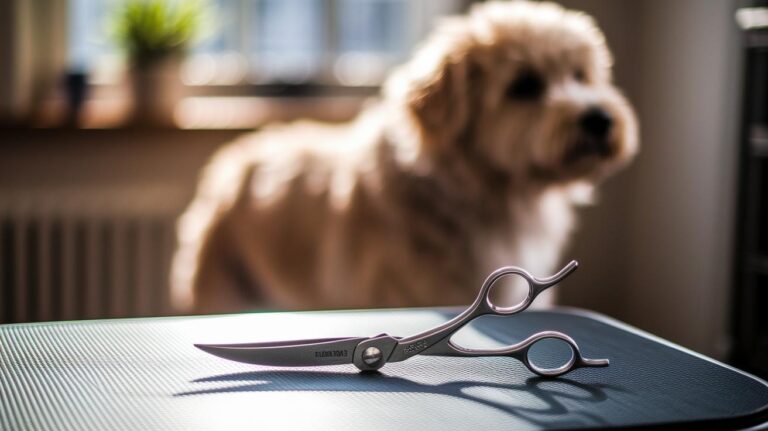
These special grooming shears help you trim your dog's fur with ease. The curved blades follow the natural shape of your dog's body, making every snip smoother and safer. Made from sturdy steel with comfortable handles, they ease hand fatigue during long grooming sessions. This means that both professional groomers and pet parents can enjoy a more relaxed experience while keeping their pets neat.

Using these curved scissors gives you a better grip on tricky curves and delicate details. You can adjust the pressure and angle to work on every part of your dog's body, from the legs to the gentle curves along the sides. Whether you're doing a quick home trim or a full salon style, these shears are built to deliver precision while protecting your pet from accidental cuts.

  • Great for following natural contours
  • Smooth blending of different coat lengths
  • Helps avoid accidental nicks or cuts
  • Comfortable for long grooming sessions
  • Suitable for many breed sizes

Both experienced stylists and new pet parents trust these shears. With a blend of precise cutting and user-friendly design, they make grooming fun, safe, and efficient for every pet.

Key Features of Professional Curved Grooming Shears

img-2.jpg

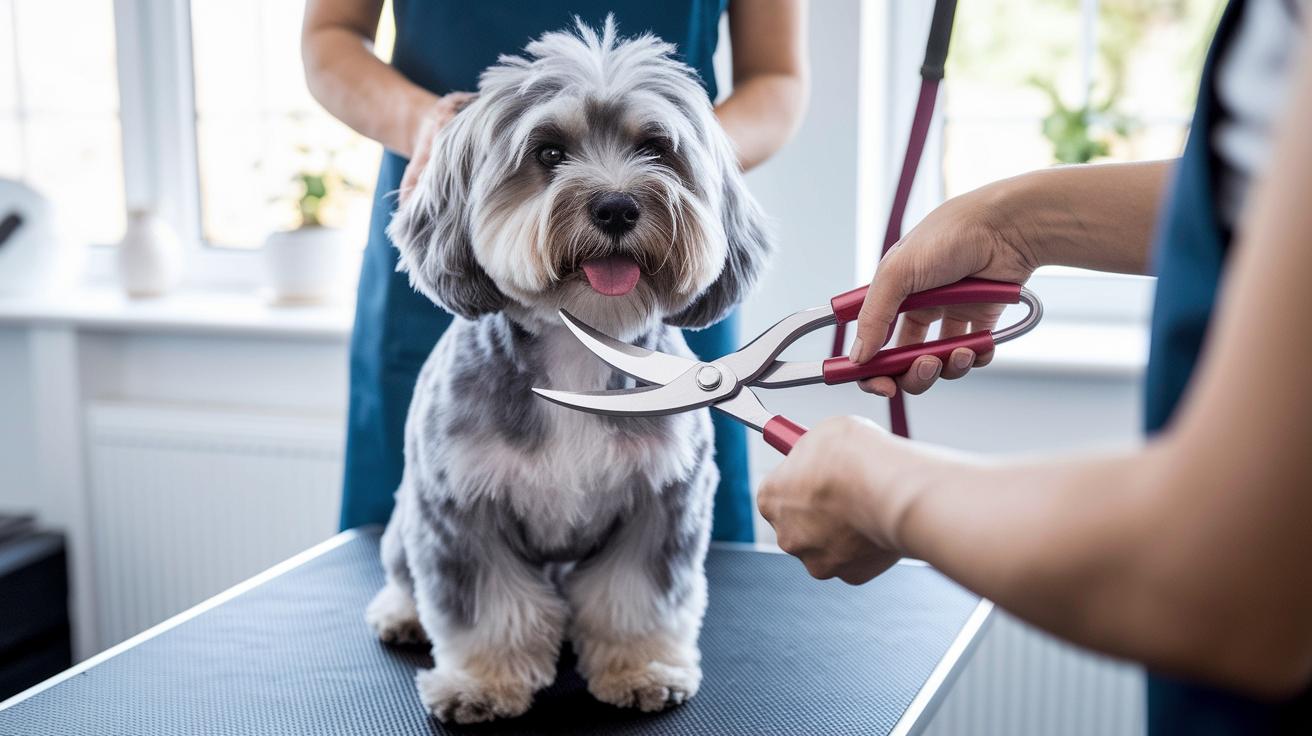
Good grooming starts with great tools. These curved shears are made to give you a safe, smooth cut every time while keeping your hand comfortable. They have special offset handles that help reduce tiredness, leaving your pet with a neat, salon-like finish.

Feature Benefit
Steel Type Stays sharp and lasts long
Handle Design Comfortable grip for less hand strain
Blade Curve Effortlessly blends and contours
Size Options Perfect for small or large breeds

You'll also find a tension screw here. It lets you adjust the cutting force just right for your pet’s coat. With blade lengths ranging from 4 inches to 8 inches, it fits every coat type just perfectly.

Top Rated Curved Scissors for Dog Grooming: Options Across Price Ranges

img-3.jpg

Choosing the right curved scissors can make grooming your pet feel easy and professional. We know that both new pet parents and seasoned groomers want a tool that works well without stretching the budget. These scissors give you a neat, salon-like finish while keeping quality and cost in mind.

Budget Tier Example Model Price Range Best For
Entry-Level Brand A Curved 5″ $25–$75 Home grooming beginners
Mid-Range Brand B Pro Curve 6″ $120–$180 Frequent at-home groomers
Premium Brand C Elite 7″ $210–$300 Professional stylists

When choosing your shears, it helps to look at more than just the price tag. A good warranty can give you peace of mind, and a comfy handle will ease long grooming sessions. It also helps when the brand is well-known for solid craftsmanship. Many of these scissors are vet-reviewed or developed with expert groomers, and they’re made from tough materials like stainless or carbon steel (a strong metal).

Reviewing these options makes it easier to find the right pair. The entry-level models work well for occasional grooming at home. Mid-range scissors offer a step up in performance for those busy pet parents. And if you need the very best, premium models come with extra features like carbide blades (for a sharper, longer-lasting edge) and precision tension systems.

How to Use Curved Scissors for Dog Grooming Like a Pro

img-4.jpg

When you use curved scissors the right way, you can give your dog a neat and smooth trim. Holding the scissors well and cutting slowly makes all the difference. These easy steps help you work safely, whether you’re a pro or simply a caring pet parent.

  1. Start by brushing and bathing your dog, then let the coat dry completely. Dry hair lets the scissors glide easily.
  2. Hold the scissors with your thumb low and your fingers relaxed. This steady grip gives you better control.
  3. Line up the blade with your dog’s curves. Keeping the scissors parallel to the body helps you cut evenly.
  4. Use small, gentle curved strokes. This technique follows the shape of the body for a smooth, natural look.
  5. Step back every now and then to check that both sides are even. A quick look helps you keep things balanced.
  6. For finishing touches, use a smaller pair of scissors on the face and paws. Try trimming a poodle cuff or shaping a leg pompom with extra care.

Tip: Don’t press too hard or cut against the hair’s natural direction. Instead, work slowly and confidently with light strokes to protect your pet’s skin and get a clean finish.

Curved Scissors vs. Straight and Thinning Shears: A Comparative Guide

img-5.jpg

A good set of grooming scissors makes it easy to give your pet a neat, safe trim. You need the right tool for the right job. Each type of scissor helps you shape your pet's coat in a special way.

Curved shears follow your pet's natural curves. They are great for digging into the body contours and blending hair for a natural look. Straight shears give you quick, clean cuts when you need to remove lots of hair fast. Thinning shears lighten the coat, creating that soft, feathered look pets love.

Having all three tools in your kit means you can handle any grooming task. You get to choose the perfect scissor for each part of the trim, making the process smoother for you and more comfortable for your pet.

Type Best Use Key Advantage
Curved Shears Shaping along body curves Creates smooth, natural lines
Straight Shears Bulk coat removal Fast, even cuts
Thinning Shears Lightening the coat Soft, feathered finish

When choosing your grooming tools, remember that each scissor has its own role. Curved shears are perfect for delicate shaping, straight shears let you cut through thick hair easily, and thinning shears create a gentle blend. Picking the right tool makes grooming smooth and keeps your pet feeling happy and cozy every time you trim.

Maintenance Tips for Durable Canine Grooming Scissors

img-6.jpg

Keeping your grooming tools in top shape makes every trim smooth and safe for your pet. A few simple steps can help your scissors last longer and work precisely every time.

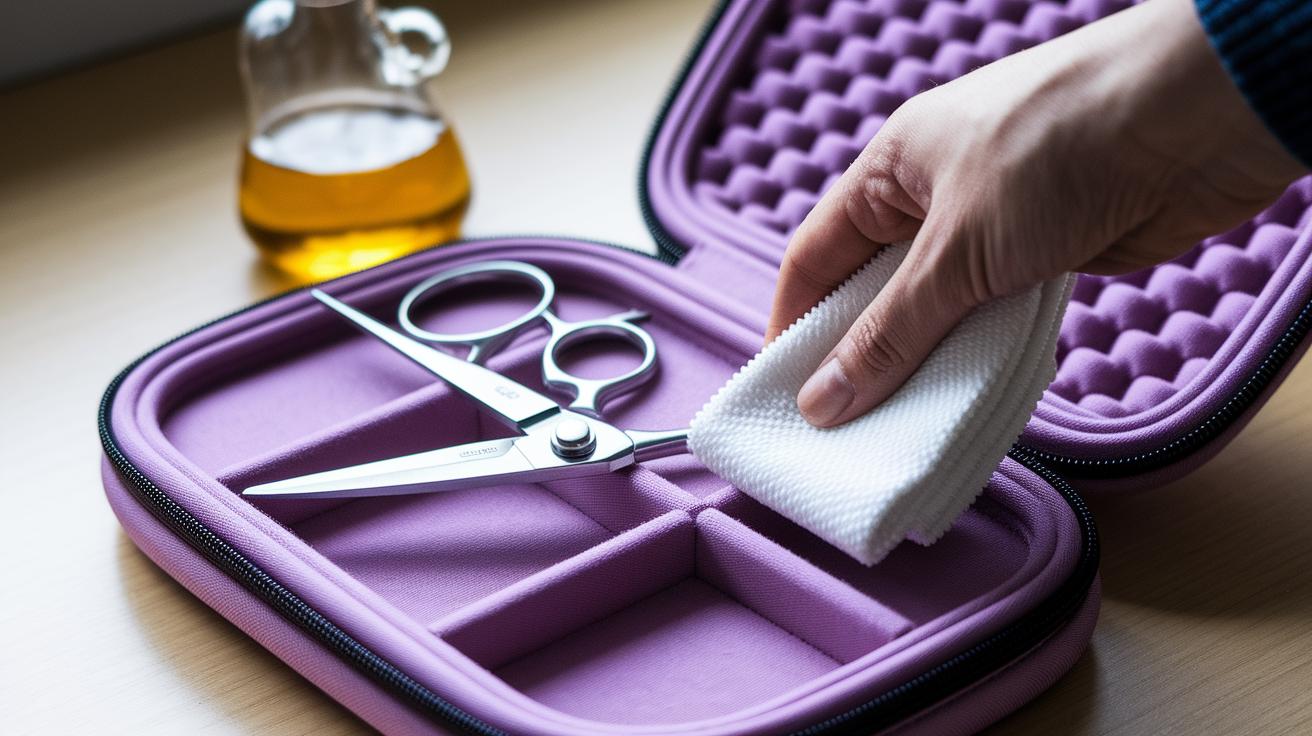
  • Wipe the blades with a dry cloth after each use.
  • Drop one bit of scissor oil on the joint every week.
  • Check the screw tension every three months.
  • Have them professionally sharpened twice a year.
  • Keep your scissors in a padded case or sheath.

Following these steps stops hair and moisture from building up and dulling your blades. Regular oiling and tight screw checks keep the cut smooth and exact. And a little professional sharpening now and then makes sure your shears work like new. This careful routine means every trim feels comfy for both you and your pet.

Choosing the Right Curved Trimming Scissors for Your Dog’s Breed and Coat

img-7.jpg

A good pair of scissors makes grooming a breeze. The right size and curve help you trim your dog's coat smoothly. Whether you're tidying up the face and paws or giving the body a neat trim, picking the right scissors makes a big difference. It can turn grooming into a relaxed, fun time for both you and your dog.

  • For tiny dogs and puppies: try 4" shears with a small curve for precise cuts.
  • For medium-coated dogs: 6" shears with a gentle curve work best.
  • For thicker or longer coats: choose 7- to 8" shears with a stronger curve for smooth lines.
  • For curly-haired pets like poodles or Bichons: extra-curved scissors add a nice finishing touch.

Before you buy, check that the handle feels right and the weight is balanced. Comfortable scissors give you a secure grip and extra control, making every trim safe and pleasant for you and your furry friend.

Final Words

In the action, we explored how curved scissors for dog grooming bring precision and ease to every trim. We covered their unique design features, shared top-rated options, and explained simple pro techniques. We also highlighted how proper care keeps these tools in top shape. This guide helps you choose a pair that works well for your pet's breed and lifestyle. Every clip and snip adds to a smoother grooming experience. Enjoy making grooming time both effective and fun!

FAQ

What are professional curved scissors for dog grooming?

Professional curved scissors for dog grooming are precision tools designed for smooth contouring. They feature curved blades that blend different coat lengths and reduce hand fatigue, making them ideal for detailed pet grooming.

Where can I find curved scissors for dog grooming nearby or on Amazon?

You can find curved scissors at local pet stores or online retailers like Amazon. These sources offer a range of options—from beginner models to high-end professional shears—to suit your grooming needs.

Which are considered the best curved scissors for dog grooming and what popular models are available?

The best curved scissors prioritize ergonomic design, high-quality steel, and balanced weight. Popular models include Super Curved Grooming Shears, Kenchii Curved Shears, and Geib Curved Thinning Shears, with options like 10-inch shears for varied coat types.

Why do dog groomers use curved scissors and what is their purpose?

Dog groomers use curved scissors to follow the natural contours of a pet’s body. Their curved blades allow for smooth, precise trimming and blending, reducing the risk of nicks while enhancing overall grooming quality.

How do you properly use curved scissors for dogs?

To use curved scissors, hold them with a relaxed grip and position the blade along the dog’s body curve. Use light, sweeping strokes to trim and blend the coat, ensuring a consistent and safe cut.

What shears do professional dog groomers use?

Professional dog groomers opt for specialized curved shears with ergonomic handles and durable, high-quality steel. These shears are designed for precision and control, helping achieve smooth lines and blended coats every time.

Diy Pet Care Guide: Happy Pets, Healthy Lives

0

Have you ever felt that you can boost your pet's health right at home? You might be surprised at how small, simple ideas can help a lot.

From picking a pet that fits your lifestyle to making a safe, playful space, every little step matters. This guide shows easy routines like proper feeding, gentle grooming, and some fun exercise.

We’re here to share practical tips that help keep your furry friend happy and healthy every day.

Key Pillars of a DIY Pet Care Guide

img-1.jpg

The very first step is picking a pet that matches your lifestyle. For example, if you love outdoor adventures, breeds like Labradors or German Shepherds are a great choice. This decision sets up daily routines and helps you bond with your new friend right away.

Getting your home ready is just as key. Clear away any breakable items and create non-slip areas so your pet can explore safely. Picture it like setting up a little pet paradise where every spot is safe. Quick tip: Keep pathways and corners free to avoid accidents for everyone.

Feeding your pet right is essential, too. Whether you have an energetic puppy or a calm senior, serve meals that match their life stage with balanced food and fresh water daily. This simple step boosts overall health and keeps your pet brimming with energy.

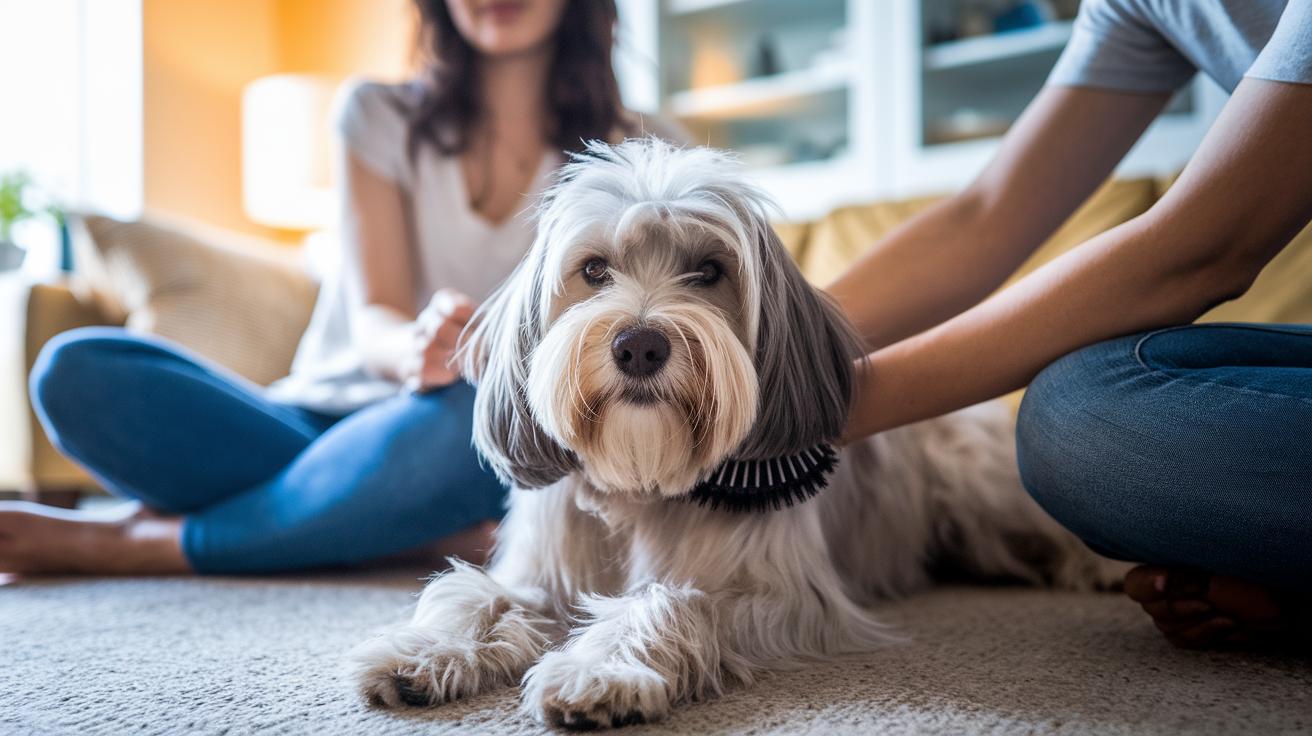
Grooming is a great way to connect with your pet every day. Brushing, bathing, trimming nails, and cleaning ears keep your buddy looking neat and give you a chance to spot any minor issues early. For example, a slicker brush (a tool that helps manage shedding and mats) makes grooming easier and more enjoyable.

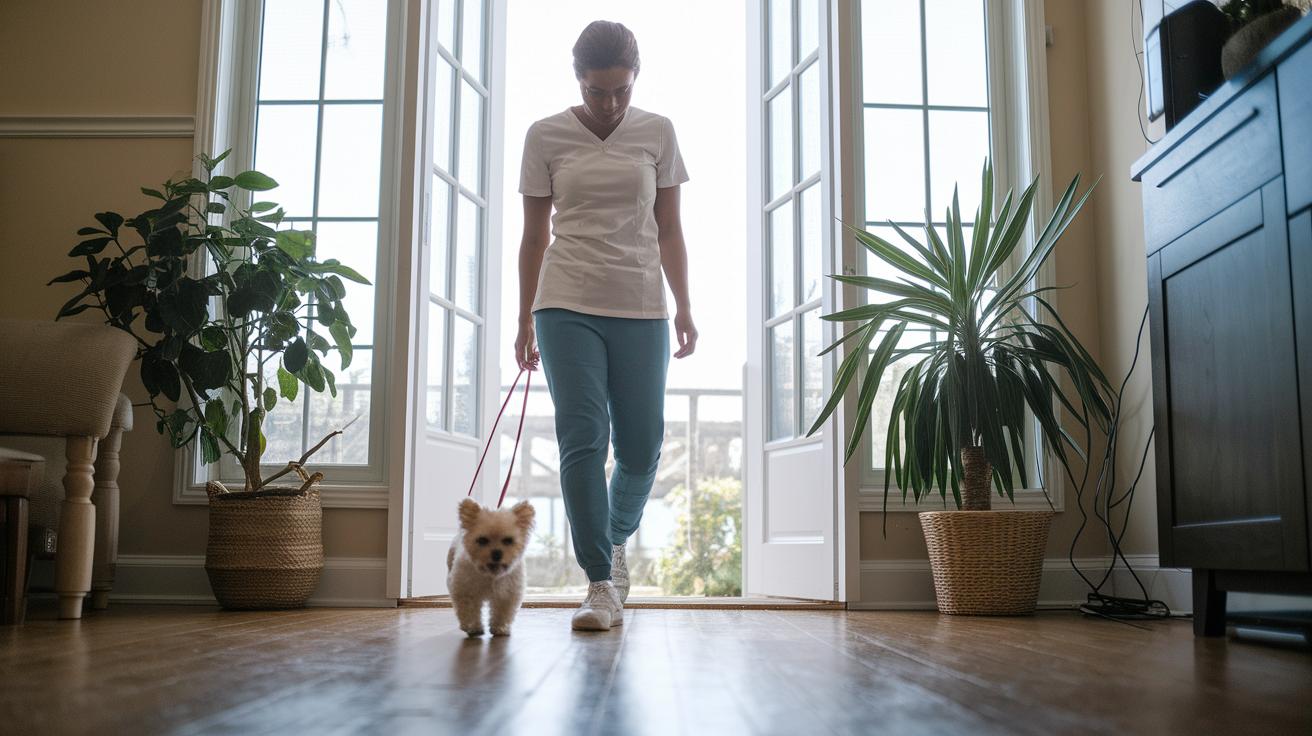
Don't forget about exercise and health checkups. Daily play sessions and walks keep your pet active, and routine vet visits or even virtual consultations help catch any problems early on.

When you focus on a safe home, proper food, regular grooming, fun exercise, and checkups, you're building a complete DIY pet care plan. This simple system helps ensure your furry friend stays happy and healthy every single day.

DIY Grooming Instructions for Animals

img-2.jpg

Grooming helps your pet feel good and stay healthy. Start by using a slicker brush to remove loose hair and keep tangles away. For pets with long hair, try an undercoat rake, it makes detangling a breeze.

When it’s time for a bath, keep things calm and simple. Use warm water and set up a non-slip mat so your pet stays safe. Choose a pet-friendly shampoo made for their skin and rinse well to avoid irritation. A gentle bath keeps your pet relaxed and fresh.

Trimming nails is important too. Use pet nail clippers or a grinder with care so you don't cut the quick (the pink part inside the nail). Have some treats ready to make it a fun, rewarding time for your pet.

Don’t forget to clean ears and eyes gently with a soft damp cloth and a vet-approved solution. This easy step helps prevent infections.

Finally, clean your grooming tools after each use and check them for any damage. Keeping your tools in good shape not only saves you money but also makes grooming safe and effective for your pet.

Homemade Nutrition Recipes for Furry Friends

img-3.jpg

Making your pet's meals at home can be fun and gives you full control over the fresh, vet-approved ingredients. You can try a DIY dog shampoo by mixing 1/4 cup castile soap with distilled water. If you don't have castile soap, baby shampoo, mild unscented dish soap, aloe vera gel, or a bit of baking soda can work too. This gentle mix cleans your pet's coat and is kind to sensitive skin.

Another tasty option is a peanut butter and oats dog treat. Start with 1 cup rolled oats and stir in a couple of spoonfuls of peanut butter. Be sure the peanut butter does not contain xylitol (a sweetener that can hurt dogs). Shape the mix into small balls and bake at 350°F (175°C) for 15 to 20 minutes until they become firm. These treats have a crunchy bite that may help clean your pet's teeth.

For a natural flea spray, mix water with a few drops of a pet-safe essential oil and a pinch of baking soda. Always test a small spot on your pet first to be sure they don't react.

When you make these easy recipes, you control the ingredients, save money, and keep your furry friend happy and healthy.

Affordable Shelter and Housing Tips for Companions

img-4.jpg

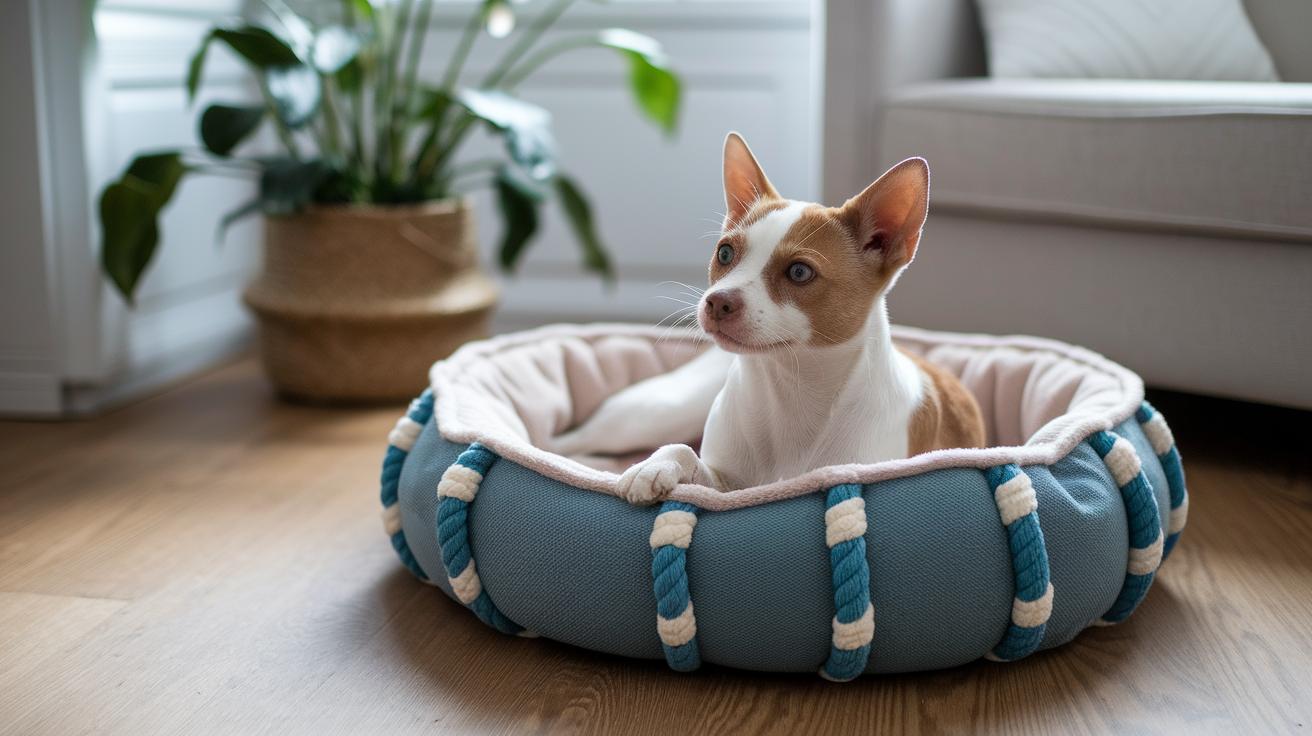
Making a safe, budget-friendly place for your pet is fun and easy. You can start by using things you already have. Try upcycled fabric or no-sew fleece rope to create a pet bed that is both cozy and strong. A DIY washable bedding setup makes clean-up simple and gives your pet a secure spot to rest.

Set aside a small area that gets fresh air and is simple to clean. Choose non-toxic and chew-resistant materials so your pet stays safe. Here are some tips for a small companion space:

  • Use soft fabrics that can handle lots of play.
  • Build a setup that is easy to move around for cleaning and checking the temperature.
  • Create a cat hideaway or a little nook for small rodents with layered blankets and cushions.

Also, think about keeping indoor critters comfortable. Use a fan on warm days or make a snug spot for cooler times. For ideas on safe travel and easy-to-change designs, check out our small pet travel carrier. These simple tips help you build a shelter that is practical and full of love for your furry friend.

First Aid Kit Creation and Health Maintenance at Home

img-5.jpg

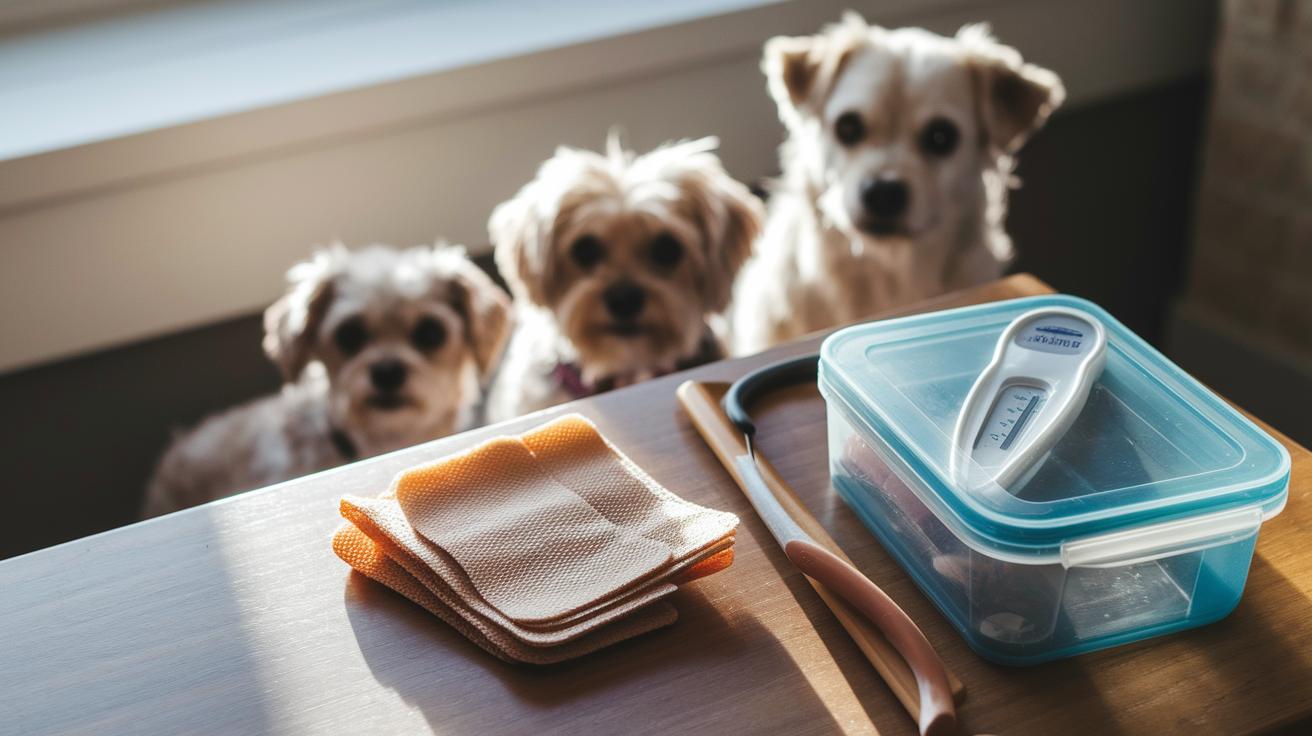
A full first aid kit is a must for caring for your pet when surprises happen. Start by gathering simple supplies like gauze pads, adhesive bandages, tweezers, antiseptic wipes, and a digital thermometer. These basics let you clean wounds, dress small cuts, and check your pet's temperature at home.

For instance, when your dog looks worried after a small injury, a quick wrap with a clean bandage can help ease the hurt and calm your nerves. If you don’t have a bandage, you can use a soft cloth or no-sew fleece. Just wrap gently so you don’t cut off circulation.

When it comes to medicine, always follow safe, over-the-counter guidelines. Check the dosage on the package carefully and, if you're in doubt, ask your vet what’s best for your pet.

Don’t forget about keeping parasites away. A flea comb is great for removing unwanted critters, and a diluted, pet-safe essential oil spray can keep them at bay. Little steps like these can really add up to big benefits.

It’s also smart to check your pet's temperature and weight regularly. A quick look can spot any changes early, helping your furry friend stay happy and healthy even when little emergencies pop up.

Inexpensive Exercise Plans and Enrichment Activities

img-6.jpg

Making indoor play fun for your pet is simple. You can create little play areas with easy DIY puzzle feeders to challenge your pet for a tasty reward. This type of game keeps your pet's mind busy while making snack time a special treat. You can also cut fleece into strips about 1.5 inches wide and 20 to 30 inches long to make no-sew rope toys that are just right for tug-of-war.

Try playing chase games inside too. Wave a wand in front of your cat to move like a fluttering bug or roll a ball across the floor for your dog. These games help your pet burn off extra energy and also make your time together even more fun.

Set aside 15 to 20 minutes twice a day for play. A regular routine like this makes sure your pet gets both exercise and brain stimulation. You can even hide small treats around the room for your pet to find. Every corner can become a mini-adventure!

Remember, simple household items can turn your home into a safe playground. With these easy exercise ideas, you help your pet stay healthy and happy while managing stress.

Safety Checks, Routine Care Scheduling, and Behavior Training

img-7.jpg

Start by walking around your home with your pet in mind. Remove any plants that might be harmful and pick up small things that your pet could swallow. Secure your electrical cords and check that fences and gates are locked tight. These steps help keep accidents away in a snap. For instance, make sure no loose wires or dangerous objects are near curious paws.

Then, create a clear care calendar. Write down when you feed your pet, groom them, and schedule vet visits or vaccinations. A simple schedule keeps you organized and helps your pet feel secure. Here are some ideas:

  • Write daily routines like feeding and playtime.
  • Mark weekly grooming and exercise sessions.
  • Schedule yearly vet checkups or even online visits to catch health changes early.

Next, try some basic behavior training to build trust with your pet. Reward good behavior with treats and praise. A clicker can help remind your pet of the right actions, especially when dealing with tricky tasks like untangling matted fur or easing anxiety. Always handle your pet calmly during grooming or quick health checks.

Keep an eye out for signs that something might be off, like sudden tiredness, changes in appetite, or skin problems. These could mean it’s time to see a vet right away. For more training ideas and starter routines, check out our new pet owner care guide.

Together, smart home checks, a steady routine, and gentle training help build a strong, happy, and healthy life for your pet.

Final Words

In the action, we explored safe home setups, easy grooming tips, homemade nutrition, and smart shelter ideas. We touched on building a first aid kit, planning fun exercise, and setting up routine care checks. Each part of our DIY pet care guide offers you simple ways to keep your pet healthy and happy every day. This roadmap shows how you can easily manage your pet's care while helping rescues. Keep these steps in mind, and enjoy more quality moments with your furry friend.

FAQ

What are simple ways to take care of animals?

The simple ways to care for animals include feeding nutritious food, providing clean water, ensuring safe shelter, scheduling playtime, and performing routine health and grooming checks.

How can I take care of my dog step by step, and where can I find a dog care guide pdf?

Taking care of a dog step by step means starting with feeding, daily walks, regular grooming, and vet visits. A PDF guide can provide clear, detailed instructions and health care tips.

What is the 90 10 rule for dogs?

The 90 10 rule for dogs means that about 90% of a dog’s wellbeing depends on routine care, like feeding and exercise, while 10% covers extra activities and special training.

What should I include in a pet care guide?

A pet care guide should include sections on nutrition, grooming, exercise, shelter, routine checkups, and safety measures. It helps pet parents stay organized and ensures comprehensive care.

What is the easiest pet to take care of at home?

Often, the easiest pet to take care of at home is a fish or small rodent, since their care typically involves simple feeding, regular cleaning, and minimal space requirements.

How do I create a pet care schedule?

Creating a pet care schedule involves listing daily tasks such as feeding, exercise, play, and grooming. Use a calendar or digital reminder to keep track and maintain consistency.

Crate Training A Puppy: Bright New Start

0

Have you ever thought a crate could be your pup’s safe haven? A crate can help set happy habits and show your pup where to go potty. It’s not just a box. It can be a cozy corner that builds trust and gives you peace of mind. In this guide, we walk you through simple steps to create a secure spot for your furry friend. Enjoy making a bright new start with your puppy.

Beginner’s Step-by-Step Guide to Crate Training a Puppy

img-1.jpg

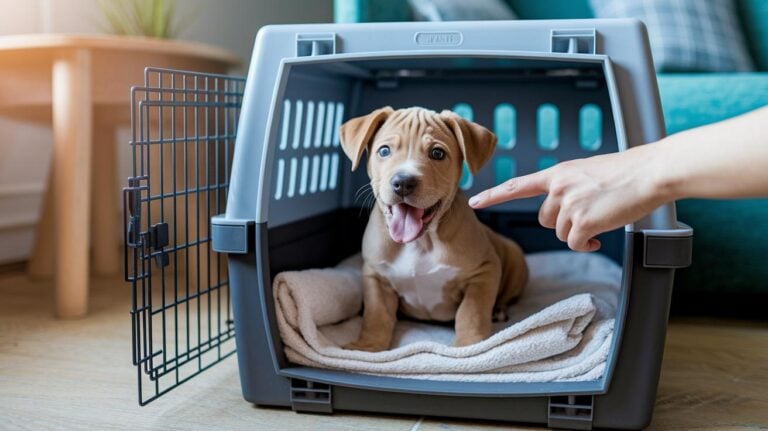
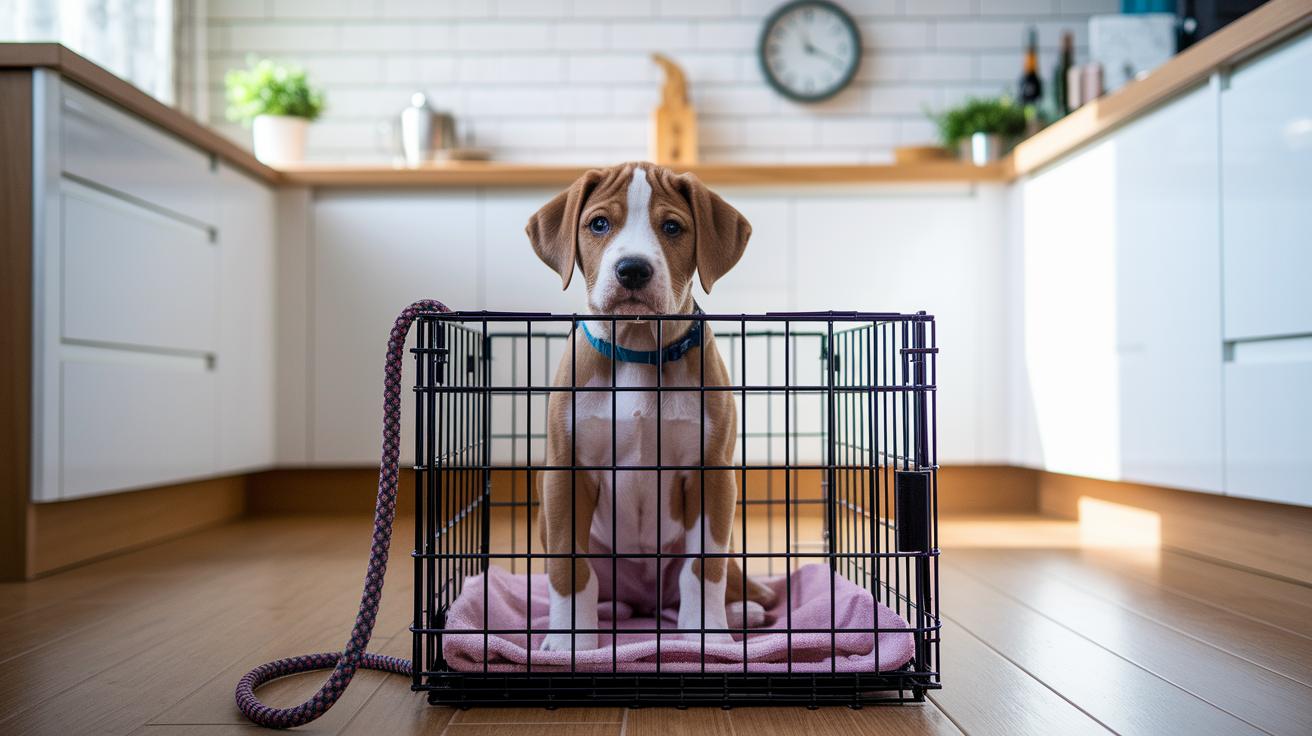
Crate training is a great way to help with potty training. It shows your puppy where to go, protects your belongings from being chewed, and gives your pup a safe spot when you are busy or away. With kind steps and practice, crate training builds good habits and lowers accidents. Try keeping sessions to about an hour, two to three times a day.

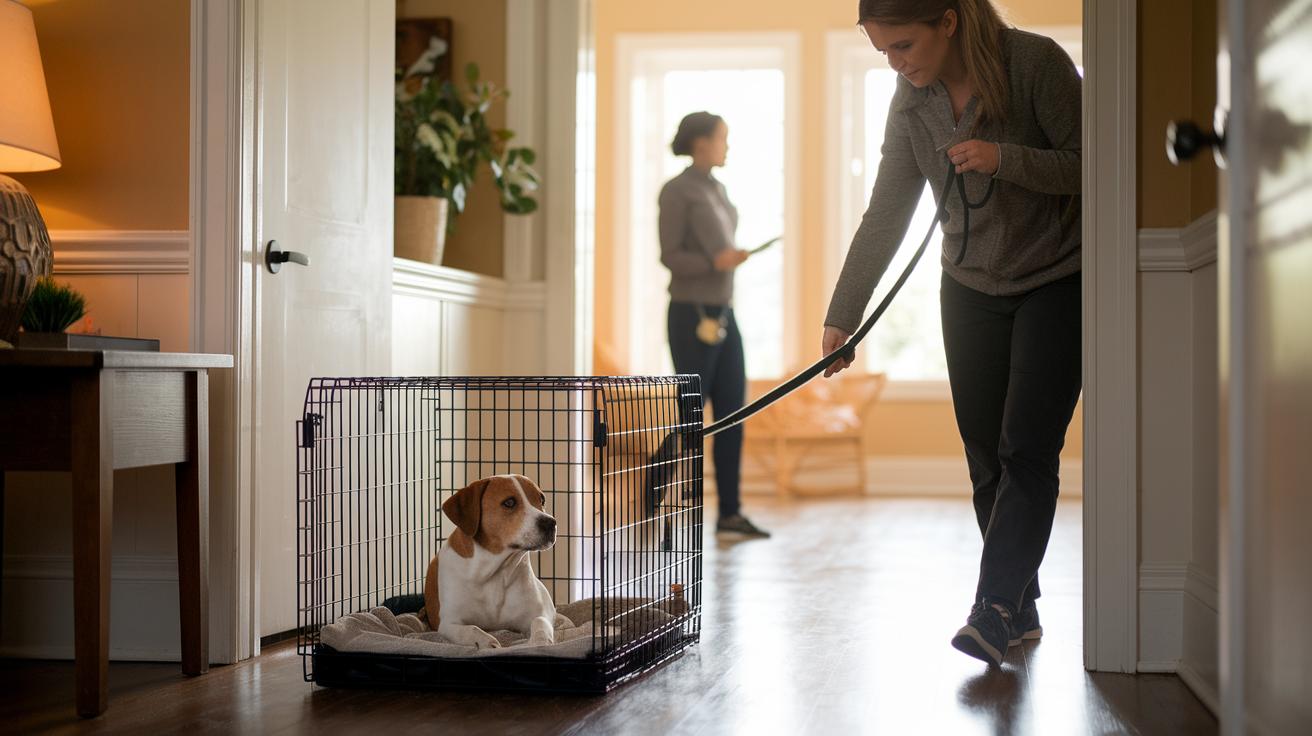
  1. Start by placing the crate in a common area where everyone gathers. Let your puppy explore it at their own pace. For example, leave the door open during meals so your pup sees it as a friendly space.
  2. Make the crate a happy place. Add a soft blanket and a favorite toy. You can also offer small treats to create a positive vibe.
  3. Feed your puppy inside the crate. This links good food with a comfortable environment.
  4. Begin with short periods in the crate when your puppy is awake and relaxed. It helps them adjust without feeling forced.
  5. Open the crate only when your pup is calm. If your puppy cries or whines, wait until they settle down. This teaches them that quiet behavior brings rewards.
  6. Slowly increase the time spent in the crate as your puppy gets used to the routine. Always praise and give a little treat when your puppy is calm and quiet.

Remember, only open the crate when your puppy is relaxed. This builds good discipline and shows them that staying calm means positive outcomes.

Choosing the Right Crate for Training Your Puppy

img-2.jpg

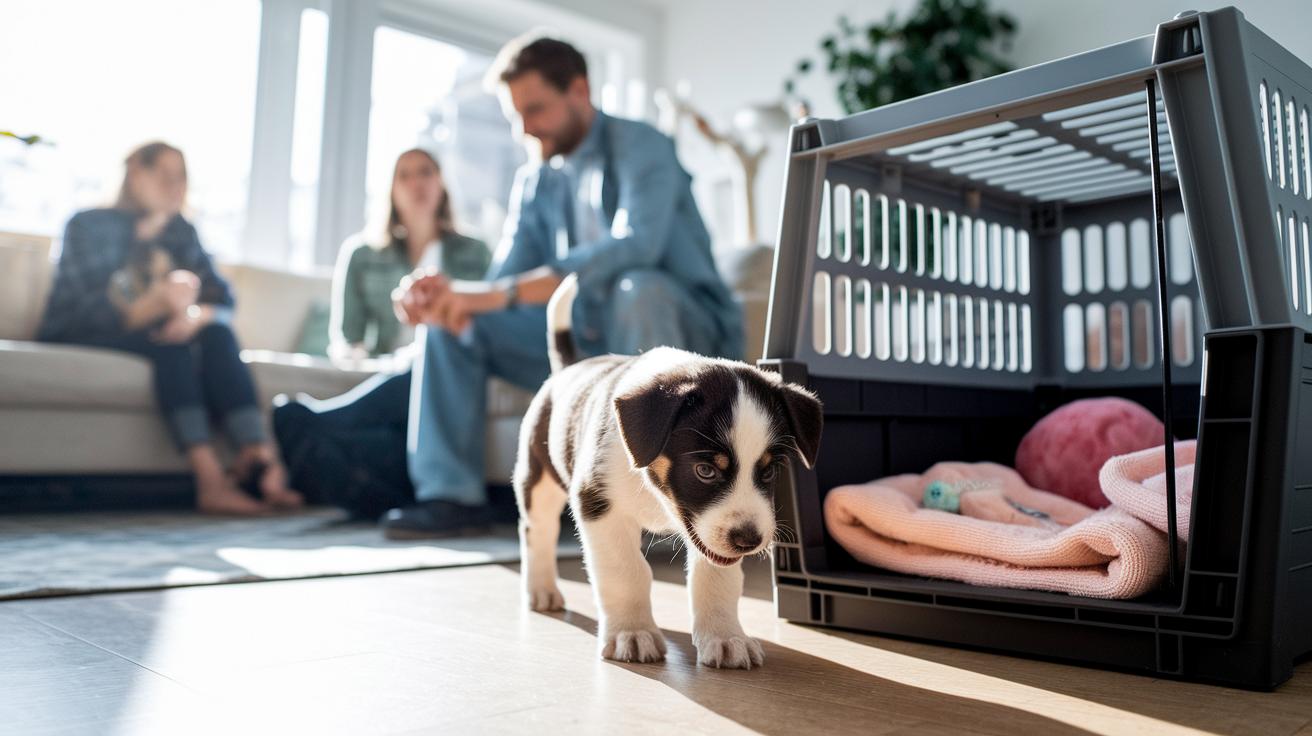
When you start training your puppy, picking the right crate matters a lot. Your pup needs enough space to stand, turn around, and lie down. At the same time, it shouldn't be too big that it invites accidents. This crate will be a cozy spot that keeps your puppy safe as they grow.

Crate Type Pros Cons
Wire (Life Stages) Good air flow and clear view; lightweight May not feel as snug for some pups
Plastic Kennel Feels like a warm, little den; calming Less air circulation; might seem tight
Soft-sided Travel Easy to fold and carry; very light Not strong enough for heavy chewers
End-table Style Works as furniture; looks stylish Takes up more room and costs more

When setting up a crate, choose a quiet spot that is still part of your daily life. This way, your puppy feels safe while still being connected to you and your family.

Preparing Your Home Setup for Puppy Crate Training

img-3.jpg

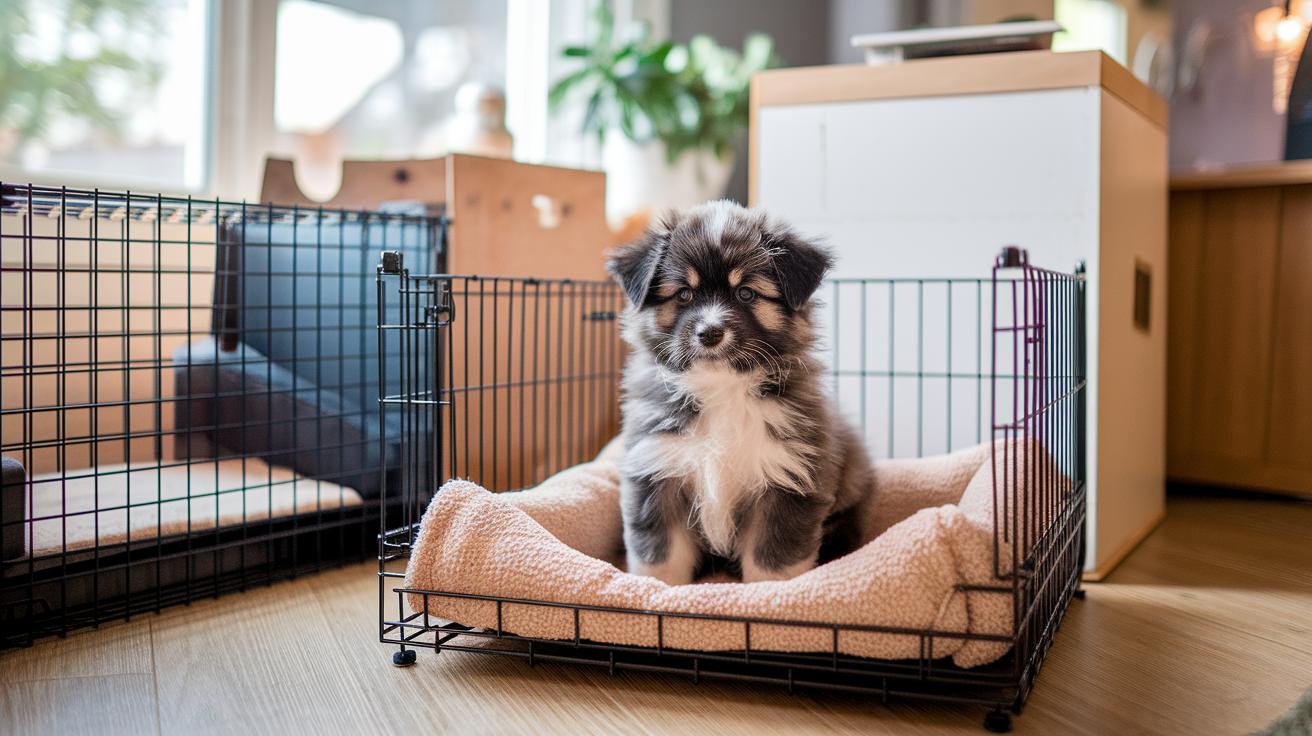
Setting up a cozy space for your puppy makes crate training much easier. When your pup has a quiet spot to relax, the crate becomes a little hideaway they can enjoy. Think of this area as a special retreat just for them.

  • Bedding: Use a soft, washable bed so your puppy has a comfy place to rest.
  • Blankets: Add a couple of clean blankets for extra warmth and softness.
  • Toys: Include a safe chew toy or a favorite plaything to keep your puppy entertained.
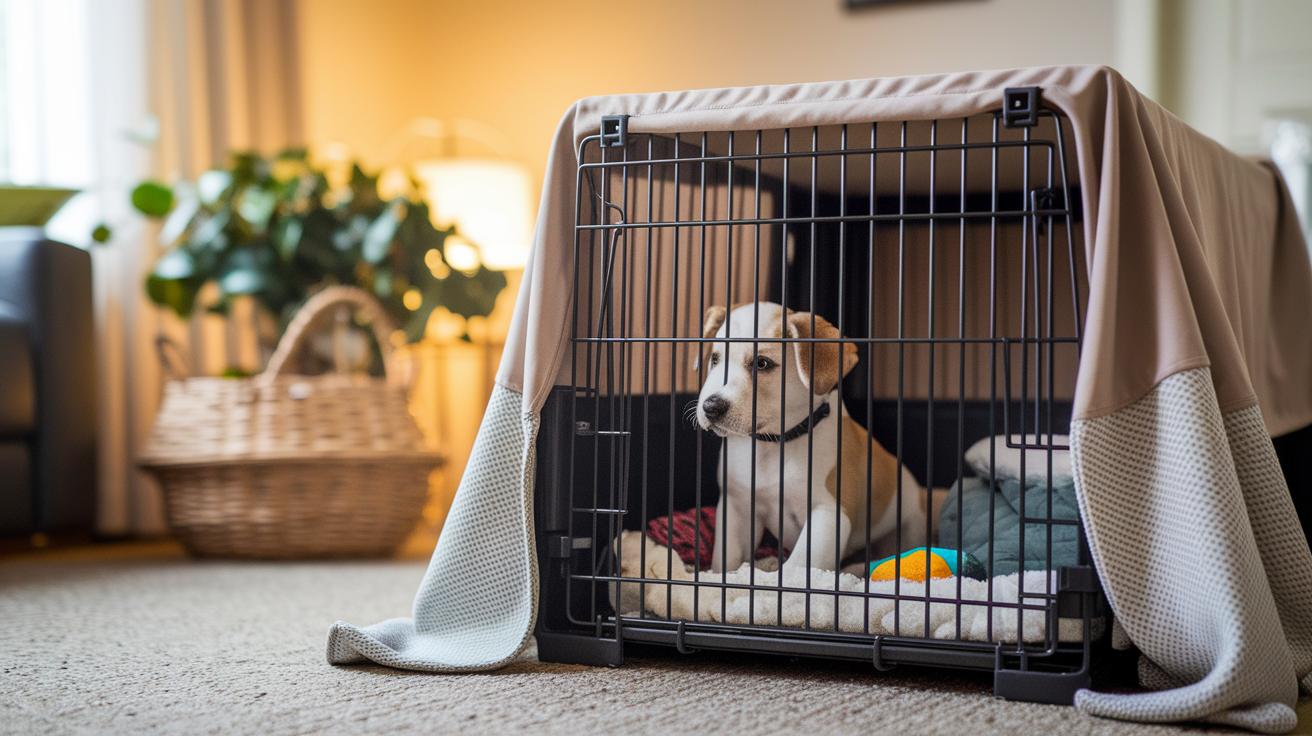
  • Crate cover: Put on a cover or drape to help mimic a den and reduce outside distractions.
  • Scent object: Place an item with a familiar smell, like an old T-shirt, to give your pup extra comfort.

Switch these items from time to time so your little friend stays interested and happy.

Developing a Puppy Crate Training Schedule and Potty Protocol

img-4.jpg

A steady daily routine helps your puppy feel safe and learn what to expect. Following a simple schedule can lead to fewer accidents, a happier pup, and a cleaner home. We suggest using 45 to 60 minute crate intervals during the day and giving plenty of breaks after meals, play, and naps.

  1. Wake-Up: As soon as your puppy stirs, take them outside for a quick bathroom break.
  2. Meals: Right after eating, step out for a potty visit. This teaches your pup that food means it's time to go outside.
  3. Play: After some fun playtime, return your pup to the crate for a bit of rest and then another quick outdoor break.
  4. Naps: Once your little one wakes from a nap, go outside to let them do their business.
  5. Evening Routine: After dinner and more play, plan another potty break. It helps your puppy settle down for the night.
  6. Overnight: Just before bed, take your pup out one last time. This can help avoid accidents during the night.

As your puppy grows, adjust the intervals as needed. If they start holding it longer or seem uneasy, slowly shift the schedule. This method builds trust in their crate as a safe space and eases the move to longer durations over time.

Troubleshooting Common Puppy Crate Training Challenges

img-5.jpg

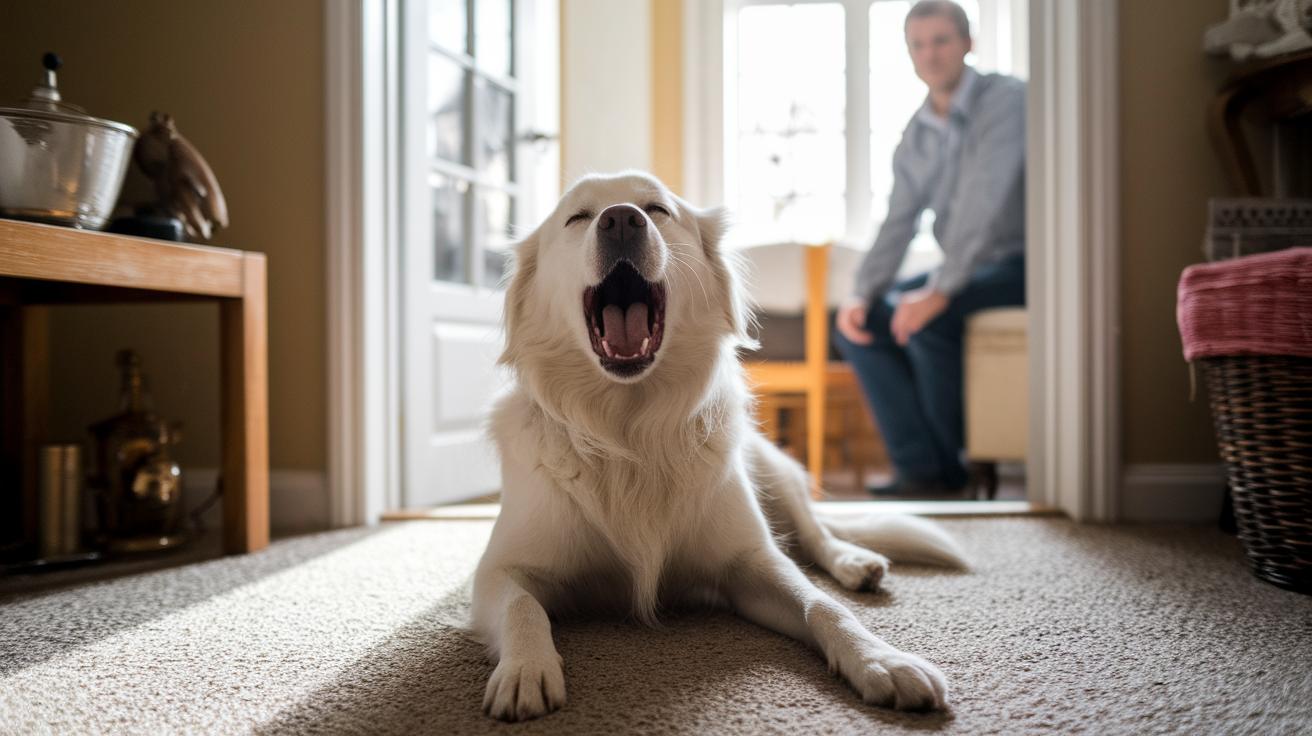
Sometimes your pup cries or howls when they feel uneasy. These sounds may signal separation anxiety or discomfort with the crate. You can choose to offer a little comfort or wait until they settle. Look for signs like pacing, restlessness, or chewing on the bars. These might mean the crate is too small or stressful.

Managing Crying and Howling

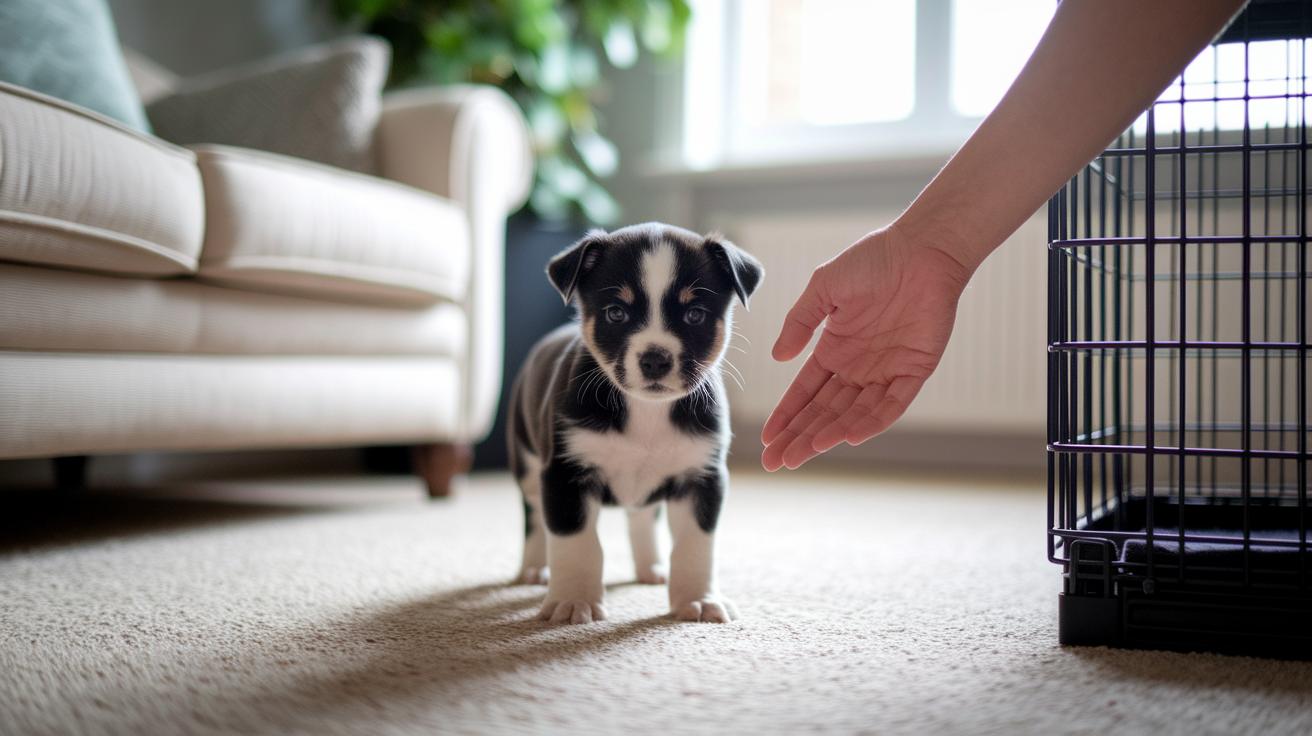
When your puppy starts crying, decide if they need a quick pat or simply some space to settle on their own. If your pup looks confused or anxious, try a gentle pat nearby. Once they quiet down, reward them with a small treat or a few kind words. Remember, patience and good timing work best.

It helps to ignore the early protests when your pup cries right after being placed in the crate. Only open the crate door when they are calm. This way, your puppy learns that quiet behavior brings attention and rewards.

Adjusting for Comfort and Anxiety

Make sure your crate fits just right. Your pup should have enough room to stand, turn around, and lie down without extra space to roam. Give your puppy plenty of exercise before crate time to ease anxiety, and slowly increase their time in the crate. You can add a soft blanket or a familiar scent item to create a safe, den-like space that helps calm them.

Advanced Techniques and Comfort Strategies for Puppy Crate Training

img-6.jpg

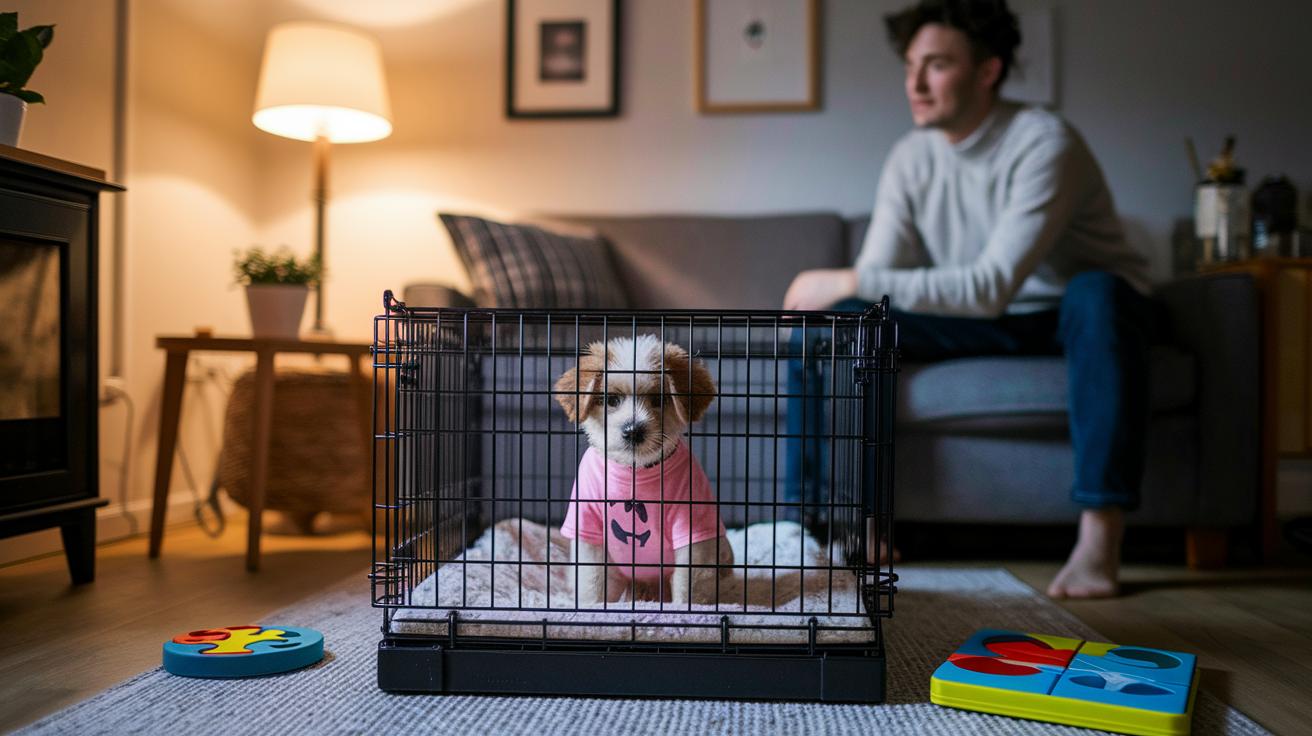
This guide helps you create a comfy, safe space for your puppy. We mix regular practice with fun methods to help your pup relax and feel secure. These tips build positive habits and make crate time something to look forward to. For example, a quick click sound paired with a treat shows your puppy that quiet moments are a win.

  • Use a clicker with treats to remind your pup to stay calm.
  • Play soft music or white noise to soothe your anxious friend.
  • Place a familiar item, like your T-shirt, in the crate for comfort.
  • Add puzzle feeders inside the crate to keep your pup busy.
  • Rotate chew toys often to keep the space fresh and fun.

Each tip works to ease your puppy's stress. The clicker and treat trick quickly teaches your pup what you expect. Gentle music helps block out distracting sounds. A familiar scent feels like a hug when you're not there. Puzzle feeders and fresh chew toys make sure the crate stays interesting. Together, these methods turn crate time into a loving, secure space where your puppy can relax and grow.

Ensuring Safety, Hygiene, and Long-Term Success in Puppy Crate Training

img-7.jpg

Keeping your puppy's crate clean is really important for its safety and comfort. A tidy crate helps stop bad smells, harmful germs, and damage from chewing. We recommend cleaning the crate every week. Take out the bedding, scrub the crate with a pet-safe cleaner, and rinse it well. Clean up any accidents right away and change the liners to keep everything fresh. Also, check the crate for any rough spots or chew marks that might hurt your pup.

Crate care can change with the seasons too. In colder months, a little extra insulation can help keep your puppy warm. In summer, removing extra covers lets in fresh air to prevent overheating. Using products that are safe for your pet gives you peace of mind and helps your puppy stay healthy. A well-kept crate not only feels inviting but also lasts longer as a safe place for training.

Task Frequency Pet-Safe Product Suggestion
Remove bedding and disinfect Weekly Pet-safe disinfectant
Clean up accidents and change liner Immediately Enzymatic cleaner
Inspect for chew marks and sharp edges Weekly Pet-safe repair kit

Final Words

In the action, we explored how simple steps in crate training a puppy can create a safe and happy space. You learned why a crate aids in potty training and keeping your home safe, along with the best ways to choose and set up your pup's new haven.

We also tackled daily routines, troubleshooting, and advanced comfort tips. Every little step builds a better bond and a smoother training journey. Keep moving forward, and enjoy every moment with your furry friend.

FAQ

What is a puppy crate for?

A puppy crate is a safe space that helps with potty training and keeps your pup from getting into trouble. It gives your puppy a secure spot to rest and prevents destructive chewing.

How does crate training a puppy at night work?

Crate training at night means teaching your pup to sleep calmly in its crate. A steady routine with comfort items and treats helps reduce crying and builds positive sleep habits.

How do you crate train your puppy in 3 days?

Crate training in 3 days involves short, frequent sessions that build up crate time gradually. Rewarding quiet behavior with treats helps your puppy adjust quickly to the crate.

When should you start crate training a puppy?

You should start crate training as soon as your puppy arrives, usually around 8 weeks old. Early training sets up a good potty routine and teaches safe, calm behavior.

What does a crate training schedule for a puppy look like?

A crate training schedule includes brief sessions throughout the day, especially after meals and naps. Consistent intervals of about 45 to 60 minutes help build a routine for both potty training and relaxation.

What are the benefits of crate training a puppy?

Crate training benefits your puppy by supporting potty training, preventing destructive chewing, and creating a secure space. It builds good habits while keeping your pup safe and relaxed.

How does crate training aid in potty training?

Crate training aids in potty training by limiting accidents. Your puppy learns to hold its bladder when confined and benefits from regular outdoor breaks, establishing a reliable routine.

How should you handle a puppy crying in its crate at night?

Handling nighttime crying involves a steady routine. Comfort your puppy briefly without letting it out until calm, then reward quiet behavior to strengthen positive habits and reduce anxiety.

What is the 2:1 rule for crate training?

The 2:1 rule means rewarding your puppy twice as often for calm behavior compared to any negative actions. This system reinforces quiet, positive responses during crate sessions.

How can I stop my puppy from crying in the crate?

To stop your puppy from crying in the crate, only let it out when it’s quiet. Gently offer reassurance and reward calm behavior so your pup learns that staying calm leads to freedom.

What is the fastest way to crate train a puppy?

The fastest method involves short, frequent crate sessions with immediate rewards for calm behavior. Gradually increasing crate time with consistency and patience helps your puppy adapt quickly.

What does the 3 second rule for puppies mean?

The 3 second rule means addressing unwanted behavior within three seconds. A quick, clear response helps your puppy learn acceptable habits and reinforces positive behavior from the start.

Dog Leashes With Padded Handles: Love Every Walk

0

Have you ever noticed how a small change in your dog's leash can make a big difference? Try a leash with a soft, padded handle. If your current leash feels rough on your hands, switching to one with a cushioned grip can help a lot. It absorbs shock and eases the pressure, so even a strong pull feels gentle. In this post, we share how leashes with padded handles can turn tiring walks into fun, easy outings. You'll get better control and more chances to bond with your furry friend, and a part of your purchase helps local rescues.

Experience Comfort: Benefits of Padded Handles on Dog Leashes

img-1.jpg

Your dog's leash now comes with a soft cushion that makes every walk easier on your hands. This padded handle soaks up the impact when your pet pulls, letting you enjoy long strolls or quick stops without discomfort. It's like switching from a rough rope to a cozy grip that feels gentle and secure.

These leashes are built to fit your hand perfectly. Whether you're jogging with your energetic pup or practicing commands during playtime, the cushioned handle supports your hand and wrist. It helps reduce shocks and gives you a firmer, steadier hold, so you feel more confident every time you step out.

Every adventure benefits from this extra comfort. Long hikes, busy park runs, or a day out with an enthusiastic puller become more enjoyable because the padding lessens hand fatigue. Plus, it lets you focus on bonding with your dog instead of worrying about discomfort.

Key Materials and Designs in Padded Handle Dog Leashes

img-2.jpg

Walking your dog should be fun and easy. Our padded handle dog leashes are built with care to help ease hand pressure and give you a firm grip. They mix comfort with strength so that walks or training sessions are more enjoyable and less tiring for both of you.

  • Neoprene Padding: Water-resistant cushioning that keeps your hands dry and soft during wet walks.
  • Memory Foam Insert: This shock absorber reduces wrist strain on long walks.
  • Gel-Core Handle: Designed to relieve pressure so you maintain a steady hold during active play.
  • Textured Grip Overlay: Offers an anti-slip surface to keep your grip secure in rain or snow.
  • Contoured EVA Foam: Fits naturally in your hand for comfort all day.

Pick the design that best fits your dog's energy, and make every walk a happy adventure.

dog leashes with padded handles: Love Every Walk

img-3.jpg

Choosing a leash with a soft padded handle can make every walk a joy. We look at price, material, leash length, and customer reviews when picking the best leash. We want something built to last with a cozy grip for you.

Whether you're training, jogging, or taking an everyday walk, the right leash can boost your time outdoors. A leash with neoprene padding is great for wet weather, while one with memory foam is ideal for long hikes. We compare different models so you can find one that fits your budget and matches your dog's energy.

Model Price Length Material Rating
Brand A Neoprene Lead $19.99 6 ft Neoprene/Nylon 4.5★
Brand B Memory Foam Leash $24.99 5 ft Foam/Nylon 4.7★
Brand C Gel-Core Trainer $29.99 6 ft Gel/EVA/Nylon 4.6★
Brand D Sport Wrap Lead $22.50 4 ft EVA Foam 4.4★

This table shows key features at a quick glance. Each leash is made with a different focus. Some are designed to handle all kinds of weather, and others help ease hand pressure during active play. Checking the ratings lets you know which leashes other pet parents love.

A well-chosen leash means less hand strain and more happy moments on your walks. Enjoy discovering the perfect match for your daily adventures.

Choosing the Right Length and Size for Your Padded Dog Leash

img-4.jpg

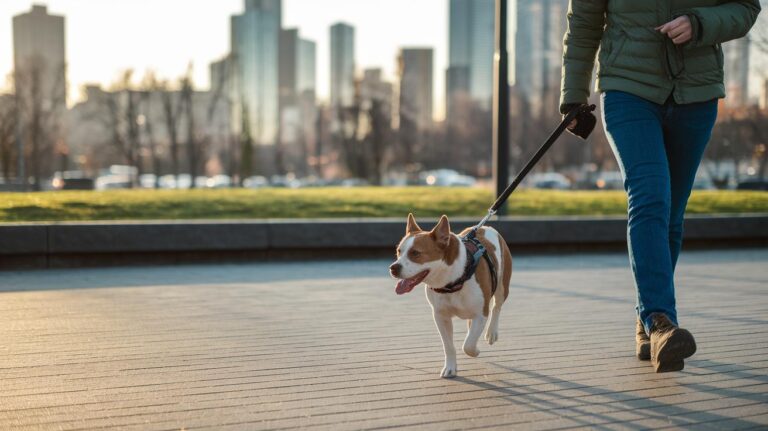
When you choose a padded dog leash, think about the usual lengths. A 4 ft leash is great for training or busy city walks where you need your pet close by. A 6 ft leash gives your dog more room to explore safely during a calm stroll. Adjustable leashes let you change the length for different outings, whether you are taking a relaxed walk in the park or enjoying a quick run.

The handle matters just as much as the leash length. Check the handle size and padding thickness for a comfy grip on long walks. If you have a small breed, a compact handle may feel more secure. For larger dogs, extra padding helps reduce wrist strain. Adjustable handles give you a chance to fix the grip just right, making every walk safer and more fun for both you and your pet.

Durability Tips for Padded Handle Dog Leads

img-5.jpg

After every walk, rinse your padded dog lead to wash off dirt and salt. This simple step keeps the soft cushion in top shape and your hands feeling comfy. Let it air-dry away from heat by hanging it or laying it flat so it keeps its form. Think of it like giving your favorite sweater a quick refresh.

Take a moment to check the stitching around the padding and look at the snaps for any rust or wear. If the cushion feels squished or the fabric begins to fray, it's best to replace the leash. This way, both you and your pet can enjoy every walk safely.

Common Questions About Padded Handle Dog Leashes Answered

img-6.jpg

Are padded handles suitable for all dogs?
Padded handles make every walk a bit easier. They help soak up shocks and ease the strain on your hand. That means whether your pup is tiny and gentle or big and full of energy, you’ll have a strong grip.

How should I clean the padding?
Cleaning is really simple. Just mix a little mild soap with warm water and wipe the cushion gently. Let it air-dry in a cool spot away from direct heat. This care keeps the padding soft and fresh for many walks.

Will the cushion flatten over time?
The cushion is built to last day in and day out. Over time, it might slowly compress, but gentle care and regular cleaning can keep it feeling spongy. Check it now and then to be sure it still feels supportive.

Is a padded leash safe for pullers?
Yes, padded leashes work well for pullers. The extra grip and shock absorption help manage strong tugs, so your hands don’t get too tired even when your dog is bursting with energy.

Can I use a padded leash for running or jogging?
Absolutely. A padded leash gives you a firm and comfy hold when you run. Its soft grip helps reduce hand fatigue, keeping you in control as your pace picks up.

Final Words

In the action, we explored how padded-handle technology eases hand pressure, improves grip, and strengthens the bond between you and your pet. We broke down materials, compared top models, and offered tips for choosing the right length and keeping your leash durable. Each section aimed to simplify your shopping while ensuring comfort and safety for every walk.

Keeping things simple is key. Enjoy your walks with dog leashes with padded handles that make every step a bit sweeter.

FAQ

Frequently Asked Questions

What do large and medium dog leashes with padded handles offer?

Large and medium dog leashes with padded handles offer a cushioned grip that eases hand pressure on long walks while providing extra control for dogs of different sizes.

What benefits do the best padded handle dog leashes for pullers provide?

The best padded handle dog leashes for pullers combine comfort, durability, and a non-slip grip so you can enjoy safer, more relaxed walks even when your dog pulls.

How can I shop for dog leashes with padded handles on Amazon?

Shopping on Amazon for padded handle dog leashes lets you compare features like ergonomic grip and durability, with many options supported by positive reviews to guide your purchase.

What is a Biothane dog leash and why should I consider it?

A Biothane dog leash is crafted from a water-resistant, durable material. It also features a padded handle for added comfort, making it a reliable choice for active pet parents.

What features are seen in Ruffwear’s padded handle products?

Ruffwear products such as Confluence, Switchbak, Hitch Hiker, and Roamer offer sturdy builds with padded handles that ensure a firm grip, ideal for outdoor adventures and active dogs.

Small Pet Travel Carrier: Chic & Cozy Journeys

0

Worried that a small pet travel carrier might not offer both style and safety? You’re not alone. We know you want a carrier that keeps your little friend secure and comfy on every trip.

We tested the top models through crash tests and real-life reviews. In this post, we share our favorites. Each one gives your pet a safe ride and a cozy, stylish journey.

Ready to find the perfect carrier for your pet’s next adventure?

Top-Rated Small Pet Travel Carriers for Secure Journeys

img-1.jpg

When you choose a carrier that has been crash-tested and approved for airplane travel, you're keeping your pet safe on every trip. We tested each model with independent crash and impact tests so you know your pet gets a stable and comfy ride.

Model Key Features Ideal Use
SturdiBag Pro 3.0 Almost fully machine-washable; requires taking apart five tension rods, three zipper locks, and a foam-core floorboard Great for pet parents who love to keep things extra clean
Petsfit 2 Side Expandable Pet Carrier Budget-friendly; expands on two sides but has stiff top rods that may pinch the shoulder strap Good for those who need extra room without a high price tag
Sleepypod Air In-Cabin Carrier Water-repellent interior and bendable bottom edges to fit under airplane seats; earned a four-star rating even with a vertical lift Best for frequent flyers who want a smooth in-cabin experience
Away Pet Carrier Rugged build and fits carry-on size; costs about $25 more than Sleepypod with mixed feedback on its sherpa bedding Wonderful for travelers seeking durability and style
Mr. Peanut’s Monterey Convertible Backpack Offers three carry modes (backpack, hand, shoulder) plus a laptop sleeve; may lead to lower-back strain if loaded heavily Ideal for flexible use when carrying lighter loads

Our testing shows that the Sleepypod Air In-Cabin Carrier meets airline standards and keeps your pet safe, while the SturdiBag Pro 3.0 shines with its easy-to-clean design. We hope this quick comparison helps you decide on a carrier that offers the right mix of safety, comfort, and practicality for your precious companion.

Essential Features of a Small Pet Travel Carrier

img-2.jpg

Keeping your pet safe and comfortable makes travel a joy for both of you. We know that a sturdy, well-designed carrier makes all the difference on busy days and bumpy rides.

Here are some must-have features:

  • Ventilation: A multi-panel mesh boosts airflow, helping keep your pet cool.
  • Security: Lockable zippers, strong seams, and tested attachments work together to keep your pet safe.
  • Portability: Weighing under 5 lbs with adjustable straps and padded handles, it's easy to carry anywhere.
  • Privacy: A removable zip cover offers a quiet, cozy hideaway for your furry friend.
  • Durability: Water-repellent fabric stands strong through the wear and tear of travel.
  • Washability: Easy-to-clean surfaces help you keep the carrier fresh and hygienic.
  • Lightweight: A design focused on reducing weight makes it simple for you to handle.

Imagine navigating a busy airport or settling in for a long car ride. A well-built carrier helps keep your pet cool and secure. Plus, its light, portable design and private space give your pet the calm they need, wherever you go.

Airline Compliance & Size Guidelines for Small Pet Travel Carriers

img-3.jpg

When you fly with your pet, it helps to be prepared. Most U.S. airlines want a pet carrier that measures 18" long, 11" wide, and 11" high. This size keeps your pet safe and avoids surprise issues at the gate. TSA and CPS also check carriers with tests like a vertical lift to make sure they are safe for in-cabin travel. For example, the Tavo Dupree model connects to car-seat anchors. But it weighs a bit more, showing how rules differ between car and air travel.

Here are 5 simple steps to ensure your carrier is ready:

  1. Use a tape measure to confirm the carrier is no bigger than 18" L × 11" W × 11" H.
  2. Check that the carrier passed safety tests by TSA and CPS.
  3. Look for a certification label near the door showing it meets airline rules.
  4. Make sure any extra features, like attachment points, do not add too much weight.
  5. Review the manufacturer's guidelines to see if airlines like Delta, Southwest, and JetBlue approve the carrier.

Before booking your flight, call your airline to confirm their size rules and screening steps. This little extra check helps make your journey smoother for you and your pet.

Comparing Small Pet Travel Carrier Designs and Styles

img-4.jpg

Soft-Sided Carriers

Soft-sided carriers have a cozy, flexible design that fits easily under airplane seats. They are made with fabrics that stretch a bit, so it’s simple to compress the carrier when needed. For example, the Sleepypod Air uses water-repellent fabric and mesh panels to keep your pet cool while letting in fresh air. This design is perfect for pet parents looking for a travel pouch with a snug, adaptable interior that comforts pets on the go.

Hard-Shell Cases

Hard-shell cases protect your pet with a sturdy, rigid frame. They are built with tough materials that stand up well to bumps and rough handling. However, they do not have the squeezable feel of soft-sided models. While the solid exterior makes them very safe during bumpy rides, they might be a bit too stiff in tight spots. This style is best for pet parents who need extra protection, even if it means less flexibility.

Expandable Side Carriers

Expandable side carriers give your pet extra room inside, which can be helpful on longer trips. For instance, the Petsfit 2 Side opens up on both ends to provide more space for your pet to move around. One thing to note is that the sturdy top rods might make the shoulder strap less comfortable during long wears. This design works well if you value more space inside and are okay with a little extra weight.

Wheeled & Backpack Styles

Wheeled and backpack-style carriers, like Mr. Peanut’s convertible option, let you choose how to carry your pet. You can roll them on wheels, carry them by hand, or even strap them on like a backpack. Some models even come with extra features such as a laptop sleeve. However, keep in mind that carrying heavier loads might put pressure on your lower back. These options are great for pet parents who need versatility when traveling while also paying attention to their own comfort.

Maintaining & Cleaning Your Small Pet Travel Carrier

img-5.jpg

Keeping your pet's travel carrier clean is important for your pet's health and your peace of mind. A clean carrier not only looks nice but also keeps germs and odors away. When your carrier is made of durable, water-resistant materials with strong seams, it handles regular washing and everyday use without a problem.

Follow these simple steps:

  1. Take out any bedding, toys, or accessories.
  2. Separate any parts you can remove. For example, if you have the SturdiBag Pro 3.0, take out the tension rods and unzip the locks.
  3. Choose a gentle hand wash or a careful machine wash that suits the fabric. Make sure you do not damage any foam floor parts.
  4. Rinse well to remove all traces of cleaning soap and let it air-dry in a room with good airflow.
  5. When dry, put everything back together. Check that all rods and zippers are secure before you use it again.

Before heading out, give the carrier a quick check for any signs of wear. This extra step makes sure your pet's ride stays clean, safe, and cozy.

Tips for Keeping Your Small Pet Comfortable in a Travel Carrier

img-6.jpg

We know trips can be a bit stressful for your little buddy, so making sure your pet feels calm and cozy is key. A snug, safe carrier can turn a long ride or a flight into a quiet retreat for your furry friend. With a few easy tweaks, you can create a little haven that eases anxiety and adds comfort.

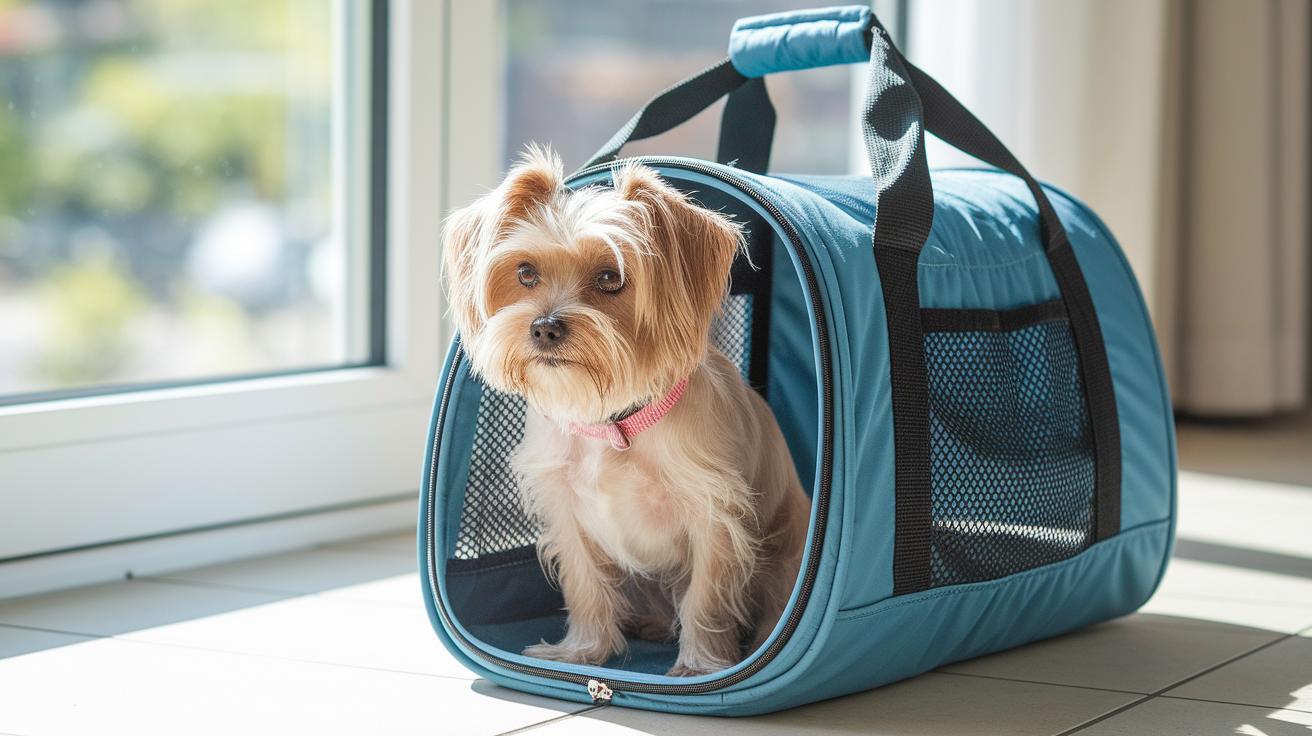
  • Bedding: Choose soft, snuggly inserts like Sherpa bedding to add extra cushion. For example, a couple of small Yorkie pups once felt much better when their carrier was padded well.
  • Acclimation: Let your pet get used to the carrier slowly at home. Keep sessions short and reward them with a few treats and a favorite toy.
  • Airflow: Pick a carrier that has plenty of mesh panels so your pet can enjoy lots of fresh air.
  • Toys: Bring along a familiar toy to help distract and calm your pet along the way.
  • Secure Installation: Fasten the carrier with seat belts or baby-seat straps to keep it steady and secure during travel.

Keep a close watch on your pet while you travel. If you notice signs of stress or discomfort, take a moment to adjust the setup or give them a little treat. Checking in on your pet can make every journey as sweet and comfy as possible.

Final Words

In the action, we explored top-rated small pet travel carrier options built for safety, comfort, and ease. We compared design features, verified airline compliance, and shared tips for cleaning and keeping your pet cozy on trips.

We highlighted everything from durable frames to wash-friendly fabrics. These insights help you pick a carrier that suits your busy lifestyle while giving your pet a secure and comfy journey. Enjoy smooth travels and the peace of mind that comes with a trusted, crash-tested small pet travel carrier.

FAQ

What are the advantages of a small pet travel carrier with wheels?

The small pet travel carrier with wheels offers effortless mobility and less strain during travel. It lets you smoothly move your pet around, making trips more convenient and comfortable.

What small pet travel carrier works best for cats and small dogs?

The small pet travel carrier for cats and small dogs provides a secure, cozy space suited for varying pet sizes. It typically features soft interiors, proper ventilation, and adjustable straps for safety and ease.

How do airline approved pet carriers meet cabin requirements?

The airline approved pet carrier meets cabin guidelines by following specific size rules (around 18″L x 11″W x 11″H) and crash-tested standards. It offers well-ventilated, secure spaces that work with TSA and airline protocols.

Which is the best small pet travel carrier available?

The best small pet travel carrier balances durability, comfort, and portability. It is crash-tested, lightweight, and secure, ensuring that you and your pet enjoy a safe and stress-free travel experience.

Homemade Cat Litter: Save Money, Go Green!

0

Have you ever wondered if your cat's litter box could do more than just catch clumps? You can actually make your own cat litter right at home. With some old newspapers, water, and a few common items you likely already have, you can put together a mix that controls odors and feels gentle on your cat's paws.

In this guide, we're here to show you each step so you can mix and match the right ingredients. The result is a green, budget-friendly litter that works well for both your wallet and your furry friend.

DIY Step-by-Step Guide to Homemade Cat Litter Preparation

img-1.jpg

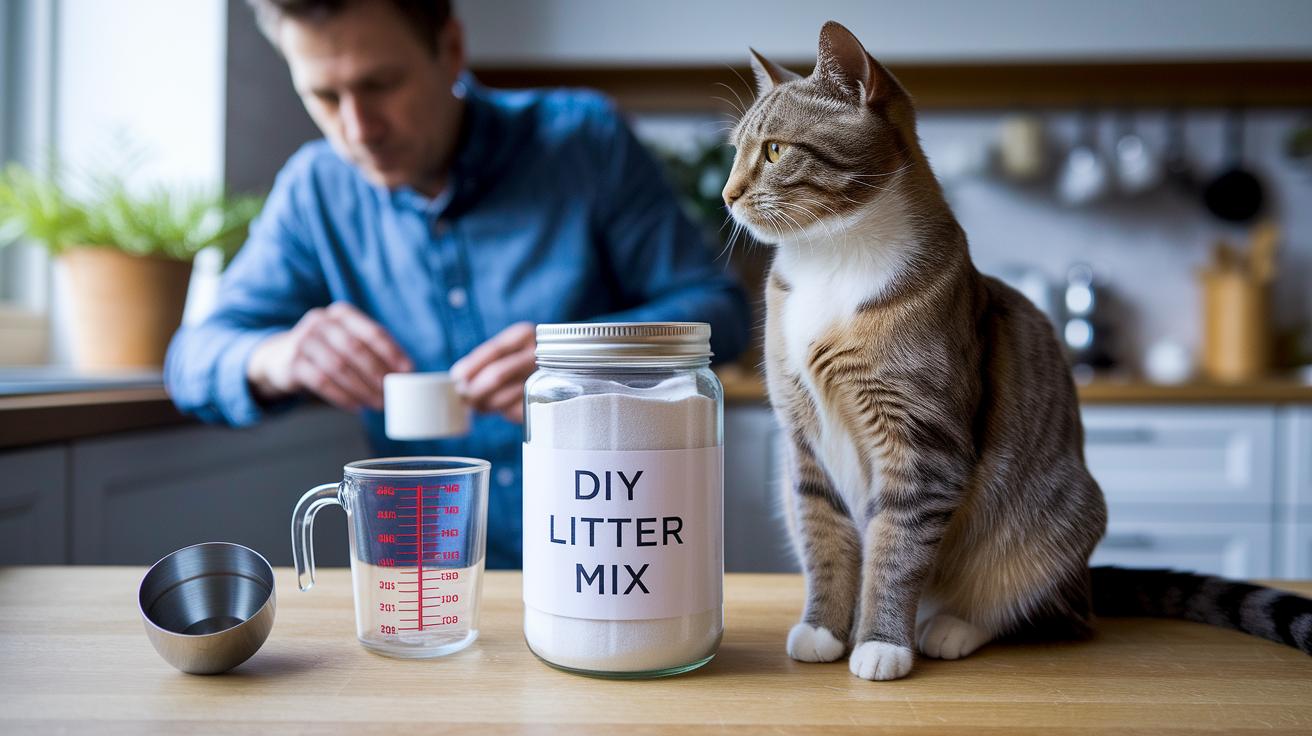
Start by tearing enough newspaper to fill a medium bowl. You’ll need about 8 to 10 sheets. Next, mix a soaking solution using warm water, dish soap, and baking soda. Try 4 cups of warm water, 1 tablespoon of dish soap, and 2 tablespoons of baking soda. Stir until the baking soda completely disappears.

Place the newspaper strips in the solution. Let them sit for at least 30 minutes until the mix looks like oatmeal. When you touch it, it should feel soft and clumpy, perfect for controlling odors and giving the right texture.

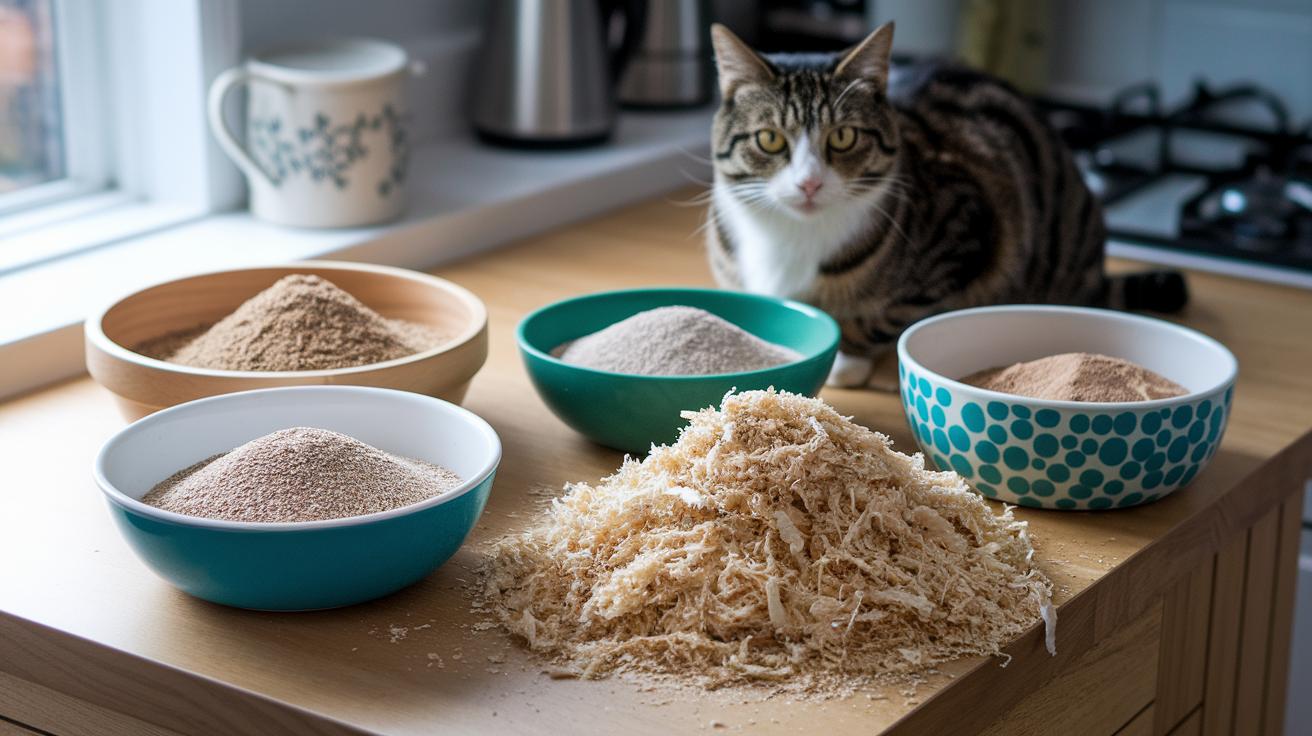
Now, think about your base mix. You can use wood shavings from sawdust or cedar from a feed store for great absorption and low dust. Or, you might choose playground sand for a clean, simple mix. If you go this way, slowly mix in 1 to 2 cups of your chosen material with the soaked newspaper.

If the mix seems too wet, add a bit more shredded paper or sand. For extra odor protection, you can sprinkle in a little more baking soda.

Finally, keep in mind that every cat is different. Try mixing your new litter with your regular one over 7 days so your cat can get used to it. Experiment with small batches until you find the perfect mix that works for you and your pet.

Ingredient Variations for Custom Homemade Cat Litter Blends

img-2.jpg

When you create your own cat litter at home, the base you choose makes a big difference. You have several options to mix and match so your litter meets both your needs and your budget. For example, shredded newspaper is very low cost. But it's bulky and you need a lot to fill your box. Wood shavings hold a lot of moisture and make very little dust, which many pet parents like. Sand is another choice that makes cleaning up easier, even though it can be heavier. An oatmeal mix made from soaked newspaper, baking soda, and a little soap works great for keeping smells away and feels soft on paw pads. Sawdust, when dry, is light and forms small clumps, though it might make a bit of dust while you handle it.

Below is a table that compares each base so you can find the best eco-friendly option for your cat:

Base Material Deodorizer Added Key Benefits Potential Drawbacks
Newspaper Baking Soda Very low cost, easy to shred Bulky, needs plenty
Wood Shavings Baking Soda High absorbency, low dust May clump too much when wet
Sand Baking Soda Easy to clean, simple mix Heavier, limited clumping
Oatmeal Mix Baking Soda & Soap Great odor control, soft texture Extra steps needed, must get the mix right
Sawdust Baking Soda Light, clumps a bit May produce dust, must be dry

Mixing these ingredients lets you craft a budget-friendly, non-toxic litter blend. You can change the ratios as needed. For instance, add a little extra baking soda if the smell lingers. Try adding one ingredient at a time so you can see what works best, kind of like adding a pinch of spice to perfect a favorite recipe.

Comparing Homemade Cat Litter to Commercial Options

img-3.jpg

Making your own cat litter can save you up to 70% on costs and cut down on plastic waste. When you create your own mix, you usually add baking soda or a few drops of essential oil (for odor control). This method is kind to your cat's paws, while store-bought litters sometimes have extra fragrances and chemicals that may be too harsh.

Here are a few things to keep in mind:

  • Homemade recipes are budget-friendly and good for the earth.
  • They lower your environmental impact by reducing plastic use.
  • Your DIY mix might not clump as well, but the right ratio of baking soda can keep odors under control.
  • Commercial litters usually offer consistent clumping and odor control, though they cost more.
  • Homemade blends can have different dust levels compared to commercial options.

One pet parent shared that switching to homemade cat litter cut their monthly cost by 70% and reduced their overall garbage.

In the end, the choice between homemade and commercial cat litter comes down to what matters most to you: saving money, being eco-friendly, or having the best clumping performance for your furry friend.

Safe Maintenance and Disposal of Homemade Cat Litter

img-4.jpg

Keeping your cat's area clean is important for safety and for the environment. Most cities do not allow tossing cat waste with yard waste or in compost because it can contain ammonia and germs. We suggest scooping the litter every day and washing the litter box at least once a week.

When it is time to throw away the old litter, follow these steps:

  • Double-bag the used litter using heavy-duty plastic bags.
  • Seal the bags tightly and place them in your regular trash.
  • Do not use the old litter in vegetable or edible gardens because it can be unsafe.

Check with your local rules too. Some areas allow you to dispose of sealed bags in the trash, while others may require a different method like burning. Always ask your local authorities to make sure you follow safe practices.

Keeping a clear routine helps control odors and stops contamination. A little extra care protects your pet and reduces your impact on the environment. You can create a system that works well for both your home and the planet.

Troubleshooting Common Issues with Homemade Cat Litter

img-5.jpg

Sometimes homemade cat litter doesn't work as you expect. If you notice strong smells, check your baking soda. Too little means the odor stays, but too much might upset your cat. Make sure the mix dries completely to help stop mold and musty smells.

Cats are very picky about texture. When you try a new blend, blend a small amount with your cat's current litter. Do this gradually over 7 to 10 days so your cat feels comfortable. Think of it like slowly mixing a new ingredient into your favorite recipe.

Also, avoid mixes that include chicken feed unless you keep them sealed tight. Open mixes can attract rats, mice, or insects. Always store your batch in a secure container until you use it.

Here are a few user-tested tips:

  • Adjust baking soda for better odor control.
  • Let the litter dry completely.
  • Sprinkle a thin layer of sand on top for extra grip.
  • Test small batches to find the best mix.

Final Words

In the action, we covered a straightforward DIY guide to homemade cat litter. We went over the detailed recipe, talked ingredient variations, and weighed it against commercial options. We also shared tips on safe maintenance and troubleshooting common issues so you can nail down the perfect mix for your pet.

Every step is designed to help you make a reliable, budget-friendly, eco-conscious choice your cat will appreciate. Enjoy the process and the positive impact while keeping your pet healthy and happy.

FAQ

Homemade cat litter deodorizer

A homemade cat litter deodorizer is a mix like baking soda that neutralizes odors. Adding it directly to your DIY litter keeps your cat’s area fresher and more inviting.

How to make cat litter sand at home

Making cat litter sand at home involves mixing playground-grade sand with baking soda. The baking soda helps control odors while the sand provides clumping properties.

How to make cat litter from bentonite

Making cat litter from bentonite means combining bentonite clay with water and a neutralizer like baking soda. This mix clumps when moistened, though precise measurements are key.

Emergency cat litter

Emergency cat litter can be made using absorbent items such as shredded newspaper, sand, or wood shavings, with a dash of baking soda for odor control when you need a quick solution.

How to make cat litter box

Making a cat litter box at home involves repurposing a sturdy container by cutting an entry hole. The simple design ensures easy cleaning while giving your cat a safe space.

How to make cat litter not smell

Making cat litter not smell is achieved by mixing in a deodorizer like baking soda and stirring regularly. This helps neutralize odors and keeps the litter box fresher longer.

Can I use sand as cat litter

Using sand as cat litter is possible if your cat is comfortable with it. Mixing it with a deodorizer like baking soda improves odor control and makes cleanup easier.

How is cat litter made

Cat litter is made by combining absorbent materials such as clay, shredded newspaper, sand, or wood shavings with deodorizing agents like baking soda. Homemade versions follow similar steps for moisture and odor control.

What can I use to make homemade cat litter?

Homemade cat litter can be made using shredded newspaper, wood shavings, playground-grade sand, or an oatmeal mix blended with baking soda, offering a cost-effective and natural option.

What can I use instead of cat litter?

Instead of traditional cat litter, you can opt for shredded paper, wood pellets, or sand. Some pet parents also try sawdust or oatmeal mixtures as safe and practical alternatives.

What did people use before kitty litter?

Before modern kitty litter, people often used natural materials like sand, alfalfa pellets, or soils. These options provided a simple way to manage pet waste without commercial products.

Can I use oatmeal as cat litter?

Using oatmeal as cat litter is an option by soaking shredded newspaper in water with baking soda to create an oatmeal-like texture. This DIY blend helps manage moisture and control smells.

2 Where To Donate Pet Supplies To Shelters!

0

Ever wonder how a simple box of pet supplies can change a shelter pet's life? Our guide shows you where your help makes the biggest impact, right in your own backyard and across the country. We point out local resale stores that care and national programs that keep pet food pantries and vet checkup clinics open. Even a small gift can bring a smile to a pet and strengthen our community. Let’s explore the best spots to give and make a real difference together.

Nearby Animal Shelters Accepting Pet Supply Donations

img-1.jpg

If you're looking for a spot to donate pet supplies near you, check out places like The Animal Helpers ReTAIL Resale Store. They take gently used pet items like furniture, small appliances, or even decorative pieces, as long as they’re in good shape. Plus, you can get a tax write-off while supporting local rescue programs.

Another great option is Operation Kindness Humane Society in Carrollton, TX. This registered charity runs a Pet Food Pantry and offers affordable vaccine and wellness clinics along with spay/neuter appointments. Their work helped over 14,000 pets in 2024, showing how important community donations really are.

Many local SPCA or Humane Society groups and even big chains like Petco and PetSmart have in-store drop-off bins. You can drop off new pet food, cozy bedding, fun toys, or sturdy leashes at these spots. It’s an easy way to help out your local animal care centers.

So, why not look online or give your nearby shelter a call to see where your donation would be best used? Every little gift helps keep pets safe, healthy, and surrounded by caring people.

National Programs for Donating Pet Supplies to Shelters

img-2.jpg

National programs like these let you help shelters across the country with pet supplies. At Operation Kindness, we welcome monthly gifts, honor or memorial gifts, and planned giving. Your contributions help keep programs like the Pet Food Pantry and mobile vaccine clinics running. Even a few items can make a big difference for pets in need.

Texas Unites is another important program. They offer training and education for animal care workers so they can use the latest practices. Their upcoming conference in Austin (April 23–26, 2026) gathers experts and caring supporters. This helps connect donors with valuable local efforts.

The Animal Helpers ReTAIL Resale Store is a major channel, too. Gently used pet supplies are turned into funds for rescue work. Whether your donation is brand new or like new, every bit helps. Special donation events support both adoptable pets and community services, creating lasting change.

You can also give online with recurring options like monthly or memorial gifts. Check out our dog rescue donations page for more details on these tax-benefit contributions. This guide connects you to national programs that support essential pet care services and help build strong bonds between donors and shelters.

Guidelines and Requirements for Donating Pet Supplies to Shelters

img-3.jpg

When you get ready to donate, make sure everything is in good shape. For example, Animal Helpers ReTAIL accepts only gently used pet items. That means no broken or very worn-out goods. Clean pet blankets, collars, toys, and beds work best when they are new or almost new. Always check with the shelter first to see if they have any special needs, like different sizes or types for small or large dog crates. This quick check helps you give just what they need, and you may get a tax receipt too.

Operation Kindness Pet Food Pantry has a few rules as well. They only take unopened, unexpired bags or cans of food. Opened or old food simply won’t work because safety is key. Think of it like packing food for a picnic, you wouldn’t bring anything spoiled. By following these steps, you help keep the food safe for the pets counting on it.

Before you drop off your donation, call your chosen shelter to confirm what they need and to ask if there are any extra tips on how to pack your items. This small extra step can save time and reduce waste. Following these easy guidelines makes sure your kind gifts go to the pets who need them most.

How to Prepare and Pack Pet Supplies for Shelter Donations

img-4.jpg

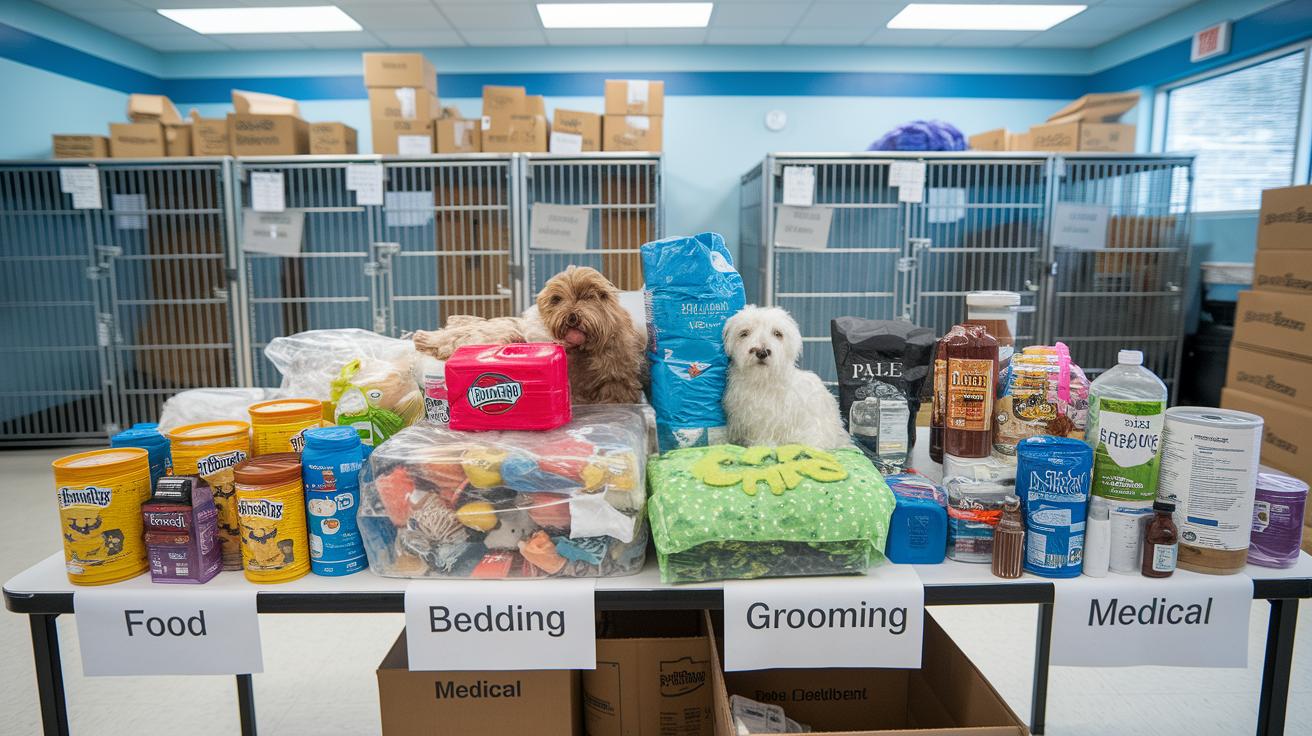
Start by sorting your donations into separate groups. You can put food, bedding, toys, grooming tools, and medical supplies in their own piles. This way, shelters quickly see what you have and match items to their needs. For example, separate dry food, fresh bedding, and a box of kitten toys.

Next, wash all items that can be cleaned. Blankets, towels, and pet beds should be laundered so they are clean and ready for use. Check each item for damage or missing pieces. Keeping items in good shape helps maintain hygiene and builds trust with the shelter.

Finally, pack your supplies in strong boxes or reusable bins that seal well. Label each box with its contents and intended use, like "Dry Cat Food – 10 lbs" or "Puppy Toys." If you are sending a large shipment, weighing the boxes can help you arrange for a carrier pickup. This clear and step-by-step method makes drop-off easy and hassle-free.

Online and Virtual Methods to Donate Pet Supplies to Shelters

img-5.jpg

Online donation options make it easy for busy pet parents to help local shelters no matter where you are. Many shelters list items they need on Amazon or Chewy, like food, litter, and cozy accessories. When you order from these lists, your purchase goes directly to helping pets in need. It’s a fast and sure way to offer support.

Digital giving gives you more choices too. For example, Operation Kindness accepts e-gift cards, monthly donation pledges, and gifts made in honor or memory of someone special. You can set up regular donations that help fund pet food pantries, vaccine clinics, and other important programs. Plus, you get digital tax receipts, making the whole process clear and simple.

Virtual supply drives bring pet lovers together from all over. These drives pool funds from many kind donors so shelters can buy supplies in bulk at a discount. That means every dollar you give goes even further in caring for pets. This online network of support makes giving easy and strengthens the bond between those who care and the shelters that help our furry friends.

Seasonal and Event-Based Pet Supply Donation Drives for Shelters

img-6.jpg

Seasonal drives give you a warm chance to help local shelters. These events make it easy to donate and bring pet lovers together to support animals in need. Many drives take place at well-known local spots where you can drop off food, bedding, toys, and grooming supplies. These items help keep shelters ready for any emergency. For instance, Operation Kindness has used these drives to help over 30,000 dogs and cats. It also gives volunteers a chance to meet and see how every donation makes a difference.

There's a special session on May 2 at 6 PM that combines volunteer work with donation drop-offs. This event focuses on signing up new helpers and sorting out donation details. It mixes hands-on work with a simple drop-off approach, making it easier than ever to lend a hand.

Date Event Location
November 1, 2025 Fundraiser & Supply Drive Sheraton Dallas
March 1, 2026 Donation Drop-off & Adoption Fair Chicken N Pickle, Grapevine
May 16, 2026 Community Donation Event Gilley’s Dallas
April 23–26, 2026 Texas Unites for Animals Conference Austin

Final Words

In the action, we explored nearby shelters, national programs, guidelines, and even how to pack your donations. We broke down simple steps for in-store drop-offs as well as online methods. With clear tips, you’ll know exactly where to donate pet supplies to shelters and support animal care. Every small effort adds up to big help for pets in need. Your donations not only keep pets safe but also fuel community compassion. Thanks to these practical ideas, you can make a real, positive impact.

FAQ

Where can I donate pet supplies to local shelters near me?

Many local shelters, humane societies, and pet retailers like Petco host drop-off bins for new pet food, bedding, toys, and leashes. Check with nearby centers to learn about their specific donation guidelines.

Where can I donate opened dog food or used dog toys?

Shelters usually require unopened dog food for safety, while used dog toys must be clean and in good condition. Call your local center first to confirm what they accept.

What should I do with old pet supplies and used pet items?

Donate gently used pet supplies that meet condition guidelines. Items that are too worn or damaged may not be accepted, so check with local shelters or rescue centers for proper recycling options.

Can I donate old towels and similar items to shelters?

Some shelters accept old towels if they are clean and in good condition. It’s best to call ahead as many shelters prefer items that are nearly new to keep pets safe and comfortable.

What items can’t be donated to shelters?

Shelters typically decline expired pet food, broken toys, or items that show heavy wear. Always ask for the center’s guidelines to ensure your donation meets their safety and quality standards.

Does Goodwill accept pet supplies?

Goodwill usually focuses on clothing and household items. Acceptance of pet supplies varies by location, so contact your local Goodwill, and consider nearby shelters or rescue centers for your pet donations.

Hamster Cage Accessories For Happy Adventures

0

Have you ever thought your hamster's cage could be more than just a simple shelter? With a few smart add-ons, it can turn into a fun and safe playground. In this post, we’ll show you how to add easy pieces like firm water bottle holders, snug hideouts, soft-running wheels, and bendable bridges to boost your pet's playtime and comfort. Each little upgrade makes your pet’s day brighter and your life a bit simpler. Read on to learn how to create happy adventures for your little friend.

Hamster Cage Accessories for Happy Adventures

img-1.jpg

Our Ceramic Holder with Water Bottle gives your pet a tough, secure spot to drink while they play. The Chamber Box makes a cozy hideaway for little digs and secret naps. The Silent Runner 9" Wheel offers a quiet run that keeps your pet's back safe. The Celebration Basket brings fun foraging time with its soft, woven design. And the adjustable Flex Bridge creates a little walkway so your pet can explore different parts of the cage.

Need more tips? Check out our detailed guides. In the Feeding & Watering section, we show you how to set up water stations that help avoid spills. In the Hideouts & Nesting Accessories area, you’ll find ideas for making comfy retreats with Chamber Boxes and Celebration Baskets. The Wheels and Exercise Attachments section offers advice on picking a safe wheel, and the Enrichment Modules section walks you through using the Flex Bridge to make play time even richer.

Hamster Cage Accessories: Wheels and Exercise Attachments

img-2.jpg

The Trixie Exercise Wheel is a safe and smooth option for your hamster's playtime. This plastic wheel, measuring 28 cm across, spins quietly so you and your pet can enjoy peaceful exercise. It has a closed back wall and side supports that help protect your pet's spine and stop falls. Imagine a wheel that runs so smoothly your pet's playtime becomes a quiet, stress-free escape.

The Silent Runner 9" Wheel is a wonderful choice for those who want a mix of toughness and quiet fun. With a solid running surface and near-silent motion, this bright orange wheel is built to last. Its sturdy design gives your hamster a safe way to run and play every day. This wheel combines durability with a soft, quiet operation to create a perfect, secure exercise spot for your pet.

Essential Feeding & Watering Hamster Cage Accessories

img-3.jpg

Pick ceramic accessories for your hamster’s feeding area. Ceramic is great because it won’t break apart when chewed and its smooth surface stops odors from sticking. The heavy ceramic bowls and holders stay put, so they rarely tip over. One pet parent shared that switching to a ceramic bowl made cleaning much easier since food residue came off without fuss.

For cleaning, you can use mild soap and warm water. For tougher spots, try a weekly vinegar solution (1 part vinegar to 3 parts water) to get rid of stubborn deposits. Checking your feeders every now and then helps too. Plastic items often scratch, capturing bacteria that are hard to remove. If you see any cracks or worn areas on your ceramic feeders, it’s a good idea to replace them. This small step keeps your pet’s area clean and makes every meal safe and fun.

Hideouts & Nesting Accessories for Hamster Cages

img-4.jpg

If you want to give your hamster a safe, cozy spot, these accessories are just right. The Cork Caves are made from 100% natural cork. They add a neat, earthy look and serve as a safe hideaway without the use of glue or metal. You can feel good knowing your little friend is secure while enjoying a stylish space.

The Chamber Box is built from sturdy plastic and comes with a digging base. It creates a small, private retreat where your pet can burrow and relax. This quiet corner helps lower stress and supports natural behavior.

The Celebration Basket adds a fun twist with its woven design. It offers an inviting spot for your pet to forage for bits of food and rest. It brings a playful feel to your hamster’s daily adventures while still being a calm retreat. Regularly checking and updating these hideouts keeps your hamster’s space safe, easy to clean, and always cozy.

Hideout Type Material Primary Benefit
Cork Caves/Hides 100% Natural Cork Decorative nesting without glue or metal
Chamber Box Solid Plastic with Digging Base Secure private retreat that eases anxiety
Celebration Basket Woven Material Cozy space for foraging and resting

Enrichment Modules: Tunnels & Climbing Attachments for Hamster Cages

img-5.jpg

The Hyacinth Play Tunnel gives your little pet a taste of nature at home. It’s made entirely from natural fibers with no glue, plastic, or metal, so you know it’s safe. The tunnel is soft and chew-resistant and even works as a hay stuffer. Imagine your hamster dashing, hiding, and snacking in what feels like a tiny forest. It’s simple and secure so your furry friend can enjoy exploring without worry.

The Flex Bridge takes play to a whole new level. Made of flexible plastic, it snaps right onto the cage bars to form raised walkways that invite your pet to climb and explore. You can adjust the height and length to suit your hamster’s needs, sparking curiosity as it hops from one platform to another. It’s a fun, safe add-on that turns a basic cage into an exciting playground for healthy play.

Maintenance & Safety Add-ons for Hamster Cage Accessories

img-6.jpg

Keeping your pet's space neat and comfy starts with the right bedding. Many pet parents choose brands like Kaytee Clean & Cozy, Fitch, and Carefresh because they provide soft, absorbent bedding that cleans up easily. This bedding soaks up spills and mess without trapping odors. If you decide to add hay, make sure it is soft and free of sharp bits that might hurt your pet. Cleaning is easy with mild soap and warm water, so routine care is simple.

Safety matters just as much as comfort. Reinforced wire mesh connectors help keep the cage together and let fresh air in. Snap-together parts and tool-free fixtures make assembling or checking the cage quick and easy. These parts keep your pet secure and stop accidental escapes. Pet parents love knowing every piece is built for durability and ease of cleaning, which keeps the space safe and healthy for your little friend.

How to Choose and Customize Hamster Cage Accessories

img-7.jpg

Picking out accessories for your hamster's home is all about mixing safety, durability, and cost. Start by making sure the running areas are strong and the materials can handle a little nibbling. Check the gap between the cage bars to see if that cute tunnel or bridge will fit just right. You can choose natural materials like cork or hyacinth to add a warm feel, or go with sturdy plastic for easy cleaning. Many pet parents share that every piece should help keep your little buddy safe and entertained without stretching your budget.

Here’s a quick guide to help you compare your options:

  • Safety: Look for without sharp edges or weak spots.
  • Fit: Make sure wheels and bridges match your cage size.
  • Material: Decide between a natural look or a tough plastic design.
  • Cleaning: Pick designs that are easy to wash.
  • Cost: Choose options that are budget-friendly and durable.
  • Play: Check if the accessory sparks fun exploration.

By keeping these points in mind, you can create a fun and safe space that lets your hamster express their natural, playful spirit. Take a moment to measure your cage and think about what your pet really needs, it’s all about fun and functionality.

Final Words

In the action, we covered a range of essentials, from feeding and watering tools to hideouts, tunnels, and exercise wheels. Each section gave you clear tips on safety, ease of use, and reliable design. We shared how accessories like the ceramic holder and silent runner wheel can support your pet's well-being. Read on for more details in specialized sections that help you choose the best hamster cage accessories. Keep your pet safe, happy, and active, every addition makes a difference.

FAQ

Q: What are some hamster cage accessories available on Amazon?

A: Hamster cage accessories on Amazon typically include feeding tools, exercise wheels, and foraging tunnels. They add fun and safety to your pet’s home by offering a range of products for every need.

Q: What kind of tubes make great hamster cage accessories?

A: Hamster cage accessory tubes offer safe tunnels that boost exploration and exercise. They are designed to fit various setups and encourage your pet’s natural curiosity.

Q: What accessories work best for a glass tank hamster cage?

A: Hamster accessories for a glass tank usually include secure water bottles, chew-proof feeding dishes, and small hideouts. These keep your pet safe while adding visual appeal.

Q: Where can I find hamster cage accessories nearby?

A: You can often find hamster cage accessories at local pet stores or rescue centers. These places offer hands-on guidance and a quick way to get the right products for your pet.

Q: What key supplies should be on a hamster supplies list?

A: A hamster supplies list should include bedding, hideouts, exercise wheels, feeding dishes, water bottles, and tunnels. These items ensure your pet enjoys a safe and enriched environment.

Q: What features define a good online hamster store?

A: A good online hamster store offers a wide range of accessories, clear safety details, competitive pricing, and friendly customer service to help you create a safe habitat for your pet.

Q: What are the best hamster cage accessories?

A: The best hamster cage accessories feature silent exercise wheels, sturdy feeding tools, cozy hideouts, and engaging tunnels. They boost your pet’s physical health and mental wellbeing.

Q: What does Full Cheeks hamster cage accessories refer to?

A: Full Cheeks hamster cage accessories highlight items like extra hideouts and feeding solutions designed for hamsters with big cheek pouches, focusing on comfort and practicality.

Q: What essentials do hamsters need in their cage?

A: Hamsters need a safe hideout, a secure exercise wheel, proper feeding and watering tools, engaging tunnels, and soft bedding. These essentials ensure a thriving and happy habitat.

Q: What is the most common cause of death in hamsters?

A: The most common cause of death in hamsters is often linked to poor cage conditions, stress, and improper care. Keeping their environment clean and secure can greatly reduce these risks.

Q: How do I make my hamster’s cage more interesting?

A: You can make your hamster’s cage more interesting by adding new tunnels, climbing attachments, additional hideouts, and engaging exercise wheels. These help stimulate natural behaviors and keep your pet active.

Integrative Pet Care Guide: Elevate Pet Vitality

0

Have you ever wondered if mixing your pet's vet care with natural therapies might boost their energy? It might sound a bit unusual, but combining trusted treatments with gentle herbal remedies gives your pet the best of both worlds. When you add routine tests for quick fixes and natural support for long-term health, you build a plan that helps your pet feel better now and later. This guide shows you how a smart mix of science and nature can keep your furry friend happy and thriving.

Integrative Pet Care Foundations: Uniting Conventional and Holistic Approaches

img-1.jpg

Integrative pet care brings together the trusted methods from vets and simple natural remedies. With regular veterinary care, treatments and prescription medicines help fix sudden problems fast. Natural care, on the other hand, uses herbs, gentle therapies, and a balanced lifestyle to help your pet feel good overall. This plan aims to use fewer drugs while keeping your pet strong and happy.

Traditional care usually focuses on quick relief from symptoms. For example, a vet might give medicine to ease pain or reduce swelling right away. Holistic care goes a step further by looking at your pet's body, feelings, and surroundings to stop problems from coming back. Many pet parents have noticed that mixing a little natural support, like herbal supplements, with regular treatments can really boost long-term health.

An integrative plan might include things like:

What We Do How It Helps
Regular lab tests Checks your pet’s health
Organic food choices Supports natural nutrition
Extra play and enrichment Keeps your pet active and happy

This balance of science and nature not only eases immediate problems but also sets up a healthy routine for the future. For more insights, check our Recommended Comprehensive Pet Care Guide.

Nutritional Strategies in an Integrative Pet Care Guide

img-2.jpg

When you plan your pet's meals, remember that many store-bought kibbles meet AAFCO standards but might include fillers that upset tummies or cause allergies. Integrative nutrition mixes traditional food with all-natural choices. It combines whole foods and organic options to give your pet a balanced mix of proteins, fats, vitamins, and minerals.

Take it step by step. Change your pet's meals slowly over 7 to 14 days. For example, start by mixing 25% new organic food with 75% of the old food and then adjust the amount bit by bit. Fun fact: long ago, dogs ate a variety of foods in the wild, showing us that natural ingredients can be gentler on their stomachs.

Here are a few things to keep an eye on:

What to Watch Tip
Appetite See if your pet happily eats the new mix or seems less interested.
Digestion Note any changes in stool or tummy comfort.
Coat Health A shiny coat is a good sign. A dull coat might mean you need to tweak the diet.

Adding prebiotics and probiotics helps support a healthy gut. These work with whole foods to keep your pet's belly happy and reduce inflammation. Always talk with your vet or a pet nutrition expert before switching diets to be sure your pet gets all the nutrients they need.

If your pet is used to mostly processed food, try a wellness plan that slowly brings in well-cooked lean meats and fresh vegetables. Think of it like updating a computer: a slow change helps avoid any mishaps.

By blending traditional nutrition with organic ingredients and keeping a close eye on your pet, you create a meal plan that not only fills their bowl but boosts their energy and overall well-being. This approach paves the way for a longer, healthier life for your furry friend.

Integrative Pet Care Guide: Natural Remedies and Alternative Therapies

img-3.jpg

Natural remedies can give your pet extra comfort and energy. Acupuncture can help ease pain and calm nerves. Many pet parents have seen their pets relax right after a session. For example, one owner noticed her lively retriever became gentle during thunderstorms after a few sessions.

Herbal formulas are also a big help. These mixes of special herbs support digestion, reduce swelling, and bring back shine to a tired coat. They work with regular treatments to boost your pet's strength so you might use fewer prescription drugs.

Modern healing methods add even more support. K-laser therapy uses light energy to help tissues heal and reduce swelling. Medical ozone speeds up the healing of injuries. These therapies work naturally with standard care to give your pet a well-rounded boost.

Consider these simple points:

  • Acupuncture eases pain and helps calm nerves.
  • Herbal formulas support your pet's immune system.
  • K-laser therapy aids tissue repair and cuts swelling.
  • Medical ozone quickens recovery.

Your vet can mix these remedies with traditional care to create a plan just for your pet. For example, if your pet has ongoing pain, your vet might suggest blending acupuncture with herbal supplements for a balanced approach.

This mix of natural remedies and regular care helps improve your pet's health and joy. A little less reliance on drugs can lead to a happier, more balanced life for your furry friend.

Diagnostic and Monitoring Methods in Integrative Veterinary Care

img-4.jpg

We start by looking at your pet's past and mixing in trusted tests with gentle, whole-body checks. We do the usual blood tests like CBC and chemistry panels, then add a look at the gut (microbiome analysis) and nutrition checks. This helps us make a clear, science-backed plan for your pet’s health.

Regular check-ups are key to keeping your pet happy and well. We keep an eye on weight, do regular lab tests, and note any small changes. This way, you can spot shifts in energy, appetite, or coat shine early and take care of them fast.

Key parts of this approach include:

  • Checking your pet's history along with their daily lifestyle
  • Running simple blood and chemistry tests
  • Testing the gut to see how well it works
  • Looking at how your pet eats to ensure a balanced diet

We blend new research with trusted tests to improve care even more. By mixing traditional steps with natural ideas, we create a plan just for your pet. This method helps boost their energy and keeps their health strong and steady.

Personalized Recovery and Wellness Programs in an Integrative Pet Care Guide

img-5.jpg

A tailored recovery plan means your pet gets a special path to healing and renewed energy. We look at your pet’s overall wellness by mixing gentle diet changes, key supplements, herbal help, and extra therapies. For instance, if your pet suffers from allergies, we may recommend blending high-quality organic food with natural herbal support, all laid out in an easy-to-follow healing guide.

Every plan starts with checking your pet's unique needs. Our specialists look at energy, coat health, and digestion to build a plan that grows with your pet. The plan may include:

  • A slow change to organic ingredients
  • Specific supplements to boost immunity and help organs
  • Herbal remedies that ease symptoms without harsh chemicals
  • Extra care like gentle massages or light exercise routines

All these steps work together for a safe and steady approach to better health. Think of it like tuning a guitar, small adjustments can make a big difference. For example, a pet recovering from surgery might begin with a simple diet of easy-to-digest proteins and healthy fats, then gradually add more natural food options as strength returns.

We keep a close eye on progress with regular weight checks and coat reviews. Adjustments are made along the way to keep your pet on track. Our specialists trust that mixing science with natural care creates a balanced route to long-term wellness. With care and attention, these personalized programs boost energy, add shine to the coat, and lift overall vitality, giving your pet a happier, healthier life.

Lifestyle, Exercise, and Preventive Support in an Integrative Pet Care Guide

img-6.jpg

Getting your pet moving every day keeps them strong and happy. A fun walk or a playful run helps control weight, keeps the heart healthy, aids digestion, and lifts their mood. It's a bit like playing fetch, it brings joy to both you and your pet.

Simple routines at home really add up. Try a short 10-minute play session in the morning to wake up your fur baby. Even on chilly days, indoor fun like puzzle games or creative toys keeps your pet active and engaged.

Taking care of your pet means more than just exercise. A steady feeding schedule and gentle, eco-friendly grooming are important too. You might even add a probiotic (a supplement that helps digestion) to boost their immune system.

Here are a few easy ways to support your pet’s health:

  • Follow guided exercise routines
  • Adjust activities by season for extra comfort
  • Choose eco-friendly grooming methods
  • Plan meals with organic foods for better vitality
  • Use simple steps to help boost their immune system

Mix in fun games and mental challenges to create a well-rounded care plan for your pet.

Integrative Pet Care Guide: Elevate Pet Vitality

img-7.jpg

When you work with a holistic veterinarian or pet nutritionist, you give your pet care that mixes regular treatments with gentle natural remedies. They help create a meal plan, pick out soothing therapies, and set up care steps that fit your pet’s unique needs.

Keep a close eye on your pet for signs that need quick attention. If you notice constant vomiting, runny tummy (diarrhea), sudden weight loss, breathing troubles, or seizures, it's time to call your vet. Here are a few things to watch for:

  • Persistent vomiting: May show a hidden issue.
  • Diarrhea: Look for changes in how often it happens.
  • Weight loss: Quick drops might mean a diet change is needed.
  • Breathing issues: Need fast care.
  • Seizures: Always get immediate help.

Regular check-ins with your pet care expert let you adjust plans as needed. You can fine-tune feeding, play sessions, and natural remedy use over time. Working together like this keeps your pet healthy and happy for the long haul.

Final Words

In the action, we saw how blending traditional vet care with holistic methods creates an integrative pet care guide that works for your pet's unique needs. We walked through balanced nutrition tips, natural remedies, diagnostic steps, and recovery routines that bridge both worlds.

This approach makes pet care simple and effective. Every step, from diet transitions to exercise and expert consultations, helps build a happier, healthier life for your pet. Remember, great care supports animals and rescues alike. Keep exploring and stay inspired.

FAQ

What is the integrative pet care guide pdf?

The integrative pet care guide pdf provides a comprehensive resource on blending conventional veterinary techniques with natural, holistic strategies. It explains nutritional plans, natural remedies, diagnostic methods, and personalized wellness programs for your pet.

What do integrative pet care guide reviews say?

The integrative pet care guide reviews reflect how the guide helps pet parents combine modern vet care with holistic approaches. Many reviewers appreciate its clear steps for improving nutrition, healing, and overall pet wellness.

Grain-free Puppy Food Sparks Happy, Healthy Pups

0

Have you ever wondered if removing grains could make your puppy feel better? Some pet parents say that a grain-free meal gives pups bright eyes and wagging tails. We share a few top picks that are full of protein and tasty ingredients. These meals can help build muscle, boost playful energy, and support overall wellness. Read on to see if a grain-free option might be the key to your pup feeling their best.

Top Grain-Free Puppy Foods to Support Healthy Growth

img-1.jpg

  • Nom Nom Fresh Dog Food Subscription
    Our top pick comes with tasty recipes made from human-grade pork, beef, and chicken. It gives your puppy the balanced nutrients needed for healthy growth, something busy pet parents can easily trust.

  • American Journey Puppy Chicken & Sweet Potato
    This budget-friendly food features real chicken, sweet potato, and chickpeas. It offers a good mix of protein and fiber so your pup gets the nutrition they need without breaking the bank.

  • Orijen Puppy Grain-Free
    Loaded with 85% animal ingredients along with lentils and beans, this formula is high in protein. It helps build muscle and supports all that playful energy.

  • Purina ProPlan Development Grain-Free Turkey
    Made with real turkey and enriched with fatty acids plus DHA (an ingredient that supports brain and eye development), this food is designed for growing pups who need strong minds and sharp vision.

  • Wellness Core Grain-Free Chicken & Turkey
    A calorie-rich blend, it pairs real meats with antioxidant fruits, vegetables, and glucosamine to help keep high-energy puppies fueled and active.

  • Nulo Freestyle Limited Ingredient Salmon
    Perfect for puppies with sensitive tummies, this single-protein option uses wild-caught salmon and adds probiotics for easier digestion.

  • Taste of the Wild High Prairie
    Crafted with whole-food meats, fruits, veggies, and egg, this option promotes good digestion and steady energy throughout the day.

  • Canidae Pure Chicken, Lentil & Whole Egg
    With only nine recognizable ingredients, this formula includes probiotics and fatty acids to help maintain a balanced gut and overall health.

  • Natural Balance Limited Ingredient Duck & Potato
    Featuring duck as the sole protein and free of peas and beans, this food also includes DHA to support overall development.

  • Holistic Select Adult+Puppy
    This recipe blends a mix of fish (salmon, anchovy, sardine) with pumpkin, berries, and probiotics. It nurtures your pup’s skin, coat, and overall vitality.

  • Instinct Raw Boost Puppy Grain-Free
    A unique mix combining crunchy kibble with freeze-dried raw chicken pieces and DHA from eggs. It is especially great for small breed puppies that need targeted nutrition.

Ingredient Transparency in Grain-Free Puppy Formulas

img-2.jpg

Top brands making grain-free food for puppies know you want to see every ingredient. They often use one protein source, like duck, salmon, or turkey, to help lower the chance of allergies. This simple recipe makes it easier for you and your pup to avoid ingredients that might cause sensitivities while keeping nutrition top-notch.

Some subscription options offer meals made with human-grade meats. We know many pet parents choose these over the lower-quality meat meals in budget brands. You always see what goes into your puppy's bowl, which gives you peace of mind with every bite.

Many formulas also mix in fruits, veggies, and legumes. These ingredients add natural antioxidants and fiber so your pup can stay healthy and lively. For example, some recipes blend apple or sweet potato with lean protein to create a balanced meal that fuels active play.

Certain brands, like Nulo and Canidae, add probiotics to help keep your pup's tummy happy. Others, such as Wellness Core, include joint-support ingredients like glucosamine and chondroitin (helpful for joint health). This thoughtful combination makes sure your furry friend gets all the essential nutrients in a meal that is both simple and healthy.

Health Advantages of Grain-Free Diets for Puppies

img-3.jpg

Grain-free foods come with benefits that help keep your pup happy and healthy. Studies show that the right amount of DHA (0.1-0.2%, a type of fat that supports brain growth and clear vision) gives your puppy a strong start. Omega-3 and omega-6 fats also help keep their skin, coat, and immune system in great shape while easing inflammation.

One review even shared that many puppies on a grain-free diet seem more alert and show off a shinier coat because of these natural fats. These diets also include antioxidants from ingredients like berries, pumpkin, and sweet potato. These antioxidants fight damage at the cell level and help boost a puppy’s natural defenses.

Some formulas add probiotics to help with digestion. They work by making it easier for your puppy to get the nutrients they need while keeping their tummy balanced. Joint care is another plus. Ingredients like glucosamine and chondroitin support growing joints and help ensure your pup stays active for the long haul.

In short, a grain-free diet brings together fats, antioxidants, and tummy helpers to support your pup as they grow up strong and full of energy.

Selecting the Best Grain-Free Formula for Your Puppy's Needs

img-4.jpg

When you choose a grain-free food for your pup, start by checking its protein, fat, and calcium levels. A good range is 22% to 32% protein, 10% to 25% fat, and 0.7% to 1.7% calcium. This mix helps fuel growth, strong bones, and loads of energy.

Look for foods with a simple list of ingredients. Foods that use one protein source, like duck or salmon, are gentle on sensitive tummies and can help with allergies. For example, if your puppy has an upset stomach, a recipe with only a few ingredients might be the best choice.

It also helps to check the brand's reputation and read what other pet parents say. Some brands offer great value, while others, like Instinct Raw Boost, come in smaller bags that might not suit larger breeds as well. Reading reviews can show you if pet parents have noticed a shinier coat or extra energy in their pups.

Finally, have a quick chat with your veterinarian. They can give you advice that fits your pup’s unique needs. This way, you can feel good about feeding your pup food that helps them grow happy and healthy.

Expert Tips on Transitioning and Feeding Grain-Free Puppy Food

img-5.jpg

When you switch your pup to a grain-free diet, start by mixing a small amount of the new food with their current food. For the first few days, try using 25% new food and 75% of the old food. After a few days, mix equal parts of each before you fully change over to the new mix. This gentle change helps your pup’s tummy adjust without any upset.

Our in-house vets suggest watching your pet closely during the shift. Look for changes in stool or energy, and if you see anything unusual, slow down the mix change a bit.

For young pups aged 8 to 12 weeks, it’s best to feed them four smaller meals throughout the day. When your puppy turns 6 months old, you can usually switch to three meals a day. Also, keep an eye on the portion sizes and adjust monthly as your puppy grows to make sure they have enough energy for play and learning.

Final Words

In the action, we've explored how grain-free puppy food can boost healthy growth, with top picks that balance quality protein and crunching nutrients. We walked through ingredient transparency and health benefits, breaking down why limited ingredients help sensitive tummies and support joint development. We even shared expert tips for smooth transitions and proper feeding routines. Every detail is designed to help you choose a simple yet effective option that keeps your pup happy, healthy, and thriving. Everything adds up to a pet care plan that feels right for you both.

FAQ

What are some grain free puppy food recipes available?

The grain free puppy food recipes offer DIY guides that use protein-rich meats and vegetables while skipping grains. They help you create balanced meals for your pup with simple, nutritious ingredients.

What are the best grain free puppy food options?

The best grain free puppy foods include options like Nom Nom Fresh, Orijen Puppy, and Purina ProPlan. They provide balanced nutrition, quality ingredients, and have options for budget or premium needs.

Which grain free puppy foods work best for both large and small breeds?

The grain free puppy foods often offer formulas tailored for each breed size. Large breed options focus on joint support while small breed formulas adjust calorie and nutrient levels for ideal growth.

Are there wet grain free puppy food options available?

The grain free puppy food wet choices feature real meats and vegetables in a moist form. They add extra hydration and may boost palatability, making them a good choice for picky eaters.

What are the recommended brands for grain free puppy foods and are they available at Walmart?

The recommended grain free puppy food brands include Nom Nom Fresh, American Journey, and Purina ProPlan. Some of these brands are available at stores like Walmart to offer convenient purchasing options.

Which grain free dog food is best for skin allergies?

The best grain free dog food for skin allergies is formulated with single protein sources like turkey or chicken and includes omega fatty acids to support coat and skin health while reducing allergens.

Should puppies eat grain free food?

The consideration for puppies eating grain free food depends on individual health needs. Some pups thrive on a grain free diet, while others need grains. Consulting your vet ensures a balanced nutrition plan.

What is the healthiest food to feed your puppy?

The healthiest food to feed your puppy is one with balanced nutrition. Look for meals with real meats, fruits, vegetables, and essential fats like DHA for brain development and overall growth.

Why do vets sometimes not recommend grain free foods and what is the FDA warning about them?

The reason vets may hesitate with grain free foods is due to links with certain heart issues. The FDA has warned that some grain free diets might be connected to dilated cardiomyopathy in certain breeds, urging caution and vet consultation.

Dog Leashes For Dogs That Pull: Happy Walks

0

Do your walks feel like a tug-of-war instead of a peaceful stroll? If your dog pulls hard, you're not alone. A no-pull leash brings calm and gives you the control you need, all while keeping your pet safe. In this guide, we look at our top leashes made just for pullers. You'll see how each option can make your walks happier and worry-free for both you and your best buddy.

Top-Rated Dog Leashes to Stop Pulling

img-1.jpg

If your dog pulls on the leash, a no-pull option can change a tug-of-war into a calm, pleasant walk. The right leash helps you feel more in control and keeps both you and your pet safe.

Here are some options:

  • Gentle Lead – gives you neck and muzzle control.
  • Slip Leash – uses a looping design for training.
  • Flat Nylon Leash – offers sturdy strength for everyday walks.
  • Back-Clip Harness – helps your dog breathe easier.
  • Chain Lead – built to resist chewing.

Each leash is made for a specific need. A gentle lead wraps around the neck and muzzle to help manage strong tugs. A slip leash has a simple loop design that teaches your dog to keep a loose leash. A flat nylon leash is a solid choice for daily walks. A back-clip harness is a safer pick if your dog has breathing issues. And a chain lead works well for dogs that chew their leash.

When you combine one of these leashes with clear commands and positive praise, your walks can become calmer and more enjoyable for both you and your furry friend.

Key Features of Dog Leashes for Dogs That Pull

img-2.jpg

No-pull leashes are made to work first and look simple. They are built strong to handle your dog's pulling style while keeping both you and your pet safe and comfortable on every walk.

  • Made of tough material like high-quality nylon or rope with metal clasps (see durable dog leashes)
  • A soft, comfortable handle that gives you a secure grip without tiring your hand
  • A leash length of 4 to 6 feet that helps you control your dog well
  • A safe clip or attachment that stops the leash from coming loose
  • A bit of stretch to cushion sudden tugs while still giving you clear control
  • Reflective details to help you stay visible on walks in low light

Every detail matters in keeping your dog from pulling too hard. A strong material means the leash will take on even the most excited tugs. A comfy handle makes it easy for you to hold on without discomfort. The perfect length lets you guide your dog without too much slack, and a secure attachment keeps your pet safe. A little stretch helps soften sudden pulls, and light-reflecting parts boost safety when it’s dark outside. Together, these features make for a safer and more enjoyable walk for both you and your furry friend.

Comparing Dog Leash Types for Pull-Prone Dogs

img-3.jpg

Finding the right leash helps you enjoy safer, happier walks. Each leash works a bit differently to manage pulling, depending on your dog's behavior and training needs. Below is a simple comparison of six common leash types with their best uses, as well as some pros and cons.

Leash Type Best Use Case Pros Cons
Flat Daily walks Sturdy and affordable Not flexible and offers little shock absorption
Bungee Cushions tugs Has a shock-absorbing rubber core Can reduce how precisely you control your dog
Gentle Offers precise guidance Includes a neck or muzzle loop for extra control Needs to fit just right for safe use
Harness Great for dogs with breathing issues Back-clip design avoids neck strain Might not stop pulling effectively
Slip Puppy training Simple design that helps build loose-leash habits Can tighten if not used properly
Retractable Not recommended for pullers Allows your dog more freedom to explore Can keep your dog in constant tension and pull

Choose the leash that fits your dog's personality and needs. This helps you both have a more relaxed and fun walk.

Selecting the Right Dog Leash for Every Size and Breed

img-4.jpg

Picking the right leash for your dog is key. You want a leash that fits your dog's size, strength, and everyday life. A dog’s age and habits also play a role in finding one that keeps them safe and comfy while curbing pulling.

  • Dog weight/strength – Big dogs need a leash built tough, using extra-strong materials.
  • Breed pulling tendency – Some breeds tend to pull more, so they deserve a lead made for that.
  • Breathing issues – Dogs with breathing troubles do well with front-clip harnesses or head collars.
  • Age/training stage – Young pups or dogs new to training benefit from light, adjustable options.
  • Home setting – Busy households or city living call for gear that handles different walking spots.

When you match the leash to your dog’s needs, walks become a lot smoother. If your pup is strong, a sturdy lead can handle every tug. If your pet tends to pull, a design that lessens neck strain makes a big difference. And if your dog has breathing concerns, a front-clip harness is a smart choice. In short, a good leash helps both you and your dog enjoy every walk.

Training Techniques with Dog Leashes for Excessive Pulling

img-5.jpg

Dogs pull for many reasons. Sometimes new smells or busy surroundings make them excited. Other times, their breed traits or poor training and gear can be the issue. We know walks should be fun and calm for both you and your pet.

Try using a good leash with kind, steady training. Mix up your walking routine to help your dog learn to relax. This way, your outings become more pleasant and controlled.

  • Use the stop-start method to slow things down.
  • Reward your dog when the leash stays loose.
  • Change directions to bring back focus.
  • Give gentle cues to steer your pet.
  • Ease into noisy or busy spots slowly.

Stick with these steps. And if you still need help, consider reaching out to a professional.

Final Words

In the action, we reviewed top-rated leashes, discussed key features, compared various styles, and shared tips to choose the best option for each pet. We broke down how size, breed, and training work together to reduce tugging.

When you pair the right gear with steady training, things get easier. Our guide shows how even dog leashes for dogs that pull can bring comfort and control to every walk. Enjoy smoother strolls and happy pets.

FAQ

What leash is best for a dog that pulls?

The leash best suited for a dog that pulls is a sturdy flat nylon lead with secure attachments. It gives you reliable control and works best when paired with consistent training.

What are good heavy-duty leash options for large dogs that pull?

Heavy-duty leashes like Biothane or reinforced flat nylon offer the strength needed for large, energetic dogs. They are built to handle high tension and improve control during walks.

What is a hands-free dog leash and how does it work?

A hands-free dog leash lets you walk without holding a handle. Its design attaches around your waist, allowing you to keep your hands free while managing your dog’s pulls comfortably.

How do I get my dog to stop pulling on the leash?

Getting your dog to stop pulling involves consistent training. Use techniques like the stop–start method, direction changes, and rewarding a slack leash to encourage calm walking behavior.

What is the best device to stop a dog from pulling?

The best device to curb pulling is often a no-pull harness combined with a gentle lead. This setup gives you better control and helps guide your dog toward more relaxed walks.

What is the 3 second rule for dogs?

The 3 second rule for dogs means pausing for three seconds before rewarding a behavior. This short pause helps build impulse control and reinforces calm behavior during walks.

What are some Ruffwear products available for managing pulling?

Ruffwear offers products such as Confluence collars, Switchbak harnesses, Hitch Hiker leashes, and Roamer leashes. These items are designed for durability and tailored control to meet specific training needs.

Natural Pet Supplements: Boost Your Pet Health

0

Have you ever thought a small change could boost your pet’s health? Natural pet supplements bring organic, natural nutrients that help everything from smooth joint movement to a shiny, healthy coat. We have seen how a bit of extra care can spark new energy and calm in your furry friend. These vet-reviewed formulas work with your pet’s usual treatments to keep them feeling their best inside and out. Discover how these natural boosters can truly change your pet’s overall wellness.

How Natural Pet Supplements Boost Your Pet’s Holistic Wellness

img-1.jpg

Natural pet supplements are simple formulas made with care. They come as chew treats or food add-ons that help your pet feel great. These supplements pack in organic nutrients and clean-label vitamins (which means no hidden chemicals) to aid pets with aging, behavior, or health issues. They work well alongside regular treatments to boost overall health, keeping things honest and easy to understand.

Many pet parents notice the benefits right away. With helpful tips from our eCare and Chat with Virtual Vet, you can find the right products for your pet. Subscription plans make it simple to stick to a routine, saving you time and money when it comes to reordering. One pet parent said, "After adding these supplements, my older dog seemed more lively and agile!" Our 5-Star Experience or It’s Free guarantee shows we truly care about pet safety and your satisfaction.

Key holistic benefits include:

  • Better joint movement
  • A stronger immune system
  • Smoother digestion
  • Healthier skin and coat
  • Less everyday stress
  • Sharper focus

Pet owners trust these natural formulas to give their furry friends a balanced boost. Each product is vet-reviewed to help improve your pet’s health, energy, and spirit, making it easier for you to see positive changes every day.

Key Ingredients in Natural Pet Supplements for Optimal Health

img-2.jpg

Natural pet supplements mix organic and plant-based ingredients to support your pet's overall health. Probiotics help with digestion, using friendly Lactobacillus strains to keep your pet's tummy balanced and help them get the most out of their food. For example, our probiotics for dogs are made to keep your pet's belly happy while improving overall well-being.

Oil supplements loaded with organic omega fatty acids (such as EPA and DHA) work hard to keep your pet's skin and coat shiny. They also support the heart and joints, helping pets of all ages stay strong and active.

Vitamin and mineral blends, like Nupro and Liquid Health for dogs, fill in any gaps in your pet's diet. Joint boosters such as Vegetarian Glucosamine with HA, Ark Naturals, and Grizzly work to ease inflammation and cushion joints. They're perfect for pets that are aging or very active.

Herbal tinctures, including chamomile and milk thistle, offer gentle stress relief and boost immune health. These natural ingredients work together to nurture your pet from the inside out, making them feel cared for every day.

Evidence-Based Benefits of Natural Pet Supplements

img-3.jpg

Studies that experts trust show natural pet supplements can help your furry friend. Research tells us that probiotics help keep your pet’s tummy happy by balancing good bacteria in the gut. Many studies have found that Lactobacillus strains ease digestion and reduce discomfort in dogs and cats.

Omega-3 fatty acids are another win. They help lower joint swelling and improve mobility, especially in senior pets. Knowing science backs these benefits can give you extra confidence when choosing a natural supplement.

Herbal extracts like turmeric and boswellia also show promise. They work as anti-inflammatory and antioxidant boosters that can ease everyday stress and support overall well-being. Some studies even say these natural additions may help spark energy and improve your pet’s quality of life.

Veterinarians help shape how these products are made. They offer advice based on breed, age, and health needs so every supplement is made just for your pet.

Choosing and Administering Natural Pet Supplements Safely

img-4.jpg

Before you buy a pet supplement, take a good look at the label. Look for food-grade ingredients and clear safety warnings. The package should list all the active ingredients with simple cautions, correct dose recommendations, and allergen information. Reading the label carefully helps you choose a product that is safe and just right for your pet’s dietary needs.

Make sure the dosage instructions are easy to follow so you give the right amount. Many products include vet dosing charts or simple calculators that use your pet’s weight and age. Stick to these guidelines so your pet gets the proper dose for the best benefit without any risk. Always measure carefully and adjust doses as directed to keep your pet in top shape.

Before you try a new supplement, talk with your vet. They can check your pet’s current medications and advise you on any potential mix-ups. Getting advice from a professional makes sure the supplement works well with your pet’s treatment plan and health needs. This step is important to build a safe and effective plan for your furry friend.

Choose allergen-free or hypoallergenic formulas when possible to avoid skin or tummy troubles. These products are made to be gentle on pets with sensitivities. Take a close look at the allergen list on the label. Picking a cleaner formula with fewer additives helps keep your pet comfy and well.

Natural Pet Supplements vs. Conventional Products

img-5.jpg

Traditional pet supplements often include vitamins made in a lab, fillers, and chemical preservatives. These ingredients may not be absorbed well by your pet. Natural supplements, on the other hand, use plant-based nutrients that your pet's body can absorb more easily. They are made with real, natural ingredients to help keep your pet lively and healthy.

Quality seals give you extra peace of mind when you choose a supplement. Labels like USDA Organic, non-GMO, and NSF mean the product meets high safety standards. They show that the supplement has fewer additives and is made with care and openness. This extra check helps ensure that quality is a top priority.

Many pet owners share their positive experiences with natural supplements. They often see fewer side effects and better overall health in their pets. Improvements like more energy, shinier coats, and happier moods are common. Real pet stories help show why natural supplements are a favorite among caring pet parents.

Natural Pet Supplements FAQs for Pet Owners

img-6.jpg

  • How soon will I see results?
    Many pet parents see changes in as little as one to two weeks. Every pet is unique, and some might take a little longer to show all benefits. We suggest starting with a small dose and following the recommended guidelines for steady progress.

  • Can supplements replace vet care?
    Supplements are meant to work alongside your pet's regular care. They help boost overall well-being but do not replace the advice and care of a professional vet.

  • Are natural supplements safe for kittens and puppies?
    Yes, many natural supplements are safe for young pets. Always check the label and speak with your vet to make sure the dose is right for your pet’s age and size.

  • How do allergy-relief formulas work?
    Allergy-relief formulas use natural ingredients to ease skin irritations. They help calm sensitivities without using steroids, making them a gentle option for your pet.

  • What should I look for in digestive boosters?
    A good digestive booster usually mixes probiotics (good bacteria), prebiotic fibers (nourishment for those bacteria), and digestive enzymes. This blend supports a balanced gut and promotes better digestion.

  • How do I know the correct dosage?
    Follow the dosage instructions on the package. Many labels include simple charts to help you out, and your vet is always a great resource to confirm your pet gets the right amount.

img-7.jpg

Veterinary experts stand behind our natural pet supplements. They work hard to create formulas that fit your pet's unique needs. Our eCare wellness plans clear up any confusion and help you give the right dose every time.

We know questions come up fast. That’s why we offer a Virtual Vet chat for real-time help, whether you need tips on choosing a supplement or advice on mixing with other medications.

This caring approach has helped more than 1 million pets each year. Our A+ BBB rating since 2001 shows that trust and care are at the heart of everything we do.

With an eCare plan, you get ongoing support that grows with your pet. Check out our detailed pet care guide for more tips at https://goodpawsgoodcause.org?p=436.

Final Words

In the action, this post showed how natural pet supplements work to boost holistic wellness. It walked through organic nutrients, key ingredients, and vet-backed benefits using clear, simple advice. We also explored how these all-natural formulas support joint mobility, immunity, and overall well-being. Plus, we compared natural options with conventional products and answered common pet care questions.

Your pet’s health and safety are our priority. Stick with natural pet supplements and feel good knowing you’re making a positive impact.

FAQ

What are natural pet supplements for cats?

The natural pet supplements for cats are formulated with plant-based ingredients to support better coat shine, immune health, and digestion. They work gently alongside regular food to boost overall wellness.

What are natural pet supplements for dogs?

The natural pet supplements for dogs use all-natural, organic ingredients that help enhance joint mobility, immune response, and skin health. They offer a balanced boost when used with your dog’s regular diet.

What are the best natural pet supplements?

The best natural pet supplements combine vet-strength formulas and organic nutrients to support joint, skin, and digestive health. They focus on clear, bio-available ingredients for a noticeable impact on your pet’s vitality.

What are vet recommended supplements for dogs?

The vet recommended supplements for dogs are designed with proven ingredients that help manage joint, digestion, and immune support. They are carefully created to work safely alongside your dog’s overall care plan.

What options exist for natural pet supplements for puppies?

The natural pet supplements for puppies offer gentle, kid-friendly formulations that promote growth, immune system strength, and healthy digestion. Their mild ingredients are suited for the sensitive needs of young pets.

What are NHV natural pet products?

The NHV natural pet products are a line of all-natural supplements focused on clean, effective ingredients that help enhance pet vitality and overall well-being while keeping quality and safety in mind.

How do dog supplements for homemade food help?

The dog supplements for homemade food serve as nutritional boosters to fill potential gaps in a home-prepared diet. They ensure that your pet gets balanced nutrients for better overall health.

What do NHV natural pet products reviews say?

The NHV natural pet products reviews indicate that pet parents value these supplements for their clean ingredients, effective results, and noticeable improvements in digestion, mobility, and overall pet health.

Dust Free Cat Litter: Pure Bliss For Cats

0

Have you ever thought that the litter you use might be affecting the air in your home? Regular clay litters can create dust that might not be good for you or your pet. Dust-free options made from natural materials like pine or corn can help keep your home safe. In fact, studies say you can reduce dust in the air by more than half. Today, we'll explain how dust-free litter freshens your space, helps you and your cat breathe easier, and brings extra comfort to both of you.

Achieving a Dust-Free Home with Dust-Free Cat Litter Solutions

img-1.jpg

Changing to a dust free cat litter made from natural materials really helps keep your home healthy. Traditional clay litters have tiny silica dust particles that may not be safe for you or your cat. Experts from OSHA and CDC warn that breathing in silica dust can affect your lungs and kidneys. Using natural litters like pellets made from pine, corn, or paper cuts down on airborne dust and makes a healthier space for everyone.

These low dust litters work by keeping most of the dust in the box and making cleanup easy. The non-dust clumping granules stick together tightly, so you can scoop up waste without stirring up too much dust. One study shows that switching to natural, dust free litter can lower airborne particles by over 50%, which helps your cat breathe easier. This little change makes a big difference in your indoor air quality.

Choosing a dust free litter is a smart and health-conscious decision for pet parents. It not only keeps your home cleaner but also shields your cat from potential breathing issues. Try a dust free litter that fits your lifestyle and feel the difference with every scoop. Enjoy a fresher home and a happier cat every day.

Decoding Dust Sources: Why Dust-Free Cat Litter Matters

img-2.jpg

Clay litters can hide a harmful substance called crystalline silica. OSHA and CDC list it as a cancer-risk material. Breathing in this fine dust can damage the lungs and kidneys of both cats and people.

Switching to natural options made from walnut shells, corn, wheat, or pine lowers dust and allergens in the air. Unscented formulas also reduce chemical triggers that might cause asthma or sensitivities.

One pet parent shared, "After switching to a natural, dust-free litter, our home felt fresher and my cat’s sneezes nearly vanished."

The benefits are clear:

  • Less dust and fewer allergens indoors
  • Fewer particles tracked outside the litter box
  • Cleaner air for both pets and people

Less dust means a healthier home for every family member, furry and human alike.

Comparing Dust-Free Cat Litter Types: Clumping, Pellets, and Beyond

img-3.jpg

Clumping Dustless Kitty Bedding

We all want a cleaner home for our furry friends. This litter is made from special clay that clumps fast. It helps you scoop waste with much less dust floating around. It works hard to keep your cat's area neat and the indoor air fresh. For more insights, check out this article on clumping vs non clumping cat litter.

Natural Pellet Litters

If you prefer a natural option, this might be for you. Made from pine, paper, or tofu, these litters create almost no airborne particles. The larger pellets rarely stick to your cat's paws. This means your floors and furniture stay cleaner and are friendly to cats with sensitive breathing. It is a simple and eco-friendly choice for busy pet parents.

Silica and Crystal Granules

Silica gel and crystal litters are another great option. They lock in moisture and help control odor by capturing waste. The design means almost no dust is left behind, which helps keep the air safe for you and your pet. It is a smart way to manage litter without worrying about extra mess.

Wood and Plant-Based Options

Wood shavings and litters made from corn or wheat are naturally designed to reduce dust. They come from plant-based materials that are kind to the earth. They work well at locking in moisture and offer a bit of clumping and odor control. This choice is a happy mix of performance and eco-friendliness.

Type Average Dust Level Clumping Odor Control Price Range
Clumping Dustless Bedding Low Yes High $$$
Pellet Litters Very Low No Medium $$
Silica & Crystal Minimal No High $$$
Wood/Plant-Based Low No Medium $$

Key Benefits of Premium Dust-Free Cat Litter

img-4.jpg

Veterinarians have shared their insights about dust-free cat litter. They tell us that unscented and low-dust litter keeps the air cleaner and makes your cat feel more at ease. One caring vet mentioned that cats with mild breathing issues did better and settled into a steady litter routine after making the switch. Studies also show that advanced clumping helps make cleaning easier and keeps your home more hygienic.

  • Keeps indoor air cleaner by reducing dust.
  • Cuts down on mess outside the litter box.
  • Gentle and scent-free for cats with sensitivities.
  • Makes scooping simple with tight clumps.
  • Biodegradable options help you care for the planet.
  • Low-smell formulas keep odors under control.

dust free cat litter: Pure Bliss for Cats

img-5.jpg

If you love your cat and want a clean home, the right litter matters. You need a litter that controls smells and produces almost no dust. We’ve picked litter options that keep your air clean and handle waste easily. They mix safe, natural materials with smart clumping to reduce mess and stickiness. Some even flush away with recycled paper or use eco-friendly wood. Choose the one that fits you and your furry friend best.

  • tuft + paw Really Great Cat Litter – 9.5 lbs at $3.05 per pound. Almost no dust and low tracking.
  • Okocat Original Premium Wood Clumping – 26 lbs at $1.08 per pound. It is 99% dust-free and controls odors well.
  • Fresh News Recycled Paper Litter – 12 lbs at $1.21 per pound. Nearly dust-free and flushable.
  • Feline Pine Original Non-Clumping – 40 lbs at $0.54 per pound. Works fast on odor control in a simple pellet form.
  • Petfive Sustainably Yours Natural Clumping – Weight varies. Made with upcycled fiber, it is lightweight and 99% dust-free.

dust free cat litter: Pure Bliss for Cats

img-6.jpg

To keep your home dust-free, choose a litter box built to keep dust contained. A high-sided box or one with a cover acts like a safe arena, catching stray litter. One pet parent shared, "A simple mat really helped keep our floors clean." Try using an eco-friendly cat litter design for a greener disposal option.

Maintaining a Dust-Free Litter Area

  • Place a litter mat right by the box. It will grab the little bits that stick to your cat's paws.
  • Scoop out the litter each day. This stops clumps from breaking and keeps dust down.
  • Open a window or let in fresh air to blow away dust.
  • Change all the litter every 2 to 3 weeks to lower buildup.
  • Pick a litter with the right particle size. It helps cut down on leftover dust.

A smartly designed litter box, along with these simple steps, gives your cat a clean, safe, and comfy spot to do its business.

Final Words

In the action, switching to high-quality dust free cat litter improved indoor air quality and safety. We explored how natural, low-dust litters reduce harmful particles while making cleaning easier. Our guide compared clumping, pellet, and plant-based options, all designed to ease everyday pet care. These tips can simplify your routine and support animal rescue efforts. Enjoy a cleaner home and healthier pet life knowing every choice makes a positive impact.

FAQ

What is the best low-dust cat litter for asthma?

The best low-dust cat litter for asthma includes unscented, hypoallergenic formulas such as natural pellet litters and advanced clumping options that reduce airborne particles and help keep sensitive pet noses clear.

How can I reduce dust in my cat litter area?

Reducing dust in cat litter involves daily scooping, using high-sided or covered boxes, and choosing low-dust options like pellet or advanced clumping litters. These steps keep your space cleaner and healthier.

Is there a cat litter that is truly dust-free?

While no cat litter is completely dust-free, many modern formulations produce minimal dust. Natural litters and specially engineered clumping types significantly reduce airborne particles for better indoor air quality.

What type of cat litter do vets recommend for a healthier home?

Vets often recommend low-dust, unscented litters that minimize airborne irritants. Natural pellets or advanced clumping formulas support respiratory health and are ideal for households with sensitive cats.

Are popular brands like Arm & Hammer effective in reducing dust?

Yes, many pet parents trust brands like Arm & Hammer Cloud Control Platinum, Tidy Cats Free & Clean Unscented, and Dr Elsey’s Ultra. They are formulated to minimize dust, control odors, and reduce tracking.

Dog Grooming Blades Chart: Discover Fabulous Options

0

Have you ever wondered which blade gives your pup that perfect trim? Our handy chart shows each blade size and explains the look it creates. It works for thick undercoats and gentle paw trims alike. We know a happy dog starts with proper care, and choosing the right blade is the first step to a neat, comfy look. Stay with us to find the perfect match for easy grooming sessions.

Dog Grooming Blade Size Chart Overview

img-1.jpg

Below is a handy chart that shows you each blade size, its cutting length in inches and millimeters, and how it is best used. This simple guide helps you pick the right clipper blade for your dog's coat. For example, a #4 blade cuts at 3/8 inch (9.5 mm) and works well for medium-length coats like those on a Golden Retriever. A #10 blade, which cuts at 1/16 inch (1.5875 mm), is just right for trimming delicate areas like paws and sanitary zones. You’ll also see finishing blades such as 3F and 7F, which give the same cut as the regular ones but leave a smoother finish. Note that the #7 blade cuts differently based on your direction: 1/8 inch (3.175 mm) when you go with the grain and 1/4 inch (6.35 mm) when you go against it.

This chart is a clear, visual guide for pet parents and groomers alike. It makes it easy to find the right blade so your dog enjoys a neat and comfy trim.

Blade Size Cutting Length (inches) Cutting Length (mm) Typical Use
#3 1/2″ 12.7 Longer trims and dense undercoats
#4 3/8″ 9.5 Medium-length coats (e.g., Golden Retrievers)
#7 1/8″ with grain / 1/4″ against 3.175 / 6.35 Curly coats (e.g., Poodles) with varied texture
#10 1/16″ 1.5875 Precision trimming for delicate areas
3F 1/2″ 12.7 Finishing touches with a finer cut
7F 1/8″ with grain / 1/4″ against 3.175 / 6.35 Detail work on sensitive areas

Keep this table handy during grooming sessions. It shows the blade sizes clearly so you can choose the perfect tool for your pet's best look and comfort. Happy grooming!

Selecting the Right Blade for Your Dog’s Coat

img-2.jpg

Grooming your dog is more than just picking a blade. We’re here to share simple tips that make grooming easier and keep your pet comfy. This guide covers how to move the clipper right and keep your blades in top shape.

Keeping your blades clean and well-oiled is a must. Think of oiling your blade like oiling a bike chain, it helps everything run smoothly. After each use, remove any hair and oil the blade so it stays ready for the next trim.

It really helps to work with your pet's natural hair flow. Move the clipper steadily in one direction. Try a steady glide along your dog’s coat to get a trim that looks even and neat.

Different coats need different care. Start by brushing your pet’s coat to remove dirt and tangles. Then, work in small sections:

  • For thick, dense fur, use slow, small strokes.
  • For tangled spots, gently comb out the knots first.
  • For tricky patches, use several short strokes rather than one long pass.

When you shift between different textures, slow down a bit and use gentle pressure. This keeps your dog relaxed and helps you get a neat finish every time.

Converting Clipper Blade Lengths Between Inches and Millimeters

img-3.jpg

We cover these measurements in the table above. For example, a 1/2 inch blade measures 12.7 mm. Other common conversions are:

  • 3/8 inch = 9.5 mm
  • 1/4 inch = 6.35 mm
  • 1/8 inch = 3.175 mm
  • 1/16 inch = 1.5875 mm

Keep in mind, finish blades stay the same length but cut more finely. When you cut against the grain, the blade usually works at about half its full length. So a 1/4 inch blade may only trim about 1/8 inch when used against the grain.

Maintaining and Sharpening Dog Grooming Blades

img-4.jpg

Daily Cleaning and Oiling

Keeping your blades clean is as important as giving your pet a little belly rub. Turn off your clippers and use a good blade wash to knock off any hair, dirt, and dander from both the top cutter and the fixed rail. If you see any stubborn bits, a small brush can help get them out. When the clippers are running, place a few drops of oil along the cutting edge. This makes sure the blades run smoothly, stay cool, and avoid too much friction. You can even use a cooling spray, like Andis Cool Care Plus or Oster Kool Lube, to keep the blades at a safe temperature for your pet's skin. A well-oiled blade is less likely to pull on fur or cause any snagging.

  • Clean off buildup after every grooming session
  • Oil the blades often during use
  • Use cooling sprays to keep the blades at a safe temperature

Tension Adjustment and Sharpening

Getting the tension right is key for a neat, even trim. Use a flathead screwdriver to adjust the tension screw. This screw sets how close the top cutter sits to the bottom rail. If the blades feel too loose, they might pull hair instead of cutting it cleanly. Look for any rust, chips, or worn edges because these might lead to uneven cuts or dragging. If you spot these, it’s best to resharpen the blades together so they stay in balance. For example, if you groom around five dogs a day, the blades usually work well for about 10 to 12 weeks. If you start noticing snagging or a dull cut, it might be time to sharpen them carefully with the right tools and by following the maker’s guidelines.

Specialty Blades and Finishing Options in Dog Grooming

img-5.jpg

Finishing blades, marked with an "F," give your pet a smooth and clean cut. They work best for those final, neat touches that make your pet look polished. Shallow-tooth blades are gentle and great for sensitive parts like the paws and face, so your pet stays comfy. Foil blades trim very finely and help remove undercoat without upsetting your pet.

Groomers often change between standard, finishing, and specialty blades in one session. This mix lets them tackle different textures and areas of your pet's coat with care. Technique matters too, cutting against the hair direction can reduce length by half, so a skilled hand makes all the difference.

Here are some tips on which blade to use:

  • Use finishing blades for a smart, detailed look.
  • Choose shallow-tooth blades for delicate spots.
  • Opt for foil blades when you need a super fine trim.

Switching blades during grooming gives you more control and keeps your pet both comfortable and stylish.

Final Words

In the action, we broke down the dog grooming blades chart to help you match the right blade to your pet’s coat. We explored how blade sizes relate to cutting lengths and discussed simple tips for measuring, cleaning, and maintaining your clippers. The guide also covered specialty options for that smooth finish. Every detail is meant to save you time and reduce stress while keeping your pet healthy and happy. Enjoy the convenience and feel good knowing your choice supports animal rescues too.

FAQ

What does a dog clipper blade sizes chart in mm show?

The dog clipper blade sizes chart in mm shows how each blade number translates into metric cutting lengths. It typically includes measurements like 12.7 mm for ½”, 9.5 mm for ⅜”, and so on.

What is a dog grooming blade length chart PDF used for?

The dog grooming blade length chart PDF is a handy reference that maps each blade number to its cutting length in both inches and millimeters, helping you select the best blade for your dog’s coat.

How are dog grooming blades explained in guides?

The dog grooming blades explained typically outline that each blade number corresponds to a specific cutting length. For instance, a #4 blade suits medium-length coats, while a #10 blade is used for precise trimming around sensitive areas.

What does the best dog grooming blades chart display?

The best dog grooming blades chart displays a side-by-side comparison of blade sizes, cutting lengths, and recommended uses for various coat types so you can choose the right blade for your pet.

What information does a dog clipper blade sizes chart in inches provide?

The dog clipper blade sizes chart in inches provides a list of blade numbers paired with their cutting lengths in inches, such as ½”, ⅜”, ¼”, ⅛”, and 1⁄16″, guiding you for different grooming needs.

What details are included in the Andis dog clipper blade sizes chart?

The Andis dog clipper blade sizes chart includes specific measurements for Andis blades, mapping each blade number to its exact cutting length and suggesting the best use for each size.

What does the Wahl dog clipper blade sizes chart offer?

The Wahl dog clipper blade sizes chart provides size details for Wahl models. It aligns each blade number with its cutting length and recommended use, helping groomers choose suitable options for various coat types.

What is a 10 blade in dog grooming?

The 10 blade in dog grooming has a cutting length of about 1⁄16″ (or 1.5875 mm) and is used for precise trimming, especially around paws and sanitary areas for a neat finish.

Does a #7 or #10 blade cut shorter in dog grooming?

The #7 and #10 blades cut to different lengths. Generally, the #10 blade cuts shorter than the #7, offering a closer trim when used under the proper techniques.

What size blades do dog groomers typically use?

Dog groomers use a range of blade sizes; for example, a #4 is common for medium coats, while #7 and #10 blades provide closer trims. The choice depends on the breed and desired grooming style.

What are the different blades for dog grooming?

The different blades for dog grooming include standard blades for general cutting, finishing blades for a smooth, close cut, and specialty blades like foil blades for finer tapering and undercoat removal.

What blade should I use to cut my dog’s hair?

The blade you should use depends on your dog’s coat type. For medium coats, a #4 works best, while for precise cuts around sensitive areas, a #7 or #10 blade delivers a neat finish.

Rabbit Cage With Pull Out Tray: Easy Clean

0

Fed up with messy rabbit cages? A cage with a pull-out tray can make cleaning so much easier. You spend less time scrubbing and more time snuggling your bunny. It works like this: just pull out the tray, dump the wet bedding, and you're done. In this article, we explore the smart features that make these cages perfect for busy pet parents like you.

Best Rabbit Cages with Pull-Out Trays for Hassle-Free Cleaning

img-1.jpg

A good rabbit cage with a pull-out tray makes cleaning quick and easy. When you use one, you simply pull out the tray to dump the soiled bedding, like chopped straw that soaks up urine well. If any waste sticks, a painter’s scraper helps you remove it fast. Many cages come with wheels or sturdy stands so you can move them around, and the extra-large front door makes handling your rabbit a breeze.

These cages also pack smart features. They often include a built-in feeder attached to the door and a special six-inch space reserved for a water dish. This setup helps meet your pet’s needs while keeping the area neat. There’s even a urine guard around the feeder to cut down on spills and a splash guard between stacked cages to stop mess from spreading.

  • Tray design you need: A pull-out tray that holds bedding and makes it simple to dump out urine-soaked materials.
  • Easy to move: Wheels or stands that let you stack the cages and move them around easily.
  • Big front door: An extra-large door for simple, safe handling of your rabbit.
  • Built-in feeder and water spot: A feeder set into the door with a six-inch space made just for a water dish.
  • Hygiene help: Urine and splash guards that work to keep waste from spreading.

When you pick a cage, think about your cleaning routine and available space. Look for a model with a tray deep enough to hold 2-3 inches of chopped straw and that is easy to move if needed. Make sure the door is larger than usual so you can quickly check on your pet. Finally, compare where the feeder and water dish sit and how the hygiene guards work to find the best clean and convenient solution for your rabbit.

Features to Consider When Choosing a Rabbit Cage with Pull-Out Tray

img-2.jpg

A pull-out tray should be deep enough to hold 2–3 inches of bedding like chopped straw or shavings and made of a strong material that stands up to regular cleaning. Think of it as a soft carpet that cushions your bunny’s paws while being easy to clean.

Good design keeps messes in check. Built-in urine guards help trap waste and splash guards reduce the risk of germs mixing. This smart setup means less heavy cleaning and a cleaner space for your rabbit.

A large front door, about 30" by 24", makes it easy to check on your bunny. The design even includes a feeder area with a six-inch gap where you can easily refill the water dish. It’s like having a small window just for your pet.

Lockable wheels or sturdy stands help you move and stack the cages safely. It’s just like a shopping cart with brakes – secure when you need it and flexible for rearranging your bunny’s space.

img-3.jpg

These rabbit cages all use a 30 x 24-inch base and feature a smart pull-out tray design that makes cleaning easy. They come with a big front door for simple access, a built-in feeder, and a special spot for a water dish. Some designs even add extra features like urine guards or splash guards to keep messes at bay. You can choose from models with fixed stands, lockable wheels, or stackable frames depending on your space and needs.

Deluxe Pro 30×24" Rabbit Hutch

The Deluxe Pro is built to last. It has a strong frame and a heavy-duty tray that holds 2 to 3 inches of bedding to speed up cleaning. Its extra-large door makes handling your bunny simple. It also includes a built-in feeder, a spot for a water dish, and a special urine guard to keep messes under control. This hutch is a top pick for pet parents who want reliable quality.

Stackable Modular Rabbit Enclosure

This model is a great option if you need more than one cage. Its stackable frame comes with a splash guard that helps keep bedding and messes separated between units. Lockable wheels make moving the enclosure easy, and an adjustable tray lets you change bedding depths to suit your needs. Plus, it still has the large door and built-in feeder for simple care and cleaning, making it a balanced choice with both style and practicality.

Urban Indoor Rabbit Condo with Sliding Base

The Urban Indoor Rabbit Condo stands out with its modern, sleek design. It features a sliding tray that makes cleanup quick and simple. You get built-in holders for both food and water dishes, too. This condo offers a budget-friendly option without losing the benefits of a modern, easy-to-clean setup.

Each model brings its own strengths. Think about your space, budget, and cleaning habits to choose the best option for your bunny.

Cleaning and Maintenance Tips for a Rabbit Cage with Pull-Out Tray

img-4.jpg

Begin by taking out the tray from your rabbit cage. Once it is removed, you can see and remove any waste easily. This design lets you clean without awkward bending. Check that nothing blocks the tray before starting.

Next, use a painter's scraper to gently lift off any urine or waste that sticks to the tray. This tool works well on surfaces where bedding tends to cling. Go slowly around the edges so you don't scratch the tray or damage it.

Empty the tray completely and throw away the used bedding. Then, add fresh chopped straw or wood shavings. Fresh straw not only smells better but also helps with cleaning. It makes your rabbit's space cleaner and more comfortable each day.

Put back any guards you had removed. Check that the urine guard near the feeder and the splash guard between cages fit properly. This helps keep spills inside the tray and keeps your rabbit safe.

Finally, give the whole setup a deep clean once a week. Wipe down the tray, the rails, and the area around the cage. Look for any signs of wear. Regular cleaning helps the tray last longer and keeps your pet's home healthy.

DIY and Customization of a Rabbit Cage with Pull-Out Tray

img-5.jpg

Transform your rabbit cage into a smart pull-out system that makes cleaning easy. By adding drawer-slide rails at the tray level, you create a modular living space that helps keep mess to a minimum while your rabbit stays safe.

You will need:

  • Drawer-slide rails
  • A painter’s scraper
  • A removable liner for quick waste removal

Also, use plywood or plastic to form urine guards around the feeder area. Adding caster wheels or adjustable stands can make the cage more mobile and allow you to stack them. Keep chopped straw bedding nearby and use tools to keep a 6-inch gap for the water dish.

Here’s a quick guide:

  • Remove the old tray.
  • Securely mount the drawer-slide rails to the cage frame.
  • Install the new removable liner.
  • Test its slide with the painter’s scraper by gently brushing off any debris.
  • Attach the plywood or plastic urine guards around the feeder to block spills.
  • Fix caster wheels or adjust stands to fit your space.

Always double-check that all parts are tight and safe for your pet. Clean the tray and liner before each use to keep the area fresh and inviting.

Final Words

In the action, we explored top rabbit cages with pull-out trays that make life simpler. We looked at features like large doors, built-in feeders, and smart hygiene guards. We also talked about cleaning tips and DIY upgrades to keep your pet’s space fresh and safe.

These ideas aim to ease your busy schedule while keeping your pet healthy and happy. Enjoy a stress-free routine with a rabbit cage with pull out tray that works for you and your pet.

FAQ

What types of rabbit cages with pull-out trays are available?

The range includes outdoor models, large enclosures, stackable cages, 30×30 designs, double indoor setups, breeding cages, and double hutches with separate runs—all designed for easy cleaning and various rabbit needs.

What is the 3 hop rule for rabbits?

The 3 hop rule means a rabbit should be provided space that allows it to take three hops, roughly equal to about 2 feet, ensuring room for exercise and comfort.

Can a rabbit stay in a cage all day?

Rabbits can spend part of the day in their cage, but they need regular time outside for exercise, socialization, and mental stimulation to stay happy and healthy.

What should not be put in a rabbit cage?

Do not put toxic items, sharp objects, or unstable platforms in the cage. Avoid overcrowding with unsuitable bedding or toys that could harm your rabbit.

Is it cheaper to build or buy a rabbit hutch?

Building a rabbit hutch can work out cheaper if you have the tools and skills, but buying one ensures you get a safe, well-tested design that may save time and worry.

Dog Training For Biting: Unlock Joyful Pet Bonds

0

Have you ever wondered if your pup’s gentle nibble could build a stronger bond between you two?
Even if biting seems annoying, it is really one way your dog learns to communicate.

In this guide, we share a few easy tips to turn those biting moments into happy play times. Try these ideas:
• Set aside special play sessions with your dog.
• Use a simple tool like a 4 to 6 ft leash to guide your pup away from skin nips and toward approved toys.

Small changes today can lead to a happier and safer connection with your furry friend.

Quick Strategies in Dog Training for Biting to Stop Nipping Immediately

img-1.jpg

Set aside 30 minutes each day for a special play session with your puppy. This time helps your pup learn that biting is only for approved toys.

Create a safe training spot by tying your puppy to a sturdy piece of heavy furniture with a 4-6 ft leash. When you see your puppy nibbling, quickly offer a chew toy meant for play. Once your puppy bites the toy, give a quick, cheerful "good." But if their teeth touch your skin, stop the praise immediately and give a short time-out or simply ignore the bite. This pause shows your pup that skin biting stops the fun. When your puppy calms down, reward them with a treat, such as a dog training treat (https://goodpawsgoodcause.org?p=127), and warm praise.

Practice this routine daily. Over time, your pup will learn that only toy bites get your positive attention while building a stronger, joyful bond with you.

Dog Training for Biting: Essential Tools and Setup

img-2.jpg

When your pup bites too hard, setting up a safe space at home is the first step. You need the right tools to guide them toward gentler chewing. Start with a 4–6 ft leash. If your pet chews a lot, a steel chain leash works best to keep them secure while they learn.

Next, add plenty of sturdy chew toys. Think of toys like Kong toys, Nylabones, shin bones, and deer antlers. These help steer your pup’s natural chewing into safe objects. Food-dispensing toys are also great. They make mealtime fun while discouraging nipping at your hands or clothes.

It also helps to attach your puppy to a heavy, stable piece of furniture for a short time. This simple trick keeps them from accidentally biting skin or fabrics. With the right setup, your pup learns that only proper chewing gets rewarded. Plus, you both enjoy a safer, happier bond.

Tool Purpose
4–6 ft leash (steel chain option) Keeps your pup secure during training
Kong toys Safe chewing and food-dispensing fun
Nylabones & shin bones Gentle and safe chew options
Deer antlers Long-lasting chew toy
Food-dispensing toys Engages your pup and redirects nipping

Bite Inhibition Exercises in Dog Training for Biting

img-3.jpg

Spend 30 minutes each day practicing bite control with your puppy. Start by securing your puppy with a 4 to 6 ft leash tied to a heavy piece of furniture. When you see your puppy nibbling, offer a safe chew toy. As soon as your puppy bites the toy, say a quick, cheerful "good." But if your puppy's teeth touch your skin, stop the praise and give a short time-out or simply ignore them.

Once your puppy gets the hang of this playful drill, try a new challenge. Fill a Kong with crunchy kibble and slowly mix in water or a bit of mashed peanut butter or plain yogurt. For an extra twist, chill the Kong in the freezer for a short time. This fun exercise helps your pup focus on chewing and reduces unwanted biting.

Redirection and Positive Reinforcement in Dog Training for Biting

img-4.jpg

In this section, we've combined our special ideas with our quick tips and bite control exercises to keep things clear and easy to follow. For instance, we use fun games to help your pup learn to redirect biting. This merge cuts down on repeating the same points, making it simpler for you to apply these helpful training steps.

Managing Environment and Impulse Control in Dog Training for Biting

img-5.jpg

Begin by creating a clear, structured space for your pup. Tie your dog to a sturdy piece of furniture during training sessions and use a crate for quiet rest. This simple step lets your dog know there is a safe spot to relax.

Next, set up a daily routine that reduces chances for over-excitement. Plan supervised playtime when kids are near and take away toys or items that spark unwanted nipping. Mix play sessions with quiet time so your dog never feels overwhelmed. Create quiet spots in your home where your dog can settle down without distraction. A steady routine helps build impulse control and teaches your pet the difference between safe play and biting behavior.

Finally, keep the overall environment calm and predictable. Small changes in daily play and rest areas can make a big difference. These adjustments not only support effective training but also build a strong, cheerful bond between you and your pet.

Advanced Correction Strategies and Professional Support in Dog Training for Biting

img-6.jpg

When your dog's biting doesn't improve with basic tricks, you might try more advanced training methods and even get some professional help. Techniques like bite-sleeve training or suit training offer a clear way to teach your dog what is acceptable play. Many pet parents join group classes or set up one-on-one sessions over a period of 6 to 8 weeks. There, friendly experts show you practical steps to lessen bite strength and unwanted nipping.

Another option is in-home coaching. A trainer visits you so they can see your dog's home environment and create a plan that works best for your pup. These sessions usually cost between $50 and $150 each. It is important to pay attention to early warning signs like unprovoked snapping or fear biting. These may be signs of deeper issues that need quick help.

When things feel serious, the advice of a veterinary behaviorist is very helpful. They can perform a careful check to see if anxiety, fear, or another reason is behind the biting. Sometimes, they may suggest a bit of medication along with changes in behavior training. Whether you pick one-on-one meetings or join a group class, the aim is to help your dog learn to bite less in a safe and caring way.

If your dog needs extra help, checking out additional programs in aggressive dog training can offer more ideas to help your pup learn calm and controlled behavior.

Final Words

In the action, we covered quick strategies to manage biting with structured drills and the right tools. We explored mindset shifts using redirection and positive reinforcement, and even gave tips on setting up a safe environment. Advanced methods and professional help were discussed for when biting persists. Using consistent dog training for biting techniques, you can see a change in behavior while keeping your pet safe. Keep practicing, stay patient, and remember that every small step makes a big difference.

FAQ

How does dog training for biting on YouTube help?

Dog training for biting on YouTube offers step-by-step video guides that show bite inhibition and redirection techniques, making it easy for you to learn at home with visual examples from experienced trainers.

How do I find local dog training for biting and aggression?

Local dog training options help you access classes that teach bite control and socialization skills. Search online for “dog training near me” to find group or private sessions tailored to aggressive or playful puppies.

How does training stop a puppy from biting your feet and hands?

Training to stop biting your feet and hands uses redirection to chew toys and brief time-outs when the puppy uses your skin. This helps teach them gentle play and proper bite inhibition.

How does consistent training help when my dog or puppy bites aggressively?

Consistent training reduces aggressive biting by rewarding calm behavior, using time-outs, and redirecting to approved toys. If biting persists, consider professional guidance to address underlying issues.

What dog bite training equipment should I use?

Dog bite training equipment includes durable chew toys, a 4–6 ft leash, and food-dispensing toys. These tools help tether your puppy safely while teaching them to bite only approved items during training sessions.

How do the 4 F’s of dog behavior work?

The 4 F’s of dog behavior explain natural reactions: fight, flight, freeze, and fawn. These responses help you understand why your dog reacts in certain ways, especially during stress or unfamiliar situations.

What is the 3 second rule for dogs in training?

The 3 second rule for dogs means if undesirable behavior stops for three seconds, immediately reward the pause. This brief window helps reinforce calm behavior and sets the stage for consistent training.

How do dogs show apology after biting you?

Dogs often show apology after biting by appearing submissive—lowering their head, tucking their tail, or offering gentle gestures. This body language indicates they are trying to communicate remorse.

How long does it usually take to train a dog to stop biting?

Training a dog to stop biting typically takes several weeks with daily, short sessions. Consistent redirection and positive reinforcement help build bite inhibition skills over time.

How do free puppy training videos help with bite management?

Free puppy training videos provide visual guidance and practical tips to manage biting behavior. They show you bite inhibition exercises and redirection methods, making it easier to implement proper techniques at home.

How does using a spray to stop puppy biting work?

A spray to stop puppy biting makes toys taste unpleasant, which discourages biting. Use it along with redirection and positive reinforcement to safely teach your puppy to choose appropriate chewing items.

Homemade Grain-free Dog Food: Joyful Meals For Pups

0

Do you ever wonder if your pup deserves a special meal? Imagine a bowl of grain-free food made at home with lean proteins like venison or ground beef and hearty veggies that build muscle and boost energy. We believe every pet deserves a meal made with care. In this guide, we'll walk you through easy steps to create simple, tasty dishes that support your furry friend's well-being. Ready to mix up meals that show your love?

Grain-Free Dog Food Fundamentals for Homemade Diets

img-1.jpg

Grain-free homemade dog food lets you pick fresh, quality ingredients. You skip grains like wheat, corn, or rice and use lean proteins such as venison or ground beef. For instance, a venison-based recipe makes about 3 cups (680 kcal) of food per day for a 25 lb dog. This plan works well because it avoids grains that might upset some dogs and uses protein-rich meats that help build muscle and support overall health.

Batch cooking saves you time. Start by cooking the meat in a large pot until it’s tender, then stir in some nutrient-rich veggies. Let the food cool before dividing it into portions. Feeding your pup twice a day can help keep his weight steady. If you notice any weight changes, you can adjust the portions by about 10%.

Storing your homemade meals is simple. Keep the food in airtight containers in the fridge for up to 1 week, or freeze portions for up to 1 year. A quick tip: if you're planning ahead, you can thaw one portion fast on busy days. For more details on how grain-free dog food keeps your furry friend healthy, visit https://goodpawsgoodcause.org?p=.

Key Ingredients for Homemade Grain-Free Dog Food

img-2.jpg

Protein is the building block of this recipe. We use lean meats like venison and ground beef so your pup gets the muscle-building fuel they need. Simmer 1 lb of cubed or ground venison in enough water for about 30 minutes. This makes roughly 3 cups (680 kcal) of food for a 25-lb dog. Alternatively, you can use 5 lbs of lean ground beef to yield just over 200 oz of a hearty, home-cooked meal.

Vegetables add extra energy and fiber. Start by boiling diced potatoes for 5 to 20 minutes until they are soft enough to chew and digest. Their tender texture gives lasting energy. Next, stir in a handful of freshly chopped kale. Do this while the meat is still warm so the greens soften enough to release vitamins and minerals while keeping a bit of crunch.

Healthy fats balance out the meal. Add about 1.2 teaspoons of sunflower oil, which helps support a shiny coat and healthy skin. If you prefer, you can swap it for the same amount of wheat germ, walnut, or corn oil.

Finish by adding supplements with care. Once the food cools below 115°F, mix in the Azestfor vitamin and mineral blend. This step protects the nutrients and helps keep your pup happy and healthy with a balanced, grain-free meal.

Homemade Grain-Free Dog Food: Enhanced Tips and Variations

img-3.jpg

  1. If your dog is small, try using less. Use 0.75 lb of venison, 1.5 cups of potatoes, and 0.75 cup of kale.
  2. After draining the meat, check its moisture. If it seems dry, mix in 1 to 2 tablespoons of unsalted, low-sodium chicken broth.
  3. For a flavor boost, add a pinch of rosemary as you mix. It brings a burst of taste and extra antioxidants, like a secret ingredient in a favorite stew.
  4. Add the Azestfor supplement slowly, folding it in gently to stop clumps from forming.
  5. Let the mix cool well. Use an instant-read thermometer to make sure it goes below 115°F so that heat-sensitive vitamins stay safe.
  6. Divide the final dish into small, airtight containers. This keeps each serving fresh all week long.
Common Issue Suggestion
Mushy potatoes Check doneness often; remove once you reach the texture you like.
Clumpy supplement Fold in the Azestfor supplement slowly after the mix cools, stirring gently for even spread.
Dry meat after draining Add a little unsalted broth to bring back moisture.

These extra tips help you fix common issues and adjust the recipe to better suit your pet's needs.

Customization for Allergies and Digestive Sensitivities in Grain-Free Meals

img-4.jpg

If your pet has allergies or a sensitive tummy, you can easily adjust homemade meals to make them safe and tasty. Many pet parents have found that venison is a lean protein that usually works well. But if your dog shows signs of irritation, you can swap ingredients without sacrificing nutrition.

Start with small changes. For example, try switching venison with turkey or rabbit. Both work well in an allergy-friendly diet. Instead of kale, use spinach or green beans. These add a gentle fiber boost while being easier on a delicate stomach. If sunflower oil seems to bother your dog, replace it with wheat-germ or walnut oil using the same amount.

You can also change white potato to sweet potato or pumpkin. They provide a natural sweetness along with extra vitamins. And if one vitamin blend like Azestfor isn’t a good match for your dog, choose another that is made for sensitive systems.

  • Swap venison for turkey or rabbit.
  • Replace kale with spinach or green beans.
  • Use wheat-germ or walnut oil instead of sunflower oil.
  • Choose sweet potato or pumpkin over white potato.
  • Pick an alternative vitamin blend if needed.

For more tips on managing food sensitivities, check out grain free dog food for sensitive stomachs.

Balancing Nutrition in Homemade Grain-Free Dog Food

img-5.jpg

We know that a balanced meal for your dog should bring together protein, healthy fats, fiber, vitamins, and minerals. When you mix lean meats like venison or ground beef with sunflower oil, kale, potatoes, and a helpful supplement like Azestfor, you're treating your pet to a wholesome meal.

Below is a simple nutrient guide to help you craft just the right homemade dish for your furry friend:

Nutrient Source Ingredient Daily Role
Protein Venison or ground beef Helps build and repair strong muscles
Healthy Fats Sunflower oil Keeps skin shiny and fuels energy
Fiber Kale, potatoes Supports a happy tummy and smooth digestion
Vitamins & Minerals Azestfor supplement Boosts bones and strengthens immune support
Carbohydrates Potatoes Offers steady energy throughout the day

Preparation, Storage, and Feeding Guidelines for Homemade Grain-Free Dog Food

img-6.jpg

After cooking, let the food cool fully on a clean, cool counter for about 10 minutes. Give it a stir to help the heat escape. Only store the food once it is cool to stop moisture from forming.

  • Keep the cooled food in airtight containers in the fridge. It stays fresh for up to 1 week.
  • Divide the food into meal-size bags and freeze them; they can last up to 1 year. Thaw the frozen food in the fridge overnight.
  • Feed your adult dog twice a day. Here are some portion ideas:
    • For a 25-lb dog: about 3 cups per day.
    • For a 5-lb dog: roughly 8/9 cup per day.
    • For other sizes, adjust the portions based on your dog's weight.
  • Keep an eye on your pet's weight and adjust the food amount by about 10% if you notice any weight change.

Final Words

In the action of creating nutritious meals for your pet, we’ve covered everything from essential ingredients to clear, step-by-step instructions. We showed how to craft a balanced, safe recipe that fits your dog's unique needs. Each segment, including proper storage and portion guidelines, builds confidence in making homemade grain-free dog food that’s both delicious and caring. Enjoy the process knowing that every meal supports not only your pet’s health but also a greater mission to help rescues and shelters.

FAQ

What are some vet approved homemade grain-free dog food recipes?

The vet approved recipes use lean proteins like turkey or venison combined with veggies and a proper supplement. They create balanced meals that support overall dog health and offer tasty variety.

What is the best homemade grain-free dog food?

The best recipe relies on lean proteins such as venison or ground beef mixed with veggies and healthy fats. It focuses on balanced nutrition to keep your dog active and satisfied.

How can I make homemade grain-free dog food for allergies?

The grain-free allergy recipes swap common allergens for lean proteins like turkey or venison and use hypoallergenic vegetables. This helps reduce symptoms and boosts your dog’s well-being.

How do you make homemade dog food without rice?

The rice-free method uses alternative carbohydrates like potatoes or sweet potatoes along with lean proteins and vegetables. This keeps the diet balanced while avoiding rice.

How can I make vet approved crockpot dog food with ground beef?

The crockpot recipe uses ground beef with a mix of tender vegetables slow-cooked to perfection. This method helps preserve nutrients and creates a balanced meal that vets approve.

What is a yeast free dog food recipe?

The yeast free recipe avoids ingredients that can trigger yeast sensitivities by using fresh proteins and vegetables. It ensures a safe and balanced meal for dogs with yeast concerns.

Why do some vets not like grain-free dog food?

Some vets express concerns because grain-free diets may lack balanced carbohydrates and certain essential nutrients. They often recommend consulting a vet for a diet suited to your dog’s specific needs.

What do vets recommend for homemade dog food?

Vets suggest using a balanced mix of lean proteins, fresh vegetables, healthy fats, and essential supplements. Following clear recipes and regular vet checks is key to maintaining your dog’s health.

What does the 90/10 rule for dogs mean?

The 90/10 rule means about 90% of the meal is made up of lean proteins and vegetables, with the remaining 10% consisting of fats and supplements. This balance supports overall nutrition.

What should be the main ingredient in homemade dog food?

The main ingredient should be a high-quality lean protein such as venison, turkey, or ground beef. These provide essential amino acids that support muscle growth and overall health.

Delta Approved Pet Carrier Delivers Safe, Joyful Journeys

0

Ever wondered if your pet's travel gear truly keeps them safe and happy on a plane? A pet carrier approved by Delta shows that quality matters. It snugly holds small dogs, cats, and even birds in a secure space under the seat. Today we look at how this carrier meets Delta's clear rules and why it helps make every flight worry-free. Like a trusted friend, it turns travel into a fun, safe adventure for your furry companion.

Delta Approved Pet Carrier Delivers Safe, Joyful Journeys

img-1.jpg

Delta makes flying easier with a pet carrier that fits the rules. It works well for small dogs, cats, and even birds so they can all fly safely if the carrier fits under the seat. This carrier holds your pet snug and comfy from takeoff to landing, while giving them a little room to move.

The carrier has air holes on at least three sides, a leak-proof absorbent bottom, and secure closures to keep your pet safe throughout the flight. Pick an airline approved pet carrier that meets Delta’s strict standards. A fun fact we like to share is that even Thomas Edison experienced many setbacks before a big breakthrough. This shows that quality always counts. Trust in Delta and its quality.

The carrier must not be bigger than 18 inches by 11 inches by 11.5 inches, and the total weight for your pet plus the carrier must be under 20 lbs. With proper ventilation and a secure design, your pet can enjoy a safe and worry-free flight. Always check that your gear meets Delta’s rules, and you and your small pet will have a joyful journey.

Size and Dimension Specifications for Delta Approved Pet Carriers

img-2.jpg

Delta has clear rules for pet carriers in the cabin. Your carrier must fit under the seat and will need to be no larger than 18 inches long, 11 inches wide, and 11.5 inches high. Hard-sided crates are not allowed. Gate agents might even weigh your pet with its carrier to make sure the overall weight stays under 20 lbs.

Below is a table that shows the allowed sizes:

Dimension Maximum Limit Notes
Length 18 inches Must fit completely under the seat
Width 11 inches Includes handles and wheels
Height 11.5 inches Measured at the highest point of the carrier

We recommend checking your pet carrier's measurements before you fly. This helps avoid any last-minute surprises and makes travel easier for both you and your pet.

Essential Materials and Safety Features in Delta Approved Carriers

img-3.jpg

Delta-approved carriers are built to protect your pet on every trip. They use sturdy nylon or heavy-duty polyester that easily handles the bumps of travel. The seams are double-stitched for extra strength so the carrier stays together during long flights. With this solid build, you can feel good knowing your pet’s space is made to last through every adventure.

Good airflow is key in these carriers. Mesh panels on three sides work like little windows, letting in fresh air so your pet can breathe easily. This design turns the carrier into a cool, comfy retreat for your furry friend.

Every part of these carriers is designed with your pet's safety in mind. They come with a leak-proof base and absorbent padding to handle any little accidents. Lockable zippers and safety tethers keep your pet secure, so you can travel knowing every detail has been thought through to keep them safe.

Top Delta Approved Pet Carrier Models and Comparative Breakdown

img-4.jpg

If you're a pet parent who loves travel, these carriers are designed to keep your furry friend safe and comfy. We looked at two top choices: the Sherpa Original Deluxe and the Sleepypod Air.

The Sherpa Original Deluxe is a soft-sided carrier that measures 17.5" x 11" x 10.5". It slips easily under most Delta seats and is perfect for cats and small dogs. With a price range of $45 to $65, it offers great comfort and fits Delta’s rules without breaking the bank.

Meanwhile, the Sleepypod Air takes things a step further. It has adjustable sizing and a ventilated top for better airflow. This carrier is approved for both airlines and TSA checks, so you get extra peace of mind at security. Its price tag of $150 to $200 shows its premium design and extra features.

Another set of options includes the Pet Gear I-GO2 Air and the SturdiBag. The Pet Gear I-GO2 Air has a smart wheeled design that makes moving through busy terminals a breeze. It measures 17" x 10" x 11" and holds pets up to 15 lbs, making it ideal for frequent flyers. On the flip side, the SturdiBag is light and comes with four mesh walls that keep your pet well-ventilated. Priced from $40 to $55, it’s a simple yet effective choice for pet parents who want quality without fuss.

All these carriers are built with strong, durable materials that meet Delta’s safety standards. Compare them based on your pet’s size, comfort needs, and your travel habits to find the perfect fit for your next adventure.

Tips for Stress-Free Delta In-Cabin Travel with Your Pet Carrier

img-5.jpg

Planning your flight ahead can help both you and your pet have an easier journey. Here are some friendly tips to make travel simple and stress-free:

  • When you book your flight, reserve your pet's spot too. Delta allows one pet carrier per passenger, so booking early helps you avoid last-minute surprises.
  • Keep your pet's current health certificate ready. Some flights or destinations need this paper, and having it handy makes everything smoother.
  • Get your pet used to the carrier long before your flight. Try short trips in the carrier to help your furry friend feel calm during the trip.
  • Add a little piece of home by putting a favorite blanket or worn t-shirt in the carrier. It offers comfort and makes the carrier feel cozier.

How to Choose the Ideal Delta Approved Pet Carrier

img-6.jpg

Before you head off on a flight with your pet, check that the carrier will fit neatly under your seat. Make sure it snugly fills the space without any extra room. Feel the fabric to see it's strong, and test the zippers to ensure they slide smoothly. This helps you know your pet is safe and secure.

Next, compare different types. You might find budget-friendly carriers for basic needs or models that offer extra coziness. Some even come with wheels, which makes moving through busy terminals a breeze. Also, check for mesh panels on several sides to keep air flowing freely, so your pet stays cool and comfortable.

Finally, run through a simple checklist before buying. Verify the measurements, give the material and zippers a good test, and confirm there is proper ventilation along with secure safety features. These steps make it easier to choose the perfect carrier that meets Delta's rules and keeps your pet happy on every trip.

Documentation and Reservation Process for Delta Pet Carriers

img-7.jpg

Adding your pet to your Delta booking takes a bit of planning. We know your pet is family, and you want everything to go smoothly. That's why you must add your pet on Delta's website or over the phone to secure a spot.

Here are the steps to follow:

  • Reserve your pet's spot when you book your flight. This helps you avoid last-minute surprises.
  • Gather your pet's paperwork. For domestic flights, have your pet's vaccination records and a current health certificate ready.
  • For international trips, get a health certificate issued within 10 days of your trip and prepare the customs paperwork.
  • Check the pet fee. Delta charges between $75 and $125 each way, depending on whether your flight is domestic or international.

Domestic flights need the basic vaccination records and health certificate. International trips require extra documents for border entry. Taking a few minutes now to have everything in order can help make check-in a breeze.

Before you finalize your booking, double-check all the fees and requirements. A little extra preparation goes a long way in making your Delta journey stress-free for both you and your furry buddy.

Delta Approved Pet Carrier Delivers Safe, Joyful Journeys

img-8.jpg

We've already talked about keeping your pet safe and comfortable and went over Delta's measurement guide. Here are some friendly tips and fresh ideas to help you choose the right carrier:

  • Look for a carrier made from sturdy, lightweight material that can handle pet claws and playful moments.
  • Make sure the interior is padded or lined with soft fabric for extra comfort.
  • Check the air flow. Mesh panels and several air inlets help keep your pet cool.
  • Think about cleaning too. Carriers with removable, washable liners can really save you time.
  • Compare more than just size. Some carriers even have secret compartments for treats and travel essentials.

You'll find all the detailed size specs later in the guide.

Final Words

In the action, we explored everything you need for hassle-free in-cabin travel. We covered Delta’s key requirements like proper dimensions, durability, ventilation, and clear booking tips.

We compared top models and shared simple steps for stress-free planning. With this guide, you can confidently select a delta approved pet carrier that meets both safety standards and your pet's comfort needs. Enjoy traveling with peace of mind and a happy, healthy pet by your side.

FAQ

What is the best Delta approved pet carrier?

The best Delta approved pet carrier meets Delta’s size and safety guidelines, offering good ventilation, durability, and a leak-proof base to keep your pet comfortable and secure during flight.

What are the features of a Delta approved pet carrier with wheels?

A Delta approved pet carrier with wheels makes navigating busy terminals easy. It meets airline size limits and offers secure closures, plenty of ventilation, and a leak-proof design for safe pet travel.

What makes a Delta approved pet carrier for cats special?

A Delta approved pet carrier for cats is designed with secure mesh panels and proper ventilation, fits under the seat, and keeps your cat cozy and calm during travel.

What is an airline approved pet carrier?

An airline approved pet carrier meets strict standards for ventilation, durability, and dimensions. It ensures a leak-proof, secure, and comfortable environment for your pet on flights like Delta.

What is Delta’s pet policy for international flights?

Delta’s international pet policy requires a current health certificate, proper vaccinations, and adherence to carrier dimensions, ensuring safe and regulated travel for your pet across borders.

What are Delta pet carrier requirements?

Delta pet carrier requirements include dimensions of 18″L x 11″W x 11.5″H, durable materials with ventilation on at least three sides, a leak-proof bottom, and secure closures for safe travel.

What are Delta service dog requirements?

Delta service dog requirements allow certified service dogs to travel without a carrier if they meet behavioral and size criteria, ensuring they do not disrupt other passengers during the flight.

What is Delta Airlines pet policy?

Delta Airlines pet policy permits small dogs, cats, and household birds in cabin travel if their carrier meets strict safety standards, fits under the seat, and includes necessary documentation for health.

How strict is Delta about pet carrier size?

Delta is strict about pet carrier size, enforcing that carriers must fully fit under the seat and comply with the 18″L x 11″W x 11.5″H dimensions. Gate agents may also verify the 20 lb combined weight limit.

How do I know if my pet carrier is TSA approved?

Your pet carrier is TSA approved if it meets the specific size and safety criteria, with secure closures, proper ventilation, and has been reviewed for compliance with TSA and Delta travel standards.

What size pet carrier will fit under an airplane seat?

A pet carrier that fits under an airplane seat typically measures about 18 inches long, 11 inches wide, and 11.5 inches high, ensuring it slips fully under the seat for safe travel.

What is the 62 inch rule on Delta?

The 62 inch rule on Delta generally means the total dimensions of your pet carrier or carry-on (length + width + height) should not exceed 62 inches. It is best to confirm current guidelines before you travel.

Liver Supplement For Dogs Boosts Canine Vitality

0

Ever notice your dog seems more tired than usual? It might be a sign that his liver is overworked. The liver helps by cleaning out toxins, handling fats, and storing important nutrients. When you see extra thirst or less interest in food, it could mean his liver needs a little boost. A safe liver supplement might be just what your furry friend needs to get his energy back. Let's look at how these supplements can help keep your pup happy and healthy.

Why Dogs Need a Liver Supplement for Optimal Liver Health

img-1.jpg

Your dog's liver is the largest organ inside them. It has six parts and is full of blood channels that help bring nutrients to their body. The liver makes bile that breaks down fats in their food and helps give them the energy they need. A strong, healthy liver is very important for your furry friend.

Dogs can sometimes face liver issues because of genes, infections like hepatitis, tumors, or even toxins they might eat. You might notice signs such as extra thirst, more trips outside for peeing, vomiting, a sudden drop in appetite, weight loss, or even a yellow tint in the skin and eyes (jaundice). Ever feel like your dog's liver might be working extra hard to clear out unwanted toxins?

Adding a liver supplement to your dog's routine can give their liver a little extra help. These supplements support the liver in cleaning out toxins more easily, and they can ease the strain on liver cells. This added help is especially good if your dog is at risk for liver problems or already shows early signs of trouble.

Benefits of liver supplements include:

  • Better bile production for smoother fat digestion.
  • Support in clearing out toxins.
  • Less stress on liver cells from harmful molecules.

With the right liver support, your canine companion can enjoy more energy and improved overall health every day.

Key Ingredients in Dog Liver Support Formulas

img-2.jpg

Milk thistle extract is a star ingredient in many dog liver support formulas. It comes from milk thistle (Silybum marianum) and provides key compounds like silychristine, silydianin, and silybin. These help keep liver cell membranes stable and boost regeneration. Fun fact: ancient healers trusted milk thistle for its liver-protecting power, and today it still supports your dog's liver with proven benefits.

Silymarin extract is also made from milk thistle. It builds your dog's antioxidant defenses by shielding the liver from free radicals and oxidative stress. This extra help can really make a difference when your dog is fighting toxins or recovering from liver stress.

SAM-e support plays a big role by boosting glutathione production. Glutathione is one of the body’s main antioxidants, meaning the liver gets more help to fight harmful molecules. In short, SAM-e helps your dog's liver work better and stay strong against everyday toxins.

An enzyme optimizer like phosphatidylcholine improves the liver's ability to break down and digest fats. This boost is important when your dog’s diet includes more healthy fats. The result is smoother digestion and more energy for play.

Herbal extracts from dandelion root and turmeric add extra anti-inflammatory and antioxidant benefits. Dandelion helps with detox, while turmeric works to ease inflammation. Together, they offer a natural, balanced way to support your dog's liver and keep them vibrant.

Benefits and Mechanisms of Liver Supplements for Dogs – A Comprehensive Overview

img-3.jpg

Detoxification and Free Radical Neutralization

Liver supplements help your dog's liver clean itself naturally. They pack strong antioxidants that stop harmful molecules called free radicals from hurting liver cells. Research shows that ingredients like silymarin (from milk thistle) help liver cells heal and grow. Think of these antioxidants as a shield, just like a raincoat protects you in a storm.

Enhanced Bile Production for Fat Digestion

These supplements also boost bile production. Bile helps break down fats and lets your dog absorb important nutrients. With better bile flow, fat digestion becomes smoother and energy levels stay steady. Imagine bile as a soap that cleans away sticky fats, making meals easier to digest.

Synergy with a Liver-Friendly Diet

Using liver supplements with a low-fat, low-carbohydrate diet makes the liver's work easier. A diet like this lowers the production of ammonia, which means less strain on your dog's liver. It is like easing a busy engine. Less strain helps everything run more smoothly.

Unique Biochemical Insights

New studies suggest that these supplements may increase the production of glutathione. Glutathione is an important antioxidant made by the liver that helps clear toxins. Think of it as a little cleaning crew that keeps your dog's liver ready to face daily challenges.

How to Choose and Compare Top Liver Care Supplements for Dogs

img-4.jpg

When it comes to caring for your dog's liver, knowing what's inside the supplement is key. Look for products that list every ingredient clearly. For example, a label might say "80% silymarin in milk thistle," so you know exactly what your pet is getting.

It also helps to choose supplements that come with a veterinarian's stamp of approval. These products are tested for safety and can offer trusted liver support. Check the label for notes that a product was reviewed or recommended by a vet.

Some dogs may not take pills easily. Consider if a chewable, powder, or capsule works best for your pet. A powder that you can mix into food makes mealtime a breeze.

Price matters too. Compare the cost per serving with the dosage and strength of active ingredients. That way, you get quality liver care without overspending.

Keep these points in mind:

  • Ingredient transparency through clear labels.
  • Vet-approved formulas for safety.
  • Delivery formats that suit your dog's needs.
  • Cost-effectiveness for the right balance of quality and price.
Product Name Key Ingredients Dosage Price (per month)
Canine Liver Plus Milk Thistle, SAM-e 20mg/kg $30
HepaBoost Chews Milk Thistle, Phosphatidylcholine Chewable $35
Liver Guard Powder Dandelion, Turmeric Measured Scoop $28

Dosage Recommendations and Administration Tips for Dog Liver Supplements

img-5.jpg

Many dog parents use liver supplements to give their pups the extra help they need. A good rule is to use 10 to 20 mg of silymarin for every kilogram your dog weighs each day. We usually split this into two doses to help the liver take in these fat-loving nutrients better.

Here’s a simple way to work out the right amount:

  • Find your dog's weight in kilograms.
  • Multiply that number by 10 to 20 mg to get the total daily silymarin.
  • Divide this into two equal parts; one with breakfast and the other with dinner.

Always give the supplement with food. Feeding at the same time not only helps your dog absorb the nutrients but also makes mealtime easier. If your vet suggests changing the dose, be sure to check your dog's liver tests and health needs.

If you want a full canine cleanse, you might add nutrients like vitamin E and B-complex. These extra ingredients can help support liver repair and reduce stress on your pet’s cells.

Watch for any signs that your dog might be uncomfortable or eating less. If you see any changes, talk with your vet about the dosage. This careful approach can help your dog feel more energetic and stay healthy.

Safety and Precautions for Using Liver Supplements in Dogs

img-6.jpg

Liver supplements may boost your dog's energy, but it's important to use them carefully. Some dogs might get a slight upset tummy, loose stools, or a skin reaction when you first start a new supplement. Keep a close eye on your pet and notice any unusual changes.

Some liver supplements, like those for inflammation support or liver repair, can mix with certain medicines, such as anticonvulsants or NSAIDs (medicines that help reduce pain and swelling). If your dog is taking any of these, watch them carefully. If you see more tiredness or their symptoms get worse, talk to your vet right away.

Always follow the dose recommended by your vet. Using too much of a liver supplement, even ones meant for detox, might cause more harm than help. If your dog shows signs of discomfort or any bad reactions, let a vet know immediately.

The safest plan is to chat with your vet before starting any liver supplement. This is especially true if your dog is on other medicines or has a liver problem. Working together with your vet makes sure the supplement is both safe and helpful for your dog's needs.

Common Questions About Liver Supplements for Dogs

img-7.jpg

We know you want the best for your furry friend. Many pet parents ask if a liver supplement might help their dog. Some signs to watch for are a loss of appetite, more thirst, extra trips outside to pee, weight loss, vomiting, or even a yellow tint to the skin. A dog that sometimes vomits or seems a bit tired might be showing early hints of liver strain.

You might ask, "How soon will I see a change?" Many see improvements in energy and appetite in a few weeks. But every dog is different. It really depends on your dog's overall health and how steadily you give the supplement.

Another common question is if a home-cooked, liver-friendly diet can do the job alone. A good diet eases the liver's workload, but a supplement gives extra concentrated support that even the best diet might miss.

You may also wonder if these supplements are safe for puppies. Most liver supplements are made with adult dogs in mind. If your puppy shows any unusual signs, always chat with your vet first.

Remember, supplements are meant to boost liver health, not replace regular veterinary care. They work best when used along with your vet's treatments, ensuring your dog stays happy and healthy.

Final Words

In the action, we explored how a healthy liver helps dogs live fully. We broke down why high-quality ingredients like milk thistle and SAM-e matter and gave clear tips on dosing and safety. We discussed smart ways to choose a formula that fits your pet’s needs, like a liver supplement for dogs that boosts detoxification and supports overall liver function.

Keep your pet’s liver happy and let each step bring you real peace of mind. Enjoy watching your furry friend thrive.

FAQ

What are the side effects of liver supplements for dogs?

The liver supplement for dogs side effects often include mild stomach upset, such as diarrhea or vomiting. Most dogs do well, but you should consult your veterinarian if unusual symptoms occur.

What is the best natural liver supplement for dogs according to reviews and discussions?

The best natural liver supplement for dogs typically features ingredients like milk thistle and SAM-e. Reviews and online discussions, including Reddit, praise formulas that are veterinarian-backed and easy to mix into meals.

How does Denamarin help my dog’s liver?

The liver supplement for Dogs Denamarin helps the liver by combining silybin and SAM-e to support detox pathways and liver cell repair. It is designed to enhance liver function in dogs with liver concerns.

What benefits does a SAM-e liver supplement offer for dogs?

The SAM-e liver supplement for Dogs provides S-adenosyl methionine, which boosts natural antioxidant production, helping to protect the liver from damage and support overall liver detoxification processes.

What makes chewable liver supplements for dogs a good option?

The chewable liver supplement for Dogs offers a tasty, easy-to-administer option that contains active ingredients such as milk thistle and SAM-e, making it a pet-friendly choice that supports liver health effectively.

What can I feed my dog to help support his liver health?

The diet to help support your dog’s liver should be low in fat and high in quality protein. Including liver-friendly foods, along with vet-advised supplements, can help ease the liver’s workload and promote recovery.

What are common signs of liver problems in dogs?

The signs of liver problems in dogs include increased thirst and urination, vomiting, reduced appetite, weight loss, and jaundice. Early detection and a vet evaluation are key for proper liver care.

Impact Of Donations On Animal Shelters: Uplifting Change

0

Have you ever wondered how one donation can brighten a shelter's day? Nearly 80% of shelters often struggle with money issues, so every dollar truly matters. Your gift helps cover basic needs like food, vet visits, and repairs. In this post, we share how each small donation turns into real help for our furry friends, making shelters safer and cozier. Let's take a look at how your support sparks positive change for animals in need.

Monetary Impact of Donations on Animal Shelter Services

img-1.jpg

Around 80% of animal shelters struggle with money. When funds are low, donations become a lifeline, paying for food, vet care, and safe homes for our pets. With limited funds, shelters must choose what is most urgent. Even simple shots or needed surgeries might be delayed, putting animals at risk.

Money donations give shelters the freedom to act fast. They can cover emergency surgeries, treat sudden illnesses, or fix shelter repairs right away. Whether it’s a life-saving vaccine or a quick repair, every dollar helps keep pets safe and healthy.

When shelters keep track of donations carefully, every bit of support is used in the best way possible for our furry friends. Donations, including those made through animal rescue channels (https://goodpawsgoodcause.org?p=118), go directly into plans that improve daily care and handle emergencies. Your help means every donation makes a real impact and supports ongoing rescue efforts.

Facility Enhancements Funded by Charitable Support at Animal Shelters

img-2.jpg

Donations truly help animal shelters become safer and cozier. Thanks to kind support, many shelters now have more room in their kennels and better outdoor play areas for pets to stretch and play. Every upgrade makes a real difference in keeping our furry friends safe and comfortable.

Improvement Area Donor-Funded Example Impact
Kennel Expansion New modular kennels Houses more animals and eases crowding
Outdoor Exercise Areas Upgraded play yards Helps pets move, play, and socialize
Emergency Repairs Rapid response fund Fixes issues quickly for safety

Donations also pay for surprise repairs and regular upkeep. With this help, shelters can fix problems fast and keep a safe, caring home for every pet. This kind, steady support from the community makes life better for both the animals and the staff who care for them.

Donation-Driven Advancements in Veterinary Care and Animal Welfare at Animal Shelters

img-3.jpg

Donations are now driving new programs that help boost animal health over the long run. A recent study found that shelters with strong donor support saw animals recover 25% faster when they needed extra care. Donor funds now make it possible to run mobile clinics and offer special aftercare programs. Dr. Thompson, a local vet, said, "Focused funding has changed how we handle complex health issues in shelter pets." This approach goes beyond basic care by using lessons learned to help animals get better.

Donor support is also making it easier to use advanced tests and rehabilitation therapies to track pet health over time. These programs invest in better equipment and training so staff can spot problems early. By blending long-term care with traditional emergency treatment, shelters create a clear plan for ongoing pet wellness. Every donation makes a real difference, giving pets both immediate help and care for the future.

Philanthropic Support Empowering Staff and Volunteer Programs at Shelters

img-4.jpg

Volunteer Programs and Their Impact

Donor support helps shelters run volunteer programs that keep everything ticking. Volunteers pitch in with daily tasks, spend time with the animals, and help get them ready for a new home. Their work creates a warm, friendly feel at the shelter. One shelter even shared that a few extra volunteer hours made the pets visibly happier and more ready for adoption. Every donation that goes toward volunteer support makes a real difference in how well the animals are cared for.

Staff Training and Data-Driven Strategies

Donations also support staff training and smart data tools that improve shelter operations. With extra training, staff learn better ways to care for the animals and manage shelter resources. One shelter saw a 25% rise in adoptions after using data tools and professional training. These improvements help teams make quick decisions so that every animal gets the care it needs and finds a loving home sooner.

Charitable Funding Boosting Adoption Rates and Community Outreach at Animal Shelters

img-5.jpg

Regular donations spark friendly adoption events that bring neighbors together. Shelters use these funds for pet ID tags (small chips that help find a pet) and teaching sessions so every pet gets noticed. Each donation turns into a community celebration that changes a pet’s life while strengthening bonds between pet parents and rescue groups.

Generous support also fuels programs that grow foster networks and help return lost pets to their families. When you donate, shelters can invest in smart plans to match the right pet with the right home. This careful use of funds means every animal gets the love and care it deserves. It’s a simple way to make homes happier and pets healthier.

Donors feel connected when they see how their support makes a real difference. Many shelters now share clear results that show how donations lead to successful adoptions and lively community events. Curious about how your gift helps? Check out how animal rescue donations work at https://goodpawsgoodcause.org?p=237.

Sustaining Long-Term Shelter Innovation and Strategic Planning through Donations

img-6.jpg

Every donation helps shelters care for pets in smarter ways. With thoughtful support and data-driven planning, some shelters have seen adoption rates go up by 25%. This steady help means everyday needs, like food and safe housing, are met while giving shelters the chance to try new ideas.

Donations fund smart tools like better tracking systems and resource managers that ensure every cent counts. They aren’t just quick fixes, they build a strong base for lasting change.

Plus, these gifts help our environment. By supporting energy-saving projects and green practices, donations cut CO2 emissions and boost community well-being. In short, every donation becomes a seed for lasting pet care and a healthier planet.

Final Words

In the action, we explored how donations help shelters meet urgent needs, upgrade facilities, and improve veterinary care and overall animal welfare. Each contribution supports everything from essential vaccinations to safe, upgraded housing conditions and better-trained staff.

Every dollar measured as the impact of donations on animal shelters turns into tangible improvements that boost adoption rates and community outreach. Your support fuels hope and care for every pet.

FAQ

How do donations positively impact animal shelters in regions like California and Texas?

Donations empower animal shelters by funding essential services like food, shelter, and veterinary care. They help cover urgent costs, drive facility improvements, and ensure animals receive the care they need.

How can donations impact animal shelters from an academic perspective?

Donations transform shelters by providing necessary funds for daily operations, facility upgrades, and medical care. Essays on these impacts often highlight how consistent financial support improves overall animal welfare and shelter effectiveness.

Why are animal shelters important and how do they benefit the community?

Animal shelters provide safe havens for pets, manage stray populations, and reduce community issues. They support adoptions, offer medical care, and serve as hubs for rescue efforts that benefit both animals and people.

What information can you find in animal shelter articles?

Animal shelter articles offer detailed insights on funding models, care practices, and community engagement. They include real-life examples and expert advice, helping pet parents understand improvements and challenges in shelter operations.

Why do animals need shelter for class 2?

Animals in class 2 often require specialized care and designated space due to unique health or behavioral needs. A proper shelter ensures they are safe and well-cared-for until they find a permanent, loving home.

Why is donating to animal shelters important?

Donating to animal shelters is crucial because it funds essential care, facility upgrades, and lifesaving treatments. Your support helps ensure that animals receive proper nutrition, medical care, and a better chance at a happy life.

How much of an ASPCA donation actually goes to the animals?

An ASPCA donation typically directs a large portion of funds to animal care, though exact percentages vary. It is best to review their annual reports for a detailed breakdown of administrative versus direct care expenses.

What is the 3-3-3 rule for shelter pets?

The 3-3-3 rule for shelter pets is a guideline used by some shelters to assess a pet’s readiness for adoption, focusing on health, behavior, and follow-up support. Note that the specifics of this rule can vary between shelters.

Should I keep donating to an animal shelter that treats employees badly?

If a shelter treats its employees poorly, it raises ethical concerns. It helps to research their practices, ask for transparency or improvements, and consider supporting organizations that uphold high standards for both staff and animal care.

Professional Dog Grooming Tools: Elevate Pet Style

0

Ever wonder if your dog could sport a fun new look? With the right grooming tools, you can give your pet a mini makeover that feels safe and simple. Try clippers with changeable heads to trim with ease. Use a soft brush that gently detangles knotted fur. And pick nail care gear that keeps your pet comfy. Pet parents and groomers love these tools because they turn grooming into a fun, easy ritual for both you and your furry friend.

Professional Dog Grooming Tools: Complete Category Overview

img-1.jpg

Professional dog grooming tools help you keep your pet looking their best. You get clippers with changeable trimmer heads and different blade options. Some sets even offer 5-in-1 blades with wide options and comb attachments for an even, clean cut. This kit is made to make even the trickiest grooming jobs easier.

Brushes come in many types to suit all coat needs. You'll find simple bristle and pin brushes plus slicker brushes that are great for removing mats, tangles, and loose hair. For example, the Mars Coat King Undercoat Rake can remove up to 90% of loose hair in one pass. Dematting tools are also key when it comes to tackling stubborn knots.

Nail care is just as important. Heavy-duty clippers and grinders help avoid overgrown nails. Plus, ear cleaning solutions, along with shampoos for all-purpose, deep-cleaning, and flea & tick care, keep your pet's coat and skin healthy.

Styling extras add the perfect final touch. Grooming scissors with rounded tips and sensitive-area combs make styling safe and gentle. Spritz and pump bottles complete a salon-grade look without fuss.

Maintenance tools like blade cleaners, finishing sprays, tool oils, and sanitizers help your gear last. Pro deals often come in attractive bundles from brands like Andis, Joyzze, and Chris Christensen. This means you get reliable, high-quality grooming tools that work great for your pet.

Choosing The Best Professional Dog Grooming Clippers & Blades

img-2.jpg

When you're a pet parent or groomer, you need clippers that let you move freely. Pros love a cordless system so they can work without getting tangled. The Wahl Arco clippers are a favorite because they work on batteries and come with two that you can swap out. This means you can finish grooming without any breaks. They are quiet and have low vibration, making the whole process calm for both you and your pet.

Blade choices also make a big difference. With a set of five detachable blades, you can easily change your style. There are wide-tooth blades for thicker coats and special comb attachments for tidy, detailed cuts in delicate spots. This smart blade design is made to meet professional standards and helps you groom all kinds of breeds with ease.

A strong, low-noise motor is important too. It makes the grooming experience comfortable for you and keeps your pet relaxed. Many pros appreciate tools with these features, and sometimes you can catch bundle deals on systems from Andis, Joyzze, or Chris Christensen. Each tool supports detailed, efficient grooming so your furry friend always looks sharp and feels great.

Pro-Grade Brushes & Deshedding Implements for Dogs

img-3.jpg

Have you tried the slicker brush? It is a favorite for removing mats, tangles, and loose fur. Many pet parents with Doodles, Goldens, and Shelties trust it. Its fine bristles lift stubborn hair while keeping your pet comfy.

The Four Paws Curry Brush makes bath time a breeze. It removes extra fur and leaves your dog feeling fresh and clean. The rubber curry mitt design gives you a firm grip so you won't miss a spot while grooming.

Since 1932, pet parents have relied on the Hartz Groomer Combo Brush. It features both bristles and pins to tackle light tangles and smooth out the coat. Groomers love its versatility and proven reliability.

If your pet needs more help with shedding, try the Mars Coat King Det-Matting Undercoat Rake. This 3-in-1 tool strips fur, de-matts, and detangles in one go, removing up to 90% of loose hair. There are also dematting hook tools and slicker options for fine coats to suit every type of fur.

Salon-Standard Grooming Shears, Combs & Accessory Kits

img-4.jpg

Our salon-standard shears, combs, and accessory kits help you groom your pet with a professional touch. The combs come in fine and wide options that gently remove tangles from ears, legs, and faces. Our styling shears with rounded tips are easy on sensitive areas like the face, while the curved and straight blades let you shape your pet's coat just right.

Every kit includes handy extras such as a spritz bottle for a light mist, clipper guards for safe trimming, and a case to keep your blades protected. There are also adjustable comb tools and detachable styling heads that work great for fun doodle cuts. These tools work together to give you precise, consistent results without any fuss.

Types of Professional Grooming Shears

Straight shears have blades that are 5 to 8 inches long and are great for a full trim. They come in stainless or carbon steel (a type of strong metal) so you can pick the one that suits your needs. They are your dependable tool for every snip.

Curved shears have a gentle bend that fits comfortably in your hand. They are perfect for contour work on legs and paws. Their offset handles give you extra control in tight spots so you can trim safely and neatly.

Thinning shears feature a specific number of teeth, like 10, 20, or 30, to add texture and blend coats naturally. Their balanced design and ergonomic handles make them ideal for creating a soft, blended look every time.

Maintenance, Sanitization & Safety Guidelines for Grooming Equipment

img-5.jpg

Keep your grooming tools in great shape by cleaning them daily. After each session, take a moment to brush off any hair and debris. Rinse the blades in warm water and spritz them with a vet-approved disinfectant. This simple routine helps your equipment work smoothly and keeps you confident during every grooming session.

After cleaning, dry all metal parts with a towel and add a little clipper oil every two to three uses to keep things running quietly. Once a month, soak the blades in a blade-cleaning solution and check the motors for any hidden hair or dirt. These steps help reduce wear and tear while keeping your tools performing at their best.

When it's time to store your equipment, use protective blade guards and climate-controlled boxes. Keep your scissors in their pouch and always wear cut-resistant gloves when handling blades. Make sure your tools are powered down before you start any servicing. These habits not only protect your gear but also help keep our furry friends happy and safe.

Buying Guide: Price, Durability & Expert Recommendations for Grooming Tools

img-6.jpg

When you shop for grooming tools, compare price with how well they work. Starter clippers usually range from $50 to $150, while top-notch systems can run between $200 and $500. You can expect shear sets to cost around $60 to $300. Sometimes even professional tools come with a surprising price tag that rivals everyday gadgets, proving that quality doesn't always mean high cost.

Durability is really important. Look for tools that offer at least 3 hours of motor runtime and make sure the steel hardness meets HRC 56–62. Water resistance (IPX-rated) is a nice bonus if you accidentally get splashed. Also, check out the warranty – many brands offer support for 1 to 5 years. Here are some quick details to consider:

  • Motor runtime: 3 hours or more
  • Steel hardness: HRC 56–62
  • Water resistant (IPX-rated)
  • 1–5 year warranty

Expert advice is key. Tools that have been tested by experienced groomers give you extra confidence in your choice. Many professionals also prefer clippers recommended by vets, especially when the noise level stays at or below 60 dB for a calm grooming session.

Today, trends show that quieter, vibration-reduced systems and innovative vacuum-clipper combos are on the rise. If you're buying in bulk or wholesale, you could even save 10–20% during seasonal deals. Plus, customer reviews provide real-life insights on performance, helping you find cost-effective, quality grooming tools for your business.

Final Words

In the action, we reviewed a complete guide to professional dog grooming tools, from clippers and blades to brushes and shears. We explored salon-grade accessory kits, handy maintenance tips, and expert buying advice. Each section showed how these tools work together to keep your pet healthy, safe, and well-cared-for. By following these tips, you can streamline your routine and enjoy animal care with confidence and ease. Ultimately, using professional dog grooming tools means making a smart, beneficial choice for your pet’s care.

FAQ

What does a professional dog grooming tools list include?

A professional dog grooming tools list includes clippers with detachable blades, various brushes (slicker, pin, and bristle), grooming shears, combs, nail clippers, and cleaning products that keep the tools in top shape.

What are the best professional dog grooming tools and supplies?

The best professional dog grooming tools are designed for durability and ease. They feature ergonomic handles, quiet motors, and complete accessory kits that help you groom safely and efficiently at home or in a salon.

Where can I buy professional dog grooming tools and supplies wholesale?

Professional dog grooming tools and supplies wholesale are available from online retailers, local pet supply stores, and specialty distributors. Look for brands like Andis, Joyzze, and Chris Christensen to find reliable products and great deals.
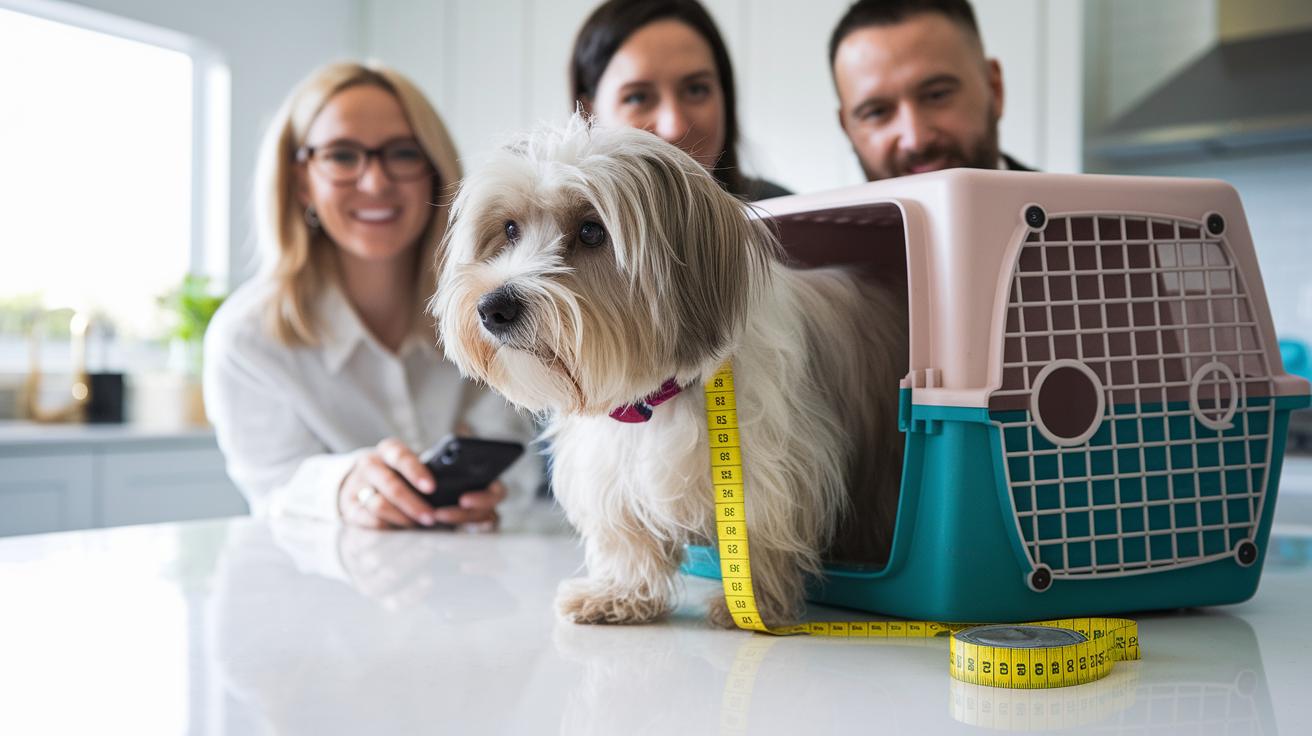
What do professional dog groomers use for grooming?

Professional dog groomers use tools such as clippers with 5-in-1 blades, a range of brushes for deshedding and smoothing, and grooming shears. These tools ensure clean, safe, and precise grooming for every pet.
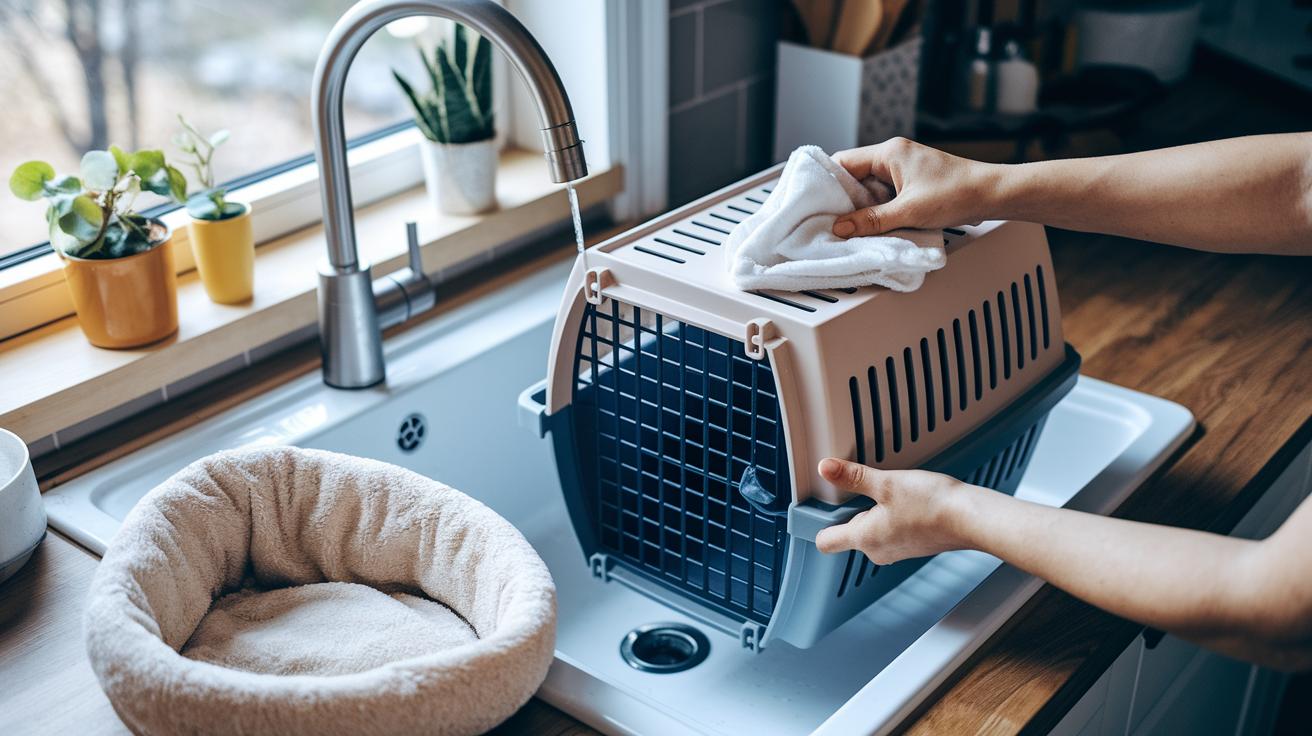
Which dog clippers do professional groomers use?

Professional groomers use dog clippers with durable, low-vibration motors and detachable blades. Trusted options often come from brands like Wahl, Andis, and others known for offering smooth, efficient clipping performance.
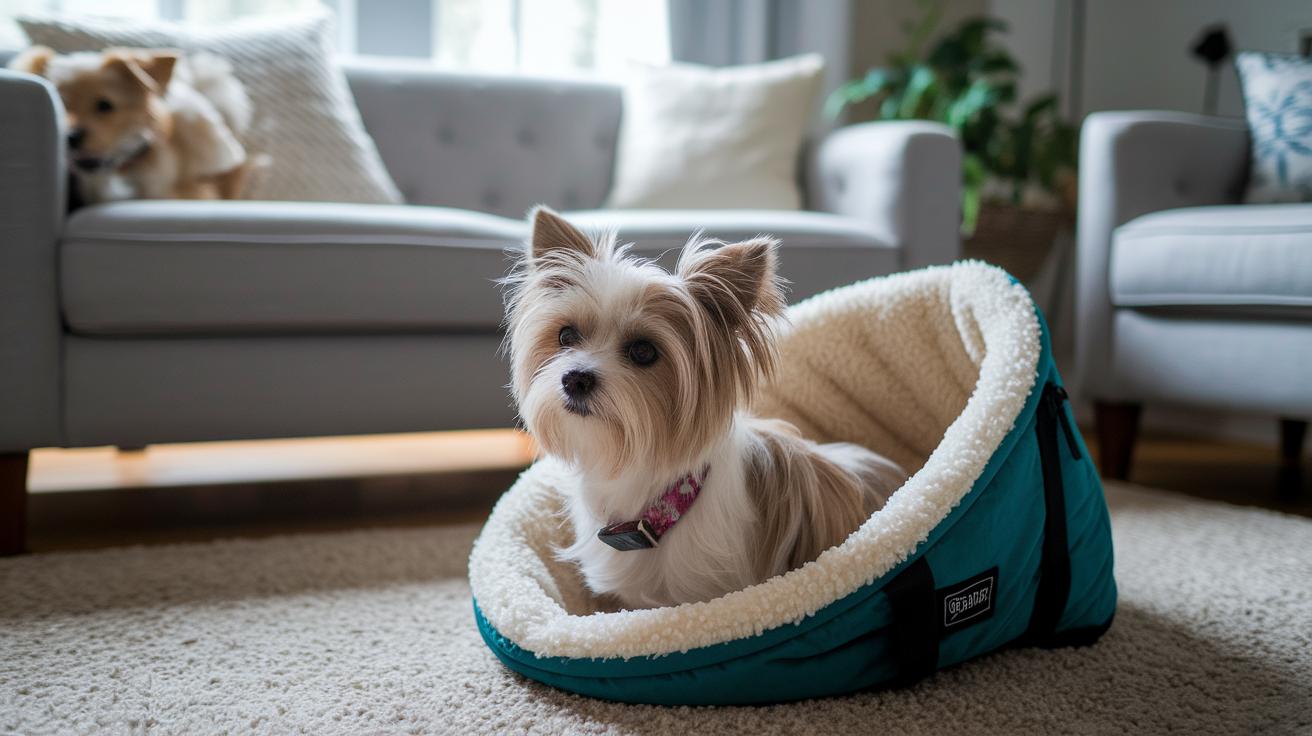
What shears do professional dog groomers use?

Professional dog groomers opt for rounded-tip shears available in straight, curved, and thinning styles. These shears are designed for precise trimming around delicate areas, ensuring both safety and style for each pet.

Sustainable Pet Care Practices Guide: Eco Pet Harmony

0

Have you ever thought that caring for your pet could help the planet? At Eco Pet Harmony, every meal, toy, and grooming session can be gentle on nature. We choose items like collars that break down naturally and shampoos made from plants. These choices keep your pet happy and help cut down on waste and carbon output. Even small changes in how we care for our pets can make a big difference. Let’s explore some practical ways to make pet care kinder to both your family and the Earth.

Eco-Friendly Pet Care Practices: A Comprehensive Framework

img-1.jpg

Eco-friendly pet care is all about making choices that help the planet. We pick products and habits that last longer and produce less waste. Materials that break down naturally keep our world a bit cleaner. In the pet world, tons of plastic, packaging, and carbon emissions add up each year. Even our smallest friends leave a carbon trace, so switching to greener habits is important.

We all have a role in making pet care kinder to nature. When it comes to feeding, using ingredients that come from sustainable sources and planning meals well can cut down on food waste. In grooming, using plant-based shampoos or even a simple mix like vinegar and baking soda protects both our pets and our water. When managing waste, choosing compostable dog bags or biodegradable cat litter helps reduce what goes into landfills. And for play and travel, picking strong, eco-friendly toys and planning low-carbon outings makes a big difference.

Key steps to follow include:

  • Organize feeding routines to avoid waste with good storage and planned meals.
  • Use non-toxic, biodegradable products for grooming.
  • Choose compostable or recyclable materials for waste.
  • Pick sustainable gear for play and local outings.
  • Keep home routines energy-saving with smart cleaning.

These eco-friendly ideas help us care for our pets while caring for the planet. Every choice, from the pet treats to the toys, builds a caring system for our furry pals. Learn more about our ideas in our comprehensive pet care guide and join us in building a greener future for your pet and our world.

Sustainable Pet Nutrition: Natural and Organic Food Choices

img-2.jpg

When you choose meals for your pet, check for labels that explain where the ingredients come from. More brands are using meat from sources that care for the planet, even trying proteins made from insects, plus organic veggies and packaging that is kind to nature. Did you know New Zealand’s raw-food market has a smaller environmental footprint than many regular pet diets? It shows that even our furry friends can enjoy food that helps the earth.

Look over the ingredient list and watch for words like "responsibly sourced" or "organic." Your dog or cat can do well on food that is gentler on nature. Here are some quick tips to help you make choices:

  • Pick products that share clear details about their ingredients.
  • Compare the quality of nutrients in organic versus regular food.
  • Try out raw or insect-based diets if you're looking for something new.
  • Plan meals ahead and store food the right way to cut down on waste.

Studies tell us that sustainable diets may lower land use and greenhouse gas emissions by as much as 50% compared to typical kibbles. Small steps, like proper storage and meal planning, can add up. When you choose natural pet nutrition, you not only give your pet a balanced meal but also help protect our planet.

Sustainable Pet Grooming Practices: Green Grooming Suggestions and Eco-Safe Cleaning

img-3.jpg

Start with eco-friendly products that care for your pet’s skin and our water. Choose shampoos and conditioners made from plants that break down naturally. These are gentle on your pet and safe for the earth. Look for brushes made of bamboo or recycled materials. Also, pick grooming sprays that clean without harsh chemicals like triclosan, phosphates, or sulfates.

Here are some green grooming suggestions:

  • Use products with natural ingredients that break down safely.
  • Choose brushes and combs from sustainable sources.
  • Opt for sprays that clean without dangerous chemicals.
  • Try simple DIY recipes, like mixing vinegar and baking soda, for a natural clean.

When you groom your pet, save water by turning off the faucet during lathering. Use a spray bottle to help keep water use low. You can even use the rinse water to water your plants, so no drop goes to waste.

These eco-friendly cleaning ideas help protect our water and lower your pet’s carbon pawprint. This way, you help both your pet and the planet thrive.

Sustainable Pet Waste Management: Reduction Methods and Biodegradable Products

img-4.jpg

We all want our pets to be happy while keeping our world clean. Start by changing little habits to lower waste. For dogs, use poop bags that are certified compostable. These bags are made from starch-based bioplastics and break down naturally. For cats, choose litter made from recycled paper, wood pellets, or corn, which you can safely compost. Quick tip: Switching to biodegradable cat litter gives you good odor control and helps the planet.

Home composting is another way to reduce waste. In some places, you can compost pet waste into rich soil for your garden (for plants, not food). Just mix the waste with dried leaves or other high-carbon materials to keep the compost safe and free of germs.

Key strategies include:

What to Do Why It Helps
Use compostable poop bags Reduces plastic waste
Select biodegradable cat litter Cuts down on plastic packaging
Check local compost guidelines Ensures safe composting
Maintain your compost system Keeps germs away

Before buying, check labels and certifications to make sure products really break down over time. These small changes in your pet care routine can make a big difference for our planet and for all animals.

Sustainable Pet Gear and Accessories: Ethical Sourcing and Renewable Innovations

img-5.jpg

When you choose sustainable pet gear, you're helping your pet and the planet. We love products that are built to last. Try collars, leashes, and beds made from hemp, organic cotton, or recycled ocean plastics. These items stand up to daily use and often carry labels like GRS and Fair Trade. These marks show a real commitment to responsible sourcing.

Hemp-fiber toys are a great pick. They are tough and gentle on the earth. Bamboo feeding bowls and recycled-fabric blankets offer comfort while keeping the environment in mind. When you shop, check both the product's full life and its packaging. Items with less packaging and clear eco-guidelines usually have a lower carbon footprint.

Here are some quick tips for pet care:

  • Look for clear info on material origins.
  • Check for labels that confirm ethical production.
  • Do simple repairs to extend your pet gear’s life.

Keeping your pet's gear in good shape is important. A well-cared-for product lasts longer and saves you money. By choosing and maintaining sustainable items, you help support greener practices that benefit pets and our world.

Sustainable Pet Habitat Care: Eco-Friendly Home Environment

img-6.jpg

Let’s start by setting up a cleaning routine that is safe for your pet and kind to our planet. A mix of vinegar and baking soda works great on floors and pet bowls. It cleans naturally without any harsh chemicals.

Try using bedding made from hemp or organic cotton. This natural fabric is soft on your pet and helps cut down on toxic waste at home. Adding a few indoor plants can also filter the air and create a calm, soothing space for you both.

Switch to energy-smart options like a programmable thermostat. It lets you set the perfect temperature while saving energy. And a quick steam-clean of pet areas can wash away toxins, leaving surfaces fresh and safe.

Get creative with upcycling! You can turn an old chair into a cozy shelter for your furry friend. This idea not only saves resources but also adds a unique, personal touch to your home.

Even small changes like these make a big difference. They help build a healthier home and a cleaner environment for you and your pet.

Sustainable Pet Travel Practices: Responsible and Low-Carbon Advice

img-7.jpg

When you plan a trip with your pet, try to choose ways that help the earth and give you more time together. For short trips, consider walking or biking instead of driving. It’s a fun and healthy way for both of you to enjoy the day. And before you head out, pack reusable water bowls and waste bags that break down naturally so you can skip single-use plastics.

  • Use reusable water bowls to keep your pet hydrated in an eco-friendly way.
  • Carry biodegradable waste bags to cut down on plastic trash.
  • Pick carriers and crates made from recycled or responsibly sourced materials for safe and green travel.

Lots of cities now have pet-friendly public transit and bike trailers. With a bit of planning, you can leave behind disposable items and embrace a low-carbon lifestyle that benefits your pet and our planet. These small changes make a big difference in greening your pet’s travel and showing others how easy eco-friendly care can be.

Sustainable Pet Care Community: Building Green Networks for a Greener Future

img-8.jpg

Building a community focused on sustainable pet care is a great way to spread green habits outside your home. You can start small by organizing local pet supply swaps where neighbors trade beds, toys, and accessories that still work well. This easy step helps cut waste and reduces the need for new items, which is kind to our planet.

Try setting up a toy library in your neighborhood. Sharing toys means fewer new ones need to be bought, and every plaything gets more use. Another idea is to create community compost hubs so pet waste can be turned into garden compost safely. This keeps harmful materials from ending up in landfills.

Here are some simple ideas to build your green network:

  • Swap pet supplies with friends.
  • Set up toy libraries to share durable playthings.
  • Form community compost hubs for safe waste management.
  • Donate gently used supplies to local shelters.
  • Encourage rescue adoptions to ease the demand on breeding facilities.

Joining local eco-pet events or online groups lets you share tips on mindful pet care. When we pool our knowledge and resources, we create a network that cares for pets and the planet together.

Final Words

In the action, we explored how everyday choices shape eco-friendly pet care. We covered natural diets, green grooming tips, waste-reducing methods, and sustainable gear options. Each section offered simple steps to help make your pet’s environment healthier and happier. Our sustainable pet care practices guide reminds us that small changes can lead to a big impact. Keep striving for eco-friendly habits and enjoy every step of your journey with your beloved companion.

FAQ

What is the pet environment?

The pet environment means the spaces and care practices that keep your pet safe while reducing waste and energy use. It covers home setups, outdoor areas, and more.

What is the carbon footprint of owning a pet and how does it impact climate change?

The carbon footprint of a pet comes from food production, waste management, and travel. Eco-friendly practices can lower greenhouse gas emissions and help ease climate change.

What is the environmental impact of pet food?

The environmental impact of pet food is linked to sourcing, production, and packaging. Choosing sustainably sourced and organic options can reduce land use and lower carbon emissions.

How can the tree and the dog change the environment?

A tree absorbs carbon, and eco-conscious pet care minimizes your dog’s carbon footprint. Together, they show how natural elements and smart practices improve environmental health.

Are pets bad for the environment?

Pets aren’t bad for the environment on their own. Their impact depends on our choices in feeding, waste, and energy use—sustainable practices can make a big difference.

3. Dog Separation Anxiety Training: Happy Pups Now

0

Ever wonder why your dog feels nervous when you say goodbye? You’re not alone. Many pups show worry even during a quick goodbye.

Try using simple tools like the Calming Yo-Yo to help your furry friend relax. It works a bit like training wheels on a bike, small steps today can lead to big confidence tomorrow.

In this post, we share easy tips and steady techniques to turn tearful departures into peaceful moments. We hope these ideas make leaving a little easier for both you and your pup.

dog separation anxiety training: Immediate and Comprehensive Techniques

img-1.jpg

When you train your pup, it's important to act quickly. Studies show that 20-40% of dogs seeing experts feel anxious when left alone, and up to 80% have a hard time being on their own. Many furry friends get stressed even when the signs are small. Quick steps can help calm your dog now while you work on lasting changes.

One helpful trick is the Calming Yo-Yo exercise. First, keep your dog safe with a tether, crate, or baby gate. Set a timer and step away briefly. Watch how your dog may relax on the couch or snuggle into its bed. Try leaving for just 30 seconds and then come back in a calm way. This teaches your pet that a short break is nothing to be scared of.

Along with these fast fixes, slow and steady changes matter too. Gradual desensitization means increasing the time you're away little by little. Start with a few minutes and add a bit more as your dog starts to feel secure. It is like using training wheels on a bike: begin small and get steadier over time.

Key tips include:

Tip How to Do It
Stay Calm Make your departures gentle to keep anxiety low.
Mix Cues Use different signals when leaving so your dog does not get anxious.
Keep It Short Do brief sessions and spread them out during the week.

We recommend using quick exercises along with strategies that build your pup's confidence over time. Each step helps create a simple plan that fits your pet's needs. Remember, helping your dog with anxiety is a journey of small wins that builds confidence step by step while still keeping the connection you both love.

3. dog separation anxiety training: Happy Pups Now

img-2.jpg

Keep an eye out for signs that your dog feels stressed even before you leave home. You might see them looking worried or uneasy. This small signal can help you adjust your training to create a calmer atmosphere. Imagine your dog giving you a sad look as you grab your keys. That little moment matters.

Here are six signs your dog may be anxious when left alone:

  • A sad or worried look before you head out
  • Howling that goes on when you're gone
  • Accidents inside even if they’re usually house trained
  • Chewing on furniture or toys they shouldn’t
  • Pacing back and forth a lot
  • Drooling when you get ready to leave

It also helps to know why your dog might be upset. Sometimes, little changes in routine or health issues can make a big difference. Here are four common reasons:

  • Boredom from not enough play or walks
  • Not enough exercise to wear them out
  • Confusion from incomplete house training
  • Health concerns (it’s best to check with a vet or pet expert)

By noticing these signs and understanding their causes, you can fine-tune your approach. Soon, your pup will feel more secure and happy.

dog separation anxiety training: Happy Pups Now

img-3.jpg

Start by checking how relaxed your dog feels. Look for soft eyes, loose ears, and even breathing. These clues show if your pup can handle being alone for a few minutes.

Try leaving your dog for a short time in a safe space with a favorite toy close by. For example, set a timer for 15 minutes, then step away calmly and return when the timer stops. If your pup seems stressed by pacing or whining, cut the time back until they feel calm. Slowly, you can add a few extra minutes.

Next, use simple signals before leaving. You can pick up your keys or put on a jacket and then sit down for a moment. This helps your dog learn that these actions don’t always mean you’re leaving. Keep an eye on their body language. If they start to relax when they see these cues, you’re on the right path.

Practice these steps:

Step Action
1 Check your dog’s relaxed body signals.
2 Begin with a very short break while your dog stays in a safe place.
3 Try the pre-departure signals without actually leaving.
4 Adjust the timing based on how your dog reacts.

Sometimes, pausing after a cue can show your dog that their parent is still nearby. This clear, gradual approach can help ease separation worries.

dog separation anxiety training: Calming Yo-Yo Exercise and 300 Peck Method

img-4.jpg

The Calming Yo-Yo exercise shows your dog that short, safe breaks are nothing to fear. You can set up a secure space using a tether, crate, baby gate (crate training a puppy), or even a helping hand from someone you trust. This method works for dogs with mild to more serious cases, helping them grow more confident and calm when you step away. You might not see every little feeling change, but you'll notice your dog reacting more relaxed over time.

Follow these five simple steps for the Calming Yo-Yo exercise:

  1. Create a safe space (with a tether, crate, baby gate, or a helper) to keep your dog secure.
  2. Start with very short intervals so your dog doesn't feel overwhelmed.
  3. Leave calmly and for just a brief moment. Keep it low-key.
  4. Return after the set time to show your dog that everything is okay.
  5. Slowly lengthen your time away as your dog stays relaxed.

Once your dog is comfy with these short breaks, try the 300 Peck Method. In this approach, take one small step away from your dog. Offer a calm, simple praise like "good" when your dog remains relaxed. If your dog shows worry, maybe snapping or pacing, step back to where they felt safe. The goal is to help your pet feel at ease with each tiny departure. You aren’t handing out treats or high-energy rewards, just showing that your presence is enough.

Here are four steps for the 300 Peck Method:

  1. Move just one small step away from your dog.
  2. Praise them with a neutral, kind word when they stay calm.
  3. If your dog gets anxious, return to the previous step (one small step).
  4. Increase the distance gradually as your dog consistently stays relaxed.

dog separation anxiety training: Avoiding Common Pitfalls and Reading Body Language

img-5.jpg

Sometimes we fall into the trap of watching the clock when our dog shows even a small sign of stress. If you rush back the moment you see a yawn, you miss a chance for your pup to learn to be calm on their own. So if your dog starts yawning, try not to hurry home.

Keep an eye out for tiny signals. Maybe their ears move, they let out a quick yawn, or lick their lip. When you see these hints, it’s a good idea to take a short break or shorten the time you’re away. This gentle approach helps lower stress and builds confidence over time.

It’s best not to step in too soon. Leave during calm moments, like when your dog is quietly resting. And if you notice signs of stress, take a step back by reducing the separation until your pet feels more relaxed.

dog separation anxiety training: Professional Coaching and the Game of Bones Program

img-6.jpg

When your home training feels stuck, working with an expert can be a real game changer. A caring coach tailors sessions to fit both you and your pup. With a plan built around what makes your dog feel safe, you can relax a bit more as an owner.

Separation anxiety coaching gives you clear, step-by-step help. A trusted specialist watches your dog's behavior and offers small, easy changes. It might mean adding one extra minute of alone time or using a friendly cue to show that you'll be back soon. This kind of guidance makes the whole process feel less stressful.

One fun and effective option is the 4-week Game of Bones program. This program turns training into a light-hearted adventure. Through quick mini-games and brief sessions, your dog learns to explore different parts of your home and get used to short periods on its own. The playful activities help build confidence and ease. Think of it as a fun challenge where each small win matters. With expert coaching and programs like Game of Bones, you're giving your dog a caring, guided way to tackle separation anxiety.

dog separation anxiety training: Building Consistent Routines and Long-Term Progress

img-7.jpg

Setting a daily routine helps your dog see that being alone can be safe and even fun. Each time you prepare to leave, take the same small steps. Grab your keys, give a calm cue, and head out without fuss. This simple practice tells your dog what to expect and keeps departures peaceful.

Try doing 4 to 5 training sessions each week, with each session lasting about 15 minutes. As your dog grows more at ease, slowly increase the time you’re away. Keep a small log where you jot down the date, the session length, and how calm your dog was. If your pup shows signs of stress, take a break. This way, you both adjust at a comfortable pace.

Rewarding your dog is key. When your dog stays calm, offer warm praise and a tasty training treat to mark the moment. Over time, you can slowly phase out the treats while still using kind words. This mix of treats and praise helps create a positive connection to being alone.

You can also set up a quiet spot in your home, maybe with a favorite toy or blanket, that your dog can call their safe space. With regular practice and by tracking progress, these little routines build your dog’s confidence. Small steps like these lead to lasting calm and a happier, more relaxed pup.

dog separation anxiety training: Monitoring and Adapting Your Plan

img-8.jpg

Keep a simple record of your dog's progress. Write down the date, how long you were apart, and what your dog did before, during, and after each time you left. Note small details like calm moments or signs of stress. For example, mention if your dog stayed relaxed or started pacing and whining. This record helps you see what works and when changes might be needed.

When you notice stress or behavior changes, try taking a shorter break or make the session easier. You can go back to a routine that worked well until your dog feels comfortable again. If you don't see any improvement after a few weeks, consider getting help from a professional. A vet or pet behavior expert can look for any health issues and suggest the next steps. Adjust your plan based on these notes, and keep celebrating small wins.

Final Words

In the action, we explored quick-relief techniques and long-term behavior plans to help ease your pet's anxiety. We shared practical tips, such as structured desensitization and pre-departure cues, plus instant methods like the Calming Yo-Yo and 300 Peck approaches. We also looked at common pitfalls and the value of professional help when needed. Keep applying these steps and celebrate every small win. With dog separation anxiety training, you can help your pet feel calmer, more secure, and ready for each new day.

FAQ

Dog separation anxiety training near me

Dog separation anxiety training near me means finding local experts who offer hands-on guidance using both immediate calming exercises and gradual behavior techniques to help your pet feel secure when left alone.

Curing dog separation anxiety quickly

Curing dog separation anxiety quickly means using fast-acting strategies like brief separation sessions and pre-departure cues. These techniques ease distress and help your dog learn to be comfortable on its own.

Dog separation anxiety training reddit

Dog separation anxiety training reddit means exploring real-life experiences and tips shared by fellow pet parents online. These discussions offer practical advice, home routines, and creative solutions that worked for others.

Dog separation anxiety training online

Dog separation anxiety training online means accessing digital classes and guided programs that walk you through step-by-step exercises. These resources provide video demonstrations and community support to empower you at home.

Dog separation anxiety symptoms

Dog separation anxiety symptoms include signs like howling, destructive chewing, indoor accidents, pacing, drooling, and a sad expression before you leave. Recognizing these cues helps you create a supportive plan.

Home remedies for separation anxiety in dogs

Home remedies for separation anxiety in dogs involve practical strategies like crate or baby gate training, short practice separations, and using favorite toys for comfort. These methods help your dog build confidence gradually.

Dog separation anxiety medication

Dog separation anxiety medication means using vet-prescribed treatments to lessen severe anxiety. These medications, used alongside behavior training, support your dog’s calmness, and they should always be managed under professional guidance.

Dog separation anxiety training at home

Dog separation anxiety training at home means employing simple, structured exercises in your living space. Techniques like simulated departures and gradual alone-time allow your dog to gain confidence without leaving home.

How do you help a dog with separation anxiety?

Helping a dog with separation anxiety means establishing a consistent routine with calm departures, gentle training to build independence, and reassuring rituals when leaving, ensuring your pet feels secure even in your absence.

Can separation anxiety be trained out of dogs?

Can separation anxiety be trained out of dogs means that through consistent, gradual desensitization and positive reinforcement, many dogs learn to feel less stressed when alone, though some cases might also need professional help.

Best Dog Running Leashes: Safe & Fun Runs

0

Have you ever thought that your dog's leash might change your morning jog? The right leash can turn a stressful walk into a safe, fun run. We looked at top leashes that are strong, durable, and comfy. This guide shows you which ones help reduce pulling so you both stay on track and enjoy your workout. Ready to find the perfect leash for happy, worry-free runs? Let's get started.

Top-Rated Dog Running Leashes: Ultimate Gear Comparison

img-1.jpg

Finding the right leash can help you and your dog enjoy a safe, fun run. We put together a simple guide that shows each leash's key details like the name, material, length, main feature, and customer rating. This way, you can quickly choose the best option for your runs.

For example, the Stunt Puppy Hands-Free Leash has a belt you wear and a shock-absorbing bungee that stretches to 51 inches. It is perfect for smooth, steady jogs. The Tuff Mutt Leash starts at 48 inches and can stretch to 60 inches, plus it has a metal loop on the belt for easy switching. The Roadrunner Dog Leash is made of strong nylon, can go up to 59 inches, and even offers an optional LED light for safe, early morning or late evening runs.

If you want a leash that helps reduce pulling and keeps your dog on track, check out the Mighty Paw Running Leash. It uses frictionless nylon with weatherproof qualities and reflective stitching. For larger dogs, the Petter Running Leash gives almost 6 feet of extension with a sturdy force-absorbing design. You can find more details here: retractable dog leash for large dogs. Lastly, the EzyDog Leash uses soft, elastic fabric to lessen tugging and has a short grip handle that feels secure.

Product Name Material Length Key Feature Customer Rating
Stunt Puppy Hands-Free Leash Bungee & Fabric Up to 51″ Adjustable waist belt with shock absorption 4.7/5
Tuff Mutt Leash Nylon with Bungee 48″ base, extends to 60″ Metal loop for side-switching 4.5/5
Roadrunner Dog Leash Ultra-strong Nylon Up to 59″ Optional LED light for visibility 4.6/5
Mighty Paw Running Leash Frictionless Nylon Approx. 55″ Weatherproof with reflective stitching 4.8/5
Petter Running Leash Heavy-duty Nylon Nearly 6′ Force-absorbing; suited for large dogs 4.4/5
EzyDog Leash Elastic & Durable Fabric Approx. 50″ Easy adjustment; reduces tug 4.7/5

Key Features of Durable Dog Running Leashes

img-2.jpg

When picking a running leash, the material really matters. BioThane (a PVC-coated polyester) is a great choice because it doesn’t absorb water or grow mildew. You can wipe it clean with ease, no matter the weather. Nylon is lighter but tends to hold moisture, which might wear it out faster. Imagine a rainy morning run: BioThane stays dry and strong, giving you peace of mind.

A leash with bungee or shock-absorbing parts makes a big difference too. They ease sudden pulls, so your dog’s neck is better protected and your run stays smooth. This means less strain on your back and a more relaxed outing for both of you.

For busy, active runs, the leash should be between 48 and 60 inches long. This length lets your dog have a little room to explore while keeping you in control. Reflective stitching and hardware are also key. They help you and your pet stand out during early morning or evening runs, boosting safety in low light.

If your dog tends to lunge or chew, look for a heavier, chew-resistant leash. A sturdy design will stand up to rough play, making sure your pet stays safe while you enjoy your run.

  • Material: BioThane vs. nylon
  • Shock absorption: Eases pulls and protects your posture
  • Length: 48"–60" for the right balance of freedom and control
  • Visibility: Reflective details for safe low-light runs
  • Chew resistance: A tougher gauge for active chewers

Hands-Free vs. Waist Belt Dog Running Leashes

img-3.jpg

Waist belt leashes come with a quick-release clip and a very light design that many pet parents love. They feel secure during runs and are easy to clean because the webbing is machine-washable after muddy outings. You can also get thicker versions if your dog tends to chew, which means extra strength where you need it. Plus, the clip system lets you move the leash from one side to the other for a balanced run.

On the other hand, hands-free adapters turn any regular leash into a belt-style gear. They have metal loops and sliding tabs, which let you switch sides without any fuss. This makes them comfy whether you’re on a gentle jog or a faster run.

Some pet parents prefer a harness pack style. This style uses small pockets to hold keys, treats, and waste bags while keeping your hands totally free. Each option has its perks, so think about your running style, your dog's habits, and what you need to carry before deciding on the best leash for you.

Why BioThane Beats Nylon for Dog Running Leashes

img-4.jpg

BioThane is a tough dog running leash made from PVC-coated polyester. It stays dry, fights off mold, and lasts through rough adventures. Unlike nylon, which soaks up water and can get moldy, BioThane stays strong every time you head out.

Here are some BioThane models with cool features:

  • Voyager: It has an adjustable sliding tab with an O-ring. You can wear it cross-body or on your waist to help balance your dog's pull.
  • Element: This model gives you quick, hands-on control while you run.
  • Trailblazer: Its braided design lets you switch it to a waist leash, perfect for rugged paths.
  • Tiny but Mighty: Made with 5/8" beta BioThane and light hardware, it is ideal for small breeds.
  • BioThane Rope: This 1/4" rope version offers a smooth feel for relaxed runs.
  • Hands-Free Adapter: A belt-style add-on that turns any standard leash into a hands-free option.
Model Key Feature
Voyager Adjustable sliding tab with O-ring for even pull
Element Quick handheld control for easy adjustments
Trailblazer Braided design that converts to a waist leash
Tiny but Mighty 5/8″ beta BioThane and lighter hardware for small breeds
BioThane Rope 1/4″ rope for a smooth, casual run
Hands-Free Adapter Belt-style adapter for hands-free running

best dog running leashes: Safe & Fun Runs

img-5.jpg

Before you head out, think about small details that keep you and your dog safe on your run. You want good light so you both stand out when it’s still dark. A headlamp or a collar LED light works great for early mornings or dusky evenings.

If your pup likes to wander on rough trails, protect their paws. Try musher’s wax for short runs and dog boots for longer, tougher outings.

Keep your dog cool on warm days with a lightweight vest or bandana. Just check that it isn’t too wet so your furry friend stays comfy. Also, don’t forget water and cleanup. A collapsible waterproof bowl makes it easy to stay hydrated, and the Puppouch drybag is perfect for storing waste.

  • Low-light gear: headlamps or collar LED lights
  • Paw protection: musher’s wax for short runs and dog boots for rugged trails
  • Cooling aids: lightweight vest or bandana (watch the moisture)
  • Hydration & cleanup: waterproof water bowl and Puppouch drybag

Using high-visibility jackets and reflective gear is smart on busy trails, keeping your run safe and fun.

Maintenance and Care for Longevity of Dog Running Leashes

img-6.jpg

Every strong dog running leash needs a little care to keep it safe and working well. After each run, rinse your BioThane or nylon leash with mild soap to wash off dirt and sweat. Let it air-dry completely before you store it. If you plan to run every day, a quick-dry leash is a must.

Before you head out, take a few moments to check the hardware. Look at the clips, O-rings, and stitching for any signs of wear or rust. This small check can help avoid problems on your run.

If you see any fraying, cracks, or weak connectors, it’s time to replace your leash. Keeping your gear in good shape not only makes it last longer but also keeps you and your pet safe on every adventure.

  • Cleaning: Rinse with mild soap and let it air-dry.
  • Quick-dry: Great for daily runs.
  • Inspection: Check clips, O-rings, and stitching before each run.
  • Replacement: Swap out the leash at the first sign of damage.

Final Words

In the action, this guide compared top picks for running leashes. We covered features like adjustability, shock absorption, and design with BioThane and nylon. Tips on staying safe, keeping your pet comfy, and proper care for your gear were shared too. Each section helped you weigh options and choose what fits your busy lifestyle. You'll now have the insights you need to pick the best dog running leashes and keep your pet active and happy. Enjoy your next run together!

FAQ

Best dog running leashes reddit

The best dog running leashes mentioned on Reddit often feature hands-free designs with bungee extensions that reduce strain, making them a popular choice among active pet parents.

Best dog running leashes for large dogs / Running leash for large dogs

The best dog running leashes for large dogs are built with strong materials and shock-absorbing bungee cords to support extra-strength pulls, ensuring both safety and comfort during runs.

Running dog leash belt

The running dog leash belt uses a secure waist clip and adjustable fit that lets you run hands-free while keeping your dog safely connected and easy to control.

Best hands-free dog leash for running

The best hands-free dog leash for running pairs a secure waist belt with quick-release clips and shock absorbers that let you maintain balance while your dog enjoys the jog right by your side.

Running leash for 2 dogs

A running leash for 2 dogs combines dual-clip designs and sturdy construction so you can manage both pups safely during your jog while giving them the room to run side-by-side.

What is the best dog leash for running?

The best dog leash for running balances durability, shock absorption, and reflective features, ensuring comfort, control, and visibility even during fast-paced outdoor activities.

Why don’t vets like retractable leashes?

Vets caution against retractable leashes because their elastic design allows sudden jerks, which can harm your dog’s neck and lead to injury during active runs.

Why do dog trainers not recommend harnesses?

Dog trainers often advise against certain harnesses because they can restrict movement and cause friction chafing, which makes running less comfortable for some dogs.

How to carry a dog while running?

Carrying a dog while running works best with a supportive running carrier or specially designed harness that secures your pet safely, keeping both you and your dog balanced and comfortable.

What are the top Ruffwear running products like the Roamer Leash, Collar Confluence, Switchbak, and Hitch Hiker Leash?

Ruffwear’s running products, including the Roamer Leash and other options like the Switchbak and Hitch Hiker Leash, are designed with durable materials, secure clips, and reflective features to offer safe, comfortable, and hands-free performance on every run.