Home Blog Page 3

Automatic Cat Toys: Joyful Play For Cats

0

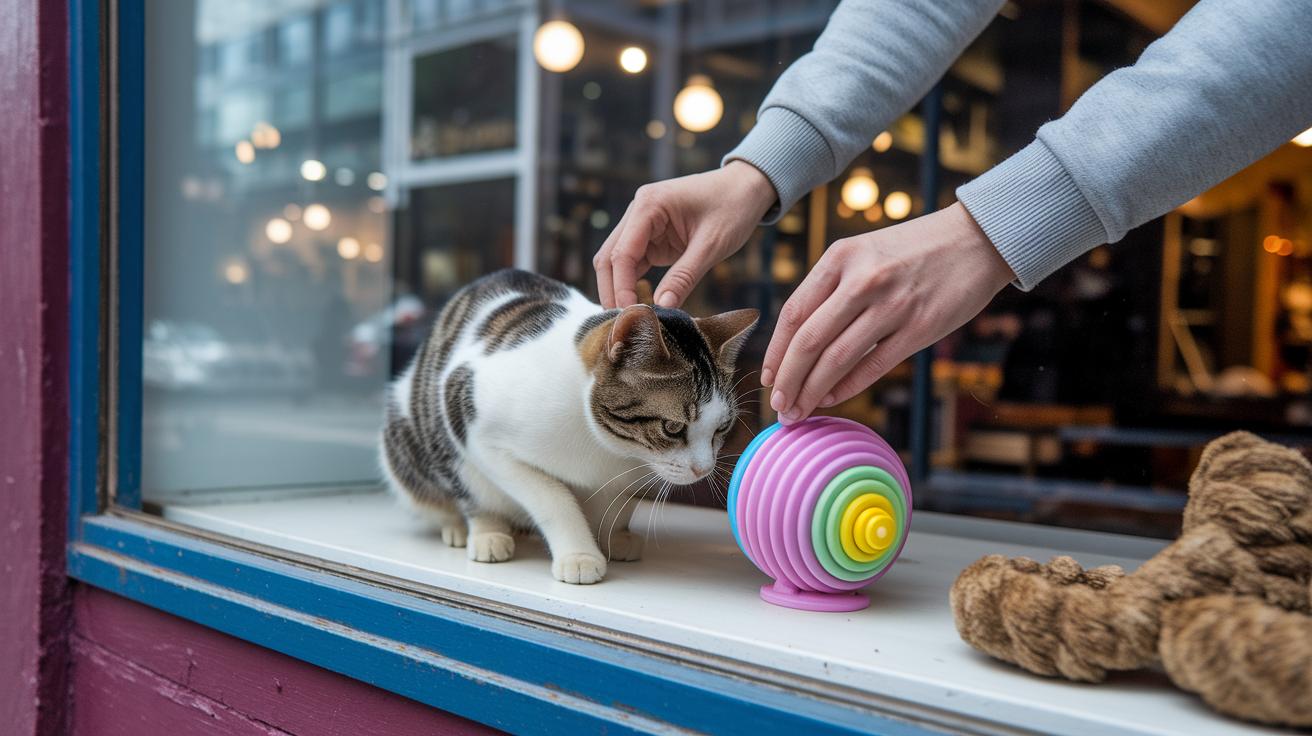
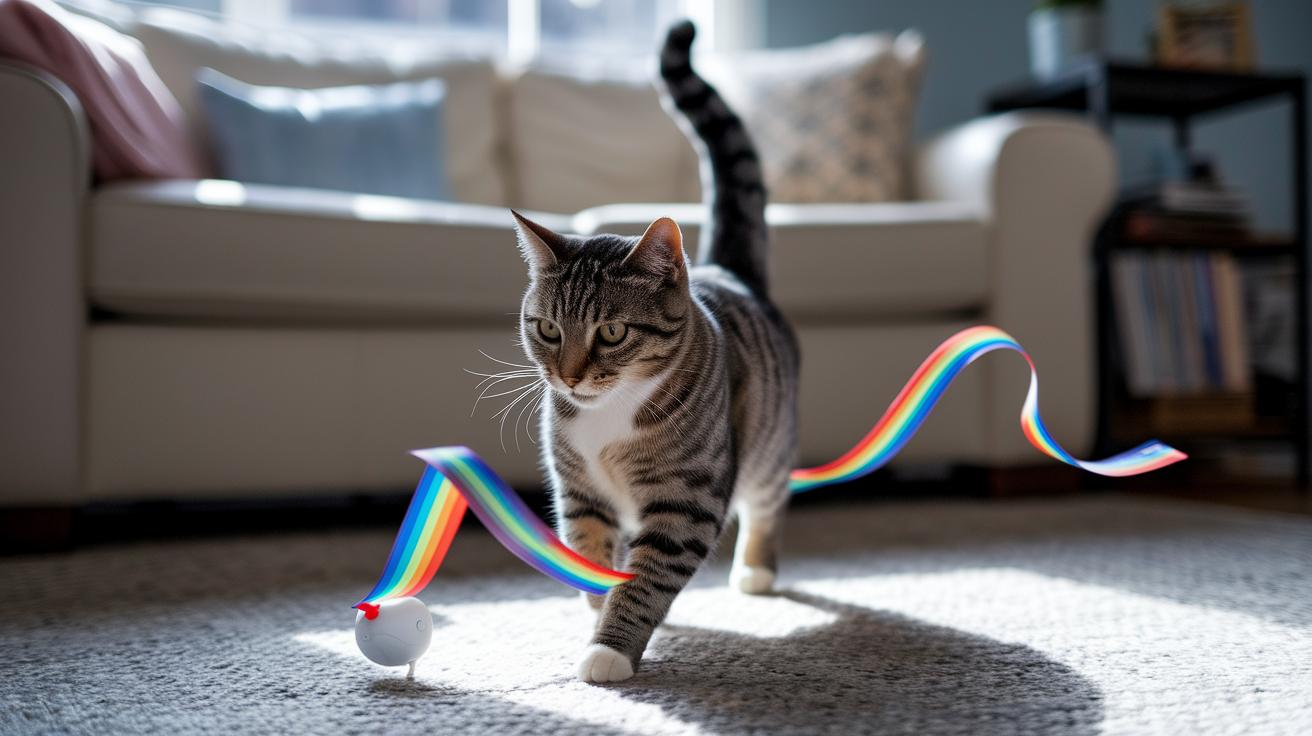
Ever wonder if your cat’s playtime could be more than just fun? These automatic cat toys spark your kitty’s natural hunting drive by moving like a quick little mouse. Even a laid-back cat can get a burst of energy from a playful chase.

They turn quiet moments into little adventures and give your pet a chance for some healthy exercise. With built-in sensors and smart features, these toys keep your cat busy and happy throughout the day.

Best of all, a part of your purchase helps support local rescues.

How Automatic Cat Toys Engage Your Cat’s Hunting Instincts

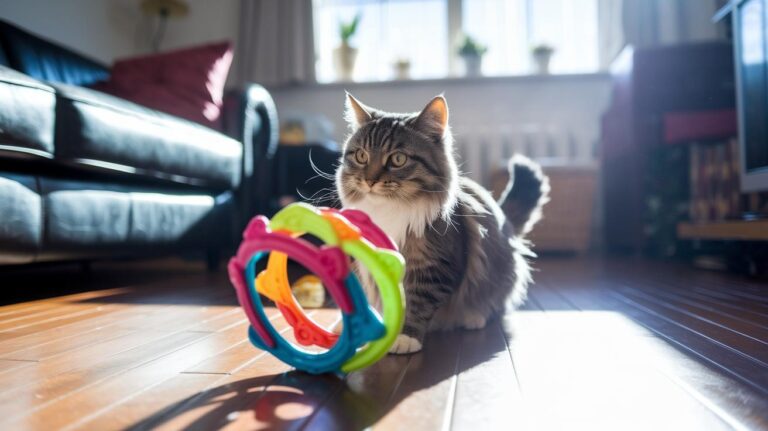
Automatic cat toys bring out your cat's natural hunting skills. They use built-in sensors to react when your cat moves or touches them. This kicks off a fun game that feels like chasing a little mouse. Picture a small toy zipping across the floor when your kitty gets close, just like a real rodent making a quick dash.

Even though cats sleep most of the day, they still love short bursts of play that make them feel like natural hunters. Vets say a few 15- to 20-minute play sessions work best over one long session. These high-tech toys offer quick, fun exercise that fits right into your cat's daily routine. And when you're not around, they keep indoor cats active and happy by letting them chase their prey all day.

Comparing Key Features in Automatic Cat Toys

img-1.jpg

When looking at automatic cat toys, we focus on features that can make your cat's playtime even more fun. Many cats love the surprise of moving toys that seem to act on their own. A motion sensor makes the toy move like real prey, sparking your cat's natural chase instinct.

Battery life is key too. With USB-rechargeable batteries, the toy can run for weeks without a long charge break. This means more play and less waiting. Safety is just as important. Toys made with safe, non-toxic plastic, sturdy anti-slip bases, and auto-shutoff timers let you relax when your cat plays alone.

Programmable settings let you schedule short play sessions throughout the day. That way, your cat enjoys bursts of fun even if you are busy. Plus, a quiet, slow-rolling toy can keep your furry friend engaged without any sudden noises.

Feature Benefit Example Toy
Sensor Sensitivity Sparks interest with unexpected movement PetLinks Mystery Motion Cat Toy
Battery Life Provides weeks of play on a single charge SmartyKat Loco Motion Electronic Cat Toy
Safety Design Uses safe, non-toxic materials and prevents slips PetSafe FroliCat Cheese Automatic Cat Teaser
Noise Level Operates quietly to keep your cat calm Catit Groovy Fish
Programmability Sets up several short play sessions for steady fun Enabot ROLA PetPal

Reviewing these features side by side gives you a clear idea of what each toy can do. A sensitive sensor grabs your cat's attention right away. A long-lasting battery means less charging and more play. Safety features let you relax during unsupervised play. And programmable settings ensure your cat gets regular bursts of fun throughout the day. This clear breakdown makes it easier to choose a safe, engaging, and fun automatic cat toy for your furry friend.

Top Reviews: Leading Automatic Cat Toys for Independent Play

SmartyKat Loco Motion Electronic Cat Toy makes your cat move in fun, unexpected ways. One pet parent said it keeps a cat busy for about 10 minutes. We love that it sparks little bursts of play, but some cats might want even more time to romp.

Pawaboo Running Mouse acts like a quick little mouse. Its wild, erratic motion taps into your cat’s natural hunting skills. Many pet parents enjoy how it gets their cat off the couch, though some have noticed it doesn’t always move the same way. One customer shared that even the laziest cat gets a burst of energy with this toy.

Catit Groovy Fish adds extra fun with a refillable catnip pocket. The scent draws cats in for playful time. Pet parents really like the extra engagement. Just keep in mind that it can be a bit loud. One customer mentioned their cat loved the smell despite the occasional noise.

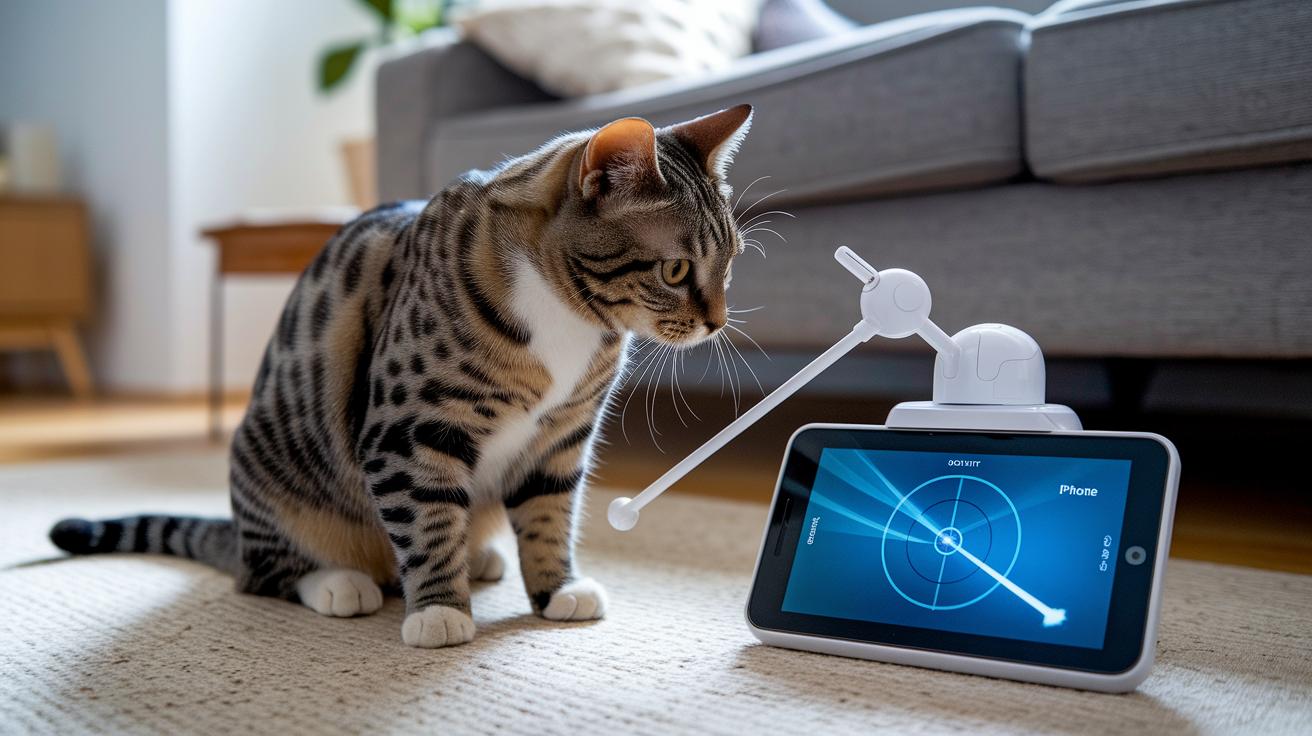
Enabot ROLA PetPal is both a treat dispenser and a pet cam. With two-way audio and remote control, you can check in on your furry friend even when you are away. Its many features make it a standout, but some new users find the setup a little tricky.

Cheerble M1 Smart Interactive Cat Toy rolls gently on soft surfaces. This toy is perfect for cats that prefer calm play. Its smooth movement is a big plus for sensitive paws. However, a few users noted that it moves a bit slow for cats with high energy. One pet parent said, "My cat finds it just right for downtime."

PetSafe FroliCat Cheese Automatic Cat Teaser has an anti-slip base that keeps it steady on smooth floors. Its stability makes wild chases safe and fun for your cat. The only downside is that batteries are not included, which might be inconvenient for some pet parents. One customer remarked, "My cat loves chasing it, even if I have to grab batteries separately."

Choosing the Best Automatic Cat Toy for Your Cat’s Personality

img-2.jpg

Matching a toy to your cat's character makes playtime more fun and keeps it safe. Cats that love to chase might zoom after toys that act like a quick little mouse. Shy kitties often enjoy toys that start off slow or use a gentle laser pointer.

Try rotating two or three toys each week. This keeps play fresh and lets your cat get used to each one gradually. Short play sessions of about 15 to 20 minutes at different times can even help with scratching or loud meowing from boredom. Fun fact: A good play schedule can turn a quiet afternoon into an exciting game of hunt.

When you choose a toy, think about the noise and the size too. A small, quiet toy can be just right for a timid cat, while a larger option might suit a pet with bold energy. Experiment with different styles and watch which ones spark the most joy. This simple trick not only keeps your cat entertained but also creates a balanced and lively space even when you're not home.

Care and Safety: Maintaining Your Automatic Cat Toys

Taking care of your automatic cat toy keeps playtime safe and fun for your furry friend. After every play session, clean the toy with a damp cloth to wipe away dust and fur so the sensors work well. If you notice any cracks in the plastic or the sensors acting up, it’s best to replace the parts right away.

Battery care is just as important. Recharge your toy using USB before the battery gets too low to ensure it keeps running smoothly. A low battery can make the toy lose power, which might leave your cat’s play interrupted.

Start slowly when introducing a new automatic toy, especially if your cat is shy. Begin with short play sessions and watch your pet as it explores the toy. Over time, you can gradually increase the play length as your cat builds confidence. Keeping up with this simple routine ensures many happy, safe playtimes for both you and your pet.

Purchases That Purr Back: Automatic Cat Toys Supporting Shelters
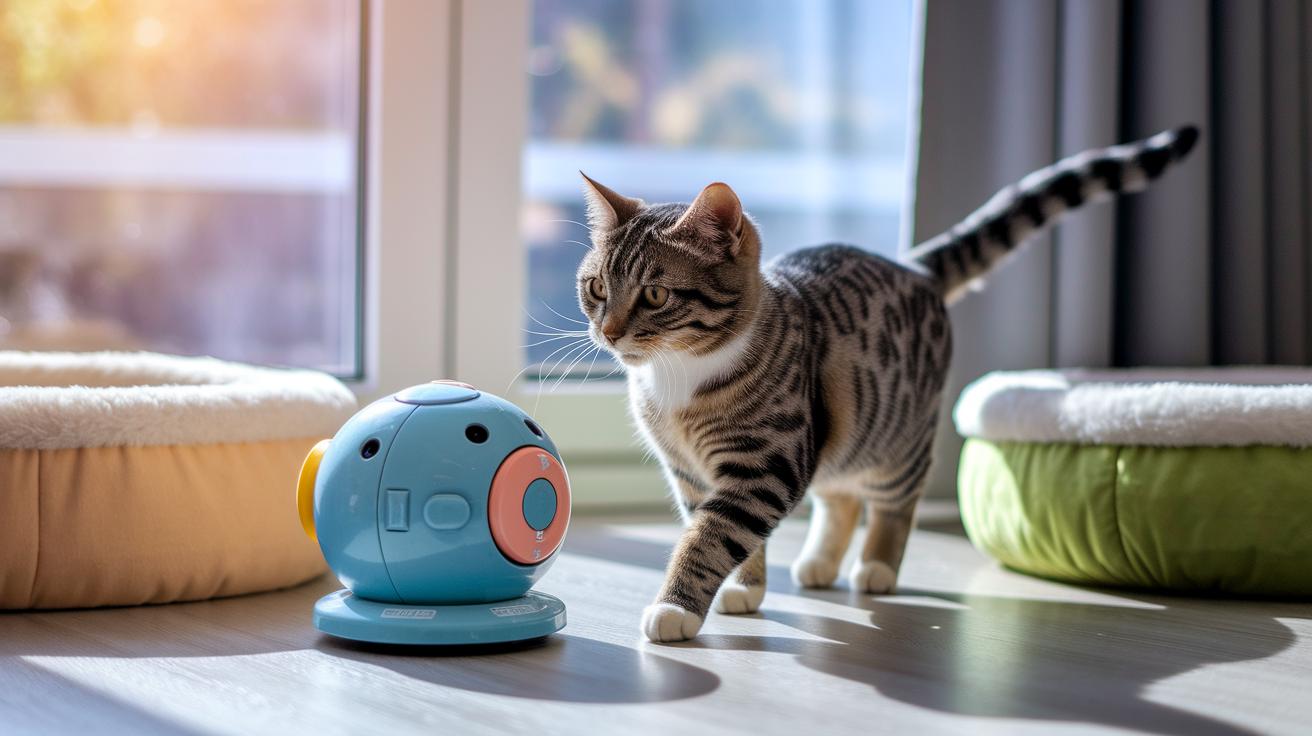
img-3.jpg

When you buy an automatic cat toy, your choice does more than entertain your pet, it also lends a hand to local shelters. Many trusted brands share a part of their profits with rescues, so each toy you pick helps care for animals in need. This means choosing a toy is a small act of kindness that goes far beyond playtime. For example, a smart, fun exercise toy can lift your cat's spirits and brighten the day for shelter animals.

A good toy pays off in the long run. Quality toys are built to last, saving you money while keeping your cat active and happy. They boost healthy play, and a portion of every sale helps support rescue efforts. Check out our animal rescue donations page for more details. With every purchase, you make a real difference in an animal's life. It’s a great win-win for both your furry friend and those waiting for a warm home.

Final Words

In the action, we broke down how automatic cat toys spark natural hunting instincts while keeping indoor cats active. We compared features like sensor sensitivity, battery life, and safety design alongside top toy reviews. We even covered how to match a toy to your cat’s quirks and maintain it with ease. Every purchase makes playtime fun and supports shelters. It’s a win-win for your pet's health and animals in need. Automatic cat toys bring plenty of joy to your home.

FAQ

What are automatic cat toys for when you are away?

Automatic cat toys for when you are away mean toys that activate themselves to keep your cat playing. They mimic prey movements, sparking natural hunting instincts and ensuring your cat stays active even when you’re not home.

What are the best automatic cat toys?

The best automatic cat toys feature durable design, motion-activated play, and safe materials. They are loved by pet parents for keeping indoor cats active and engaged with short, natural play sessions.

How do automatic cat toys on Amazon work?

Automatic cat toys on Amazon work by using built-in sensors to detect movement or touch. They activate unpredictable motions that entertain your cat, making them a popular choice among busy pet owners.

What do pet parents say about automatic cat toys on Reddit?

On Reddit, pet parents praise automatic cat toys for their fun and interactive features. Users share experiences about models that offer long battery life and effective play cycles to keep cats busy.

What are electronic interactive cat toys?

Electronic interactive cat toys combine technology and fun by using sensors to start spontaneous movements. They help mimic prey behavior and stimulate your cat’s hunting instincts during short play bursts.

Which cat toys are best for bored cats?

The best cat toys for bored cats are interactive devices that offer erratic movements and engaging features. They provide multiple short sessions of play to reduce boredom and encourage healthy activity.

What makes stimulating cat toys ideal for indoor cats?

Stimulating cat toys ideal for indoor cats use unpredictable motion and sound cues to keep them mentally and physically active. They create affordable and safe ways to satisfy your cat’s need for play throughout the day.

How are interactive cat toys designed for bored cats?

Interactive cat toys for bored cats are created to capture your pet’s interest with erratic, playful movements. They work independently, offering bursts of play that help prevent boredom while you’re away.

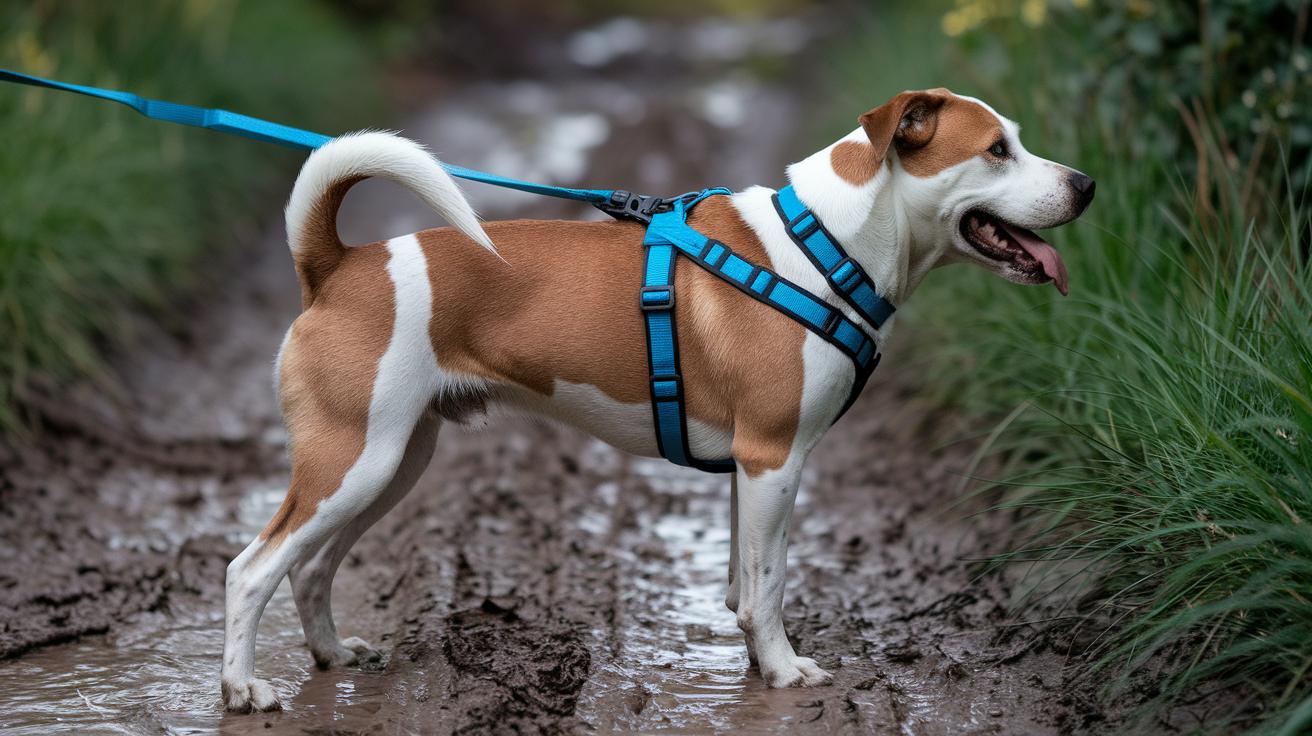
Tactical Dog Harness: Rugged, Reliable Gear

0

Have you ever wondered if your dog's harness can handle a wild hike? Tactical dog harnesses are not just old military gear. They have grown into everyday tools for big adventures. They spread pressure evenly and handle strong pulls to keep your dog safe and comfy. Made from tough materials and built for rough play, these harnesses give busy pet parents a smart, secure way to enjoy time outside. In this article, we explore how a military-grade design meets modern needs to give your dog steady, everyday protection.

Tactical Dog Harness Overview: Design, Purpose & Ideal Applications

Tactical dog harnesses were first made for police and military dogs. They helped keep dogs safe during tough jobs like search and rescue and training. Today, they help you keep your pet secure during outdoor adventures and play. The design still borrows from military gear but works great for everyday life.

These harnesses are a favorite for hiking, training, and any active outing. They come in a range of prices, from about $30 up to $300, with most between $50 and $150. That way, you can find one that fits your dog's needs and your budget. Whether your dog is sprinting through an obstacle course or enjoying a long walk, these harnesses hold up in all kinds of busy, outdoor moments.

Most tactical harnesses feature a Y-shaped design that spreads pressure evenly across the chest and shoulders. This helps avoid sore spots. They are made with tough nylon straps built to resist tears. Plus, strong steel leash attachments mean they can handle even a powerful pull. With this solid build and smart design, these harnesses give you a reliable way to keep your pet safe on all your adventures.

Critical Materials & Construction in Tactical Dog Harnesses

img-1.jpg

Our tough dog harnesses use high-D nylon (1000+ denier) to help stop tears and scrapes. The strong webbing and extra stitching hold up well even on busy days.

You get a choice of steel buckles or plastic cobra buckles. Steel buckles offer a firm, long-lasting hold for extra safety. Plastic options keep the harness light and comfy for your pup. This solid design makes the harness a trusted pick for active dogs.

Some designs have a biothane coating. This material fights off water and odors and makes cleaning easy. It’s perfect for pups who love muddy or wet adventures. Choosing the right blend of material and buckle type means you end up with gear that’s both tough and simple to care for. With quality parts and smart design, you get a harness that stands up to everyday play and rough outdoor fun.

Tactical Dog Harness: Rugged, reliable gear

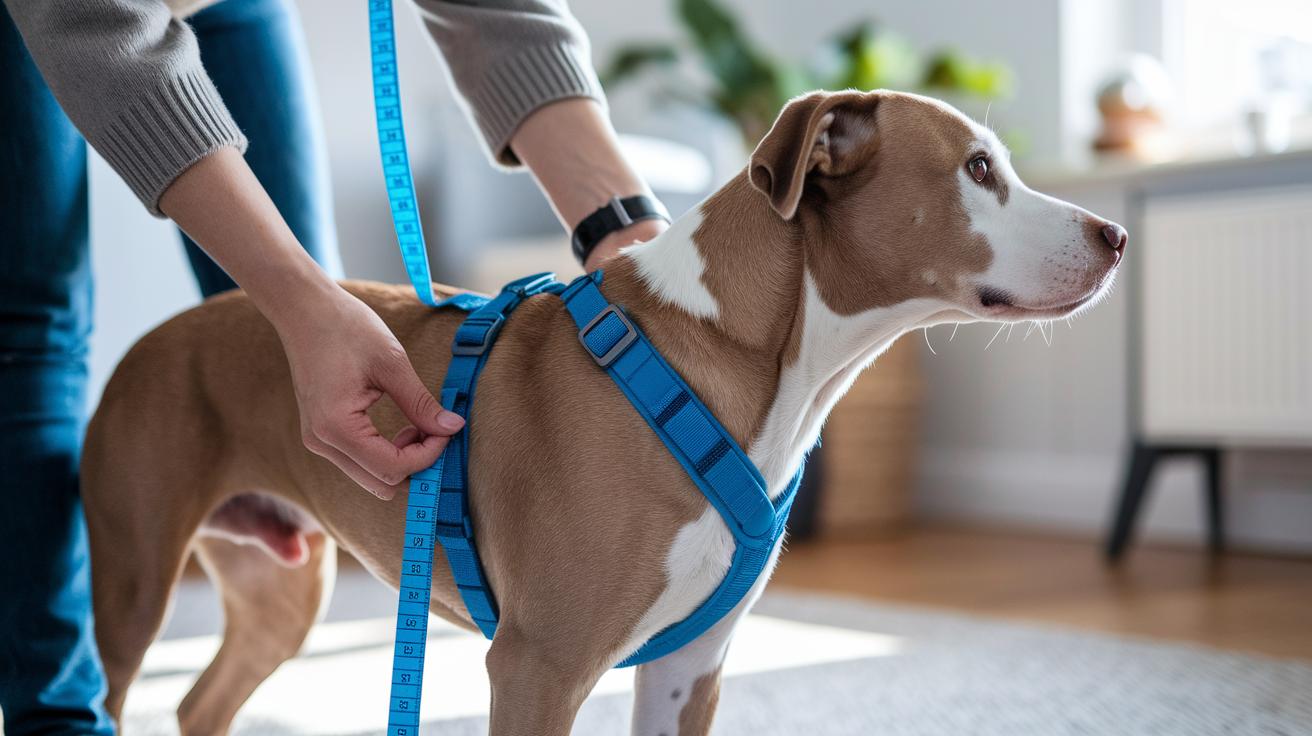
When fitting your dog, start by measuring its neck and the chest area right behind the front legs. Wrap a soft tape measure around these spots snugly. Most harnesses have two straps that let you adjust by 2 to 4 inches each. Remember, small dogs (those under 15 lbs) might not be a good match for heavy-duty gear since some harnesses can weigh over 1 lb. It’s smart to "measure twice and adjust once" for a comfy, secure fit.

Different harness designs offer various ways to put them on or take them off quickly. Some feature quick-release buckles, like those on the One Tigris XDestroyer, making it really easy to get your dog ready. Other models have sliding tri-glide adjusters that let you fine-tune the fit. While these adjusters give a tailored match, they might feel a bit finicky when your pet moves. Always check that the hardware slides smoothly and does not pinch your furry friend.

Side-by-Side Comparison of Leading Tactical Dog Harness Models

img-2.jpg

We made a clear guide to help you pick the right harness for your active pet. We compared models that work great for training, hikes, or busy outdoor days. These harnesses are built to stay strong and keep your dog safe while giving you peace of mind. If you are looking for USA-made gear, you can check key differences in materials, how they attach, and price. This helps you choose a harness that is tough yet comfortable for everyday use.

Harness Model Material Attachment Points Price Range
Modern Icon Tracking Harness Thick webbing, full-steel hardware Standard attachment $120
Ray Allen Nomad IHS Biothane (water-resistant), plastic cobra-style buckles Secure fit $95
Rabbitgoo Tactical Dog Harness Basic nylon Chest and Back attachment $30

Each harness shines in its own way. The Modern Icon Tracking Harness is built strong with thick webbing and sturdy steel parts. The Ray Allen Nomad IHS is a lightweight choice that resists water and mud. The Rabbitgoo Tactical Dog Harness is a budget-friendly option that covers the basics with secure chest and back attachments. Use this guide to figure out which harness fits your dog's strength, energy, and safety needs. Remember, a part of your purchase helps local shelters.

Tactical Dog Harness Buying Guide: Pros, Cons & Cost Considerations

Tactical dog harnesses are built tough. They come with several spots to clip on a leash, giving you extra control during play and training. This gear is a hit with working dogs and high-energy pups because it stands up well to rough conditions. With one of these harnesses, you can feel sure your dog is safe while running or exploring.

There are a few things to consider, though. Some models are heavier and may not suit smaller dogs. If your pup is on the small side, look for harnesses made just for them. Also, top-quality parts like steel buckles raise the price to over $80, while more basic options with nylon and plastic clips come in under $50. It all comes down to matching your dog's needs with your budget.

  • Tough gear that lasts

  • Several leash attachment spots

  • Extra control during training

  • Strong build for active play

  • Works well in demanding conditions

  • Heavier than basic harnesses

  • Can be too bulky for small dogs

  • Costs more with premium parts

  • Fewer choices for tiny pups

  • Extra expense for advanced materials

Cleaning, Maintenance, and Safety Practices for Tactical Dog Harnesses

img-3.jpg

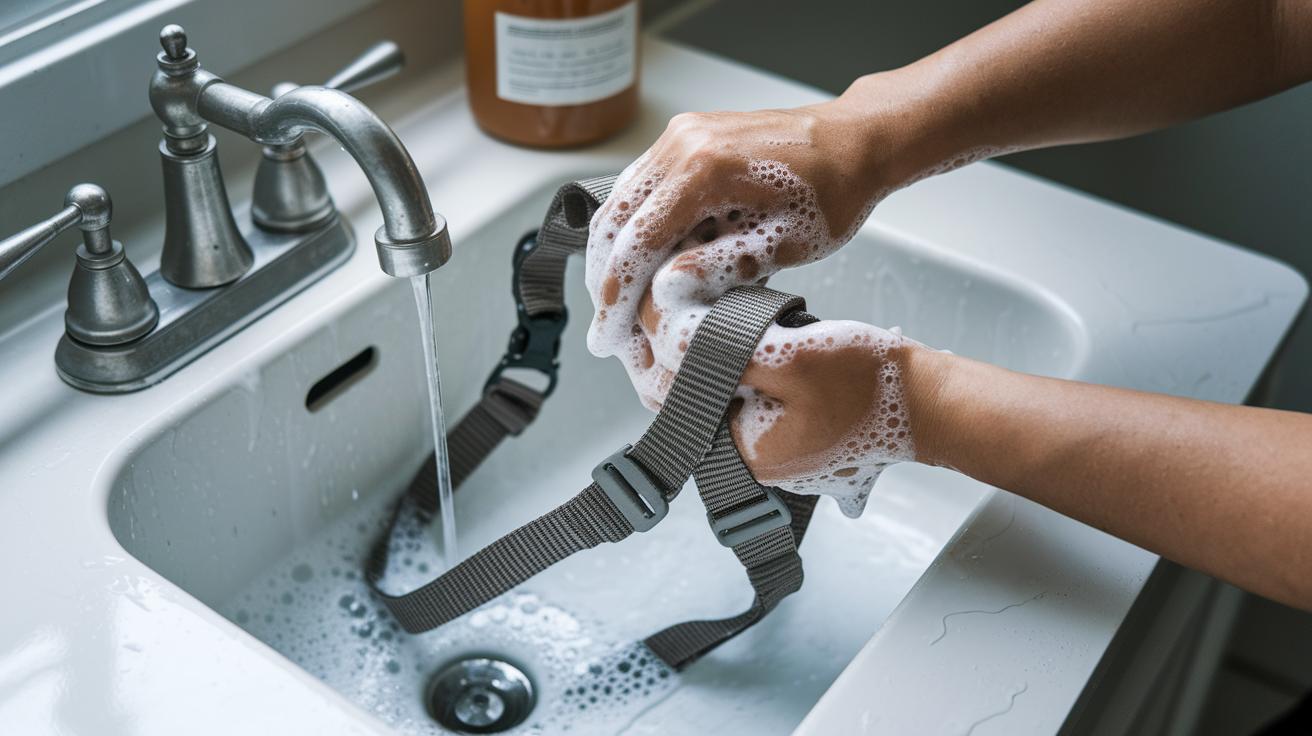
When you clean your tactical dog harness, be gentle. Hand-wash the nylon straps with a mild soap and cool water to remove dirt and sweat. Rinse well so no soap is left behind. After washing, lay the harness flat to air-dry. Think of it like drying your favorite sneakers, steady, cool air works better than heat to keep the material strong and fresh.

Also, take a few minutes every month to check the harness hardware. Look at the steel clips and buckles for any signs of rust or wear. Pay extra attention to where the stitching meets the webbing. Experts suggest replacing the harness every 12 months or after roughly 500 hours of use to keep your pet safe on every adventure.

Final Words

In the action, we broke down how the tactical dog harness evolved from military gear into a tool for everyday pet care. We covered key features like the sturdy Y-shaped webbing, secure steel attachments, and easy adjustments. We also compared models to help you decide what fits best for your pet’s needs. This guide makes shopping for reliable pet care simple. With a focus on convenience and supporting rescues, choosing the right tactical dog harness is a step toward keeping both your pet and the community safe.

FAQ

What are some popular tactical dog harness options available?

The popular tactical dog harness options include models made in the USA, harnesses designed for large dogs, ones with pouches, styles like purple, versions designed for Kong toys, and even models available on Amazon or with personalized name tags.

Are tactical harnesses good for dogs?

Tactical harnesses are designed for active, working, or rescued dogs. They offer strong control and durability, but proper training and a good fit are key for safety and comfort.

What is the best anti pulling device for dogs?

The best anti pulling device often features adjustable straps and secure attachment points. These designs help distribute pressure evenly and can be found in many tactical harness models when used with proper training.

Why are Julius K9 harnesses so popular?

The Julius K9 harnesses are popular because they combine comfort, durability, and excellent control. They feature a thoughtful design that dog trainers and pet parents trust for active or working dogs.

Why do some dog trainers not recommend harnesses?

Some dog trainers do not recommend harnesses if they are used improperly. They believe that a poorly fitted or misused harness might encourage pulling or discomfort, so proper fit and training techniques remain essential.

Pet Exercise Tips To Prevent Obesity: Fit Pets

0

Do you feel your pet gets enough playtime? When our furry friends don’t move enough, extra calories can sneak in and lead to weight gain. We have some easy ideas to help turn everyday play into a fun way to burn calories. Short walks, quick fetch games, and simple strength exercises can keep your pet active and cheerful. These activities help manage weight and lift your pet's mood too. Stick with us for more tips on building a routine that fits your busy life while keeping your pet in tip-top shape.

Core Pet Exercise Strategies to Prevent Obesity

Keeping your pet moving helps burn extra calories so they stay fit and lively. Daily walks and fun play sessions use up energy, which helps guard against extra weight and related health problems.

Exercise is a mood booster too. It can cut down on boredom that leads to constant barking or chewing. Even a short play session can release those feel-good chemicals that keep your pet happy and calm.

  • Scheduled walks
  • Interactive play
  • Strength-building games
  • Agility basics
  • Cooldown stretches

Build a routine that fits your pet's life. Start with short walks or little bursts of play and slowly add more variety. Pick activities that both of you enjoy, and stick to a natural schedule. Little by little, these moments add up, keeping both body and mind in shape while you work together to beat obesity.

Structured Canine Exercise Plans to Curb Obesity

img-1.jpg

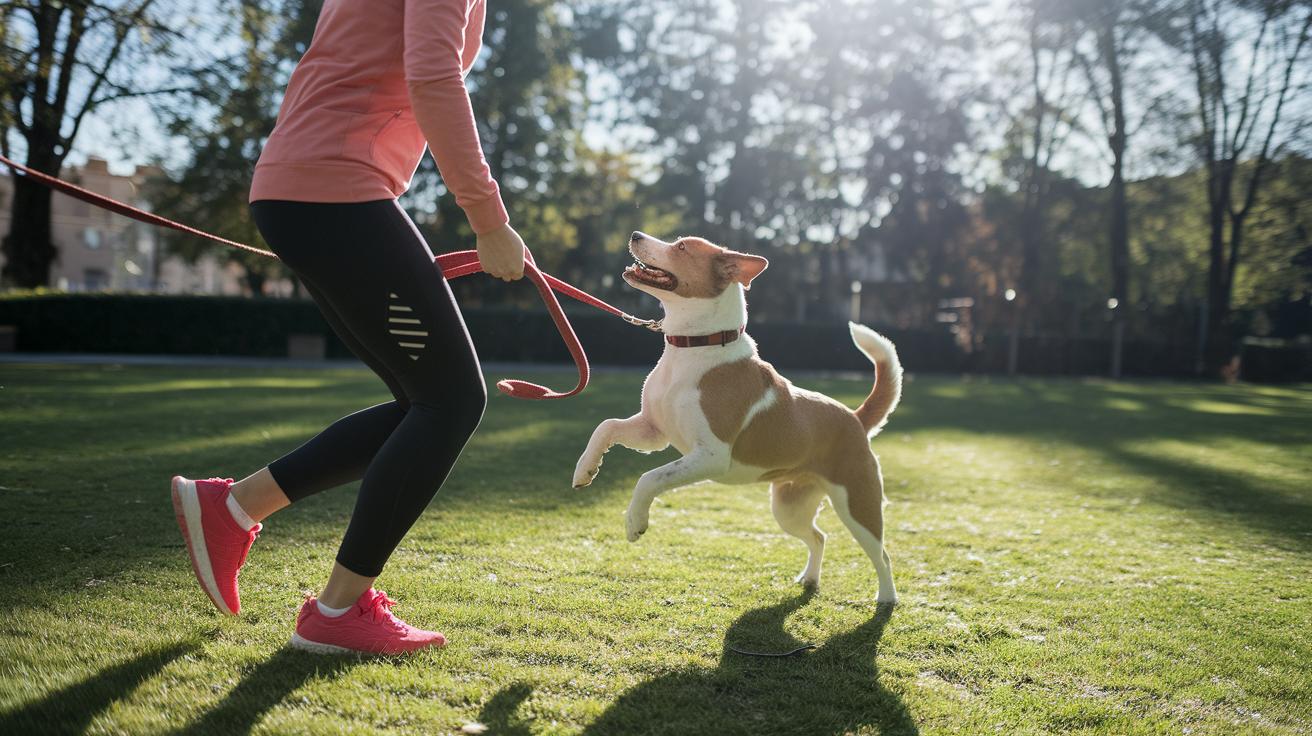
Dogs need exercise to burn extra calories and build strong muscles. A set workout plan keeps their hearts healthy and helps manage weight. Fun, controlled play sessions make it easier for your pup to beat obesity challenges.

A regular routine also deepens the bond between you and your dog. Try new trails, toss a ball for fetch, or add a few steps on your stairs. Mixing short bursts of energy with steady moves keeps things exciting and helps burn calories.

  • Brisk walks on a leash
  • Interval fetch sessions
  • Simple stair routines
  • Treadmill workouts

When planning a workout, choose activities that match your dog's age and fitness level. Younger dogs might enjoy more energetic play, while older dogs do better with gentle moves. Watch for heavy panting or slowing down, and always allow time for warm-ups and cooldown stretches. Regular check-ins with your vet help you adjust as your dog gains strength. For more care tips, see our comprehensive pet care guide.

Feline Fitness Routines to Prevent Cat Obesity

Indoor cats can get bored when there aren’t enough fun things to do. Without regular play, they might put on a few extra pounds that can lead to health problems. A cat tree or a nice climb helps them use their natural instincts while keeping them fit.

Playing together is a great way to get your cat moving. Try using a feather wand or a fun chase game so they can jump and dart. A laser pointer can lead to playful sprints, and a puzzle feeder turns mealtime into a little workout for both body and brain. These activities mix things up and boost their mood.

A few short play sessions every day can make a big difference in your cat’s health. A blend of quick playtime and light stretching works well at home. Encourage your kitty to explore new spots and climb when they can. Daily exercise builds muscle and keeps your cat happy, active, and ready to enjoy indoor life.

Low-Impact Movements for Senior and Overweight Pets

img-2.jpg

Older and heavier pets sometimes need gentle exercise to stay active. Light activities help them move more easily without putting strain on their joints. Always chat with your vet before starting something new. You can also get ideas from our in-home pet care guide.

Gentle Swimming Exercises

Swimming in shallow water is a kind way to relieve joint stress while burning a few calories. A 10- to 15-minute swim a few times a week can help build strength and mobility. Keep the water low and the pace slow to match your pet’s comfort.

Assisted Walks with Support Harness

Using a support harness can make walks safer and more comfy for your aging pet. Try short, slow strolls at a gentle pace. The harness gives extra balance so your pet can enjoy exploring without overdoing it. Adjust the walk time based on how energetic they feel.

Interactive Floor Play

Playing simple games like rolling a ball or using gentle target touches gives pets fun indoor exercise. These low-key games encourage movement without stressing joints. They’re perfect when outdoor walks aren’t an option, helping your pet stay strong and flexible right at home.

Safety Guidelines and Monitoring Progress in Pet Exercise

Keeping an eye on your pet's exercise helps you notice good changes and catch any problems early. Try simple tools like a scale and easy charts that show how healthy your pet is. Mobile apps can track daily activity and calories, giving you a clear look at your pet's progress.

While your pet exercises, watch for signs of trouble. Limping, heavy panting, or slowing down can mean it's time to take it easy. If you see these, stop the workout and let your pet rest a bit longer. And remember, if you plan to change a big part of the routine, check with your vet first.

Enhancing Pet Exercise with Interactive Play and Mental Stimulation

img-3.jpg

Interactive play is a simple way to help your pet move and think. It uses their body and mind so they burn extra calories and stay out of trouble. Fun puzzles and short training sessions help them focus, feel happy, and build confidence. A mix of moving around and solving little challenges makes playtime fun and keeps your pet alert and content.

Try games that get your pet moving and thinking together. For example, hide a favorite toy or treat for a game of hide-and-seek. You can also set up a treat puzzle that needs a bit of thought, or have a quick training session that rewards movement and learning. These playful routines help keep your pet fit and excited while making everyday time together extra special.

Final Words

In the action, we covered simple exercise plans that blend fun and fitness for your pet. We walked through daily routines to maintain a calorie deficit, boost mood, and build a lasting habit. You saw how scheduled walks, engaging play, and gentle stretches make a difference for all pets, from playful kittens to senior dogs. With pet exercise tips to prevent obesity, you can keep your best friend healthy while making each purchase support local rescues and shelters. Every little step helps lead to happier, healthier pets.

FAQ

What are pet exercise tips to prevent obesity at home?

The pet exercise tips to prevent obesity at home suggest incorporating regular walks, interactive indoor play, and scheduled activity breaks to keep your furry friend active and help manage calorie burn.

How can I prevent pet obesity?

Pet obesity prevention involves monitoring daily food portions, providing balanced meals, and ensuring consistent physical activity through playful and structured exercise routines designed to keep your pet healthy.

What should a dog weight loss exercise plan include?

A dog weight loss exercise plan should include activities like brisk walks, fetch games, and agility exercises. A steady schedule and regular vet check-ups help ensure safe and effective weight loss.

How do I help my dog lose weight without exercise?

Helping your dog lose weight without exercise means focusing on a controlled diet and portion sizes, selecting low-calorie meals, and consulting your vet to adjust feeding schedules and ingredients.

What does it mean if my dog is losing weight but eating normally?

My dog is losing weight but eating normally could indicate an underlying health issue. A vet evaluation is essential to rule out conditions affecting absorption or metabolism.

How do I determine how much to feed my dog to lose weight?

How much you feed your dog to lose weight depends on age, breed, and activity level. Use a dog weight loss calculator or consult your vet for personalized feeding recommendations.

What benefits does dog weight loss food offer?

Dog weight loss food is designed with lower calories and higher fiber to help your pet feel full while losing weight. It should be used along with a vet-approved diet plan to ensure safety.

What is the fastest way for a dog to lose weight safely?

The fastest way for a dog to lose weight safely includes a controlled diet, moderate exercise, and regular vet guidance. Steady, gradual weight loss is key to avoiding health risks.

Pet Adoption Event Checklist For Stress-free Planning

0

Feeling overwhelmed about planning your pet adoption event is normal. You are not the only one. Many pet parents and volunteers wonder how to keep things simple and fun. Our checklist breaks things down into clear steps. You can set your goals, plan your budget, get the permits you need, and choose a cozy venue. With our friendly guide, you can ease your stress and make it a day full of joyful adoption stories. Let’s work together to create a day that brings every pet closer to a loving home.

Pet Adoption Event Checklist for Stress-Free Planning

  1. Set Your Event Goals
    Think about the main purpose, like finding loving homes for rescue pets. This goal lays the foundation for your event.

  2. Plan Your Budget
    Write down all costs, from renting the space to printing flyers. Remember to include permits, simple decorations, and snacks if needed.

  3. Get Permits Early
    Contact your local office to apply for any permits. Keep in mind that approvals can take 6 to 8 weeks.

  4. Choose the Perfect Venue
    Look for a location with both indoor and outdoor space, like a community center with a garden. Make sure there is enough room for pet care areas, check-in spots, and demo stations.

  5. Recruit Your Volunteers
    Find helpers to take on roles like registration, guiding pets, and running a photo booth. A handy tip: make one volunteer the main person at each station.

  6. Plan Pet Care Stations
    Set up areas where pets can get simple check-ups. Think of a spot for quick vet visits, a play zone, and a wash-up area with warm water and sanitizer. Keep log sheets for vaccinations and check-ups.

  7. Prepare Event Signs
    Create clear signs for the event. You can use digital screens or printed signs and adjust the language for your local crowd.

  8. Organize the Registration
    Set up an easy registration process with simple forms and a check-in desk. Aim to handle around 50 guests each hour.

  9. Build a Simple Marketing Plan
    Schedule a few social media posts and share heartwarming adoption stories from past events. This helps spread the word about how special your event is.

  10. Follow Up After the Event
    Collect feedback, share happy adoption stories, and update your sponsors. This step helps make your next event even better.

  11. Record the Day
    Take pictures and make notes about what worked well and what could be improved. This will help you connect with your community and plan future events more smoothly.

Pre-Event Planning Essentials for a Pet Adoption Event

img-1.jpg

Start your planning 12 weeks ahead. Set clear goals and a simple plan for your event. At this point, you decide on the theme, choose the venue, plan the layout, and set a basic budget. It’s also a good idea to list out what each task needs and draft a rough timeline.

Next, get your permits in order. Community centres or parks may take 6 to 8 weeks for approval. Beginning this early gives you time to adjust if needed.

Reach out to sponsors to help cover costs. Create packages that offer things like a bouncy castle or catering services, with options for cash support and brand placements. Even items like custom signs from Etsy, which might cost about £20 plus extra fees for sizing, should be included in your budget.

Keep your budget clear. Write down costs for venue hire, tables and chairs, signs, on-site vet checks, and all your marketing materials. Remember to set aside a bit extra for any surprises.

Lastly, put together a host guide. This guide should list roles, contact information, and a clear schedule for the day. Share this guide one week before the event so everyone knows their part.

Timeline Milestone Task
12 weeks Define goals, outline the plan, and set a budget
8 weeks Apply for permits and start sponsor outreach
6 weeks Confirm the venue, finalize budget details, and secure sponsor commitments
4 weeks Lock in contracts for services and order custom signage
2 weeks Review all supplier orders and volunteer schedules
1 week Distribute the host guide with roles, contacts, and the final schedule

Selecting and Preparing a Venue for a Pet Adoption Event

Find a space that has both indoor and outdoor areas. A community center with a garden can be great. You can use parts of the center for adoption kennels, a check-in desk, a demo zone, and a spot for snacks. Plan a layout that helps people move easily from one area to the next. Good signs and banners make it simple for guests to find what they need.

Check that the spot can fit sturdy cardboard kennel boxes that come with windows to see the pets. You might also need digital signs in the local language. Sometimes even a simple set of signs may need a small upgrade. So, set aside a bit of extra time and money for these tweaks.

Make sure there are enough power outlets for sound systems, laptops for checking in, and stations with water for your guests. Look over the utilities to ensure they can handle any extra equipment you plan to use. Also, be sure that there are enough portable restrooms for everyone. With a careful plan and the right checks, your venue will be a warm and organized home for a smooth pet adoption event.

Coordinating Volunteers for a Pet Adoption Event

img-2.jpg

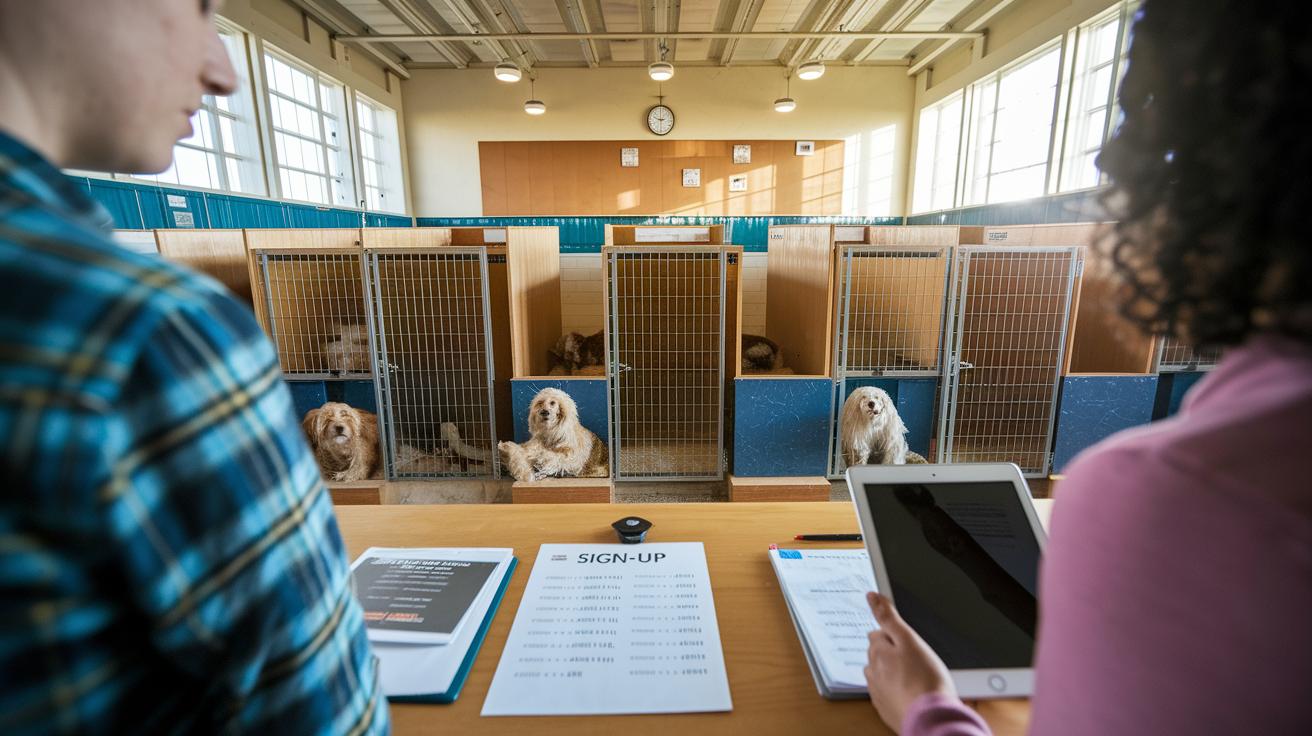
Start by inviting helpers and explaining what each job is. For example, you can ask someone to register guests, guide pets through the kennels, assist with vet check tasks, run a photo booth, or keep an eye on the crowd. We use a simple sign-up sheet at the desk so each volunteer can help check in about 50 people every hour.

Make a clear plan that tells everyone when to work and when to break. For instance, have the morning team handle registration and guide pets from 9 to 12, and then let the afternoon team take over from 12 to 3. A short daily meeting helps update tasks and answer any questions.

Hold a one-hour training session with fun items like play stethoscopes and toy bandages. This makes it easier to practice handling pets, following safety rules, and using proper pet care methods. Your training session can cover:

  • Each volunteer's job
  • Safety steps for guiding pets (like a checklist for safe pet walking, cleaning stations between visits, and helping adopters)
  • Quick tips for overcoming common problems
  • A brief question and answer time

Plan a quick 15-minute update before busy times. This meeting can share any new instructions or reminders about guiding pets and managing the registration desk. With clear roles and regular training, your team will help the event run smoothly and ensure every pet and adopter feels well cared for.

Setting Up Pet Care Stations at a Pet Adoption Event

Begin with a fun vet check station that looks like a playful clinic. Set up a table like a vet's desk with real bandages and clippers. This station quickly checks pets and makes them feel special. Keep a simple log so staff can verify that each pet has a rabies shot and record their microchip number. For example, you can jot down details like "Record 8-inch Aurora Mini Flopsies' check-up for extra safety."

Next, create a spot for a brief grooming check. Set out pet-safe wipes and mini brushes for a quick cleaning and checkup. This little grooming stop shows adopters that each pet is well taken care of.

Pay close attention to cleanliness with these simple steps:

Step Description
Hand Sanitizing Place hand-sanitizer stations at every pet interaction area.
Waste Disposal Mark clear waste bin areas for used pads and cleaning materials.

Finally, set up hydration stations for both pets and guests. Arrange several water dispensers around the event, aiming for one per 25 attendees or pets. This way, everyone, whether furry or human, stays cool and refreshed throughout the day.

Promoting Your Pet Adoption Event with Effective Marketing

img-3.jpg

Start by making fun digital and print materials that show the joyful, caring spirit of your event. Use simple designs from Etsy and update them with local language and your logo. Imagine a bright sign saying, "Bring your furry friend home today!" This kind of design has helped past events get over 300 shares with heartwarming photos.

Plan your social media posts carefully. We suggest posting every day on Facebook, Instagram, and Twitter. Set up a calendar so you can count down the days. For example, you might share a post like, "Only 3 days left until #Home4Paws brings joy to our community!" During the event, share live updates every 30 minutes so everyone can enjoy real-time stories of new adoptions.

Print A5 flyers to spread the word locally. Make sure each flyer has important details such as the event date, time, a map of the location, sponsor logos, and the steps for adopting a pet. Print about 500 copies and hand them out at community centers and pet stores.

Write a short press release, too. Mention something like, "Over 25,000 pets have found loving homes during National Adoption Weekends." This message can grab the attention of local papers and radio stations.

Use a mix of clear words and friendly visuals to bind your plan together. With a thoughtful schedule and a warm, genuine message, your event will surely bring the community together for a wonderful day.

Implementing Safety Protocols and Emergency Planning at a Pet Adoption Event

Begin by checking for any hazards at your event. Look at places such as the bouncy castle, bubble play areas, and spots where pets meet. For instance, make sure the bouncy castle floor does not get slippery from bubbles. Write down any dangers you find and plan how to fix them before the event starts.

Next, set up a first aid station with plenty of supplies. Keep items like plasters and antiseptic nearby, along with a list of local emergency vets. Let your team know where the station is and how to act in emergencies. A quick drill can help everyone feel ready.

Review your insurance details to be sure you are covered for property damage and pet incidents. This gives you a safety net if something unexpected happens. It is also smart to have a clear emergency contact list ready.

Lastly, organize waste management by placing clear bins for paper, plastic, and biohazard items. Arrange for someone to collect the waste each hour so that the area stays clean. These steps help build a solid plan that keeps the event fun and safe for pets, adopters, and everyone involved.

Post-Event Follow-Up for a Pet Adoption Event

img-4.jpg

After a pet adoption event that went well, following up is key. We start by collecting the sweet adoption stories from pet parents. Try to gather about 50 testimonials in the first week. These real stories show that the event made a difference for many furry friends.

Next, send a short 5-question email survey to everyone 48 hours after the event. Ask how they felt, what they enjoyed, and what could be better next time. Their feedback will help shape future events.

Then, put together a simple report with the main numbers. Include the total applications, the number of adoptions, sponsor donations, and overall costs. This report helps everyone see the real impact of the event.

Also, set up a donation booth and add an online donation link so pet lovers can help local rescues. Offer a small, branded thank-you card to show your appreciation.

Finally, share the new pet owner care guide with adopters so they can care for their new family member with confidence.

  • Collect 50+ adoption testimonials
  • Send a 5-question survey 48 hours after the event
  • Create a report with adoption numbers, sponsor details, and costs
  • Set up a donation booth and online donation link
  • Share the new pet owner care guide with adopters

Final Words

In the action, you explored key steps from early planning and venue selection to volunteer coordination and safety checks. We broke down the timeline into easy tasks, shared tips for effective marketing, and mapped out post-event follow-up strategies. Every piece of this guide ties back to creating smooth, successful pet gatherings. With our pet adoption event checklist in hand, you can confidently host an adoption event that welcomes more furry friends into loving homes. Enjoy the process, and here's to many successful events that leave a lasting impact.

FAQ

What does a pet adoption event checklist template include?

The pet adoption event checklist template includes tasks from early planning to follow-up. It outlines permits, budgeting, venue scouting, volunteer roles, marketing plans, pet care stations, and safety protocols.

How can I find a pet adoption event checklist PDF?

The checklist PDF serves as a ready-to-use guide, detailing goal setting, sponsor outreach, permits, volunteer coordination, and post-event steps to make your event run smoothly.

What does a pet adoption event checklist for cats or events in California look like?

A checklist for cat events or those in California highlights cat-friendly venues, local permit requirements, specialized safety measures, and tailored volunteer training and pet care to meet feline needs.

What are some ideas for dog and cat adoption events?

Dog and cat adoption event ideas include memorable themes, interactive pet zones, fun photo booths, pet care stations, and engaging storytelling that boosts community connection and safe adoptions.

What is the 3-3-3 rule and the 3 day rule for adopting dogs?

The 3-3-3 rule advises taking 3 days to see an immediate fit, 3 weeks to build routines, and 3 months to check long-term adjustment. The related 3-day rule focuses on monitoring the dog’s early adaptation for any issues.

How do I organize a pet adoption event?

Organizing an event means planning early with clear goals. Secure permits, scout a venue, recruit and train volunteers, set up pet stations, and promote the event using both digital and print channels.

Pet Car Seatbelt Safety Tips: Enjoy Secure Rides

0

Have you ever thought about your pet's safety when you drive? Just like you buckle up, your furry friend needs a secure seatbelt too. A good pet seatbelt helps keep them safe during quick stops or small bumps on the road. We’re here to share easy tips and gear ideas that work. Our guide covers snug harnesses and pet-friendly carriers. Ready to make every car ride safe and calm for you and your best friend?

How to Secure Your Pet with a Car Seatbelt

When you buckle up, make sure your pet is buckled up too. A good pet seatbelt keeps your little friend safe if you need to stop suddenly or in an accident. A strong harness or carrier helps prevent injuries like broken bones or fractures.

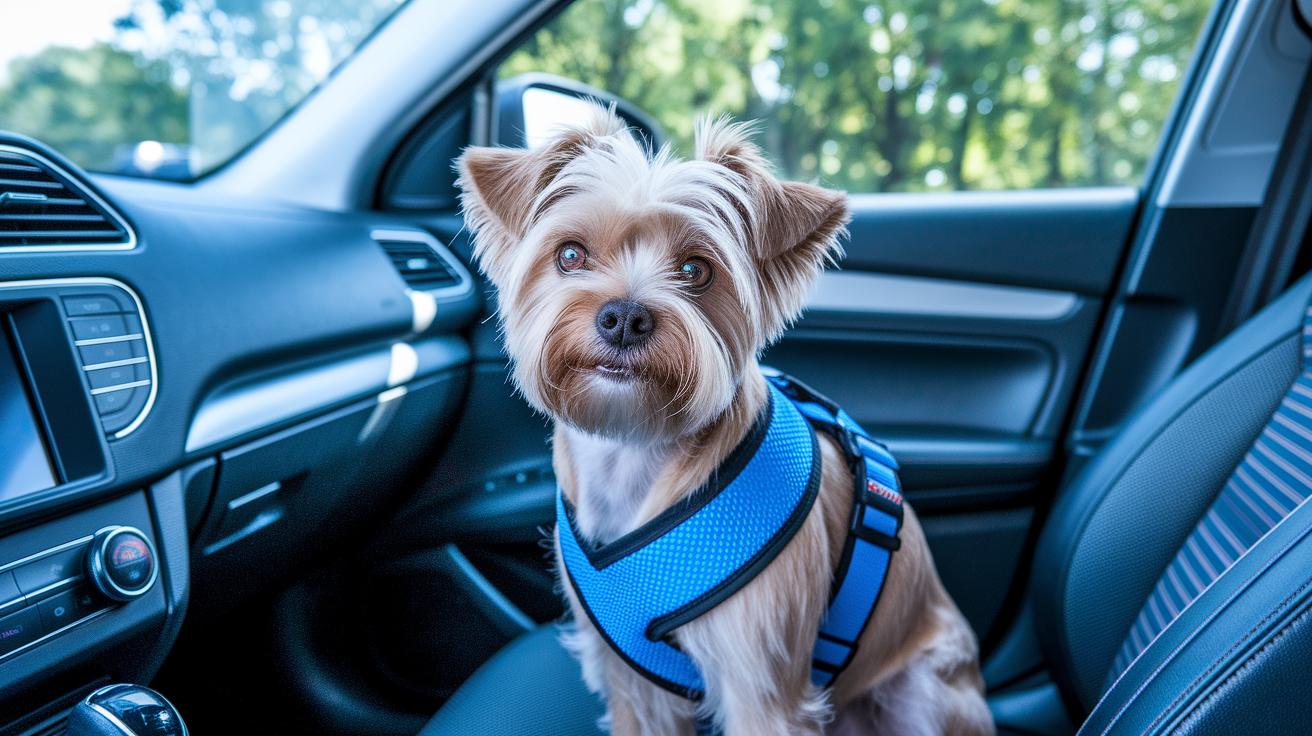
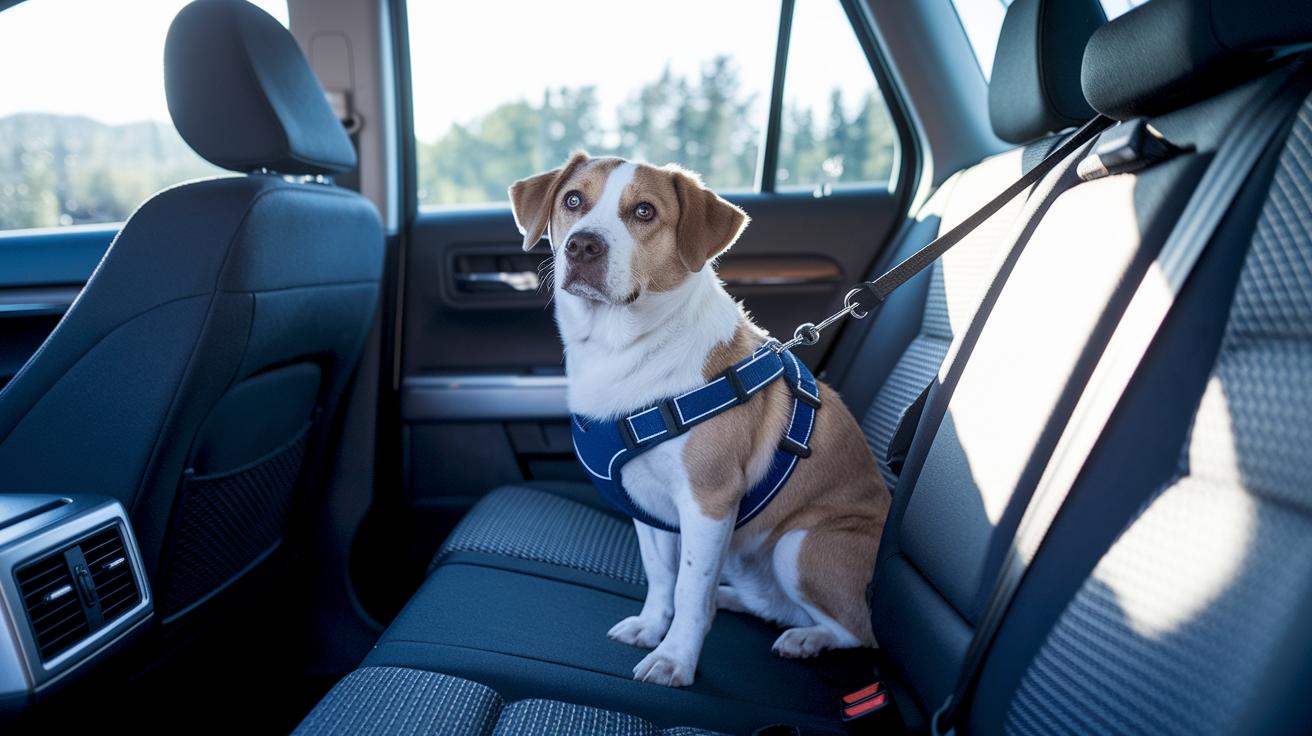
For dogs, a harness made just for them works best because a regular seatbelt may not fit all breeds. Small dogs and cats should ride in carriers that clip to the seatbelt, while larger dogs need a harness that attaches tightly to the belt. This helps cut down on collisions and stops your pet from moving around and distracting you.

Before every trip, follow these simple steps:

  • Pick a restraint that fits your pet's size
  • Clip the harness or carrier to the seatbelt slot
  • Make sure the buckle is locked
  • Adjust the straps for a secure, comfy fit
  • Give it a quick tug to check its hold

Make sure the gear is snug but comfortable. Your pet should be safe without feeling squished. A quick check of the buckle can keep distractions to a minimum and help protect your pet in an emergency. Using the right safety gear means both you and your pet can relax and enjoy the ride.

Types of Pet Seatbelts, Harnesses, and Carriers

img-1.jpg

When it comes to keeping your pet safe on the road, the right restraint makes a big difference. A crash-tested harness lets your pet sit or stand while stopping them from moving forward in a sudden stop. It works great for everyday dogs who love to move but need a little extra safety. A zipline harness clips onto a cargo hook, so active dogs can enjoy a bit of roaming in the back seat while still being safe.

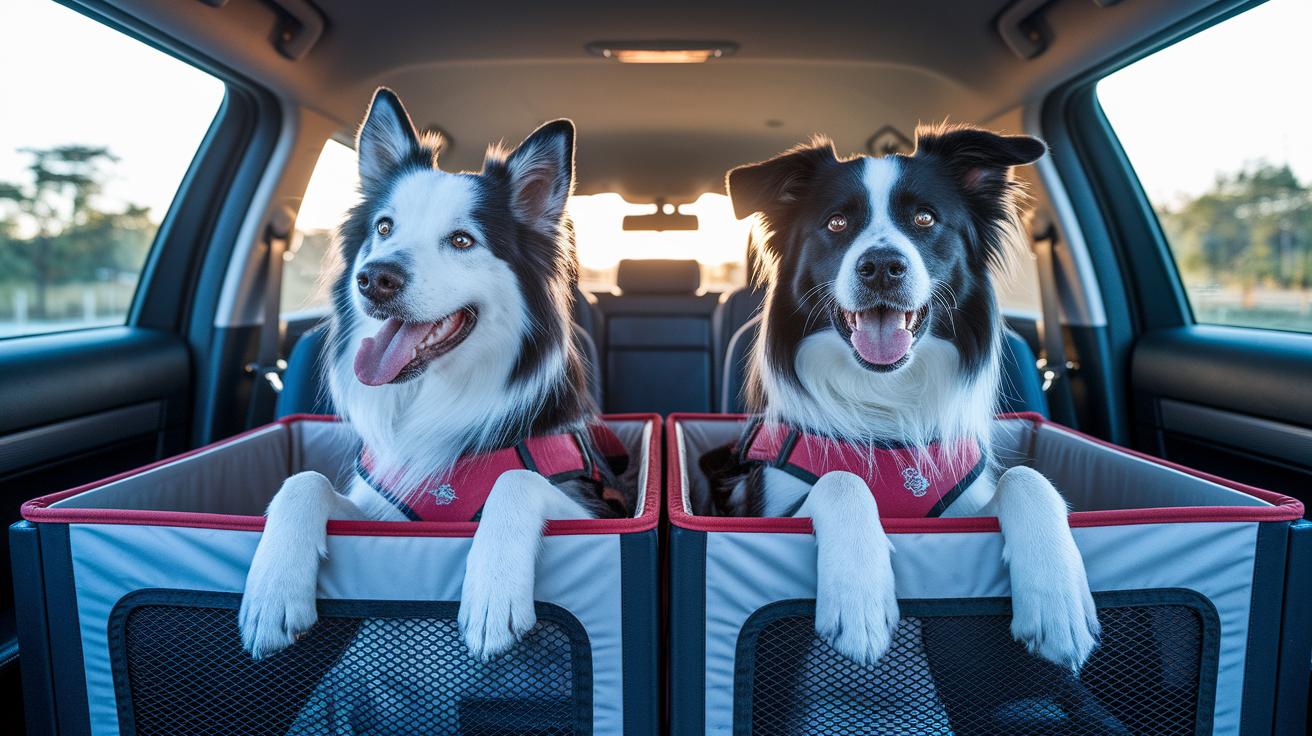
Crash-tested crates offer a secure space for your pet. They give enough room to stand, turn, and lie down, and they stay firmly in place during the ride. This option is perfect for dogs that need a bit of extra space and some confinement. Plush carry boxes create a warm, cozy environment for small or anxious dogs. These boxes let your pet see what’s going on outside without giving up safety.

Back seat hammocks add extra comfort, especially for older pets or those who love a soft ride. They help keep your pet from sliding off the seat by forming a safe barrier that also absorbs bumps. For larger dogs that find full restraints tricky, back seat barriers can hold them in place while still letting fresh air flow through.

Using the right restraint not only keeps your pet safe but also helps you focus on the road. Always choose gear that fits your pet’s size and personality. And remember to check that everything is installed properly before you start driving.

Type of Restraint Best For Key Feature Installation
Crash-tested harness Everyday dogs Stops forward launch Clips to seatbelt
Zipline harness Active dogs Controlled movement Attaches to cargo hook
Crash-tested crate Vigorous or anxious dogs Offers room and safety Secured inside car
Back seat hammock Senior or comfort-needing pets Cushions and contains Straps to back seat

Step-by-Step Pet Harness Installation Guide

Make sure you follow these five simple steps for a safe, secure, and comfy harness for your furry friend:

  1. Measure & select correct size
    Measure your pet's chest and check their weight. This helps you pick a harness that fits like a favorite t-shirt.

  2. Clip to belt receiver or anchor
    Fasten the harness by clipping it to your car's seat belt or anchor. Listen for a click to know it’s secure.

  3. Adjust for snug fit
    Tighten the straps until you can slide two fingers between the harness and your pet. This keeps it snug but comfortable.

  4. Verify buckle engagement
    Check that the collar, chest plate, and belt are all fastened properly while still giving your pet room to move.

  5. Simulate stress test
    Gently tug on the harness or mimic a quick stop to make sure everything stays in place before you head out.

Acclimating Pets to Seatbelt Harnesses and Traveling Safely

img-2.jpg

Start with quick rides of 5 to 10 minutes. Offer a treat, kind words, or a favorite toy. This helps your pet see the harness as a part of a fun adventure.

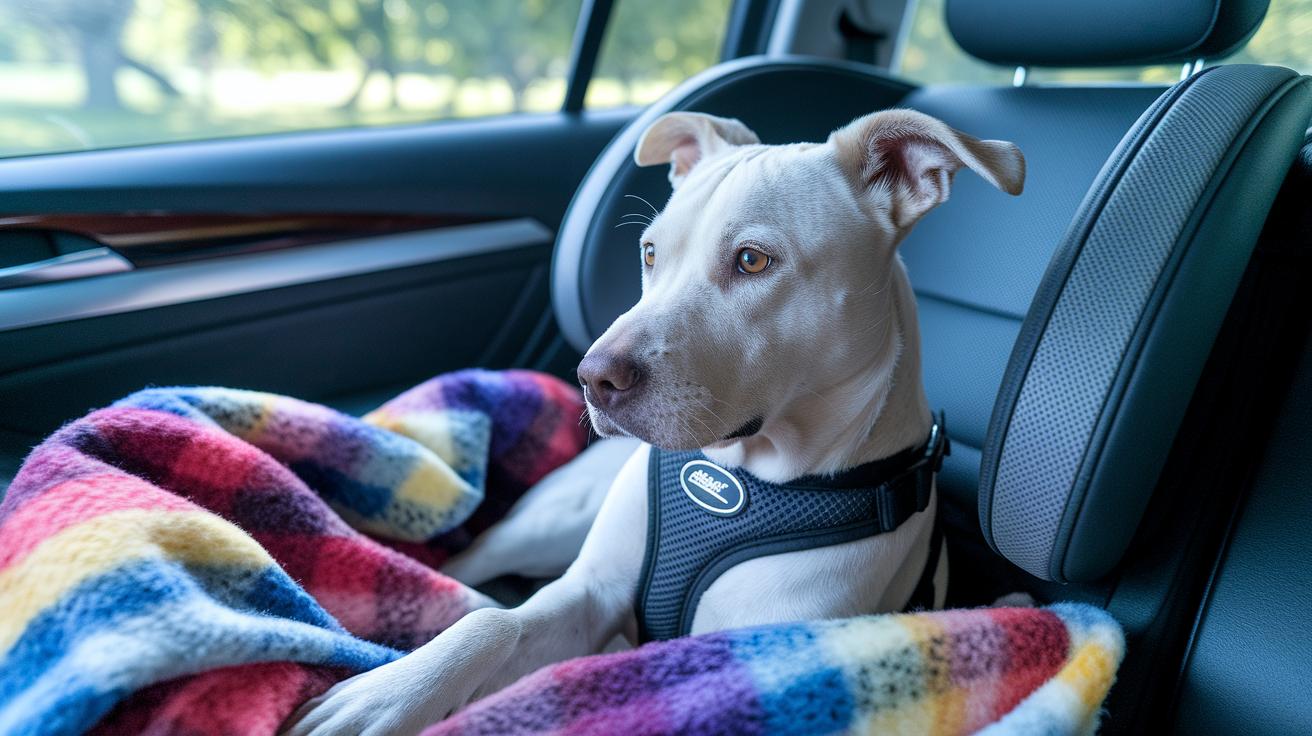
Bring along a familiar blanket or bedding. This little piece of home can ease anxiety and make the car feel safe. Keeping the car calm and playing soft music can also help.

If you notice signs of motion sickness or worry in your pet, talk to your vet about options like anti-nausea or anti-anxiety remedies. Slowly lengthen the rides to build confidence. Celebrate every small win.

It’s a smart idea to keep a pet first aid kit handy. Pack essentials like bandages, a spare leash, a collar, the harness, and even a muzzle for emergencies. Also, jot down local emergency vet contacts along your route.

By taking it slow and using plenty of positive rewards, you're making travel safe and fun for both you and your pet.

Essential Road Trip Safety Tips Beyond Seatbelts for Pets

We know your pet's safety matters to you. Plan a stop every 2 to 3 hours so your pet can take a potty break, drink some water, and stretch those legs. This not only keeps your furry friend comfortable but also helps you stay alert behind the wheel. Picture a small rest stop where your dog gets a little walk and a quick sip.

Keep your car doors and windows securely closed. Even if open windows look tempting, they can lead to accidents during sharp turns or sudden stops. A secure car means extra peace of mind as you drive.

Check that your pet's ID is current. A microchip can really help bring your pet home if they wander off. Pets with microchips have a much higher chance of being reunited with you.

Pack fresh water, food, and bowls for the trip, and keep an eye on the temperature inside the car. It's also wise to have a pet first aid kit close by. And why not keep a list of local vets for your route? That way, you're ready if something happens.

By taking these extra steps, you're helping to create a safe road trip for your pet, way beyond just using a seatbelt.

Cleaning, Maintenance, and Inspection of Pet Seatbelt Gear

img-3.jpg

Your pet's ride is safer when their gear is clean and secure. After each trip, hand wash the harnesses and straps with a mild detergent and let them air dry completely. A simple tip: if your pet gets muddy, clean the gear like you would wash their favorite blanket.

Before every outing, check all seams, buckles, and attachments for wear or damage. Think of it like making sure a bicycle has no loose parts. If you find any stiff metal buckles, a tiny drop of lubricant can help. Replace any worn or frayed straps right away and store the gear flat or hang it up so it keeps its shape.

Taking care of these steps makes the gear last longer and keeps your pet safe and comfortable on every ride.

pet car seatbelt safety tips: Enjoy Secure Rides

Many states now require you to keep your pet secure during car rides. That means you need a pet seatbelt, a harness, or a crash-tested pet carrier. When you shop, look for gear that has a crash-test certification. Marks like ASTM show it meets the proper standards.

Using approved gear not only follows the law but also makes your car safer. A pet that is properly secured will stay in place during sudden stops, which can help avoid injuries like broken bones or organ damage. Manufacturers add extra safety features to lessen risks in a crash.

Follow your state's rules and check your pet's safety gear each time you travel. Your care makes a big difference in keeping your pet safe on the road.

Final Words

In the action of this guide, we covered practical steps to keep pets safe on the road. We walked through choosing gear that fits, securing harnesses and carriers properly, acclimating pets with quick practice rides, and even cleaning and legal tips for pet travel.

Remember these key points:

  • Pick the right size
  • Secure the harness
  • Adjust for a snug fit
  • Test every buckle
  • Stay compliant with local rules

Use these pet car seatbelt safety tips to enjoy stress-free rides while supporting rescues.

FAQ

What are pet car safety harness options?

The pet car safety harness options include crash-tested and adjustable designs that secure dogs during travel. These harnesses help reduce injury and distractions, ensuring your pet stays safe while you drive.

Should dogs wear seat belts in the car, and are dog car seat belts safe?

The idea behind dog seat belts is that they keep dogs secure and prevent injury during sudden stops. Well-designed, crash-tested belts and harnesses offer a safe way for your pet to travel comfortably.

What is the safest dog seat belt or harness?

The safest dog seat belt or harness is one that fits properly, is crash-tested, and clips securely into your car’s seatbelt receiver. Options like the updated 3-in-1 designs balance comfort and protection.

How do you secure a pet carrier or dog with a seat belt?

The process to secure a pet carrier involves clipping the carrier’s buckle into the car seatbelt receiver and ensuring a snug fit. This straightforward attachment keeps your pet stable during your drive.

Why might some dog trainers not recommend harnesses?

The concern from some dog trainers about harnesses arises from fears of restricting a pet’s natural movement. However, many modern harnesses are designed to be supportive while preventing injury in a car crash.

What Is Clicker Training: Happy Pet Method

0

Have you ever noticed how some pets pick up tricks quickly while others need a bit more time? Clicker training uses a small device that makes a clear, short sound every time your pet does something right. That sound tells your pet that they did well and often comes with a treat or kind words right away.

In our post, we explain the Happy Pet Method. It makes training fun by using simple, clear cues that boost your pet's confidence. It’s a smart way to show your pet that good behavior really does bring rewards.

What is Clicker Training: Happy Pet Method

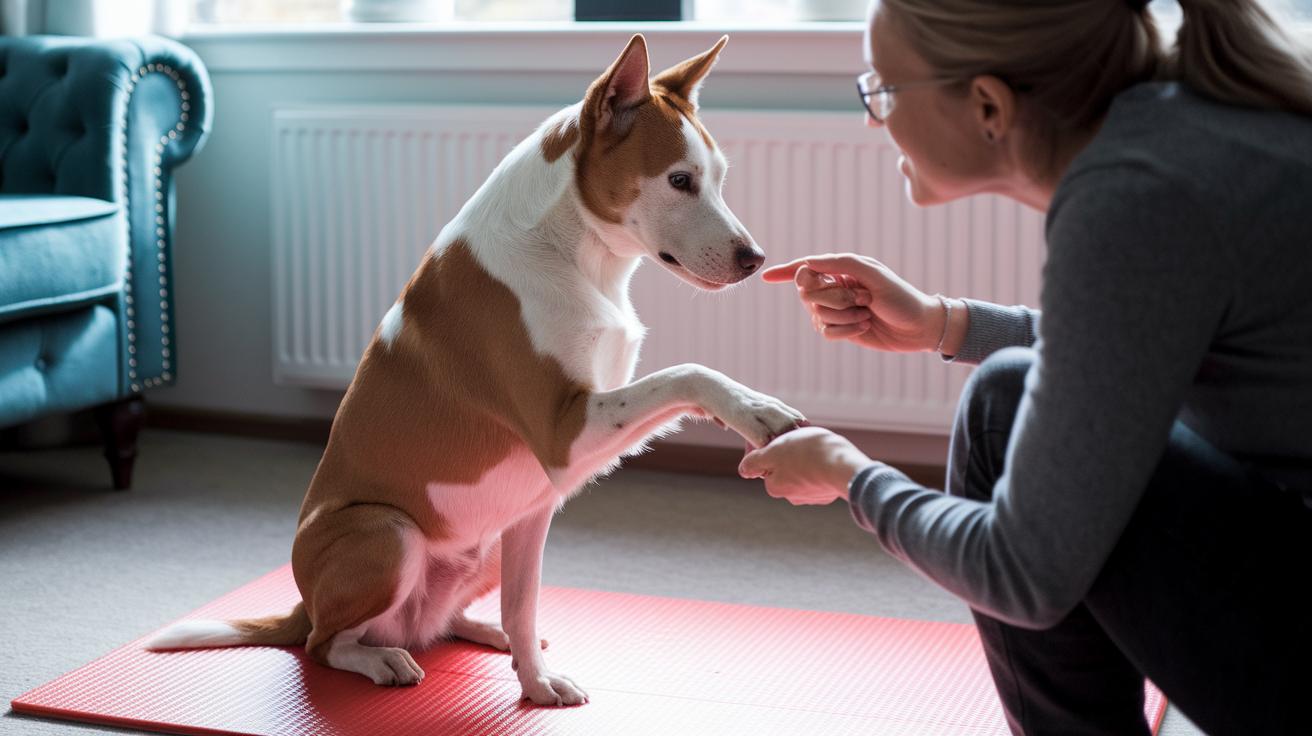
Clicker training is a fun, positive way to teach your pet new behaviors. You use a small device to make a clicking sound exactly when your pet does something right. That click shows your pet what action earned a treat or kind praise.

With clicker training, you add a reward soon after the click. For example, if your dog sits and you click at the moment he sits, you then give him a treat. This method focuses on rewarding good behavior instead of removing things your pet likes.

It is important to click at the very moment your pet acts. This helps your pet connect the sound with a reward. Over time, the click itself becomes a cue for a reward, making learning fun and building your pet's confidence.

Origins and Evolution of Clicker Training Devices

img-1.jpg

Back in the mid-1900s, researchers like B.F. Skinner studied how animals learn. They found that a clear sound, like a click, marked the exact moment an animal did something right. This idea helped set the stage for using sound cues to shape behavior. Early experiments showed that simple sounds made it clear which actions were rewarded.

By the 1960s and 1970s, trainers working with dolphins and whales used sound signals to encourage more complex tricks. Then, in the 1980s and 1990s, Karen Pryor made clicker training a hit with dog owners. What started as low-cost plastic clickers grew into a range of sound and digital tools that help us reward our pets in many different ways.

Clicker Training Fundamentals Explained: Core Principles

Clicker training is a science-backed way to teach your pet new tricks using clear signals and rewards. When you use a clicker, your pet hears a distinct sound right when they do something right. Pair that sound with a treat or some kind words, and your pet quickly learns that good behavior has a positive outcome. Using the clicker every time with clear rules helps your pet understand exactly what earns a reward.

  • Mark the right action immediately
  • Always follow the click with a treat or praise
  • Clearly define which behavior gets marked
  • Build new skills step by step
  • Keep training calm and stress-free

These basics form a strong foundation for learning. It’s important to click right after your pet does the right thing. This quick timing helps them connect the behavior with the reward. Breaking a trick into small steps makes training fun and manageable for both you and your pet. By keeping your approach consistent and always pairing the click with a reward, your pet stays engaged and motivated. This method boosts their confidence and creates a caring, respectful training space.

How Clicker Training Reinforces Behavior: Mechanics of Auditory Cues

img-2.jpg

When you use a clicker, its sound gets linked with something your pet loves, like a yummy treat or kind praise. Every time you click at the right moment, your pet learns that the sound means a reward is coming. It’s like giving them a little hint that says, "Good job, here comes your reward!"

Clicker training works with two simple ideas: capturing and shaping. Capturing means noticing a behavior when it happens and marking it right away. Shaping involves breaking a trick into small, easy steps. You might start by giving a treat every time your pet does the trick, then slowly switch to offering treats only sometimes so the behavior sticks. It’s like putting together a puzzle piece by piece so your pet can learn the full trick gradually.
We know no training method is perfect. Clicker training is meant to be fun and stress-free, but sometimes life throws a curve. Trainers work hard to keep any bumps to a minimum so that the focus stays on positive cues. In the end, clear and loving training makes it easier for both you and your pet to enjoy learning together.

Practical Applications of Clicker Training for Dogs, Cats, and Equines

Clicker training is a fun and clear way to help your pet learn. It uses a simple sound to mark the moment your pet does something right. This method works great for training dogs, cats, and horses, and it helps every pet feel understood and safe.

Using Clicker Training with Dogs

Dogs pick up basic commands like sit, stay, and come quickly when the click marks exactly when they do the right thing. A steady click paired with a reward, like a tasty treat, lets your dog know they earned the praise. Think of it like snapping a quick picture of their best moment. When your dog sits on command, click and give a delicious treat. This clear way of training helps reduce bad behavior and builds strong, positive habits.

Using Clicker Training with Cats

Cats may act independent, but they love clear signals that work with their natural curiosity. With clicker training, you can guide your cat to use the litter box, walk on a leash, or even do simple tricks. The click sends a quick message that they did something right. This turns everyday training into a fun mini-adventure, boosting your cat’s confidence and deepening your bond.

Using Clicker Training with Horses

Clicker training also works well with horses, improving both groundwork and riding cues. The method helps your horse understand commands like walking calmly or responding to subtle riding signals. The click effectively connects a good move with a reward. This friendly approach makes training sessions safe, clear, and enjoyable for your equine friend.

Common Mistakes and Tips for Effective Clicker Training

img-3.jpg

Sometimes even a great training tool like the clicker can go off track. When it doesn't work right, your pet might get mixed up or not learn as fast as you hope. Here are some common slip-ups and simple tips to keep your training clear and fun:

  • Clicking too late can mark the wrong action
    Tip: Click right when your pet does what you want so they know you mean it.

  • Not always following the click with a reward makes it less clear
    Tip: Always give a treat or kind words after the click, so your pet gets the signal.

  • Using the clicker too much without clear rules can confuse your pet
    Tip: Save the click for showing off specific behaviors and keep your rules steady.

  • Not easing out the clicker as your pet learns can hold back progress
    Tip: Gradually use the clicker less over time as your pet learns the trick.

  • Giving treats that your pet isn’t excited about can lower their drive
    Tip: Pick treats that your pet really loves to keep them interested.

  • Ignoring a mix of rewards might let the behavior fade away
    Tip: Slowly shift from every click reward to a varied plan to keep the behavior strong.

Final Words

In the action, we've seen how clicker training works by marking a pet's exact behavior with a click and rewarding it immediately. We covered its origins, core principles like precise timing and positive reinforcement, and its practical uses for dogs, cats, and horses. You also learned common mistakes to avoid along the way. Wondering what is clicker training? We hope you feel empowered to try these clear, vet-recommended methods and enjoy making a positive, ethical impact on your pet's life.
FAQ

What is clicker training used for?

The clicker training is used for marking and reinforcing desired behaviors in animals. It uses a unique click sound paired with a reward to shape behavior gradually.

Is clicker training bad?

The clicker training method isn’t inherently bad. It relies on precise timing and positive reinforcement; mistakes come from inconsistent use rather than the clicker itself.

What is clicker training for dogs?

The clicker training for dogs teaches basic cues like sit, stay, and recall. The click marks good behavior paired with a treat, making learning fun and clear.

What does being clicker trained mean?

Being clicker trained means using a precise click sound to mark a desired action, followed by a reward. This technique reinforces learning and guides behavior in a positive way.
What does clicker training mean in non-traditional contexts?

In some urban, pet play, or trans contexts, “clicker training” can have varied meanings. Check reliable sources to distinguish these slang uses from the standard animal training method.

Does clicker training work on humans?

The clicker training method is mostly designed for animals. While some apply its positive reinforcement ideas to human habits, its primary success lies in pet training.

Flea Treatment With Diatomaceous Earth For Happy Pets

0

Have you ever wondered if a natural powder can protect your pet from fleas without harsh chemicals? Diatomaceous earth is made from fossilized shells and works simply yet well. When fleas land on this soft powder, its tiny sharp pieces damage their outer layer and dry them out. You could see fewer fleas in just a few hours. This gentle method keeps both your home and your pet safe without relying on chemicals. Keep reading to see how diatomaceous earth can help keep your furry friend happy and healthy.
How Diatomaceous Earth Eliminates Fleas Quickly and Safely

Diatomaceous earth is a soft, powder-like substance made from the fossilized shells of tiny water plants called diatoms. It is mostly made of silica. This natural remedy takes a simple, physical approach to getting rid of fleas. When a flea touches the powder, its tiny, sharp particles cut through the flea's outer shell. This cut lets the flea lose its natural oils, and soon the flea dries out and dies.

Did you know that fleas can start dying within 4 hours of touching diatomaceous earth? For the best effect, we leave the powder in place for about 48 hours. That way, even fleas hiding in carpet fibers or small cracks are reached.

Feature Benefit
Non-toxic Safe for you, your pets, and your home
Works physically No harmful chemicals or poisons used
Food-grade Safe if kept dry for both pets and people

We love using diatomaceous earth because it lets us care for our furry family without harsh chemicals. It fits nicely into an eco-friendly pest control plan that keeps pets happy and homes healthy.

Applying Diatomaceous Earth for Flea Control in Home and Yard

img-1.jpg

Indoor Flea Treatment Application

DE is a natural way to help keep fleas away from your home. Here’s how you can use it:

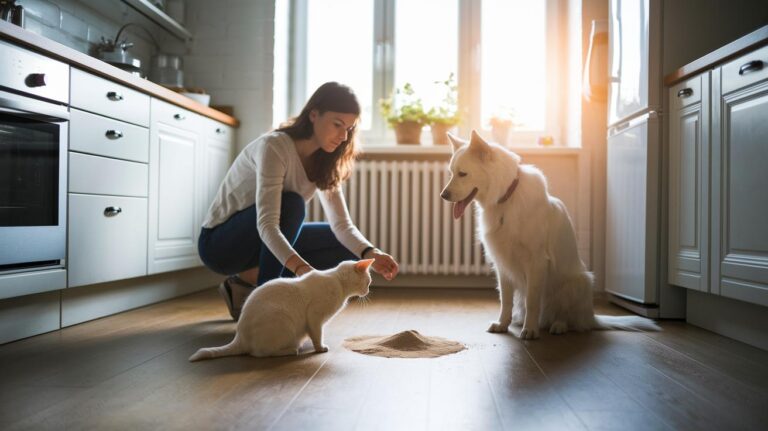
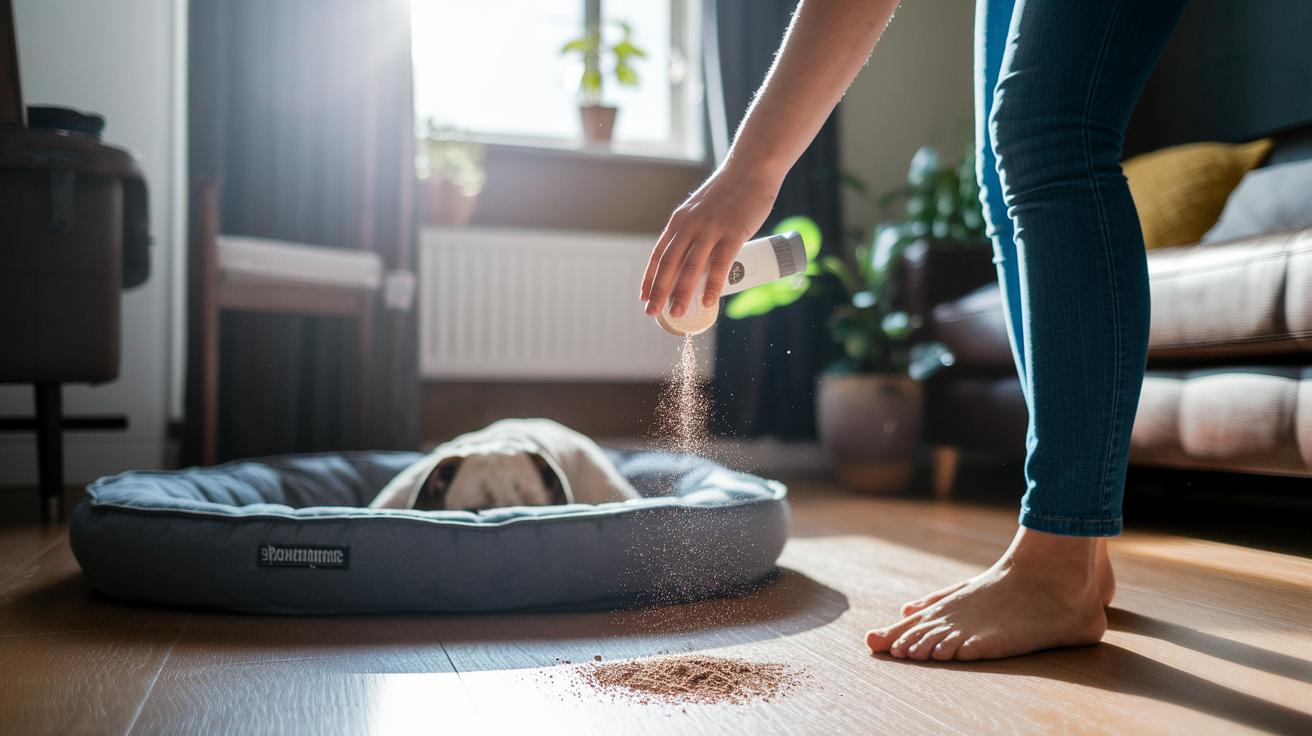
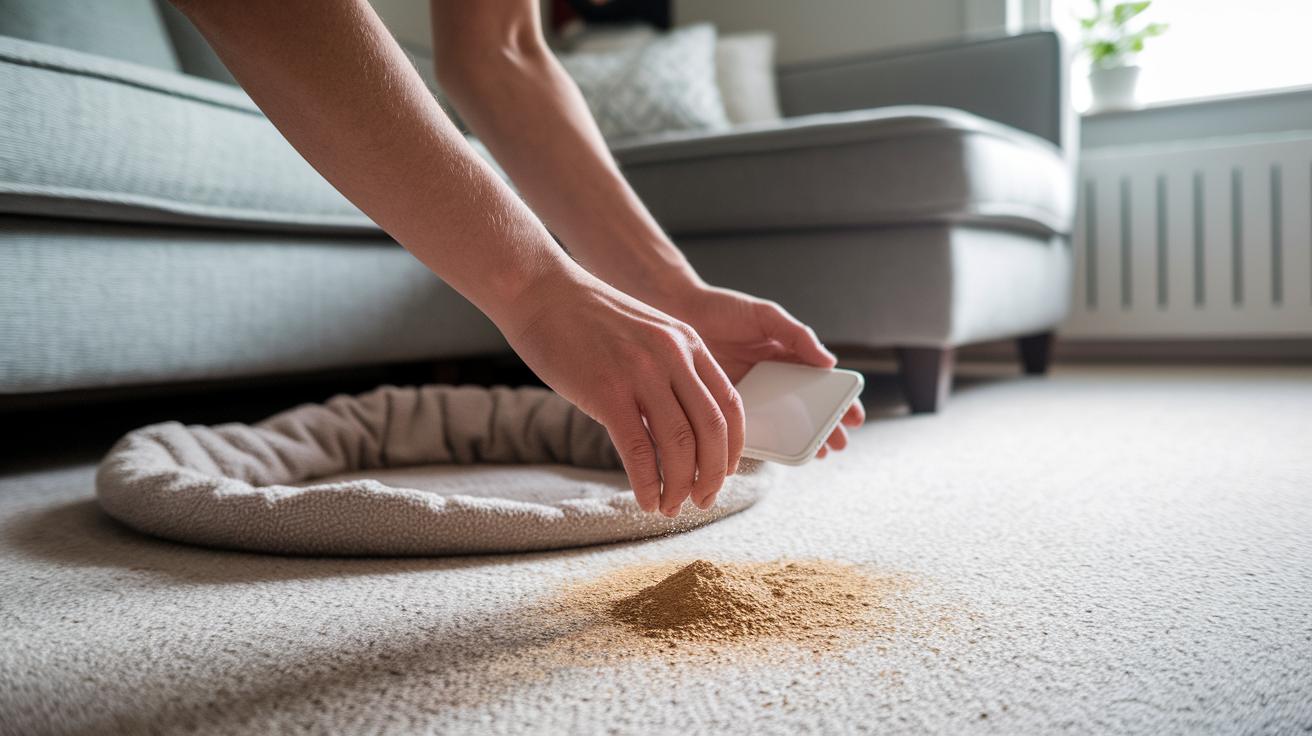
  • Use a dedicated shaker or duster to lightly sprinkle the powder along baseboards, under furniture, and on carpets. For example, sprinkle a small amount along the edge of a rug with your duster so you don't stir up too much dust.
  • Focus on pet bedding and furniture crevices where fleas like to hide.
  • Let the powder sit for 48 hours so it works on every stage of the flea's life.
  • After 48 hours, vacuum the area well. Remember to throw out the vacuum bag right away.
  • Do this once a week to break the flea lifecycle and keep your home safe.

Outdoor Flea Treatment Application

DE works outdoors too. Try these simple steps:

  • Sprinkle the powder evenly in dry, shaded spots like patios, dog runs, and parts of the lawn where your pet spends time. For instance, use a handheld spreader over your dog run and avoid wet areas.
  • Reapply after rain because water stops the powder from working.
  • Target high-traffic areas and yard edges to create a strong barrier against fleas.
  • Follow the directions on the label and keep up with regular cleaning. Washing your pet bedding also makes the treatment work even better.

Using DE like this is a safe, chemical-free method that protects your home and yard while keeping your pet happy and healthy.

Ensuring Pet Safety During Diatomaceous Earth Flea Treatment

Food-grade diatomaceous earth is a safe, non-toxic option when used correctly. However, it can irritate your pet’s lungs if they breathe it in, especially in cats with sensitive breathing. Many vets suggest using it around your home instead of on your pet’s fur to lower the risk.

Keep your pet away from any area that has been treated until the powder settles. After dusting surfaces, let it sit for the time recommended before letting your pet come back. When you use the powder indoors, open windows and doors to keep the air moving and reduce dust buildup.

Here are some simple tips for safe flea treatment:

  • Only use food-grade diatomaceous earth.
  • Do not apply the powder directly on your pet’s fur.
  • Keep your pet away until the powder has fully settled.
  • Use a well-ventilated area during and after application.

Following these easy steps will help keep your home and your pet safe during flea treatment.

Proper Dosing and Timing for Diatomaceous Earth Flea Applications

img-2.jpg

When it comes to keeping your pet happy and your home flea-free, using the right dose and timing is key. For a small room, start with about 1/4 to 1/2 cup of the mineral powder. In a bigger area, 1 to 2 cups will do the job.

Here’s a simple guide:

  • Spread the powder evenly where fleas hide, like carpet fibers, baseboards, and pet bedding. For a small room, sprinkle about 1/4 cup along the edges.
  • Let it sit untouched for 48 hours. This gives the powder time to break the flea's outer layer and dry them out.
  • After 48 hours, vacuum up all the dead fleas and any extra powder.
  • Repeat this process every 1 to 2 weeks for about six weeks to catch any new fleas.

For outdoor spots, apply the powder again after it rains, especially in areas your pet often visits. Using the right amount on a regular schedule helps control fleas naturally and safely.

Comparing Diatomaceous Earth to Chemical Flea Treatments

Diatomaceous earth dries out fleas in a natural way. The powder cuts through the flea's outer layer to remove its protective coating. This process does not leave any harmful chemicals behind. It is gentle on both your pet and the environment.

Chemical treatments use man-made chemicals called synthetic neurotoxins (chemicals that affect the nerves) to work fast. While these sprays knock fleas down quickly, they can leave residues that might be a risk to your pet or family. Over time, fleas might also build a resistance to these chemicals.

Diatomaceous earth does not lead to resistance and is safe to use often. You can reapply it as needed without worrying about harmful buildup. This makes it a great choice for pet owners looking for an eco-friendly solution.

Key points to remember:

  • Diatomaceous earth works slowly by drying out fleas.
  • Chemical sprays act fast but may leave risky residues.
  • DE is safe for regular use and shows no resistance.

If you enjoy DIY methods, diatomaceous earth is a natural and non-toxic option to help manage fleas. It may take a bit longer to see results, but it fits well into a routine of regular cleaning and other natural pest control methods. This way, you keep your home pest-free while keeping your furry friends happy and safe.

Building a Holistic Flea Prevention Plan with Diatomaceous Earth

img-3.jpg

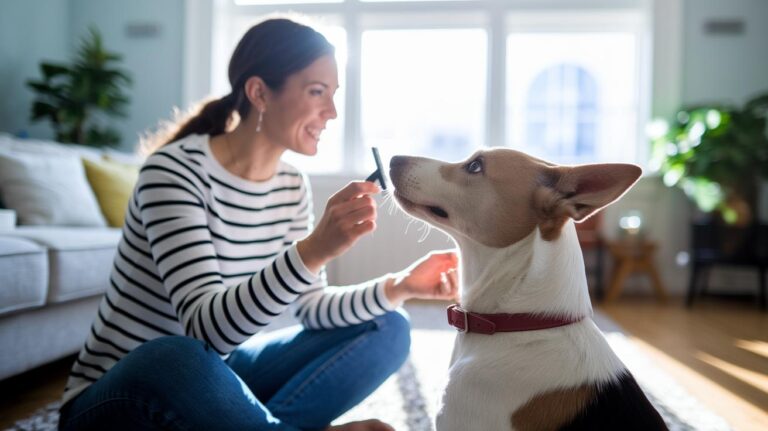
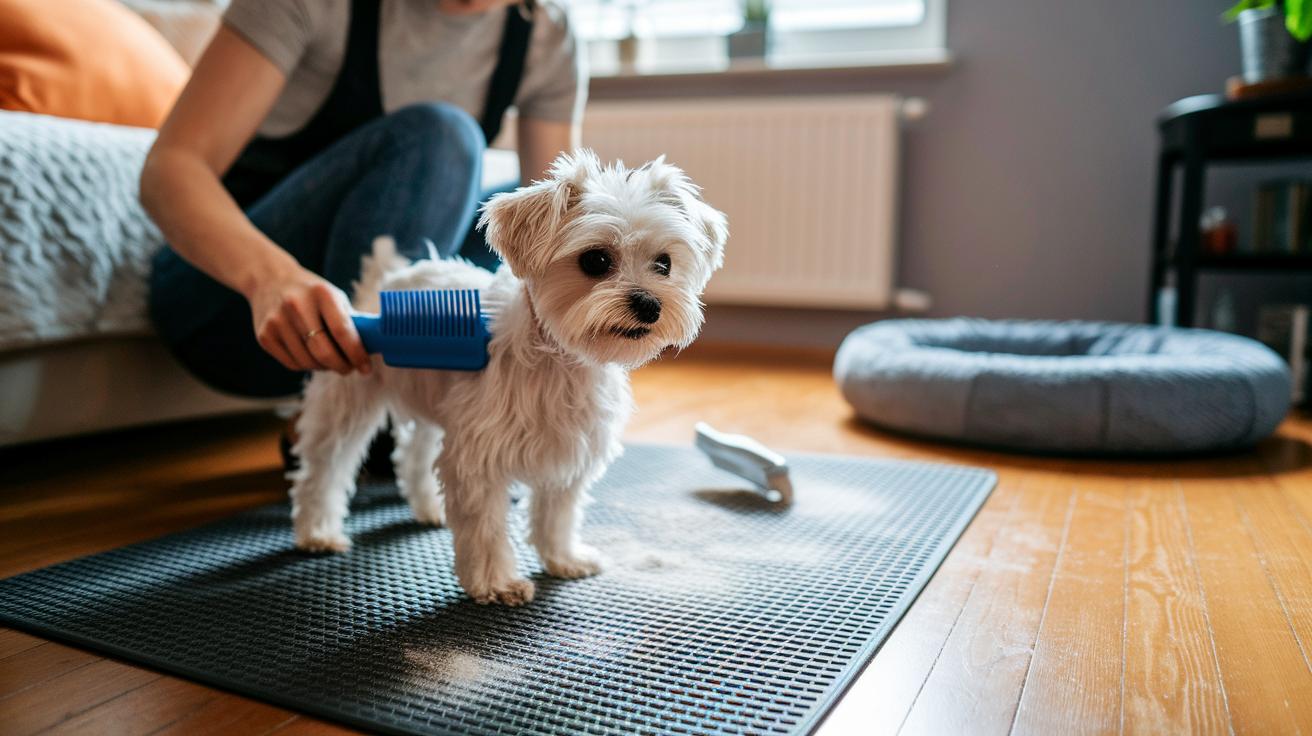
Mix diatomaceous earth into your regular pet care routine. Start by cleaning indoors. Vacuum often to pick up flea eggs. Wash your pet’s bedding in hot water (130°F or higher) to kill eggs and larvae. When you groom your pet, use a flea comb to pull out any stubborn pests.

Then, head outside on a dry day and gently dust areas where your pet spends time. After rain, give it another light dusting.

This simple plan works at every stage of a flea’s life. It’s all about keeping your pet comfy while stopping fleas in their tracks.

Final Words

In the action, we explored how diatomaceous earth works to safely and quickly remove fleas. We shared step-by-step guides for indoor and outdoor application, discussed pet safety, and provided clear dosing tips. The guide also compared natural methods to chemical treatments and showed how to weave DE usage into a broader flea prevention plan. With flea treatment with diatomaceous earth, you get a non-toxic, eco-friendly solution that keeps pets healthy and helps shelters. Enjoy a safer, happier home for all.

FAQ

Flea treatment with diatomaceous earth reddit

Flea treatment with diatomaceous earth on Reddit indicates that many pet parents have seen success using food-grade DE. They share tips on proper application and safety precautions.

How to spread diatomaceous earth for fleas and how to use diatomaceous earth to kill fleas?

Spreading diatomaceous earth involves using a shaker or duster to evenly apply it on carpets, baseboards, furniture crevices, and pet bedding areas. Leave the powder undisturbed for 48 hours for best results.

How to use diatomaceous earth for fleas on cats and flea treatment with diatomaceous earth for cats?

When treating fleas around cats, apply food-grade diatomaceous earth to areas where your cat rests rather than directly on its fur. Allow the powder to settle before letting your cat return.

Natural flea treatment with diatomaceous earth and best flea treatment with diatomaceous earth

Natural flea treatment with diatomaceous earth uses its silica-based particles to cut flea exoskeletons, dehydrate them, and reduce infestations. Many find it a safe, non-toxic alternative to chemical sprays.

Flea treatment with diatomaceous earth for dogs

For dogs, use diatomaceous earth in the areas they frequent rather than directly on their fur. Keep your dog out of treated spaces until the dust settles to avoid inhalation.

Does diatomaceous earth kill flea eggs?

Diatomaceous earth works by damaging adult fleas, but it does not completely eliminate flea eggs. Regular reapplication is key to breaking the flea life cycle.

How long does it take diatomaceous earth to kill fleas?

Diatomaceous earth begins affecting fleas within 4 hours of contact, though keeping it in place for up to 48 hours helps ensure more thorough flea elimination.

Is it safe to sleep in a room with diatomaceous earth?

It is safe to sleep in a room treated with diatomaceous earth once the powder has settled. Ventilating or cleaning the area can help reduce any airborne dust and potential irritation.

What if my dog licks diatomaceous earth for fleas?

If your dog licks diatomaceous earth, it should be food-grade and generally safe. However, monitor your dog for any signs of stomach upset and consult your vet if you notice any issues.

Organic Dog Food: A Natural Boost For Pets

0

Have you ever thought your dog's food might be doing more harm than good? If you are tired of fake additives and endless ingredient lists, organic dog food might be just what you need.

Organic dog food gives your pet a natural boost. It helps keep their immune system strong and supports their energy levels. Plus, it is made with simple, honest ingredients that care for both your dog and our planet.

By choosing organic, you are serving your pup meals that are both yummy and kind to nature. Many organic brands also support ethical, eco-friendly farms. Let's take a closer look at how these clean recipes can benefit your pet and our earth.

Key Health Benefits and Ethical Practices of Organic Dog Food

Organic dog food avoids fake additives like synthetic pesticides, antibiotics, and preservatives. This means you feed your dog food that feels close to nature. Did you know that using food free of synthetic additives can lower the number of harmful chemicals in your pet's diet?

Clean-label, simple recipes with just a few ingredients give your furry friend a natural boost. High-protein meals can help support your dog's immune system, lift energy levels, and improve how they take in nutrients. We work hard to make sure every bite is easy to understand and truly natural.

  • Sustainable farming methods that care for the land
  • Humane treatment of animals so that every source is ethical
  • Lower carbon footprint with eco-friendly practices
  • Biodegradable packaging that protects our earth
  • Fair-trade sourcing that supports local communities

By choosing organic dog food, you join a system that trusts in cleaner ingredients and careful production. This focus on earth-friendly farming and kind animal care not only helps your pet feel great but also supports a healthier planet. Every meal you serve adds extra love to your dog's health and a brighter future for our world.

Understanding Certifications and Labels on Organic Canine Cuisine

img-1.jpg

When you pick up organic dog food, you’ll notice stamps and symbols that share a lot about what’s inside. These marks mean the ingredients are grown and processed with strict rules. They show that the food skips synthetic pesticides, antibiotics, hormones, and GMOs (genetically modified organisms). This gives you peace of mind that you’re feeding your pet a meal made with care and clear standards.

USDA Certified Organic Standards

USDA certified organic dog food must meet clear rules. The USDA checks that crops are grown without harsh chemicals and that animals are raised with proper care. In other words, ingredients come from farms that follow safe farming and animal care practices. Processing also sticks to rules to keep the food as natural as possible. When a product has the USDA seal, you can trust every ingredient has been carefully checked.

Other Quality Assurance Seals

You may also see labels like G.A.P. or Non-GMO Project Verified. These marks give extra assurance. For example, G.A.P. confirms that farms stick to safe, responsible practices. Non-GMO Project Verified means the ingredients were not genetically modified. Sometimes, you’ll even notice a note that a vet helped balance the recipe to meet a dog’s nutritional needs.

Decoding these labels helps you choose smart, healthy food for your pet. Check for certification seals to see the care behind each ingredient, and feel good knowing your dog is getting a natural, nutritious meal.

Ingredient Spotlight: Grain-Free and Preservative-Free Organic Formulas

We build our organic recipes with clear, simple ingredients you can trust. We know you want to see exactly what goes into your pet's bowl. Each recipe skips fillers and bad additives so your dog gets only natural goodness. Our grain-free approach means no corn, soy, or wheat that might upset your dog's tummy.

  • Cage-free chicken
  • Salmon and quinoa
  • Sweet potato
  • Carrots
  • Pumpkin
  • Spinach

Every ingredient is picked with care to help your dog's gut, give them a shiny coat, and keep their energy steady. Organic cage-free chicken or wild fish delivers quality protein without extra junk. Veggies like sweet potato, carrots, pumpkin, and even spinach provide the vitamins and natural antioxidants your pet needs. Without preservatives or fillers, this formula supports a balanced tummy and overall well-being. It works great for dogs at every life stage, giving them a natural, healthy diet crafted just for them.

Leading Organic Dog Food Brands: Comparative Table and Expert Reviews

img-2.jpg

When it comes to choosing organic dog food, we know you want the best for your furry friend. You deserve a meal made with simple, organic ingredients that are clearly labeled – like USDA Organic – and that give your pet benefits such as immune support or healthy joints. Plus, a part of your purchase helps support local shelters.

Our experts checked each brand for clear ingredients and trusted certification. We looked at options that suit every life stage and special need. Whether your pup is small, large, or has a sensitive tummy, you can be sure one of these choices works for you.

Brand & Product Package Size Key Benefits
Natural Balance Ultra Broth Coated Dry (Chicken & Barley) 4 lb Supports immune health
Badlands Ranch Superfood Air-Dried Beef 11.5 oz Promotes digestive balance
Badlands Ranch Superfood Air-Dried Fish & Turkey 11.5 oz Supports joint health
Nutro Natural Choice Small Breed (Chicken & Brown Rice) 13 lb Provides energy, bone & muscle support
IAMS High Protein Real Chicken Large Breed 30 lb Encourages lean muscle maintenance
Against the Grain 100% Salmon Wet Food 11 oz Delivers pure protein for nutrient uptake
Lucy Grain-Free Small Bites (Salmon, Pumpkin & Quinoa) 4.5 lb Fiber-rich for smooth digestion
AvoDerm Chicken Meal & Brown Rice Small Breed 7 lb Promotes healthy skin & coat
Natural Balance Limited Ingredient (Salmon & Sweet Potato) 4 lb Ideal for dogs with sensitivities

Our experts also remind you to match the food to your dog's size and age. Small dogs benefit from carefully measured portions, while larger breeds need support for strong joints and muscles. For pups with delicate tummies, simple recipes with fewer ingredients can help a lot.

Each brand we chose shows a balanced recipe made with care. With clear organic labels and ethical sourcing, you can feel good knowing your dog gets a natural boost every day while you help local shelters.

Homemade, Raw, and Freeze-Dried Organic Dog Food Options

Organic meals give your dog more than plain kibble ever could. They offer balanced, natural food choices that help keep your pet healthy. Whether you want to cook at home, serve raw meals, or use freeze-dried options, there's something here to fit your lifestyle and your dog's needs.

Homemade Organic Pet Cuisine Recipes

Making food at home means you know every little bit inside. You can mix organic proteins like chicken or turkey with veggies such as carrots and sweet potatoes. Add a small portion of whole grains like rice for a balanced meal. For example, try a dish with cooked chicken, steamed carrots, and some rice. It's a simple way to cover your dog's daily nutrition.

Raw-Style Organic Pet Sustenance

A raw-style meal keeps ingredients close to their natural state. These recipes use raw meats and veggies that meet vet guidelines. Picture small pieces of organic turkey tossed with a salad made of shredded sweet potatoes and spinach. This style helps keep all the natural enzymes and vitamins intact.

Freeze-Dried Organic Chow Overview

Freeze-dried meals lock in all the good, raw nutrients without needing to be refrigerated. The drying process preserves both flavor and vitamins, making storage a breeze. Just add water to rehydrate or sprinkle it on top of your dog's regular food for extra crunch. These meals work well for dogs of all ages.

Before you switch your pet's diet, have a quick chat with your veterinarian. They can help tailor the recipes to your dog's age, size, and activity level, making sure every meal is safe, healthy, and completely natural.

Transitioning to Organic Dog Food: Feeding and Portion Control Tips

img-3.jpg

Switching your dog to organic food is a caring way to boost their health. Start slowly so they can adjust to the new taste and texture. Here are some friendly tips to help you along the way:

  1. Begin with a mix where only 25% of the meal is organic. This gentle start helps your dog get used to the change.
  2. Over the next 7 to 10 days, gradually increase the organic portion while decreasing the old food.
  3. Adjust the amount you serve based on your dog's weight, age, and energy level. Organic food might have a different calorie count, so it's good to be mindful.
  4. Keep an eye on your dog's poop and how playful they are each day. These small signals tell you if their tummy is happy.
  5. If your dog is a puppy, a senior, or has special health needs, check in with your vet first to make sure the new plan is right for them.
Day % New Food % Old Food
Day 1 25% 75%
Day 2 35% 65%
Day 3 45% 55%
Day 4 55% 45%
Day 5 65% 35%
Day 6 75% 25%
Day 7 100% 0%

Adjust this plan as needed by your dog's reaction. If you notice any unusual changes, consider slowing the transition and reach out to your veterinarian for some personalized advice.

Organic Dog Food FAQs: Addressing Common Questions

  1. What is the difference between organic and natural dog food?
    Take a look at our Certifications and Labels section. It shows you the key differences. You can spot a USDA Organic seal to help you tell the organic ones apart.

  2. Are there any side effects when switching to an organic diet?
    Check out our Transition Tips section. Your pup might experience a few tummy changes at first, but it usually gets better as they adjust.

  3. How do I check if an organic dog food product is legitimate?
    We suggest reviewing our certification guidelines. Look for clear certification seals on the package to be sure you are buying a true organic product.

  4. What are the pros and cons of raw versus cooked organic diets?
    Our diet comparisons can help. Raw diets keep natural enzymes intact, while cooked foods are often gentler on digestion.

  5. Do grain-free organic meals work well for sensitive dogs?
    Yes, they can be a good option. Check out our advice on managing ingredient sensitivities for more details.

Final Words

In the action, we explored how organic dog food boosts your pet's health while showcasing ethical production practices. We broke down the benefits of clean ingredients, clear certifications, and limited-ingredient nutrition. This article also highlighted top brands, homemade recipes, and step-by-step feeding tips. Each choice supports either your busy schedule or local rescues through measurable impact. Enjoy the confidence of feeding your pet a healthy meal that helps our community and keeps tails wagging.

FAQ

What are some of the best organic dog food brands?

The best organic dog food brands use certified ingredients, avoid synthetic additives, and are committed to ethical practices. They offer options for dry, wet, and specialty formulas like options for small dogs.

Is organic food better for dogs?

The organic food for dogs is better because it avoids artificial additives and pesticides while offering clean, nutrient-rich ingredients. This helps improve digestion and provides balanced energy for your pet.

What is the healthiest food to give my dog?

The healthiest food for your dog includes certified organic proteins, wholesome vegetables, and balanced nutrients. Grain-free and preservative-free options often lower allergen risks and support overall well-being.

What is the #1 recommended dog food?

The #1 recommended dog food is one that meets strict organic standards and has excellent reviews. Experts favor brands that balance quality ingredients with ethical sourcing and certification seals.

How do I find organic dog food near me?

You can find organic dog food locally by checking pet supply stores, co-ops, or online platforms. Look for certification labels and clear ingredient lists to ensure you’re getting a truly organic product.

2 Pet Nutrition Tips For Optimal Health Shine

0

Ever wonder if your pet’s food could be the secret to all that energy and joy? We believe that food is more than just a meal, it’s the key to a happy, playful pet. Here are two simple tips for a balanced diet. Think of it like following a cherished recipe.

First, choose a food that lists real meat as the top ingredient. Next, measure portions carefully so your pet gets just the right amount. With these ideas, your furry friend can thrive every day.

How to Achieve Optimal Health in Pets Through Nutrition

Good nutrition is key for your pet's growth, energy, strong immune system, sturdy bones, and clear mind. A balanced diet gives your pet the fuel it needs to enjoy every playful moment.

Remember, quality starts with choosing foods that list real meat, fish, or poultry as the first ingredient. Rather than getting caught up in fancy words like "premium" or "natural," check the nutrient ratios and the order of ingredients. Think of it like reading the recipe for your favorite dish.

Portion control is important too. You should adjust the amount of food based on your pet's size, breed, and activity level. Using cups or kitchen scales to measure helps avoid overfeeding or nutrient gaps. It's just like following a recipe where getting the amounts right makes all the difference.

Talking with your vet is a smart step. A quick visit can help tailor your pet's diet whether you have a bouncy young pup or a senior cat needing joint support. Your vet is a trusted guide who helps ensure every bite supports your pet's wellbeing.

Here are some easy tips:

  • Choose foods made with high-quality ingredients.
  • Measure portions to match your pet’s needs.
  • Feed at regular times to build healthy habits.
  • Ask your vet for guidance when your pet’s needs change.

Using these simple tips can boost your pet’s diet and overall health, letting them play and thrive every day.

Understanding Nutritional Requirements for Different Life Stages

img-1.jpg

Puppies and kittens need meals full of protein and fat to help them grow strong. Their food gives them the energy to build muscles, bones, and a shiny coat. Think of it like building a sturdy home: each bite lays a brick for their future. Using meat or fish for protein and adding healthy fats gives these little ones exactly what they need to flourish.

Adult dogs and cats have different needs. They do best with balanced meals that give them steady energy all day long. At this stage, you want to avoid too many calories that could add extra weight. Their food should still have good proteins and fats, along with the right mix of carbs, vitamins, and minerals. Picture it like a puzzle where every piece matters for a complete picture.

Senior pets require extra care in their diets. As they get older, their bodies need support for joints and easier digestion. Meals for seniors might have fewer calories but include helpful supplements for aging bodies. Feeding them at regular times and in proper portions can keep them comfortable and healthy as they grow older.

Adjusting your pet’s food as they age helps build their energy, support a strong immune system, and keep them happy. It's all about giving your pet the right building blocks at each stage of life.

Customizing Pet Diet Plans: Ingredient Selection and Portion Control

Measure your pet’s food using a cup or a digital kitchen scale. Adjust the serving based on your pet’s weight, breed, and level of activity. For example, I once measured half a cup of kibble for my small dog with a digital scale so each meal came out perfectly.

Pick foods that list real meat, fish, or poultry as the first ingredient. Add healthy fats and pet-friendly vegetables. It’s like choosing fresh, quality items at the market for a nutritious meal.

Controlling portions helps prevent overfeeding. Keep treats to no more than 10% of your pet’s daily calories. Picture it as a pie chart where treats take up only a tiny slice.

Quick tips:

  • Use a digital kitchen scale or cups for accurate food measurements.
  • Choose ingredients that highlight genuine protein sources.
  • Limit treats to a small part of your pet’s overall calories.

Selecting High-Quality Pet Foods and Natural Ingredients

img-2.jpg

When you pick a pet food, take a moment to check the label. Look at the order of the ingredients. The first few items should be real meat, fish, or poultry, just like a good recipe where the best parts come first. For example, if the label says "Chicken" rather than "Chicken by-product," you know it provides true protein.

Before settling on a brand, notice what the ingredient list tells you. A list with fresh, clear items up front is a good sign that the food is truly nutritious.

Also, check the balance of proteins, fats, and carbohydrates. A good pet food should have a mix that supports your pet's energy and health. If the label uses vague terms like premium or natural without real details, it might not be the best choice.

Here are some simple tips:

  • Look at the ingredient order to see the main protein sources.
  • Avoid foods that lean on unclear buzzwords.
  • Check that the nutrient mix is balanced.
  • Be cautious of claims that aren’t backed by clear details.

Supporting Pet Health with Supplements and Healthy Treat Alternatives

We all want our pets to feel their best. Adding safe supplements and low-calorie treats is a great way to help. For instance, fish oil can make your pet’s coat shiny and help keep their skin healthy. Probiotics for dogs (https://goodpawsgoodcause.org?p=92) can support smooth digestion. Always check with your vet before adding anything new. One pet parent even said that after starting fish oil, her dog's coat became noticeably smoother, almost like a little spa treatment from the inside out.

Healthy treat swaps make snack time fun and nutritious. Instead of treats that are high in calories, try these simple options:

  • Carrot sticks for a crisp bite and natural vitamins
  • Apple slices (seedless) for a sweet, hydrating bite
  • Freeze-dried meat bites to give a boost of pure protein

Each treat gives your pet important nutrients without extra calories. It’s a thoughtful way to show your furry friend some extra love while keeping their diet balanced. Just like a pinch of seasoning can lift a meal, a little nutrient-packed treat can brighten your pet’s day.

Implementing Hydration and Consistent Feeding Schedules for Optimal Nutrition

img-3.jpg

Keeping fresh water available is key for your pet's digestion, kidney health, and body temperature. Change their water every day to make sure it's cool and inviting. Adding some wet food can also help, especially if your pet doesn't drink a lot.

Feeding your pet at the same times each day builds healthy habits and can make training a bit easier. A regular schedule means your pet knows when to eat, which can help keep them calm. Think of each meal as a little routine that supports their tummy and overall health.

Quick tips to try:

  • Always offer fresh water.
  • Mix in a bit of wet food to boost hydration.
  • Stick to set meal times every day.

A steady feeding plan sets a natural rhythm that can improve digestion and energy levels. Keeping things regular is like setting a clock for your pet’s meals. This simple approach brings comfort to their body and mind and plays an important role in keeping them healthy.

Monitoring and Adapting Diets: Recognizing Nutritional Issues in Pets

Pets can show little clues when their diet isn’t right. A coat that looks dull or brittle, and too much scratching or flaky skin, might be the first signs. You might also see sudden weight changes or low energy. It’s a bit like noticing your favorite sweater has lost its color and shape , a quiet sign that something isn’t working well.

Watch out for these signs:

  • Dull or brittle coat
  • Constant itching or flaky skin
  • Sudden weight gain or loss
  • Low energy
  • Upset stomach signs like vomiting or diarrhea
  • Bad breath or too much shedding

Catching these signs early gives you a chance to change your pet’s diet. For example, if your pet is shedding more than usual, it might be time to review the food ingredients. Sometimes, small changes can really lift their overall mood and health.

It also helps to try allergy-friendly meals if your pet seems sensitive. Plus, keeping treats to less than 10% of their daily calories keeps the diet in balance.

If the signs stick around, check in with your vet. They can help you build a plan that fits your pet’s special needs. A little care now can mean a happier, healthier pet tomorrow.

Tailoring Specialized Diets for Pets with Health Conditions

img-4.jpg

When your pet has allergies or health issues like kidney disease or diabetes, a custom diet can make a big difference. We work with our vets to create meal plans that meet your pet's needs without causing any upset.

For pets with allergies, a simple diet with fewer ingredients might help them feel better. You might try a grain-free meal (like the one we suggest for sensitive stomachs) that cuts out common allergens and unnecessary additives.

For pets with ongoing health problems, meals made by vets keep the right mix of protein, fats, and carbs while watching extra calories. These diets usually have lower sodium and adjusted minerals to support organ health. Your vet can help you find the best option by testing a few different meals until you see positive changes.

Quick tips:

Tip Description
Allergy Options Try a limited-ingredient formula
Grain-Free Use if your vet recommends it
Chronic Conditions Pick diets made by veterinary experts
Monitor Keep checking how your pet responds

Every pet is special. A diet made just for them not only feeds their body but also boosts energy, adds shine to their coat, and improves comfort. Teaming up with your vet is the best way to create a safe, effective plan.

Creating Nutrient-Dense Homemade Meals for Pets

Cooking for your pet can be a healthy choice when you plan meals with care. We start with a good protein like chicken, beef, or fish. These proteins help build strong muscles. Adding a bit of salmon oil not only gives healthy fats but also keeps your pet's coat shiny.

A little bit of brown rice or sweet potatoes gives steady energy. And veggies like peas, carrots, or spinach bring in vitamins and extra fiber. Always remember to wash your hands, clean your surfaces, and cook the food well to keep everything safe.

For a simple stir-fry, try mixing chopped chicken with a spoonful of sweet potato and some steamed carrots. This meal gives a good mix of protein, fats, and carbs in one dish.

If you think your pet might need extra vitamins or minerals, a supplement could help fill in the gaps. It's a smart idea to chat with a veterinary nutritionist to make sure your recipes cover all of your pet's needs. Also, adjust the serving sizes based on your pet's weight, breed, and how active they are. Keep the meals stored in a clean container to protect their freshness.

Simple, balanced meals are a caring way to nurture your pet's well-being every day.

Final Words

In the action, we explored ways to boost pet health with smart feeding plans. We broke down everything from essential ingredient selection and portion control to keeping your pet hydrated and recognizing nutritional issues. The guide also touched on tailored diets for pets with health concerns and even creating safe, homemade meals. These ideas, mixed in with pet nutrition tips for optimal health, help you keep care simple and effective. Every little step makes a big difference when caring for our furry friends. Enjoy making mealtimes fun and healthy!

FAQ

What are some pet nutrition guidelines, care tips, and health essentials?

Pet nutrition guidelines advise feeding balanced meals with quality proteins, healthy fats, and proper portions. These care tips help support energy, growth, and overall health for your pet.

What is the best diet to feed dogs for optimal health, including canine nutrition requirements and overall dog diets?

The best dog diet focuses on high-quality proteins, healthy fats, and pet-safe veggies. Portion control based on breed, age, and activity supports energy levels, weight management, and a shiny coat.

What role does a clinical pet nutritionist play in pet health?

A clinical pet nutritionist reviews and customizes your pet’s diet to meet specific needs. They help select ingredients and adjust meals for growth, recovery, or managing special health conditions.

What does the 80 10 10 rule for dog food mean?

The 80 10 10 rule means a raw feeding plan where 80% of the diet consists of muscle meat, 10% of bones, and 10% of organs. This ratio offers balanced nutrients and supports overall canine health.

What are the 7 basic nutritional needs of animals to maintain health?

The 7 basic nutritional needs include proteins, fats, carbohydrates, vitamins, minerals, water, and fiber. Meeting these needs helps support growth, energy, digestion, and overall pet well-being.

What does the 25 rule for pet food indicate?

The 25 rule for pet food suggests limiting filler ingredients to no more than 25% of your pet’s diet. This guideline promotes nutrient-dense meals that better support your pet’s health and energy.

Hamster Wheel For Sale: Great Deals Await

0

Ever wonder if your little buddy could use a fun workout? Our hamster wheels are built to keep your pet safe and active. They spin smoothly and quietly, making them great for both day and night play. Each wheel even has a counter to track every spin. Check out our deals and let your pet enjoy a happy, healthy exercise routine while supporting local shelters.

Top Hamster Wheels for Sale: Quick Picks and Prices

We know you want only the best for your little pet. That’s why we pick hamster wheels that run quietly, look modern, and keep your fur baby safe. Each wheel has dual ball bearings for a smooth spin, a sturdy running surface to protect tiny feet, and a built-in revolution counter so you can track every fun moment.

Model Size (in/cm) Material Noise Level (dB) Price
Niteangel Super-Silent 8 in / 20 cm Transparent Plastic 40 $24.99
Niteangel Pedometer 8 in / 20 cm Plastic 40 $29.99
Niteangel Wooden Wheel 8 in / 20 cm Wood 40 $34.99
Niteangel Clouds Series 8 in / 20 cm Coated Plastic 40 $27.99
Niteangel Acrylic Wheel 8 in / 20 cm Acrylic 40 $31.99

Look at the Niteangel Super-Silent Hamster Exercise Wheel. Its clear, modern design and smooth spin keep noise low, about 40 dB, so your pet can play even at night. If you like tracking exercise, the Niteangel Pedometer counts every spin, letting you watch your pet’s progress. The Wooden Wheel gives a natural feel with a silent, smooth turn, perfect for hamsters, gerbils, and mice. The Clouds Series in Black and Mint Green brings a trendy style with a quiet run for both dwarf and Syrian hamsters. And if your runner is extra energetic, the Acrylic Wheel is built to last. We love these wheels because they combine quality with smart features that help your pet stay active and safe. Plus, each wheel is vet-reviewed to support your rodent's overall well-being, boasting a solid running surface that protects against foot injuries.

Hamster Wheel Size Guide for Every Hamster Breed

img-1.jpg

Choosing the right wheel can keep your hamster safe and happy. A safe wheel should be at least 8 inches (about 20 cm) in diameter. This size helps avoid a backward arch in your pet's spine.

Dwarf hamsters do best on a wheel around 21 cm. Syrian hamsters need a bit more space so they can run without feeling cramped. A small wheel may force your pet into a tight running style, which is not safe.

The YOUDA/CARNO Wheels give you three size options:

Hamster Breed Wheel Diameter
Dwarf Hamsters 21 cm
Syrian Hamsters 25 cm
Large/Long-haired Syrians 30 cm

You can easily convert inches to centimeters if needed. By measuring your pet and comparing wheel sizes, you ensure your hamster enjoys safe, comfortable exercise every day.

Essential Features in a Quality Hamster Wheel

Quality hamster wheels should spin smoothly and keep your pet safe. Today’s designs often include extra safety features tailored for little rodents. Some wheels use two ball bearings that let the wheel spin with very little effort. A solid running surface also helps protect your pet's paws.

Experts say that these ball bearing systems help reduce stress on your pet's joints. One pet parent shared that her wheel is nearly silent at about 40 dB, making nighttime exercise worry-free. Small design tweaks like these help both pets and owners feel at ease.

Some wheels come with extra tools like step counters and revolution counters to track your pet's play. The choice of material matters too. Many models use transparent acrylic, natural wood, or coated plastic for added durability and safety.

Feature Detail
Spinning Mechanism Uses two ball bearings for a smooth, steady spin
Running Surface Solid design to help protect your pet’s paws
Noise Level About 40 dB for quiet operation
Extra Features Includes step and revolution counters to track activity
Material Options Available in transparent acrylic, natural wood, or coated plastic

img-2.jpg

Niteangel Super-Silent Series

We love this wheel for its quiet running and solid design. Many pet parents say the built-in step counter makes it easy to see how much your hamster is moving. One customer shared, "My hamster runs happily at night. Seeing his step count makes me feel like I'm joining in his fun."

YOUDA/CARNO Wheels

These wheels are a favorite because of their safe and sturdy build. They come in several sizes to fit any hamster perfectly. Pet owners appreciate the smart design, with one reviewer saying, "After trying a few wheels, the different size options really made a difference for my diverse group of hamsters."

Where to Buy Hamster Wheels: Online and Brick-and-Mortar Options

Since July 2020, the US market has grown a lot. Back then, there were only a few reliable wheels. Now, if you search online for a hamster wheel for sale, you'll find a wide range of choices that fit many budgets and pet needs. Big sites like Amazon and smaller rodent-supply stores offer different options to suit your pet. Amazon often runs sales with great deals and special promotions. Shopping online also lets you compare models, read other pet parents' reviews, and pick the best wheel for your furry friend.

If you like to see things in person before buying, big pet stores like Petsmart and Petco also carry several models. You might also check out local pet boutiques or browse local classifieds. Seeing the wheel face-to-face lets you feel its build quality and check if it’s a good match for your pet. This way, you can be sure you are making a well-informed choice.

Warranty, Shipping, and Return Policies for Hamster Wheels

img-3.jpg

If you're shopping for a hamster wheel, we want you to feel confident in your purchase. Most wheels are shipped within 3 to 7 business days. Need it quicker? Many sellers offer faster shipping options so you can get your new wheel sooner.

Most manufacturers cover defects for 6 to 12 months. This warranty means that if you run into any problems with how the wheel was built or if it doesn't work right, you might be covered. Be sure to check the details for the model you're choosing to know what is included and how to get service.

If the wheel doesn't live up to your expectations, you usually have a 30-day window to return it. This makes it easy to get a refund or swap it for another model. Some sellers even cover return shipping, which is a nice bonus. We hope these clear policies help you feel safe and happy with your choice.

Final Words

In the action, we reviewed top picks and handy guides for choosing a reliable hamster wheel for sale. We touched on size guides, key safety features, and trusted brands so you know what to look for. We also shared tips on where to buy and what to expect with shipping and returns. We hope these insights help simplify your shopping and keep your pet happy and healthy. Every purchase supports rescues and shelters, making good care rewarding for everyone.

FAQ

Q: What sizes of hamster wheels are available, such as 12 inch, 8 inch, and large wheels?

A: The available hamster wheels come in sizes like 12-inch, 8-inch, and larger dimensions. These sizes help ensure proper posture and safe exercise for various hamster breeds.

Q: Where can I buy hamster wheels, for example on Amazon, Walmart, or near me?

A: Hamster wheels are sold online on sites like Amazon and Walmart as well as in local pet stores and boutique shops. This gives you multiple options to choose a safe and comfortable wheel.

Q: What can I use instead of a hamster wheel?

A: Instead of a hamster wheel, you can consider exercise balls or small pet treadmills. Make sure any alternative gives your pet a safe, well-controlled space to move and play.

Q: What kind of wheel is best for a hamster?

A: The best wheel for a hamster features a solid, non-injurious running surface made of materials like acrylic, wood, or coated plastic. Smooth rotation from dual ball bearings keeps the wheel quiet and safe.

Q: Are wheels actually good for hamsters?

A: Hamster wheels are beneficial when they provide a secure surface and quiet operation. They help with exercise and mental stimulation, ensuring your pet stays active while promoting safe movement.

Q: Is it okay for hamsters to run on their wheel all night?

A: Hamsters running on their wheel overnight is generally safe if the wheel is quiet and built to the proper size standard. However, it’s best to observe your pet’s habits to ensure they also get enough rest.

Best Cat Toys: Top Picks For Happy Kitties

0

Have you ever seen how a simple toy can make your cat light up with joy? We spent time testing different toys to find the ones that get kitties chasing, jumping, and pouncing. We looked for toys that are fun, sturdy (able to handle sharp claws), and that spark a playful mood. In this post, we share our top picks that give your cat both exercise and excitement. Stick with us and find the perfect toy to keep your furry friend happy and active.

Top-Rated Cat Toys of 2026

We looked at each toy to see if it helps your cat stay active, if it is fun to play with, and if it can last through rough play. We tested them by watching how well they get cats moving, the textures and sounds they use, and whether they can handle claws and teeth. Matching a toy to your cat’s style makes all the difference. A toy that sparks play can get a sleepy kitty moving, while a strong toy works best for very energetic cats.

Our scores come from real playtime. A toy that makes your cat chase and pounce can be great for exercise. A design with interesting textures or parts that move boosts the fun. And a toy that stands up to claws and bites earns top marks.

Toy Rating & Note
Stuffed Fish 7/10 – A soft design that only a few kitties found interesting.
Fuzzy Worm Toy 8/10 – Loved by most kitties, though it loses durability over time.
Carrot Catnip Toy 9/10 – Comes with a canvas pouch filled with catnip and feather accents for extra fun.
Disassembled Feather Toy 6/10 – Fun when used on its wand but feels heavy when attached.
Trixie Activity Board (5-in-1) 9/10 – An interactive puzzle that challenges and entertains.
Rainbow Cat Charmer 10/10 – A motorized ribbon toy that keeps kitties in a happy chase.
Areca Palm Plant 10/10 – Mimics natural movement that is hard for cats to resist, though intense play can wear it down.

Cats that love to move will enjoy the Rainbow Cat Charmer and Areca Palm Plant. If your kitty needs a mental challenge, the Trixie Activity Board is a fun pick. And for kitties who enjoy both textures and movement, the Carrot Catnip Toy or Fuzzy Worm Toy is a great choice.

Essential Buying Guide for Cat Toys

img-1.jpg

When you pick the right toy, your cat stays happy and active. Toys do more than just entertain. They help your cat move, think, and play safely. Try out toys at local pet stores so you can feel the texture and check for safety. Plus, you support your neighborhood businesses.

Factor Why It Matters
Age and Size Makes sure the toy suits your cat’s life stage and energy.
Energy Level Ensures the toy is fun and active enough for your kitty.
Material Safety Reduces exposure to chemicals and choking risks.
Durability Stands up to claws and teeth so it lasts longer.
Ease of Cleaning Makes keeping the toy clean simple and safe.

Watch how your kitty plays to decide on the best toy. For lively cats, choose one that is strong and built to last. For older or gentler cats, a softer toy that's easy to clean works best. By checking age, energy, material safety, durability, and cleaning ease, you can find a toy that makes playtime both fun and safe.

Interactive Cat Puzzle Toys That Boost Engagement

Puzzle toys do more than entertain. They help sharpen your cat's mind and keep them moving. They fight boredom, promote healthy play, and even help with weight management by turning playtime into a fun challenge.

Treat-Dispensing Puzzles

These puzzles let your cat earn treats by moving parts of the toy. They keep kitties curious and reward their problem-solving with a tasty bite. For example, your cat might need to tap or swipe the toy to get a treat.

Slide-and-Find Boards

These boards have hidden spots and moving pieces. Your cat slides parts to reveal little treats. This design builds motor skills while keeping play interactive and simple.

Interactive Maze Toys

Maze toys challenge your cat with twisty routes and hidden paths. Many have adjustable difficulty, so you can match the challenge to your kitty's skill. They boost mental agility as your cat solves the maze while playing.

Puzzle toys come in many types to suit any curious cat. Whether your kitty likes a simple treat challenge or a tricky maze, these toys make playtime fun and keep their minds active.

Motion-Activated and Electronic Cat Toys

img-2.jpg

Motion-activated toys spark your cat's natural chase instincts. They use sensors to move parts of the toy, which gets your kitty excited and active. For example, the Rainbow Cat Charmer uses a moving ribbon that keeps cats interested, while the Areca Palm plant toy mimics nature to encourage playful moments.

  • Wired toys run on steady power and are easy to set up.
  • Wireless toys let your cat roam freely but need you to check the batteries often.

When you use these toys, safety is key. Make sure any wires are tucked away so your pet can't chew on them. Also, keep battery compartments secure so no little parts attract curious paws. Start with short play sessions to see how your kitty reacts, then slowly build up the time as they get more comfortable. Always check that the batteries are full and that there are no loose wires or broken pieces. This way, playtime stays fun and safe for your furry friend while enjoying the latest in motion-activated fun.

DIY and Budget-Friendly Cat Toy Ideas

DIY projects are a fun and cost-friendly way to make special toys for your cat. These projects let you craft toys that match your kitty's playful habits using things you already have. When you make your own toys, you can try different textures and sounds that excite your furry friend. It is a great way to turn everyday items into fun experiments that both entertain and save money.

  • Feather Wand with Recycled Materials: Use an old stick and tie fabric scraps to mimic fluttering feathers.
  • Treat Puzzle from Egg Cartons: Cut parts from an egg carton and hide treats inside to spark your cat's curiosity.
  • Paper Ball Raceway from Cardboard: Turn discarded cardboard into a fun track for your cat to chase lightweight balls.

Always use safe, pet-friendly materials when you build DIY toys. Check for sharp edges or loose parts that your cat might swallow. Testing each toy for durability helps keep playtime safe and fun. You can also swap crafts with friends or reuse old pet supplies to keep your projects fresh and budget-friendly.

Safety and Care for Long-Lasting Cat Toys

img-3.jpg

Taking care of your cat's toys is simple and important. Regular checks and cleaning help make sure playtime is safe and fun. We suggest looking over the toys each week to catch any loose bits or worn seams before they become a risk.

  • Look over all seams and fastenings
  • Clean with a pet-safe cleaner
  • Rotate toys every week to keep wear low
  • Keep them in a safe bin when not in use
  • Watch for chewing or rough play

If a toy shows any signs of damage or has exposed filling, it's time to replace it. Using toys made from non-toxic, easy-to-wash materials and the right size for your cat adds extra safety. This routine helps prevent hazards from long strings, detachable parts, or harmful dyes, so your kitty can enjoy playtime without worry.

Final Words

In the action, we reviewed a spectrum of play options, from interactive puzzles and motion-activated delights to creative DIY projects. We looked at scoring methods that mix fitness, engagement, and durability. We also shared safety tips and buying advice to make life easier. With clear guidance on matching a toy’s features to your pet’s play style, you can save time and feel good about supporting rescues. Enjoy exploring the best cat toys while keeping your pet happy and healthy.

FAQ

What are the best indoor, interactive, and boredom-fighting cat toys?

The best indoor cat toys engage with motion, treat puzzles, or natural swaying designs. They keep cats active and banish boredom while sparking playful instincts.

What cat toys are popular on Amazon and Reddit?

Popular picks on Amazon and Reddit include motorized toys and puzzle feeders. These toys are noted for durability and high engagement, making them favorites among pet parents and experts.

What are the best cat toys for multiple cat households?

Toys for multiple cats often include puzzle feeders or motorized designs that allow group play. They cater to various play styles and ensure each cat gets a chance to engage.

What toys work best for kittens and older cats?

Kittens usually enjoy feather wands and gentle interactive toys that encourage exploration, while older cats benefit from low-impact, easy-to-play toys that foster calm, engaging activity.

What are the 10 essential things a cat needs?

Cats need food, water, shelter, litter, scratching areas, interactive toys, safe resting spots, regular vet care, grooming, and plenty of affection. These basics keep them healthy and happy.

Flea Infestation Treatment: Fast, Reliable Fix

0

Is your pet scratching non-stop because of pesky fleas? We get it, it can be really upsetting for both you and your furry friend. Fleas can make your pet uncomfortable and disturb the peace in your home. In this post, we'll share simple steps to treat the problem quickly. Take charge today so you and your pet can enjoy a calm, happy home again.

Effective Flea Infestation Treatment Strategies for Pets and Homes

Fleas are pests that feed on blood. They make your pet itch and can leave red, flaky patches, small wounds, or even cause hair loss. In some pets, too many fleas can lead to tapeworms or make them feel weak. We know it's tough, so you need a plan that covers every part of the problem.

Follow these four key steps:

  • Understand the flea life cycle: Fleas start as eggs, then become larvae, move to the pupa stage, and finally turn into adults. This cycle can take three to four months. That means your treatment must work at every stage.

  • Treat your pet: Work with your veterinarian to choose treatments that are both safe and effective. Options include flea collars, spot-on liquids, and tablets. Some tablets can kill adult fleas in as little as 30 minutes, while spot-on treatments help stop new eggs from forming. Think of it as giving your pet a little shield that works all day.

  • Treat your home environment: Keep your pet’s bedding clean by washing it in hot, soapy water and vacuum carpets, rugs, and furniture at least twice a day. Using pet-safe sprays on furniture and baseboards helps you reach hidden spots where eggs or larvae might be hiding.

  • Address the yard: Keep your outdoor space tidy. Mow the lawn regularly, pick up leaves, and treat shaded areas with pet-safe granules or sprays. This keeps fleas from finding a place to breed outside.

Each step works together to break the flea cycle. Together, they help clear up infestations quickly so you can enjoy a happy, healthy home.

Comprehensive pet care guide

Diagnosing Flea Infestations on Pets: Key Signs and Tests

img-1.jpg

If your pet keeps scratching or shows red, flaky skin, fleas might be the culprit. You may even see small marks like scabs or areas with less hair near the tail and along the back. One easy trick is to look for flea dirt. This is when tiny black or reddish-brown specks turn red with a drop of water on them.

To check for adult fleas, gently part your pet’s fur or run a fine-toothed flea comb through it. This simple method can reveal small, moving insects that are hard to see otherwise.

Another handy test is the white sock test. Wear white socks and walk around your home. Fleas, attracted by the warmth and movement, may jump onto your socks, making them easier to spot.

Remember, fleas might even bite you if they have no animal friend around. So, if you notice tiny bites on yourself, it’s a good idea to take a closer look at your pet and your home.

  • Look for heavy scratching and signs of discomfort.
  • Check for red, flaky skin and hair loss.
  • Use a flea comb to inspect your pet’s fur.
  • Try the white sock test for a quick check.

Each of these steps gives you a clue to help confirm a flea infestation.

When you face a flea problem, you need fast, trusted relief. One well-loved option is Capstar (nitenpyram). It starts killing adult fleas in just 30 minutes and clears most within 4 to 6 hours. This makes it a great choice when your pet is itching and uncomfortable.

Flea collars are another handy tool. They slowly release medicine over several weeks. They work best when flea numbers are low and also help keep fleas away over time.

For a monthly treatment, try spot-on treatments. These topical liquids work on flea eggs and young bugs. They stop current infestations and help prevent new ones from taking hold.

Oral pills like spinosad or afoxolaner protect your pet for 30 days or more. They work inside your pet’s body, keeping fleas away all month long. And if your pet needs a quick clean, anti-parasite shampoos with ingredients like pyrethrins or selamectin wash away fleas and soothe irritated skin.

Here are a few tips:

  • Consult your veterinarian to choose the best option and dose for your pet, based on their age, breed, and health.
  • Watch your pet for any changes after treatment to make sure the method works.
  • Sometimes, combining treatments – like a fast-acting tablet with a monthly topical – can be the key to getting ahead of the infestation.

These vet-approved treatments offer both quick relief and lasting protection. They help keep your pet comfortable while tackling those pesky fleas.

Environmental Flea Infestation Treatment: Home Cleaning and Disinfection

img-2.jpg

Start by tackling those hidden flea stages that live in your home. We suggest washing all your pet bedding, throw rugs, and removable covers in hot, soapy water every week. This simple step cleans out dirt and removes flea eggs and larvae hiding in the fabrics.

Next, use a pet-safe flea spray or fogger that is made for indoor use. Spray it on the carpets, furniture, and along the baseboards where your pet loves to nest. Always check the label to make sure it is safe for your furry friend and try a small spot first to be sure nothing gets damaged.

Vacuuming is a big helper in this fight against fleas. Vacuum the carpets, area rugs, upholstery, and all your pet’s favorite spots at least twice a day. Remember to empty the vacuum outside so no eggs get a chance to hatch back inside.

Don’t forget the hard-to-reach spots. Use a residual aerosol spray on cracks, crevices, and under appliances. These areas can hide flea eggs or larvae even when the rest of your home is clean.

  • Wash pet bedding, rugs, and covers in hot, soapy water weekly.
  • Use pet-safe sprays or foggers on carpets, furniture, and baseboards.
  • Vacuum all floor surfaces and pet areas at least twice a day; always empty the vacuum outside.
  • Apply a residual aerosol spray on cracks, crevices, and under appliances.

Keep up this cleaning routine for three to four months. Did you know that a tiny flea egg can hatch in just two days? Regular cleaning makes a big difference in keeping your home safe and cozy for both you and your pet.

Outdoor Flea Infestation Treatment: Yard and Perimeter Control

Let's help your yard stay fresh and uninviting to fleas. Keep it neat so these pests can't settle in. Mow your lawn often to cut down on damp, shady spots where flea eggs hide. Rake up leaves, grass clippings, and other debris to clear away any potential homes for fleas.

Trim bushes and low plants to let more sunlight and air through. It’s like opening a window to dry out the area. Focus on spots around your house, under decks, and in any shady corners your pet loves.

Use pet-safe flea granules or sprays on these parts of your yard. During the busy flea season, treat areas where your pet spends a lot of time every month.

Step Action
1 Mow the lawn often to reduce damp, flea-friendly spots.
2 Rake up debris to remove flea breeding spots.
3 Trim shrubs and groundcover to let in more sunlight and air.
4 Apply pet-safe sprays or granules around your house, under decks, and in shady areas.
5 Re-treat high-traffic pet zones monthly during peak flea season.

Professional Flea Infestation Treatment Services: When to Call Experts

img-3.jpg

Sometimes, home methods and regular cleaning just don’t cut it when fleas take over. That’s when it’s a good idea to call in a licensed pest control expert. They know fleas go through different stages, like eggs, larvae, pupae, and adults. Professionals use stronger treatments and plan several visits every 2–4 weeks to cover all these stages.

Prices can change depending on the size of your home and how bad the problem is. It helps to ask for a clear estimate upfront so you know what to expect. When you talk to a provider, ask if their products are safe for your pets and children. Also, find out how long you should wait before coming back into treated areas to keep everyone safe.

Here are a few tips when considering professional treatment:

  • Make sure the technician is licensed and has experience with flea problems.
  • Confirm they use chemicals that are safe for pets and family homes.
  • Ask how many treatments are needed to fully break the flea cycle.

Preventing Flea Infestations: Long-Term Treatment and Control Measures

Basic flea treatments are still very important. But keeping fleas away for the long haul means using smart ideas that go beyond daily cleaning. One neat trick is adding smart sensors near your pet's favorite spot. Some pet centers even use sensors that notice small temperature changes, alerting them when fleas start to move.

Advanced tips include:

  • Place smart sensors in the areas your pet loves to relax. This can warn you about flea activity early.
  • Try eco-friendly flea sprays that keep the bugs at bay while protecting your pet. For example, a natural plant-based spray works well without harsh chemicals.
  • Make your yard less welcoming for fleas. Plant flea-repelling greenery and use safe outdoor treatments now and then.
  • Chat with pet experts or local rescues. They often have fresh ideas to help you build long-lasting flea defense.

These smart steps work well with quick treatments and help you create a steady, simple routine to protect your furry friend.

Final Words

In the action, this post laid out step-by-step pet and home strategies for tackling flea infestations effectively. We covered diagnosing signs, vet-approved treatments, safe cleaning at home and in the yard, and when to bring in experts.

The guide also shared long-term tips to prevent reoccurrence. With proper flea infestation treatment and a caring routine, you can keep your pet happy and your home safe. Enjoy peace of mind knowing you're making a difference.

FAQ

What does flea infestation treatment at home involve?

Flea infestation treatment at home involves cleaning pet bedding, washing fabrics in hot water, vacuuming daily, and using pet-safe sprays to target eggs and larvae while treating your pet simultaneously.

How does flea infestation treatment for dogs work?

Flea infestation treatment for dogs means using vet-recommended products, like fast-acting oral pills or topical solutions, paired with regular grooming and a clean environment to reduce flea bites and keep your dog comfortable.

How does one get rid of fleas in the house fast naturally?

Getting rid of fleas in the house fast naturally involves washing bedding in hot, soapy water, frequent vacuuming, and using pet-safe natural sprays that gently target flea life stages without harsh chemicals.

What are some of the fastest methods to kill fleas indoors?

The fastest methods to kill fleas indoors include using products like Capstar that begin working in as little as 30 minutes, along with shampoos containing active ingredients for immediate relief, followed by thorough cleaning.

How does one address fleas on humans?

Addressing fleas on humans means washing affected areas with soap, changing clothes, and soothing bites with anti-itch lotions. If irritation continues, consider consulting a healthcare provider.

How can you determine the severity of a flea infestation and treat a massive outbreak?

Determining flea infestation severity involves spotting flea dirt, bites, and intense scratching on pets. A massive outbreak may require combined pet treatment, thorough home cleaning, and sometimes professional pest control.

How long does a flea infestation typically last?

A flea infestation can last for three to four months if untreated, because the flea life cycle includes stages that persist until you disrupt reproduction and remove all eggs.

What approach will completely eliminate fleas?

No single product will 100% eliminate fleas. Combining vet-recommended pet treatments, regular home cleaning, and proper yard care breaks the flea cycle for thorough control.

Exercise Wheel For Hamster: Energize Happy Play

0

Ever notice your little hamster sitting still for too long? It may be missing out on some fun exercise. We know they seem content just resting, but a good exercise wheel can boost their energy, improve their health, and lift their spirits. Imagine your tiny pet happily running on a safe track that feels a bit like its natural tunnels. In this guide, we share how the right wheel can spark joyful play and bring lasting benefits to your furry friend.

Why a Hamster Exercise Wheel Matters for Health

A hamster wheel gives your little friend a fun way to exercise and play. It helps keep them active and happy. With the wheel, your pet can enjoy a burst of fun before settling down for a nap.

Hamsters love to explore and run, much like when they dig through tunnels underground. The wheel lets them do just that in a safe space. It supports their natural urge to move and keeps both their bodies and minds sharp.

New wheels now feature a smooth, solid surface that protects those tiny paws. They’re built to last, easy to clean, and work quietly all night. This means you can feel good knowing your pet is getting safe, healthy exercise while you rest easy.

Determining the Ideal Exercise Wheel Size for Your Hamster

img-1.jpg

Choosing the right wheel is very important for your pet. Hamsters come in different sizes so each one needs a wheel that fits them. For example, a dwarf hamster should have a wheel that is at least 6 inches wide. This helps keep its back safe. If you have a Syrian hamster (sometimes called a standard hamster), aim for a wheel that is at least 8 inches. A wheel that is too small can hurt their back and might make them run less.

Hamster Type Recommended Wheel Diameter
Dwarf 6″
Syrian 8″
Other small rodents 5–7″

Before you make a purchase, check the space in your hamster's cage. Make sure there is enough room for the wheel and for other fun accessories. A well-fitting wheel helps keep your pet safe and makes running more comfortable.

Evaluating Top-Rated Exercise Wheels for Hamsters

Modern exercise wheels have really improved. You can now choose from wheels made of tough plastic, plain wood, or metal. These materials are safe and built to last, perfect for active hamsters. Many wheels now have a solid surface that feels gentle on little paws instead of a risky mesh. One model even uses strong, lightweight plastic that stands out as a top pick for your pet.

Quiet bearings are a must-have in today’s best wheels. We know that a silent wheel makes for a calm home, especially when hamsters are awake at night. Everyone loves how smooth and hushed the wheel spins. One pet parent said, "I can hardly hear it while my pet runs." This quiet operation really helps when picking the right wheel.

Durability is very important. The newest wheels are built to handle many nights of running and are easy to clean. Many models feature surfaces you can simply wipe down to remove debris. This means less time cleaning and more fun playtime for your pet. Pet owners value wheels that are made to last.

High-performance wheels get high praise from many pet parents. They love wheels that are easy to clean, sturdy, and make little noise. One reviewer mentioned, "It stays silent and holds up well over time." This blend of smart design, safety, and quiet operation makes these wheels a favorite choice for pet parents looking for a dependable wheel for their little friend.

Installation and Maintenance Insights for Hamster Exercise Wheels

img-2.jpg

When setting up your hamster's wheel, think about your mounting options. You can secure it with a cage-bracket system or keep it free-standing if you like to move it around. Placing the wheel on a level surface stops it from wobbling and lets your little friend focus on running.

Cleaning depends on the material. Plastic and metal wheels are often dishwasher-safe, so you can give them a good clean every few weeks. For wooden wheels, wash them gently with mild soap. Check the sealed bearings (they help the wheel spin quietly) about once a month to clear out any debris. Detachable parts make it easier to remove pet hair and dust, keeping odors away.
If you see wobbling, squeaks, or worn spots, it's a good idea to check things out. Make sure the wheel is firmly attached and on an even spot. Look at the bearings for dirt or damage and adjust the wheel if it feels off-balance. A quick look now and then helps keep the wheel safe for your pet's play.

Safety and Durability Considerations in Hamster Exercise Wheels

Manufacturers now use non-slip surfaces on hamster wheels to keep tiny paws safe from scratches and slips. They use BPA-free plastics, untreated wood, and powder-coated metals to create a running area that guards against cuts. The textures are just right – not too slick to make your pet slip while remaining soft on delicate footpads. This careful design helps your little runner stay comfortable and keeps the wheel working well for a long time.

Quiet running is key for hamsters that are active at night. Many wheels now come with silent rotating technology and noise-reduction bearings. This means your pet can enjoy running without disturbing your rest. With secure attachments and a sturdy base, the wheel stays stable during lively play. You can trust these wheels to be safe and balanced, even during long bouts of running.

When you shop for a wheel, check if the maker uses strong, lasting materials. Look for smooth welds, tight assembly, and quality-tested parts. Reading safety standards and user reviews can help you pick a wheel that will handle daily exercise. This simple check ensures your pet's wheel stays safe and durable for years to come.

Final Words

In the action, we explored why a hamster exercise wheel matters for your pet's health and happiness. We broke down its benefits for energy, mental stimulation, and safe nocturnal workouts. We also covered picking the right size, top-rated options, easy maintenance, and solid safety features. Each section helps you offer your pet an active, joyful space. With these insights, you can confidently choose an exercise wheel for hamster that keeps your furry friend lively and well-cared for.

FAQ

What are the best exercise wheel options for hamsters on Amazon?

The top exercise wheel choices on Amazon offer quiet operation with silent bearings, come in sizes like 11-inch and 12-inch, and use solid surfaces to protect your pet’s feet while providing durable exercise.

Do hamsters really need an exercise wheel?

Hamsters need an exercise wheel to stay active and happy. The wheel gives them a safe space to run, mimicking natural behavior and promoting physical and mental wellbeing.

Are exercise balls safe and suitable for hamsters?

Exercise balls are not safe for hamsters. They can limit natural movement and increase stress or injury risk. A proper exercise wheel is a better choice for your pet’s health.

Is it safe for hamsters to run on their wheel all night?

Hamsters naturally run many hours, so a well-designed wheel is safe for overnight use. Just make sure the wheel is the correct size and securely fixed to avoid any risks.

Interactive Cat Toys Spark Joyful Feline Play

0

Do you worry your cat might be bored inside? We know how much fun play can mean for a curious kitty.

We have picked out interactive toys that spark movement and challenge their mind. Picture a sensor-activated laser lighting up your room or a treat puzzle that keeps your smart cat thinking.

These playful gadgets boost energy, bring joy, and make playtime exciting. Check out our toys and see how they turn a quiet day into a burst of fun for your furry friend.

Top Interactive Cat Toys Reviewed

We picked these toys after checking their battery life, strength, and fun play modes. We looked for toys that keep your cat active with either electronic features or cool physical challenges. For instance, the Interactive Cat Toy offers Normal, Active, and Interactive settings. It even turns off automatically when it’s not used, giving you up to six days of USB fun.

We also checked for toys that are sturdy and easy to play with. The Motion Activated Cat Laser Toy uses a sensor to start playing and needs a day’s charge. Meanwhile, the Interactive Cat Treat Puzzle keeps smart cats busy with treat-filled cups. The Kong Kickeroo brings together different textures and catnip for an extra fun, multi-sensory playtime. And the Flapping Bird Toy chirps and flaps its wings when it moves, lasting for weeks on a single USB charge.

Toy Type Battery Life Durability Price
Interactive Cat Toy Electronic play with button controller 6 days USB charge High (with spare wand) Moderate
Motion Activated Cat Laser Toy Sensor-triggered laser Daily recharge Good Mid-range
Interactive Cat Treat Puzzle Treat puzzle game N/A Moderate Varies
Kong Kickeroo Multi-texture wand toy N/A High (large model) Moderate
Flapping Bird toy Motion activated chirping toy Weeks on USB cord Moderate Moderate

Different toys suit different kitty personalities and budgets. The Interactive Cat Toy and the Motion Activated Laser are great for tech-savvy kitties who love a variety of play modes. Smart cats might enjoy testing their skills with the Treat Puzzle, while others will love the mix of textures and catnip in the Kong Kickeroo. And if you want low-maintenance fun, the Flapping Bird Toy will keep your furry friend happily entertained. There’s a great toy for every cat, whether they are lively hunters or calm explorers.

Interactive cat toys spark joyful feline play

img-1.jpg

Cats need play to keep boredom at bay. We offer a mix of fun and smart options to match every cat's quirky style.

  • Pet camera and Rola PetPal Robot: Enjoy remote laser play and treat drops on your phone. Perfect for tech-savvy kitties.
  • Da Bird and Kong Kickeroo: These wand toys burst with feathers, crunch sounds, and catnip that stirs your cat’s natural hunting spirit.
  • Interactive Cat Treat Puzzle: Adjust the challenge so your clever or treat-loving cat wins a tasty snack every time.
  • Meowbox subscription: Get themed toys and treats every one to two months. Plus, part of your purchase helps local shelters.
  • Freestyle Indoor Cat Tree and Ripple Rug: Modular bamboo platforms and a rearrangeable play rug mean endless chasing fun.
  • Kona End Table Scratcher and Kitty Sill Cat Window Perch: Offer scratch spots and sturdy perches in modern styles.
  • Donut Bed Tunnel and Cat Tunnel Bed: Cozy hideaways that double up as playful spots for exploring or snoozing.

Mix these choices for a well-rounded play area. Every cat, whether bursting with energy or laid-back, finds a toy that lifts their spirits.

Key Features to Look for in Interactive Cat Toys

Battery Life

Cats love playing with toys that keep up with them. Many of these toys run on strong batteries. For example, one USB-rechargeable orb can play for six days. A Flapping Bird may work for weeks on a single charge. Rolling ball mats keep your cat busy for about 30 minutes, and laser toys usually need a daily charge. Battery tech today means more playtime and less waiting.

Durability, Material, and Safety

When your cat plays rough, durability is a must. Some toys, like the Kong Kickeroo large model, stand up to years of active play. Smaller plush toys might wear out faster. Replaceable wands can save you time and money by extending play until it’s time for a new toy. Always check for safety too. Treat puzzles should have secure spots for treats and no small parts that might be a choking hazard. Pick a size that fits your cat, whether it's a tiny kitten or a big adult.

Engagement Modes

Interactive toys offer different play modes that match your cat's mood. They might include settings like Normal, Active, and Interactive. Motion sensors can make the toy move on its own. An automatic shutoff helps protect the battery and stops overstimulation. Choose a toy that fits your cat's energy and natural instincts.

Tips for Maximizing Playtime with Interactive Cat Toys

img-2.jpg

Start with a set playtime where you watch your cat safely enjoy each moment. Pair up kittens for playdates so they can chase toys together and share the fun. For example, try a game of laser pointer chase to bring out their natural pouncing skills. This simple step builds trust and deepens your bond.

Keep things fresh by mixing up different toy types. Switch out a classic feather wand with a puzzle feeder every few days. Changing toys gives your cat new textures and challenges. It also helps prevent over-stimulation so they stay active without getting too tired.

Add a little edible reward to make playtime even more fun. For cats that don’t react to catnip, try offering a silvervine chew stick. You can also toss in a few small treats during play. This turns play into an exciting game that not only entertains your cat but also builds a stronger connection between you both.

Cleaning and Maintaining Durability of Interactive Cat Toys

Your cat’s interactive toys need a little love to stay safe and fun. For toys with rolling ball mats, start by brushing off stray fur with a lint roller or a pet brush. Next, wipe the toy with a damp cloth to clear away dirt. Swapping out parts like wands, feathers, or attachments not only gives the toy a fresh look but also helps you avoid tossing the whole thing too soon. For toys with different textures, like the Kong Kickeroo, give the fabric a quick spot-clean and check the seams and stuffing for wear. Cleaning after a hard play session is a smart way to keep everything clean and sturdy.

Electronic toys add extra fun but need extra care. Dust off models like the Flapping Bird and other interactive toys so the sensors work well. Handle the cables with care and check the battery ports to make sure they are secure before and after every recharge. Use pet-friendly cleaning wipes and a mild detergent to care for the electronics without harm. Taking the time to take them apart safely for a wash and doing quick checks at each recharge can help spot any problems early on.

comprehensive pet care guide

Subscription and DIY Interactive Cat Toys

img-3.jpg

Meowbox sends a fun package of cat toys and treats every one or two months. Your cat gets fresh playtime, and a part of your purchase helps local shelters. This way, you and your pet both benefit.

Every box supports animal rescue through a special program. It means you get a range of engaging toys that have been checked by a vet. It also makes treating your kitty easy and fun.

If you like a hands-on approach, you can make your own cat toys at home. Try using a muffin tin or a simple cardboard box to create treat puzzles. You can also craft a toy wand by tying a feather or a strip of fabric to a stick. For a tasty activity, homemade Silvervine Chew Sticks work well even for picky kitties.

Final Words

In the action, we explored a range of pet play options that offer fun, safety, and ease. We broke down battery life, durability, cleaning tips, and even smart subscription plans that support rescues directly.

We shared tips to boost playtime and crafted ideas for DIY toys that fit busy lives and every budget. Each section aimed to keep twists simple yet effective so your pet stays engaged. Enjoy every moment with reliable interactive cat toys that bring both joy and a positive impact.

FAQ

What are interactive cat toys and which ones are best for 2026?

The interactive cat toys offer different play modes that mix movement and puzzles to keep your cat engaged. Top-rated options for 2026 are built tough, encourage exercise, and spark both natural instincts and mental challenges.

What interactive cat toys work well indoors and keep cats moving?

The interactive cat toys for indoor cats are designed for small spaces yet promote active play. They often mimic prey like bouncing balls or mice, triggering natural chasing instincts and keeping your cat lively.

Are there top-rated interactive cat toys available on Amazon?

The interactive cat toys on Amazon include popular, well-reviewed options that combine durability and innovative features. Pet parents love these toys for their engaging play modes and sturdy designs, making them a smart choice.

What interactive cat toys use laser technology?

The interactive cat toys with laser technology project unpredictable beams that spark your cat’s hunting instinct. They promote exercise while turning routine play into a fun, interactive light chase.

Are there interactive cat toys with treat dispensers?

The interactive cat toy treat dispensers challenge your cat to earn a snack through a puzzle. They combine mental stimulation with a reward system that makes playtime both engaging and tasty.

What DIY interactive cat toys can I make at home?

The interactive cat toys DIY ideas let you create engaging playthings using everyday household items like muffin tins or cardboard boxes. These projects offer a fun, customizable way to enrich your cat’s playtime.

Are there interactive cat toys designed for kids?

The interactive cat toys for kids are made to be safe and fun, allowing children to participate in pet play. They are lightweight, easy to use, and help build a bond between kids and their furry friends.

What interactive cat toys mimic bird movements?

The interactive cat toys that mimic bird movements use flapping designs and chirping sounds to attract your cat. They replicate natural prey actions, encouraging hunting instincts in a playful and secure manner.

What insights about interactive cat toys are shared on Reddit?

The interactive cat toy discussions on Reddit share real user tips, experiences, and reviews. Cat parents recommend toys that offer varied play modes and sturdy builds, helping you pick a toy that suits your cat’s personality.

Small Dog Harness: Cozy Fit For Tiny Pups

0

Ever feel like your little pup needs a harness that feels as gentle as a warm hug? A small dog harness should be like a soft vest that keeps your furry friend safe while they explore the world. It should not be bulky or heavy. Instead, a well-fitted harness stops rubbing and slipping so you can enjoy each walk with peace of mind. In this post, we explain why getting the right size is so important and how you can choose a snug harness that truly feels just right for your tiny buddy.

small dog harness: Cozy Fit for Tiny Pups

Picking the right harness is key for your little pup's comfort and safety. A harness that fits well stops rubbing and slipping while keeping your dog secure without putting pressure on its neck. It uses chest and neck measurements to stay snug, even when your pup is full of energy.

  • Adjustable neck and chest straps
  • Front clip to help with pulling
  • Cushioned or airy chest panel
  • A lightweight, streamlined design
  • Reflective details for safe night walks

Match these features with your pet's activity and breed. A busy pup who loves long walks may enjoy extra adjustability and padding. A calm indoor friend might be happy with a simple, low-profile style. Models like the Voyager Step-In Air harness use secure three-layer fasteners to give a snug fit without bulk. By measuring your pup and comparing styles, you can pick a harness that feels just right, allowing your tiny companion to enjoy every adventure safely.

Top-Rated Small Dog Harnesses: Reviews & Comparisons

img-1.jpg

We checked out a few important details for each harness. We looked at the fit, how easy it is to adjust, comfort, strength, and the cost. We made sure the harnesses have secure clips and strong materials that hold up every day. This way, you can find a little harness that suits your mini dog's unique needs without giving up safety or comfort.

Harness Model Key Features Price Best For
Voyager Step-In Air Dog Harness Secure three-layer clip system; few adjustment options $22 Mini dogs needing an easy, secure step-in style
Puppia Soft Dog Harness Cozy fleece padding; fixed neck area; might catch some hair $15 Toy breeds that love a soft, snug harness
Coastal Pet K9 Explorer Reflective Step-in style with bright reflective stitching for night walks $18 Pups that enjoy early morning or evening strolls
Ruffwear Front Range Dual-clip for extra security; fits chest sizes 13–42″; can feel a bit bulky $35 Small dogs that need extra support even with a large build
Kurgo Tru-Fit Smart Harness Strong webbing for active pups; heavy use may wear plastic buckles $30 Active mini dogs that need a sturdy harness
2 Hounds Freedom No-Pull Strap design with soft velvet strips to cut chafing; front leash ring helps with training $28 Small dogs that pull on the leash during walks

For toy breeds that love a snug, cushioned fit, the Puppia Soft and Voyager Step-In Air harnesses are great choices. For active little pups that need tougher gear with extra safety, the Coastal Pet K9 Explorer and Kurgo Tru-Fit Smart harnesses can be the best pick. Each harness has its own strong suit so you can choose the one that fits your pup's size and lively lifestyle.

Sizing & Adjustable Fit for Small Dog Harnesses

Getting the right fit helps your pup stay comfy and avoids slipping or rubbing. Instead of just looking at weight, you should measure your dog's chest and neck. This way, you pick a harness that's snug without being too tight.

Measuring Your Dog

Start with a soft tape measure. Wrap it around your dog's neck where the collar normally sits. Make sure you can slide two fingers underneath. Write that number down. Then measure around your dog's chest behind the front legs. This measurement is key. For example, for some breeds, an XXS might work for an 8–14 inch girth, while an XS suits a 10–16 inch girth. Taking these measurements helps you pick a harness that fits just right.

Adjusting Harness Straps

Once you have the measurements, adjust the neck and chest straps on the harness. Most harnesses let you tighten or loosen these straps. A good tip is to leave a two-finger gap between the harness and your dog's body. Some models, like the Voyager Step-In Air Dog Harness, even have a special three-layer fastener for extra security. Try the harness on and move your dog around a bit. It should stay in place while still letting your pup move freely.

After 10–15 minutes, check the fit again. Sometimes the harness settles or shifts, so a quick re-check keeps your dog comfortable.

Small Dog Harness Styles: Step-In, Vest-Style, Strap & No-Pull Designs

img-2.jpg

Finding the best harness for your small dog means considering a few different styles. Each type comes with its own benefits and a few challenges. Knowing what each style offers helps you choose a harness that is comfy and safe for your busy pup.

Step-In Designs

Step-in harnesses make getting ready for a walk easy. Your dog simply steps into the harness and is good to go. This design is perfect when you need a quick, fuss-free fit. But there are fewer adjustment options, which might not work well if your dog has a unique shape or loves to play roughly.

Vest-Style Harnesses

Vest-style harnesses wrap your dog’s chest in soft, padded fabric. They keep your pet cool and comfy even on warm days. They work great for gentle walks or indoor lounging. However, these harnesses usually don’t adjust around the neck, so they may feel a bit tight or trap extra hair on pups with thick coats. They are a good choice if your toy breed prefers a snug, secure feel.

Strap-Style No-Pull Harnesses

Strap-style no-pull harnesses are designed to give you better control during walks. With a front leash ring, this style helps guide your pup and reduce pulling. It’s a solid option if you’re training your dog. Just be sure there is enough padding; otherwise, the harness might rub on sensitive skin during long walks.

Attachment Points: Front vs Back Clip

Where you attach the leash can change how your dog moves. A front clip helps guide your pup with less pulling. A back clip allows for more freedom during a relaxed walk. Choosing the right attachment point makes your walks safe and enjoyable for both you and your furry friend.

Materials & Comfort Features in Small Dog Harnesses

We use different fabrics to keep your little dog comfy and cool. Air-mesh fabric, like the kind in the Voyager harness, lets air flow through and keeps your pup cool on warm days. Mesh feels light and breezy, perfect for those active walks in the sun.

Some harnesses, like a few Puppia models, use neoprene or fleece padding to give extra cushion. This soft padding feels nice but can hold onto pet hair.

Other harnesses use nylon with reflective stitching, such as the Coastal harness. These harnesses are tough and help your dog be seen on early walks. Plush materials feel very soft, but they may not let air pass as freely when your dog is busy moving.

Each fabric affects how your pet feels during their adventures or quiet lounging.

Metal D-rings are strong and last longer than plastic clips even though they weigh a bit more. Velvet strips, like those in the 2 Hounds model, help reduce rubbing and keep your pet comfortable even if they tug on the harness.

When choosing a harness, think about the weather where you live. If you often face humid or rainy days, look for harnesses made with weather-friendly materials. Fabrics that dry fast and push away water will help keep your pet dry and happy after a rain shower. Always check the buckles and D-rings before you head out, so nothing breaks unexpectedly on your walk.

Usage, Safety & Care Tips for Your Small Dog Harness

img-3.jpg

When you're out with your mini pup, clip the leash to the right ring. For more control and guidance during walks, attach it to the front ring. If you want your little one to explore a bit, the back ring works too. Always check that the harness stays in place and doesn't rub or shift while playing.

For cleaning, toss the harness in the washing machine on a gentle cycle and let it air-dry flat. This keeps it soft and in shape. We recommend checking the buckles, straps, and reflective stitching every month to catch any signs of wear. Store the harness in a cool, dry spot so the material stays strong. For more details, take a look at our pet care guide.

If you spot any damage or too much wear, replace the harness without delay. A worn-out harness can be uncomfortable and even risky during walks.

Final Words

In the action, we walked through finding the perfect fit for our small dog harness. We broke down how measurements, adjustable straps, and safety features work together to keep your pet comfy and secure.

We also looked at material choices and care tips so that every walk stays safe and fun. Matching features to your pet’s needs means less hassle and more tail wags. Our guide shows you how to choose a harness that suits both small pups and busy pet parents alike.

FAQ

What is the best small dog harness?

The best small dog harness offers comfort, adjustability, and safety. Options like the Voyager Step-In and Coastal Pet harnesses provide secure fits with no-pull features and reflective touches for safe evening walks.

Should small dogs wear harnesses?

Small dogs should wear harnesses because they prevent neck strain and reduce pulling compared to collars. A properly fitted harness offers secure support and more comfort during walks.

Which dog harness do vets recommend?

Vets recommend harnesses with multiple adjustment points and a no-pull design. These harnesses help reduce neck strain and provide a secure, comfortable fit for small dogs.

Are Y-shaped harnesses better for dogs?

Y-shaped harnesses distribute pressure evenly and allow natural movement. They help reduce pulling and are a preferred option for many pet owners who want to avoid neck injury.

How do you put on a small dog harness?

Putting on a small dog harness involves stepping your pet into a step-in model or fastening the straps over the chest and neck. Adjust the straps for a snug, two-finger gap to ensure comfort.

Where can I find a small dog harness on Amazon?

You can find a small dog harness on Amazon by filtering for features like adjustable fit and no-pull construction. Reading reviews helps you compare durability, comfort, and design.

What are the options for leather or style-centric small dog harnesses?

Leather harnesses provide a classic, durable look while maintaining comfort. Many models now blend traditional styles with modern features like adjustable straps and no-pull rings for safer walks.

Best Pet Care Routine For Busy Owners: Thrive

0

Are you always on the go and worry your pet might not feel its best? We know how hard it is to balance work and play. A steady routine could be the key. Imagine quick walks that boost your pet's health, fun play sessions that bring smiles, and set meal times that keep energy steady. In this guide, we'll share simple steps to build a pet care routine that fits even the busiest day. Let's discover easy ways to keep your furry friend happy and healthy every day.

Streamlined Pet Care Routine for Busy Owners

When you wake up, take your pet for a quick potty break. A short walk right after helps your dog burn off early energy and keeps their bladder healthy. It's like a little morning workout to set a bright tone for the day.

Later in the day, try a 10-20 minute walk and an extra potty break, especially if your pet is a puppy or a senior. This break helps keep behavior in check and lets them stretch and feel refreshed.

In the afternoon, give your pet some fun activities. Play fetch or try a puzzle toy to keep their mind active. These simple games keep your dog happy even when you're busy.

In the evening, enjoy winding down together. A gentle walk after dinner gives your dog one last potty break and offers a chance to bond. It's a peaceful way to relax after a long day.

On weekends or during seasonal changes, take longer walks, go on hikes, or even plan a beach day. Just keep feeding and potty times consistent so that you blend routine with a little extra fun.

If you want more tips, take a look at our full guide for pet care.

Crafting an Efficient Feeding Schedule

img-1.jpg

Begin your morning with a simple plan. Feed your pet right after your short morning break. A measured portion of their balanced meal helps keep their energy steady and staves off hunger. You might find a meal reminder app handy to let you know when it’s time for the next meal.

Midday, think about offering a light snack. A small treat or snack not only eases hunger but also helps maintain a balanced diet. Even on busy days, a timely feeding alert can keep you on track.

In the evening, serve a hearty dinner that rounds out the day. Keep feeding and bathroom breaks consistent so your pet always knows what to expect. If your weekend routine changes, adjust the meal times a bit while still following your plan. This mix of routine and flexibility means your pet enjoys steady nutrition every day.

A regular feeding schedule makes for a happy, healthy pet.

Quick Grooming Techniques for Working Pet Owners

When you're short on time, quick grooming can keep your pet happy and healthy. You might try a grooming glove that brushes and massages in one go. It saves time and feels just like a gentle petting session.

Every day, a little touch-up goes a long way. A few minutes with a damp washcloth can wipe away dust and dirt without needing a full bath. Some pet parents even use a waterless shampoo spray on rushed mornings.

Brushing your pet is simple with the right tool. A comb with two sides helps untangle fur and cuts down on shedding fast. Keep it handy for a quick brush after playtime.

Nail trims don't need long salon trips. A pet nail grinder or a busy-friendly clipper can do the job. A trim every few days is usually enough to keep nails at a safe length.

Here are some quick tips:

Tip Description
Grooming Gloves Brush and massage your pet in one go
Damp Washcloth Fast wipe to remove dust and dirt
Dual-Sided Comb Untangles fur and reduces shedding
Pet-Friendly Nail Tool Quickly trims nails every few days

These at-home grooming hacks help you keep your pet fresh without taking up your whole day.

Structured Exercise Plan for Pet Activity

img-2.jpg

Start your morning with a short 10 to 15 minute stretch. This wakes both you and your pet up and gets your muscles loose. You might hop around with your dog or do gentle stretches on the porch.

Around midday, try some interactive play. Toss a ball or use a tug toy to get your pet moving and thinking. Ten minutes of play helps burn extra energy and keeps your pet curious, all in a busy day.

In the evening, enjoy a quick game of fetch or a calm walk around your neighborhood. This helps your pet wind down while still getting exercise. You can also mix in puzzle or scent toys during the week to keep their mind active.

Key points for a balanced routine:

  • Morning: 10 to 15 minute stretch
  • Midday: 10 minute interactive play
  • Evening: Gentle fetch game or walk

This plan blends short bursts of exercise with fun, so your pet stays happy, healthy, and engaged even on the busiest days.

Regular Health Check and Veterinary Appointments

Regular check-ups help your pet stay happy and safe. We suggest taking your pet to the vet every 3 to 6 months to catch problems early. Each visit lets you track your pet's weight, notice how their fur looks, and check on their mood. It’s also a good time to ask about a dental cleaning or other care.

Don’t miss out on important dates for vaccines and follow-up visits. A note on your phone or a quick calendar alert works great. Daily check-ups are important too. Spend a few minutes each day to look over your pet’s coat for lumps, check their paws for scrapes, and see how well they are eating. Notice any sudden changes? It might be a sign to book a vet visit sooner.

Staying on top of these routine checks means more playtime and happier moments with your furry friend.

Organizational Tools: Checklists, Apps, and Reminders

img-3.jpg

Keeping your pet care on track can be as simple as using a daily checklist. You can jot down everything, from morning potty breaks to playtime and walks. A printed list works great and you can also use pet reminder apps. These apps send you alerts for feeding, walks, and medicines so you never miss a beat.

You can also block out pet care time on your calendar. This helps keep your day smoother. Automated reminders can tell you when it's time for a walk or a quick snack run. Many online tools even sync with your digital calendar and send alerts straight to your phone.

There are plenty of ways to stay organized. A simple printed checklist is a great backup when tech fails. Smart speakers can even give you voice reminders when your hands are busy. These tools make it easy to care for your pet, even on the busiest days.

Daily check-ins, whether on an app or printed sheet, help keep pet care tasks clear and stress-free.

Time-Saving Hacks and At-Home Pet Solutions

We know your day can be hectic, but pet care can still be simple and loving. Planning ahead makes it easy to keep your pet happy without extra stress. For example, batch-prepped meals mean you can heat up or serve food without spending extra time in the kitchen. A grooming glove that brushes while giving a light massage turns grooming into a fun, gentle petting time.

Here are some helpful tips:

  • Batch-prep meals: Cook and portion food ahead, so you spend less time in the kitchen.
  • Multi-use grooming tools: Use tools that brush, comb, and massage to keep your pet clean.
  • DIY puzzle feeders: Make simple puzzles that give your pet a slower, more fun way to eat.
  • Hands-free water dispensers: Keep water flowing without having to refill all the time.

Try these tips when your schedule is tight. A digital reminder or a printed checklist can help you stay on track. These ideas not only save time but show your pet the extra care they deserve every day.

Final Words

In the action, we mapped out a daily routine that fits busy lives. We covered morning walks, timely meals, quick grooming, and play sessions that keep your pet active and relaxed. Using checklists, apps, and handy hacks can simplify your day. These tips sharpen the best pet care routine for busy owners. Every step helps keep your pet safe, happy, and healthy. Enjoy a routine that not only works for you but also supports local shelters and rescues.

FAQ

What is the best pet care routine for busy owners on Reddit?

The routine starts with a morning potty break and short walk to manage energy and bladder health, a midday break with a quick walk, and an evening calm stroll for bonding and a final bathroom check.

Which dogs work well for busy, working families and 9-5 workers?

Dogs that blend well with busy lifestyles often have calm temperaments. Breeds like Boston Terriers or mixed breeds adapt to structured routines and short playtimes, making them a great match for active households.

What pet dog is ideal for a home with a busy owner?

A pet that fits a busy home is one that enjoys short walks, indoor play, and bonding moments. Breeds such as Cavalier King Charles Spaniels are friendly and adapt well to limited time.

Which dog breed is ideal for a single working person or a single man looking for a no-shed option?

For a single working person, breeds like Poodles or Maltese fit the bill. They shed minimally and require less grooming, making them perfect for a busy lifestyle.

What are some low-maintenance, kid-friendly small dogs for busy households?

Low-maintenance, kid-friendly small dogs such as French Bulldogs or Boston Terriers are great choices. They thrive on short bursts of play and quiet bonding sessions, fitting well into a busy family routine.

What Happens At A Pet Adoption Event Delights

0

Have you ever thought that visiting a pet adoption event might change your life? Picture a place filled with wagging tails, soft purrs, and warm smiles. At these events, you chat with shelter staff and caring volunteers who share each pet's unique story. You feel the strong sense of community and see how these gatherings help pets find loving families. In this post, we'll dive into why pet adoption events are so special and how they bring pets and people together.

What to Expect at a Pet Adoption Event

When you walk into a pet adoption event, you join a friendly animal rescue meet-up organized by shelters, rescue groups, and pet clubs. These events take place in warm community spots like parks, pet stores, or local shelters. You'll see dogs with wagging tails, curious cats, gentle rabbits, and even shy guinea pigs, all waiting for a loving home.

You'll chat with shelter staff, volunteers, and foster parents who share each pet's story. They explain a pet's past, behavior, and care needs so you can find a good match. Imagine a kind volunteer telling you how a little rabbit learned to trust with patience and love. Such personal details make the choice easier.

These events not only help pets find a home but also free up shelter resources to help more animals. They offer a chance for pet lovers to swap tips and share real experiences. In the end, it's all about pairing caring families with pets who deserve a second chance.

Pet Adoption Event Schedule: Arrival to Farewell

img-1.jpg

Your adoption day in the DC metro area is planned to be smooth and friendly for everyone. We hold our events every weekend, letting you spend quality time with great pets. On Saturdays, from 12 to 2 PM, a small group of animals is ready to meet you. We even post a short list the night before so you know what to expect. Sundays are a bit larger, running from 12 to 3 PM with 60 to 100 pets ready for a friendly hello.

We ask that you register online first. This makes check-in quick when you arrive and helps us keep a clear list of current pet availability. If you are pre-approved, you may be able to take your new friend home the same day. This plan keeps everyone in the loop and makes sure every pet finds a loving home.

  1. Online sign-up and pre-application
    Register in advance using our event calendar and fill out a short pre-application form.

  2. Arrival and check-in
    When you show up, visit our adoption table to confirm which pets are available.

  3. Meet-and-greet
    Enjoy a relaxed chance to meet different pets up close.

  4. Q&A with experts
    Talk with our friendly shelter staff and volunteers about each pet’s history and care needs.

  5. Adoption paperwork
    Fill out the required forms. Pre-approved adopters get to move ahead faster.

  6. Event wrap-up
    We will share clear next steps and any follow-up actions needed to complete your adoption.

The Pet Meet-and-Greet Experience at Adoption Events

Animal Socialization Sessions

At these events, shelters set up calm spaces where dogs and cats can meet and play. Volunteers watch every moment and share tips on how to safely approach and gently pet the animals. For instance, you might see a shy cat slowly warming up to a friendly dog, sparking a real moment of connection. The animals are grouped by species and personality so that each pet feels safe and relaxed. This setup lets you see how the pets behave naturally and how they react to new friends. There are even special spots for kids to enjoy gentle play with calm animals, making it a welcoming experience for the whole family.

Organized Pet Interaction Activities

There are also planned fun activities like guided walks and simple games where you can see pets in action. These sessions give you a clear idea of each pet's energy and personality. Volunteers and experts lead short play sessions and games, sharing quick tips about each pet's habits. You might join an agility course for active dogs or relax in a quiet corner with a calm cat. These activities are a fun way to see how pets connect with potential adopters while keeping everyone safe and happy.

img-2.jpg

Application and Screening

When you arrive at the event, you start by signing in at the adoption table. If you are pre-approved, you get a faster process, which makes everything smoother. If not, please bring a copy of your rental lease and your pet's vet records from the last 3 to 5 years. This extra paper helps our team see your living space and learn about your pet history.

When you update your application, our staff checks that your home is a good match. They look at your space, your lifestyle, and even plan for future pet costs like vaccines, spay/neuter, or microchipping, even if some fees might be waived.

Finalizing the Adoption

After your papers are all complete and approved, you move on to finalizing the adoption. At this point, any remaining fees are taken care of. You sign a contract that lays out your responsibilities with your new pet. You also set up a follow-up vet visit to keep your pet healthy. This last step makes sure that every new home is ready to give a pet a safe and loving life.

Health Screenings and Safety Protocols at Pet Adoption Events

At pet adoption events, health and safety come first. We and our caring volunteers check every pet with care. They take the pet's temperature, weigh them, and look at their coat. They also give a quick physical exam to see if the pet is strong and ready for a new family. Before any dog meets you, we do a behavior check to make sure it is calm and safe.

There is a special table where experts scan for microchips and check vaccination records. This step tells us that every pet is healthy and up to date on their shots. It is an important step in keeping both pets and families safe.

We also follow safe handling rules to keep everyone protected. Hand-sanitizing stations are set up all around the area, and leashes are used at all times. Our volunteers are here to help you follow these simple rules. They show you how to handle pets gently so that every visit is safe and comforting.

Check Type Description
General Physical Exam A basic health check by a vet or skilled volunteer
Microchip & Vaccination Review A scan for a microchip and a check of vaccination records
Behavior Observation A quick look at the pet’s temperament before meeting new people

These simple steps help us know that each pet is healthy and ready to join a loving home.

Volunteer Roles and Visitor Tips for Pet Adoption Events

img-3.jpg

At the event, shelters let you sign up as a volunteer via a simple online portal and friendly information booths. Volunteers help with pet handling, guide visitors, answer questions, and pitch in during the clean-up. This extra help makes sure every pet gets care and every guest finds the information they need. One volunteer might comfort a nervous dog, while another points families to the pet care table.

Visitors will enjoy learning at resource tables set up around the event. These tables share easy tips on pet care, setting up your home, and gathering must-have supplies to welcome a new friend. Many shelters also host short Q&A sessions to share their best pet care practices. Sometimes, a volunteer might even suggest a little trick like keeping a small play area ready, much like a cozy den.

There are also donation stations where you can leave funds or pet supplies. These donations help shelters rescue and care for more animals that need our support. Be sure to ask about how you can help through animal rescue donations.

  • Sign up quickly using the volunteer registration process.
  • Pick up pet care tips at the resource tables.
  • Support shelters by dropping by the donation stations.

Bringing Home Your New Companion: Post-Adoption Guidance

When you welcome a new pet, hold off on buying big items like beds, crates, or toys until you truly understand what suits them best. Take a moment to observe your pet's size and playful habits first. This way, you can pick items that are a perfect match.

Get your home ready with a quiet spot where your pet can relax. Set up a small room with the basics and a comfy nook. Make sure cords and other risks are out of reach. If you have other pets, let them meet slowly. This gentle introduction keeps everyone calm.

Remember, every pet is different. A lively puppy may need a fun play area and a spot to learn tricks, while an adult pet might enjoy a cozy familiar space. Tailor your setup to fit these needs.

Plan a vet visit within two weeks. During this check-up, your pet can get important vaccinations, spay/neuter, and a microchip. This helps keep your new friend healthy and eases your transition into pet parent life.

For more tips, check out the new pet owner care guide at https://goodpawsgoodcause.org?p=189.

Final Words

In the action at a pet adoption event, you see friendly meet-and-greets, simple sign-ups, and clear steps from paperwork to health checks. The post covered making connections, handling vet reviews, and even post-adoption tips to help bring your new friend home. This guide shows what happens at a pet adoption event in a clear, down-to-earth way that supports safe pet care. Every part of the process is designed to make your experience smooth and meaningful, leaving you with a positive, caring impact.

FAQ

What happens at a pet adoption event for cats?

A pet adoption event for cats features meet-and-greets where you can spend time with rescued cats, chat with caring shelter staff about each cat’s history, and learn about their care needs before adopting.

What can I expect at a pet adoption event near me?

At a local pet adoption event, you can expect friendly volunteers, a chance to meet pets like cats and dogs, on-site health checks, and a structured process that includes online pre-registration, check-in, and adoption paperwork.

What to expect from a dog adoption home visit?

A dog adoption home visit includes a brief review of your living space, a chat about your pet care plan, and guidance from shelter staff to ensure your home is a safe, happy match for the new dog.

How to pass a pet adoption interview?

Passing a pet adoption interview involves being honest about your past pet experiences, coming prepared with the needed documents, and clearly explaining how you will provide a safe and loving home.

How long is an adoption ceremony?

An adoption ceremony generally lasts around 10 to 15 minutes. It is a short, celebratory moment that marks the joyful transition of a pet finding a new home.

How to host a pet adoption event?

Hosting a pet adoption event means partnering with local shelters, setting up a safe venue with registration, check-in, and meet-and-greet areas, and coordinating volunteers to guide discussions and complete the adoption process.

Benefits Of Using A Pet Seatbelt: Safe Rides

0

Ever wonder if a pet seatbelt could save your furry friend's life on every drive? It might seem like an extra step, but even a small dog left unrestrained during a sudden stop can feel a heavy impact. Buckling up is more than just a step, it's peace of mind for both you and your pet.

A snug pet seatbelt cuts crash force by more than 80%. It holds your pet secure so you can focus on the road without worry. Safe rides help keep your pet comfortable and protected.

How Pet Seatbelts Keep Pets Safe on the Road

When pets are not buckled up in a moving car, they can become dangerous projectiles during sudden stops or crashes. Even a small pet, like a 10-pound dog going 30 mph, can hit with almost 300 pounds of force. That risk affects both your pet and everyone in the car.

A pet seatbelt used with a snug harness keeps your furry friend secure. It stops your pet from roaming around the car and helps keep the driver focused on the road. Studies show that using a pet seatbelt can reduce the crash force on a dog by over 80%. Yet, only about 55% of pet owners secure their pets properly.

It works much like the seatbelt you wear every day. It controls sudden moves and minimizes the force on your pet's body. By preventing your pet from sliding toward the windshield or the dash, a pet seatbelt helps make every ride safer.

Buckling up is not just about safety; it also brings peace of mind. With your pet safely secured, you have one less worry on every trip.

Pet Seatbelt Crash Protection: Reducing Impact Forces

img-1.jpg

Our pet seatbelt is built with strong tear-resistant nylon and polyester webbing to keep your pet safe even in sudden stops. It comes with shock absorbers that lower the force felt by your pet in a crash. For example, a 10-pound pet at 30 mph could face about 300 lbs of force without a seatbelt. With our design, that force drops to roughly 50 lbs. In a similar test with a 20-pound pet at the same speed, the force goes from around 600 lbs unrestrained to about 75 lbs when secured.

Pet Weight Speed Unrestrained Force Restrained Force
10 lbs 30 mph 300 lbs 50 lbs
20 lbs 30 mph 600 lbs 75 lbs

We use durable materials and built-in shock absorbers to reduce harmful impacts. This thoughtful design helps protect your pet and adds peace of mind every time you hit the road.

Reducing Driver Distractions with Pet Seatbelts

A pet seatbelt keeps your furry friend secure so you can focus on driving. Studies show almost one-third of drivers get distracted by pets roaming loose in the car. With your pet buckled in, they can't wander into the front or get at your feet, which means fewer surprises while you drive.

When your pet is properly restrained, the ride is calmer for both of you. A snug harness helps your pet feel safe and less anxious, so they stay in one spot even during a bumpy ride. This extra peace of mind lets you check road signs and traffic without constant worry. In short, using a pet seatbelt cuts down on sudden movements and driver stress, making the journey safer for everyone.

Benefits of Using a Pet Seatbelt: Safe Rides

img-2.jpg

When your pet's seatbelt fits right, you know they stay safe and comfy. A snug seatbelt helps protect your pet during sudden stops or little bumps. Plus, it can make car rides more relaxing. To find the right seatbelt, check the fabric, how much it adjusts, and what type of clip it uses. We suggest using a harness clip instead of one for a collar to help prevent neck injuries. And make sure the straps let you slide two fingers in so it fits well.

  • Measure your pet’s chest and check the size chart.
  • Make sure the buckle works with your car’s seatbelt or LATCH system.
  • Use tear-resistant nylon or polyester webbing.
  • Pick one with a shock absorber if you can for extra cushion.
  • Give it a gentle tug to see that it’s adjustable and secure.

Safety and comfort go hand in hand. Look for a seatbelt with strong, tear-resistant material that lasts. Adjustable straps mean a good fit for pets of different sizes. Using a harness clip protects your pet’s neck, and a shock-absorbing design adds extra safety during bumps. With these features, your pet can enjoy a smooth ride while you keep your focus on the road.

Installing and Maintaining a Pet Seatbelt

Our pet seatbelt is super easy to use. The clip fits right into your car’s seat belt slot or a child-safety latch, so you know it will stay in place even if you brake hard or hit a small bump. The quick-release buckle lets you secure or remove your pet in just a few seconds. This setup keeps your pet safe and helps you stay focused on the road.

To keep the seatbelt working well, follow these simple steps:

  • Wipe it down with a pet-safe cleaner after each ride.
  • Check the strap often for any signs of fraying or wear.
  • Inspect the clips and buckles for loose parts or damage.
  • Test the quick-release to make sure it works smoothly.

Taking care of your seatbelt like this gives you peace of mind on every trip.

img-3.jpg

Some states have rules to keep your pet safe on car trips. In New Jersey and Rhode Island, your pet must be secured with an approved restraint or you could face a fine of up to $200. There is no national rule yet, but these state laws remind us that secure travel is important for every pet.

Veterinarians recommend using a harness-based restraint instead of a collar clip. A snug harness helps calm your pet during sudden stops and avoids neck strain. It protects your furry friend from injury and helps ease travel anxiety.

Following these legal and vet guidelines means you can avoid fines and keep your pet safe on every ride. A properly fitted pet seatbelt reassures you and your pet, letting you both focus on the road ahead.

Final Words

In the action, we saw how a pet seatbelt can cut injury risks and lower driver distractions. We walked through choosing a snug, easy-to-install model and keeping it in top shape for safe trips.

This guide helped show how secure restraints meet legal guidelines and vet recommendations. Using a pet seatbelt brings real comfort and peace of mind.

Experience the true benefits of using a pet seatbelt for a safer, calm drive.

FAQ

What are the benefits of using a pet seatbelt or dog harness?

Using a pet seatbelt means your pet stays securely in place, reducing injury risks during sudden stops or collisions while also lowering driver distractions and keeping your furry friend calm on the road.

Are dog seat belts required by law?

Dog seat belts are required in some states, such as New Jersey and Rhode Island, which can impose fines for unsafe transport. Always check your local laws to stay compliant and safe.

What features should I look for in the best dog seat belts?

The best dog seat belts use tear-resistant nylon webbing, integrated shock absorbers, and secure clip-in harness design. They provide stable restraint to reduce injury risks and keep your pet and driver safe.

Why should I choose a crash-tested dog harness or car seat?

A crash-tested dog harness is designed to absorb impact forces, cutting the risk of injury in accidents. Its secure design prevents your pet from becoming a projectile during sudden stops.

What guidance does the Center for Pet Safety provide on pet seatbelt use?

The Center for Pet Safety recommends using harness-based restraints instead of collar clips to reduce neck injuries. Their guidance emphasizes a proper, snug fit for effective pet protection during car trips.

Is a dog car seat worth the investment?

A dog car seat is worth it as it keeps your pet secure and minimizes distractions by preventing roaming. It helps reduce injury risk during sudden stops and provides peace of mind for pet parents.

Cordless Pet Clippers: Smooth And Simple Grooming

0

Ever find yourself tangled in cords when grooming your pet? Cordless clippers let you skip that struggle and keep your furry friend calm. Imagine a tool that lets you trim quickly anywhere without slowing you down. In our blog, we show you how these quiet, easy-to-use clippers give you a neat, professional look at home. Whether your pet gets nervous or you’re short on time, these clippers make grooming simple, safe, and stress-free.

Why Cordless Pet Clippers Are a Must for Pet Owners

Cordless pet clippers make grooming so much easier. They are battery-powered and let you trim your pet’s coat anywhere without getting tangled up in cords. Imagine a tool that lets you move freely while giving your pet a gentle trim.

If you have a busy schedule or a pet that gets nervous around loud sounds, these clippers are a real help. They work quietly and give professional grooming results without extra fuss.

  • Portable design that works on the go
  • Quiet operation that calms your pet
  • Easy to use with no cords to trip over
  • Works well on different coat types
  • Reliable battery power for steady trimming

They are a simple and safe way to keep your pet looking neat. With smooth, silent use, these clippers add ease and care to your grooming routine.

cordless pet clippers: Smooth and Simple Grooming

img-1.jpg

Cordless pet clippers make grooming easy and calm. Before you buy one, check that it has features that fit your pet's needs. Here are some important points to help you pick the right tool.

Motor Power & Performance

A strong motor cuts through thick fur yet stays gentle on sensitive skin. Some clippers have heavy power for tough jobs, while others give a softer touch for quick, neat trims. It’s like choosing a powerful drill for hard work or a light tool for delicate tasks.

Blade Versatility & Sizes

Every pet's coat is different. Many clippers let you change blades quickly so you can match the tool to your pet’s fur, whether it’s short or long. Having a few blade sizes means you can get that neat, close cut without extra fuss.

Noise & Vibration Levels

Low-noise clippers are great for pets that get nervous with loud sounds. Quiet clippers help keep your furry friend calm during grooming, like a gentle trim that reassures them every time.

Ergonomic Design & Weight

A light, comfy design makes grooming easier for you. These clippers fit nicely in your hand, reducing strain while you work. A balanced and easy-to-hold tool keeps your pet safe and makes the task enjoyable.

Choosing the right features means a simple grooming session that both you and your pet will love.

Top Picks: Best Cordless Pet Clippers for Dogs and Cats

Looking for a clipper that's both simple to use and gentle on your pet? We have a list that makes grooming a breeze for both dogs and cats. We chose models from brands you can trust like Andis, Oster, Joyzze, and Wahl. Whether your dog has a thick coat or you need a softer touch for your cat, there's a clipper here that fits just right. Each clipper offers several blade options to handle every type of coat and give a neat trim. They also run on rechargeable batteries so you can groom on the go.

Model Name Blade Sizes Battery Runtime Price Range Ideal Use
Andis ProCut 3-5 Options 60 min $$$ Heavy-duty grooming
Oster UltraClip 2-4 Options 50 min $$ All coat types
Joyzze SoftTrim 3 Options 45 min $$ Feline trimming
Wahl QuietCo 4 Options 70 min $$$$ Professional use
PetSafe LiteGroom 2-3 Options 40 min $ Everyday grooming

When picking your next cordless clipper, keep a few things in mind. Check the motor power, battery life, and how many blade sizes it offers. It should feel comfy in your hand and match your pet's coat type. Whether you're putting together a full grooming kit or just updating your routine tools, the right clipper makes daily grooming easier, keeps your pet happy, and boosts your care skills.

Battery & Performance: Powering Cordless Pet Clippers

img-2.jpg

Cordless pet clippers use rechargeable batteries to give you steady power. They free you from cords so you can move around as you groom your pet. You can trim your pet's coat with confidence knowing the clipper will work when you need it. Many models are built with a strong battery so every grooming session goes smoothly.

Battery life details may vary from model to model, but most rechargeable clippers are made to handle everyday use. We suggest checking the product details before you buy to find the best match for you. When you understand how battery efficiency works in cordless clippers, you can pick a model that balances power with portability. This way, you're always ready for a quick touchup or a full grooming session.

  • Clean the battery contacts gently to avoid power issues.
  • Store the clippers in a cool, dry place to keep the battery in good shape.
  • Charge your clippers after each use to maintain battery life.
  • Avoid overcharging to help your cordless pet clippers stay reliable.

Professional vs Home Use: Selecting Cordless Pet Clippers

Choosing the right clipper for your pet can make grooming a breeze. Professional clippers pack extra motor power for thick coats, sturdy parts for long-term use, and extra settings for those detailed cuts. They’re favorites for groomers who need a tool they can trust day after day. In contrast, clippers for home use are built for simple, quick trims. They come with easy controls, lighter designs, and a price tag that suits your budget.

Feature Professional Models Home Models
Motor Power Strong enough for thick coats Works well for routine trims
Build Quality Sturdy metal for tough jobs Light, quality plastics
Control Features Multiple speed settings Simple, user-friendly buttons
Price Higher cost for premium parts Budget-friendly options
Maintenance Built for frequent, heavy use Easy to clean with basic care

When deciding, think about how you groom your pet. If you need a clipper for long sessions or detailed cuts, a professional model gives you the strength and control you need. For simple, everyday trims, a home-use clipper will do the job just fine. Consider your pet’s coat type, your skill level, and how often you groom to find the best fit for keeping your furry friend neat and happy.

Maintenance Tips for Long-Lasting Cordless Pet Clippers

img-3.jpg

Keeping your cordless pet clippers in good shape makes grooming easier and helps them last longer. Regular care keeps your clippers safe and smooth for your pet.

  • After each use, use a soft brush to clean the blades and brush away fur.
  • Add a few drops of clipper oil along the blade edge so they work quietly.
  • Wipe the outside of the clippers with a dry cloth to stop moisture buildup.
  • Check that the blades line up well and swap them out if they are worn.
  • Keep the clippers in a dry, cool place away from high humidity.
  • Listen for odd sounds or feel any extra vibrations. This helps catch problems early.

Taking these simple steps keeps your clippers working like new. A little care goes a long way in making sure your pet has a safe, stress-free grooming session.

FAQs on Cordless Pet Clippers: Key Points

  • Q: How do cordless models compare to traditional clippers?
    A: Cordless pet clippers work just as well as corded ones. For more details, check the Motor Power & Performance section. For example, if you see a clipper handling thick fur easily, that section has more info.

  • Q: How long does the battery last during grooming?
    A: The battery is built to last through several grooming sessions. You can find more details about battery life in the Battery & Performance section.

  • Q: Are cordless clippers quieter than corded versions?
    A: Yes, they are quieter. A quieter motor often helps keep your pet calm. More info on noise levels is in the Motor Power & Performance section.

  • Q: What blade options do these clippers offer?
    A: They come with various blade sizes that suit different fur lengths. Look in the Blade Versatility & Sizes section to see what’s available.

  • Q: How should you maintain your cordless clippers?
    A: It’s a good idea to clean, oil, and check the blades regularly. The Maintenance Tips for Long-Lasting Cordless Pet Clippers section shows you how to do it right.

  • Q: What do user reviews say about these clippers?
    A: Many pet parents share their experiences in the article. For real-life tips, take a look at the Motor Power & Performance and Battery & Performance sections.

Final Words

In the action, this article showed why cordless pet clippers are essential for every pet parent. We shared how these battery-operated tools make grooming quieter and more convenient, highlighted key features like ergonomic design and blade versatility, and reviewed top picks for both home and professional use.

We wrapped up with maintenance tips and answers to common questions. Enjoy the ease and ethical impact of using cordless pet clippers to keep your pets healthy and happy.

FAQ

What are the best cordless pet clippers and dog grooming clippers?

The best cordless pet clippers combine portability, quiet operation, and detachable blade options. They are trusted by pet parents and professionals alike, with top-rated models from brands like Andis and Oster.

Are cordless dog clippers worth it?

Cordless dog clippers offer the benefit of freedom and ease during grooming. They reduce noise and vibration, making the grooming experience calmer for your pet and a convenient choice for busy pet parents.

What clippers do professional pet groomers usually use?

Professionals favor high-grade models with robust motors and detachable blades for easy cleaning. Brands such as Andis and Oster are popular among groomers for their reliable performance.

What is the difference between pet clippers and pet trimmers?

Pet clippers are designed for full-body grooming, while pet trimmers focus on detailed trimming and shaping. Clippers are usually more powerful, whereas trimmers offer light, precise cuts.

Which cordless pet clippers get the best reviews?

The best-reviewed cordless pet clippers are noted for their quiet operation, long battery life, and ergonomic design. Reviews praise models with adjustable speeds and detachable blades for versatile grooming.

How much do you tip a $70 dog groomer?

Tipping a $70 dog grooming service typically means giving 15-20% of the cost. This translates to approximately $10 to $14, based on service quality and local customs.

Cat Flea Treatment: Swift, Safe Results

0

Are cat fleas bugging your kitty and making it scratch all day? We know how tough that can be. Fleas are more than just annoying, they can cause itchy skin and other health issues. In this guide, we'll show you safe and quick ways to tackle these pests.

We explain different treatments, such as:

  • Spot-on drops (a few small doses on your cat's neck)
  • Oral medicines (pills your vet might recommend)
  • Flea collars (collars that help keep fleas away)

With clear, simple tips, you'll find the best way to keep your cat comfy and happy. Let's get started and help your furry friend feel better soon.

Cat Flea Treatment: Overview of Effective Methods

Fleas are tiny pests that feed on your cat's blood. They can cause a lot of discomfort, spread tapeworms, and even bring in bacteria that might hurt your kitty's skin or trigger allergies. When fleas strike, the constant itching can lead to bigger problems like allergic dermatitis. Quick treatment is very important to stop the spread and to help your cat feel better fast.

Here are the main ways to treat fleas:

  • Topical spot-on products: You apply a few drops between your cat’s shoulder blades. The medicine soaks into the skin oils and starts working quickly.
  • Oral medications: These come as pills or chewable treats. Often, they begin to kill fleas within a few hours once swallowed.
  • Flea collars: These are worn around your cat’s neck. They slowly release chemicals that drive fleas away and kill them.

Each option works well, but your choice might depend on how your cat behaves, how many fleas there are, and what you feel most comfortable doing.

Always read and follow the label instructions when using any flea treatment. Keep an eye on your cat afterwards to catch any signs of skin irritation or discomfort early. And if your cat acts unusual or you’re not sure about a treatment, give your vet a call. This way, you make sure the treatment is both safe and effective for your furry friend.

Comparing Topical and Oral Cat Flea Treatment Applications

img-1.jpg

Fleas can be a real nuisance for both you and your cat. When it comes to relief, there are two common choices. One is a spot-on treatment you apply to your cat's skin. The other is an oral pill or chewable treat. Both are typically used once a month and may need your vet's approval if they are the stronger kind.

Topical Spot-On Treatment

Spot-on treatments are applied on the back of your cat, usually between the shoulder blades. The product mixes with your cat's natural skin oils and takes up to 24 hours to work fully. Think of it as a gentle shield that slowly keeps fleas at bay. There is a small chance the treatment can rub off onto other pets or even you, so it's a good idea to keep an eye on your cat after you apply it.

Oral Flea Medications

Oral flea medications come as pills or chewable treats and work much faster, often within 4 to 6 hours. It is important that your cat eats the entire dose to get full protection. A neat trick is to hide the pill in a bit of tasty food. This quick-acting option is perfect for busy pet parents who need speedy relief for their furry friend.

Application Method Onset Time Duration Vet Consultation Required
Topical Spot-On Up to 24 hours Monthly Yes (for prescription strength)
Oral Flea Medications 4-6 hours Monthly Yes (for prescription strength)

Vet-Endorsed Factors in Choosing Cat Flea Treatment

First, think about where fleas are most common. In warm, humid areas, fleas can be a real problem. Picking a treatment that works well in your region can help you beat even the toughest fleas.

Next, consider your cat's daily life. Indoor cats might need a different type of protection than those who roam outside. If your kitty enjoys both, look for a product that covers a mix of flea challenges.

Then, take your cat's age into account. Kittens and seniors can be extra sensitive. Choose a treatment made for their stage to keep them safe and comfy.

Also, check if your cat has any health or skin issues. For cats with allergies or sensitive skin, a milder formula is best. It’s a good idea to talk to your vet if your pet is on other medications or shows signs of irritation.

Finally, decide between over-the-counter and prescription options. Over-the-counter products are convenient, while prescription treatments may offer stronger care with a vet’s advice. Pick the option that best fits your cat’s overall health needs.

Cat Flea Treatment: Swift, safe results

img-2.jpg

You can use gentle home remedies to support your cat's regular flea treatment. These natural tips add extra help even though they are not fully proven by science. Use them in vet-approved amounts to keep your cat's skin calm. They are meant to work with your usual flea routine.

A mix of apple cider vinegar and water can make your cat's coat less fun for fleas. With a damp cloth, gently wipe your cat to help keep these pests away. Remember to always use a light mix that your vet recommends.

A citrus spray also can push fleas away. Mix a little citrus juice with water and lightly spray your cat's bedding. This can help keep the flea numbers lower around your home.

Food-grade diatomaceous earth works by harming the flea's outer shell. Lightly dust the areas where your cat spends time to reduce flea numbers. Use only the safe amount suggested by your vet.

Remedy Application Method Safety Precautions
Diluted Apple Cider Vinegar Rinse Use a damp cloth with a light mix Use vet-approved dilution; avoid eye contact
Citrus-Based Spray Spray lightly on bedding and fur Test on a small area; do not overuse
Food-Grade Diatomaceous Earth Dust lightly in areas your cat uses Use minimal amounts; ensure good ventilation

Preventing Cat Flea Reinfestation Post-Treatment

Keep your home safe by tackling flea problems indoors. We suggest vacuuming your carpets and furniture every week. This helps remove flea eggs and larvae hiding in the fibers. Also, wash your pet’s bedding and blankets in hot water often. This simple step can break the flea life cycle quickly.

Next, take care of your outdoor space. Rake up leaf litter, trim tall grass, and use yard treatments approved by your vet. These actions shrink the cozy spots where fleas like to hide and make your yard less inviting for pests.

Regular grooming is also very important. Brush your cat each day with a fine-tooth flea comb to catch any sneaky visitors. This easy routine removes any remaining pests and lets you spot an early sign of reinfestation.

Finally, keep up with monthly vet-recommended treatments all year long, even when flea numbers seem low. Sticking to this routine creates a lasting shield, making it much harder for fleas to set up shop.

Cat Flea Treatment FAQs and Safety Guidelines

img-3.jpg

Which treatment gives quick results for indoor cats?
Oral flea meds can start working in 4 to 6 hours to ease your cat's discomfort.

Are these meds safe for kittens younger than 8 weeks?
For kittens under 8 weeks, always check with your vet first before using any oral flea treatment.

How can I tell if a flea problem still lingers after treatment?
Watch your cat’s coat and skin. Look for moving fleas or small black specks (flea dirt).

What should I do if I see signs of an allergic reaction?
If your cat’s skin turns red or swollen or if it scratches more than usual, stop the treatment and call your vet.

How often is flea treatment needed for my cat?
Most experts suggest a monthly treatment to keep fleas away.

What if my cat has a bad reaction to the treatment?
Stop using the product right away and talk to your vet about trying a different option.

Final Words

In the action, we explored key ways to treat and prevent fleas on your pet. We broke down how topical and oral treatments work, shared vet-approved tips, and even covered simple home solutions. We also looked at steps to keep fleas away after treatment. Each method helps ensure your furry friend stays comfortable and healthy. Choose the best cat flea treatment that suits your pet’s needs while making a positive impact.

FAQ

What is the best treatment for fleas on cats?

The best treatment for fleas on cats combines ease of use with safety. Treatments include OTC products like topical spot-ons, oral medication, or chewable pills, and often a vet’s guidance helps you choose the right option.

What kills fleas on cats immediately?

Fast-acting oral flea medications typically begin working within hours. They help reduce flea bites quickly, but a complete routine with environmental care ensures long-term relief.

What will 100% get rid of fleas?

No treatment guarantees complete flea elimination on its own. Effective control relies on proper application and regular cleaning of your cat’s environment to minimize reinfestation.

Why don’t vets recommend Frontline?

Some vets may not recommend Frontline due to concerns about side effects or less-than-optimal results for certain cats. They often suggest alternatives that better match your cat’s specific health needs.

Which oral flea treatment works best for cats?

Oral flea treatments, offered as chewable pills or tablets, work quickly when fully ingested. They deliver fast relief and are best used under your vet’s advice for proper dosing.

What is the best topical flea treatment for cats?

Topical treatments are applied to your cat’s skin and work steadily to control fleas. They provide a convenient, local approach but need careful application to avoid contact with other pets or family members.

Can I treat cat fleas at home?

At-home flea treatment can support primary methods. Home remedies like diluted apple cider vinegar rinses or citrus sprays help repel fleas, but always check with your vet before using them.

What are some vet-recommended flea treatments for cats nearby?

Local pet stores and veterinary clinics offer treatments that vets have approved. These options are selected to match your area’s flea pressure and your cat’s health, ensuring effective, safe control.

Noiseless Hamster Wheel Sparks Quiet Joy

0

Ever wish your pet's playtime felt calm too? Traditional hamster wheels can be pretty noisy and disrupt your quiet evenings. Now imagine a wheel that lowers noise by up to 80% with quiet mounts and sealed bearings. Your hamster can run free while you enjoy a peaceful night. A quiet wheel brings a happy pet and a calm home together.

Benefits of a Noiseless Hamster Wheel for You and Your Pet

Regular wheels can make noise as loud as 50 dB when your pet runs. Hamsters can run 3 to 5 miles each night, and that sound can disturb both you and your furry friend.

A noiseless wheel gives your pet a safe spot to exercise without the constant clatter. Hamsters need plenty of movement to stay healthy, and you need a calm place to relax.

By using sealed ball bearings and mounts that absorb vibrations, this wheel cuts noise by up to 80%. That means your pet can run happily while you enjoy a quieter nighttime. It helps you keep a peaceful home without sacrificing your pet's exercise. Imagine your hamster running joyfully with almost no sound, as the gentle quiet of bedtime takes over.

Essential Features of a Noiseless Hamster Wheel

img-1.jpg

Getting the right size makes a big difference. For Syrian hamsters, a wheel with an 8 to 12-inch diameter is best. Dwarf hamsters do well with a 6 to 8-inch wheel. This choice helps your pet run safely and comfortably, lowering the chance of strain or injury.

A smooth running surface is also very important. A wheel without rough spots prevents pinching of paws or tails. You might choose a design with a solid back, which gives extra security, or an open back, which offers better airflow and makes cleaning easier. These details help create a safe spot where your pet can run free.

A ball-bearing axle is essential to stop metal rubbing on plastic, which can cause squeaks. Secure fittings and vibration-dampening mounts keep the wheel steady during even the fastest runs. Together, these features form a design that keeps your pet happy and your home calm.

Comparing Materials for a Noiseless Hamster Wheel

Picking the right wheel is a bit like choosing a yummy treat for your pet. Each material offers its own mix of quiet operation, toughness, and ease of cleaning. A plastic wheel is light and simple to wash, with just the right touch of friction to work well. Believe it or not, even a basic plastic design can bring peaceful playtime with little upkeep.

When you think of metal wheels, you think strong and lasting. They hold up well with active pets but might get noisy if their bearings are not kept in good shape. A little care, like lubrication every two weeks, helps keep them quiet.

Ceramic wheels are naturally calm. Their weight helps cut down on shaking, and many are safe for the dishwasher, making clean-up a snap. Wooden wheels also use nature to dampen sound. They can be very quiet, but they might need a chew-resistant coating and a bit more effort when cleaning.

Material Noise Level Durability Cleaning Ease
Plastic Low Moderate Easy
Metal Can be noisy without care High Moderate (needs lubrication every two weeks)
Ceramic Low Moderate to high Very easy (often dishwasher-safe)
Wood Low Depends on coating Harder (needs extra cleaning)

Each option strikes a balance between function and care. Pick the one that fits your home and your pet's playful habits best.

Installation and Maintenance Tips for a Noiseless Hamster Wheel

img-2.jpg

Mounting your wheel right is the first step to keeping it quiet. You can choose clip-on brackets that snap onto your pet’s cage or a free-standing base that stands alone on the floor. Clip-on brackets make setup fast and easy. A free-standing base gives extra stability with less wobble. Either way, both options keep the wheel steady so your pet can run safely and happily.

Keeping the wheel clean and smooth is easy with a simple routine. Each week, wash the wheel with a little mild dish soap to remove any urine and odors. This gentle cleaning helps maintain a quiet space for your pet. Every month, take a quick look at the ball bearings. Just a small drop , about the size of a pea , of food-safe lubricant is all it takes to ease friction and lower noise. A little regular care goes a long way in keeping the wheel quiet and safe for your pet’s daily run.

Answering Common Questions About Noiseless Hamster Wheels

Q: What diameter wheel should I buy?
A: We recommend choosing a wheel that is at least 1.5 times your hamster's body length. This rule helps ensure that your pet has plenty of room to run without straining its neck or back. A spacious wheel means your little friend can dash around comfortably and happily.

Q: My wheel still squeaks, why?
A: Even a quiet wheel can make some noise if something is rubbing against it. Check if parts of the cage are touching the wheel or if any piece looks warped. Also, worn bearings can create extra sound. A quick look at these details can help you fix the issue and keep the wheel running smoothly.

Q: Is it safe to lubricate a plastic axle?
A: Yes, you can lubricate a plastic axle as long as you use a food-safe silicone lubricant. Avoid petroleum-based oils because they might harm the plastic or be unsafe for your pet. Just a small, pea-sized drop on the axle should do the job, reducing friction and noise.

Q: How should I position the wheel in the cage?
A: It is best to place the wheel away from the cage walls. This will stop it from bumping into anything and keep the wheel steady and quiet for your pet.

Q: What is the expected lifespan of a noiseless hamster wheel?
A: With regular cleaning and care, a well-made noiseless hamster wheel can last for months or even years. Taking a few minutes to check the bearings or wheel mounting now and then can keep it in great shape for many fun, active days.

Final Words

In the action, we walked through the benefits of choosing a noiseless hamster wheel, the essential design features, material comparisons, maintenance tips, and answers to common questions. We explained how reduced noise improves sleep and exercise, ensured safety with the right size and mounting, and detailed straightforward care steps. With a clear guide to reliable pet care that supports animal rescues, you can feel confident in your choices. Enjoy a peaceful home and a happy pet with a noiseless hamster wheel.

FAQ

What diameter wheel should I buy?

The recommended wheel size is at least 1.5 times your hamster’s body length. Syrian hamsters thrive with an 8–12 inch wheel, while dwarf breeds prefer a 6–8 inch option.

My wheel still squeaks—why?

The squeaking may come from cage contact, warped parts, or worn bearings. Check the wheel’s mounting and bearings, and adjust or replace parts to keep it quiet.

Is it safe to lubricate a plastic axle?

Using a food-safe silicone lubricant is safe for plastic axles. Avoid petroleum-based oils to protect your pet from any harmful chemicals.

Where should I place my noiseless hamster wheel in the cage?

Place the wheel away from cage contact, using a stable base or clip-on bracket to prevent wobble. This helps maintain a quiet environment for both you and your pet.

How long should a noiseless hamster wheel last?

A quality noiseless wheel can last months to years with proper maintenance. Regular cleaning, inspection, and food-safe lubrication help extend its lifespan.

No Pull Dog Harness: Happy Walks Ahead

0

Ever notice that sometimes walk time turns into a tug-of-war? We know how that feels. A no-pull harness can help both you and your pet have a smoother walk. It gently guides your dog away from sudden tugs and takes the pressure off their neck.

In this post, we look at different designs:
• Front-clip harnesses help keep your dog facing you.
• Around-the-torso styles offer even support.
• Combo options mix both methods for extra control.

Each design can help teach your dog to walk calmly. Here’s to more happy, stress-free moments on your walks!

No pull dog harness: Happy Walks Ahead

Front-clip harnesses clip on at your dog's chest. They gently guide your dog to the side when they pull, helping break the tugging habit. It works like steering your pet away from a sudden tug. This design eases neck pressure while teaching your dog to walk calmly.

Around-the-torso harnesses wrap snugly under the front legs and clip at the back. They keep pressure off your dog's neck and spine, which is great for pups with sensitive areas. Many pet parents notice that a well-fitted model stops harsh leash tugs on the back, making walks more relaxed for your dog.

Combo harnesses mix both front and back attachments. When used with a double-ended leash, they spread the pressure evenly across your dog's body. If your pet pulls, the two clips work together to gently balance control. It’s a kind reminder for your dog to stay loose and comfortable during walks.

Head halters wrap around the muzzle and clip behind the ears. They give your dog plenty of room to open its mouth. Your pup might need a little time to get used to it, but with patient training, it becomes a helpful tool. Soon, the head halter can feel like a natural part of your daily walk.

Comparing Top No Pull Dog Harness Models and Clip Positions

img-1.jpg

Model Clip Position Key Features
Freedom No-Pull Harness by 2 Hounds Design Front clip Snug fit with a sturdy build in several colors. Note that you need to adjust the front strap at first to get that V shape on the chest.
Petsafe 3-in-One Harness High front clip Very adjustable with four contact points. It stops the leash from getting under the legs and can even work as a car harness thanks to its escape-proof design.
TrueLove Adjustable No-Pull Harness Front clip A budget-friendly option that controls pulling well and keeps the leash off the legs. It might feel a bit heavier in warm weather.

This table makes it easy for you to see the differences. With the Freedom model, a little fine-tuning at first gives you a strong, secure fit. The Petsafe harness offers great flexibility so you can enjoy walks or car trips without worry. TrueLove is a friendly option for your budget while still keeping your pet safe during walks, even if it feels a bit weighty on hot days. Use these details to pick the harness that suits your pet's needs best.

Budget and Specialty No Pull Dog Harness Picks for Every Need

Model Strengths Caveats
TrueLove Adjustable No-Pull Harness This harness is kind on your wallet. It manages pulls well and keeps the leash off your dog’s legs. It may feel a bit heavy for small dogs, especially on warm days.
JWalker Harness It has side loops that tighten when your dog pulls, which helps manage strong tugs. Shorter dogs might find it slips under their legs unless you adjust with smaller loops.
Petsafe Easy Walk harness Designed for ease, it features a front loop that stops the leash from rubbing under the legs. The front loop can droop if not tightened well; a little extra adjustment makes it more secure and comfy.

Measuring and Adjusting Your No Pull Dog Harness for the Perfect Fit

img-2.jpg

Begin by using a soft tape to measure your dog's chest. Wrap the tape around the widest part, just behind the front legs. This way, you can pick a size that feels secure without being too tight. Think of it like checking your own wrist for a little wiggle room.

Next, adjust the front strap if you're using a Freedom harness. The strap should form a wide V across your dog's chest. This helps spread out the pressure and makes the harness feel like a gentle hug rather than something that restricts movement.

Now, check all the buckles, especially on a model like the Petsafe 3-in-One harness. Fasten each buckle securely and test the fit by sliding two fingers under the strap. If the fabric slips too easily, tighten it up until you feel it is snug but still comfortable.

Lastly, make sure the front clip sits high enough so the leash will not tangle under your dog's elbows. This small detail helps you keep control during walks and encourages relaxed, loose-leash walking.

Ensuring Safety, Comfort, and Training with Your No Pull Dog Harness

When you choose a no pull dog harness, it should feel like a warm, secure hug for your pet. It needs to let your dog move its shoulders freely so every walk is gentle, without any rubbing or discomfort. Look for padded straps and a mesh that breathes to help keep your pet cool and protected from skin irritation. A few extra features like reflective strips and strong D-rings boost safety during evening walks by making your dog more visible and giving you a solid spot for the leash. Remember, a harness is a tool for training, not a magic fix. Pair it with rewards and kind words to help your dog learn the ropes of loose-leash walking.

Comfort Features

Pick a harness with soft, padded areas that cushion your dog’s chest and belly. The fabric should let the air flow so it doesn’t trap heat on longer walks. A great fit stops the harness from rubbing or slipping, which protects your dog's skin. Bright, reflective details make your pet easier to see in low light. And most importantly, the design should let your dog stretch its shoulders fully, so every step feels natural and free. Think of it like a warm, secure embrace instead of a tight band.

Training Tips

Here are three simple exercises using positive reinforcement to improve your dog's leash manners:

  1. Walk and Reward: Start with short walks. Give your dog a treat when they stay close to you. This shows that calm walking gets rewarded.
  2. Stop-and-Reward: If you notice pulling, stop walking right away. Wait until the leash loosens, then start walking again and offer a little praise or a treat.
  3. Gradual Introductions: Let your dog wear the harness around the house first. Reward calm behavior so that it feels safe and gets used to the new gear before heading out.

These tips help your dog see the harness as part of a fun, safe routine. Trainers often suggest a slow introduction to keep your pet relaxed and ready for outdoor adventures.

Final Words

In the action, we explored how different harness types can help curb your dog’s pulling while keeping them comfortable and safe. We broke down how each design works, compared top models, and detailed how to get the right fit. We also shared training tips to make everyday walks more enjoyable. A quality no pull dog harness makes a big difference in managing your pet’s behavior and supporting a rescue mission. Every step leads to happier walks and a brighter, more secure future for your furry friend.

FAQ

What is the best no-pull dog harness to stop pulling?

The best no-pull dog harness reduces pulling by redirecting your dog’s momentum. Many top models feature a front clip that gently steers your dog, offering better control and comfort on walks.

How do you put on a no-pull dog harness?

Putting on a no-pull harness means first placing your dog’s front legs through its loops and then adjusting the straps for a snug, comfortable fit that allows free movement and effective training.

Are there no-pull harnesses for small dogs, large dogs, pitbulls, and huskies?

Yes, no-pull harnesses come in various sizes and styles designed for small breeds, large dogs, pitbulls, and huskies. Look for adjustable models to guarantee the best fit and control for your pet.

Can I find no-pull dog harnesses on Amazon or made in the USA?

Many pet parents buy no-pull dog harnesses on Amazon, and some models are proudly made in the USA. These options offer reliable construction and pull control to suit different needs.

What do users on Reddit say about no-pull dog harnesses?

Reddit users often share real-life experiences and advice on no-pull dog harnesses. Their feedback helps pet parents pick a harness that fits well, works effectively, and meets training goals.

Why do some dog trainers not recommend harnesses for stopping pulling?

Some trainers feel that harnesses alone do not solve all behavior issues. They may recommend combining harness use with collars or head halters and consistent training to encourage proper leash manners.

What should I look for in a no-pull dog harness with a front clip?

A no-pull harness with a front clip is great for redirecting your dog’s pull. Make sure it fits snugly, is well padded, and allows natural movement while keeping your dog safe.

What is the PawSafe no-pull dog harness all about?

PawSafe no-pull dog harness is designed for secure pull control and comfort. It features an adjustable design specifically to minimize pulling while ensuring each walk is safer for you and your pet.

How To Groom Your Pet At Home Wonderfully

0

Ever thought about giving your pet a spa day right at home? Many pet parents feel at-home grooming can be tough at first, but with a few simple tools and steps, you can make it fun and calming for your furry friend. This guide will show you how to gently brush out tangles, set up a safe bath, and trim nails without any fuss. Soon, you'll feel confident and see your pet become even more relaxed and healthy. Ready to try a cozy home grooming routine?

Step-by-Step At-Home Pet Grooming Guide

  1. First, gather every tool you need so you can groom without stopping. You will need a slicker brush, comb, dematting tool, pet nail clippers, cordless clippers, pet-safe shampoo and conditioner, towels, a non-slip rubber mat, a low-heat blow dryer, and grooming scissors.

  2. Next, brush your pet all over to remove tangles, mats, and loose hair. This is really important, especially for long-haired pets, to help prevent more knots when the fur gets wet.

  3. Then, set up the bath. Fill your tub or sink with warm water that reaches about your pet’s shoulder. Put a rubber mat or towel on the bottom so your pet doesn’t slip and feels safe.

  4. Now, gently wet your pet with a cup or handheld shower. Use a pet-safe shampoo starting at the neck and working toward the tail. Be extra careful around the eyes, ears, and private spots, and rinse well until no bubbles remain.

  5. After the bath, wrap your pet in a towel and gently pat the wet areas dry. You can also use a low-heat blow dryer held about 12 inches away to help dry faster.

  6. Trim your pet’s nails about once a month or as needed. Use pet nail clippers and trim just the tip to avoid cutting the pink part inside the nail. If you feel unsure, ask a groomer or vet for help.

  7. Clean your pet’s ears by dampening a cotton ball with a warm, vet-approved solution and gently wiping the outer ear. Remember, do not stick anything into the ear canal.

  8. For the final touch, use clippers to tidy up any stray fur. Follow the natural direction of the coat for a neat look.

  9. When you’re finished, pick up loose hair and wipe down your grooming area. Regular sessions not only keep your pet’s skin and coat healthy but also help your pet feel comfortable and build trust between you both.

Step 1: Gather Your Grooming Tools

img-1.jpg

We all know that having the right tools makes grooming time easier and safer for both you and your pet. This simple guide lists the tools you need along with a few handy tips for each one:

  • Slicker brush for detangling and removing loose hair. It glides through your pet's coat like a gentle breeze, easing knots without any tugging.
  • Metal comb for finishing and checking for mats. Think of it as a fine-tooth comb that smooths and refines your pet's fur.
  • Dematting tool or rake, which is especially useful for pets with thick coats to gently untangle tight knots.
  • Nail clippers (either guillotine or scissor style) for precise trimming. Just be careful around the quick (the sensitive part) to avoid cuts.
  • Cordless clippers for an even trim. They allow you to move easily so you can trim your pet’s fur without feeling restricted.
  • Gentle, pH-balanced pet shampoo and conditioner to clean your pet safely without harsh chemicals.
  • Cotton balls with a vet-approved ear cleaning solution for keeping ears clean without irritation. Use a light touch for the best results.
  • Towels and a non-slip rubber mat to make bath time safer by preventing slips.
  • A blow dryer on a low-heat setting or microfiber towels for gentle drying, just like a soft summer breeze.
  • Grooming scissors with rounded tips for careful trims around sensitive areas.

Always choose pet-rated tools. Keep them in good shape by keeping blades sharp and cleaning them after every use.

Brushing and Fur Care Techniques for At-Home Pet Grooming

Brushing your pet every day helps sweep away loose fur and dirt. It keeps mats from forming, spreads natural oils, and supports healthy skin. Plus, these little sessions can be a cozy time to bond with your pet.

Using the right tools makes grooming feel more like fun playtime. Regular brushing shows you if there are any skin issues and removes hidden debris. A good brush job leaves your pet’s coat smooth, shiny, and full of life.

  1. Divide the coat into sections. Start at the head and move toward the tail.
  2. Use a smooth brush to lift tangles, then use a wide-tooth comb to pick out small mats.
  3. Spray a leave-in conditioner or detangling spray to help with stubborn mats.
  4. For thick or double coats, use a dematting tool in short sessions so your pet stays comfy.
  5. End with a bristle brush, moving in downward strokes to spread natural oils and smooth the coat.

For the best routine, set a schedule based on your pet’s coat:

  • Short-haired pets: Brush once a week to keep the coat neat.
  • Long or double coats: Brush daily to cut down on shedding and prevent mats.

At-Home Pet Bathing Methods and Routines

img-2.jpg

Start by filling your tub or sink with lukewarm water that reaches your pet's shoulders. Place a non-slip mat inside to keep your pet safe. Gather your supplies, pet-friendly shampoo, conditioner, and towels, in one spot so you both stay calm.

Here’s how to bathe your pet safely:

  • Wet your pet’s coat thoroughly using a handheld sprayer or a cup.
  • Apply pet-safe shampoo by rubbing it in small circles. Start at the neck and move toward the tail.
  • Avoid getting water in the eyes and ears. Rinse gently around the head.
  • Rinse off all the bubbles. Only add more shampoo if your pet is really dirty.
  • If needed, use cleaning foam on paws or extra messy spots and rinse it away.
  • Gently press the fur with your hands to remove extra water, then wrap your pet in a soft towel.

After the bath, you can use a low-heat dryer held at a safe distance or let your pet air-dry in a warm room. Make sure the inner ears are dry to help keep infections away.

Home Grooming: Nail, Ear, and Dental Care for Pets

Advanced Nail and Ear Care Tips

When it comes to trimming your pet's nails, start with pet nail clippers and then smooth the edges with a pet-safe nail file. This helps prevent any snagging on fabric or carpets. A little treat afterward can make your pet feel proud of how brave they were.

  • Trim nails every 3 to 4 weeks.
  • Only cut the tip of clear nails and then file lightly for a smooth finish.
  • If you trim too far, use styptic powder right away to stop any bleeding.

For cleaning ears, wet a cotton ball with a warm ear solution approved by your vet. Gently wipe your pet's outer ear and then softly massage around the base. This light massage helps keep your pet calm and boosts blood flow.

  • Stick to cleaning only the outer ear and avoid inserting anything into the ear canal.
  • A gentle massage after wiping can help your pet relax.

Dedicated Dental Care Focus

Dental care is an important part of keeping your pet healthy. Brushing your pet's teeth and giving them chews helps fight plaque and keeps their breath fresh.

  • Brush your pet's teeth once a week using pet toothpaste and a small toothbrush, focusing on the gum line.
  • Give dental chews with ridges to gently clean teeth as your pet chews.
  • Try this tip: let your pet taste a small dab of toothpaste before brushing. It can turn a routine into a fun treat time!

These simple steps help keep your pet's mouth healthy and lower the risk of dental problems.

Troubleshooting At-Home Pet Grooming Challenges

img-3.jpg

Your pet picks up on your mood more than you think. If you're feeling nervous or rushed, your pet may get uneasy. Speak softly and move slowly. This calm approach helps your pet relax during grooming.

When you hit a tough mat, try a pet-safe detangler and let it sit for about 5 minutes. Work in small sections with a dematting tool. Be gentle; pulling too hard can hurt your pet and make them more reluctant next time.

If your pet shivers or seems to fight the water, stop the session right away. Wrap them in a warm towel to soothe them. You might also want to save ear cleaning for last to keep things comfortable.

Take a break every 5 to 10 minutes and offer a small treat. Switching tasks, like moving from brushing to trimming, can keep your pet engaged and make the session less stressful for both of you.

Building a Home Pet Grooming Schedule for Ongoing Care

Having a set routine for grooming helps keep your pet comfortable and happy. It stops mats, skin issues, and overgrown nails before they start. A regular schedule even saves you money by cutting down on trips to the groomer. It also makes caring for your pet simple and builds trust between you two.

  • Brush every day if your pet has a long or double coat; if the coat is short, do it weekly.
  • Bathe every 4-6 weeks or when needed.
  • Trim nails and check ears every 3-4 weeks.
  • Brush teeth or offer a dental chew once a week.
  • A professional trim every few months is optional.

Changing your routine with the seasons can make a big difference. When your pet sheds a lot, extra brushing removes loose fur and prevents tangles. In dry winter months, add a moisturizing treatment to keep skin soft and smooth. A printable tracking chart can help you stay organized, so your pet gets the care it needs all year round.

Final Words

In the action, this guide walked you through every step to ensure a smooth at-home pet grooming session. It covered essential tools, brushing tips, safe bathing techniques, nail trims, ear care, and dental routines. We also shared ideas to overcome common grooming challenges and set up a straightforward schedule. These techniques show you how to groom your pet at home in a friendly and efficient way. Keep things relaxed and enjoy quality time with your furry friend as you stick to your grooming routine.

FAQ

Frequently Asked Questions

Dog grooming for beginners at home

Grooming your pet at home for the first time means gathering your supplies, using gentle brush strokes, and following basic steps like bathing, drying, nail trimming, and ear cleaning for a safe and effective session.

How to groom your dog at home with clippers

Grooming your dog with clippers involves brushing out tangles first, then using cordless clippers along the fur’s natural grain, and finally using rounded-tip scissors to tidy up any remaining patches.

Dog grooming near me

Searching for dog grooming near you means checking local pet salons or mobile groomers if in-home care isn’t enough; many pet parents find that with the right tools, home grooming is a cost-effective option.

How to cut dog hair with scissors

Cutting dog hair with scissors means first combing out any tangles, then carefully trimming along the fur’s natural line using grooming scissors with rounded tips, ensuring your pet remains calm and comfortable.

What are the 7 steps of grooming a dog

The 7 steps of grooming a dog include brushing, bathing, drying, nail trimming, ear cleaning, clippers or scissor trimming, and finally cleaning up loose hair to maintain a healthy coat.

Why do groomers spray vinegar on dogs

Groomers spray vinegar on dogs to help neutralize odors and adjust pH levels on the skin, leaving the coat with a fresh, natural scent and reducing buildup from shampoo.

What are the 7 basic personal grooming tips

The 7 basic pet grooming tips include brushing to remove tangles, bathing with pet-safe shampoo, drying thoroughly, nail trimming, ear cleaning, dental care, and careful coat trimming using the right tools.

How To Find Pet Adoption Events: Amazing Tips

0

Ever wonder why finding a great pet adoption event feels like a puzzle? Many pet parents feel the same. We share clear, simple steps that help you spot local events. You can check national calendars or browse local bulletin boards. You'll also learn how to use maps and filters to find deals like fee caps and free clinics. Our easy tips save you time and bring you one step closer to the pet you love.

How to Find Pet Adoption Events: Amazing Tips

Begin your search on national event calendars. One great example is the Empty the Shelters® event by the BISSELL Pet Foundation. It runs from December 1 to December 15 across the nation and sets the adoption fee at a maximum of $70 so you know exactly what to expect. An interactive map shows 909 shelters in 49 states and Canada. If you're in Richmond, IN, simply filter by your city to see nearby shelters.

Next, check out the event calendars on shelter websites. Many shelters update their listings with upcoming adoption events and include special deals like lowered fees or free spay/neuter clinics. These calendars can be your go-to guide to finding rescue meetups.

Also, explore local community pages and news bulletins for event tips. Look for phrases like "adoption special," "Mega Adoption® Event," or "Tailgate Party" when you browse local calendars.

Here are some quick tips:

  • Check interactive maps and calendars each week for updates.
  • Use filters like location, date, and pet type to narrow your search.
  • Watch for special offers at events, such as fee caps or free vaccinations.

With these tools, finding your next adoption event becomes much easier. They not only show the dates, but also highlight events that have helped with 398,935 adoptions since 2016. You can trust these resources to give you the best chance at welcoming a new furry friend.

Leveraging Community Channels to Discover Local Adoption Gatherings

img-1.jpg

We all want to find the best local pet adoption events, and a good way is to check your neighborhood's newsletters, bulletin boards, and online calendars. Visit your local pet store, community center, or favorite coffee shop to see if there are any flyers or notices about upcoming events. You might come across a flyer for Community Cat Spay/Neuter Day at Mary S. Roberts Pet Adoption Center that invites you with a friendly, "Don't miss Cat Spay/Neuter Day, local cats need your love!"

Local community pages can also be a great source. They often list one-time events like the PAC Walk with adoptable pets in Riverside or seasonal meet-ups that help shelters connect with new pet parents. Sometimes, you'll even find fun events like Drag Queen Bingo, which mixes humor with a call to support pet rescue.

Here are some simple tips to keep you in the loop:

  • Read neighborhood newsletters and notice boards often.
  • Stop by community centers to see if they host pet fairs or adoption meet-ups.
  • Check local event calendars online for pet adoption drives.
  • Ask at your local pet store as many share community updates.

Also, look out for programs like Critter Camp, a fun summer program for kids ages 7 to 12 that shares pet care tips and rescue info. These local updates are a great way to find both regular and special shelter events in your area.

Online Platforms and Apps for Tracking Pet Rescue Events

When you check national event calendars and shelter websites, don't forget to explore online tools that offer extra details. These tools let you filter events by date, species, or cost. For example, you can set a fee limit of $70 to see only events within that range.

Empty the Shelters® is a favorite among pet parents. It offers live maps showing all shelters along with special events like the Olympic Adoption Special (Feb 20-22) and the Tailgate Party (Feb 3-8). One pet parent shared, "I used the filter options to find an event near me on a weekend. I was ready to welcome a new friend right away."

Key features include:

  • Updated shelter calendars with interactive filters
  • Mobile apps that send event alerts
  • Detailed listings that show perks like fee discounts and free spay/neuter clinics

These digital tools bring fresh, real-time updates that go beyond what you find on official shelter sites.

Direct Outreach: Subscribing to Shelter Alerts and Email Newsletters

img-2.jpg

Sign up for shelter alerts to stay in the know about new adoption events. It's an easy way to get updates on when your local humane society or rescue group has open houses or fee discounts. Sometimes, they even let you know about free or reduced spay/neuter clinics if you live in a certain area.

When you subscribe, you get first-hand news about special pricing weekends and last-minute adoption drives. This way, you know about events as soon as they're scheduled, giving you a head start on joining the fun.

A few tips:

  • Sign up for email newsletters from your local shelters and humane societies.
  • Follow rescue groups on social media to catch open-house news.
  • Look out for alerts on community boards sent by email or text.

These quick updates help you stay connected and ready for the perfect adoption event when it pops up.

Preparing for Adoption Events: What to Know Before You Go

Did you know that some Mega Adoption® Weekends have over 943 pets waiting for a home? This means timing is key if you want to find your perfect match.

Many adoption events ask for small fees, from free up to around $70. These fees usually cover vaccinations, spaying or neutering, and even a microchip. When you plan your visit, bring a valid ID and proof of address so check-in goes smoothly.

Here are a few easy tips for a great day:

  • Arrive early to spend time with as many pets as possible.
  • Check the event times so you can pick a quieter moment.
  • Have a few questions about pet care and the adoption process ready for the shelter volunteers.

At big events, the best pets might get adopted quickly. A few minutes can make all the difference between meeting the pet you love and missing out. Always double-check event details and any special steps or offers to keep your visit stress-free.

Get ready for a busy, heartwarming day at your local shelter.

Beyond Adoption: Volunteering and Supporting Local Shelters

img-3.jpg

Volunteering is a wonderful way to keep helping animals even after adoption. Many shelters invite you to join hands in programs like Humane at Home and simple behavior-training workshops. These activities show you how small actions can make a big difference.

By spending a little time, you can join projects like Donation Dogs and Found Kittens. Whether you help at open houses or give a hand with transport, your efforts help shelters run smooth adoption events. It feels good to be there for our furry friends.

You might also join foster meet-and-greet sessions. In these sessions, volunteers help introduce new pets to families looking for a loving home. Volunteering is also about sharing knowledge and reaching out in the community. For example, a behavior-training workshop can offer handy tips for managing a playful puppy or a calm cat. And you'll get to meet other pet parents who share your love for animals.

Ways to help include:

  • Assisting at local shelter open houses
  • Helping with transport and support duties
  • Joining foster and meet-and-greet sessions
  • Taking part in behavior-training workshops

If you're looking to support shelters financially during events, consider making a donation at GoodPawsGoodCause.org?p=118. Every bit of help, whether your time or a donation, makes a lasting difference for animals waiting for a loving home.

Final Words

In the action, we explored tools and community tips to track down pet adoption events. We shared ways to use interactive maps, local bulletins, and email alerts so you never miss a chance to connect with rescue events. We also highlighted how to prepare for big adoption days and support shelters through volunteering. With these insights, you’re now equipped with how to find pet adoption events that keep your furry friend happy and healthy. Small steps create big impacts for pets and rescues alike.

FAQ

How do you find pet adoption events near California, Texas, or near me?

Searching for pet adoption events near a specific area works best with local shelter calendars, community bulletin boards, and online maps like Empty the Shelters®. Using your zip code in filters helps narrow the options quickly.

How do you find free pet adoption events, including those happening this weekend near me?

Finding free pet adoption events can be done by checking local rescue websites, shelter social media, and community calendars. Many organizations promote fee-discount weekends, making it easier for pet parents to adopt without extra costs.

Does PetSmart host pet adoption events and how do you find them?

PetSmart does host adoption events in cooperation with local shelters. Check PetSmart’s website or visit your local store’s bulletin board for schedules and details on meet-and-greet sessions with adoptable pets.

Does Petco offer pet adoption events?

Petco sometimes holds pet adoption events in partnership with nearby rescue groups. Visit your local Petco store or their website for details on upcoming events and learn how you can meet adoptable animals.

What are red flags to be aware of when adopting a dog?

Red flags include missing or incomplete health records, signs of neglect, or pressure to make a quick decision. Look for clear vaccine documentation, a calm shelter atmosphere, and transparency about the dog’s history.

How do you hold a pet adoption event?

To hold a pet adoption event, partner with local shelters, choose a well-known public space, and promote the event through community calendars and social media. Make sure all pets have updated records and necessary documentation.

What does the 3-3-3 rule for cat adoption involve?

The 3-3-3 rule guides you to observe, interact, and ask questions about a cat over a period of time. It encourages taking time to learn about the cat’s behavior, history, and health before making a decision.

How To Install A Pet Seatbelt: Safe Travels

0

Ever wonder if your pet is safe when you brake quickly? We know you love your furry friend, and a good pet seatbelt can help keep them secure, just like your own seatbelt does for you.

In this simple guide, we show you how to secure a pet seatbelt in easy steps. First, learn how to check that the seat fits just right. Next, we explain how to fasten the harness so it stays snug without rubbing. Finally, we show you how to attach the seatbelt properly so your pet is safe on every drive.

Follow our practical tips and keep your pet as safe as you are when you buckle up.

Step-by-Step Guide to Installing Your Pet Seatbelt

A pet seatbelt helps keep your furry friend safe during sudden stops or accidents. It spreads the force of a crash across your pet's chest and shoulders, lowering the risk of injury and keeping your pet snug in the center rear of the car.

Step 1: Prepare Your Vehicle and Harness
Park on flat ground and turn off the engine. Spread the crash-tested harness out on the seat. Use a measuring tape to check your pet's chest and neck. Make sure you can fit two fingers in there. This ensures the harness is snug but still lets your pet move naturally.

Step 2: Fit the Harness on Your Pet
Gently slide the harness over your pet's head. Adjust the shoulder and chest straps so they fit securely. Think of it like buckling up yourself, first loop in the straps, then make sure it's comfortable for your pet.

Step 3: Attach the Harness to the Seat Belt
Thread your car’s seat belt through the harness loop. Fasten the carabiner securely to both the waist and shoulder parts. The clip should lie flat against the back of the harness so that there is no extra room for movement during a sudden stop.

Step 4: Position and Adjust in the Car
Place your pet in the center rear seat for extra protection from side impacts. Tighten the seat belt to remove any slack, yet still let your pet sit, stand, or lie down comfortably. Give it a firm tug to be sure everything is secure. Now you're ready for a safe trip.

Choosing the Right Pet Seatbelt Harness for Your Vehicle

img-1.jpg

A good harness is a must for keeping your pet safe while you drive. Crash-tested harnesses use heavy-duty nylon webbing and strong steel parts. Many work for pets weighing between 10 and 75 lbs and feature sturdy stitching to hold up during sudden stops.

A snug fit means you can snugly slide two fingers between the harness and your pet’s chest and neck. To get it right, measure your pet’s chest and neck.

For smaller dogs, a booster seat that lifts them up a bit can give extra protection.

When picking a harness, keep these points in mind:

  • Make sure the harness fits your pet's weight and size.
  • Check that the material and metal parts are strong enough to handle bumps.
  • Ensure it works well with your car's seat belt.
  • Think about booster or elevated options if your pet is small.

A good harness spreads the force of a crash evenly over your pet’s chest and shoulders. Also, check that it meets federal safety standards.

Essential Tools and Equipment for Pet Seatbelt Installation

Before you start, make sure you gather all the tools you need. Having everything ready makes the job easier and helps you avoid extra pieces that might lower the safety of your setup. We want you to use only trusted gear to keep your pet safe on every ride.

Here are the items you'll need:

  • Crash-tested harness with a built-in seatbelt loop
  • A carabiner clip that is rated for vehicles
  • A measuring tape to check sizes
  • A soft cleaning cloth
  • Scissors to trim any loose threads
  • The instruction manual from the manufacturer

Always check that each tool meets safety standards before you get started.

Verifying Vehicle Compatibility and Safety Precautions for Pet Seatbelts

img-2.jpg

Making sure your car works well with your pet seatbelt is very important. Each vehicle has a different seat belt design, which can change how securely your pet's harness stays in place. A good setup keeps extra movement to a minimum and holds the harness tight.

Always check that the back center seat fits your pet's harness design. Look at your owner's manual for any special adjustments needed for your car.

  • Confirm the seat belt routing matches your harness setup.
  • Make sure the clip sits flat against the harness.
  • Remove any slack, but don’t tighten too much, your pet should stay comfortable.
  • Give the harness a firm tug to check that it is secure.

Always refer to your owner's manual for any unique seat belt configurations in your vehicle.

Troubleshooting Common Pet Seatbelt Installation Issues

We want to keep your pet safe on every ride. Even a little mistake can cause discomfort or put your pet at risk if you need to stop suddenly. Knowing common mistakes can help you fix issues quickly, making sure your pet stays secure and comfortable.

Error Fix
Extra clips used Use only the manufacturer’s carabiner
Hooked to front leash ring Clip to the ground-designed harness loop
Harness positioned incorrectly Center it on the chest, not the neck
Carabiner misaligned Rotate so it lies flat
Straps too tight or too loose Adjust for a two-finger fit

Before you hit the road, double-check that everything is securely in place.

Maintenance and Care for Your Pet Seatbelt System

img-3.jpg

Your pet seatbelt helps keep your furry friend safe on every trip. We care about making sure it stays in top shape. Here are a few simple steps to take care of it:

  • Clean the harness every week with mild soap and water.
  • Dry the metal parts and buckles after each wash.
  • Check the nylon straps for any wear or fraying.
  • Test the buckles each month to make sure they work well.
  • Look for rust on any metal parts before you head out.
  • Store the harness in a cool, dry spot away from the sun.

If you notice torn straps, loose stitching, or clips that don't work, please replace the harness immediately. Damaged gear might not protect your pet during travel. Taking care of your pet seatbelt is an easy step to keep your pet secure and comfy on every ride.

Resources and Demonstration Videos for Installing a Pet Seatbelt

Watching a video can clear up any confusion and help you set up your pet seatbelt right. The guides show each step as it happens, so you can follow along easily and see the proper way to do it. Many harness makers share free video tutorials that walk you through everything with practical tips and visual help.

Your vehicle’s owner's manual is another great resource. It has seatbelt diagrams that show you the best way to route your pet harness. You can also look up the Federal Motor Vehicle Safety Standards online to understand how the design keeps your pet safe.

Try these three main resources:

  1. The manufacturer's installation videos.
  2. Your vehicle owner's manual seatbelt diagrams.
  3. The Federal Motor Vehicle Safety Standards online reference.

These tools help you follow every step for a safe and secure ride. And if you join pet travel forums, you might pick up even more tips from fellow pet parents.

Final Words

In the action, we walked through a simple guide to securing your pet in the car. We covered how to prepare your vehicle, fit the harness over your pet, attach the seatbelt, and make a final safety check. We also touched on how to choose the right harness and keep it in good shape. Understanding how to install a pet seatbelt means you can keep your furry companion safe while taking the stress out of travel. Keep it simple and safe, and enjoy every ride with peace of mind.

FAQ

How to attach a dog seat belt?

Attaching a dog seat belt means preparing the vehicle and harness, fitting the harness on your pet, then threading the seat belt through the harness loop and clipping the carabiner securely.

Are dog seatbelts a good idea?

Dog seatbelts are a good idea because they keep your pet safe in sudden stops and prevent distractions while driving, ensuring a more secure ride.

Why are there two hooks on a dog harness?

The two hooks on a dog harness mean the design spreads crash forces evenly across your pet’s chest and shoulders, improving safety during travel.

Is it illegal for dogs to ride in the front seat of a car?

It might be illegal for dogs to ride in the front seat, as airbags and seat angles can be dangerous; checking your local laws is always wise.